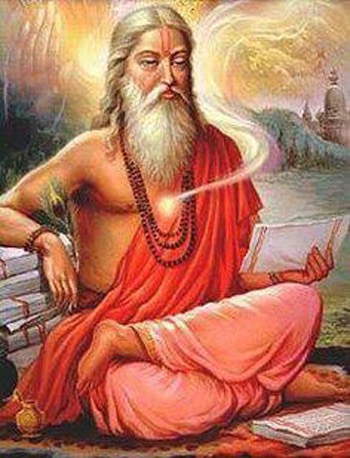
ভর্তৃহরি's বৈরাগ্য শতকম্ is the third part of the শতক-ত্রিশতি - verses that turn the mind from restless craving toward clarity and freedom. Here বৈরাগ্য is not bitterness; it is the sober strength to enjoy what is appropriate without being owned by it.
Many verses are intentionally sharp, even unsettling, because they are meant to break complacency. The poet repeatedly exposes how তৃষ্ণা (craving) disguises itself as "just one more" and keeps the mind running, and how বিবেক (discernment) begins when we see the cost of that running.
A helpful way to read these verses is to treat them as mirrors: when a line feels exaggerated, ask what habit it is trying to correct. When a line feels difficult, pause and examine what it is touching - fear, pride, status, pleasure, or the need for control. The commentary connects the verse to daily life and, when it naturally fits, to অদ্বৈত and to parallel insights found in thinkers like Schopenhauer and Jiddu Krishnamurthy.
চূডোত্তংসিতচংদ্রচারুকলিকাচংচচ্ছিখাভাস্বরো
লীলাদগ্ধবিলোলকামশলভঃ শ্রেযোদশাগ্রে স্ফুরন্ ।
অংতঃস্ফূর্জদ্অপারমোহতিমিরপ্রাগ্ভারং উচ্চাটযন্
শ্বেতঃসদ্মনি যোগিনাং বিজযতে জ্ঞানপ্রদীপো হরঃ ॥ 3.1 ॥
ছংদঃ (শার্দূলবিক্রীডিতম্): This is in শার্দূলবিক্রীডিতম্ (সম-বৃত্ত) Chandas/Meter: 4 পাদাঃ, 19 অক্ষরাঃ per পাদ; লঘু/গুরু pattern (per পাদ) is `GGGLLGL GLLLG GGLGGLG`; যতি (pause) is after the 7th and 12th syllables in each পাদ.
Meaning (পদার্থ):
চূডা - crest; topknot
উত্তংসিত - adorned with; worn as an ornament
চংদ্র - moon
চারু - beautiful; charming
কলিকা - digit; crescent
চংচত্ - trembling; flickering; moving
শিখা - crest/flame-like tuft
ভাস্বরঃ - shining; radiant
চূডোত্তংসিতচংদ্রচারুকলিকাচংচচ্ছিখাভাস্বরঃ - shining with the flickering crescent moon adorning his crest (compound)
লীলা - playfully; as a sportive act
দগ্ধ - burned
বিলোল - fluttering; restless
কাম - desire (here: Cupid)
শলভঃ - moth
লীলাদগ্ধবিলোলকামশলভঃ - he who playfully burned the fluttering moth of Desire (compound)
শ্রেযঃ - highest good; auspiciousness
দশা - state; stage
অগ্রে - at the summit/forefront
স্ফুরন্ - shining; flashing forth
অংতঃ - within
স্ফুরত্ - flashing; springing up (in verse: স্ফূর্জদ্)
অপার - boundless
মোহ - delusion
তিমির - darkness
প্রাগ্ভারঃ - dense mass; heavy load
উচ্চাটযন্ - uprooting; driving away
শ্বেতঃ - white; pure
সদ্মন্ - abode; dwelling
যোগিনাং - of yogins
বিজযতে - triumphs
জ্ঞান - knowledge
প্রদীপঃ - lamp
হরঃ - Shiva
Translation (ভাবার্থ):
Shiva, the lamp of knowledge, triumphs in the pure abode of yogins: his crest shines with the flickering crescent moon; he playfully burned the fluttering moth of desire; and he uproots the dense darkness of boundless delusion that flares up within.
Commentary (অনুসংধান):
The verse presents হরঃ not merely as a deity "out there", but as the inner light of জ্ঞান (clear knowing). The crescent on the head suggests cool lucidity, the "moth of কাম" suggests the restless mind that keeps flying toward glittering pleasures, and the "darkness of মোহ" points to confusion that rises from within. The central claim is simple: when awareness is steady, craving loses its glamour and delusion loses its grip.
In lived experience, the same pattern appears when we chase "just one more" - one more achievement, one more purchase, one more approval - and still feel unfinished. Schopenhauer observed that desire keeps the will in perpetual dissatisfaction; Jiddu Krishnamurti likewise emphasizes that when desire is watched without indulgence or suppression, its compulsive momentum weakens. This verse invites that kind of seeing: not fighting desire, but illuminating it. The GItA frames this steadiness as সমত্ব (even-mindedness): action continues, but the inner demand for guaranteed outcomes is relaxed.
Practice: when a craving rises today, pause for one minute and feel the wanting directly in the body. Ask, "What do I think this will fix in me?" and let the answer be seen quietly. You can pair the pause with the Upanishadic prayer তমসো মা জ্যোতির্গময (lead me from darkness to light): let the moment of craving become a cue to return to clarity, then choose the next action deliberately.
ভ্রাংতং দেশং অনেকদুর্গবিষমং প্রাপ্তং ন কিংচিত্ফলং
ত্যক্ত্বা জাতিকুলাভিমানং উচিতং সেবা কৃতা নিষ্ফলা ।
ভুক্তং মানবিবর্জিতং পরগৃহেষ্বাশংকযা কাকবত্
তৃষ্ণে জৃংভসি পাপকর্মপিশুনে নাদ্যাপি সংতুষ্যসি ॥ 3.2 ॥
ছংদঃ (শার্দূলবিক্রীডিতম্): This is in শার্দূলবিক্রীডিতম্ (সম-বৃত্ত) Chandas/Meter: 4 পাদাঃ, 19 অক্ষরাঃ per পাদ; লঘু/গুরু pattern (per পাদ) is `GGGLLGL GLLLG GGLGGLG`; যতি (pause) is after the 7th and 12th syllables in each পাদ.
Meaning (পদার্থ):
ভ্রাংতং - wandered; roamed
দেশং - land; region
অনেক - many
দুর্গ - difficult; hard to traverse
বিষমং - uneven; harsh
অনেকদুর্গবিষমং - many difficult and harsh (places)
প্রাপ্তং - obtained; reached
ন কিংচিত্ফলং - no fruit/result at all
ত্যক্ত্বা - having abandoned
জাতি - birth/caste
কুল - lineage
অভিমানঃ - pride
জাতিকুলাভিমানং - pride of birth and lineage
উচিতং - proper; fitting
সেবা - service
কৃতা - done
নিষ্ফলা - fruitless
ভুক্তং - eaten
মান - honor; respect
বিবর্জিতং - devoid of; lacking
মানবিবর্জিতং - without respect; without honor
পর - others'
গৃহ - house
পরগৃহেষু - in others' houses
আশংকযা - with suspicion/fear
কাকবত্ - like a crow
তৃষ্ণে - O thirst/craving
জৃংভসি - you yawn; you keep opening wider
পাপ - sinful; harmful
কর্ম - action
পিশুনা - informer; betrayer; one that "tells" (drives one into wrong acts)
পাপকর্মপিশুনে - O betrayer that leads to sinful deeds (vocative)
নাদ্যাপি - not even now
সংতুষ্যসি - are you satisfied?
Translation (ভাবার্থ):
I have wandered many harsh lands and gained no result; abandoned pride of birth and served appropriately yet fruitlessly; eaten in others' houses like a suspicious crow without honor - O craving, you keep yawning, betrayer that drives harmful deeds, and even now you are not satisfied.
Commentary (অনুসংধান):
ভর্তৃহরি speaks to craving as if it were a living tyrant. Even after exhausting travel, social humiliation, and "doing the right things" outwardly, the inner demand remains unchanged. Calling it a betrayer of sinful actions is a precise psychological claim: when craving is intense, it quietly pushes people into compromises they later regret - dishonesty, flattery, boundary-violations, and self-abandonment. Here তৃষ্ণা (craving-thirst) is the hidden engine: it grows by feeding and keeps the mind in motion; the antidote is বিবেক (discernment) maturing into বৈরাগ্য (dispassion).
This is the hedonic treadmill: the target keeps moving. In contemporary life it shows up as overworking for status, constant comparison through feeds, or treating relationships as ladders. Schopenhauer's critique of desire fits closely here: if the inner hunger is unexamined, external wins cannot fill it; they only refresh the appetite. The verse invites বিবেক (discernment) - seeing the pattern clearly, without self-justification.
Practice: define "enough" in one domain this week (money, consumption, attention, achievement) and set a concrete boundary. Replace one habit of reaching with one act of contentment: finish work at a set time, spend an evening without scrolling, or eat simply. Keep watching the mind: satisfaction grows not by getting more, but by reducing the inner demand.
উত্খাতং নিধিশংকযা ক্ষিতিতলং ধ্মাতা গিরের্ধাতবো
নিস্তীর্ণঃ সরিতাং পতির্নৃপতযো যত্নেন সংতোষিতাঃ ।
মংত্রারাধনতত্পরেণ মনসা নীতাঃ শ্মশানে নিশাঃ
প্রাপ্তঃ কাণবরাটকোঽপি ন মযা তৃষ্ণে সকামা ভব ॥ 3.3 ॥
ছংদঃ (শার্দূলবিক্রীডিতম্): This is in শার্দূলবিক্রীডিতম্ (সম-বৃত্ত) Chandas/Meter: 4 পাদাঃ, 19 অক্ষরাঃ per পাদ; লঘু/গুরু pattern (per পাদ) is `GGGLLGL GLLLG GGLGGLG`; যতি (pause) is after the 7th and 12th syllables in each পাদ.
Meaning (পদার্থ):
উত্খাতং - dug up
নিধি - treasure
শংকযা - with suspicion/hope
ক্ষিতি - earth
তলং - surface
ক্ষিতিতলং - the surface of the earth
ধ্মাতাঃ - blown; smelted
গিরেঃ - of the mountain
ধাতবঃ - ores; metals
নিস্তীর্ণঃ - crossed; passed over
সরিতাং - of rivers
পতিঃ - lord (here: the ocean)
নৃপতযাঃ - kings
যত্নেন - with effort
সংতোষিতাঃ - satisfied; pleased
মংত্র - mantra
আরাধন - worship; propitiation
তত্পরঃ - intent on; devoted to
মনসা - with the mind
নীতাঃ - spent; led through
শ্মশানে - in the cremation ground
নিশাঃ - nights
প্রাপ্তঃ - obtained
কাণবরাটকঃ - a paltry coin; a meagre gain (sandhi in verse: কাণবরাটকোঽপি = কাণবরাটকঃ + অপি)
অপি - even
ন - not
মযা - by me
তৃষ্ণে - O thirst/craving
স - with
কামা - desire; wanting
সকামা - still wanting; still desireful
ভব - be; remain
Translation (ভাবার্থ):
I dug the earth suspecting treasure, smelted mountain ores, crossed the ocean, and labored to please kings; with a mind devoted to mantra-worship I spent nights in cremation grounds - yet I did not obtain even a paltry coin. O craving, do not remain desireful.
Commentary (অনুসংধান):
The verse stacks up extreme efforts to show the range of craving: it can drive adventure, labor, ambition, and even "spiritual" austerity. Yet the reward shrinks into a mockery - a tiny coin after enormous cost. The deeper point is not about money; it is about misdirected energy: when the motive is hunger, the mind stays hungry, no matter what the outer activity looks like. Here তৃষ্ণা (craving-thirst) is the hidden engine: it grows by feeding and keeps the mind in motion; the antidote is বিবেক (discernment) maturing into বৈরাগ্য (dispassion).
In everyday life, this appears when people jump from one scheme to another: speculative bets, side hustles, networking for influence, even meditation treated as a life-hack for success. Krishnamurti repeatedly warns that the mind seeks psychological security through accumulation, but that security is not produced by possessions or by ritualized striving. The verse says: if তৃষ্ণা (craving) is the driver, the destination will not satisfy.
Practice: before starting a new pursuit, write down your real aim (service, learning, health, freedom) and ask whether the pursuit supports it or is just another chase. Simplify one area of life and reclaim time for what genuinely nourishes you. When the urge says "one more try", remember the cremation-ground image: time is finite; spend it on what actually frees the mind.
খলালাপাঃ সৌঢাঃ কথং অপি তদ্আরাধনপরৈর্নিগৃহ্যাংতর্
বাষ্পং হসিতং অপি শূন্যেন মনসা ।
কৃতো বিত্তস্তংভপ্রতিহতধিযাং অংজলিরপি
ত্বং আশে মোঘাশে কিম অপরং অতো নর্তযসি মাম্ ॥ 3.4 ॥
ছংদঃ (মাত্রা-চংদস্): This is in a মাত্রা-based Chandas/Meter (not a fixed অক্ষর-count বৃত্ত): in this verse, the written segments carry approximately 30 + 17 + 19 + 25 মাত্রাঃ (total 91); treat লঘু=1 মাত্রা and গুরু=2 মাত্রাঃ, and keep the natural pauses at the segment ends marked by `।`/`॥` (do not confuse দংড with internal যতি).
Meaning (পদার্থ):
খলালাপঃ - foolish chatter; prattle (in verse: খলালাপাঃ)
সৌঢঃ - palace; lofty mansion (in verse: সৌঢাঃ)
কথং অপি - somehow; by some means
তদ্ - that (verse join)
আরাধন - worshiping/serving (here: serving the "palace" life)
পরৈঃ - by those engaged in it
নিগৃহ্য - suppressing
অংতর্ - within
বাষ্পং - tears
হসিতং - laughter; smile
অপি - even
শূন্যেন - with empty; hollow
মনসা - mind
কৃতঃ - done; performed
বিত্ত - wealth
স্তংভঃ - arrogance; pride
প্রতিহত - blocked; impeded
ধিযঃ - minds (gen. pl.)
অংজলিঃ - salutation with folded hands
ত্বং - you
আশে - O hope/expectation
মোঘ - futile; vain
কিম অপরং - what more (is there)?
অতঃ - then; therefore
নর্তযসি - you make (me) dance
মাং - me
Translation (ভাবার্থ):
In those noisy palaces, the ones who serve them somehow suppress inner tears, and even laughter is forced by an empty mind; even salutations are offered by minds blocked by the arrogance of wealth. O vain Hope, what more is there - why do you still make me dance?
Commentary (অনুসংধান):
The verse is a candid portrait of life lived for status: noise, performance, and the inner cost of being "managed" by wealth and power. Tears are swallowed, laughter is staged, and even respectful gestures become transactions. Then the poet turns on আশা (hope/expectation): it keeps the person dancing - always waiting, chasing, pleasing, and postponing dignity for a promised payoff. Here তৃষ্ণা (craving-thirst) is the hidden engine: it grows by feeding and keeps the mind in motion; the antidote is বিবেক (discernment) maturing into বৈরাগ্য (dispassion).
This pattern is easy to recognize today: people-pleasing, status anxiety, and constant image-curation. Jiddu Krishnamurti calls this the trap of "becoming" - psychological time where the mind is always moving toward a future self and never resting in what is true now. The verse asks a hard question: what if you stop outsourcing your peace to external validation? This is the অনিত্যতা (impermanence) reflection that Sa~gkarAcArya uses to awaken বৈরাগ্য: seeing change clearly, we stop demanding permanent comfort from it.
Practice: pick one arena where you over-perform for approval. For a week, do the necessary work but drop one extra performance: stop explaining yourself, stop checking for likes, stop rehearsing speeches. Use the freed attention for quiet study, a walk, or service. The mind learns that dignity does not need an audience.
অমীষাং প্রাণানাং তুলিতবিসিনীপত্রপযসাং
কৃতে কিং নাস্মাভির্বিগলিতবিবেকৈর্ব্যবসিতম্ ।
যদ্আঢ্যানাং অগ্রে দ্রবিণমদনিঃসংজ্ঞমনসাং
কৃতং মাবব্রীডৈর্নিজগুণকথাপাতকং অপি ॥ 3.5 ॥
ছংদঃ (শিখরিনী): This is in শিখরিনী (সম-বৃত্ত) Chandas/Meter: 4 পাদাঃ, 17 অক্ষরাঃ per পাদ; লঘু/গুরু pattern (per পাদ) is `LGGGGG LLLLL GGLLLG`; যতি (pause) is after the 6th and 11th syllables in each পাদ.
Meaning (পদার্থ):
অমীষাং - of these
প্রাণানাং - lives; vital breaths
তুলিত - comparable to; like
বিসিনী - lotus (in verse: বিসিনী)
পত্র - leaf
পযস্ - water
বিসিনীপত্রপযসাং - water (drops) on lotus leaves (image of fragility)
কৃতে - for the sake of
কিং - what?
ন - not
অস্মাভিঃ - by us
বিগলিত - slipped away; fallen
বিবেকঃ - discernment
বিগলিতবিবেকৈঃ - with discernment fallen away
ব্যবসিতং - undertaken; decided; done
যদ্ - because/that (verse join)
আঢ্যানাং - of the rich
অগ্রে - before; in front
দ্রবিণ - wealth
মদঃ - intoxication; pride
দ্রবিণমদ - pride/intoxication of wealth
অনিঃসংজ্ঞ - insensible; numb
মনসাং - of minds
মা - without
অব্রীডৈঃ - without shame
নিজ - one's own
গুণ - virtues
কথা - talk; narration
পাতকং - sin; wrongdoing
নিজগুণকথাপাতকং - the "sin" of praising one's own virtues
অপি - even
Translation (ভাবার্থ):
For these fragile lives, like water on lotus leaves, what have we not done with discernment lost? For we, shameless, have even committed the "sin" of talking about our own virtues before the rich whose minds are numbed by the intoxication of wealth.
Commentary (অনুসংধান):
The image of water on a lotus leaf points to how precarious life is - one gust and it slides away. Yet, with বিবেক (discernment) weakened, people do many humiliating things to protect comfort and continuation. The poet then names an even subtler fall: in front of those intoxicated by wealth, we begin advertising ourselves, praising our own virtues, and bargaining for favor. Here তৃষ্ণা (craving-thirst) is the hidden engine: it grows by feeding and keeps the mind in motion; the antidote is বিবেক (discernment) maturing into বৈরাগ্য (dispassion).
In contemporary life, this is the pressure of self-branding: exaggerating achievements, flattering gatekeepers, bending principles to be accepted. Schopenhauer would call it the will's servitude: wherever it imagines satisfaction, it bows. The verse is a call to self-respect - do not sell inner truth for outer reward. The GItA frames this steadiness as সমত্ব (even-mindedness): action continues, but the inner demand for guaranteed outcomes is relaxed.
Practice: notice where you feel compelled to impress. Replace one act of boasting with one act of competence done quietly and well. If you must present yourself (interviews, proposals), keep it factual and restrained. Let your work speak, and let your mind remain free of the need to be "seen".
ক্ষাংতং ন ক্ষমযা গৃহোচিতসুখং ত্যক্তং ন সংতোষতঃ
সোঢো দুঃসহশীততাপপবনক্লেশো ন তপ্তং তপঃ ।
ধ্যাতং বিত্তং অহর্নিশং নিত্যমিতপ্রাণৈর্ন শংভোঃ পদং
তত্তত্কর্ম কৃতং যদেব মুনিভিস্তৈস্তৈঃ ফলৈর্বংচিতাঃ ॥ 3.6 ॥
ছংদঃ (শার্দূলবিক্রীডিতম্): This is in শার্দূলবিক্রীডিতম্ (সম-বৃত্ত) Chandas/Meter: 4 পাদাঃ, 19 অক্ষরাঃ per পাদ; লঘু/গুরু pattern (per পাদ) is `GGGLLGL GLLLG GGLGGLG`; যতি (pause) is after the 7th and 12th syllables in each পাদ.
Meaning (পদার্থ):
ক্ষাংতং - endured; borne
ন - not
ক্ষমযা - by forgiveness/patience
গৃহ - householder life
উচিত - fitting; proper
সুখং - comfort
গৃহোচিতসুখং - comforts appropriate to householder life
ত্যক্তং - abandoned
ন - not
সংতোষতঃ - through contentment
সোঢঃ - endured; borne
দুঃসহ - hard to bear
শীত - cold
তাপ - heat
পবন - wind
ক্লেশঃ - hardship
তপঃ - austerity
ন তপ্তং - not practiced/"heated" fully
ধ্যাতং - meditated on
বিত্তং - wealth
অহর্নিশং - day and night
নিত্যম্ - always
ইত - measured
প্রাণৈঃ - with (limited) breath/life
ন - not
শংভোঃ - of Shiva
পদং - feet; state; goal
তত্তত্ - this and that
কর্ম - actions
কৃতং - done
মুনিভিঃ - by sages
তৈঃ তৈঃ - by those and those
ফলৈঃ - fruits/results
বংচিতাঃ - cheated; deprived
Translation (ভাবার্থ):
We did not truly cultivate forgiveness; we did not abandon even ordinary comforts through contentment; we endured cold, heat, wind, and hardship, yet did not practice real austerity; we meditated on wealth day and night with our limited life-breaths, not on Shiva's feet. Thus the sages who did such works were "cheated" by the very fruits they gained.
Commentary (অনুসংধান):
The verse is a review of misdirected life: one can tolerate hardship, but still not develop inner patience; one can speak of renunciation, but still cling to comfort; one can "work hard", yet aim that work at wealth rather than at freedom. "Cheated by fruits" means: effort did produce outcomes, but those outcomes did not deliver the lasting peace that was implicitly sought. Seen through বিবেক (discernment), this is an invitation to let বৈরাগ্য (dispassion) arise from understanding, not from bitterness.
This is a warning against intensity without orientation. People can spend decades optimizing comfort or chasing money and still feel spiritually barren. It is also a critique of spiritual practice done for ego, display, or reward: if the mind keeps clinging to objects, it does not rest in the আত্ম (Self). In অদ্বৈত, the final aim is not a new possession, but release from the need to possess.
Practice: choose one daily action that clearly reduces craving and increases clarity - a short meditation, simple eating, truthful speech, or service without applause. Do it consistently. The verse says: effort matters, but direction matters more; aim your energy at what actually frees the mind.
ভোগা ন ভুক্তা বযং এব ভুক্তাস্
তপো ন তপ্তং বযং এব তপ্তাঃ ।
কালো ন যাতো বযং এব যাতাস্তৃষ্ণা
ন জীর্ণা বযং এব জীর্ণাঃ ॥ 3.7 ॥
ছংদঃ (ইংদ্রবজ্রা): This is in ইংদ্রবজ্রা (সম-বৃত্ত) Chandas/Meter: 4 পাদাঃ, 11 অক্ষরাঃ per পাদ; লঘু/গুরু pattern (per পাদ) is `GGLGGLLGLGG`.
Meaning (পদার্থ):
ভোগাঃ - pleasures; enjoyments
ন - not
ভুক্তাঃ - enjoyed (by us)
বযং - we
এব - indeed
ভুক্তাঃ - were enjoyed/consumed
তপঃ - austerity
ন - not
তপ্তং - practiced/"heated"
বযং - we
এব - indeed
তপ্তাঃ - were burned
কালঃ - time
ন - not
যাতঃ - went/passed
বযং - we
এব - indeed
যাতাঃ - went/passed away
তৃষ্ণা - thirst; craving
ন - not
জীর্ণা - worn out; aged
বযং - we
এব - indeed
জীর্ণাঃ - became aged
Translation (ভাবার্থ):
We did not enjoy pleasures; pleasures consumed us. We did not practice austerity; hardship burned us. Time did not pass; we passed away. Craving did not grow old; we grew old.
Commentary (অনুসংধান):
This is ভর্তৃহরি's famous reversal: the mind believes it is the master of enjoyment, but often it is the object that masters the mind. "Pleasures consumed us" means our attention, energy, and dignity were eaten up by chasing stimulation. "Time did not pass; we passed" means life is not a resource we own; it is what is being spent. Here তৃষ্ণা (craving-thirst) is the hidden engine: it grows by feeding and keeps the mind in motion; the antidote is বিবেক (discernment) maturing into বৈরাগ্য (dispassion).
In contemporary life, this is the feeling of being used by habits: addiction loops, compulsive productivity, endless entertainment. Schopenhauer's insight is relevant: desire is a perpetual lack, so the object seems to promise completion but the structure of craving renews itself. Krishnamurti adds that when you see the movement of craving directly, without justifying it, the spell weakens - not by force, but by understanding. The GItA frames this steadiness as সমত্ব (even-mindedness): action continues, but the inner demand for guaranteed outcomes is relaxed.
Practice: pick one habit where you feel "used" (phone, sugar, approval). For a week, insert a small pause before the impulse and do something simple but opposite: drink water, breathe, stand up, or delay by five minutes. Each pause restores agency. বৈরাগ্য begins as repeated small acts of freedom.
বলিভির্মুখং আক্রাংতং পলিতেনাংকিতং শিরঃ ।
গাত্রাণি শিথিলাযংতে তৃষ্ণৈকা তরুণাযতে ॥ 3.8 ॥
ছংদঃ (অনুষ্টুভ্): This is in অনুষ্টুভ্ (শ্লোক) Chandas/Meter: 4 পাদাঃ, 8 অক্ষরাঃ per পাদ (32 total; commonly written/recited as two 16-syllable half-verses separated by `।`); পথ্যা cadence often ends as pAda 1/3 = `x x x x L G x G`, pAda 2/4 = `x x x x L G L G`; a common যতি (pause) is after the 4th or 5th syllable in each পাদ (separate from the natural pauses at `।` and `॥`). লক্ষণ শ্লোক: শ্লোকে ষষ্ঠং গুরু জ্ঞেযং সর্বত্র লঘুপংচমম্ । দ্বিচতুষ্পাদযোঃ হ্রস্বং সপ্তমং দীর্ঘমন্যযোঃ ॥ - this mnemonic says the 6th syllable is গুরু and the 5th is লঘু in all পাদাঃ; the 7th is লঘু in pAda 2/4 and গুরু in pAda 1/3.
Meaning (পদার্থ):
বলিভিঃ - by weakness; by loss of strength (lit. "by forces" pressing down)
মুখং - face
আক্রাংতং - overpowered; seized
পলিতেন - by grey hair
অংকিতং - marked
শিরঃ - head
গাত্রাণি - limbs
শিথিলাযংতে - become loose; slacken
তৃষ্ণা - craving; thirst
একা - alone
তরুণাযতে - remains young; becomes youthful
Translation (ভাবার্থ):
The face is overpowered by weakness, the head is marked by grey hair, and the limbs slacken; only craving remains young.
Commentary (অনুসংধান):
The verse makes a stark observation about aging: the body visibly declines, but the inner demand of wanting refuses to decline. Many people expect time itself to cure craving; ভর্তৃহরি says time only weakens the instruments, not the appetite. If the mind is not trained, desire outlives strength. Here তৃষ্ণা (craving-thirst) is the hidden engine: it grows by feeding and keeps the mind in motion; the antidote is বিবেক (discernment) maturing into বৈরাগ্য (dispassion).
This is easy to see today when people chase the same thrills even when health suffers: overwork, late-night scrolling, compulsive consumption, or repeated relationship patterns. The verse is not condemning pleasure; it is exposing compulsion. তৃষ্ণা (craving) is not solved by age; it is solved by বিবেক (clear discernment).
Practice: reflect on one desire that keeps repeating. Ask whether it actually brings lasting well-being or just temporary relief. Then choose one "elder" value to honor this week: simplicity, health, relationships, or inner quiet. Let actions respect the body's limits instead of fighting them.
বিবেকব্যাকোশে বিদধতি সমে শাম্যতি তৃষা
পরিষ্বংগে তুংগে প্রসরতিতরাং সা পরিণতা ।
জরাজীর্ণৈশ্বর্যগ্রসনগহনাক্ষেপকৃপণস্তৃষাপাত্রং
যস্যাং ভবতি মরুতাং অপ্যধিপতিঃ ॥ 3.8.1 ॥
ছংদঃ (শিখরিনী): This is in শিখরিনী (সম-বৃত্ত) Chandas/Meter: 4 পাদাঃ, 17 অক্ষরাঃ per পাদ; লঘু/গুরু pattern (per পাদ) is `LGGGGG LLLLL GGLLLG`; যতি (pause) is after the 6th and 11th syllables in each পাদ.
Meaning (পদার্থ):
বিবেক - discernment
ব্যাকোশঃ - open space; wide expanse
বিবেকব্যাকোশে - in the wide expanse of discernment
বিদধতি - it becomes; it takes on (a state)
সমে - calm; even
শাম্যতি - becomes quiet; subsides
তৃষা - thirst; craving
পরিষ্বংগঃ - embrace
তুংগঃ - lofty; intense
পরিষ্বংগে তুংগে - in a lofty/intense embrace
প্রসরতিতরাং - spreads even more
সা - that (craving)
পরিণতা - transformed; grown
জরা - old age
জীর্ণ - worn out
ঐশ্বর্য - power; wealth; lordship
গ্রসন - swallowing; devouring
গহন - dense; hard to escape
আক্ষেপঃ - distraction; disturbance
কৃপণঃ - miserly; petty-minded
তৃষা - craving
পাত্রং - vessel; receptacle
যস্যাং - in which case; for whom
ভবতি - becomes
মরুতাং - of the gods ("Maruts" as a collective)
অপি - even
অধিপতিঃ - lord (i.e., Indra)
Translation (ভাবার্থ):
In the wide expanse of discernment, craving becomes calm; but in an intense embrace it spreads even more. Ensnared in the dense distractions of old age and power, even the lord of the gods can become a mere vessel of thirst.
Commentary (অনুসংধান):
This verse contrasts two environments for the mind. In the open sky of বিবেক (discernment), craving quiets down because the mind sees clearly and is not pressed by stimulation. But in the intensity of close sensual contact, craving multiplies because imagination, memory, and anticipation all get fed. Then the poet adds a warning: power and wealth do not protect; they can actually amplify distraction, so even the "lord" can become a receptacle of thirst. Here তৃষ্ণা (craving-thirst) is the hidden engine: it grows by feeding and keeps the mind in motion; the antidote is বিবেক (discernment) maturing into বৈরাগ্য (dispassion).
In daily living, this is why discernment feels easy in calm moments and hard in high-arousal moments. Decisions made inside excitement often over-promise and under-deliver. Krishnamurti's point is relevant: desire gains strength through images and projections; when the mind stops feeding images, desire becomes simple and manageable. The verse is asking for that inner space even in the middle of life. This is the অনিত্যতা (impermanence) reflection that Sa~gkarAcArya uses to awaken বৈরাগ্য: seeing change clearly, we stop demanding permanent comfort from it.
Practice: decide your boundaries and values in a calm hour, not in the heat of attraction or anger. When you feel pulled, step back and create a little "sky": a walk, a breath, a delay, a honest conversation. Let closeness be guided by clarity and consent, not by compulsion. That is বৈরাগ্য as maturity, not as denial.
নিবৃত্তা ভোগেচ্ছা পুরুষবহুমানোঽপি গলিতঃ
সমানাঃ স্বর্যাতাঃ সপদি সুহৃদো জীবিতসমাঃ ।
শনৈর্যষ্ট্যুত্থানং ঘনতিমিররুদ্ধে চ নযনে
অহো মূঢঃ কাযস্তদপি মরণাপাযচকিতঃ ॥ 3.9 ॥
ছংদঃ (শিখরিনী): This is in শিখরিনী (সম-বৃত্ত) Chandas/Meter: 4 পাদাঃ, 17 অক্ষরাঃ per পাদ; লঘু/গুরু pattern (per পাদ) is `LGGGGG LLLLL GGLLLG`; যতি (pause) is after the 6th and 11th syllables in each পাদ.
Meaning (পদার্থ):
নিবৃত্তা - has ceased; has turned away
ভোগ - pleasure
ইচ্ছা - desire
ভোগেচ্ছা - desire for pleasure
পুরুষ - person
বহুমানঃ - self-respect; pride; honor
অপি - even
গলিতঃ - slipped away; fallen
সমানাঃ - equal; alike
স্বর্যাতাঃ - have gone to heaven; have passed away
সুহৃদঃ - friends
জীবিত - life
সমাঃ - equal to; like
শনঈঃ - slowly
যষ্টি - staff
উত্থানং - getting up
ঘন - dense
তিমির - darkness
রুদ্ধে - obstructed; blocked
নযনে - in the eyes
অহো - alas!
মূঢঃ - foolish
কাযঃ - body
তদপি - even then
মরণ - death
আপায - danger; calamity
চকিতঃ - frightened
Translation (ভাবার্থ):
Desire for pleasure has ceased, and even self-respect has slipped away; friends, equal to life itself, have departed. Rising now requires a staff, and the eyes are blocked by thick darkness - alas, the foolish body is still frightened of the danger of death.
Commentary (অনুসংধান):
The verse is a sober inventory of old age: pleasures no longer attract, pride no longer stands, friends are gone, eyesight dims, the body needs support. Yet fear of death remains. The irony is sharp: the body is called মূঢঃ (foolish) because it clings to life even when the usual reasons for clinging have already faded. Here তৃষ্ণা (craving-thirst) is the hidden engine: it grows by feeding and keeps the mind in motion; the antidote is বিবেক (discernment) maturing into বৈরাগ্য (dispassion).
In modern terms, this points to how fear can survive even after the "content" of life changes. People keep worrying about status after retirement, keep chasing validation after friendships thin out, keep fearing loss even when there is little left to lose. বৈরাগ্য is not coldness; it is meeting reality early, so fear does not ambush you late.
Practice: do a small "death rehearsal" in a healthy way: imagine losing one attachment (a role, a possession, an image) and notice that awareness still remains. If this feels heavy, keep it gentle and short. The goal is not morbidity; it is courage - training the mind to rest in what is stable, so fear becomes smaller.
আশা নাম নদী মনোরথজলা তৃষ্ণাতরংগাকুলা
রাগগ্রাহবতী বিতর্কবিহগা ধৈর্যদ্রুমধ্বংসিনী ।
মোহাবর্তসুদুস্তরাতিগহনা প্রোত্তুংগচিংতাতটী
তস্যাঃ পরগতা বিশুদ্ধং অলসো নংদংতি যোগীশ্বরাঃ ॥ 3.10 ॥
ছংদঃ (শার্দূলবিক্রীডিতম্): This is in শার্দূলবিক্রীডিতম্ (সম-বৃত্ত) Chandas/Meter: 4 পাদাঃ, 19 অক্ষরাঃ per পাদ; লঘু/গুরু pattern (per পাদ) is `GGGLLGL GLLLG GGLGGLG`; যতি (pause) is after the 7th and 12th syllables in each পাদ.
Meaning (পদার্থ):
আশা - hope; expectation
নাম - called; indeed
নদী - river
মনোরথ - imagination; wish
জলা - water (f.)
মনোরথজলা - whose water is imagination/wish
তৃষ্ণা - craving
তরংগ - waves
আকুলা - turbulent; full of
রাগ - attachment; passion
গ্রাহঃ - crocodile
বতী - possessing
রাগগ্রাহবতী - having crocodiles of attachment
বিতর্ক - thoughts; doubts; argumentation
বিহগঃ - bird
বিতর্কবিহগাঃ - birds of restless thoughts
ধৈর্য - steadiness; courage
দ্রুমঃ - tree
ধ্বংসনী - destroying
ধৈর্যদ্রুমধ্বংসিনী - destroyer of the tree of steadiness
মোহ - delusion
আবর্তঃ - whirlpool
সু - very
দুস্তর - hard to cross
অতি - extremely
গহনা - deep; dense
মোহাবর্তসুদুস্তরাতিগহনা - extremely deep and hard-to-cross whirlpool of delusion (compound)
প্রোত্তুংগ - very lofty
চিংতা - worry
তটী - bank
প্রোত্তুংগচিংতাতটী - with high banks of worry
তস্যাঃ - having crossed beyond it; for those who have gone beyond it
পরগতাঃ - crossed over; gone beyond
বিশুদ্ধং - pure; clear
অলসাঃ - effortless; relaxed; free from strain
নংদংতি - rejoice
যোগীশ্বরাঃ - great yogins
Translation (ভাবার্থ):
Hope is a river whose water is imagination, turbulent with waves of craving; it has crocodiles of attachment, birds of restless thoughts, and it destroys the tree of steadiness. It is a terribly deep whirlpool of delusion with high banks of worry. Those who have crossed beyond it - the great yogins - rejoice in effortless purity.
Commentary (অনুসংধান):
This is one of the most vivid diagnoses of the inner life: আশা (hope/expectation) looks innocent, but when mixed with তৃষ্ণা (craving) it becomes a dangerous river. Imagination becomes "water", attachment becomes "crocodiles", thoughts become "birds", and worry becomes the high banks that keep you trapped in the same channel. The yogin is defined simply as the one who has crossed this river and can rest without strain.
In daily life, this is the mind that lives in projections: "When I get that, I will finally be okay." Schopenhauer calls this the structure of suffering in desire; Krishnamurti points out that psychological time - the future as a promise - is a subtle escape from the present. The verse does not ask you to kill hope; it asks you to see when hope has become a cage. The GItA frames this steadiness as সমত্ব (even-mindedness): action continues, but the inner demand for guaranteed outcomes is relaxed.
Practice: each time you notice anxious imagining, label it gently as "river-water" and return to one concrete present action. Do one small duty fully: one email, one call, one meal, one breath. Over time, this weakens চিংতা (worry) and strengthens ধৈর্য (steadiness). Crossing the river begins with coming back to "now" again and again.
ন সংসারোত্পন্নং চরিতং অনুপশ্যামি কুশলং
বিপাকঃ পুণ্যানাং জনযতি ভযং মে বিমৃশতঃ ।
মহদ্ভিঃ পুণ্যৌঘৈশ্চিরপরিগৃহীতাশ্চ বিষযা
মহাংতো জাযংতে ব্যসনং ইব দাতুং বিষযিণাম্ ॥ 3.11 ॥
ছংদঃ (শিখরিনী): This is in শিখরিনী (সম-বৃত্ত) Chandas/Meter: 4 পাদাঃ, 17 অক্ষরাঃ per পাদ; লঘু/গুরু pattern (per পাদ) is `LGGGGG LLLLL GGLLLG`; যতি (pause) is after the 6th and 11th syllables in each পাদ.
Meaning (পদার্থ):
ন - not
সংসার - worldly life; the cycle of becoming
উত্পন্নং - arisen from; born of
সংসারোত্পন্নং - born of worldly life
চরিতং - conduct; way of living
অনুপশ্যামি - I observe; I see
কুশলং - wholesome; auspicious; truly beneficial
বিপাকঃ - ripening; fruit; result
পুণ্যানাং - of merits; of good deeds
জনযতি - produces; gives rise to
ভযং - fear
মে - to me; in me
বিমৃশতঃ - when reflecting; on careful consideration
মহদ্ভিঃ - by great; by large
পুণ্যৌঘৈঃ - by floods/masses of merit
চির - long (time)
পরিগৃহীতাঃ - acquired; obtained; held
চ - and
বিষযাঃ - sense objects; enjoyments
মহাংতঃ - great
জাযংতে - arise; become
ব্যসনং - calamity; misfortune; addiction-like trouble
ইব - as if
দাতুং - to give
বিষযিণাং - for those who indulge in objects; for sense-enjoyers
Translation (ভাবার্থ):
I do not see any truly safe conduct that is born of worldly life; when I reflect, even the fruits of merit produce fear in me. Sense objects obtained through great accumulated merit often become great misfortunes for those who indulge in them.
Commentary (অনুসংধান):
The verse says: there is no "safe" arrangement inside সংসার (worldly becoming). Even পুণ্য (merit) can mature into anxiety because it brings attractive objects, and attractive objects awaken attachment. What looks like a reward can become a trap: the more you have, the more you fear losing; the more you enjoy, the more you must maintain.
In contemporary terms, success often increases stress: larger responsibilities, a reputation to defend, lifestyle inflation, relationships colored by money, and the quiet fear of falling. This is why বৈরাগ্য is not negativity; it is protection. It does not say "do not do good"; it says "do not bind your peace to outcomes".
Practice: keep doing good work, but regularly train non-attachment. Choose one "result" you are clinging to and loosen it: share credit, simplify a possession, or accept a smaller win without complaint. The mind learns that security does not come from holding more, but from needing less.
অবশ্যং যাতারশ্চিরতরং উষিত্বাপি বিষযা
বিযোগে কো ভেদস্ত্যজতি ন জনো যত্স্বযং অমূন্ ।
ব্রজংতঃ স্বাতংত্র্যাদতুলপরিতাপায মনসঃ
স্বযং ত্যক্তা হ্যেতে শমসুখং অনংতং বিদধতি ॥ 3.12 ॥
ছংদঃ (শিখরিনী): This is in শিখরিনী (সম-বৃত্ত) Chandas/Meter: 4 পাদাঃ, 17 অক্ষরাঃ per পাদ; লঘু/গুরু pattern (per পাদ) is `LGGGGG LLLLL GGLLLG`; যতি (pause) is after the 6th and 11th syllables in each পাদ.
Meaning (পদার্থ):
অবশ্যং - inevitably; certainly
যাতারঃ - those that will go away; those that depart
চিরতরং - for a long time
উষিত্বা - having stayed
অপি - even
বিষযাঃ - sense objects; enjoyments
বিযোগে - in separation
কঃ - what?
ভেদঃ - difference
ত্যজতি - gives up; abandons
ন - not
জনঃ - a person
যত্ - because
স্বযং - oneself
অমূন্ - these (objects)
ব্রজংতঃ - going away
স্বাতংত্র্যাত্ - by their own independence
অতুল - incomparable
পরিতাপায - for torment; for burning distress
মনসঃ - for the mind
স্বযং - by oneself
ত্যক্তাঃ - abandoned
হি - indeed
এতে - these (objects)
শম - calm; peace
সুখং - happiness
অনংতং - endless
বিদধতি - bestow; produce
Translation (ভাবার্থ):
Sense objects will inevitably depart, even if they stay a long time; in separation, what difference is there between a person giving them up and them giving up the person? When they depart of their own will they bring incomparable torment to the mind, but when one renounces them willingly they bestow endless peace.
Commentary (অনুসংধান):
The verse makes a subtle distinction: loss and renunciation look similar externally, but they feel completely different internally. When the object leaves on its own terms, the mind burns with helplessness; when the mind releases the object by choice, the mind tastes freedom. The same event can be suffering or relief depending on who is holding whom. Here তৃষ্ণা (craving-thirst) is the hidden engine: it grows by feeding and keeps the mind in motion; the antidote is বিবেক (discernment) maturing into বৈরাগ্য (dispassion).
This is deeply practical today. Jobs, roles, people, and health eventually change; if identity is glued to them, change feels like injury. If attachment is loosened early, change becomes a transition. The ঈশ উপনিষত্ captures this spirit in one line: ত্যক্তেন ভুঞীথাঃ - enjoy through renunciation; the joy is real when possession is not demanded.
Practice: pick one object of attachment and rehearse letting go in a small way. Give away one item, share one privilege, or accept one "no" without bargaining. Each deliberate release strengthens the mind's capacity for peace, so that inevitable change hurts less.
ব্রহ্মজ্ঞানবিবেকনির্মলধিযঃ কুর্বংত্যহো দুষ্করং
যন্মুংচংত্যুপভোগভাংজ্যপি ধনান্যেকাংততো নিঃস্পৃহাঃ ।
সংপ্রাতান্ন পুরা ন সংপ্রতি ন চ প্রাপ্তৌ দৃঢপ্রত্যযান্
বাংছামাত্রপরিগ্রহানপি পরং ত্যক্তুং ন শক্তা বযম্ ॥ 3.13 ॥
ছংদঃ (শার্দূলবিক্রীডিতম্): This is in শার্দূলবিক্রীডিতম্ (সম-বৃত্ত) Chandas/Meter: 4 পাদাঃ, 19 অক্ষরাঃ per পাদ; লঘু/গুরু pattern (per পাদ) is `GGGLLGL GLLLG GGLGGLG`; যতি (pause) is after the 7th and 12th syllables in each পাদ.
Meaning (পদার্থ):
ব্রহ্ম - the Absolute; Brahman
জ্ঞান - knowledge
বিবেক - discernment
নির্মল - pure; spotless
ধিযঃ - minds (gen. pl.)
ব্রহ্মজ্ঞানবিবেকনির্মলধিযঃ - those whose minds are purified by Brahman-knowledge and discernment
কুর্বংতি - do; perform
অহো - ah! indeed (wonder/exclamation)
দুষ্করং - difficult (thing)
যত্ - that which; because
মুংচংতি - abandon; let go
উপভোগ - enjoyment
ভাঞ্ - granting; bringing about (in verse compound)
ধনানি - wealth; possessions
একাংততঃ - completely; entirely
নিঃস্পৃহাঃ - without craving; without desire
সংপ্রাত্ - now; at present
ন - not
পুরা - before; formerly
ন সংপ্রতি - not now
ন চ - nor
প্রাপ্তৌ - in attainment; in the (final) getting
দৃঢ - firm
প্রত্যযান্ - convictions; settled faith (acc. pl.)
বাংছা - wish; longing
মাত্র - mere; only
পরিগ্রহান্ - graspings; acquisitions; possessions
অপি - even
পরং - completely; at all
ত্যক্তুং - to abandon
ন শক্তাঃ - are not able
বযং - we
Translation (ভাবার্থ):
How difficult a thing those with minds purified by Brahman-knowledge and discernment accomplish: with complete dispassion they utterly abandon wealth that enables enjoyment. But we, lacking firm conviction in past, present, or final attainment, cannot give up even mere wish-driven grasping.
Commentary (অনুসংধান):
The verse honors a high level of dispassion: letting go not because you lost, but because you are free. Such a person does not hate wealth; they simply do not need it for inner stability. Then the poet turns the mirror on us: our problem is not lack of possessions, but lack of conviction - we do not truly trust what we claim to value, so we keep clinging. Seen through বিবেক (discernment), this is an invitation to let বৈরাগ্য (dispassion) arise from understanding, not from bitterness.
In modern life, this is the gap between ideals and habits. We may say we want peace, but we still feed the same comparison and accumulation. Schopenhauer would say: the will keeps grasping because it has not seen its own futility clearly enough. The verse says: বিবেক must become real, not rhetorical.
Practice: do not try to renounce everything at once. Choose one small "wish-based grasping" (an impulse buy, a status display, a compulsive check) and drop it for a month. Replace it with something that builds inner confidence: study, skill, service, meditation. Dispassion grows when the mind experiences a deeper satisfaction.
ধন্যানাং গিরিকংদরেষু বসতাং জ্যোতিঃ পরং ধ্যাযতামানংদাশ্রু
জলং পিবংতি শকুনা নিঃশংকং অংকেশযাঃ ।
অস্মাকং তু মনোরথোপরচিতপ্রাসাদবাপীতটক্রীডা
কাননকেলিকৌতুকজুষাং আযুঃ পরং ক্ষীযতে ॥ 3.14 ॥
ছংদঃ (শার্দূলবিক্রীডিতম্): This is in শার্দূলবিক্রীডিতম্ (সম-বৃত্ত) Chandas/Meter: 4 পাদাঃ, 19 অক্ষরাঃ per পাদ; লঘু/গুরু pattern (per পাদ) is `GGGLLGL GLLLG GGLGGLG`; যতি (pause) is after the 7th and 12th syllables in each পাদ.
Meaning (পদার্থ):
ধন্যানাং - of the blessed; of the fortunate
গিরি - mountain
কংদর - cave
গিরিকংদরেষু - in mountain caves
বসতাং - living; dwelling
জ্যোতিঃ - light
পরং - supreme
ধ্যাযতাং - of those meditating on
আনংদ - bliss
আশ্রু - tears
জলং - water
পিবংতি - drink
শকুনাঃ - birds
নিঃশংকং - fearlessly; without suspicion
অংকেশযাঃ - sitting on the lap (those seated on the lap)
অস্মাকং - of us
তু - but
মনোরথ - imagination; wish
উপরচিত - constructed; built
প্রাসাদ - palace
বাপী - pond; tank
তট - bank
ক্রীডা - play; sport
কানন - grove; pleasure-forest
কেলি - amusement; play
কৌতুক - delight; curiosity
জুষাং - of those who indulge in
আযুঃ - life
পরং - greatly
ক্ষীযতে - is worn away; is wasted
Translation (ভাবার্থ):
Blessed are those who live in mountain caves meditating on the supreme light: birds perched on their laps drink the water of their tears of bliss without fear. But our lives are worn away in pleasures of imagination - playing at the banks of palace-ponds and in pleasure-groves built by wishful thoughts.
Commentary (অনুসংধান):
The verse contrasts two kinds of "worlds". One is simple and real: a yogin in a cave, meditating on the পরং জ্যোতিঃ (supreme light), so full of peace that even birds trust him and drink his tears of bliss. The other is elaborate but unreal: palaces and pleasure-groves built by imagination, where life gets consumed in fantasy and entertainment. Here তৃষ্ণা (craving-thirst) is the hidden engine: it grows by feeding and keeps the mind in motion; the antidote is বিবেক (discernment) maturing into বৈরাগ্য (dispassion).
This is strikingly modern. Many people do not live in caves, but live in mental palaces: endless scenarios, worries, and curated pleasures. The mind can spend more time "living" inside screens and projections than inside reality. Krishnamurti's warning about living in images applies directly: the image-world feels rich, but it drains life. The GItA frames this steadiness as সমত্ব (even-mindedness): action continues, but the inner demand for guaranteed outcomes is relaxed.
Practice: reduce one stream of imagination-fuel this week (doom-scrolling, gossip, over-planning). Use that time for one direct, grounding act: sit quietly, walk, read a few pages of a scripture, or serve someone. The verse says: the supreme light is accessed through simplicity and attention, not through ever-more stimulation.
ভিক্ষাশতং তদপি নীরসং একবারং
শয্যা চ ভূঃ পরিজনো নিজদেহমাত্রম্ ।
বস্ত্রং বিশীর্ণশতখংডমযী চ কংথা
হা হা তথাপি বিষযা ন পরিত্যজংতি ॥ 3.15 ॥
ছংদঃ (বসংততিলকা): This is in বসংততিলকা (সম-বৃত্ত) Chandas/Meter: 4 পাদাঃ, 14 অক্ষরাঃ per পাদ; লঘু/গুরু pattern (per পাদ) is `GGLGLLLGLLGLGG`.
Meaning (পদার্থ):
ভিক্ষা - alms
শতং - a hundred (i.e., many)
তদপি - even that
নীরসং - tasteless; without relish
একবারং - once (a day)
শয্যা - bed
চ - and
ভূঃ - earth
পরিজনঃ - attendants; companions
নিজ - one's own
দেহ - body
মাত্রং - only
নিজদেহমাত্রং - one's own body alone
বস্ত্রং - clothing
বিশীর্ণ - torn; worn out
শত - hundred
খংড - pieces
শতখংডমযী - made of a hundred pieces
কংথা - a rag; patched cloth
হা হা - alas! alas!
তথাপি - even then
বিষযাঃ - sense objects; cravings
ন - not
পরিত্যজংতি - abandon; give up
Translation (ভাবার্থ):
Even if one lives on tasteless alms once a day, sleeps on the earth with no companion but one's own body, and wears only a rag made of a hundred torn patches - alas, even then the cravings for sense objects do not leave.
Commentary (অনুসংধান):
The verse points to a hard fact: desire is not only about external comfort. Even when life is reduced to bare minimum, the mind can continue to crave. This is why বৈরাগ্য is not merely changing lifestyle; it is changing the inner relationship to wanting. Here তৃষ্ণা (craving-thirst) is the hidden engine: it grows by feeding and keeps the mind in motion; the antidote is বিবেক (discernment) maturing into বৈরাগ্য (dispassion).
In modern life, you can see this when people simplify externally but keep scrolling endlessly, or when a person leaves one addiction and immediately substitutes another. Krishnamurti's insight is relevant: desire is sustained by thought and image; if images keep running, desire keeps returning. The external change is helpful, but the root is inward. The GItA frames this steadiness as সমত্ব (even-mindedness): action continues, but the inner demand for guaranteed outcomes is relaxed.
Practice: instead of fighting desire, observe it. When a craving arises, notice the image it brings and the promise it makes. Let the image be seen and pass without acting on it immediately. Repeated "seeing without obeying" is the beginning of inner freedom.
স্তনৌ মাংসগ্রংথী কনককলশাবিত্যুপমিতী
মুখং শ্লেষ্মাগারং তদপি চ শশাংকেন তুলিতম্ ।
স্রবন্মূত্রক্লিন্নং করিবরশিরস্পর্ধি জঘনং
মুহুর্নিংদ্যং রূপং কবিজনবিশেষৈর্গুরুকৃতম্ ॥ 3.16 ॥
ছংদঃ (শিখরিনী): This is in শিখরিনী (সম-বৃত্ত) Chandas/Meter: 4 পাদাঃ, 17 অক্ষরাঃ per পাদ; লঘু/গুরু pattern (per পাদ) is `LGGGGG LLLLL GGLLLG`; যতি (pause) is after the 6th and 11th syllables in each পাদ.
Meaning (পদার্থ):
স্তনৌ - breasts (dual)
মাংস - flesh
গ্রংথী - knot; lump
মাংসগ্রংথী - mere knots of flesh
কনক - gold
কলশঃ - pot; pitcher
ইব - like (in verse join)
উপমিতী - compared
মুখং - face
শ্লেষ্ম - phlegm
আগারং - house
শ্লেষ্মাগারং - a house of phlegm
তদপি - even that
শশাংকেন - with the moon
তুলিতং - compared
স্রবত্ - flowing
মূত্র - urine
ক্লিন্নং - wet; soaked
করিবর - great elephant
শিরসঃ - of the head
স্পর্ধি - rivaling
জঘনং - hips/buttocks
মুহুঃ - again and again
নিংদ্যং - contemptible; blameworthy
রূপং - form; body
কবিজন - poets
বিশেষৈঃ - by the prominent/expert ones
গুরু - heavy; great
কৃতং - made; fashioned (as in praise)
Translation (ভাবার্থ):
Breasts are mere knots of flesh, yet compared to golden pots; the face is a house of phlegm, yet compared to the moon; the hips are soaked with flowing urine, yet rival an elephant's brow. Again and again this contemptible body is made "great" by poets.
Commentary (অনুসংধান):
This verse is a deliberate shock meant to puncture romantic illusion. ভর্তৃহরি is not denying beauty; he is exposing the mind's habit of covering a perishable body with poetic fantasy and then becoming enslaved by its own fantasy. By naming what the body actually is, he forces the reader to separate perception from projection. Here তৃষ্ণা (craving-thirst) is the hidden engine: it grows by feeding and keeps the mind in motion; the antidote is বিবেক (discernment) maturing into বৈরাগ্য (dispassion).
In daily life, this shows up when attraction blinds judgment: red flags get painted over, boundaries get crossed, and people confuse chemistry with character. আদি শংকরাচার্য makes a similar wake-up call in ভজ গোবিংদম্: মা কুরু ধন জন যৌবন গর্বং - do not be intoxicated by wealth, people, or youth. The point is not to hate, but to see clearly.
Practice: when attraction arises, add one question of discernment: "What is the person's character and conduct?" Let beauty be appreciated, but do not let it become hypnosis. If you cultivate this habit, love becomes wiser and less compulsive.
একো রাগিষু রাজতে প্রিযতমাদেহার্ধহারী হরো
নীরাগেষু জনো বিমুক্তললনাসংগো ন যস্মাত্পরঃ ।
দুর্বারস্মরবাণপন্নগবিষব্যাবিদ্ধমুগ্ধো জনঃ
শেষঃ কামবিডংবিতান্ন বিষযান্ভোক্তুং ন মোক্তুং ক্ষমঃ ॥ 3.17 ॥
ছংদঃ (শার্দূলবিক্রীডিতম্): This is in শার্দূলবিক্রীডিতম্ (সম-বৃত্ত) Chandas/Meter: 4 পাদাঃ, 19 অক্ষরাঃ per পাদ; লঘু/গুরু pattern (per পাদ) is `GGGLLGL GLLLG GGLGGLG`; যতি (pause) is after the 7th and 12th syllables in each পাদ.
Meaning (পদার্থ):
একো - one alone; only one
রাগিষু - among the passionate/attached
রাজতে - shines; stands out
প্রিযতমা - beloved (f.)
দেহ - body
অর্ধ - half
হারী - taking/bearing
দেহার্ধহারী - bearing half the body (allusion to ArdhanArISvara)
হরঃ - Shiva
নীরাগেষু - among the dispassionate
জনঃ - person
বিমুক্ত - freed
ললনা - woman
সংগঃ - attachment
বিমুক্তললনাসংগঃ - one free from attachment to women
ন - not
যস্মাত্ - than whom
পরঃ - higher; greater
দুর্বার - irresistible; hard to restrain
স্মর - Cupid; desire
বাণ - arrow
পন্নগ - serpent
বিষ - poison
ব্যাবিদ্ধ - pierced; struck through
মুগ্ধঃ - deluded
শেষঃ - the rest
কাম - desire
বিডংবিতঃ - mocked; made ridiculous
ন - not
বিষযান্ - sense objects
ভোক্তুং - to enjoy
ন - nor
মোক্তুং - to release; to renounce
ক্ষমঃ - capable
Translation (ভাবার্থ):
Among the passionate, only Shiva stands out - he who bears half of his beloved's body. Among the dispassionate, none is greater than the one free from attachment to women. The rest of humanity, deluded and pierced by the poison of Cupid's serpent-like arrows, can neither truly enjoy sense objects nor truly renounce them.
Commentary (অনুসংধান):
The verse criticizes the "in-between" state: not wholehearted love, not wholehearted freedom. A person who is deeply attached is at least honest about attachment; a person who is truly dispassionate is free. But most people are mocked by desire because they oscillate - they chase, then feel guilty; they renounce, then crave; they enjoy, then fear consequences. Here তৃষ্ণা (craving-thirst) is the hidden engine: it grows by feeding and keeps the mind in motion; the antidote is বিবেক (discernment) maturing into বৈরাগ্য (dispassion).
This is a common modern pattern: half-commitment in relationships, half-commitment in spiritual life, half-commitment in work. The result is chronic inner friction. The verse invites clarity: either cultivate a mature, ethical love with responsibility, or cultivate inner freedom with discipline - but do not keep living in contradiction. The GItA frames this steadiness as সমত্ব (even-mindedness): action continues, but the inner demand for guaranteed outcomes is relaxed.
Practice: choose one axis to become consistent. If you are in a relationship, bring honesty, boundaries, and commitment. If you are stepping back, do it without bitterness and with a clear practice (study, meditation, service). Consistency is what turns both love and renunciation into strength instead of confusion.
অজানংদাহাত্ম্যং পততু শলভস্তীব্রদহনে
স মীনোঽপ্যজ্ঞানাদ্বডিশযুতং অশ্নাতু পিশিতম্ ।
বিজানংতোঽপ্যেতে বযং ইহ বিযজ্জালজটিলান্
ন মুংচামঃ কানাং অহহ গহনো মোহমহিমা ॥ 3.18 ॥
ছংদঃ (শিখরিনী): This is in শিখরিনী (সম-বৃত্ত) Chandas/Meter: 4 পাদাঃ, 17 অক্ষরাঃ per পাদ; লঘু/গুরু pattern (per পাদ) is `LGGGGG LLLLL GGLLLG`; যতি (pause) is after the 6th and 11th syllables in each পাদ.
Meaning (পদার্থ):
অজানন্ - not knowing
আহাত্ম্যং - nature; real character
পততু - may fall
শলভঃ - moth
তীব্র - fierce
দহনঃ - fire
তীব্রদহনে - in fierce fire
স - that
মীনঃ - fish
অপি - even
অজ্ঞানাত্ - from ignorance
বডিশ - hook
যুতং - attached; joined
পিশিতং - flesh; bait
অশ্নাতু - may eat
বিজানংতঃ - knowing; understanding
অপি - even
এতে - these
বযং - we
ইহ - here (in this life)
বিযত্ - sky
জাল - net
জটিলান্ - tangled; net-like entanglements
ন মুংচামঃ - we do not release; we do not let go
কানাং - "what indeed!" (sandhi: কা নাং = what + indeed; an exclamation of wonder)
অহহ - alas!
গহনঃ - deep; hard to escape
মোহ - delusion
মহিমা - power; greatness
মোহমহিমা - the power of delusion
Translation (ভাবার্থ):
Not knowing the fire's true nature, a moth falls into the fierce flame; and a fish, through ignorance, swallows bait with a hook attached. But we, even knowing, do not let go of these tangled nets of attraction - alas, deep is the power of delusion.
Commentary (অনুসংধান):
The verse distinguishes ignorance from weakness of will. The moth and fish are trapped because they do not know; we are trapped even after knowing. That is why মোহ (delusion) is called deep: it is not only lack of information, it is the mind's ability to override what it knows in the name of immediate relief or pleasure. Seen through বিবেক (discernment), this is an invitation to let বৈরাগ্য (dispassion) arise from understanding, not from bitterness.
In modern life, this is the core of addiction loops: "I know this harms me" and yet the hand reaches. It is also seen in toxic relationships and compulsive scrolling. Krishnamurti would say that mere analysis is not transformation; transformation begins when you see the mechanism in action, without excuses. The verse is asking for that honest observation. Sa~gkarAcArya's ভজ গোবিংদম্ returns to this point often: do not postpone inner clarity for outer arrangements; convert insight into a small daily discipline.
Practice: reduce the distance between knowing and doing. Remove one easy trigger (an app shortcut, a late-night routine, a tempting environment) and replace it with one supportive cue (a book, a walk, a call). Make the right action easier than the wrong one. This is practical বৈরাগ্য: designing life so delusion has less room to operate.
তৃষা শুষ্যত্যাস্যে পিবতি সলিলং শীতমধুরং
ক্ষুধার্তঃ শাল্যন্নং কবলযতি মাংসাদিকলিতম্ ।
প্রদীপ্তে কামাগ্নৌ সুদৃঢতরং আলিংগতি বধূং
প্রতীকারং ব্যাধঃ সুখং ইতি বিপর্যস্যতি জনঃ ॥ 3.19 ॥
ছংদঃ (শিখরিনী): This is in শিখরিনী (সম-বৃত্ত) Chandas/Meter: 4 পাদাঃ, 17 অক্ষরাঃ per পাদ; লঘু/গুরু pattern (per পাদ) is `LGGGGG LLLLL GGLLLG`; যতি (pause) is after the 6th and 11th syllables in each পাদ.
Meaning (পদার্থ):
তৃষা - thirst
শুষ্যতি - dries up
আস্যে - in the mouth
পিবতি - drinks
সলিলং - water
শীত - cool
মধুরং - sweet
ক্ষুধা - hunger
অর্তঃ - afflicted
ক্ষুধার্তঃ - one afflicted by hunger
শালি - rice
অন্নং - food
কবলযতি - eats; swallows
মাংস - meat
আদি - and so on
কলিতং - mixed with; combined with
প্রদীপ্তে - when blazing
কাম - desire
অগ্নিঃ - fire
কামাগ্নিঃ - the fire of desire
সুদৃঢতরং - very tightly
আলিংগতি - embraces
বধূং - a woman; bride
প্রতীকারং - remedy; countermeasure
ব্যাধঃ - disease
সুখং - pleasure; happiness
ইতি - thus
বিপর্যস্যতি - mistakes; reverses; misconstrues
জনঃ - people
Translation (ভাবার্থ):
When thirst dries the mouth one drinks cool sweet water; when hunger bites one eats rice and meat; when the fire of desire blazes one clings tightly to a woman - people mistake the "remedy" for a disease as pleasure.
Commentary (অনুসংধান):
The verse says: hunger and thirst have true remedies that restore balance, but desire tricks the mind into treating indulgence itself as the cure. What is actually a disease-pattern is labeled as happiness. This is the difference between need and addiction: needs end when met; addictions grow when fed. Here তৃষ্ণা (craving-thirst) is the hidden engine: it grows by feeding and keeps the mind in motion; the antidote is বিবেক (discernment) maturing into বৈরাগ্য (dispassion).
In everyday life, this confusion is everywhere: retail therapy for emptiness, pornography for loneliness, overwork for insecurity, alcohol for stress. Schopenhauer's analysis of desire fits: the will seeks relief, but the relief is temporary and the dissatisfaction returns stronger. The verse invites বিবেক to ask, "Is this a cure, or a cycle?"
Practice: when a desire spikes, do not immediately obey it. First try a true remedy for the underlying state: rest, food, water, movement, honest conversation, prayer. If desire remains after balance is restored, choose deliberately rather than compulsively. This one step breaks the confusion between relief and freedom.
তুংগং বেশ্ম সুতাঃ সতাং অভিমতাঃ সংখ্যাতিগাঃ সংপদঃ
কল্যাণী দযিতা বযশ্চ নবং ইত্যজ্ঞানমূঢো জনঃ ।
মত্বা বিশ্বং অনশ্বরং নিবিশতে সংসারকারাগৃহে
সংদৃশ্য ক্ষণভংগুরং তদখিলং ধন্যস্তু সন্ন্যস্যতি ॥ 3.20 ॥
ছংদঃ (শার্দূলবিক্রীডিতম্): This is in শার্দূলবিক্রীডিতম্ (সম-বৃত্ত) Chandas/Meter: 4 পাদাঃ, 19 অক্ষরাঃ per পাদ; লঘু/গুরু pattern (per পাদ) is `GGGLLGL GLLLG GGLGGLG`; যতি (pause) is after the 7th and 12th syllables in each পাদ.
Meaning (পদার্থ):
তুংগং - lofty; high
বেশ্ম - house; mansion
সুতাঃ - children
সতাং - of good people
অভিমতাঃ - approved; esteemed
সংখ্যাতিগাঃ - beyond counting; countless
সংপদঃ - wealth; prosperity
কল্যাণী - virtuous; auspicious
দযিতা - beloved; wife
বযঃ - age
চ - and
নবং - new; youthful
ইতি - thus
অজ্ঞান - ignorance
মূঢঃ - deluded person
জনঃ - person
মত্বা - thinking; believing
বিশ্বং - the world
অনশ্বরং - permanent; not perishing
নিবিশতে - enters; settles in
সংসার - worldly life
কারাগৃহং - prison-house
সংদৃশ্য - having seen clearly
ক্ষণ - moment
ভংগুরং - fragile; perishable
তদখিলং - all that
ধন্যঃ - blessed
তু - but
সন্ন্যস্যতি - renounces; lays down
Translation (ভাবার্থ):
Thinking, "I have a lofty house, children, esteem among the good, countless wealth, a virtuous beloved, and youth," the ignorant person believes the world permanent and settles into the prison-house of worldly life. The blessed one, seeing all this to be momentary, renounces.
Commentary (অনুসংধান):
The verse diagnoses the root mistake: অনশ্বর (thinking things are permanent) when they are actually ক্ষণভংগুর (momentary). From that mistake comes the prison of সংসার: clinging, fear, and endless maintenance. The "blessed" person is not someone who hates life; it is someone who sees impermanence clearly and therefore does not build identity on what will inevitably change.
In modern life, this shows up as assuming a role, a relationship, or youth will last and then collapsing when it changes. This is why বৈরাগ্য is a kindness to yourself: it prepares you. Many Upanishadic teachings point to this shift from the transient to the real; the change begins when you stop expecting permanence from what is not designed to be permanent.
Practice: do a short daily contemplation of impermanence: "This too will pass." Let it not become depression; let it become gratitude and priority. Spend more time on what deepens you (character, love, knowledge, service) and less time on what only decorates you. When you live from that clarity, the prison-door opens.
দীনা দীনমুখৈঃ সদৈব শিশুকৈরাকৃষ্টজীর্ণাংবরা
ক্রোশদ্ভিঃ ক্ষুধিতৈর্নিরন্নবিধুরা দৃশ্যা ন চেদ্গেহিনী ।
যাচ্ঞাভংগভযেন গদ্গদগলত্রুট্যদ্বিলীনাক্ষরং
কো দেহীতি বদেত্স্বদগ্ধজঠরস্যার্থে মনস্বী পুমান্ ॥ 3.21 ॥
ছংদঃ (শার্দূলবিক্রীডিতম্): This is in শার্দূলবিক্রীডিতম্ (সম-বৃত্ত) Chandas/Meter: 4 পাদাঃ, 19 অক্ষরাঃ per পাদ; লঘু/গুরু pattern (per পাদ) is `GGGLLGL GLLLG GGLGGLG`; যতি (pause) is after the 7th and 12th syllables in each পাদ.
Meaning (পদার্থ):
দীনা - distressed; miserable; wretched (f.)
দীন - poor; pitiable
মুখ - face
দীনমুখৈঃ - with pitiable faces
সদৈব - always
শিশুকৈঃ - by little children
আকর্শিত - pulled; tugged (in verse: আকৃষ্ট)
জীর্ণ - worn-out; old
অংবরং - cloth; garment
আকৃষ্টজীর্ণাংবরা - whose worn garments are tugged at (compound)
ক্রোশদ্ভিঃ - by those crying aloud
ক্ষুধিত - hungry (in verse: ক্ষুধিতৈঃ)
নিরন্ন - without food
বিধুরা - afflicted; distressed
দৃশ্যা - seen; visible
ন চেত্ - if not / if (she is not) (i.e., if such a sight is not seen)
গেহিনী - housewife; wife
যাচ্ঞা - begging; petition (as in যাচ্ঞা)
ভংগঃ - breaking; refusal (of a request)
ভযেন - out of fear
গদ্গদ - choked; stammering
গলত্ - slipping; faltering
ত্রুট্য(ত্) - breaking; cracking (in verse: ত্রুট্যদ্)
বিলীন - dissolved; lost
অক্ষরং - syllable/letter (here: speech)
কঃ - who?
দেহী - give!
ইতি - thus
বদেত্ - would say
স্ব - one's own
দগ্ধ - burned; scorched
জঠরঃ - belly; stomach (hunger)
অর্থে - for the sake of
মনস্বী - high-minded; self-respecting
পুমান্ - man; person
Translation (ভাবার্থ):
If one's wife must be seen in utter distress - her worn clothes tugged by hungry, crying children - then who with self-respect would, merely for his own burning hunger, beg "Give (me)" in a choking, faltering voice, afraid his request will be refused?
Commentary (অনুসংধান):
The verse is not trying to glorify suffering; it is trying to expose the hidden cost of dependency. When a household is driven into begging, the shame is not confined to the one who asks; it spills onto the spouse and children - their hunger, their tears, their dignity. Bhartruhari calls a truly strong person মনস্বী (high-minded, self-respecting) because he refuses to let his life's choices push his family into that state. Seen through বিবেক (discernment), this is an invitation to let বৈরাগ্য (dispassion) arise from understanding, not from bitterness.
In everyday situations, this shows up as living beyond means and then paying for it with small humiliations: borrowing repeatedly from friends, flattering a toxic boss because the budget has no slack, or staying stuck in a harmful situation because there is no cushion. The verse is not a condemnation of seeking help in genuine crisis; it is a warning against building a life where one's desires create helplessness. The deeper point is বিবেক (discernment): reduce avoidable wants early, so you never have to trade dignity for survival later.
Practice: simplify one recurring expense and build a small buffer, even if it is slow. Pair that with one skill-building effort that increases your independence. If you ever must ask for help, do it honestly and with a plan for recovery - without melodrama, without manipulation. Cultivate সংতোষ (contentment) so hunger does not become a moral trap.
অভিমতমহামানগ্রংথিপ্রভেদপটীযসী
গুরুতরগুণগ্রামাভোজস্ফুটোজ্জ্বলচংদ্রিকা ।
বিপুলবিলল্লজ্জাবল্লীবিতানকুঠারিকা
জঠরপিঠরী দুস্পুরেযং করোতি বিডংবনম্ ॥ 3.22 ॥
ছংদঃ (মাত্রা-চংদস্): This is in a মাত্রা-based Chandas/Meter (not a fixed অক্ষর-count বৃত্ত): in this verse, the written segments carry approximately 22 + 22 + 21 + 20 মাত্রাঃ (total 85); treat লঘু=1 মাত্রা and গুরু=2 মাত্রাঃ, and keep the natural pauses at the segment ends marked by `।`/`॥` (do not confuse দংড with internal যতি).
Meaning (পদার্থ):
অভিমত - cherished; held dear
মহামানঃ - great pride/self-respect
গ্রংথিঃ - knot
প্রভেদঃ - cutting; breaking open
পটীযসী - very skilful; adept
অভিমতমহামানগ্রংথিপ্রভেদপটীযসী - highly skilled in cutting the knot of cherished pride (compound)
গুরুতর - very great; weighty
গুণ - virtue; good quality
গ্রামঃ - group; collection
অংভোজং - lotus
স্ফুট - opened; blossomed
উজ্জ্বল - bright
চংদ্রিকা - moonlight
গুরুতরগুণগ্রামাভোজস্ফুটোজ্জ্বলচংদ্রিকা - like bright moonlight that opens the lotus of many great virtues (compound)
বিপুল - abundant; luxuriant
বিলসত্ - spreading; shining
লজ্জা - modesty; shame
বল্লী - creeper
বিতানং - canopy; lattice; spread
কুঠারিকা - small axe; hatchet
বিপুলবিলল্লজ্জাবল্লীবিতানকুঠারিকা - like a hatchet that cuts down the luxuriant lattice of modesty (compound)
জঠরঃ - belly; stomach
পিঠরী - pit; cavity
দুস্পুরা - hard to fill
ইযং - this
করোতি - makes; causes
বিডংবনং - mockery; humiliation; parody
Translation (ভাবার্থ):
This hard-to-fill pit of the stomach makes a mockery: it is expert at cutting the knot of cherished pride, it shines like moonlight that makes virtues bloom, and it acts like an axe that fells even luxuriant modesty.
Commentary (অনুসংধান):
Hunger is described as a ruthless teacher. When the জঠর (belly) demands, the mind drops its social masks: pride loosens, shame fades, and even virtues can suddenly appear - not always because the heart became noble, but because survival forced simplicity. The verse is a warning about how quickly "principles" can change when we have not built inner strength. Seen through বিবেক (discernment), this is an invitation to let বৈরাগ্য (dispassion) arise from understanding, not from bitterness.
We can see this around financial stress and insecurity: people who were polished become harsh; people who were generous become calculating; people who were modest become desperate for attention. It is also why we should be cautious about judging others: many compromises are made under the pressure of scarcity. Bhartruhari's point is to cultivate a life where basic needs are steady, so your ethics and dignity are not held hostage by circumstance. Sa~gkarAcArya's ভজ গোবিংদম্ returns to this point often: do not postpone inner clarity for outer arrangements; convert insight into a small daily discipline.
Practice: build one layer of steadiness - a small savings buffer, a simpler diet, or a lower-cost lifestyle - so that panic does not drive choices. At the same time, keep compassion alive: support অন্ন-দান (food-giving) and speak respectfully to those who serve you. Let hunger teach humility, not bitterness.
পুণ্যে গ্রামে বনে বা মহতি সিতপটচ্ছন্নপালী কপালিং
হ্যাদায ন্যাযগর্ভদ্বিজহুতহুতভুগ্ধূমধূম্রোপকংঠে ।
দ্বারং দ্বারং প্রবিষ্টো বরং উদরদরীপূরণায ক্ষুধার্তো
মানী প্রাণৈঃ সনাথো ন পুনরনুদিনং তুল্যকুল্যেসু দীনঃ ॥ 3.23 ॥
ছংদঃ (স্রগ্ধরা): This is in স্রগ্ধরা (সম-বৃত্ত) Chandas/Meter: 4 পাদাঃ, 21 অক্ষরাঃ per পাদ; লঘু/গুরু pattern (per পাদ) is `GGGGLGG LLLLLLG GLGGLGG`; যতি (pause) is after the 7th and 14th syllables in each পাদ.
Meaning (পদার্থ):
পুণ্যে - in a holy place
গ্রামে - in a village
বনে - in a forest
বা - or
মহতি - vast; great
সিত - white
পটঃ - cloth
চ্ছন্ন - covered
পালী - covering/wrapper (as written)
কপালিং - a beggar's bowl
আদায - taking (in hand)
ন্যায - proper rite; rule
গর্ভঃ - filled with; containing
দ্বিজঃ - Brahmin
হুতং - offering; sacrifice
হুতভুগ্ - fire ("eater" of offerings)
ধূম - smoke
ধূম্র - smoke-grey
উপকংঠে - on the outskirts
দ্বারং দ্বারং - door to door
প্রবিষ্টঃ - having entered
বরং - better
উদরং - belly
দরী - cave; hollow
পূরণায - for filling
ক্ষুধার্তঃ - afflicted by hunger
মানী - self-respecting
প্রাণৈঃ - with (only) one's life-breath
সনাথঃ - supported; having refuge
ন পুনর্ - not again
অনুদিনং - day after day
তুল্য - equal; peer
কুল্যেসু - among one's equals/kinsmen
দীনঃ - wretched; humbled
Translation (ভাবার্থ):
Better, when hungry, to take the begging bowl covered with a white cloth and go door to door in a holy village or in a great forest whose outskirts are grey with sacrificial smoke, simply to fill the cave of the belly - than to be day after day a miserable dependent among one's peers and kinsmen.
Commentary (অনুসংধান):
The verse draws a sharp line between simple need and corrosive dependence. A renunciant's alms are asked openly, with minimal expectation, and without entanglement; but dependence among peers often comes with silent bargaining, shame, and resentment. Bhartruhari is saying: do not live in a way that turns everyday relationships into a place of hidden begging. Seen through বিবেক (discernment), this is an invitation to let বৈরাগ্য (dispassion) arise from understanding, not from bitterness.
In contemporary life, this could mean refusing to build a lifestyle that requires constant favors: repeated borrowing, leaning on connections to escape consequences, or staying in unhealthy arrangements because "someone will handle it." Paradoxically, taking up humble honest work - even if it feels socially "lower" - often preserves more dignity than living on subtle manipulation. This is a practical face of বৈরাগ্য (dispassion): choosing freedom over appearance.
Practice: identify one dependency that makes you lose self-respect - financial, emotional, or social. Replace it with one concrete step toward self-reliance: a new income skill, a boundary, or a simpler budget. Keep gratitude for anyone who helps you, but do not build your identity on being carried.
গংগাতরংগকণশীকরশীতলানি
বিদ্যাধরাধ্যুষিতচারুশিলাতলানি ।
স্থানানি কিং হিমবতঃ প্রলযং গতানি
যত্সাবমানপরপিংডরতা মনুষ্যাঃ ॥ 3.24 ॥
ছংদঃ (বসংততিলকা): This is in বসংততিলকা (সম-বৃত্ত) Chandas/Meter: 4 পাদাঃ, 14 অক্ষরাঃ per পাদ; লঘু/গুরু pattern (per পাদ) is `GGLGLLLGLLGLGG`.
Meaning (পদার্থ):
গংগা - the river Ganga
তরংগঃ - wave
কণঃ - drop; particle
শীকরঃ - spray; fine mist
শীতলানি - cool; soothing (n. pl.)
বিদ্যাধর - celestial being (a class of beings)
অধ্যুষিত - inhabited by
চারু - beautiful
শিলাতলানি - rocky plateaus
স্থানানি - places; haunts
কিং - whether?
হিমবতঃ - of the Himalaya
প্রলযং - dissolution; destruction
গতানি - gone; perished
যত্ - because
সাবমান - with contempt; with insult
পর - another's
পিংডঃ - morsel; food
রতাঃ - attached to; delighting in
মনুষ্যাঃ - people
Translation (ভাবার্থ):
Have the cool Himalayan retreats - chilled by the Ganga's spray and graced by lovely rock-ledges - vanished into destruction, that people choose to live on others' morsels even while accepting insult?
Commentary (অনুসংধান):
The verse uses exaggeration as a mirror: nature has not disappeared, but our imagination of "comfort" makes us forget simple sufficiency. Instead of seeking a clean, simple life, people accept humiliation for food - flattering the powerful, tolerating abuse, and surrendering freedom. Bhartruhari is asking: if the world offers even a little independence, why trade it for contempt? Seen through বিবেক (discernment), this is an invitation to let বৈরাগ্য (dispassion) arise from understanding, not from bitterness.
In current terms, this can look like enduring a degrading workplace only to fund status consumption, or staying trapped in a social circle where you must constantly perform for access. The verse is not prescribing that everyone must run to the Himalayas; it is pointing to an inner Himalaya: the ability to live with less so your dignity is not for sale. When desires are reduced, choices expand. Sa~gkarAcArya's ভজ গোবিংদম্ returns to this point often: do not postpone inner clarity for outer arrangements; convert insight into a small daily discipline.
Practice: reduce one status-driven expense and redirect that energy to a life-giving alternative - health, learning, time in nature, or service. Notice how quickly self-respect returns when you stop buying approval. Cultivate অপরিগ্রহ (non-hoarding) as a practical way to protect your freedom.
কিং কংদাঃ কংদরেভ্যঃ প্রলযং উপগতা নির্ঝরা বা গিরিভ্যঃ
প্রধ্বস্তা বা তরুভ্যঃ সরসগলভৃতো বল্কলিন্যশ্চ শাখাঃ ।
বীক্ষ্যংতে যন্মুখানি প্রসভং অপগতপ্রশ্রযাণাং খলানাং
দুঃখাপ্তস্বল্পবিত্তস্মযপবনবশানর্তিতভ্রূলতানি ॥ 3.25 ॥
ছংদঃ (স্রগ্ধরা): This is in স্রগ্ধরা (সম-বৃত্ত) Chandas/Meter: 4 পাদাঃ, 21 অক্ষরাঃ per পাদ; লঘু/গুরু pattern (per পাদ) is `GGGGLGG LLLLLLG GLGGLGG`; যতি (pause) is after the 7th and 14th syllables in each পাদ.
Meaning (পদার্থ):
কিং - have/has (it happened that...?)
কংদাঃ - roots; tubers
কংদরেভ্যঃ - from caves
প্রলযং উপগতাঃ - perished; gone to destruction
নির্ঝরাঃ - streams; waterfalls
গিরিভ্যঃ - from mountains
প্রধ্বস্তাঃ - destroyed
তরুভ্যঃ - from trees
সরসগলভৃতঃ - bearing juicy fruits (compound as written)
বল্কলিন্যঃ - having bark (as clothing/cover)
শাখাঃ - branches
বীক্ষ্যংতে - (they) look at; see
যত্ - because; since
মুখানি - faces
প্রসভং - forcibly; against one's will
অপগত - gone; lost
প্রশ্রযঃ - humility; courtesy
খলাঃ - rogues; low people
দুঃখাপ্ত - obtained with difficulty
স্বল্প - little
বিত্তং - wealth
স্মযঃ - pride; arrogance
পবনঃ - wind
বশঃ - under the control (of)
নর্তিত - made to dance
ভ্রূ - eyebrow
লতানি - creepers (metaphor)
Translation (ভাবার্থ):
Have cave-roots vanished, have mountain streams dried up, or have trees with juicy fruits and bark-bearing branches been destroyed - that people must, against their will, look upon the faces of insolent rogues who have lost all courtesy, their eyebrow-creepers dancing under the wind of pride from hard-won little wealth?
Commentary (অনুসংধান):
The verse mocks the arrogance of small success. A little money earned with difficulty can intoxicate the insecure mind, producing স্ময (pride) and cruelty. Bhartruhari's sting is that such people are not powerful in any real sense; they are simply loud - and dependence forces others to endure their faces. Here তৃষ্ণা (craving-thirst) is the hidden engine: it grows by feeding and keeps the mind in motion; the antidote is বিবেক (discernment) maturing into বৈরাগ্য (dispassion).
We meet this "petty power" today in many forms: a minor promotion turning into harshness, a gatekeeper mentality in bureaucracy, or someone who finally gets a little leverage and uses it to humiliate others. The verse again points to the same remedy: reduce dependence and cultivate inner dignity. It also reminds us to watch our own behavior when we get small wins - do we become more humble, or more arrogant? This is the অনিত্যতা (impermanence) reflection that Sa~gkarAcArya uses to awaken বৈরাগ্য: seeing change clearly, we stop demanding permanent comfort from it.
Practice: choose one concrete step that reduces your need to appease arrogant people - diversify income, build savings, or set boundaries with a toxic authority. And in your own sphere, treat those with less power with respect. Let মান (self-respect) express itself as courtesy, not contempt.
পুণ্যৈর্মূলফলৈস্তথা প্রণযিনীং বৃত্তিং কুরুষ্বাধুনা
ভূশয্যাং নবপল্লবৈরকৃপণৈরুত্তিষ্ঠ যাবো বনম্ ।
ক্ষুদ্রাণাং অবিবেকমূঢমনসাং যত্রেশ্বরাণাং সদা
বিত্তব্যাধিবিকারবিহ্বলগিরাং নামাপি ন শ্রূযতে ॥ 3.26 ॥
ছংদঃ (শার্দূলবিক্রীডিতম্): This is in শার্দূলবিক্রীডিতম্ (সম-বৃত্ত) Chandas/Meter: 4 পাদাঃ, 19 অক্ষরাঃ per পাদ; লঘু/গুরু pattern (per পাদ) is `GGGLLGL GLLLG GGLGGLG`; যতি (pause) is after the 7th and 12th syllables in each পাদ.
Meaning (পদার্থ):
পুণ্যৈঃ - with sacred; auspicious
মূল - roots
ফলৈর্ - with fruits (in verse: পলৈস্তথা)
তথা - and thus
প্রণযিনীং - loving; dear (f.)
বৃত্তিং - livelihood; mode of living
কুরুষ্ব - do; adopt
অধুনা - now
ভূ - earth
শয্যাং - bed
নব - fresh; new
পল্লবৈঃ - with tender leaves
অকৃপণৈঃ - not miserly; not mean
উত্তিষ্ঠ - rise up
যাবো - let us go
বনং - to the forest
ক্ষুদ্রাণাং - of petty people
অবিবেক - lack of discernment
মূঢ - deluded
মনসাং - minds
যত্র - where
ঈশ্বরাণাং - of the powerful/wealthy
সদা - always
বিত্ত - wealth
ব্যাধি - disease
বিকার - disturbance; disorder
বিহ্বল - agitated; distressed
গিরাং - speech; talk
নাম - name
অপি - even
ন শ্রূযতে - is not heard
Translation (ভাবার্থ):
Now make your livelihood lovingly with sacred roots and fruits, make the earth your bed with fresh tender leaves, and rise - let us go to the forest, where the very names of petty people with deluded minds, who forever chatter anxiously about wealth and power, are not even heard.
Commentary (অনুসংধান):
Here renunciation is described as a change of environment and a change of attention. The "forest" stands for a life where basic needs are simple and the mind is not constantly stirred by the gossip of acquisition. Bhartruhari calls the obsessions of the wealthy a বিত্ত-ব্যাধি (disease of wealth): even after gaining, the mind remains agitated by fear, comparison, and maintenance. Here তৃষ্ণা (craving-thirst) is the hidden engine: it grows by feeding and keeps the mind in motion; the antidote is বিবেক (discernment) maturing into বৈরাগ্য (dispassion).
Most people do not move to literal forests, but the same medicine is available: reduce exposure to endless financial noise and status talk. If your mind is fed all day with "who has what" and "what could go wrong", your inner peace will be permanently taxed. Advaita texts repeatedly point out that freedom is not produced by possessions; it is revealed when attachment loosens and attention returns inward. The GItA frames this steadiness as সমত্ব (even-mindedness): action continues, but the inner demand for guaranteed outcomes is relaxed.
Practice: create a small daily "forest" window - no news, no social comparison, no shopping. Eat simply, walk, study, and sit quietly. If you cannot change your outer life immediately, change your inputs and your pace. Over time, you will see that fewer wants create more space for clarity.
ফলং স্বেচ্ছালভ্যং প্রতিবনং অখেদং ক্ষিতিরুহাং
পযঃ স্থানে স্থানে শিশিরমধুরং পুণ্যসরিতাম্ ।
মৃদুস্পর্শা শয্যা সুললিতলতাপল্লবমযী
সহংতে সংতাপং তদপি ধনিনাং দ্বারি কৃপণাঃ ॥ 3.27 ॥
ছংদঃ (শিখরিনী): This is in শিখরিনী (সম-বৃত্ত) Chandas/Meter: 4 পাদাঃ, 17 অক্ষরাঃ per পাদ; লঘু/গুরু pattern (per পাদ) is `LGGGGG LLLLL GGLLLG`; যতি (pause) is after the 6th and 11th syllables in each পাদ.
Meaning (পদার্থ):
ফলং - fruit
স্ব - one's own
ইচ্ছা - wish; desire
স্বেচ্ছালভ্যং - obtainable at will
প্রতিবনং - in every forest
অখেদং - without trouble; effortlessly
ক্ষিতিরুহাং - of trees
পযঃ - water
স্থানে স্থানে - in every place
শিশির - cool
মধুরং - sweet
পুণ্য - sacred; holy
সরিতাং - of rivers
মৃদু - soft
স্পর্শা - to the touch
শয্যা - bed
সু - very; well
ললিত - tender; delicate
লতা - creeper
পল্লব - fresh leaves
মযী - made of
সহংতে - endure
সংতাপং - heat; distress
তদ্ অপি - even then
ধনিনাং - of the wealthy
দ্বারি - at the door
কৃপণাঃ - wretched; miserly-minded
Translation (ভাবার্থ):
Fruits can be had at will in every forest, cool sweet water is found everywhere from holy rivers, and a soft bed can be made from tender leafy creepers - and yet these wretched people still endure suffering at the doors of the rich.
Commentary (অনুসংধান):
The verse points out a strange tragedy: even when simple sustenance is available, the mind chases the glitter of wealth and ends up begging for access. The real poverty is not shortage of resources; it is shortage of contentment. When desire becomes comparison, the person forgets what is enough and accepts needless humiliation. Here তৃষ্ণা (craving-thirst) is the hidden engine: it grows by feeding and keeps the mind in motion; the antidote is বিবেক (discernment) maturing into বৈরাগ্য (dispassion).
This is visible in lifestyle inflation: basic needs are met, but standards keep rising because of social pressure. People then tolerate unreasonable conditions - at work, in relationships, in social circles - just to maintain a certain image. The verse is a reminder that freedom often begins by lowering the "required" level of comfort and recovering the joy of sufficiency. The GItA frames this steadiness as সমত্ব (even-mindedness): action continues, but the inner demand for guaranteed outcomes is relaxed.
Practice: run a deliberate experiment in sufficiency. For one week, choose simple food, fewer purchases, and less social display, and notice what happens to your mood. Use the saved time for rest, learning, or service. Each time you choose "enough", you strengthen বৈরাগ্য (dispassion) and reduce the need to knock on the rich person's door.
যে বর্তংতে ধনপতিপুরঃ প্রার্থনাদুঃখভাজো
যে চাল্পত্বং দধতি বিষযাক্ষেপপর্যাপ্তবুদ্ধেঃ ।
তেষাং অংতঃস্ফুরিতহসিতং বাসরাণি স্মরেযং
ধ্যানচ্ছেদে শিখরিকুহরগ্রাবশয্যানিষণ্ণঃ ॥ 3.28 ॥
ছংদঃ (মংদাক্রাংতা): This is in মংদাক্রাংতা (সম-বৃত্ত) Chandas/Meter: 4 পাদাঃ, 17 অক্ষরাঃ per পাদ; লঘু/গুরু pattern (per পাদ) is `GGGG LLLLLG GLGGLGG`; যতি (pause) is after the 4th and 10th syllables in each পাদ.
Meaning (পদার্থ):
যে - those who
বর্তংতে - live; exist
ধন - wealth
পতি - lord; master
পুরঃ - in front of
প্রার্থনা - begging; request
দুঃখ - sorrow
ভাজঃ - partakers; those who suffer
যে - those who
চ - and
অল্পত্বং - meanness; littleness
দধতি - assume; take on
বিষয - sense-objects
আক্ষেপঃ - distraction; throwing about
পর্যাপ্ত - satisfied; content with
বুদ্ধেঃ - minds/understanding
তেষাং - of them
অংতঃ - within
স্ফুরিত - arising; flashing
হসিতং - laughter; smile
বাসরাণি - days
স্মরেযং - may I remember
ধ্যান - meditation
চ্ছেদঃ - break; pause
শিখরি - mountain peak
কুহরঃ - cave
গ্রাব - stone
শয্যা - bed
নিষণ্ণঃ - seated; resting
Translation (ভাবার্থ):
May I remember, with an inward smile, the days of those who suffer begging before the wealthy, and of those who embrace meanness with minds content only with sensory distraction, while I lie on a stone-bed in a mountain cave during pauses in meditation.
Commentary (অনুসংধান):
The verse captures a quiet joy that comes after stepping away from the race. When you are no longer chasing approval or distraction, the old compulsions look almost comic - not because others are "bad", but because you see how the mind once ran after things that never truly satisfied. That inward smile is a sign of freedom: you are no longer hypnotized by what hypnotizes the crowd. Here তৃষ্ণা (craving-thirst) is the hidden engine: it grows by feeding and keeps the mind in motion; the antidote is বিবেক (discernment) maturing into বৈরাগ্য (dispassion).
Many people experience a smaller version of this after a retreat, a period of solitude, or a serious life event: you look back at the anxiety over status, the endless bargaining with bosses or audiences, and you realize how much energy was spent to protect an image. Krishnamurti often points out that living in images is bondage; when the image drops, there is simplicity. This verse encourages that drop. The GItA frames this steadiness as সমত্ব (even-mindedness): action continues, but the inner demand for guaranteed outcomes is relaxed.
Practice: take one deliberate pause each day that is free from performance - no posting, no checking, no proving. Sit quietly and observe the mind's urge to "be someone". Over weeks, you will naturally begin to smile at old patterns, and that gentle amusement becomes a stable form of বৈরাগ্য.
যে সংতোষনিরংতরপ্রমুদিতস্তেষাং ন ভিন্না মুদো
যে ত্বন্যে ধনলুব্ধসংকলধিযস্তেসাং ন তৃষ্ণাহতা ।
ইত্থং কস্য কৃতে কুতঃ স বিধিনা কীদৃক্পদং সংপদাং
স্বাত্মন্যেব সমাপ্তহেমমহিমা মেরুর্ন মে রোচতে ॥ 3.29 ॥
ছংদঃ (শার্দূলবিক্রীডিতম্): This is in শার্দূলবিক্রীডিতম্ (সম-বৃত্ত) Chandas/Meter: 4 পাদাঃ, 19 অক্ষরাঃ per পাদ; লঘু/গুরু pattern (per পাদ) is `GGGLLGL GLLLG GGLGGLG`; যতি (pause) is after the 7th and 12th syllables in each পাদ.
Meaning (পদার্থ):
যে - those who
সংতোষ - contentment
নিরংতর - uninterrupted; continual
প্রমুদিতঃ - joyful
তেষাং - of them
ন - not
ভিন্না - broken; interrupted
মুদা - joy
যে - those who
তু - but
অন্যে - others
ধন - wealth
লুব্ধঃ - greedy
সংকল - confused; mixed up
ধিযঃ - minds/understanding
তেষাং - of them
ন - not
তৃষ্ণা - craving
হতা - destroyed; killed
ইত্থং - thus
কস্য - for whom?
কৃতে - for the sake of
কুতঃ - why? whence?
সঃ - that
বিধিনা - by the Creator
কীদৃক্ - what kind of?
পদং - state; position
সংপদাং - of riches; wealth
স্বাত্মনি - in itself
এব - indeed
সমাপ্ত - complete; ending in
হেম - gold
মহিমা - glory
মেরুঃ - Mount Meru
ন - not
মে - to me
রোচতে - pleases; appeals
Translation (ভাবার্থ):
Those whose joy is continually rooted in contentment never have their happiness broken; but those greedy for wealth, with confused minds, never have their craving destroyed. So why did the Creator fashion the mountain Meru, whose golden glory is complete in itself? It does not attract me.
Commentary (অনুসংধান):
The verse contrasts two inner states: সংতোষ (contentment) produces stable joy, while greed produces endless thirst. Even if a "Meru" of riches exists, it cannot help a mind trained to want more. Bhartruhari is not denying the usefulness of wealth; he is rejecting the fantasy that wealth can finish the heart's restlessness. Here তৃষ্ণা (craving-thirst) is the hidden engine: it grows by feeding and keeps the mind in motion; the antidote is বিবেক (discernment) maturing into বৈরাগ্য (dispassion).
This is the modern "hedonic treadmill": income rises, expenses rise, and satisfaction remains flat. Schopenhauer's critique of desire applies here: the will chases, briefly rests, and then suffers again. When the craving mechanism is not addressed, even a mountain of gold becomes a new source of anxiety and comparison. Contentment, by contrast, is a skill - a way of relating to life. This is the অনিত্যতা (impermanence) reflection that Sa~gkarAcArya uses to awaken বৈরাগ্য: seeing change clearly, we stop demanding permanent comfort from it.
Practice: define "enough" for one category (income, possessions, recognition) and set a cap. Each month, redirect one portion of surplus to দান (generosity) or to experiences that deepen you rather than inflate you. Train the mind to enjoy simplicity; then even without Meru, you will feel rich.
ভিক্ষাহারং অদৈন্যং অপ্রতিসুখং ভীতিচ্ছিদং সর্বতো
দুর্মাত্সর্যমদাভিমানমথনং দুঃখৌঘবিধ্বংসনম্ ।
সর্বত্রান্বহং অপ্রযত্নসুলভং সাধুপ্রিযং পাবনং
শংভোঃ সত্রং অবাযং অক্ষযনিধিং শংসংতি যোগীশ্বরাঃ ॥ 3.30 ॥
ছংদঃ (শার্দূলবিক্রীডিতম্): This is in শার্দূলবিক্রীডিতম্ (সম-বৃত্ত) Chandas/Meter: 4 পাদাঃ, 19 অক্ষরাঃ per পাদ; লঘু/গুরু pattern (per পাদ) is `GGGLLGL GLLLG GGLGGLG`; যতি (pause) is after the 7th and 12th syllables in each পাদ.
Meaning (পদার্থ):
ভিক্ষা - alms; begging (as a discipline)
আহারঃ - food; sustenance
অদৈন্যং - without wretchedness; not degrading
অ - not
প্রতি - dependent (on)
সুখং - joy
অপ্রতিসুখং - joy that is not dependent on others' favor
ভীতিচ্ছিদ্ - fear-destroying
সর্বতঃ - from all sides; altogether
দুর্মাত্সর্য - wicked envy
মদঃ - intoxication; arrogance
অভিমানঃ - pride; self-conceit
মথনং - churning; crushing; destroying
দুঃখ - sorrow
ওঘঃ - flood; stream
বিধ্বংসনং - destruction
সর্বত্র - everywhere
অন্বহং - day by day; always
অপ্রযত্ন - without great effort
সুলভং - easily obtainable
সাধু - holy person; good person
প্রিযং - dear; beloved
পাবনং - purifying
শংভোঃ - of Shiva
সত্রং - feeding hall; charity kitchen
অযং - this (in verse: অবাযং)
অক্ষয - inexhaustible
নিধিঃ - treasure
শংসংতি - praise; describe
যোগীশ্বরাঃ - great yogis
Translation (ভাবার্থ):
Food obtained as alms is not degrading; it gives a joy that does not depend on pleasing others, and it is free from fear. It crushes envy, arrogance, and pride, destroys the flood of suffering, is available everywhere day after day with little effort, dear to the holy and purifying. The perfected yogis praise it as Shiva's inexhaustible charity kitchen, always accessible.
Commentary (অনুসংধান):
This verse re-frames alms as a discipline rather than a humiliation. When taken in the right spirit, ভিক্ষা breaks ego - envy, pride, and the subtle belief that "I must control everything." It also removes fear, because the person learns to live with fewer demands. Calling it Shiva's সত্র (feeding hall) suggests a sacred trust: the world provides enough for the one who is simple.
For householders, the inner lesson is larger than literal begging. Any time you reduce dependency on approval, you gain fearlessness: you can speak honestly, you can walk away from manipulative systems, and you can live within your means. The verse also quietly urges compassion: if alms are sacred, then feeding others and supporting those in transition is a form of worship. Sa~gkarAcArya's ভজ গোবিংদম্ returns to this point often: do not postpone inner clarity for outer arrangements; convert insight into a small daily discipline.
Practice: keep one "simple day" each week: eat plain food, spend minimally, and reduce entertainment. Use the saved time or money for সেব (service) - feeding someone, donating, or volunteering. This trains the mind to find joy in simplicity and gives you the confidence that life can be lived without constant bargaining.
ভোগে রোগভযং কুলে চ্যুতিভযং বিত্তে নৃপালাদ্ভযং
মানে দৈন্যভযং বলে রিপুভযং রূপে জরাযা ভযম্ ।
শাস্ত্রে বাদিভযং গুণে খলভযং কাযে কৃতাংতাদ্ভযং
সর্বং বস্তু ভযান্বিতং ভুবি নৃণাং বৈরাগ্যমেবাভযম্ ॥ 3.31 ॥
ছংদঃ (শার্দূলবিক্রীডিতম্): This is in শার্দূলবিক্রীডিতম্ (সম-বৃত্ত) Chandas/Meter: 4 পাদাঃ, 19 অক্ষরাঃ per পাদ; লঘু/গুরু pattern (per পাদ) is `GGGLLGL GLLLG GGLGGLG`; যতি (pause) is after the 7th and 12th syllables in each পাদ.
Meaning (পদার্থ):
ভোগঃ - enjoyment; sense-pleasure (in verse: ভোগে = "in enjoyment")
রোগঃ - disease
ভযং - fear
কুলং - family; lineage (in verse: কুলে)
চ্যুতিঃ - fall; loss of status
বিত্তং - wealth; money (in verse: বিত্তে)
নৃপালঃ - ruler; king (in verse: নৃপালাত্)
মানঃ - honor; esteem (in verse: মানে)
দৈন্যং - humiliation; wretchedness
বলং - strength; power (in verse: বলে)
রিপুঃ - enemy (in verse: রিপু)
রূপং - beauty; appearance (in verse: রূপে)
জরা - old age; decay
শাস্ত্রং - learning; scripture (in verse: শাস্ত্রে)
বাদী - disputant; challenger
গুণঃ - virtue; good quality (in verse: গুণে)
খলঃ - wicked person; scoundrel
কাযঃ - body (in verse: কাযে)
কৃতাংতঃ - death; the "end" (in verse: কৃতাংতাত্)
সর্বং - all; everything
বস্তু - thing; object
ভযান্বিতং - pervaded by fear
ভুবি - on earth
নৃণাং - of humans
বৈরাগ্যং - dispassion; non-clinging
এব - alone
অভযং - fearlessness
Translation (ভাবার্থ):
In pleasure there is fear of illness; in family, fear of decline; in wealth, fear of rulers; in honor, fear of humiliation; in strength, fear of enemies; in beauty, fear of old age; in learning, fear of challengers; in virtue, fear of the wicked; in the body, fear of death. Everything people hold in the world is mixed with fear; only dispassion is without fear.
Commentary (অনুসংধান):
The verse makes a blunt psychological claim: fear is woven into attachment. Whatever you "have" can be lost; whatever you identify with can be threatened. The list is not pessimism for its own sake - it is meant to show that the mind cannot reach lasting safety by rearranging externals. When বৈরাগ্য (non-clinging) grows, fear reduces because there is less to defend and less to lose. Notice the chain Bhartruhari is pointing at: রাগ (attachment) quietly breeds ভয (fear), because whatever you cling to becomes something you must protect; বৈরাগ্য breaks that chain.
This aligns neatly with an অদ্বৈত insight: দ্বিতীযাদ্বৈ ভযং ভবতি - fear arises from "a second" (from duality, from seeing something as other-than-me). As long as we build our self on possessions, status, or roles, we must stay anxious. The movement toward inner freedom is the movement toward অভয (fearlessness), which the Upanishads praise as the nature of the Real.
Practice: list three recurring fears (health, money, reputation, relationships) and ask which attachment fuels each one. Reduce one attachment intentionally: simplify one possession, lower one status-demand, or loosen one compulsion to control outcomes. Pair that with a short daily meditation on what does not change - steady awareness itself. Fear loosens when the inner anchor becomes stronger than the outer circumstances.
আক্রাংতং মরণেন জন্ম জরসা চাত্যুজ্জ্বলং যৌবনং
সংতোষো ধনলিপ্সযা শমসুখং প্রৌঢাংগনাবিভ্রমৈঃ ।
লোকৈর্মত্সরিভির্গুণা বনভুবো ব্যালৈর্নৃপা দুর্জনৈর্
অস্থৈর্যেণ বিভূতযোঽপ্যপহতা গ্রস্তং ন কিং কেন বা ॥ 3.32 ॥
ছংদঃ (শার্দূলবিক্রীডিতম্): This is in শার্দূলবিক্রীডিতম্ (সম-বৃত্ত) Chandas/Meter: 4 পাদাঃ, 19 অক্ষরাঃ per পাদ; লঘু/গুরু pattern (per পাদ) is `GGGLLGL GLLLG GGLGGLG`; যতি (pause) is after the 7th and 12th syllables in each পাদ.
Meaning (পদার্থ):
আক্রাংতং - overrun; seized
মরণং - death (in verse: মরণেন = by death)
জন্ম - birth
জরা - old age
অতি - very
উজ্জ্বলং - bright; radiant
যৌবনং - youth
সংতোষঃ - contentment
ধন - wealth
লিপ্সা - greedy longing
শম - calmness; peace
সুখং - happiness
শমসুখং - the happiness of peace
প্রৌঢা - mature; full-grown
অংগনা - woman
বিভ্রমৈঃ - by charms; by wiles
লোকৈঃ - by people
মত্সরিভিঃ - envious
গুণাঃ - virtues; good qualities
বন - forest
ভুবঃ - tracts/lands
ব্যালৈঃ - wild beasts; dangerous creatures
নৃপাঃ - kings; rulers
দুর্জনৈঃ - wicked people
অস্থৈর্যেণ - by instability; by inconstancy
বিভূতযঃ - fortunes; prosperities
অপি - even
অপহতাঃ - struck down; destroyed
গ্রস্তং - swallowed; seized
ন কিং - what is not?
কেন বা - by whom indeed?
Translation (ভাবার্থ):
Birth is seized by death, bright youth by old age; contentment by greed for wealth, and the happiness of peace by the charms of passion. Virtues are attacked by envy, forest-lands by beasts, kings by the wicked, and even prosperity by instability. What, then, is not afflicted by something or other?
Commentary (অনুসংধান):
The verse dismantles the fantasy of a "safe" worldly arrangement. Every domain has its predator: health has illness, power has enemies, virtue has jealousy, wealth has calamity. The point is not to become paranoid; it is to stop building your identity on what is inherently vulnerable. When you see this clearly, dispassion becomes natural rather than forced. Here তৃষ্ণা (craving-thirst) is the hidden engine: it grows by feeding and keeps the mind in motion; the antidote is বিবেক (discernment) maturing into বৈরাগ্য (dispassion).
In daily life this shows up as the constant background hum of risk-management: protecting reputation, guarding assets, scanning for threats, keeping up appearances. None of this is wrong in moderation, but when it becomes the center of life it produces chronic tension. The verse is urging a shift from external security to inner stability - from constantly "fixing" life to understanding life. This is the অনিত্যতা (impermanence) reflection that Sa~gkarAcArya uses to awaken বৈরাগ্য: seeing change clearly, we stop demanding permanent comfort from it.
Practice: simplify one fragile dependency. Reduce what you must protect: fewer commitments, fewer unnecessary possessions, fewer ego-roles. Use the freed energy to build inner steadiness through study and meditation. The more your peace depends on your own mind, the less you are shaken by the inevitable "predators" of circumstance.
আধিব্যাধিশতৈর্জনস্য বিবিধৈরারোগ্যং উন্মূল্যতে
লক্ষ্মীর্যত্র পতংতি তত্র বিবৃতদ্বারা ইব ব্যাপদঃ ।
জাতং জাতং অবশ্যং আশু বিবশং মৃত্যুঃ করোত্যাত্মসাত্
তত্কিং তেন নিরংকুশেন বিধিনা যন্নির্মিতং সুস্থিরম্ ॥ 3.33 ॥
ছংদঃ (শার্দূলবিক্রীডিতম্): This is in শার্দূলবিক্রীডিতম্ (সম-বৃত্ত) Chandas/Meter: 4 পাদাঃ, 19 অক্ষরাঃ per পাদ; লঘু/গুরু pattern (per পাদ) is `GGGLLGL GLLLG GGLGGLG`; যতি (pause) is after the 7th and 12th syllables in each পাদ.
Meaning (পদার্থ):
আধি - mental affliction; worry
ব্যাধি - physical disease
শতৈঃ - by hundreds
জনস্য - of people
বিবিধৈঃ - of various kinds
আরোগ্যং - health
উন্মূল্যতে - is uprooted; destroyed
লক্ষ্মীঃ - fortune; wealth
যত্র - where
পতংতি - falls; arrives
তত্র - there
বিবৃত - opened
দ্বারাঃ - doors
ইব - like
ব্যাপদঃ - calamities; adversities
জাতং জাতং - whatever is born, again and again
অবশ্যং - certainly
আশু - quickly
বিবশং - helpless
মৃত্যুঃ - death
করোতি - makes
আত্মসাত্ - its own; "absorbs" into itself
তত্কিং - then what?
তেন - by that
নিরংকুশেন - uncontrolled; without a goad
বিধিনা - by the Creator
যত্ - what (that which)
নির্মিতং - made; created
সুস্থিরং - truly stable
Translation (ভাবার্থ):
Hundreds of varied ailments uproot people's health. Wherever fortune settles, misfortunes arrive as if through doors flung wide open. Whatever is born, death quickly makes helpless and claims again and again. What, then, has this uncontrolled Creator made that can be called truly stable?
Commentary (অনুসংধান):
The verse presses the same point with sharper images. Wealth is not only unstable; it attracts new anxieties - protection, comparison, loss, and conflict. Health is fragile. And death is not negotiable. Bhartruhari calls the Creator নিরংকুশ (without a goad) to emphasize that the world is not designed to conform to our demand for permanence. Here তৃষ্ণা (craving-thirst) is the hidden engine: it grows by feeding and keeps the mind in motion; the antidote is বিবেক (discernment) maturing into বৈরাগ্য (dispassion).
This is why clinging hurts: we expect stability where the system offers change. Modern life adds new layers - insurance, forecasts, analytics - but the basic truth remains: nothing external is finally controllable. The verse does not ask you to become careless; it asks you to stop treating external management as the source of peace. That peace must come from a deeper ground. This is the অনিত্যতা (impermanence) reflection that Sa~gkarAcArya uses to awaken বৈরাগ্য: seeing change clearly, we stop demanding permanent comfort from it.
Practice: keep your responsibilities, but loosen inner expectation. Do one short daily reflection: "What I can control is my action and attitude, not outcomes." Then invest in the stable: character, learning, and inner practice. When your center shifts, even illness or loss becomes less psychologically catastrophic.
ভোগাস্তুংগতরংগভংগতরলাঃ প্রাণাঃ ক্ষণধ্বংসিনঃ
স্তোকান্যেব দিনানি যৌবনসুখং স্ফূর্তিঃ প্রিযাসু স্থিতা ।
তত্সংসারং অসারং এব নিখিলং বুদ্ধ্বা বুধা বোধকা
লোকানুগ্রহপেশলেন মনসা যত্নঃ সমাধীযতাম্ ॥ 3.34 ॥
ছংদঃ (শার্দূলবিক্রীডিতম্): This is in শার্দূলবিক্রীডিতম্ (সম-বৃত্ত) Chandas/Meter: 4 পাদাঃ, 19 অক্ষরাঃ per পাদ; লঘু/গুরু pattern (per পাদ) is `GGGLLGL GLLLG GGLGGLG`; যতি (pause) is after the 7th and 12th syllables in each পাদ.
Meaning (পদার্থ):
ভোগাঃ - pleasures; enjoyments
তুংগ - high
তরংগঃ - wave
ভংগঃ - breaking; crash
তরলাঃ - fickle; unstable
প্রাণাঃ - life-breaths; life
ক্ষণ - moment
ধ্বংসিনঃ - perishing; being destroyed
স্তোকানি - a few; small in number
দিনানি - days
যৌবন - youth
সুখং - happiness/pleasure
স্ফূর্তিঃ - thrill; zest
প্রিযাসু - in beloveds
স্থিতা - situated; resting
তত্সংসারং - that worldly life
অসারং - without essence
এব - indeed
নিখিলং - entire; all
বুদ্ধ্বা - having understood
বুধাঃ - wise people
বোধকাঃ - teachers; awakeners
লোক - people/world
অনুগ্রহঃ - welfare; compassion
পেশল - tender; gentle
মনসা - with the mind
যত্নঃ - effort
সমাধীযতাং - should be applied/placed (toward সমাধি)
Translation (ভাবার্থ):
Pleasures are fickle like the crash of tall waves; life can be destroyed in a moment; the days of youthful happiness are few, and passion's thrill rests in the beloved. Knowing this whole cycle of worldly life to be without substance, let the wise teachers, with a mind softened by compassion for the world, strive for inner absorption.
Commentary (অনুসংধান):
This verse is important because it refuses escapism. Bhartruhari sees impermanence clearly, but he does not turn it into cynicism; he turns it into সমাধি (inner steadiness) and লোকানুগ্রহ (care for others). When your own mind becomes stable, you naturally become more useful to the world: less reactive, less self-centered, more grounded.
In practical terms, the mind wastes enormous energy chasing waves: short-lived highs, short-lived relationships, short-lived thrills. That chase produces burnout and fragmentation. The verse suggests a better use of energy: invest in depth. Even a small daily contemplative practice produces a kind of stability that makes you kinder and more effective - at home, at work, and in service. This is the অনিত্যতা (impermanence) reflection that Sa~gkarAcArya uses to awaken বৈরাগ্য: seeing change clearly, we stop demanding permanent comfort from it.
Practice: keep one fixed daily time for inner work - meditation, prayer, or study - even if it is brief. Pair it with one act of অনুকংপা (compassion): help someone quietly, without display. The combination of inner depth and outer kindness is the verse's prescription for living wisely in an impermanent world.
ভোগা মেঘবিতানমধ্যবিলসত্সৌদামিনীচংচলা
আযুর্বাযুবিঘট্টিতাব্জপটলীলীনাংবুবদ্ভংগুরম্ ।
লীলা যৌবনলালসাস্তনুভৃতাং ইত্যাকলয্য দ্রুতং
যোগে ধৈর্যসমাধিসিদ্ধিসুলভে বুদ্ধিং বিদধ্বং বুধাঃ ॥ 3.35 ॥
ছংদঃ (শার্দূলবিক্রীডিতম্): This is in শার্দূলবিক্রীডিতম্ (সম-বৃত্ত) Chandas/Meter: 4 পাদাঃ, 19 অক্ষরাঃ per পাদ; লঘু/গুরু pattern (per পাদ) is `GGGLLGL GLLLG GGLGGLG`; যতি (pause) is after the 7th and 12th syllables in each পাদ.
Meaning (পদার্থ):
ভোগাঃ - pleasures; enjoyments
মেঘ - cloud
বিতানং - canopy
মধ্যে - in the middle
বিলসত্ - flashing; shining
সৌদামিনী - lightning
চংচলা - fickle; unsteady
আযুঃ - lifespan
বাযুঃ - wind
বিঘট্টিত - shaken; struck
অব্জ - lotus
পটলী - cluster; mass
লীন - merged; settled
অংবু - water-drop
ভংগুরং - fragile; perishable
লোলা - wavering; fickle
যৌবন - youth
লালসা - longing; craving
তনুভৃতাং - of embodied beings
ইতি - thus
আকলয্য - having considered
দ্রুতং - quickly
যোগে - in যোগ; disciplined practice
ধৈর্য - steadiness; courage
সমাধি - absorption
সিদ্ধি - attainment; success
সুলভে - easily obtainable
বুদ্ধিং - mind; understanding
বিদধ্বং - place; establish
বুধাঃ - wise ones
Translation (ভাবার্থ):
Pleasures are fickle like lightning flashing in cloud-canopies. Life is as fragile as a drop resting on a lotus petal, shaken by the wind. Youthful longings waver like a game. Seeing this clearly, wise people quickly steady the mind in disciplined practice that yields courage, inner absorption, and real attainment.
Commentary (অনুসংধান):
The verse is a call to urgency without panic. The images are meant to break procrastination: if life can change in a moment, then postponing inner work is foolish. Bhartruhari is not anti-joy; he is anti-delusion. Enjoy what is appropriate, but do not expect it to be stable, and do not delay the cultivation of what actually stabilizes the mind. Here তৃষ্ণা (craving-thirst) is the hidden engine: it grows by feeding and keeps the mind in motion; the antidote is বিবেক (discernment) maturing into বৈরাগ্য (dispassion).
Today this applies to how quickly conditions shift - health scares, job changes, relationship turns, even global events. Many people respond by doubling down on distraction. The verse recommends the opposite: build ধৈর্য (steadiness) and সমাধি (collected attention) so you can meet change without being shattered by it.
Practice: commit to a small, non-negotiable daily discipline: 10 minutes of meditation, or 30 minutes of focused study, or a fixed prayer routine. Let the practice be simple and repeatable; intensity is less important than continuity. Over time, your mind becomes less lightning-like and more lamp-like.
আযুঃ কল্লোললোলং কতিপযদিবসস্থাযিনী যৌবনশ্রীঃ
অর্থাঃ সংকল্পকল্পা ঘনসমযতডিদ্বিভ্রমা ভোগপূগাঃ ।
কংঠাশ্লেষোপগূঢং তদপি চ ন চিরং যত্প্রিযাভিঃ প্রণীতং
ব্রহ্মণ্যাসক্তচিত্তা ভবত ভবভযাংভোধিপারং তরীতুম্ ॥ 3.36 ॥
ছংদঃ (শার্দূলবিক্রীডিতম্): This is in শার্দূলবিক্রীডিতম্ (সম-বৃত্ত) Chandas/Meter: 4 পাদাঃ, 19 অক্ষরাঃ per পাদ; লঘু/গুরু pattern (per পাদ) is `GGGLLGL GLLLG GGLGGLG`; যতি (pause) is after the 7th and 12th syllables in each পাদ.
Meaning (পদার্থ):
আযুঃ - lifespan; life
কল্লোলঃ - wave
লোলং - wavering; restless
কতিপয - a few; some
দিবসাঃ - days
স্থাযিনী - lasting; staying
যৌবন - youth
শ্রীঃ - splendor; prosperity
অর্থাঃ - wealth; possessions
সংকল্পঃ - thought; imagination
কল্পাঃ - like; comparable to
ঘন - dense; clouded
সমযঃ - time; season
তডিত্ - lightning
বিভ্রমাঃ - fleeting displays; illusions (in verse: বিভ্রমা)
ভোগ - enjoyment
পূগাঃ - heaps; clusters
কংঠঃ - neck
আশ্লেষঃ - embrace
উপগূঢং - closely hugged
তদ্ অপি - even that
ন চিরং - not long
যত্ - which
প্রিযাভিঃ - by beloveds
প্রণীতং - bestowed; brought about
ব্রহ্মণি - in the Absolute (in verse: ব্রহ্মণ্য্)
আসক্ত - attached; devoted
চিত্তাঃ - minds
ভবত - become; be
ভব - worldly existence; becoming
ভয - fear
অংবোধিঃ - ocean
পারং - farther shore
তরীতুং - to cross
Translation (ভাবার্থ):
Life wavers like waves; the splendor of youth lasts only a few days. Wealth is as fleeting as a thought, and heaps of pleasures are like lightning in stormy seasons. Even a beloved's close embrace does not last long. So fix your mind on the Absolute, if you want to cross the ocean of fear that belongs to worldly existence.
Commentary (অনুসংধান):
This verse is a complete argument in four lines: everything external is unstable, so place love and attention on what is stable. Bhartruhari is not saying "do not love"; he is saying "do not pretend the changing can give the unchanging." When affection, wealth, and pleasure are seen as temporary, the mind stops demanding eternity from them. Notice the chain Bhartruhari is pointing at: রাগ (attachment) quietly breeds ভয (fear), because whatever you cling to becomes something you must protect; বৈরাগ্য breaks that chain.
Many modern anxieties come from the mismatch between expectation and reality: expecting permanent youth, permanent romance, permanent security. When life inevitably changes, the mind feels betrayed. The verse suggests a wiser strategy: let externals be enjoyed as gifts, and let the inner anchor be ব্রহ্ম (the Absolute, pure consciousness). Then change is not a catastrophe; it is simply the nature of the world.
Practice: once a day, name one change you are resisting and consciously soften your grip. Replace one minute of worry with one minute of remembrance: "What is unchanging is awareness itself." If the mind keeps returning to demands, return it gently to steady practice. Dispassion is not dryness; it is the freedom to love without fear.
কৃচ্ছ্রেণামেধ্যমধ্যে নিযমিততনুভিঃ স্থীযতে গর্ভবাসে
কাংতাবিশ্লেষদুঃখব্যতিকরবিষমো যৌবনে চোপভোগঃ ।
বামাক্ষীণাং অবজ্ঞাবিহসিতবসতির্বৃদ্ধভাবোঽন্যসাধুঃ
সংসারে রে মনুষ্যা বদত যদি সুখং স্বল্পং অপ্যস্তি কিংচিত্ ॥ 3.37 ॥
ছংদঃ (স্রগ্ধরা): This is in স্রগ্ধরা (সম-বৃত্ত) Chandas/Meter: 4 পাদাঃ, 21 অক্ষরাঃ per পাদ; লঘু/গুরু pattern (per পাদ) is `GGGGLGG LLLLLLG GLGGLGG`; যতি (pause) is after the 7th and 14th syllables in each পাদ.
Meaning (পদার্থ):
কৃচ্ছ্রেণ - with difficulty; painfully
অমেধ্য - impure; filthy
মধ্যে - in the midst
নিযমিত - restrained; confined
তনুভিঃ - with the body/limbs
স্থীযতে - one stays; one is made to remain
গর্ভবাসঃ - dwelling in the womb
কাংতা - beloved
বিশ্লেষঃ - separation
দুঃখং - sorrow
ব্যতিকরঃ - mixture; interweaving
বিষমঃ - painful; harsh
যৌবনে - in youth
চ - and
উপভোগঃ - enjoyment
বামাক্ষীণাং - of beautiful-eyed women
অবজ্ঞা - contempt
বিহসিত - laughed at
বসতিঃ - dwelling; state
বৃদ্ধভবঃ - old age
অন্য - otherwise; further
অসাধুঃ - not good; unpleasant
সংসারে - in worldly life
রে - O!
মনুষ্যাঃ - people
বদত - tell (me)
যদি - whether/if
সুখং - happiness
স্বল্পং অপি - even a little
অস্তি - exists
কিংচিত্ - any
Translation (ভাবার্থ):
In the womb one stays confined in filth and discomfort; in youth even enjoyment is bitter, tangled with the pain of separation from the beloved; in old age one lives amid contempt and laughter. O people, tell me - in such worldly life, does even a little real happiness exist?
Commentary (অনুসংধান):
The verse forces a question we usually avoid: if we look honestly, where is the stable happiness in this cycle? Every stage has its shadow. Bhartruhari is not denying that pleasant moments exist; he is denying that they can be relied upon as the foundation of life. The purpose of this stark inventory is to redirect the seeker toward a deeper joy that does not depend on conditions. Here তৃষ্ণা (craving-thirst) is the hidden engine: it grows by feeding and keeps the mind in motion; the antidote is বিবেক (discernment) maturing into বৈরাগ্য (dispassion).
In modern terms, we can translate the stages: early life has constraint and dependence; adulthood has anxiety, ambition, and relational turbulence; later life has decline and social invisibility. If the mind tries to extract lasting fulfillment from these changing frames, it will keep oscillating between hope and disappointment. The verse invites a more mature relationship with pleasure - appreciation without dependence. The GItA frames this steadiness as সমত্ব (even-mindedness): action continues, but the inner demand for guaranteed outcomes is relaxed.
Practice: stop postponing inner depth to a "later" time. Begin now with small daily contemplations and one stabilizing habit (meditation, prayer, service). Let pleasures come and go, but let your identity shift toward what is steady: awareness, character, and truth. When the center changes, life stages lose their power to define your happiness.
ব্যাঘ্রীব তিষ্ঠতি জরা পরিতর্জযংতী
রোগাশ্চ শত্রব ইব প্রহরংতি দেহম্ ।
আযুঃ পরিস্রবংতি ভিন্নঘটাদিবাংভো
লোকস্তথাপ্যহিতং আচরতীতি চিত্রম্ ॥ 3.38 ॥
ছংদঃ (মাত্রা-চংদস্): This is in a মাত্রা-based Chandas/Meter (not a fixed অক্ষর-count বৃত্ত): in this verse, the written segments carry approximately 18 + 17 + 18 + 18 মাত্রাঃ (total 71); treat লঘু=1 মাত্রা and গুরু=2 মাত্রাঃ, and keep the natural pauses at the segment ends marked by `।`/`॥` (do not confuse দংড with internal যতি).
Meaning (পদার্থ):
ব্যাঘ্রী - tigress
ইব - like
তিষ্ঠতি - stands
জরা - old age
পরিতর্জযংতী - threatening; terrifying
রোগাঃ - diseases
চ - and
শত্রবঃ - enemies
ইব - like
প্রহরংতি - strike; attack
দেহং - the body
আযুঃ - life-span
পরিস্রবংতি - leaks away; flows out
ভিন্ন - broken; cracked
ঘটা - pot
অদি - like, etc. (in verse: ঘটাদিব)
অংভো - water
লোকঃ - the world/people
তথাপি - even so
অহিতং - harmful; not beneficial
আচরতি - practices; does
ইতি - thus
চিত্রং - strange; wonder
Translation (ভাবার্থ):
Old age stands like a tigress, threatening; diseases attack the body like enemies; the life-span leaks away like water from a cracked pot. Yet people still act in ways that harm them - how strange.
Commentary (অনুসংধান):
The verse is astonished at human self-sabotage. With decline and death so obvious, why do we keep choosing what increases suffering - greed, addiction, cruelty, and distraction? The images are meant to wake up প্রমাদ (carelessness): old age and illness are not theoretical; they are already approaching, and life is already leaking. Seen through বিবেক (discernment), this is an invitation to let বৈরাগ্য (dispassion) arise from understanding, not from bitterness.
We see the same contradiction today: people know what harms them - lack of sleep, constant anger, compulsive consumption - and still repeat it. Krishnamurti would say that we live mechanically, driven by habit and image, not by understanding. Bhartruhari's "citraM" (how strange) is a nudge to break the spell of routine. This is the অনিত্যতা (impermanence) reflection that Sa~gkarAcArya uses to awaken বৈরাগ্য: seeing change clearly, we stop demanding permanent comfort from it.
Practice: pick one harmful pattern you already recognize and replace it with one nourishing pattern that is equally easy to do. If scrolling is easy, make reading easy. If late-night snacking is easy, make a walk easy. The mind changes when the alternative becomes practical. This is not moralism; it is intelligent self-care in the face of time.
ভোগা ভংগুরবৃত্তযো বহুবিধাস্তৈরেব চাযং ভবস্তত্
কস্যেহ কৃতে পরিভ্রমত রে লোকাঃ কৃতং চেষ্টতৈঃ ।
আশাপাশশতাপশাংতিবিশদং চেতঃসমাধীযতাং
কামোত্পত্তিবশাত্স্বধামনি যদি শ্রদ্দেযং অস্মদ্বচঃ ॥ 3.39 ॥
ছংদঃ (শার্দূলবিক্রীডিতম্): This is in শার্দূলবিক্রীডিতম্ (সম-বৃত্ত) Chandas/Meter: 4 পাদাঃ, 19 অক্ষরাঃ per পাদ; লঘু/গুরু pattern (per পাদ) is `GGGLLGL GLLLG GGLGGLG`; যতি (pause) is after the 7th and 12th syllables in each পাদ.
Meaning (পদার্থ):
ভোগাঃ - pleasures; enjoyments
ভংগুর - fragile; perishing
বৃত্তযঃ - forms; patterns; ways
বহুবিধাঃ - of many kinds
তৈঃ এব - by them alone
চ - and
অযং - this
ভবঃ - worldly existence; becoming
তত্ - thus
কস্য - for whose sake? for what purpose?
ইহ - here
কৃতে - for the sake of
পরিভ্রমত - do you wander about
রে - O!
লোকাঃ - people
চেষ্টিতৈঃ - by efforts; by exertions
আশা - hope
পাশঃ - noose; rope
শত - hundred
আপাশ - (as in verse) nooses (compound)
শাংতি - pacification; calming
বিশদং - clear; bright
চেতঃ - mind
সমাধীযতাং - let it be placed/collected (into সমাধি)
কাম - desire
উত্পত্তিঃ - arising
বশাত্ - by force of; due to
স্বধামনি - in one's own true abode (the Supreme)
যদি - if
শ্রদ্দেযং - worthy of trust
অস্মত্ - our
বচঃ - words
Translation (ভাবার্থ):
This worldly life is made only of many kinds of fragile pleasures. For whose sake, and to what end, do you keep roaming here in constant exertion? Let the mind be gathered into clear absorption by quieting the hundred nooses of hope that arise from desire - if my words are worth trusting.
Commentary (অনুসংধান):
The verse diagnoses the engine of restlessness: আশা (hope/expectation) multiplied into hundreds of ropes, each tied to a desire. The mind runs not because life demands it, but because hope keeps promising a future completion. Bhartruhari's remedy is not pessimism; it is চিত্ত-সমাধি - the mind becoming collected, clear, and present.
This lands directly on modern overwork and over-stimulation. Many people are exhausted not by necessity but by mental roaming: one more goal, one more upgrade, one more recognition. When hope becomes addiction, life becomes a treadmill. The verse suggests a radical move: stop roaming and return to your "own abode" - the inner ground of awareness, where the mind can finally rest. The GItA frames this steadiness as সমত্ব (even-mindedness): action continues, but the inner demand for guaranteed outcomes is relaxed.
Practice: write down the top five hopes driving your week (approval, money, control, pleasure, recognition). For one day, pause each time one of these hopes pulls you, and do one breath of awareness before acting. Then choose either a necessary action or a deliberate renunciation. Over time, those hundred ropes become thinner, and the mind becomes visibly clearer.
সখে ধন্যাঃ কেচিত্ত্রুটিতভববংধব্যতিকরা
বনাংতে চিত্তাংতর্বিষং অবিষযাশীত্বিষগতাঃ ।
শরচ্চংদ্রজ্যোত্স্নাধবলগগনাভোগসুভগাং
নযংতে যে রাত্রিং সুকৃতচযচিংতৈকশরণাঃ ॥ 3.39.1 ॥
ছংদঃ (শিখরিনী): This is in শিখরিনী (সম-বৃত্ত) Chandas/Meter: 4 পাদাঃ, 17 অক্ষরাঃ per পাদ; লঘু/গুরু pattern (per পাদ) is `LGGGGG LLLLL GGLLLG`; যতি (pause) is after the 6th and 11th syllables in each পাদ.
Meaning (পদার্থ):
সখে - O friend
ধন্যাঃ - blessed; fortunate
কেচিত্ - some
ত্রুটিত - broken; snapped
ভব - worldly existence; becoming
বংধঃ - bondage
ব্যতিকরঃ - entanglement; tangle (in verse: ব্যতিকরা)
বনাংতে - in the depths of the forest
চিত্ত - mind
অংতর - within
বিষং - poison (inner poison of agitation)
অবিষয - without sense-objects; non-object
আশীত্ - cooled; became cold (in verse compound)
বিষ - poison
গাতাঃ - gone/attained (as written: গতাঃ)
শরত্ - autumn
চংদ্র - moon
জ্যোত্স্না - moonlight
ধবল - white; pure
গগন - sky
আভোগঃ - expanse
সুভগাং - beautiful; auspicious
নযংতে - spend; lead
যে - those who
রাত্রিং - the night
সুকৃত - merit; good deeds
চযঃ - accumulation; store
চিংতা - contemplation
এক - only
শরণাঃ - refuge; shelter
Translation (ভাবার্থ):
O friend, blessed are those few who have snapped the tangle of worldly bondage. In the forest they reach an objectless coolness that pacifies the mind's inner poison; under the beautiful expanse of an autumn-moonlit sky, they pass the night taking refuge only in contemplation of their store of virtue.
Commentary (অনুসংধান):
This verse celebrates the quiet happiness of solitude after detachment. The "inner poison" is the agitation of craving, comparison, and resentment; when sense-objects stop dominating attention, that poison cools. The autumn moonlight image suggests clarity: the mind becomes spacious, luminous, and simple - not because life became perfect, but because the mind stopped being pulled in a hundred directions. Here তৃষ্ণা (craving-thirst) is the hidden engine: it grows by feeding and keeps the mind in motion; the antidote is বিবেক (discernment) maturing into বৈরাগ্য (dispassion).
For many people today, the forest is symbolic: a space without constant inputs. When notifications stop, when entertainment is absent, when you are alone with your mind, you begin to see the toxins you were avoiding. Those few "blessed" ones are not special by birth; they are special by choice - they choose depth over distraction. The GItA frames this steadiness as সমত্ব (even-mindedness): action continues, but the inner demand for guaranteed outcomes is relaxed.
Practice: create a small "forest night" once a week. Turn off screens, go for a quiet walk, look at the sky, and let the mind settle. Use the time for স্বাধ্যায (self-study) and for remembering your own good intentions. Slowly, the inner poison cools, and clarity becomes your natural refuge.
ব্রহ্মেংদ্রাদিমরুদ্গণাংস্তৃণকণান্যত্র স্থিতো মন্যতে
যত্স্বাদাদ্বিরসা ভবংতি বিভবাস্ত্রৈলোক্যরাজ্যাদযঃ ।
ভোগঃ কোঽপি স এব এক পরমো নিত্যোদিতো জৃংভতে
ভোঃ সাধো ক্ষণভংগুরে তদিতরে ভোগে রতিং মা কৃথাঃ ॥ 3.40 ॥
ছংদঃ (শার্দূলবিক্রীডিতম্): This is in শার্দূলবিক্রীডিতম্ (সম-বৃত্ত) Chandas/Meter: 4 পাদাঃ, 19 অক্ষরাঃ per পাদ; লঘু/গুরু pattern (per পাদ) is `GGGLLGL GLLLG GGLGGLG`; যতি (pause) is after the 7th and 12th syllables in each পাদ.
Meaning (পদার্থ):
ব্রহ্ম - Brahma
ইংদ্র - Indra
আদি - etc.
মরুত্ - Maruts (a class of gods)
গণাঃ - groups/hosts
তৃণ - grass
কণানি - particles; blades
অত্র - here (in that state)
স্থিতঃ - one who is established (in verse: স্থিতো)
মন্যতে - considers
যত্ - whose
স্বাদঃ - taste; relish
বিরসাঃ - tasteless
ভবংতি - become
বিভবাঃ - riches; powers
ত্রৈলোক্য - the three worlds
রাজ্যং - sovereignty; kingdom
আদযঃ - and the like
ভোগঃ - enjoyment
কোঽপি - some unique; a certain
সঃ এব - that alone
একঃ - one
পরমঃ - supreme
নিত্য - eternal
উদিতঃ - risen; shining
জৃংভতে - blossoms; expands
ভোঃ - O!
সাধো - O good one; seeker
ক্ষণ - moment
ভংগুর - perishing; brittle
তদিতর - other than that
ভোগঃ - pleasure
রতিঃ - attachment; delight
মা কৃথাঃ - do not do; do not make
Translation (ভাবার্থ):
For one established there, Brahma, Indra, and the other hosts of gods seem like mere blades of grass; and even the greatest riches - like sovereignty over the three worlds - become tasteless. There is one supreme enjoyment that shines eternally. O seeker, do not cling to other pleasures that break in a moment.
Commentary (অনুসংধান):
The verse describes "taste-shift". When a deeper joy is tasted, lesser joys lose their tyranny. It is not that the world becomes ugly; it becomes proportionate. Even "divine" powers and statuses look small compared to the quiet fullness of the Real. Bhartruhari is pointing to a single enduring delight: the joy of abiding in truth. Here তৃষ্ণা (craving-thirst) is the hidden engine: it grows by feeding and keeps the mind in motion; the antidote is বিবেক (discernment) maturing into বৈরাগ্য (dispassion).
In real life, you may glimpse this after genuine meditation, after deep love, or after a near-miss that resets priorities: suddenly, things you once chased feel like grass. That shift is precious because it breaks addiction. The Upanishads call the Absolute রস (deep savor); when that savor is known, the mind does not beg from fragile pleasures.
Practice: do not only "fight" desires; replace their taste. Build one daily source of deeper joy - meditation, meaningful service, study, or silence. Then watch how cravings lose intensity naturally. Dispassion becomes effortless when the mind has found a higher satisfaction.
সা রম্যা নগরী মহান্স নৃপতিঃ সামংতচক্রং চ তত্
পার্শ্বে তস্য চ সা বিদগ্ধপরিষত্তাশ্চংদ্রবিংবাননাঃ ।
উদ্বৃত্তঃ স রাজপুত্রনিবহস্তে বংদিনস্তাঃ কথাঃ
সর্বং যস্য বশাদগাত্স্মৃতিপথং কালায তস্মৈ নমঃ ॥ 3.41 ॥
ছংদঃ (মাত্রা-চংদস্): This is in a মাত্রা-based Chandas/Meter (not a fixed অক্ষর-count বৃত্ত): in this verse, the written segments carry approximately 24 + 25 + 22 + 24 মাত্রাঃ (total 95); treat লঘু=1 মাত্রা and গুরু=2 মাত্রাঃ, and keep the natural pauses at the segment ends marked by `।`/`॥` (do not confuse দংড with internal যতি).
Meaning (পদার্থ):
সা - that
রম্যা - charming; delightful
নগরী - city
মহান্ - great
স - that
নৃপতিঃ - king; ruler
সামংত - vassal; chief
চক্রং - circle; surrounding group
চ - and
তত্ - that
পার্শ্বে - at the side; nearby
তস্য - of him
বিদগ্ধ - clever; refined
পরিষত্ - assembly; court
তাঃ - those (f. pl.)
চংদ্র - moon
বিংবং - disk; orb
আননাঃ - faces
উদ্বৃত্তঃ - arrogant; headstrong
রাজপুত্র - prince
নিবহঃ - multitude; crowd
তে - those
বংদিনঃ - panegyrists; bards
তাঃ - those
কথাঃ - stories; tales
সর্বং - all
যস্য - whose
বশাত্ - under whose power
অগাত্ - went
স্মৃতি - memory
পথং - path
কালায - to Time
তস্মৈ - to him
নমঃ - salutations
Translation (ভাবার্থ):
That delightful city, that great king and his circle of vassals, that cultured court of moon-faced beauties, that headstrong crowd of princes, those bards, those tales - all of it has gone down the road of memory under the power of Time. Salutations to Time.
Commentary (অনুসংধান):
The verse is a bow to কাল (Time) because Time humbles every human arrangement. Cities, courts, fame, and pleasure all feel solid while we are inside them; later they become stories. Bhartruhari is not merely lamenting; he is sharpening বিবেক (discernment) by reminding us that even the most impressive "world" eventually becomes a memory in someone else's mind.
This is directly relevant to how we chase status today. Titles change, platforms fade, circles dissolve, and the very things we anxiously curate become footnotes. আদি শংকরাচার্য compresses the same truth in ভজ গোবিংদম্: কালঃ ক্রীডতি গচ্চতি আযুঃ - time plays, and life moves on. When we remember this, we stop investing our entire identity into what Time will certainly recycle.
Practice: once a week, imagine your current worries as a future story. Ask: "What would I want to have valued if this all becomes memory?" Then act accordingly - deepen character, relationships, and inner practice. A life aligned with what lasts is the best way to honor Time.
যত্রানেকঃ ক্বচিদপি গৃহে তত্র তিষ্ঠত্যথৈকো
যত্রাপ্যেকস্তদনু বহবস্তত্র নৈকোঽপি চাংতে ।
ইত্থং নেযৌ রজনিদিবসৌ লোলযংদ্বাবিবাক্ষৌ
কালঃ কল্যো ভুবনফলকে ক্রীডতি প্রাণিশারৈঃ ॥ 3.42 ॥
ছংদঃ (মংদাক্রাংতা): This is in মংদাক্রাংতা (সম-বৃত্ত) Chandas/Meter: 4 পাদাঃ, 17 অক্ষরাঃ per পাদ; লঘু/গুরু pattern (per পাদ) is `GGGG LLLLLG GLGGLGG`; যতি (pause) is after the 4th and 10th syllables in each পাদ.
Meaning (পদার্থ):
যত্র - where
অনেকঃ - many
ক্বচিদ্ অপি - in some place
গৃহে - in a home
তত্র - there
তিষ্ঠতি - remains
অথ - then
একঃ - one
যত্র অপি - where also
একঃ - one
তদ্ অনু - thereafter
বহবঃ - many
তত্র - there
ন একঃ অপি - not even one
চ - and
অংতে - in the end
ইত্থং - thus
নেযৌ - "to be cast" (as dice); two (night/day) used like dice
রজনি - night
দিবসৌ - days
লোলযন্ - rolling; throwing
দ্বৌ - two
ইব - like
অক্ষৌ - dice
কালঃ - Time
কল্যঃ - clever; skilful
ভুবন - world
পলকং - board (as of a game)
ক্রীডতি - plays
প্রাণি - living beings
শারৈহ্ - as pieces/counters (as written: শারৈঃ)
Translation (ভাবার্থ):
In some house there were many, and later only one remains; where there was one, later there are many; and in the end not even one is left. Thus Time, the clever player, plays on the world-board, rolling night and day like two dice, moving living beings as the pieces.
Commentary (অনুসংধান):
The verse makes impermanence intimate: it is not only kingdoms that vanish, but households. The "game" image is not to mock suffering; it is to show that change is built into life. Friends come, family disperses, roles shift, and finally everyone exits. Seeing this truth is the beginning of বৈরাগ্য (dispassion): you stop clinging and start valuing what is meaningful while it is present. Here তৃষ্ণা (craving-thirst) is the hidden engine: it grows by feeding and keeps the mind in motion; the antidote is বিবেক (discernment) maturing into বৈরাগ্য (dispassion).
This can transform how we live in communities today. Instead of assuming relationships are permanent and neglecting them, we become more attentive and grateful. Instead of building identity only on being "needed" by a certain group, we build inner stability, so transitions do not destroy us. Time will move the pieces; wisdom is learning how to play without losing peace. This is the অনিত্যতা (impermanence) reflection that Sa~gkarAcArya uses to awaken বৈরাগ্য: seeing change clearly, we stop demanding permanent comfort from it.
Practice: reach out to one person you have taken for granted and express simple appreciation. Also, loosen one identity-role you are over-attached to. When you can love without clinging, Time's moves hurt less and teach more.
আদিত্যস্য গতাগতৈরহরহঃ সংক্ষীযতে জীবিতং
ব্যাপারৈর্বহুকার্যভারগুরুভিঃ কালোঽপি ন জ্ঞাযতে ।
দৃষ্ট্বা জন্মজরাবিপত্তিমরণং ত্রাসশ্চ নোত্পদ্যতে
পীত্বা মোহমযীং প্রমাদমদিরাং উন্মত্তভূতং জগত্ ॥ 3.43 ॥
ছংদঃ (শার্দূলবিক্রীডিতম্): This is in শার্দূলবিক্রীডিতম্ (সম-বৃত্ত) Chandas/Meter: 4 পাদাঃ, 19 অক্ষরাঃ per পাদ; লঘু/গুরু pattern (per পাদ) is `GGGLLGL GLLLG GGLGGLG`; যতি (pause) is after the 7th and 12th syllables in each পাদ.
Meaning (পদার্থ):
আদিত্যঃ - the sun (in verse: আদিত্যস্য)
গত - going
আগত - coming
অহরহঃ - day after day
সংক্ষীযতে - is diminished; is worn away
জীবিতং - life
ব্যাপারৈঃ - by activities; by busyness
বহু - many
কার্য - tasks
ভারঃ - burden
গুরুভিঃ - heavy
কালঃ - time
অপি - even
ন জ্ঞাযতে - is not known/recognized
দৃষ্ট্বা - seeing
জন্ম - birth
জরা - old age
বিপত্তিঃ - misfortune; adversity (in verse: বিপত্তি)
মরণং - death
ত্রাসঃ - fear
চ - and
ন উত্পদ্যতে - does not arise
পীত্বা - having drunk
মোহ - delusion
মযীং - made of
প্রমাদঃ - heedlessness; carelessness
মদিরা - intoxicating wine
উন্মত্ত - maddened
ভূতং - become
জগত্ - the world
Translation (ভাবার্থ):
With the sun's daily rising and setting, life keeps shrinking; and under the heavy burden of countless tasks, even time itself is not noticed. Though birth, aging, misfortune, and death are seen, fear does not arise, because the world has become intoxicated by the wine of delusion called heedlessness.
Commentary (অনুসংধান):
The verse points at the strangest human blindness: we watch time pass, and yet live as if it were infinite. Busyness becomes a drug. The poet calls it প্রমাদ (heedlessness) - a drunken state where urgency is lost and the mind keeps postponing what matters. Even the obvious facts of mortality do not wake us because the intoxication is comforting. Here তৃষ্ণা (craving-thirst) is the hidden engine: it grows by feeding and keeps the mind in motion; the antidote is বিবেক (discernment) maturing into বৈরাগ্য (dispassion).
In our era, this intoxication often takes the form of constant activity: meetings, feeds, entertainment, and endless "productive" motion. But when the mind never pauses, it cannot see. Upanishadic teaching begins with waking up: উত্তিষ্ঠত জাগ্রত (arise, awake). This verse is a similar wake-up call, asking us to become sober about time.
Practice: create a daily pause that breaks the intoxication - 5 minutes of silence at sunrise or sunset. Use it to remember three facts: life is finite, relationships are precious, and the mind can be trained. That small sobriety changes how you use the rest of the day.
রাত্রিঃ সৈব পুনঃ স এব দিবসো মত্বা মুধা জংতবো
ধাবংত্যুদ্যমিনস্তথৈব নিভৃতপ্রারব্ধতত্তত্ক্রিযাঃ ।
ব্যাপারৈঃ পুনর্উক্তভূতবিষযৈরিত্থং বিধেনামুনা
সংসারেণ কদর্থিতা বযং অহো মোহান্ন লজ্জামহে ॥ 3.44 ॥
ছংদঃ (শার্দূলবিক্রীডিতম্): This is in শার্দূলবিক্রীডিতম্ (সম-বৃত্ত) Chandas/Meter: 4 পাদাঃ, 19 অক্ষরাঃ per পাদ; লঘু/গুরু pattern (per পাদ) is `GGGLLGL GLLLG GGLGGLG`; যতি (pause) is after the 7th and 12th syllables in each পাদ.
Meaning (পদার্থ):
রাত্রিঃ - night
সা এব - that same
পুনঃ - again
সঃ এব - that same
দিবসঃ - day
মত্বা - thinking
মুধা - vainly; uselessly
জংতবঃ - creatures
ধাবংতি - run about
উদ্যমিনঃ - industrious; busy
তথা এব - just the same
নিভৃত - hidden; fixed (as written)
প্রারব্ধ - destined; begun (কর্ম)
তত্-তত্-ক্রিযাঃ - those actions, each of them
ব্যাপারৈঃ - by activities
পুনরুক্ত - repeated
ভূত - become
বিষযৈঃ - by sense-objects
ইত্থং - thus
বিধেন - by this arrangement/method
অমুনা - by this
সংসারেণ - by worldly life
কদর্থিতাঃ - abused; degraded
বযং - we
অহো - alas
মোহাত্ - from delusion
ন লজ্জামহে - we are not ashamed
Translation (ভাবার্থ):
Night is the same again, and the day is the same again; yet creatures, thinking vainly, keep running in busyness, repeating their destined actions. With activities and sense-pursuits endlessly repeated, we are degraded by this cycle of worldly life - and, alas, through delusion we feel no shame.
Commentary (অনুসংধান):
The verse is about life on autopilot. The repetition of day and night mirrors the repetition of our habits: the same worries, the same cravings, the same distractions. Bhartruhari says the tragedy is not only that we repeat, but that we do not even feel the "alarm" of shame that would make us change. Delusion normalizes the waste. Here তৃষ্ণা (craving-thirst) is the hidden engine: it grows by feeding and keeps the mind in motion; the antidote is বিবেক (discernment) maturing into বৈরাগ্য (dispassion).
This is why routines can be dangerous: they create the illusion of progress while the inner person remains unchanged. Many people work hard, consume hard, and distract hard, yet never ask: "What am I becoming?" When that question is absent, the cycle continues. The verse invites a conscious break in the loop. The GItA frames this steadiness as সমত্ব (even-mindedness): action continues, but the inner demand for guaranteed outcomes is relaxed.
Practice: change one daily loop deliberately. Break one automatic behavior (a habitual scroll, a habitual complaint, a habitual indulgence) and replace it with a conscious act (a walk, a prayer, a page of study). Small breaks are how the wheel of সংসার begins to slow.
ন ধ্যানং পদং ঈশ্বরস্য বিধিবত্সংসারবিচ্ছিত্তযে
স্বর্গদ্বারকপাটপাটনপটুর্ধর্মোঽপি নোপার্জিতঃ ।
নারীপীনপযোধরোরুযুগলং স্বপ্নেঽপি নালিংগিতং
মাতুঃ কেবলং এব যৌবনবনচ্ছেদে কুঠারা বযম্ ॥ 3.45 ॥
ছংদঃ (শার্দূলবিক্রীডিতম্): This is in শার্দূলবিক্রীডিতম্ (সম-বৃত্ত) Chandas/Meter: 4 পাদাঃ, 19 অক্ষরাঃ per পাদ; লঘু/গুরু pattern (per পাদ) is `GGGLLGL GLLLG GGLGGLG`; যতি (pause) is after the 7th and 12th syllables in each পাদ.
Meaning (পদার্থ):
ন - not
ধ্যানং - meditation
পদং - feet; abode (in verse: পদং)
ঈশ্বরস্য - of the Lord
বিধিবত্ - properly
সংসার - worldly cycle
বিচ্ছিত্তযে - for cutting; for severing
স্বর্গ - heaven
দ্বার - gate
কপাটং - door; shutter
পাটন - breaking open
পটুঃ - skilled
ধর্মঃ - merit; virtue
অপি - even
ন উপার্জিতঃ - not acquired
নারী - woman
পীন - full; firm
পযোধর - breast
ঊরু - thigh
যুগলং - pair
স্বপ্নে অপি - even in a dream
ন আলিংগিতং - not embraced
মাতুঃ - of mother
কেবলং এব - only indeed
যৌবন - youth
বনং - forest (metaphor: a flourishing thicket)
চ্ছেদঃ - cutting
কুঠারাঃ - axes
বযং - we
Translation (ভাবার্থ):
We have not properly meditated on the Lord's feet to cut the bondage of worldly life. We have not earned even the merit skilled enough to break open heaven's gate. We have not even in dreams embraced a woman's full breasts and thighs. We were born only to become axes that cut down our mother's forest of youth.
Commentary (অনুসংধান):
This is self-criticism meant to shock the lazy mind. The poet says: we did not pursue the highest (liberation), nor even the common human enjoyments in a meaningful way; we simply passed time. And the only clear "result" of our birth was that our mother aged - her youth was cut down, as if by an axe. The verse is not anti-motherhood; it is pro-gratitude and pro-purpose. The word সংসার (worldly churn of repeated becoming) is central: when বিবেক (discernment) is clear, বৈরাগ্য arises and the churn loses its grip.
Many people feel a modern version of this when they look back and realize they spent their best years in distraction and indecision. It is easy to consume entertainment and call it living. The verse asks for honesty: what did your life actually cultivate? In সনাতন ধর্ম, gratitude to parents is sacred - মাতৃ দেবো ভব (let the mother be a deity). Wasting life without honoring that sacrifice is a deep loss.
Practice: do one concrete act of service for your parents or elders - time, care, respect, or support. Then choose one clear direction for your own life: either deepen spiritual practice, or deepen ethical worldly life - but do not drift. Purpose is the real repayment.
নাভ্যস্তা প্রতিবাদিবৃংদদমনী বিদ্যা বিনীতোচিতা
খড্গাগ্রৈঃ করিকুংভপীঠদলনৈর্নাকং ন নীতং যশঃ ।
কাংতাকৌম্অলপল্লবাধররসঃ পীতো ন চংদ্রোদযে
তারুণ্যং গতং এব নিষ্ফলং অহো শূন্যালযে দীপবত্ ॥ 3.46 ॥
ছংদঃ (মাত্রা-চংদস্): This is in a মাত্রা-based Chandas/Meter (not a fixed অক্ষর-count বৃত্ত): in this verse, the written segments carry approximately 27 + 25 + 28 + 26 মাত্রাঃ (total 106); treat লঘু=1 মাত্রা and গুরু=2 মাত্রাঃ, and keep the natural pauses at the segment ends marked by `।`/`॥` (do not confuse দংড with internal যতি).
Meaning (পদার্থ):
ন - not
অভ্যস্তা - practiced; mastered
প্রতি - against
বাদী - debater
বৃংদং - group
দমনি - subduing (f.)
বিদ্যা - knowledge
বিনীত - disciplined; trained
উচিতা - fitting; appropriate
খড্গঃ - sword
অগ্রঃ - edge; tip (in verse: খড্গাগ্রৈঃ)
করি - elephant
কুংভঃ - temple of the head
পীঠং - base/seat
দলনং - splitting; crushing
যশঃ - fame
নাকং - heaven
ন নীতং - not taken/reached
কাংতা - beloved
কৌম্অল - tender (as written)
পল্লব - fresh sprout
অধরঃ - lip
রসঃ - nectar/taste
পীতঃ - drunk; tasted
ন - not
চংদ্রোদযে - at moonrise
তারুণ্যং - youth
গতং - gone
এব - indeed
নিষ্ফলং - fruitless
অহো - alas
শূন্যালযে - in an empty house
দীপ - lamp
বত্ - like (in verse: দীপবত্)
Translation (ভাবার্থ):
We have not mastered the disciplined knowledge that subdues the crowd of debaters. We have not carried fame to heaven, as if crushing an elephant's temple with a sword-point. We have not tasted at moonrise the nectar of a beloved's tender sprout-like lips. Youth has passed away fruitlessly - like a lamp in an empty house.
Commentary (অনুসংধান):
The verse again attacks waste. A lamp is valuable when it illumines a home; in an empty house it burns without benefit. Bhartruhari uses that image for youth: if it is not used for learning, love with responsibility, or inner growth, it is simply consumed by time. The poet is not demanding a specific life-script; he is demanding intentionality. Here তৃষ্ণা (craving-thirst) is the hidden engine: it grows by feeding and keeps the mind in motion; the antidote is বিবেক (discernment) maturing into বৈরাগ্য (dispassion).
Many people feel this after years of drifting between distractions: the mind was busy, but life did not become deeper. The remedy is not regret; it is immediate clarity. Youth may be physical, but "youth" also means energy, attention, and opportunity. Even later in life, that lamp can be turned toward what matters. The GItA frames this steadiness as সমত্ব (even-mindedness): action continues, but the inner demand for guaranteed outcomes is relaxed.
Practice: choose one domain to grow this month - knowledge, health, relationships, or spiritual practice - and take a concrete step daily. Reduce one time-waster that drains attention. If you do this consistently, the lamp of your life begins to illumine something real.
বিদ্যা নাধিগতা কলংকরহিতা বিত্তং চ নোপার্জিতং
শুশ্রূষাপি সমাহিতেন মনসা পিত্রোর্ন সংপাদিতা ।
আলোলাযতলোচনাঃ প্রিযতমাঃ স্বপ্নেঽপি নালিংগিতাঃ
কালোঽযং পরপিংডলোলুপতযা কাকৈরিব প্রের্যতে ॥ 3.47 ॥
ছংদঃ (শার্দূলবিক্রীডিতম্): This is in শার্দূলবিক্রীডিতম্ (সম-বৃত্ত) Chandas/Meter: 4 পাদাঃ, 19 অক্ষরাঃ per পাদ; লঘু/গুরু pattern (per পাদ) is `GGGLLGL GLLLG GGLGGLG`; যতি (pause) is after the 7th and 12th syllables in each পাদ.
Meaning (পদার্থ):
বিদ্যা - knowledge
ন অধিগতা - not attained
কলংক - stain; blemish
রহিতা - without
বিত্তং - wealth
চ - and
ন উপার্জিতং - not earned
শুশ্রূষা - devoted service
অপি - even
সমাহিতেন - with a collected (focused) mind
মনসা - with the mind
পিত্রোঃ - for the parents
ন সংপাদিতা - not accomplished
আলোলাযত - dancing; swaying
লোচনাঃ - eyes
প্রিযতমাঃ - beloveds
স্বপ্নে অপি - even in dreams
ন আলিংগিতাঃ - not embraced
কালঃ - time
অযং - this
পর - others'
পিংডঃ - morsel; food
লোলুপতা - greed
কাকৈঃ - by crows
ইব - like
প্রের্যতে - is driven; is pushed
Translation (ভাবার্থ):
We have not gained blemishless knowledge, nor earned wealth; we have not even served our parents with a collected mind. We have not embraced, even in dreams, our beloveds with dancing eyes. Time drives us on, like crows pushed by greed for another's morsel.
Commentary (অনুসংধান):
This verse adds a moral dimension: not only was life wasted, it was spent in dependence and neglect. The crow image is sharp: crows live by picking leftovers; similarly, a person who lives without inner strength ends up living on others - approval, resources, status, or opportunities. Bhartruhari is saying: do not let time push you like that. Here তৃষ্ণা (craving-thirst) is the hidden engine: it grows by feeding and keeps the mind in motion; the antidote is বিবেক (discernment) maturing into বৈরাগ্য (dispassion).
In modern settings, this can look like living on borrowed attention: chasing likes, copying trends, and avoiding the slow work of building character and skill. It can also look like neglecting parents and elders while being busy with trivial pursuits. The verse is a reminder that a meaningful life includes learning, responsibility, and gratitude. This is the অনিত্যতা (impermanence) reflection that Sa~gkarAcArya uses to awaken বৈরাগ্য: seeing change clearly, we stop demanding permanent comfort from it.
Practice: do one daily act of শুশ্রূষা (devoted service) - toward parents, elders, or anyone who supported you. Also, build one piece of independent competence (a skill, a habit, a discipline). When you become less crow-like, time becomes less of a whip and more of a teacher.
বযং যেভ্যো জাতাশ্চিরপরিগতা এব খলু তে
সমং যৈঃ সংবৃদ্ধাঃ স্মৃতিবিষযতাং তেঽপি গমিতাঃ ।
ইদানীং এতে স্মঃ প্রতিদিবসং আসন্নপতনা
গতাস্তুল্যাবস্থাং সিকতিলনদীতীরতরুভিঃ ॥ 3.48 ॥
ছংদঃ (শিখরিনী): This is in শিখরিনী (সম-বৃত্ত) Chandas/Meter: 4 পাদাঃ, 17 অক্ষরাঃ per পাদ; লঘু/গুরু pattern (per পাদ) is `LGGGGG LLLLL GGLLLG`; যতি (pause) is after the 6th and 11th syllables in each পাদ.
Meaning (পদার্থ):
বযং - we
যেভ্যঃ - from whom
জাতাঃ - born
চিরপরিগতাঃ - long since departed
এব - indeed
খলু - truly
তে - they
সমং - together
যৈঃ - with whom
সংবৃদ্ধাঃ - grown up
স্মৃতি - memory
বিষযতাং - into an object (of)
তে অপি - they too
গমিতাঃ - taken; made to go
ইদানীং - now
এতে স্মঃ - we are these (i.e., in this state)
প্রতিদিবসং - day by day
আসন্ন - near; approaching
পতনা - falling
গতাঃ - gone; become
তুল্য - similar
অবস্থাং - condition/state
সিকতিল - sandy
নদী - river
তীর - bank
তরুভিঃ - with trees
Translation (ভাবার্থ):
Those who gave birth to us have long since departed. Those with whom we grew up have also been made only objects of memory. Now, day by day, we are approaching the same condition - like trees standing on the sandy bank of a river, near to falling.
Commentary (অনুসংধান):
The verse is a meditation on the thinning of life. Parents go, friends go, and soon we too stand "near to falling." The river-bank tree image is exact: it stands upright, but the ground under it is eroding. Bhartruhari is not trying to frighten; he is trying to make us honest about the direction of time. Here তৃষ্ণা (craving-thirst) is the hidden engine: it grows by feeding and keeps the mind in motion; the antidote is বিবেক (discernment) maturing into বৈরাগ্য (dispassion).
This is relevant when we live as if relationships and opportunities are permanent. We postpone calls, postpone apologies, postpone gratitude, and assume we can do it "later." The verse says: later is not guaranteed. When impermanence is remembered, love becomes more immediate and priorities become clearer. The GItA frames this steadiness as সমত্ব (even-mindedness): action continues, but the inner demand for guaranteed outcomes is relaxed.
Practice: do one act of reconciliation or appreciation today. Also, stop postponing one meaningful project that your heart knows matters. If you live as a river-bank tree, you will cling; if you live with awareness of erosion, you will use time wisely.
আযুর্বর্ষশতং নৃণাং পরিমিতং রাত্রৌ তদ্অর্ধং গতং
তস্যার্ধস্য পরস্য চার্ধং অপরং বালত্ববৃদ্ধত্বযোঃ ।
শেষং ব্যাধিবিযোগদুঃখসহিতং সেবাদিভির্নীযতে
জীবে বারিতরংগচংচলতরে সৌখ্যং কুতঃ প্রাণিনাম্ ॥ 3.49 ॥
ছংদঃ (শার্দূলবিক্রীডিতম্): This is in শার্দূলবিক্রীডিতম্ (সম-বৃত্ত) Chandas/Meter: 4 পাদাঃ, 19 অক্ষরাঃ per পাদ; লঘু/গুরু pattern (per পাদ) is `GGGLLGL GLLLG GGLGGLG`; যতি (pause) is after the 7th and 12th syllables in each পাদ.
Meaning (পদার্থ):
আযুঃ - lifespan
বর্ষ - years
শতং - hundred
নৃণাং - of humans
পরিমিতং - limited; measured
রাত্রৌ - in night(s)
তত্ - that
অর্ধং - half
গতং - gone
তস্য - of that
অর্ধস্য - of half
পরস্য - of the remaining
চ - and
অর্ধং - half
অপরং - another
বালত্ব - childhood
বৃদ্ধত্ব - old age
যোঃ - in the two
শেষং - the remainder
ব্যাধি - illness
বিযোগ - separation; loss
দুঃখ - sorrow
সহিতং - together with
সেবা - service
আদিভিঃ - and the like
নীযতে - is carried away/spent
জীবে - in life (loc.)
বারি - water
তরংগ - wave
চংচল - fickle
তরে - very (comparative)
সৌখ্যং - happiness
কুতঃ - where/from what source?
প্রাণিনাং - for living beings
Translation (ভাবার্থ):
Human life is limited to a hundred years; half of it is spent in nights. Of the remaining half, another half is lost to childhood and old age. The rest is spent amid illness, separation, sorrow, and service to others. In a life more fickle than water-waves, where is lasting happiness for living beings?
Commentary (অনুসংধান):
This is a time-accounting verse. When you subtract sleep, dependency, decline, sickness, and obligations, very little remains as "free life." Bhartruhari is not trying to make you despair; he is trying to make you stop wasting what remains. The problem is not that life is short; the problem is that we spend it chasing what cannot satisfy. Here তৃষ্ণা (craving-thirst) is the hidden engine: it grows by feeding and keeps the mind in motion; the antidote is বিবেক (discernment) maturing into বৈরাগ্য (dispassion).
The categories remain recognizably the same today: sleep, school, work, maintenance, stress, and loss. Many people then try to squeeze "happiness" out of scraps through binge consumption. The verse suggests the opposite: if time is scarce, invest it in what has depth. Inner freedom gives a happiness that does not require perfect external conditions. The GItA frames this steadiness as সমত্ব (even-mindedness): action continues, but the inner demand for guaranteed outcomes is relaxed.
Practice: audit one week of time and remove one low-value habit. Use that recovered time for something that strengthens you: health, relationships, learning, or contemplation. If you treat time as sacred, the quality of life rises even if the quantity is limited.
ক্ষণং বালো ভূত্বা ক্ষণং অপি যুবা কামরসিকঃ
ক্ষণং বিত্তৈর্হীনঃ ক্ষণং অপি চ সংপূর্ণবিভবঃ ।
জরাজীর্ণৈরংগৈর্নট ইব বলীমংডিততনূর্
নরঃ সংসারাংতে বিশতি যমধানীযবনিকাম্ ॥ 3.50 ॥
ছংদঃ (মাত্রা-চংদস্): This is in a মাত্রা-based Chandas/Meter (not a fixed অক্ষর-count বৃত্ত): in this verse, the written segments carry approximately 23 + 20 + 23 + 23 মাত্রাঃ (total 89); treat লঘু=1 মাত্রা and গুরু=2 মাত্রাঃ, and keep the natural pauses at the segment ends marked by `।`/`॥` (do not confuse দংড with internal যতি).
Meaning (পদার্থ):
ক্ষণং - a moment
বালঃ - a child
ভূত্বা - having become
ক্ষণং অপি - and in another moment
যুবা - a youth
কাম - desire
রসিকঃ - one who relishes; a sensualist
ক্ষণং - a moment
বিত্তৈঃ - with wealth
হীনঃ - deprived
ক্ষণং অপি - in another moment
সংপূর্ণ - complete
বিভবঃ - prosperity
জরা - old age
জীর্ণ - worn-out
অংগৈঃ - with limbs
নটঃ - an actor
ইব - like
বলী - wrinkles
মংডিত - adorned/marked
তনুঃ - body
নরঃ - man; person
সংসার - worldly life
অংতে - at the end
বিশতি - enters
যম - Yama (Lord of Death)
ধানীয - belonging to; the abode (as written)
বনিকাং - stage/curtain (as written)
Translation (ভাবার্থ):
For a moment one is a child, for another moment a desire-driven youth; for a moment poor, for another moment wealthy. At the end, the body worn out by age and marked by wrinkles, a person enters Death's dwelling like an actor leaving the stage.
Commentary (অনুসংধান):
The verse is a teaching on roles. We keep changing masks: student, lover, parent, worker, leader, retiree. Each role feels absolute while we inhabit it, but it is temporary. Bhartruhari's actor image is meant to loosen identification: you are not the costume. When the final curtain comes, the performance ends. Here তৃষ্ণা (craving-thirst) is the hidden engine: it grows by feeding and keeps the mind in motion; the antidote is বিবেক (discernment) maturing into বৈরাগ্য (dispassion).
This is where অদ্বৈত becomes practical. If you identify with roles, every role-change feels like death: promotions inflate, demotions crush, relationships define self-worth. But if you learn to rest as the witness - awareness that watches all roles - you gain stability. Roles can then be played sincerely, without being mistaken for the Self.
Practice: at the end of the day, recall the roles you played and consciously put them down for a minute. Say: "Role is role; I am the one who knows." This small daily de-identification makes the mind less dramatic and more free. Then, when roles change in life, you can respond with dignity rather than panic.
ত্বং রাজা বযং অপ্যুপাসিতগুরুপ্রজ্ঞাভিমানোন্নতাঃ
খ্যাতস্ত্বং বিভবৈর্যশাংসি কবযো দিক্ষু প্রতন্বংতি নঃ ।
ইত্থং মানধনাতিদূরং উভযোরপ্যাবযোরংতরং
যদ্যস্মাসু পরাঙ্মুখোঽসি বযং অপ্যেকাংততো নিঃস্পৃহা ॥ 3.51 ॥
ছংদঃ (শার্দূলবিক্রীডিতম্): This is in শার্দূলবিক্রীডিতম্ (সম-বৃত্ত) Chandas/Meter: 4 পাদাঃ, 19 অক্ষরাঃ per পাদ; লঘু/গুরু pattern (per পাদ) is `GGGLLGL GLLLG GGLGGLG`; যতি (pause) is after the 7th and 12th syllables in each পাদ.
Meaning (পদার্থ):
ত্বং - you
রাজা - king
বযং - we
অপি - also
উপাসিত - served; attended upon
গুরুঃ - teacher
প্রজ্ঞা - wisdom
অভিমানঃ - self-respect; pride (here: confidence in wisdom)
উন্নতাঃ - uplifted; elevated
খ্যাতঃ - famous
বিভবৈঃ - by riches; by prosperity
যশঃ - fame (in verse: যশাংসি = fame/glories)
কবযঃ - poets
দিক্ষু - in all directions
প্রতন্বংতি - spread; extend
নঃ - our
ইত্থং - thus
মান - honor; regard
ধন - wealth
অতিদূরং - far apart
উভযোঃ - of both
আবযোঃ - of us two
অংতরং - difference
যদি - if
অস্মাসু - toward us
পরাঙ্মুখঃ - turned away
অসি - you are
একাংততঃ - completely
নিঃস্পৃহাঃ - desireless; indifferent
Translation (ভাবার্থ):
You are a king; we too, through service to our teacher, stand uplifted by confidence in wisdom. You are famed by wealth; poets spread our fame in all directions. Thus the distance between us in honor and wealth is very great. If you turn away from us, we too are entirely without desire for you.
Commentary (অনুসংধান):
This verse opens a dialogue where the ascetic refuses psychological dependency on power. The king has outer authority; the ascetic claims inner authority through training under the teacher. The point is not arrogance; it is স্বাতংত্র্য (inner freedom): the seeker does not beg for royal regard because his self-worth is not purchased by status. Here তৃষ্ণা (craving-thirst) is the hidden engine: it grows by feeding and keeps the mind in motion; the antidote is বিবেক (discernment) maturing into বৈরাগ্য (dispassion).
In modern life, power takes many forms: titles, money, platforms, networks. It is easy to become a "courtier" of these - to shape speech and values for approval. Bhartruhari's stance is a reminder that dignity comes from inner cultivation. When you build competence and clarity, you can respect power without flattering it. The GItA frames this steadiness as সমত্ব (even-mindedness): action continues, but the inner demand for guaranteed outcomes is relaxed.
Practice: notice one place where you soften your principles to gain approval. Replace that with one act of honest speech or clean boundaries. Cultivate one inner asset that cannot be taken away - skill, discipline, or steady practice. Then even if someone powerful turns away, you remain whole.
অর্থানাং ঈশিষে ত্বং বযং অপি চ গিরাং ঈশ্মহে যাবদর্থং
শূরস্ত্বং বাদিদর্পব্যুপশমনবিধাবক্ষযং পাটবং নঃ ।
সেবংতে ত্বাং ধনাঢ্যা মতিমলহতযে মাং অপি শ্রোতুকামাঃ ।
ময্যপ্যাস্থা ন তে চেত্ত্বযি মম নিতরাং এব রাজন্ননাস্থা ॥ 3.52 ॥
ছংদঃ (স্রগ্ধরা): This is in স্রগ্ধরা (সম-বৃত্ত) Chandas/Meter: 4 পাদাঃ, 21 অক্ষরাঃ per পাদ; লঘু/গুরু pattern (per পাদ) is `GGGGLGG LLLLLLG GLGGLGG`; যতি (pause) is after the 7th and 14th syllables in each পাদ.
Meaning (পদার্থ):
অর্থঃ - wealth; valuables (in verse: অর্থানাং = of wealth/things)
ঈশিষে - you rule; you are lord of
গিরাঃ - words; speech (in verse: গিরাং)
ঈশ্মহে - we rule; we are masters of
যাবদর্থং - as far as meaning/purpose goes; rightly
শূরঃ - brave
বাদী - disputant; debater
দর্পঃ - pride
ব্যুপশমন - pacifying; subduing
বিধৌ - in the method/act of
অক্ষযং - inexhaustible; unfailing
পাটবং - skill; capacity
নঃ - our
সেবংতে - serve
ত্বাং - you
ধনাঢ্যাঃ - the wealthy
মতি - mind; understanding
মলঃ - impurity; stain
হতিঃ - removal
মতিমলহতযে - for removing mental impurity
মাং - me
অপি - also
শ্রোতুকামাঃ - wishing to hear (teachings)
মযি অপি - toward me also
আস্থা - regard; trust
ন - not
তে - to you
চেত্ - if
ত্বযি - in you / toward you
মম - my
নিতরাং এব - entirely indeed
অনাস্থা - lack of regard; indifference
রাজন্ - O king!
Translation (ভাবার্থ):
You are master of wealth; we too are masters of speech, in its true sense. You are brave; we have unfailing skill in subduing the pride of debaters. The rich serve you; and those who wish to cleanse their minds by listening come to me as well. If you have no regard for me, then, O king, I have none for you either.
Commentary (অনুসংধান):
The verse contrasts outer power with inner power. Wealth gathers servants; clarity gathers sincere listeners. The ascetic is not insulting the king; he is saying that spiritual life cannot be measured by royal favor. When knowledge is real, it stands on its own feet, and the seeker does not barter dignity for patronage. Here তৃষ্ণা (craving-thirst) is the hidden engine: it grows by feeding and keeps the mind in motion; the antidote is বিবেক (discernment) maturing into বৈরাগ্য (dispassion).
This is valuable in modern professional life. Many institutions reward flattery; many leaders unconsciously expect it. The verse encourages a different posture: respect without servility. If your worth depends on proximity to power, you will live in anxiety. If your worth depends on integrity and competence, you can cooperate without losing yourself. The GItA frames this steadiness as সমত্ব (even-mindedness): action continues, but the inner demand for guaranteed outcomes is relaxed.
Practice: speak with respect, but do not distort truth for approval. Build one form of inner authority - deep knowledge, consistent practice, or ethical steadiness - so your confidence is not borrowed. Then you can engage with hierarchy without becoming its hostage.
বযং ইহ পরিতুষ্টা বল্কলৈস্ত্বং দুকূলৈঃ
সম ইহ পরিতোষো নির্বিশেষো বিশেষঃ ।
স তু ভবতু দরিদ্রো যস্য তৃষ্ণা বিশালা
মনসি চ পরিতুষ্টে কোঽর্থবান্কো দরিদ্রঃ ॥ 3.53 ॥
ছংদঃ (মাত্রা-চংদস্): This is in a মাত্রা-based Chandas/Meter (not a fixed অক্ষর-count বৃত্ত): in this verse, the written segments carry approximately 19 + 20 + 19 + 19 মাত্রাঃ (total 77); treat লঘু=1 মাত্রা and গুরু=2 মাত্রাঃ, and keep the natural pauses at the segment ends marked by `।`/`॥` (do not confuse দংড with internal যতি).
Meaning (পদার্থ):
বযং - we
ইহ - here
পরিতুষ্টাঃ - content; satisfied
বল্কলৈঃ - with tree-barks (as clothing)
ত্বং - you
দুকূলৈঃ - with fine garments
সমঃ - equal; alike
পরিতোশঃ - contentment
নির্বিশেষঃ - without distinction; uniform
বিশেষঃ - difference; distinction
স তু - that indeed
ভবতু - let him be
দরিদ্রঃ - poor
যস্য - whose
তৃষ্ণা - craving; thirst
বিশালা - vast; great
মনসি - in the mind
পরিতুষ্টে - when content
কঃ - who?
অর্থবান্ - rich; possessing wealth
দরিদ্রঃ - poor
Translation (ভাবার্থ):
We are content here with tree-barks; you with fine garments - yet contentment is the same, and the difference is insignificant. Let him be the truly poor one whose craving is vast. When the mind is content, who is rich and who is poor?
Commentary (অনুসংধান):
This is one of Bhartruhari's clearest definitions of wealth: inner satisfaction. Outer possessions can differ wildly, but the inner state can be identical. The verse flips the usual labels: the truly "poor" person is the one with endless তৃষ্ণা (craving), because craving is a permanent sense of lack. Here তৃষ্ণা (craving-thirst) is the hidden engine: it grows by feeding and keeps the mind in motion; the antidote is বিবেক (discernment) maturing into বৈরাগ্য (dispassion).
This is highly relevant in a consumer economy. Two people can earn the same salary, yet one lives calmly and the other lives in chronic anxiety because of lifestyle inflation. The verse points to a practical truth: contentment is not the result of getting more, it is the skill of needing less. When that skill is present, dignity and peace do not depend on external comparisons. This is the অনিত্যতা (impermanence) reflection that Sa~gkarAcArya uses to awaken বৈরাগ্য: seeing change clearly, we stop demanding permanent comfort from it.
Practice: define one "enough" boundary this month (clothes, gadgets, entertainment, spending) and stick to it. Replace one purchase with one act that grows inner wealth: learning, health, service, or silence. As সংতোষ (contentment) strengthens, the mind feels rich regardless of outer differences.
ফলং অলং অশনায স্বাদু পানায তোযং
ক্ষিতিরপি শযনার্থং বাসসে বল্কলং চ ।
নবধনমধুপানভ্রাংতসর্বেংদ্রিযাণাং
অবিনযং অনুমংতুং নোত্সহে দুর্জনানাম্ ॥ 3.54 ॥
ছংদঃ (মালিনী): This is in মালিনী (সম-বৃত্ত) Chandas/Meter: 4 পাদাঃ, 15 অক্ষরাঃ per পাদ; লঘু/গুরু pattern (per পাদ) is `LLLLLLGG GLGGLGG`; যতি (pause) is after the 8th syllable in each পাদ.
Meaning (পদার্থ):
ফলং - fruit
অলং - enough
অশনায - for eating; for food
স্বাদু - sweet; pleasant
পানায - for drinking
তোযং - water
ক্ষিতিঃ - earth
অপি - also
শযনার্থং - for the purpose of sleeping; for a bed
বাসসে - for clothing
বল্কলং - tree-bark
চ - and
নব - new
ধন - wealth
মধু - honey/sweetness (here: "wine" metaphor)
পান - drinking
ভ্রাংত - bewildered; intoxicated
সর্ব - all
ইংদ্রিযাণাং - of the senses
অবিনযম্ - lack of discipline; insolence
অনুমংতুং - to approve/tolerate
ন উত্সহে - I do not dare; I will not
দুর্জনানাং - of wicked people
Translation (ভাবার্থ):
Fruit is enough to eat, sweet water is enough to drink, earth is enough for a bed, and tree-bark is enough for clothing. I do not have the heart to tolerate the insolence of wicked people whose senses are bewildered by the intoxicating drink of newly gained wealth.
Commentary (অনুসংধান):
The verse ties simplicity to dignity. When needs are minimal, you do not have to submit to the rude and the corrupt. Bhartruhari points out a common moral decay: new wealth can intoxicate, making the senses and judgment wander, and producing অবিনয (insolence, lack of discipline). The ascetic says: I would rather live simply than pay the price of enduring that. Here তৃষ্ণা (craving-thirst) is the hidden engine: it grows by feeding and keeps the mind in motion; the antidote is বিবেক (discernment) maturing into বৈরাগ্য (dispassion).
This is a powerful modern lesson. Many people tolerate toxic environments because their lifestyle is expensive. When your basics are simple, you can say no to disrespect. The verse is not romanticizing poverty; it is highlighting a freedom that comes from reducing wants. It also reminds us to watch our own behavior when we gain money - does it make us kinder, or more arrogant? This is the অনিত্যতা (impermanence) reflection that Sa~gkarAcArya uses to awaken বৈরাগ্য: seeing change clearly, we stop demanding permanent comfort from it.
Practice: reduce one "need" that is actually a luxury, and use that freedom to set a boundary with one disrespectful dynamic. Also, if your income increases, consciously practice humility: give more, speak gently, and stay grounded. Wealth becomes safe when it is governed by বিনয (discipline and humility).
অশ্নীমহি বযং ভিক্ষাং আশাবাসো বসীমহি ।
শযীমহি মহীপৃষ্ঠে কুর্বীমহি কিং ঈশ্বরৈঃ ॥ 3.55 ॥
ছংদঃ (অনুষ্টুভ্): This is in অনুষ্টুভ্ (শ্লোক) Chandas/Meter: 4 পাদাঃ, 8 অক্ষরাঃ per পাদ (32 total; commonly written/recited as two 16-syllable half-verses separated by `।`); পথ্যা cadence often ends as pAda 1/3 = `x x x x L G x G`, pAda 2/4 = `x x x x L G L G`; a common যতি (pause) is after the 4th or 5th syllable in each পাদ (separate from the natural pauses at `।` and `॥`). লক্ষণ শ্লোক: শ্লোকে ষষ্ঠং গুরু জ্ঞেযং সর্বত্র লঘুপংচমম্ । দ্বিচতুষ্পাদযোঃ হ্রস্বং সপ্তমং দীর্ঘমন্যযোঃ ॥ - this mnemonic says the 6th syllable is গুরু and the 5th is লঘু in all পাদাঃ; the 7th is লঘু in pAda 2/4 and গুরু in pAda 1/3.
Meaning (পদার্থ):
অশ্নীমহি - we eat
বযং - we
ভিক্ষাং - alms; begged food
আশাবাসঃ - having the sky as clothing (i.e., the sky as "garment")
বসীমহি - we wear/dwell (i.e., we will live with that)
শযীমহি - we sleep
মহী - earth
পৃষ্ঠে - on the surface
কুর্বীমহি - shall we do
কিং - what?
ঈশ্বরৈঃ - with rulers/lords
Translation (ভাবার্থ):
We will eat alms, wear the open sky as our clothing, and sleep on the earth. What do we need with rulers?
Commentary (অনুসংধান):
The verse states a radical kind of independence: if your needs are simple, power loses its leverage over you. The ascetic is not being disrespectful to rulers; he is refusing to become dependent on them. When livelihood and dignity do not rely on patronage, the mind becomes fearless. Here তৃষ্ণা (craving-thirst) is the hidden engine: it grows by feeding and keeps the mind in motion; the antidote is বিবেক (discernment) maturing into বৈরাগ্য (dispassion).
This has a clear modern parallel. Many compromises are made not because people are evil, but because they are over-leveraged - financially, socially, emotionally. When your lifestyle is expensive, you become easy to control. Bhartruhari is pointing to the freedom that comes from reducing needs and strengthening inner resources. The GItA frames this steadiness as সমত্ব (even-mindedness): action continues, but the inner demand for guaranteed outcomes is relaxed.
Practice: simplify one area where you feel controlled - debt, consumption, social approval. Build a buffer and a plan so you do not have to flatter for survival. Even a small move toward simplicity creates disproportionate freedom.
ন নটা না বিটা ন গাযকা ন চ সভ্যেতরবাদচুংচবঃ ।
নৃপং ঈক্ষিতুং অত্র কে বযং স্তনভারানমিতা ন যোষিতঃ ॥ 3.56 ॥
ছংদঃ (মাত্রা-চংদস্): This is in a মাত্রা-based Chandas/Meter (not a fixed অক্ষর-count বৃত্ত): in this verse, the written segments carry approximately 28 + 27 মাত্রাঃ (total 55); treat লঘু=1 মাত্রা and গুরু=2 মাত্রাঃ, and keep the natural pauses at the segment ends marked by `।`/`॥` (do not confuse দংড with internal যতি).
Meaning (পদার্থ):
ন - not
নটাঃ - actors
ন - not
বিটাঃ - jesters; buffoons
ন - not
গাযকাঃ - singers
ন চ - nor
সভ্য - of the court/assembly
এতর - other; outside (as in সভ্যেতর)
বাদী - debater
চুংচবঃ - professional talkers/chatterers (as written)
নৃপং - the king
ঈক্ষিতুং - to see
অত্র - here
কে - who?
বযং - we
স্তন - breast
ভারঃ - weight
আনমিত - bent down
ন - not
যোষিতঃ - women
Translation (ভাবার্থ):
We are not actors, not jesters, not singers, nor professional court-debaters; and we are not women bent by the weight of their breasts. Then who are we, here, to go and look at the king?
Commentary (অনুসংধান):
The verse is humorous, but the point is serious: court-life runs on performance. People go to rulers to entertain, to argue, to flatter, to seek favors, or to trade allure for advantage. The ascetic says: we are not in that business, so we have no reason to go. This is বৈরাগ্য expressed as freedom from needless social orbiting. Seen through বিবেক (discernment), this is an invitation to let বৈরাগ্য (dispassion) arise from understanding, not from bitterness.
In modern terms, this is freedom from chasing attention. Many people spend emotional energy trying to be seen by "important" people - bosses, influencers, gatekeepers - without any real purpose except ego. The verse invites a dignified question: is this visit necessary, or is it just a need to be validated? Sa~gkarAcArya's ভজ গোবিংদম্ returns to this point often: do not postpone inner clarity for outer arrangements; convert insight into a small daily discipline.
Practice: reduce one kind of attention-seeking. Stop one unnecessary meeting, one status event, or one routine of checking whether you were noticed. Use that time for something that strengthens you - skill, health, study, or silence. When you stop performing, you start living.
বিপুলহৃদযৈরীশৈরেতজ্জগজ্জনিতং পুরা
বিধৃতং অপরৈর্দত্তং চান্যৈর্বিজিত্য তৃণং যথা ।
ইহ হি ভুবনান্যন্যৈর্ধীরাশ্চতুর্দশ ভুংজতে
কতিপযপুরস্বাম্যে পুংসাং ক এষ মদজ্বরঃ ॥ 3.57 ॥
ছংদঃ (হরিণী): This is in হরিণী (সম-বৃত্ত) Chandas/Meter: 4 পাদাঃ, 17 অক্ষরাঃ per পাদ; লঘু/গুরু pattern (per পাদ) is `LLLLLG GGGG LGLLGLG`; যতি (pause) is after the 6th and 10th syllables in each পাদ.
Meaning (পদার্থ):
বিপুল - broad; generous
হৃদয - heart
ঈশৈঃ - by rulers/kings
এতত্ - this
জগত্ - world
জনিতং - produced; created
পুরা - formerly
বিধৃতং - held up; sustained
অপরৈঃ - by others
দত্তং - given away
চ - and
অন্যৈঃ - by others
বিজিত্য - having conquered
তৃণং - straw
যথা - like
ইহ হি - here indeed
ভুবনানি - worlds
অন্যৈঃ - by others
ধীরাঃ - courageous ones; wise heroes
চতুর্দশ - fourteen
ভুংজতে - enjoy
কতিপয - a few
পুর - towns/cities
স্বাম্যে - in lordship; in rulership
পুংসাং - of men
কঃ - what?
এষ - this
মদ - pride
জ্বরঃ - fever
Translation (ভাবার্থ):
In earlier times this world was built up by generous kings, ruled by others, and conquered and thrown away like straw by still others. Even now, some heroes enjoy the fourteen worlds. So what is this fever of pride in people over being lord of just a few towns?
Commentary (অনুসংধান):
The verse mocks the intoxication of small power. Kingdoms have changed hands endlessly; even the greatest empires become footnotes. Against that vast horizon, pride over a tiny territory is a kind of delusion. Bhartruhari calls it মদ-জ্বর (the fever of pride): a sickness that makes the mind forget scale and forget mortality. Here তৃষ্ণা (craving-thirst) is the hidden engine: it grows by feeding and keeps the mind in motion; the antidote is বিবেক (discernment) maturing into বৈরাগ্য (dispassion).
This applies cleanly to modern "turf wars" - over titles, headcount, visibility, or being in charge of a small domain. People spend years fighting for a corner of an organization, only to realize it was never truly theirs. The verse suggests a healthier posture: treat authority as stewardship, not as identity, and do not sacrifice character to win a small throne. The GItA frames this steadiness as সমত্ব (even-mindedness): action continues, but the inner demand for guaranteed outcomes is relaxed.
Practice: if you have responsibility, use it for লোকানুগ্রহ (welfare of others), not self-glorification. If you seek power, examine why. Reduce the need to be "above" others and increase the desire to be useful. Pride-fever cools when service becomes the motive.
অভুক্তাযাং যস্যাং ক্ষণং অপি ন যাতং নৃপশতৈর্
ভুবস্তস্যা লাভে ক ইব বহুমানঃ ক্ষিতিভৃতাম্ ।
তদ্অংশস্যাপ্যংশে তদ্অবযলেশেঽপি পতযো
বিষাদে কর্তব্যে বিদধতি জডাঃ প্রত্যুত মুদম্ ॥ 3.58 ॥
ছংদঃ (মাত্রা-চংদস্): This is in a মাত্রা-based Chandas/Meter (not a fixed অক্ষর-count বৃত্ত): in this verse, the written segments carry approximately 22 + 22 + 21 + 21 মাত্রাঃ (total 86); treat লঘু=1 মাত্রা and গুরু=2 মাত্রাঃ, and keep the natural pauses at the segment ends marked by `।`/`॥` (do not confuse দংড with internal যতি).
Meaning (পদার্থ):
অভুক্তা - not enjoyed; not left unused (f.)
যস্যাং - in which (f.)
ক্ষণং অপি - even a moment
ন যাতং - has not passed (without being used/enjoyed)
নৃপ - king
শতৈঃ - by hundreds
ভুবঃ - of the earth (sandhi in verse: ভুবস্তস্যা = ভুবঃ + তস্যাঃ)
তস্যাঃ - of that (earth)
লাভে - in acquisition/gain
কঃ ইব - what indeed?
বহুমানঃ - great honor; esteem
ক্ষিতি - earth
ভৃতাং - of those who bear (i.e., kings)
তদ্ - that
অংশঃ - share; portion
অস্য অপি অংশে - even in a fraction of it
তদ্ - that
অবয - limb/part
লেশে - in a tiny fragment
অপি - even
পতযঃ - lords; rulers
বিষাদে - in sorrow
কর্তব্যে - when it ought to be done
বিদধতি - do; show
জডাঃ - dull-witted; fools
প্রত্যুত - rather; instead
মুদং - joy
Translation (ভাবার্থ):
The earth is such that it has not been left un-enjoyed even for a moment by hundreds of kings. What great honor can there be for rulers in acquiring it? Yet fools, even when they get only a fraction - even a tiny fragment - feel joy when sorrow would be more appropriate.
Commentary (অনুসংধান):
Bhartruhari exposes the irrational pride around possession. Land and power have been held, lost, and held again countless times. So why should acquisition inflate the ego? The verse says the correct response is not intoxicated celebration, but sober reflection - because what you gained will also be lost, and the craving to own is itself a chain. Here তৃষ্ণা (craving-thirst) is the hidden engine: it grows by feeding and keeps the mind in motion; the antidote is বিবেক (discernment) maturing into বৈরাগ্য (dispassion).
We can see this even outside politics. People gain a small title, a small advantage, a small possession, and immediately feel "I am someone." That joy is fragile because it rests on comparison and fear of loss. The verse invites a deeper joy that comes from inner growth, not from grabbing a tiny piece of the world. This is the অনিত্যতা (impermanence) reflection that Sa~gkarAcArya uses to awaken বৈরাগ্য: seeing change clearly, we stop demanding permanent comfort from it.
Practice: when you achieve something, pause before celebrating. Ask: does this make me kinder, wiser, freer - or just louder? Celebrate growth of character more than growth of control. Pride shrinks when you measure success by depth rather than by territory.
মৃত্পিংডো জলরেখযা বলযিতঃ সর্বোঽপ্যযং নন্বণুঃ
স্বাংশীকৃত্য স এব সংগরশতৈ রাজ্ঞাং গণা ভুংজতে ।
যে দদ্যুর্দদতোঽথবা কিং অপরং ক্ষুদ্রা দরিদ্রং ভৃশং
ধিগ্ধিক্তান্পুরুষাধমাংধনকণান্বাংছংতি তেভ্যোঽপি যে ॥ 3.59 ॥
ছংদঃ (শার্দূলবিক্রীডিতম্): This is in শার্দূলবিক্রীডিতম্ (সম-বৃত্ত) Chandas/Meter: 4 পাদাঃ, 19 অক্ষরাঃ per পাদ; লঘু/গুরু pattern (per পাদ) is `GGGLLGL GLLLG GGLGGLG`; যতি (pause) is after the 7th and 12th syllables in each পাদ.
Meaning (পদার্থ):
মৃত্ - earth/clay
পিংডঃ - lump; clod
জলরেখযা - by a line of water (i.e., the surrounding ocean)
বলযিতঃ - encircled
সর্বঃ - all
অপি - even
অযং - this
ননু - indeed
অণুঃ - atom; tiny
স্বাংশীকৃত্য - having made (it) one's own
স এব - that very (same earth)
সংগর - battle
শতৈঃ - by hundreds
রাজ্ঞাং - of kings
গণাঃ - groups
ভুংজতে - enjoy; consume
তে - they
দদ্যুঃ - may give
অদদতঃ - may not give
অথবা - or
কিং অপরং - what else?
ক্ষুদ্রাঃ - petty; small-minded
দরিদ্রং - poor; miserly
ভৃশং - greatly
ধিগ্ধিক্ - shame! fie!
তান্ - those
পুরুষাধমান্ - lowest of men
ধন - wealth
কণান্ - particles; tiny bits (small coins)
বাংছংতি - desire
তেভ্যঃ অপি - even from them
যে - who
Translation (ভাবার্থ):
This entire earth is only a clod of clay, ringed by a line of water - and even then it is but a tiny atom. Groups of kings claim and enjoy it after hundreds of battles. Whether they give or do not give, what else can be expected from such petty, spiritually poor people? Shame on those lowest of men who still desire even small coins from them.
Commentary (অনুসংধান):
The verse attacks two kinds of pettiness: fighting for a "clod" and begging for crumbs from the fighters. Bhartruhari shrinks the earth to its true scale to puncture pride. When you see that possession is temporary and small, the ego's hunger looks absurd. Here তৃষ্ণা (craving-thirst) is the hidden engine: it grows by feeding and keeps the mind in motion; the antidote is বিবেক (discernment) maturing into বৈরাগ্য (dispassion).
In modern life, this can look like sacrificing integrity for small perks: a little power, a small bonus, a minor advantage. People flatter toxic authorities for scraps, and in doing so they lose their inner wealth. The verse invites a stronger dignity: earn your living cleanly and keep your self-respect intact. The GItA frames this steadiness as সমত্ব (even-mindedness): action continues, but the inner demand for guaranteed outcomes is relaxed.
Practice: identify one place where you compromise for something small. Stop the bargain. Replace it with one act of self-reliance: skill-building, saving, or simplifying your needs. When you stop begging for crumbs, your mind becomes naturally more fearless.
স জাতঃ কোঽপ্যাসীন্মদনরিপুণা মূর্ধ্নি ধবলং
কপালং যস্যোচ্চৈর্বিনিহিতং অলংকারবিধযে ।
নৃভিঃ প্রাণত্রাণপ্রবণমতিভিঃ কৈশ্চিদধুনা
নমদ্ভিঃ কঃ পুংসাং অযং অতুলদর্পজ্বরভরঃ ॥ 3.60 ॥
ছংদঃ (শিখরিনী): This is in শিখরিনী (সম-বৃত্ত) Chandas/Meter: 4 পাদাঃ, 17 অক্ষরাঃ per পাদ; লঘু/গুরু pattern (per পাদ) is `LGGGGG LLLLL GGLLLG`; যতি (pause) is after the 6th and 11th syllables in each পাদ.
Meaning (পদার্থ):
স - he
জাতঃ - born
কোঽপি - someone indeed
আসীত্ - was
মদন - Cupid (desire)
রিপুঃ - enemy (i.e., Shiva) (in verse: মদনরিপুণা)
মূর্ধ্নি - on the head
ধবলং - white
কপালং - skull
যস্য - whose
উচ্চৈঃ - high; aloft
বিনিহিতং - placed; set
অলংকারঃ - ornament
বিধিঃ - purpose; method (in verse: বিধযে = for the purpose of)
নৃভিঃ - by men
প্রাণ - life-breath; life
ত্রাণ - protection; saving
প্রবণ - inclined toward
মতিভিঃ - by minds
কৈশ্চিত্ - by some people
অধুনা - now
নমদ্ভিঃ - by those bowing
কঃ - what?
পুংসাং - of people
অযং - this
অতুল - incomparable
দর্পঃ - pride
জ্বরঃ - fever
ভরঃ - burden
Translation (ভাবার্থ):
Truly someone was born whose white skull, after death, is placed high on Shiva's head as an ornament. But today, with minds bent on saving their own lives, some people bow down (to the proud). What is this unbearable burden of pride-fever among men?
Commentary (অনুসংধান):
The verse contrasts two kinds of "life-preservation". One person lives so fearlessly and meaningfully that even death becomes a mark of honor - symbolized by the skull being an ornament for Shiva, the destroyer of desire. Others, frightened about protecting their lives, end up bowing to arrogant people and feeding their pride. Bhartruhari calls it দর্প-জ্বর - a fever of pride that spreads through social fear. Seen through বিবেক (discernment), this is an invitation to let বৈরাগ্য (dispassion) arise from understanding, not from bitterness.
This is visible wherever fear drives flattery: tolerating abuse to keep a job, praising the unethical to stay safe, shrinking truth to avoid conflict. The verse is not asking for reckless rebellion; it is asking for inner courage. When the mind has বৈরাগ্য (non-clinging), it can act with integrity because it is not hypnotized by loss.
Practice: identify one place where fear makes you flatter or hide truth. Take one small step toward honesty with safety: set a boundary, speak factually, or step away from a degrading dynamic. Build inner strength through steady practice, so your dignity is not hostage to external power.
পরেষাং চেতাংসি প্রতিদিবসং আরাধ্য বহুধা
প্রসাদং কিং নেতুং বিশসি হৃদয ক্লেশকলিতম্ ।
প্রসন্নে ত্বয্যংতঃসবযমুদিতচিংতামণিগণো
বিবিক্তঃ সংকল্পঃ কিং অভিলষিতং পুষ্যতি ন তে ॥ 3.61 ॥
ছংদঃ (মাত্রা-চংদস্): This is in a মাত্রা-based Chandas/Meter (not a fixed অক্ষর-count বৃত্ত): in this verse, the written segments carry approximately 24 + 20 + 21 + 18 মাত্রাঃ (total 83); treat লঘু=1 মাত্রা and গুরু=2 মাত্রাঃ, and keep the natural pauses at the segment ends marked by `।`/`॥` (do not confuse দংড with internal যতি).
Meaning (পদার্থ):
পর - others'
চেতঃ - mind/heart (in verse: চেতাংসি = minds)
প্রতিদিবসং - day by day
আরাধ্য - pleasing; propitiating
বহুধা - in many ways
প্রসাদং - favor; satisfaction
কিং - why?
নেতুং - to bring about
বিশসি - you enter
হৃদয - O heart/mind
ক্লেশ - distress; misery
কলিতং - filled with
প্রসন্নে - when calm/clear
ত্বযি - in you
অংতঃ - within
স্বযং - of itself; naturally
উদিত - arisen
চিংতামণি - wish-fulfilling gem
গণঃ - group; collection
বিবিক্তঃ - secluded; solitary
সংকল্পঃ - intention; resolve
কিং - what?
অভিলষিতং - desired
পুষ্যতি - nourishes; brings about
ন - not
তে - for you
Translation (ভাবার্থ):
O mind, why do you enter into distress day after day, in so many ways, just to win the favor of other people's minds? When you are calm within, a whole cluster of wish-fulfilling gems arises of itself; with a clear solitary resolve, what desired thing will you not obtain?
Commentary (অনুসংধান):
This is a direct critique of people-pleasing. Trying to manage others' minds every day is endless labor and endless anxiety. Bhartruhari points to a different source of power: inner clarity. When the mind is প্রসন্ন (clear and serene), good ideas, right timing, and right resolve arise naturally - like চিংতামণি (wish-fulfilling gems) within.
In modern life, much burnout comes from social management: keeping everyone happy, curating an image, seeking approval, negotiating status. The verse suggests that true effectiveness comes from inward steadiness, not outward appeasement. When you stop trying to control everyone else's perception, you recover energy for what you can actually shape: your actions and your attention. The GItA frames this steadiness as সমত্ব (even-mindedness): action continues, but the inner demand for guaranteed outcomes is relaxed.
Practice: choose one relationship or context where you habitually appease. For a week, replace one act of appeasement with one act of clean communication. Spend the saved mental energy on quiet focus - study, meditation, or skill. The mind becomes powerful when it is not scattered across other people's approval.
সত্যাং এব ত্রিলোকীসরিতি হরশিরশ্চুংবিনীবচ্ছটাযাং
সদ্বৃত্তিং কল্পযংত্যাং বটবিটপভবৈর্বল্কলৈঃ সত্ফলৈশ্চ ।
কোঽযং বিদ্বান্বিপত্তিজ্বরজনিতরুজাতীবদুঃখাসিকানাং
বক্ত্রং বীক্ষেত দুঃস্থে যদি হি ন বিভৃযাত্স্বে কুটুংবেঽনুকংপাম্ ॥ 3.61.1 ॥
ছংদঃ (স্রগ্ধরা): This is in স্রগ্ধরা (সম-বৃত্ত) Chandas/Meter: 4 পাদাঃ, 21 অক্ষরাঃ per পাদ; লঘু/গুরু pattern (per পাদ) is `GGGGLGG LLLLLLG GLGGLGG`; যতি (pause) is after the 7th and 14th syllables in each পাদ.
Meaning (পদার্থ):
সত্যাং - when present; while it exists
এব - indeed
ত্রিলোকী - the three worlds
সরিত্ - river
ত্রিলোকীসরিতি - in the river of the three worlds (Ganga)
হরঃ - Shiva
শিরঃ - head
চুংবিনী - kissing; touching
বত্ - as if
চ্ছটা - spray; stream; cascade
চ্ছটাযাং - in the spray/stream (loc.)
সত্ - good; virtuous
বৃত্তিঃ - livelihood; way of living
সদ্বৃত্তিং - a good (simple/virtuous) livelihood
কল্পযংত্যাং - while providing; while arranging
বট - banyan tree
বিটপঃ - tree; branch
প্রভবৈঃ - arising from; produced by
বল্কলৈঃ - with bark-cloths
সত্ফলৈঃ - with good fruits
চ - and
কঃ - who?
অযং - this
বিদ্বান্ - wise person
বিপত্তি - calamity; misfortune
জ্বরঃ - fever
জনিত - produced by
রুজা - pain; illness
অতীব - exceedingly
দুঃকাসিকানাং - of those who "cough" grief (sorrowful, miserly faces)
বক্ত্রং - face
বীক্ষেত - would look at
দুঃস্থে - when in distress
যদি - if
হি - indeed
ন - not
বিভৃযাত্ - would bear; would carry
স্বে - in one's own
কুটুংবে - family
অনুকংপাং - compassion
Translation (ভাবার্থ):
When the sacred river of the three worlds is present, its spray touching Shiva's head, and when a good livelihood can be arranged from tree-bark and good fruits, what wise person would, in distress, look at the miserable faces of those who "cough" grief as if stricken by the fever of misfortune - unless he had compassion for his own family?
Commentary (অনুসংধান):
This verse sits close to the earlier themes about begging and dignity. It points out that nature provides a sufficient, even sacred, way of living: water, fruit, bark, and simplicity. So why endure the humiliation of appealing to people whose faces become pained and resentful when asked to give? The only excuse offered is অনুকংপা (compassion) for one's family - a recognition that duty can sometimes force hard choices. Seen through বিবেক (discernment), this is an invitation to let বৈরাগ্য (dispassion) arise from understanding, not from bitterness.
The modern application is not "run to the forest", but "reduce dependence". When your needs are inflated, you must endure miserable transactions: pleading, flattering, and dealing with resentment. When your needs are simpler, you can keep dignity and choose relationships freely. The verse also reminds us to be on the other side: do we become a দুঃকাসিকা (one who coughs grief) when asked to help, or do we give with grace?
Practice: simplify one need that forces you into degrading interactions. Also, practice giving: support someone quietly, without making them feel small. Compassion should not only be for one's own family; it should expand into a culture of dignified mutual support.
পরিভ্রমসি কিং মুধা ক্বচন চিত্ত বিশ্রাম্যতাং
স্বযং ভবতি যদ্যথা ভবতি তত্তথা নান্যথা ।
অতীতং অননুস্মরন্নপি চ ভাব্যসংকল্পযন্নতর্কিত
সমাগমানুভবামি ভোগনাহম্ ॥ 3.62 ॥
ছংদঃ (মাত্রা-চংদস্): This is in a মাত্রা-based Chandas/Meter (not a fixed অক্ষর-count বৃত্ত): in this verse, the written segments carry approximately 20 + 21 + 23 + 17 মাত্রাঃ (total 81); treat লঘু=1 মাত্রা and গুরু=2 মাত্রাঃ, and keep the natural pauses at the segment ends marked by `।`/`॥` (do not confuse দংড with internal যতি).
Meaning (পদার্থ):
পরিভ্রমসি - you wander about; you roam
কিং - why?
মুধা - in vain; uselessly
ক্বচন - somewhere; anywhere
চিত্ত - O mind
বিশ্রাম্যতাং - let (it) rest; rest
স্বযং - by itself; of its own accord
যদ্যথা - as (it is); in whatever way
ভবতি - happens; becomes
তত্তথা - just so; accordingly
ন - not
অন্যথা - otherwise (in verse: নান্যথা)
অতীতং - the past
অননুস্মরন্ - not recalling; not brooding on
অপি - even (in verse: অননুস্মরন্নপি)
চ - and
ভাব্যং - the future
সংকল্পযন্ - imagining; planning; projecting
অতর্কিত - unplanned; unexpected; not reasoned out
সমাগমান্ - arrivals; events as they come
অনুভবামি - I experience
ভোগান্ - enjoyments; experiences (in verse: ভোগনাহং = ভোগান্ অহং)
অহং - I
Translation (ভাবার্থ):
Mind, why wander pointlessly? Rest somewhere. Whatever happens, happens of its own accord; it cannot be otherwise. Not replaying the past and not scripting the future, I taste the enjoyments that arrive unplanned.
Commentary (অনুসংধান):
This verse is not laziness; it is release from useless mental roaming. The mind runs because it assumes, "If I think enough, I can control the flow." Bhartruhari says: events arise as they arise; your freedom lies not in controlling everything, but in not being dragged around by memory and projection. Here তৃষ্ণা (craving-thirst) is the hidden engine: it grows by feeding and keeps the mind in motion; the antidote is বিবেক (discernment) maturing into বৈরাগ্য (dispassion).
A lot of suffering today is "time-travel in thought": replaying what should have been said, and rehearsing what might go wrong. The verse points to a calmer skill: accept the present fact, respond to it, and stop paying interest on imaginary futures. This is close to the Gita's যদৃচ্চালাভসংতুষ্টঃ (content with what comes unasked): not passive, but unneurotic.
Practice: when you notice worry spiraling, name the direction: "past" or "future". Then return to one simple present action (one email, one apology, one walk, one page of study). If you can do something, do it; if you cannot, drop the fantasy of control. Over time, this trains উপেক্ষা (steady equanimity) without becoming indifferent.
এতস্মাদ্বিরমেংদ্রিযার্থগহনাদাযাসকাদাশ্রযশ্রেযো
মার্গং অশেষদুঃখশমনব্যাপারদক্ষং ক্ষণাত্ ।
স্বাত্মীভাবং উপৈহি সংত্যজ নিজাং কল্লোললোলং গতিং
মা ভূযো ভজ ভংগুরাং ভবরতিং চেতঃ প্রসীদাধুনা ॥ 3.63 ॥
ছংদঃ (শার্দূলবিক্রীডিতম্): This is in শার্দূলবিক্রীডিতম্ (সম-বৃত্ত) Chandas/Meter: 4 পাদাঃ, 19 অক্ষরাঃ per পাদ; লঘু/গুরু pattern (per পাদ) is `GGGLLGL GLLLG GGLGGLG`; যতি (pause) is after the 7th and 12th syllables in each পাদ.
Meaning (পদার্থ):
এতস্মাত্ - therefore; from this
বিরম - stop; turn away (imperative)
ইংদ্রিয - senses
অর্থঃ - objects; aims
ইংদ্রিযার্থঃ - sense-objects
গহনাত্ - from the thicket/maze; from the dense tangle
আযাসকাত্ - from the exhausting labor
আশ্রয - take refuge in; rely on
শ্রেযঃ - highest good; welfare
মার্গং - path
শ্রেযোমার্গং - the path of highest good
অশেষ - all; without remainder
দুঃখ - sorrow; suffering
শমন - pacifying; removing
ব্যাপার - activity; work
দক্ষং - capable; skillful
ক্ষণাত্ - in a moment; instantly
স্বাত্মীভাবং - the state of one's own Self
উপৈহি - approach; attain (imperative)
সংত্যজ - abandon; give up (imperative)
নিজাং - your own
কল্লোল - wave
লোলাং - restless; unsteady
গতিং - movement; course
মা - do not
ভূযঃ - again
ভজ - resort to; cling to; pursue
ভংগুরাং - fragile; transient
ভব - worldly existence
রতিং - delight; attachment
ভবরতিং - delight in worldly existence
চেতঃ - O mind
প্রসীদ - be calm; be clear (in verse: প্রসীদাধুনা)
অধুনা - now
Translation (ভাবার্থ):
Turn away from this exhausting tangle of sense-objects and take refuge in the path of true welfare, which can remove all sorrow in a moment. Attain your own deepest nature; abandon your wave-like restless course. Do not cling again to the fragile pleasures of worldly life. Be calm now, O mind.
Commentary (অনুসংধান):
This verse is a reset button. Sense-objects are called a "thicket" because they are not one problem but a maze: each want spawns ten new wants, each comfort demands maintenance, each thrill needs escalation. Bhartruhari recommends a different refuge: the path that quiets suffering at the root by returning attention to the Self, not by decorating the prison. Here তৃষ্ণা (craving-thirst) is the hidden engine: it grows by feeding and keeps the mind in motion; the antidote is বিবেক (discernment) maturing into বৈরাগ্য (dispassion).
If your mind feels constantly "in motion", it is often because your inputs are endless: notifications, comparisons, appetites, debates. The teaching here is not repression; it is বিবেক (discernment): noticing what costs peace, and refusing to pay that price. Sa~gkarAcArya's ভজ গোবিংদম্ warns, মূঢ জহি ধন-আগম-তৃষ্ণাং - "O deluded one, give up the thirst for wealth" - because thirst multiplies, while contentment simplifies.
Practice: pick one sense-loop that dominates you (scrolling, snacking, gossip, impulsive shopping). For seven days, reduce it by a clear rule, and fill the freed time with one inward anchor: meditation, study, or quiet walking. The mind becomes প্রসন্ন (clear and settled) not by force, but by removing the fuel that keeps it agitated.
মোহং মার্জয তাং উপার্জয রতিং চংদ্রার্ধচূডামণৌ
চেতঃ স্বর্গতরংগিণীতটভুবাং আসংগং অংগীকুরু ।
কো বা বীচিষু বুদ্বুদেষু চ তডিল্লেখাসু চ শ্রীষু চ
জ্বালাগ্রেষু চ পন্নগেষু সরিদ্বেগেষু চ চপ্রত্যযঃ ॥ 3.64 ॥
ছংদঃ (শার্দূলবিক্রীডিতম্): This is in শার্দূলবিক্রীডিতম্ (সম-বৃত্ত) Chandas/Meter: 4 পাদাঃ, 19 অক্ষরাঃ per পাদ; লঘু/গুরু pattern (per পাদ) is `GGGLLGL GLLLG GGLGGLG`; যতি (pause) is after the 7th and 12th syllables in each পাদ.
Meaning (পদার্থ):
মোহং - delusion; confusion
মার্জয - cleanse; wipe away (imperative)
তাং - it; that
উপার্জয - acquire; cultivate (imperative)
রতিং - delight; love; devotion
চংদ্র - moon
অর্ধ - half
চূডামণি - crest-jewel; crown-ornament
চংদ্রার্ধচূডামণৌ - in the moon-crowned Lord (locative)
চেতঃ - O mind
স্বর্গ - heaven
তরংগিণী - river
তট - bank; shore
ভুবঃ - places; grounds (in verse: ভুবাং)
স্বর্গতরংগিণীতটভুবাং - on the banks/grounds of the heavenly river
আসংগং - attachment; association
অংগীকুরু - accept; adopt (imperative)
কঃ - who?
বা - indeed; or
বীচিষু - in waves
বুদ্বুদেষু - in bubbles
তডিল্ - lightning
লেখাসু - in streaks/lines
তডিল্লেখাসু - in streaks of lightning
শ্রীষু - in fortune; wealth; prosperity
জ্বালা - flame
অগ্র - tip; point
জ্বালাগ্রেষু - in flame-tips
পন্নগেষু - in serpents
সরিত্ - river
বেগঃ - rush; current
সরিদ্বেগেষু - in rushing currents of rivers
চ - and (in verse end: চপ্রত্যযঃ = চ প্রত্যযঃ)
প্রত্যযঃ - trust; reliability; confidence
Translation (ভাবার্থ):
Wipe away delusion and cultivate love for the moon-crowned Lord. O mind, choose to stay by the bank of the heavenly river. For what trust can there be in waves and bubbles, streaks of lightning, fortune, flame-tips, serpents, or rushing river-currents?
Commentary (অনুসংধান):
The list here is a training in perspective. Waves, bubbles, lightning, and flame-tips are not "bad"; they are simply unstable. Bhartruhari says: do not build your sense of safety on what is structurally flickering. Instead, cultivate devotion to what is steady - symbolized by the moon-crowned Shiva and the sacred river-bank, images of calm, continuity, and purification. Here তৃষ্ণা (craving-thirst) is the hidden engine: it grows by feeding and keeps the mind in motion; the antidote is বিবেক (discernment) maturing into বৈরাগ্য (dispassion).
This hits a common mistake: expecting permanent security from things that are, by nature, volatile - market moods, public opinion, the "high" of praise, or the thrill of novelty. When the mind keeps betting on the next surge, it lives in anxiety. The verse encourages an inner relocation: make your base in something stable - values, discipline, prayer, study - so the inevitable fluctuations do not shake you. The GItA frames this steadiness as সমত্ব (even-mindedness): action continues, but the inner demand for guaranteed outcomes is relaxed.
Practice: list three things you currently treat as "reliable" but that behave like waves or lightning (a trend, a person's approval, a fragile routine). Then choose one steady anchor to strengthen daily: a fixed meditation time, consistent sleep, or honest self-inquiry. বৈরাগ্য (dispassion) grows when dependence on the unstable decreases.
চেতশ্চিংতয মা রমাং সকৃদিমাং অস্থাযিনীং আস্থযা
ভূপালভ্রুকুটীকুটীবিহরণব্যাপারপণ্যাংগনাম্ ।
কংথাকংচুকিনঃ প্রবিশ্য ভবনদ্বারাণি বারাণসীরথ্যা
পংক্তিষু পাণিপাত্রপতিতাং ভিক্ষাং অপেক্ষামহে ॥ 3.65 ॥
ছংদঃ (শার্দূলবিক্রীডিতম্): This is in শার্দূলবিক্রীডিতম্ (সম-বৃত্ত) Chandas/Meter: 4 পাদাঃ, 19 অক্ষরাঃ per পাদ; লঘু/গুরু pattern (per পাদ) is `GGGLLGL GLLLG GGLGGLG`; যতি (pause) is after the 7th and 12th syllables in each পাদ.
Meaning (পদার্থ):
চেতঃ - O mind
চিংতয - reflect on; think (imperative)
মা - do not
রমাং - Lakshmi; fortune; prosperity
সকৃত্ - even once
ইমাং - this
অস্থাযিনীং - unstable; not staying
আস্থযা - with dependence; with "taking refuge" in (from আস্থা)
ভূপাল - king
ভ্রুকুটী - eyebrow
কুটী - wrinkle; frown
ভ্রুকুটীকুটী - the wrinkle/frown of the eyebrow
বিহরণ - movement; play
ব্যাপার - business; activity
পণ্যাংগনাং - a courtesan; "woman for sale"
কংথা - patched cloak; rag
কংচুকিনঃ - wearing a cloak/jacket
প্রবিশ্য - entering
ভবন - house
দ্বারাণি - doors
বারাণসী - Varanasi
রথ্যা - streets
পংক্তিষু - in lines/rows
পাণি - hand
পাত্র - bowl; vessel
পাণিপাত্র - the hand as a bowl
পতিতাং - fallen into; placed into
ভিক্ষাং - alms
অপেক্ষামহে - we look for; we seek
Translation (ভাবার্থ):
Mind, do not rely even once on fickle fortune, which behaves like a courtesan at the business of a king's eyebrow-frown. Wearing rags and entering house-doors along the streets of Varanasi, let us seek the alms that fall into the hand used as a bowl.
Commentary (অনুসংধান):
Fortune is personified as unstable and easily redirected: she goes where power gestures. The verse is a harsh way of saying: do not build your dignity and peace on wealth that depends on politics, moods, and the whims of others. If you must live simply - even by begging - let it be without self-deception: better a plain life with freedom than a "successful" life held hostage by constant insecurity. Seen through বিবেক (discernment), this is an invitation to let বৈরাগ্য (dispassion) arise from understanding, not from bitterness.
In everyday terms, this is about not designing a life that collapses if income dips or approval fades. Some people live as if their entire self-worth is tied to a salary, a title, or a social circle. When the "king" frowns - a boss changes, a market turns, a trend shifts - the mind panics. The verse pushes toward a stronger base: live below your ego, and your ego becomes less fragile. Sa~gkarAcArya's ভজ গোবিংদম্ returns to this point often: do not postpone inner clarity for outer arrangements; convert insight into a small daily discipline.
Practice: build one layer of independence. Reduce one unnecessary expense, or create an emergency buffer, or learn one skill that makes you employable anywhere. Pair that with inner discipline: remind yourself daily that your worth is not your net worth. This is how বৈরাগ্য (dispassion) becomes practical stability.
অগ্রে গীতং সরসকবযঃ পার্শ্বযোর্দাক্ষিণাত্যাঃ
পশ্চাল্লীলাবলযরণিতং চামরগ্রাহিণীনাম্ ।
যদ্যস্ত্যেবং কুরু ভবরসাস্বাদনে লংপটত্বং
নো চেচ্চেতঃ প্রবিশ সহসা নির্বিকল্পে সমাধৌ ॥ 3.66 ॥
ছংদঃ (মংদাক্রাংতা): This is in মংদাক্রাংতা (সম-বৃত্ত) Chandas/Meter: 4 পাদাঃ, 17 অক্ষরাঃ per পাদ; লঘু/গুরু pattern (per পাদ) is `GGGG LLLLLG GLGGLGG`; যতি (pause) is after the 4th and 10th syllables in each পাদ.
Meaning (পদার্থ):
অগ্রে - in front; before
গীতং - song; music
সরস - tasteful; delightful
কবযঃ - poets
পার্শ্বযোঃ - on both sides
দাক্ষিণাত্যাঃ - southerners (here: skilled performers)
পশ্চাত্ - behind
লীলা - playful
বলয - bangles
রণিতং - jingling; ringing
চামর - yak-tail fan
গ্রাহিণীনাং - of those holding (women attendants)
যদি - if
অস্তি - exists
এবং - thus
কুরু - do (imperative)
ভব - worldly existence
রসঃ - taste; flavor
আস্বাদনে - in tasting/enjoying
লংপটত্বং - greed; indulgence; lust
নো - if not (no)
চেতঃ - O mind
প্রবিশ - enter (imperative)
সহসা - at once; quickly
নির্বিকল্পে - without mental constructions; thought-free
সমাধৌ - in samadhi; deep absorption
Translation (ভাবার্থ):
If before you there is music, skilled poets at your sides, and behind you the playful jingling of bangles of women holding fans, then go ahead and indulge in tasting worldly pleasures. If not, O mind, enter at once into thought-free absorption.
Commentary (অনুসংধান):
The verse has a deliberate edge: it exposes how conditional our "enjoyment" really is. Most pleasures require an entire stage: performers, attendants, status, and constant arranging. Bhartruhari is saying: if you truly want to play that game, do it honestly. But notice how quickly the conditions collapse - and then choose the higher option. Here তৃষ্ণা (craving-thirst) is the hidden engine: it grows by feeding and keeps the mind in motion; the antidote is বিবেক (discernment) maturing into বৈরাগ্য (dispassion).
In real life this resembles lifestyle-chasing: the dream of perfect ambiance, perfect company, perfect attention. When reality does not provide the full set, people feel deprived and resentful. The verse suggests a better move: stop bargaining with conditions. Either accept a simple joy, or turn inward where peace does not depend on external choreography. The GItA frames this steadiness as সমত্ব (even-mindedness): action continues, but the inner demand for guaranteed outcomes is relaxed.
Practice: notice one pleasure you keep postponing until "everything is right" - the right weekend, the right money, the right people. Try a simpler version now. Then also practice the inward option: take ten minutes daily of silent sitting with no goals. When the mind learns that it can be content without a stage, বৈরাগ্য (dispassion) becomes natural.
প্রাপ্তাঃ শ্রিযঃ সকলকামদুধাস্ততঃ কিং
ন্যস্তং পদং শিরসি বিদ্বিষতাং ততঃ কিম্ ।
সংপাদিতাঃ প্রণযিনো বিভবৈস্ততঃ কিং
কল্পং স্থিতাস্তনুভৃতাং তনবস্ততঃ কিম্ ॥ 3.67 ॥
ছংদঃ (বসংততিলকা): This is in বসংততিলকা (সম-বৃত্ত) Chandas/Meter: 4 পাদাঃ, 14 অক্ষরাঃ per পাদ; লঘু/গুরু pattern (per পাদ) is `GGLGLLLGLLGLGG`.
Meaning (পদার্থ):
প্রাপ্তাঃ - obtained; attained
শ্রিযঃ - prosperity; wealth; success
সকল - all
কাম - desires
দুধাঃ - milch-cows; those that yield (lit. "milkers")
সকলকামদুধাঃ - yielding all desires (as if wish-giving)
ততঃ - then; after that
কিং - what? so what?
ন্যস্তং - placed; set down
পদং - foot
শিরসি - on the head
বিদ্বিষতাং - of enemies
সংপাদিতাঃ - obtained; secured
প্রণযিনঃ - lovers; affectionate ones
বিভবৈঃ - through riches; by prosperity
কল্পং - for an aeon; for ages
স্থিতাঃ - remaining; lasting
তনুভৃতাং - of embodied beings
তনবঃ - bodies; physical frames
Translation (ভাবার্থ):
So what if you gain prosperity that seems to grant every desire? So what if enemies place a foot on your head? So what if lovers are obtained by wealth? So what if bodies could last for ages? What does it finally change?
Commentary (অনুসংধান):
Bhartruhari piles up extreme scenarios to expose a quiet truth: none of them ends dissatisfaction. Pleasure and pain, honor and humiliation, success and failure - they keep changing, and the mind keeps reacting. The verse invites you to stop treating outer outcomes as the final cure. Here তৃষ্ণা (craving-thirst) is the hidden engine: it grows by feeding and keeps the mind in motion; the antidote is বিবেক (discernment) maturing into বৈরাগ্য (dispassion).
This is a powerful tool against both arrogance and anxiety. When you win, ask, "Did this actually remove restlessness, or did it just distract it for a while?" When you lose, ask, "Was I making this the basis of my peace?" The Upanishads point in the same direction: ন বিত্তেন তর্পণীযো মনুষ্যঃ - "a person is not truly satisfied by wealth." Lasting contentment comes from loosening the need for constant external confirmation.
Practice: pick one goal you are currently treating as a "final fix". Write down the emotional need behind it (safety, love, respect). Start cultivating that need directly through habits and relationships, not only through achievement. This turns success into a bonus rather than a dependency - a concrete movement toward বৈরাগ্য (dispassion).
ভক্তির্ভবে মরণজন্মভযং হৃদিস্থং
স্নেহো ন বংধুষু ন মন্মথজা বিকারাঃ ।
সংসর্জ দোষরহিতা বিজযা বনাংতা
বৈরাগ্যং অস্তি কিং ইতঃ পরমর্থনীযম্ ॥ 3.68 ॥
ছংদঃ (বসংততিলকা): This is in বসংততিলকা (সম-বৃত্ত) Chandas/Meter: 4 পাদাঃ, 14 অক্ষরাঃ per পাদ; লঘু/গুরু pattern (per পাদ) is `GGLGLLLGLLGLGG`.
Meaning (পদার্থ):
ভক্তিঃ - devotion; heartfelt orientation
ভবে - may it be; let it be
মরণ - death
জন্ম - birth
ভযং - fear
হৃদি - in the heart
স্থং - abiding; situated
স্নেহঃ - attachment; clinging affection
ন - not
বংধুষু - among relatives
ন - not
মন্মথ - Cupid; lust
জাঃ - born of
বিকারাঃ - disturbances; modifications
সংসর্জ - social mixing/association (in verse reading: সংসর্জ)
দোষ - faults; defects
রহিতা - free from
বিজযা - victorious; prevailing
বনাংতাঃ - forest-solitudes; ends of the forest
বৈরাগ্যং - dispassion; renunciation
অস্তি - is
কিং - what?
ইতঃ পরং - beyond this
অর্থনীযং - worth seeking; desirable
Translation (ভাবার্থ):
Let there be devotion, and let the awareness of birth and death sit in the heart; let there be no clinging to relatives, and no passion-born disturbances. Let solitary forest-life, free from the defects of social entanglement, prevail. What dispassion beyond this is worth seeking?
Commentary (অনুসংধান):
This verse describes the inner conditions that make freedom possible. Mortality-awareness breaks casual indulgence, devotion gives the heart direction, and reduced attachment prevents the mind from being pulled into endless emotional drama. The "forest" here is also symbolic: a setting where inputs are simple and the mind is not constantly provoked. Notice the chain Bhartruhari is pointing at: রাগ (attachment) quietly breeds ভয (fear), because whatever you cling to becomes something you must protect; বৈরাগ্য breaks that chain.
Most people will not - and need not - abandon all relationships. The point is to loosen compulsive dependence: love without clinging, serve without being owned, and keep the mind from being enslaved by desire. This is exactly why Advaita emphasizes সাধনচতুষ্টয (the fourfold disciplines): বিবেক (discernment), বৈরাগ্য (dispassion), inner steadiness, and মুমুক্ষুত্ব (the longing for liberation). Without some detachment, even spiritual life becomes another form of craving.
Practice: create "inner forest" time daily - a small window with no social inputs, no performance, no gossip. Use it for study, contemplation, or prayer. Also, in one relationship where attachment shows up as control, replace one controlling act with one respectful boundary. This is how renunciation becomes a living purification, not a fantasy of escape.
তস্মাদনংতং অজরং পরমং বিকাসি
তদ্ব্রহ্ম চিংতয কিং এভিরসদ্বিকল্পৈঃ ।
যস্যানুষংগিণ ইমে ভুবনাধিপত্যভোগাদযঃ
কৃপণলোকমতা ভবংতি ॥ 3.69 ॥
ছংদঃ (মাত্রা-চংদস্): This is in a মাত্রা-based Chandas/Meter (not a fixed অক্ষর-count বৃত্ত): in this verse, the written segments carry approximately 16 + 16 + 23 + 12 মাত্রাঃ (total 67); treat লঘু=1 মাত্রা and গুরু=2 মাত্রাঃ, and keep the natural pauses at the segment ends marked by `।`/`॥` (do not confuse দংড with internal যতি).
Meaning (পদার্থ):
তস্মাত্ - therefore
অনংতং - endless; infinite
অজরং - unaging; undecaying
পরমং - supreme
বিকাসি - expansive; ever-unfolding
তদ্ - that
ব্রহ্ম - the Supreme Reality
চিংতয - contemplate (imperative)
কিং - why?
এভিঃ - with these
অসত্ - unreal; insubstantial
বিকল্পৈঃ - imaginations; mental constructions
যস্য - for whom; of whom
অনুষংগিণঃ - attendant; following along
ইমে - these
ভুবন - world
অধিপত্য - sovereignty; lordship
ভোগাদযঃ - pleasures and the like
কৃপণ - petty; miserly; small-minded
লোক - people; world
মতাঃ - considered; regarded
ভবংতি - become
Translation (ভাবার্থ):
Therefore contemplate the infinite, ageless, supremely expansive Reality - why occupy yourself with insubstantial mental fancies? For one centered in that, even sovereignty over worlds and all pleasures are regarded as trifles by ordinary people.
Commentary (অনুসংধান):
The verse names the true replacement for craving: not a new object, but a new center. When the mind tastes something deeper than pleasure - clarity, freedom, the sense of the unconditioned - the old prizes naturally shrink. That is why Bhartruhari calls worldly fantasies অসত্ (not solid): they are loud, but they do not deliver lasting fullness. Here তৃষ্ণা (craving-thirst) is the hidden engine: it grows by feeding and keeps the mind in motion; the antidote is বিবেক (discernment) maturing into বৈরাগ্য (dispassion).
This is psychologically visible too. When inner meaning is absent, external domination and entertainment feel necessary; when inner meaning is present, you may still act in the world, but the hunger for status fades. Schopenhauer notes that desire keeps the will in perpetual dissatisfaction; Advaita goes further by pointing to the Self as already whole. The well-known summary ব্রহ্ম সত্যং জগন্মিথ্যা is not a rejection of life; it is a refusal to mistake appearances for the final refuge.
Practice: set one daily reminder that reorients the mind before it spirals into comparison. It can be a short reading, a mantra, or a silent pause. Then, notice one recurring fantasy (power, recognition, revenge) and ask: "If I got this, would restlessness end?" Let that question weaken the spell. This is how বিবেক (discernment) matures into steady বৈরাগ্য.
পাতালং আবিশসি যাসি নভো বিলংঘ্য
দিঙ্মংডলং ভ্রমসি মানস চাপলেন ।
ভ্রাংত্যাপি জাতু বিমলং কথং আত্মনীনং
ন ব্রহ্ম সংসরসি নির্বৃতিং এষি যেন ॥ 3.70 ॥
ছংদঃ (মাত্রা-চংদস্): This is in a মাত্রা-based Chandas/Meter (not a fixed অক্ষর-count বৃত্ত): in this verse, the written segments carry approximately 19 + 17 + 19 + 17 মাত্রাঃ (total 72); treat লঘু=1 মাত্রা and গুরু=2 মাত্রাঃ, and keep the natural pauses at the segment ends marked by `।`/`॥` (do not confuse দংড with internal যতি).
Meaning (পদার্থ):
পাতালং - the netherworld
আবিশসি - you enter
যাসি - you go
নভঃ - sky; space (in verse: নভো)
বিলংঘ্য - leaping across; crossing over
দিঙ্ - directions
মংডলং - circle; sphere
দিঙ্মংডলং - the horizon; the sphere of directions
ভ্রমসি - you roam; you wander
মানস - O mind
চাপলেন - with fickleness; restlessly
ভ্রাংতি - error; delusion
অপি - even (in verse: ভ্রাংত্যাপি)
জাতু - ever; at any time
বিমলং - pure; stainless
কথং - how?
আত্মনীনং - belonging to the Self; inward
ন - not
ব্রহ্ম - the Supreme Reality
সংসরসি - you roam about; you wander
নির্বৃতিং - peace; release; cessation of suffering
এষি - you would attain; you would go to
যেন - by which
Translation (ভাবার্থ):
You dive into the depths, leap into the sky, and roam the horizon with restless fickleness. Even while wandering this way, how do you not turn to the pure inner Reality by which you would attain true peace?
Commentary (অনুসংধান):
The verse is a portrait of distraction as "spiritual travel". The mind can roam endlessly - places, ideas, arguments, ambitions - and still avoid the one direction that matters: inward. Bhartruhari calls the goal বিমল (stainless) and আত্মনীন (belonging to the Self): it is not somewhere else, it is the clarity that is closest.
This also applies to knowledge-seeking that never becomes self-knowledge. You can read hundreds of books, scroll endless opinions, or chase novelty, and yet remain restless because the center has not been addressed. Krishnamurti often points out that the observer must be understood; without that, every outer search becomes another escape. The verse asks: are you using movement to avoid stillness? The GItA frames this steadiness as সমত্ব (even-mindedness): action continues, but the inner demand for guaranteed outcomes is relaxed.
Practice: once a day, replace one "search" with one "return". Instead of looking for the next argument or the next plan, sit quietly for ten minutes and watch the restlessness itself. Name it as চাপল (fickleness) and let it be seen. Over time, the mind learns the taste of নির্বৃতি (quiet release) that no travel can give.
কিং বেদৈঃ স্মৃতিভিঃ পুরাণপঠনৈঃ শাস্ত্রৈর্মহাবিস্তরৈঃ
স্বর্গগ্রামকুটীনিবাসফলদৈঃ কর্মক্রিযাবিভ্রমৈঃ ।
মুক্ত্বৈকং ভবদুঃখভাররচনাবিধ্বংসকালানলং
স্বাত্মানংদপদপ্রবেশকলনং শেসৈর্বাণিগ্বৃত্তিভিঃ ॥ 3.71 ॥
ছংদঃ (শার্দূলবিক্রীডিতম্): This is in শার্দূলবিক্রীডিতম্ (সম-বৃত্ত) Chandas/Meter: 4 পাদাঃ, 19 অক্ষরাঃ per পাদ; লঘু/গুরু pattern (per পাদ) is `GGGLLGL GLLLG GGLGGLG`; যতি (pause) is after the 7th and 12th syllables in each পাদ.
Meaning (পদার্থ):
কিং - what? what use?
বেদৈঃ - with the Vedas
স্মৃতিভিঃ - with the SmRtis
পুরাণ - the PurANas
পঠনৈঃ - by reciting/reading
শাস্ত্রৈঃ - with treatises; scriptures
মহাবিস্তরৈঃ - with great elaborations
স্বর্গ - heaven
গ্রাম - region; "settlement" (here: heavenly realms)
কুটী - hut; cottage
নিবাসঃ - residence; dwelling
ফল - fruit; result
দৈঃ - giving (instrumental plural)
স্বর্গগ্রামকুটীনিবাসফলদৈঃ - promising fruits like living in heavenly dwellings
কর্ম - ritual action
ক্রিযা - prescribed practices
বিভ্রমৈঃ - with bewildering bustle; with ritual "whirl"
মুক্ত্বা - leaving aside; except for
একং - the one
ভব - worldly existence
দুঃখ - suffering
ভার - burden
রচনা - construction; arrangement
বিধ্বংস - destruction
কাল - time
অনলং - fire
কালানলং - the "time-fire" (total destroyer)
ভবদুঃখভাররচনাবিধ্বংসকালানলং - the time-fire that destroys the burden-structure of worldly suffering
স্বাত্ম - one's own Self
আনংদ - bliss
পদ - state; abode
প্রবেশ - entry
কলনং - bringing about; enabling
শেশৈঃ - with the rest
বাণিগ্বৃত্তিভিঃ - speech used as trade/livelihood
Translation (ভাবার্থ):
What use are the Vedas, Smritis, Puranas, vast treatises, and the dizzying rituals that promise heavenly enjoyments, if they do not deliver the one thing: the fire that destroys the burden of worldly suffering and opens entry into the bliss of the Self? Everything else is just speech made into a trade.
Commentary (অনুসংধান):
This is not an insult to scripture; it is a demand for its real purpose. Bhartruhari says: do not confuse means with the end. If study and ritual do not reduce bondage - the weight of fear, craving, and sorrow - then they have become decoration. The one "result" worth insisting on is inner freedom that burns the root of suffering. Here তৃষ্ণা (craving-thirst) is the hidden engine: it grows by feeding and keeps the mind in motion; the antidote is বিবেক (discernment) maturing into বৈরাগ্য (dispassion).
The same mistake is common today in a different form: collecting information instead of being transformed by it. You can read endlessly about meditation, philosophy, and psychology, yet remain unchanged in anger, attachment, and anxiety. Advaita calls this difference পরোক্ষ (indirect knowledge) versus অপরোক্ষ (direct, lived knowing). Texts point, but the seeing must happen in you.
Practice: reduce spiritual shopping. Pick one small daily discipline that directly weakens craving and strengthens clarity - self-inquiry, meditation, honest reflection, or service. Measure progress by inner signs: less reactivity, fewer compulsions, more steadiness. Let books and rituals support that fire, not replace it.
নাযং তে সমযো রহস্যং অধুনা নিদ্রাতি নাথো যদি
স্থিত্বা দ্রক্ষ্যতি কুপ্যতি প্রভুরিতি দ্বারেষু যেষাং বচঃ ।
চেতস্তানপহায যাহি ভবনং দেবস্য বিশ্বেশিতুর্
নির্দৌবারিকনির্দযোক্ত্য্অপরুষং নিঃসৌম্অশর্মপ্রদম্ ॥ 3.71.1 ॥
ছংদঃ (মাত্রা-চংদস্): This is in a মাত্রা-based Chandas/Meter (not a fixed অক্ষর-count বৃত্ত): in this verse, the written segments carry approximately 26 + 24 + 25 + 24 মাত্রাঃ (total 99); treat লঘু=1 মাত্রা and গুরু=2 মাত্রাঃ, and keep the natural pauses at the segment ends marked by `।`/`॥` (do not confuse দংড with internal যতি).
Meaning (পদার্থ):
ন - not
অযং - this
তে - for you
সমযঃ - time; occasion (in verse: সমযো)
রহস্যং - secret
অধুনা - now
নিদ্রাতি - sleeps
নাথঃ - the Lord; master
যদি - if
স্থিত্বা - having waited; having stood
দ্রক্ষ্যতি - will see
কুপ্যতি - will become angry
প্রভুঃ - the master
ইতি - thus
দ্বারেষু - at the doors
যেষাং - of whom
বচঃ - words
চেতঃ - O mind
তান্ - those
অপহায - leaving aside
যাহি - go (imperative)
ভবনং - abode; house
দেবস্য - of the Lord
বিশ্বেশিতুঃ - of the Lord of the universe (বিশ্বেশ্বর)
নির্ - without
দৌবারিক - doorkeeper; gatekeeper
নির্দৌবারিকং - without gatekeepers
নির্দয - merciless; heartless
উক্তি - speech; words
নির্দযোক্ত্যা - by merciless words (in verse: নির্দযোক্ত্য্)
অপরুষং - not harsh; gentle
সৌম্য - gentle; soothing (in verse: সৌম্অ)
শর্ম - refuge; comfort
প্রদং - granting; giving
Translation (ভাবার্থ):
This is not your time, and it is no secret: "If the Lord is sleeping now, he will wake, see you, and get angry," say those who stand at the doors. O mind, leave them and go to the Lord of the universe, whose house has no gatekeepers, no harsh words, and gives gentle refuge.
Commentary (অনুসংধান):
The verse mocks gatekeeping in devotion. Some people build an entire business of "access": they decide when you may approach, how you must behave, and they keep you anxious with threats. Bhartruhari says: do not let your mind be bullied. Go to the true source - the বিশ্বেশ্বর (Lord of all) - where there is no cruelty, only refuge. Here তৃষ্ণা (craving-thirst) is the hidden engine: it grows by feeding and keeps the mind in motion; the antidote is বিবেক (discernment) maturing into বৈরাগ্য (dispassion).
This applies far beyond temples. Many goals in life have "door-people": social circles, bureaucracies, inner critics, and even family voices that say, "Not now, you will be punished." Sometimes these warnings are practical; often they are just control. The verse recommends courage: do not hand over your direction to those who thrive on your hesitation. The GItA frames this steadiness as সমত্ব (even-mindedness): action continues, but the inner demand for guaranteed outcomes is relaxed.
Practice: identify one gatekeeper voice in you - a fear that keeps you from prayer, study, or a needed life change. Write it down. Then take one small direct step that does not require anyone's permission: a sincere prayer, a ten-minute sit, an honest conversation, a job application. অনুসংধান becomes real when you stop waiting at the wrong doors.
যতো মেরুঃ শ্রীমান্নিপততি যুগাংতাগ্নিবলিতঃ
সমুদ্রাঃ শুষ্যংতি প্রচুরমকরগ্রাহনিলযাঃ ।
ধরা গচ্ছত্যংতং ধরণিধরপাদৈরপি ধৃতা
শরীরে কা বার্তা করিকলভকর্ণাগ্রচপলে ॥ 3.72 ॥
ছংদঃ (শিখরিনী): This is in শিখরিনী (সম-বৃত্ত) Chandas/Meter: 4 পাদাঃ, 17 অক্ষরাঃ per পাদ; লঘু/গুরু pattern (per পাদ) is `LGGGGG LLLLL GGLLLG`; যতি (pause) is after the 6th and 11th syllables in each পাদ.
Meaning (পদার্থ):
যতঃ - when; since
মেরুঃ - Mount Meru
শ্রীমান্ - glorious; splendid
নিপততি - falls
যুগ - age; world-cycle
অংত - end
অগ্নি - fire
যুগাংতাগ্নিবলিতঃ - surrounded by the end-of-age fire
সমুদ্রাঃ - oceans
শুষ্যংতি - dry up
প্রচুর - abundant; full of
মকর - crocodiles (aquatic monsters)
গ্রাহ - sharks; sea-creatures
নিলযাঃ - abodes; homes
প্রচুরমকরগ্রাহনিলযাঃ - whose homes are full of crocodiles and sharks
ধরা - the earth
গচ্ছতি - goes
অংতং - to the end
ধরণি - earth
ধর - mountain; "holder"
পাদৈঃ - by the feet
অপি - even
ধৃতা - held up
শরীরে - in/for the body
কা - what?
বার্তা - news; story; certainty
করি - elephant
কলভ - baby elephant
কর্ণ - ear
অগ্র - tip
চপল - unsteady; fickle
করিকলভকর্ণাগ্রচপলে - fickle like the tip of a baby elephant's ear
Translation (ভাবার্থ):
When even the glorious Meru falls at the end of an age, when oceans dry up despite being homes to countless sea-creatures, and when the earth itself reaches its end though supported by mountains - what certainty can there be about this body, fickle as the tip of a baby elephant's ear?
Commentary (অনুসংধান):
Bhartruhari uses cosmic imagery to make one point unavoidable: impermanence is not an exception; it is the rule. If the grandest structures dissolve, then the body - delicate, aging, easily injured - cannot be treated as a permanent refuge. The verse is meant to loosen the instinct to cling. Seen through বিবেক (discernment), this is an invitation to let বৈরাগ্য (dispassion) arise from understanding, not from bitterness.
This does not mean neglecting health; it means right-sizing it. Much anxiety comes from treating the body as identity and the world as a guarantee. The verse encourages a wiser investment: care for the body as an instrument, but place your deepest trust in what is not destroyed by time - clarity, character, and inner freedom. This is the অনিত্যতা (impermanence) reflection that Sa~gkarAcArya uses to awaken বৈরাগ্য: seeing change clearly, we stop demanding permanent comfort from it.
Practice: do one action that respects the body (sleep, food, movement) and one action that prepares for its impermanence (forgiveness, simplification, spiritual practice). Keep a short daily reminder: "Everything changes; what will I build that remains?" This is the seed of বৈরাগ্য (dispassion) without despair.
গাত্রং সংকুচিতং গতির্বিগলিতা ভ্রষ্টা চ দংতাবলির্
দৃষ্টির্নক্ষ্যতি বর্ধতে বধিরতা বক্ত্রং চ লালাযতে ।
বাক্যং নাদ্রিযতে চ বাংধবজনো ভার্যা ন শুশ্রূষতে
হা কষ্টং পুরুষস্য জীর্ণবযসঃ পুত্রোঽপ্যমিত্রাযতে ॥ 3.73 ॥
ছংদঃ (শার্দূলবিক্রীডিতম্): This is in শার্দূলবিক্রীডিতম্ (সম-বৃত্ত) Chandas/Meter: 4 পাদাঃ, 19 অক্ষরাঃ per পাদ; লঘু/গুরু pattern (per পাদ) is `GGGLLGL GLLLG GGLGGLG`; যতি (pause) is after the 7th and 12th syllables in each পাদ.
Meaning (পদার্থ):
গাত্রং - limbs; body
সংকুচিতং - contracted; shriveled
গতিঃ - gait; movement
বিগলিতা - slipped; weakened; faltering
ভ্রষ্টা - fallen; broken down
চ - and
দংতাবলিঃ - row of teeth (in verse-sandhi: দংতাবলির্)
দৃষ্টিঃ - eyesight (in verse-sandhi: দৃষ্টির্)
নক্ষ্যতি - will decay; will be lost
বর্ধতে - increases
বধিরতা - deafness
বক্ত্রং - mouth
চ - and
লালাযতে - drools
বাক্যং - speech; words
ন - not (in verse: নাদ্রিযতে = ন আদ্রিযতে)
আদ্রিযতে - is respected; is valued
বাংধব - relative; kinsman
জনঃ - people (in verse: বাংধবজনো)
ভার্যা - wife
ন - not
শুশ্রূষতে - serves; attends
হা - alas!
কষ্টং - misery; hard condition
পুরুষস্য - of a man
জীর্ণ - old; worn out
বযসঃ - of age
পুত্রঃ - son (in verse-sandhi: পুত্রো)
অপি - even (in verse: ঽপ্য্)
অমিত্রাযতে - becomes hostile; turns into an enemy
Translation (ভাবার্থ):
The limbs shrink, the gait falters, the teeth fail; eyesight decays, deafness grows, and the mouth drools. One's words are ignored, relatives do not value you, the wife does not attend - alas, in old age even the son can turn hostile.
Commentary (অনুসংধান):
This verse is intentionally blunt so that we stop fantasizing about permanence. It shows old age not only as physical decline, but as social loneliness: the world that once depended on you can easily forget you, and relationships can become strained when roles reverse. Bhartruhari is not shaming the old; he is warning the young. Here তৃষ্ণা (craving-thirst) is the hidden engine: it grows by feeding and keeps the mind in motion; the antidote is বিবেক (discernment) maturing into বৈরাগ্য (dispassion).
For daily life, the lesson is preparation and humility. Do not build your identity on being useful, admired, or feared, because those supports can vanish quickly. Invest early in inner resources: skills, friendships based on character, and spiritual steadiness. Also, treat elders with dignity; today's youth is tomorrow's decline. The GItA frames this steadiness as সমত্ব (even-mindedness): action continues, but the inner demand for guaranteed outcomes is relaxed.
Practice: if you are young, begin one discipline now that your future self will thank you for: savings, health, learning, and a daily spiritual anchor. If you care for elders, offer respect without impatience. The deeper practice is to cultivate অনাসক্তি (non-clinging) so that your peace does not depend on how others respond to you.
বর্ণং সিতং শিরসি বীক্ষ্য শিরোরুহাণাং
স্থানং জরাপরিভবস্য তদা পুমাংসম্ ।
আরোপিতাংস্থিশতকং পরিহৃত্য যাংতি
চংডালকূপং ইব দূরতরং তরুণ্যঃ ॥ 3.74 ॥
ছংদঃ (বসংততিলকা): This is in বসংততিলকা (সম-বৃত্ত) Chandas/Meter: 4 পাদাঃ, 14 অক্ষরাঃ per পাদ; লঘু/গুরু pattern (per পাদ) is `GGLGLLLGLLGLGG`.
Meaning (পদার্থ):
বর্ণং - color
সিতং - white
শিরসি - on the head
বীক্ষ্য - seeing; having seen
শিরোরুহাণাং - of the hairs on the head
স্থানং - state; condition
জরা - old age
পরিভবঃ - humiliation; distressing decline
জরাপরিভবস্য - of the humiliation/decline of old age
তদা - then
পুমাংসং - a man
আরোপিত - mounted; placed; characterized by
অস্থি - bone
শতকং - a hundred
আরোপিতাংস্থিশতকং - "covered with" hundreds of bones
পরিহৃত্য - abandoning; leaving behind
যাংতি - they go
চংডালকূপং - an outcaste's well
ইব - as if; like
দূরতরং - very far
তরুণ্যঃ - young women
Translation (ভাবার্থ):
Seeing white hair on a man's head and the onset of the humiliations of old age, young women abandon him and go far away - as if he were an outcaste's well ringed with bones.
Commentary (অনুসংধান):
The verse is an unsentimental reminder that attraction is often conditional. Youth is drawn to youth; beauty is drawn to beauty. When signs of aging appear, the mind that was once enchanted can become repelled. Bhartruhari uses an extreme image to break romantic illusions and push the seeker toward a more stable source of fulfillment. Seen through বিবেক (discernment), this is an invitation to let বৈরাগ্য (dispassion) arise from understanding, not from bitterness.
This applies in subtler forms today as well: ageism, status shifts, and changing social attention. If your self-worth is tied to being desired, admired, or socially "in", you will suffer as time moves. The antidote is to build relationships on character and shared values, and to build your inner life on something time cannot take. This is the অনিত্যতা (impermanence) reflection that Sa~gkarAcArya uses to awaken বৈরাগ্য: seeing change clearly, we stop demanding permanent comfort from it.
Practice: notice where you depend on being seen a certain way. Strengthen one quality that does not age: kindness, integrity, or skill. If you are in relationship, invest in companionship beyond appearance - shared service, shared learning, shared silence. This is how বৈরাগ্য (dispassion) becomes maturity rather than cynicism.
যাবত্স্বস্থং ইদং শরীরং অরুজং যাবচ্চ দূরে জরা
যাবচ্চেংদ্রিযশক্তিরপ্রতিহতা যাবত্ক্ষযো নাযুষঃ ।
আত্মশ্রেযসি তাবদেব বিদুষা কার্যঃ প্রযত্নো মহান্
সংদীপ্তে ভবনে তু কূপখননং প্রত্যুদ্যমঃ কীদৃশঃ ॥ 3.75 ॥
ছংদঃ (শার্দূলবিক্রীডিতম্): This is in শার্দূলবিক্রীডিতম্ (সম-বৃত্ত) Chandas/Meter: 4 পাদাঃ, 19 অক্ষরাঃ per পাদ; লঘু/গুরু pattern (per পাদ) is `GGGLLGL GLLLG GGLGGLG`; যতি (pause) is after the 7th and 12th syllables in each পাদ.
Meaning (পদার্থ):
যাবত্ - as long as
স্বস্থং - healthy; well
ইদং - this
শরীরং - body
অরুজং - free from illness/infirmity
যাবত্ - as long as
চ - and
দূরে - far away
জরা - old age
যাবত্ - as long as
ইংদ্রিয - senses
শক্তিঃ - strength; capacity
অপ্রতিহতা - unobstructed; unimpaired
যাবত্ - as long as
ক্ষযঃ - decline; waning
ন - not
আযুষঃ - of life
আত্ম - the Self
শ্রেযসি - in the highest good
তাবতেব - only until then
বিদুষা - by the wise
কার্যঃ - should be done
প্রযত্নঃ - effort
মহান্ - great
সংদীপ্তে - when blazing
ভবনে - in the house
তু - but
কূপ - well
খননং - digging
প্রত্যুদ্যমঃ - effort; attempt
কীদৃশঃ - what kind? what use?
Translation (ভাবার্থ):
As long as this body is healthy and free from infirmity, as long as old age is far, as long as the senses are unimpaired and life has not begun to wane - only till then should the wise make great effort toward the highest good. What use is digging a well when the house is on fire?
Commentary (অনুসংধান):
This verse is urgency with compassion. Bhartruhari says: do the essential work while you still have strength. Waiting for a perfect time is self-deception; crisis arrives suddenly. The "well" symbolizes all last-minute remedies and late spiritual regrets that come when the house is already burning. Here তৃষ্ণা (craving-thirst) is the hidden engine: it grows by feeding and keeps the mind in motion; the antidote is বিবেক (discernment) maturing into বৈরাগ্য (dispassion).
In daily life, this applies to health, relationships, and inner freedom. People postpone medical care, honest conversations, and spiritual practice until problems become emergencies. The verse asks for a reversal: treat the present as the right time. In the language of বিবেক (discernment), do the highest-priority work first.
Practice: choose one "highest good" action you keep delaying - meditation, study, repairing a relationship, or simplifying life. Do a small version today, not tomorrow. Then schedule it into your week as non-negotiable. বৈরাগ্য grows not from dramatic renunciation, but from consistent priority.
তপস্যংতঃ সংতঃ কিং অধিনিবসামঃ সুরনদীং
গুণোদারাংদারানুত পরিচরামঃ সবিনযম্ ।
পিবামঃ শাস্ত্রৌঘানুতবিবিধকাব্যামৃতরসান্
ন বিদ্মঃ কিং কুর্মঃ কতিপযনিমেষাযুষি জনে ॥ 3.76 ॥
ছংদঃ (শিখরিনী): This is in শিখরিনী (সম-বৃত্ত) Chandas/Meter: 4 পাদাঃ, 17 অক্ষরাঃ per পাদ; লঘু/গুরু pattern (per পাদ) is `LGGGGG LLLLL GGLLLG`; যতি (pause) is after the 6th and 11th syllables in each পাদ.
Meaning (পদার্থ):
তপস্যংতঃ - practicing austerity; disciplined striving
সংতঃ - good people; seekers
কিং - what?
অধিনিবসামঃ - shall we live/dwell?
সুরনদীং - the heavenly river
গুণ - virtues
উদারান্ - noble; generous
দারান্ - wives
উত - or else
পরিচরামঃ - shall we serve?
সবিনযং - humbly; with respect
পিবামঃ - shall we drink?
শাস্ত্র - scripture
ওঘঃ - flood; stream; multitude
শাস্ত্রৌঘান্ - streams/multitude of scriptures
উত - or
বিবিদ - various
কাব্য - poetry
অমৃত - nectar
রস - essence; taste
কাব্যামৃতরসান্ - the nectar-essences of poetry
ন - not
বিদ্মঃ - we know
কিং - what
কুর্মঃ - shall we do?
কতিপয - a few
নিমেষ - eye-blink
আযুষি - in the lifespan
জনে - in life; in this world
Translation (ভাবার্থ):
We ascetics do not know what to do in this life that lasts only a few blinks: should we dwell by the heavenly river, or serve our virtuous wives with humility, or drink the streams of scriptures, or the nectar-essence of various poems?
Commentary (অনুসংধান):
The verse captures a very human dilemma: too many worthy options, too little time. One can imagine a life of solitude, a life of devoted household responsibility, a life of study, or a life of refined enjoyment of art. Bhartruhari's sting is in the last line: life is only a few নিমেষাঃ (eye-blinks). Indecision itself becomes the loss. Here তৃষ্ণা (craving-thirst) is the hidden engine: it grows by feeding and keeps the mind in motion; the antidote is বিবেক (discernment) maturing into বৈরাগ্য (dispassion).
This is also a modern problem of abundance. With endless content and endless "paths", people keep sampling and never committing. The verse suggests that the right response to short life is not frantic consumption but clear prioritization: choose what actually frees the mind and let other goods support that choice, not replace it. The GItA frames this steadiness as সমত্ব (even-mindedness): action continues, but the inner demand for guaranteed outcomes is relaxed.
Practice: pick one primary aim for the next 30 days (spiritual practice, service, study, or health). Commit to a daily minimum. Allow other activities, but only after the minimum is done. This simple ordering transforms scattered effort into তপস্ (disciplined heat) that produces real change.
দুরারাধ্যাশ্চামী তুরগচলচিত্তাঃ ক্ষিতিভুজো
বযং তু স্থূলেচ্ছাঃ সুমহতি ফলে বদ্ধমনসঃ ।
জরা দেহং মৃত্যুর্হরতি দযিতং জীবিতং ইদং
সখে নান্যচ্ছ্রেযো জগতি বিদুষেঽন্যত্র তপসঃ ॥ 3.77 ॥
ছংদঃ (শিখরিনী): This is in শিখরিনী (সম-বৃত্ত) Chandas/Meter: 4 পাদাঃ, 17 অক্ষরাঃ per পাদ; লঘু/গুরু pattern (per পাদ) is `LGGGGG LLLLL GGLLLG`; যতি (pause) is after the 6th and 11th syllables in each পাদ.
Meaning (পদার্থ):
দুরারাধ্যাঃ - hard to please; difficult to propitiate
চ - and
অমী - these
তুরগ - horse
চল - moving; restless
চিত্তাঃ - minds
ক্ষিতিভুজাঃ - kings; rulers
বযং - we
তু - however
স্থূল - gross; coarse
ইচ্ছাঃ - desires
সুমহতি - very great
ফলে - in the result
বদ্ধ - bound; tied
মনসঃ - minds
জরা - old age
দেহং - body
মৃত্যুঃ - death
হরতি - takes away
দযিতং - dear; beloved
জীবিতং - life
ইদং - this
সখে - O friend
ন - not
অন্যত্ - other
শ্রেযঃ - good; welfare
জগতি - in the world
বিদুষে - for the wise
অন্যত্র - other than; except
তপসঃ - austerity; disciplined practice
Translation (ভাবার্থ):
These rulers are hard to please, their minds as restless as a moving horse; and we, with coarse desires, keep our minds bound to huge results. Old age takes the body, death takes this dear life. Friend, for the wise there is no better good in the world than disciplined striving.
Commentary (অনুসংধান):
The verse is brutally practical. Chasing the favor of kings (or any powerful person) is exhausting because their minds are restless and their approval is unstable. At the same time, our own desires are "sthUla" (coarse) in the sense that they demand large outcomes. Meanwhile, time is doing its work: old age takes the body, death takes life. So the one reliable investment is তপস্ - disciplined practice that builds inner strength and reduces dependence. Here তৃষ্ণা (craving-thirst) is the hidden engine: it grows by feeding and keeps the mind in motion; the antidote is বিবেক (discernment) maturing into বৈরাগ্য (dispassion).
In contemporary settings, this often shows up as career and social anxiety: living for performance reviews, networking, and the fickle moods of gatekeepers. The verse does not say "quit life"; it says stop making your dignity depend on approval. When you cultivate discipline, skill, and inner steadiness, you become harder to manipulate and easier to respect - including by yourself. This is the অনিত্যতা (impermanence) reflection that Sa~gkarAcArya uses to awaken বৈরাগ্য: seeing change clearly, we stop demanding permanent comfort from it.
Practice: identify one place where you flatter, compromise values, or overwork just to be liked. Replace one such action with one act of তপস্ (disciplined heat): a boundary, a truthful statement, or consistent practice. Add a daily anchor (study, meditation, exercise) that you do regardless of praise. This trains freedom in the only way it can be trained: by repetition.
মানে ম্লাযিনি খংডিতে চ বসুনি ব্যর্থে প্রযাতেঽর্থিনি
ক্ষীণে বংধুজনে গতে পরিজনে নষ্টে শনৈর্যৌবনে ।
যুক্তং কেবলং এতদেব সুধিযাং যজ্জহ্নুকন্যাপযঃপূতাগ্রাব
গিরীংদ্রকংদরতটীকুংজে নিবাসঃ ক্বচিত্ ॥ 3.78 ॥
ছংদঃ (শার্দূলবিক্রীডিতম্): This is in শার্দূলবিক্রীডিতম্ (সম-বৃত্ত) Chandas/Meter: 4 পাদাঃ, 19 অক্ষরাঃ per পাদ; লঘু/গুরু pattern (per পাদ) is `GGGLLGL GLLLG GGLGGLG`; যতি (pause) is after the 7th and 12th syllables in each পাদ.
Meaning (পদার্থ):
মানে - when honor/pride
ম্লাযিনি - withers; fades
খংডিতে - is broken; ruined
চ - and
বসুনি - when wealth
ব্যর্থে - becomes useless; is squandered
প্রযাতে - has gone
অর্থিনি - when the seeker/supplicant (flatterer) departs (in verse: প্রযাতেঽর্থিনি)
ক্ষীণে - dwindled
বংধুজনে - when friends/kinsmen are diminished
গতে - have gone
পরিজনে - when attendants/dependents have gone
নষ্টে - are lost
শনৈর্ - slowly
যৌবনে - when youth is lost
যুক্তং - proper; fitting
কেবলং - only
এতদেব - just this
সুধিযাং - for the wise
যত্ - that which
জহ্নুকন্যা - the Ganga ("daughter of Jahnu")
পযঃ - water
পূত - purified
গ্রাব - rocks
পূতাগ্রাব - rocks purified (by that water)
গিরীংদ্র - king of mountains (Himalayas)
কংদর - cave
তটী - slope; bank; hillside
কুংজে - in a grove/thicket
নিবাসঃ - dwelling; residence
ক্বচিত্ - somewhere
Translation (ভাবার্থ):
When honor fades, wealth is ruined, and those who once sought you disappear; when friends diminish, dependents depart, and youth slowly vanishes - the wise have only one fitting course: to live somewhere in a Himalayan cave-grove whose rocks are sanctified by the waters of the Ganga.
Commentary (অনুসংধান):
This verse describes the collapse of the usual props of identity: pride, money, admirers, companions, and youth. When these fade, a person is forced to see what was real and what was borrowed. Bhartruhari says the wise do not wait for collapse; they pre-empt it by choosing simplicity and inner anchoring. Here তৃষ্ণা (craving-thirst) is the hidden engine: it grows by feeding and keeps the mind in motion; the antidote is বিবেক (discernment) maturing into বৈরাগ্য (dispassion).
For many people today, this happens as burnout, retirement, or a sudden change in status. When the "crowd" is gone, you discover whether you have a life or only a performance. The Himalaya and Ganga imagery points to an alternative: return to what is pure, quiet, and essential. Even if you cannot relocate physically, you can relocate psychologically by reducing dependence on applause. The GItA frames this steadiness as সমত্ব (even-mindedness): action continues, but the inner demand for guaranteed outcomes is relaxed.
Practice: create one simple refuge in your week - a "cave time" with no social validation seeking: nature walk, meditation, study, or quiet service. Also, reduce one status-expense that forces you into exhausting comparison. This is how বৈরাগ্য becomes freedom rather than bitterness.
রম্যাশ্চংদ্রমরীচযস্তৃণবতী রম্যা বনাংতস্থলী
রম্যং সাধুসমাগমাগতসুখং কাব্যেষু রম্যাঃ কথাঃ ।
কোপোপাহিতবাষ্পবিংদুতরলং রম্যং প্রিযাযা মুখং
সর্বং রম্যং অনিত্যতাং উপগতে চিত্তে ন কিংচিত্পুনঃ ॥ 3.79 ॥
ছংদঃ (শার্দূলবিক্রীডিতম্): This is in শার্দূলবিক্রীডিতম্ (সম-বৃত্ত) Chandas/Meter: 4 পাদাঃ, 19 অক্ষরাঃ per পাদ; লঘু/গুরু pattern (per পাদ) is `GGGLLGL GLLLG GGLGGLG`; যতি (pause) is after the 7th and 12th syllables in each পাদ.
Meaning (পদার্থ):
রম্যাঃ - delightful; charming
চংদ্র - moon
মরীচযঃ - rays
তৃণবতী - grassy
বনাংতস্থলী - forest ground/region
রম্যং - delightful
সাধু - saintly person
সমাগম - meeting; company
আগত - obtained; arising from
সুখং - joy
কাব্যেষু - in poetry
রম্যাঃ - delightful
কথাঃ - stories; narratives
কোপ - indignation; anger
উপাহিত - accompanied by; suffused with
বাষ্প - tears
বিংদু - drops
তরলং - shimmering; tremulous
প্রিযাযাঃ - of the beloved
মুখং - face
সর্বং - all
রম্যং - delightful
অনিত্যতাং - impermanence
উপগতে - when it has been realized; when it has entered
চিত্তে - in the mind
ন - not
কিংচিত্ - anything
পুনঃ - again
Translation (ভাবার্থ):
Moonbeams on grass are charming; the forest is charming; the joy of meeting the wise is charming; stories in poetry are charming; even a beloved's face shimmering with tear-drops of indignation is charming. But once the mind has truly absorbed impermanence, nothing charms it again in the same way.
Commentary (অনুসংধান):
This verse describes a shift of taste. When impermanence is only an idea, the world remains intoxicating. When impermanence becomes a felt recognition, the same things lose their spell. This is not necessarily sadness; it can be sobriety - the mind stops being bribed by surfaces. Seen through বিবেক (discernment), this is an invitation to let বৈরাগ্য (dispassion) arise from understanding, not from bitterness.
Many people experience this after loss, illness, or deep disappointment: pleasures remain pleasant, but they no longer feel ultimate. The verse warns against clinging to charm as if it were meaning. When the mind matures, it asks for something deeper than aesthetic or emotional stimulation. This is the অনিত্যতা (impermanence) reflection that Sa~gkarAcArya uses to awaken বৈরাগ্য: seeing change clearly, we stop demanding permanent comfort from it.
Practice: notice one "charm" you chase to escape discomfort - entertainment, romance, gossip, even poetic nostalgia. Enjoy it if appropriate, but do not lean on it as a refuge. Add a daily contemplation of change: remind yourself that every experience passes. Over time, this produces বৈরাগ্য without becoming cold.
রম্যং হর্ম্যতলং ন কিং বসতযে শ্রব্যং ন গেযাদিকং
কিং বা প্রাণসমাসমাগমসুখং নৈবাধিকপ্রীতযে ।
কিংতু ভ্রাংতপতংগক্ষপবনব্যালোলদীপাংকুরচ্ছাযা
চংচলং আকলয্য সকলং সংতো বনাংতং গতাঃ ॥ 3.80 ॥
ছংদঃ (মাত্রা-চংদস্): This is in a মাত্রা-based Chandas/Meter (not a fixed অক্ষর-count বৃত্ত): in this verse, the written segments carry approximately 22 + 27 + 27 + 21 মাত্রাঃ (total 97); treat লঘু=1 মাত্রা and গুরু=2 মাত্রাঃ, and keep the natural pauses at the segment ends marked by `।`/`॥` (do not confuse দংড with internal যতি).
Meaning (পদার্থ):
রম্যং - pleasant; delightful
হর্ম্য - mansion; palace
তলং - terrace; floor
ন - not
কিং - what? (as "is it not?")
বসতযে - for living
শ্রব্যং - pleasant to hear
গেয - singable; music
আদিকং - and so on
কিং বা - or what?
প্রাণ - life
সমা - equal to
সমাগম - company; meeting
সুখং - joy
প্রাণসমাসমাগমসুখং - the joy of company as dear as life
ন - not
এব - indeed
অধিক - great; excessive
প্রীতযে - for pleasure
কিংতু - but
ভ্রাংত - delirious; deluded; hovering
পতংগ - moth
ক্ষপা - night
বন - forest
পবন - wind
ক্ষপবনপবন - the forest-wind of the night (in verse compound)
ব্যালোল - shaken; wavering
দীপ - lamp
অংকুর - sprout; flame
দীপাংকুর - lamp-flame
চ্ছাযা - shadow
চংচলং - fickle; unsteady
আকলয্য - having understood; having realized
সকলং - all
সংতঃ - wise ones
বনাংতং - to the forest
গতাঃ - went
Translation (ভাবার্থ):
Isn't living on a palace-terrace delightful? Isn't music delightful? Isn't the joy of company as dear as life the greatest pleasure? Yet the wise, realizing that all this is as fickle as the shadow of a lamp-flame shaken by a night-forest wind around a hovering moth, have gone to the forest.
Commentary (অনুসংধান):
The verse concedes that comfort, music, and intimate company are genuinely pleasant. The problem is not pleasure; the problem is its instability and the dependence it creates. Bhartruhari says the wise leave not because they hate life, but because they have seen how quickly the "palace" mood collapses - like a shadow flickering with every gust in a dark forest night. Here তৃষ্ণা (craving-thirst) is the hidden engine: it grows by feeding and keeps the mind in motion; the antidote is বিবেক (discernment) maturing into বৈরাগ্য (dispassion).
In present-day terms, this describes the treadmill of lifestyle upgrades. People build a life that requires constant stimulation and constant income, and then feel trapped by the very comforts they chased. The verse points to another kind of wealth: স্বাতংত্র্য (inner freedom). When needs are simpler, the mind has room to become quiet, and choices become less fear-driven.
Practice: run an experiment in sufficiency. For one week, reduce optional entertainment and spending, and add a daily period of quiet (walk, reading, meditation). Observe whether your nervous system becomes calmer. If it does, you have found the direction of সংতোষ (contentment) that the verse is pointing to.
আ সংসারাত্ত্রিভুবনং ইদং চিন্বতাং তাত্তাদৃঙ্নৈবাস্মাকং
নযনপদবীং শ্রোত্রমার্গং গতো বা ।
যোঽযং ধত্তে বিষযকরিণো গাঢগূঢাভিমানক্ষীবস্যাংতঃ
করণকরিণঃ সংযমালানলীলাম্ ॥ 3.81 ॥
ছংদঃ (মাত্রা-চংদস্): This is in a মাত্রা-based Chandas/Meter (not a fixed অক্ষর-count বৃত্ত): in this verse, the written segments carry approximately 29 + 18 + 30 + 17 মাত্রাঃ (total 94); treat লঘু=1 মাত্রা and গুরু=2 মাত্রাঃ, and keep the natural pauses at the segment ends marked by `।`/`॥` (do not confuse দংড with internal যতি).
Meaning (পদার্থ):
আ - from; since
সংসারাত্ - from the beginning of worldly existence
ত্রিভুবনং - the three worlds
ইদং - this
চিন্বতাং - of those searching
তাত - dear one; O son (in verse: তাত্ within তাত্তাদৃঙ্)
তাদৃঙ্ - like that; of that kind
ন - not
এব - indeed
অস্মাকং - of us; for us
নযন - eyes
পদবীং - range; path
শ্রোত্র - ear
মার্গং - path; range
গতঃ - has gone; has reached
বা - or
যঃ - which
অযং - this (in verse: যোঽযং)
ধত্তে - holds; bears; places
বিষয - sense-objects
করিণী - she-elephant (feminine elephant)
বিষযকরিণী - the she-elephant of sense-objects (metaphor for temptations)
গাঢ - deep
গূঢ - hidden
অভিমান - ego; pride
ক্ষীব - intoxicated
গাঢগূঢাভিমানক্ষীবঃ - intoxicated by deep-hidden ego
অংতঃকরণ - inner instrument; mind
করি - elephant
অংতঃকরণকরি - the "inner elephant" (the mind)
সংযম - restraint; self-control
আলান - an elephant-post/stake (used to tie/control elephants)
লীলাং - sport; play; function
সংযমালানলীলাং - the play/function of being a restraint-stake
Translation (ভাবার্থ):
From the beginning of worldly life, searching all three worlds, dear one, we have not seen or heard anything like this: the worship that acts like a restraint-stake for the inner mind, intoxicated by deep-hidden ego and drawn by the she-elephant of sense-objects.
Commentary (অনুসংধান):
This verse (traditionally introduced as শিবার্চনং, "worship of Shiva") praises devotion as a technology of mind-training. The mind is compared to an elephant: powerful, stubborn, and easily intoxicated by বিষয (sense-objects). The key image is আলান - the post that can steady an elephant. Worship, done sincerely, becomes that steadying center.
In everyday life, the mind also needs an আলান. Without a center, it runs toward cravings, anxieties, and status games. A stable practice - prayer, meditation, mantra, or disciplined values - creates a "post" that the mind can return to when it is pulled. Advaita does not deny devotion; it refines it: worship becomes a way to purify attention so that self-knowledge can dawn.
Practice: choose one simple daily act of devotion and make it non-negotiable (a short chant, a lamp, a few minutes of meditation). When you feel pulled by temptation or ego, return to that anchor immediately instead of negotiating. Over time, you will notice the elephant-mind becomes less intoxicated and more trainable - which is the practical beginning of বৈরাগ্য.
যদেতত্স্বচ্ছংদং বিহরণং অকার্পণ্যং অশনং
সহার্যৈঃ সংবাসঃ শ্রুতং উপশমৈকব্রতফলম্ ।
মনো মংদস্পংদং বহিরপি চিরস্যাপি বিমৃশন্ন
জানে কস্যৈষা পরিণতিরুদারস্য তপসঃ ॥ 3.82 ॥
ছংদঃ (শিখরিনী): This is in শিখরিনী (সম-বৃত্ত) Chandas/Meter: 4 পাদাঃ, 17 অক্ষরাঃ per পাদ; লঘু/গুরু pattern (per পাদ) is `LGGGGG LLLLL GGLLLG`; যতি (pause) is after the 6th and 11th syllables in each পাদ.
Meaning (পদার্থ):
যত্ - that which
এতত্ - this
স্বচ্ছংদং - free-willed; at one's own pleasure
বিহরণং - wandering; moving about
অকার্পণ্যং - without miserliness; without meanness
অশনং - eating
সহ - with
আর্যৈঃ - noble/saintly people
সংবাসঃ - dwelling together; company
শ্রুতং - what is heard; sacred teaching; wisdom
উপশম - quieting; cessation of agitation
এক - one
ব্রত - vow
ফলং - fruit; result
উপশমৈকব্রতফলং - the fruit of the single vow of tranquility
মনঃ - mind
মংদস্পংদং - gently pulsing; with little movement (calm)
বহিঃ - outwardly; externally
অপি - even
চিরস্য - for a long time
বিমৃশন্ - reflecting; considering
ন - not
জানে - I know
কস্য - whose
এষা - this
পরিণতিঃ - culmination; outcome
উদারস্য - of a great one; of lofty austerity
তপসঃ - of austerity
Translation (ভাবার্থ):
This free wandering, this eating without meanness, this company of the noble, and this learning - all yield the single fruit of tranquility. Even after long reflection, I cannot tell whose great austerity has ripened into such an outcome.
Commentary (অনুসংধান):
The verse observes that the fruit of a well-ordered life is a calm mind. Freedom of movement, simple generosity in food, good company, and study are not "luxuries"; they are conditions that reduce friction. When the mind is not constantly provoked, উপশম (quieting) becomes natural. Here তৃষ্ণা (craving-thirst) is the hidden engine: it grows by feeding and keeps the mind in motion; the antidote is বিবেক (discernment) maturing into বৈরাগ্য (dispassion).
This is an important lesson in practice: peace is not only a mystical event; it is also the result of environment and habit. If your days are full of noise, greed, and bad company, meditation will feel like wrestling. If your days are simple, honest, and supported by wise inputs, meditation becomes easier. Spiritual life is not only about willpower; it is about choosing the right conditions. The GItA frames this steadiness as সমত্ব (even-mindedness): action continues, but the inner demand for guaranteed outcomes is relaxed.
Practice: redesign one part of your day to favor উপশম. Reduce one noisy input, eat a simpler meal without guilt, and spend time with one "arya" influence (a teacher, a good book, a calm friend). The mind becomes মংদস্পংদ (less agitated) when you stop feeding agitation.
জীর্ণা এব মনোরথাশ্চ হৃদযে যাতং চ তদ্যৌবনং
হংতাংগেষু গুণাশ্বংধ্যফলতাং যাতা গুণজ্ঞৈর্বিনা ।
কিং যুক্তং সহসাভ্যুপৈতি বলবান্কালঃ কৃতাংতোঽক্ষমী
হা জ্ঞাতং মদনাংতকাংঘ্রিযুগলং মুক্ত্বাস্তি নান্যো গতিঃ ॥ 3.83 ॥
ছংদঃ (মাত্রা-চংদস্): This is in a মাত্রা-based Chandas/Meter (not a fixed অক্ষর-count বৃত্ত): in this verse, the written segments carry approximately 27 + 26 + 26 + 26 মাত্রাঃ (total 105); treat লঘু=1 মাত্রা and গুরু=2 মাত্রাঃ, and keep the natural pauses at the segment ends marked by `।`/`॥` (do not confuse দংড with internal যতি).
Meaning (পদার্থ):
জীর্ণাঃ - worn out
এব - indeed
মনোরথাঃ - fantasies; longings
চ - and
হৃদযে - in the heart
যাতং - has gone
চ - and
তত্ - that
যৌবনং - youth
হংতা - alas!
অংগেষু - in the limbs/body
গুণাঃ - virtues
বংধ্য - barren
ফল - fruit
বংধ্যফলতাং - barrenness/fruitlessness
যাতাঃ - have become
গুণজ্ঞৈঃ - by those who recognize virtue
বিনা - without
কিং - what?
যুক্তং - proper
সহসা - suddenly; quickly
অভ্যুপৈতি - approaches; comes near
বলবান্ - powerful
কালঃ - time
কৃতাংতঃ - death; the end-maker
অক্ষমী - unforgiving; relentless
হা - alas!
জ্ঞাতং - known; realized
মদন - Cupid; desire
অংতক - destroyer
অংঘ্রি - feet
যুগলং - pair
মদনাংতকাংঘ্রিযুগলং - the pair of feet of the Destroyer of desire (Shiva)
মুক্ত্বা - leaving aside; except for
অস্তি - there is
ন - not
অন্যা - other
গতিঃ - way; refuge
Translation (ভাবার্থ):
Desires have worn out and youth has departed; virtues have become fruitless when there are no people who recognize them. Relentless death approaches quickly - what is the right course? Alas, apart from taking refuge at the feet of the Destroyer of desire, there is no other way.
Commentary (অনুসংধান):
The verse describes the pain of late realization: when the body weakens and time accelerates, old longings lose their sweetness. Even "virtue" can feel fruitless if it was secretly done for recognition. Bhartruhari then points to a refuge that does not depend on health, youth, or applause: devotion that turns the mind toward what is beyond change. Here তৃষ্ণা (craving-thirst) is the hidden engine: it grows by feeding and keeps the mind in motion; the antidote is বিবেক (discernment) maturing into বৈরাগ্য (dispassion).
This is also a warning to not postpone the essential. Time is অক্ষমী (unforgiving) - it does not negotiate. If you wait for old age to seek depth, you may find the mind too tired and habits too strong. The verse is not fatalistic; it is urgent: begin now, while strength and clarity are available.
Practice: do one act of "recognition-free" virtue this week - help without being seen, speak truth without winning applause. Also, establish a daily refuge practice (chanting, meditation, prayer) so that devotion is not a last-minute emergency. This turns মদনাংতক (the destroyer of desire) into a lived inner principle: desire loses power when the mind has a higher sweetness.
মহেশ্বরে বা জগতাং অধীশ্বরে
জনার্দনে বা জগদ্অংতরাত্মনি ।
ন বস্তুভেদপ্রতিপত্তিরস্তি মে
তথাপি ভক্তিস্তরুণেংদুশেখরে ॥ 3.84 ॥
ছংদঃ (বংশস্থ): This is in বংশস্থ (সম-বৃত্ত) Chandas/Meter: 4 পাদাঃ, 12 অক্ষরাঃ per পাদ; লঘু/গুরু pattern (per পাদ) is `LGLGGLLGLGLG`.
Meaning (পদার্থ):
মহেশ্বরে - in Maheshvara (Shiva)
বা - or
জগতাং - of the worlds
অধীশ্বরে - in the Lord
জনার্দনে - in Janardana (Vishnu)
বা - or
জগত্ - world
অংতরাত্মনি - in the inner Self
ন - not
বস্তু - thing; reality
ভেদ - difference
প্রতিপত্তিঃ - cognition; understanding
অস্তি - is
মে - for me
তথাপি - even so
ভক্তিঃ - devotion
তরুণ - young
ইংদু - moon
শেকরঃ - crested; crowned
তরুণেংদুশেখরে - in the moon-crested Lord (Shiva)
Translation (ভাবার্থ):
Whether it is Maheshvara, the Lord of worlds, or Janardana, the inner Self of the universe, I perceive no difference of reality. And yet my devotion is to the moon-crested one.
Commentary (অনুসংধান):
This is a beautiful meeting of non-duality and devotion. The speaker says: whether you call the Supreme Maheshvara, Janardana, or the inner Self of the universe, the reality is one - there is no "thing-difference" in truth. Yet devotion still needs a form, and his heart naturally leans to the moon-crested Shiva. Seen through বিবেক (discernment), this is an invitation to let বৈরাগ্য (dispassion) arise from understanding, not from bitterness.
In lived religion, this prevents two common errors: sectarian rigidity and vague universalism. Non-duality does not require you to reject personal devotion; it invites you to see your chosen form as a doorway to the formless. At the same time, it protects you from contempt toward other forms, because the essence is not divided. Sa~gkarAcArya's ভজ গোবিংদম্ returns to this point often: do not postpone inner clarity for outer arrangements; convert insight into a small daily discipline.
Practice: keep one ইষ্টদেবতা (chosen form of devotion) and be steady in practice. Alongside, cultivate the vision that the same Reality shines through different names and symbols. This combination - steadiness in practice and breadth in understanding - matures devotion into wisdom.
স্ফুরত্স্ফারজ্যোত্স্নাধবলিততলে ক্বাপি পুলিনে
সুখাসীনাঃ শাংতধ্বংতিসু রজনীষু দ্যুসরিতঃ ।
ভবাভোগোদ্বিগ্নাঃ শিব শিব শিবেত্যুচ্চবচসঃ
কদা যাস্যামোঽতর্গতবহুলবাষ্পাকুলদশাম্ ॥ 3.85 ॥
ছংদঃ (শিখরিনী): This is in শিখরিনী (সম-বৃত্ত) Chandas/Meter: 4 পাদাঃ, 17 অক্ষরাঃ per পাদ; লঘু/গুরু pattern (per পাদ) is `LGGGGG LLLLL GGLLLG`; যতি (pause) is after the 6th and 11th syllables in each পাদ.
Meaning (পদার্থ):
স্ফুরত্ - shining; flashing
স্ফার - abundant; widespread
জ্যোত্স্না - moonlight
ধবলিত - whitened; bathed (in light)
তলে - on the surface/ground
স্ফুরত্স্ফারজ্যোত্স্নাধবলিততলে - on ground whitened by spreading moonlight
ক্বাপি - somewhere
পুলিনে - on a sandbank/river-bank
সুখ - comfort; happiness
আসীনাঃ - sitting
সুখাসীনাঃ - seated happily
শাংত - quiet; peaceful
ধ্বনি - sound
শাংতধ্বংতিসু - when sounds are quiet (in very peaceful nights)
রজনীষু - in the nights
দ্যু - heaven
সরিত্ - river
দ্যুসরিতঃ - of the heavenly river
ভব - worldly existence
ভোগ - experiences; pleasures
উদ্বিগ্নাঃ - distressed; disillusioned
উচ্চাবচ - high and low; loud and soft; varied
বচঃ - utterances
শিব - Shiva (repeated in the verse)
উচ্চবচসঃ - uttering in varied tones
কদা - when?
যাস্যামঃ - shall we reach?
অংতর্ - within
গত - arisen; gone inside
বহুল - abundant; profuse
বাষ্প - tears
আকুল - flooded; agitated
দশাং - state
অংতর্গতবহুলবাষ্পাকুলদশাং - the state flooded with abundant inner tears
Translation (ভাবার্থ):
When will we, weary of worldly experience, sit happily on some moonlit river-bank in silent nights, repeating "Shiva, Shiva" in varied tones, and reach that inner state flooded with abundant tears?
Commentary (অনুসংধান):
This is the voice of longing, not of complaint. The verse describes a heart that has tasted the world and is no longer satisfied by it, and therefore turns with intensity toward the Divine. The moonlit river-bank and quiet nights are not only scenic; they are symbols of a mind that has become calm enough for devotion to deepen. Here তৃষ্ণা (craving-thirst) is the hidden engine: it grows by feeding and keeps the mind in motion; the antidote is বিবেক (discernment) maturing into বৈরাগ্য (dispassion).
The "abundant tears" are not sentimentality; they are a sign of inner softening. When the ego loosens, the heart becomes capable of gratitude, surrender, and honest feeling. In Advaita, even devotion has a purpose: it purifies the mind so that knowledge can become steady. Tears here mark the melting of resistance. The GItA frames this steadiness as সমত্ব (even-mindedness): action continues, but the inner demand for guaranteed outcomes is relaxed.
Practice: create a small, steady devotional setting: a quiet time, a simple chant, and a space with minimal noise. Do not chase emotion; chase sincerity. When the mind is tired of life's noise, let it return to the simple repetition of the name. Over time, this becomes অনুসংধান (continuous inner recollection), not a passing mood.
মহাদেবো দেবঃ সরিদপি চ সৈষা সুরসরিদ্গুহা
এবাগারং বসনং অপি তা এব হরিতঃ ।
সুহৃদা কালোঽযং ব্রতং ইদং অদৈন্যব্রতং ইদং
কিযদ্বা বক্ষ্যামো বটবিটপ এবাস্তু দযিতা ॥ 3.85.1 ॥
ছংদঃ (শিখরিনী): This is in শিখরিনী (সম-বৃত্ত) Chandas/Meter: 4 পাদাঃ, 17 অক্ষরাঃ per পাদ; লঘু/গুরু pattern (per পাদ) is `LGGGGG LLLLL GGLLLG`; যতি (pause) is after the 6th and 11th syllables in each পাদ.
Meaning (পদার্থ):
মহাদেবঃ - Mahadeva (Shiva)
দেবঃ - the deity; the Lord
সরিত্ - river
অপি - also
চ - and
সা - that
এশা - this
সুরসরিত্ - the divine river
গুহা - cave
এব - indeed
আগারং - house; home
বসনং - clothing
অপি - also
তা - those
এব - indeed
হরিতঃ - green (leaves/trees)
সুহৃদা - as a friend
কালঃ - time
অযং - this
ব্রতং - vow; discipline
ইদং - this
অদৈন্য - without poverty/humiliation; without begging
অদৈন্যব্রতং - the vow of dignified non-begging
কিযত্ - how much?
বা - else
বক্ষ্যামঃ - shall we say?
বট - banyan tree
বিটপঃ - tree; branch
এব - indeed
অস্তু - let it be
দযিতা - beloved
Translation (ভাবার্থ):
Mahadeva is our God, this river is the divine river, the cave itself is our home, and the green leaves and trees themselves are our clothing. Time is our friend; this is our vow of dignified non-begging. What more is there to say? Let the banyan tree itself be our beloved.
Commentary (অনুসংধান):
This verse shows renunciation as a change of definition. "Wealth" becomes water, shade, and shelter; "companionship" becomes time and a tree; "security" becomes the absence of dependency. The heart that can speak this way has stepped out of the marketplace of status. Here তৃষ্ণা (craving-thirst) is the hidden engine: it grows by feeding and keeps the mind in motion; the antidote is বিবেক (discernment) maturing into বৈরাগ্য (dispassion).
In modern life, the forms will differ, but the principle is the same: define happiness in terms that do not require constant bargaining. When you reduce needs, you reduce fear. When you stop depending on other people's approval and money's whims, you recover dignity. This is the social side of বৈরাগ্য: less dependence means more freedom.
Practice: choose one dependency that makes you anxious (a luxury, a habit, a social validation). Replace it with one simple support you can sustain anywhere: basic routines, nature, learning, prayer. Then treat time as a friend by using it deliberately. The mind becomes rich when it stops demanding the world to prove its worth.
বিতীর্ণে সর্বস্বে তরুণকরুণাপূর্ণহৃদযাঃ
স্মরংতঃ সংসারে বিগুণপরিণামাং বিধিগতিম্ ।
বযং পুণ্যারণ্যে পরিণতশরচ্চংদ্রকিরণাস্
ত্রিযামা নেস্যামো হরচরণচিংতৈকশরণাঃ ॥ 3.86 ॥
ছংদঃ (শিখরিনী): This is in শিখরিনী (সম-বৃত্ত) Chandas/Meter: 4 পাদাঃ, 17 অক্ষরাঃ per পাদ; লঘু/গুরু pattern (per পাদ) is `LGGGGG LLLLL GGLLLG`; যতি (pause) is after the 6th and 11th syllables in each পাদ.
Meaning (পদার্থ):
বিতীর্ণে - having distributed; having given away
সর্বস্বে - all one's possessions
তরুণ - youthful; tender
করুণা - compassion
পূর্ণ - full
হৃদযাঃ - hearts
স্মরংতঃ - remembering
সংসারে - in worldly life
বিগুণ - undesirable; sorrowful
পরিণামং - outcome; result (in verse: পরিণামাং)
বিধি - fate; the order of things
গতিং - course; movement
বযং - we
পুণ্য - holy
আরণ্যে - in the forest
পরিণত - matured; ripened
শরত্ - autumn
চংদ্র - moon
কিরণাঃ - rays
পরিণতশরচ্চংদ্রকিরণাঃ - like mellow autumn moonbeams
ত্রিযামা - night
নেস্যামঃ - we shall spend
হর - Shiva
চরণ - feet
চিংতা - contemplation
এক - only
শরণাঃ - refuge; shelter
Translation (ভাবার্থ):
After giving away everything, with hearts full of tender compassion, remembering the sorrowful outcomes of worldly life and the course of fate, let us spend the nights in holy forests, mellow like autumn moonbeams, taking refuge only in contemplation of Shiva's feet.
Commentary (অনুসংধান):
This verse unites renunciation with compassion. Giving away possessions is not portrayed as anger toward the world, but as release from burden, so that the heart can become করুণাপূর্ণ (full of compassion). The mature seeker remembers how quickly worldly life turns and chooses a quieter rhythm, where devotion becomes the only shelter. Here তৃষ্ণা (craving-thirst) is the hidden engine: it grows by feeding and keeps the mind in motion; the antidote is বিবেক (discernment) maturing into বৈরাগ্য (dispassion).
It also corrects a misunderstanding: বৈরাগ্য is not dryness. When desire drops, kindness often grows because attention is no longer trapped in self-centered demand. The autumn moon imagery suggests a mind that is cooled, luminous, and steady - not burning with agitation.
Practice: simplify one possession-load (donate, declutter, reduce commitments). Use the freed space to do one compassionate act without display. Then sit for a few minutes in quiet recollection of your chosen refuge. When compassion and devotion move together, renunciation becomes wholesome rather than harsh.
কদা বারাণস্যাং অমরতটিনীরোধসি বসন্
বসানঃ কৌপীনং শিরসি নিদধানোঽংজলিপুটম্ ।
অযে গৌরীনাথ ত্রিপুরহর শংভো ত্রিনযন
প্রসীদেত্যাক্রোশন্নিমিষং ইব নেষ্যামি দিবসান্ ॥ 3.87 ॥
ছংদঃ (শিখরিনী): This is in শিখরিনী (সম-বৃত্ত) Chandas/Meter: 4 পাদাঃ, 17 অক্ষরাঃ per পাদ; লঘু/গুরু pattern (per পাদ) is `LGGGGG LLLLL GGLLLG`; যতি (pause) is after the 6th and 11th syllables in each পাদ.
Meaning (পদার্থ):
কদা - when?
বারাণস্যাং - in Varanasi
অমর - heavenly; of the gods
তটিনী - river
রোধস্ - bank; shore
অমরতটিনীরোধসি - on the banks of the celestial river
বসন্ - dwelling
বসানঃ - wearing
কৌপীনং - loincloth
শিরসি - on the head
নিদধানঃ - placing; holding
অংজলিপুটং - folded hands
অযে - O!
গৌরীনাথ - Lord of Gauri (Shiva)
ত্রিপুরহর - slayer of Tripura (Shiva)
শংভো - O Shambho
ত্রিনযন - three-eyed
প্রসীদ - be gracious
ইতি - thus
আক্রোশন্ - crying out; calling loudly
নিমিষং - an eye-blink
ইব - like
নেষ্যামি - shall I spend
দিবসান্ - days
Translation (ভাবার্থ):
When will I live in Varanasi on the banks of the celestial river, wearing only a loincloth, holding folded hands above my head, and crying out, "O Lord of Gauri, slayer of Tripura, Shambho, three-eyed one, be gracious" - spending my days as if they were only a moment?
Commentary (অনুসংধান):
This is a longing for a life where the main activity is remembrance. The outer images - Kashi, the river-bank, the loincloth, the folded hands - are symbols of inward surrender. The verse is not about tourism; it is about converting the whole day into prayer. Here তৃষ্ণা (craving-thirst) is the hidden engine: it grows by feeding and keeps the mind in motion; the antidote is বিবেক (discernment) maturing into বৈরাগ্য (dispassion).
In practical life, most people will not relocate to Varanasi. But the deeper invitation remains: simplify, reduce distractions, and make devotion central. When Bhartruhari says a day becomes like a নিমিষ (blink), he points to absorption - the mind is no longer weighed down by endless craving and worry.
Practice: create a daily "Kashi" window: a fixed time when you do not bargain with the mind. Sit, pray, chant, or contemplate - and let other tasks wait. Use the strongest name-forms that move your heart, and keep them alive through repetition. Over time, the day becomes lighter because the mind stops carrying unnecessary burdens.
উদ্যানেষু বিচিত্রভোজনবিধিস্তীব্রাতিতীব্রং তপঃ
কৌপীনাবরণং সুবস্ত্রং অমিতং ভিক্ষাটনং মংডনম্ ।
আসন্নং মরণং চ মংগলসমং যস্যাং সমুত্পদ্যতে
তাং কাশীং পরিহৃত্য হংত বিবুধৈরন্যত্র কিং স্থীযতে ॥ 3.87.1 ॥
ছংদঃ (শার্দূলবিক্রীডিতম্): This is in শার্দূলবিক্রীডিতম্ (সম-বৃত্ত) Chandas/Meter: 4 পাদাঃ, 19 অক্ষরাঃ per পাদ; লঘু/গুরু pattern (per পাদ) is `GGGLLGL GLLLG GGLGGLG`; যতি (pause) is after the 7th and 12th syllables in each পাদ.
Meaning (পদার্থ):
উদ্যানেষু - in gardens
বিচিত্র - varied; wonderful
ভোজন - food
বিধিঃ - manner; arrangement
বিচিত্রভোজনবিধিঃ - the variety of food-arrangements
তীব্র - intense
অতিতীব্রং - exceedingly intense
তপঃ - austerity
কৌপীন - loincloth
আবরণং - covering
সুবস্ত্রং - good garment
অমিতং - limitless; abundant
ভিক্ষাটনং - begging for alms
মংডনং - ornament
আসন্নং - near; imminent
মরণং - death
চ - and
মংগল - auspicious
সমং - equal to
যস্যাং - in which
সমুত্পদ্যতে - arises; happens
তাং - that
কাশীং - Kashi (Varanasi)
পরিহৃত্য - having abandoned
হংত - alas!
বিবুধৈঃ - by the wise
অন্যত্র - elsewhere
কিং - what?
স্থীযতে - can one stay?
Translation (ভাবার্থ):
In Kashi, even gardens feel like intense austerity, varied foods become a form of discipline, a loincloth counts as fine clothing, begging becomes an ornament, and death itself feels auspicious when it draws near. Alas, after leaving such Kashi, where else can the wise even stay?
Commentary (অনুসংধান):
This verse praises a sacred environment that makes renunciation easier. In a place where death is visible and spirituality is the air, values invert: the simplest life feels rich, and what scares the worldly mind becomes auspicious. Bhartruhari is saying that surroundings shape mind; a holy atmosphere supports বৈরাগ্য. Here তৃষ্ণা (craving-thirst) is the hidden engine: it grows by feeding and keeps the mind in motion; the antidote is বিবেক (discernment) maturing into বৈরাগ্য (dispassion).
The deeper meaning is psychological: if you live among constant consumption and distraction, even basic discipline feels painful. If you live among reminders of impermanence and purpose, discipline becomes natural. Kashi here represents a culture where the "final" questions are not hidden. This is the অনিত্যতা (impermanence) reflection that Sa~gkarAcArya uses to awaken বৈরাগ্য: seeing change clearly, we stop demanding permanent comfort from it.
Practice: you may not live in Kashi, but you can create a Kashi-like field. Spend time near what reminds you of truth: nature, elders, sacred texts, places of service. Reduce inputs that glamorize craving. When the environment supports remembrance, the mind needs less force to turn inward.
স্নাত্বা গাংগৈঃ পযোভিঃ শুচিকুসুমফলৈরর্চযিত্বা বিভো ত্বা
ধ্যেযে ধ্যানং নিবেশ্য ক্ষিতিধরকুহরগ্রাবপর্যংকমূলে ।
আত্মারামঃ ফলাশী গুরুবচনরতস্ত্বত্প্রসাদাত্স্মরারে
দুঃখং মোক্ষ্যে কদাহং সমকরচরণে পুংসি সেবাসমুত্থম্ ॥ 3.88 ॥
ছংদঃ (স্রগ্ধরা): This is in স্রগ্ধরা (সম-বৃত্ত) Chandas/Meter: 4 পাদাঃ, 21 অক্ষরাঃ per পাদ; লঘু/গুরু pattern (per পাদ) is `GGGGLGG LLLLLLG GLGGLGG`; যতি (pause) is after the 7th and 14th syllables in each পাদ.
Meaning (পদার্থ):
স্নাত্বা - after bathing
গাংগৈঃ - of the Ganga
পযোভিঃ - with waters
শুচি - pure
কুসুম - flowers
ফলৈঃ - with fruits
অর্চযিত্বা - having worshipped; having offered
বিভো - O Lord
ত্বা - you
ধ্যেযে - in the object of meditation
ধ্যানং - meditation
নিবেশ্য - placing; fixing
ক্ষিতিধর - mountain
কুহর - cave
গ্রাব - rock
পর্যংক - bed
মূলে - at the base
ক্ষিতিধরকুহরগ্রাবপর্যংকমূলে - at the root of a rock-bed in a mountain cave
আত্মারামঃ - rejoicing in the Self; self-content
ফলাশী - living on fruits
গুরু - teacher
বচন - words; instruction
রতঃ - devoted to; delighting in
ত্বত্প্রসাদাত্ - by your grace
স্মরারে - O enemy of Cupid (Shiva)
দুঃখং - sorrow
মোক্ষ্যে - will I be freed?
কদা - when?
অহং - I
সম - equal
কর - hand
চরণ - foot
সমকরচরণে - in a mere human ("having hands and feet") (in verse)
পুংসি - in a man/person
সেবা - service
সমুত্থং - arising from
Translation (ভাবার্থ):
After bathing in the waters of the Ganga and worshipping you with pure flowers and fruits, fixing meditation on you while seated on a rock-bed in a mountain cave, rejoicing in the Self, living on fruits, and delighting in the teacher's words - O enemy of desire, when will you free me by your grace from the sorrow that comes from serving a mere mortal?
Commentary (অনুসংধান):
The verse contrasts two kinds of service: dependence on worldly power versus devotion to the Divine. Serving the "person with hands and feet" means serving a mere mortal - especially the rich and influential - and the sorrow comes from dependence, insecurity, and compromise. Bhartruhari longs for a life where worship, meditation, and simplicity replace that dependence. Here তৃষ্ণা (craving-thirst) is the hidden engine: it grows by feeding and keeps the mind in motion; the antidote is বিবেক (discernment) maturing into বৈরাগ্য (dispassion).
This is highly relevant today in the language of "selling your soul". Many people endure humiliating workplaces or relationships because their needs are inflated and their identity depends on approval. The verse recommends a different refuge: reduce needs, increase inner joy, and let devotion become the center. When the mind tastes আত্মারাম (self-contentment), it becomes less available for exploitation.
Practice: identify one relationship or context where you feel forced to serve against your values. Reduce one dependency that fuels that fear (expense, status need, people-pleasing). Add one daily devotion practice and one self-inquiry question: "What am I afraid will happen if I stop chasing approval?" Let that clarity loosen the knot that creates দুঃখ.
একাকী নিঃস্পৃহঃ শাংতঃ পাণিপাত্রো দিগংবরঃ ।
কদা শংভো ভবিষ্যামি কর্মনির্মূলনক্ষমঃ ॥ 3.89 ॥
ছংদঃ (অনুষ্টুভ্): This is in অনুষ্টুভ্ (শ্লোক) Chandas/Meter: 4 পাদাঃ, 8 অক্ষরাঃ per পাদ (32 total; commonly written/recited as two 16-syllable half-verses separated by `।`); পথ্যা cadence often ends as pAda 1/3 = `x x x x L G x G`, pAda 2/4 = `x x x x L G L G`; a common যতি (pause) is after the 4th or 5th syllable in each পাদ (separate from the natural pauses at `।` and `॥`). লক্ষণ শ্লোক: শ্লোকে ষষ্ঠং গুরু জ্ঞেযং সর্বত্র লঘুপংচমম্ । দ্বিচতুষ্পাদযোঃ হ্রস্বং সপ্তমং দীর্ঘমন্যযোঃ ॥ - this mnemonic says the 6th syllable is গুরু and the 5th is লঘু in all পাদাঃ; the 7th is লঘু in pAda 2/4 and গুরু in pAda 1/3.
Meaning (পদার্থ):
একাকী - alone; solitary
নিঃস্পৃহঃ - without craving; desireless
শাংতঃ - peaceful; calm
পাণি - hand
পাত্রঃ - vessel; bowl
পাণিপাত্রঃ - hand as bowl
দিগংবরঃ - sky-clad; unclothed
কদা - when?
শংভো - O Shambho (Shiva)
ভবিষ্যামি - will I become?
কর্ম - action; karmic residue
নির্মূলন - uprooting; rooting out
ক্ষমঃ - capable
Translation (ভাবার্থ):
When, O Shambho, will I become solitary, desireless, and peaceful - using my hand as a bowl, the sky as clothing, and capable of uprooting the roots of action?
Commentary (অনুসংধান):
This verse expresses the ideal of radical simplicity. The outer images - hand as bowl, sky as clothing - symbolize a life with minimal dependence and minimal distraction. The deeper goal is not poverty; it is কর্মনির্মূলন - uprooting the compulsive patterns that keep producing bondage. Seen through বিবেক (discernment), this is an invitation to let বৈরাগ্য (dispassion) arise from understanding, not from bitterness.
Most people cannot live like this literally, but the principle is adaptable: reduce the number of things your peace depends on. When your wants are fewer, your mind becomes lighter; when your identity is less tied to possessions, you become less fearful. A calmer mind is the real "digambara" - spacious and uncluttered. Sa~gkarAcArya's ভজ গোবিংদম্ returns to this point often: do not postpone inner clarity for outer arrangements; convert insight into a small daily discipline.
Practice: choose one form of voluntary simplicity for a month: fewer purchases, fewer entertainments, or a simpler diet. Pair it with a daily sit and a review of one recurring compulsion. Each time you weaken a compulsion, you do a small নির্মূলন (uprooting) of কর্ম in the sense intended here.
পাণিং পাত্রযতাং নিসর্গশুচিনা ভৈক্ষেণ সংতুষ্যতাং
যত্র ক্বাপি নিষীদতাং বহুতৃণং বিশ্বং মুহুঃ পশ্যতাম্ ।
অত্যাগেঽপি তনোরখংডপরমানংদাববোধস্পৃশা
মধ্বা কোঽপি শিবপ্রসাদসুলভঃ সংপত্স্যতে যোগিনাম্ ॥ 3.90 ॥
ছংদঃ (শার্দূলবিক্রীডিতম্): This is in শার্দূলবিক্রীডিতম্ (সম-বৃত্ত) Chandas/Meter: 4 পাদাঃ, 19 অক্ষরাঃ per পাদ; লঘু/গুরু pattern (per পাদ) is `GGGLLGL GLLLG GGLGGLG`; যতি (pause) is after the 7th and 12th syllables in each পাদ.
Meaning (পদার্থ):
পাণিং - the hand
পাত্রযতাং - let it be used as a vessel
নিসর্গ - nature
শুচিনা - by what is pure; naturally pure
ভৈক্ষেণ - by alms
সংতুষ্যতাং - let (one) be content
যত্র - where
ক্বাপি - anywhere
নিষীদতাং - let (one) sit/rest
বহু - much; only
তৃণং - a blade of grass
বিশ্বং - the world
মুহুঃ - again and again; constantly
পশ্যতাং - let (one) see
অতি - even
ত্যাগে - in renunciation; even in giving up
অপি - even
তনুঃ - body
অখংড - unbroken
পরম - supreme
আনংদ - bliss
অববোধ - realization
স্পৃশা - by the touch/contact
অখংডপরমানংদাববোধস্পৃশা - by the touch of unbroken supreme bliss-realization
মধ্বা - sweetly; pleasantly
কো - some
অপি - (in verse: কোঽপি)
শিব - of Shiva
প্রসাদ - grace
সুলভঃ - easily obtained
সংপত্স্যতে - will arise; will come about
যোগিনাং - for yogis
Translation (ভাবার্থ):
Let the hand be used as a bowl, and let one be content with naturally pure alms; let one sit anywhere, constantly seeing the world as no more than a blade of grass. Even before the body is fully given up, a taste of unbroken supreme joy can arise - and, for such yogis, a sweet grace of Shiva makes liberation easy to attain.
Commentary (অনুসংধান):
This verse describes how freedom becomes simple when dependence becomes simple. Contentment with basic alms, the ability to sit anywhere, and the vision that the world is "grass-like" are not nihilism; they are a release from exaggerated importance. When the mind stops treating every object as a life-or-death matter, it becomes capable of deep joy that does not require acquisition. Here তৃষ্ণা (craving-thirst) is the hidden engine: it grows by feeding and keeps the mind in motion; the antidote is বিবেক (discernment) maturing into বৈরাগ্য (dispassion).
In modern life, the biggest source of suffering is often not lack but endless wanting. The verse recommends training the mind to see most things as "not worth the price". When you can say no to unnecessary wants, you recover time, attention, and dignity. That inner space is what allows the touch of অখংড (unbroken) peace.
Practice: practice "grass-vision" once a day. When you feel pulled into drama or craving, ask: "Will this matter in a year?" If not, treat it as তৃণ (grass) and let it go. Combine this with one voluntary simplicity habit. Over time, you will see that grace feels "easy" when the mind is not constantly complicated by wants.
কৌপীনং শতখংডজর্জরতরং কংথা পুনস্তাদৃশী
নৈশ্চিংত্যং নিরপেক্ষভৈক্ষ্যং অশনং নিদ্রা শ্মশানে বনে ।
স্বাতংত্র্যেণ নিরংকুশং বিহরণং স্বাংতং প্রশাংতং সদা
স্থৈর্যং যোগমহোত্সবেঽপি চ যদি ত্রৈলোক্যরাজ্যেন কিম্ ॥ 3.91 ॥
ছংদঃ (শার্দূলবিক্রীডিতম্): This is in শার্দূলবিক্রীডিতম্ (সম-বৃত্ত) Chandas/Meter: 4 পাদাঃ, 19 অক্ষরাঃ per পাদ; লঘু/গুরু pattern (per পাদ) is `GGGLLGL GLLLG GGLGGLG`; যতি (pause) is after the 7th and 12th syllables in each পাদ.
Meaning (পদার্থ):
কৌপীনং - loincloth
শত - hundred
খংড - pieces
জর্জরতরং - very tattered; more torn
শতখংডজর্জরতরং - tattered into a hundred rags
কংথা - patched cloak; rag
পুনর্ - again; further
তাদৃশী - of that kind; similarly
নৈশ্চিংত্যং - freedom from anxiety
নিরপেক্ষ - without expectation; without dependence
ভৈক্ষ্যং - food from alms
অশনং - eating
নিদ্রা - sleep
শ্মশানে - in a cremation ground
বনে - in a forest
স্বাতংত্র্যেণ - with freedom
নিরংকুশং - unrestrained; without a goad
বিহরণং - roaming; moving about
স্বাংতং - one's own mind
প্রশাংতং - very calm
সদা - always
স্থৈর্যং - steadiness
যোগ - যোগ; union; absorption
মহোত্সবে - in the great celebration (in verse: যোগমহোত্সবে)
অপি - even
চ - and
যদি - if
ত্রৈলোক্য - the three worlds
রাজ্যেন - by kingship; by sovereignty
কিং - what (use)?
Translation (ভাবার্থ):
If a person wears only a loincloth tattered into a hundred rags and a similarly worn cloak, lives free of anxiety, eats alms without expectation, sleeps in a forest or cremation ground, roams freely, keeps the mind always calm, and remains steady even in the great joy of yoga - then what value is ruling the three worlds?
Commentary (অনুসংধান):
This verse flips the usual definition of greatness. The world calls greatness "power"; Bhartruhari calls greatness "freedom". The ascetic's wealth is নৈশ্চিংত্য (fearlessness of mind), স্বাতংত্র্য (independence), and প্রশাংত (inner quiet). When those are present, the fantasy of dominion becomes small.
The modern equivalent is easy to see: many people trade freedom for lifestyle, status, or control. They become anxious managers of appearances. The verse is a corrective: if you can live simply and keep your mind steady, you possess something better than a kingdom - you possess yourself. This is the অনিত্যতা (impermanence) reflection that Sa~gkarAcArya uses to awaken বৈরাগ্য: seeing change clearly, we stop demanding permanent comfort from it.
Practice: reduce one "kingdom" impulse - the need to control outcomes, impress others, or own more. Replace it with one freedom practice: fewer commitments, fewer purchases, or more quiet time. Then notice the inner result: less anxiety and more steadiness. That steadiness is the real prosperity.
ব্রহ্মাংডং মংডলীমাত্রং কিং লোভায মনস্বিনঃ ।
শফরীস্ফুর্তেনাব্ধিঃ ক্ষুব্ধো ন খলু জাযতে ॥ 3.92 ॥
ছংদঃ (মাত্রা-চংদস্): This is in a মাত্রা-based Chandas/Meter (not a fixed অক্ষর-count বৃত্ত): in this verse, the written segments carry approximately 21 + 21 মাত্রাঃ (total 42); treat লঘু=1 মাত্রা and গুরু=2 মাত্রাঃ, and keep the natural pauses at the segment ends marked by `।`/`॥` (do not confuse দংড with internal যতি).
Meaning (পদার্থ):
ব্রহ্মাংডং - the universe
মংডলী - a circle/sphere
মাত্রং - only; merely
কিং - what for?
লোভায - for greed
মনস্বিনঃ - for the noble-minded; for the strong-minded
শফরী - a small fish
স্পূর্ত - darting; movement
শফরীস্ফুর্তেন - by the darting of a small fish
অব্ধিঃ - ocean
ক্ষুব্ধঃ - agitated; disturbed
ন - not
খলু - indeed
জাযতে - becomes
Translation (ভাবার্থ):
For the noble-minded, this universe is only a small sphere - why greed? The ocean does not become turbulent because a tiny fish darts about in it.
Commentary (অনুসংধান):
Greed comes from a contracted sense of self. When the mind feels small and insecure, it tries to expand itself through possession. Bhartruhari says: if your mind is truly large, the whole universe looks like a "small circle" - not worth the agitation of craving. Notice the chain Bhartruhari is pointing at: রাগ (attachment) quietly breeds ভয (fear), because whatever you cling to becomes something you must protect; বৈরাগ্য breaks that chain.
This is a powerful everyday perspective. Most desires feel urgent only because the mind forgets scale: a bigger salary, a bigger house, a bigger reputation. From a wider view, these are small ripples. The verse asks you to become ocean-like: steady, not shaken by every little motion. Upanishadic teaching repeatedly ties freedom with অভয (fearlessness): when identity stops leaning on change, fear naturally reduces.
Practice: when you feel greed or comparison rising, widen the frame. Remember one bigger reality: time, mortality, the vastness of the world, or the quiet of your own awareness. Then choose one act of contentment. The mind becomes মনস্বিন্ (strong and expansive) by repeatedly refusing smallness.
মাতর্লক্ষ্মি ভজস্ব কংচিদপরং মত্কাংক্ষিণী মা স্ম ভূর্
ভোগেষু স্পৃহযালবস্তব বশে কা নিঃস্পৃহাণাং অসি ।
সদ্যঃ স্যূতপলাশপত্রপুটিকাপাত্রৈঃ পবিত্রীকৃতৈর্
ভিক্ষাবস্তুভিরেব সংপ্রতি বযং বৃত্তিং সমীহামহে ॥ 3.93 ॥
ছংদঃ (শার্দূলবিক্রীডিতম্): This is in শার্দূলবিক্রীডিতম্ (সম-বৃত্ত) Chandas/Meter: 4 পাদাঃ, 19 অক্ষরাঃ per পাদ; লঘু/গুরু pattern (per পাদ) is `GGGLLGL GLLLG GGLGGLG`; যতি (pause) is after the 7th and 12th syllables in each পাদ.
Meaning (পদার্থ):
মাতর্ - O mother
লক্ষ্মি - Lakshmi; fortune
ভজস্ব - go to; devote yourself to
কংচিত্ - someone
অপরং - other; someone else
মত্ - me
কাংক্ষিণী - desiring; longing for
মা স্ম ভূঃ - do not be
ভোগেষু - in pleasures
স্পৃহা - craving
আলবঃ - greedy; addicted (in verse: স্পৃহযালবঃ)
তব - your
বশে - under control
কা - what?
নিঃস্পৃহাণাং - of those without craving
অসি - are you?
সদ্যঃ - immediately
স্যূত - stitched
পলাশ - palasha leaves
পত্র - leaf
পুটিকা - pouch
পাত্র - vessel
স্যূতপলাশপত্রপুটিকাপাত্রৈঃ - with stitched leaf-pouch vessels
পবিত্রীকৃতৈঃ - purified; made sacred
ভিক্ষা - alms
বস্তুভিঃ - by means/things
এব - only
সংপ্রতি - now
বযং - we
বৃত্তিং - livelihood
সমীহামহে - we seek; we desire
Translation (ভাবার্থ):
Mother Lakshmi, go elsewhere; do not long for me. Those who crave pleasures are under your sway - what are you to those without craving? Now we seek livelihood only through alms, gathered and purified in quickly made leaf-pouch bowls.
Commentary (অনুসংধান):
This verse is a deliberate renunciation of wealth's seduction. Bhartruhari speaks to Lakshmi as if she were a person who tries to attach herself, and he dismisses her: you only rule those who crave. If craving ends, wealth loses its power to command the mind. Here তৃষ্ণা (craving-thirst) is the hidden engine: it grows by feeding and keeps the mind in motion; the antidote is বিবেক (discernment) maturing into বৈরাগ্য (dispassion).
In modern terms, this is the freedom of not being bought. Money is useful, but the mind becomes miserable when it measures self-worth in currency. The verse encourages a radical inner stance: keep your needs simple and your heart independent, so wealth cannot become your master. The GItA frames this steadiness as সমত্ব (even-mindedness): action continues, but the inner demand for guaranteed outcomes is relaxed.
Practice: notice where money is controlling your behavior - fear, status, overwork, compromise. Reduce one craving that feeds that control, and build one stable livelihood habit that does not depend on hype. The goal is not poverty; it is নিঃস্পৃহতা (lack of craving) - the condition in which wealth becomes a tool, not a tyrant.
মহাশয্যা পৃথ্বী বিপুলং উপধানং ভুজলতাং
বিতানং চাকাশং ব্যজনং অনুকূলোঽযং অনিলঃ ।
শরচ্চংদ্রো দীপো বিরতিবনিতাসংগমুদিতঃ
সুখী শাংতঃ শেতে মুনিরতনুভূতির্নৃপ ইব ॥ 3.94 ॥
ছংদঃ (মাত্রা-চংদস্): This is in a মাত্রা-based Chandas/Meter (not a fixed অক্ষর-count বৃত্ত): in this verse, the written segments carry approximately 22 + 22 + 21 + 22 মাত্রাঃ (total 87); treat লঘু=1 মাত্রা and গুরু=2 মাত্রাঃ, and keep the natural pauses at the segment ends marked by `।`/`॥` (do not confuse দংড with internal যতি).
Meaning (পদার্থ):
মহা - great
শয্যা - bed
পৃথ্বী - the earth
বিপুলং - large
উপধানং - pillow
ভুজলতাং - of the arms
বিতানং - canopy; covering
চ - and
আকাশং - the sky
ব্যজনং - fan
অনুকূলঃ - favorable; gentle
অনিলঃ - breeze; wind
শরত্ - autumn
চংদ্রঃ - moon
দীপঃ - lamp
বিরতি - renunciation
বনিতা - woman
সংগ - union; companionship
উদিতঃ - arisen; delighted
বিরতিবনিতাসংগমুদিতঃ - rejoicing in the companionship of "renunciation"
সুখী - happy
শাংতঃ - tranquil
শেতে - lies down; sleeps
মুনিঃ - sage
অতনুভূতিঃ - without possessions/wealth
নৃপ ইব - like a king
Translation (ভাবার্থ):
With the earth as a great bed, the arms as a large pillow, the sky as a canopy, a gentle breeze as a fan, the autumn moon as a lamp, and renunciation as conjugal delight - the sage sleeps happily and peacefully, like a king, though without possessions.
Commentary (অনুসংধান):
This verse is joyful, not grim. It shows how contentment can make a simple life feel royal. The sage has redefined comfort: nature provides all the essentials, and the mind is so unburdened that sleep itself becomes sweet. "Renunciation as a beloved" means that giving up craving is not loss; it is intimacy with peace. Here তৃষ্ণা (craving-thirst) is the hidden engine: it grows by feeding and keeps the mind in motion; the antidote is বিবেক (discernment) maturing into বৈরাগ্য (dispassion).
For modern life, this is a reminder that comfort is partly psychological. Many people have beds and roofs yet cannot sleep because the mind is noisy. The verse suggests that the greatest luxury is a quiet conscience and a quiet mind. When attachment drops, even ordinary things feel sufficient. The GItA frames this steadiness as সমত্ব (even-mindedness): action continues, but the inner demand for guaranteed outcomes is relaxed.
Practice: reduce one mental "possession" that keeps you awake - resentment, worry, or unfinished cravings. Do a simple evening ritual: gratitude, a short reading, and one breath practice. Over time, you will see that serenity makes life feel spacious, as if the whole sky were your roof.
ভিক্ষাসী জনমধ্যসংগরহিতঃ স্বাযত্তচেষ্টঃ সদা
হানাদানবিরক্তমার্গনিরতঃ কশ্চিত্তপস্বী স্থিতঃ ।
রথ্যাকীর্ণবিশীর্ণজীর্ণবসনঃ সংপ্রাপ্তকংথাসনো
নির্মানো নিরহংকৃতিঃ শমসুখাভোগৈকবদ্ধস্পৃহঃ ॥ 3.95 ॥
ছংদঃ (শার্দূলবিক্রীডিতম্): This is in শার্দূলবিক্রীডিতম্ (সম-বৃত্ত) Chandas/Meter: 4 পাদাঃ, 19 অক্ষরাঃ per পাদ; লঘু/গুরু pattern (per পাদ) is `GGGLLGL GLLLG GGLGGLG`; যতি (pause) is after the 7th and 12th syllables in each পাদ.
Meaning (পদার্থ):
ভিক্ষাসী - living on alms
জন - people
মধ্য - midst
সংগ - association
রহিতঃ - free from
জনমধ্যসংগরহিতঃ - free from crowded company
স্বাযত্ত - self-governed; under one's own control
চেষ্টঃ - conduct; activity
সদা - always
হান - loss
আদান - gain; taking
বিরক্ত - detached
মার্গ - path
নিরতঃ - engaged in; devoted to
কশ্চিত্ - a certain
তপস্বী - ascetic; one practicing austerity
স্থিতঃ - stands; dwells
রথ্যা - street
আকীর্ণ - strewn; filled
বিশীর্ণ - torn
জীর্ণ - old
বসনঃ - clothing
রথ্যাকীর্ণবিশীর্ণজীর্ণবসনঃ - wearing old torn rags found in streets
সংপ্রাপ্ত - obtained by chance
কংথা - blanket; rag-cloth
আসনঃ - seat
নির্মানঃ - without pride
নিরহংকৃতিঃ - without ego-sense
শম - calmness
সুখ - happiness
ভোগ - enjoyment
এক - only
বদ্ধ - bound
স্পৃহঃ - desire
শমসুখাভোগৈকবদ্ধস্পৃহঃ - desiring only the enjoyment of calm joy
Translation (ভাবার্থ):
A certain ascetic lives on alms, free from crowded company, always acting in self-reliance, devoted to a path detached from gain and loss. Wearing worn-out rags found in the streets and sitting on a cloth obtained by chance, he is without pride and ego, desiring only the joy of a calm, controlled mind.
Commentary (অনুসংধান):
The verse describes a person who has stopped negotiating for social status. Freedom here is inner: not being shaken by honor or insult, gain or loss, praise or blame. The ascetic's one "desire" is for শম (calmness) - the stable joy that comes when the mind is not constantly grabbing. Here তৃষ্ণা (craving-thirst) is the hidden engine: it grows by feeding and keeps the mind in motion; the antidote is বিবেক (discernment) maturing into বৈরাগ্য (dispassion).
In modern life, we can translate this as emotional independence. Many people live as if their inner state must be approved by the crowd. When you stop depending on external validation, you become less reactive and more truthful. This is not isolation; it is clarity. The GItA frames this steadiness as সমত্ব (even-mindedness): action continues, but the inner demand for guaranteed outcomes is relaxed.
Practice: notice one situation where you perform for approval. Replace it with one act of self-reliant integrity: do the right thing quietly, without announcing it. Reduce one comparison habit. Over time, the mind begins to taste শমসুখ (equanimous happiness) that does not require an audience.
চংডালঃ কিং অযং দ্বিজাতিরথবা শূদ্রোঽথ কিং তাপসঃ
কিং বা তত্ত্ববিবেকপেশলমতির্যোগীশ্বরঃ কোঽপি কিম্ ।
ইত্যুত্পন্নবিকল্পজল্পমুখরৈরাভাষ্যমাণা জনৈর্
ন ক্রুদ্ধাঃ পথি নৈব তুষ্টমনসো যাংতি স্বযং যোগিনঃ ॥ 3.96 ॥
ছংদঃ (শার্দূলবিক্রীডিতম্): This is in শার্দূলবিক্রীডিতম্ (সম-বৃত্ত) Chandas/Meter: 4 পাদাঃ, 19 অক্ষরাঃ per পাদ; লঘু/গুরু pattern (per পাদ) is `GGGLLGL GLLLG GGLGGLG`; যতি (pause) is after the 7th and 12th syllables in each পাদ.
Meaning (পদার্থ):
চংডালঃ - outcaste
কিং - what? is it?
অযং - this (person)
দ্বিজাতিঃ - twice-born
অথবা - or else
শূদ্রঃ - shudra
অথ - or
তাপসঃ - ascetic
কিং বা - or perhaps
তত্ত্ব - truth
বিবেক - discernment
পেশল - skilled; refined
মতিঃ - intellect
তত্ত্ববিবেকপেশলমতী - mind refined by discernment of truth
যোগীশ্বরঃ - lord among yogis
কো - who?
অপি - (in verse: কোঽপি)
ইতি - thus
উত্পন্ন - arisen
বিকল্প - doubts; alternatives
জল্প - chatter
মুখরৈঃ - by talkative mouths
আভাষ্যমাণা - being addressed/spoken to
জনৈঃ - by people
ন - not
ক্রুদ্ধাঃ - angry
পথি - on the path
ন এব - nor indeed
তুষ্ট - pleased
মনসঃ - in mind
যাংতি - go
স্বযং - by themselves
যোগিনঃ - yogis
Translation (ভাবার্থ):
"Is he an outcaste, a twice-born, a shudra, an ascetic - or perhaps some lordly yogi whose mind is refined by discernment of truth?" When people chatter like this, debating and labeling, the yogis themselves walk on, neither angry nor pleased.
Commentary (অনুসংধান):
This verse shows the yogi's immunity to social labeling. The crowd cannot resist categorizing: it needs to know "what" you are so it can decide how to treat you. Bhartruhari says the yogi does not accept the crowd's game. He keeps moving, untouched by insult or flattery. Here তৃষ্ণা (craving-thirst) is the hidden engine: it grows by feeding and keeps the mind in motion; the antidote is বিবেক (discernment) maturing into বৈরাগ্য (dispassion).
Today, labels come faster than ever: profession, ideology, caste, status, and online identity. Many people become trapped by them - either trying to fit, or trying to rebel. The yogi's freedom is subtler: he does not outsource his self-understanding to other people's chatter. The GItA frames this steadiness as সমত্ব (even-mindedness): action continues, but the inner demand for guaranteed outcomes is relaxed.
Practice: notice one label you cling to or fear (successful, spiritual, respected, rebel). Watch how it shapes your decisions. Then do one action that is aligned with your values but indifferent to how it will be labeled. This trains উপেক্ষা (equanimity) and protects inner practice from social noise.
হিংসাশূন্যং অযত্নলভ্যং অশনং ধাত্রা মরুত্কল্পিতং
ব্যালানং পশবস্তৃণাংকুরভুজস্তুষ্টাঃ স্থলীশাযিনঃ ।
সংসারার্ণবলংঘনক্ষমধিযাং বৃত্তিঃ কৃতা সা নৃণাং
তাং অন্বেষযতাং প্রযাংতি সততং সর্বং সমাপ্তিং গুণাঃ ॥ 3.97 ॥
ছংদঃ (শার্দূলবিক্রীডিতম্): This is in শার্দূলবিক্রীডিতম্ (সম-বৃত্ত) Chandas/Meter: 4 পাদাঃ, 19 অক্ষরাঃ per পাদ; লঘু/গুরু pattern (per পাদ) is `GGGLLGL GLLLG GGLGGLG`; যতি (pause) is after the 7th and 12th syllables in each পাদ.
Meaning (পদার্থ):
হিংসা - violence
শূন্যং - free from; devoid of
অযত্ন - without effort
লভ্যং - obtainable
অশনং - food
ধাত্রা - by the creator
মরুত্ - air; wind
কল্পিতং - arranged; provided
ব্যালানাং - of snakes
পশবঃ - beasts; animals
তৃণ - grass
অংকুর - sprouts
ভুজঃ - eaters (in verse compound)
তুষ্টাঃ - satisfied
স্থলী - ground
শাযিনঃ - lying down; sleeping
সংসার - worldly existence
অর্ণব - ocean
লংঘন - crossing
ক্ষম - capable
ধিযঃ - of those with intellect
সংসারার্ণবলংঘনক্ষমধিযাং - of those whose intellect can cross the ocean of worldly existence
বৃত্তিঃ - livelihood; means of living
কৃতা - made; arranged
সা - that
নৃণাং - of humans
তাং - that
অন্বেষযতাং - of those seeking
প্রযাংতি - go to; reach
সততং - always
সর্বং - all
সমাপ্তিং - end; cessation
গুণাঃ - qualities; tendencies (gunas)
Translation (ভাবার্থ):
The creator has arranged for snakes to live on air as food, obtained without violence or effort; beasts are content eating grass-sprouts and sleeping on the ground. Likewise, for people whose intellect can cross the ocean of worldly existence, such a way of living has been provided. Those who seek it can bring their restless qualities to cessation.
Commentary (অনুসংধান):
The verse argues that nature already provides a simple template for living. Complex living is not necessary for survival; it is often driven by ego and craving. If liberation is the goal, then a livelihood that is non-violent, low-effort, and simple supports the mind by reducing agitation and guilt. Here তৃষ্ণা (craving-thirst) is the hidden engine: it grows by feeding and keeps the mind in motion; the antidote is বিবেক (discernment) maturing into বৈরাগ্য (dispassion).
In modern settings, this can be read as ethical minimalism. Choose food and work that minimize harm, and do not inflate needs. When life becomes simpler, the mind has more space for contemplation. The phrase "ending the qualities" points to reducing the turbulence of গুণাঃ (habitual tendencies) so that clarity can prevail.
Practice: simplify one area that generates unnecessary harm and stress: consumption, diet, or livelihood. Replace one harmful habit with one gentle one. Pair that with a daily stillness practice. Over time, you will feel the mind's "waves" reducing - a lived sign that the গুণাঃ are moving toward সমাপ্তি (quieting).
গংগাতীরে হিমগিরিশিলাবদ্ধপদ্মাসনস্য
ব্রহ্মধ্যানাভ্যসনবিধিনা যোগনিদ্রাং গতস্য ।
কিং তৈর্ভাব্যং মম সুদিবসৈর্যত্র তে নির্বিশংকাঃ
কংডূযংতে জরঠহরিণাঃ স্বাংগং অংগে মদীযে ॥ 3.98 ॥
ছংদঃ (মংদাক্রাংতা): This is in মংদাক্রাংতা (সম-বৃত্ত) Chandas/Meter: 4 পাদাঃ, 17 অক্ষরাঃ per পাদ; লঘু/গুরু pattern (per পাদ) is `GGGG LLLLLG GLGGLGG`; যতি (pause) is after the 4th and 10th syllables in each পাদ.
Meaning (পদার্থ):
গংগা - river Ganga
তীর - bank; shore
গংগাতীরে - on the bank of the Ganga (locative)
হিম-গিরি - the Himalayas
শিলা - rock; stone
বদ্ধ - fixed; made firm; bound
পদ্ম - lotus
আসন - seat; posture
পদ্মাসনস্য - of one seated in lotus posture
হিম-গিরি-শিলা-বদ্ধ-পদ্মাসনস্য - of one seated in lotus posture fixed on a Himalayan rock
ব্রহ্ম - supreme reality; pure consciousness
ধ্যান - meditation
অভ্যসন - practice; repeated exercise
বিধি - method; discipline
বিধিনা - by the method (instrumental)
ব্রহ্ম-ধ্যান-অভ্যসন-বিধিনা - by the discipline of practicing meditation on the supreme reality
যোগ - যোগ; absorption
নিদ্রা - sleep; deep stillness
যোগনিদ্রাং - yogic sleep; deep absorption (সমাধি)
গতস্য - of one who has entered; attained
কিং - what/when
তৈঃ - by those; with those
ভাব্যং - to happen; destiny; what is to be
মম - for me
সু-দিবসৈঃ - with auspicious/happy days (instrumental plural)
যত্র - where
তে - those
নির্-বিশংকাঃ - fearless; free from suspicion
কংডূযংতে - rub; scratch (to relieve itching)
জরঠ - old; aged
হরিণাঃ - deer
জরঠ-হরিণাঃ - old deer
স্বাংগং - their own limbs/body
অংগে - on the body/limb
মদীযে - my; on mine (locative)
Translation (ভাবার্থ):
Seated in lotus posture on a Himalayan rock on the bank of the Ganga, and entering yogic sleep through steady practice of meditation on the supreme reality - when will such blessed days come to me, when fearless old deer rub and scratch their bodies upon my limbs?
Commentary (অনুসংধান):
This is a picture of a life so quiet and harmless that even the forest trusts you. Bhartruhari imagines a steady seat by the Ganga, the mind absorbed in যোগনিদ্রা (deep meditative stillness), and the world no longer perceived as threat or temptation. The old deer are not frightened; they come close enough to scratch themselves against him - a sign that his presence is free from হিংসা (harm) and inner agitation.
In ordinary life we often want peace while still feeding the mind constant noise - news, argument, ambition, and comparison. This verse points to a deeper peace: নির্বিশংকতা (fearlessness and non-suspicion) that spreads outward. When the mind is no longer grasping or judging, the body's posture and eyes soften, and even people around you relax. This is why seekers traditionally went to অরণ্য (forests): not to escape duties, but to stop feeding the machinery of restlessness.
Practice: create a small "Ganga-bank" daily. Sit at the same time and place, keep the seat simple, and do 10-20 minutes of silent ধ্যান (meditation) or mantra. Pair it with one act of gentleness each day - a speech you soften, a craving you do not indulge, a harm you avoid. Over time, you will notice the mind becomes less startling to itself, and calm begins to feel natural.
জীর্ণাঃ কংথা ততঃ কিং সিতং অমলপটং পট্টসূত্রং ততঃ কিং
একা ভার্যা ততঃ কিং হযকরিসুগণৈরাবৃতো বা ততঃ কিম্ ।
ভক্তং ভুক্তং ততঃ কিং কদশনং অথবা বাসরাংতে ততঃ কিং
ব্যক্তজ্যোতির্ন বাংতর্মথিতভবভযং বৈভবং বা ততঃ কিম্ ॥ 3.98.1 ॥
ছংদঃ (স্রগ্ধরা): This is in স্রগ্ধরা (সম-বৃত্ত) Chandas/Meter: 4 পাদাঃ, 21 অক্ষরাঃ per পাদ; লঘু/গুরু pattern (per পাদ) is `GGGGLGG LLLLLLG GLGGLGG`; যতি (pause) is after the 7th and 14th syllables in each পাদ.
Meaning (পদার্থ):
জীর্ণঃ - worn out; old
কংথা - patched cloak; ragged garment
ততঃ কিং - so what? what then?
সিতং - white
অমল - spotless
পটং - cloth
পট্ট - silk
সূত্রং - thread; woven cloth
পট্টসূত্রং - silk cloth
একা - one
ভার্যা - wife
হয - horse
করি - elephant
সুগণৈঃ - with excellent groups
হয-করি-সুগণৈঃ - with excellent groups of horses and elephants
আবৃতহ্ - surrounded; encompassed
ভক্তং - food; meal
ভুক্তং - eaten
কদশনং - eating once (a single meal)
অথবা - or
বাসর-অংতে - at the end of the day
ব্যক্ত - clear; manifest
জ্যোতিঃ - light; inner radiance
ব্যক্ত-জ্যোতিঃ - manifest inner light
ন বা - or else; or not
অংতঃ - within
মথিত - churned; agitated
ভব - worldly existence; repeated becoming
ভযং - fear
ভব-ভযং - fear of worldly existence / fear of repeated birth
অংতঃ-মথিত-ভব-ভযং - fear of existence churning within
বৈভবং - prosperity; splendor
Translation (ভাবার্থ):
So what if the cloak is worn, or if the cloth is spotless white silk? So what if there is one wife, or an entourage of horses and elephants? So what if you have eaten, or if you eat only once at the end of the day? Whether your splendor is evident, or your heart is churned by fear of worldly existence - what does such prosperity amount to?
Commentary (অনুসংধান):
Bhartruhari is not merely praising poverty; he is puncturing a deeper confusion: we keep switching outer arrangements hoping the inside will finally settle. One person changes to luxury, another to austerity; one seeks "one relationship", another seeks a crowd. The refrain ততঃ কিং ("so what?") insists that the decisive factor is inner freedom. If fear of ভব (repeated becoming in the world) is still churning within, then neither silk nor rags can give peace; and if inner light is clear, then both become secondary.
In day-to-day life, this shows up as lifestyle debates that never touch the root: "If I buy this, I will relax"; "If I simplify enough, I will feel safe"; "If my status changes, I will be confident." But the anxiety often comes from a deeper place - the insecurity of a self built on externals. The Upanishadic warning is sharp: দ্বিতীযাদ্বৈ ভযং ভবতি - fear arises when we live as though we are separate from the whole. External changes do not dissolve that split by themselves.
Practice: pick one recurring fear that drives your choices (status-loss, insecurity, aging, loneliness). Name it plainly, then ask what belief it rests on. Add a small daily discipline that addresses the root: a few minutes of আত্মবিচার (self-inquiry: "who is afraid?"), and one deliberate act of non-dependence (saying no to an unnecessary purchase, or not seeking approval). Let outer life be simple, but let the inner work be real.
পাণিঃ পাত্রং পবিত্রং ভ্রমণপরিগতং ভৈক্ষ্যং অক্ষয্যং অন্নং
বিস্তীর্ণং বস্ত্রং আশাদশকং অচপলং তল্পং অস্বল্পং উর্বীম্ ।
যেষাং নিঃসংগতাংগীকরণপরিণতস্বাংতসংতোষিণস্তে
ধন্যাঃ সংন্যস্তদৈন্যব্যতিকরনিকরাঃ কর্ম নির্মূলযংতি ॥ 3.99 ॥
ছংদঃ (স্রগ্ধরা): This is in স্রগ্ধরা (সম-বৃত্ত) Chandas/Meter: 4 পাদাঃ, 21 অক্ষরাঃ per পাদ; লঘু/গুরু pattern (per পাদ) is `GGGGLGG LLLLLLG GLGGLGG`; যতি (pause) is after the 7th and 14th syllables in each পাদ.
Meaning (পদার্থ):
পাণিঃ - hand
পাত্রং - vessel; bowl
পবিত্রং - pure; sacred
ভ্রমণ - wandering
পরিগতং - obtained; acquired (by going around)
ভৈক্ষ্যং - alms
অক্ষয্যং - inexhaustible; never running short
অন্নং - food
বিস্তীর্ণং - vast; spread out
বস্ত্রং - garment
আশ - direction
দশকং - group of ten
আশাদশকং - the ten directions (the sky as "clothing")
অচপলং - steady; unmoving
তল্পং - bed
অস্বল্পং - not small; spacious
উর্বীং - earth
যেষাং - for whom; whose
নিঃসংগতা - solitude; freedom from association
অংগীকরণ - acceptance; taking up
পরিণত - matured; ripened
স্বাংত - inner mind; heart
সংতোষিণঃ - contented; fulfilled
নিঃসংগতা-অংগীকরণ-পরিণত-স্বাংত-সংতোষিণঃ - those whose hearts mature into contentment by accepting solitude
তে - they
ধন্যাঃ - blessed; fortunate
সংন্যস্ত - renounced; given up
দৈন্য - pettiness; humiliating dependence
ব্যতিকর - mingling; entangling contact
নিকরাঃ - multitudes; heaps
সংন্যস্ত-দৈন্য-ব্যতিকর-নিকরাঃ - those who have renounced the multitude of humiliating entanglements
কর্ম - action (and its binding residue)
নির্মূলযংতি - uproot; remove at the root
Translation (ভাবার্থ):
Blessed are those whose hands serve as a sacred bowl, whose inexhaustible food is alms gathered while wandering, whose garment is the wide expanse of the ten directions, and whose steady, spacious bed is the earth. By accepting solitude their hearts ripen into contentment; abandoning humiliating entanglements, they uproot karma at its very root.
Commentary (অনুসংধান):
This verse is a manifesto of inner independence. The "equipment" of the renunciate is not special; it is what is already present: the hand becomes the bowl, the directions become the garment, the earth becomes the bed. The point is not self-torture; it is reducing dependence. When life does not require constant negotiation, flattery, or compromise, the mind becomes lighter and more available for truth. Here তৃষ্ণা (craving-thirst) is the hidden engine: it grows by feeding and keeps the mind in motion; the antidote is বিবেক (discernment) maturing into বৈরাগ্য (dispassion).
In contemporary life, the same principle can be practiced without copying the outer form. Many of our stresses come from over-commitment and over-dependence: debts, status games, and social obligations we cannot afford to lose. Bhartruhari calls that দৈন্য - the smallness of a mind that has to bend for comfort. When you simplify needs and reduce entanglements, you regain dignity and quiet.
Practice: choose one dependency that makes you compromise your values (a purchase you cannot really afford, a relationship sustained only by approval, a habit that drains time). Reduce it deliberately, and replace it with one stabilizing discipline: daily study, prayer, or meditation. As outer demands shrink, notice how inner space grows - that is the beginning of কর্মনির্মূলনম্ (uprooting the binding momentum of action).
ত্রৈলোক্যাধিপতিত্বং এব বিরসং যস্মিন্মহাশাসনে
তল্লব্ধ্বাসনবস্ত্রমানঘটনে ভোগে রতিং মা কৃথাঃ ।
ভোগঃ কোঽপি স এক এব পরমো নিত্যোদিতা জৃংভনে
যত্স্বাদাদ্বিরসা ভবংতি বিসযাস্ত্রৈলোক্যরাজ্যাদযঃ ॥ 3.99.1 ॥
ছংদঃ (শার্দূলবিক্রীডিতম্): This is in শার্দূলবিক্রীডিতম্ (সম-বৃত্ত) Chandas/Meter: 4 পাদাঃ, 19 অক্ষরাঃ per পাদ; লঘু/গুরু pattern (per পাদ) is `GGGLLGL GLLLG GGLGGLG`; যতি (pause) is after the 7th and 12th syllables in each পাদ.
Meaning (পদার্থ):
ত্রৈলোক্য - the three worlds
অধিপতিত্বং - sovereignty; lordship
ত্রৈলোক্যাধিপতিত্বং - lordship over the three worlds
এব - indeed
বিরসং - tasteless; insipid
যস্মিন্ - in which
মহা - great
শাসনে - in the rule/command/realm (locative of শাসন)
মহাশাসনে - in that great rule/realm
তত্ - that
লব্ধ - obtained
তত্-লব্ধ - obtained from that
আসন - seat; throne
বস্ত্র - garment
মান - honor; status
গটনে - in the arrangement; in the collection (locative)
আসন-বস্ত্র-মান-গটনে - in the collection of throne, clothing, and honors
ভোগে - in enjoyment
রতিং - delight; attachment
মা কৃথাঃ - do not make; do not place
ভোগঃ - enjoyment; pleasure
কঃ অপি - some; a certain
সঃ - that
একঃ এব - only one
পরমঃ - supreme
নিত্য - ever; perpetual
উদিত - arisen; rising
জৃংভনে - in blossoming; in expansion
নিত্যোদিতা-জৃংভনে - in the ever-rising blossoming
যত্ - whose
স্বাদাত্ - from the taste
বিরসা - tasteless
ভবংতি - become
বিষযাঃ - sense objects
ত্রৈলোক্য-রাজ্য-আদযঃ - world-kingdoms and the like
Translation (ভাবার্থ):
Even sovereignty over the three worlds becomes tasteless in that higher realm; do not place your delight in pleasures that come from thrones, fine clothes, and honors. There is only one supreme enjoyment: the ever-rising blossoming of inner joy. By tasting it, all sense objects - even world-kingdoms and the rest - become insipid.
Commentary (অনুসংধান):
This verse teaches the logic of a higher taste. The mind lets go of a lower pleasure not by force, but when it finds a deeper fulfillment. Bhartruhari says: compared to that inner blossoming of joy, even ত্রৈলোক্যাধিপতিত্ব (dominion over the three worlds) feels flat. The point is not moral scolding; it is a practical diagnosis of how freedom actually happens. Here তৃষ্ণা (craving-thirst) is the hidden engine: it grows by feeding and keeps the mind in motion; the antidote is বিবেক (discernment) maturing into বৈরাগ্য (dispassion).
This aligns closely with the GItA's insight: পরং দৃষ্ট্বা নিবর্ততে - by seeing the higher, the pull of objects weakens. When a person has tasted calm, clarity, and self-respect, many cravings lose their glamour. In everyday terms, it is the difference between chasing status for a temporary rush and feeling steady enough that you do not need the rush.
Practice: instead of fighting every desire, strengthen one inner source of joy: meditation, honest self-inquiry, or devotional remembrance. Keep a short log of what leaves you peaceful after it ends versus what leaves you restless. Over time, let that observation guide you. বৈরাগ্য (dispassion) becomes stable when the heart has something higher to return to.
মাতর্মেদিনি তাত মারুতি সখে তেজঃ সুবংধো জল
ভ্রাতর্ব্যৌম্অ নিবদ্ধ এষ ভবতাং অংত্যঃ প্রণামাংজলিঃ ।
যুষ্মত্সংগবশোপজাতসুকৃতস্ফারস্ফুরন্নির্মলজ্ঞানাপাস্ত
সমস্তমোহমহিমা লীনে পরব্রহ্মণি ॥ 3.100 ॥
ছংদঃ (শার্দূলবিক্রীডিতম্): This is in শার্দূলবিক্রীডিতম্ (সম-বৃত্ত) Chandas/Meter: 4 পাদাঃ, 19 অক্ষরাঃ per পাদ; লঘু/গুরু pattern (per পাদ) is `GGGLLGL GLLLG GGLGGLG`; যতি (pause) is after the 7th and 12th syllables in each পাদ.
Meaning (পদার্থ):
মাতর্ - O mother
মেদিনি - earth
তাত - O father
মারুতি - wind
সখে - O friend
তেজঃ - fire; radiance
সুবংধো - O good relative
জল - water
ভ্রাতর্ - O brother
ব্যৌম্অ - sky; space
নিবদ্ধঃ - bound; dedicated; connected
এষ - this
ভবতাং - to you all; of you all
অংত্যঃ - last; final
প্রণাম - salutation
অংজলিঃ - folded hands; joined palms
প্রণামাংজলিঃ - a salutation with folded hands
যুষ্মত্ - your
সংগ - association; company
বশ - under the influence; by the force
উপজাত - arisen; born
সুকৃত - merit; good deeds
স্ফারস্ফুরত্ - widely shining; abundantly resplendent
নির্মল - pure; spotless
জ্ঞান - knowledge
অপাস্ত - removed; dispelled
সমস্ত - all; entire
মোহ - delusion
মহিমা - power; majesty
লীযে - I merge; I dissolve
পরব্রহ্মণি - in the supreme reality
Translation (ভাবার্থ):
O Mother Earth, Father Wind, Friend Fire, dear relative Water, and Brother Sky - this is my final salutation with folded hands to you all. Through my association with you, merits arose and shone forth as pure knowledge that dispelled the full power of delusion. May I now dissolve into the supreme reality.
Commentary (অনুসংধান):
This closing verse has the tenderness of gratitude and the courage of release. Bhartruhari bows to the five elements not as gods to bargain with, but as the very supports of embodied life. They carried him: earth held him, wind breathed him, fire warmed and digested, water nourished, space gave room. Now, with that debt acknowledged, he turns from the elements to what they point toward - the unconditioned. Seen through বিবেক (discernment), this is an invitation to let বৈরাগ্য (dispassion) arise from understanding, not from bitterness.
Seen through অদ্বৈত, the move is natural: the elements are forms within experience, while the goal is the awareness in which all forms rise and set. Gratitude keeps the heart soft; insight keeps it free. Many modern anxieties come from forgetting both: we treat nature as disposable, and we treat our body as an identity. This verse corrects the posture - respect the world, but do not cling to it as "me".
Practice: once a day, do a short "five-elements gratitude" reflection. Feel the support of the ground, the breath, the warmth of the body, the flow of water, and the openness of space. Then ask, "what is aware of all this?" Rest for a minute in that awareness. Let gratitude become humility, and let humility mature into freedom.
শয্যা শৈলশিলাগৃহং গিরিগুহা বস্ত্রং তরুণাং ত্বচঃ
সারংগাঃ সুহৃদো ননু ক্ষিতিরুহাং বৃত্তিঃ ফলৈঃ কৌম্অলৈঃ ।
যেসাং নির্ঝরং অংবুপানং উচিতং রত্যৈ তু বিদ্যাংগনা
মন্যে তে পরমেশ্বরাঃ শিরসি যরি বদ্ধো ন সেবাংজলিঃ ॥ 3.101 ॥
ছংদঃ (শার্দূলবিক্রীডিতম্): This is in শার্দূলবিক্রীডিতম্ (সম-বৃত্ত) Chandas/Meter: 4 পাদাঃ, 19 অক্ষরাঃ per পাদ; লঘু/গুরু pattern (per পাদ) is `GGGLLGL GLLLG GGLGGLG`; যতি (pause) is after the 7th and 12th syllables in each পাদ.
Meaning (পদার্থ):
শয্যা - bed
শৈল - mountain; rock
শিলা - stone slab
গৃহং - house; dwelling
শৈলশিলাগৃহং - a rock-slab house
গিরি - mountain
গুহা - cave
গিরিগুহা - mountain cave
বস্ত্রং - clothing
তরুণাং - of trees
ত্বচঃ - bark; skin
সারংগাঃ - deer/antelopes
সুহৃদঃ - friends
ননু - indeed
ক্ষিতিরুহাং - of trees
বৃত্তিঃ - livelihood; means of living
ফলৈঃ - with fruits
কৌম্অলৈঃ - tender; soft
নির্ঝরং - a waterfall; spring
অংবু - water
পানং - drinking
অংবুপানং - drinking water
উচিতং - proper; fitting
রত্যৈ - for delight; for love/pleasure (dative)
তু - and indeed
বিদ্যা - knowledge
অংগনা - maiden; bride
বিদ্যাংগনা - knowledge as the beloved
মন্যে - I consider
তে - they
পরমেশ্বরাঃ - supreme lords
শিরসি - on the head
যৈঃ - by whom; for whom
বদ্ধঃ - bound
সেবা - service; servitude
অংজলিঃ - folded hands
সেবাংজলিঃ - the folded hands of servitude (compelled service)
ন - not
Translation (ভাবার্থ):
For those whose bed is a rock-slab, whose home is a mountain cave, whose clothing is the bark of trees; for whom deer are friends and whose livelihood is tender fruits from trees; for whom drinking waterfall water is fitting, and whose delight is the "bride" of knowledge - I consider them the true lords, for they do not have servile folded hands bound upon their head.
Commentary (অনুসংধান):
Bhartruhari redefines lordship. A lord is not someone who is served; it is someone who does not have to sell their inner freedom. The renunciate's life is described almost playfully: rocks and caves as home, fruit and spring-water as sustenance, deer as friends. The most telling line is বিদ্যাংগনা - knowledge as beloved. Pleasure is not rejected; it is refined into intimacy with truth. Seen through বিবেক (discernment), this is an invitation to let বৈরাগ্য (dispassion) arise from understanding, not from bitterness.
In our world, servitude often looks respectable: we become bound by lifestyle, debt, and the constant need to impress. The "folded hands of service" can be a metaphor for a mind always negotiating for approval. This verse invites a different kind of success: live lightly enough that your dignity is not hostage to anyone's mood, and cultivate a joy that comes from learning, reflection, and inner steadiness. This is the অনিত্যতা (impermanence) reflection that Sa~gkarAcArya uses to awaken বৈরাগ্য: seeing change clearly, we stop demanding permanent comfort from it.
Practice: reduce one form of "bondage" this month - an unnecessary subscription, a debt-driven purchase, or an obligation you keep only for image. Use that freed time for স্বাধ্যায (self-study): read one good text, reflect, and write a few lines daily. When knowledge becomes a companion, outer dependence naturally loosens.
ধৈর্যং যস্য পিতা ক্ষমা চ জননী শাংতিশ্চিরং গেহিনী
সত্যং মিত্রং ইদং দযা চ ভগিনী ভ্রাতা মনঃসংযমঃ ।
শয্যা ভূমিতলং দিশোঽপি বসনং জ্ঞানামৃতং ভোজনং
হ্যেতে যস্য কুটুংবিনো বদ সখে কস্মাদ্ভযং যোগিনঃ ॥ 3.102 ॥
ছংদঃ (শার্দূলবিক্রীডিতম্): This is in শার্দূলবিক্রীডিতম্ (সম-বৃত্ত) Chandas/Meter: 4 পাদাঃ, 19 অক্ষরাঃ per পাদ; লঘু/গুরু pattern (per পাদ) is `GGGLLGL GLLLG GGLGGLG`; যতি (pause) is after the 7th and 12th syllables in each পাদ.
Meaning (পদার্থ):
ধৈর্যং - courage; steadiness
যস্য - whose
পিতা - father
ক্ষমা - forgiveness; forbearance
চ - and
জননী - mother
শাংতিঃ - peace
চিরং - long; enduring
গেহিনী - wife; household companion
সত্যং - truth
মিত্রং - friend
ইদং - this
দযা - compassion
ভগিনী - sister
ভ্রাতা - brother
মনঃ - mind
সংযমঃ - restraint; discipline
মনঃসংযমঃ - self-control of the mind
শয্যা - bed
ভূমিতলং - the ground
দিশঃ - directions
অপি - even
বসনং - clothing
জ্ঞান - knowledge
অমৃতং - nectar; immortality-giving
জ্ঞানামৃতং - the nectar of knowledge
ভোজনং - food
হি - indeed
এতে - these
কুটুংবিনঃ - family members
বদ - tell
সখে - O friend
কস্মাত্ - why; from what
ভযং - fear
যোগিনঃ - for the yogi
Translation (ভাবার্থ):
For the yogi whose father is courage, mother is forgiveness, wife is enduring peace, friend is truth, sister is compassion, and brother is self-control; whose bed is the earth, whose clothing is the directions, and whose food is the nectar of knowledge - tell me, friend, what fear can remain for him?
Commentary (অনুসংধান):
The verse builds an alternative family tree of virtues. When your closest companions are courage, forgiveness, peace, truth, compassion, and self-restraint, you are not easily shaken by circumstance. Such a yogi sleeps on the ground and wears the directions - meaning, he is not picky about comfort or display. His nourishment is জ্ঞানামৃত, the "nectar" of knowledge that keeps the mind from starving in emptiness. Notice the chain Bhartruhari is pointing at: রাগ (attachment) quietly breeds ভয (fear), because whatever you cling to becomes something you must protect; বৈরাগ্য breaks that chain.
In practical terms, this is a reminder that security is more internal than external. Many people have possessions but lack patience; they have contacts but lack truth; they have comfort but lack peace. Then fear remains. When virtues become your household, you become resilient: loss does not destroy you, praise does not intoxicate you, and uncertainty does not paralyze you. Upanishadic teaching repeatedly ties freedom with অভয (fearlessness): when identity stops leaning on change, fear naturally reduces.
Practice: choose one virtue from this list each week. Treat it like a family member you must honor: if you chose ক্ষমা (forbearance), practice forgiving one small irritation; if you chose মনঃসংযম (self-restraint), limit one impulse daily. Keep a short nightly review. Fear reduces when the inner home becomes strong.
অহো বা হারে বা বলবতি রিপৌ বা সুহৃদি বা
মণৌ বা লোষ্ঠে বা কুসুমশযনে বা দৃষদি বা ।
তৃণে বা স্ত্রৈণে বা মম সমদৃশো যাংতি দিবসাঃ
ক্বচিত্পুণ্যারণ্যে শিব শিব শিবেতি প্রলপতঃ ॥ 3.103 ॥
ছংদঃ (শিখরিনী): This is in শিখরিনী (সম-বৃত্ত) Chandas/Meter: 4 পাদাঃ, 17 অক্ষরাঃ per পাদ; লঘু/গুরু pattern (per পাদ) is `LGGGGG LLLLL GGLLLG`; যতি (pause) is after the 6th and 11th syllables in each পাদ.
Meaning (পদার্থ):
অহো - indeed; ah!
বা - or
হারে - in a necklace/garland
বলবতি - strong; powerful
রিপৌ - in an enemy
সুহৃদি - in a friend
মণৌ - in a jewel
লোষ্ঠে - in a clod of earth
কুসুম - flower
শযনং - bed; couch
কুসুমশযনে - in a bed of flowers
দৃষদি - on stone
তৃণে - in grass; on straw
স্ত্রৈণে - among women; in sensual pleasure
মম - my
সম - equal
দৃশঃ - vision; outlook
সমদৃশঃ - with equal vision; equanimous
যাংতি - pass; go
দিবসাঃ - days
ক্বচিত্ - somewhere
পুণ্য - holy; meritorious
অরণ্যে - in a forest (locative)
পুণ্যারণ্যে - in a holy forest
শিব শিব শিবেতি - "Siva, Siva, Siva" thus
প্রলপতঃ - muttering; repeating; lamenting
Translation (ভাবার্থ):
Whether with a necklace or without, whether with a strong enemy or a friend, whether with a jewel or a clod, whether on a bed of flowers or on bare stone, whether among grass or women - my days pass in the same way, as I wander somewhere in a sacred forest, repeating "Siva, Siva, Siva."
Commentary (অনুসংধান):
The verse is a statement of radical equanimity. Ornament or no ornament, enemy or friend, jewel or clod, softness or hardship, sensuality or simplicity - none of these opposites dictate the quality of his day. The outer scene changes, but the inner axis remains: remembrance of শিব, the auspicious reality that stands for what is beyond change. Here তৃষ্ণা (craving-thirst) is the hidden engine: it grows by feeding and keeps the mind in motion; the antidote is বিবেক (discernment) maturing into বৈরাগ্য (dispassion).
This is not dullness; it is freedom from compulsive preference. A life driven by craving is constantly negotiating: "more comfort, less pain; more praise, less blame." Here, Bhartruhari suggests that peace comes when the mind stops leaning toward one pole and recoiling from the other. The GItA captures the same ideal: সমলোষ্টাশ্মকাংচনহ্ - one who sees clod, stone, and gold with equal regard. In a world of endless comparison, that equal vision is priceless.
Practice: pick one pair of opposites that usually controls you (comfort/discomfort, praise/blame, attention/neglect). For a week, observe your reactions without immediately obeying them. Add one anchor that returns you to the center - a short জপ (repetition) like "Siva Siva" or a few mindful breaths. Equanimity grows when you train the pause between stimulus and response.
Browse Related Categories: