ಶಾನ್ತಿ ಮನ್ತ್ರಮ್ here is a liturgical collection of Vedic peace prayers, closely associated with Taittiriya/Krishna Yajurveda recitation usage and commonly heard in contexts such as ಶಾನ್ತಿ-ಜಪಮ್, ಉದಕ-ಶಾನ್ತಿ, and Vedic worship. Rather than being one single short mantra, this document gathers prayers for waters, earth, atmosphere, heaven, directions, plants, animals, human beings, knowledge, lifespan, and teacher-student harmony.
This collection shows that ಶಾನ್ತಿ is not passive quiet. It is the pacification of disorder so that life can serve dharma. The mantras seek purification through waters, cosmic peace across all directions, long life, strength of memory, truthful speech, retention of Vedic knowledge, and freedom from the disturbances that interrupt worship, study, health, and social order.
These mantras move from the elemental world to the inner person. Waters are invoked as nourishing mothers, the worlds are pacified, the body is blessed with long life, the mind is strengthened for ಮೇಧಾ, and the relationship between teacher and student is protected from hatred and misunderstanding. This broad sweep is why such peace mantras are used before and after serious sacred study.
Key concepts include ಶಾನ್ತಿ, ಆಪಸ್, ಸ್ವಸ್ತಿ, ಮೇಧಾ, ಶ್ರದ್ಧಾ, ಸತ್ಯ, ಧರ್ಮ, and the threefold pacification of obstacles. Read the collection as full-spectrum purification: the world around us, the senses within us, the teacher-student relationship, and the lifespan entrusted to us are all brought into sacred order.
ಆಪೋ॒ ಹಿಷ್ಠಾ ಮ॑ಯೋ॒ಭುವಃ॒ । ತಾ ನ॑ ಊ॒ರ್ಜೇ ದ॑ಧಾತನ । ಮ॒ಹೇರಣಾ॑ಯ॒ ಚಖ್ಷ॑ಸೇ । ಯೋ ವ॑-ಶ್ಶಿ॒ವತ॑ಮೋ॒ ರಸ॒ಸ್ತಸ್ಯ॑ ಭಾಜಯತೇ॒ ಹ ನಃ॒ । ಉ॒ಷ॒ತೀರಿ॑ವ ಮಾ॒ತರಃ॑ । ತಸ್ಮಾ॒ ಅರ॑ಙ್ಗಮಾಮವೋ॒ ಯಸ್ಯ॒ ಖ್ಷಯಾ॑ಯ॒ ಜಿ॑ನ್ವಥ । ಆಪೋ॑ ಜ॒ನಯ॑ಥಾ ಚ ನಃ ।
Meaning (ಪದಾರ್ಥ):
ಆಪಸ್ - O waters
ಹಿಷ್ಠಾಃ ಮಯೋಭುವಃ - you are truly bringers of joy and welfare
ತಾಃ ನಃ ಊರ್ಜೇ ದಧಾತನ - place us in nourishment and strength
ಮಹೇ ರಣಾಯ ಚಕ್ಷಸೇ - for great delight and clear vision
ಶಿವತಮಃ ರಸಃ - your most auspicious essence
ಉಶತೀಃ ಇವ ಮಾತರಃ - like loving mothers
ಆಪಸ್ ಜನಯಥ ನಃ - O waters, regenerate us
Translation (ಭಾವಾರ್ಥ):
O waters, you are bringers of joy. Give us nourishment, strength, and clear vision. Let us partake of your most auspicious essence, like children nourished by mothers. O waters, renew and regenerate us.
Commentary (ಅನುಸನ್ಧಾನ):
The waters are addressed as mothers, carriers of nourishment, vision, and renewal. ರಸ means essence, taste, and life-sap; the mantra seeks the most auspicious essence of life.
Vedic and Upanishadic texts often use water as purification, nourishment, and source. The Gita's line ರಸೋಹಂ ಅಪ್ಸು ಕೌನ್ತೇಯ identifies the Lord with the taste in waters, supporting this sacred view.
Practically, water teaches humility and renewal. Drink gratefully, conserve carefully, and let daily cleansing remind you to wash resentment and harshness from speech.
ಪೃ॒ಥಿ॒ವೀ ಶಾ॒ನ್ತಾ ಸಾಗ್ನಿನಾ॑ ಶಾ॒ನ್ತಾ ಸಾಮೇ॑ ಶಾ॒ನ್ತಾ ಶುಚಗ್ಂ॑ ಶಮಯತು ।
ಅ॒ನ್ತರಿ॑ಖ್ಷಗ್ಂ ಶಾ॒ನ್ತ-ನ್ತದ್ವಾ॒ಯುನಾ॑ ಶಾ॒ನ್ತ-ನ್ತನ್ಮೇ॑ ಶಾ॒ನ್ತಗ್ಂ ಶುಚಗ್ಂ॑ ಶಮಯತು ।
ದ್ಯೌಶ್ಶಾ॒ನ್ತಾ॒ ಸಾದಿ॒ತ್ಯೇನ॑ ಶಾ॒ನ್ತಾ ಸಾ ಮೇ॑ ಶಾ॒ನ್ತಾ ಶುಚಗ್ಂ॑ ಶಮಯತು ।
Meaning (ಪದಾರ್ಥ):
ಪೃಥಿವೀ ಶಾನ್ತಾ - may earth be peaceful
ಸ ಅಗ್ನಿನಾ ಶಾನ್ತಾ - peaceful with fire
ಅನ್ತರಿಕ್ಷಂ ಶಾನ್ತಮ್ - may midspace be peaceful
ವಾಯುನಾ ಶಾನ್ತಮ್ - peaceful with wind
ದ್ಯೌಃ ಶಾನ್ತಾ - may heaven be peaceful
ಆದಿತ್ಯೇನ ಶಾನ್ತಾ - peaceful with the sun
ಶುಚಂ ಶಮಯತು - may it pacify impurity, sorrow, or burning distress
Translation (ಭಾವಾರ್ಥ):
May the earth be peaceful with fire; may the midspace be peaceful with wind; may heaven be peaceful with the sun. May that peace pacify my impurity and distress.
Commentary (ಅನುಸನ್ಧಾನ):
Peace is invoked through elemental pairs: ಪೃಥಿವೀ-Agni, ಅನ್ತರಿಕ್ಷಮ್-Vayu, and ದ್ಯೌಃ-Sun. The prayer recognizes that disturbance can arise when elemental forces are unbalanced.
Vedic ritual seeks harmony between human life and cosmic powers. In Vedanta, such harmony also prepares the mind for knowledge by reducing agitation and fear.
In daily life, balance the elements of your routine: food, movement, light, breath, and rest. A peaceful environment supports peaceful thought.
ಪೃ॒ಥಿ॒ವೀ ಶಾನ್ತಿ॑ರ॒ನ್ತರಿ॑ಖ್ಷ॒ಗ್ಂ॒ ಶಾನ್ತಿ॒-
ರ್ದ್ಯೌ-ಶ್ಶಾನ್ತಿ॒ರ್-ದಿಶ॒-ಶ್ಶಾನ್ತಿ॑-ರವಾನ್ತರದಿ॒ಶಾ-ಶ್ಶಾನ್ತಿ॑-
ರ॒ಗ್ನಿ-ಶ್ಶಾನ್ತಿ॑ರ್-ವಾ॒ಯು-ಶ್ಶಾನ್ತಿ॑-ರಾದಿ॒ತ್ಯ-
ಶ್ಶಾನ್ತಿ॑-ಶ್ಚನ್ದ್ರ॒ಮಾ॒-ಶ್ಶಾನ್ತಿ॒ರ್-ನಖ್ಷ॑ತ್ರಾಣಿ॒-
ಶ್ಶಾನ್ತಿ ರಾಪ॒ಶ್ಶಾನ್ತಿ॒-ರೋಷ॑ಧಯ॒-
ಶ್ಶಾನ್ತಿ॒ರ್-ವನ॒ಸ್ಪತ॑ಯ॒-ಶ್ಶಾನ್ತಿ॒ರ್-ಗೌ॑-
ಶ್ಶಾನ್ತಿ॑-ರ॒ಜಾ-ಶಾನ್ತಿ-ರಶ್ವ॒-ಶ್ಶಾನ್ತಿಃ॒ ಪುರು॑ಷ॒-
ಶ್ಶಾನ್ತಿ॒-ಬ್ರಹ್ಮ॒-ಶಾನ್ತಿ॑ರ್-ಬ್ರಾಹ್ಮ॒ಣ-
ಶ್ಶಾನ್ತಿ-ಶಾನ್ತಿ॑-ರೇವ ಶಾನ್ತಿ-ಶಾನ್ತಿ॑-ರ್ಮೇ ಅಸ್ತು॒ ಶಾನ್ತಿಃ॑ ।
Meaning (ಪದಾರ್ಥ):
ಪೃಥಿವೀ, ಅನ್ತರಿಕ್ಷಮ್, ದ್ಯೌಃ - earth, midspace, heaven
ದಿಶಃ, ಅವಾನ್ತರ-ದಿಶಃ - directions and intermediate directions
ಅಗ್ನಿ, ವಾಯು, ಆದಿತ್ಯ, ಚನ್ದ್ರಮಾ, ನಕ್ಷತ್ರಾಣಿ - fire, wind, sun, moon, stars
ಆಪಸ್, ಓಷಧಯಃ, ವನಸ್ಪತಯಃ - waters, herbs, trees
ಗೌಃ, ಅಜಃ, ಅಶ್ವಃ, ಪುರುಷಃ - cow, goat, horse, human being
ಬ್ರಹ್ಮ, ಬ್ರಾಹ್ಮಣಃ - sacred knowledge and its knower
ಶಾನ್ತಿಃ ಏವ ಶಾನ್ತಿಃ - peace indeed is peace
Translation (ಭಾವಾರ್ಥ):
May there be peace in earth, midspace, heaven, directions, fire, wind, sun, moon, stars, waters, herbs, trees, animals, human beings, sacred knowledge, and the knower of sacred knowledge. May peace alone be peace for me.
Commentary (ಅನುಸನ್ಧಾನ):
This is a sweeping peace-inventory. It names the cosmos, ecology, animals, humanity, knowledge, and the knower. ಶಾನ್ತಿ is not narrow mood but the harmonious functioning of the whole field.
The mantra resembles the universal scope of Vedic welfare prayers. It also supports the Upanishadic idea that knowledge is not isolated from the order of life; disturbed environments and disturbed minds obstruct understanding.
Practically, this is a checklist for responsible living. Make peace with place, direction, nature, animals, people, learning, and teachers. A person who creates disturbance everywhere cannot claim inner peace.
ತಯಾ॒ಹಗ್ಂ ಶಾನ್॒ತ್ಯಾ॒ ಸ॑ರ್ವಶಾ॒ನ್ತ್ಯಾ॒
ಮಹ್ಯ॑-ನ್ದ್ವಿ॒ಪದೇ॒ ಚತು॑ಷ್ಪದೇ ಚ॒
ಶಾನ್ತಿ॑-ಙ್ಕರೋಮಿ ಶಾನ್ತಿ॑ರ್ಮೇ ಅಸ್ತು॒ ಶಾನ್ತಿಃ॑ ॥
Meaning (ಪದಾರ್ಥ):
ತಯಾ ಶಾನ್ತ್ಯಾ - by that peace
ಸರ್ವ-ಶಾನ್ತ್ಯಾ - by all-inclusive peace
ಮಹ್ಯಮ್ - for me
ದ್ವಿಪದೇ ಚತುಷ್ಪದೇ ಚ - for two-footed and four-footed beings
ಶಾನ್ತಿಂ ಕರೋಮಿ - I make peace
ಶಾನ್ತಿಃ ಮೇ ಅಸ್ತು - may peace be mine
Translation (ಭಾವಾರ್ಥ):
By that peace, by all peace, I make peace for myself and for two-footed and four-footed beings. May peace be mine.
Commentary (ಅನುಸನ್ಧಾನ):
The speaker does not merely ask for peace; ಶಾನ್ತಿಂ ಕರೋಮಿ says "I make peace." Vedic prayer becomes responsibility.
This agrees with dharma's active nature: one must create conditions for welfare. The Gita's ideal person is not inertly peaceful but beneficial to beings.
Practically, make peace where you stand: reduce harsh speech, solve one conflict, protect animals, and leave shared spaces calmer than you found them.
ಏಹ॒ ಶ್ರೀಶ್ಚ॒ ಹ್ರೀಶ್ಚ॒ ಧೃತಿ॑ಶ್ಚ॒
ತಪೋ॑ ಮೇ॒ಧಾ ಪ್ರ॑ತಿ॒ಷ್ಠಾ ಶ್ರ॒ದ್ಧಾ ಸ॒ತ್ಯಂ
ಧರ್ಮ॑ಶ್ಚೈ॒ತಾನಿ॒ ಮೋತ್ತಿ॑ಷ್ಠನ್ತ॒-ಮನೂತ್ತಿ॑ಷ್ಠನ್ತು॒
ಮಾ ಮಾ॒ಗ್॒ ಶ್ರೀಶ್ಚ॒ ಹ್ರೀಶ್ಚ॒ ಧೃತಿ॑ಶ್ಚ॒
ತಪೋ॑ ಮೇ॒ಧಾ ಪ್ರ॑ತಿ॒ಷ್ಠಾ ಶ್ರ॒ದ್ಧಾ ಸ॒ತ್ಯಂ
ಧರ್ಮ॑ಶ್ಚೈ॒ತಾನಿ॑ ಮಾ॒ ಮಾ ಹಾ॑ಸಿಷುಃ ।
Meaning (ಪದಾರ್ಥ):
ಶ್ರೀಃ - prosperity and grace
ಹ್ರೀಃ - modesty, sacred shame, moral restraint
ಧೃತಿಃ - firmness and courage
ತಪಸ್ - disciplined austerity
ಮೇಧಾ - intelligence and retention
ಪ್ರತಿಷ್ಠಾ - stability
ಶ್ರದ್ಧಾ - faith and reverent trust
ಸತ್ಯಂ ಧರ್ಮಃ - truth and righteous order
ಮಾ ಹಾಸಿಷುಃ - may they not abandon me
Translation (ಭಾವಾರ್ಥ):
May prosperity, modesty, firmness, tapas, intelligence, stability, faith, truth, and dharma not rise away from me or abandon me. May these qualities remain with me.
Commentary (ಅನುಸನ್ಧಾನ):
This is a character-protection prayer. Wealth without ಹ್ರೀಃ, intelligence without ಶ್ರದ್ಧಾ, and firmness without ಧರ್ಮ can become dangerous. The mantra asks that virtues stay together.
The Gita's ದೈವೀ ಸಮ್ಪತ್ list similarly treats virtues as a cluster. Bhartruhari and Chanakya also warn that knowledge, wealth, and power need character to become beneficial.
Practically, do not optimize only one quality. Success requires prosperity, humility, discipline, intelligence, stability, faith, truth, and duty working together.
ಉದಾಯು॑ಷಾ ಸ್ವಾ॒ಯುಷೋದೋ॑ಷದೀನಾ॒ಗ್ಂ॒
ರಸೇ॒ನೋತ್ಪ॒ರ್ಜನ್ಯ॑ಸ್ಯ॒ ಶುಷ್ಮೇ॒ಣೋದಸ್ಥಾಮ॒ಮೃತಾ॒ಗ್ಂ॒ ಅನು॑ ।
ತಚ್ಚಖ್ಷು॑ರ್-ದೇ॒ವಹಿ॑ತ-ಮ್ಪು॒ರಸ್ತಾ᳚ಚ್ಚು॒ಕ್ರಮು॒ಚ್ಚರ॑ತ್ ।
Meaning (ಪದಾರ್ಥ):
ಉತ್ ಆಯುಷಾ ಸ್ವ-ಆಯುಷಾ - may we rise with life and our full lifespan
ಓಷಧೀನಾಂ ರಸೇನ - with the essence of herbs
ಪರ್ಜನ್ಯಸ್ಯ ಶುಷ್ಮೇಣ - with the strength of rain
ಅಮೃತಾನ್ ಅನು - following the immortal powers
ತತ್ ಚಕ್ಷುಃ ದೇವ-ಹಿತಮ್ - that divine-benefiting eye
ಪುರಸ್ತಾತ್ ಶುಕ್ರಂ ಉಚ್ಚರತ್ - rises bright in front
Translation (ಭಾವಾರ್ಥ):
May we rise with full life, with the essence of herbs and the strength of rain, following the immortal powers. That bright eye, placed for divine good, rises before us.
Commentary (ಅನುಸನ್ಧಾನ):
Life is nourished by herbs, rain, and the rising solar eye. ದೇವ-ಹಿತಂ ಚಕ್ಷುಃ suggests the sun as the eye placed for divine purpose and human awakening.
Vedic prayers often connect longevity to cosmic nourishment. The sun, rain, herbs, and vitality form a chain of grace. The Gita also sees the divine in sunlight, rain, and medicinal life.
Practically, health is sacred capital. Food, medicine, sunlight, rain, and longevity should be used to serve, study, and uplift, not merely to prolong distraction.
ಪಶ್ಯೇ॑ಮ ಶ॒ರದ॑ಶ್ಶ॒ತ-ಞ್ಜೀವೇ॑ಮ ಶ॒ರದ॑ಶ್ಶ॒ತಂ
ನನ್ದಾ॑ಮ ಶ॒ರದ॑ಶ್ಶ॒ತ-ಮ್ಮೋದಾ॑ಮ ಶ॒ರದ॑ಶ್ಶ॒ತಂ
ಭವಾ॑ಮ ಶ॒ರದ॑ಶ್ಶ॒ತಗ್ಂ ಶೃ॒ಣವಾ॑ಮ ಶ॒ರದ॑ಶ್ಶ॒ತಂ
ಪಬ್ರ॑ವಾಮ ಶ॒ರದ॑ಶ್ಶ॒ತಮಜೀ॑ತಾಸ್ಯಾಮ ಶ॒ರದ॑ಶ್ಶ॒ತಂ
ಜೋಕ್ಚ॒ ಸೂರ್ಯ॑-ನ್ದೃ॒ಶೇ ।
Meaning (ಪದಾರ್ಥ):
ಪಶ್ಯೇಮ ಶರದಃ ಶತಮ್ - may we see a hundred autumns
ಜೀವೇಮ - may we live
ನನ್ದಾಮ, ಮೋದಾಮ - may we rejoice and delight
ಭವಾಮ - may we flourish and become
ಶೃಣವಾಮ - may we hear
ಪ್ರಬ್ರವಾಮ - may we speak clearly
ಅಜೀತಾಃ ಸ್ಯಾಮ - may we remain unconquered
ಸೂರ್ಯಂ ದೃಶೇ - may we behold the sun
Translation (ಭಾವಾರ್ಥ):
May we see, live, rejoice, delight, flourish, hear, speak, and remain unconquered for a hundred autumns. May we continue to behold the sun.
Commentary (ಅನುಸನ್ಧಾನ):
Longevity here includes ಚಕ್ಷುಃ, clear sight, ನನ್ದಾಮ, joy, ಶೃಣುವಾಮ, hearing, and ಪ್ರಬ್ರವಾಮ, worthy speech. A long life without vitality, purpose, or right speech is not the ideal.
Vedic blessings often ask for ಶಾಅರದಃ ಶತಮ್, a full span of meaningful life. The Taittiriya tradition's emphasis on study, truth, and duty shows why longevity is valuable: it gives time for learning, family, service, and realization.
Practically, aim not just to live longer but to live better: keep eyes clear, ears attentive, speech truthful, and mind undefeated by cynicism.
ಯ ಉದ॑ಗಾನ್ಮಹ॒ತೋ-ಽರ್ಣವಾ᳚-ದ್ವಿ॒ಭ್ರಾಜ॑ಮಾನಸ್ಸರಿ॒ರಸ್ಯ॒ ಮಧ್ಯಾ॒ಥ್ಸಮಾ॑ ವೃಷ॒ಭೋ ಲೋ॑ಹಿತಾ॒ಖ್ಷಸೂರ್ಯೋ॑ ವಿಪ॒ಶ್ಚಿನ್ಮನ॑ಸಾ ಪುನಾತು ॥
Meaning (ಪದಾರ್ಥ):
ಯಃ ಉದಗಾತ್ - he who rose
ಮಹತಃ ಅರ್ಣವಾತ್ - from the great ocean
ವಿಭ್ರಾಜಮಾನಃ - shining brilliantly
ಸರಿರಸ್ಯ ಮಧ್ಯಾತ್ - from the midst of the waters or fluid expanse
ವೃಷಭಃ ಲೋಹಿತ-ಅಕ್ಷಃ ಸೂರ್ಯಃ - the bull-like red-eyed sun
ವಿಪಶ್ಚಿತ್ ಮನಸಾ ಪುನಾತು - may the wise one purify us by mind
Translation (ಭಾವಾರ್ಥ):
May the wise, red-eyed, powerful sun who rises shining from the great oceanic expanse purify us in mind.
Commentary (ಅನುಸನ್ಧಾನ):
The sun is ವಿಪಶ್ಚಿತ್, wise, and purifier of mind. Dawn is not only a visual event; it symbolizes awakening from inner dullness.
The Gayatri tradition also asks the solar radiance to inspire the intellect. The sun's purification is therefore moral and contemplative, not merely physical.
Practically, begin the day with light and clarity. A clean morning routine can purify the mind before distraction takes over.
ಬ್ರಹ್ಮ॑ಣ॒ಶ್ಚೋತ॒ನ್ಯಸಿ॒ ಬ್ರಹ್ಮ॑ಣ ಆ॒ಣೀಸ್ಥೋ॒ ಬ್ರಾಹ್ಮ॑ಣ ಆ॒ವಪ॑ನಮಸಿ ಧಾರಿ॒ತೇಯ-ಮ್ಪೃ॑ಥಿ॒ವೀ ಬ್ರಹ್ಮ॑ಣಾ ಮ॒ಹೀ ದಾ॑ರಿ॒ತಮೇ॑ನೇನ ಮ॒ಹದನ್॒ತರಿ॑ಖ್ಷ॒-ನ್ದಿವ॑-ನ್ದಾಧಾರ ಪೃಥಿ॒ವೀಗ್ಂ ಸದೇವಾಂ॒-ಯಁದ॒ಹಂ-ವೇಁದ॒ ತದ॒ಹ-ನ್ಧಾ॑ರಯಾಣಿ॒ ಮಾಮದ್ವೇದೋ-ಽಥಿ॒ ವಿಸ್ರ॑ಸತ್ ।
Meaning (ಪದಾರ್ಥ):
ಬ್ರಹ್ಮಣಃ ಚೋದನೀ ಅಸಿ - you are the impelling power of sacred knowledge
ಬ್ರಹ್ಮಣಃ ಆಣಿ-ಸ್ಥಾ - you are fixed like the axle-pin of Brahman or sacred order
ಬ್ರಾಹ್ಮಣ ಆವಪನಂ ಅಸಿ - you are the receptacle for the knower of sacred knowledge
ಧಾರಿತಾ ಇಯಂ ಪೃಥಿವೀ - this earth is upheld
ಬ್ರಹ್ಮಣಾ ಮಹೀ ಧಾರಿತಾ - the great earth is upheld by Brahman
ಯತ್ ಅಹಂ ವೇದ ತತ್ ಅಹಂ ಧಾರಯಾಣಿ - may I hold what I know
ಮಾ ಮದ್-ವೇದಃ ಅತಿ ವಿಸ್ರಸತ್ - may my Vedic knowledge not slip away from me
Translation (ಭಾವಾರ್ಥ):
You are the impelling and stabilizing power of sacred knowledge. By Brahman the great earth, midspace, heaven, and the divine earth are upheld. May I retain what I know; may my Vedic knowledge not fall away from me.
Commentary (ಅನುಸನ್ಧಾನ):
The mantra links cosmic support and memory. The same sacred order that upholds earth and heaven must uphold learning in the student's mind. ಧಾರಣಾ, retention, is essential.
This connects with Medha Suktam's ಶ್ರುಟಂ ಮೇ ಗೋಪಾಯ, protect what I have heard. Shankara's method of ಮನನ and ನಿದಿಧ್ಯಾಸನ exists because hearing alone is not enough; knowledge must be held and assimilated.
Practically, review what matters. Notes, repetition, teaching others, and applying lessons prevent knowledge from slipping away.
ಮೇ॒ಧಾ॒ಮ॒ನೀ॒ಷೇ ಮಾವಿ॒ಶತಾಗ್ಂ ಸ॒ಮೀಚೀ॑ ಭೂ॒ತಸ್ಯ॒ ಭವ್ಯ॒ಸ್ಯಾವ॑ರುಧ್ಯೈ॒ ಸರ್ವ॒ಮಾಯು॑ರಯಾಣಿ॒ ಸರ್ವ॒ಮಾಯು॑ರಯಾಣಿ ।
Meaning (ಪದಾರ್ಥ):
ಮೇಧಾ - intelligence and retention
ಮನೀಷಾ - deep reflective understanding
ಮಾ ಆವಿಶತಾಂ ಸಮೀಚೀ - may they enter me rightly and fully
ಭೂತಸ್ಯ ಭವ್ಯಸ್ಯ ಅವರುಧ್ಯೈ - for grasping past and future
ಸರ್ವಂ ಆಯುಃ ಅಯಾಣಿ - may I reach the full span of life
Translation (ಭಾವಾರ್ಥ):
May medha and deep understanding enter me rightly, so that I may comprehend what has been and what is to come. May I attain the full span of life.
Commentary (ಅನುಸನ್ಧಾನ):
ಮೇಧಾ and ಮನೀಷಾ are paired: retention and reflective insight. The prayer seeks intelligence that understands continuity across time.
Upanishadic wisdom is not short-term cleverness. It sees causes, consequences, and the pattern connecting past, present, and future. That is why memory and discrimination are sacred.
Practically, learn from history. Before making decisions, ask what past pattern is repeating and what future consequence is being created.
ಆ॒ಭಿರ್ಗೀ॒ರ್ಭಿ-ರ್ಯದತೋ॑ನ ಊ॒ನಮಾಪ್ಯಾ॑ಯಯ ಹರಿವೋ॒ ವರ್ಧ॑ಮಾನಃ ।
ಯ॒ದಾ ಸ್ತೋ॒ತೃಭ್ಯೋ॒ ಮಹಿ॑ ಗೋ॒ತ್ರಾ ರು॒ಜಾಸಿ॑ ಭೂಯಿಷ್ಠ॒ಭಾಜೋ॒ ಅಧ॑ ತೇ ಸ್ಯಾಮ ।
ಬ್ರಹ್ಮ॒ ಪ್ರಾವಾ॑ದಿಷ್ಮ॒ ತನ್ನೋ॒ ಮಾ ಹಾ॑ಸೀತ್ ॥
ಓಂ ಶಾನ್ತಿ॒-ಶ್ಶಾನ್ತಿ॒-ಶ್ಶಾನ್ತಿಃ॑ ॥
Meaning (ಪದಾರ್ಥ):
ಆಭಿಃ ಗೀರ್ಭಿಃ - by these praises and words
ಯತ್ ಊನಂ ಆಪ್ಯಾಯಯ - fill up what is lacking
ಹರಿವಃ ವರ್ಧಮಾನಃ - O radiant, growing Lord
ಸ್ತೋತೃಭ್ಯಃ - for the praisers
ಗೋತ್ರಾ ರುಜಾಸಿ - you break open enclosures or obstacles
ಭೂಯಿಷ್ಠ-ಭಾಜಃ ಸ್ಯಾಮ - may we receive the greatest share
ಬ್ರಹ್ಮ ಪ್ರಾವಾದಿಷ್ಮ - we have spoken sacred truth
ತತ್ ನಃ ಮಾ ಹಾಸೀತ್ - may that not abandon us
Translation (ಭಾವಾರ್ಥ):
By these praises, fill what is lacking, O radiant Lord. When you break open the enclosures for your praisers, may we receive the fullest share. We have spoken sacred truth; may it not abandon us. May there be peace, peace, peace.
Commentary (ಅನುಸನ್ಧಾನ):
The prayer admits incompleteness: ಯತ್ ಊನಂ ಆಪ್ಯಾಯಯ, fill what is lacking. That humility is essential for learning and worship.
The image of breaking enclosures recalls Vedic deities releasing cows, light, and waters. Spiritually, the enclosure is ignorance or constriction; the Katha Upanishad's call to wakefulness, ಉತ್ತಿಷ್ಠತ ಜಾಗ್ರತ, points to the same movement from confinement into alert freedom.
Practically, confess gaps and ask for completion. A mature student or leader can say, "I do not yet know enough," and then seek the right help.
ಓಂ ಸ-ನ್ತ್ವಾ॑ ಸಿಞ್ಚಾಮಿ॒ ಯಜು॑ಷಾ ಪ್ರ॒ಜಾಮಾಯು॒ರ್ಧನ॑-ಞ್ಚ ॥
ಓಂ ಶಾನ್ತಿ॒-ಶ್ಶಾನ್ತಿ॒-ಶ್ಶಾನ್ತಿಃ॑ ॥
Meaning (ಪದಾರ್ಥ):
ಸಂ ತ್ವಾ ಸಿನ್ಚಾಮಿ - I sprinkle or consecrate you
ಯಜುಷಾ - with the Yajus formula
ಪ್ರಜಾಮ್ - progeny or creative continuity
ಆಯುಃ - life
ಧನಂ ಚ - and wealth
ಶಾನ್ತಿಃ - peace
Translation (ಭಾವಾರ್ಥ):
With the Yajus formula I consecrate you for progeny, life, and wealth. May there be peace, peace, peace.
Commentary (ಅನುಸನ್ಧಾನ):
ಸಿನ್ಚಾಮಿ indicates sprinkling and consecration. Life, continuity, and wealth are not treated as raw possessions but as sanctified responsibilities.
Vedic ritual often consecrates ordinary goals so they remain within dharma. The Gita similarly permits desire that is not opposed to dharma.
Practically, dedicate resources before using them. Income, health, and family continuity should be consciously placed in the service of good.
ಓಂ ಶ-ನ್ನೋ॑ ಮಿ॒ತ್ರ-ಶ್ಶಂ-ವಁರು॑ಣಃ ।
ಶ-ನ್ನೋ॑ ಭವತ್ವರ್ಯ॒ಮಾ ।
ಶ-ನ್ನ॒ ಇನ್ದ್ರೋ॒ ಬೃಹ॒ಸ್ಪತಿಃ॑ ।
ಶ-ನ್ನೋ॒ ವಿಷ್ಣು॑ರುರುಕ್ರ॒ಮಃ ।
ನಮೋ॒ ಬ್ರಹ್ಮ॑ಣೇ । ನಮ॑ಸ್ತೇ ವಾಯೋ ।
ತ್ವಮೇ॒ವ ಪ್ರ॒ತ್ಯಖ್ಷ॒-ಮ್ಬ್ರಹ್ಮಾ॑ಸಿ ।
ತ್ವಾಮೇ॒ವ ಪ್ರ॒ತ್ಯಖ್ಷ॒-ಮ್ಬ್ರಹ್ಮ॑ ವದಿಷ್ಯಾಮಿ ।
ಋ॒ತಂ-ವಁ॑ದಿಷ್ಯಾಮಿ । ಸ॒ತ್ಯಂ-ವಁ॑ದಿಷ್ಯಾಮಿ ।
ತನ್ಮಾಮ॑ವತು । ತದ್ವ॒ಕ್ತಾರ॑ಮವತು ।
ಅವ॑ತು॒ ಮಾಮ್ । ಅವ॑ತು ವ॒ಕ್ತಾರಮ್᳚ ॥
Meaning (ಪದಾರ್ಥ):
ಶಂ ನಃ ಮಿತ್ರಃ, ವರುಣಃ, ಅರ್ಯಮಾ - may Mitra, Varuna, and Aryaman bless us
ಇನ್ದ್ರಃ, ಬೃಹಸ್ಪತಿಃ, ವಿಷ್ಣುಃ ಉರುಕ್ರಮಃ - Indra, Brihaspati, and wide-striding Vishnu
ನಮಃ ಬ್ರಹ್ಮಣೇ - salutation to Brahman
ನಮಸ್ತೇ ವಾಯೋ - salutation to you, O Vayu
ತ್ವಂ ಏವ ಪ್ರತ್ಯಕ್ಷಂ ಬ್ರಹ್ಮ ಅಸಿ - you alone are directly perceptible Brahman
ಋತಂ ವದಿಷ್ಯಾಮಿ - I shall speak cosmic truth/order
ಸತ್ಯಂ ವದಿಷ್ಯಾಮಿ - I shall speak truth
ತತ್ ಮಾಂ ಅವತು, ತತ್ ವಕ್ತಾರಂ ಅವತು - may That protect me and the teacher/speaker
Translation (ಭಾವಾರ್ಥ):
May Mitra, Varuna, Aryaman, Indra, Brihaspati, and wide-striding Vishnu bless us. Salutation to Brahman; salutation to Vayu, who is directly perceptible Brahman. I shall speak cosmic truth and truth. May That protect me and the teacher.
Commentary (ಅನುಸನ್ಧಾನ):
This Taittiriya invocation treats Vayu as ಪ್ರತ್ಯಕ್ಷ ಬ್ರಹ್ಮ, directly perceptible Brahman, because breath is immediate and life-sustaining. The student vows to speak both ಋತಮ್ and ಸತ್ಯಮ್.
Shankara explains the deities here as supporting bodily and cosmic functions needed for study. The prayer removes obstacles to Brahma-knowledge and protects both student and teacher.
Practically, truthfulness is the foundation of education. If speech is careless or false, learning cannot become wisdom. Protect both learner and teacher through honesty.
ಓಂ ಶಾನ್ತಿ॒-ಶ್ಶಾನ್ತಿ॒-ಶ್ಶಾನ್ತಿಃ॑ ॥
Meaning (ಪದಾರ್ಥ):
ಓಂ - sacred syllable
ಶಾನ್ತಿಃ - peace
ತ್ರಿವಾರಂ - repeated three times
Translation (ಭಾವಾರ್ಥ):
May peace settle at every level: in divine forces, in the outer world, and within the mind, so that all these peace prayers may bear fruit.
Commentary (ಅನುಸನ್ಧಾನ):
The triple peace seals the vow to speak truth. ಸತ್ಯಮ್ must be joined with ಶಾನ್ತಿ: without peace, truth may be harsh; without truth, peace may be fake. The mantra asks speech to become both accurate and healing.
Upanishadic study needs both clarity and calm. Taittiriya recitation often frames learning with peace because the teacher, student, and truth must be protected from agitation; this closing lets the previous invocation settle.
Practically, after speaking truth, release agitation. Truth should clean the room, not poison it. In family, work, and study, say what is real in a way that leaves people able to act better.
ಓ-ನ್ತಚ್ಛಂ॒-ಯೋಁರಾವೃ॑ಣೀಮಹೇ ।
ಗಾ॒ತುಂ-ಯಁ॒ಜ್ಞಾಯ॑ । ಗಾ॒ತುಂ-ಯಁ॒ಜ್ಞಪ॑ತಯೇ ।
ದೈವೀ᳚ ಸ್ವ॒ಸ್ತಿರ॑ಸ್ತು ನಃ । ಸ್ವ॒ಸ್ತಿರ್-ಮಾನು॑ಷೇಭ್ಯಃ ।
ಊ॒ರ್ಧ್ವ-ಞ್ಜಿ॑ಗಾತು ಭೇಷ॒ಜಮ್ ।
ಶ-ನ್ನೋ॑ ಅಸ್ತು ದ್ವಿ॒ಪದೇ᳚ । ಶ-ಞ್ಚತು॒ಷ್ಪದೇ ।
ಓಂ ಶಾನ್ತಿ॒-ಶ್ಶಾನ್ತಿ॒-ಶ್ಶಾನ್ತಿಃ॑ ॥
Meaning (ಪದಾರ್ಥ):
ತತ್ ಶಂ ಯೋಃ ಆವೃಣೀಮಹೇ - we choose that peace and welfare
ಗಾತುಂ ಯಜ್ಞಾಯ - the path to sacrifice
ಗಾತುಂ ಯಜ್ಞಪತಯೇ - the path to the Lord of sacrifice
ದೈವೀ ಸ್ವಸ್ತಿಃ - divine well-being
ಮಾನುಷೇಭ್ಯಃ ಸ್ವಸ್ತಿಃ - well-being for human beings
ಊರ್ಧ್ವಂ ಭೇಷಜಂ ಜಿಗಾತು - may healing rise upward
ಶಂ ದ್ವಿಪದೇ ಚತುಷ್ಪದೇ - peace to two-footed and four-footed beings
Translation (ಭಾವಾರ್ಥ):
We seek auspicious welfare, the path of sacrifice, and the Lord of sacrifice. May there be divine and human welfare; may healing rise upward; may there be peace for two-footed and four-footed beings.
Commentary (ಅನುಸನ್ಧಾನ):
This mantra returns to universal welfare. ಭೇಷಜಮ್, healing, must rise; peace must include humans and animals. The prayer is ecological and ethical, not merely private comfort.
The Vedic yajna vision is reciprocal. The Gita's wheel of yajna teaches that life is sustained through offering, rain, food, beings, and duty.
Practically, measure peace by who is included. A home or institution is not peaceful if the vulnerable are ignored. Real peace reaches children, elders, animals, workers, guests, and the natural world around us.
ಓಂ ಸ॒ಹ ನಾ॑ ವವತು । ಸ॒ಹ ನೌ॑ ಭುನಕ್ತು ।
ಸ॒ಹ ವೀ॒ರ್ಯ॑-ಙ್ಕರವಾವಹೈ ।
ತೇ॒ಜ॒ಸ್ವಿನಾ॒ವಧೀ॑ತಮಸ್ತು॒ ಮಾ ವಿ॑ದ್ವಿಷಾ॒ವಹೈ᳚ ॥
ಓಂ ಶಾನ್ತಿ॒-ಶ್ಶಾನ್ತಿ॒-ಶ್ಶಾನ್ತಿಃ॑ ॥ (3)
Meaning (ಪದಾರ್ಥ):
ಸಹ ನೌ ಅವತು - may he protect us both
ಸಹ ನೌ ಭುನಕ್ತು - may he nourish us both
ಸಹ ವೀರ್ಯಂ ಕರವಾವಹೈ - may we work together with strength
ತೇಜಸ್ವಿನೌ ಅಧೀತಂ ಅಸ್ತು - may our study be brilliant
ಮಾ ವಿದ್ವಿಷಾವಹೈ - may we not hate each other
ಶಾನ್ತಿಃ - peace
Translation (ಭಾವಾರ್ಥ):
May he protect us both; may he nourish us both. May we work together with strength. May our study be radiant. May we not hate each other. May there be peace, peace, peace.
Commentary (ಅನುಸನ್ಧಾನ):
The collection ends with the teacher-student harmony mantra: ಸಹ, togetherness, ವೀರ್ಯಮ್, shared strength, and ಮಾ ವಿದ್ವಿಷಾವಹೈ, freedom from mutual hatred. The final obstacle to knowledge is often lack of goodwill.
The Taittiriya tradition uses this invocation to prepare for Brahma-knowledge. Shankara's reading highlights protection, nourishment, brilliance, and absence of hostility as study conditions.
Practically, make learning cooperative. Whether in school, home, or work, protect trust first; knowledge grows where rivalry does not poison the relationship.
Browse Related Categories:
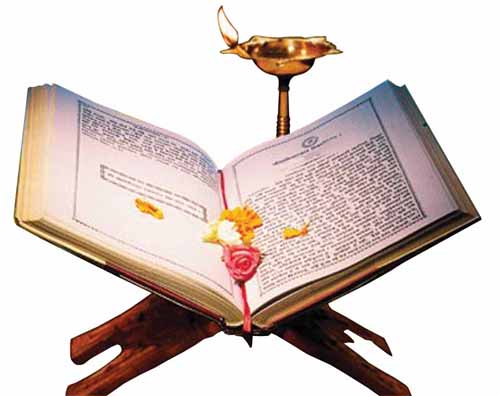 ವೇದ ಮನ್ತ್ರಾಃ (109)
- ಗಣಪತಿ ಪ್ರಾರ್ಥನ ಘನಪಾಠಃ
- ಗಾಯತ್ರೀ ಮನ್ತ್ರಂ ಘನಪಾಠಃ
- ಶ್ರೀ ರುದ್ರಂ ಲಘುನ್ಯಾಸಮ್
- ಶ್ರೀ ರುದ್ರಂ ನಮಕಮ್
- ಶ್ರೀ ರುದ್ರಂ - ಚಮಕಪ್ರಶ್ನಃ
- ಪುರುಷ ಸೂಕ್ತಮ್
- ಶ್ರೀ ಸೂಕ್ತಮ್
- ದುರ್ಗಾ ಸೂಕ್ತಮ್
- ನಾರಾಯಣ ಸೂಕ್ತಮ್
- ಮನ್ತ್ರ ಪುಷ್ಪಮ್
- ಶಾನ್ತಿ ಮನ್ತ್ರಮ್ (ದಶ ಶಾನ್ತಯಃ)
- ನಿತ್ಯ ಸನ್ಧ್ಯಾ ವನ್ದನಮ್ (ಕೃಷ್ಣ ಯಜುರ್ವೇದೀಯ)
- ಶ್ರೀ ಗಣಪತಿ ಅಥರ್ವ ಷೀರ್ಷಮ್ (ಗಣಪತ್ಯಥರ್ವಷೀರ್ಷೋಪನಿಷತ್)
- ಈಶಾವಾಸ್ಯೋಪನಿಷದ್ (ಈಶೋಪನಿಷದ್)
- ನಕ್ಷತ್ರ ಸೂಕ್ತಮ್ (ನಕ್ಷತ್ರೇಷ್ಟಿ)
- ಮನ್ಯು ಸೂಕ್ತಮ್
- ಮೇಧಾ ಸೂಕ್ತಮ್
- ವಿಷ್ಣು ಸೂಕ್ತಮ್
- ಶಿವ ಪಞ್ಚಾಮೃತ ಸ್ನಾನಾಭಿಷೇಕಮ್
- ಯಜ್ಞೋಪವೀತ ಧಾರಣ
- ಸರ್ವ ದೇವತಾ ಗಾಯತ್ರೀ ಮನ್ತ್ರಾಃ
- ತೈತ್ತಿರೀಯ ಉಪನಿಷದ್ - ಶೀಕ್ಷಾವಲ್ಲೀ
- ತೈತ್ತಿರೀಯ ಉಪನಿಷದ್ - ಆನನ್ದವಲ್ಲೀ
- ತೈತ್ತಿರೀಯ ಉಪನಿಷದ್ - ಭೃಗುವಲ್ಲೀ
- ಭೂ ಸೂಕ್ತಮ್
- ನವಗ್ರಹ ಸೂಕ್ತಮ್
- ಮಹಾನಾರಾಯಣ ಉಪನಿಷದ್
- ಅರುಣಪ್ರಶ್ನಃ
- ಶ್ರೀ ಮಹಾನ್ಯಾಸಮ್ (ಪೂರ್ಣಂ)
- ಸರಸ್ವತೀ ಸೂಕ್ತಮ್
- ಭಾಗ್ಯ ಸೂಕ್ತಮ್
- ಪವಮಾನ ಸೂಕ್ತಮ್
- ನಾಸದೀಯ ಸೂಕ್ತಮ್
- ನವಗ್ರಹ ಸೂಕ್ತಮ್ (ನವಗ್ರಹ ನಮಸ್ಕಾರಮ್)
- ಪಿತೃ ಸೂಕ್ತಮ್
- ರಾತ್ರಿ ಸೂಕ್ತಮ್
- ಸರ್ಪ ಸೂಕ್ತಮ್
- ಹಿರಣ್ಯ ಗರ್ಭ ಸೂಕ್ತಮ್
- ಸಾನುಸ್ವಾರ ಪ್ರಶ್ನ (ಸುನ್ನಾಲ ಪನ್ನಮ್)
- ಗೋ ಸೂಕ್ತಮ್
- ತ್ರಿಸುಪರ್ಣಮ್
- ಚಿತ್ತಿ ಪನ್ನಮ್
- ಅಘಮರ್ಷಣ ಸೂಕ್ತಮ್
- ಕೇನ ಉಪನಿಷದ್ - ಪ್ರಥಮಃ ಖಣ್ಡಃ
- ಕೇನ ಉಪನಿಷದ್ - ದ್ವಿತೀಯಃ ಖಣ್ಡಃ
- ಕೇನ ಉಪನಿಷದ್ - ತೃತೀಯಃ ಖಣ್ಡಃ
- ಕೇನ ಉಪನಿಷದ್ - ಚತುರ್ಥಃ ಖಣ್ಡಃ
- ಮುಣ್ಡಕ ಉಪನಿಷದ್ - ಪ್ರಥಮ ಮುಣ್ಡಕ, ಪ್ರಥಮ ಕಾಣ್ಡಃ
- ಮುಣ್ಡಕ ಉಪನಿಷದ್ - ಪ್ರಥಮ ಮುಣ್ಡಕ, ದ್ವಿತೀಯ ಕಾಣ್ಡಃ
- ಮುಣ್ಡಕ ಉಪನಿಷದ್ - ದ್ವಿತೀಯ ಮುಣ್ಡಕ, ಪ್ರಥಮ ಕಾಣ್ಡಃ
- ಮುಣ್ಡಕ ಉಪನಿಷದ್ - ದ್ವಿತೀಯ ಮುಣ್ಡಕ, ದ್ವಿತೀಯ ಕಾಣ್ಡಃ
- ಮುಣ್ಡಕ ಉಪನಿಷದ್ - ತೃತೀಯ ಮುಣ್ಡಕ, ಪ್ರಥಮ ಕಾಣ್ಡಃ
- ಮುಣ್ಡಕ ಉಪನಿಷದ್ - ತೃತೀಯ ಮುಣ್ಡಕ, ದ್ವಿತೀಯ ಕಾಣ್ಡಃ
- ನಾರಾಯಣ ಉಪನಿಷದ್
- ವಿಶ್ವಕರ್ಮ ಸೂಕ್ತಮ್
- ಶ್ರೀ ದೇವ್ಯಥರ್ವಶೀರ್ಷಮ್
- ದುರ್ವಾ ಸೂಕ್ತಮ್ (ಮಹಾನಾರಾಯಣ ಉಪನಿಷದ್)
- ಮೃತ್ತಿಕಾ ಸೂಕ್ತಮ್ (ಮಹಾನಾರಾಯಣ ಉಪನಿಷದ್)
- ಶ್ರೀ ದುರ್ಗಾ ಅಥರ್ವಶೀರ್ಷಮ್
- ಅಗ್ನಿ ಸೂಕ್ತಮ್ (ಋಗ್ವೇದ)
- ಕ್ರಿಮಿ ಸಂಹಾರಕ ಸೂಕ್ತಮ್ (ಯಜುರ್ವೇದ)
- ನೀಲಾ ಸೂಕ್ತಮ್
- ವೇದ ಆಶೀರ್ವಚನಮ್
- ವೇದ ಸ್ವಸ್ತಿ ವಾಚನಮ್
- ಐಕಮತ್ಯ ಸೂಕ್ತಮ್ (ಋಗ್ವೇದ)
- ಆಯುಷ್ಯ ಸೂಕ್ತಮ್
- ಶ್ರದ್ಧಾ ಸೂಕ್ತಮ್
- ಶ್ರೀ ಗಣೇಶ (ಗಣಪತಿ) ಸೂಕ್ತಮ್ (ಋಗ್ವೇದ)
- ಶಿವೋಪಾಸನ ಮನ್ತ್ರಾಃ
- ಶಾನ್ತಿ ಪಞ್ಚಕಮ್
- ಶುಕ್ಲ ಯಜುರ್ವೇದ ಸನ್ಧ್ಯಾವನ್ದನಮ್
- ಮಾಣ್ಡೂಕ್ಯ ಉಪನಿಷದ್
- ಋಗ್ವೇದ ಸನ್ಧ್ಯಾವನ್ದನಮ್
- ಏಕಾತ್ಮತಾ ಸ್ತೋತ್ರಮ್
- ಭಾವನೋಪನಿಷದ್
- ಕಠೋಪನಿಷದ್ - ಅಧ್ಯಾಯ 1, ವಳ್ಳೀ 1
- ಕಠೋಪನಿಷದ್ - ಅಧ್ಯಾಯ 1, ವಳ್ಳೀ 2
- ಕಠೋಪನಿಷದ್ - ಅಧ್ಯಾಯ 1, ವಳ್ಳೀ 3
- ಕಠೋಪನಿಷದ್ - ಅಧ್ಯಾಯ 2, ವಳ್ಳೀ 1
- ಕಠೋಪನಿಷದ್ - ಅಧ್ಯಾಯ 2, ವಳ್ಳೀ 2
- ಕಠೋಪನಿಷದ್ - ಅಧ್ಯಾಯ 2, ವಳ್ಳೀ 3
- ಪ್ರಶ್ನೋಪನಿಷದ್ - ಪ್ರಥಮಃ ಪ್ರಶ್ನಃ
- ಪ್ರಶ್ನೋಪನಿಷದ್ - ದ್ವಿತೀಯಃ ಪ್ರಶ್ನಃ
- ಪ್ರಶ್ನೋಪನಿಷದ್ - ತ್ರಿತೀಯಃ ಪ್ರಶ್ನಃ
- ಪ್ರಶ್ನೋಪನಿಷದ್ - ಚತುರ್ಥಃ ಪ್ರಶ್ನಃ
- ಪ್ರಶ್ನೋಪನಿಷದ್ - ಪಞ್ಚ ಪ್ರಶ್ನಃ
- ಪ್ರಶ್ನೋಪನಿಷದ್ - ಷಷ್ಠಃ ಪ್ರಶ್ನಃ
- ಅನ್ನ ಸೂಕ್ತಮ್
- ಋಗ್ವೇದೀಯ ಪಞ್ಚ ರುದ್ರಂ
- ಶ್ರೀ ಮಹಾನ್ಯಾಸಮ್ - 0. ಕಲಶ ಪ್ರತಿಷ್ಠಾಪನ ಮನ್ತ್ರಾಃ
- ಶ್ರೀ ಮಹಾನ್ಯಾಸಮ್ - 1. ಪಞ್ಚಾಙ್ಗ ರುದ್ರನ್ಯಾಸಃ
- ಶ್ರೀ ಮಹಾನ್ಯಾಸಮ್ - 2. ಪಞ್ಚಮುಖ ಧ್ಯಾನಮ್
- ಶ್ರೀ ಮಹಾನ್ಯಾಸಮ್ - 3. ಅಙ್ಗನ್ಯಾಸಃ
- ಶ್ರೀ ಮಹಾನ್ಯಾಸಮ್ - 4. ದಶಾಙ್ಗ ನ್ಯಾಸಃ
- ಶ್ರೀ ಮಹಾನ್ಯಾಸಮ್ - 5. ಪಞ್ಚಾಙ್ಗ ನ್ಯಾಸಃ
- ಶ್ರೀ ಮಹಾನ್ಯಾಸಮ್ - 5.1. ಹಂಸ ಗಾಯತ್ರೀ
- ಶ್ರೀ ಮಹಾನ್ಯಾಸಮ್ - 5.2. ದಿಕ್ ಸಮ್ಪುಟನ್ಯಾಸಃ (ಸಮ್ಪುಟೀಕರಣಮ್)
- ಶ್ರೀ ಮಹಾನ್ಯಾಸಮ್ - 5.3. ದಶಾಙ್ಗ ರೌದ್ರೀಕರಣಮ್
- ಶ್ರೀ ಮಹಾನ್ಯಾಸಮ್ - 5.4. ಷೋಡಶಾಙ್ಗ ರೌದ್ರೀಕರಣಂ
- ಶ್ರೀ ಮಹಾನ್ಯಾಸಮ್ - 6.1. ಮನೋ ಜ್ಯೋತಿಃ
- ಶ್ರೀ ಮಹಾನ್ಯಾಸಮ್ - 6.2. ಆತ್ಮರಕ್ಷಾ
- ಶ್ರೀ ಮಹಾನ್ಯಾಸಮ್ - 7.1. ಶಿವಸಙ್ಕಲ್ಪಾಃ
- ಶ್ರೀ ಮಹಾನ್ಯಾಸಮ್ - 7.2. ಪುರುಷ ಸೂಕ್ತಂ
- ಶ್ರೀ ಮಹಾನ್ಯಾಸಮ್ - 7.3. ಉತ್ತರ ನಾರಾಯಣಂ
- ಶ್ರೀ ಮಹಾನ್ಯಾಸಮ್ - 7.4. ಅಪ್ರತಿರಥಂ
- ಶ್ರೀ ಮಹಾನ್ಯಾಸಮ್ - 7.5. ಪ್ರತಿ ಪೂರುಷಂ
- ಶ್ರೀ ಮಹಾನ್ಯಾಸಮ್ - 7.6. ಶತ ರುದ್ರೀಯಂ (ತ್ವಮಗ್ನೇ ರುದ್ರೋಽನುವಾಕಃ)
- ಶ್ರೀ ಮಹಾನ್ಯಾಸಮ್ - 7.7. ಪಞ್ಚಾಙ್ಗ ಜಪಃ
- ಶ್ರೀ ಮಹಾನ್ಯಾಸಮ್ - 7.8. ಅಷ್ಟಾಙ್ಗ ಪ್ರಣಾಮಃ
 ಶ್ರೀ ರುದ್ರಮ್ (ರುದ್ರಾಭಿಷೇಕಮ್) (27)
 ನಿತ್ಯ ಪಾರಾಯಣಂ (46)