મુંડકોપનિષત્, counted among the principal Upanishads and associated with the અથર્વવેદ, is a foundational Vedantic text for seekers who have outgrown purely result-driven religion and want liberating knowledge. Its opening movement is deliberate: first establish lineage, then clarify the hierarchy of knowledge, then point to અક્ષર-બ્રહ્મન્ as the non-perishing reality.
This first chapter, first section (પ્રથમમુંડકે પ્રથમઃ ખંડઃ), is especially important because it sets the epistemic map for the rest of the text. It distinguishes અપરા વિદ્યા (textual/ritual/disciplinary learning) from પરા વિદ્યા (that by which the imperishable is known), without dismissing the former as useless. Instead, it situates each in a proper place.
Adi Shankaracharya's approach to this section underscores that the goal is not anti-learning but right orientation: scriptural mastery must culminate in Self-knowledge. Thus the verses move from reverential invocation, to teacher-disciple transmission, to ontological inquiry, to contemplative recognition of Brahman as source and substratum.
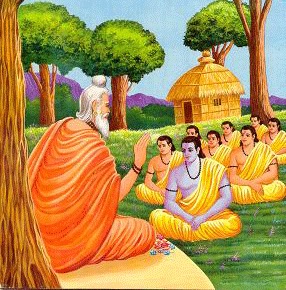
Practically, this section is invaluable for modern seekers overwhelmed by information abundance. It asks a sobering question: among all that can be learned, what actually removes existential insecurity? Read this chapter not merely for doctrine but as a daily compass from accumulation toward assimilation.
ઓં ભ@દ્રં કર્ણે#ભિઃ શૃણુ@યામ# દેવાઃ । ભ@દ્રં પ#શ્યેમા@ક્ષભિ@-ર્યજ#ત્રાઃ । સ્થિ@રૈરંગૈ$સ્તુષ્ટુ@વાગં સ#સ્ત@નૂભિ#ઃ । વ્યશે#મ દે@વહિ#ત@ં યદાયુ#ઃ । સ્વ@સ્તિ ન@ ઇંદ્રો# વૃ@દ્ધશ્ર#વાઃ । સ્વ@સ્તિ ન#ઃ પૂ@ષા વિ@શ્વવે#દાઃ । સ્વ@સ્તિ ન@સ્તાર્ક્ષ્યો@ અરિ#ષ્ટનેમિઃ । સ્વ@સ્તિ નો@ બૃહ@સ્પતિ#-ર્દધાતુ ॥
ઓં શાંતિ@ઃ શાંતિ@ઃ શાંતિ#ઃ ॥
Meaning (પદાર્થ):
ઓં - the primordial sacred syllable
ભદ્રમ્ - auspiciousness, wellbeing
કર્ણેભ્હિઃ - with (our) ears
શૃણુ@યામ - may we hear
દેવાઃ - O deities
પશ્યેમ - may we see
અક્ષભિઃ - with (our) eyes
યજત્રાઃ - O worship-worthy ones
સ્થિરૈઃ અંગૈઃ - with steady limbs and faculties
તુષ્ટુવાંસઃ - while praising
તનૂભિઃ - with (our) bodies
વ્યશે#મ - may we live out (our allotted span)
દેવ-હિતં - aligned with divine order
યત્ આયુઃ - whatever lifespan is allotted
સ્વ@સ્તિ - welfare, auspicious protection
ન#ઃ / ન / નો - for us
ઇંદ્રઃ વૃ@દ્ધશ્ર#વાઃ - Indra of great renown
પૂ@ષા વિશ્વવેદઃ - PUshan, knower of all
તાર્ક્ષ્યઃ અરિષ્ટ-નેમિઃ - Tarkshya of unbroken wheel (protector)
બૃહસ્પતિઃ - Brihaspati, lord of wisdom
દધાતુ - may (he) grant
શાંતિઃ - peace; removal of obstacles
Translation (ભાવાર્થ):
May we hear what is auspicious; may we see what is auspicious. With steady bodies and faculties, may we live out the life aligned to divine purpose. May there be peace, peace, peace.
Commentary (અનુસંધાન):
This opening શાંતિ-મંત્ર frames the entire inquiry in embodied wholeness. It does not ask for abstract intelligence alone; it asks for healthy perception, stable faculties, and a life aligned to દેવ-હિત - the order conducive to truth-seeking. The triple શાંતિઃ marks preparation for subtle knowledge.
Traditional recitation culture interprets the threefold peace as calming આધ્યાત્મિક, આધિભૌતિક, and આધિદૈવિક disturbances. In Vedantic pedagogy this is methodological, not ornamental: a scattered or agitated instrument cannot assimilate બ્રહ્મ-વિદ્યા. The same spirit is seen in Upanishadic study invocations and in Gita's insistence that clarity flowers in an inwardly quiet mind.
In daily practice, this verse can become a pre-study reset: one minute to steady breath, relax posture, and consciously release personal, environmental, and uncontrollable anxieties. Repeating that discipline before scriptural study gradually transforms reading from information intake into contemplative assimilation.
॥ ઓં બ્રહ્મણે નમઃ ॥
Meaning (પદાર્થ):
ઓં - sacred syllable indicating the Absolute
બ્રહ્મણે - to Brahman, the limitless reality
નમઃ - salutations; ego-softening surrender
Translation (ભાવાર્થ):
The sacred syllable Om. Salutations to Brahman.
Commentary (અનુસંધાન):
This short invocation sets the interior posture for the text: knowledge is approached with reverence, not possession. નમઃ is not mere formal greeting; it is the intentional loosening of egoic centrality before entering subtle inquiry.
Advaita commentators consistently preserve this orientation - the knower must be prepared as much as the known must be taught. The spirit resonates with Gita 4.34, where humility and right approach are preconditions for receiving liberating instruction. Thus even a brief salutation functions as epistemic purification.
A practical application is simple: before any high-stakes intellectual task, pause and inwardly acknowledge, "may truth matter more than my self-image." This one-step shift reduces defensiveness and increases clarity in study, work, and dialogue.
॥ પ્રથમમુંડકે પ્રથમઃ ખંડઃ ॥
Meaning (પદાર્થ):
પ્રથમ-મુંડકે - in the first Mundaka
પ્રથમઃ ખંડઃ - first section
Translation (ભાવાર્થ):
This is the first section of the first Mundaka.
Commentary (અનુસંધાન):
This heading is structural but doctrinally meaningful: the text self-organizes into progressive teaching units. The first section is not yet direct renunciate instruction; it builds orientation - lineage, scope, and the distinction between preparatory and liberating knowledge.
Traditional teachers and Shankara's line treat such structuring as pedagogical sequencing (ક્રમ). One is first shown how to think correctly about knowledge itself, then led toward what must be sought, and only then instructed in decisive realization-methods. This opening section lays that base with remarkable clarity.
For modern readers, honoring chapter architecture prevents superficial reading. Instead of cherry-picking quotable lines, study section by section and track how each verse prepares the next; this produces cumulative understanding rather than fragmented inspiration.
ઓં બ્રહ્મા દેવાનાં પ્રથમઃ સંબભૂવ વિશ્વસ્ય કર્તા
ભુવનસ્ય ગોપ્તા । સ બ્રહ્મવિદ્યાં સર્વવિદ્યાપ્રતિષ્ઠામથર્વાય
જ્યેષ્ઠપુત્રાય પ્રાહ ॥ 1॥
Meaning (પદાર્થ):
ઓં - the primordial sacred syllable
બ્રહ્મા - Brahma
દેવાનાં - among the devas
પ્રથમઃ - first
સંબભૂવ - manifested
વિશ્વસ્ય - of the universe
કર્તા - creator
ભુવનસ્ય - of the worlds/beings
ગોપ્તા - protector/sustainer
સઃ - he
બ્રહ્મવિદ્યામ્ - knowledge of Brahman
સર્વ-વિદ્યા-પ્રતિષ્ઠામ્ - foundation of all knowledge branches
અથર્વાય - to Atharvan
જ્યેષ્ઠ-પુત્રાય - to the eldest son
પ્રાહ - taught; declared
Translation (ભાવાર્થ):
Brahma, first among the gods, creator and sustainer of the world, taught Atharvan - his eldest son - the knowledge of Brahman, the foundation of all knowledge.
Commentary (અનુસંધાન):
The text opens by linking metaphysical authority with transmission authority. બ્રહ્મવિદ્યા is called સર્વ-વિદ્યા-પ્રતિષ્ઠા because it discloses the ground on which all branches of knowing stand. This does not erase other knowledges; it orders them.
The lineage opening parallels Gita 4.1-2, where timeless knowledge is said to be handed down through qualified channels. Shankara's reading tradition treats this not as genealogy fetish but as protection against speculative distortion: subtle truth is best preserved in disciplined teacher-student continuity.
In practical terms, this verse asks seekers to respect provenance. Before adopting a spiritual conclusion, check: what is its scriptural basis, how is it interpreted in living સંપ્રદાય, and does it reduce confusion or inflate self-certainty?
અથર્વણે યાં પ્રવદેત બ્રહ્માઽથર્વા તં
પુરોવાચાંગિરે બ્રહ્મવિદ્યામ્ ।
સ ભારદ્વાજાય સત્યવાહાય પ્રાહ
ભારદ્વાજોઽંગિરસે પરાવરામ્ ॥ 2॥
Meaning (પદાર્થ):
અથર્વણે - to Atharvan
યાં - which (knowledge)
પ્રવદેત - was taught/declared
બ્રહ્મા - Brahma
અથર્વા - Atharvan
તં - that (knowledge)
પુરા ઉવાચ - taught earlier
અંગિરે - to Angiras
બ્રહ્મવિદ્યામ્ - બ્રહ્મ-વિદ્યા
સઃ - he
ભારદ્વાજાય - to Bharadvaja-lineage sage
સત્યવાહાય - to Satyavaha
પ્રાહ - taught
ભારદ્વાજઃ - Bharadvaja
અંગિરસે - to Angiras
પરાવરામ્ - concerning higher and lower (the full range)
Translation (ભાવાર્થ):
That knowledge of Brahman taught by Brahma to Atharvan was transmitted onward - to Angiras, then to Satyavaha Bharadvaja, and from Bharadvaja's line to Angiras - as knowledge spanning the higher and lower.
Commentary (અનુસંધાન):
This verse reinforces that બ્રહ્મ-વિદ્યા is preserved through disciplined continuity, not private invention. The chain is not social prestige; it is quality control in the transmission of the subtlest teaching.
Mundaka later states તદ્ વિજ્ઞાનાર્થં સ ગુરુમેવ અભિગચ્ચેત્ (1.2.12), making explicit what this verse implies: the seeker approaches a qualified teacher rooted in both scripture and realization. Advaita tradition consistently reads this as non-negotiable for stable assimilation.
A modern application is to treat spiritual learning like a high-stakes science: verify lineage, clarity, and coherence before surrendering trust. This protects seekers from charismatic confusion and keeps inquiry anchored to tested wisdom streams.
શૌનકો હ વૈ મહાશાલોઽંગિરસં વિધિવદુપસન્નઃ પપ્રચ્છ ।
કસ્મિન્નુ ભગવો વિજ્ઞાતે સર્વમિદં વિજ્ઞાતં ભવતીતિ ॥ 3॥
Meaning (પદાર્થ):
શૌનકઃ - Shaunaka
હ વૈ - indeed
મહાશલઃ - a great householder
અંગિરસમ્ - Angiras (the teacher)
વિધિ-વત્ - as per discipline
ઉપસન્નઃ - approached
પપ્રચ્છ - asked
કસ્મિન્ નુ - by knowing what indeed
ભગવઃ - O revered sir
વિજ્ઞાતે - when known
સર્વં ઇદમ્ - all this
વિજ્ઞાતં ભવતિ - becomes known
ઇતિ - thus (he asked)
Translation (ભાવાર્થ):
Shaunaka, a great householder, approached Angiras in the proper manner and asked: "Revered Sir, by knowing what does everything become known?"
Commentary (અનુસંધાન):
This is one of the great questions in Vedanta. It seeks not endless data but foundational insight: that by which multiplicity is understood in one intelligible ground. The emphasis on વિધિ-વત્ shows that existential questions require existential preparedness.
The logic parallels Chandogya's famous teaching method: by knowing clay, all clay-objects are understood in substance (6.1.4). Shankara's broader hermeneutic uses this as a gateway to non-dual inquiry - discover the underlying reality, and derivative forms are cognitively re-ordered.
Practically, this verse encourages principle-first living. In complex decisions, ask for the root variable rather than chasing surface symptoms. In spirituality, ask what removes fundamental ignorance, not what merely decorates identity.
તસ્મૈ સ હોવાચ ।
દ્વે વિદ્યે વેદિતવ્યે ઇતિ હ સ્મ
યદ્બ્રહ્મવિદો વદંતિ પરા ચૈવાપરા ચ ॥ 4॥
Meaning (પદાર્થ):
તસ્મૈ - to him
સઃ હોવાચ - he said
દ્વે - two
વિદ્યે - knowledges
વેદિતવ્યે - are to be known
ઇતિ - thus
હ સ્મ - indeed (as traditionally said)
યત્ - which
બ્રહ્મવિદઃ - knowers of Brahman
વદંતિ - declare
પરા ચ એવ - and (the) higher indeed
અપરા ચ - and (the) lower
Translation (ભાવાર્થ):
Angiras replied: the knowers of Brahman declare that two kinds of knowledge are to be understood - the higher and the lower.
Commentary (અનુસંધાન):
The reply is pedagogically brilliant: before giving ultimate doctrine, it classifies knowledge itself. This prevents category confusion - mistaking informational mastery for liberating realization.
Advaita interpreters emphasize that અપરા is not dismissed; it prepares, disciplines, and refines the seeker. Yet only પરા removes existential ignorance. A similar two-layer distinction appears in Gita 7.4-5, where lower and higher પ્રકૃતિ are distinguished to orient inquiry toward the living principle.
In modern life this is decisive: technical, cultural, and ritual competencies are valuable, but none alone resolves fear of finitude. Keep both: excellence in worldly learning and sustained pursuit of transformative insight.
તત્રાપરા ઋગ્વેદો યજુર્વેદઃ સામવેદોઽથર્વવેદઃ
શિક્ષા કલ્પો વ્યાકરણં નિરુક્તં છંદો જ્યોતિષમિતિ ।
અથ પરા યયા તદક્ષરમધિગમ્યતે ॥ 5॥
Meaning (પદાર્થ):
તત્ર અપરા - among these, the lower knowledge
ઋગ્વેદઃ - Rigveda
યજુર્વેદઃ - Yajurveda
સામવેદઃ - Samaveda
અથર્વવેદઃ - Atharvaveda
શિક્ષા - phonetics
કલ્પઃ - ritual procedure
વ્યાકરણં - grammar
નિરુક્તં - etymological exposition
છંદઃ - meter/prosody
જ્યોતિષમ્ - astronomy/astrology (Vedanga)
ઇતિ - thus enumerated
અથ પરા - now the higher knowledge
યયા - by which
તત્ અક્ષરમ્ - that imperishable reality
અધિગમ્યતે - is realized
Translation (ભાવાર્થ):
Lower knowledge includes the four Vedas and the disciplines of phonetics, ritual method, grammar, etymology, metre, and astronomy. Higher knowledge is that by which the imperishable reality is directly known.
Commentary (અનુસંધાન):
This verse gives one of Vedanta's clearest curricular hierarchies. Scriptural corpus and linguistic-ritual sciences are indispensable for preparation, precision, and transmission, yet they are still preparatory if they do not culminate in realization of અક્ષર.
Shankara's interpretation stresses that even Vedic scholarship remains in the domain of mediated knowledge unless it matures into Self-recognition. Thus the verse protects both rigor and transcendence: neither anti-intellectualism nor scholastic self-satisfaction is acceptable.
Practically, this is a study design principle: pair textual study with contemplative assimilation. For every hour of learning, reserve time for reflection, silence, and conduct-level integration; otherwise knowledge stays external.
યત્તદદ્રેશ્યમગ્રાહ્યમગોત્રમવર્ણ-
મચક્ષુઃશ્રોત્રં તદપાણિપાદમ્ ।
નિત્યં વિભું સર્વગતં સુસૂક્ષ્મં
તદવ્યયં યદ્ભૂતયોનિં પરિપશ્યંતિ ધીરાઃ ॥ 6॥
Meaning (પદાર્થ):
યત્ તત્ - that which (indeed)
અદ્રેશ્યમ્ - unseen
અગ્રાહ્યમ્ - ungraspable
અગોત્રમ્ - without lineage/category
અવર્ણમ્ - without color/attribute-class
અચક્ષુઃ-શ્રોત્રમ્ - not dependent on eyes/ears
તત્ - that
અપાણિ-પાદમ્ - not limited by hands and feet
નિત્યં - eternal
વિભું - all-pervading
સર્વગતં - present everywhere
સુસૂક્ષ્મં - supremely subtle
તત્ અવ્યયમ્ - that undecaying reality
યત્ ભૂત-યોનિમ્ - which is the source of all beings
પરિપશ્યંતિ - behold directly
ધીરાઃ - the wise
Translation (ભાવાર્થ):
The wise behold that imperishable reality which is unseen, ungraspable, unclassifiable, beyond sensory limitation, eternal, all-pervading, supremely subtle, undecaying, and the source of all beings.
Commentary (અનુસંધાન):
The verse uses deliberate negation and transcendence-language to prevent objectification. Brahman is not absent from experience; it is free from finite predicates by which objects are usually known.
This is aligned with the નેતિ નેતિ method of Brihadaranyaka and with Kena's non-objectifiability teaching. Shankara treats such negation as superimposition-removal (અધ્યારોપ-અપવાદ): remove false limits, then what remains is self-evident consciousness, not blank void.
In contemporary terms, this helps prevent spiritual materialism. If one keeps trying to "capture" truth as a possession, frustration follows; if one learns to recognize the ever-present basis of experience, steadiness grows. Practice by observing experience without forcing conceptual closure.
યથોર્ણનાભિઃ સૃજતે ગૃહ્ણતે ચ
યથા પૃથિવ્યામોષધયઃ સંભવંતિ ।
યથા સતઃ પુરુષાત્ કેશલોમાનિ
તથાઽક્ષરાત્ સંભવતીહ વિશ્વમ્ ॥ 7॥
Meaning (પદાર્થ):
યથા - just as
ઊર્ણનાભિઃ - a spider
સૃજતે - projects
ગૃહ્ણતે ચ - and withdraws
યથા - just as
પૃથિવ્યામ્ - from the earth
ઓષધયઃ - plants/herbs
સંભવંતિ - arise
યથા - just as
સતઃ પુરુષાત્ - from a living person
કેશ-લોમાનિ - hair and body-hair
તથા - so
અક્ષરાત્ - from the imperishable
સંભવતીહ - arises here (in this manifest realm)
વિશ્વમ્ - the universe
Translation (ભાવાર્થ):
As a spider projects and withdraws its web, as plants arise from the earth, and as hair grows from a living person, so does this universe arise from the imperishable.
Commentary (અનુસંધાન):
Through layered metaphors, the mantra explains dependence and non-separation. The world is not outside Brahman as an independent second reality; it is sustained in and by the source, with projection and resolution governed by that same ground.
The verse resonates with Taittiriya's યતો વા ઇમાનિ ભૂતાનિ જાયંતે... and Chandogya's સદેવ સોમ્યેદમગ્ર આસીત્. Advaita uses these not for crude material causation but for ontological dependence: names/forms vary, substratum remains.
A practical use is to soften rigid separateness. In stress or conflict, remember interdependence: roles differ, source is one. This contemplative reframing reduces hostility and supports dharmic response.
તપસા ચીયતે બ્રહ્મ તતોઽન્નમભિજાયતે ।
અન્નાત્ પ્રાણો મનઃ સત્યં લોકાઃ કર્મસુ ચામૃતમ્ ॥ 8॥
Meaning (પદાર્થ):
તપસા - through તપસ્ (creative potency)
ચીયતે - expands/manifests
બ્રહ્મ - Brahman / cosmic causal principle
તતઃ - from that
અન્નમ્ - matter/food principle
અભિજાયતે - is born
અન્નાત્ - from matter/food
પ્રાણઃ - life-force
મનઃ - mind
સત્યં - manifest order/truth-principle
લોકાઃ - worlds
કર્મસુ - in karmic actions/order
ચ - and
અમૃતમ્ - enduring continuity (of karmic fruition)
Translation (ભાવાર્થ):
From Brahman's creative potency arises the principle of matter; from that emerge life-force and mind, then worlds, and the enduring law of action through which experiential continuity persists.
Commentary (અનુસંધાન):
This mantra sketches a cosmological unfolding from subtle to gross, emphasizing ordered manifestation rather than random emergence. The term તપસ્ here indicates conscious potency, not mere ascetic hardship.
Traditional Advaita reads this sequence as explanatory for empirical experience (વ્યવહાર), while preserving Brahman as untouched absolute reality (પારમાર્થિક). Similar graduated accounts appear across Upanishadic cosmologies, each pedagogically oriented rather than mechanistically scientific.
Practically, this verse encourages respect for inner causality: thought, vitality, and action shape lived worlds. If one wants a different world-experience, begin with disciplined transformation of intention, attention, and conduct.
યઃ સર્વજ્ઞઃ સર્વવિદ્યસ્ય જ્ઞાનમયં તપઃ ।
તસ્માદેતદ્બ્રહ્મ નામ રૂપમન્નં ચ જાયતે ॥ 9॥
Meaning (પદાર્થ):
યઃ - who
સર્વજ્ઞઃ - omniscient
સર્વવિત્ - all-knowing
યસ્ય - whose
જ્ઞાનમયં - of the nature of knowledge
તપઃ - creative potency
તસ્માત્ - from that
એતત્ - this
બ્રહ્મ - manifest cosmic principle
નામ - name
રૂપમ્ - form
અન્નં ચ - and matter/food
જાયતે - arises
Translation (ભાવાર્થ):
From that omniscient source, whose creative potency is knowledge itself, arise this manifested order: name, form, and material expression.
Commentary (અનુસંધાન):
The verse concludes by grounding manifestation in intelligent consciousness, not inert accident. નામ-રૂપ marks the empirical diversity of experience, while the source remains one, all-knowing, and non-fragmented.
This coheres with Vedantic teaching that all cognition is lit by a deeper luminosity and that plurality is dependent appearance. Gita 15.15 similarly points to the divine as the basis of memory, knowledge, and discernment, reinforcing Mundaka's intelligence-centered cosmology.
A practical assimilation is to treat knowledge ethically: if reality is intelligence-suffused, then careless speech, thought, and action are forms of misalignment. Cultivate clarity, responsibility, and truthfulness so daily living reflects the source one studies.
॥ ઇતિ મુંડકોપનિષદિ પ્રથમમુંડકે પ્રથમઃ ખંડઃ ॥
Meaning (પદાર્થ):
ઇતિ - thus
મુંડકોપનિષદિ - in the Mundaka Upanishad
પ્રથમ-મુંડકે પ્રથમઃ ખંડઃ - first section of the first Mundaka
Translation (ભાવાર્થ):
Thus ends the first section of the first Mundaka of the Mundaka Upanishad.
Commentary (અનુસંધાન):
This section closes after establishing the full orientation for the text: lineage legitimacy, the twofold knowledge framework, and a contemplative pointer to અક્ષર-બ્રહ્મન્ as source of all manifestation. It is an epistemic foundation chapter.
In the traditional sequence, this prepares the seeker for the sharper turning-point in the next section, where ritual limitation and renunciate urgency are explicitly stated (પરીક્ષ્ય લોકાન્ કર્મચિતાન્..., Mundaka 1.2.12). Thus chapter closure here is really pedagogical transition.
A practical carry-forward is to end this section with one concrete commitment: keep worldly learning excellent, but reserve non-negotiable time for higher inquiry and assimilation. That protects the hierarchy the chapter teaches and makes the next section personally transformative.
Browse Related Categories:
 વેદ મંત્રાઃ (109)
- ગણપતિ પ્રાર્થન ઘનપાઠઃ
- ગાયત્રી મંત્રં ઘનપાઠઃ
- શ્રી રુદ્રં લઘુન્યાસમ્
- શ્રી રુદ્રં નમકમ્
- શ્રી રુદ્રં - ચમકપ્રશ્નઃ
- પુરુષ સૂક્તમ્
- શ્રી સૂક્તમ્
- દુર્ગા સૂક્તમ્
- નારાયણ સૂક્તમ્
- મંત્ર પુષ્પમ્
- શાંતિ મંત્રમ્ (દશ શાંતયઃ)
- નિત્ય સંધ્યા વંદનમ્ (કૃષ્ણ યજુર્વેદીય)
- શ્રી ગણપતિ અથર્વ ષીર્ષમ્ (ગણપત્યથર્વષીર્ષોપનિષત્)
- ઈશાવાસ્યોપનિષદ્ (ઈશોપનિષદ્)
- નક્ષત્ર સૂક્તમ્ (નક્ષત્રેષ્ટિ)
- મન્યુ સૂક્તમ્
- મેધા સૂક્તમ્
- વિષ્ણુ સૂક્તમ્
- શિવ પંચામૃત સ્નાનાભિષેકમ્
- યજ્ઞોપવીત ધારણ
- સર્વ દેવતા ગાયત્રી મંત્રાઃ
- તૈત્તિરીય ઉપનિષદ્ - શીક્ષાવલ્લી
- તૈત્તિરીય ઉપનિષદ્ - આનંદવલ્લી
- તૈત્તિરીય ઉપનિષદ્ - ભૃગુવલ્લી
- ભૂ સૂક્તમ્
- નવગ્રહ સૂક્તમ્
- મહાનારાયણ ઉપનિષદ્
- અરુણપ્રશ્નઃ
- શ્રી મહાન્યાસમ્ (પૂર્ણં)
- સરસ્વતી સૂક્તમ્
- ભાગ્ય સૂક્તમ્
- પવમાન સૂક્તમ્
- નાસદીય સૂક્તમ્
- નવગ્રહ સૂક્તમ્ (નવગ્રહ નમસ્કારમ્)
- પિતૃ સૂક્તમ્
- રાત્રિ સૂક્તમ્
- સર્પ સૂક્તમ્
- હિરણ્ય ગર્ભ સૂક્તમ્
- સાનુસ્વાર પ્રશ્ન (સુન્નાલ પન્નમ્)
- ગો સૂક્તમ્
- ત્રિસુપર્ણમ્
- ચિત્તિ પન્નમ્
- અઘમર્ષણ સૂક્તમ્
- કેન ઉપનિષદ્ - પ્રથમઃ ખંડઃ
- કેન ઉપનિષદ્ - દ્વિતીયઃ ખંડઃ
- કેન ઉપનિષદ્ - તૃતીયઃ ખંડઃ
- કેન ઉપનિષદ્ - ચતુર્થઃ ખંડઃ
- મુંડક ઉપનિષદ્ - પ્રથમ મુંડક, પ્રથમ કાંડઃ
- મુંડક ઉપનિષદ્ - પ્રથમ મુંડક, દ્વિતીય કાંડઃ
- મુંડક ઉપનિષદ્ - દ્વિતીય મુંડક, પ્રથમ કાંડઃ
- મુંડક ઉપનિષદ્ - દ્વિતીય મુંડક, દ્વિતીય કાંડઃ
- મુંડક ઉપનિષદ્ - તૃતીય મુંડક, પ્રથમ કાંડઃ
- મુંડક ઉપનિષદ્ - તૃતીય મુંડક, દ્વિતીય કાંડઃ
- નારાયણ ઉપનિષદ્
- વિશ્વકર્મ સૂક્તમ્
- શ્રી દેવ્યથર્વશીર્ષમ્
- દુર્વા સૂક્તમ્ (મહાનારાયણ ઉપનિષદ્)
- મૃત્તિકા સૂક્તમ્ (મહાનારાયણ ઉપનિષદ્)
- શ્રી દુર્ગા અથર્વશીર્ષમ્
- અગ્નિ સૂક્તમ્ (ઋગ્વેદ)
- ક્રિમિ સંહારક સૂક્તમ્ (યજુર્વેદ)
- નીલા સૂક્તમ્
- વેદ આશીર્વચનમ્
- વેદ સ્વસ્તિ વાચનમ્
- ઐકમત્ય સૂક્તમ્ (ઋગ્વેદ)
- આયુષ્ય સૂક્તમ્
- શ્રદ્ધા સૂક્તમ્
- શ્રી ગણેશ (ગણપતિ) સૂક્તમ્ (ઋગ્વેદ)
- શિવોપાસન મંત્રાઃ
- શાંતિ પંચકમ્
- શુક્લ યજુર્વેદ સંધ્યાવંદનમ્
- માંડૂક્ય ઉપનિષદ્
- ઋગ્વેદ સંધ્યાવંદનમ્
- એકાત્મતા સ્તોત્રમ્
- ભાવનોપનિષદ્
- કઠોપનિષદ્ - અધ્યાય 1, વળ્ળી 1
- કઠોપનિષદ્ - અધ્યાય 1, વળ્ળી 2
- કઠોપનિષદ્ - અધ્યાય 1, વળ્ળી 3
- કઠોપનિષદ્ - અધ્યાય 2, વળ્ળી 1
- કઠોપનિષદ્ - અધ્યાય 2, વળ્ળી 2
- કઠોપનિષદ્ - અધ્યાય 2, વળ્ળી 3
- પ્રશ્નોપનિષદ્ - પ્રથમઃ પ્રશ્નઃ
- પ્રશ્નોપનિષદ્ - દ્વિતીયઃ પ્રશ્નઃ
- પ્રશ્નોપનિષદ્ - ત્રિતીયઃ પ્રશ્નઃ
- પ્રશ્નોપનિષદ્ - ચતુર્થઃ પ્રશ્નઃ
- પ્રશ્નોપનિષદ્ - પંચ પ્રશ્નઃ
- પ્રશ્નોપનિષદ્ - ષષ્ઠઃ પ્રશ્નઃ
- અન્ન સૂક્તમ્
- ઋગ્વેદીય પંચ રુદ્રં
- શ્રી મહાન્યાસમ્ - 0. કલશ પ્રતિષ્ઠાપન મંત્રાઃ
- શ્રી મહાન્યાસમ્ - 1. પંચાંગ રુદ્રન્યાસઃ
- શ્રી મહાન્યાસમ્ - 2. પંચમુખ ધ્યાનમ્
- શ્રી મહાન્યાસમ્ - 3. અંગન્યાસઃ
- શ્રી મહાન્યાસમ્ - 4. દશાંગ ન્યાસઃ
- શ્રી મહાન્યાસમ્ - 5. પંચાંગ ન્યાસઃ
- શ્રી મહાન્યાસમ્ - 5.1. હંસ ગાયત્રી
- શ્રી મહાન્યાસમ્ - 5.2. દિક્ સંપુટન્યાસઃ (સંપુટીકરણમ્)
- શ્રી મહાન્યાસમ્ - 5.3. દશાંગ રૌદ્રીકરણમ્
- શ્રી મહાન્યાસમ્ - 5.4. ષોડશાંગ રૌદ્રીકરણં
- શ્રી મહાન્યાસમ્ - 6.1. મનો જ્યોતિઃ
- શ્રી મહાન્યાસમ્ - 6.2. આત્મરક્ષા
- શ્રી મહાન્યાસમ્ - 7.1. શિવસંકલ્પાઃ
- શ્રી મહાન્યાસમ્ - 7.2. પુરુષ સૂક્તં
- શ્રી મહાન્યાસમ્ - 7.3. ઉત્તર નારાયણં
- શ્રી મહાન્યાસમ્ - 7.4. અપ્રતિરથં
- શ્રી મહાન્યાસમ્ - 7.5. પ્રતિ પૂરુષં
- શ્રી મહાન્યાસમ્ - 7.6. શત રુદ્રીયં (ત્વમગ્ને રુદ્રોઽનુવાકઃ)
- શ્રી મહાન્યાસમ્ - 7.7. પંચાંગ જપઃ
- શ્રી મહાન્યાસમ્ - 7.8. અષ્ટાંગ પ્રણામઃ
 ઉપનિષદઃ (34)
- ઈશાવાસ્યોપનિષદ્ (ઈશોપનિષદ્)
- શિવસંકલ્પોપનિષત્ (શિવ સંકલ્પમસ્તુ)
- તૈત્તિરીય ઉપનિષદ્ - શીક્ષાવલ્લી
- તૈત્તિરીય ઉપનિષદ્ - આનંદવલ્લી
- તૈત્તિરીય ઉપનિષદ્ - ભૃગુવલ્લી
- મહાનારાયણ ઉપનિષદ્
- કેન ઉપનિષદ્ - પ્રથમઃ ખંડઃ
- કેન ઉપનિષદ્ - દ્વિતીયઃ ખંડઃ
- કેન ઉપનિષદ્ - તૃતીયઃ ખંડઃ
- કેન ઉપનિષદ્ - ચતુર્થઃ ખંડઃ
- મુંડક ઉપનિષદ્ - પ્રથમ મુંડક, પ્રથમ કાંડઃ
- મુંડક ઉપનિષદ્ - પ્રથમ મુંડક, દ્વિતીય કાંડઃ
- મુંડક ઉપનિષદ્ - દ્વિતીય મુંડક, પ્રથમ કાંડઃ
- મુંડક ઉપનિષદ્ - દ્વિતીય મુંડક, દ્વિતીય કાંડઃ
- મુંડક ઉપનિષદ્ - તૃતીય મુંડક, પ્રથમ કાંડઃ
- મુંડક ઉપનિષદ્ - તૃતીય મુંડક, દ્વિતીય કાંડઃ
- નારાયણ ઉપનિષદ્
- ચાક્ષુષોપનિષદ્ (ચક્ષુષ્મતી વિદ્યા)
- અપરાધ ક્ષમાપણ સ્તોત્રમ્
- શ્રી સૂર્યોપનિષદ્
- માંડૂક્ય ઉપનિષદ્
- ભાવનોપનિષદ્
- કઠોપનિષદ્ - અધ્યાય 1, વળ્ળી 1
- કઠોપનિષદ્ - અધ્યાય 1, વળ્ળી 2
- કઠોપનિષદ્ - અધ્યાય 1, વળ્ળી 3
- કઠોપનિષદ્ - અધ્યાય 2, વળ્ળી 1
- કઠોપનિષદ્ - અધ્યાય 2, વળ્ળી 2
- કઠોપનિષદ્ - અધ્યાય 2, વળ્ળી 3
- પ્રશ્નોપનિષદ્ - પ્રથમઃ પ્રશ્નઃ
- પ્રશ્નોપનિષદ્ - દ્વિતીયઃ પ્રશ્નઃ
- પ્રશ્નોપનિષદ્ - ત્રિતીયઃ પ્રશ્નઃ
- પ્રશ્નોપનિષદ્ - ચતુર્થઃ પ્રશ્નઃ
- પ્રશ્નોપનિષદ્ - પંચ પ્રશ્નઃ
- પ્રશ્નોપનિષદ્ - ષષ્ઠઃ પ્રશ્નઃ
 મુંડક ઉપનિષદ્ (6)