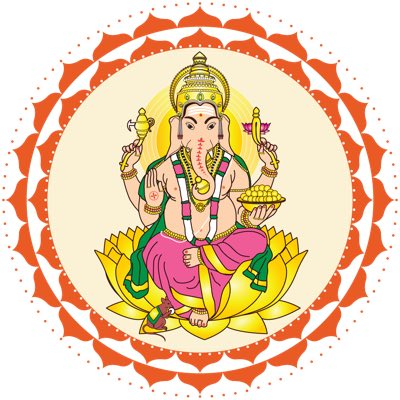
શ્રી ગણેશ સૂક્તમ્ in this file is a received liturgical collection rather than a single simple hymn from one place. It begins with Rigveda 8.81, a hymn to Indra seeking strength, support, and prosperity, and then includes the celebrated Rigveda 2.23.1 mantra ગણાનાં ત્વા ગણપતિં હવામહે to બ્રહ્મણસ્પતિ, along with related Ganapati verses. A careful reading should honor both the Vedic source-context and the later living Ganesha tradition.
This Vedic chant has a special place because it stands at the meeting point of Vedic leadership, sacred speech, and the devotional worship of Lord Ganesha. In the Vedic context, Indra represents decisive power and protective generosity, while બ્રહ્મણસ્પતિ is lord of prayer, inspired utterance, and sacred formulation. In later tradition, ગણપતિ is received as Lord Ganesha, remover of obstacles and lord of auspicious beginnings.
The word ગણપતિ means lord of groups, hosts, or ordered assemblies. This is not a small title: it points to coordination, intelligent leadership, and the ability to bring many forces into one purposeful movement. The hymn's movement from Indra's strong hand to Ganapati's sacred seat teaches that success needs both power and wise ordering.
Key concepts include ઇંદ્ર as heroic support, દક્ષિણ as skillful generosity, ગણ as ordered group, ગણપતિ as lord of the group, કવિ as seer, and બ્રહ્મણસ્પતિ as lord of sacred speech. Read this hymn as a prayer for strength, right leadership, generous support, awakened speech, and obstacle-clearing intelligence before any important undertaking.
આ તૂ ન॑ ઇંદ્ર ક્ષુ॒મંતં᳚ ચિ॒ત્રં ગ્રા॒ભં સં ગૃ॑ભાય ।
મ॒હા॒હ॒સ્તી દક્ષિ॑ણેન ॥ 1 ॥
Meaning (પદાર્થ):
આ તૂ નઃ ઇંદ્ર - come now to us, O Indra
ક્ષુમંતમ્ - rich in nourishment or abundance
ચિત્રં ગ્રાભમ્ - a splendid grasp, gift, or support
સં ગૃભાય - seize, gather, or bestow firmly
મહા-હસ્તી - great-handed, powerful in giving and grasping
દક્ષિણેન - with the right hand, the skillful or generous side
Translation (ભાવાર્થ):
O Indra, come to us and take up or grant a splendid, nourishing support with your great right hand.
Commentary (અનુસંધાન):
The opening asks for effective divine agency: a મહા-હસ્ત, a great hand, that can grasp what is needed and place strength where it belongs. દક્ષિણ suggests both the right hand and skillful generosity.
Indra in the Veda often represents force, leadership, and the power to overcome obstruction. When this hymn is recited in a Ganapati setting, that same energy prepares the movement toward ગણપતિ, the one who leads ordered groups and clears the way.
Practically, beginnings need a strong hand and a generous hand. Before starting a project, gather resources clearly, assign responsibility, and act with skill rather than vague enthusiasm.
વિ॒દ્મા હિ ત્વા᳚ તુવિકૂ॒ર્મિંતુ॒વિદે᳚ષ્ણં તુ॒વીમ॑ઘમ્ ।
તુ॒વિ॒મા॒ત્રમવો᳚ભિઃ ॥ 2 ॥
Meaning (પદાર્થ):
વિદ્મા હિ ત્વા - for we know you
તુવિકૂર્મિમ્ - mighty in action or powerful in works
તુવિદેષ્ણમ્ - greatly discerning or richly guiding
તુવીમઘમ્ - abundant in gifts
તુવિમાત્રમ્ - of great measure
અવોભિઃ - with protections and helps
Translation (ભાવાર્થ):
We know you as mighty in action, greatly guiding, abundant in gifts, vast in measure, and rich in protective help.
Commentary (અનુસંધાન):
The repeated તુવિ prefix intensifies greatness: great action, great guidance, great generosity, great measure. Vedic praise often builds confidence by remembering the deity's proven capacities.
In traditional worship, remembrance of divine qualities is itself a method of alignment. Ganesha stotras do the same by calling him બુદ્ધિ-પ્રદ, giver of understanding, and વિઘ્ન-નાશક, remover of obstruction.
In daily life, confidence should be evidence-based. Before a hard task, remember actual strengths, allies, and prior lessons. This prevents both fear and empty boasting.
ન॒ હિ ત્વા᳚ શૂર દે॒વા ન મર્તા᳚સો॒ દિત્સં᳚તમ્ ।
ભી॒મં ન ગાં-વાઁ॒રયં᳚તે ॥ 3 ॥
Meaning (પદાર્થ):
ન હિ ત્વા - indeed, not you
શૂર - O hero
દેવાઃ ન મર્તાસઃ - neither gods nor mortals
દિત્સંતમ્ - when you wish to give
ભીમં ન ગામ્ - like a formidable bull or cow
વારયંતિ - can restrain or hold back
Translation (ભાવાર્થ):
O heroic one, when you wish to give, neither gods nor mortals can restrain you, just as one cannot easily hold back a formidable powerful animal.
Commentary (અનુસંધાન):
The verse praises irresistible generosity. The divine will to give, once active, cannot be blocked by ordinary resistance. શૂર indicates courage joined with beneficence.
The Ganesha tradition similarly trusts that obstacles are not ultimate when divine wisdom moves. The Upanishadic spirit would add that real giving includes removal of ignorance, not only external gifts.
For life, be the kind of person whose generosity is not easily stopped by pettiness. When a right thing should be done, do it without waiting for perfect praise or permission.
એતો॒ન્વિંદ્રં॒ સ્તવા॒મેશા᳚નં॒-વઁસ્વઃ॑ સ્વ॒રાજમ્᳚ ।
ન રાધ॑સા મર્ધિષન્નઃ ॥ 4 ॥
Meaning (પદાર્થ):
એતો નુ ઇંદ્રં સ્તવામ - come, now let us praise Indra
ઈશાનં વસ્વઃ - lord of wealth and good things
સ્વરાજમ્ - self-ruling, sovereign
નઃ રાધસા - with bounty for us
મર્ધિષત્ - may he not neglect or diminish
Translation (ભાવાર્થ):
Let us praise Indra, lord of wealth and sovereign power. May he not withhold his bounty from us.
Commentary (અનુસંધાન):
સ્વરાજ્ means self-ruling. The hymn seeks wealth from one who is inwardly sovereign, not dependent or confused. True રાધસ્, bounty, comes from ordered power.
In Vedanta, self-mastery precedes right use of abundance. Bhagavad Gita repeatedly warns that wealth without self-rule becomes bondage, while governed power becomes service.
Practically, ask not only for resources but for sovereignty over your own impulses. Money, influence, and opportunity help only when the person receiving them is inwardly governed.
પ્ર સ્તો᳚ષ॒દુપ॑ ગાસિષ॒ચ્છ્રવ॒ત્સામ॑ ગી॒યમા᳚નમ્ ।
અ॒ભિરાધ॑સાજુગુરત્ ॥ 5 ॥
Meaning (પદાર્થ):
પ્ર સ્તોષત્ - may one praise forth
ઉપ ગાસિષત્ - may one approach with song
શ્રવત્ સામ ગીયમાનમ્ - may he hear the Saman being sung
અભિ રાધસા - toward bounty and favor
અજુગુરત્ - may he turn, awaken, or respond
Translation (ભાવાર્થ):
May praise be offered; may song approach him. May he hear the Saman being sung and turn toward us with favor and bounty.
Commentary (અનુસંધાન):
Sound matters here. Praise, song, and heard સામ create a sacred approach. Vedic prayer is not casual asking; it is ordered speech that tunes the worshipper to divine response.
This connects naturally with બ્રહ્મણસ્પતિ, lord of sacred utterance. Ganesha, invoked before recitation, protects the beginning of speech so that words become auspicious and effective.
In practical communication, the form of approach matters. Ask respectfully, prepare your words, and speak in a way the other can receive. Good speech opens doors that force cannot.
આ નો᳚ ભર॒ દક્ષિ॑ણેના॒ભિ સ॒વ્યેન॒ પ્ર મૃ॑શ ।
ઇંદ્ર॒ માનો॒ વસો॒ર્નિર્ભા᳚ક્ ॥ 6 ॥
Meaning (પદાર્થ):
આ નઃ ભર - bring to us
દક્ષિણેન - with the right hand
અભિ સવ્યેન પ્ર મૃશ - reach or touch also with the left
ઇંદ્ર - O Indra
મા નઃ વસોઃ નિર્ભાક્ - do not deprive us of wealth or goodness
Translation (ભાવાર્થ):
Bring abundance to us with your right hand and reach us also with the left, O Indra. Do not leave us without our share of good fortune.
Commentary (અનુસંધાન):
The two hands suggest completeness of help: direct giving and surrounding support. The prayer asks not to be cut off from વસુ, the good, luminous wealth needed for life.
Traditional dharma understands wealth as a responsibility-bearing good. When received rightly, it supports worship, education, family, charity, and social order.
For daily life, do not seek wealth as isolated possession. Ask: what will this resource nourish? A good share is one that strengthens duty, not greed.
ઉપ॑ક્રમ॒સ્વા ભ॑ર ધૃષ॒તા ધૃ॑ષ્ણો॒ જના᳚નામ્ ।
અદા᳚શૂષ્ટરસ્ય॒ વેદઃ॑ ॥ 7 ॥
Meaning (પદાર્થ):
ઉપક્રમસ્વ - come forward, begin, approach
ભર - bring or bear
ધૃષતા ધૃષ્ણો - with boldness, O bold one
જનાનામ્ - among people
અદાશુષઃ - of the ungenerous or non-offering person
તરસ્ય વેદઃ - know or overcome the hostile strength
Translation (ભાવાર્થ):
Come forward boldly, O bold one, and bring support among people. Know and overcome the force of the ungenerous.
Commentary (અનુસંધાન):
The verse values ઉપક્રમ, initiative. Divine help is invited not into passivity but into brave beginning. The obstacle named is ungenerosity, a refusal to participate in shared good.
Ganesha worship before undertakings has this same logic: begin rightly, remove obstruction, and establish generous order. The Gita's teaching on યજ્ઞ also criticizes consumption without offering.
In practical terms, many projects fail from lack of initiative and lack of contribution. Start, contribute, and encourage others to give their fair share; that is obstacle removal in action.
ઇંદ્ર॒ ય ઉ॒ નુ તે॒ અસ્તિ॒ વાજો॒ વિપ્રે᳚ભિઃ॒ સનિ॑ત્વઃ ।
અ॒સ્માભિઃ॒ સુતં સ॑નુહિ ॥ 8 ॥
Meaning (પદાર્થ):
ઇંદ્ર - O Indra
યઃ તે વાજઃ અસ્તિ - whatever strength, prize, or nourishment is yours
વિપ્રેભિઃ સનિત્વઃ - gained with inspired sages
અસ્માભિઃ - with us
સુતં સનુહિ - share or win the pressed Soma
Translation (ભાવાર્થ):
O Indra, whatever nourishing strength is yours, won with inspired seers, share that Soma and victory with us.
Commentary (અનુસંધાન):
વાજ is strength, prize, nourishment, and vigor. The verse asks to participate in divine strength through the company of વિપ્રાઃ, inspired ones.
Good company is repeatedly praised in dharma and Vedanta. Satsanga gives direction to energy; without it, strength becomes egoic. Ganesha as lord of the assembly also reminds us that success depends on right grouping.
Practically, choose your collaborators carefully. Work with people who raise the quality of thought, speech, and effort. Shared strength is stronger than isolated talent.
સ॒દ્યો॒જુવ॑સ્તે॒ વાજા᳚ અ॒સ્મભ્યં᳚-વિઁ॒શ્વશ્ચં᳚દ્રાઃ ।
વશૈ᳚શ્ચ મ॒ક્ષૂ જ॑રંતે ॥ 9 ॥
Meaning (પદાર્થ):
સદ્યઃ-જુવઃ - quickly impelling, immediately active
તે વાજાઃ - your strengths or prizes
અસ્મભ્યમ્ - for us
વિશ્વ-ચંદ્રાઃ - delightful to all, universally pleasing
વશૈઃ - with powers or desired goods
મક્ષૂ જરંતે - may they swiftly approach or mature
Translation (ભાવાર્થ):
May your swift, universally delightful strengths come quickly to us, bringing the desired powers, supports, and timely help needed for right action.
Commentary (અનુસંધાન):
The prayer asks for timely help. સદ્યઃ and મક્ષૂ both carry urgency. Some opportunities and dangers require prompt divine and human response.
Traditional worship before beginnings recognizes timing. Ganesha is invoked first because delay at the threshold can distort the whole undertaking; the same insight appears in dharma texts that praise timely action and condemn negligence.
Daily application: respond quickly to what is clearly right. Do not confuse patience with procrastination. A timely good action, a timely apology, or a timely correction often prevents many later problems.
ગ॒ણાનાં᳚ ત્વા ગ॒ણપ॑તિં હવામહે
ક॒વિં ક॑વી॒નામુ॑પ॒મશ્ર॑વસ્તમમ્ ।
જ્યે॒ષ્ઠ॒રાજં॒ બ્રહ્મ॑ણાં બ્રહ્મણસ્પત॒
આ નઃ॑ શૃ॒ણ્વન્નૂ॒તિભિ॑સ્સીદ॒ સાદ॑નમ્ ॥ 10 ॥
Meaning (પદાર્થ):
ગણાનાં ત્વા ગણપતિં હવામહે - we invoke you as lord of the groups
કવિં કવીનામ્ - seer among seers
ઉપમ-શ્રવસ્તમમ્ - most renowned, of unsurpassed fame
જ્યેષ્ઠ-રાજં બ્રહ્મણામ્ - eldest or highest king of sacred utterances
બ્રહ્મણસ્પત - O lord of prayer, sacred formulation, and inspired speech
આ નઃ શૃણ્વન્ - hearing us, come to us
ઊતિભિઃ - with protections and helps
સીદ સાદનમ્ - sit in the sacred seat
Translation (ભાવાર્થ):
We invoke you, lord of the groups, seer among seers, most renowned, highest king of sacred utterances, O Brahmanaspati. Hear us, come with your protections, and sit in the sacred seat.
Commentary (અનુસંધાન):
This famous mantra is layered. In the Rigvedic setting, બ્રહ્મણસ્પતિ is lord of sacred prayer and inspired formulation. In the living Ganesha tradition, ગણપતિ is worshipped as the lord who gathers, orders, protects, and begins all auspicious undertakings.
Sayana's traditional commentary explains ગણપતિ as chief of the ગણાઃ and બ્રહ્મણસ્પતિ as protector or lord of sacred acts and mantras. That makes the mantra especially apt before study, worship, writing, teaching, and public work.
Practically, invite order before action. Begin meetings, study sessions, and decisions by clarifying purpose, roles, speech standards, and the help needed. Ganesha's blessing shows up as organized intelligence and obstruction-free beginning.
નિ ષુ સી᳚દ ગણપતે ગ॒ણેષુ॒ ત્વામા᳚હુ॒ર્વિપ્ર॑તમં કવી॒નામ્ ।
ન ઋ॒તે ત્વત્ક્રિ॑યતે॒ કિં ચ॒નારે મ॒હામ॒ર્કં મ॑ઘવંચિ॒ત્રમ॑ર્ચ ॥ 11 ॥
Meaning (પદાર્થ):
નિ સીદ ગણપતે ગણેષુ - sit down among the groups, O Ganapati
ત્વાં આહુઃ વિપ્રતમં કવીનામ્ - they call you the most inspired among seers
ન ઋતે ત્વત્ ક્રિયતે કિં ચન - without you, nothing is done
આરે - near, in the matter at hand
મહાં અર્કં અર્ચ - praise the great hymn or radiance
મઘવન્ ચિત્રમ્ - O generous one, splendid
Translation (ભાવાર્થ):
Sit among the hosts, O Ganapati; you are called the most inspired among seers. Without you, nothing is accomplished. Praise the great and splendid radiance, O generous one.
Commentary (અનુસંધાન):
ન ઋતે ત્વત્ ક્રિયતે કિં ચન is the heart of the obstacle-removal sentiment: no worthy undertaking is complete without the ordering intelligence represented by Ganapati. The mantra asks him to sit within the assembly, not merely bless from outside.
This aligns with the practical theology of Ganesha worship: he is invoked first because every action needs right beginning, right speech, and right coordination. Vedantic reflection can see this as the need for બુદ્ધિ to be awake before karma proceeds.
In daily life, do not begin important action with a disordered mind. Sit the "Ganapati principle" in the center: clarify the first step, remove avoidable confusion, and begin with reverence.
અ॒ભિ॒ખ્યાનો᳚ મઘવ॒ન્નાધ॑માનાં॒ત્સખે᳚ બો॒ધિ વ॑સુપતે॒ સખી᳚નામ્ ।
રણં᳚ કૃધિ રણકૃત્સત્યશુ॒ષ્માભ॑ક્તે ચિ॒દા ભ॑જા રા॒યે અ॒સ્માન્ ॥ 12 ॥
Meaning (પદાર્થ):
અભિખ્યાનઃ - visibly renowned or declaring yourself
મઘવન્ - O generous one
આધમાનાન્ - those who call, invoke, or seek help
સખે બોધિ - be aware as a friend
વસુપતે - lord of treasures
સખીનામ્ - of friends
રણં કૃધિ - make the contest or struggle favorable
સત્ય-શુષ્મ - true in strength
ભક્તે ચિત્ આ ભજ - give even to the devoted one
રાયે અસ્માન્ - grant us prosperity and support
Translation (ભાવાર્થ):
O generous lord of treasures, be aware of those who invoke you, as a friend among friends. Make the struggle favorable with true strength, and grant us prosperity and support as your devoted people.
Commentary (અનુસંધાન):
The hymn ends with friendship, struggle, and prosperity. Divine help is not impersonal machinery; સખે બોધિ asks the deity to be awake as a friend. The struggle is made meaningful by સત્ય-શુષ્મ, true strength.
Bhagavad Gita repeatedly presents the Lord as friend of beings, especially in સુહૃદં સર્વ-ભૂતાનામ્. In Ganesha devotion, this friendly nearness is why devotees confidently bring beginnings, doubts, exams, journeys, and responsibilities to him.
Practically, seek friends and mentors who awaken strength rather than dependency. In any struggle, ask for truthful power, not mere victory. Prosperity gained through friendship and truth becomes stable.
Browse Related Categories:
 વેદ મંત્રાઃ (109)
- ગણપતિ પ્રાર્થન ઘનપાઠઃ
- ગાયત્રી મંત્રં ઘનપાઠઃ
- શ્રી રુદ્રં લઘુન્યાસમ્
- શ્રી રુદ્રં નમકમ્
- શ્રી રુદ્રં - ચમકપ્રશ્નઃ
- પુરુષ સૂક્તમ્
- શ્રી સૂક્તમ્
- દુર્ગા સૂક્તમ્
- નારાયણ સૂક્તમ્
- મંત્ર પુષ્પમ્
- શાંતિ મંત્રમ્ (દશ શાંતયઃ)
- નિત્ય સંધ્યા વંદનમ્ (કૃષ્ણ યજુર્વેદીય)
- શ્રી ગણપતિ અથર્વ ષીર્ષમ્ (ગણપત્યથર્વષીર્ષોપનિષત્)
- ઈશાવાસ્યોપનિષદ્ (ઈશોપનિષદ્)
- નક્ષત્ર સૂક્તમ્ (નક્ષત્રેષ્ટિ)
- મન્યુ સૂક્તમ્
- મેધા સૂક્તમ્
- વિષ્ણુ સૂક્તમ્
- શિવ પંચામૃત સ્નાનાભિષેકમ્
- યજ્ઞોપવીત ધારણ
- સર્વ દેવતા ગાયત્રી મંત્રાઃ
- તૈત્તિરીય ઉપનિષદ્ - શીક્ષાવલ્લી
- તૈત્તિરીય ઉપનિષદ્ - આનંદવલ્લી
- તૈત્તિરીય ઉપનિષદ્ - ભૃગુવલ્લી
- ભૂ સૂક્તમ્
- નવગ્રહ સૂક્તમ્
- મહાનારાયણ ઉપનિષદ્
- અરુણપ્રશ્નઃ
- શ્રી મહાન્યાસમ્ (પૂર્ણં)
- સરસ્વતી સૂક્તમ્
- ભાગ્ય સૂક્તમ્
- પવમાન સૂક્તમ્
- નાસદીય સૂક્તમ્
- નવગ્રહ સૂક્તમ્ (નવગ્રહ નમસ્કારમ્)
- પિતૃ સૂક્તમ્
- રાત્રિ સૂક્તમ્
- સર્પ સૂક્તમ્
- હિરણ્ય ગર્ભ સૂક્તમ્
- સાનુસ્વાર પ્રશ્ન (સુન્નાલ પન્નમ્)
- ગો સૂક્તમ્
- ત્રિસુપર્ણમ્
- ચિત્તિ પન્નમ્
- અઘમર્ષણ સૂક્તમ્
- કેન ઉપનિષદ્ - પ્રથમઃ ખંડઃ
- કેન ઉપનિષદ્ - દ્વિતીયઃ ખંડઃ
- કેન ઉપનિષદ્ - તૃતીયઃ ખંડઃ
- કેન ઉપનિષદ્ - ચતુર્થઃ ખંડઃ
- મુંડક ઉપનિષદ્ - પ્રથમ મુંડક, પ્રથમ કાંડઃ
- મુંડક ઉપનિષદ્ - પ્રથમ મુંડક, દ્વિતીય કાંડઃ
- મુંડક ઉપનિષદ્ - દ્વિતીય મુંડક, પ્રથમ કાંડઃ
- મુંડક ઉપનિષદ્ - દ્વિતીય મુંડક, દ્વિતીય કાંડઃ
- મુંડક ઉપનિષદ્ - તૃતીય મુંડક, પ્રથમ કાંડઃ
- મુંડક ઉપનિષદ્ - તૃતીય મુંડક, દ્વિતીય કાંડઃ
- નારાયણ ઉપનિષદ્
- વિશ્વકર્મ સૂક્તમ્
- શ્રી દેવ્યથર્વશીર્ષમ્
- દુર્વા સૂક્તમ્ (મહાનારાયણ ઉપનિષદ્)
- મૃત્તિકા સૂક્તમ્ (મહાનારાયણ ઉપનિષદ્)
- શ્રી દુર્ગા અથર્વશીર્ષમ્
- અગ્નિ સૂક્તમ્ (ઋગ્વેદ)
- ક્રિમિ સંહારક સૂક્તમ્ (યજુર્વેદ)
- નીલા સૂક્તમ્
- વેદ આશીર્વચનમ્
- વેદ સ્વસ્તિ વાચનમ્
- ઐકમત્ય સૂક્તમ્ (ઋગ્વેદ)
- આયુષ્ય સૂક્તમ્
- શ્રદ્ધા સૂક્તમ્
- શ્રી ગણેશ (ગણપતિ) સૂક્તમ્ (ઋગ્વેદ)
- શિવોપાસન મંત્રાઃ
- શાંતિ પંચકમ્
- શુક્લ યજુર્વેદ સંધ્યાવંદનમ્
- માંડૂક્ય ઉપનિષદ્
- ઋગ્વેદ સંધ્યાવંદનમ્
- એકાત્મતા સ્તોત્રમ્
- ભાવનોપનિષદ્
- કઠોપનિષદ્ - અધ્યાય 1, વળ્ળી 1
- કઠોપનિષદ્ - અધ્યાય 1, વળ્ળી 2
- કઠોપનિષદ્ - અધ્યાય 1, વળ્ળી 3
- કઠોપનિષદ્ - અધ્યાય 2, વળ્ળી 1
- કઠોપનિષદ્ - અધ્યાય 2, વળ્ળી 2
- કઠોપનિષદ્ - અધ્યાય 2, વળ્ળી 3
- પ્રશ્નોપનિષદ્ - પ્રથમઃ પ્રશ્નઃ
- પ્રશ્નોપનિષદ્ - દ્વિતીયઃ પ્રશ્નઃ
- પ્રશ્નોપનિષદ્ - ત્રિતીયઃ પ્રશ્નઃ
- પ્રશ્નોપનિષદ્ - ચતુર્થઃ પ્રશ્નઃ
- પ્રશ્નોપનિષદ્ - પંચ પ્રશ્નઃ
- પ્રશ્નોપનિષદ્ - ષષ્ઠઃ પ્રશ્નઃ
- અન્ન સૂક્તમ્
- ઋગ્વેદીય પંચ રુદ્રં
- શ્રી મહાન્યાસમ્ - 0. કલશ પ્રતિષ્ઠાપન મંત્રાઃ
- શ્રી મહાન્યાસમ્ - 1. પંચાંગ રુદ્રન્યાસઃ
- શ્રી મહાન્યાસમ્ - 2. પંચમુખ ધ્યાનમ્
- શ્રી મહાન્યાસમ્ - 3. અંગન્યાસઃ
- શ્રી મહાન્યાસમ્ - 4. દશાંગ ન્યાસઃ
- શ્રી મહાન્યાસમ્ - 5. પંચાંગ ન્યાસઃ
- શ્રી મહાન્યાસમ્ - 5.1. હંસ ગાયત્રી
- શ્રી મહાન્યાસમ્ - 5.2. દિક્ સંપુટન્યાસઃ (સંપુટીકરણમ્)
- શ્રી મહાન્યાસમ્ - 5.3. દશાંગ રૌદ્રીકરણમ્
- શ્રી મહાન્યાસમ્ - 5.4. ષોડશાંગ રૌદ્રીકરણં
- શ્રી મહાન્યાસમ્ - 6.1. મનો જ્યોતિઃ
- શ્રી મહાન્યાસમ્ - 6.2. આત્મરક્ષા
- શ્રી મહાન્યાસમ્ - 7.1. શિવસંકલ્પાઃ
- શ્રી મહાન્યાસમ્ - 7.2. પુરુષ સૂક્તં
- શ્રી મહાન્યાસમ્ - 7.3. ઉત્તર નારાયણં
- શ્રી મહાન્યાસમ્ - 7.4. અપ્રતિરથં
- શ્રી મહાન્યાસમ્ - 7.5. પ્રતિ પૂરુષં
- શ્રી મહાન્યાસમ્ - 7.6. શત રુદ્રીયં (ત્વમગ્ને રુદ્રોઽનુવાકઃ)
- શ્રી મહાન્યાસમ્ - 7.7. પંચાંગ જપઃ
- શ્રી મહાન્યાસમ્ - 7.8. અષ્ટાંગ પ્રણામઃ
 વેદ સૂક્તમ્ (36)
 ગણેશ સ્તોત્રાણિ (39)
 નિત્ય પારાયણ શ્લોકાઃ (38)
 ગણેશ ચતુર્થિ (40)
 સંકટહર ચતુર્થિ (40)
 ગણેશ (42)