The second section of the first Mundaka marks a sharp pedagogical turn. After introducing പരാ and അപരാ വിദ്യാ, the Upanishad now examines ritual-centered life with both fairness and uncompromising clarity. It acknowledges the place of Vedic കര്മ, yet refuses to let seekers mistake finite merit for final freedom.
This section is therefore not anti-ritual; it is anti-delusion. It first lays out disciplined ritual procedure and its legitimate results, then shows the built-in limits of action-bound attainments. The intent is to move the seeker from karmic optimism to existential discernment.
Adi Shankaracharya's interpretive line treats this as a vital transition from കര്മ-കാംഡ dependence to ബ്രഹ്മ-വിദ്യാ orientation. The famous injunction പരീക്ഷ്യ ലോകാന് കര്മചിതാന്... emerges here as a decisive call to maturity: examine, recognize limitation, and seek the imperishable through right guidance.
For contemporary readers, this section has immediate relevance. It challenges every form of spiritual consumerism - ritual, status, identity, achievement - that avoids foundational inquiry. Read it as a compassionate confrontation: keep discipline, but do not settle for repeatable outcomes when liberation is the goal.
॥ പ്രഥമമുംഡകേ ദ്വിതീയഃ ഖംഡഃ ॥
Meaning (പദാര്ഥ):
പ്രഥമ-മുംഡകേ - in the first Mundaka
ദ്വിതീയഃ ഖംഡഃ - second section
Translation (ഭാവാര്ഥ):
This is the second section of the first Mundaka.
Commentary (അനുസംധാന):
This heading signals a methodological shift within the same chapter. The first section established the knowledge hierarchy; the second section applies that hierarchy to spiritual life by examining കര്മ, its rigor, and its limits.
In traditional teaching flow, this is intentional sequencing: first define പരാ/അപരാ, then prevent confusion by showing why even refined karmic attainments remain within സംസാര if not transcended by Self-knowledge. Shankara's pedagogical structure repeatedly follows this movement from orientation to discernment.
A practical study approach is to treat section breaks as cognitive checkpoints. Before moving on, ask: "What mistaken assumption is this new section correcting in me?" This keeps scriptural study transformative rather than merely cumulative.
തദേതത് സത്യം മംത്രേഷു കര്മാണി കവയോ
യാന്യപശ്യംസ്താനി ത്രേതായാം ബഹുധാ സംതതാനി ।
താന്യാചരഥ നിയതം സത്യകാമാ ഏഷ വഃ
പംഥാഃ സുകൃതസ്യ ലോകേ ॥ 1॥
Meaning (പദാര്ഥ):
തത് എതത് - this indeed
സത്യം - true
മംത്രേഷു - in the mantras
കര്മാണി - ritual actions
കവയഃ - seers
യാനി - which
അപശ്യന് - perceived
താനി - those
ത്രേതായാം - in the threefold Vedic arrangement
ബഹുധാ - in many ways
സംതതാനി - extended/elaborated
താനി ആചരഥ - perform those
നിയതം - regularly, with discipline
സത്യകാമാഃ - O seekers of rightful fruits
ഏഷഃ - this
വഃ - for you
പംഥാഃ - path
സുകൃതസ്യ ലോകേ - to the world attained by merit
Translation (ഭാവാര്ഥ):
This is indeed true: the rites seen by the seers and taught in the mantras, elaborated in many forms, should be performed with discipline by those seeking rightful results; this is the path to the worlds gained by merit.
Commentary (അനുസംധാന):
The Upanishad begins this section by affirming Vedic ritual validity within its domain. It does not caricature കര്മ; it acknowledges that disciplined action, rightly performed, yields ordered results. The verse is precise: this is a path to സുകൃത-ലോക (merit-worlds), not to the absolute.
Shastric tradition consistently preserves this domain-clarity. In Advaita, കര്മ can purify and prepare (ചിത്ത-ശുദ്ധി) but cannot by itself reveal the non-produced absolute (അകൃത). This distinction echoes Gita 9.20-21, where ritual merit grants higher worlds yet remains finite and return-bound.
Practically, the verse teaches respect without absolutization: do your duties and disciplines well, but know their scope. Confusion begins when provisional means are mistaken for final ends.
യദാ ലേലായതേ ഹ്യര്ചിഃ സമിദ്ധേ ഹവ്യവാഹനേ ।
തദാഽഽജ്യഭാഗാവംതരേണാഽഽഹുതീഃ പ്രതിപാദയേത് ॥ 2॥
Meaning (പദാര്ഥ):
യദാ - when
ലേലായതേ - flickers/playfully moves
ഹി അര്ചിഃ - indeed the flame
സമിദ്ധേ - when well-kindled
ഹവ്യവാഹനേ - in the sacrificial fire
തദാ - then
ആജ്യ-ഭാഗൌ-അംതരേണാ - between the two ghee-portions
ആഹുതീഃ - oblations
പ്രതിപാദയേത് - one should place/offer
Translation (ഭാവാര്ഥ):
When the sacrificial fire is properly kindled and its flame is active, then one should offer the oblations at the prescribed point between the two ghee-offerings.
Commentary (അനുസംധാന):
This verse emphasizes procedural precision. Vedic ritual is not casual symbolism; it is governed action with timing, sequence, and intentional correctness. Even in കര്മ-കാംഡ, maturity demands attentiveness.
മീമാംസാ and Vedantic traditions alike treat വിധി (prescribed method) as central to ritual efficacy. The Upanishad here affirms that action-results are lawfully conditioned, not arbitrarily granted. That same lawfulness later supports its argument about action's limits.
A practical takeaway: spiritual seriousness includes procedural integrity. Whether mantra-japa, nitya കര്മ, or meditation routine, sloppiness weakens formation. Precision trains reverence and prepares the mind for higher inquiry.
യസ്യാഗ്നിഹോത്രമദര്ശമപൌര്ണമാസ-
മചാതുര്മാസ്യമനാഗ്രയണമതിഥിവര്ജിതം ച ।
അഹുതമവൈശ്വദേവമവിധിനാ ഹുത-
മാസപ്തമാംസ്തസ്യ ലോകാന് ഹിനസ്തി ॥ 3॥
Meaning (പദാര്ഥ):
യസ്യ - whose
അഗ്നിഹോത്രമ് - agnihotra rite
അദര്ശമ് - lacking the new-moon observance
അപൌര്ണമാസമ് - lacking the full-moon observance
അചാതുര്മാസ്യമ് - lacking seasonal ചാതുര്മാസ്യ rites
അനാഗ്രയണമ് - lacking the first-fruit offering
അതിഥി-വര്ജിതമ് - devoid of guest-hospitality
ച - and
അഹുതമ് - not duly offered
അവൈശ്വദേവമ് - without വൈശ്വദേവ offering
അവിധിനാ ഹുതമ് - offered against injunction
ആ-സപ്തമാന് - up to the seventh
തസ്യ - of that performer
ലോകാന് - worlds/merit-realms
ഹിനസ്തി - destroys
Translation (ഭാവാര്ഥ):
If one performs agnihotra while neglecting its connected observances - new/full moon rites, seasonal rites, first-fruit offering, hospitality, universal offering - or performs it improperly, such action damages the performer's merit across the sevenfold result-fields.
Commentary (അനുസംധാന):
The verse warns against selective religiosity - preserving prestige-symbols while dropping ethical and procedural foundations. Ritual divorced from wholeness becomes self-defeating.
Shastric hermeneutics reads this as interconnected obligation: കര്മ is a system, not a menu. Advaita accepts this fully at the preparatory level; fragmented observance often strengthens ego while weakening refinement. The Upanishad uses this rigor to mature the seeker's honesty.
In modern terms, this is a warning against "display spirituality." If outer practice is not matched by integrity, care, and responsibility, it may increase self-deception. Keep practice whole, not performative.
കാലീ കരാലീ ച മനോജവാ ച
സുലോഹിതാ യാ ച സുധൂമ്രവര്ണാ ।
സ്ഫുലിംഗിനീ വിശ്വരുചീ ച ദേവീ
ലേലായമാനാ ഇതി സപ്ത ജിഹ്വാഃ ॥ 4॥
Meaning (പദാര്ഥ):
കാലീ - KAlI (a flame-tongue)
കരാലീ - KarAlI (a fierce flame-tongue)
ച - and
മനോജവാ - ManOjavA (swift as mind)
സുലോഹിതാ - SulOhitA (deep-red flame)
യാ - and that
സുധൂമ്രവര്ണാ - smoke-hued flame
സ്ഫുലിംഗിനീ - spark-scattering flame
വിശ്വരുചീ - all-radiant flame
ദേവീ - the divine (fire)
ലേലായമാനാ - flickering
ഇതി - thus
സപ്ത ജിഹ്വാഃ - seven tongues (of fire)
Translation (ഭാവാര്ഥ):
The sacrificial fire is described as having seven flickering tongues - Kali, Karali, Manojava, Sulohita, Sudhumravarna, Sphulingini, and Vishvaruchi.
Commentary (അനുസംധാന):
The verse poetically encodes a sophisticated ritual phenomenology. Fire is not treated as inert matter but as dynamic sacred medium with differentiated modes of operation and reception.
In Vedic tradition, such naming supports contemplative attention within ritual action: the performer is trained to perceive subtle functional distinctions rather than mechanically "doing" a rite. Yet the Upanishad's larger strategy remains: even this richness is within കര്മ-domain and therefore finite in fruit.
Practically, this verse teaches mindful presence. Whatever the practice - ritual, prayer, meditation, service - move from autopilot to attentive participation. Depth begins where presence replaces routine.
ഏതേഷു യശ്ചരതേ ഭ്രാജമാനേഷു യഥാകാലം
ചാഹുതയോ ഹ്യാദദായന് ।
തം നയംത്യേതാഃ സൂര്യസ്യ രശ്മയോ യത്ര
ദേവാനാം പതിരേകോഽധിവാസഃ ॥ 5॥
Meaning (പദാര്ഥ):
ഏതേഷു - in these
യഃ - whoever
ചരതേ - engages/practices
ഭ്രാജമാനേഷു - in the blazing forms
യഥാകാലം - at the proper time
ആഹുതയഃ - oblations
ഹി ആദദായന് - indeed placing/offering
തം - that sacrificer
നയംതി ഏതാഃ - these lead
സൂര്യസ്യ രശ്മയഃ - rays of the sun
യത്ര - where
ദേവാനാം പതിഃ - lord of the devas
എകഃ അധിവാസഃ - the singular presiding abode
Translation (ഭാവാര്ഥ):
One who offers rightly and timely in these blazing sacrificial fires is led by the rays of the sun to the realm presided over by the lord of the gods.
Commentary (അനുസംധാന):
This verse presents the positive fruit of disciplined കര്മ: ordered ascent to higher experiential realms. The Upanishad is being fair - properly performed action yields proper result.
Vedantic commentators treat such results as real within വ്യവഹാര but not final in പാരമാര്ഥിക terms. Gita 9.20-21 gives the same arc: merit leads upward, but finite causes produce finite residence. This prepares the transition to renunciate inquiry.
Practically, this verse helps seekers respect karmic causality without idolizing outcomes. Good action matters deeply, but ultimate freedom requires knowledge beyond result-cycles.
ഏഹ്യേഹീതി തമാഹുതയഃ സുവര്ചസഃ
സൂര്യസ്യ രശ്മിഭിര്യജമാനം വഹംതി ।
പ്രിയാം വാചമഭിവദംത്യോഽര്ചയംത്യ
ഏഷ വഃ പുണ്യഃ സുകൃതോ ബ്രഹ്മലോകഃ ॥ 6॥
Meaning (പദാര്ഥ):
ഏഹി ഏഹി ഇതി - "come, come" thus
തം ആഹുതയഃ - those oblations (addressing him)
സുവര്ചസഃ - radiant/lustrous
സൂര്യസ്യ രശ്മിഭിഃ - by the sun's rays
യജമാനമ് - the sacrificer
വഹംതി - carry
പ്രിയാം വാചമ് - pleasing speech
അഭിവദംതി - speak/address
അര്ചയംതി - honor/praise
ഏഷഃ - this
വഃ - for you
പുണ്യഃ - meritorious
സുകൃതഃ - earned by good acts
ബ്രഹ്മലോകഃ - the brahma-loka (karmic realm)
Translation (ഭാവാര്ഥ):
The radiant sacrificial offerings, as though inviting "come, come," carry the sacrificer along the sun's rays, praising him and saying: this is your meritorious world attained by good works.
Commentary (അനുസംധാന):
The language is intentionally attractive: കര്മ appears rewarding, affirming, and exalted. The text acknowledges this experiential pull before delivering its deeper correction.
Shankara's reading of this passage treats the invitation imagery as ഫല-സ്തുതി within കര്മ-കാംഡ, not as മോക്ഷ-lakShaNa. Bhagavad Gita 9.20-21 states the same cycle explicitly - തേ തം ഭുക്ത്വാ സ്വര്ഗലോകം വിശാലം ക്ഷീണേ പുണ്യേ മര്ത്യലോകം വിശംതി - showing that even exalted heaven-experience remains time-bound.
Practically, this verse warns about subtle spiritual complacency. Pleasant inner states, praise, and refined experiences can become new attachments. Enjoy without clinging; continue inquiry.
പ്ലവാ ഹ്യേതേ അദൃഢാ യജ്ഞരൂപാ
അഷ്ടാദശോക്തമവരം യേഷു കര്മ ।
ഏതച്ഛ്രേയോ യേഽഭിനംദംതി മൂഢാ
ജരാമൃത്യും തേ പുനരേവാപി യംതി ॥ 7॥
Meaning (പദാര്ഥ):
പ്ലവാഃ - rafts/boats
ഹി ഏതേ - indeed these
അദൃഢാഃ - unstable/fragile
യജ്ഞ-രൂപാഃ - of the nature of sacrifices
അഷ്ടാദശ-ഉക്തമ് - declared as eighteenfold
അവരം കര്മ - lower/inferior action (for liberation)
യേഷു - in which
ഏതത് ശ്രേയഃ - this as the highest good
യേ അഭിനംദംതി - those who delight in
മൂഢാഃ - deluded ones
ജരാ-മൃത്യും - old age and death
തേ - they
പുനഃ എവ അപി - again and again
യംതി - go/return
Translation (ഭാവാര്ഥ):
These ritual forms are fragile rafts; the eighteenfold sacrificial system is inferior with respect to liberation. Those deluded ones who celebrate it as supreme return again to old age and death.
Commentary (അനുസംധാന):
This is the section's decisive critique. കര്മ is now called അദൃഢ-പ്ലവ - useful for crossing short waters, incapable of crossing the ocean of സംസാര. The issue is not ritual itself, but absolutizing it.
Shankara emphasizes that action, being finite and produced, cannot yield the unproduced absolute (അകൃത). This is a cornerstone Advaitic principle echoed directly in verse 12 of this very section. Thus the Upanishad shifts from karmic legitimacy to karmic limitation with precision.
In practical life, this verse asks: what am I using as a raft, and am I mistaking it for the shore? Means are sacred; mistaking means for end is bondage.
അവിദ്യായാമംതരേ വര്തമാനാഃ
സ്വയം ധീരാഃ പംഡിതം മന്യമാനാഃ ।
ജംഘന്യമാനാഃ പരിയംതി മൂഢാ
അംധേനൈവ നീയമാനാ യഥാംധാഃ ॥ 8॥
Meaning (പദാര്ഥ):
അവിദ്യായാം അംതരേ - in the midst of ignorance
വര്തമാനാഃ - living/moving
സ്വയം - themselves
ധീരാഃ - wise/steadfast
പംഡിതം - learned
മന്യമാനാഃ - thinking themselves to be
ജംഘന്യമാനാഃ - being repeatedly battered/afflicted
പരിയംതി - wander about
മൂഢാഃ - deluded ones
അംധേന എവ - by the blind itself
നീയമാനാഃ - being led
യഥാ അംധാഃ - like the blind
Translation (ഭാവാര്ഥ):
Dwelling in ignorance yet thinking themselves wise, the deluded wander in repeated confusion - like the blind led by the blind.
Commentary (അനുസംധാന):
This verse exposes epistemic arrogance as a core obstacle. The sharp language is therapeutic, not insulting: false certainty blocks transformation more deeply than acknowledged confusion.
Upanishadic and Gita traditions repeatedly identify this pattern - self-certifying ignorance masquerading as insight. Shankara's pedagogy therefore gives high value to humility (അമാനിത്വ) and സംപ്രദായ-guided correction. Without these, seekers circulate inside conceptual echo-chambers.
Practically, adopt one antidote: periodic "blind-spot review" with a trusted teacher or rigorous peer. Growth accelerates when one invites correction before crisis enforces it.
അവിദ്യായം ബഹുധാ വര്തമാനാ വയം
കൃതാര്ഥാ ഇത്യഭിമന്യംതി ബാലാഃ ।
യത് കര്മിണോ ന പ്രവേദയംതി രാഗാത്
തേനാതുരാഃ ക്ഷീണലോകാശ്ച്യവംതേ ॥ 9॥
Meaning (പദാര്ഥ):
അവിദ്യായാമ് - in ignorance
ബഹുധാ - in many ways
വര്തമാനാഃ - moving/living
വയം - we
കൃതാര്ഥാഃ - fulfilled/accomplished
ഇതി - thus
അഭിമന്യംതി - imagine/conceive
ബാലാഃ - immature ones
യത് - because
കര്മിണഃ - ritual-action oriented people
ന പ്രവേദയംതി - do not discern/understand
രാഗാത് - due to attachment
തേന - therefore/by that
ആതുരാഃ - afflicted
ക്ഷീണ-ലോകാഃ - with exhausted merit-worlds
ച്യവംതേ - fall away
Translation (ഭാവാര്ഥ):
Immature people, moving in varied forms of ignorance, imagine themselves fulfilled. Attached to action, they fail to discern deeply; when their earned worlds are exhausted, they decline and fall again.
Commentary (അനുസംധാന):
The verse refines the previous warning by naming the mechanism: രാഗ (attachment). It is attachment that turns provisional attainment into imagined completion.
Advaita's analysis of bondage as misidentification plus attachment is directly relevant here. കര്മ itself is not condemned; clinging and misvaluation are. This matches Gita's repeated teaching that attachment to fruits binds action to recurrence.
In practical terms, perform and serve wholeheartedly, but test for attachment by asking: "If this result changes, does my center collapse?" Where collapse is high, attachment is high; there purification is required.
ഇഷ്ടാപൂര്തം മന്യമാനാ വരിഷ്ഠം
നാന്യച്ഛ്രേയോ വേദയംതേ പ്രമൂഢാഃ ।
നാകസ്യ പൃഷ്ഠേ തേ സുകൃതേഽനുഭൂത്വേമം
ലോകം ഹീനതരം വാ വിശംതി ॥ 10॥
Meaning (പദാര്ഥ):
ഇഷ്ടാ-പൂര്തമ് - sacrifice-and-charity duties
മന്യമാനാഃ - considering
വരിഷ്ഠം - as highest
ന അന്യത് ശ്രേയഃ - no other higher good
വേദയംതി - they know/understand
പ്രമൂഢാഃ - deeply deluded ones
നാകസ്യ പൃഷ്ഠേ - on the heaven-plane
തേ - they
സുകൃതേ അനുഭൂയ - after enjoying earned merit
ഇമം ലോകം - this world
ഹീനതരം വാ - or a lower one
വിശംതി - enter
Translation (ഭാവാര്ഥ):
Those deluded ones who consider sacrificial and charitable works to be the highest and know no greater good, after enjoying heavenly merit, return again to this world or a lower one.
Commentary (അനുസംധാന):
This verse does not belittle charity or ritual duty; it rejects their absolutization. ഇഷ്ടാ-പൂര്ത has social and ethical value, but it does not by itself end existential ignorance.
Shastric synthesis preserves both truths: dharmic action is necessary for inner refinement and social order, yet liberation requires Self-knowledge. This is fully aligned with Mundaka's central distinction between finite-result means and imperishable realization.
A modern application: continue service and philanthropy, but pair them with inquiry into identity, attachment, and awareness. Outer good without inner transformation remains incomplete.
തപഃശ്രദ്ധേ യേ ഹ്യുപവസംത്യരണ്യേ
ശാംതാ വിദ്വാംസോ ഭൈക്ഷ്യചര്യാം ചരംതഃ ।
സൂര്യദ്വാരേണ തേ വിരജാഃ പ്രയാംതി
യത്രാമൃതഃ സ പുരുഷോ ഹ്യവ്യയാത്മാ ॥ 11॥
Meaning (പദാര്ഥ):
തപഃ-ശ്രദ്ധേ - austerity and faith
യേ - those who
ഹി ഉപവസംതി - indeed dwell/abide
അരണ്യേ - in contemplative seclusion (forest)
ശാംതാഃ - inwardly peaceful
വിദ്വാംസഃ - knowers
ഭൈക്ഷ്യ-ചര്യാമ് - mendicant mode of living
ചരംതഃ - practicing/moving in
സൂര്യ-ദ്വാരേണ - through the solar gate/path
തേ - they
വിരജാഃ - purified, stainless
പ്രയാംതി - proceed
യത്ര - where
അമൃതഃ സഃ പുരുഷഃ - that deathless പുരുഷ
ഹി അവ്യയാത്മാ - indeed of imperishable nature
Translation (ഭാവാര്ഥ):
Those who live with austerity and faith, in peace and disciplined simplicity, moving in contemplative life, purified of stain, proceed by the luminous path toward the deathless imperishable conscious reality.
Commentary (അനുസംധാന):
The text now turns from ritual complexity to contemplative simplicity. Emphasis shifts to തപസ്, ശ്രദ്ധാ, ശാംതി, and inward life - conditions favorable for ബ്രഹ്മ-വിദ്യാ maturation.
In Advaita pedagogy, this does not mandate geography for all seekers; it mandates interior renunciation and disciplined orientation. The "solar path" imagery indicates luminosity and upward movement of consciousness beyond gross attachment. Shankara consistently centers preparedness and purity as indispensable.
Practically, create your own "inner forest" periods - daily device-free silence, reduced sensory overload, simple living blocks, and disciplined study. Without such intervals, subtle assimilation rarely stabilizes.
പരീക്ഷ്യ ലോകാന് കര്മചിതാന് ബ്രാഹ്മണോ
നിർവേദമായാന്നാസ്ത്യകൃതഃ കൃതേന ।
തദ്വിജ്ഞാനാര്ഥം സ ഗുരുമേവാഭിഗച്ഛേത്
സമിത്പാണിഃ ശ്രോത്രിയം ബ്രഹ്മനിഷ്ഠമ് ॥ 12॥
Meaning (പദാര്ഥ):
പരീക്ഷ്യ - having examined
ലോകാന് കര്മ-ചിതാന് - worlds gained by action
ബ്രാഹ്മണഃ - the discerning seeker
നിർവേദം ആയാത് - comes to dispassion
ന അസ്തി - there is not
അകൃതഃ കൃതേന - the unproduced (gained) by the produced
തത്-വിജ്ഞാന-അര്ഥമ് - for realization of That
സഃ - he
ഗുരുമ് എവ അഭിഗച്ഛേത് - must approach a teacher alone
സമിത്-പാണിഃ - with fuel in hand (humble readiness)
ശ്രോത്രിയം - grounded in scripture/tradition
ബ്രഹ്മ-നിഷ്ഠമ് - established in Brahman
Translation (ഭാവാര്ഥ):
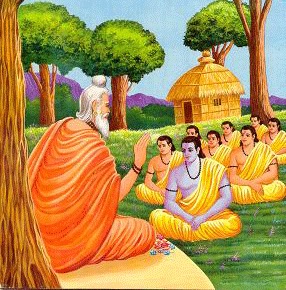
Having examined the worlds attained through action, the seeker gains dispassion, recognizing that the unproduced absolute cannot be attained by produced means. Therefore, to realize That, one must approach a teacher - with humility - who is both rooted in scripture and established in Brahman.
Commentary (അനുസംധാന):
This is one of the most decisive verses in all Vedanta. It defines the turning point from karmic optimism to liberating inquiry. The key statement നാസ്ത്യകൃതഃ കൃതേന is ontological: finite action cannot produce the infinite.
Shankara treats this as foundational for സംന്യാസ-oriented knowledge pursuit, while preserving the preparatory value of prior disciplines. The guru criteria are equally non-negotiable: ശ്രോത്രിയ (textual clarity in സംപ്രദായ) plus ബ്രഹ്മ-നിഷ്ഠ (existential establishment). This dual criterion prevents both dry scholasticism and charisma without grounding.
Practically, this verse demands intellectual honesty: audit all achievement-paths and ask whether they can end existential insecurity. If not, begin committed guidance-based inquiry. This is the maturity threshold of spiritual life.
തസ്മൈ സ വിദ്വാനുപസന്നായ സമ്യക്
പ്രശാംതചിത്തായ ശമാന്വിതായ ।
യേനാക്ഷരം പുരുഷം വേദ സത്യം പ്രോവാച
താം തത്ത്വതോ ബ്രഹ്മവിദ്യാമ് ॥ 13॥
Meaning (പദാര്ഥ):
തസ്മൈ - to that (seeker)
സഃ വിദ്വാന് - the knower-teacher
ഉപസന്നായ - who has approached
സമ്യക് - properly
പ്രശാംത-ചിത്തായ - to one of tranquil mind
ശമ-അന്വിതായ - endowed with inner quietude
യേന - by which
അക്ഷരമ് - the imperishable
പുരുഷം - പുരുഷ
വേദ - is known
സത്യം - truly/real
പ്രോവാച - taught
താം - that
തത്ത്വതഃ - in its true essence
ബ്രഹ്മ-വിദ്യാമ് - brahma-knowledge
Translation (ഭാവാര്ഥ):
To such a properly approaching seeker - inwardly calm and disciplined - the realized teacher imparts, in truth, that knowledge of Brahman by which the imperishable conscious reality is known.
Commentary (അനുസംധാന):
The section closes by affirming reciprocal fitness: qualified seeker, qualified teacher, true transmission. Knowledge is not withheld arbitrarily; it is given where receptivity, humility, and mental preparation are present.
This verse operationalizes the prior injunction (1.2.12): the seeker approaches a ശ്രോത്രിയ-ബ്രഹ്മ-നിഷ്ഠാ, and instruction flowers when പ്രശാംത-ചിത്ത is present. Bhagavad Gita 4.34 mirrors the same method - പ്രണിപാതേന പരിപ്രശ്നേന സേവയാ - confirming that സംപ്രദായ transmission is a disciplined pramANa-process, not personality dependence.
Practically, this verse can become a commitment statement: cultivate mental quiet (ശമ), reduce agitation, approach guidance sincerely, and prioritize assimilation over debate. When these conditions are honored, teaching becomes realization-path rather than intellectual ornament.
॥ ഇതി മുംഡകോപനിഷദി പ്രഥമമുംഡകേ ദ്വിതീയഃ ഖംഡഃ ॥
Meaning (പദാര്ഥ):
ഇതി - thus
മുംഡകോപനിഷദി - in the Mundaka Upanishad
പ്രഥമ-മുംഡകേ ദ്വിതീയഃ ഖംഡഃ - second section of the first Mundaka
Translation (ഭാവാര്ഥ):
Thus ends the second section of the first Mundaka in the Mundaka Upanishad.
Commentary (അനുസംധാന):
This section performs a complete philosophical purification: it validates disciplined കര്മ, demonstrates its limits, critiques spiritual self-deception, and redirects the seeker toward knowledge through proper guidance. In one arc, it replaces complacency with maturity.
Within the broader Vedantic structure, this is a threshold chapter. It houses one of the tradition's most cited renunciate discernment lines (നാസ്ത്യകൃതഃ കൃതേന) and the canonical guru-approach injunction, making it central for every serious aspirant.
A practical integration step is to end this chapter with a two-part vow: continue dharmic action without egoic absolutization, and begin (or deepen) guidance-based Self-inquiry with disciplined regularity. This is exactly the bridge this section intends.
Browse Related Categories:
 വേദ മംത്രാഃ (109)
- ഗണപതി പ്രാര്ഥന ഘനപാഠഃ
- ഗായത്രീ മംത്രം ഘനപാഠഃ
- ശ്രീ രുദ്രം ലഘുന്യാസമ്
- ശ്രീ രുദ്രം നമകമ്
- ശ്രീ രുദ്രം - ചമകപ്രശ്നഃ
- പുരുഷ സൂക്തമ്
- ശ്രീ സൂക്തമ്
- ദുര്ഗാ സൂക്തമ്
- നാരായണ സൂക്തമ്
- മംത്ര പുഷ്പമ്
- ശാംതി മംത്രമ് (ദശ ശാംതയഃ)
- നിത്യ സംധ്യാ വംദനമ് (കൃഷ്ണ യജുർവേദീയ)
- ശ്രീ ഗണപതി അഥർവ ഷീര്ഷമ് (ഗണപത്യഥർവഷീര്ഷോപനിഷത്)
- ഈശാവാസ്യോപനിഷദ് (ഈശോപനിഷദ്)
- നക്ഷത്ര സൂക്തമ് (നക്ഷത്രേഷ്ടി)
- മന്യു സൂക്തമ്
- മേധാ സൂക്തമ്
- വിഷ്ണു സൂക്തമ്
- ശിവ പംചാമൃത സ്നാനാഭിഷേകമ്
- യജ്ഞോപവീത ധാരണ
- സർവ ദേവതാ ഗായത്രീ മംത്രാഃ
- തൈത്തിരീയ ഉപനിഷദ് - ശീക്ഷാവല്ലീ
- തൈത്തിരീയ ഉപനിഷദ് - ആനംദവല്ലീ
- തൈത്തിരീയ ഉപനിഷദ് - ഭൃഗുവല്ലീ
- ഭൂ സൂക്തമ്
- നവഗ്രഹ സൂക്തമ്
- മഹാനാരായണ ഉപനിഷദ്
- അരുണപ്രശ്നഃ
- ശ്രീ മഹാന്യാസമ് (പൂര്ണം)
- സരസ്വതീ സൂക്തമ്
- ഭാഗ്യ സൂക്തമ്
- പവമാന സൂക്തമ്
- നാസദീയ സൂക്തമ്
- നവഗ്രഹ സൂക്തമ് (നവഗ്രഹ നമസ്കാരമ്)
- പിതൃ സൂക്തമ്
- രാത്രി സൂക്തമ്
- സര്പ സൂക്തമ്
- ഹിരണ്യ ഗര്ഭ സൂക്തമ്
- സാനുസ്വാര പ്രശ്ന (സുന്നാല പന്നമ്)
- ഗോ സൂക്തമ്
- ത്രിസുപര്ണമ്
- ചിത്തി പന്നമ്
- അഘമര്ഷണ സൂക്തമ്
- കേന ഉപനിഷദ് - പ്രഥമഃ ഖംഡഃ
- കേന ഉപനിഷദ് - ദ്വിതീയഃ ഖംഡഃ
- കേന ഉപനിഷദ് - തൃതീയഃ ഖംഡഃ
- കേന ഉപനിഷദ് - ചതുര്ഥഃ ഖംഡഃ
- മുംഡക ഉപനിഷദ് - പ്രഥമ മുംഡക, പ്രഥമ കാംഡഃ
- മുംഡക ഉപനിഷദ് - പ്രഥമ മുംഡക, ദ്വിതീയ കാംഡഃ
- മുംഡക ഉപനിഷദ് - ദ്വിതീയ മുംഡക, പ്രഥമ കാംഡഃ
- മുംഡക ഉപനിഷദ് - ദ്വിതീയ മുംഡക, ദ്വിതീയ കാംഡഃ
- മുംഡക ഉപനിഷദ് - തൃതീയ മുംഡക, പ്രഥമ കാംഡഃ
- മുംഡക ഉപനിഷദ് - തൃതീയ മുംഡക, ദ്വിതീയ കാംഡഃ
- നാരായണ ഉപനിഷദ്
- വിശ്വകര്മ സൂക്തമ്
- ശ്രീ ദേവ്യഥർവശീര്ഷമ്
- ദുർവാ സൂക്തമ് (മഹാനാരായണ ഉപനിഷദ്)
- മൃത്തികാ സൂക്തമ് (മഹാനാരായണ ഉപനിഷദ്)
- ശ്രീ ദുര്ഗാ അഥർവശീര്ഷമ്
- അഗ്നി സൂക്തമ് (ഋഗ്വേദ)
- ക്രിമി സംഹാരക സൂക്തമ് (യജുർവേദ)
- നീലാ സൂക്തമ്
- വേദ ആശീർവചനമ്
- വേദ സ്വസ്തി വാചനമ്
- ഐകമത്യ സൂക്തമ് (ഋഗ്വേദ)
- ആയുഷ്യ സൂക്തമ്
- ശ്രദ്ധാ സൂക്തമ്
- ശ്രീ ഗണേശ (ഗണപതി) സൂക്തമ് (ഋഗ്വേദ)
- ശിവോപാസന മംത്രാഃ
- ശാംതി പംചകമ്
- ശുക്ല യജുർവേദ സംധ്യാവംദനമ്
- മാംഡൂക്യ ഉപനിഷദ്
- ഋഗ്വേദ സംധ്യാവംദനമ്
- ഏകാത്മതാ സ്തോത്രമ്
- ഭാവനോപനിഷദ്
- കഠോപനിഷദ് - അധ്യായ 1, വൡ 1
- കഠോപനിഷദ് - അധ്യായ 1, വൡ 2
- കഠോപനിഷദ് - അധ്യായ 1, വൡ 3
- കഠോപനിഷദ് - അധ്യായ 2, വൡ 1
- കഠോപനിഷദ് - അധ്യായ 2, വൡ 2
- കഠോപനിഷദ് - അധ്യായ 2, വൡ 3
- പ്രശ്നോപനിഷദ് - പ്രഥമഃ പ്രശ്നഃ
- പ്രശ്നോപനിഷദ് - ദ്വിതീയഃ പ്രശ്നഃ
- പ്രശ്നോപനിഷദ് - ത്രിതീയഃ പ്രശ്നഃ
- പ്രശ്നോപനിഷദ് - ചതുര്ഥഃ പ്രശ്നഃ
- പ്രശ്നോപനിഷദ് - പംച പ്രശ്നഃ
- പ്രശ്നോപനിഷദ് - ഷഷ്ഠഃ പ്രശ്നഃ
- അന്ന സൂക്തമ്
- ഋഗ്വേദീയ പംച രുദ്രം
- ശ്രീ മഹാന്യാസമ് - 0. കലശ പ്രതിഷ്ഠാപന മംത്രാഃ
- ശ്രീ മഹാന്യാസമ് - 1. പംചാംഗ രുദ്രന്യാസഃ
- ശ്രീ മഹാന്യാസമ് - 2. പംചമുഖ ധ്യാനമ്
- ശ്രീ മഹാന്യാസമ് - 3. അംഗന്യാസഃ
- ശ്രീ മഹാന്യാസമ് - 4. ദശാംഗ ന്യാസഃ
- ശ്രീ മഹാന്യാസമ് - 5. പംചാംഗ ന്യാസഃ
- ശ്രീ മഹാന്യാസമ് - 5.1. ഹംസ ഗായത്രീ
- ശ്രീ മഹാന്യാസമ് - 5.2. ദിക് സംപുടന്യാസഃ (സംപുടീകരണമ്)
- ശ്രീ മഹാന്യാസമ് - 5.3. ദശാംഗ രൌദ്രീകരണമ്
- ശ്രീ മഹാന്യാസമ് - 5.4. ഷോഡശാംഗ രൌദ്രീകരണം
- ശ്രീ മഹാന്യാസമ് - 6.1. മനോ ജ്യോതിഃ
- ശ്രീ മഹാന്യാസമ് - 6.2. ആത്മരക്ഷാ
- ശ്രീ മഹാന്യാസമ് - 7.1. ശിവസംകല്പാഃ
- ശ്രീ മഹാന്യാസമ് - 7.2. പുരുഷ സൂക്തം
- ശ്രീ മഹാന്യാസമ് - 7.3. ഉത്തര നാരായണം
- ശ്രീ മഹാന്യാസമ് - 7.4. അപ്രതിരഥം
- ശ്രീ മഹാന്യാസമ് - 7.5. പ്രതി പൂരുഷം
- ശ്രീ മഹാന്യാസമ് - 7.6. ശത രുദ്രീയം (ത്വമഗ്നേ രുദ്രോഽനുവാകഃ)
- ശ്രീ മഹാന്യാസമ് - 7.7. പംചാംഗ ജപഃ
- ശ്രീ മഹാന്യാസമ് - 7.8. അഷ്ടാംഗ പ്രണാമഃ
 ഉപനിഷദഃ (34)
- ഈശാവാസ്യോപനിഷദ് (ഈശോപനിഷദ്)
- ശിവസംകല്പോപനിഷത് (ശിവ സംകല്പമസ്തു)
- തൈത്തിരീയ ഉപനിഷദ് - ശീക്ഷാവല്ലീ
- തൈത്തിരീയ ഉപനിഷദ് - ആനംദവല്ലീ
- തൈത്തിരീയ ഉപനിഷദ് - ഭൃഗുവല്ലീ
- മഹാനാരായണ ഉപനിഷദ്
- കേന ഉപനിഷദ് - പ്രഥമഃ ഖംഡഃ
- കേന ഉപനിഷദ് - ദ്വിതീയഃ ഖംഡഃ
- കേന ഉപനിഷദ് - തൃതീയഃ ഖംഡഃ
- കേന ഉപനിഷദ് - ചതുര്ഥഃ ഖംഡഃ
- മുംഡക ഉപനിഷദ് - പ്രഥമ മുംഡക, പ്രഥമ കാംഡഃ
- മുംഡക ഉപനിഷദ് - പ്രഥമ മുംഡക, ദ്വിതീയ കാംഡഃ
- മുംഡക ഉപനിഷദ് - ദ്വിതീയ മുംഡക, പ്രഥമ കാംഡഃ
- മുംഡക ഉപനിഷദ് - ദ്വിതീയ മുംഡക, ദ്വിതീയ കാംഡഃ
- മുംഡക ഉപനിഷദ് - തൃതീയ മുംഡക, പ്രഥമ കാംഡഃ
- മുംഡക ഉപനിഷദ് - തൃതീയ മുംഡക, ദ്വിതീയ കാംഡഃ
- നാരായണ ഉപനിഷദ്
- ചാക്ഷുഷോപനിഷദ് (ചക്ഷുഷ്മതീ വിദ്യാ)
- അപരാധ ക്ഷമാപണ സ്തോത്രമ്
- ശ്രീ സൂര്യോപനിഷദ്
- മാംഡൂക്യ ഉപനിഷദ്
- ഭാവനോപനിഷദ്
- കഠോപനിഷദ് - അധ്യായ 1, വൡ 1
- കഠോപനിഷദ് - അധ്യായ 1, വൡ 2
- കഠോപനിഷദ് - അധ്യായ 1, വൡ 3
- കഠോപനിഷദ് - അധ്യായ 2, വൡ 1
- കഠോപനിഷദ് - അധ്യായ 2, വൡ 2
- കഠോപനിഷദ് - അധ്യായ 2, വൡ 3
- പ്രശ്നോപനിഷദ് - പ്രഥമഃ പ്രശ്നഃ
- പ്രശ്നോപനിഷദ് - ദ്വിതീയഃ പ്രശ്നഃ
- പ്രശ്നോപനിഷദ് - ത്രിതീയഃ പ്രശ്നഃ
- പ്രശ്നോപനിഷദ് - ചതുര്ഥഃ പ്രശ്നഃ
- പ്രശ്നോപനിഷദ് - പംച പ്രശ്നഃ
- പ്രശ്നോപനിഷദ് - ഷഷ്ഠഃ പ്രശ്നഃ
 മുംഡക ഉപനിഷദ് (6)