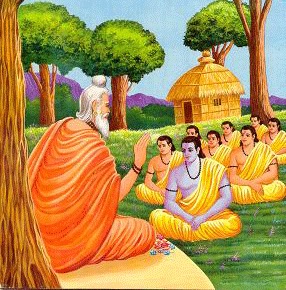
கடோ²பனிஷத் அத்⁴யாய 1, வல்லீ 1, opens one of the most compelling கு³ரு-ஶிஷ்ய dialogues in world philosophy: the encounter of நசிகேதா and யம:. This first section is narrative in form but deeply metaphysical in intent. It stages the central problem of human life - mortality, value, and meaning - then introduces a seeker whose sincerity is stronger than comfort, fear, or temptation.
The வல்லீ begins in a ritual setting (வாஜஶ்ரவஸ's sacrifice), but quickly shifts to ethical and existential scrutiny. நசிகேதா's questions expose hollowness in performative religiosity and reveal the demand for inner truth. His journey to யம's abode symbolizes the shift from social த⁴ர்ம-performance to uncompromising inquiry into what survives death.
Adi Shankaracharya's interpretive tradition treats this section as preparatory but decisive: it establishes அதி⁴காரித்வ (qualification) through ஸத்ய (truthfulness), ஶ்ரத்³தா⁴ (inner reverence), and வைராக்³ய (non-clinging). The famous three-boon sequence is not episodic storytelling; it is pedagogical ascent from relational harmony, to ritual merit, to ப்³ரஹ்ம-வித்³யா.
For modern readers, this வல்லீ is immediately relevant. It challenges token spirituality, transactional piety, and comfort-addiction. Read it as a mirror: what am I unwilling to question, what am I willing to give up for truth, and what do I ultimately seek when every distraction is removed?
அத்⁴யாய 1
வல்லீ 1
Meaning (பதா³ர்த²):
அத்⁴யாய 1 - chapter 1 of the teaching progression
வல்லீ 1 - section 1 within this chapter
ஸந்த³ர்ப:⁴ - the thematic locus in the unfolding Katha instruction
Translation (பா⁴வார்த²):
This is Katha Upanishad chapter 1, section 1, the section that establishes the narrative and seeker-qualification foundation where Nachiketa's sincerity enters the teaching field.
Commentary (அனுஸந்தா⁴ன):
This header is not a mere navigational label; it defines where the seeker stands in the pedagogical arc. அத்⁴யாய marks macro-progression, while வல்லீ marks the precise contemplative segment being unfolded.
Traditional acharya method, including Shankara's krama-sensitive exposition, depends on such sequencing clarity: each வல்லீ is read in continuity with what precedes and as preparation for what follows. Ignoring section-locus often causes doctrinal flattening and loss of practical force.
Practically, this heading invites disciplined study order. Before reading individual mantras, locate the section-purpose and keep that thread active; this greatly improves retention, coherence, and life-application of the teaching.
ஓம் உஶன் ஹ வை வாஜஶ்ரவஸ: ஸர்வவேத³ஸம் த³தௌ³।
தஸ்ய ஹ நசிகேதா நாம புத்ர ஆஸ ॥1॥
Meaning (பதா³ர்த²):
வாஜஶ்ரவஸ: - name of the sacrificer
ஸர்வ-வேத³ஸம் த³தௌ³ - gave away all possessions in sacrifice
தஸ்ய புத்ர: நசிகேதா - his son was Nachiketa
Translation (பா⁴வார்த²):
The sacrificer performed a rite in which he gave away all possessions; he had a son, the young seeker of this dialogue.
Commentary (அனுஸந்தா⁴ன):
The opening sets ritual legitimacy and social context. Yet the Upanishad's deeper interest is not the outer act alone, but the inner integrity with which it is performed.
Shastric tradition often uses sacrificial frames to reveal ethical and epistemic depth. Here, the stage is set for testing whether யஜ்ஞ is genuine surrender or symbolic display. Advaita accepts karmic frameworks while insisting that intention and truthfulness determine transformative value.
Practically, this verse asks: do my "good acts" reflect inner alignment or image management? Outer offering without inner honesty cannot open the path to higher knowledge.
தம் ஹ குமாரம் ஸந்தம் த³க்ஷிணாஸு நீயமானாஸு ஶ்ரத்³தா⁴விவேஶ। ஸோமன்யத ॥2॥
Meaning (பதா³ர்த²):
குமாரம் ஸந்தம் - while he was still a young boy
த³க்ஷிணாஸு நீயமானாஸு - as gifts were being distributed
ஶ்ரத்³தா⁴ ஆவிவேஶ - deep reverent discernment entered him
ஸ: அமன்யத - he reflected within
Translation (பா⁴வார்த²):
As the sacrificial gifts were being distributed, the young Nachiketa was filled with reverent trust and began to reflect deeply.
Commentary (அனுஸந்தா⁴ன):
The decisive word is ஶ்ரத்³தா⁴ - not blind belief, but reverential seriousness that compels truthful examination. Spiritual life begins when one cannot remain satisfied with superficial compliance.
Shankara's tradition values ஶ்ரத்³தா⁴ as indispensable for receiving subtle teaching. In many Vedantic contexts, it denotes trust in ஶாஸ்த்ர-கு³ரு while retaining reflective intelligence. Nachiketa's ஶ்ரத்³தா⁴ is active and discerning, not passive conformity.
Practically, cultivate this form of ஶ்ரத்³தா⁴: respect tradition enough to enter it sincerely, and love truth enough to question distortion within it.
பீதோத³கா ஜக்³த⁴த்ருணா து³க்³த⁴தோ³ஹா நிரிந்த்³ரியா:।
அனந்தா³ நாம தே லோகாஸ்தான்ஸ க³ச்ச²தி தா த³த³த் ॥3॥
Meaning (பதா³ர்த²):
பீத-உத³கா: - having drunk water (worn out)
ஜக்³த-⁴த்ருணா: - having eaten grass long ago
து³க்³த-⁴தோ³ஹா: - no longer yielding milk
நிரிந்த்³ரியா: - devoid of vitality
அனந்தா³ லோகா: - joyless worlds
தா த³த³த் ... ஸ: க³ச்ச²தி - one who gives such (unworthy gifts) reaches those worlds
Translation (பா⁴வார்த²):
Cows that had drunk their last, eaten their last, given their last milk, and lost all vitality were being given. One who gives such unworthy gifts reaches joyless worlds.
Commentary (அனுஸந்தா⁴ன):
Nachiketa's discernment now becomes ethical critique: formal charity without real value is spiritual corruption. The verse rejects hollow offering disguised as sacrifice.
This aligns with broader dharmic teaching that dana must be timely, appropriate, and meaningful (cf. Gita 17.20-22 on sattvic/rajasic/tamasic giving). Shankara's moral-intellectual framework consistently links integrity with fitness for knowledge.
Practically, give in ways that carry real benefit, not residual disposal. In spiritual life, quality of offering matters more than appearance of sacrifice.
ஸ ஹோவாச பிதரம் தத கஸ்மை மாம் தா³ஸ்யஸீதி।
த்³விதீயம் த்ருதீயம் தம் ஹோவாச ம்ருத்யவே த்வா த³தா³மீதி ॥4॥
Meaning (பதா³ர்த²):
பிதரம் உவாச - he asked his father
கஸ்மை மாம் தா³ஸ்யஸி - to whom will you give me?
த்³விதீயம் த்ருதீயம் - asked again and again
ம்ருத்யவே த்வா த³தா³மி - "I give you to Death"
Translation (பா⁴வார்த²):
Nachiketa asked his father, "To whom will you give me?" Repeating the question, he finally heard in anger: "I give you to Death."
Commentary (அனுஸந்தா⁴ன):
The verse dramatizes collision between sincerity and ego-defensiveness. Nachiketa's question is dharmic, but truth-pressure exposes unsteadiness in the father.
Shankara, in his க²டோ²பனிஷத்³-பா⁴ஷ்ய on 1.1.4, treats the father's statement as spoken in anger yet still dharmically weighty because Nachiketa chooses truth-commitment over convenience; this reflects the Upanishadic ethic ஸத்யம் வத,³ த⁴ர்மம் சர (தைத்திரீய Upanishad 1.11.1). The verse thus marks the transition from social ritual to existential fidelity.
Practically, when truth-speaking triggers discomfort in relationships, maintain respect without abandoning clarity. Transformation often begins at this friction point.
ப³ஹூனாமேமி ப்ரத²மோ ப³ஹூனாமேமி மத்⁴யம:।
கிம் ஸ்வித்³யமஸ்ய கர்தவ்யம் யன்மயாத்³ய கரிஷ்யதி ॥5॥
Meaning (பதா³ர்த²):
ப³ஹூனாம் எமி ப்ரத²ம: ... மத்⁴யம: - among many I am worthy/at least not least
கிம் அஸ்ய கர்தவ்யம் - what purpose remains for me there?
யன் மயா அத்³ய கரிஷ்யதி - what will Death do with me now?
Translation (பா⁴வார்த²):
Nachiketa reflected: among many I am not unworthy; what indeed is to be done with me there? What purpose does this sending to Death serve?
Commentary (அனுஸந்தா⁴ன):
This is not ego assertion but reflective self-location. Nachiketa asks whether his life can be meaningfully directed even in the face of death.
Vedantic tradition values this kind of inquiry: neither self-negation nor vanity, but purposeful introspection. It prepares the seeker for receiving instruction with dignity and humility together.
Practically, ask in crisis: "What is being asked of me now at the level of growth, not comfort?" That question converts confusion into direction.
அனுபஶ்ய யதா² பூர்வே ப்ரதிபஶ்ய ததா²பரே।
ஸஸ்யமிவ மர்த்ய: பச்யதே ஸஸ்யமிவாஜாயதே புன: ॥6॥
Meaning (பதா³ர்த²):
அனுபஶ்ய ... ப்ரதிபஶ்ய - look at those before and those after
மர்த்ய: ஸஸ்யம் இவ பச்யதே - mortal withers like grain
ஸஸ்யம் இவ ஆஜாயதே புன: - and is born again like grain
Translation (பா⁴வார்த²):
Look at those before and after: mortals decay like grain and are born again like grain.
Commentary (அனுஸந்தா⁴ன):
Nachiketa invokes impermanence with agricultural realism. Mortality is not exceptional tragedy; it is structural fact of embodied life.
This contemplative realism is central to வைராக்³ய in Vedanta. Shankara repeatedly treats impermanence-seeing as prerequisite to serious liberation inquiry. Without it, desire for permanence remains misdirected.
Practically, keep mortality awareness gentle but regular. It reduces procrastination and clarifies what is truly worth pursuing.
வைஶ்வானர: ப்ரவிஶத்யதிதி²ர்ப்³ராஹ்மணோ க்³ருஹான்।
தஸ்யைதாம் ஶாந்திம் குர்வந்தி ஹர வைவஸ்வதோத³கம் ॥7॥
Meaning (பதா³ர்த²):
அதிதி²: ப்³ராஹ்மண: வைஶ்வானர: - a brahmana guest is like sacred fire (VaiSvAnara)
க்³ருஹான் ப்ரவிஶதி - enters the house
ஶாந்திம் குர்வந்தி - proper appeasement/hospitality must be offered
ஹர ... உத³கம் - bring water, O son of Vivasvan (Yama's attendants)
Translation (பா⁴வார்த²):
A brahmana guest entering a house is like sacred fire. Therefore proper hospitality must be offered. Bring water (for welcome), O attendants of Yama.
Commentary (அனுஸந்தா⁴ன):
The narrative shifts to Yama's house and immediately invokes அதிதி²-த⁴ர்ம. Hospitality is treated as sacred obligation, not social courtesy.
Shastric culture links guest-reverence with ritual reverence, indicating ethical continuity between யஜ்ஞ and daily conduct. The Upanishad thereby integrates metaphysical inquiry with dharmic responsibility.
Practically, treat unplanned human encounters with dignity. How we receive vulnerability (guest, stranger, seeker) reveals the truth of our spiritual claims.
ஆஶாப்ரதீக்ஷே ஸங்க³தம் ஸூன்ருதாம் சேஷ்டாபூர்வே புத்ரபஶூம்ஶ்ச ஸர்வான்।
ஏதத்³ வ்ருங்க்தே புருஷஸ்யால்பமேத⁴ஸோ யஸ்யானஶ்னந்வஸதி ப்³ராஹ்மணோ க்³ருஹே ॥8॥
Meaning (பதா³ர்த²):
ஆஶா-ப்ரதீக்ஷே - hopes and expectations
ஸங்க³தம் ஸூன்ருதாம் - good company and truthful speech merit
இஷ்டா-பூர்தே - sacrificial and charitable merits
புத்ர-பஶூம்ஶ் ச ஸர்வான் - offspring and prosperity assets
அல்பமேத⁴ஸ: ... வ்ருங்க்தே - all these are consumed/diminished
யஸ்யானஶ்னந் ப்³ராஹ்மண: வஸதி க்³ருஹே - when a brahmana guest stays unfed
Translation (பா⁴வார்த²):
For one of little understanding, if a brahmana guest remains unfed in his house, his hopes, merits, good associations, truthful gains, and prosperity are all diminished.
Commentary (அனுஸந்தா⁴ன):
The verse stresses ethical consequence of negligence. Spiritual merit is not compartmentalized; disregard in one domain can corrode gains in another.
Traditional த⁴ர்ம literature repeatedly emphasizes this integrated moral ecology. The Upanishad uses it here to frame Yama's urgency in making amends to Nachiketa.
Practically, do not separate spirituality from relational ethics. Neglect, insensitivity, and arrogance quietly erode inner progress.
திஸ்ரோ ராத்ரீர்யத³வாத்ஸீர்க்³ருஹே மேனஶ்னந்ப்³ரஹ்மன்னதிதி²ர்னமஸ்ய:।
நமஸ்தேஸ்து ப்³ரஹ்மன்ஸ்வஸ்தி மேஸ்து தஸ்மாத்ப்ரதி த்ரீன்வரான்வ்ருணீஷ்வ ॥9॥
Meaning (பதா³ர்த²):
திஸ்ர: ராத்ரீ: அவாத்ஸீ: - you stayed three nights
அனஶ்னந் - without food
அதிதி²: நமஸ்ய: - venerable guest
த்ரீன் வரான் வ்ருணீஷ்வ - therefore choose three boons
Translation (பா⁴வார்த²):
O revered guest, you stayed in my house for three nights unfed. May peace be restored; therefore choose three boons in compensation.
Commentary (அனுஸந்தா⁴ன):
Yama models corrective accountability: he does not excuse neglect; he rectifies it through principled response. This is த⁴ர்ம in action.
Shastric teaching here demonstrates that even high authority is bound to த⁴ர்ம. Such humility before order is central to Upanishadic ethics and supports the trust necessary for transmission.
Practically, when you err, repair promptly and proportionately. Honest restitution preserves dignity and deepens credibility.
ஶாந்தஸங்கல்ப: ஸுமனா யதா² ஸ்யாத்³வீதமன்யுர்கௌ³தமோ மாபி⁴ ம்ருத்யோ।
த்வத்ப்ரஸ்ருஷ்டம் மாபி⁴வதே³த்ப்ரதீத ஏதத்த்ரயாணாம் ப்ரத²மம் வரம் வ்ருணே ॥1௦॥
Meaning (பதா³ர்த²):
ஶாந்த-ஸங்கல்ப: ஸுமனா: - peaceful and kindly minded
வீத-மன்யு: கௌ³தம: - Gautama (father) free from anger
த்வத்-ப்ரஸ்ருஷ்டம் மாம் அபி⁴-வதே³த் - may he welcome me when released by you
ப்ரத²மம் வரம் வ்ருணே - this is my first boon
Translation (பா⁴வார்த²):
For my first boon, may my father Gautama become peaceful, free of anger, and receive me with recognition and affection when I return from you.
Commentary (அனுஸந்தா⁴ன):
Nachiketa's first boon is relational harmony, not personal gain. This reveals maturity: spiritual ascent does not bypass family த⁴ர்ம.
Advaita does not endorse emotional bypassing; it purifies relationship through clarity and compassion. The seeker resolves immediate dharmic knots before requesting higher instruction.
Practically, begin deep practice by healing essential relational fractures where possible. Peaceful conscience supports deeper contemplation.
யதா² புரஸ்தாத்³ ப⁴விதா ப்ரதீத ஔத்³தா³லகிராருணிர்மத்ப்ரஸ்ருஷ்ட:।
ஸுக²ம் ராத்ரீ: ஶயிதா வீதமன்யுஸ்த்வாம் த³த்³ருஶிவான்ம்ருத்யுமுகா²த்ப்ரமுக்தம் ॥11॥
Meaning (பதா³ர்த²):
யதா² புரஸ்தாத் ப⁴விதா - he will be as before
ப்ரதீத: - fully reassured
வீத-மன்யு: - free of anger
ம்ருத்யு-முகா²த் ப்ரமுக்தம் த்வாம் த³த்³ருஶிவான் - seeing you released from death's mouth
Translation (பா⁴வார்த²):
Yama grants: your father will be as before, free from anger, and will sleep peacefully after seeing you returned from death unharmed.
Commentary (அனுஸந்தா⁴ன):
Yama confirms the first boon completely - restoration, reassurance, and emotional closure. This reinforces the reliability of dharmic covenant.
Shankara's gloss on 1.1.11 highlights complete restoration - வீதமன்யு: and ப்ரதீத: - as necessary closure before higher instruction proceeds. This aligns with Gita 16.2, where க்ஷமா (forgiveness) and ஆர்ஜவம் (straightforwardness) are counted as தை³வீ-ஸம்பத், making relational repair itself a spiritual qualification.
Practically, full repair includes emotional reassurance, not merely formal apology. Completion matters.
ஸ்வர்கே³ லோகே ந ப⁴யம் கிஞ்சனாஸ்தி ந தத்ர த்வம் ந ஜரயா பி³பே⁴தி।
உபே⁴ தீர்த்வாஶனாயாபிபாஸே ஶோகாதிகோ³ மோத³தே ஸ்வர்க³லோகே ॥12॥
Meaning (பதா³ர்த²):
ஸ்வர்கே³ லோகே ந ப⁴யம் - in heaven there is no fear
ந ஜரயா பி³பே⁴தி - no fear from old age
அஶனாயா-பிபாஸே தீர்த்வா - beyond hunger and thirst
ஶோக-அதிக:³ மோத³தே - free from sorrow, one rejoices
Translation (பா⁴வார்த²):
In the heavenly world there is no fear, no old age, no hunger or thirst; one who reaches it transcends sorrow and rejoices.
Commentary (அனுஸந்தா⁴ன):
Nachiketa's second boon request now turns to the heavenly fire as means to exalted karmic state. The Upanishad fairly presents this as a legitimate aspiration within Vedic framework.
Yet within the broader Katha arc, this remains intermediate. Shankara's tradition preserves this hierarchy: svarga may be superior to ordinary suffering but is still not the non-returning absolute.
Practically, acknowledge legitimate relative goals (health, stability, prosperity), but keep them in perspective relative to ultimate freedom.
ஸ த்வமக்³னிம் ஸ்வர்க்³யமத்⁴யேஷி ம்ருத்யோ ப்ரப்³ரூஹி த்வம் ஶ்ரத்³த³தா⁴னாய மஹ்யம்।
ஸ்வர்க³லோகா அம்ருதத்வம் பஜ⁴ந்த ஏதத்³ த்³விதீயேன வ்ருணே வரேண ॥13॥
Meaning (பதா³ர்த²):
அக்³னிம் ஸ்வர்க்³யம் அத்⁴யேஷி - you know the fire leading to heaven
ஶ்ரத்³த³தா⁴னாய மஹ்யம் ப்ரப்³ரூஹி - teach it to me who has faith
த்³விதீயேன வரேண வ்ருணே - this I choose as second boon
Translation (பா⁴வார்த²):
O Death, you know the fire that leads to heavenly attainment; teach it to me, one who asks with reverent trust. This is my second boon.
Commentary (அனுஸந்தா⁴ன):
Nachiketa asks with precision and ஶ்ரத்³தா⁴. Even intermediate goals are pursued with disciplined method, not vague aspiration.
Vedic method insists that means be learned from competent source: compare முண்டக³ 1.2.12, தத்³ விஜ்ஞானார்த²ம் ஸ கு³ரும் ஏவ அபி⁴க³ச்சேத், and Gita 4.34, ப்ரணிபாதேன பரிப்ரஶ்னேன ஸேவயா. Shankara's teaching logic is identical here - ஶ்ரத்³தா⁴ plus right instruction yields right assimilation.
Practically, whatever path you pursue, seek clear method, qualified guidance, and consistent execution.
ப்ர தே ப்³ரவீமி தது³ மே நிபோ³த⁴ ஸ்வர்க்³யமக்³னிம் நசிகேத: ப்ரஜானந்।
அனந்தலோகாப்திமதோ² ப்ரதிஷ்டா²ம் வித்³தி⁴ த்வமேதம் நிஹிதம் கு³ஹாயாம் ॥14॥
Meaning (பதா³ர்த²):
ப்ர தே ப்³ரவீமி - I shall tell you
நிபோ³த⁴ - understand well
ஸ்வர்க்³யம் அக்³னிம் - the heaven-leading fire
அனந்த-லோக-ஆப்திம் ப்ரதிஷ்டா²ம் - attainment and foundation of wide merit-worlds
நிஹிதம் கு³ஹாயாம் - placed in the inner cave (also subtle significance)
Translation (பா⁴வார்த²):
Yama said: I will teach you this heaven-leading fire; understand it well. Know it as the means to vast merit-attainment and as a principle with deeper inner grounding.
Commentary (அனுஸந்தா⁴ன):
Yama teaches with both procedural and symbolic depth. Ritual is taught as action, yet also hinted as inward principle (கு³ஹாயாம்), preparing transition from external fire to inner knowledge.
Traditional commentators read this as graded pedagogy: முண்டக³ 1.1.4-5 first distinguishes அபரா/பரா வித்³யா, and கட² 1.2.12 later speaks of the Self as கு³ஹாஹிதம் (lodged in the inner cave). Shankara therefore treats ritual precision as preparatory, but insists it must mature into inward knowledge.
Practically, look for layered meaning in practice forms: what begins externally can mature inwardly if pursued with intelligence.
லோகாதி³மக்³னிம் தமுவாச தஸ்மை யா இஷ்டகா யாவதீர்வா யதா² வா।
ஸ சாபி தத்ப்ரத்யவத³த்³யதோ²க்தமதா²ஸ்ய ம்ருத்யு: புனரேவாஹ துஷ்ட: ॥15॥
Meaning (பதா³ர்த²):
லோகாதி³-அக்³னிம் உவாச - he explained the world-attaining fire
இஷ்டகா: யாவதீ: யதா² வா - the number and arrangement of bricks/procedure
ப்ரத்யவத³த் யதோ²க்தம் - Nachiketa repeated exactly
ம்ருத்யு: துஷ்ட: - Yama was pleased
Translation (பா⁴வார்த²):
Yama explained the ritual in full detail - arrangement and method. Nachiketa repeated it exactly as taught, and Yama was pleased.
Commentary (அனுஸந்தா⁴ன):
The verse highlights disciplined listening and exact assimilation. Nachiketa is not merely earnest; he is methodically precise.
This reflects கு³ரு-ஶிஷ்ய rigor valued in all traditional learning: attentive hearing, accurate retention, faithful execution. Shankara's pedagogical culture depends on this fidelity.
Practically, spiritual depth requires technical seriousness. Listen carefully, take notes, repeat accurately, and validate understanding before improvising.
தமப்³ரவீத்ப்ரீயமாணோ மஹாத்மா வரம் தவேஹாத்³ய த³தா³மி பூ⁴ய:।
தவைவ நாம்னா ப⁴விதாயமக்³னி: ஸ்ருங்காம் சேமாமனேகரூபாம் க்³ருஹாண ॥16॥
Meaning (பதா³ர்த²):
ப்ரீயமாண: மஹாத்மா - pleased great-souled Yama
வரம் பூ⁴ய: த³தா³மி - grants an additional boon
தவ நாம்னா ப⁴விதா அயம் அக்³னி: - this fire will bear your name (Nachiketa fire)
அனேகரூபாம் ஸ்ருங்காம் க்³ருஹாண - accept this many-formed garland/reward (symbolic recognition)
Translation (பா⁴வார்த²):
Pleased with him, Yama granted an added gift: this fire shall be known by your name, and he offered further honors to Nachiketa.
Commentary (அனுஸந்தா⁴ன):
Right learning earns trust and transmission continuity. Naming the fire after Nachiketa symbolizes validated competency and lineage memory.
The text itself canonizes this seal in 1.1.17-19 by repeating த்ரிணாசிகேத and declaring ஏஷ தேக்³னிர்னசிகேத: - lineage memory preserves method, not personality-cult. This matches தைத்திரீய's repeated injunction ஸ்வாத்⁴யாய-ப்ரவசனே ச (1.9; 1.11): faithful transmission is a dharmic obligation.
Practically, focus on depth of assimilation; recognition, if needed, follows naturally and safely.
த்ரிணாசிகேதஸ்த்ரிபி⁴ரேத்ய ஸந்தி⁴ம் த்ரிகர்மக்ருத்தரதி ஜன்மம்ருத்யூ।
ப்³ரஹ்மஜஜ்ஞம் தே³வமீட்³யம் விதி³த்வா நிசாய்யேமாம் ஶாந்திமத்யந்தமேதி ॥17॥
Meaning (பதா³ர்த²):
த்ரி-னாசிகேத: - one who performs/understands Nachiketa fire in threefold way
த்ரிபி⁴: ஏத்ய ஸந்தி⁴ம் - linked through three junctions (interpretive layers)
த்ரி-கர்ம-க்ருத் - performer of threefold karmic discipline
ஜன்ம-ம்ருத்யூ தரதி - crosses birth and death (relative/transitional sense)
ஶாந்திம் அத்யந்தம் ஏதி - attains profound peace
Translation (பா⁴வார்த²):
One who properly knows and performs the threefold Nachiketa discipline, integrating its required links, crosses birth-death limitations in the promised sense and attains deep peace.
Commentary (அனுஸந்தா⁴ன):
This verse states the ritual fruit at its highest expressed scope. Yet Katha's larger arc ensures this is not mistaken for final non-dual liberation.
Shankara and Vedantic tradition read such statements in graded context: exalted karmic peace is meaningful, but ultimate freedom still requires brahma-j~jAna.
Practically, honor intermediate fruits without stopping there. Use each attainment as preparation for deeper inquiry.
த்ரிணாசிகேதஸ்த்ரயமேதத்³விதி³த்வா ய ஏவம் வித்³வாம்ஶ்சினுதே நாசிகேதம்।
ஸ ம்ருத்யுபாஶான்புரத: ப்ரணோத்³ய ஶோகாதிகோ³ மோத³தே ஸ்வர்க³லோகே ॥18॥
Meaning (பதா³ர்த²):
த்ரயம் எதத் விதி³த்வா - knowing this threefold teaching
நாசிகேதம் சினுதே - performing/establishing Nachiketa fire
ம்ருத்யு-பாஶான் ப்ரணோத்³ய - driving away death's snares (relative)
ஶோக-அதிக:³ மோத³தே ஸ்வர்க-³லோகே - transcending sorrow, rejoices in heaven
Translation (பா⁴வார்த²):
Whoever knows this threefold Nachiketa discipline and performs it properly overcomes the binding snares of mortality in its ritual sense and rejoices in heavenly attainment beyond ordinary sorrow.
Commentary (அனுஸந்தா⁴ன):
The verse reiterates and strengthens the second-boon fruit. Repetition here secures ritual confidence before the text pivots to the highest inquiry.
Vedantic pedagogy often confirms each level before moving upward. This avoids contempt for prior disciplines and builds stable transition to final teaching.
Practically, respect stage-wise growth. Secure foundations before demanding summit experiences.
ஏஷ தேக்³னிர்னசிகேத: ஸ்வர்க்³யோ யமவ்ருணீதா² த்³விதீயேன வரேண।
ஏதமக்³னிம் தவைவ ப்ரவக்ஶ்யந்தி ஜனாஸஸ்த்ருதீயம் வரம் நசிகேதோ வ்ருணீஷ்வ ॥19॥
Meaning (பதா³ர்த²):
ஏஷ தே அக்³னி: - this is the fire you asked
த்³விதீயேன வரேண - as your second boon
தவைவ ப்ரவக்ஶ்யந்தி ஜனா: - people will teach/remember it by your name
த்ருதீயம் வரம் வ்ருணீஷ்வ - now choose the third boon
Translation (பா⁴வார்த²):
This, Nachiketa, is the heaven-leading fire you asked as your second boon, and it will be remembered by your name. Now choose your third boon.
Commentary (அனுஸந்தா⁴ன):
Yama formally closes the ritual segment and opens the highest segment. The structure matters: relational resolution first, ritual instruction second, existential inquiry third.
This progression mirrors Vedantic maturation - த⁴ர்ம, purification, then knowledge. Shankara's tradition preserves this architecture as psychologically and spiritually sound.
Practically, sequence your path wisely: unresolved basics obstruct subtle realization.
யேயம் ப்ரேதே விசிகித்ஸா மனுஷ்யேஸ்தீத்யேகே நாயமஸ்தீதி சைகே।
ஏதத்³வித்³யாமனுஶிஷ்டஸ்த்வயாஹம் வராணாமேஷ வரஸ்த்ருதீய: ॥2௦॥
Meaning (பதா³ர்த²):
ப்ரேதே மனுஷ்யே விசிகித்ஸா - doubt regarding person after death
அஸ்தி இதி ஏகே, ந அஸ்தி இதி ச ஏகே - some say "exists," others "does not"
ஏதத் வித்³யாம் அனுஶிஷ்ட: த்வயா - instructed by you in this knowledge
ஏஷ த்ருதீய: வர: - this is my third boon
Translation (பா⁴வார்த²):
There is this doubt about the person after death - some say one continues, others deny it. I ask to be taught this truth by you; this is my third boon.
Commentary (அனுஸந்தா⁴ன):
Now Nachiketa asks the essential question: not heaven, but ontological continuity and Self-truth beyond death. This marks full transition to ப்³ரஹ்ம-வித்³யா intent.
The question's precision is exemplary: he asks where philosophical schools diverge and seeks authoritative instruction, not opinion comfort. This is authentic Vedantic inquiry.
Practically, bring this seriousness to your own core questions. Seek clarity on what truly matters, not only what is socially discussable.
தே³வைரத்ராபி விசிகித்ஸிதம் புரா ந ஹி ஸுவிஜ்ஞேயமணுரேஷ த⁴ர்ம:।
அன்யம் வரம் நசிகேதோ வ்ருணீஷ்வ மா மோபரோத்ஸீரதி மா ஸ்ருஜைனம் ॥21॥
Meaning (பதா³ர்த²):
தே³வை: அபி விசிகித்ஸிதம் - even gods have debated this
ந ஸு-விஜ்ஞேயம் அணு: ஏஷ த⁴ர்ம: - this subtle truth is hard to know
அன்யம் வரம் வ்ருணீஷ்வ - choose another boon
மா ... ஸ்ருஜ - do not press me on this
Translation (பா⁴வார்த²):
Even the gods have doubted this matter; it is subtle and difficult to know. Choose another boon, Nachiketa - do not press me on this.
Commentary (அனுஸந்தா⁴ன):
Yama tests perseverance. Difficulty warning is pedagogical screening, not refusal. Only a committed seeker continues through such threshold resistance.
Tradition often stages such testing before highest transmission. Shankara's pedagogical ethos supports this: subtle truth must be entrusted where seriousness is proven.
Practically, treat early obstacles in inquiry as qualification tests, not rejection signs. Stay steady.
தே³வைரத்ராபி விசிகித்ஸிதம் கில த்வம் ச ம்ருத்யோ யன்ன ஸுஜ்ஞேயமாத்த।²
வக்தா சாஸ்ய த்வாத்³ருக³ன்யோ ந லப்⁴யோ நான்யோ வரஸ்துல்ய ஏதஸ்ய கஶ்சித் ॥22॥
Meaning (பதா³ர்த²):
தே³வை: அபி விசிகித்ஸிதம் - debated even among gods
த்வம் ச ... ந ஸுஜ்ஞேயம் ஆத்த² - you yourself say it is subtle
வக்தா த்வாத்³ருக் அன்ய: ந லப்⁴ய: - no teacher equal to you is available
நன்ய: வர: துல்ய: - no other boon is equal to this
Translation (பா⁴வார்த²):
Yes, this is subtle and debated even among gods - and you are the best teacher of it. No other boon equals this one; therefore I ask only this.
Commentary (அனுஸந்தா⁴ன):
Nachiketa responds with unwavering clarity and respectful persistence. He neither argues egoically nor retreats; he stays aligned to the highest aim.
This is model முமுக்ஷுத்வ: clear valuation, steady resolve, and proper regard for competent guidance. Shankara's tradition consistently prizes this seeker-quality.
Practically, once your highest value is clear, let lesser options lose bargaining power.
ஶதாயுஷ: புத்ரபௌத்ரான்வ்ருணீஷ்வ ப³ஹூன்பஶூன்ஹஸ்திஹிரண்யமஶ்வான்।
பூ⁴மேர்மஹதா³யதனம் வ்ருணீஷ்வ ஸ்வயம் ச ஜீவ ஶரதோ³ யாவதி³ச்ச²ஸி ॥23॥
Meaning (பதா³ர்த²):
ஶதாயுஷ: புத்ர-பௌத்ரான் - long-lived lineage and descendants
ப³ஹூன் பஶூன் ஹஸ்தி-ஹிரண்ய-அஶ்வான் - wealth, cattle, elephants, gold, horses
பூ⁴மே: மஹத் ஆயதனம் - vast dominion
ஜீவ ஶரத:³ யாவத் இச்ச²ஸி - live as many years as you wish
Translation (பா⁴வார்த²):
Choose long life, descendants, wealth, power, vast dominion - and live as many years as you wish.
Commentary (அனுஸந்தா⁴ன):
Yama now offers peak worldly package - longevity, prosperity, influence, continuity. The test is total: can the seeker remain oriented when offered the best of ப்ரேயஸ்?
Vedantic teaching treats such offerings as lawful but limited. Their purpose here is diagnostic: reveal whether desire still governs value hierarchy.
Practically, identify your strongest personal seduction (security, prestige, legacy) and ask whether it can displace your highest commitment.
ஏதத்துல்யம் யதி³ மன்யஸே வரம் வ்ருணீஷ்வ வித்தம் சிரஜீவிகாம் ச।
மஹாபூ⁴மௌ நசிகேதஸ்த்வமேதி⁴ காமானாம் த்வாம் காமபா⁴ஜம் கரோமி ॥24॥
Meaning (பதா³ர்த²):
ஏதத் துல்யம் வரம் - any boon equal to these
வித்தம் சிரஜீவிகாம் - wealth and long life
மஹா-பூ⁴மௌ த்வம் ஏதி⁴ - become great ruler
காமானாம் த்வாம் காம-பா⁴ஜம் கரோமி - I make you enjoyer of all desires
Translation (பா⁴வார்த²):
If you wish, choose any boon equal to these - wealth, long life, great sovereignty. I can make you enjoyer of all desired pleasures.
Commentary (அனுஸந்தா⁴ன):
The test intensifies by removing scarcity: "anything you want." True dispassion is measured when options are abundant, not absent.
Advaita values this stage because it reveals whether renunciation is circumstantial or principled. Nachiketa's coming responses show principled renunciation.
Practically, rehearse value-clarity in abundance, not only in deprivation. Freedom proven only under lack is incomplete.
யே யே காமா து³ர்லபா⁴ மர்த்யலோகே ஸர்வான்காமாம்ஶ்ச²ந்த³த: ப்ரார்த²யஸ்வ।
இமா ராமா: ஸரதா²: ஸதூர்யா ந ஹீத்³ருஶா லம்ப⁴னீயா மனுஷ்யை:।
ஆபி⁴ர்மத்ப்ரத்தாபி⁴: பரிசாரயஸ்வ நசிகேதோ மரணம் மானுப்ராக்ஶீ: ॥25॥
Meaning (பதா³ர்த²):
து³ர்லபா⁴: காமா: - rare desires in human world
ஸர்வான் ப்ரார்த²யஸ்வ - ask freely for all
இமா: ராமா: ஸ-ரதா²: ஸ-தூர்யா: - celestial pleasures, vehicles, music
ந ஹீத்³ருஶா: மனுஷ்யை: லம்ப⁴னீயா: - not ordinarily attainable by humans
மா அனுப்ராக்ஷீ: மரணம் - do not ask about death
Translation (பா⁴வார்த²):
Ask for all rare humanly unattainable pleasures - celestial delights, chariots, music, enjoyments. But do not ask me about death.
Commentary (அனுஸந்தா⁴ன):
Here preyas is displayed at maximal refinement, including aesthetic and celestial seductions. The prohibition of death-question reveals the exact point of resistance.
Pedagogically, this isolates the seeker's aim: if he compromises now, inquiry collapses into comfort strategy. Nachiketa's refusal in next verses becomes the hallmark of Vedantic resolve.
Practically, watch where your core inquiry gets traded for stimulation. Every such trade delays depth.
ஶ்வோபா⁴வா மர்த்யஸ்ய யத³ந்தகைதத்ஸர்வேந்த்³ரியாணாம் ஜரயந்தி தேஜ:।
அபி ஸர்வம் ஜீவிதமல்பமேவ தவைவ வாஹாஸ்தவ ந்ருத்யகீ³தே ॥26॥
Meaning (பதா³ர்த²):
ஶ்வோபா⁴வா: - lasting only till tomorrow (ephemeral)
மர்த்யஸ்ய - for the mortal
ஜரயந்தி தேஜ: - they wear out sensory vigor
ஸர்வம் ஜீவிதம் அல்பம் ஏவ - even long life is short
தவ ஏவ வாஹா: ந்ருத்ய-கீ³தே - keep your vehicles, dance, music
Translation (பா⁴வார்த²):
All these pleasures are short-lived and exhaust the senses. Even long life is brief for mortals. Keep your chariots, music, and dances - they are not what I seek.
Commentary (அனுஸந்தா⁴ன):
Nachiketa's renunciation is analytical, not emotional. He rejects by reason: impermanence, sensory depletion, and insufficiency for ultimate aim.
This is textbook வைராக்³ய in Shankara's framework - clear seeing of limitation, not hatred of life. The refusal is lucid freedom, not suppression.
Practically, before indulging compulsively, ask: "Will this drain clarity or strengthen it?" Choose accordingly.
ந வித்தேன தர்பணீயோ மனுஷ்யோ லப்ஸ்யாமஹே வித்தமத்³ராக்ஶ்ம சேத்த்வா।
ஜீவிஷ்யாமோ யாவதீ³ஶிஷ்யஸி த்வம் வரஸ்து மே வரணீய: ஸ ஏவ ॥27॥
Meaning (பதா³ர்த²):
ந வித்தேன தர்பணீய: மனுஷ்ய: - human hunger is not finally satisfied by wealth
அத்³ராக்ஶ்ம சேத் த்வா லப்ஸ்யாமஹே வித்தம் - if we have you, wealth can come anyway
ஜீவிஷ்யாமோ யாவத் ஈஶிஷ்யஸி - life-span is under your governance
ஸ ஏவ வர: மே வரணீய: - that (third boon) alone is worthy for me
Translation (பா⁴வார்த²):
A person is never truly fulfilled by wealth. If needed, wealth can be gained anyway under your governance; lifespan too is in your domain. Therefore the boon I seek is that one alone.
Commentary (அனுஸந்தா⁴ன):
Nachiketa displays strategic clarity: he sees that offered substitutes are either obtainable otherwise or irrelevant to final aim. Thus he preserves inquiry integrity.
Vedantic maturity includes this reframing skill - distinguishing what is intrinsically necessary from what is contingently available. Shankara's viveka discipline trains exactly this capacity.
Practically, when offered distractions, ask: "Is this truly essential for my highest aim, or just negotiable convenience?"
அஜீர்யதாமம்ருதானாமுபேத்ய ஜீர்யன்மர்த்ய: க்வத:⁴ஸ்த:² ப்ரஜானந்।
அபி⁴த்⁴யாயன்வர்ணரதிப்ரமோதா³னதிதீ³ர்கே⁴ ஜீவிதே கோ ரமேத ॥28॥
Meaning (பதா³ர்த²):
அஜீர்யதாம் அம்ருதானாம் உபேத்ய - having approached the deathless and undecaying
ஜீர்யன் மர்த்ய: - as a decaying mortal
வர்ண-ரதி-ப்ரமோதா³ன் - delights of beauty and pleasure
அதி-தீ³ர்கே⁴ ஜீவிதே க: ரமேத - who would cling even to long life (knowing this)?
Translation (பா⁴வார்த²):
Having approached the deathless reality, what thoughtful mortal would still delight in merely sensory pleasures and long life as final aims?
Commentary (அனுஸந்தா⁴ன):
This verse states value inversion after glimpsing the absolute: lower goods do not disappear, but their ultimacy collapses.
Advaita describes this as spontaneous devaluation of finite fascinations once nitya-vastu becomes central. It is not forced austerity but transformed taste (ரஸ-பரிவர்தன).
Practically, expose yourself regularly to higher contemplation; refined taste grows by contact with depth, not by command.
யஸ்மின்னித³ம் விசிகித்ஸந்தி ம்ருத்யோ யத்ஸாம்பராயே மஹதி ப்³ரூஹி நஸ்தத்।
யோயம் வரோ கூ³ட⁴மனுப்ரவிஷ்டோ நான்யம் தஸ்மான்னசிகேதா வ்ருணீதே ॥29॥
Meaning (பதா³ர்த²):
யஸ்மின் இத³ம் விசிகித்ஸந்தி - that about which doubt persists
யத் ஸாம்பராயே மஹதி - concerning the great beyond/departure
ப்³ரூஹி ந: தத் - teach us that
கூ³ட⁴ம் அனுப்ரவிஷ்ட: வர: - this hidden penetrating boon
நான்யம் வ்ருணீதே - Nachiketa chooses no other
Translation (பா⁴வார்த²):
Teach me that great truth about which doubt remains concerning what lies beyond death. This hidden, penetrating boon alone I choose - no other.
Commentary (அனுஸந்தா⁴ன):
The section ends with complete commitment to ப்³ரஹ்ம-வித்³யா. Nachiketa's constancy is the model of qualification the Upanishad seeks to produce.
In Advaita pedagogy, this unwavering choice marks the threshold where teaching becomes truly transformative. Without such priority, even authentic teachings get diluted into lifestyle decoration.
Practically, define your non-negotiable spiritual question and protect it from substitution by comfort, status, or entertainment. Depth begins where refusal becomes clear.
Browse Related Categories:
 வேத³ மந்த்ரா: (109)
- க³ணபதி ப்ரார்த²ன க⁴னபாட:²
- கா³யத்ரீ மந்த்ரம் க⁴னபாட:²
- ஶ்ரீ ருத்³ரம் லகு⁴ன்யாஸம்
- ஶ்ரீ ருத்³ரம் நமகம்
- ஶ்ரீ ருத்³ரம் - சமகப்ரஶ்ன:
- புருஷ ஸூக்தம்
- ஶ்ரீ ஸூக்தம்
- து³ர்கா³ ஸூக்தம்
- நாராயண ஸூக்தம்
- மந்த்ர புஷ்பம்
- ஶாந்தி மந்த்ரம் (த³ஶ ஶாந்தய:)
- நித்ய ஸந்த்⁴யா வந்த³னம் (க்ருஷ்ண யஜுர்வேதீ³ய)
- ஶ்ரீ க³ணபதி அத²ர்வ ஷீர்ஷம் (க³ணபத்யத²ர்வஷீர்ஷோபனிஷத்)
- ஈஶாவாஸ்யோபனிஷத்³ (ஈஶோபனிஷத்³)
- நக்ஷத்ர ஸூக்தம் (நக்ஷத்ரேஷ்டி)
- மன்யு ஸூக்தம்
- மேதா⁴ ஸூக்தம்
- விஷ்ணு ஸூக்தம்
- ஶிவ பஞ்சாம்ருத ஸ்னானாபி⁴ஷேகம்
- யஜ்ஞோபவீத தா⁴ரண
- ஸர்வ தே³வதா கா³யத்ரீ மந்த்ரா:
- தைத்திரீய உபனிஷத்³ - ஶீக்ஷாவல்லீ
- தைத்திரீய உபனிஷத்³ - ஆனந்த³வல்லீ
- தைத்திரீய உபனிஷத்³ - ப்⁴ருகு³வல்லீ
- பூ⁴ ஸூக்தம்
- நவக்³ரஹ ஸூக்தம்
- மஹானாராயண உபனிஷத்³
- அருணப்ரஶ்ன:
- ஶ்ரீ மஹான்யாஸம் (பூர்ணம்)
- ஸரஸ்வதீ ஸூக்தம்
- பா⁴க்³ய ஸூக்தம்
- பவமான ஸூக்தம்
- நாஸதீ³ய ஸூக்தம்
- நவக்³ரஹ ஸூக்தம் (நவக்³ரஹ நமஸ்காரம்)
- பித்ரு ஸூக்தம்
- ராத்ரி ஸூக்தம்
- ஸர்ப ஸூக்தம்
- ஹிரண்ய க³ர்ப⁴ ஸூக்தம்
- ஸானுஸ்வார ப்ரஶ்ன (ஸுன்னால பன்னம்)
- கோ³ ஸூக்தம்
- த்ரிஸுபர்ணம்
- சித்தி பன்னம்
- அக⁴மர்ஷண ஸூக்தம்
- கேன உபனிஷத்³ - ப்ரத²ம: க²ண்ட:³
- கேன உபனிஷத்³ - த்³விதீய: க²ண்ட:³
- கேன உபனிஷத்³ - த்ருதீய: க²ண்ட:³
- கேன உபனிஷத்³ - சதுர்த:² க²ண்ட:³
- முண்ட³க உபனிஷத்³ - ப்ரத²ம முண்டக³, ப்ரத²ம காண்ட:³
- முண்ட³க உபனிஷத்³ - ப்ரத²ம முண்டக³, த்³விதீய காண்ட:³
- முண்ட³க உபனிஷத்³ - த்³விதீய முண்டக³, ப்ரத²ம காண்ட:³
- முண்ட³க உபனிஷத்³ - த்³விதீய முண்டக³, த்³விதீய காண்ட:³
- முண்ட³க உபனிஷத்³ - த்ருதீய முண்டக³, ப்ரத²ம காண்ட:³
- முண்ட³க உபனிஷத்³ - த்ருதீய முண்டக³, த்³விதீய காண்ட:³
- நாராயண உபனிஷத்³
- விஶ்வகர்ம ஸூக்தம்
- ஶ்ரீ தே³வ்யத²ர்வஶீர்ஷம்
- து³ர்வா ஸூக்தம் (மஹானாராயண உபனிஷத்³)
- ம்ருத்திகா ஸூக்தம் (மஹானாராயண உபனிஷத்³)
- ஶ்ரீ து³ர்கா³ அத²ர்வஶீர்ஷம்
- அக்³னி ஸூக்தம் (ருக்³வேத³)
- க்ரிமி ஸம்ஹாரக ஸூக்தம் (யஜுர்வேத³)
- நீலா ஸூக்தம்
- வேத³ ஆஶீர்வசனம்
- வேத³ ஸ்வஸ்தி வாசனம்
- ஐகமத்ய ஸூக்தம் (ருக்³வேத³)
- ஆயுஷ்ய ஸூக்தம்
- ஶ்ரத்³தா⁴ ஸூக்தம்
- ஶ்ரீ க³ணேஶ (க³ணபதி) ஸூக்தம் (ருக்³வேத³)
- ஶிவோபாஸன மந்த்ரா:
- ஶாந்தி பஞ்சகம்
- ஶுக்ல யஜுர்வேத³ ஸந்த்⁴யாவந்த³னம்
- மாண்டூ³க்ய உபனிஷத்³
- ருக்³வேத³ ஸந்த்⁴யாவந்த³னம்
- ஏகாத்மதா ஸ்தோத்ரம்
- பா⁴வனோபனிஷத்³
- கடோ²பனிஷத்³ - அத்⁴யாய 1, வள்ளீ 1
- கடோ²பனிஷத்³ - அத்⁴யாய 1, வள்ளீ 2
- கடோ²பனிஷத்³ - அத்⁴யாய 1, வள்ளீ 3
- கடோ²பனிஷத்³ - அத்⁴யாய 2, வள்ளீ 1
- கடோ²பனிஷத்³ - அத்⁴யாய 2, வள்ளீ 2
- கடோ²பனிஷத்³ - அத்⁴யாய 2, வள்ளீ 3
- ப்ரஶ்னோபனிஷத்³ - ப்ரத²ம: ப்ரஶ்ன:
- ப்ரஶ்னோபனிஷத்³ - த்³விதீய: ப்ரஶ்ன:
- ப்ரஶ்னோபனிஷத்³ - த்ரிதீய: ப்ரஶ்ன:
- ப்ரஶ்னோபனிஷத்³ - சதுர்த:² ப்ரஶ்ன:
- ப்ரஶ்னோபனிஷத்³ - பஞ்ச ப்ரஶ்ன:
- ப்ரஶ்னோபனிஷத்³ - ஷஷ்ட:² ப்ரஶ்ன:
- அன்ன ஸூக்தம்
- ருக்³வேதீ³ய பஞ்ச ருத்³ரம்
- ஶ்ரீ மஹான்யாஸம் - ௦. கலஶ ப்ரதிஷ்டா²பன மந்த்ரா:
- ஶ்ரீ மஹான்யாஸம் - 1. பஞ்சாங்க³ ருத்³ரன்யாஸ:
- ஶ்ரீ மஹான்யாஸம் - 2. பஞ்சமுக² த்⁴யானம்
- ஶ்ரீ மஹான்யாஸம் - 3. அங்க³ன்யாஸ:
- ஶ்ரீ மஹான்யாஸம் - 4. த³ஶாங்க³ ந்யாஸ:
- ஶ்ரீ மஹான்யாஸம் - 5. பஞ்சாங்க³ ந்யாஸ:
- ஶ்ரீ மஹான்யாஸம் - 5.1. ஹம்ஸ கா³யத்ரீ
- ஶ்ரீ மஹான்யாஸம் - 5.2. தி³க் ஸம்புடன்யாஸ: (ஸம்புடீகரணம்)
- ஶ்ரீ மஹான்யாஸம் - 5.3. த³ஶாங்க³ ரௌத்³ரீகரணம்
- ஶ்ரீ மஹான்யாஸம் - 5.4. ஷோட³ஶாங்க³ ரௌத்³ரீகரணம்
- ஶ்ரீ மஹான்யாஸம் - 6.1. மனோ ஜ்யோதி:
- ஶ்ரீ மஹான்யாஸம் - 6.2. ஆத்மரக்ஷா
- ஶ்ரீ மஹான்யாஸம் - 7.1. ஶிவஸங்கல்பா:
- ஶ்ரீ மஹான்யாஸம் - 7.2. புருஷ ஸூக்தம்
- ஶ்ரீ மஹான்யாஸம் - 7.3. உத்தர நாராயணம்
- ஶ்ரீ மஹான்யாஸம் - 7.4. அப்ரதிரத²ம்
- ஶ்ரீ மஹான்யாஸம் - 7.5. ப்ரதி பூருஷம்
- ஶ்ரீ மஹான்யாஸம் - 7.6. ஶத ருத்³ரீயம் (த்வமக்³னே ருத்³ரோனுவாக:)
- ஶ்ரீ மஹான்யாஸம் - 7.7. பஞ்சாங்க³ ஜப:
- ஶ்ரீ மஹான்யாஸம் - 7.8. அஷ்டாங்க³ ப்ரணாம:
 உபனிஷத:³ (34)
- ஈஶாவாஸ்யோபனிஷத்³ (ஈஶோபனிஷத்³)
- ஶிவஸங்கல்போபனிஷத் (ஶிவ ஸங்கல்பமஸ்து)
- தைத்திரீய உபனிஷத்³ - ஶீக்ஷாவல்லீ
- தைத்திரீய உபனிஷத்³ - ஆனந்த³வல்லீ
- தைத்திரீய உபனிஷத்³ - ப்⁴ருகு³வல்லீ
- மஹானாராயண உபனிஷத்³
- கேன உபனிஷத்³ - ப்ரத²ம: க²ண்ட:³
- கேன உபனிஷத்³ - த்³விதீய: க²ண்ட:³
- கேன உபனிஷத்³ - த்ருதீய: க²ண்ட:³
- கேன உபனிஷத்³ - சதுர்த:² க²ண்ட:³
- முண்ட³க உபனிஷத்³ - ப்ரத²ம முண்டக³, ப்ரத²ம காண்ட:³
- முண்ட³க உபனிஷத்³ - ப்ரத²ம முண்டக³, த்³விதீய காண்ட:³
- முண்ட³க உபனிஷத்³ - த்³விதீய முண்டக³, ப்ரத²ம காண்ட:³
- முண்ட³க உபனிஷத்³ - த்³விதீய முண்டக³, த்³விதீய காண்ட:³
- முண்ட³க உபனிஷத்³ - த்ருதீய முண்டக³, ப்ரத²ம காண்ட:³
- முண்ட³க உபனிஷத்³ - த்ருதீய முண்டக³, த்³விதீய காண்ட:³
- நாராயண உபனிஷத்³
- சாக்ஷுஷோபனிஷத்³ (சக்ஷுஷ்மதீ வித்³யா)
- அபராத⁴ க்ஷமாபண ஸ்தோத்ரம்
- ஶ்ரீ ஸூர்யோபனிஷத்³
- மாண்டூ³க்ய உபனிஷத்³
- பா⁴வனோபனிஷத்³
- கடோ²பனிஷத்³ - அத்⁴யாய 1, வள்ளீ 1
- கடோ²பனிஷத்³ - அத்⁴யாய 1, வள்ளீ 2
- கடோ²பனிஷத்³ - அத்⁴யாய 1, வள்ளீ 3
- கடோ²பனிஷத்³ - அத்⁴யாய 2, வள்ளீ 1
- கடோ²பனிஷத்³ - அத்⁴யாய 2, வள்ளீ 2
- கடோ²பனிஷத்³ - அத்⁴யாய 2, வள்ளீ 3
- ப்ரஶ்னோபனிஷத்³ - ப்ரத²ம: ப்ரஶ்ன:
- ப்ரஶ்னோபனிஷத்³ - த்³விதீய: ப்ரஶ்ன:
- ப்ரஶ்னோபனிஷத்³ - த்ரிதீய: ப்ரஶ்ன:
- ப்ரஶ்னோபனிஷத்³ - சதுர்த:² ப்ரஶ்ன:
- ப்ரஶ்னோபனிஷத்³ - பஞ்ச ப்ரஶ்ன:
- ப்ரஶ்னோபனிஷத்³ - ஷஷ்ட:² ப்ரஶ்ன:
 கடோ²பனிஷத்³ (7)