durgā sūktam is a Vedic prayer to the divine power that carries the seeker across difficulty. It is recited in the Taittiriya/Mahanarayana Upanishadic tradition of the Krishna Yajurveda, while several of its mantras are also connected with older Vedic sources addressed to Agni. The received liturgical hymn joins Vedic Agni symbolism with the later and living devotion to durgā dēvī.
The enduring power of this Vedic hymn comes from its honest naming of life: there are durgāṇi, hard crossings, dangers, obstructions, and inner knots that cannot be solved by wishful thinking. The prayer asks jātavēdas, the all-knowing Fire, to burn hostile forces and ferry the devotee across, just as a boat crosses the sea. It therefore gives both courage and humility.
In the Vedic setting, agni is not only physical fire but the intelligent sacrificial presence that knows all births, carries offerings, illumines the path, and burns away obstruction. In later devotional reception, the same rescuing force is adored as durgā, radiant with tapas, fierce against disorder, and compassionate toward those who take refuge.
Key concepts in this hymn are durgā, durgāṇi, jātavēdas, tapas, svasti, dūritam, and the crossing-image of boat and ocean. Read the hymn as both prayer and discipline: it asks for protection, but it also asks us to become fit for protection through clarity, courage, right effort, and surrender to divine order.
ōm ॥ jā̠tavē̍dasē sunavāma̠ sōma̍ marātīya̠tō nida̍hāti̠ vēda̍ḥ ।
sa na̍ḥ par-ṣa̠dati̍ du̠rgāṇi̠ viśvā̍ nā̠vēva̠ sindhu̍-nduri̠tā-'tya̠gniḥ ॥
Meaning (padārtha):
jātavēdasē - to Agni, the knower of all births and beings
sunavāma sōmam - may we press or offer Soma in worship
arātīyataḥ nidaḥāti - he burns away hostile or obstructing forces
saḥ naḥ parṣat - may he carry us across
durgāṇi viśvā - all difficult passages
nāvā iva sindhum - like a boat across the river or ocean
duritāt ati agniḥ - Agni carries us beyond sin, suffering, and misfortune
Translation (bhāvārtha):
We offer Soma to Agni, the knower of all births, who burns away hostile obstruction. May that Agni carry us across every difficulty, as a boat carries one across a river, and may he take us beyond all wrongdoing and suffering.
Commentary (anusandhāna):
The key image is nāvā iva sindhum, a boat crossing dangerous waters. durgāṇi are not only external troubles; they are also inner crossings such as fear, confusion, anger, weakness, and the consequences of wrong action. jātavēdas is invoked because Agni knows the inner structure of life and can burn the root of obstruction, not merely the visible symptom.
Vedic interpretation sees Agni as priest, messenger, purifier, and divine intelligence. The same crossing imagery appears throughout the Upanishads in the movement from darkness to light, and the Bhagavad Gita echoes it when divine knowledge is said to burn karma like fire. In Advaita language, Agni here can be understood as the illumining power that removes avidyā and restores right orientation.
In daily life, this mantra teaches a mature way to face difficulty: offer the problem into disciplined clarity, do not panic in the middle of the river, and keep rowing with trust. A student, parent, leader, or worker can use this attitude to convert crisis into purification: identify the obstruction, burn what is selfish or confused, and take the next steady step.
tāma̠gniva̍rṇā̠-ntapa̍sā jvala̠ntīṃ vai̍rōcha̠nī-ṅka̍rmapha̠lēṣu̠ juṣṭā̎m ।
du̠rgā-ndē̠vīgṃ śara̍ṇama̠ha-mprapa̍dyē su̠tara̍si tarasē̠ nama̍ḥ ॥
Meaning (padārtha):
tām - that Goddess
agni-varṇām - fire-colored, radiant like flame
tapasā jvalantīm - blazing with austerity and spiritual power
vairōchanīm - shining with universal brilliance
karma-phalēṣu juṣṭām - connected with the rightful fruits of action
durgāṃ dēvīm - the Goddess Durga, remover of difficult passages
śaraṇaṃ ahaṃ prapadyē - I take refuge
su-tarasi tarasē namaḥ - salutation to the swift power that carries us well across
Translation (bhāvārtha):
I take refuge in Goddess Durga, radiant like fire, blazing with tapas, shining universally, and present in the moral law of action and its fruits. Salutations to that swift saving power that carries us safely across.
Commentary (anusandhāna):
Here durgā is not presented as a distant figure but as fiery intelligence, tapas, radiance, and justice in action. karma-phalēṣu juṣṭām reminds us that protection does not cancel moral order; it guides us through it. True refuge includes the courage to accept responsibility and purify action.
The traditional reading naturally harmonizes Vedic Agni and Devi worship: the same divine light that burns as agni shines as compassionate śakti. The Bhagavad Gita's call to surrender, māṃ ēkaṃ śaraṇaṃ vraja, is not passive escape; it is conscious entrustment to the highest truth. Devi texts later unfold this as the Mother's power to remove bhaya and durita.
Practically, taking refuge means choosing truth over self-deception. When consequences of past action arise, this mantra trains us to stand before them with humility, ask for divine help, and act cleanly now. That habit makes a person reliable, brave, and less likely to repeat the same mistake.
agnē̠ tva-mpā̍rayā̠ navyō̍ a̠smānthsva̠stibhi̠rati̍ du̠rgāṇi̠ viśvā̎ ।
pūścha̍ pṛ̠thvī ba̍hu̠lā na̍ u̠rvī bhavā̍ tō̠kāya̠ tana̍yāya̠ śaṃyōḥ ॥
Meaning (padārtha):
agnē - O Agni
tvaṃ pāraya - you carry us across
navyaḥ - ever fresh, skillful, renewing
asmān svastibhiḥ - us with auspicious protections
ati durgāṇi viśvā - beyond all difficult passages
pūḥ cha pṛthvī bahulā naḥ urvī - may the earth and dwelling become broad and abundant for us
tōkāya tanayāya - for children and descendants
śaṃyōḥ - for welfare and peace
Translation (bhāvārtha):
O Agni, ever-renewing guide, carry us with auspicious protections across all difficulties. May our dwelling and earth be broad, abundant, and peaceful for us, for our children, and for future generations.
Commentary (anusandhāna):
The prayer expands from rescue to sustainable welfare. svasti is not a vague blessing; it is the condition in which life can move rightly. tōkāya tanayāya brings future generations into the prayer, so protection is measured by what kind of world and character we leave behind.
Traditional dharma literature often treats household welfare and spiritual life as connected, not opposed. The Taittiriya Upanishad's student injunctions, including truthfulness and duty to family and society, share this spirit. A prayer that seeks śaṃ for descendants also asks that our actions become worthy of inheritance.
In everyday terms, do not solve today's crisis by creating tomorrow's harm. Financial choices, speech, environmental conduct, and family decisions should all be tested by this mantra: does this carry only me across, or does it help the next generation cross too?
viśvā̍ni nō du̠rgahā̍ jātavēda̠-ssindhu̠nna nā̠vā du̍ri̠tā-'ti̍par-ṣi ।
agnē̍ atri̠vanmana̍sā gṛṇā̠nō̎-'smāka̍-mbōdhyavi̠tā ta̠nūnā̎m ॥
Meaning (padārtha):
viśvāni naḥ durgahā - remove all our difficulties
jātavēdaḥ - O knower of beings, Agni
sindhuṃ na nāvā - like a boat across the river
duritāt ati parṣi - carry us beyond suffering and wrong
atri-vat manasā gṛṇānaḥ - praised with a mind like sage Atri's clarity
asmākaṃ bōdhi - be awake and attentive for us
avitā tanūnām - protector of our bodies and lives
Translation (bhāvārtha):
O Jatavedas, remover of difficulty, carry us beyond all misfortune like a boat across a river. Praised with a clear and devoted mind, be awake for us as the protector of our bodies and lives.
Commentary (anusandhāna):
The mantra adds avitā tanūnām, protector of embodied life. Vedic spirituality does not despise the body; it asks that body, breath, speech, and mind be protected as instruments of dharma. atri-vat suggests sage-like clarity: prayer works best when the mind itself becomes pure and focused.
The appeal to Agni as attentive protector is close to the Upanishadic idea that the divine is both cosmic and intimate. Shankara often emphasizes that worship purifies the mind for knowledge; this mantra shows that purification includes embodied steadiness, not only abstract thought.
Daily practice here is simple: protect the instrument. Sleep, food, speech, and emotional regulation are not minor matters if the body-mind is the vehicle for service and knowledge. A person who keeps the instrument clean can help others more steadily.
pṛ̠ta̠nā̠ jita̠gṃ̠ saha̍mānamu̠grama̠gnigṃ hu̍vēma para̠māthsa̠dhasthā̎t ।
sa na̍ḥ par-ṣa̠dati̍ du̠rgāṇi̠ viśvā̠ kṣāma̍ddē̠vō ati̍ duri̠tā-'tya̠gniḥ ॥
Meaning (padārtha):
pṛtanā-jitam - conqueror of hostile forces
sahamānaṃ ugraṃ agnim - mighty Agni who overpowers opposition
huvēma - we invoke
paramāt sadhasthāt - from the highest seat
saḥ naḥ parṣat - may he carry us
durgāṇi viśvā - across every difficulty
kṣāmat dēvaḥ - as the divine power from the earthly field
ati duritāt - beyond misfortune and sin
Translation (bhāvārtha):
We invoke mighty Agni, conqueror of hostile forces, from the highest seat. May that divine Agni carry us across all dangers and beyond every misfortune.
Commentary (anusandhāna):
The words pṛtanā-jitam and ugram show that compassion is not weakness. The divine help sought here has force; it defeats inner and outer enemies that block dharma. The highest power must enter the practical battlefield of life.
The Gita's teaching of daivī sampat includes fearlessness and firmness, not only softness. Similarly, Devi is both motherly and fierce because ignorance sometimes needs instruction and sometimes needs decisive removal. The hymn keeps both aspects together.
For real life, this mantra helps when a person must oppose injustice, addiction, laziness, or manipulation. Be kind, but do not be vague. Call on the higher fire, name the obstruction clearly, and take courageous action without hatred.
pra̠tnōṣi̍ ka̠mīḍyō̍ adhva̠rēṣu̍ sa̠nāchcha̠ hōtā̠ navya̍ścha̠ satsi̍ ।
svāñchā̎-'gnē ta̠nuva̍-mpi̠praya̍svā̠smabhya̍-ñcha̠ saubha̍ga̠māya̍jasva ॥
Meaning (padārtha):
pratnōṣi - ancient, of old
kaṃ īḍyaḥ - worthy of praise and worship
adhvarēṣu - in sacrifices and sacred works
sanāt cha hōtā - the priest from ancient times
navyaḥ cha satsi - yet present in a fresh form
svāṃ cha tanvaṃ piprayasva - nourish your own body/form
asmabhyaṃ cha saubhagaṃ āyajasva - bring auspicious fortune for us
Translation (bhāvārtha):
O Agni, ancient and ever worthy of praise, you are the priest in sacred acts from the beginning and yet are ever new. Nourish your own form and bring auspicious well-being for us.
Commentary (anusandhāna):
The mantra holds an important Vedic paradox: Agni is pratna, ancient, and navya, new. The truth is timeless, but its light must be rekindled freshly in each person, home, and generation. Stale religiosity is not the same as living fire.
This is close to the Upanishadic balance of tradition and realization. Shankara's works honor scripture fully, yet insist on direct assimilation through śravaṇa, manana, and nididhyāsana. Ancient teaching becomes fruitful only when it becomes present understanding.
In practical terms, renew your disciplines. A family prayer, study routine, or ethical vow can become mechanical; periodically restore attention, gratitude, and purpose. That renewal brings saubhāgya, not merely luck but wholesome alignment.
gōbhi̠rjuṣṭa̍mayujō̠ niṣi̍kta̠-ntavē̎mdra viṣṇō̠ranu̠sañcha̍rēma ।
nāka̍sya pṛ̠ṣṭhama̠bhi sa̠ṃvasā̍nō̠ vaiṣṇa̍vīṃ lō̠ka i̠ha mā̍dayantām ॥
Meaning (padārtha):
gōbhiḥ juṣṭam - blessed by rays, cows, or luminous powers
ayujaḥ niṣiktam - anointed, not yoked to limitation
tava indra viṣṇōḥ anu sañcharēma - may we move in the path of Indra and Vishnu
nākasya pṛṣṭham - the summit of heaven, the high blissful realm
abhi saṃvasānaḥ - dwelling there together
vaiṣṇavīṃ lōkē - in the Vishnu-related divine realm
iha mādayantām - may they gladden us here
Translation (bhāvārtha):
May we move in the luminous path of Indra and Vishnu, blessed and anointed by divine light. Dwelling toward the high heavenly summit, may the Vishnu realm gladden us even here.
Commentary (anusandhāna):
The closing Vedic verse shifts from crossing danger to entering a luminous divine order. nākasya pṛṣṭham is the high summit, but the phrase iha reminds us that divine joy should begin transforming life here, not only after death.
Indra and Vishnu together evoke strength and wide-striding divine support. In the Vedas, Vishnu's steps open space for beings, and Indra's power breaks obstruction. Later Vedanta reads such deities as expressions of one Brahman functioning through many names.
The lived lesson is aspiration with groundedness. Do not wait for ideal conditions to become noble; let the "higher world" show itself through present conduct: generous speech, courageous decisions, clean habits, and protection of others.
ō-ṅkā̠tyā̠ya̠nāya̍ vi̠dmahē̍ kanyaku̠māri̍ dhīmahi । tannō̍ durgiḥ prachō̠dayā̎t ॥
Meaning (padārtha):
kātyāyanāya vidmahē - may we know the one associated with Katyayana
kanyā-kumāri dhīmahi - we meditate on the youthful virgin Goddess
tat naḥ durgiḥ prachōdayāt - may Durga impel and illumine us
Translation (bhāvārtha):
May we know the Goddess associated with Katyayana; we meditate on the ever-pure Kanyakumari. May Durga inspire and guide our understanding.
Commentary (anusandhāna):
This is a gāyatrī-style prayer: know, meditate, be inspired. The names kātyāyanī, kanyā-kumārī, and durgī emphasize purity, youthful power, and the ability to carry devotees through difficulty.
In Devi tradition, such names are not separate divinities competing with each other but facets of one protective śakti. The Gita's statement daivī hyēṣā guṇamayī can be read devotionally as the divine power that both veils and liberates when approached rightly.
For daily life, this mantra asks for clean motivation. Before major action, ask whether the intention is pure, courageous, and beneficial. A pure motive guided by strong intelligence is the real beginning of Durga's protection.
ōṃ śānti̠-śśānti̠-śśānti̍ḥ ॥
Meaning (padārtha):
ōṃ - the sacred syllable invoking the whole
śāntiḥ - peace; pacification of disturbance
trivāraṃ - repeated three times for peace in all fields
Translation (bhāvārtha):
May peace settle at every level: in divine forces, in the outer world, and within the mind, so that the crossing over difficulty becomes complete.
Commentary (anusandhāna):
The triple śāntiḥ traditionally pacifies disturbances from the cosmic, environmental, and inner fields. After praying to cross durgāṇi, the hymn rests in peace rather than tension.
Upanishadic recitation commonly closes with this threefold peace because knowledge and worship need a settled field. Without peace, even good intention becomes scattered; with peace, action can become luminous.
Practically, end difficult work by consciously releasing agitation. A quiet closing breath, apology, gratitude, or reset can prevent stress from spreading into the next task or relationship.
Browse Related Categories:
 Vedic Chants (109)
- Ganapati Prarthana Ghanapatham
- Gayatri Mantram Ghanapatham
- Sri Rudram Laghunyasam
- Sri Rudram Namakam
- Sri Rudram Chamakam
- Purusha Suktam
- Sri Suktam
- Durga Suktam
- Narayana Suktam
- Mantra Pushpam
- Shanti Mantram (Dasha Shanti Mantram)
- Nitya Sandhya Vandanam (Krishna Yajurvediya)
- Ganapati Atharva Sheersham
- Eesavasyopanishad (Ishopanishad)
- Nakshatra Suktam (Nakshatreshti)
- Manyu Suktam
- Medha Suktam
- Vishnu Suktam
- Shiva Panchamruta Snanam
- Yagnopavita Dharana
- Sarva Devata Gayatri Mantras
- Taittiriya Upanishad - Shiksha Valli
- Taittiriya Upanishad - Ananda Valli
- Taittiriya Upanishad - Bhrugu Valli
- Bhu Suktam
- Navagraha Suktam
- Maha Narayana Upanishad
- Aruna Prasna
- Mahanyasam (Complete)
- Saraswati Suktam
- Bhagya Suktam
- Pavamana Suktam
- Nasadiya Suktam
- Navagraha Suktam (Navagraha Namaskaram)
- Pitru Suktam
- Ratri Suktam
- Sarpa Suktam
- Hiranya Garbha Suktam
- Sanusvara Prasna (Sunnala Pannam)
- Go Suktam
- Trisuparnam
- Chitti Pannam
- Aghamarshana Suktam
- Kena Upanishad - Part 1
- Kena Upanishad - Part 2
- Kena Upanishad - Part 3
- Kena Upanishad - Part 4
- Mundaka Upanishad - Mundaka 1, Section 1
- Mundaka Upanishad - Mundaka 1, Section 2
- Mundaka Upanishad - Mundaka 2, Section 1
- Mundaka Upanishad - Mundaka 2, Section 2
- Mundaka Upanishad - Mundaka 3, Section 1
- Mundaka Upanishad - Mundaka 3, Section 2
- Narayana Upanishad
- Vishwakarma Suktam
- Sri Devi Atharva Sheersham
- Durva Suktam (Mahanarayana Upanishad)
- Mrittika Suktam (Mahanarayana Upanishad)
- Sri Durga Atharvasheersham
- Agni Suktam (Rugveda)
- Krimi Samharaka Suktam (Yajurveda)
- Neela Suktam
- Veda Asheervachanam
- Veda Svasti Vachanam
- Aikamatya Suktam
- Ayushya Suktam
- Shraddha Suktam
- Sri Ganesha (Ganapati) Suktam
- Shiva Upasana Mantra
- Shanti Panchakam
- Shukla Yajurveda Sandhya Vandanam
- Mandukya Upanishad
- Rigveda Sandhya Vandanam
- Ekatmata Stotram
- Bhavanopanishad
- Kathopanishad - Chapter 1, Valli 1
- Kathopanishad - Chapter 1, Valli 2
- Kathopanishad - Chapter 1, Valli 3
- Kathopanishad - Chapter 2, Valli 1
- Kathopanishad - Chapter 2, Valli 2
- Kathopanishad - Chapter 2, Valli 3
- Prashnopanishad - Question 1
- Prashnopanishad - Question 2
- Prashnopanishad - Question 3
- Prashnopanishad - Question 4
- Prashnopanishad - Question 5
- Prashnopanishad - Question 6
- Anna Suktam
- Rigvediya Pancha Rudram
- Mahanyasam - 0. Kalasa Pratishtapana Mantras
- Mahanyasam - 1. Panchanga Rudranyasa
- Mahanyasam - 2. Panchamukha Dhyanam
- Mahanyasam - 3. Anganyasa
- Mahanyasam - 4. Dashanga Nyasa
- Mahanyasam - 5. Panchanga Nyasa
- Mahanyasam - 5.1. Hamsa Gayatri
- Mahanyasam - 5.2. Dik Samputanyasa (Samputikarana)
- Mahanyasam - 5.3. Dashanga Raudrikaranam
- Mahanyasam - 5.4. Shodashanga Raudrikaranam
- Mahanyasam - 6.1. Mano Jyotih
- Mahanyasam - 6.2. Atmaraksha
- Mahanyasam - 7.1. Shiva Sankalpam
- Mahanyasam - 7.2. Purusha Suktam
- Mahanyasam - 7.3. Uttara Narayanam
- Mahanyasam - 7.4. Apratiratham
- Mahanyasam - 7.5. Prati Purusham
- Mahanyasam - 7.6. Sata Rudriyam (Tvamagne Rudro'nuvakah)
- Mahanyasam - 7.7. Panchanga Japa
- Mahanyasam - 7.8. Ashtanga Pranamam
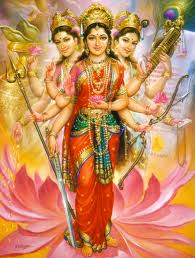 Devi Stotrams (188)
 Veda Suktams (36)
 Saraswati Stotrams (19)
 Vijaya Dasami (147)
 Devi Navaratri (146)
 Durgashtami (146)
 Maharnavami (146)
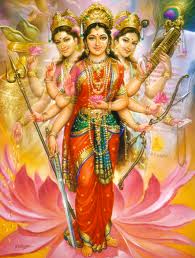 Devi (189)
 Durga (153)