The second section of the first Mundaka marks a sharp pedagogical turn. After introducing parā and aparā vidyā, the Upanishad now examines ritual-centered life with both fairness and uncompromising clarity. It acknowledges the place of Vedic karma, yet refuses to let seekers mistake finite merit for final freedom.
This section is therefore not anti-ritual; it is anti-delusion. It first lays out disciplined ritual procedure and its legitimate results, then shows the built-in limits of action-bound attainments. The intent is to move the seeker from karmic optimism to existential discernment.
Adi Shankaracharya's interpretive line treats this as a vital transition from karma-kāṇḍa dependence to brahma-vidyā orientation. The famous injunction parīkṣya lōkān karmachitān... emerges here as a decisive call to maturity: examine, recognize limitation, and seek the imperishable through right guidance.
For contemporary readers, this section has immediate relevance. It challenges every form of spiritual consumerism - ritual, status, identity, achievement - that avoids foundational inquiry. Read it as a compassionate confrontation: keep discipline, but do not settle for repeatable outcomes when liberation is the goal.
॥ prathamamuṇḍakē dvitīyaḥ khaṇḍaḥ ॥
Meaning (padārtha):
prathama-muṇḍakē - in the first Mundaka
dvitīyaḥ khaṇḍaḥ - second section
Translation (bhāvārtha):
This is the second section of the first Mundaka.
Commentary (anusandhāna):
This heading signals a methodological shift within the same chapter. The first section established the knowledge hierarchy; the second section applies that hierarchy to spiritual life by examining karma, its rigor, and its limits.
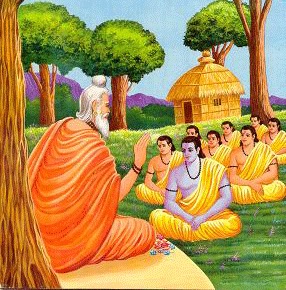
In traditional teaching flow, this is intentional sequencing: first define parā/aparā, then prevent confusion by showing why even refined karmic attainments remain within saṃsāra if not transcended by Self-knowledge. Shankara's pedagogical structure repeatedly follows this movement from orientation to discernment.
A practical study approach is to treat section breaks as cognitive checkpoints. Before moving on, ask: "What mistaken assumption is this new section correcting in me?" This keeps scriptural study transformative rather than merely cumulative.
tadētat satyaṃ mantrēṣu karmāṇi kavayō
yānyapaśyaṃstāni trētāyāṃ bahudhā santatāni ।
tānyācharatha niyataṃ satyakāmā ēṣa vaḥ
panthāḥ sukṛtasya lōkē ॥ 1॥
Meaning (padārtha):
tat etat - this indeed
satyaṃ - true
mantrēṣu - in the mantras
karmāṇi - ritual actions
kavayaḥ - seers
yāni - which
apaśyan - perceived
tāni - those
trētāyāṃ - in the threefold Vedic arrangement
bahudhā - in many ways
santatāni - extended/elaborated
tāni ācharatha - perform those
niyataṃ - regularly, with discipline
satyakāmāḥ - O seekers of rightful fruits
ēṣaḥ - this
vaḥ - for you
panthāḥ - path
sukṛtasya lōkē - to the world attained by merit
Translation (bhāvārtha):
This is indeed true: the rites seen by the seers and taught in the mantras, elaborated in many forms, should be performed with discipline by those seeking rightful results; this is the path to the worlds gained by merit.
Commentary (anusandhāna):
The Upanishad begins this section by affirming Vedic ritual validity within its domain. It does not caricature karma; it acknowledges that disciplined action, rightly performed, yields ordered results. The verse is precise: this is a path to sukṛta-lōka (merit-worlds), not to the absolute.
Shastric tradition consistently preserves this domain-clarity. In Advaita, karma can purify and prepare (chitta-śuddhi) but cannot by itself reveal the non-produced absolute (akṛta). This distinction echoes Gita 9.20-21, where ritual merit grants higher worlds yet remains finite and return-bound.
Practically, the verse teaches respect without absolutization: do your duties and disciplines well, but know their scope. Confusion begins when provisional means are mistaken for final ends.
yadā lēlāyatē hyarchiḥ samiddhē havyavāhanē ।
tadā''jyabhāgāvantarēṇā''hutīḥ pratipādayēt ॥ 2॥
Meaning (padārtha):
yadā - when
lēlāyatē - flickers/playfully moves
hi archiḥ - indeed the flame
samiddhē - when well-kindled
havyavāhanē - in the sacrificial fire
tadā - then
ājya-bhāgau-antarēṇā - between the two ghee-portions
āhutīḥ - oblations
pratipādayēt - one should place/offer
Translation (bhāvārtha):
When the sacrificial fire is properly kindled and its flame is active, then one should offer the oblations at the prescribed point between the two ghee-offerings.
Commentary (anusandhāna):
This verse emphasizes procedural precision. Vedic ritual is not casual symbolism; it is governed action with timing, sequence, and intentional correctness. Even in karma-kāṇḍa, maturity demands attentiveness.
mīmāṃsā and Vedantic traditions alike treat vidhi (prescribed method) as central to ritual efficacy. The Upanishad here affirms that action-results are lawfully conditioned, not arbitrarily granted. That same lawfulness later supports its argument about action's limits.
A practical takeaway: spiritual seriousness includes procedural integrity. Whether mantra-japa, nitya karma, or meditation routine, sloppiness weakens formation. Precision trains reverence and prepares the mind for higher inquiry.
yasyāgnihōtramadarśamapaurṇamāsa-
machāturmāsyamanāgrayaṇamatithivarjitaṃ cha ।
ahutamavaiśvadēvamavidhinā huta-
māsaptamāṃstasya lōkān hinasti ॥ 3॥
Meaning (padārtha):
yasya - whose
agnihōtram - agnihotra rite
adarśam - lacking the new-moon observance
apaurṇamāsam - lacking the full-moon observance
achāturmāsyam - lacking seasonal chāturmāsya rites
anāgrayaṇam - lacking the first-fruit offering
atithi-varjitam - devoid of guest-hospitality
cha - and
ahutam - not duly offered
avaiśvadēvam - without vaiśvadēva offering
avidhinā hutam - offered against injunction
ā-saptamān - up to the seventh
tasya - of that performer
lōkān - worlds/merit-realms
hinasti - destroys
Translation (bhāvārtha):
If one performs agnihotra while neglecting its connected observances - new/full moon rites, seasonal rites, first-fruit offering, hospitality, universal offering - or performs it improperly, such action damages the performer's merit across the sevenfold result-fields.
Commentary (anusandhāna):
The verse warns against selective religiosity - preserving prestige-symbols while dropping ethical and procedural foundations. Ritual divorced from wholeness becomes self-defeating.
Shastric hermeneutics reads this as interconnected obligation: karma is a system, not a menu. Advaita accepts this fully at the preparatory level; fragmented observance often strengthens ego while weakening refinement. The Upanishad uses this rigor to mature the seeker's honesty.
In modern terms, this is a warning against "display spirituality." If outer practice is not matched by integrity, care, and responsibility, it may increase self-deception. Keep practice whole, not performative.
kālī karālī cha manōjavā cha
sulōhitā yā cha sudhūmravarṇā ।
sphuliṅginī viśvaruchī cha dēvī
lēlāyamānā iti sapta jihvāḥ ॥ 4॥
Meaning (padārtha):
kālī - KAlI (a flame-tongue)
karālī - KarAlI (a fierce flame-tongue)
cha - and
manōjavā - ManOjavA (swift as mind)
sulōhitā - SulOhitA (deep-red flame)
yā - and that
sudhūmravarṇā - smoke-hued flame
sphuliṅginī - spark-scattering flame
viśvaruchī - all-radiant flame
dēvī - the divine (fire)
lēlāyamānā - flickering
iti - thus
sapta jihvāḥ - seven tongues (of fire)
Translation (bhāvārtha):
The sacrificial fire is described as having seven flickering tongues - Kali, Karali, Manojava, Sulohita, Sudhumravarna, Sphulingini, and Vishvaruchi.
Commentary (anusandhāna):
The verse poetically encodes a sophisticated ritual phenomenology. Fire is not treated as inert matter but as dynamic sacred medium with differentiated modes of operation and reception.
In Vedic tradition, such naming supports contemplative attention within ritual action: the performer is trained to perceive subtle functional distinctions rather than mechanically "doing" a rite. Yet the Upanishad's larger strategy remains: even this richness is within karma-domain and therefore finite in fruit.
Practically, this verse teaches mindful presence. Whatever the practice - ritual, prayer, meditation, service - move from autopilot to attentive participation. Depth begins where presence replaces routine.
ētēṣu yaścharatē bhrājamānēṣu yathākālaṃ
chāhutayō hyādadāyan ।
taṃ nayantyētāḥ sūryasya raśmayō yatra
dēvānāṃ patirēkō'dhivāsaḥ ॥ 5॥
Meaning (padārtha):
ētēṣu - in these
yaḥ - whoever
charatē - engages/practices
bhrājamānēṣu - in the blazing forms
yathākālaṃ - at the proper time
āhutayaḥ - oblations
hi ādadāyan - indeed placing/offering
taṃ - that sacrificer
nayanti ētāḥ - these lead
sūryasya raśmayaḥ - rays of the sun
yatra - where
dēvānāṃ patiḥ - lord of the devas
ekaḥ adhivāsaḥ - the singular presiding abode
Translation (bhāvārtha):
One who offers rightly and timely in these blazing sacrificial fires is led by the rays of the sun to the realm presided over by the lord of the gods.
Commentary (anusandhāna):
This verse presents the positive fruit of disciplined karma: ordered ascent to higher experiential realms. The Upanishad is being fair - properly performed action yields proper result.
Vedantic commentators treat such results as real within vyavahāra but not final in pāramārthika terms. Gita 9.20-21 gives the same arc: merit leads upward, but finite causes produce finite residence. This prepares the transition to renunciate inquiry.
Practically, this verse helps seekers respect karmic causality without idolizing outcomes. Good action matters deeply, but ultimate freedom requires knowledge beyond result-cycles.
ēhyēhīti tamāhutayaḥ suvarchasaḥ
sūryasya raśmibhiryajamānaṃ vahanti ।
priyāṃ vāchamabhivadantyō'rchayantya
ēṣa vaḥ puṇyaḥ sukṛtō brahmalōkaḥ ॥ 6॥
Meaning (padārtha):
ēhi ēhi iti - "come, come" thus
taṃ āhutayaḥ - those oblations (addressing him)
suvarchasaḥ - radiant/lustrous
sūryasya raśmibhiḥ - by the sun's rays
yajamānam - the sacrificer
vahanti - carry
priyāṃ vācham - pleasing speech
abhivadanti - speak/address
archayanti - honor/praise
ēṣaḥ - this
vaḥ - for you
puṇyaḥ - meritorious
sukṛtaḥ - earned by good acts
brahmalōkaḥ - the brahma-loka (karmic realm)
Translation (bhāvārtha):
The radiant sacrificial offerings, as though inviting "come, come," carry the sacrificer along the sun's rays, praising him and saying: this is your meritorious world attained by good works.
Commentary (anusandhāna):
The language is intentionally attractive: karma appears rewarding, affirming, and exalted. The text acknowledges this experiential pull before delivering its deeper correction.
Shankara's reading of this passage treats the invitation imagery as phala-stuti within karma-kāṇḍa, not as mōkṣa-lakShaNa. Bhagavad Gita 9.20-21 states the same cycle explicitly - tē taṃ bhuktvā svargalōkaṃ viśālaṃ kṣīṇē puṇyē martyalōkaṃ viśanti - showing that even exalted heaven-experience remains time-bound.
Practically, this verse warns about subtle spiritual complacency. Pleasant inner states, praise, and refined experiences can become new attachments. Enjoy without clinging; continue inquiry.
plavā hyētē adṛḍhā yajñarūpā
aṣṭādaśōktamavaraṃ yēṣu karma ।
ētachChrēyō yē'bhinandanti mūḍhā
jarāmṛtyuṃ tē punarēvāpi yanti ॥ 7॥
Meaning (padārtha):
plavāḥ - rafts/boats
hi ētē - indeed these
adṛḍhāḥ - unstable/fragile
yajña-rūpāḥ - of the nature of sacrifices
aṣṭādaśa-uktam - declared as eighteenfold
avaraṃ karma - lower/inferior action (for liberation)
yēṣu - in which
ētat śrēyaḥ - this as the highest good
yē abhinandanti - those who delight in
mūḍhāḥ - deluded ones
jarā-mṛtyuṃ - old age and death
tē - they
punaḥ eva api - again and again
yanti - go/return
Translation (bhāvārtha):
These ritual forms are fragile rafts; the eighteenfold sacrificial system is inferior with respect to liberation. Those deluded ones who celebrate it as supreme return again to old age and death.
Commentary (anusandhāna):
This is the section's decisive critique. karma is now called adṛḍha-plava - useful for crossing short waters, incapable of crossing the ocean of saṃsāra. The issue is not ritual itself, but absolutizing it.
Shankara emphasizes that action, being finite and produced, cannot yield the unproduced absolute (akṛta). This is a cornerstone Advaitic principle echoed directly in verse 12 of this very section. Thus the Upanishad shifts from karmic legitimacy to karmic limitation with precision.
In practical life, this verse asks: what am I using as a raft, and am I mistaking it for the shore? Means are sacred; mistaking means for end is bondage.
avidyāyāmantarē vartamānāḥ
svayaṃ dhīrāḥ paṇḍitaṃ manyamānāḥ ।
jaṅghanyamānāḥ pariyanti mūḍhā
andhēnaiva nīyamānā yathāndhāḥ ॥ 8॥
Meaning (padārtha):
avidyāyāṃ antarē - in the midst of ignorance
vartamānāḥ - living/moving
svayaṃ - themselves
dhīrāḥ - wise/steadfast
paṇḍitaṃ - learned
manyamānāḥ - thinking themselves to be
jaṅghanyamānāḥ - being repeatedly battered/afflicted
pariyanti - wander about
mūḍhāḥ - deluded ones
andhēna eva - by the blind itself
nīyamānāḥ - being led
yathā andhāḥ - like the blind
Translation (bhāvārtha):
Dwelling in ignorance yet thinking themselves wise, the deluded wander in repeated confusion - like the blind led by the blind.
Commentary (anusandhāna):
This verse exposes epistemic arrogance as a core obstacle. The sharp language is therapeutic, not insulting: false certainty blocks transformation more deeply than acknowledged confusion.
Upanishadic and Gita traditions repeatedly identify this pattern - self-certifying ignorance masquerading as insight. Shankara's pedagogy therefore gives high value to humility (amānitva) and sampradāya-guided correction. Without these, seekers circulate inside conceptual echo-chambers.
Practically, adopt one antidote: periodic "blind-spot review" with a trusted teacher or rigorous peer. Growth accelerates when one invites correction before crisis enforces it.
avidyāyaṃ bahudhā vartamānā vayaṃ
kṛtārthā ityabhimanyanti bālāḥ ।
yat karmiṇō na pravēdayanti rāgāt
tēnāturāḥ kṣīṇalōkāśchyavantē ॥ 9॥
Meaning (padārtha):
avidyāyām - in ignorance
bahudhā - in many ways
vartamānāḥ - moving/living
vayaṃ - we
kṛtārthāḥ - fulfilled/accomplished
iti - thus
abhimanyanti - imagine/conceive
bālāḥ - immature ones
yat - because
karmiṇaḥ - ritual-action oriented people
na pravēdayanti - do not discern/understand
rāgāt - due to attachment
tēna - therefore/by that
āturāḥ - afflicted
kṣīṇa-lōkāḥ - with exhausted merit-worlds
chyavantē - fall away
Translation (bhāvārtha):
Immature people, moving in varied forms of ignorance, imagine themselves fulfilled. Attached to action, they fail to discern deeply; when their earned worlds are exhausted, they decline and fall again.
Commentary (anusandhāna):
The verse refines the previous warning by naming the mechanism: rāga (attachment). It is attachment that turns provisional attainment into imagined completion.
Advaita's analysis of bondage as misidentification plus attachment is directly relevant here. karma itself is not condemned; clinging and misvaluation are. This matches Gita's repeated teaching that attachment to fruits binds action to recurrence.
In practical terms, perform and serve wholeheartedly, but test for attachment by asking: "If this result changes, does my center collapse?" Where collapse is high, attachment is high; there purification is required.
iṣṭāpūrtaṃ manyamānā variṣṭhaṃ
nānyachChrēyō vēdayantē pramūḍhāḥ ।
nākasya pṛṣṭhē tē sukṛtē'nubhūtvēmaṃ
lōkaṃ hīnataraṃ vā viśanti ॥ 10॥
Meaning (padārtha):
iṣṭā-pūrtam - sacrifice-and-charity duties
manyamānāḥ - considering
variṣṭhaṃ - as highest
na anyat śrēyaḥ - no other higher good
vēdayanti - they know/understand
pramūḍhāḥ - deeply deluded ones
nākasya pṛṣṭhē - on the heaven-plane
tē - they
sukṛtē anubhūya - after enjoying earned merit
imaṃ lōkaṃ - this world
hīnataraṃ vā - or a lower one
viśanti - enter
Translation (bhāvārtha):
Those deluded ones who consider sacrificial and charitable works to be the highest and know no greater good, after enjoying heavenly merit, return again to this world or a lower one.
Commentary (anusandhāna):
This verse does not belittle charity or ritual duty; it rejects their absolutization. iṣṭā-pūrta has social and ethical value, but it does not by itself end existential ignorance.
Shastric synthesis preserves both truths: dharmic action is necessary for inner refinement and social order, yet liberation requires Self-knowledge. This is fully aligned with Mundaka's central distinction between finite-result means and imperishable realization.
A modern application: continue service and philanthropy, but pair them with inquiry into identity, attachment, and awareness. Outer good without inner transformation remains incomplete.
tapaḥśraddhē yē hyupavasantyaraṇyē
śāntā vidvāṃsō bhaikṣyacharyāṃ charantaḥ ।
sūryadvārēṇa tē virajāḥ prayānti
yatrāmṛtaḥ sa puruṣō hyavyayātmā ॥ 11॥
Meaning (padārtha):
tapaḥ-śraddhē - austerity and faith
yē - those who
hi upavasanti - indeed dwell/abide
araṇyē - in contemplative seclusion (forest)
śāntāḥ - inwardly peaceful
vidvāṃsaḥ - knowers
bhaikṣya-charyām - mendicant mode of living
charantaḥ - practicing/moving in
sūrya-dvārēṇa - through the solar gate/path
tē - they
virajāḥ - purified, stainless
prayānti - proceed
yatra - where
amṛtaḥ saḥ puruṣaḥ - that deathless puruṣa
hi avyayātmā - indeed of imperishable nature
Translation (bhāvārtha):
Those who live with austerity and faith, in peace and disciplined simplicity, moving in contemplative life, purified of stain, proceed by the luminous path toward the deathless imperishable conscious reality.
Commentary (anusandhāna):
The text now turns from ritual complexity to contemplative simplicity. Emphasis shifts to tapas, śraddhā, śānti, and inward life - conditions favorable for brahma-vidyā maturation.
In Advaita pedagogy, this does not mandate geography for all seekers; it mandates interior renunciation and disciplined orientation. The "solar path" imagery indicates luminosity and upward movement of consciousness beyond gross attachment. Shankara consistently centers preparedness and purity as indispensable.
Practically, create your own "inner forest" periods - daily device-free silence, reduced sensory overload, simple living blocks, and disciplined study. Without such intervals, subtle assimilation rarely stabilizes.
parīkṣya lōkān karmachitān brāhmaṇō
nirvēdamāyānnāstyakṛtaḥ kṛtēna ।
tadvijñānārthaṃ sa gurumēvābhigachChēt
samitpāṇiḥ śrōtriyaṃ brahmaniṣṭham ॥ 12॥
Meaning (padārtha):
parīkṣya - having examined
lōkān karma-chitān - worlds gained by action
brāhmaṇaḥ - the discerning seeker
nirvēdaṃ āyāt - comes to dispassion
na asti - there is not
akṛtaḥ kṛtēna - the unproduced (gained) by the produced
tat-vijñāna-artham - for realization of That
saḥ - he
gurum eva abhigachChēt - must approach a teacher alone
samit-pāṇiḥ - with fuel in hand (humble readiness)
śrōtriyaṃ - grounded in scripture/tradition
brahma-niṣṭham - established in Brahman
Translation (bhāvārtha):
Having examined the worlds attained through action, the seeker gains dispassion, recognizing that the unproduced absolute cannot be attained by produced means. Therefore, to realize That, one must approach a teacher - with humility - who is both rooted in scripture and established in Brahman.
Commentary (anusandhāna):
This is one of the most decisive verses in all Vedanta. It defines the turning point from karmic optimism to liberating inquiry. The key statement nāstyakṛtaḥ kṛtēna is ontological: finite action cannot produce the infinite.
Shankara treats this as foundational for sannyāsa-oriented knowledge pursuit, while preserving the preparatory value of prior disciplines. The guru criteria are equally non-negotiable: śrōtriya (textual clarity in sampradāya) plus brahma-niṣṭha (existential establishment). This dual criterion prevents both dry scholasticism and charisma without grounding.
Practically, this verse demands intellectual honesty: audit all achievement-paths and ask whether they can end existential insecurity. If not, begin committed guidance-based inquiry. This is the maturity threshold of spiritual life.
tasmai sa vidvānupasannāya samyak
praśāntachittāya śamānvitāya ।
yēnākṣaraṃ puruṣaṃ vēda satyaṃ prōvācha
tāṃ tattvatō brahmavidyām ॥ 13॥
Meaning (padārtha):
tasmai - to that (seeker)
saḥ vidvān - the knower-teacher
upasannāya - who has approached
samyak - properly
praśānta-chittāya - to one of tranquil mind
śama-anvitāya - endowed with inner quietude
yēna - by which
akṣaram - the imperishable
puruṣaṃ - puruṣa
vēda - is known
satyaṃ - truly/real
prōvācha - taught
tāṃ - that
tattvataḥ - in its true essence
brahma-vidyām - brahma-knowledge
Translation (bhāvārtha):
To such a properly approaching seeker - inwardly calm and disciplined - the realized teacher imparts, in truth, that knowledge of Brahman by which the imperishable conscious reality is known.
Commentary (anusandhāna):
The section closes by affirming reciprocal fitness: qualified seeker, qualified teacher, true transmission. Knowledge is not withheld arbitrarily; it is given where receptivity, humility, and mental preparation are present.
This verse operationalizes the prior injunction (1.2.12): the seeker approaches a śrōtriya-brahma-niṣṭhā, and instruction flowers when praśānta-chitta is present. Bhagavad Gita 4.34 mirrors the same method - praṇipātēna paripraśnēna sēvayā - confirming that sampradāya transmission is a disciplined pramANa-process, not personality dependence.
Practically, this verse can become a commitment statement: cultivate mental quiet (śama), reduce agitation, approach guidance sincerely, and prioritize assimilation over debate. When these conditions are honored, teaching becomes realization-path rather than intellectual ornament.
॥ iti muṇḍakōpaniṣadi prathamamuṇḍakē dvitīyaḥ khaṇḍaḥ ॥
Meaning (padārtha):
iti - thus
muṇḍakōpaniṣadi - in the Mundaka Upanishad
prathama-muṇḍakē dvitīyaḥ khaṇḍaḥ - second section of the first Mundaka
Translation (bhāvārtha):
Thus ends the second section of the first Mundaka in the Mundaka Upanishad.
Commentary (anusandhāna):
This section performs a complete philosophical purification: it validates disciplined karma, demonstrates its limits, critiques spiritual self-deception, and redirects the seeker toward knowledge through proper guidance. In one arc, it replaces complacency with maturity.
Within the broader Vedantic structure, this is a threshold chapter. It houses one of the tradition's most cited renunciate discernment lines (nāstyakṛtaḥ kṛtēna) and the canonical guru-approach injunction, making it central for every serious aspirant.
A practical integration step is to end this chapter with a two-part vow: continue dharmic action without egoic absolutization, and begin (or deepen) guidance-based Self-inquiry with disciplined regularity. This is exactly the bridge this section intends.
Browse Related Categories:
 Vedic Chants (109)
- Ganapati Prarthana Ghanapatham
- Gayatri Mantram Ghanapatham
- Sri Rudram Laghunyasam
- Sri Rudram Namakam
- Sri Rudram Chamakam
- Purusha Suktam
- Sri Suktam
- Durga Suktam
- Narayana Suktam
- Mantra Pushpam
- Shanti Mantram (Dasha Shanti Mantram)
- Nitya Sandhya Vandanam (Krishna Yajurvediya)
- Ganapati Atharva Sheersham
- Eesavasyopanishad (Ishopanishad)
- Nakshatra Suktam (Nakshatreshti)
- Manyu Suktam
- Medha Suktam
- Vishnu Suktam
- Shiva Panchamruta Snanam
- Yagnopavita Dharana
- Sarva Devata Gayatri Mantras
- Taittiriya Upanishad - Shiksha Valli
- Taittiriya Upanishad - Ananda Valli
- Taittiriya Upanishad - Bhrugu Valli
- Bhu Suktam
- Navagraha Suktam
- Maha Narayana Upanishad
- Aruna Prasna
- Mahanyasam (Complete)
- Saraswati Suktam
- Bhagya Suktam
- Pavamana Suktam
- Nasadiya Suktam
- Navagraha Suktam (Navagraha Namaskaram)
- Pitru Suktam
- Ratri Suktam
- Sarpa Suktam
- Hiranya Garbha Suktam
- Sanusvara Prasna (Sunnala Pannam)
- Go Suktam
- Trisuparnam
- Chitti Pannam
- Aghamarshana Suktam
- Kena Upanishad - Part 1
- Kena Upanishad - Part 2
- Kena Upanishad - Part 3
- Kena Upanishad - Part 4
- Mundaka Upanishad - Mundaka 1, Section 1
- Mundaka Upanishad - Mundaka 1, Section 2
- Mundaka Upanishad - Mundaka 2, Section 1
- Mundaka Upanishad - Mundaka 2, Section 2
- Mundaka Upanishad - Mundaka 3, Section 1
- Mundaka Upanishad - Mundaka 3, Section 2
- Narayana Upanishad
- Vishwakarma Suktam
- Sri Devi Atharva Sheersham
- Durva Suktam (Mahanarayana Upanishad)
- Mrittika Suktam (Mahanarayana Upanishad)
- Sri Durga Atharvasheersham
- Agni Suktam (Rugveda)
- Krimi Samharaka Suktam (Yajurveda)
- Neela Suktam
- Veda Asheervachanam
- Veda Svasti Vachanam
- Aikamatya Suktam
- Ayushya Suktam
- Shraddha Suktam
- Sri Ganesha (Ganapati) Suktam
- Shiva Upasana Mantra
- Shanti Panchakam
- Shukla Yajurveda Sandhya Vandanam
- Mandukya Upanishad
- Rigveda Sandhya Vandanam
- Ekatmata Stotram
- Bhavanopanishad
- Kathopanishad - Chapter 1, Valli 1
- Kathopanishad - Chapter 1, Valli 2
- Kathopanishad - Chapter 1, Valli 3
- Kathopanishad - Chapter 2, Valli 1
- Kathopanishad - Chapter 2, Valli 2
- Kathopanishad - Chapter 2, Valli 3
- Prashnopanishad - Question 1
- Prashnopanishad - Question 2
- Prashnopanishad - Question 3
- Prashnopanishad - Question 4
- Prashnopanishad - Question 5
- Prashnopanishad - Question 6
- Anna Suktam
- Rigvediya Pancha Rudram
- Mahanyasam - 0. Kalasa Pratishtapana Mantras
- Mahanyasam - 1. Panchanga Rudranyasa
- Mahanyasam - 2. Panchamukha Dhyanam
- Mahanyasam - 3. Anganyasa
- Mahanyasam - 4. Dashanga Nyasa
- Mahanyasam - 5. Panchanga Nyasa
- Mahanyasam - 5.1. Hamsa Gayatri
- Mahanyasam - 5.2. Dik Samputanyasa (Samputikarana)
- Mahanyasam - 5.3. Dashanga Raudrikaranam
- Mahanyasam - 5.4. Shodashanga Raudrikaranam
- Mahanyasam - 6.1. Mano Jyotih
- Mahanyasam - 6.2. Atmaraksha
- Mahanyasam - 7.1. Shiva Sankalpam
- Mahanyasam - 7.2. Purusha Suktam
- Mahanyasam - 7.3. Uttara Narayanam
- Mahanyasam - 7.4. Apratiratham
- Mahanyasam - 7.5. Prati Purusham
- Mahanyasam - 7.6. Sata Rudriyam (Tvamagne Rudro'nuvakah)
- Mahanyasam - 7.7. Panchanga Japa
- Mahanyasam - 7.8. Ashtanga Pranamam
 Upanishads (34)
- Eesavasyopanishad (Ishopanishad)
- Shiva Sankalpa Upanishad (Shiva Sankalpamastu)
- Taittiriya Upanishad - Shiksha Valli
- Taittiriya Upanishad - Ananda Valli
- Taittiriya Upanishad - Bhrugu Valli
- Maha Narayana Upanishad
- Kena Upanishad - Part 1
- Kena Upanishad - Part 2
- Kena Upanishad - Part 3
- Kena Upanishad - Part 4
- Mundaka Upanishad - Mundaka 1, Section 1
- Mundaka Upanishad - Mundaka 1, Section 2
- Mundaka Upanishad - Mundaka 2, Section 1
- Mundaka Upanishad - Mundaka 2, Section 2
- Mundaka Upanishad - Mundaka 3, Section 1
- Mundaka Upanishad - Mundaka 3, Section 2
- Narayana Upanishad
- Chakshushopanishad (Chakshushmati Vidya)
- Aparadha Kshamapana Stotram (Devi)
- Sri Surya Upanishad
- Mandukya Upanishad
- Bhavanopanishad
- Kathopanishad - Chapter 1, Valli 1
- Kathopanishad - Chapter 1, Valli 2
- Kathopanishad - Chapter 1, Valli 3
- Kathopanishad - Chapter 2, Valli 1
- Kathopanishad - Chapter 2, Valli 2
- Kathopanishad - Chapter 2, Valli 3
- Prashnopanishad - Question 1
- Prashnopanishad - Question 2
- Prashnopanishad - Question 3
- Prashnopanishad - Question 4
- Prashnopanishad - Question 5
- Prashnopanishad - Question 6
 Mundaka Upanishad (6)