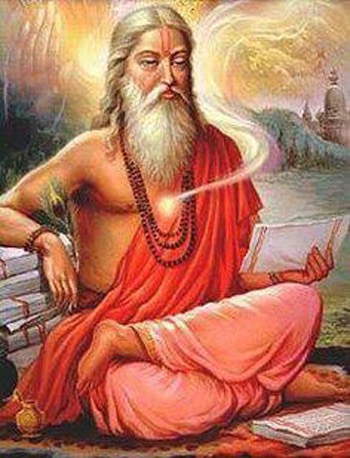
ಭರ್ತೃಹರಿ is celebrated for the ಶತಕ-ತ್ರಿಶತಿ - three collections of roughly a hundred verses each: ನೀತಿ ಶತಕಂ, ಶೃಂಗಾರ ಶತಕಂ, and ವೈರಾಗ್ಯ ಶತಕಂ. These are among the most quoted ಸುಭಾಷಿತಾನಿ in Sanskrit literature because each ಶ್ಲೋಕ is compact, memorable, and psychologically sharp.
ಶೃಂಗಾರ ಶತಕಂ explores ಶೃಂಗಾರ (love/beauty/romance) in many shades: the first spark of attraction, playful conversation, the language of glances, union (ಸಂಭೋಗ), separation (ವಿರಹ), and the way desire can both uplift and unsettle the mind. It is not only about physical beauty; it is also a study of longing, imagination, vulnerability, pride, and reconciliation - the inner choreography of relationship.
The text remains timeless because the emotions it depicts are timeless. The setting may be a palace or a forest-grove, but the dynamics are familiar: how a half-smile can change a conversation, how uncertainty magnifies small signals, how distance reshapes memory, and how seasons mirror moods. Verses like ಸಮಸ್ತಭಾವೈಃ ಖಲು ಬಂಧನಂ ಸ್ತ್ರಿಯಃ, ಸ್ಮೃತಾ ಭವತಿ ತಾಪಾಯ, and ತಾವದೇವಾಮೃತಮಯೀ are remembered and quoted because they capture these patterns with precision.
A good way to read ಶೃಂಗಾರ ಶತಕಂ is as a mirror for ಚಿತ್ತ (mind): notice what in the verse is about the beloved, and what is actually about the observer's own projections, cravings, and sensitivities. When relevant, some verses also hint at ವಿವೇಕ (discernment) - seeing how attachment forms and how it can be handled with maturity.
ಶಂಭುಸ್ವಯಂಭುಹರಯೋ ಹರಿಣೇಕ್ಷಣಾನಾಂ
ಯೇನಾಕ್ರಿಯಂತ ಸತತಂ ಗೃಹಕುಂಭದಾಸಾಃ ।
ವಾಚಾಂ ಅಗೋಚರಚರಿತ್ರವಿಚಿತ್ರಿತಾಯ
ತಸ್ಮೈ ನಮೋ ಭಗವತೇ ಮಕರಧ್ವಜಾಯ ॥ 2.1 ॥
ಛಂದಃ (ವಸಂತತಿಲಕಾ): This is in ವಸಂತತಿಲಕಾ (ಸಮ-ವೃತ್ತ) Chandas/Meter: 4 ಪಾದಾಃ, 14 ಅಕ್ಷರಾಃ per ಪಾದ; ಲಘು/ಗುರು pattern (per ಪಾದ) is `GGLGLLLGLLGLGG`.
Meaning (ಪದಾರ್ಥ):
ಶಂಭುಃ - Shiva
ಸ್ವಯಂಭುಃ - Brahma (self-born)
ಹರಿಃ - Vishnu
ಶಂಭುಸ್ವಯಂಭುಹರಯೋ - Shiva, Brahma, and Vishnu (sandhi: ಶಂಭುಃ + ಸ್ವಯಂಭುಃ + ಹರಿಃ)
ಹರಿಣ - deer; doe
ಈಕ್ಷಣ - eye; glance
ಹರಿಣೇಕ್ಷಣಾಃ - doe-eyed women (in verse: ಹರಿಣೇಕ್ಷಣಾನಾಂ)
ಯೇನ - by whom
ಆಕ್ರಿಯಂತ - were made; were compelled to become
ಯೇನಾಕ್ರಿಯಂತ - were made by whom (sandhi: ಯೇನ + ಆಕ್ರಿಯಂತ)
ಸತತಂ - always; constantly
ಗೃಹ - house; household
ಕುಂಭ - (water-)pot
ದಾಸಃ - servant; one made to do errands
ಗೃಹಕುಂಭದಾಸಾಃ - household pot-servants; domestic errand-runners
ವಾಚಾಂ - of speech; of words
ಅಗೋಚರಃ - beyond reach; not accessible
ಚರಿತ್ರಂ - conduct; deeds; "play" of action
ವಿಚಿತ್ರಿತಾ - wondrous; astonishing; variegated
ಅಗೋಚರಚರಿತ್ರವಿಚಿತ್ರಿತಾಯ - to him whose wondrous deeds are beyond speech (compound)
ತಸ್ಮೈ - to him
ನಮಃ - salutations
ಭಗವತೇ - to the Lord; the glorious one
ಮಕರ - the ಮಕರ (sea-creature motif)
ಧ್ವಜಃ - banner; sign
ಮಕರಧ್ವಜಃ - Cupid ("whose banner is the ಮಕರ"); in verse: ಮಕರಧ್ವಜಾಯ
Translation (ಭಾವಾರ್ಥ):
Salutations to Cupid, whose wondrous play is beyond words - he by whom even Shiva, Brahma, and Vishnu are made ceaseless household errand-servants for doe-eyed women.
Commentary (ಅನುಸಂಧಾನ):
ಭರ್ತೃಹರಿ opens with a deliberate exaggeration to set the theme: ಕಾಮ (desire) is not "a small weakness" but a power that can bend even the mightiest. In everyday life, the same truth appears when highly capable people become irrational for the sake of attention, validation, or infatuation - a senior leader making poor decisions to impress, a student derailing studies for a relationship, or someone compromising values to keep a fragile bond. The practical ಅನುಸಂಧಾನ is not to fear love, but to add ವಿವೇಕ (discernment) and ಸಂಯಮ (self-restraint): keep boundaries, avoid secrecy, and check whether your actions are serving your deeper priorities or merely serving a moment of fascination.
One more layer is this: Let beauty become reverence rather than grasping. ಆದಿ ಶಂಕರಾಚಾರ್ಯ opens ಸೌಂದರ್ಯ ಲಹರೀ with ಶಿವಃ ಶಕ್ತ್ಯಾ ಯುಕ್ತೋ ಯದಿ ಭವತಿ ಶಕ್ತಃ ಪ್ರಭವಿತುಂ, hinting that beauty and power are inseparable from awareness. Seen that way, admiration can refine the heart. When respect is present, beauty uplifts; when entitlement is present, beauty binds.
ಸ್ಮಿತೇನ ಭಾವೇನ ಚ ಲಜ್ಜಯಾ ಭಿಯಾ
ಪರಾಣ್ಮುಖೈರರ್ಧಕಟಾಕ್ಷವೀಕ್ಷಣೈಃ ।
ವಚೋಭಿರೀರ್ಷ್ಯಾಕಲಹೇನ ಲೀಲಯಾ
ಸಮಸ್ತಭಾವೈಃ ಖಲು ಬಂಧನಂ ಸ್ತ್ರಿಯಃ ॥ 2.2 ॥
ಛಂದಃ (ವಂಶಸ್ಥ): This is in ವಂಶಸ್ಥ (ಸಮ-ವೃತ್ತ) Chandas/Meter: 4 ಪಾದಾಃ, 12 ಅಕ್ಷರಾಃ per ಪಾದ; ಲಘು/ಗುರು pattern (per ಪಾದ) is `LGLGGLLGLGLG`.
Meaning (ಪದಾರ್ಥ):
ಸ್ಮಿತೇನ - by a smile
ಭಾವೇನ - by an emotion; by an expressive mood
ಚ - and
ಲಜ್ಜಯಾ - by modesty; by bashfulness
ಭಿಯಾ - by fear; by coy apprehension
ಪರಾಣ್ಮುಖೈಃ - with faces turned away; with an averted look
ಅರ್ಧ - half
ಕಟಾಕ್ಷ - sidelong glance
ವೀಕ್ಷಣ - seeing; look
ಅರ್ಧಕಟಾಕ್ಷವೀಕ್ಷಣೈಃ - with half-sidelong glances
ವಚೋಭಿಃ - by words; by speech
ಈರ್ಷ್ಯಾ - jealousy
ಕಲಹೇನ - by quarrel; by playful dispute
ಲೀಲಯಾ - by play; by teasing sport
ಸಮಸ್ತ - all; entire
ಭಾವೈಃ - by moods; by emotional states
ಖಲು - indeed; surely
ಬಂಧನಂ - bondage; a binding snare; an entanglement
ಸ್ತ್ರಿಯಃ - women
Translation (ಭಾವಾರ್ಥ):
By smiles and moods, by modesty and coy fear, by averted faces and half-sidelong glances, by words, jealousy, quarrels, and playful teasing - by all these moods indeed women become a binding snare for the mind.
Commentary (ಅನುಸಂಧಾನ):
This verse is a compact psychology of attraction: not a single "weapon", but a whole spectrum of signals - smile, silence, shyness, irritation, reconciliation - that keeps attention captured. In modern relationships too, much of bonding happens through micro-signals: a delayed reply, a sudden warmth, a playful argument, a half-compliment that invites reassurance. The practical lesson is ವಿವೇಕ (discernment): notice when your peace is being outsourced to another person's changing expressions. Healthy love deepens steadiness; unhealthy attachment creates dependency on emotional fluctuations. A simple practice is to communicate clearly, interpret charitably, and keep your core routines intact, so that affection enriches life instead of hijacking it.
A helpful way to apply this is: Timing matters. Do not try to resolve everything at peak emotion. Pause, cool down, then speak. When you repair quickly and gently, love becomes a place of safety; when you turn small quarrels into ego battles, romance becomes exhaustion. Let the verse nudge you toward calmer repair.
ಭ್ರೂಚಾತುರ್ಯಾತ್ಕುಷ್ಚಿತಾಕ್ಷಾಃ ಕಟಾಕ್ಷಾಃ
ಸ್ನಿಗ್ಧಾ ವಾಚೋ ಲಜ್ಜಿತಾಂತಾಶ್ಚ ಹಾಸಾಃ ।
ಲೀಲಾಮಂದಂ ಪ್ರಸ್ಥಿತಂ ಚ ಸ್ಥಿತಂ ಚ
ಸ್ತ್ರೀಣಾಂ ಏತದ್ಭೂಷಣಂ ಚಾಯುಧಂ ಚ ॥ 2.3 ॥
ಛಂದಃ (ಶಾಲಿನೀ): This is in ಶಾಲಿನೀ (ತ್ರಿಷ್ಟುಭ್ class) Chandas/Meter: 4 ಪಾದಾಃ, 11 ಅಕ್ಷರಾಃ per ಪಾದ; ಲಘು/ಗುರು pattern (per ಪಾದ) is `GGGG GLGGLGG`; ಯತಿ (pause) is after the 4th syllable in each ಪಾದ (and sometimes also after 7).
Meaning (ಪದಾರ್ಥ):
ಭ್ರೂ - eyebrow
ಚಾತುರ್ಯ - cleverness; skill; dexterity
ಭ್ರೂಚಾತುರ್ಯಾತ್ - from/through clever eyebrow-play
ಕುಚಿತ - bent; slightly contracted
ಅಕ್ಷ - eye
ಕುಷ್ಚಿತಾಕ್ಷಾಃ - with slightly contracted eyes
ಕಟಾಕ್ಷಾಃ - sidelong glances
ಸ್ನಿಗ್ಧಾಃ - tender; affectionate; warm
ವಾಚಃ - words; speech (in verse: ವಾಚೋ)
ಲಜ್ಜಿತ - bashful; modest
ಅಂತಃ - ending; concluded
ಲಜ್ಜಿತಾಂತಾಃ - ending in bashfulness (as of a smile or laugh)
ಹಾಸಾಃ - laughter; smiles
ಲೀಲಾ - play; graceful sport
ಮಂದಂ - slowly; gently
ಪ್ರಸ್ಥಿತಂ - (their) going forth; gait; walking
ಸ್ಥಿತಂ - (their) standing; posture
ಸ್ತ್ರೀಣಾಂ - of women
ಏತತ್ - this
ಭೂಷಣಂ - ornament; adornment
ಚ - and
ಆಯುಧಂ - weapon
Translation (ಭಾವಾರ್ಥ):
Sidelong glances shaped by clever eyebrow-play and slightly contracted eyes, affectionate speech, laughter that ends in modesty, and a gentle playful gait - whether walking or standing - these are for women both ornament and weapon.
Commentary (ಅನುಸಂಧಾನ):
The verse highlights "soft power": charm is not only beauty, but timing, expression, and presence. In modern settings, this can be seen in how a well-placed look, a warm tone, or a playful pause can change a tense conversation more effectively than arguments. The ethical point is important: the same skills can heal or manipulate. If you have influence, use it as ದಯಾ (kindness) and ಸತ್ಯ (honesty), not as control. If you are on the receiving side, remember that attraction can cloud judgment; take decisions (commitments, money, boundaries) when the mind is calm, not when it is intoxicated by charm.
To carry this wisely: Charm is power, so bring ಅಹಿಮ್ಸಾ (non-harm) into speech. Teasing can be sweet, but sarcasm and manipulation create long shadows. Choose words that leave the other person with dignity. That is how attraction matures into intimacy.
ಕ್ವಚಿತ್ಸಭ್ರೂಭಂಗೈಃ ಕ್ವಚಿದಪಿ ಚ ಲಜ್ಜಾಪರಿಗತೈಃ
ಕ್ವಚಿದ್ಭೂರಿತ್ರಸ್ತೈಃ ಕ್ವಚಿದಪಿ ಚ ಲೀಲಾವಿಲಲಿತೈಃ ।
ಕುಮಾರೀಣಾಂ ಏತೈರ್ಮದನಸುಭಗೈರ್ನೇತ್ರವಲಿತೈಃ
ಸ್ಫುರನ್ನೀಲಾಬ್ಜಾನಾಂ ಪ್ರಕರಪರಿಕೀರ್ಣಾ ಇವ ದಿಶಃ ॥ 2.4 ॥
ಛಂದಃ (ಶಿಖರಿನೀ): This is in ಶಿಖರಿನೀ (ಸಮ-ವೃತ್ತ) Chandas/Meter: 4 ಪಾದಾಃ, 17 ಅಕ್ಷರಾಃ per ಪಾದ; ಲಘು/ಗುರು pattern (per ಪಾದ) is `LGGGGG LLLLL GGLLLG`; ಯತಿ (pause) is after the 6th and 11th syllables in each ಪಾದ.
Meaning (ಪದಾರ್ಥ):
ಕ್ವಚಿತ್ - somewhere; at times
ಸ - with
ಭ್ರೂ - eyebrow
ಭಂಗ - bend; arch; movement
ಸಭ್ರೂಭಂಗೈಃ - with eyebrow-bends
ಕ್ವಚಿದಪಿ - somewhere/at times also (sandhi: ಕ್ವಚಿದಪಿ = ಕ್ವಚಿತ್ + ಅಪಿ)
ಅಪಿ - also
ಲಜ್ಜಾ - modesty; shyness
ಪರಿಗತ - surrounded by; accompanied by
ಲಜ್ಜಾಪರಿಗತೈಃ - accompanied by modesty
ಭೂರಿ - much; greatly
ತ್ರಸ್ತ - frightened; startled
ಭೂರಿತ್ರಸ್ತೈಃ - greatly frightened (looks)
ಲೀಲಾ - play; grace
ವಿಲಲಿತ - sportive; playfully moving
ಲೀಲಾವಿಲಲಿತೈಃ - with playful movements
ಕುಮಾರೀಣಾಂ - of young maidens
ಏತೈಃ - by these
ಮದನ - Cupid; love
ಸುಭಗ - auspicious; pleasing; attractive
ಮದನಸುಭಗೈಃ - pleasing to Cupid; love-stirring
ನೇತ್ರ - eye
ವಲಿತ - rolling; moving; turning
ನೇತ್ರವಲಿತೈಃ - with rolling eyes; with eye-movements
ಸ್ಫುರತ್ - flashing; shining
ನೀಲ - blue
ಅಬ್ಜ - lotus
ನೀಲಾಬ್ಜ - blue lotus
ನೀಲಾಬ್ಜಾನಾಂ - of blue lotuses
ಪ್ರಕರಪರಿಕೀರ್ಣಾಃ - scattered with clusters
ಇವ - as if; like
ದಿಶಃ - the directions; quarters
Translation (ಭಾವಾರ್ಥ):
With eyebrow-bends, with modesty, with startled innocence, and with playful grace - with these love-stirring movements of the maidens' rolling eyes - the very directions seem as though they are strewn with clusters of flashing blue lotuses.
Commentary (ಅನುಸಂಧಾನ):
The poetic image is vivid: eyes like blue lotuses "scatter" across the world because the observer's attention keeps following them. In today's relationships, this is how fascination works: the mind keeps returning to a single stimulus and begins to color the whole environment with it. A practical use of this insight is to recognize ಸಂಸ್ಕಾರ (impressions) forming in real-time: repeated attention strengthens a groove. If you want love to be healthy, let admiration be paired with respect and restraint; if you sense obsession, widen your focus deliberately - work, friends, sleep, and values - so that beauty remains a joy, not a captivity.
A mature reading suggests: From an inner standpoint, remember that the rush is a wave in the mind. ಆದಿ ಶಂಕರಾಚಾರ್ಯ reminds us in ಆತ್ಮ ಷಟಕಂ, ಮನೋ ಬುದ್ಧ್ಯಹಂಕಾರ ಚಿತ್ತಾನಿ ನಾಹಂ (I am not the mind, intellect, ego, or mind-stuff). Returning to that witness does not kill love; it makes love workable, so you can act with dignity instead of being driven.
ವಕ್ತ್ರಂ ಚಂದ್ರವಿಕಾಸಿ ಪಂಕಜಪರೀಹಾಸಕ್ಷಮೇ ಲೋಚನೇ
ವರ್ಣಃ ಸ್ವರ್ಣಂ ಅಪಾಕರಿಷ್ಣುರಲಿನೀಜಿಷ್ಣುಃ ಕಚಾನಾಂ ಚಯಃ ।
ಬಕ್ಷೋಜಾವಿಭಕುಂಭವಿಭ್ರಮಹರೌ ಗುರ್ವೀ ನಿತಂಬಸ್ಥಲೀ
ವಾಚಾಂ ಹಾರಿ ಚ ಮಾರ್ದವಂ ಯುವತೀಷು ಸ್ವಾಭಾವಿಕಂ ಮಂಡನಮ್ ॥ 2.5 ॥
ಛಂದಃ (ಶಾರ್ದೂಲವಿಕ್ರೀಡಿತಂ): This is in ಶಾರ್ದೂಲವಿಕ್ರೀಡಿತಂ (ಸಮ-ವೃತ್ತ) Chandas/Meter: 4 ಪಾದಾಃ, 19 ಅಕ್ಷರಾಃ per ಪಾದ; ಲಘು/ಗುರು pattern (per ಪಾದ) is `GGGLLGL GLLLG GGLGGLG`; ಯತಿ (pause) is after the 7th and 12th syllables in each ಪಾದ.
Meaning (ಪದಾರ್ಥ):
ವಕ್ತ್ರಂ - face
ಚಂದ್ರ - moon
ವಿಕಾಸಿ - blooming; expanding; shining forth
ಚಂದ್ರವಿಕಾಸಿ - moon-blooming; blooming like the moon
ಪಂಕಜ - lotus
ಪರೀಹಾಸ - mockery; playful superiority
ಕ್ಷಮೇ - capable of; able to
ಲೋಚನೇ - eyes
ಪಂಕಜಪರೀಹಾಸಕ್ಷಮೇ - capable of "mocking" the lotus (outshining it)
ವರ್ಣಃ - complexion; color
ಸ್ವರ್ಣಂ - gold
ಅಪಾಕರಿಷ್ಣುಃ - stealing away; removing; eclipsing
ಅಲಿನೀ - a swarm of bees; black bees
ಜಿಷ್ಣುಃ - conquering; surpassing
ಕಚಾನಾಂ - of the hair
ಚಯಃ - mass; collection
ಅಲಿನೀಜಿಷ್ಣುಃ ಕಚಾನಾಂ ಚಯಃ - a mass of hair that surpasses the bees (in blackness and beauty)
ವಕ್ಷೋಜ - breast
ಅವಿಭಕ್ತ - unseparated; paired
ಕುಂಭ - jar; pot
ವಿಭ್ರಮ - bewilderment; delusion; astonishment
ಹರೌ - removing; taking away
ಬಕ್ಷೋಜಾವಿಭಕುಂಭವಿಭ್ರಮಹರೌ - (her) paired breasts like jars that steal away the mind's composure
ಗುರ್ವೀ - heavy; weighty
ನಿತಂಬ - hips; buttocks
ಸ್ಥಲೀ - region; place
ನಿತಂಬಸ್ಥಲೀ - the hip-region
ವಾಚಾಂ - of speech
ಹಾರಿ - captivating; charming
ಚ - and
ಮಾರ್ದವಂ - softness; gentleness
ಯುವತೀಷು - in young women
ಸ್ವಾಭಾವಿಕಂ - natural; innate
ಮಂಡನಂ - ornament; adornment
Translation (ಭಾವಾರ್ಥ):
In young women, the natural adornment is this: a face blooming like the moon; eyes that outshine the lotus; a complexion that eclipses gold; hair that surpasses the swarm of bees; paired breasts like jars that bewilder the heart; a weighty curve of the hips; and speech whose softness captivates.
Commentary (ಅನುಸಂಧಾನ):
The verse is classic ಶೃಂಗಾರ: it celebrates beauty through comparisons to nature - moon, lotus, gold, bees - and shows how perception is shaped by imagery. In real-world settings, it reminds us that attraction is partly sensory and partly imaginative: the mind overlays meaning on what it sees. The mature way to carry this is ಮರ್ಯಾದಾ (respectful boundaries): admiration should not become objectification, and poetic praise should not become entitlement. If you are in love, let appreciation make you more considerate and more responsible, not more impulsive. If you are admired, remember that charm is power; use it with ಸತ್ಯ (truthfulness) and ಅಹಿಮ್ಸಾ (non-harm), not as a way to toy with another's emotions.
If you want this verse to uplift you: Enjoy beauty without losing balance. Keep the basics steady: sleep, work, friendships, and self-respect. If attraction is mutual, clarity and pace protect it; if it is not, restraint protects you. This is how the verse becomes practical wisdom instead of mere description.
ಸ್ಮಿತಕಿಂಚಿನ್ಮುಗ್ಧಂ ಸರಲತರಲೋ ದೃಷ್ಟಿವಿಭವಃ
ಪರಿಸ್ಪಂದೋ ವಾಚಾಂ ಅಭಿನವವಿಲಾಸೋಕ್ತಿಸರಸಃ ।
ಗತಾನಾಂ ಆರಂಭಃ ಕಿಸಲಯಿತಲೀಲಾಪರಿಕರಃ
ಸ್ಪೃಶಂತ್ಯಾಸ್ತಾರುಣ್ಯಂ ಕಿಂ ಇವ ನ ಹಿ ರಮ್ಯಂ ಮೃಗದೃಶಃ ॥ 2.6 ॥
ಛಂದಃ (ಶಿಖರಿನೀ): This is in ಶಿಖರಿನೀ (ಸಮ-ವೃತ್ತ) Chandas/Meter: 4 ಪಾದಾಃ, 17 ಅಕ್ಷರಾಃ per ಪಾದ; ಲಘು/ಗುರು pattern (per ಪಾದ) is `LGGGGG LLLLL GGLLLG`; ಯತಿ (pause) is after the 6th and 11th syllables in each ಪಾದ.
Meaning (ಪದಾರ್ಥ):
ಸ್ಮಿತ - smile
ಕಿಂಚಿತ್ - a little; slight
ಮುಗ್ಧಂ - innocent; charmingly naive
ಸ್ಮಿತಕಿಂಚಿನ್ಮುಗ್ಧಂ - a slightly innocent smile
ಸರಲ - simple; straight; uncontrived
ತರಲಃ - trembling; restless; moving
ಸರಲತರಲಃ - simple and restless
ದೃಷ್ಟಿ - gaze; sight
ವಿಭವಃ - wealth; splendor; richness
ದೃಷ್ಟಿವಿಭವಃ - richness of the gaze
ಪರಿಸ್ಪಂದಃ - quiver; tremor; subtle vibration
ವಾಚಾಂ - of speech
ಅಭಿನವ - new; fresh
ವಿಲಾಸ - graceful play; charm
ಉಕ್ತಿ - utterance; phrase
ಸರಸಃ - juicy; delightful
ಅಭಿನವವಿಲಾಸೋಕ್ತಿಸರಸಃ - delightful with fresh playful speech
ಗತಾನಾಂ - of movements; of gait
ಆರಂಭಃ - beginning; start
ಕಿಸಲಯಿತ - tender like a sprout; budding
ಲೀಲಾ - play; grace
ಪರಿಕರಃ - paraphernalia; set of gestures/expressions
ಕಿಸಲಯಿತಲೀಲಾಪರಿಕರಃ - a budding set of playful gestures
ಸ್ಪೃಶಂತ್ಯಾಃ - of one who is touching; approaching (in verse: ಸ್ಪೃಶಂತ್ಯಾಸ್ತಾರುಣ್ಯಂ)
ತಾರುಣ್ಯಂ - youth
ಕಿಂ ಇವ ನ ಹಿ ರಮ್ಯಂ - what indeed is not lovely?
ಮೃಗದೃಶಃ - of the doe-eyed girl
Translation (ಭಾವಾರ್ಥ):
An innocent smile, a simple yet restless richness of gaze, a tremor in speech that is sweet with fresh playful phrases, the first budding start of movements and gestures - when youth touches the doe-eyed maiden, what is there that is not lovely?
Commentary (ಅನುಸಂಧಾನ):
This verse captures the freshness of early youth - not "perfect beauty", but the charm of newness: slightly awkward smiles, quick glances, and spontaneous speech. In lived experience, it reminds us that connection often grows through authenticity more than polish. When you stop performing and let your natural warmth show, relationships become easier and more real. The caution is also implicit: youth is powerful and fragile; it deserves ರಕ್ಷಣ (protection) and ಸೌಶೀಲಯ (gentle respect), not exploitation. Admiration should increase responsibility: be mindful of consent, context, and emotional impact, so that affection becomes a blessing, not a wound.
From a broader perspective: Let beauty become reverence rather than grasping. ಆದಿ ಶಂಕರಾಚಾರ್ಯ opens ಸೌಂದರ್ಯ ಲಹರೀ with ಶಿವಃ ಶಕ್ತ್ಯಾ ಯುಕ್ತೋ ಯದಿ ಭವತಿ ಶಕ್ತಃ ಪ್ರಭವಿತುಂ, hinting that beauty and power are inseparable from awareness. Seen that way, admiration can refine the heart. When respect is present, beauty uplifts; when entitlement is present, beauty binds.
ದ್ರಷ್ಟವ್ಯೇಷು ಕಿಂ ಉತ್ತಮಂ ಮೃಗದೃಶಃ ಪ್ರೇಮಪ್ರಸನ್ನಂ ಮುಖಂ
ಘ್ರಾತವೇಷ್ವಪಿ ಕಿಂ ತದ್ಆಸ್ಯಪವನಃ ಶ್ರವ್ಯೇಷು ಕಿಂ ತದ್ವಚಃ ।
ಕಿಂ ಸ್ವಾದ್ಯೇಷು ತದ್ಓಷ್ಠಪಲ್ಲವರಸಃ ಸ್ಪೃಶ್ಯೇಷು ಕಿಂ ತದ್ವಪುರ್ಧ್ಯೇಯಂ
ಕಿಂ ನವಯೌವನೇ ಸಹೃದಯೈಃ ಸರ್ವತ್ರ ತದ್ವಿಭ್ರಮಾಃ ॥ 2.7 ॥
ಛಂದಃ (ಶಾರ್ದೂಲವಿಕ್ರೀಡಿತಂ): This is in ಶಾರ್ದೂಲವಿಕ್ರೀಡಿತಂ (ಸಮ-ವೃತ್ತ) Chandas/Meter: 4 ಪಾದಾಃ, 19 ಅಕ್ಷರಾಃ per ಪಾದ; ಲಘು/ಗುರು pattern (per ಪಾದ) is `GGGLLGL GLLLG GGLGGLG`; ಯತಿ (pause) is after the 7th and 12th syllables in each ಪಾದ.
Meaning (ಪದಾರ್ಥ):
ದ್ರಷ್ಟವ್ಯೇಷು - among things to be seen
ಕಿಂ - what?
ಉತ್ತಮಂ - best; highest
ಮೃಗದೃಶಃ - of the doe-eyed maiden
ಪ್ರೇಮ - love
ಪ್ರಸನ್ನಂ - clear; bright; serene; pleased
ಮುಖಂ - face
ಘ್ರಾತವೇಷು - among things to be smelled
ಅಪಿ - also
ತತ್ - that; her
ಆಸ್ಯ - mouth
ಪವನಃ - breath; breeze
ತದ್ಆಸ್ಯಪವನಃ - her mouth-breath (the verse uses for a join; read as ತದ್ಆಸ್ಯಪವನಃ)
ಶ್ರವ್ಯೇಷು - among things to be heard
ತದ್ವಚಃ - her words; her speech
ಸ್ವಾದ್ಯೇಷು - among things to be tasted
ತದ್ಓಷ್ಠ - her lips (read as ತದೋಷ್ಠ)
ಪಲ್ಲವ - fresh sprout; tender bud
ರಸಃ - taste; juice; essence
ಓಷ್ಠಪಲ್ಲವರಸಃ - the "sprout-juice" of her lips (tender sweetness)
ಸ್ಪೃಶ್ಯೇಷು - among things to be touched
ತದ್ವಪುಃ - her body
ಧ್ಯೇಯಂ - to be meditated on; contemplated
ನವಯೌವನೇ - in fresh/new youth
ಸಹೃದಯೈಃ - by the tender-hearted; sensitive people
ಸರ್ವತ್ರ - everywhere
ತದ್ವಿಭ್ರಮಾಃ - her graces; her charming gestures
Translation (ಭಾವಾರ್ಥ):
Of all things to be seen, what is best? - the doe-eyed beloved's face, bright with love. Of all scents, what? - her breath. Of all sounds? - her words. Of all tastes? - the sweetness of her lips. Of all touch? - her body. And what is to be contemplated? - her fresh youth; for the tender-hearted, her graces are "best" everywhere.
Commentary (ಅನುಸಂಧಾನ):
This is romantic hyperbole: when love is young, the beloved becomes the "best of everything." It is beautiful as poetry, and it also reveals a psychological pattern: the mind concentrates value on one object and then tastes the whole world through it. In ordinary situations, this can be healthy devotion or unhealthy obsession. The practical balance is ಮಧ್ಯಮತಾ (the middle way): cherish the relationship, but keep your self-respect, friendships, work, and inner stability intact. When you notice compulsive thinking, bring in ವಿವೇಕ (discernment): ask whether your attention is coming from love or from insecurity and craving. Love that matures moves from "I need you to feel whole" to "I choose you, and I can still stand steady within myself."
On a subtler level: Poetry delights, but real love must go beyond features. If you feel enchanted, translate it into care: listen well, keep promises, and honor consent. Admiration that becomes service is ennobling; admiration that becomes possession is painful. Use the verse to remember dignity - yours and the other's.
ಏತಾಶ್ಚಲದ್ವಲಯಸಂಹತಿಮೇಖಲೋತ್ಥಝಂಕಾರ
ನೂಪುರಪರಾಜಿತರಾಜಹಂಸ್ಯಃ ।
ಕುರ್ವಂತಿ ಕಸ್ಯ ನ ಮನೋ ವಿವಶಂ ತರುಣ್ಯೋ
ವಿತ್ರಸ್ತಮುಗ್ಧಹರಿಣೀಸದೃಶೈಃ ಕಟಾಕ್ಷೈಃ ॥ 2.8 ॥
ಛಂದಃ (ವಸಂತತಿಲಕಾ): This is in ವಸಂತತಿಲಕಾ (ಸಮ-ವೃತ್ತ) Chandas/Meter: 4 ಪಾದಾಃ, 14 ಅಕ್ಷರಾಃ per ಪಾದ; ಲಘು/ಗುರು pattern (per ಪಾದ) is `GGLGLLLGLLGLGG`.
Meaning (ಪದಾರ್ಥ):
ಏತಾಃ - these
ಚಲತ್ - moving; trembling; swaying
ವಲಯ - bangle; bracelet
ಸಂಹತಿ - collection; cluster
ಮೇಖಲಾ - girdle; waist-belt
ಉತ್ಥ - arising from
ಝಂಕಾರ - jingling sound
ಚಲದ್ವಲಯಸಂಹತಿಮೇಖಲೋತ್ಥಝಂಕಾರ - jingling arising from swaying bangles and girdle
ನೂಪುರ - anklet
ಪರಾಜಿತ - surpassed; defeated
ರಾಜ - royal; noble
ಹಂಸ - swan
ನೂಪುರಪರಾಜಿತರಾಜಹಂಸ್ಯಃ - whose (gait/sound) surpasses the royal swan because of anklets
ಕುರ್ವಂತಿ - make; render
ಕಸ್ಯ ನ - whose (mind) not?; whom do they not?
ಮನಃ - mind
ವಿವಶಂ - helpless; overpowered
ತರುಣ್ಯಃ - young women
ವಿತ್ರಸ್ತ - frightened
ಮುಗ್ಧ - innocent; artless
ಹರಿಣೀ - doe
ಸದೃಶೈಃ - resembling; like
ಕಟಾಕ್ಷೈಃ - with sidelong glances
Translation (ಭಾವಾರ್ಥ):
With jingling from swaying bangles and girdle, with anklets whose music outshines the royal swan, and with sidelong glances like frightened innocent doe - which mind do these young women not overpower?
Commentary (ಅನುಸಂಧಾನ):
ಭರ್ತೃಹರಿ shows how attraction is multisensory: sound (anklets, bangles), movement (gait), and sight (glances) work together to flood attention. In practical terms, "presence" works similarly: tone of voice, body language, and timing often matter more than literal words. If you want to build healthy relationships, use this insight to become more attentive and considerate: listen well, show warmth, and be mindful of how you show up. And if you feel overpowered by someone's charm, pause and return to your own center - sleep, food, and routine - because a tired mind is easier to capture than a steady one.
A gentle practice is: Notice the role of attention. What you repeatedly contemplate becomes your inner landscape. So train attention not only on appearance but also on character - kindness, steadiness, truthfulness. This keeps romance from becoming fragile, because it is rooted in values, not only in sensation.
ಕುಂಕುಮಪಂಕಕಲಂಕಿತದೇಹಾ
ಗೌರಪಯೋಧರಕಂಪಿತಹಾರಾ ।
ನೂಪುರಹಂಸರಣತ್ಪದ್ಮಾ
ಕಂ ನ ವಶೀಕುರುತೇ ಭುವಿ ರಾಮಾ ॥ 2.9 ॥
ಛಂದಃ (ಮಾತ್ರಾ-ಚಂದಸ್): This is in a ಮಾತ್ರಾ-based Chandas/Meter (not a fixed ಅಕ್ಷರ-count ವೃತ್ತ): in this verse, the written segments carry approximately 16 + 16 + 14 + 16 ಮಾತ್ರಾಃ (total 62); treat ಲಘು=1 ಮಾತ್ರಾ and ಗುರು=2 ಮಾತ್ರಾಃ, and keep the natural pauses at the segment ends marked by `।`/`॥` (do not confuse ದಂಡ with internal ಯತಿ).
Meaning (ಪದಾರ್ಥ):
ಕುಂಕುಮ - saffron; vermilion
ಪಂಕ - paste; clay; smear
ಕಲಂಕಿತ - marked; stained; adorned (lit. "spotted")
ದೇಹಾ - body; having a body (fem.)
ಕುಂಕುಮಪಂಕಕಲಂಕಿತದೇಹಾ - whose body is streaked/marked with saffron paste
ಗೌರ - fair; white
ಪಯೋಧರ - breast (lit. "water-bearer")
ಕಂಪಿತ - trembling; shaken
ಹಾರಾ - necklace
ಗೌರಪಯೋಧರಕಂಪಿತಹಾರಾ - whose necklace trembles on her fair breasts
ನೂಪುರ - anklet
ಹಂಸ - swan
ರಣತ್ - ringing; tinkling
ಪದ್ಮಾ - lotus(-like); having lotus(-feet) (fem.)
ನೂಪುರಹಂಸರಣತ್ಪದ್ಮಾ - whose lotus-feet ring with anklets like swans
ಕಂ - whom?
ನ - not
ವಶೀಕುರುತೇ - brings under control; enchants; subdues
ಭುವಿ - on earth
ರಾಮಾ - a lovely woman; beloved
Translation (ಭಾವಾರ್ಥ):
With her body streaked with saffron paste, her necklace trembling on her fair breasts, and her lotus-feet ringing with anklets like swans - whom on earth does such a lovely woman not enchant?
Commentary (ಅನುಸಂಧಾನ):
This is a celebration of beauty as a lived, moving experience: fragrance and color, the rhythm of ornament, the music of footsteps. In the way we live now, the verse can be read as an insight into "aura": people are drawn not just to looks, but to the total atmosphere - grooming, confidence, and grace. Used well, this becomes self-care and artistry; used poorly, it becomes manipulation through appearances. The mature takeaway is to enjoy beauty without letting it override judgment: keep your promises, your priorities, and your ethical boundaries steady, even when the senses are delighted.
One more layer is this: A deeper use of ಶೃಂಗಾರ is refinement. When something is beautiful, pause and notice the mind soften. Then let that softness turn into generosity, patience, and gratitude. In this way, beauty becomes a doorway to a better self, not a doorway to restlessness.
ನೂನಂ ಹಿ ತೇ ಕವಿವರಾ ವಿಪರೀತವಾಚೋ
ಯೇ ನಿತ್ಯಂ ಆಹುರಬಲಾ ಇತಿ ಕಾಮಿನೀಸ್ತಾಃ ।
ಯಾಭಿರ್ವಿಲೋಲಿತರತಾರಕದೃಷ್ಟಿಪಾತೈಃ
ಶಕ್ರಾದಯೋಽಪಿ ವಿಜಿತಾಸ್ತ್ವಬಲಾಃ ಕಥಂ ತಾಃ ॥ 2.10 ॥
ಛಂದಃ (ವಸಂತತಿಲಕಾ): This is in ವಸಂತತಿಲಕಾ (ಸಮ-ವೃತ್ತ) Chandas/Meter: 4 ಪಾದಾಃ, 14 ಅಕ್ಷರಾಃ per ಪಾದ; ಲಘು/ಗುರು pattern (per ಪಾದ) is `GGLGLLLGLLGLGG`.
Meaning (ಪದಾರ್ಥ):
ನೂನಂ - surely; indeed
ಹಿ - indeed
ತೇ - those
ಕವಿ - poet
ವರಾಃ - excellent ones; "great" ones (often ironic here)
ವಿಪರೀತ - contrary; reversed
ವಾಚಾಃ - words; speech (in verse: ವಿಪರೀತವಾಚೋ)
ಯೇ - who
ನಿತ್ಯಂ - always
ಆಹುರ್ - say (sandhi: ಆಹುಃ is base; ಆಹುರ್ before a consonant)
ಅಬಲಾಃ - weak (fem. pl.)
ಇತಿ - thus
ಕಾಮಿನ್ಯಃ - women; beloveds (in verse: ಕಾಮಿನೀಸ್ತಾಃ)
ತಾಃ - those (women)
ಯಾಭಿಃ - by whom; with which (fem. inst. pl.)
ವಿಲೋಲಿತ - rolling; wandering
ರತಾರಕ - stars (lit. "night-lights"; in the pupils/eyes)
ದೃಷ್ಟಿ - sight; gaze
ಪಾತ - fall; casting (as of a glance)
ವಿಲೋಲಿತರತಾರಕದೃಷ್ಟಿಪಾತೈಃ - with glances whose star-like pupils are playfully rolling
ಶಕ್ರಾದಯಃ - ಶಕ್ರ (Indra) and others
ಅಪಿ - even (verse: ಶಕ್ರಾದಯೋಽಪಿ = ಶಕ್ರಾದಯಃ + ಅಪಿ)
ವಿಜಿತಾಃ - conquered; defeated
ತು - but; indeed
ಅಬಲಾಃ - weak?
ಕಥಂ - how?
ತಾಃ - those (women)
Translation (ಭಾವಾರ್ಥ):
Surely those "great poets" speak upside-down who keep calling women weak; by the playful casting of their rolling, star-like glances even Indra and the gods are conquered - how then are they weak?
Commentary (ಅನುಸಂಧಾನ):
The verse pushes back against a lazy stereotype by pointing to the reality of influence: "strength" is not only physical force, it is also charm, intelligence, and the ability to move another's mind. At home and at work, this reads as a reminder to respect emotional and social power - the ability to persuade, inspire, calm, or unsettle. It also warns us about self-deception: people who think they are "in control" can still be swayed by desire, flattery, or attention. A healthy application is to build relationships on mutual respect, and to recognize that what looks "soft" on the surface can carry real leverage underneath.
A helpful way to apply this is: Enjoy beauty without losing balance. Keep the basics steady: sleep, work, friendships, and self-respect. If attraction is mutual, clarity and pace protect it; if it is not, restraint protects you. This is how the verse becomes practical wisdom instead of mere description.
ನೂನಂ ಆಜ್ಞಾಕರಸ್ತಸ್ಯಾಃ ಸುಭ್ರುವೋ ಮಕರಧ್ವಜಃ ।
ಯತಸ್ತನ್ನೇತ್ರಸಂಚಾರಸೂಚಿತೇಷು ಪ್ರವರ್ತತೇ ॥ 2.11 ॥
ಛಂದಃ (ಅನುಷ್ಟುಭ್): This is in ಅನುಷ್ಟುಭ್ (ಶ್ಲೋಕ) Chandas/Meter: 4 ಪಾದಾಃ, 8 ಅಕ್ಷರಾಃ per ಪಾದ (32 total; commonly written/recited as two 16-syllable half-verses separated by `।`); ಪಥ್ಯಾ cadence often ends as pAda 1/3 = `x x x x L G x G`, pAda 2/4 = `x x x x L G L G`; a common ಯತಿ (pause) is after the 4th or 5th syllable in each ಪಾದ (separate from the natural pauses at `।` and `॥`). ಲಕ್ಷಣ ಶ್ಲೋಕ: ಶ್ಲೋಕೇ ಷಷ್ಠಂ ಗುರು ಜ್ಞೇಯಂ ಸರ್ವತ್ರ ಲಘುಪಂಚಮಮ್ । ದ್ವಿಚತುಷ್ಪಾದಯೋಃ ಹ್ರಸ್ವಂ ಸಪ್ತಮಂ ದೀರ್ಘಮನ್ಯಯೋಃ ॥ - this mnemonic says the 6th syllable is ಗುರು and the 5th is ಲಘು in all ಪಾದಾಃ; the 7th is ಲಘು in pAda 2/4 and ಗುರು in pAda 1/3.
Meaning (ಪದಾರ್ಥ):
ನೂನಂ - surely; indeed
ಆಜ್ಞಾ - command; order
ಕರಃ - doer; maker; agent (here: one who executes orders)
ಆಜ್ಞಾಕರಃ - command-executor; obedient servant
ತಸ್ಯಾಃ - of her
ಸು - good; beautiful
ಭ್ರೂ - eyebrow
ಸುಭ್ರುವಃ - of the fair-browed woman
ಮಕರಧ್ವಜಃ - ಮಕರಧ್ವಜ (Cupid)
ಯತಃ - because; for
ತತ್ - her; that
ನೇತ್ರ - eye
ಸಂಚಾರ - movement; roaming
ಸೂಚಿತ - indicated; signaled
ಏಷು - in these (matters)
ಪ್ರವರ್ತತೇ - proceeds; acts; sets about
Translation (ಭಾವಾರ್ಥ):
Surely Cupid is the obedient servant of that fair-browed woman, because he acts according to the signals given by the movements of her eyes.
Commentary (ಅನುಸಂಧಾನ):
The verse playfully reverses the power-dynamic: instead of Cupid commanding lovers, Cupid himself becomes the servant of the beloved's subtle cues. These days, this is a reminder of how much communication happens without words - through eye contact, pauses, posture, and micro-expressions. When attraction is mutual and respectful, such cues create tenderness; when it is not, the same cues can be misread or forced. The practical guidance is to keep ಸಂಯಮ (self-restraint) and clarity: do not build fantasies from ambiguous signals, and do not pressure someone into giving signals they do not mean. Let desire follow consent and honesty, not guesswork.
To carry this wisely: Treat desire as a signal, not a verdict. Attraction shows what the mind likes, but it does not decide what is right. Pause and ask: will this increase trust or reduce it; will it make tomorrow lighter or heavier? That small pause is ವಿವೇಕ (discernment). When you choose transparency and boundaries early, love stays dignified and does not turn into compulsion.
ಕೇಶಾಃ ಸಂಯಮಿನಃ ಶ್ರುತೇರಪಿ ಪರಂ ಪಾರಂ ಗತೇ ಲೋಚನೇ
ಅಂತರ್ವಕ್ತ್ರಂ ಅಪಿ ಸ್ವಭಾವಶುಚಿಭೀಃ ಕೀರ್ಣಂ ದ್ವಿಜಾನಾಂ ಗಣೈಃ ।
ಮುಕ್ತಾನಾಂ ಸತತಾಧಿವಾಸರುಚಿರೌ ವಕ್ಷೋಜಕುಂಭಾವಿಮಾವಿತ್ಥಂ
ತನ್ವಿ ವಪುಃ ಪ್ರಶಾಂತಂ ಅಪಿ ತೇರಾಗಂ ಕರೋತ್ಯೇವ ನಃ ॥ 2.12 ॥
ಛಂದಃ (ಶಾರ್ದೂಲವಿಕ್ರೀಡಿತಂ): This is in ಶಾರ್ದೂಲವಿಕ್ರೀಡಿತಂ (ಸಮ-ವೃತ್ತ) Chandas/Meter: 4 ಪಾದಾಃ, 19 ಅಕ್ಷರಾಃ per ಪಾದ; ಲಘು/ಗುರು pattern (per ಪಾದ) is `GGGLLGL GLLLG GGLGGLG`; ಯತಿ (pause) is after the 7th and 12th syllables in each ಪಾದ.
Meaning (ಪದಾರ್ಥ):
ಕೇಶಾಃ - hair
ಸಂಯಮಿನಃ - of self-controlled ones; of ascetics (also: "restrained/controlled")
ಶ್ರುತೇರಪಿ - even beyond the ear (here ಶ್ರುತಿ = ear; sandhi: ಶ್ರುತೇಃ ಅಪಿ)
ಪರಂ - beyond; further
ಪಾರಂ - far shore; limit; end
ಗತೇ - having reached (dual sense with ಲೋಚನೇ)
ಲೋಚನೇ - the two eyes
ಅಂತರ್ವಕ್ತ್ರಂ - the inside of the mouth
ಅಪಿ - even
ಸ್ವಭಾವ - natural; innate
ಶುಚಿ - pure; clean; bright
ಸ್ವಭಾವಶುಚಿಭೀಃ - naturally pure/bright
ಕೀರ್ಣಂ - filled; crowded
ದ್ವಿಜ - "twice-born"; in poetry: a tooth
ದ್ವಿಜಾನಾಂ ಗಣೈಃ - with rows/groups of teeth
ಮುಕ್ತಾನಾಂ - of pearls
ಸತತ - always
ಅಧಿವಾಸ - residence; dwelling
ರುಚಿರೌ - beautiful (dual)
ವಕ್ಷೋಜ - breast
ಕುಂಭೌ - the two jars (dual)
ವಕ್ಷೋಜಕುಂಭೌ - the two "jar-like" breasts
ಇಮೌ - these two
ಇತ್ಥಂ - thus; in this way
ತನ್ವಿ - O slender one
ವಪುಃ - body; form
ಪ್ರಶಾಂತಂ - calm; composed
ಅಪಿ - even
ತೇ - your
ರಾಗಂ - passion; attachment
ಕರೋತಿ - creates; produces
ಏವ - indeed
ನಃ - in us; for us
Translation (ಭಾವಾರ್ಥ):
Your hair looks like that of the self-controlled; your eyes seem to extend even beyond the ear; your mouth, naturally bright, is filled with rows of teeth; your two breast-jars are ever beautified by pearls resting on them. O slender one, even though your form is composed, it still awakens passion in us.
Commentary (ಅನುಸಂಧಾನ):
This verse is packed with poetic shorthand: long eyes "reach the ear", teeth are called ದ್ವಿಜ (twice-born) because a second set appears, and pearls "reside" on the bosom as a necklace. The deeper point is about how the mind selects details and turns them into a story of beauty. When you look around today, we can recognize this as the power of attention: what you repeatedly notice becomes what you "live in". If you want love to be steady, train attention not only on appearance, but also on character - kindness, reliability, and respect. Otherwise, the mind becomes a slave of surface impressions and keeps generating ರಾಗ (attachment) without grounding.
A mature reading suggests: Poetry delights, but real love must go beyond features. If you feel enchanted, translate it into care: listen well, keep promises, and honor consent. Admiration that becomes service is ennobling; admiration that becomes possession is painful. Use the verse to remember dignity - yours and the other's.
ಮುಗ್ಧೇ ಧಾನುಷ್ಕತಾ ಕೇಯಂ ಅಪೂರ್ವಾ ತ್ವಯಿ ದೃಶ್ಯತೇ ।
ಯಯಾ ವಿಧ್ಯಸಿ ಚೇತಾಂಸಿ ಗುಣೈರೇವ ನ ಸಾಯಕೈಃ ॥ 2.13 ॥
ಛಂದಃ (ಅನುಷ್ಟುಭ್): This is in ಅನುಷ್ಟುಭ್ (ಶ್ಲೋಕ) Chandas/Meter: 4 ಪಾದಾಃ, 8 ಅಕ್ಷರಾಃ per ಪಾದ (32 total; commonly written/recited as two 16-syllable half-verses separated by `।`); ಪಥ್ಯಾ cadence often ends as pAda 1/3 = `x x x x L G x G`, pAda 2/4 = `x x x x L G L G`; a common ಯತಿ (pause) is after the 4th or 5th syllable in each ಪಾದ (separate from the natural pauses at `।` and `॥`). ಲಕ್ಷಣ ಶ್ಲೋಕ: ಶ್ಲೋಕೇ ಷಷ್ಠಂ ಗುರು ಜ್ಞೇಯಂ ಸರ್ವತ್ರ ಲಘುಪಂಚಮಮ್ । ದ್ವಿಚತುಷ್ಪಾದಯೋಃ ಹ್ರಸ್ವಂ ಸಪ್ತಮಂ ದೀರ್ಘಮನ್ಯಯೋಃ ॥ - this mnemonic says the 6th syllable is ಗುರು and the 5th is ಲಘು in all ಪಾದಾಃ; the 7th is ಲಘು in pAda 2/4 and ಗುರು in pAda 1/3.
Meaning (ಪದಾರ್ಥ):
ಮುಗ್ಧೇ - O innocent one; O charming naive girl
ಧಾನುಷ್ಕತಾ - archery; the skill of a bowman
ಕಾ - what?
ಇಯಂ - this
ಕೇಯಂ - what is this?
ಅಪೂರ್ವಾ - unprecedented; new; rare
ತ್ವಯಿ - in you
ದೃಶ್ಯತೇ - is seen
ಯಯಾ - by which
ವಿಧ್ಯಸಿ - you pierce; you strike
ಚೇತಾಂಸಿ - minds; hearts
ಗುಣೈಃ - by qualities; by virtues
ಏವ - alone; indeed
ನ - not
ಸಾಯಕೈಃ - by arrows
Translation (ಭಾವಾರ್ಥ):
O innocent one, what new kind of archery is seen in you - by which you pierce hearts with your qualities alone, and not with arrows?
Commentary (ಅನುಸಂಧಾನ):
Here ಭರ್ತೃಹರಿ praises attraction that comes from ಗುಣ (virtue/quality) rather than force. In modern terms, this is the pull of character: sincerity, warmth, humor, competence, and emotional intelligence. The practical lesson is encouraging: if you want to be loved deeply, invest less in performance and more in genuine qualities. And if you feel "pierced" by someone, ask what exactly is drawing you - is it real ಗುಣ, or is it your projection? This reflection prevents blind attachment and leads to healthier choices.
If you want this verse to uplift you: Notice the role of attention. What you repeatedly contemplate becomes your inner landscape. So train attention not only on appearance but also on character - kindness, steadiness, truthfulness. This keeps romance from becoming fragile, because it is rooted in values, not only in sensation.
ಸತಿ ಪ್ರದೀಪೇ ಸತ್ಯಗ್ನೌ ಸತ್ಸು ತಾರಾರವೀಂದುಷು ।
ವಿನಾ ಮೇ ಮೃಗಶಾವಾಕ್ಷ್ಯಾ ತಮೋಭೂತಂ ಇದಂ ಜಗತ್ ॥ 2.14 ॥
ಛಂದಃ (ಅನುಷ್ಟುಭ್): This is in ಅನುಷ್ಟುಭ್ (ಶ್ಲೋಕ) Chandas/Meter: 4 ಪಾದಾಃ, 8 ಅಕ್ಷರಾಃ per ಪಾದ (32 total; commonly written/recited as two 16-syllable half-verses separated by `।`); ಪಥ್ಯಾ cadence often ends as pAda 1/3 = `x x x x L G x G`, pAda 2/4 = `x x x x L G L G`; a common ಯತಿ (pause) is after the 4th or 5th syllable in each ಪಾದ (separate from the natural pauses at `।` and `॥`). ಲಕ್ಷಣ ಶ್ಲೋಕ: ಶ್ಲೋಕೇ ಷಷ್ಠಂ ಗುರು ಜ್ಞೇಯಂ ಸರ್ವತ್ರ ಲಘುಪಂಚಮಮ್ । ದ್ವಿಚತುಷ್ಪಾದಯೋಃ ಹ್ರಸ್ವಂ ಸಪ್ತಮಂ ದೀರ್ಘಮನ್ಯಯೋಃ ॥ - this mnemonic says the 6th syllable is ಗುರು and the 5th is ಲಘು in all ಪಾದಾಃ; the 7th is ಲಘು in pAda 2/4 and ಗುರು in pAda 1/3.
Meaning (ಪದಾರ್ಥ):
ಸತಿ - when present; while existing
ಪ್ರದೀಪೇ - in a lamp; in the lamp-light
ಸತ್ಯ - true; real; blazing
ಅಗ್ನೌ - in fire; with fire
ಸತ್ಸು - when present; among existing things
ತಾರಾ - stars
ರವಿ - sun
ಇಂದು - moon
ತಾರಾರವೀಂದುಷು - among stars, sun, and moon
ವಿನಾ - without
ಮೇ - my
ಮೃಗ - deer
ಶಾವಾ - fawn
ಅಕ್ಷಿ - eye
ಮೃಗಶಾವಾಕ್ಷ್ಯಾ - (my beloved) with fawn-like eyes
ತಮೋಭೂತಂ - become darkness; turned dark
ಇದಂ - this
ಜಗತ್ - world
Translation (ಭಾವಾರ್ಥ):
Though lamp-light, fire, stars, sun, and moon are present, without my fawn-eyed beloved this world becomes darkness to me.
Commentary (ಅನುಸಂಧಾನ):
The verse describes how love changes perception: the same world can feel bright or dark depending on inner mood. In common experience, we recognize this as emotional coloring - when you miss someone deeply, everything feels dull; when you feel connected, the same day feels luminous. The practical advice is to honor the feeling but not be ruled by it: grief and longing are natural, yet your well-being cannot depend entirely on external presence. A quiet ಅನುಸಂಧಾನ is to cultivate an inner lamp - routines, friendships, meaning, and (when relevant) contemplation of ಆತ್ಮನ್ (the inner light) so that external love enriches life without becoming the only source of light.
From a broader perspective: A deeper use of ಶೃಂಗಾರ is refinement. When something is beautiful, pause and notice the mind soften. Then let that softness turn into generosity, patience, and gratitude. In this way, beauty becomes a doorway to a better self, not a doorway to restlessness.
ಉದ್ವೃತ್ತಃ ಸ್ತನಭಾರ ಏಷ ತರಲೇ ನೇತ್ರೇ ಚಲೇ ಭ್ರೂಲತೇ
ರಾಗಾಧಿಷ್ಠಿತಂ ಓಷ್ಠಪಲ್ಲವಂ ಇದಂ ಕುರ್ವಂತು ನಾಮ ವ್ಯಥಾಮ್ ।
ಸೌಭಾಗ್ಯಾಕ್ಷರಮಾಲಿಕೇವ ಲಿಖಿತಾ ಪುಷ್ಪಾಯುಧೇನ ಸ್ವಯಂ
ಮಧ್ಯಸ್ಥಾಪಿ ಕರೋತಿ ತಾಪಂ ಅಧಿಕಂ ರೋಮಾವಲಿಃ ಕೇನ ಸಾ ॥ 2.15 ॥
ಛಂದಃ (ಶಾರ್ದೂಲವಿಕ್ರೀಡಿತಂ): This is in ಶಾರ್ದೂಲವಿಕ್ರೀಡಿತಂ (ಸಮ-ವೃತ್ತ) Chandas/Meter: 4 ಪಾದಾಃ, 19 ಅಕ್ಷರಾಃ per ಪಾದ; ಲಘು/ಗುರು pattern (per ಪಾದ) is `GGGLLGL GLLLG GGLGGLG`; ಯತಿ (pause) is after the 7th and 12th syllables in each ಪಾದ.
Meaning (ಪದಾರ್ಥ):
ಉದ್ವೃತ್ತಃ - raised; lifted; prominent
ಸ್ತನ - breast
ಭಾರಃ - burden; weight
ಸ್ತನಭಾರಃ - the weight of the breasts
ಏಷ - this
ತರಲೇ - unsteady; tremulous (dual sense with ನೇತ್ರೇ)
ನೇತ್ರೇ - the two eyes
ಚಲೇ - moving; dancing (plural/dual sense with brows)
ಭ್ರೂಲತೇ - eyebrows (lit. "brow-creepers")
ರಾಗ - redness; passion; color
ಅಧಿಷ್ಠಿತಂ - seated on; established on
ಓಷ್ಠ - lip
ಪಲ್ಲವಂ - tender bud; sprout
ಓಷ್ಠಪಲ್ಲವಂ - lip-bud
ಇದಂ - this
ಕುರ್ವಂತು - let (them) do; let (them) cause
ನಾಮ - indeed; surely
ವ್ಯಥಾಂ - pain; disturbance
ಸೌಭಾಗ್ಯ - good fortune; auspiciousness
ಅಕ್ಷರ - letter; syllable
ಮಾಲಿಕಾ - garland; string
ಅಕ್ಷರಮಾಲಿಕಾ - a garland/string of letters (as in a written line)
ಇವ - as if; like
ಲಿಖಿತಾ - written
ಪುಷ್ಪ - flower
ಆಯುಧ - weapon
ಪುಷ್ಪಾಯುಧೇನ - by the flower-weaponed one (ಕಾಮ/Cupid)
ಸ್ವಯಂ - himself
ಮಧ್ಯಸ್ಥಾ - situated in the middle
ಅಪಿ - even though
ಕರೋತಿ - causes; does
ತಾಪಂ - heat; torment; burning longing
ಅಧಿಕಂ - more; excessive
ರೋಮಾವಲಿಃ - the line of fine hair (on the abdomen)
ಕೇನ - why? by what?
ಸಾ - that (line)
Translation (ಭಾವಾರ್ಥ):
Let the raised weight of the breasts, the tremulous eyes, the dancing eyebrows, and the lip-bud set with color indeed cause disturbance; but why does the delicate line of abdominal hair, though placed in the middle, produce even greater burning longing - as if Cupid himself wrote it like an auspicious garland of letters?
Commentary (ಅನುಸಂಧಾನ):
The verse observes something subtle: desire does not always arise from the obvious features; sometimes a small detail becomes the strongest trigger. In contemporary life, this matches how attention works - a tiny habit, a particular laugh, a small gesture can become the "signature" that the mind fixates on. The practical lesson is to see how the mind manufactures ತಾಪ (burning agitation) through repeated attention. If you want to enjoy beauty without losing peace, keep awareness broad and grounded; do not let one detail become an obsession that drains energy and clarity. And in relationships, remember that what you amplify in your mind becomes your reality - choose what you amplify wisely.
On a subtler level: Enjoy beauty without losing balance. Keep the basics steady: sleep, work, friendships, and self-respect. If attraction is mutual, clarity and pace protect it; if it is not, restraint protects you. This is how the verse becomes practical wisdom instead of mere description.
ಮುಖೇನ ಚಂದ್ರಕಾಂತೇನ ಮಹಾನೀಲೈಃ ಶಿರೋರುಹೈಃ ।
ಕರಾಭ್ಯಾಂ ಪದ್ಮರಾಗಾಭ್ಯಾಂ ರೇಜೇ ರತ್ನಮಯೀವ ಸಾ ॥ 2.16 ॥
ಛಂದಃ (ಅನುಷ್ಟುಭ್): This is in ಅನುಷ್ಟುಭ್ (ಶ್ಲೋಕ) Chandas/Meter: 4 ಪಾದಾಃ, 8 ಅಕ್ಷರಾಃ per ಪಾದ (32 total; commonly written/recited as two 16-syllable half-verses separated by `।`); ಪಥ್ಯಾ cadence often ends as pAda 1/3 = `x x x x L G x G`, pAda 2/4 = `x x x x L G L G`; a common ಯತಿ (pause) is after the 4th or 5th syllable in each ಪಾದ (separate from the natural pauses at `।` and `॥`). ಲಕ್ಷಣ ಶ್ಲೋಕ: ಶ್ಲೋಕೇ ಷಷ್ಠಂ ಗುರು ಜ್ಞೇಯಂ ಸರ್ವತ್ರ ಲಘುಪಂಚಮಮ್ । ದ್ವಿಚತುಷ್ಪಾದಯೋಃ ಹ್ರಸ್ವಂ ಸಪ್ತಮಂ ದೀರ್ಘಮನ್ಯಯೋಃ ॥ - this mnemonic says the 6th syllable is ಗುರು and the 5th is ಲಘು in all ಪಾದಾಃ; the 7th is ಲಘು in pAda 2/4 and ಗುರು in pAda 1/3.
Meaning (ಪದಾರ್ಥ):
ಮುಖೇನ - by the face
ಚಂದ್ರ - moon
ಕಾಂತ - beloved; shining; also the moonstone gem (ಚಂದ್ರಕಾಂತ)
ಚಂದ್ರಕಾಂತೇನ - with moonstone-like radiance (lit. "moon-beloved")
ಮಹಾ - great; deep; intense
ನೀಲ - blue; dark
ಮಹಾನೀಲೈಃ - with deep blue (in verse: describing hair)
ಶಿರಃ - head
ರುಹ - growing
ಶಿರೋರುಹೈಃ - with hair (lit. "head-grown")
ಕರಾಭ್ಯಾಂ - with the two hands
ಪದ್ಮರಾಗ - ruby (lit. "lotus-color gem")
ಪದ್ಮರಾಗಾಭ್ಯಾಂ - with ruby-like (hands)
ರೇಜೇ - shone; appeared splendid
ರತ್ನಮಯೀ - made of jewels
ಇವ - like
ಸಾ - she
Translation (ಭಾವಾರ್ಥ):
With a moonstone-like face, deep-blue hair, and ruby-like hands, she shone as though she were fashioned from jewels.
Commentary (ಅನುಸಂಧಾನ):
The poet strings together colors and materials - moonstone, sapphire-blue, ruby - to suggest that beauty feels like a rare harmony of elements. In everyday life, we can read this as a reminder that attraction is often about "composition": how a person carries themselves, how they speak, how they dress, and how their presence feels as a whole. Appreciation becomes healthier when it is paired with gratitude and respect, not possession. If you admire someone, let it refine you: be more attentive, more courteous, and less reactive, so that beauty turns into better behavior rather than restless craving.
A gentle practice is: Let beauty become reverence rather than grasping. ಆದಿ ಶಂಕರಾಚಾರ್ಯ opens ಸೌಂದರ್ಯ ಲಹರೀ with ಶಿವಃ ಶಕ್ತ್ಯಾ ಯುಕ್ತೋ ಯದಿ ಭವತಿ ಶಕ್ತಃ ಪ್ರಭವಿತುಂ, hinting that beauty and power are inseparable from awareness. Seen that way, admiration can refine the heart. When respect is present, beauty uplifts; when entitlement is present, beauty binds.
ಗುರುಣಾ ಸ್ತನಭಾರೇಣ ಮುಖಚಂದ್ರೇಣ ಭಾಸ್ವತಾ ।
ಶನೈಶ್ಚರಾಭ್ಯಾಂ ಪಾದಾಭ್ಯಾಂ ರೇಜೇ ಗ್ರಹಮಯೀವ ಸಾ ॥ 2.17 ॥
ಛಂದಃ (ಅನುಷ್ಟುಭ್): This is in ಅನುಷ್ಟುಭ್ (ಶ್ಲೋಕ) Chandas/Meter: 4 ಪಾದಾಃ, 8 ಅಕ್ಷರಾಃ per ಪಾದ (32 total; commonly written/recited as two 16-syllable half-verses separated by `।`); ಪಥ್ಯಾ cadence often ends as pAda 1/3 = `x x x x L G x G`, pAda 2/4 = `x x x x L G L G`; a common ಯತಿ (pause) is after the 4th or 5th syllable in each ಪಾದ (separate from the natural pauses at `।` and `॥`). ಲಕ್ಷಣ ಶ್ಲೋಕ: ಶ್ಲೋಕೇ ಷಷ್ಠಂ ಗುರು ಜ್ಞೇಯಂ ಸರ್ವತ್ರ ಲಘುಪಂಚಮಮ್ । ದ್ವಿಚತುಷ್ಪಾದಯೋಃ ಹ್ರಸ್ವಂ ಸಪ್ತಮಂ ದೀರ್ಘಮನ್ಯಯೋಃ ॥ - this mnemonic says the 6th syllable is ಗುರು and the 5th is ಲಘು in all ಪಾದಾಃ; the 7th is ಲಘು in pAda 2/4 and ಗುರು in pAda 1/3.
Meaning (ಪದಾರ್ಥ):
ಗುರುಣಾ - by something heavy; also a pun on ಗುರು (Jupiter)
ಸ್ತನ - breast
ಭಾರ - burden; weight
ಸ್ತನಭಾರೇಣ - by the weight of the breasts
ಮುಖ - face
ಚಂದ್ರ - moon
ಮುಖಚಂದ್ರೇಣ - by the moon-like face
ಭಾಸ್ವತಾ - shining; radiant
ಶನೈಶ್ಚರಃ - ಶನೈಶ್ಚರ (Saturn; "the slow-mover")
ಶನೈಶ್ಚರಾಭ್ಯಾಂ - with the two (things like) Saturn; here: with the two Saturn-like feet
ಪಾದಾಭ್ಯಾಂ - with the two feet
ರೇಜೇ - shone; appeared splendid
ಗ್ರಹ - planet
ಮಯೀ - made of; consisting of
ಗ್ರಹಮಯೀ - made of planets
ಇವ - like
ಸಾ - she
Translation (ಭಾವಾರ್ಥ):
With the heavy "guru" of her breast-weight, with a radiant moon-like face, and with two Saturn-like feet, she appeared as though she were made of planets.
Commentary (ಅನುಸಂಧಾನ):
This is a playful example of ಶ್ಲೇಷ (double-meaning): words like ಗುರು, ಚಂದ್ರ, and ಶನೈಶ್ಚರ simultaneously point to body-features and to celestial planets. In day-to-day living, this reminds us that language can hold multiple layers; what you say can carry humor, affection, and imagery together. It also hints at a practical truth: charm is not only in features, but in how a person is described and remembered. Choose your words with care in relationships - a thoughtful phrase can become a lasting ornament, while a careless one can become a lasting wound.
One more layer is this: Poetry delights, but real love must go beyond features. If you feel enchanted, translate it into care: listen well, keep promises, and honor consent. Admiration that becomes service is ennobling; admiration that becomes possession is painful. Use the verse to remember dignity - yours and the other's.
ತಸ್ಯಾಃ ಸ್ತನೌ ಯದಿ ಘನೌ ಜಘನಂ ಚ ಹಾರಿ
ವಕ್ತ್ರಂ ಚ ಚಾರು ತವ ಚಿತ್ತ ಕಿಂ ಆಕುಲತ್ವಮ್ ।
ಪುಣ್ಯಂ ಕುರುಷ್ವ ಯದಿ ತೇಷು ತವಾಸ್ತಿ ವಾಂಛಾ
ಪುಣ್ಯೈರ್ವಿನಾ ನ ಹಿ ಭವಂತಿ ಸಮೀಹಿತಾರ್ಥಾಃ ॥ 2.18 ॥
ಛಂದಃ (ವಸಂತತಿಲಕಾ): This is in ವಸಂತತಿಲಕಾ (ಸಮ-ವೃತ್ತ) Chandas/Meter: 4 ಪಾದಾಃ, 14 ಅಕ್ಷರಾಃ per ಪಾದ; ಲಘು/ಗುರು pattern (per ಪಾದ) is `GGLGLLLGLLGLGG`.
Meaning (ಪದಾರ್ಥ):
ತಸ್ಯಾಃ - of her
ಸ್ತನೌ - the two breasts
ಯದಿ - if
ಘನೌ - compact; firm; full
ಜಘನಂ - hips; buttocks
ಚ - and
ಹಾರಿ - charming; captivating
ವಕ್ತ್ರಂ - face
ಚ - and
ಚಾರು - beautiful; lovely
ತವ - your
ಚಿತ್ತ - O mind
ಕಿಂ - why?
ಆಕುಲತ್ವಂ - agitation; restlessness
ಪುಣ್ಯಂ - merit; good fortune earned by right action
ಕುರುಷ್ವ - do; perform; cultivate
ಯದಿ - if
ತೇಷು - toward those; in those (objects)
ತವ - your
ಅಸ್ತಿ - there is
ವಾಂಛಾ - desire; longing
ಪುಣ್ಯೈಃ - by merits (instrumental pl.)
ವಿನಾ - without
ನ ಹಿ - indeed not
ಭವಂತಿ - happen; become
ಸಮೀಹಿತ - desired
ಅರ್ಥಾಃ - objects; aims; outcomes
ಸಮೀಹಿತಾರ್ಥಾಃ - desired outcomes
Translation (ಭಾವಾರ್ಥ):
O mind, if her breasts are full, her hips charming, and her face lovely, why are you so agitated? If you truly desire such things, cultivate merit - without merit, desired outcomes do not come to pass.
Commentary (ಅನುಸಂಧಾನ):
Behind the romance is a grounded message: longing alone does not produce results. If you want something in life - love, stability, success - you must become worthy of it through right effort and right conduct. In modern terms, do not chase; build: improve your character, communication, health, and responsibility, so that you naturally attract what you seek. The verse also cools impulsiveness: when the mind is agitated by desire, it is easy to make foolish promises or compromises. Returning to ಪುಣ್ಯ (merit; right action) means returning to values.
A helpful way to apply this is: Notice the role of attention. What you repeatedly contemplate becomes your inner landscape. So train attention not only on appearance but also on character - kindness, steadiness, truthfulness. This keeps romance from becoming fragile, because it is rooted in values, not only in sensation.
ಇಮೇ ತಾರುಣ್ಯಶ್ರೀನವಪರಿಮಲಾಃ ಪ್ರೌಢಸುರತಪ್ರತಾಪ
ಪ್ರಾರಂಭಾಃ ಸ್ಮರವಿಜಯದಾನಪ್ರತಿಭುವಃ ।
ಚಿರಂ ಚೇತಶ್ಚೋರಾ ಅಭಿನವವಿಕಾರೈಕಗುರವೋ
ವಿಲಾಸವ್ಯಾಪಾರಾಃ ಕಿಂ ಅಪಿ ವಿಜಯಂತೇ ಮೃಗದೃಶಾಮ್ ॥ 2.19 ॥
ಛಂದಃ (ಶಿಖರಿನೀ): This is in ಶಿಖರಿನೀ (ಸಮ-ವೃತ್ತ) Chandas/Meter: 4 ಪಾದಾಃ, 17 ಅಕ್ಷರಾಃ per ಪಾದ; ಲಘು/ಗುರು pattern (per ಪಾದ) is `LGGGGG LLLLL GGLLLG`; ಯತಿ (pause) is after the 6th and 11th syllables in each ಪಾದ.
Meaning (ಪದಾರ್ಥ):
ಇಮೇ - these
ತಾರುಣ್ಯ - youth
ಶ್ರೀ - beauty; splendor
ತಾರುಣ್ಯಶ್ರೀ - the splendor of youth
ನವ - new; fresh
ಪರಿಮಲಾಃ - fragrance; charm (lit. perfume)
ತಾರುಣ್ಯಶ್ರೀನವಪರಿಮಲಾಃ - bearing the fresh fragrance of youthful beauty
ಪ್ರೌಢ - mature; fully developed
ಸುರತ - love-play; amorous union
ಪ್ರತಾಪ - intensity; heat
ಪ್ರಾರಂಭಾಃ - beginnings; onsets
ಪ್ರೌಢಸುರತಪ್ರತಾಪಪ್ರಾರಂಭಾಃ - onsets of the intensity of mature love-play
ಸ್ಮರ - Cupid; love
ವಿಜಯ - victory
ದಾನ - giving; grant
ಪ್ರತಿಭುವಃ - sources; creators; causes
ಸ್ಮರವಿಜಯದಾನಪ್ರತಿಭುವಃ - sources that grant victory to Cupid
ಚಿರಂ - for a long time
ಚೇತಃ - mind
ಚೋರಃ - thief
ಚೇತಶ್ಚೋರಾಃ - thieves of the mind
ಅಭಿನವ - new
ವಿಕಾರ - transformation; emotion; change
ಏಕ - unique
ಗುರವಃ - teachers; masters
ಅಭಿನವವಿಕಾರೈಕಗುರವಃ - unique teachers of new emotions/transformations
ವಿಲಾಸ - graceful play; charm
ವ್ಯಾಪಾರಾಃ - activities; dealings
ವಿಲಾಸವ್ಯಾಪಾರಾಃ - activities of charm and play
ಕಿಂ ಅಪಿ - something indescribable; somehow; wondrously
ವಿಜಯಂತೇ - triumph; prevail
ಮೃಗದೃಶಾಂ - of doe-eyed women
Translation (ಭಾವಾರ್ಥ):
These activities of doe-eyed women - fragrant with the fresh splendor of youth, beginning the heat of mature love-play, granting victory to Cupid, long-time thieves of the mind, and unique teachers of ever-new emotions - triumph in some indescribable way.
Commentary (ಅನುಸಂಧಾನ):
The verse names what many experience: charm is not one thing, it is a moving field of gestures and moods that keeps the mind learning "new" feelings. In today's relationships, this shows up as novelty and emotional intensity: the mind gets addicted to the freshness of experience. The practical balance is to enjoy romance without becoming a novelty-seeker; depth grows when you value steadiness, not constant stimulation. If you notice your mind becoming a ಚೇತಶ್ಚೋರ (thief of itself), repeatedly stolen by the same triggers, bring attention back to what actually sustains relationship: trust, respect, and consistency.
To carry this wisely: From an inner standpoint, remember that the rush is a wave in the mind. ಆದಿ ಶಂಕರಾಚಾರ್ಯ reminds us in ಆತ್ಮ ಷಟಕಂ, ಮನೋ ಬುದ್ಧ್ಯಹಂಕಾರ ಚಿತ್ತಾನಿ ನಾಹಂ (I am not the mind, intellect, ego, or mind-stuff). Returning to that witness does not kill love; it makes love workable, so you can act with dignity instead of being driven.
ಪ್ರಣಯಮಧುರಾಃ ಪ್ರೇಮೋದ್ಗಾರಾ ರಸಾಶ್ರಯತಾಂ ಗತಾಃ
ಫಣಿತಿಮಧುರಾ ಮುಗ್ಧಪ್ರಾಯಾಃ ಪ್ರಕಾಶಿತಸಮ್ಮದಾಃ ।
ಪ್ರಕೃತಿಸುಭಗಾ ವಿಸ್ರಂಭಾರ್ದ್ರಾಃ ಸ್ಮರೋದಯದಾಯಿನೀ
ರಹಸಿ ಕಿಂ ಅಪಿ ಸ್ವೈರಾಲಾಪಾ ಹರಂತಿ ಮೃಗೀದೃಶಾಮ್ ॥ 2.20 ॥
ಛಂದಃ (ಹರಿಣೀ): This is in ಹರಿಣೀ (ಸಮ-ವೃತ್ತ) Chandas/Meter: 4 ಪಾದಾಃ, 17 ಅಕ್ಷರಾಃ per ಪಾದ; ಲಘು/ಗುರು pattern (per ಪಾದ) is `LLLLLG GGGG LGLLGLG`; ಯತಿ (pause) is after the 6th and 10th syllables in each ಪಾದ.
Meaning (ಪದಾರ್ಥ):
ಪ್ರಣಯ - affection; intimate love
ಮಧುರಾಃ - sweet
ಪ್ರಣಯಮಧುರಾಃ - sweet with affection
ಪ್ರೇಮ - love
ಉದ್ಗಾರಾಃ - outpourings; expressions
ಪ್ರೇಮೋದ್ಗಾರಾಃ - expressions of love
ರಸ - taste; aesthetic flavor; emotional essence
ಆಶ್ರಯತಾಂ - having taken refuge in; resting upon
ಗತಾಃ - gone; become
ರಸಾಶ್ರಯತಾಂ ಗತಾಃ - having become full of ರಸ
ಫಣಿತಿ - speech; utterance
ಮಧುರಾಃ - sweet
ಫಣಿತಿಮಧುರಾಃ - sweet in speech
ಮುಗ್ಧ - innocent; naive
ಪ್ರಾಯಾಃ - mostly; for the most part
ಮುಗ್ಧಪ್ರಾಯಾಃ - mostly innocent
ಪ್ರಕಾಶಿತ - displayed; revealed
ಸಮ್ಮದಃ - delight; joyful excitement
ಪ್ರಕಾಶಿತಸಮ್ಮದಾಃ - showing delight
ಪ್ರಕೃತಿ - nature; innate disposition
ಸುಭಗಾಃ - charming; pleasing
ಪ್ರಕೃತಿಸುಭಗಾಃ - naturally charming
ವಿಸ್ರಂಭ - trust; confidential ease
ಆರ್ದ್ರಾಃ - moist; tender; softened
ವಿಸ್ರಂಭಾರ್ದ್ರಾಃ - softened by trust
ಸ್ಮರ - Cupid; love
ಉದಯ - arising
ದಾಯಿನೀ - giving; producing
ಸ್ಮರೋದಯದಾಯಿನೀ - producing the rise of love
ರಹಸಿ - in private; in secrecy
ಕಿಂ ಅಪಿ - something indescribable
ಸ್ವೈರ - free; unrestrained
ಆಲಾಪಾಃ - conversation; talk
ಸ್ವೈರಾಲಾಪಾಃ - free private talk
ಹರಂತಿ - steal away; captivate
ಮೃಗೀದೃಶಾಂ - of doe-eyed women
Translation (ಭಾವಾರ್ಥ):
Sweet with affection, rich in outpourings of love and the flavor of emotion; sweet in speech and mostly innocent; naturally charming and softened by trust - the free private conversations of doe-eyed women kindle love and steal the heart.
Commentary (ಅನುಸಂಧಾನ):
This verse points to something timeless: intimacy grows through private conversation - unguarded talk where trust is felt. In modern relationships, the practical application is simple: make space for genuine, unhurried dialogue (without phones, without performance). When ವಿಸ್ರಂಭ (trustful ease) is present, love naturally deepens; when it is absent, even grand gestures feel hollow. The caution is also there: do not outsource your self-worth to another's attention; let conversation be a bridge, not a drug. Build trust through consistency and kindness, and keep romance aligned with respect.
A mature reading suggests: Enjoy beauty without losing balance. Keep the basics steady: sleep, work, friendships, and self-respect. If attraction is mutual, clarity and pace protect it; if it is not, restraint protects you. This is how the verse becomes practical wisdom instead of mere description.
ವಿಶ್ರಮ್ಯ ವಿಶ್ರಮ್ಯ ವನದ್ರುಮಾಣಾಂ
ಛಾಯಾಸು ತನ್ವೀ ವಿಚಚಾರ ಕಾಚಿತ್ ।
ಸ್ತನೋತ್ತರೀಯೇಣ ಕರೋದ್ಧೃತೇನ
ನಿವಾರಯಂತೀ ಶಶಿನೋ ಮಯೂಖಾನ್ ॥ 2.21 ॥
ಛಂದಃ (ಉಪಜಾತಿ): This is in ಉಪಜಾತಿ Chandas/Meter: 4 ಪಾದಾಃ, 11 ಅಕ್ಷರಾಃ per ಪಾದ; this meter commonly mixes ಇಂದ್ರವಜ್ರಾ (`GGLGGLLGLGG`) and ಉಪೇಂದ್ರವಜ್ರಾ (`LGLGGLLGLGG`) patterns across ಪಾದಾಃ.
Meaning (ಪದಾರ್ಥ):
ವಿಶ್ರಮ್ಯ - having rested; resting
ವಿಶ್ರಮ್ಯ ವಿಶ್ರಮ್ಯ - resting again and again
ವನ - forest
ದ್ರುಮ - tree
ವನದ್ರುಮಾಣಾಂ - of forest trees
ಛಾಯಾಸು - in the shades
ತನ್ವೀ - a slender woman
ವಿಚಚಾರ - wandered; moved about
ಕಾಚಿತ್ - a certain (woman)
ಸ್ತನ - breast
ಉತ್ತರೀಯ - upper cloth; shawl
ಸ್ತನೋತ್ತರೀಯೇಣ - with the upper cloth (at the bosom)
ಕರ - hand
ಉದ್ಧೃತ - lifted; raised
ಕರೋದ್ಧೃತೇನ - raised by the hand
ನಿವಾರಯಂತೀ - warding off; shielding
ಶಶಿನೋ - of the moon (ಶಶಿನ್)
ಮಯೂಖಾನ್ - rays
Translation (ಭಾವಾರ್ಥ):
A slender woman wandered, resting again and again in the shade of forest trees, shielding herself from the moon's rays with an upper cloth raised by her hand.
Commentary (ಅನುಸಂಧಾನ):
In ಶೃಂಗಾರ poetry, the moon is not always "cool": for a love-struck mind, moonlight can intensify longing and feel like heat. So the beloved tries to reduce stimulation by seeking shade and by covering herself. In lived experience, this resembles emotional self-regulation: when you are vulnerable - missing someone, overwhelmed, or anxious - even gentle triggers (a song, a place, a memory) can hurt. The practical takeaway is compassionate pacing: take breaks, change environment, and choose what you consume (music, media, conversations) so your mind can settle rather than spiral.
If you want this verse to uplift you: Let beauty become reverence rather than grasping. ಆದಿ ಶಂಕರಾಚಾರ್ಯ opens ಸೌಂದರ್ಯ ಲಹರೀ with ಶಿವಃ ಶಕ್ತ್ಯಾ ಯುಕ್ತೋ ಯದಿ ಭವತಿ ಶಕ್ತಃ ಪ್ರಭವಿತುಂ, hinting that beauty and power are inseparable from awareness. Seen that way, admiration can refine the heart. When respect is present, beauty uplifts; when entitlement is present, beauty binds.
ಅದರ್ಶನೇ ದರ್ಶನಮಾತ್ರಕಾಮಾ
ದೃಷ್ಟ್ವಾ ಪರಿಷ್ವಂಗಸುಖೈಕಲೋಲಾ ।
ಆಲಿಂಗಿತಾಯಾಂ ಪುನರಾಯತಾಕ್ಷ್ಯಾಮಾಶಾಸ್ಮಹೇ
ವಿಗ್ರಹಯೋರಭೇದಮ್ ॥ 2.22 ॥
ಛಂದಃ (ಉಪಜಾತಿ): This is in ಉಪಜಾತಿ Chandas/Meter: 4 ಪಾದಾಃ, 11 ಅಕ್ಷರಾಃ per ಪಾದ; this meter commonly mixes ಇಂದ್ರವಜ್ರಾ (`GGLGGLLGLGG`) and ಉಪೇಂದ್ರವಜ್ರಾ (`LGLGGLLGLGG`) patterns across ಪಾದಾಃ.
Meaning (ಪದಾರ್ಥ):
ಅದರ್ಶನೇ - in not-seeing; in absence
ದರ್ಶನ - seeing; sight
ಮಾತ್ರ - merely; only
ಕಾಮಾ - desiring (fem.)
ದರ್ಶನಮಾತ್ರಕಾಮಾ - desiring only a sight
ದೃಷ್ಟ್ವಾ - having seen
ಪರಿಷ್ವಂಗ - embrace
ಸುಖ - happiness; pleasure
ಏಕ - only
ಲೋಲಾ - eager; restless for
ಪರಿಷ್ವಂಗಸುಖೈಕಲೋಲಾ - eager only for the pleasure of an embrace
ಆಲಿಂಗಿತಾಯಾಂ - when (she is) embraced
ಪುನರ್ - again
ಆಯತಾಕ್ಷೀ - the long-eyed woman (in verse: ಆಯತಾಕ್ಷ್ಯಾಂ)
ಆಶಾಸ್ಮಹೇ - we hope for; we long for
ವಿಗ್ರಹಯೋಃ - of the two bodies
ಅಭೇದಂ - non-separation; non-difference; complete union
Translation (ಭಾವಾರ್ಥ):
When we cannot see her, we long only for a sight; once we see her, we long only for the pleasure of an embrace; and when embraced, we again long for the complete non-separation of the two bodies.
Commentary (ಅನುಸಂಧಾನ):
The verse traces the escalation of desire: the mind moves from "just one look" to "just one touch" to "never let there be distance." This is a gentle warning as well as a romantic truth: the appetite of attachment can be endless. In ordinary situations, we can use this as ವಿವೇಕ (discernment): notice when love is becoming hunger and when closeness is becoming control. A mature relationship honors intimacy and also honors space; it does not treat separation as a threat. From an ಅದ್ವೈತ (non-duality) angle, the longing for "no difference" can also be read as the soul's deeper thirst for wholeness - and that wholeness ultimately has to be found inwardly, not demanded from another person.
From a broader perspective: Poetry delights, but real love must go beyond features. If you feel enchanted, translate it into care: listen well, keep promises, and honor consent. Admiration that becomes service is ennobling; admiration that becomes possession is painful. Use the verse to remember dignity - yours and the other's.
ಮಾಲತೀ ಶಿರಸಿ ಜೃಂಭಣಂ ಮುಖೇ
ಚಂದನಂ ವಪುಷಿ ಕುಂಕುಮಾವಿಲಮ್ ।
ವಕ್ಷಸಿ ಪ್ರಿಯತಮಾ ಮದಾಲಸಾ
ಸ್ವರ್ಗ ಏಷ ಪರಿಶಿಷ್ಟ ಆಗಮಃ ॥ 2.23 ॥
ಛಂದಃ (ರಥೋದ್ಧತಾ): This is in ರಥೋದ್ಧತಾ (ತ್ರಿಷ್ಟುಭ್ class) Chandas/Meter: 4 ಪಾದಾಃ, 11 ಅಕ್ಷರಾಃ per ಪಾದ; ಲಘು/ಗುರು pattern (per ಪಾದ) is `GLGLLLGLGLG`.
Meaning (ಪದಾರ್ಥ):
ಮಾಲತೀ - jasmine (a fragrant flower)
ಶಿರಸಿ - on the head
ಜೃಂಭಣಂ - blooming; opening (also: a blossoming smile)
ಮುಖೇ - on the face
ಚಂದನಂ - sandal paste
ವಪುಷಿ - on the body
ಕುಂಕುಮ - saffron; vermilion
ಆವಿಲಂ - mixed with; tinged; smeared
ಕುಂಕುಮಾವಿಲಂ - tinged with saffron
ವಕ್ಷಸಿ - on the chest
ಪ್ರಿಯತಮಾ - the beloved woman
ಮದಾಲಸಾ - intoxicated and languid; pleasantly drowsy
ಸ್ವರ್ಗಃ - heaven
ಏಷ - this
ಪರಿಶಿಷ್ಟಃ - remaining; leftover
ಆಗಮಃ - arrival; attainment; what is to come
Translation (ಭಾವಾರ್ಥ):
Jasmine on the head, a blooming smile on the face, sandal paste on the body tinged with saffron, and the beloved lying languid on the chest - this is heaven; anything "to come" is only the remainder.
Commentary (ಅನುಸಂಧಾನ):
The verse is a bold claim: paradise is not somewhere else; it is the lived sweetness of love, fragrance, and closeness in the present. In practical terms, this can be read as an invitation to stop postponing happiness into an abstract future and to learn to honor simple moments of togetherness. At the same time, maturity asks for balance: do not confuse fleeting pleasure with lasting well-being. Let love become a source of gratitude, gentleness, and responsibility - then even ordinary days carry a touch of "heaven" without making you careless or addicted.
On a subtler level: Notice the role of attention. What you repeatedly contemplate becomes your inner landscape. So train attention not only on appearance but also on character - kindness, steadiness, truthfulness. This keeps romance from becoming fragile, because it is rooted in values, not only in sensation.
ಪ್ರಾಙ್ಮಾಂ ಏತಿ ಮನಾಗನಾಗತರಸಂ ಜಾತಾಭಿಲಾಷಾಂ ತತಃ
ಸವ್ರೀಡಂ ತದನು ಶ್ಲಥೋದ್ಯಮಂ ಅಥ ಪ್ರಧ್ವಸ್ತಧೈರ್ಯಂ ಪುನಃ ।
ಪ್ರೇಮಾರ್ದ್ರಂ ಸ್ಪೃಹಣೀಯನಿರ್ಭರರಹಃ ಕ್ರೀಡಾಪ್ರಗಲ್ಭಂ ತತೋ
ನಿಃಸಂಗಾಂಗವಿಕರ್ಷಣಾಧಿಕಸುಖರಮ್ಯಂ ಕುಲಸ್ತ್ರೀರತಮ್ ॥ 2.24 ॥
ಛಂದಃ (ಶಾರ್ದೂಲವಿಕ್ರೀಡಿತಂ): This is in ಶಾರ್ದೂಲವಿಕ್ರೀಡಿತಂ (ಸಮ-ವೃತ್ತ) Chandas/Meter: 4 ಪಾದಾಃ, 19 ಅಕ್ಷರಾಃ per ಪಾದ; ಲಘು/ಗುರು pattern (per ಪಾದ) is `GGGLLGL GLLLG GGLGGLG`; ಯತಿ (pause) is after the 7th and 12th syllables in each ಪಾದ.
Meaning (ಪದಾರ್ಥ):
ಪ್ರಾಙ್ಮಾಂ - forward; toward the front
ಏತಿ - goes; moves
ಮನಾಗ - a little; slightly
ನಾಗತ - attained; arrived at (here: "just reached")
ರಸಂ - taste; emotional flavor
ಮನಾಗನಾಗತರಸಂ - having just begun to taste ರಸ
ಜಾತಾ - arisen; born
ಅಭಿಲಾಷಾ - desire; longing
ಜಾತಾಭಿಲಾಷಾಂ - with desire awakened
ತತಃ - then
ಸ - with
ವ್ರೀಡಾ - bashfulness; modesty
ಸವ್ರೀಡಂ - with bashfulness
ತದನು - after that
ಶ್ಲಥ - slack; loosened
ಉದ್ಯಮಂ - effort; attempt
ಶ್ಲಥೋದ್ಯಮಂ - effort slackened
ಅಥ - then
ಪ್ರಧ್ವಸ್ತ - destroyed; shaken down
ಧೈರ್ಯಂ - courage; steadiness
ಪ್ರಧ್ವಸ್ತಧೈರ್ಯಂ - courage collapsed
ಪುನಃ - again
ಪ್ರೇಮ - love
ಆರ್ದ್ರಂ - softened; tender
ಪ್ರೇಮಾರ್ದ್ರಂ - tender with love
ಸ್ಪೃಹಣೀಯ - desirable; worth longing for
ನಿರ್ಭರ - intense; overflowing; abundant
ರಹಃ - secrecy; private moment
ಸ್ಪೃಹಣೀಯನಿರ್ಭರರಹಃ - a deeply desirable, intense private moment
ಕ್ರೀಡಾ - play; sport
ಪ್ರಗಲ್ಭಂ - bold; confident
ಕ್ರೀಡಾಪ್ರಗಲ್ಭಂ - bold in playful sport
ತತಃ - then
ನಿಃಸಂಗ - without attachment; detached
ಅಂಗ - limb
ವಿಕರ್ಷಣ - drawing back; pulling away
ನಿಃಸಂಗಾಂಗವಿಕರ್ಷಣ - detached teasing withdrawal of limbs
ಅಧಿಕ - greater
ಸುಖ - pleasure; ease
ರಮ್ಯಂ - delightful
ಅಧಿಕಸುಖರಮ್ಯಂ - delightful with increased pleasure
ಕುಲ - noble family; respectable household
ಸ್ತ್ರೀ - woman; wife
ರತಂ - love-play; intimacy
ಕುಲಸ್ತ್ರೀರತಂ - the love-play of a respectable woman
Translation (ಭಾವಾರ್ಥ):
The love-play of a respectable woman is uniquely delightful: the mind first moves forward and just begins to taste emotion, desire arises; then bashfulness appears and effort slackens, courage collapses again; then it becomes tender with love, then an intensely desirable private moment, then bold play - and finally, playful withdrawals of the limbs that heighten delight.
Commentary (ಅನುಸಂಧಾನ):
This is not merely description; it is an observation about pacing. Intimacy often becomes deeper when there is trust, modesty, and a natural rhythm of approach and retreat, rather than rush and demand. In the way we live now, the practical application is to prioritize safety and consent: let comfort lead, communicate clearly, and respect pauses without taking them as rejection. When affection is patient, it creates room for genuine closeness; when it is impatient, it creates pressure and anxiety. Read this verse as a reminder that the most satisfying connection is not forceful but mutually tuned.
A gentle practice is: A deeper use of ಶೃಂಗಾರ is refinement. When something is beautiful, pause and notice the mind soften. Then let that softness turn into generosity, patience, and gratitude. In this way, beauty becomes a doorway to a better self, not a doorway to restlessness.
ಉರಸಿ ನಿಪತಿತಾನಾಂ ಸ್ರಸ್ತಧಮ್ಮಿಲ್ಲಕಾನಾಂ
ಮುಕುಲಿತನಯನಾನಾಂ ಕಿಂಚಿದ್ಉನ್ಮೀಲಿತಾನಾಮ್ ।
ಉಪರಿ ಸುರತಖೇದಸ್ವಿನ್ನಗಂಡಸ್ಥಲಾನಾಮಧರ
ಮಧು ವಧೂನಾಂ ಭಾಗ್ಯವಂತಃ ಪಿಬಂತಿ ॥ 2.25 ॥
ಛಂದಃ (ಮಾಲಿನೀ): This is in ಮಾಲಿನೀ (ಸಮ-ವೃತ್ತ) Chandas/Meter: 4 ಪಾದಾಃ, 15 ಅಕ್ಷರಾಃ per ಪಾದ; ಲಘು/ಗುರು pattern (per ಪಾದ) is `LLLLLLGG GLGGLGG`; ಯತಿ (pause) is after the 8th syllable in each ಪಾದ.
Meaning (ಪದಾರ್ಥ):
ಉರಸಿ - on the chest
ನಿಪತಿತ - fallen; lying down upon
ಉರಸಿ ನಿಪತಿತಾನಾಂ - of those who have fallen on the chest
ಸ್ರಸ್ತ - loosened; fallen apart
ಧಮ್ಮಿಲ್ಲ - a braided/bound hair-knot; hair arrangement
ಸ್ರಸ್ತಧಮ್ಮಿಲ್ಲಕಾನಾಂ - of those whose hair-knots are loosened/disheveled
ಮುಕುಲಿತ - closed like a bud; shut
ನಯನ - eye
ಮುಕುಲಿತನಯನಾನಾಂ - of those with closed eyes
ಕಿಂಚಿತ್ - slightly
ಉನ್ಮೀಲಿತ - opened
ಕಿಂಚಿದ್ಉನ್ಮೀಲಿತಾನಾಂ - of those with eyes slightly opened (read as ಕಿಂಚಿದ್ಉನ್ಮೀಲಿತಾನಾಂ)
ಉಪರಿ - above; on top
ಸುರತ - love-play; amorous union
ಖೇದ - fatigue; weariness
ಸ್ವಿನ್ನ - sweating; perspiring
ಗಂಡಸ್ಥಲ - cheek-region
ಸುರತಖೇದಸ್ವಿನ್ನಗಂಡಸ್ಥಲಾನಾಂ - of those whose cheeks are moist with the fatigue of love-play
ಅಧರ - lower lip
ಮಧು - honey; nectar
ಅಧರ್ ಮಧು - the honey of the lips
ವಧೂನಾಂ - of young women; brides
ಭಾಗ್ಯವಂತಃ - fortunate ones
ಪಿಬಂತಿ - drink
Translation (ಭಾವಾರ್ಥ):
The fortunate drink the honey of the lips of women who lie upon their chest, hair disheveled, eyes closed yet slightly opening, cheeks moist with the fatigue of love-play.
Commentary (ಅನುಸಂಧಾನ):
This verse focuses less on action and more on tenderness after intensity - the closeness, the softness, the quiet satisfaction. At home and at work, this points to the importance of aftercare: affection that continues after passion, through gentle touch, kind words, and presence. Relationships become safer and happier when intimacy is not treated as a transaction but as a shared experience that includes care and respect. The deeper teaching is simple: love is not only excitement; it is also warmth, protection, and attentiveness in the quiet moments.
One more layer is this: Enjoy beauty without losing balance. Keep the basics steady: sleep, work, friendships, and self-respect. If attraction is mutual, clarity and pace protect it; if it is not, restraint protects you. This is how the verse becomes practical wisdom instead of mere description.
ಆಮೀಲಿತನಯನಾನಾಂ ಯಃ
ಸುರತರಸೋಽನು ಸಂವಿದಂ ಭಾತಿ ।
ಮಿಥುರೈರ್ಮಿಥೋಽವಧಾರಿತಮವಿತಥಂ
ಇದಂ ಏವ ಕಾಮನಿರ್ಬರ್ಹಣಮ್ ॥ 2.26 ॥
ಛಂದಃ (ಮಾತ್ರಾ-ಚಂದಸ್): This is in a ಮಾತ್ರಾ-based Chandas/Meter (not a fixed ಅಕ್ಷರ-count ವೃತ್ತ): in this verse, the written segments carry approximately 14 + 16 + 21 + 16 ಮಾತ್ರಾಃ (total 67); treat ಲಘು=1 ಮಾತ್ರಾ and ಗುರು=2 ಮಾತ್ರಾಃ, and keep the natural pauses at the segment ends marked by `।`/`॥` (do not confuse ದಂಡ with internal ಯತಿ).
Meaning (ಪದಾರ್ಥ):
ಆಮೀಲಿತ - half-closed; shut (as the eyes)
ನಯನ - eye
ಆಮೀಲಿತನಯನಾನಾಂ - of those whose eyes are half-closed
ಯಃ - which; that (thing)
ಸುರತ - love-play; amorous union
ರಸಃ - taste; ರಸ (aesthetic flavor)
ಸುರತರಸಃ - the flavor of love-play
ಅನು - along with; in accordance with; after (verse: ಸುರತರಸೋಽನು = ಸುರತರಸಃ + ಅನು)
ಸಂವಿದಂ - mutual understanding; shared inner communication
ಭಾತಿ - shines; appears; becomes evident
ಮಿಥುನೈಃ - by couples; by pairs
ಮಿಥೋ - mutually; between each other (verse: ಮಿಥೋಽವಧಾರಿತಂ = ಮಿಥೋ + ಅವಧಾರಿತಂ)
ಅವಧಾರಿತಂ - determined; ascertained
ಅವಿತಥಂ - true; not false
ಇದಂ - this
ಏವ - alone; indeed
ಕಾಮ - desire; love
ನಿರ್ಬರ್ಹಣಂ - completion; fulfilment; bringing to full measure
ಕಾಮನಿರ್ಬರ್ಹಣಂ - fulfilment of desire/love
Translation (ಭಾವಾರ್ಥ):
That which shines as the shared, unspoken understanding within love-play - when eyes are half-closed - and which couples mutually recognize as true: this alone is the fulfilment of love.
Commentary (ಅನುಸಂಧಾನ):
The verse points to a subtle dimension of intimacy: beyond words, there is ಸಂವಿದ್ (shared understanding), a quiet mutual attunement that only the two involved can fully know. These days, this translates to emotional presence: listening, responding, and being sensitive to comfort and consent. The practical takeaway is that love is not merely performance; it is mutuality. When communication is honest and respectful, closeness becomes nourishing; when it is absent, even outward romance can feel empty.
A helpful way to apply this is: Treat desire as a signal, not a verdict. Attraction shows what the mind likes, but it does not decide what is right. Pause and ask: will this increase trust or reduce it; will it make tomorrow lighter or heavier? That small pause is ವಿವೇಕ (discernment). When you choose transparency and boundaries early, love stays dignified and does not turn into compulsion.
ಇದಂ ಅನುಚಿತಂ ಅಕ್ರಮಶ್ಚ ಪುಂಸಾಂ
ಯದಿಹ ಜರಾಸ್ವಪಿ ಮನ್ಮಥಾ ವಿಕಾರಾಃ ।
ತದಪಿ ಚ ನ ಕೃತಂ ನಿತಂಬಿನೀನಾಂ
ಸ್ತನಪತನಾವಧಿ ಜೀವಿತಂ ರತಂ ವಾ ॥ 2.27 ॥
ಛಂದಃ (ಮಾತ್ರಾ-ಚಂದಸ್): This is in a ಮಾತ್ರಾ-based Chandas/Meter (not a fixed ಅಕ್ಷರ-count ವೃತ್ತ): in this verse, the written segments carry approximately 18 + 19 + 16 + 19 ಮಾತ್ರಾಃ (total 72); treat ಲಘು=1 ಮಾತ್ರಾ and ಗುರು=2 ಮಾತ್ರಾಃ, and keep the natural pauses at the segment ends marked by `।`/`॥` (do not confuse ದಂಡ with internal ಯತಿ).
Meaning (ಪದಾರ್ಥ):
ಇದಂ - this
ಅನುಚಿತಂ - improper; not fitting
ಅಕ್ರಮಃ - out of order; not appropriate to the stage
ಚ - and
ಪುಂಸಾಂ - for men; of men
ಯದಿ - if
ಇಹ - here; in this world
ಜರಾಸು - in old age; in aging (loc. pl.)
ಅಪಿ - even
ಮನ್ಮಥಾ - of ಮನ್ಮಥ (Cupid); of desire
ವಿಕಾರಾಃ - changes; stirrings; transformations
ತದಪಿ - even so; nevertheless
ಚ - and
ನ - not
ಕೃತಂ - done; applied; (here) "not so"
ನಿತಂಬಿನೀನಾಂ - of women with shapely hips
ಸ್ತನ - breast
ಪತನ - falling; drooping
ಅವಧಿ - limit; until
ಸ್ತನಪತನಾವಧಿ - until the breasts droop (a sign of age)
ಜೀವಿತಂ - life
ರತಂ - love-play; delight; attachment
ವಾ - or; indeed
Translation (ಭಾವಾರ್ಥ):
It is improper and out of order for men if the stirrings of desire persist even in old age; yet, for women of shapely hips it is not said to be so - as though their life remains love and delight until the signs of age appear.
Commentary (ಅನುಸಂಧಾನ):
This verse reflects an old poetic voice and the social assumptions of its time, so it should be read with caution rather than as a universal judgment. A useful modern reading is to notice the broader theme: desire does not simply obey age, and society often polices it differently for different people. The healthier approach is ಮರ್ಯಾದಾ (dignity and boundaries) and mutual respect: affection and intimacy can exist at any age when there is consent, care, and responsibility. When a verse carries a biased lens, we can still extract ವಿವೇಕ (discernment) by separating cultural stereotype from the underlying psychological observation.
To carry this wisely: Poetry delights, but real love must go beyond features. If you feel enchanted, translate it into care: listen well, keep promises, and honor consent. Admiration that becomes service is ennobling; admiration that becomes possession is painful. Use the verse to remember dignity - yours and the other's.
ರಾಜಸ್ತೃಷ್ಣಾಂಬುರಾಶೇರ್ನ ಹಿ ಜಗತಿ ಗತಃ ಕಶ್ಚಿದೇವಾವಸಾನಂ
ಕೋ ವಾರ್ಥೋಽರ್ಥೈಃ ಪ್ರಭೂತೈಃ ಸ್ವವಪುಷಿ ಗಲಿತೇ ಯೌವನೇ ಸಾನುರಾಗೇ ।
ಗಚ್ಛಾಮಃ ಸದ್ಮ ಯಾವದ್ವಿಕಸಿತನಯನೇಂದೀವರಾಲೋಕಿನೀನಾಮಾಕ್ರಮ್ಯಾಕ್ರಮ್ಯ
ರೂಪಂ ಝಟಿತಿ ನ ಜರಯಾ ಲುಪ್ಯತೇ ಪ್ರೇಯಸೀನಾಮ್ ॥ 2.28 ॥
ಛಂದಃ (ಸ್ರಗ್ಧರಾ): This is in ಸ್ರಗ್ಧರಾ (ಸಮ-ವೃತ್ತ) Chandas/Meter: 4 ಪಾದಾಃ, 21 ಅಕ್ಷರಾಃ per ಪಾದ; ಲಘು/ಗುರು pattern (per ಪಾದ) is `GGGGLGG LLLLLLG GLGGLGG`; ಯತಿ (pause) is after the 7th and 14th syllables in each ಪಾದ.
Meaning (ಪದಾರ್ಥ):
ರಜಃ - royal splendor; power; worldly glory
ತೃಷ್ಣಾ - thirst; craving
ಅಂಬು - water
ರಾಶಿಃ - heap; mass; ocean-like expanse
ರಾಜಸ್ತೃಷ್ಣಾಂಬುರಾಶಿಃ - the ocean of craving for royal/worldly splendor
ನ ಹಿ - indeed not
ಜಗತಿ - in the world
ಗತಃ - gone; reached
ಕಶ್ಚಿತ್ - anyone
ಏವ - ever
ಅವಸಾನಂ - end; limit
ಕಃ - what?
ಅರ್ಥಃ - meaning; use
ಅರ್ಥೈಃ - with wealth; with riches
ಪ್ರಭೂತೈಃ - abundant; plentiful
ಸ್ವ - one's own
ವಪುಷಿ - in the body
ಗಲಿತೇ - slipping away; decaying; melting down
ಯೌವನೇ - when youth is present (or: when youth is passing)
ಸಾನುರಾಗೇ - with passion; with love present
ಗಚ್ಛಾಮಃ - let us go
ಸದ್ಮ - house; home
ಯಾವತ್ - while; as long as
ವಿಕಸಿತ - opened; blossomed
ನಯನ - eye
ಏಂದೀವರ - blue lotus
ಆಲೋಕಿನೀನಾಂ - of those who look; the lotus-eyed women
ಆಕ್ರಾಮ್ಯ - approaching; stepping into; going to
ಆಕ್ರಾಮ್ಯ ಆಕ್ರಾಮ್ಯ - again and again; repeatedly
ರೂಪಂ - beauty; form
ಝಟಿತಿ - quickly
ನ - not
ಜರಯಾ - by old age
ಲುಪ್ಯತೇ - is destroyed; is lost
ಪ್ರೇಯಸೀನಾಂ - of beloved women
Translation (ಭಾವಾರ್ಥ):
There is no end, in this world, to the ocean of craving for power and splendor. What is the use of abundant wealth when youth and passion slip away from the body? Let us go, again and again, to the homes of lotus-eyed beloveds while their beauty is not yet quickly taken away by old age.
Commentary (ಅನುಸಂಧಾನ):
This is "carpe diem" ಶೃಂಗಾರ: it reminds us that youth is fleeting, so the mind argues for enjoyment now. A mature reading keeps both sides: yes, impermanence is real; and yes, chasing pleasure without ವಿವೇಕ can create suffering. In daily interactions, the wiser application is to value what youth enables - health, learning, meaningful work, and loving relationships - without reducing life to endless consumption. Let the awareness of time passing produce gratitude and urgency toward what is wholesome, not reckless indulgence.
A mature reading suggests: Notice the role of attention. What you repeatedly contemplate becomes your inner landscape. So train attention not only on appearance but also on character - kindness, steadiness, truthfulness. This keeps romance from becoming fragile, because it is rooted in values, not only in sensation.
ರಾಗಸ್ಯಾಗಾರಂ ಏಕಂ ನರಕಶತಮಹಾದುಃಖಸಂಪ್ರಾಪ್ತಿಹೇತುರ್ಮೋಹಸ್ಯೋತ್ಪತ್ತಿ
ಬೀಜಂ ಜಲಧರಪಟಲಂ ಜ್ಞಾನತಾರಾಧಿಪಸ್ಯ ।
ಕಂದರ್ಪಸ್ಯೈಕಮಿತ್ರಂ ಪ್ರಕಟಿತವಿವಿಧಸ್ಪಷ್ಟದೋಷಪ್ರಬಂಧಂ
ಲೋಕೇಽಸ್ಮಿನ್ನ ಹ್ಯರ್ಥವ್ರಜಕುಲಭವನಯೌವನಾದನ್ಯದಸ್ತಿ ॥ 2.29 ॥
ಛಂದಃ (ಸ್ರಗ್ಧರಾ): This is in ಸ್ರಗ್ಧರಾ (ಸಮ-ವೃತ್ತ) Chandas/Meter: 4 ಪಾದಾಃ, 21 ಅಕ್ಷರಾಃ per ಪಾದ; ಲಘು/ಗುರು pattern (per ಪಾದ) is `GGGGLGG LLLLLLG GLGGLGG`; ಯತಿ (pause) is after the 7th and 14th syllables in each ಪಾದ.
Meaning (ಪದಾರ್ಥ):
ರಾಗಸ್ಯ - of passion; of attachment
ಆಗಾರಂ - house; abode
ಏಕಂ - one; only
ನರಕ - hell
ಶತ - hundred
ಮಹಾ - great
ದುಃಖ - suffering; sorrow
ಸಂಪ್ರಾಪ್ತಿ - attainment; coming upon
ಹೇತುಃ - cause
ನರಕಶತಮಹಾದುಃಖಸಂಪ್ರಾಪ್ತಿಹೇತುಃ - cause of many hell-like great sufferings
ಮೋಹಸ್ಯ - of delusion
ಉತ್ಪತ್ತಿ - origin; birth
ಬೀಜಂ - seed
ಮೋಹಸ್ಯೋತ್ಪತ್ತಿಬೀಜಂ - the seed of delusion's birth
ಜಲಧರ - cloud
ಪಟಲಂ - mass; layer
ಜಲಧರಪಟಲಂ - a mass of clouds
ಜ್ಞಾನ - knowledge
ತಾರಾಧಿಪ - lord of stars (moon)
ಜ್ಞಾನತಾರಾಧಿಪಸ್ಯ - of the "moon" of knowledge (poetic image)
ಕಂದರ್ಪಸ್ಯ - of Cupid; of desire
ಏಕ - one; sole
ಮಿತ್ರಂ - friend
ಕಂದರ್ಪಸ್ಯೈಕಮಿತ್ರಂ - Cupid's sole friend
ಪ್ರಕಟಿತ - manifest; revealed
ವಿವಿಧ - various
ಸ್ಪಷ್ಟ - clear; evident
ದೋಷಾ - faults; defects
ಪ್ರಬಂಧಂ - chain; connected series
ಪ್ರಕಟಿತವಿವಿಧಸ್ಪಷ್ಟದೋಷಪ್ರಬಂಧಂ - a connected chain of clearly evident faults
ಲೋಕೇ - in the world
ಅಸ್ಮಿನ್ - in this
ಹಿ - indeed
ಅರ್ಥ - wealth
ವ್ರಜ - crowd; retinue; multitude
ಕುಲ - family; clan
ಭವನ - house; home
ಯೌವನ - youth
ಅನ್ಯತ್ - other
ಅಸ್ತಿ - exists
ಅರ್ಥವ್ರಜಕುಲಭವನಯೌವನಾದ್ ಅನ್ಯದ್ ಅಸ್ತಿ - there is something other than wealth, retinue, family, home, and youth (used in the verse to say: there is nothing else)
Translation (ಭಾವಾರ್ಥ):
Youth is the sole abode of passion; the cause of countless hell-like sufferings; the seed from which delusion is born; a mass of clouds that hides the moon of wisdom; Cupid's closest friend; and a chain of clearly visible faults. Indeed, in this world people seem to know nothing beyond wealth, retinue, family, home, and youth.
Commentary (ಅನುಸಂಧಾನ):
This verse flips the romantic lens and shows youth as a double-edged power: it fuels joy and also fuels ಮೋಹ (delusion). In common experience, we see this in the way youth can intensify comparison, impulsiveness, and identity built on appearances. The practical takeaway is not cynicism but ವಿವೇಕ: use youth for what lasts - learning, skill, health, and relationships grounded in respect - rather than being swept away by ರಾಗ (attachment) and status-hunger. When the verse says "clouds hide the moon of knowledge", it is pointing to a timeless pattern: desire can dim clarity unless we consciously protect it.
If you want this verse to uplift you: From an inner standpoint, remember that the rush is a wave in the mind. ಆದಿ ಶಂಕರಾಚಾರ್ಯ reminds us in ಆತ್ಮ ಷಟಕಂ, ಮನೋ ಬುದ್ಧ್ಯಹಂಕಾರ ಚಿತ್ತಾನಿ ನಾಹಂ (I am not the mind, intellect, ego, or mind-stuff). Returning to that witness does not kill love; it makes love workable, so you can act with dignity instead of being driven.
ಶೃಂಗಾರದ್ರುಮನೀರದೇ ಪ್ರಸೃಮರಕ್ರೀಡಾರಸಸ್ರೋತಸಿ
ಪ್ರದ್ಯುಮ್ನಪ್ರಿಯಬಾಂಧವೇ ಚತುರವಾಙ್ಮುಕ್ತಾಫಲೋದನ್ವತಿ ।
ತನ್ವೀನೇತ್ರಚಕೋರಪಾವನವಿಧೌ ಸೌಭಾಗ್ಯಲಕ್ಷ್ಮೀನಿಧೌ
ಧನ್ಯಃ ಕೋಽಪಿ ನ ವಿಕ್ರಿಯಾಂ ಕಲಯತಿ ಪ್ರಾಪ್ತೇ ನವೇ ಯೌವನೇ ॥ 2.30 ॥
ಛಂದಃ (ಶಾರ್ದೂಲವಿಕ್ರೀಡಿತಂ): This is in ಶಾರ್ದೂಲವಿಕ್ರೀಡಿತಂ (ಸಮ-ವೃತ್ತ) Chandas/Meter: 4 ಪಾದಾಃ, 19 ಅಕ್ಷರಾಃ per ಪಾದ; ಲಘು/ಗುರು pattern (per ಪಾದ) is `GGGLLGL GLLLG GGLGGLG`; ಯತಿ (pause) is after the 7th and 12th syllables in each ಪಾದ.
Meaning (ಪದಾರ್ಥ):
ಶೃಂಗಾರ - romance; love; beauty
ದ್ರುಮ - tree
ನೀರದ - cloud (lit. "water-giver")
ಶೃಂಗಾರದ್ರುಮನೀರದೇ - in the raincloud of the love-tree (poetic image for youth)
ಪ್ರಸೃಮರ - spreading; flowing forth
ಕ್ರೀಡಾ - play; sport
ರಸ - flavor; emotional essence
ಸ್ರೋತಸಿ - in the stream
ಪ್ರಸೃಮರಕ್ರೀಡಾರಸಸ್ರೋತಸಿ - in the stream of flowing playful ರಸ
ಪ್ರದ್ಯುಮ್ನ - ಪ್ರದ್ಯುಮ್ನ (associated with Cupid in tradition)
ಪ್ರಿಯ - dear
ಬಾಂಧವ - relative; friend; ally
ಪ್ರದ್ಯುಮ್ನಪ್ರಿಯಬಾಂಧವೇ - dear friend/kinsman of ಪ್ರದ್ಯುಮ್ನ (i.e., of Cupid; love)
ಚತುರ - clever; skillful
ವಾಕ್ - speech
ಮುಕ್ತಾ - pearl
ಫಲ - fruit
ಉದನ್ವತಿ - abounding; like an ocean (lit. "watery")
ಚತುರವಾಙ್ಮುಕ್ತಾಫಲೋದನ್ವತಿ - an ocean abounding in the pearl-fruits of clever speech
ತನ್ವೀ - slender woman
ನೇತ್ರ - eye
ಚಕೋರ - the ಚಕೋರ bird (mythically drinks moonlight)
ಪಾವನ - purifying
ವಿಧಿ - rite; method
ತನ್ವೀನೇತ್ರಚಕೋರಪಾವನವಿಧೌ - as if the rite that refreshes/purifies the ಚಕೋರ of a slender woman's eyes (poetic image)
ಸೌಭಾಗ್ಯ - fortune; good luck
ಲಕ್ಷ್ಮೀ - prosperity; beauty
ನಿಧೌ - in the treasure
ಸೌಭಾಗ್ಯಲಕ್ಷ್ಮೀನಿಧೌ - in the treasure-house of fortune and beauty
ಧನ್ಯಃ - blessed; fortunate
ಕಃ ಅಪಿ - anyone at all
ನ - not
ವಿಕ್ರಿಯಾಂ - change; transformation; agitation
ಕಲಯತಿ - experiences; produces
ಪ್ರಾಪ್ತೇ - when attained; when it arrives
ನವೇ - new; fresh
ಯೌವನೇ - in youth
Translation (ಭಾವಾರ್ಥ):
When fresh youth arrives - like a raincloud nourishing the tree of romance, like a stream overflowing with playful delight, like an ocean rich with pearl-like clever speech, like a treasure-house of fortune and beauty - who, even among the blessed, does not undergo a transformation?
Commentary (ಅನುಸಂಧಾನ):
This verse acknowledges an obvious truth: youth alters everyone. It changes how we speak, how we dream, what we chase, and what we fear. In contemporary life, this can be used wisely: channel youth's energy into skills, creativity, and meaningful relationships rather than wasting it in constant distraction. The poet's lush metaphors also hint at responsibility: what is abundant now will not remain forever, so use it well. When you treat youth as a resource to cultivate ವಿವೇಕ (discernment) and character, it becomes a blessing rather than a storm.
From a broader perspective: Enjoy beauty without losing balance. Keep the basics steady: sleep, work, friendships, and self-respect. If attraction is mutual, clarity and pace protect it; if it is not, restraint protects you. This is how the verse becomes practical wisdom instead of mere description.
ಸಂಸಾರೇಽಸ್ಮಿನ್ನಸಾರೇ ಕುನೃಪತಿಭವನದ್ವಾರಸೇವಾಕಲಂಕವ್ಯಾಸಂಗ
ವ್ಯಸ್ತಧೈರ್ಯಂ ಕಥಂ ಅಮಲಧಿಯೋ ಮಾನಸಂ ಸಂವಿದಧ್ಯುಃ ।
ಯದ್ಯೇತಾಃ ಪ್ರೋದ್ಯದ್ಇಂದುದ್ಯುತಿನಿಚಯಭೃತೋ ನ ಸ್ಯುರಂಭೋಜನೇತ್ರಾಃ
ಪ್ರೇಂಖತ್ಕಾಂಚೀಕಲಾಪಾಃ ಸ್ತನಭರವಿನಮನ್ಮಧ್ಯಭಾಜಸ್ತರುಣ್ಯಃ ॥ 2.31 ॥
ಛಂದಃ (ಸ್ರಗ್ಧರಾ): This is in ಸ್ರಗ್ಧರಾ (ಸಮ-ವೃತ್ತ) Chandas/Meter: 4 ಪಾದಾಃ, 21 ಅಕ್ಷರಾಃ per ಪಾದ; ಲಘು/ಗುರು pattern (per ಪಾದ) is `GGGGLGG LLLLLLG GLGGLGG`; ಯತಿ (pause) is after the 7th and 14th syllables in each ಪಾದ.
Meaning (ಪದಾರ್ಥ):
ಸಂಸಾರೇ - in worldly life; in ಸಂಸಾರ (the cycle of becoming)
ಅಸ್ಮಿನ್ - in this (verse: ಸಂಸಾರೇಽಸ್ಮಿನ್ = ಸಂಸಾರೇ + ಅಸ್ಮಿನ್)
ಅಸಾರೇ - without essence; tasteless
ಕು - bad; base
ನೃಪತಿ - king; ruler
ಕುನೃಪತಿ - a petty/bad ruler (lit. ಕು + ನೃಪತಿ)
ಭವನ - house; palace
ದ್ವಾರ - door; gate
ಸೇವಾ - service; attendance
ಕುನೃಪತಿಭವನದ್ವಾರಸೇವಾ - humiliating service at the gate of a petty ruler's palace
ಕಲಂಕ - stain; disgrace
ವ್ಯಾಸಂಗ - strong attachment; clinging
ಕಲಂಕವ್ಯಾಸಂಗ - disgraceful clinging (to such service)
ವ್ಯಸ್ತ - scattered; disordered
ಧೈರ್ಯಂ - courage; steadiness
ವ್ಯಸ್ತಧೈರ್ಯಂ - with courage scattered
ಕಥಂ - how
ಅಮಲ - pure; stainless
ಧಿಯಾಃ - minds/intellects; the discerning (verse: ಧಿಯೋ = ಧಿಯಾಃ)
ಅಮಲಧಿಯಾಃ - the pure-minded; the discerning (verse: ಅಮಲಧಿಯೋ = ಅಮಲಧಿಯಾಃ)
ಮಾನಸಂ - mind
ಸಂವಿದಧ್ಯುಃ - would compose; would set in order
ಯದಿ - if
ಏತಾಃ - these (women)
ಪ್ರೋದ್ಯದ್ಇಂದು - rising moon (the verse uses for a join; read as ಪ್ರೋದ್ಯದಿಂದು)
ದ್ಯುತಿ - radiance
ನಿಚಯ - heap; multitude
ಭೃತಃ - bearing; possessing (verse: ಭೃತೋ = ಭೃತಃ)
ಪ್ರೋದ್ಯದ್ಇಂದುದ್ಯುತಿನಿಚಯಭೃತಃ - bearing a heap of radiance like a newly risen moon
ಅಂಭೋಜ - lotus
ನೇತ್ರಾಃ - eyes
ಅಂಭೋಜನೇತ್ರಾಃ - lotus-eyed
ಪ್ರೇಙಃಅತ್ - swaying; moving about
ಕಾಂಚೀ - girdle (often with bells)
ಕಲಾಪಃ - cluster; collection
ಪ್ರೇಙಃಅತ್ಕಾಂಚೀಕಲಾಪಾಃ - with swaying, tinkling girdles
ಸ್ತನ - breast
ಬರ - burden; weight
ವಿನಮತ್ - bent down
ಮಧ್ಯ - waist; middle
ಭಾಜಃ - possessing; having
ಸ್ತನಭರವಿನಮನ್ಮಧ್ಯಭಾಜಃ - having waists gently bent by the weight of the breasts
ತರುಣ್ಯಃ - young women
ನ ಸ್ಯುಃ - were not; did not exist
Translation (ಭಾವಾರ್ಥ):
In this essence-less world, tainted by humiliating service at the gates of petty rulers, how could the minds of the pure-hearted ever stay composed - if these young women did not exist: lotus-eyed, shining like a newly risen moon, their girdles swaying, their waists gently bent beneath youthful fullness?
Commentary (ಅನುಸಂಧಾನ):
The poet calls ಸಂಸಾರ (worldly life) ಅಸಾರ (without lasting essence) because it can demand compromise, flattery, and the slow scattering of ಧೈರ್ಯ (steadiness). Yet he admits that beauty and affection keep people engaged with life: love can make hardship bearable. In everyday life, this can be noble (working hard to support a family and build a home together), but it can also become corrosive if attraction pushes us into ಕಲಂಕ (loss of integrity) - staying in environments that erode self-respect just to please someone. The practical ಅನುಸಂಧಾನ is to let love inspire effort while letting ವಿವೇಕ (discernment) guard boundaries and values.
On a subtler level: Many of these verses describe the dance of closeness and distance. In real relationships, small signals carry meaning, but they are often ambiguous. Replace assumption with conversation. When pride arises, soften it with kindness; when fear arises, address it with honesty. Clarity makes love lighter.
ಸಿದ್ಧಾಧ್ಯಾಸಿತಕಂದರೇ ಹರವೃಷಸ್ಕಂಧಾವರುಗ್ಣದ್ರುಮೇ
ಗಂಗಾಧೌತಶಿಲಾತಲೇ ಹಿಮವತಃ ಸ್ಥಾನೇ ಸ್ಥಿತೇ ಶ್ರೇಯಸಿ ।
ಕಃ ಕುರ್ವೀತ ಶಿರಃ ಪ್ರಣಾಮಮಲಿನಂ ಮ್ಲಾನಂ ಮನಸ್ವೀ ಜನೋ
ಯದ್ವಿತ್ರಸ್ತಕುರಂಗಶಾವನಯನಾ ನ ಸ್ಯುಃ ಸ್ಮರಾಸ್ತ್ರಂ ಸ್ತ್ರಿಯಃ ॥ 2.32 ॥
ಛಂದಃ (ಶಾರ್ದೂಲವಿಕ್ರೀಡಿತಂ): This is in ಶಾರ್ದೂಲವಿಕ್ರೀಡಿತಂ (ಸಮ-ವೃತ್ತ) Chandas/Meter: 4 ಪಾದಾಃ, 19 ಅಕ್ಷರಾಃ per ಪಾದ; ಲಘು/ಗುರು pattern (per ಪಾದ) is `GGGLLGL GLLLG GGLGGLG`; ಯತಿ (pause) is after the 7th and 12th syllables in each ಪಾದ.
Meaning (ಪದಾರ್ಥ):
ಸಿದ್ಧ - the accomplished; perfected beings
ಅಧ್ಯಾಸಿತ - inhabited; occupied
ಕಂದರೇ - in the cave
ಸಿದ್ಧಾಧ್ಯಾಸಿತಕಂದರೇ - in a cave inhabited by ಸಿದ್ಧs
ಹರ - ಶಿವ
ವೃಷ - bull
ಸ್ಕಂಧ - shoulder
ಅವರುಗ್ಣ - broken; rubbed down; battered
ದ್ರುಮೇ - on the tree
ಹರವೃಷಸ್ಕಂಧಾವರುಗ್ಣದ್ರುಮೇ - on trees battered by the shoulders of Shiva's bull
ಗಂಗಾ - the river ಗಂಗಾ
ಧೌತ - washed; cleansed
ಶಿಲಾ - rock; stone
ತಲಂ - surface; ground
ಗಂಗಾಧೌತಶಿಲಾತಲೇ - on rock-surfaces washed by the ಗಂಗಾ
ಹಿಮವತಃ - of the Himalaya
ಸ್ಥಾನೇ - in the place
ಸ್ಥಿತೇ - situated
ಶ್ರೇಯಸಿ - auspicious; excellent
ಕಃ - who
ಕುರ್ವೀತ - would do; would make
ಶಿರಃ - head
ಪ್ರಣಾಮ - bowing; salutation; prostration
ಮಲಿನಂ - soiled; dirty
ಪ್ರಣಾಮಮಲಿನಂ - soiled by prostrations
ಮ್ಲಾನಂ - wilted; drooping
ಮನಸ್ವೀ - spirited; high-minded
ಜನಃ - person
ವಿತ್ರಸ್ತ - frightened
ಕುರಂಗ - deer
ಶಾವ - fawn
ನಯನಾ - eyes (f.)
ಕುರಂಗಶಾವನಯನಾ - having eyes like a frightened fawn
ಸ್ಮರಾಸ್ತ್ರಂ - Cupid's weapon; love's arrow
ಸ್ತ್ರಿಯಃ - women
ನ ಸ್ಯುಃ - were not
Translation (ಭಾವಾರ್ಥ):
Even in a most auspicious Himalayan retreat - caves inhabited by spiritual adepts, rocks washed by the river Ganga, and forest traces of Shiva's bull - what spirited person would let the head be soiled by repeated bowing and the mind droop, if women with frightened-fawn eyes were not Cupid's weapons?
Commentary (ಅನುಸಂಧಾನ):
The verse is a reminder that changing place does not automatically change the mind. Even in sacred, quiet surroundings, attraction can make us bend, plead, and lose inner brightness. In day-to-day living, this shows up when we think a new city, a new job, or even a retreat will fix restlessness - but the same tendencies (ವಾಸನಾ, latent habits) travel with us. The antidote is inner training: ಸಂಯಮ (self-restraint) and ಧ್ಯಾನ (steady attention) so that a moment of fascination does not collapse dignity. Outer purity helps, but true freedom is an inside skill.
A gentle practice is: Poetry delights, but real love must go beyond features. If you feel enchanted, translate it into care: listen well, keep promises, and honor consent. Admiration that becomes service is ennobling; admiration that becomes possession is painful. Use the verse to remember dignity - yours and the other's.
ಸಂಸಾರ ತವ ಪರ್ಯಂತಪದವೀ ನ ದವೀಯಸೀ ।
ಅಂತರಾ ದುಸ್ತರಾ ನ ಸ್ಯುರ್ಯದಿ ತೇ ಮದಿರೇಕ್ಷಣಾಮ್ ॥ 2.33 ॥
ಛಂದಃ (ಅನುಷ್ಟುಭ್): This is in ಅನುಷ್ಟುಭ್ (ಶ್ಲೋಕ) Chandas/Meter: 4 ಪಾದಾಃ, 8 ಅಕ್ಷರಾಃ per ಪಾದ (32 total; commonly written/recited as two 16-syllable half-verses separated by `।`); ಪಥ್ಯಾ cadence often ends as pAda 1/3 = `x x x x L G x G`, pAda 2/4 = `x x x x L G L G`; a common ಯತಿ (pause) is after the 4th or 5th syllable in each ಪಾದ (separate from the natural pauses at `।` and `॥`). ಲಕ್ಷಣ ಶ್ಲೋಕ: ಶ್ಲೋಕೇ ಷಷ್ಠಂ ಗುರು ಜ್ಞೇಯಂ ಸರ್ವತ್ರ ಲಘುಪಂಚಮಮ್ । ದ್ವಿಚತುಷ್ಪಾದಯೋಃ ಹ್ರಸ್ವಂ ಸಪ್ತಮಂ ದೀರ್ಘಮನ್ಯಯೋಃ ॥ - this mnemonic says the 6th syllable is ಗುರು and the 5th is ಲಘು in all ಪಾದಾಃ; the 7th is ಲಘು in pAda 2/4 and ಗುರು in pAda 1/3.
Meaning (ಪದಾರ್ಥ):
ಸಂಸಾರ - worldly life; the cycle of becoming
ತವ - your; for you
ಪರ್ಯಂತ - end; limit
ಪದವೀ - path; road
ದವೀಯಸೀ - far; distant
ನ - not
ಅಂತರಾ - in between; the interval
ದುಸ್ತರಾ - hard to cross; difficult to pass through
ನ ಸ್ಯುಃ - would not be
ಯದಿ - if
ತೇ - your
ಮದಿರಾ - wine; intoxication
ಈಕ್ಷಣಂ - look; glance; eyes
ಮದಿರೇಕ್ಷಣಾ - wine-eyed (voc.); one whose glance intoxicates
Translation (ಭಾವಾರ್ಥ):
The road through this worldly life does not feel long, and the stretch in between does not feel hard to cross, if your intoxicating eyes are with me.
Commentary (ಅನುಸಂಧಾನ):
Companionship changes the felt weight of time. Hard journeys become lighter when there is affection, shared laughter, and a sense of being seen. In our daily routines, even tedious responsibilities - commuting, caregiving, building a career - can feel meaningful when there is a loving partner at the center. At the same time, the verse hints at how powerful a "glance" can be: attraction can make us underestimate difficulties. The practical ಅನುಸಂಧಾನ is to let love encourage endurance, while still planning realistically and not letting romance erase prudence.
One more layer is this: Notice the role of attention. What you repeatedly contemplate becomes your inner landscape. So train attention not only on appearance but also on character - kindness, steadiness, truthfulness. This keeps romance from becoming fragile, because it is rooted in values, not only in sensation.
ದಿಶ ವನಹರಿಣೀಭ್ಯೋ ವಂಶಕಾಂಡಚ್ಛವೀನಾಂ
ಕವಲಂ ಉಪಲಕೋಟಿಚ್ಛಿನ್ನಮೂಲಂ ಕುಶಾನಾಮ್ ।
ಶಕಯುವತಿಕಪೋಲಾಪಾಂಡುತಾಂಬೂಲವಲ್ಲೀದಲಂ
ಅರುಣನಖಾಗ್ರೈಃ ಪಾಟಿತಂ ವಾ ವಧೂಭ್ಯಃ ॥ 2.34 ॥
ಛಂದಃ (ಮಾಲಿನೀ): This is in ಮಾಲಿನೀ (ಸಮ-ವೃತ್ತ) Chandas/Meter: 4 ಪಾದಾಃ, 15 ಅಕ್ಷರಾಃ per ಪಾದ; ಲಘು/ಗುರು pattern (per ಪಾದ) is `LLLLLLGG GLGGLGG`; ಯತಿ (pause) is after the 8th syllable in each ಪಾದ.
Meaning (ಪದಾರ್ಥ):
ದಿಶ - give; offer; grant
ವನ - forest
ಹರಿಣೀ - doe (female deer)
ವನ-ಹರಿಣೀಭ್ಯಃ - to the forest does
ವಂಶ - bamboo
ಕಾಂಡ - stalk; stem
ಚ್ಚವಿ - color; appearance
ವಂಶಕಾಂಡಚ್ಛವಿ - having the color of a bamboo-stalk
ಕವಲಂ - a mouthful; morsel
ಉಪಲ - stone
ಕೋಟಿ - edge; tip
ಚ್ಛಿನ್ನ - cut
ಮೂಲಂ - root
ಕುಶಾನಾಂ - of ಕುಶ grass
ಉಪಲಕೋಟಿಚ್ಛಿನ್ನಮೂಲಂ - with roots cut by the edge of a stone
ಶಕ - ಶಕ (name of a people, used poetically)
ಯುವತಿ - young woman
ಕಪೋಲ - cheek
ಪಾಂಡು - pale
ತಾಂಬೂಲ - betel; betel-leaf
ವಲ್ಲೀ - creeper
ದಲಂ - leaf
ಶಕಯುವತಿಕಪೋಲಾಪಾಂಡುತಾಂಬೂಲವಲ್ಲೀದಲಂ - a betel-leaf pale like the cheeks of ಶಕ maidens
ಅರುಣ - reddish
ನಖಾಗ್ರ - nail-tip
ಅರುಣನಖಾಗ್ರೈಃ - with reddish nail-tips
ಪಾಟಿತಂ - torn; split
ವಾ - or
ವಧೂಭ್ಯಃ - to brides; to young women
Translation (ಭಾವಾರ್ಥ):
To deer, offer a morsel of sacred grass, pale as bamboo-stalks and with roots cut clean by stone; to brides, offer a betel-leaf, pale as a maiden's cheek and torn by the reddish tips of nails.
Commentary (ಅನುಸಂಧಾನ):
ಭರ್ತೃಹರಿ's ಶೃಂಗಾರ often works by letting the same object be seen in two worlds at once: the natural world (deer, grass, bamboo) and the human world (cheeks, nails, betel). Love sharpens perception and association - you start noticing small details, and ordinary things begin to echo a beloved's features. In today's relationships, this is the psychology of memory: a color, a scent, or a song becomes a "hook" that brings someone to mind instantly. The verse invites us to appreciate that poetic sensitivity, while also remembering that strong associations can both enrich life and make longing sharper.
A helpful way to apply this is: A deeper use of ಶೃಂಗಾರ is refinement. When something is beautiful, pause and notice the mind soften. Then let that softness turn into generosity, patience, and gratitude. In this way, beauty becomes a doorway to a better self, not a doorway to restlessness.
ಅಸಾರಾಃ ಸರ್ವೇ ತೇ ವಿರತಿವಿರಸಾಃ ಪಾಪವಿಷಯಾ
ಜುಗುಪ್ಸ್ಯಂತಾಂ ಯದ್ವಾ ನನು ಸಕಲದೋಷಾಸ್ಪದಂ ಇತಿ ।
ತಥಾಪ್ಯೇತದ್ಭೂಮೌ ನಹಿ ಪರಹಿತಾತ್ಪುಣ್ಯಂ ಅಧಿಕಂ
ನ ಚಾಸ್ಮಿನ್ಸಂಸಾರೇ ಕುವಲಯದೃಶೋ ರಮ್ಯಂ ಅಪರಮ್ ॥ 2.35 ॥
ಛಂದಃ (ಶಿಖರಿನೀ): This is in ಶಿಖರಿನೀ (ಸಮ-ವೃತ್ತ) Chandas/Meter: 4 ಪಾದಾಃ, 17 ಅಕ್ಷರಾಃ per ಪಾದ; ಲಘು/ಗುರು pattern (per ಪಾದ) is `LGGGGG LLLLL GGLLLG`; ಯತಿ (pause) is after the 6th and 11th syllables in each ಪಾದ.
Meaning (ಪದಾರ್ಥ):
ಅಸಾರಾಃ - without essence; worthless
ಸರ್ವೇ - all
ತೇ - those; these
ವಿರತಿ - dispassion; turning away
ವಿರಸಾಃ - tasteless; devoid of ರಸ
ಪಾಪ - sinful; harmful
ವಿಷಯಾಃ - objects (of sense); pursuits
ಜುಗುಪ್ಸ್ಯಂತಾಂ - let them be detested
ಯದ್ವಾ - or else; even if
ನನು - indeed
ಸಕಲ - all
ದೋಷಾಸ್ಪದಂ - a seat/abode of faults
ಇತಿ - thus
ತಥಾಪಿ - even so; nevertheless
ಏತದ್ - on this
ಭೂಮೌ - on earth
ನಹಿ - there is not
ಪರಹಿತ - welfare of others
ಪುಣ್ಯಂ - merit; virtue
ಅಧಿಕಂ - greater
ನ ಚ - nor
ಅಸ್ಮಿನ್ - in this
ಸಂಸಾರೇ - world; worldly life
ಕುವಲಯ - blue lotus
ದೃಶಃ - eyes; the one with such eyes
ಕುವಲಯದೃಶಃ - the lotus-eyed (woman)
ರಮ್ಯಂ - delightful; beautiful
ಅಪರಂ - other; different
Translation (ಭಾವಾರ್ಥ):
Let all sense-objects be declared worthless, tasteless to the dispassionate, and to be shunned as an abode of faults; yet on this earth there is no virtue greater than working for others' welfare, and in this world there is no delight greater than the eyes of a lotus-eyed beloved.
Commentary (ಅನುಸಂಧಾನ):
This verse offers a surprisingly balanced take: even if worldly pursuits can be ಪಾಪವಿಷಯ (harmful when misused) and empty to someone with ವಿರತಿ (dispassion), life still has two undeniable lights. One is ಪರಹಿತ - acting for others' good - which becomes the highest ಪುಣ್ಯ (merit). The other is the intimate joy of beauty and love, symbolized by the lotus-eyed glance. In real-world settings, this reads as a wise pairing: build a life that serves (family, community, honest work) and also a life that loves (tenderness, art, relationships). From an ಅದ್ವೈತ lens, ಪರಹಿತ naturally arises when the boundary between "me" and "other" softens; compassion becomes practical, not sentimental.
To carry this wisely: Enjoy beauty without losing balance. Keep the basics steady: sleep, work, friendships, and self-respect. If attraction is mutual, clarity and pace protect it; if it is not, restraint protects you. This is how the verse becomes practical wisdom instead of mere description.
ಏತತ್ಕಾಮಫಲೋ ಲೋಕೇ ಯದ್ದ್ವಯೋರೇಕಚಿತ್ತತಾ ।
ಅನ್ಯಚಿತ್ತಕೃತೇ ಕಾಮೇ ಶವಯೋರಿವ ಸಂಗಮಃ ॥ 2.35.1 ॥
ಛಂದಃ (ಅನುಷ್ಟುಭ್): This is in ಅನುಷ್ಟುಭ್ (ಶ್ಲೋಕ) Chandas/Meter: 4 ಪಾದಾಃ, 8 ಅಕ್ಷರಾಃ per ಪಾದ (32 total; commonly written/recited as two 16-syllable half-verses separated by `।`); ಪಥ್ಯಾ cadence often ends as pAda 1/3 = `x x x x L G x G`, pAda 2/4 = `x x x x L G L G`; a common ಯತಿ (pause) is after the 4th or 5th syllable in each ಪಾದ (separate from the natural pauses at `।` and `॥`). ಲಕ್ಷಣ ಶ್ಲೋಕ: ಶ್ಲೋಕೇ ಷಷ್ಠಂ ಗುರು ಜ್ಞೇಯಂ ಸರ್ವತ್ರ ಲಘುಪಂಚಮಮ್ । ದ್ವಿಚತುಷ್ಪಾದಯೋಃ ಹ್ರಸ್ವಂ ಸಪ್ತಮಂ ದೀರ್ಘಮನ್ಯಯೋಃ ॥ - this mnemonic says the 6th syllable is ಗುರು and the 5th is ಲಘು in all ಪಾದಾಃ; the 7th is ಲಘು in pAda 2/4 and ಗುರು in pAda 1/3.
Meaning (ಪದಾರ್ಥ):
ಏತತ್ - this
ಕಾಮ - love; desire
ಫಲಂ - fruit; result
ಲೋಕೇ - in the world
ಯದ್ - which; that
ದ್ವಯೋಃ - of two (people)
ಏಕ - one
ಚಿತ್ತತಾ - one-pointedness; being of one mind
ಏಕಚಿತ್ತತಾ - being of one mind; mutual attunement
ಅನ್ಯ - other
ಚಿತ್ತ - mind
ಕೃತೇ - when done; when made (i.e., directed elsewhere)
ಅನ್ಯಚಿತ್ತಕೃತೇ - when one's mind is elsewhere
ಕಾಮೇ - in love
ಶವಯೋಃ - of two corpses
ಇವ - like
ಸಂಗಮಃ - union; meeting
Translation (ಭಾವಾರ್ಥ):
The real fruit of love in this world is two people becoming of one mind; when love is with someone whose mind is elsewhere, their union is like the meeting of two corpses.
Commentary (ಅನುಸಂಧಾನ):
ಶೃಂಗಾರ is not just about physical closeness; it insists on ಏಕಚಿತ್ತತಾ - mutual presence and attunement. A relationship where one person is emotionally absent can feel lifeless even if the outer forms remain. In our daily routines, this shows up when partners share space but not attention: one is always scrolling, always elsewhere, always "busy". The verse pushes a practical ethic: if you want love to be living, bring your mind to where your body is - and ask for the same in return through honest conversation and boundaries.
ಮಾತ್ಸರ್ಯಂ ಉತ್ಸಾರ್ಯ ವಿಚಾರ್ಯ ಕಾರ್ಯಮಾರ್ಯಾಃ
ಸಮರ್ಯಾದಂ ಇದಂ ವದಂತು ।
ಸೇವ್ಯಾ ನಿತಂಬಾಃ ಕಿಂ ಉ ಭೂಧರಾಣಾಮತ
ಸ್ಮರಸ್ಮೇರವಿಲಾಸಿನೀನಾಮ್ ॥ 2.36 ॥
ಛಂದಃ (ಉಪಜಾತಿ): This is in ಉಪಜಾತಿ Chandas/Meter: 4 ಪಾದಾಃ, 11 ಅಕ್ಷರಾಃ per ಪಾದ; this meter commonly mixes ಇಂದ್ರವಜ್ರಾ (`GGLGGLLGLGG`) and ಉಪೇಂದ್ರವಜ್ರಾ (`LGLGGLLGLGG`) patterns across ಪಾದಾಃ.
Meaning (ಪದಾರ್ಥ):
ಮಾತ್ಸರ್ಯಂ - envy; jealousy
ಉತ್ಸಾರ್ಯ - casting away; removing
ವಿಚಾರ್ಯ - reflecting upon; considering
ಕಾರ್ಯಂ - what is to be done; what is worthwhile
ಆರ್ಯಾಃ - the noble; cultured people
ಸಮರ್ಯಾದಂ - with propriety; within bounds
ಇದಂ - this
ವದಂತು - may they say
ಸೇವ್ಯಾಃ - to be served; worthy of pursuit
ನಿತಂಬಾಃ - hips; buttocks
ಕಿಂ ಉ - whether indeed
ಭೂಧರಾಣಾಂ - of mountains
ಅತ - or rather
ಸ್ಮರ - Cupid; love
ಸ್ಮೇರ - smiling
ವಿಲಾಸಿನೀನಾಂ - of playful, graceful women
ಸ್ಮರಸ್ಮೇರವಿಲಾಸಿನೀನಾಂ - of women whose play is smiling with love
Translation (ಭಾವಾರ್ಥ):
Let the noble, setting aside envy and thinking clearly about what is worth pursuing, say this with propriety: are the hips we should "serve" those of mountains - or rather those of love-smiling, playful women?
Commentary (ಅನುಸಂಧಾನ):
The verse is playful, but it begins with a serious prescription: drop ಮಾತ್ಸರ್ಯ (jealousy) and think about what truly deserves your energy. Envy makes us chase status and comparisons; love makes us notice beauty and closeness. In lived experience, this can be read as a shift from competitive obsession to relational joy: instead of burning time proving ourselves to others, invest in the warmth of partnership, art, and a life with ಮರ್ಯಾದಾ (healthy limits). The humor also reminds us to keep desire civilized: ಶೃಂಗಾರ should elevate, not degrade.
A mature reading suggests: Treat desire as a signal, not a verdict. Attraction shows what the mind likes, but it does not decide what is right. Pause and ask: will this increase trust or reduce it; will it make tomorrow lighter or heavier? That small pause is ವಿವೇಕ (discernment). When you choose transparency and boundaries early, love stays dignified and does not turn into compulsion.
ಸಂಸಾರೇ ಸ್ವಪ್ನಸಾರೇ ಪರಿಣತಿತರಲೇ ದ್ವೇ ಗತೀ ಪಂಡಿತಾನಾಂ
ತತ್ತ್ವಜ್ಞಾನಾಮೃತಾಂಭಃಪ್ಲವಲಲಿತಧಿಯಾಂ ಯಾತು ಕಾಲಃ ಕಥಂಚಿತ್ ।
ನೋ ಚೇನ್ಮುಗ್ಧಾಂಗನಾನಾಂ ಸ್ತನಜಘನಘನಾಭೋಗಸಂಭೋಗಿನೀನಾಂ
ಸ್ಥೂಲೋಪಸ್ಥಸ್ಥಲೀಷು ಸ್ಥಗಿತಕರತಲಸ್ಪರ್ಶಲೀಲೋದ್ಯಮಾನಾಮ್ ॥ 2.37 ॥
ಛಂದಃ (ಸ್ರಗ್ಧರಾ): This is in ಸ್ರಗ್ಧರಾ (ಸಮ-ವೃತ್ತ) Chandas/Meter: 4 ಪಾದಾಃ, 21 ಅಕ್ಷರಾಃ per ಪಾದ; ಲಘು/ಗುರು pattern (per ಪಾದ) is `GGGGLGG LLLLLLG GLGGLGG`; ಯತಿ (pause) is after the 7th and 14th syllables in each ಪಾದ.
Meaning (ಪದಾರ್ಥ):
ಸಂಸಾರೇ - in worldly life; in ಸಂಸಾರ
ಸ್ವಪ್ನ - dream
ಸಾರೇ - having as its essence; resembling (verse: ಸ್ವಪ್ನಸಾರೇ = dream-like)
ಪರಿಣತಿ - change; outcome; ripening
ತರಲೇ - unstable; fickle
ದ್ವೇ - two
ಗತೀ - paths; ways
ಪಂಡಿತಾನಾಂ - of the learned
ತತ್ತ್ವ - reality; principle
ಜ್ಞಾನ - knowledge
ಅಮೃತ - nectar; immortal
ಅಂಭಃ - water
ಪ್ಲವ - boat; raft
ಲಲಿತ - delighting in; playing in
ಧಿಯಾಂ - of minds/intellects
ತತ್ತ್ವಜ್ಞಾನಾಮೃತಾಂಭಃಪ್ಲವಲಲಿತಧಿಯಾಂ - whose minds delight in the raft-like nectar-water of truth-knowledge
ಯಾತು - let it pass/go
ಕಾಲಃ - time
ಕಥಂಚಿತ್ - somehow; in some way
ನೋ ಚೇತ್ - otherwise; if not
ಮುಗ್ಧ - innocent; naive
ಅಂಗನಾನಾಂ - of women
ಸ್ತನ - breast
ಜಘನ - hip; buttocks
ಗನ - mass; heaviness
ಭೋಗ - enjoyment; fullness
ಸಂಭೋಗಿನೀನಾಂ - of those who are enjoyed/embraced
ಸ್ಥೂಲ - broad
ಉಪಸ್ಥ - lap; loins
ಸ್ಥಲೀಷು - in places/regions
ಸ್ಥಗಿತ - hidden; placed
ಕರ-ತಲ - palm of the hand
ಸ್ಪರ್ಶ - touch
ಲೀಲಾ - play
ಉದ್ಯಮಾನಾಂ - striving; engaged in
Translation (ಭಾವಾರ್ಥ):
In this dream-like and ever-shifting world, the learned have only two meaningful ways for time to pass: either through minds delighting in truth-knowledge - a raft of nectar - or else (if not that) amid the intimate play of innocent young women, rich in youthful abundance.
Commentary (ಅನುಸಂಧಾನ):
ಭರ್ತೃಹರಿ draws a sharp line: in a world that is ಸ್ವಪ್ನಸಾರ (dream-like) and ತರಲ (unstable), do not waste your limited ಕಾಲ (time) on trivialities. Choose depth - either the depth of ತತ್ತ್ವಜ್ಞಾನ (knowledge of what is real), or the depth of committed love. In ordinary situations, this reads as a call to stop living in scattered half-attention: either cultivate inner clarity (study, meditation, honest self-inquiry) or cultivate a relationship with presence and devotion. The verse is not telling everyone to renounce; it is asking everyone to be intentional.
If you want this verse to uplift you: Poetry delights, but real love must go beyond features. If you feel enchanted, translate it into care: listen well, keep promises, and honor consent. Admiration that becomes service is ennobling; admiration that becomes possession is painful. Use the verse to remember dignity - yours and the other's.
ಆವಾಸಃ ಕ್ರಿಯತಾಂ ಗಂಗೇ ಪಾಪಹಾರಿಣಿ ವಾರಿಣಿ ।
ಸ್ತನದ್ವಯೇ ತರುಣ್ಯಾ ವಾ ಮನೋಹಾರಿಣಿ ಹಾರಿಣಿ ॥ 2.38 ॥
ಛಂದಃ (ಅನುಷ್ಟುಭ್): This is in ಅನುಷ್ಟುಭ್ (ಶ್ಲೋಕ) Chandas/Meter: 4 ಪಾದಾಃ, 8 ಅಕ್ಷರಾಃ per ಪಾದ (32 total; commonly written/recited as two 16-syllable half-verses separated by `।`); ಪಥ್ಯಾ cadence often ends as pAda 1/3 = `x x x x L G x G`, pAda 2/4 = `x x x x L G L G`; a common ಯತಿ (pause) is after the 4th or 5th syllable in each ಪಾದ (separate from the natural pauses at `।` and `॥`). ಲಕ್ಷಣ ಶ್ಲೋಕ: ಶ್ಲೋಕೇ ಷಷ್ಠಂ ಗುರು ಜ್ಞೇಯಂ ಸರ್ವತ್ರ ಲಘುಪಂಚಮಮ್ । ದ್ವಿಚತುಷ್ಪಾದಯೋಃ ಹ್ರಸ್ವಂ ಸಪ್ತಮಂ ದೀರ್ಘಮನ್ಯಯೋಃ ॥ - this mnemonic says the 6th syllable is ಗುರು and the 5th is ಲಘು in all ಪಾದಾಃ; the 7th is ಲಘು in pAda 2/4 and ಗುರು in pAda 1/3.
Meaning (ಪದಾರ್ಥ):
ಆವಾಸಃ - dwelling; residence
ಕ್ರಿಯತಾಂ - let it be made
ಗಂಗೇ - in the ಗಂಗಾ
ಪಾಪ - sin; impurity
ಹಾರಿಣಿ - removing; stealing away
ಪಾಪಹಾರಿಣಿ - that which removes sin
ವಾರಿಣಿ - in water; in the waters
ಸ್ತನದ್ವಯೇ - in the pair of breasts
ತರುಣ್ಯಾಃ - of a young woman
ವಾ - or
ಮನಸ್ - mind
ಹಾರಿಣಿ - stealing; captivating
ಮನೋಹಾರಿಣಿ - stealing the mind; captivating
Translation (ಭಾವಾರ್ಥ):
Let your dwelling be made either in the sin-removing waters of the river Ganga, or in the mind-stealing bosom of a young woman.
Commentary (ಅನುಸಂಧಾನ):
The verse plays with a deliberately provocative equivalence: two kinds of refuge. One is sacred and purifying, the other intimate and emotionally absorbing. In modern terms, we all seek "places" where the mind rests - in prayer, in nature, in art, or in a trusted relationship. The practical ಅನುಸಂಧಾನ is to choose refuges that actually cleanse rather than agitate: affection that increases kindness and steadiness is closer to ಪಾಪಹಾರಿಣಿ (removing impurity), while obsession that makes us restless does the opposite.
From a broader perspective: Notice the role of attention. What you repeatedly contemplate becomes your inner landscape. So train attention not only on appearance but also on character - kindness, steadiness, truthfulness. This keeps romance from becoming fragile, because it is rooted in values, not only in sensation.
ಕಿಂ ಇಹ ಬಹುಭಿರುಕ್ತೈರ್ಯುಕ್ತಿಶೂನ್ಯೈಃ ಪ್ರಲಾಪೈರ್ದ್ವಯಂ
ಇಹ ಪುರುಷಾಣಾಂ ಸರ್ವದಾ ಸೇವನೀಯಮ್ ।
ಅಭಿನವಮದಲೀಲಾಲಾಲಸಂ ಸುಂದರೀಣಾಂ
ಸ್ತನಭರಪರಿಖಿನ್ನಂ ಯೌವನಂ ವಾ ವನಂ ವಾ ॥ 2.39 ॥
ಛಂದಃ (ಮಾಲಿನೀ): This is in ಮಾಲಿನೀ (ಸಮ-ವೃತ್ತ) Chandas/Meter: 4 ಪಾದಾಃ, 15 ಅಕ್ಷರಾಃ per ಪಾದ; ಲಘು/ಗುರು pattern (per ಪಾದ) is `LLLLLLGG GLGGLGG`; ಯತಿ (pause) is after the 8th syllable in each ಪಾದ.
Meaning (ಪದಾರ್ಥ):
ಕಿಂ - what (use) is
ಇಹ - here; in this world
ಬಹುಭಿಃ - with many
ಉಕ್ತೈಃ - words; sayings
ಯುಕ್ತಿ - reasoning; good sense
ಶೂನ್ಯೈಃ - empty of; devoid of
ಯುಕ್ತಿಶೂನ್ಯೈಃ ಪ್ರಲಾಪೈಃ - pointless chatter devoid of reason
ದ್ವಯಂ - two things
ಪುರುಷಾಣಾಂ - for men; of people
ಸರ್ವದಾ - always
ಸೇವನೀಯಂ - worthy of pursuit; to be embraced
ಅಭಿನವ - fresh; new
ಮದ - intoxication; passion
ಲೀಲಾ - play
ಲಾಲಸಂ - eager; craving
ಸುಂದರೀಣಾಂ - of beautiful women
ಸ್ತನ - breast
ಬರ - burden; weight
ಪರಿಖಿನ್ನಂ - wearied; bent
ಯೌವನಂ - youth
ವನಂ - forest (life of seclusion)
ವಾ ... ವಾ - either ... or
Translation (ಭಾವಾರ್ಥ):
Why so much senseless talk? In this world, there are only two pursuits that people truly cling to: either the fresh, passionate youth of beautiful women, or the solitude of the forest.
Commentary (ಅನುಸಂಧಾನ):
This is another "two-paths" verse: stop justifying and pick a direction. Some choose ಭೋಗ (worldly enjoyment); some choose ವನ (simplicity, restraint, inner work). The problem is not which path you choose; the problem is drifting in ಪ್ರಲಾಪ (aimless chatter) and indecision while time slips away. In the way we live now, this can mean: either build a committed relationship and household life, or deliberately make space for solitude and study - but do not pretend to choose one while feeding the other in secret.
On a subtler level: A deeper use of ಶೃಂಗಾರ is refinement. When something is beautiful, pause and notice the mind soften. Then let that softness turn into generosity, patience, and gratitude. In this way, beauty becomes a doorway to a better self, not a doorway to restlessness.
ಸತ್ಯಂ ಜನಾ ವಚ್ಮಿ ನ ಪಕ್ಷಪಾತಾಲ್
ಲೋಕೇಷು ಸಪ್ತಸ್ವಪಿ ತಥ್ಯಂ ಏತತ್ ।
ನಾನ್ಯನ್ಮನೋಹಾರಿ ನಿತಂಬಿನೀಭ್ಯೋ
ದುಃಖೈಕಹೇತುರ್ನ ಚ ಕಶ್ಚಿದನ್ಯಃ ॥ 2.40 ॥
ಛಂದಃ (ಇಂದ್ರವಜ್ರಾ): This is in ಇಂದ್ರವಜ್ರಾ (ತ್ರಿಷ್ಟುಭ್ class) Chandas/Meter: 4 ಪಾದಾಃ, 11 ಅಕ್ಷರಾಃ per ಪಾದ; ಲಘು/ಗುರು pattern (per ಪಾದ) is `GGLGGLLGLGG`.
Meaning (ಪದಾರ್ಥ):
ಸತ್ಯಂ - truly
ಜನಾಃ - people
ವಚ್ಮಿ - I say
ನ - not
ಪಕ್ಷಪಾತಾತ್ - out of bias; partiality
ಲೋಕೇಷು - in worlds
ಸಪ್ತ - seven
ಅಪಿ - even
ತಥ್ಯಂ - true
ಏತತ್ - this
ನ ಅನ್ಯತ್ - nothing else
ಮನೋಹಾರಿ - mind-stealing; captivating
ನಿತಂಬಿನೀಭ್ಯಃ - from women with shapely hips (lit. "hip-possessors")
ದುಃಖ - sorrow; pain
ಏಕ - single; only
ಹೇತುಃ - cause
ನ ಚ - and not
ಕಶ್ಚಿತ್ ಅನ್ಯಃ - any other
Translation (ಭಾವಾರ್ಥ):
People, I say this truly and without bias: across all the seven worlds, there is no other single cause of sorrow than captivating women.
Commentary (ಅನುಸಂಧಾನ):
Taken literally, the verse sounds like blame; read more carefully, it is really about ರಾಗ (attachment) and how it manufactures ದುಃಖ (sorrow). Beauty is not a problem by itself - the problem is when the mind makes it "the one thing without which I cannot be happy". At home and at work, heartbreak, jealousy, and distraction often come less from a person and more from our own unexamined stories and expectations. ಭರ್ತೃಹರಿ's hyperbole is a nudge toward ವಿವೇಕ: enjoy ಶೃಂಗಾರ without surrendering inner freedom.
A gentle practice is: Enjoy beauty without losing balance. Keep the basics steady: sleep, work, friendships, and self-respect. If attraction is mutual, clarity and pace protect it; if it is not, restraint protects you. This is how the verse becomes practical wisdom instead of mere description.
ಕಾಂತೇತ್ಯುತ್ಪಲಲೋಚನೇತಿ ವಿಪುಲಶ್ರೋಣೀಭರೇತ್ಯುನ್ನಮತ್ಪೀನೋತ್ತುಂಗ
ಪಯೋಧರೇತಿ ಸಮುಖಾಂಭೋಜೇತಿ ಸುಭ್ರೂರಿತಿ ।
ದೃಷ್ಟ್ವಾ ಮಾದ್ಯತಿ ಮೋದತೇಽಭಿರಮತೇ ಪ್ರಸ್ತೌತಿ ವಿದ್ವಾನಪಿ
ಪ್ರತ್ಯಕ್ಷಾಶುಚಿಭಸ್ತ್ರಿಕಾಂ ಸ್ತ್ರಿಯಂ ಅಹೋ ಮೋಹಸ್ಯ ದುಶ್ಚೇಷ್ಟಿತಮ್ ॥ 2.41 ॥
ಛಂದಃ (ಶಾರ್ದೂಲವಿಕ್ರೀಡಿತಂ): This is in ಶಾರ್ದೂಲವಿಕ್ರೀಡಿತಂ (ಸಮ-ವೃತ್ತ) Chandas/Meter: 4 ಪಾದಾಃ, 19 ಅಕ್ಷರಾಃ per ಪಾದ; ಲಘು/ಗುರು pattern (per ಪಾದ) is `GGGLLGL GLLLG GGLGGLG`; ಯತಿ (pause) is after the 7th and 12th syllables in each ಪಾದ.
Meaning (ಪದಾರ್ಥ):
ಕಾಂತಾ - beloved
ಇತಿ - thus (as a form of address)
ಉತ್ಪಲ - blue lotus
ಲೋಚನ - eyes
ಉತ್ಪಲಲೋಚನ - lotus-eyed (address)
ವಿಪುಲ - broad; large
ಶ್ರೋಣೀ - hips; waist
ಭರಃ - load; heaviness
ವಿಪುಲಶ್ರೋಣೀಭರಾ - broad-hipped (address; verse: ವಿಪುಲಶ್ರೋಣೀಭರೇತಿ)
ಉನ್ನಮತ್ - raised; uplifted
ಪೀನ - full; firm
ಉತ್ತುಂಗ - lofty; high
ಪಯೋಧರಾ - breasts (lit. "milk-holders")
ಉನ್ನಮತ್ಪೀನೋತ್ತುಂಗಪಯೋಧರಾ - with high, full, lofty breasts
ಸಮುಖ - well-faced; charming
ಅಂಭೋಜ - lotus
ಸಮುಖಾಂಭೋಜ - lotus-like face (address; verse: ಸಮುಖಾಂಭೋಜೇತಿ)
ಸುಭ್ರೂ - beautiful-browed
ದೃಷ್ಟ್ವಾ - seeing
ಮಾದ್ಯತಿ - becomes intoxicated; loses sobriety
ಮೋದತೇ - rejoices
ಅಭಿರಮತೇ - delights (verse: ಮೋದತೇಽಭಿರಮತೇ = ಮೋದತೇ + ಅಭಿರಮತೇ)
ಪ್ರಸ್ತೌತಿ - praises
ವಿದ್ವಾನ್ - learned man; scholar
ಅಪಿ - even
ಪ್ರತ್ಯಕ್ಷ - directly visible
ಅಶುಚಿ - impure
ಬಸ್ತ್ರಿಕಾ - bag; skin-bag
ಪ್ರತ್ಯಕ್ಷಾಶುಚಿಭಸ್ತ್ರಿಕಾ - a plainly visible bag of impurities
ಸ್ತ್ರಿಯಂ - the woman
ಅಹೋ - alas!
ಮೋಹ - delusion
ದುಶ್ಚೇಷ್ಟಿತಂ - bad conduct; distorted action
Translation (ಭಾವಾರ್ಥ):
Calling her "beloved", "lotus-eyed", "broad-hipped", "high and full-breasted", "lotus-faced", "beautiful-browed" - merely seeing her, even a scholar becomes intoxicated, rejoices, delights, and praises, though she is plainly a bag of impurities. Alas, what a mischief of delusion!
Commentary (ಅನುಸಂಧಾನ):
This verse is not a denial of beauty; it is a diagnosis of ಮೋಹ (delusion) - the mind's habit of projecting permanence, purity, and "ultimate value" onto what is visibly a changing body. ಆದಿ ಶಂಕರಾಚಾರ್ಯ often points to the same mechanism as ಅಧ್ಯಾಸ (superimposition): we overlay our fantasies onto what we see, then suffer when reality does not cooperate. These days, the effect is amplified by filters, curated images, and comparison-culture: the "look" becomes a story, and the story becomes obsession. The practical ಅನುಸಂಧಾನ is to enjoy ಶೃಂಗಾರ with ವಿವೇಕ - appreciate the form without letting the mind forget impermanence, boundaries, and the deeper qualities that sustain love.
One more layer is this: Let beauty become reverence rather than grasping. ಆದಿ ಶಂಕರಾಚಾರ್ಯ opens ಸೌಂದರ್ಯ ಲಹರೀ with ಶಿವಃ ಶಕ್ತ್ಯಾ ಯುಕ್ತೋ ಯದಿ ಭವತಿ ಶಕ್ತಃ ಪ್ರಭವಿತುಂ, hinting that beauty and power are inseparable from awareness. Seen that way, admiration can refine the heart. When respect is present, beauty uplifts; when entitlement is present, beauty binds.
ಸ್ಮೃತಾ ಭವತಿ ತಾಪಾಯ ದೃಷ್ಟಾ ಚೋನ್ಮಾದಕಾರಿಣೀ ।
ಸ್ಪೃಷ್ಟಾ ಭವತಿ ಮೋಹಾಯ ಸಾ ನಾಮ ದಯಿತಾ ಕಥಮ್ ॥ 2.42 ॥
ಛಂದಃ (ಅನುಷ್ಟುಭ್): This is in ಅನುಷ್ಟುಭ್ (ಶ್ಲೋಕ) Chandas/Meter: 4 ಪಾದಾಃ, 8 ಅಕ್ಷರಾಃ per ಪಾದ (32 total; commonly written/recited as two 16-syllable half-verses separated by `।`); ಪಥ್ಯಾ cadence often ends as pAda 1/3 = `x x x x L G x G`, pAda 2/4 = `x x x x L G L G`; a common ಯತಿ (pause) is after the 4th or 5th syllable in each ಪಾದ (separate from the natural pauses at `।` and `॥`). ಲಕ್ಷಣ ಶ್ಲೋಕ: ಶ್ಲೋಕೇ ಷಷ್ಠಂ ಗುರು ಜ್ಞೇಯಂ ಸರ್ವತ್ರ ಲಘುಪಂಚಮಮ್ । ದ್ವಿಚತುಷ್ಪಾದಯೋಃ ಹ್ರಸ್ವಂ ಸಪ್ತಮಂ ದೀರ್ಘಮನ್ಯಯೋಃ ॥ - this mnemonic says the 6th syllable is ಗುರು and the 5th is ಲಘು in all ಪಾದಾಃ; the 7th is ಲಘು in pAda 2/4 and ಗುರು in pAda 1/3.
Meaning (ಪದಾರ್ಥ):
ಸ್ಮೃತಾ - remembered
ಭವತಿ - becomes
ತಾಪ - heat; burning; torment
ತಾಪಾಯ - for torment
ದೃಷ್ಟಾ - seen
ಚ - and
ಉನ್ಮಾದ - madness; frenzy
ಕಾರಿಣೀ - causing (f.)
ಉನ್ಮಾದಕಾರಿಣೀ - causing frenzy
ಸ್ಪೃಷ್ಟಾ - touched
ಮೋಹ - delusion; bewilderment
ಮೋಹಾಯ - for delusion
ಸಾ - she
ನಾಮ - indeed; by name
ದಯಿತಾ - beloved
ಕಥಂ - how
Translation (ಭಾವಾರ್ಥ):
Remembered she burns; seen she drives one into frenzy; touched she bewilders. How then is she called a "beloved"?
Commentary (ಅನುಸಂಧಾನ):
The verse describes how obsession works: memory becomes ತಾಪ (inner heat), sight becomes agitation, and touch becomes ಮೋಹ (bewilderment). When you look around today, the same pattern appears with a "crush" that hijacks attention: you replay messages, interpret every glance, and lose calm. The practical ಅನುಸಂಧಾನ is not to suppress love, but to keep it integrated with life: do your duties, keep your friendships, sleep well, and do not let a single person become the only axis of meaning.
A helpful way to apply this is: Poetry delights, but real love must go beyond features. If you feel enchanted, translate it into care: listen well, keep promises, and honor consent. Admiration that becomes service is ennobling; admiration that becomes possession is painful. Use the verse to remember dignity - yours and the other's.
ತಾವದೇವಾಮೃತಮಯೀ ಯಾವಲ್ಲೋಚನಗೋಚರಾ ।
ಚಕ್ಷುಷ್ಪಥಾದತೀತಾ ತು ವಿಷಾದಪ್ಯತಿರಿಚ್ಯತೇ ॥ 2.43 ॥
ಛಂದಃ (ಅನುಷ್ಟುಭ್): This is in ಅನುಷ್ಟುಭ್ (ಶ್ಲೋಕ) Chandas/Meter: 4 ಪಾದಾಃ, 8 ಅಕ್ಷರಾಃ per ಪಾದ (32 total; commonly written/recited as two 16-syllable half-verses separated by `।`); ಪಥ್ಯಾ cadence often ends as pAda 1/3 = `x x x x L G x G`, pAda 2/4 = `x x x x L G L G`; a common ಯತಿ (pause) is after the 4th or 5th syllable in each ಪಾದ (separate from the natural pauses at `।` and `॥`). ಲಕ್ಷಣ ಶ್ಲೋಕ: ಶ್ಲೋಕೇ ಷಷ್ಠಂ ಗುರು ಜ್ಞೇಯಂ ಸರ್ವತ್ರ ಲಘುಪಂಚಮಮ್ । ದ್ವಿಚತುಷ್ಪಾದಯೋಃ ಹ್ರಸ್ವಂ ಸಪ್ತಮಂ ದೀರ್ಘಮನ್ಯಯೋಃ ॥ - this mnemonic says the 6th syllable is ಗುರು and the 5th is ಲಘು in all ಪಾದಾಃ; the 7th is ಲಘು in pAda 2/4 and ಗುರು in pAda 1/3.
Meaning (ಪದಾರ್ಥ):
ತಾವತ್ - so long; until then
ಏವ - only
ಅಮೃತಮಯೀ - full of nectar; like nectar
ಯಾವತ್ - as long as
ಲೋಚನ - eye
ಗೋಚರಾ - within range; accessible
ಲೋಚನಗೋಚರಾ - within the range of sight
ಚಕ್ಷುಃ - eye
ಪಥಃ - path
ಅತೀತಾ - gone beyond
ಚಕ್ಷುಷ್ಪಥಾತೀತಾ - gone beyond the path of the eyes (out of sight)
ತು - but
ವಿಷ - poison
ಅಪಿ - even than
ವಿಷಾದ್ ಅಪಿ - even than poison
ಅತಿರಿಚ್ಯತೇ - exceeds; becomes greater
Translation (ಭಾವಾರ್ಥ):
She is nectar only as long as she remains within sight; once she goes beyond the eyes' reach, she becomes worse than poison (through the pain of longing).
Commentary (ಅನುಸಂಧಾನ):
This is a crisp description of attachment: presence feels sweet, absence feels toxic. The same object that delighted you becomes a source of agitation when it is out of reach. In daily interactions, this plays out in long-distance relationships, unanswered messages, and the anxiety of "not knowing". The practical ಅನುಸಂಧಾನ is to build steadiness that does not depend entirely on proximity: cultivate trust, communicate clearly, and keep your mind anchored in work and inner practice rather than constant rumination.
To carry this wisely: Notice the role of attention. What you repeatedly contemplate becomes your inner landscape. So train attention not only on appearance but also on character - kindness, steadiness, truthfulness. This keeps romance from becoming fragile, because it is rooted in values, not only in sensation.
ನಾಮೃತಂ ನ ವಿಷಂ ಕಿಂಚಿದೇತಾಂ ಮುಕ್ತ್ವಾ ನಿತಂಬಿನೀಮ್ ।
ಸೈವಾಮೃತಲತಾ ರಕ್ತಾ ವಿರಕ್ತಾ ವಿಷವಲ್ಲರೀ ॥ 2.44 ॥
ಛಂದಃ (ಅನುಷ್ಟುಭ್): This is in ಅನುಷ್ಟುಭ್ (ಶ್ಲೋಕ) Chandas/Meter: 4 ಪಾದಾಃ, 8 ಅಕ್ಷರಾಃ per ಪಾದ (32 total; commonly written/recited as two 16-syllable half-verses separated by `।`); ಪಥ್ಯಾ cadence often ends as pAda 1/3 = `x x x x L G x G`, pAda 2/4 = `x x x x L G L G`; a common ಯತಿ (pause) is after the 4th or 5th syllable in each ಪಾದ (separate from the natural pauses at `।` and `॥`). ಲಕ್ಷಣ ಶ್ಲೋಕ: ಶ್ಲೋಕೇ ಷಷ್ಠಂ ಗುರು ಜ್ಞೇಯಂ ಸರ್ವತ್ರ ಲಘುಪಂಚಮಮ್ । ದ್ವಿಚತುಷ್ಪಾದಯೋಃ ಹ್ರಸ್ವಂ ಸಪ್ತಮಂ ದೀರ್ಘಮನ್ಯಯೋಃ ॥ - this mnemonic says the 6th syllable is ಗುರು and the 5th is ಲಘು in all ಪಾದಾಃ; the 7th is ಲಘು in pAda 2/4 and ಗುರು in pAda 1/3.
Meaning (ಪದಾರ್ಥ):
ನ - not
ಅಮೃತಂ - nectar
ನ - not
ವಿಷಂ - poison
ಕಿಂಚಿತ್ - anything at all
ಏತಾಂ - this
ಮುಕ್ತ್ವಾ - leaving aside; except
ನಿತಂಬಿನೀಂ - the hip-bearing woman; the beloved
ಸಾ - she
ಏವ - indeed
ಅಮೃತ-ಲತಾ - a creeper of nectar
ರಕ್ತಾ - attached; affectionate (also "red")
ವಿರಕ್ತಾ - detached; indifferent
ವಿಷ-ವಲ್ಲರೀ - a creeper of poison
Translation (ಭಾವಾರ್ಥ):
Except for this beloved, nothing is really nectar or poison: when she is affectionate she is a vine of nectar, and when she turns indifferent she becomes a vine of poison.
Commentary (ಅನುಸಂಧಾನ):
The verse points to how relationship "weather" is experienced: affection tastes like ಅಮೃತ (nectar), coldness feels like ವಿಷ (poison). In common experience, this can become a trap if we outsource our emotional stability to someone else's mood. A mature ಅನುಸಂಧಾನ is to build two things at once: emotional self-reliance (so you do not collapse when someone is distant) and skillful communication (so distance is addressed, not hidden). Love becomes steadier when it is less about mood and more about mutual values and care.
A mature reading suggests: A deeper use of ಶೃಂಗಾರ is refinement. When something is beautiful, pause and notice the mind soften. Then let that softness turn into generosity, patience, and gratitude. In this way, beauty becomes a doorway to a better self, not a doorway to restlessness.
ಆವರ್ತಃ ಸಂಶಯಾನಾಂ ಅವಿನಯಭುವನಂ ಪಟ್ಟಣಂ ಸಾಹಸಾನಾಂ
ದೋಷಾಣಾಂ ಸನ್ನಿಧಾನಂ ಕಪಟಶತಮಯಂ ಕ್ಷೇತ್ರಂ ಅಪ್ರತ್ಯಯಾನಾಮ್ ।
ಸ್ವರ್ಗದ್ವಾರಸ್ಯ ವಿಘ್ನೋ ನರಕಪುರಮುಖ ಸರ್ವಮಾಯಾಕರಂಡಂ
ಸ್ತ್ರೀಯಂತ್ರಂ ಕೇನ ಸೃಷ್ಟಂ ವಿಷಂ ಅಮೃತಮಯಂ ಪ್ರಾಣಿಲೋಕಸ್ಯ ಪಾಶಃ ॥ 2.45 ॥
ಛಂದಃ (ಸ್ರಗ್ಧರಾ): This is in ಸ್ರಗ್ಧರಾ (ಸಮ-ವೃತ್ತ) Chandas/Meter: 4 ಪಾದಾಃ, 21 ಅಕ್ಷರಾಃ per ಪಾದ; ಲಘು/ಗುರು pattern (per ಪಾದ) is `GGGGLGG LLLLLLG GLGGLGG`; ಯತಿ (pause) is after the 7th and 14th syllables in each ಪಾದ.
Meaning (ಪದಾರ್ಥ):
ಆವರ್ತಃ - whirlpool; vortex
ಸಂಶಯಾನಾಂ - of doubts; of indecision
ಅವಿನಯ - lack of discipline; impropriety
ಭುವನಂ - world; realm
ಪಟ್ಟಣಂ - city
ಸಾಹಸಾನಾಂ - of rash acts; ventures
ದೋಷಾಣಾಂ - of faults
ಸನ್ನಿಧಾನಂ - storehouse; constant presence
ಕಪಟ - deceit
ಶತಂ - a hundred
ಮಯಂ - full of; made of
ಕ್ಷೇತ್ರಂ - field
ಅಪ್ರತ್ಯಯಾನಾಂ - of distrust; of unreliability
ಸ್ವರ್ಗ - heaven; higher state
ದ್ವಾರಸ್ಯ - of the gate
ವಿಘ್ನಃ - obstacle
ನರಕ - hell; suffering
ಪುರ - city
ಮುಖಂ - mouth; entrance
ಸರ್ವ - all
ಮಾಯಾ - illusion; the power of appearance
ಕರಂಡಂ - basket; container; hive-like store
ಸರ್ವಮಾಯಾಕರಂಡಂ - a container of every illusion
ಸ್ತ್ರೀಯಂತ್ರಂ - the "woman-device" (a metaphor for overwhelming fascination)
ಕೇನ - by whom
ಸೃಷ್ಟಂ - created
ವಿಷಂ - poison
ಅಮೃತಮಯಂ - appearing like nectar; made of nectar
ಪ್ರಾಣಿಲೋಕಸ್ಯ - of the world of living beings
ಪಾಶಃ - noose; snare
Translation (ಭಾವಾರ್ಥ):
Who created this "woman-device" - a whirlpool of doubts, a realm of indiscipline, a city of rashness, an abode of faults, a field made of a hundred deceits, an obstacle at heaven's gate and the doorway to hell, a basket of every illusion - a poison that appears as nectar, a snare for living beings?
Commentary (ಅನುಸಂಧಾನ):
This is one of ಭರ್ತೃಹರಿ's fiercest outbursts. If we read it as hatred of women, we miss the deeper target: uncontrolled fascination and the chaos it can create - doubt, rash action, secrecy, and loss of direction. The verse uses ಮಾಯಾ (the power of appearance) deliberately: what seems like ಅಮೃತ (nectar) can behave like ವಿಷ (poison) when pursued without ವಿವೇಕ. In contemporary life, the same pattern appears in any seductive fixation - an affair that destroys trust, an addiction that ruins health, or a "too good to be true" promise that becomes a trap. The practical ಅನುಸಂಧಾನ is to honor attraction with ethics and boundaries, so that love becomes nourishment rather than a snare.
If you want this verse to uplift you: A simple daily practice is to check intention: am I trying to connect, or am I trying to win? The verse reminds us that relationship is built by small choices - listening, truthfulness, and respect for boundaries. When those are steady, even strong emotions become beautiful instead of chaotic.
ನೋ ಸತ್ಯೇನ ಮೃಗಾಂಕ ಏಷ ವದನೀಭೂತೋ ನ ಚೇಂದೀವರದ್ವಂದ್ವಂ
ಲೋಚನತಾಂ ಗತ ನ ಕನಕೈರಪ್ಯಂಗಯಷ್ಟಿಃ ಕೃತಾ ।
ಕಿಂತ್ವೇವಂ ಕವಿಭಿಃ ಪ್ರತಾರಿತಮನಾಸ್ತತ್ತ್ವಂ ವಿಜಾನನ್ನಪಿ
ತ್ವಙ್ಮಾಂಸಾಸ್ಥಿಮಯಂ ವಪುರ್ಮೃಗದೃಶಾಂ ಮಂದೋ ಜನಃ ಸೇವತೇ ॥ 2.46 ॥
ಛಂದಃ (ಶಾರ್ದೂಲವಿಕ್ರೀಡಿತಂ): This is in ಶಾರ್ದೂಲವಿಕ್ರೀಡಿತಂ (ಸಮ-ವೃತ್ತ) Chandas/Meter: 4 ಪಾದಾಃ, 19 ಅಕ್ಷರಾಃ per ಪಾದ; ಲಘು/ಗುರು pattern (per ಪಾದ) is `GGGLLGL GLLLG GGLGGLG`; ಯತಿ (pause) is after the 7th and 12th syllables in each ಪಾದ.
Meaning (ಪದಾರ್ಥ):
ನೋ ಸತ್ಯೇನ - not truly
ಮೃಗಾಂಕಃ - the moon
ಏಷಃ - this
ವದನೀ - face (as in "having a face")
ಭೂತಃ - has become
ನ ಚ - nor
ಇಂದೀವರ - blue lotus
ದ್ವಂದ್ವಂ - pair
ಲೋಚನ - eye
ತಾಂ ಗತಂ - has become
ನ - not
ಕನಕೈಃ ಅಪಿ - even with gold
ಅಂಗಯಷ್ಟಿಃ - the body; the figure
ಕೃತಾ - made
ಕಿಂತು - but
ಏವಂ - thus
ಕವಿಭಿಃ - by poets
ಪ್ರತಾರಿತ - deceived; tricked
ಮನಾಃ - mind
ತತ್ತ್ವಂ - reality
ವಿಜಾನನ್ ಅಪಿ - even knowing
ತ್ವಕ್ - skin
ಮಾಂಸ - flesh
ಅಸ್ಥಿ - bone
ಮಯಂ - made of
ವಪುಃ - body
ಮೃಗದೃಶಾಂ - of deer-eyed women
ಮಂದಃ - dull; undiscerning
ಜನಃ - person
ಸೇವತೇ - serves; clings to; worships
Translation (ಭಾವಾರ್ಥ):
Truly, the moon has not become her face; nor have blue lotuses become her eyes; nor is her body made of gold. Yet the dull person, though knowing reality, still clings to the deer-eyed woman's body made of skin, flesh, and bone - his mind deceived by poets.
Commentary (ಅನುಸಂಧಾನ):
The verse exposes poetic exaggeration as a mirror for our own self-deception. We know, at some level, that the body is ತ್ವಕ್-ಮಾಂಸ-ಅಸ್ಥಿ (skin-flesh-bone), yet we let language and imagery turn it into "moon", "lotus", and "gold". In everyday life, this is the same mechanism behind glamour and branding: a curated surface becomes "truth" in the mind. ಅದ್ವೈತ texts call this kind of mis-seeing ಅಧ್ಯಾಸ (superimposition): we project and then get bound by what we projected. The practical ಅನುಸಂಧಾನ is to enjoy poetry and beauty while staying anchored in reality - and to value character, kindness, and steadiness more than metaphor.
From a broader perspective: Let beauty become reverence rather than grasping. ಆದಿ ಶಂಕರಾಚಾರ್ಯ opens ಸೌಂದರ್ಯ ಲಹರೀ with ಶಿವಃ ಶಕ್ತ್ಯಾ ಯುಕ್ತೋ ಯದಿ ಭವತಿ ಶಕ್ತಃ ಪ್ರಭವಿತುಂ, hinting that beauty and power are inseparable from awareness. Seen that way, admiration can refine the heart. When respect is present, beauty uplifts; when entitlement is present, beauty binds.
ಲೀಲಾವತೀನಾಂ ಸಹಜಾ ವಿಲಾಸಾಸ್ತ
ಏವ ಮೂಢಸ್ಯ ಹೃದಿ ಸ್ಫುರಂತಿ ।
ರಾಗೋ ನಲಿನ್ಯಾ ಹಿ ನಿಸರ್ಗಸಿದ್ಧಸ್ತತ್ರ
ಭ್ರಮ್ತ್ಯೇವ ವೃಥಾ ಷಡ್ಅಂಘ್ರಿಃ ॥ 2.47 ॥
ಛಂದಃ (ಮಾತ್ರಾ-ಚಂದಸ್): This is in a ಮಾತ್ರಾ-based Chandas/Meter (not a fixed ಅಕ್ಷರ-count ವೃತ್ತ): in this verse, the written segments carry approximately 20 + 16 + 22 + 14 ಮಾತ್ರಾಃ (total 72); treat ಲಘು=1 ಮಾತ್ರಾ and ಗುರು=2 ಮಾತ್ರಾಃ, and keep the natural pauses at the segment ends marked by `।`/`॥` (do not confuse ದಂಡ with internal ಯತಿ).
Meaning (ಪದಾರ್ಥ):
ಲೀಲಾವತೀನಾಂ - of playful women
ಸಹಜಾಃ - natural; inborn
ವಿಲಾಸಾಃ - graces; coquetries; playful gestures
ತ ಏವ - those alone
ಮೂಢಸ್ಯ - of the fool
ಹೃದಿ - in the heart
ಸ್ಫುರಂತಿ - flash forth; appear vividly
ರಾಗಃ - redness; passion; attachment
ನಲಿನ್ಯಾಃ - of the lotus
ಹಿ - indeed
ನಿಸರ್ಗ - nature
ಸಿದ್ಧಃ - established; inherent
ನಿಸರ್ಗಸಿದ್ಧಃ - naturally inherent
ತತ್ರ - there; in that
ಭ್ರಮ್ತ್ಯಾ - by delusion
ಇವ - as if
ವೃಥಾ - in vain; futilely
ಷಡ್ಅಂಘ್ರಿಃ - the bee (lit. "six-footed"; the verse uses for a join; read as ಷಡ್ಅಂಘ್ರಿಃ)
Translation (ಭಾವಾರ್ಥ):
In a fool's heart, the inborn graces of playful women alone keep flashing. The lotus's redness is natural; still the six-footed bee, deluded, buzzes about it in vain.
Commentary (ಅನುಸಂಧಾನ):
The analogy is subtle: the lotus does not become red because of the bee; the redness is ನಿಸರ್ಗಸಿದ್ಧ (inherent). Likewise, a charming person's gestures may be natural, not targeted - yet the infatuated mind reads them as special signals. In day-to-day living, this is the common misreading of friendliness as intimacy, or charisma as a private invitation. The practical ಅನುಸಂಧಾನ is to check projections: observe behavior over time, seek clarity through respectful communication, and do not let ರಾಗ (attachment) write stories faster than reality.
On a subtler level: Poetry delights, but real love must go beyond features. If you feel enchanted, translate it into care: listen well, keep promises, and honor consent. Admiration that becomes service is ennobling; admiration that becomes possession is painful. Use the verse to remember dignity - yours and the other's.
ಸಂಮೋಹಯಂತಿ ಮದಯಂತಿ ವಿಡಂಬಯಂತಿ
ನಿರ್ಭರ್ತ್ಸ್ಯಂತಿ ರಮಯಂತಿ ವಿಷಾದಯಂತಿ ।
ಏತಾಃ ಪ್ರವಿಶ್ಯ ಸದಯಂ ಹೃದಯಂ ನರಾಣಾಂ
ಕಿಂ ನಾಮ ವಾಮನಯನಾ ನ ಸಮಾಚರಂತಿ ॥ 2.47.1 ॥
ಛಂದಃ (ವಸಂತತಿಲಕಾ): This is in ವಸಂತತಿಲಕಾ (ಸಮ-ವೃತ್ತ) Chandas/Meter: 4 ಪಾದಾಃ, 14 ಅಕ್ಷರಾಃ per ಪಾದ; ಲಘು/ಗುರು pattern (per ಪಾದ) is `GGLGLLLGLLGLGG`.
Meaning (ಪದಾರ್ಥ):
ಸಂಮೋಹಯಂತಿ - they delude; they bewilder
ಮದಯಂತಿ - they intoxicate
ವಿಡಂಬಯಂತಿ - they mock; they deceive
ನಿರ್ಭರ್ತ್ಸ್ಯಂತಿ - they scold; they rebuke
ರಮಯಂತಿ - they delight; they please
ವಿಷಾದಯಂತಿ - they sadden; they cause despondency
ಏತಾಃ - these (women)
ಪ್ರವಿಶ್ಯ - entering
ಸದಯಂ - tender; compassionate; soft
ಹೃದಯಂ - heart
ನರಾಣಾಂ - of men; of people
ಕಿಂ ನಾಮ - what indeed
ವಾಮ - beautiful; pleasing
ನಯನಾಃ - eyes (f. pl.)
ವಾಮನಯನಾಃ - beautiful-eyed women
ನ - not
ಸಮಾಚರಂತಿ - do; perform
Translation (ಭಾವಾರ್ಥ):
They bewilder, intoxicate, deceive, scold, delight, and sadden - once these beautiful-eyed women enter a man's tender heart, what is it that they do not do?
Commentary (ಅನುಸಂಧಾನ):
The verse captures the emotional range that intimate relationships can evoke: joy and hurt can alternate, sometimes within the same day. The poet is not listing "faults" so much as naming the power of closeness over the psyche. In lived experience, the lesson is not cynicism but maturity: if you let someone into the ಹೃದಯ (heart), you must also develop communication, patience, and ಕ್ಷಮಾ (forbearance), otherwise normal fluctuations feel like chaos. Love becomes stable not by eliminating emotion, but by learning to hold it wisely.
ಯದೇತತ್ಪೂರ್ಣೇಂದುದ್ಯುತಿಹರಂ ಉದಾರಾಕೃತಿ ಪರಂ
ಮುಖಾಬ್ಜಂ ತನ್ವಂಗ್ಯಾಃ ಕಿಲ ವಸತಿ ಯತ್ರಾಧರಮಧು ।
ಇದಂ ತತ್ಕಿಂ ಪಾಕದ್ರುಮಫಲಂ ಇದಾನೀಂ ಅತಿರಸವ್ಯತೀತೇಽಸ್ಮಿನ್
ಕಾಲೇ ವಿಷಂ ಇವ ಭವಿಷ್ಯ್ತ್ಯಸುಖದಮ್ ॥ 2.48 ॥
ಛಂದಃ (ಶಿಖರಿನೀ): This is in ಶಿಖರಿನೀ (ಸಮ-ವೃತ್ತ) Chandas/Meter: 4 ಪಾದಾಃ, 17 ಅಕ್ಷರಾಃ per ಪಾದ; ಲಘು/ಗುರು pattern (per ಪಾದ) is `LGGGGG LLLLL GGLLLG`; ಯತಿ (pause) is after the 6th and 11th syllables in each ಪಾದ.
Meaning (ಪದಾರ್ಥ):
ಯತ್ - which
ಏತತ್ - this
ಪೂರ್ಣ - full
ಇಂದು - moon
ದ್ಯುತಿ - radiance
ಹರಂ - stealing; taking away
ಪೂರ್ಣೇಂದುದ್ಯುತಿಹರಂ - stealing the radiance of the full moon
ಉದಾರ - expansive; noble
ಆಕೃತಿ - form; shape
ಪರಂ - excellent
ಮುಖ - face
ಅಬ್ಜಂ - lotus
ಮುಖಾಬ್ಜಂ - lotus-face
ತನ್ವೀ - slender woman
ಅಂಗೀ - the woman with limbs (a poetic term for the beloved)
ತನ್ವಂಗೀ - the slender beloved
ತನ್ವಂಗ್ಯಾಃ - of the slender beloved
ಕಿಲ - indeed
ವಸತಿ - dwells
ಯತ್ರ - where
ಅಧರ - lip
ಮಧು - honey
ಅಧರಮಧು - the honey of the lips
ಇದಂ - this
ತತ್ - that
ಕಿಂ - what
ಪಾಕ - ripe; cooked
ದ್ರುಮ - tree
ಫಲಂ - fruit
ಪಾಕದ್ರುಮಫಲಂ - a ripe fruit of a tree
ಇದಾನೀಂ - now
ಅತಿರಸ - excessive sweetness; intense flavor
ವ್ಯತೀತೇ - when passed; after it has gone
ಅಸ್ಮಿನ್ - in this (verse: ವ್ಯತೀತೇಽಸ್ಮಿನ್ = ವ್ಯತೀತೇ + ಅಸ್ಮಿನ್)
ಕಾಲೇ - in time
ವಿಷಂ ಇವ - like poison
ಭವಿಷ್ಯತಿ - will become
ಅಸುಖ-ದಂ - causing unhappiness
Translation (ಭಾವಾರ್ಥ):
This splendid lotus-face of the slender beloved, stealing the shine of the full moon, where the honey of her lips resides - is it not a ripe fruit? Yet when its excessive sweetness has passed with time, it will turn, as it were, into poison and bring pain.
Commentary (ಅನುಸಂಧಾನ):
The verse is a meditation on impermanence inside pleasure. What is sweet now can become bitter later - not because beauty is "wrong", but because time changes everything, and clinging turns change into suffering. In our daily routines, the same is true of novelty: the first phase of attraction is intense, but if the relationship is built only on ಅತಿರಸ (over-sweetness), the later phases can feel like poison when reality arrives. The practical ಅನುಸಂಧಾನ is to deepen love beyond the first sweetness: build trust, shared values, and a capacity to face change together.
A gentle practice is: Notice the role of attention. What you repeatedly contemplate becomes your inner landscape. So train attention not only on appearance but also on character - kindness, steadiness, truthfulness. This keeps romance from becoming fragile, because it is rooted in values, not only in sensation.
ಉನ್ಮೀಲತ್ತ್ರಿವಲೀತರಂಗನಿಲಯಾ ಪ್ರೋತ್ತುಂಗಪೀನಸ್ತನದ್ವಂದ್ವೇನೋದ್ಗತ
ಚಕ್ರವಾಕಯುಗಲಾ ವಕ್ತ್ರಾಂಬುಜೋದ್ಭಾಸಿನೀ ।
ಕಾಂತಾಕಾರಧರಾ ನದೀಯಂ ಅಭಿತಃ ಕ್ರೂರಾತ್ರ ನಾಪೇಕ್ಷತೇ
ಸಂಸಾರಾರ್ಣವಮಜ್ಜನಂ ಯದಿ ತದಾ ದೂರೇಣ ಸಂತ್ಯಜ್ಯತಾಮ್ ॥ 2.49 ॥
ಛಂದಃ (ಶಾರ್ದೂಲವಿಕ್ರೀಡಿತಂ): This is in ಶಾರ್ದೂಲವಿಕ್ರೀಡಿತಂ (ಸಮ-ವೃತ್ತ) Chandas/Meter: 4 ಪಾದಾಃ, 19 ಅಕ್ಷರಾಃ per ಪಾದ; ಲಘು/ಗುರು pattern (per ಪಾದ) is `GGGLLGL GLLLG GGLGGLG`; ಯತಿ (pause) is after the 7th and 12th syllables in each ಪಾದ.
Meaning (ಪದಾರ್ಥ):
ಉನ್ಮೀಲತ್ - opening; blossoming
ತ್ರಿವಲೀ - the three folds/lines on the belly
ತರಂಗ - wave
ನಿಲಯಾ - abode; bed
ಉನ್ಮೀಲತ್ತ್ರಿವಲೀತರಂಗನಿಲಯಾ - whose bed is waves of blossoming ತ್ರಿವಲೀ (poetic image)
ಪ್ರೋತ್ತುಂಗ - very lofty; very prominent
ಪೀನ - full; firm
ಸ್ತನ - breast
ದ್ವಂದ್ವಂ - pair
ಸ್ತನದ್ವಂದ್ವಂ - pair of breasts
ಉದ್ಗತ - arisen; sprung forth
ಚಕ್ರವಾಕ - the ಚಕ್ರವಾಕ bird (a poetic emblem of lovers)
ಯುಗಲಂ - pair
ಚಕ್ರವಾಕಯುಗಲಾ - having a pair of ಚಕ್ರವಾಕs (poetic image)
ವಕ್ತ್ರ - face
ಅಂಬುಜ - lotus
ಉದ್ಭಾಸಿನೀ - shining
ವಕ್ತ್ರಾಂಬುಜೋದ್ಭಾಸಿನೀ - shining with a lotus-face
ಕಾಂತಾ - beloved
ಆಕಾರ - form; shape
ಧರಾ - bearing
ನದೀ - river
ಅಯಂ - this
ಕಾಂತಾಕಾರಧರಾ ನದೀ - this river bearing the form of a beloved
ಅಭಿತಃ - on all sides; thoroughly
ಕ್ರೂರಾ - cruel
ಅತ್ರ - here (verse: ಕ್ರೂರಾತ್ರ = ಕ್ರೂರಾ + ಅತ್ರ)
ನ ಅಪೇಕ್ಷತೇ - does not care; does not show regard
ಸಂಸಾರ - worldly life
ಅರ್ಣವ - ocean
ಮಜ್ಜನಂ - drowning
ಯದಿ - if
ತದಾ - then
ದೂರೇಣ - from far away
ಸಂತ್ಯಜ್ಯತಾಂ - should be abandoned
Translation (ಭಾವಾರ್ಥ):
This river shaped like a beloved - with waves like the soft lines of her waist, with a pair of love-birds rising from lofty, full breasts, shining with a lotus-like face - is cruel and shows no regard. If you wish to avoid drowning in the ocean of worldly life, abandon it from far away.
Commentary (ಅನುಸಂಧಾನ):
The poet turns attraction into a warning-sign: what looks enchanting can also be a current that pulls you under. The imagery is not anti-beauty; it is anti-blindness. In today's relationships, a relationship can become a "river" that drains you if it is built on compulsion, secrecy, or constant turmoil. The practical ಅನುಸಂಧಾನ is early discernment: if you see patterns that reliably lead to loss of integrity, peace, or purpose, step back while you still can - because later the pull of ರಾಗ (attachment) makes quitting far harder.
One more layer is this: A deeper use of ಶೃಂಗಾರ is refinement. When something is beautiful, pause and notice the mind soften. Then let that softness turn into generosity, patience, and gratitude. In this way, beauty becomes a doorway to a better self, not a doorway to restlessness.
ಜಲ್ಪಂತಿ ಸಾರ್ಧಂ ಅನ್ಯೇನ ಪಶ್ಯಂತ್ಯನ್ಯಂ ಸವಿಭ್ರಮಾಃ ।
ಹೃದ್ಗತಂ ಚಿಂತಯಂತ್ಯನ್ಯಂ ಪ್ರಿಯಃ ಕೋ ನಾಮ ಯೋಷಿತಾಮ್ ॥ 2.50 ॥
ಛಂದಃ (ಅನುಷ್ಟುಭ್): This is in ಅನುಷ್ಟುಭ್ (ಶ್ಲೋಕ) Chandas/Meter: 4 ಪಾದಾಃ, 8 ಅಕ್ಷರಾಃ per ಪಾದ (32 total; commonly written/recited as two 16-syllable half-verses separated by `।`); ಪಥ್ಯಾ cadence often ends as pAda 1/3 = `x x x x L G x G`, pAda 2/4 = `x x x x L G L G`; a common ಯತಿ (pause) is after the 4th or 5th syllable in each ಪಾದ (separate from the natural pauses at `।` and `॥`). ಲಕ್ಷಣ ಶ್ಲೋಕ: ಶ್ಲೋಕೇ ಷಷ್ಠಂ ಗುರು ಜ್ಞೇಯಂ ಸರ್ವತ್ರ ಲಘುಪಂಚಮಮ್ । ದ್ವಿಚತುಷ್ಪಾದಯೋಃ ಹ್ರಸ್ವಂ ಸಪ್ತಮಂ ದೀರ್ಘಮನ್ಯಯೋಃ ॥ - this mnemonic says the 6th syllable is ಗುರು and the 5th is ಲಘು in all ಪಾದಾಃ; the 7th is ಲಘು in pAda 2/4 and ಗುರು in pAda 1/3.
Meaning (ಪದಾರ್ಥ):
ಜಲ್ಪಂತಿ - they chatter; they speak
ಸಾರ್ಧಂ - with
ಅನ್ಯೇನ - with one (person)
ಪಶ್ಯಂತಿ - they look at
ಅನ್ಯಂ - another (person)
ಸವಿಭ್ರಮಾಃ - with coquetry; with playful charm
ಹೃದ್-ಗತಂ - gone into the heart; within the heart
ಚಿಂತಯಂತಿ - they think of
ಅನ್ಯಂ - another (person)
ಪ್ರಿಯಃ - dear; beloved
ಕಃ - who
ನಾಮ - indeed
ಯೋಷಿತಾಂ - of women
Translation (ಭಾವಾರ್ಥ):
They chat with one, glance at another with playful charm, and think of yet another in the heart - who, indeed, is the beloved of women?
Commentary (ಅನುಸಂಧಾನ):
Read as a social observation, the verse points to fickleness and divided attention - a pattern not limited to any gender. When desire is shallow, attention jumps: conversation here, fantasy there. In real-world settings, this is intensified by endless options and constant messaging, where people keep one foot in and one foot out. The practical ಅನುಸಂಧಾನ is to look for ಏಕಚಿತ್ತತಾ (one-mindedness): if you want trust and stability, choose relationships where attention, intention, and commitment align.
A helpful way to apply this is: Enjoy beauty without losing balance. Keep the basics steady: sleep, work, friendships, and self-respect. If attraction is mutual, clarity and pace protect it; if it is not, restraint protects you. This is how the verse becomes practical wisdom instead of mere description.
ಮಧು ತಿಷ್ಠತಿ ವಾಚಿ ಯೋಷಿತಾಂ ಹೃದಿ ಹಾಲಾಹಲಂ ಏವ ಕೇವಲಮ್ ।
ಅತಏವ ನಿಪೀಯತೇಽಧರೋ ಹೃದಯಂ ಮುಷ್ಟಿಭಿರೇವ ತಾಡ್ಯತೇ ॥ 2.51 ॥
ಛಂದಃ (ಮಾತ್ರಾ-ಚಂದಸ್): This is in a ಮಾತ್ರಾ-based Chandas/Meter (not a fixed ಅಕ್ಷರ-count ವೃತ್ತ): in this verse, the written segments carry approximately 32 + 30 ಮಾತ್ರಾಃ (total 62); treat ಲಘು=1 ಮಾತ್ರಾ and ಗುರು=2 ಮಾತ್ರಾಃ, and keep the natural pauses at the segment ends marked by `।`/`॥` (do not confuse ದಂಡ with internal ಯತಿ).
Meaning (ಪದಾರ್ಥ):
ಮಧು - honey
ತಿಷ್ಠತಿ - stays; abides
ವಾಚಿ - in speech; on the tongue
ಯೋಷಿತಾಂ - of women
ಹೃದಿ - in the heart
ಹಾಲಾಹಲಂ - deadly poison (ಹಾಲಾಹಲ, from the ocean-churning story)
ಏವ - indeed; only
ಕೇವಲಂ - merely; solely
ಅತಏವ - therefore (the verse uses for a join; read as ಅತಏವ)
ನಿಪೀಯತೇ - is drunk; is sipped (poetically: is kissed)
ಅಧರಃ - lip (verse: ನಿಪೀಯತೇಽಧರೋ = ನಿಪೀಯತೇ + ಅಧರಃ)
ಹೃದಯಂ - heart
ಮುಷ್ಟಿಭಿಃ - with fists
ತಾಡ್ಯತೇ - is struck; is beaten
Translation (ಭಾವಾರ್ಥ):
Honey sits on women's tongues, but only poison in their hearts; therefore the lip is "drunk" (kissed), while the heart is, as it were, struck with fists.
Commentary (ಅನುಸಂಧಾನ):
The verse is deliberately harsh to make a psychological point: sweetness in words is not proof of sweetness in intention. The image of ಹಾಲಾಹಲ (the deadly poison that emerged during the churning of the ocean) is a warning against being intoxicated by flattery or surface charm. In lived experience, the same caution applies in romance and in business: love-bombing, empty promises, and performative kindness can hide manipulation. The practical ಅನುಸಂಧಾನ is to measure people by consistency - speech aligned with action - and to keep boundaries so that attraction does not make you ignore red flags.
To carry this wisely: Let beauty become reverence rather than grasping. ಆದಿ ಶಂಕರಾಚಾರ್ಯ opens ಸೌಂದರ್ಯ ಲಹರೀ with ಶಿವಃ ಶಕ್ತ್ಯಾ ಯುಕ್ತೋ ಯದಿ ಭವತಿ ಶಕ್ತಃ ಪ್ರಭವಿತುಂ, hinting that beauty and power are inseparable from awareness. Seen that way, admiration can refine the heart. When respect is present, beauty uplifts; when entitlement is present, beauty binds.
ಅಪಸರ ಸಖೇ ದೂರಾದಸ್ಮಾತ್ಕಟಾಕ್ಷವಿಷಾನಲಾತ್
ಪ್ರಕೃತಿವಿಷಮಾದ್ಯೋಷಿತ್ಸರ್ಪಾದ್ವಿಲಾಸಫಣಾಭೃತಃ ।
ಇತರಫಣಿನಾ ದಷ್ಟಃ ಶಕ್ಯಶ್ಚಿಕಿತ್ಸಿತುಂ ಔಷಧೈಶ್ಚತುರ್
ವನಿತಾಭೋಗಿಗ್ರಸ್ತಂ ಹಿ ಮಂತ್ರಿಣಃ ॥ 2.52 ॥
ಛಂದಃ (ಮಾತ್ರಾ-ಚಂದಸ್): This is in a ಮಾತ್ರಾ-based Chandas/Meter (not a fixed ಅಕ್ಷರ-count ವೃತ್ತ): in this verse, the written segments carry approximately 25 + 25 + 30 + 18 ಮಾತ್ರಾಃ (total 98); treat ಲಘು=1 ಮಾತ್ರಾ and ಗುರು=2 ಮಾತ್ರಾಃ, and keep the natural pauses at the segment ends marked by `।`/`॥` (do not confuse ದಂಡ with internal ಯತಿ).
Meaning (ಪದಾರ್ಥ):
ಅಪಸರ - move away; withdraw
ಸಖೇ - O friend
ದೂರಾತ್ - from far; far away
ಅಸ್ಮಾತ್ - from this
ಕಟಾಕ್ಷ - side-glance
ವಿಷ - poison
ಅನಲ - fire
ಕಟಾಕ್ಷವಿಷಾನಲ - the poison-fire of a sidelong glance
ಪ್ರಕೃತಿ - nature
ವಿಷಮ - venomous; harmful
ಯೋಷಿತ್ - woman
ಸರ್ಪಃ - snake
ಯೋಷಿತ್ಸರ್ಪಃ - woman-snake (metaphor for dangerous fascination)
ವಿಲಾಸ - coquettish play; graceful charm
ಫಣಾ - hood (of a snake)
ಭೃತಃ - bearing; wearing
ವಿಲಾಸಫಣಾಭೃತಃ - bearing the hood of charm
ಇತರ - other
ಫಣೀ - snake (lit. "hooded one"; verse: ಫಣಿನಾ)
ದಷ್ಟಃ - bitten
ಶಕ್ಯಃ - possible
ಚಿಕಿತ್ಸಿತುಂ - to treat; to cure
ಔಷಧೈಃ - with medicines
ಚತುರ್ - clever; skilled
ವನಿತಾ - woman
ಭೋಗೀ - snake (lit. "coiled one")
ಗ್ರಸ್ತಂ - seized; swallowed; overpowered
ಹಿ - indeed
ಮಂತ್ರಿಣಃ - for the expert/healer; even for the skilled one
Translation (ಭಾವಾರ್ಥ):
Move away, my friend, far from this poison-fire of a sidelong glance, from the naturally venomous woman-snake whose hood is coquettish charm. A bite from another snake can be treated with medicines, but one seized by the woman-snake cannot be cured even by the skilled.
Commentary (ಅನುಸಂಧಾನ):
This is hyperbolic, but the practical warning is clear: know your vulnerabilities and keep distance from what predictably burns you. Some temptations are easier to treat after the fact; others are easier only to avoid at the beginning. In ordinary situations, this can mean setting boundaries with someone who repeatedly pulls you into drama, or keeping space from environments that trigger addiction. The point is not to demonize people; it is to take responsibility for your own mind and not walk willingly into a "poison-fire" you already recognize.
A mature reading suggests: Poetry delights, but real love must go beyond features. If you feel enchanted, translate it into care: listen well, keep promises, and honor consent. Admiration that becomes service is ennobling; admiration that becomes possession is painful. Use the verse to remember dignity - yours and the other's.
ವಿಸ್ತಾರಿತಂ ಮಕರಕೇತನಧೀವರೇಣ
ಸ್ತ್ರೀಸಂಜ್ಞಿತಂ ಬಡಿಶಂ ಅತ್ರ ಭವಾಂಬುರಾಶೌ ।
ಯೇನಾಚಿರಾತ್ತದ್ಅಧರಾಮಿಷಲೋಲಮರ್ತ್ಯ
ಮತ್ಸ್ಯಾನ್ವಿಕೃಷ್ಯ ವಿಪಚತ್ಯನುರಾಗವಹ್ನೌ ॥ 2.53 ॥
ಛಂದಃ (ವಸಂತತಿಲಕಾ): This is in ವಸಂತತಿಲಕಾ (ಸಮ-ವೃತ್ತ) Chandas/Meter: 4 ಪಾದಾಃ, 14 ಅಕ್ಷರಾಃ per ಪಾದ; ಲಘು/ಗುರು pattern (per ಪಾದ) is `GGLGLLLGLLGLGG`.
Meaning (ಪದಾರ್ಥ):
ವಿಸ್ತಾರಿತಂ - spread out; cast
ಮಕರಕೇತನ - Cupid (ಮಕರ-bannered)
ಧೀವರಃ - fisherman
ಧೀವರೇಣ - by the fisherman
ಸ್ತ್ರೀ - woman
ಸಂಜ್ಞಿತಂ - named; called
ಬಡಿಶಂ - fishhook
ಅತ್ರ - here
ಭವ - becoming; worldly existence
ಅಂಬು-ರಾಶಿಃ - ocean; mass of water
ಭವಾಂಬುರಾಶೌ - in the ocean of worldly existence
ಯೇನ - by which
ಅಚಿರಾತ್ - very soon
ತದ್ಅಧರ - her lip (the verse uses for a join; read as ತದಧರ)
ಆಮಿಷಂ - bait (lit. "meat")
ಲೋಲ - greedy; eager
ಮರ್ತ್ಯಃ - mortal
ಮತ್ಸ್ಯಾನ್ - fish (pl.)
ವಿಕೃಷ್ಯ - pulling out; drawing forth
ವಿಪಚತಿ - cooks
ಅನುರಾಗ - passion; attachment
ವಹ್ನಿಃ - fire
ಅನುರಾಗವಹ್ನೌ - in the fire of passion
Translation (ಭಾವಾರ್ಥ):
Cupid, the fisherman, casts into the ocean of worldly life a hook called "woman"; with it he soon drags out the mortal fish, greedy for the bait of her lips, and cooks him in the fire of passion.
Commentary (ಅನುಸಂಧಾನ):
The metaphor is sharp: desire is a hook, and a small "bait" can pull a person out of balance. In practical terms, the same mechanics exist in many forms: ads designed to trigger craving, apps designed to keep you scrolling, or flirtation that pulls you into choices you later regret. The practical ಅನುಸಂಧಾನ is to notice the bait early - the thought that says "just one more" - and to regain agency before the hook sets. Attraction can be joyful, but when it becomes ಅನುರಾಗ (binding attachment), it starts cooking peace itself.
If you want this verse to uplift you: Notice the role of attention. What you repeatedly contemplate becomes your inner landscape. So train attention not only on appearance but also on character - kindness, steadiness, truthfulness. This keeps romance from becoming fragile, because it is rooted in values, not only in sensation.
ಕಾಮಿನೀಕಾಯಕಾಂತಾರೇ ಕುಚಪರ್ವತದುರ್ಗಮೇ ।
ಮಾ ಸಂಚರ ಮನಃ ಪಾಂಥ ತತ್ರಾಸ್ತೇ ಸ್ಮರತಸ್ಕರಃ ॥ 2.54 ॥
ಛಂದಃ (ಅನುಷ್ಟುಭ್): This is in ಅನುಷ್ಟುಭ್ (ಶ್ಲೋಕ) Chandas/Meter: 4 ಪಾದಾಃ, 8 ಅಕ್ಷರಾಃ per ಪಾದ (32 total; commonly written/recited as two 16-syllable half-verses separated by `।`); ಪಥ್ಯಾ cadence often ends as pAda 1/3 = `x x x x L G x G`, pAda 2/4 = `x x x x L G L G`; a common ಯತಿ (pause) is after the 4th or 5th syllable in each ಪಾದ (separate from the natural pauses at `।` and `॥`). ಲಕ್ಷಣ ಶ್ಲೋಕ: ಶ್ಲೋಕೇ ಷಷ್ಠಂ ಗುರು ಜ್ಞೇಯಂ ಸರ್ವತ್ರ ಲಘುಪಂಚಮಮ್ । ದ್ವಿಚತುಷ್ಪಾದಯೋಃ ಹ್ರಸ್ವಂ ಸಪ್ತಮಂ ದೀರ್ಘಮನ್ಯಯೋಃ ॥ - this mnemonic says the 6th syllable is ಗುರು and the 5th is ಲಘು in all ಪಾದಾಃ; the 7th is ಲಘು in pAda 2/4 and ಗುರು in pAda 1/3.
Meaning (ಪದಾರ್ಥ):
ಕಾಮಿನೀ - amorous woman; beloved
ಕಾಯ - body
ಕಾಂತಾರ - wilderness; forest
ಕಾಮಿನೀಕಾಯಕಾಂತಾರೇ - in the wilderness of a woman's body (metaphor)
ಕುಚ - breast
ಪರ್ವತ - mountain
ದುರ್ಗಮೇ - difficult to traverse
ಕುಚಪರ್ವತದುರ್ಗಮೇ - difficult because of the mountains of breasts (metaphor)
ಮಾ - do not
ಸಂಚರ - wander; roam
ಮನಃ - O mind
ಪಾಂಥ - traveler
ತತ್ರ - there
ಆಸ್ತೇ - dwells
ಸ್ಮರ - Cupid; desire
ತಸ್ಕರಃ - thief; robber
Translation (ಭಾವಾರ್ಥ):
O mind, traveler - do not wander in the wilderness of a woman's body, hard to cross with its "mountains" of breasts; for there the thief called desire lies in wait.
Commentary (ಅನುಸಂಧಾನ):
The verse speaks to the mind as a restless traveler: the real danger is not the object, but the inner thief - ಸ್ಮರ (desire) - that steals attention, energy, and clarity. In the way we live now, this can be seen in compulsive fantasizing that drains productivity and peace. The practical ಅನುಸಂಧಾನ is simple: do not feed thoughts that you already know will spiral. Redirect early, keep healthy routines, and remember that self-control is not repression; it is choosing where the mind should live.
From a broader perspective: Separation teaches that the root of pain is clinging, not love itself. When you broaden your identity beyond one bond, you suffer less and you love better. Keep friendships, work, and inner practices alive. This does not reduce love; it stabilizes it.
ವ್ಯಾಡೀರ್ಘೇಣ ಚಲೇನ ವಕ್ತ್ರಗತಿನಾ ತೇಜಸ್ವಿನಾ ಭೋಗಿನಾ
ನೀಲಾಬ್ಜದ್ಯುತಿನಾಹಿನಾ ಪರಂ ಅಹಂ ದೃಷ್ಟೋ ನ ತಚ್ಚಕ್ಷುಷಾ ।
ದೃಷ್ಟೇ ಸಂತಿ ಚಿಕಿತ್ಸಕಾ ದಿಶಿ ದಿಶಿ ಪ್ರಾಯೇಣ ಧನಾರ್ಥಿನೋ
ಮುಗ್ಧಾಕ್ಷಕ್ಷಣವೀಕ್ಷಿತಸ್ಯ ನ ಹಿ ಮೇ ವೈದ್ಯೋ ನ ಚಾಪ್ಯೌಷಧಮ್ ॥ 2.55 ॥
ಛಂದಃ (ಶಾರ್ದೂಲವಿಕ್ರೀಡಿತಂ): This is in ಶಾರ್ದೂಲವಿಕ್ರೀಡಿತಂ (ಸಮ-ವೃತ್ತ) Chandas/Meter: 4 ಪಾದಾಃ, 19 ಅಕ್ಷರಾಃ per ಪಾದ; ಲಘು/ಗುರು pattern (per ಪಾದ) is `GGGLLGL GLLLG GGLGGLG`; ಯತಿ (pause) is after the 7th and 12th syllables in each ಪಾದ.
Meaning (ಪದಾರ್ಥ):
ವ್ಯಾಡ - snake
ಈರ್ಘ - long
ವ್ಯಾಡೀರ್ಘ - snake-long; very long
ವ್ಯಾಡೀರ್ಘೇಣ - by the snake-long one (verse: ವ್ಯಾಡೀರ್ಘೇಣ)
ಚಲೇನ - moving; restless
ವಕ್ತ್ರ - face; head
ಗತಿ - movement
ವಕ್ತ್ರಗತಿನಾ - by the head-movement
ತೇಜಸ್ವಿನಾ - radiant; shining
ಭೋಗಿನಾ - by the serpent (lit. "coiled one")
ನೀಲ - blue
ಅಬ್ಜ - lotus
ದ್ಯುತಿ - luster
ನೀಲಾಬ್ಜದ್ಯುತಿನಾ - with the luster of a blue lotus
ಅಹಿನಾ - by the snake
ಪರಂ - indeed
ಅಹಂ - I
ದೃಷ್ಟಃ - seen (verse: ದೃಷ್ಟೋ = ದೃಷ್ಟಃ)
ನ - not
ತತ್-ಚಕ್ಷುಷಾ - by those eyes
ದೃಷ್ಟೇ - when seen/affected; when the case happens
ಸಂತಿ - there are
ಚಿಕಿತ್ಸಕಾಃ - physicians
ದಿಶಿ ದಿಶಿ - in every direction; everywhere
ಪ್ರಾಯೇಣ - generally
ಧನಾರ್ಥಿನಾಃ - wealth-seeking; fee-seeking (verse: ಧನಾರ್ಥಿನೋ = ಧನಾರ್ಥಿನಾಃ)
ಮುಗ್ಧ - innocent; simple
ಅಕ್ಷ - eye
ಮುಗ್ಧಾಕ್ಷ - innocent-eyed
ಕ್ಷಣ - moment
ವೀಕ್ಷಿತಂ - a look; glance
ಮುಗ್ಧಾಕ್ಷಕ್ಷಣವೀಕ್ಷಿತಸ್ಯ - of the momentary glance of the innocent-eyed (girl)
ನ ಹಿ - indeed not
ಮೇ - for me
ವೈದ್ಯಃ - physician
ನ ಚ ಅಪಿ - nor also
ಔಷಧಂ - medicine
Translation (ಭಾವಾರ್ಥ):
I have never been looked at by a radiant serpent - long, restless in its head-movement, gleaming like a blue lotus. And even if I were, physicians are found everywhere, generally seeking fees; but for the momentary glance of an innocent-eyed girl, I have neither doctor nor medicine.
Commentary (ಅನುಸಂಧಾನ):
The verse says a romantic wound can feel more incurable than a physical one. For bodily pain, we have systems - doctors, medicines, protocols. For the mind's agitation caused by a single glance, the cure is slower: time, self-restraint, and re-centering the mind. At home and at work, this is why "closure" is not a quick fix; emotional attachment is a habit-pattern. The practical ಅನುಸಂಧಾನ is to treat lovesickness like any other mental loop: reduce triggers, avoid rehearsing the fantasy, and replace it with meaningful work, friendships, and inner practice.
On a subtler level: Enjoy beauty without losing balance. Keep the basics steady: sleep, work, friendships, and self-respect. If attraction is mutual, clarity and pace protect it; if it is not, restraint protects you. This is how the verse becomes practical wisdom instead of mere description.
ಇಹ ಹಿ ಮಧುರಗೀತಂ ನೃತ್ಯಂ ಏತದ್ರಸೋಽಯಂ
ಸ್ಫುರತಿ ಪರಿಮಲೋಽಸೌ ಸ್ಪರ್ಶ ಏಷ ಸ್ತನಾನಾಮ್ ।
ಇತಿ ಹತಪರಮಾರ್ಥೈರಿಂದ್ರಿಯೈರ್ಭ್ರಾಮ್ಯಮಾಣಃ
ಸ್ವಹಿತಕರಣಧೂರ್ತೈಃ ಪಂಚಭಿರ್ವಂಚಿತೋಽಸ್ಮಿ ॥ 2.56 ॥
ಛಂದಃ (ಮಾಲಿನೀ): This is in ಮಾಲಿನೀ (ಸಮ-ವೃತ್ತ) Chandas/Meter: 4 ಪಾದಾಃ, 15 ಅಕ್ಷರಾಃ per ಪಾದ; ಲಘು/ಗುರು pattern (per ಪಾದ) is `LLLLLLGG GLGGLGG`; ಯತಿ (pause) is after the 8th syllable in each ಪಾದ.
Meaning (ಪದಾರ್ಥ):
ಇಹ - here; in this (world)
ಹಿ - indeed
ಮಧುರ - sweet
ಗೀತಂ - song
ನೃತ್ಯಂ - dance
ರಸಃ - aesthetic flavor; pleasure
ಅಯಂ - this
ರಸೋಽಯಂ - this ರಸ (verse: ರಸೋಽಯಂ = ರಸಃ + ಅಯಂ)
ಸ್ಫುರತಿ - shines forth; appears vividly
ಪರಿಮಲಃ - fragrance
ಅಸೌ - that
ಪರಿಮಲೋಽಸೌ - that fragrance (verse: ಪರಿಮಲೋಽಸೌ = ಪರಿಮಲಃ + ಅಸೌ)
ಸ್ಪರ್ಶಃ - touch
ಏಷಃ - this
ಸ್ತನಾನಾಂ - of breasts
ಇತಿ - thus
ಹತ - destroyed; ruined
ಪರಮಾರ್ಥ - highest purpose; true goal
ಪರಮಾರ್ಥೈಃ - with true goals (instrumental pl.)
ಇಂದ್ರಿಯೈಃ - by the senses
ಭ್ರಾಮ್ಯಮಾಣಃ - wandering; being deluded
ಸ್ವ-ಹಿತ - one's own welfare
ಕರಣ - doing; making
ಧೂರ್ತೈಃ - by rogues; tricksters
ಸ್ವಹಿತಕರಣಧೂರ್ತೈಃ - by rogues pretending to work for my good
ಪಂಚಭಿಃ - by the five
ವಂಚಿತಃ - cheated
ಅಸ್ಮಿ - I am
ವಂಚಿತೋಽಸ್ಮಿ - I am cheated (verse: ವಂಚಿತೋಽಸ್ಮಿ = ವಂಚಿತಃ + ಅಸ್ಮಿ)
Translation (ಭಾವಾರ್ಥ):
Here are sweet song and dance, all this delight; here is that fragrance, this touch of breasts - and so, my senses, having ruined my higher purpose, make me wander; I have been cheated by the five rogues that pretend to act for my welfare.
Commentary (ಅನುಸಂಧಾನ):
This is an honest confession about the senses (ಇಂದ್ರಿಯ): they promise happiness, but often steal time and clarity. The poet calls them ಧೂರ್ತs (rogues) because they pretend to be "for my good" while pulling the mind outward. These days, this is not only about romance; it is also about endless entertainment and distraction that feels sweet in the moment and empty afterward. The practical ಅನುಸಂಧಾನ is ಇಂದ್ರಿಯ-ನಿಗ್ರಹ (training the senses): consciously choose what you consume, set limits, and keep a higher aim in view so that pleasure supports life rather than replacing it.
A gentle practice is: Let beauty become reverence rather than grasping. ಆದಿ ಶಂಕರಾಚಾರ್ಯ opens ಸೌಂದರ್ಯ ಲಹರೀ with ಶಿವಃ ಶಕ್ತ್ಯಾ ಯುಕ್ತೋ ಯದಿ ಭವತಿ ಶಕ್ತಃ ಪ್ರಭವಿತುಂ, hinting that beauty and power are inseparable from awareness. Seen that way, admiration can refine the heart. When respect is present, beauty uplifts; when entitlement is present, beauty binds.
ನ ಗಮ್ಯೋ ಮಂತ್ರಾಣಾಂ ನ ಚ ಭವತಿ ಭೈಷಜ್ಯವಿಷಯೋ
ನ ಚಾಪಿ ಪ್ರಧ್ವಂಸಂ ವ್ರಜತಿ ವಿವಿಧೈಃ ಶಾಂತಿಕಶತೈಃ ।
ಭ್ರಮಾವೇಶಾದಂಗೇ ಕಂ ಅಪಿ ವಿದಧದ್ಭಂಗಂ ಅಸಕೃತ್
ಸ್ಮರಾಪಸ್ಮಾರೋಽಯಂ ಭ್ರಮಯತಿ ದೃಶಂ ಘೂರ್ಣಯತಿ ಚ ॥ 2.57 ॥
ಛಂದಃ (ಶಿಖರಿನೀ): This is in ಶಿಖರಿನೀ (ಸಮ-ವೃತ್ತ) Chandas/Meter: 4 ಪಾದಾಃ, 17 ಅಕ್ಷರಾಃ per ಪಾದ; ಲಘು/ಗುರು pattern (per ಪಾದ) is `LGGGGG LLLLL GGLLLG`; ಯತಿ (pause) is after the 6th and 11th syllables in each ಪಾದ.
Meaning (ಪದಾರ್ಥ):
ನ - not
ಗಮ್ಯಃ - reachable; curable; amenable
ಮಂತ್ರಾಣಾಂ - by mantras
ನ ಚ - nor
ಭವತಿ - becomes
ಭೈಷಜ್ಯ - medicine
ವಿಷಯಃ - object; domain
ಭೈಷಜ್ಯವಿಷಯಃ - a case for medicine
ನ ಚ ಅಪಿ - nor even
ಪ್ರಧ್ವಂಸಂ - destruction; ending
ವ್ರಜತಿ - goes
ವಿವಿಧ - various
ಶಾಂತಿಕ - pacifying rite
ಶತೈಃ - by hundreds
ಭ್ರಮಾ - delusion
ಆವೇಶಾತ್ - by possession/entry
ಅಂಗೇ - in the body
ಕಂ ಅಪಿ - someone; something
ವಿದಧತ್ - producing; causing
ಭಂಗಂ - disturbance; break
ಅಸಕೃತ್ - repeatedly
ಸ್ಮರ - Cupid; desire
ಅಪಸ್ಮಾರಃ - epilepsy (used here as a metaphor)
ಅಯಂ - this
ಸ್ಮರಾಪಸ್ಮಾರೋಽಯಂ - this Cupid-epilepsy (verse: ಸ್ಮರಾಪಸ್ಮಾರೋಽಯಂ = ಸ್ಮರಾಪಸ್ಮಾರಃ + ಅಯಂ)
ಭ್ರಮಯತಿ - makes wander; makes reel
ದೃಶಂ - the sight; the eyes
ಘೂರ್ಣಯತಿ - makes whirl; makes spin
ಚ - and
Translation (ಭಾವಾರ್ಥ):
It cannot be cured by mantras, it is not a case for medicine, and it does not go away even with hundreds of pacifying rites. Entering the body like delusion and repeatedly causing disturbance, this "Cupid-epilepsy" makes the eyes reel and whirl.
Commentary (ಅನುಸಂಧಾನ):
ಭರ್ತೃಹರಿ uses ಅಪಸ್ಮಾರ (epilepsy) as a metaphor for lovesickness: the mind loses steadiness, and perception itself "spins". When you look around today, we sometimes try to treat emotional obsession with quick fixes - advice, rituals, distractions - but the deeper cure is inner work: reducing triggers, cultivating calm routines, and rebuilding self-respect and purpose. The practical ಅನುಸಂಧಾನ is to recognize when desire has become a disturbance-pattern, and to respond with disciplined care rather than drama.
One more layer is this: Poetry delights, but real love must go beyond features. If you feel enchanted, translate it into care: listen well, keep promises, and honor consent. Admiration that becomes service is ennobling; admiration that becomes possession is painful. Use the verse to remember dignity - yours and the other's.
ಜಾತ್ಯ್ಅಂಧಾಯ ಚ ದುರ್ಮುಖಾಯ ಚ ಜರಾಜೀರ್ಣಾ ಖಿಲಾಂಗಾಯ ಚ
ಗ್ರಾಮೀಣಾಯ ಚ ದುಷ್ಕುಲಾಯ ಚ ಗಲತ್ಕುಷ್ಠಾಭಿಭೂತಾಯ ಚ ।
ಯಚ್ಛಂತೀಷು ಮನೋಹರಂ ನಿಜವಪುಲಕ್ಷ್ಮೀಲವಶ್ರದ್ಧಯಾ
ಪಣ್ಯಸ್ತ್ರೀಷು ವಿವೇಕಕಲ್ಪಲತಿಕಾಶಸ್ತ್ರೀಷು ರಾಜ್ಯೇತ ಕಃ ॥ 2.58 ॥
ಛಂದಃ (ಶಾರ್ದೂಲವಿಕ್ರೀಡಿತಂ): This is in ಶಾರ್ದೂಲವಿಕ್ರೀಡಿತಂ (ಸಮ-ವೃತ್ತ) Chandas/Meter: 4 ಪಾದಾಃ, 19 ಅಕ್ಷರಾಃ per ಪಾದ; ಲಘು/ಗುರು pattern (per ಪಾದ) is `GGGLLGL GLLLG GGLGGLG`; ಯತಿ (pause) is after the 7th and 12th syllables in each ಪಾದ.
Meaning (ಪದಾರ್ಥ):
ಜಾತ್ಯ್ಅಂಧಃ - blind from birth (the verse uses for a join; read as ಜಾತ್ಯಂಧಃ)
ಜಾತ್ಯ್ಅಂಧಾಯ - to one blind from birth
ಚ - and
ದುರ್ಮುಖಃ - ugly-faced
ದುರ್ಮುಖಾಯ - to an ugly-faced one
ಜರಾ - old age
ಜೀರ್ಣಃ - worn out
ಜರಾಜೀರ್ಣಾಯ - to one worn out by age
ಖಿಲಾಂಗಃ - crippled; deformed
ಖಿಲಾಂಗಾಯ - to a crippled one
ಗ್ರಾಮೀಣಃ - rustic; uncultured
ಗ್ರಾಮೀಣಾಯ - to a rustic one
ದುಷ್ಕುಲಃ - of bad/low family
ದುಷ್ಕುಲಾಯ - to one of low family
ಗಲತ್ - falling; oozing
ಕುಷ್ಠ - leprosy
ಅಭಿಭೂತಃ - afflicted; overcome
ಗಲತ್ಕುಷ್ಠಾಭಿಭೂತಾಯ - to one afflicted by leprosy
ಯಚ್ಛಂತೀಷು - when (they are) giving
ಮನೋಹರಂ - charming; attractive
ನಿಜ - their own
ವಪುಃ - body
ಲಕ್ಷ್ಮೀ - beauty; splendor
ಲವ - a small portion
ಶ್ರದ್ಧಯಾ - with confidence; with faith
ನಿಜವಪುಲಕ್ಷ್ಮೀಲವಶ್ರದ್ಧಯಾ - trusting even a little in their body's beauty
ಪಣ್ಯ - for sale
ಸ್ತ್ರೀಷು - among women
ಪಣ್ಯಸ್ತ್ರೀಷು - among women for sale (courtesans)
ವಿವೇಕ - discrimination; discernment
ಕಲ್ಪಲತಿಕಾ - wish-fulfilling creeper; here: a creeper-like metaphor
ಶಸ್ತ್ರಂ - weapon; sword
ಶಸ್ತ್ರೀಷು - among those who are like weapons
ವಿವೇಕಕಲ್ಪಲತಿಕಾಶಸ್ತ್ರೀಷು - among women who act like a weapon against the creeper of discernment
ರಾಜ್ಯೇತ - would rule; would remain sovereign
ಕಃ - who
Translation (ಭಾವಾರ್ಥ):
When courtesans, trusting even a little in their bodily beauty, offer charms even to the born-blind, the ugly, the age-worn, the crippled, the rustic, the low-born, and the leprous - who could remain sovereign (in self-control) before such women, like weapons that cut down discernment?
Commentary (ಅನುಸಂಧಾನ):
The verse is really about the market-power of desire and how it can erase ವಿವೇಕ (discernment). When attraction becomes transactional, it can become indifferent to dignity on both sides: the buyer is driven by craving, the seller by profit, and both are reduced. In daily interactions, the same dynamic exists anywhere desire is monetized - not only in sexuality, but in any industry that profits from addiction. The practical ಅನುಸಂಧಾನ is to protect ವಿವೇಕ: notice manipulation, avoid feeding compulsions, and choose relationships that honor personhood rather than treat people as objects.
A helpful way to apply this is: Notice the role of attention. What you repeatedly contemplate becomes your inner landscape. So train attention not only on appearance but also on character - kindness, steadiness, truthfulness. This keeps romance from becoming fragile, because it is rooted in values, not only in sensation.
ವೇಶ್ಯಾಸೌ ಮದನಜ್ವಾಲಾ
ರೂಪೇಽಂಧನವಿವರ್ಧಿತಾ ।
ಕಾಮಿಭಿರ್ಯತ್ರ ಹೂಯಂತೇ
ಯೌವನಾನಿ ಧನಾನಿ ಚ ॥ 2.59 ॥
ಛಂದಃ (ಅನುಷ್ಟುಭ್): This is in ಅನುಷ್ಟುಭ್ (ಶ್ಲೋಕ) Chandas/Meter: 4 ಪಾದಾಃ, 8 ಅಕ್ಷರಾಃ per ಪಾದ (32 total; commonly written/recited as two 16-syllable half-verses separated by `।`); ಪಥ್ಯಾ cadence often ends as pAda 1/3 = `x x x x L G x G`, pAda 2/4 = `x x x x L G L G`; a common ಯತಿ (pause) is after the 4th or 5th syllable in each ಪಾದ (separate from the natural pauses at `।` and `॥`). ಲಕ್ಷಣ ಶ್ಲೋಕ: ಶ್ಲೋಕೇ ಷಷ್ಠಂ ಗುರು ಜ್ಞೇಯಂ ಸರ್ವತ್ರ ಲಘುಪಂಚಮಮ್ । ದ್ವಿಚತುಷ್ಪಾದಯೋಃ ಹ್ರಸ್ವಂ ಸಪ್ತಮಂ ದೀರ್ಘಮನ್ಯಯೋಃ ॥ - this mnemonic says the 6th syllable is ಗುರು and the 5th is ಲಘು in all ಪಾದಾಃ; the 7th is ಲಘು in pAda 2/4 and ಗುರು in pAda 1/3.
Meaning (ಪದಾರ್ಥ):
ವೇಶ್ಯಾ - courtesan; prostitute
ಅಸೌ - this
ಮದನ - Cupid; desire
ಜ್ವಾಲಾ - flame
ಮದನಜ್ವಾಲಾ - a flame of desire
ರೂಪ - beauty; form
ಇಂಧನಂ - fuel
ರೂಪೇಽಂಧನ - fuel of beauty (verse: ರೂಪೇಽಂಧನ = ರೂಪೇ + ಇಂಧನ)
ವಿವರ್ಧಿತಾ - increased; fanned
ಕಾಮಿಭಿಃ - by lovers; by the desirous
ಯತ್ರ - where
ಹೂಯಂತೇ - are offered into fire; are sacrificed
ಯೌವನಾನಿ - youth (pl.)
ಧನಾನಿ - wealth (pl.)
ಚ - and
Translation (ಭಾವಾರ್ಥ):
This courtesan is a flame of desire, fanned by the fuel of beauty; into her fire, lovers pour their youth and wealth.
Commentary (ಅನುಸಂಧಾನ):
The verse is a moral metaphor: when pleasure becomes a paid addiction, it can burn both ಯೌವನ (youth) and ಧನ (wealth). In common experience, "flames" like this are not only courtesans; they can be any habit that consumes time, money, and health while promising relief. The practical ಅನುಸಂಧಾನ is to track what your pleasures cost you over months and years, not over minutes - and to redirect resources toward what builds you rather than burns you.
To carry this wisely: From an inner standpoint, remember that the rush is a wave in the mind. ಆದಿ ಶಂಕರಾಚಾರ್ಯ reminds us in ಆತ್ಮ ಷಟಕಂ, ಮನೋ ಬುದ್ಧ್ಯಹಂಕಾರ ಚಿತ್ತಾನಿ ನಾಹಂ (I am not the mind, intellect, ego, or mind-stuff). Returning to that witness does not kill love; it makes love workable, so you can act with dignity instead of being driven.
ಕಶ್ಚುಂಬತಿ ಕುಲಪುರುಷೋ ವೇಶ್ಯಾಧರಪಲ್ಲವಂ ಮನೋಜ್ಞಂ ಅಪಿ ।
ಚಾರಭಟಚೋರಚೇಟಕನಟವಿಟನಿಷ್ಠೀವನಶರಾವಮ್ ॥ 2.60 ॥
ಛಂದಃ (ಮಾತ್ರಾ-ಚಂದಸ್): This is in a ಮಾತ್ರಾ-based Chandas/Meter (not a fixed ಅಕ್ಷರ-count ವೃತ್ತ): in this verse, the written segments carry approximately 31 + 27 ಮಾತ್ರಾಃ (total 58); treat ಲಘು=1 ಮಾತ್ರಾ and ಗುರು=2 ಮಾತ್ರಾಃ, and keep the natural pauses at the segment ends marked by `।`/`॥` (do not confuse ದಂಡ with internal ಯತಿ).
Meaning (ಪದಾರ್ಥ):
ಕಃ - who
ಚುಂಬತಿ - kisses
ಕುಲ - noble family; respectable lineage
ಪುರುಷಃ - man; person
ಕುಲಪುರುಷಃ - a respectable person
ವೇಶ್ಯಾ - courtesan
ಅಧರ - lip
ಪಲ್ಲವಂ - bud; tender shoot
ವೇಶ್ಯಾಧರಪಲ್ಲವಂ - the bud-like lip of a courtesan
ಮನೋಜ್ಞಂ - charming
ಅಪಿ - even
ಚಾರ - spy
ಭಟ - soldier
ಚೋರ - thief
ಚೇಟಕ - servant
ನಟ - actor; performer
ವಿಟ - rake; parasite
ನಿಷ್ಠೀವನಂ - spittle
ಶರಾವಂ - bowl; dish
ನಿಷ್ಠೀವನಶರಾವಂ - a bowl of spittle (metaphor for promiscuity)
Translation (ಭಾವಾರ್ಥ):
What respectable person would kiss even the charming, bud-like lip of a courtesan - a "spittle-bowl" for spies, soldiers, thieves, servants, actors, and rakes?
Commentary (ಅನುಸಂಧಾನ):
The verse is intentionally shocking: it tries to break romantic glamour by forcing a thought of hygiene, promiscuity, and self-respect. In contemporary life, the underlying point can be read as a warning about casual intimacy without care: it carries health risks and also emotional consequences. The practical ಅನುಸಂಧಾನ is to bring dignity and responsibility into desire: choose relationships where trust, exclusivity (if promised), and mutual respect exist - and do not let momentary craving override long-term wellbeing.
A mature reading suggests: Enjoy beauty without losing balance. Keep the basics steady: sleep, work, friendships, and self-respect. If attraction is mutual, clarity and pace protect it; if it is not, restraint protects you. This is how the verse becomes practical wisdom instead of mere description.
ಧನ್ಯಾಸ್ತ ಏವ ಧವಲಾಯತಲೋಚನಾನಾಂ
ತಾರುಣ್ಯದರ್ಪಘನಪೀನಪಯೋಧರಾಣಾಮ್ ।
ಕ್ಷಾಮೋದರೋಪರಿ ಲಸತ್ತ್ರಿವಲೀಲತಾನಾಂ
ದೃಷ್ಟ್ವಾಕೃತಿಂ ವಿಕೃತಿಂ ಏತಿ ಮನೋ ನ ಯೇಷಾಮ್ ॥ 2.61 ॥
ಛಂದಃ (ವಸಂತತಿಲಕಾ): This is in ವಸಂತತಿಲಕಾ (ಸಮ-ವೃತ್ತ) Chandas/Meter: 4 ಪಾದಾಃ, 14 ಅಕ್ಷರಾಃ per ಪಾದ; ಲಘು/ಗುರು pattern (per ಪಾದ) is `GGLGLLLGLLGLGG`.
Meaning (ಪದಾರ್ಥ):
ಧನ್ಯಾಃ - blessed; fortunate
ತಃ - those (verse: ಧನ್ಯಾಸ್ತ = ಧನ್ಯಾಃ + ತಃ)
ಏವ - indeed
ಧವಲ - bright; white
ಆಯತ - long; wide
ಲೋಚನಾನಾಂ - of eyes
ಧವಲಾಯತಲೋಚನಾನಾಂ - of women with bright, wide eyes
ತಾರುಣ್ಯ - youth
ದರ್ಪ - pride; boldness
ಗನ - abundance; mass
ಪೀನ - full; firm
ಪಯೋಧರಾಣಾಂ - of breasts
ತಾರುಣ್ಯದರ್ಪಘನಪೀನಪಯೋಧರಾಣಾಂ - of women with full, firm breasts (swollen with youthful pride)
ಕ್ಷಾಮ - slender; thin
ಉದರ - belly
ಉಪರಿ - upon
ಲಸತ್ - shining; sporting
ತ್ರಿವಲೀ - the three folds/lines (on the belly)
ಲತಾ - creeper; vine
ತ್ರಿವಲೀಲತಾನಾಂ - of vine-like triple folds
ಕ್ಷಾಮೋದರೋಪರಿ - upon a slender belly
ಕ್ಷಾಮೋದರೋಪರಿ ಲಸತ್ತ್ರಿವಲೀಲತಾನಾಂ - of women whose slender bellies bear shining, vine-like triple folds
ದೃಷ್ಟ್ವಾ - having seen
ಆಕೃತಿಂ - form; shape
ವಿಕೃತಿಂ - distortion; change; agitation
ಏತಿ - goes to; becomes
ಮನಃ - mind
ನ - not
ಯೇಷಾಂ - of whom
Translation (ಭಾವಾರ್ಥ):
Blessed indeed are those whose minds do not become distorted even after seeing the captivating forms of such women - bright-eyed, full with youthful pride, and slender-waisted with the triple folds on the belly shining like vines.
Commentary (ಅನುಸಂಧಾನ):
The verse praises an inner stability that is rare: the ability to see beauty without being pushed into compulsion. In everyday life, this is not only about romance - it is the same skill we need with anything that can hijack attention (social media, luxury, status, flattery). The practical ಅನುಸಂಧಾನ is ಸಂಯಮ (self-restraint): you can appreciate what is attractive while choosing your response deliberately. This protects both your dignity and the dignity of others.
If you want this verse to uplift you: Let beauty become reverence rather than grasping. ಆದಿ ಶಂಕರಾಚಾರ್ಯ opens ಸೌಂದರ್ಯ ಲಹರೀ with ಶಿವಃ ಶಕ್ತ್ಯಾ ಯುಕ್ತೋ ಯದಿ ಭವತಿ ಶಕ್ತಃ ಪ್ರಭವಿತುಂ, hinting that beauty and power are inseparable from awareness. Seen that way, admiration can refine the heart. When respect is present, beauty uplifts; when entitlement is present, beauty binds.
ಬಾಲೇ ಲೀಲಾಮುಕುಲಿತಂ ಅಮೀ ಮಂಥರಾ ದೃಷ್ಟಿಪಾತಾಃ
ಕಿಂ ಕ್ಷಿಪ್ಯಂತೇ ವಿರಮವಿರಮ ವ್ಯರ್ಥ ಏಷ ಶ್ರಮಸ್ತೇ ।
ಸಂಪ್ರತ್ಯನ್ಯೇ ವಯಂ ಉಪರತಂ ಬಾಲ್ಯಂ ಆಸ್ಥಾ ವನಾಂತೇ
ಕ್ಷೀಣೋ ಮೋಹಸ್ತೃಣಂ ಇವ ಜಗಜ್ಜಾಲಂ ಆಲೋಕಯಾಮಃ ॥ 2.62 ॥
ಛಂದಃ (ಮಂದಾಕ್ರಾಂತಾ): This is in ಮಂದಾಕ್ರಾಂತಾ (ಸಮ-ವೃತ್ತ) Chandas/Meter: 4 ಪಾದಾಃ, 17 ಅಕ್ಷರಾಃ per ಪಾದ; ಲಘು/ಗುರು pattern (per ಪಾದ) is `GGGG LLLLLG GLGGLGG`; ಯತಿ (pause) is after the 4th and 10th syllables in each ಪಾದ.
Meaning (ಪದಾರ್ಥ):
ಬಾಲೇ - O young girl
ಲೀಲಾ - playfulness; sport
ಮುಕುಲಿತಂ - half-closed like a bud
ಲೀಲಾಮುಕುಲಿತಂ - playfully half-closed (about the eyes/glance)
ಅಮೀ - these
ಮಂಥರಾಃ - slow; languid
ದೃಷ್ಟಿ - sight; glance
ಪಾತಾಃ - falls; castings
ದೃಷ್ಟಿಪಾತಾಃ - glances
ಕಿಂ - why
ಕ್ಷಿಪ್ಯಂತೇ - are thrown/cast
ವಿರಮ - stop
ವಿರಮ - stop (repeated for emphasis)
ವ್ಯರ್ಥಃ - futile
ಏಷಃ - this
ಶ್ರಮಃ - effort
ತೇ - your
ಸಂಪ್ರತಿ - now
ಅನ್ಯೇ - different; other
ವಯಂ - we
ಉಪರತಂ - ended; ceased
ಬಾಲ್ಯಂ - childishness; immaturity
ಆಸ್ಥಾ - taking up; abiding; residence
ವನಾಂತೇ - in the forest; at the forest's edge
ಕ್ಷೀಣಃ - diminished; worn out
ಮೋಹಃ - delusion
ತೃಣಂ - grass; straw
ಇವ - like
ಜಗತ್ - world
ಜಾಲಂ - net; web
ಜಗಜ್ಜಾಲಂ - the world's net; worldly entanglement
ಆಲೋಕಯಾಮಃ - we look upon; we behold
Translation (ಭಾವಾರ್ಥ):
O girl, why do you keep casting these slow, playfully half-closed glances? Stop, stop - your effort is futile. We have now left childishness behind and taken up life in the forest; delusion has faded, and we behold the world's net as mere straw.
Commentary (ಅನುಸಂಧಾನ):
The verse describes a shift in priorities: when ಮೋಹ (delusion - the mind's spell of "this alone will fulfill me") weakens, the same attractions lose their grip. In day-to-day living, this can happen when someone commits to a higher aim - disciplined study, service, or spiritual practice. The practical ಅನುಸಂಧಾನ is honest boundaries: if you have chosen a path, do not keep one foot in flirtation and one foot in renunciation. Clarity is kinder than mixed signals.
From a broader perspective: Poetry delights, but real love must go beyond features. If you feel enchanted, translate it into care: listen well, keep promises, and honor consent. Admiration that becomes service is ennobling; admiration that becomes possession is painful. Use the verse to remember dignity - yours and the other's.
ಇಯಂ ಬಾಲಾ ಮಾಂ ಪ್ರತ್ಯನವರತಂ ಇಂದೀವರದಲಪ್ರಭಾ
ಚೀರಂ ಚಕ್ಷುಃ ಕ್ಷಿಪತಿ ಕಿಂ ಅಭಿಪ್ರೇತಂ ಅನಯಾ ।
ಗತೋ ಮೋಹೋಽಸ್ಮಾಕಂ ಸ್ಮರಶಬರಬಾಣವ್ಯತಿಕರಜ್ವರ
ಜ್ವಾಲಾ ಶಾಂತಾ ತದಪಿ ನ ವರಾಕೀ ವಿರಮತಿ ॥ 2.63 ॥
ಛಂದಃ (ಶಿಖರಿನೀ): This is in ಶಿಖರಿನೀ (ಸಮ-ವೃತ್ತ) Chandas/Meter: 4 ಪಾದಾಃ, 17 ಅಕ್ಷರಾಃ per ಪಾದ; ಲಘು/ಗುರು pattern (per ಪಾದ) is `LGGGGG LLLLL GGLLLG`; ಯತಿ (pause) is after the 6th and 11th syllables in each ಪಾದ.
Meaning (ಪದಾರ್ಥ):
ಇಯಂ - this
ಬಾಲಾ - young girl
ಮಾಂ - me
ಪ್ರತಿ - toward (verse: ಮಾಂ ಪ್ರತಿ)
ಅನವರತಂ - continually; without pause
ಇಂದೀವರ - blue lotus
ದಲ - petal
ಪ್ರಭಾ - radiance; luster
ಇಂದೀವರದಲಪ್ರಭಾ - radiance like a blue-lotus petal (about her glance/eyes)
ಚೀರಂ - for a long time
ಚಕ್ಷುಃ - eye; glance
ಕ್ಷಿಪತಿ - throws; casts
ಕಿಂ - what
ಅಭಿಪ್ರೇತಂ - intended
ಅನಯಾ - by her
ಗತಃ - gone
ಮೋಹಃ - delusion
ಅಸ್ಮಾಕಂ - of us (verse: ಮೋಹೋಽಸ್ಮಾಕಂ = ಮೋಹಃ + ಅಸ್ಮಾಕಂ)
ಸ್ಮರ - Cupid; desire
ಶಬರ - hunter
ಬಾಣ - arrow
ವ್ಯತಿಕರ - crowd; shower; barrage
ಜ್ವರ - fever
ಜ್ವಾಲಾ - flame
ಸ್ಮರಶಬರಬಾಣವ್ಯತಿಕರಜ್ವರ - fever born of Cupid-the-hunter's shower of arrows
ಶಾಂತಾ - cooled; quenched
ತದಪಿ - even then
ನ - not
ವರಾಕೀ - the poor girl
ವಿರಮತಿ - stops; ceases
Translation (ಭಾವಾರ್ಥ):
This young girl keeps casting, again and again, her blue-lotus-petal-like gaze toward me for a long time - what does she intend? Our delusion is gone; the fever-flame born of Cupid-the-hunter's shower of arrows is quenched, and yet the poor girl does not stop.
Commentary (ಅನುಸಂಧಾನ):
The verse shows two different inner worlds meeting: one side still speaks through glances and longing, the other has moved on. In our daily routines, this mismatch happens when one person seeks attention and the other has clearly shifted priorities - or when someone continues to flirt after another person has stepped away. The practical ಅನುಸಂಧಾನ is to respond with respect: do not exploit attention, and do not shame vulnerability. Where possible, give clarity; where not, keep distance without cruelty.
On a subtler level: Let romance be powered by values, not by secrecy. What feels thrilling in the moment can become harm if it breaks ಸತ್ಯ (truthfulness) or trust. A practical step is to slow down the first surge: wait, reflect, and speak honestly. Love that respects truth becomes a blessing; love that hides becomes a burden.
ಕಿಂ ಕಂದರ್ಪ ಕರಂ ಕದರ್ಥಯಸಿ ರೇ ಕೋದಂಡಟಂಕಾರಿತಂ
ರೇ ರೇ ಕೋಕಿಲ ಕೋಮಲಂ ಕಲರವಂ ಕಿಂ ವಾ ವೃಥಾ ಜಲ್ಪಸಿ ।
ಮುಗ್ಧೇ ಸ್ನಿಗ್ಧವಿದಗ್ಧಚಾರುಮಧುರೈರ್ಲೋಲೈಃ ಕಟಾಕ್ಷೈರಲಂ
ಚೇತಶ್ಚುಂಬಿತಚಂದ್ರಚೂಡಚರಣಧ್ಯಾನಾಮೃತಂ ವರ್ತತೇ ॥ 2.64 ॥
ಛಂದಃ (ಶಾರ್ದೂಲವಿಕ್ರೀಡಿತಂ): This is in ಶಾರ್ದೂಲವಿಕ್ರೀಡಿತಂ (ಸಮ-ವೃತ್ತ) Chandas/Meter: 4 ಪಾದಾಃ, 19 ಅಕ್ಷರಾಃ per ಪಾದ; ಲಘು/ಗುರು pattern (per ಪಾದ) is `GGGLLGL GLLLG GGLGGLG`; ಯತಿ (pause) is after the 7th and 12th syllables in each ಪಾದ.
Meaning (ಪದಾರ್ಥ):
ಕಿಂ - why
ಕಂದರ್ಪ - Cupid; desire-personified
ಕರಂ - hand; here: Cupid's grasp/assault (a force that "handles" the mind)
ಕದರ್ಥಯಸಿ - trouble; torment; abuse
ರೇ - O! (interjection)
ಕೋದಂಡ - bow
ಟಂಕಾರಿತಂ - made to twang/resound; ringing
ರೇ ರೇ - O! O!
ಕೋಕಿಲ - cuckoo
ಕೋಮಲಂ - soft; sweet
ಕಲರವಂ - gentle sound; cooing
ಕಿಂ - why
ವಾ - or
ವೃಥಾ - in vain
ಜಲ್ಪಸಿ - you sing/prattle
ಮುಗ್ಧೇ - O innocent one
ಸ್ನಿಗ್ಧ - affectionate; smooth
ವಿದಗ್ಧ - clever; artful
ಚಾರು - lovely
ಮಧುರೈಃ - sweet
ಲೋಲೈಃ - playful; restless
ಕಟಾಕ್ಷೈಃ - with sidelong glances
ಅಲಂ - enough!
ಚೇತಃ - mind
ಚುಂಬಿತ - kissed; touched
ಚಂದ್ರಚೂಡ - moon-crested Lord Shiva
ಚರಣ - feet
ಧ್ಯಾನ - meditation
ಅಮೃತಂ - nectar
ಚೇತಶ್ಚುಂಬಿತಚಂದ್ರಚೂಡಚರಣಧ್ಯಾನಾಮೃತಂ - the nectar of meditation on Shiva's feet, "kissed" by the mind
ವರ್ತತೇ - remains; abides; is engaged
Translation (ಭಾವಾರ್ಥ):
Why, Cupid, do you still trouble me with your bow's twang? O cuckoo, why sing your sweet notes in vain? O innocent girl, enough with your affectionate, clever, lovely, sweet, playful side-glances - my mind abides in the nectar of meditation on the feet of moon-crested Shiva.
Commentary (ಅನುಸಂಧಾನ):
The verse points to a principle found across ಭಕ್ತಿ and ಯೋಗ: a lower pull weakens when a higher taste becomes real. When the mind is absorbed in ಧ್ಯಾನ (steady contemplation), even springtime triggers - birdsong, flirtation, the climate of desire - lose their power. In today's relationships, this is the difference between willpower and purpose: sheer resistance is exhausting, but a clear inner anchor makes restraint natural. The practical ಅನುಸಂಧಾನ is to build that anchor intentionally through daily practice.
A gentle practice is: From an inner standpoint, remember that the rush is a wave in the mind. ಆದಿ ಶಂಕರಾಚಾರ್ಯ reminds us in ಆತ್ಮ ಷಟಕಂ, ಮನೋ ಬುದ್ಧ್ಯಹಂಕಾರ ಚಿತ್ತಾನಿ ನಾಹಂ (I am not the mind, intellect, ego, or mind-stuff). Returning to that witness does not kill love; it makes love workable, so you can act with dignity instead of being driven.
ವಿರಹೇಽಪಿ ಸಂಗಮಃ ಖಲು
ಪರಸ್ಪರಂ ಸಂಗತಂ ಮನೋ ಯೇಷಾಮ್ ।
ಹೃದಯಂ ಅಪಿ ವಿಘಟ್ಟಿತಂ ಚೇತ್
ಸಂಗೀ ವಿರಹಂ ವಿಶೇಷಯತಿ ॥ 2.65 ॥
ಛಂದಃ (ಮಾತ್ರಾ-ಚಂದಸ್): This is in a ಮಾತ್ರಾ-based Chandas/Meter (not a fixed ಅಕ್ಷರ-count ವೃತ್ತ): in this verse, the written segments carry approximately 13 + 18 + 14 + 15 ಮಾತ್ರಾಃ (total 60); treat ಲಘು=1 ಮಾತ್ರಾ and ಗುರು=2 ಮಾತ್ರಾಃ, and keep the natural pauses at the segment ends marked by `।`/`॥` (do not confuse ದಂಡ with internal ಯತಿ).
Meaning (ಪದಾರ್ಥ):
ವಿರಹೇ - in separation
ಅಪಿ - even (verse: ವಿರಹೇಽಪಿ = ವಿರಹೇ + ಅಪಿ)
ಸಂಗಮಃ - union; meeting
ಖಲು - indeed
ಪರಸ್ಪರಂ - mutually
ಸಂಗತಂ - united; joined
ಮನಃ - mind
ಯೇಷಾಂ - of whom
ಹೃದಯಂ - heart
ಅಪಿ - even
ವಿಘಟ್ಟಿತಂ - broken; shattered
ಚೇತ್ - if
ಸಂಗೀ - one united; a companion (one whose mind is joined)
ವಿರಹಂ - separation
ವಿಶೇಷಯತಿ - makes special; intensifies; heightens
Translation (ಭಾವಾರ್ಥ):
Even in separation there is union for those whose minds are mutually united; and even if the heart is broken, that very union only heightens the poignancy of separation.
Commentary (ಅನುಸಂಧಾನ):
The verse captures a paradox: emotional closeness can make absence feel more intense. In real-world settings, this is the psychology of long-distance love - the bond remains, but the distance amplifies longing. The practical ಅನುಸಂಧಾನ is to support the bond with clear communication and shared routines (regular calls, mutual plans, trust), so that ವಿರಹ (separation) does not become needless suffering.
One more layer is this: Longing magnifies: the mind replays memories and interprets everything through absence. Give longing a wholesome outlet - write, create, pray, or serve - so it becomes expression rather than rumination. If you are in relationship, turn longing into reliability and communication rather than suspicion.
ಕಿಂ ಗತೇನ ಯದಿ ಸಾ ನ ಜೀವತಿ
ಪ್ರಾಣಿತಿ ಪ್ರಿಯತಮಾ ತಥಾಪಿ ಕಿಮ್ ।
ಇತ್ಯುದೀಕ್ಷ್ಯ ನವಮೇಘಮಾಲಿಕಾಂ
ನ ಪ್ರಯಾತಿ ಪಥಿಕಃ ಸ್ವಮಂದಿರಮ್ ॥ 2.66 ॥
ಛಂದಃ (ರಥೋದ್ಧತಾ): This is in ರಥೋದ್ಧತಾ (ತ್ರಿಷ್ಟುಭ್ class) Chandas/Meter: 4 ಪಾದಾಃ, 11 ಅಕ್ಷರಾಃ per ಪಾದ; ಲಘು/ಗುರು pattern (per ಪಾದ) is `GLGLLLGLGLG`.
Meaning (ಪದಾರ್ಥ):
ಕಿಂ - what (use) is
ಗತೇನ - by going; by returning
ಯದಿ - if
ಸಾ - she
ನ - not
ಜೀವತಿ - lives
ಪ್ರಾಣಿತಿ - breathes; lives
ಪ್ರಿಯತಮಾ - the beloved
ತಥಾಪಿ - even then
ಕಿಂ - what (use)
ಇತಿ - thus
ಉದೀಕ್ಷ್ಯ - having looked at; having seen
ನವ - new
ಮೇಘ - cloud
ಮಾಲಿಕಾಂ - row; garland
ನ - not
ಪ್ರಯಾತಿ - goes
ಪಥಿಕಃ - traveler
ಸ್ವ - own
ಮಂದಿರಂ - home
Translation (ಭಾವಾರ್ಥ):
Thinking, "What is the point of going back if she is not alive? And even if the beloved is alive, what then?" - on seeing a garland of fresh clouds, the traveler does not go to his home.
Commentary (ಅನುಸಂಧಾನ):
The verse portrays how longing can paralyze action: the mind spins scenarios, and even a simple return home becomes impossible. In lived experience, this is the avoidance that comes from fear - fear of rejection, change, or what we will find when we return. The practical ಅನುಸಂಧಾನ is to stop feeding hypothetical misery and take the next honest step: communicate, show up, and accept whatever truth is present rather than living inside anxious imagination.
A helpful way to apply this is: Separation teaches that the root of pain is clinging, not love itself. When you broaden your identity beyond one bond, you suffer less and you love better. Keep friendships, work, and inner practices alive. This does not reduce love; it stabilizes it.
ವಿರಮತ ಬುಧಾ ಯೋಷಿತ್ಸಂಗಾತ್ಸುಖಾತ್ಕ್ಷಣಭಂಗುರಾತ್
ಕುರುತ ಕರುಣಾಮೈತ್ರೀಪ್ರಜ್ಞಾವಧೂಜನಸಂಗಮಮ್ ।
ನ ಖಲು ನರಕೇ ಹಾರಾಕ್ರಾಂತಂ ಘನಸ್ತನಮಂಡಲಂ
ಶರಣಂ ಅಥವಾ ಶ್ರೋಣೀಬಿಂಬಂ ರಣನ್ಮಣಿಮೇಖಲಮ್ ॥ 2.67 ॥
ಛಂದಃ (ಹರಿಣೀ): This is in ಹರಿಣೀ (ಸಮ-ವೃತ್ತ) Chandas/Meter: 4 ಪಾದಾಃ, 17 ಅಕ್ಷರಾಃ per ಪಾದ; ಲಘು/ಗುರು pattern (per ಪಾದ) is `LLLLLG GGGG LGLLGLG`; ಯತಿ (pause) is after the 6th and 10th syllables in each ಪಾದ.
Meaning (ಪದಾರ್ಥ):
ವಿರಮತ - desist; refrain
ಬುಧಾಃ - O wise ones
ಯೋಷಿತ್ - woman
ಸಂಗಾತ್ - from association; from company
ಸುಖಾತ್ - from pleasure
ಕ್ಷಣ - moment
ಭಂಗುರ - fragile; quickly broken
ಕ್ಷಣಭಂಗುರಾತ್ - fleeting; lasting only a moment
ಕುರುತ - do; cultivate
ಕರುಣಾ - compassion
ಮೈತ್ರೀ - friendship; loving-kindness
ಪ್ರಜ್ಞಾ - wisdom; insight
ವಧೂ - bride (metaphor here)
ಜನ - people
ಸಂಗಮಂ - association; company
ಕರುಣಾಮೈತ್ರೀಪ್ರಜ್ಞಾವಧೂಜನಸಂಗಮಂ - company of compassion, friendship, and the bride named wisdom
ನ - not
ಖಲು - indeed
ನರಕೇ - in hell
ಹಾರ - necklace
ಆಕ್ರಾಂತಂ - encircled; covered
ಘನ - dense; heavy
ಸ್ತನ - breast
ಮಂಡಲಂ - orb; circle
ಘನಸ್ತನಮಂಡಲಂ - a heavy orb of breasts (poetic)
ಶರಣಂ - refuge
ಅಥವಾ - or
ಶ್ರೋಣೀ - hips
ಬಿಂಬಂ - orb; round fruit (poetic for rounded hips)
ರಣನ್ - jingling
ಮಣಿ - jewel
ಮೇಖಲಾ - girdle
ರಣನ್ಮಣಿಮೇಖಲಂ - a jingling jeweled girdle
Translation (ಭಾವಾರ್ಥ):
Wise ones, refrain from the fleeting pleasure found in women's company; cultivate instead the company of compassion, friendship, and wisdom. For in hell, neither necklace-clad heavy bosoms nor rounded hips with jingling jeweled girdles will be your refuge.
Commentary (ಅನುಸಂಧಾನ):
The verse contrasts short-lived thrills with long-lived virtues. It uses sensual imagery as a symbol for ಕ್ಷಣಿಕ (momentary) pleasure: when consequences arrive, beauty cannot protect you. In ordinary situations, the same pattern shows up when impulse overrides ethics - an affair, an addiction, or a dishonest shortcut. The practical ಅನುಸಂಧಾನ is to actively invest in ಕರುಣಾ (compassion), ಮೈತ್ರೀ (friendship), and ಪ್ರಜ್ಞಾ (wisdom): these are the supports that remain when circumstances become difficult.
To carry this wisely: Timing matters. Do not try to resolve everything at peak emotion. Pause, cool down, then speak. When you repair quickly and gently, love becomes a place of safety; when you turn small quarrels into ego battles, romance becomes exhaustion. Let the verse nudge you toward calmer repair.
ಯದಾ ಯೋಗಾಭ್ಯಾಸವ್ಯಸನಕೃಶಯೋರಾತ್ಮಮನಸೋರವಿಚ್ಛಿನ್ನಾ
ಮೈತ್ರೀ ಸ್ಫುರತಿ ಕೃತಿನಸ್ತಸ್ಯ ಕಿಂ ಉ ತೈಃ ।
ಪ್ರಿಯಾಣಾಂ ಆಲಾಪೈರಧರಮಧುಭಿರ್ವಕ್ತ್ರವಿಧುಭಿಃ
ಸನಿಶ್ವಾಸಾಮೋದೈಃ ಸಕುಚಕಲಶಾಶ್ಲೇಷಸುರತೈಃ ॥ 2.68 ॥
ಛಂದಃ (ಶಿಖರಿನೀ): This is in ಶಿಖರಿನೀ (ಸಮ-ವೃತ್ತ) Chandas/Meter: 4 ಪಾದಾಃ, 17 ಅಕ್ಷರಾಃ per ಪಾದ; ಲಘು/ಗುರು pattern (per ಪಾದ) is `LGGGGG LLLLL GGLLLG`; ಯತಿ (pause) is after the 6th and 11th syllables in each ಪಾದ.
Meaning (ಪದಾರ್ಥ):
ಯದಾ - when
ಯೋಗ - ಯೋಗ
ಅಭ್ಯಾಸ - practice
ವ್ಯಸನ - intense habit; absorbed pursuit
ಕೃಶ - thin; lean (i.e., desires weakened; body/mind made light)
ಯೋಗಾಭ್ಯಾಸವ್ಯಸನಕೃಶಯೋಃ - of (one) made lean by intense ಯೋಗ-practice
ಆತ್ಮ - self
ಮನಸೋಃ - of the self and the mind (dual)
ಅವಿಚ್ಛಿನ್ನಾ - unbroken; uninterrupted
ಮೈತ್ರೀ - friendship; harmony
ಸ್ಫುರತಿ - shines forth; appears
ಕೃತಿನಃ - of the accomplished one
ತಸ್ಯ - for him
ಕಿಂ ಉ - what indeed (need)
ತೈಃ - by those
ಪ್ರಿಯಾಣಾಂ - of loved ones
ಆಲಾಪೈಃ - with conversations; talk
ಅಧರ - lip
ಮಧು - honey
ಅಧರಮಧುಭಿಃ - with honey of the lips
ವಕ್ತ್ರ - face
ವಿಧು - moon
ವಕ್ತ್ರವಿಧುಭಿಃ - with moon-like faces
ನಿಶ್ವಾಸ - breath; exhalation
ಆಮೋದ - fragrance
ಸನಿಶ್ವಾಸಾಮೋದೈಃ - with the fragrance of breath
ಕುಚ - breast
ಕಲಶ - pot (metaphor for rounded breasts)
ಆಶ್ಲೇಷ - embrace
ಸುರತ - lovemaking; intimacy
ಸಕುಚಕಲಶಾಶ್ಲೇಷಸುರತೈಃ - with intimate embraces of the "pot-like" breasts
Translation (ಭಾವಾರ್ಥ):
When, through intense meditative discipline, an unbroken harmony between the self and the mind shines in an accomplished person, what need has he of lovers' talk, honey-lips, moonlike faces, fragrant breaths, and intimate embraces?
Commentary (ಅನುಸಂಧಾನ):
This verse describes a shift from outward sweetness to inward fullness. When the mind becomes a friend to the ಆತ್ಮ (Self), it no longer begs the world for constant stimulation. In practical terms, this shows up when someone experiences deep contentment from meditation, meaningful work, or service: external pleasures are still seen, but they are no longer necessities. The practical ಅನುಸಂಧಾನ is to build that inner friendship gradually through daily practice rather than expecting desire to disappear by mere moral effort.
A mature reading suggests: This is also an invitation to ಅನುಸಂಧಾನ (contemplative linking): notice how the same object looks different when you are agitated versus when you are calm. That observation itself is freedom. As calm grows, the world is still beautiful, but it no longer owns you.
ಯದಾಸೀದಜ್ಞಾನಂ ಸ್ಮರತಿಮಿರಸಂಚಾರಜನಿತಂ
ತದಾ ದೃಷ್ಟನಾರೀಮಯಂ ಇದಂ ಅಶೇಷಂ ಜಗದಿತಿ ।
ಇದಾನೀಂ ಅಸ್ಮಾಕಂ ಪಟುತರವಿವೇಕಾಂಜನಜುಷಾಂ
ಸಮೀಭೂತಾ ದೃಷ್ಟಿಸ್ತ್ರಿಭುವನಂ ಅಪಿ ಬ್ರಹ್ಮ ಮನುತೇ ॥ 2.69 ॥
ಛಂದಃ (ಶಿಖರಿನೀ): This is in ಶಿಖರಿನೀ (ಸಮ-ವೃತ್ತ) Chandas/Meter: 4 ಪಾದಾಃ, 17 ಅಕ್ಷರಾಃ per ಪಾದ; ಲಘು/ಗುರು pattern (per ಪಾದ) is `LGGGGG LLLLL GGLLLG`; ಯತಿ (pause) is after the 6th and 11th syllables in each ಪಾದ.
Meaning (ಪದಾರ್ಥ):
ಯದಾ - when
ಆಸೀತ್ - was
ಅಜ್ಞಾನಂ - ignorance
ಯದಾಸೀದಜ್ಞಾನಂ - when there was ignorance (verse join)
ಸ್ಮರ - Cupid; desire
ತಿಮಿರ - darkness
ಸಂಚಾರ - roaming; movement
ಜನಿತಂ - produced
ಸ್ಮರತಿಮಿರಸಂಚಾರಜನಿತಂ - produced by the roaming darkness of desire
ತದಾ - then
ದೃಷ್ಟ - seen
ನಾರೀ - woman
ಮಯಂ - made of; consisting of
ದೃಷ್ಟನಾರೀಮಯಂ - seen as "made of woman" (everything looked like her)
ಇದಂ - this
ಅಶೇಷಂ - entire; without remainder
ಜಗತ್ - world
ಇತಿ - thus
ಇದಾನೀಂ - now
ಅಸ್ಮಾಕಂ - of us
ಪಟುತರಾ - very sharp
ವಿವೇಕ - discernment
ಅಂಜನ - collyrium; eye-ointment (metaphor: clarifying medicine for the eye of understanding)
ಜುಷಾಂ - of those who use/possess
ಪಟುತರವಿವೇಕಾಂಜನಜುಷಾಂ - of us who are anointed with sharp discernment
ಸಮೀಭೂತಾ - become even; steady; balanced
ದೃಷ್ಟಿಃ - vision; way of seeing
ತ್ರಿಭುವನಂ - the three worlds
ಅಪಿ - even
ಬ್ರಹ್ಮ - ಬ್ರಹ್ಮನ್ (the Absolute)
ಮನುತೇ - considers; understands
Translation (ಭಾವಾರ್ಥ):
When ignorance, produced by the roaming darkness of desire, prevailed, this entire world seemed nothing but the beloved - as if it were "made of woman". But now, with sharp discernment, our vision has become steady: we see even the three worlds as the one Absolute Reality.
Commentary (ಅನುಸಂಧಾನ):
This verse is a direct bridge to ಅದ್ವೈತ: obsession is not only an emotion, it is a filter that colors reality. When ಅಜ್ಞಾನ (ignorance) and ಸ್ಮರ (desire) dominate, everything is interpreted through one craving. When ವಿವೇಕ (discernment) arises, perception becomes balanced and begins to recognize the underlying whole. In the way we live now, this is the difference between "everything reminds me of one person" and "I can see life as it is". The practical ಅನುಸಂಧಾನ is to notice when perception is being hijacked and to return to clarity through disciplined habits and self-inquiry.
If you want this verse to uplift you: Here ಭರ್ತೃಹರಿ hints that perception is colored by desire and clarified by ವಿವೇಕ. This is central to ಅದ್ವೈತ: the mind projects, and freedom begins when projection is seen. A simple practice is to watch your own stories and ask, "What am I adding to what is happening?" That question loosens obsession.
ತಾವದೇವ ಕೃತಿನಾಂ ಅಪಿ ಸ್ಫುರತ್ಯೇಷ
ನಿರ್ಮಲವಿವೇಕದೀಪಕಃ ।
ಯಾವದೇವ ನ ಕುರಂಗಚಕ್ಷುಷಾಂ
ತಾಡ್ಯತೇ ಚಟುಲಲೋಚನಾಂಚಲೈಃ ॥ 2.70 ॥
ಛಂದಃ (ರಥೋದ್ಧತಾ): This is in ರಥೋದ್ಧತಾ (ತ್ರಿಷ್ಟುಭ್ class) Chandas/Meter: 4 ಪಾದಾಃ, 11 ಅಕ್ಷರಾಃ per ಪಾದ; ಲಘು/ಗುರು pattern (per ಪಾದ) is `GLGLLLGLGLG`.
Meaning (ಪದಾರ್ಥ):
ತಾವತ್ - so long
ಏವ - only
ಕೃತಿನಾಂ - of the accomplished; the capable
ಅಪಿ - even
ಸ್ಫುರತಿ - shines forth; appears
ಏಷಃ - this
ನಿರ್ಮಲ - pure; stainless
ವಿವೇಕ - discernment
ದೀಪಕಃ - lamp
ನಿರ್ಮಲವಿವೇಕದೀಪಕಃ - the lamp of pure discernment
ಯಾವತ್ - as long as
ಏವ - only
ನ - not
ಕುರಂಗ - deer
ಚಕ್ಷುಷಾಂ - of the eyes; of the deer-eyed (women)
ತಾಡ್ಯತೇ - is struck; is beaten
ಚಟುಲ - fickle; playful
ಲೋಚನ - eye
ಅಂಚಲೈಃ - by the corners/ends (of the eyes); by glances
ಚಟುಲಲೋಚನಾಂಚಲೈಃ - by playful, darting glances
Translation (ಭಾವಾರ್ಥ):
Even in the accomplished, the lamp of pure discernment shines only so long as it is not struck by the playful, darting glances of doe-eyed women.
Commentary (ಅನುಸಂಧಾನ):
The verse is a warning about overconfidence: talent and intelligence do not automatically protect us from temptation. At home and at work, the mind gets struck not only by a glance, but by carefully designed stimuli - flirtation, attention, curated images, and praise. The practical ಅನುಸಂಧಾನ is humility and preventive discipline: reduce exposure to triggers, keep your schedule and values strong, and do not assume that being "smart" makes you immune.
From a broader perspective: ಆದಿ ಶಂಕರಾಚಾರ್ಯ's refrain ಚಿದಾನಂದರೂಪಃ ಶಿವೋಽಹಂ ಶಿವೋಽಹಂ points to the Self as awareness-bliss. When you rest even briefly in that, attraction and aversion stop being dictators. Love remains, but it is no longer desperate. Let the verse remind you to keep one foot in inner clarity.
ವಚಸಿ ಭವತಿ ಸಂಗತ್ಯಾಗಂ ಉದ್ದಿಶ್ಯ ವಾರ್ತಾ
ಶ್ರುತಿಮುಖರಮುಖಾನಾಂ ಕೇವಲಂ ಪಂಡಿತಾನಾಮ್ ।
ಜಘನಂ ಅರುಣರತ್ನಗ್ರಂಥಿಕಾಂಚೀಕಲಾಪಂ
ಕುವಲಯನಯನಾನಾಂ ಕೋ ವಿಹಾತುಂ ಸಮರ್ಥಃ ॥ 2.71 ॥
ಛಂದಃ (ಮಾಲಿನೀ): This is in ಮಾಲಿನೀ (ಸಮ-ವೃತ್ತ) Chandas/Meter: 4 ಪಾದಾಃ, 15 ಅಕ್ಷರಾಃ per ಪಾದ; ಲಘು/ಗುರು pattern (per ಪಾದ) is `LLLLLLGG GLGGLGG`; ಯತಿ (pause) is after the 8th syllable in each ಪಾದ.
Meaning (ಪದಾರ್ಥ):
ವಚಸಿ - in speech; in words
ಭವತಿ - becomes; happens
ಸಂಗತಿ - association; attachment
ತ್ಯಾಗಃ - abandonment; renunciation
ಸಂಗತ್ಯಾಗಃ - renunciation of attachment (in verse: ಸಂಗತ್ಯಾಗಂ)
ಉದ್ದಿಶ್ಯ - aiming at; with reference to; about
ವಾರ್ತಾ - talk; discussion
ಶ್ರುತಿ - ಶ್ರುತಿ (Vedas)
ಮುಖರ - resounding; noisy
ಮುಖಾನಾಂ - of mouths
ಶ್ರುತಿಮುಖರಮುಖಾನಾಂ - of those whose mouths resound with ಶ್ರುತಿ
ಕೇವಲಂ - merely; only
ಪಂಡಿತಾನಾಂ - of scholars
ಜಘನಂ - hips; buttocks
ಅರುಣ - red
ರತ್ನ - gem
ಗ್ರಂಥಿಕಾ - knot
ಅಂಚೀ - girdle; waist-chain
ಕಲಾಪಃ - cluster; arrangement
ಅರುಣರತ್ನಗ್ರಂಥಿಕಾಂಚೀಕಲಾಪಂ - a waist-girdle arrangement knotted with red gems
ಕುವಲಯ - blue lotus
ನಯನಾನಾಂ - of eyes
ಕುವಲಯನಯನಾನಾಂ - of lotus-eyed women
ಕಃ - who
ವಿಹಾತುಂ - to abandon; to give up
ಸಮರ್ಥಃ - capable; able
Translation (ಭಾವಾರ್ಥ):
Scholars whose mouths resound with the Vedas may speak of "renouncing attachments" - but who is actually capable of giving up the lotus-eyed woman's hips adorned with a waist-girdle knotted with red gems?
Commentary (ಅನುಸಂಧಾನ):
The verse points to the gap between talk and transformation. It is easy to recite lofty ideas about ಸಂಗ (attachment) and ತ್ಯಾಗ (letting go) in a safe setting; it is harder when the senses are directly invited. These days, this looks like preaching minimalism while still craving status symbols, or speaking about boundaries while still chasing attention in subtle ways. The practical ಅನುಸಂಧಾನ is honesty: admit what pulls you, reduce triggers, and choose small consistent disciplines so that your actions match your words.
On a subtler level: Many of these verses describe the dance of closeness and distance. In real relationships, small signals carry meaning, but they are often ambiguous. Replace assumption with conversation. When pride arises, soften it with kindness; when fear arises, address it with honesty. Clarity makes love lighter.
ಸ್ವಪರಪ್ರತಾರಕೋಽಸೌ
ನಿಂದತಿ ಯೋಽಲೀಕಪಂಡಿತೋ ಯುವತೀಃ ।
ಯಸ್ಮಾತ್ತಪಸೋಽಪಿ ಫಲಂ
ಸ್ವರ್ಗಃ ಸ್ವರ್ಗೇಽಪಿ ಚಾಪ್ಸರಸಃ ॥ 2.72 ॥
ಛಂದಃ (ಆರ್ಯಾ): This is in ಆರ್ಯಾ (ಮಾತ್ರಾ-ಚಂದಸ್) Chandas/Meter: 12+18 ಮಾತ್ರಾಃ in the first half (30 total) and 12+15 ಮಾತ್ರಾಃ in the second half (27 total); treat ಲಘು=1 ಮಾತ್ರಾ and ಗುರು=2 ಮಾತ್ರಾಃ, and use the 12-ಮಾತ್ರಾ splits as the natural ಯತಿ (pauses).
Meaning (ಪದಾರ್ಥ):
ಸ್ವ - self
ಪರ - others
ಪ್ರತಾರಕಃ - deceiver; cheat
ಸ್ವಪರಪ್ರತಾರಕಃ - one who deceives both self and others
ಅಸೌ - that person (verse: ಸ್ವಪರಪ್ರತಾರಕೋಽಸೌ = ಸ್ವಪರಪ್ರತಾರಕಃ + ಅಸೌ)
ನಿಂದತಿ - criticizes; condemns
ಯಃ - who (verse: ಯೋ = ಯಃ)
ಲೀಕ - false; hypocritical
ಪಂಡಿತಃ - scholar
ಲೀಕಪಂಡಿತಃ - a false scholar; hypocritical "pandit"
ಯುವತೀಃ - young women
ಯಸ್ಮಾತ್ - because
ತಪಸ್ - austerity
ಫಲಂ - fruit; result
ತಪಸಃ - of austerity (verse: ತಪಸೋ = ತಪಸಃ)
ಅಪಿ - even
ಸ್ವರ್ಗಃ - heaven
ಸ್ವರ್ಗೇ - in heaven
ಚ - and
ಅಪ್ಸರಸಃ - ಅಪ್ಸರಸ್ (heavenly nymphs)
Translation (ಭಾವಾರ್ಥ):
That hypocritical "scholar" who condemns young women is a deceiver of both himself and others; for even austerity bears the fruit of heaven - and even in heaven there are celestial nymphs.
Commentary (ಅನುಸಂಧಾನ):
The verse is not defending indulgence; it is attacking hypocrisy and scapegoating. Desire does not vanish just because we speak against it, and blaming women is an easy way to avoid owning one's own ಕಾಮ (desire). When you look around today, this appears as moralizing that hides private compulsions, or "virtue signaling" that collapses under pressure. The practical ಅನುಸಂಧಾನ is self-responsibility: acknowledge attraction, set clear boundaries, and practice discipline without turning it into judgment of others.
A gentle practice is: Timing matters. Do not try to resolve everything at peak emotion. Pause, cool down, then speak. When you repair quickly and gently, love becomes a place of safety; when you turn small quarrels into ego battles, romance becomes exhaustion. Let the verse nudge you toward calmer repair.
ಮತ್ತೇಭಕುಂಭದಲನೇ ಭುವಿ ಸಂತಿ ಧೀರಾಃ
ಕೇಚಿತ್ಪ್ರಚಂಡಮೃಗರಾಜವಧೇಽಪಿ ದಕ್ಷಾಃ ।
ಕಿಂತು ಬ್ರವೀಮಿ ಬಲಿನಾಂ ಪುರತಃ ಪ್ರಸಹ್ಯ
ಕಂದರ್ಪದರ್ಪದಲನೇ ವಿರಲಾ ಮನುಷ್ಯಾಃ ॥ 2.73 ॥
ಛಂದಃ (ವಸಂತತಿಲಕಾ): This is in ವಸಂತತಿಲಕಾ (ಸಮ-ವೃತ್ತ) Chandas/Meter: 4 ಪಾದಾಃ, 14 ಅಕ್ಷರಾಃ per ಪಾದ; ಲಘು/ಗುರು pattern (per ಪಾದ) is `GGLGLLLGLLGLGG`.
Meaning (ಪದಾರ್ಥ):
ಮತ್ತೇಬ - intoxicated/maddened elephant
ಕುಂಭಃ - temple (forehead globes of an elephant)
ದಲನಂ - splitting; breaking
ಮತ್ತೇಭಕುಂಭದಲನೇ - in splitting the temples of a maddened elephant
ಭುವಿ - on earth
ಸಂತಿ - are; exist
ಧೀರಾಃ - brave; steady
ಕೇಚಿತ್ - some
ಪ್ರಚಂಡ - fierce
ಮೃಗ - beast
ರಜಃ - king
ಮೃಗರಾಜಃ - lion (king of beasts)
ವಧೇ - in killing
ಅಪಿ - even (verse: ವಧೇಽಪಿ = ವಧೇ + ಅಪಿ)
ದಕ್ಷಾಃ - skilled; capable
ಕಿಂತು - but
ಬ್ರವೀಮಿ - I say
ಬಲಿನಾಂ - of the strong
ಪುರತಃ - in front of; in the presence of
ಪ್ರಸಹ್ಯ - boldly; forcibly
ಕಂದರ್ಪ - Cupid; desire-personified
ದರ್ಪಃ - pride; arrogance
ದಲನಂ - crushing; breaking
ಕಂದರ್ಪದರ್ಪದಲನೇ - in crushing the pride of Cupid
ವಿರಲಾಃ - rare
ಮನುಷ್ಯಾಃ - humans; men
Translation (ಭಾವಾರ್ಥ):
On earth there are heroes who can split the temples of a maddened elephant, and some who are skilled even at slaying a fierce lion; but I say boldly, even before the strong: rare indeed are those who can crush the pride of Cupid.
Commentary (ಅನುಸಂಧಾನ):
Outer courage is visible, but inner mastery is harder. The "pride of Cupid" is the mind's insistence: "I must have this now." In daily interactions, we may win debates, close deals, or endure hardship, yet lose to impulses - compulsive scrolling, addiction, flirtation that becomes secrecy, anger that ruins relationships. The practical ಅನುಸಂಧಾನ is to train ಇಂದ್ರಿಯನಿಗ್ರಹ (sense-discipline) like any other skill: reduce triggers, build habits, and keep accountability so that desire does not quietly overthrow your values.
One more layer is this: Let romance be powered by values, not by secrecy. What feels thrilling in the moment can become harm if it breaks ಸತ್ಯ (truthfulness) or trust. A practical step is to slow down the first surge: wait, reflect, and speak honestly. Love that respects truth becomes a blessing; love that hides becomes a burden.
ಸನ್ಮಾರ್ಗೇ ತಾವದಾಸ್ತೇ ಪ್ರಭವತಿ ಚ ನರಸ್ತಾವದೇವೇಂದ್ರಿಯಾಣಾಂ
ಲಜ್ಜಾಂ ತಾವದ್ವಿಧತ್ತೇ ವಿನಯಂ ಅಪಿ ಸಮಾಲಂಬತೇ ತಾವದೇವ ।
ಭ್ರೂಚಾಪಾಕೃಷ್ಟಮುಕ್ತಾಃ ಶ್ರವಣಪಥಗತಾ ನೀಲಪಕ್ಷ್ಮಾಣ ಏತೇ
ಯಾವಲ್ಲೀಲಾವತೀನಾಂ ಹೃದಿ ನ ಧೃತಿಮುಷೋ ದೃಷ್ಟಿಬಾಣಾಃ ಪತಂತಿ ॥ 2.74 ॥
ಛಂದಃ (ಸ್ರಗ್ಧರಾ): This is in ಸ್ರಗ್ಧರಾ (ಸಮ-ವೃತ್ತ) Chandas/Meter: 4 ಪಾದಾಃ, 21 ಅಕ್ಷರಾಃ per ಪಾದ; ಲಘು/ಗುರು pattern (per ಪಾದ) is `GGGGLGG LLLLLLG GLGGLGG`; ಯತಿ (pause) is after the 7th and 14th syllables in each ಪಾದ.
Meaning (ಪದಾರ್ಥ):
ಸತ್ - good; right
ಮಾರ್ಗಃ - path
ಸನ್ಮಾರ್ಗೇ - on the good path
ತಾವತ್ - so long as
ಆಸ್ತೇ - remains; stays
ಪ್ರಭವತಿ - prevails; is effective
ಚ - and
ನರಃ - a man
ಏವ - only
ಇಂದ್ರಿಯಾಣಾಂ - of the senses
ಲಜ್ಜಾಂ - modesty
ವಿಧತ್ತೇ - maintains; establishes
ವಿನಯಂ - humility
ಅಪಿ - also
ಸಮಾಲಂಬತೇ - holds on to; sustains
ಭ್ರೂ - eyebrow
ಚಾಪಃ - bow
ಭ್ರೂಚಾಪಃ - eyebrow-bow
ಆಕೃಷ್ಟ - drawn (as an arrow)
ಮುಕ್ತಾಃ - released; shot
ಶ್ರವಣ - ear
ಪಥಃ - path
ಗತಃ - gone to; reaching
ಶ್ರವಣಪಥಗತಾಃ - reaching the path of the ear (coming into awareness)
ನೀಲ - dark/blue
ಪಕ್ಷ್ಮಾಣಃ - eyelashes
ನೀಲಪಕ್ಷ್ಮಾಣಃ - dark-lashed
ಏತೇ - these
ಯಾವತ್ - as long as
ಲೀಲಾವತೀನಾಂ - of playful women
ಹೃದಿ - in the heart
ನ - not
ಧೃತಿ - firmness; steadiness
ಮುಷಃ - stealing
ದೃಷ್ಟಿ - glance
ಬಾಣಾಃ - arrows
ದೃಷ್ಟಿಬಾಣಾಃ - arrows of glance
ಪತಂತಿ - fall; strike
Translation (ಭಾವಾರ್ಥ):
A man stays on the right path, keeps mastery of the senses, and maintains modesty and humility - only so long as the dark-lashed glance-arrows of playful women, drawn from the eyebrow-bow and released, do not strike the heart and steal away steadiness.
Commentary (ಅನುಸಂಧಾನ):
This is not "women are the enemy"; it is "temptation tests everyone." The poet uses the "glance-arrow" as a symbol for small stimuli that suddenly hijack attention. In common experience, the arrows can be a flirtatious message, curated images, or the thrill of being wanted - and once ಧೃತಿ (steadiness) is stolen, people rationalize actions they would otherwise reject. The practical ಅನುಸಂಧಾನ is preventive: avoid situations that predictably weaken you, keep transparency and accountability, and let major decisions be made when the mind is calm, not when it is dazzled.
A helpful way to apply this is: ಭಕ್ತಿ poetry often borrows romance to teach surrender. In ಆದಿ ಶಂಕರಾಚಾರ್ಯ's ಶಿವಾನಂದ ಲಹರೀ, intensity is redirected into devotion, showing a principle: love becomes peaceful when ego stops demanding and starts giving. Apply that here by practicing gratitude, not control.
ಉನ್ಮತ್ತಪ್ರೇಮಸಂರಂಭಾದ್
ಆರಭಂತೇ ಯದ್ಅಂಗನಾಃ ।
ತತ್ರ ಪ್ರತ್ಯೂಹಂ ಆಧಾತುಂ
ಬ್ರಹ್ಮಾಪಿ ಖಲು ಕಾತರಃ ॥ 2.75 ॥
ಛಂದಃ (ಅನುಷ್ಟುಭ್): This is in ಅನುಷ್ಟುಭ್ (ಶ್ಲೋಕ) Chandas/Meter: 4 ಪಾದಾಃ, 8 ಅಕ್ಷರಾಃ per ಪಾದ (32 total; commonly written/recited as two 16-syllable half-verses separated by `।`); ಪಥ್ಯಾ cadence often ends as pAda 1/3 = `x x x x L G x G`, pAda 2/4 = `x x x x L G L G`; a common ಯತಿ (pause) is after the 4th or 5th syllable in each ಪಾದ (separate from the natural pauses at `।` and `॥`). ಲಕ್ಷಣ ಶ್ಲೋಕ: ಶ್ಲೋಕೇ ಷಷ್ಠಂ ಗುರು ಜ್ಞೇಯಂ ಸರ್ವತ್ರ ಲಘುಪಂಚಮಮ್ । ದ್ವಿಚತುಷ್ಪಾದಯೋಃ ಹ್ರಸ್ವಂ ಸಪ್ತಮಂ ದೀರ್ಘಮನ್ಯಯೋಃ ॥ - this mnemonic says the 6th syllable is ಗುರು and the 5th is ಲಘು in all ಪಾದಾಃ; the 7th is ಲಘು in pAda 2/4 and ಗುರು in pAda 1/3.
Meaning (ಪದಾರ್ಥ):
ಉನ್ಮತ್ತ - mad; intoxicated
ಪ್ರೇಮ - love
ಸಂರಂಭಃ - impetuous outburst; agitation
ಉನ್ಮತ್ತಪ್ರೇಮಸಂರಂಭಾತ್ - from an impetuous surge of mad love
ಆರಭಂತೇ - begin; undertake
ಯದಾ - when
ಅಂಗನಾಃ - women
ಯದ್ಅಂಗನಾಃ - when women (verse join: ಯದಾ + ಅಂಗನಾಃ)
ತತ್ರ - there
ಪ್ರತ್ಯೂಹಂ - obstacle; hindrance
ಆಧಾತುಂ - to place; to put
ಬ್ರಹ್ಮಾ - Brahma
ಅಪಿ - even
ಖಲು - indeed
ಕಾತರಃ - helpless; powerless
Translation (ಭಾವಾರ್ಥ):
When women, driven by an impetuous surge of mad love, begin something, then even Brahma is indeed helpless to place an obstacle in their way.
Commentary (ಅನುಸಂಧಾನ):
The verse praises the momentum of passion, and also warns about its force. When ಸಂರಂಭ (impetuous agitation) takes over, advice and consequences feel distant. In contemporary life, this is when someone rushes into secrecy, makes promises they cannot keep, or burns bridges because the emotion feels "destined". The practical ಅನುಸಂಧಾನ is to slow the first surge: wait a day before major decisions, speak to a trusted friend, and check whether the action will still look wise when the intensity settles.
To carry this wisely: Enjoy beauty without losing balance. Keep the basics steady: sleep, work, friendships, and self-respect. If attraction is mutual, clarity and pace protect it; if it is not, restraint protects you. This is how the verse becomes practical wisdom instead of mere description.
ತಾವನ್ಮಹತ್ತ್ವಂ ಪಾಂಡಿತ್ಯಂ
ಕುಲೀನತ್ವಂ ವಿವೇಕಿತಾ ।
ಯಾವಜ್ಜ್ವಲತಿ ನಾಂಗೇಷು
ಹತಃ ಪಂಚೇಷುಪಾವಕಃ ॥ 2.76 ॥
ಛಂದಃ (ಅನುಷ್ಟುಭ್): This is in ಅನುಷ್ಟುಭ್ (ಶ್ಲೋಕ) Chandas/Meter: 4 ಪಾದಾಃ, 8 ಅಕ್ಷರಾಃ per ಪಾದ (32 total; commonly written/recited as two 16-syllable half-verses separated by `।`); ಪಥ್ಯಾ cadence often ends as pAda 1/3 = `x x x x L G x G`, pAda 2/4 = `x x x x L G L G`; a common ಯತಿ (pause) is after the 4th or 5th syllable in each ಪಾದ (separate from the natural pauses at `।` and `॥`). ಲಕ್ಷಣ ಶ್ಲೋಕ: ಶ್ಲೋಕೇ ಷಷ್ಠಂ ಗುರು ಜ್ಞೇಯಂ ಸರ್ವತ್ರ ಲಘುಪಂಚಮಮ್ । ದ್ವಿಚತುಷ್ಪಾದಯೋಃ ಹ್ರಸ್ವಂ ಸಪ್ತಮಂ ದೀರ್ಘಮನ್ಯಯೋಃ ॥ - this mnemonic says the 6th syllable is ಗುರು and the 5th is ಲಘು in all ಪಾದಾಃ; the 7th is ಲಘು in pAda 2/4 and ಗುರು in pAda 1/3.
Meaning (ಪದಾರ್ಥ):
ತಾವತ್ - so long
ಮಹತ್ತ್ವಂ - greatness; eminence
ಪಾಂಡಿತ್ಯಂ - scholarship; learning
ಕುಲೀನತ್ವಂ - noble lineage; good family
ವಿವೇಕಿತಾ - discernment; good judgment
ಯಾವತ್ - as long as
ಜ್ವಲತಿ - burns; blazes
ನ - not
ಅಂಗೇಷು - in the limbs; in the body
ನಾಂಗೇಷು - not in the limbs (sandhi: ನ + ಅಂಗೇಷು)
ಹತಃ - struck; smitten
ಪಂಚ - five
ಏಷುಃ - arrow
ಪಂಚೇಷುಃ - the five-arrowed one (Cupid)
ಪಾವಕಃ - fire
ಪಂಚೇಷುಪಾವಕಃ - the fire of the five-arrowed Cupid
Translation (ಭಾವಾರ್ಥ):
Greatness, scholarship, noble lineage, and discernment last only so long as the fire of the five-arrowed Cupid, once it strikes, does not blaze in one's limbs.
Commentary (ಅನುಸಂಧಾನ):
The verse is a sober observation: under strong desire, we can temporarily lose what we take pride in - judgment, reputation, and even basic decency. In everyday life, this can look like an accomplished person risking a career for a short-lived affair, or someone intelligent making reckless financial and relational choices because they feel "consumed". The practical ಅನುಸಂಧಾನ is to treat desire as fire: enjoy its warmth, but build guardrails - boundaries, transparency, and time to think - so it does not burn down what you value.
A mature reading suggests: Treat desire as a signal, not a verdict. Attraction shows what the mind likes, but it does not decide what is right. Pause and ask: will this increase trust or reduce it; will it make tomorrow lighter or heavier? That small pause is ವಿವೇಕ (discernment). When you choose transparency and boundaries early, love stays dignified and does not turn into compulsion.
ಶಾಸ್ತ್ರಜ್ಞೋಽಪಿ ಪ್ರಥಿತವಿನಯೋಽಪ್ಯಾತ್ಮಬೋಧೋಽಪಿ ಬಾಢಂ
ಸಂಸಾರೇಽಸ್ಮಿನ್ಭವತಿ ವಿರಲೋ ಭಾಜನಂ ಸದ್ಗತೀನಾಮ್ ।
ಯೇನೈತಸ್ಮಿನ್ನಿರಯನಗರದ್ವಾರಂ ಉದ್ಘಾಟಯಂತೀ
ವಾಮಾಕ್ಷೀಣಾಂ ಭವತಿ ಕುಟಿಲಾ ಭ್ರೂಲತಾ ಕುಂಚಿಕೇವ ॥ 2.77 ॥
ಛಂದಃ (ಮಂದಾಕ್ರಾಂತಾ): This is in ಮಂದಾಕ್ರಾಂತಾ (ಸಮ-ವೃತ್ತ) Chandas/Meter: 4 ಪಾದಾಃ, 17 ಅಕ್ಷರಾಃ per ಪಾದ; ಲಘು/ಗುರು pattern (per ಪಾದ) is `GGGG LLLLLG GLGGLGG`; ಯತಿ (pause) is after the 4th and 10th syllables in each ಪಾದ.
Meaning (ಪದಾರ್ಥ):
ಶಾಸ್ತ್ರ - scripture
ಜ್ಞಃ - knower
ಶಾಸ್ತ್ರಜ್ಞಃ - knower of scripture
ಅಪಿ - even (verse: ಶಾಸ್ತ್ರಜ್ಞೋಽಪಿ = ಶಾಸ್ತ್ರಜ್ಞಃ + ಅಪಿ)
ಪ್ರಥಿತ - renowned; well-known
ವಿನಯಃ - humility; good conduct
ಪ್ರಥಿತವಿನಯಃ - renowned for humility
ಅಪಿ - even (verse: ಪ್ರಥಿತವಿನಯೋಽಪಿ = ಪ್ರಥಿತವಿನಯಃ + ಅಪಿ)
ಆತ್ಮ - Self
ಬೋಧಃ - knowledge; awakening
ಆತ್ಮಬೋಧಃ - self-knowledge
ಅಪಿ - even (verse: ಆತ್ಮಬೋಧೋಽಪಿ = ಆತ್ಮಬೋಧಃ + ಅಪಿ)
ಬಾಢಂ - indeed; certainly
ಸಂಸಾರೇ - in the world
ಅಸ್ಮಿನ್ - in this
ಸಂಸಾರೇಽಸ್ಮಿನ್ - in this world (sandhi)
ಭವತಿ - becomes; is
ವಿರಲಃ - rare
ಭಾಜನಂ - vessel; fit receptacle
ಸತ್ - good
ಗತಿಃ - path; destiny
ಸದ್ಗತೀನಾಂ - of the good path / good destinies
ಯೇನ - by which; because of which
ಏತಸ್ಮಿನ್ - in this
ನಿರಯ - hell
ನಗರ - city
ದ್ವಾರಂ - gate
ನಿರಯನಗರದ್ವಾರಂ - the gate of the city of hell
ಉದ್ಘಾಟಯಂತೀ - opening; unbolting
ವಾಮಾ - lovely; charming (also: "woman")
ಅಕ್ಷೀ - eye
ವಾಮಾಕ್ಷೀಣಾಂ - of lovely-eyed women
ಕುಟಿಲಾ - crooked
ಭ್ರೂ - eyebrow
ಲತಾ - creeper; vine
ಭ್ರೂಲತಾ - eyebrow-vine
ಕುಂಚಿಕಾ - key
ಇವ - like
Translation (ಭಾವಾರ್ಥ):
Even a knower of scripture, even one famed for humility, and even one established in self-knowledge is, in this world, rarely a vessel fit for the good path - because the crooked eyebrow-vine of lovely-eyed women becomes like a key that opens the gate to the city of hell.
Commentary (ಅನುಸಂಧಾನ):
The verse is hyperbole, but its point is practical: knowledge has to be assimilated, not merely collected. In ಅದ್ವೈತ, this is why ಜ್ಞಾನ (knowledge) is paired with ವಾಸನಾ-kShaya (wearing down latent impressions) and steady ಅಭ್ಯಾಸ (practice). In day-to-day living, you can be educated, respected, and even spiritually informed, yet still be undone by a small trigger - a flirtation, a private chat, a "harmless" secret. The practical ಅನುಸಂಧಾನ is humility and structure: treat your weak points seriously, avoid feeding them, and make your life transparent enough that your better intentions can actually win.
If you want this verse to uplift you: Poetry delights, but real love must go beyond features. If you feel enchanted, translate it into care: listen well, keep promises, and honor consent. Admiration that becomes service is ennobling; admiration that becomes possession is painful. Use the verse to remember dignity - yours and the other's.
ಕೃಶಃ ಕಾಣಃ ಖಂಜಃ ಶ್ರವಣರಹಿತಃ ಪುಚ್ಛವಿಕಲೋ
ವ್ರಣೀ ಪೂಯಕ್ಲಿನ್ನಃ ಕೃಮಿಕುಲಶತೈರಾವೃತತನುಃ ।
ಕ್ಷುಧಾ ಕ್ಷಾಮೋ ಜೀರ್ಣಃ ಪಿಠರಕಕಪಾಲಾರ್ಪಿತಗಲಃ
ಶುನೀಂ ಅನ್ವೇತಿ ಶ್ವಾ ಹತಂ ಅಪಿ ಚ ಹಂತ್ಯೇವ ಮದನಃ ॥ 2.78 ॥
ಛಂದಃ (ಶಿಖರಿನೀ): This is in ಶಿಖರಿನೀ (ಸಮ-ವೃತ್ತ) Chandas/Meter: 4 ಪಾದಾಃ, 17 ಅಕ್ಷರಾಃ per ಪಾದ; ಲಘು/ಗುರು pattern (per ಪಾದ) is `LGGGGG LLLLL GGLLLG`; ಯತಿ (pause) is after the 6th and 11th syllables in each ಪಾದ.
Meaning (ಪದಾರ್ಥ):
ಕೃಶಃ - thin; emaciated
ಕಾಣಃ - one-eyed
ಖಂಜಃ - lame
ಶ್ರವಣ - ear
ರಹಿತಃ - deprived of; without
ಶ್ರವಣರಹಿತಃ - without ears
ಪುಚ್ಛ - tail
ವಿಕಲಃ - deficient; missing
ಪುಚ್ಛವಿಕಲಃ - without a tail
ವ್ರಣೀ - wounded
ಪೂಯ - pus
ಕ್ಲಿನ್ನಃ - soaked; wet
ಪೂಯಕ್ಲಿನ್ನಃ - soaked with pus
ಕೃಮಿ - worm
ಕುಲಂ - group; multitude
ಶತೈಃ - with hundreds
ಕೃಮಿಕುಲಶತೈಃ - with hundreds of worms
ಆವೃತ - covered
ತನುಃ - body
ಆವೃತತನುಃ - body covered
ಕ್ಷುಧಾ - by hunger
ಕ್ಷಾಮಃ - withered; emaciated
ಜೀರ್ಣಃ - worn; old
ಪಿಠರಕ - broken pot-shard; potsherd
ಕಪಾಲಂ - shard; bowl; skull-piece
ಅರ್ಪಿತ - placed; fastened
ಗಲಃ - neck
ಪಿಠರಕಕಪಾಲಾರ್ಪಿತಗಲಃ - whose neck is trapped/fastened in broken pot-shards
ಶುನೀಂ - a female dog
ಅನ್ವೇತಿ - follows
ಶ್ವಾ - a dog
ಹತಂ - struck; destroyed
ಅಪಿ - even
ಚ - and
ಹಂತಿ - strikes; destroys
ಏವ - indeed
ಮದನಃ - ಮದನ (Cupid); desire
Translation (ಭಾವಾರ್ಥ):
Thin, one-eyed, lame, earless, tailless, wounded, oozing pus, his body covered with hundreds of worms, withered by hunger and worn with age, his neck trapped in broken pot-shards - even such a dog still follows a female dog. Thus does desire indeed destroy even one who is already destroyed.
Commentary (ಅನುಸಂಧಾನ):
This verse is intentionally shocking to show how blind compulsion can be. ಮದನ here stands for craving itself, not romance: the mind runs toward a stimulus even when it is clearly painful and degrading. In our daily routines, this is any addiction-loop - pornography, gambling, substances, doom-scrolling - or any toxic relationship pattern where the same harm repeats. The practical ಅನುಸಂಧಾನ is to treat compulsion as a real problem, not as "destiny": name it, reduce access to triggers, seek support, and rebuild the mind through healthier routines.
From a broader perspective: Let romance be powered by values, not by secrecy. What feels thrilling in the moment can become harm if it breaks ಸತ್ಯ (truthfulness) or trust. A practical step is to slow down the first surge: wait, reflect, and speak honestly. Love that respects truth becomes a blessing; love that hides becomes a burden.
ಸ್ತ್ರೀಮುದ್ರಾಂ ಕುಸುಮಾಯುಧಸ್ಯ ಜಯಿನೀಂ ಸರ್ವಾರ್ಥಸಂಪತ್ಕರೀಂ
ಯೇ ಮೂಢಾಃ ಪ್ರವಿಹಾಯ ಯಾಂತಿ ಕುಧಿಯೋ ಮಿಥ್ಯಾಫಲಾನ್ವೇಷಿಣಃ ।
ತೇ ತೇನೈವ ನಿಹತ್ಯ ನಿರ್ದಯತರಂ ನಗ್ನೀಕೃತಾ ಮುಂಡಿತಾಃ
ಕೇಚಿತ್ಪಂಚಶಿಖೀಕೃತಾಶ್ಚ ಜಟಿಲಾಃ ಕಾಪಾಲಿಕಾಶ್ಚಾಪರೇ ॥ 2.79 ॥
ಛಂದಃ (ಶಾರ್ದೂಲವಿಕ್ರೀಡಿತಂ): This is in ಶಾರ್ದೂಲವಿಕ್ರೀಡಿತಂ (ಸಮ-ವೃತ್ತ) Chandas/Meter: 4 ಪಾದಾಃ, 19 ಅಕ್ಷರಾಃ per ಪಾದ; ಲಘು/ಗುರು pattern (per ಪಾದ) is `GGGLLGL GLLLG GGLGGLG`; ಯತಿ (pause) is after the 7th and 12th syllables in each ಪಾದ.
Meaning (ಪದಾರ್ಥ):
ಸ್ತ್ರೀ - woman
ಮುದ್ರಾ - seal; sign; stamp
ಸ್ತ್ರೀಮುದ್ರಾಂ - the "seal/sign" of womanhood (metaphor for love/pleasure)
ಕುಸುಮ - flower
ಆಯುಧಃ - weapon
ಕುಸುಮಾಯುಧಃ - the flower-weaponed one (Cupid)
ಕುಸುಮಾಯುಧಸ್ಯ - of Cupid
ಜಯಿನೀಂ - victorious; conquering
ಸರ್ವ - all
ಅರ್ಥ - aims; purposes
ಸಂಪತ್ - prosperity
ಕರೀಂ - making; producing (f.)
ಸರ್ವಾರ್ಥಸಂಪತ್ಕರೀಂ - producing prosperity for all aims
ಯೇ - those who
ಮೂಢಾಃ - fools
ಪ್ರವಿಹಾಯ - abandoning; giving up
ಯಾಂತಿ - go
ಕು - bad
ಧಿಯಃ - of intellects
ಕುಧಿಯಾಃ - of dull/bad understanding
ಮಿಥ್ಯಾ - false
ಫಲಂ - fruit; result
ಅನ್ವೇಷಿಣಃ - seekers
ಮಿಥ್ಯಾಫಲಾನ್ವೇಷಿಣಃ - seeking false "fruits"
ತೇ - they
ತೇನ - by that (Cupid/desire) itself
ಏವ - indeed
ನಿಹತ್ಯ - striking down; destroying
ನಿರ್ದಯತರಂ - most mercilessly
ನಗ್ನೀ - naked (f.)
ಕೃತಃ - made
ನಗ್ನೀಕೃತಾಃ - made naked
ಮುಂಡಿತಾಃ - shaved
ಕೇಚಿತ್ - some
ಪಂಚ - five
ಶಿಖೀ - tuft of hair
ಕೃತಃ - made
ಪಂಚಶಿಖೀಕೃತಾಃ - made into (ascetics) with five tufts
ಚ - and
ಜಟಿಲಾಃ - matted-haired ascetics
ಕಾಪಾಲಿಕಾಃ - skull-bearing ascetics
ಚ - and
ಅಪರೇ - others
Translation (ಭಾವಾರ್ಥ):
Fools of dull understanding abandon the conquering "seal" of Cupid - womanhood, which seems to bring prosperity to all aims - and go seeking false fruits. That very force strikes them down mercilessly: some are made naked and shaved, some turned into five-tufted ascetics, others into matted-haired wanderers, and some into skull-bearing ascetics.
Commentary (ಅನುಸಂಧಾನ):
The target is confused renunciation: running away from desire without understanding the mind. When craving is only suppressed, it often returns as obsession, bitterness, or spiritual show. In today's relationships, this can look like someone publicly declaring detachment while privately being consumed by the same longing - or swinging between indulgence and harsh self-punishment. The practical ಅನುಸಂಧಾನ is integration: treat desire with clarity and ethics, not denial; channel it into commitment and responsibility, or consciously step back with honest self-work.
On a subtler level: From an inner standpoint, remember that the rush is a wave in the mind. ಆದಿ ಶಂಕರಾಚಾರ್ಯ reminds us in ಆತ್ಮ ಷಟಕಂ, ಮನೋ ಬುದ್ಧ್ಯಹಂಕಾರ ಚಿತ್ತಾನಿ ನಾಹಂ (I am not the mind, intellect, ego, or mind-stuff). Returning to that witness does not kill love; it makes love workable, so you can act with dignity instead of being driven.
ವಿಶ್ವಾಮಿತ್ರಪರಾಶರಪ್ರಭೃತಯೋ ವಾತಾಂಬುಪರ್ಣಾಶನಾಸ್ತೇಽಪಿ
ಸ್ತ್ರೀಮುಖಪಂಕಜಂ ಸುಲಲಿತಂ ದೃಷ್ಟ್ವೈವ ಮೋಹಂ ಗತಾಃ ।
ಶಾಲ್ಯನ್ನಂ ಸಘೃತಂ ಪಯೋದಧಿಯುತಂ ಯೇ ಭುಂಜತೇ ಮಾನವಾಸ್ತೇಷಾಂ
ಇಂದ್ರಿಯನಿಗ್ರಹೋ ಯದಿ ಭವೇದ್ವಿಂಧ್ಯಃ ಪ್ಲವೇತ್ಸಾಗರೇ ॥ 2.80 ॥
ಛಂದಃ (ಶಾರ್ದೂಲವಿಕ್ರೀಡಿತಂ): This is in ಶಾರ್ದೂಲವಿಕ್ರೀಡಿತಂ (ಸಮ-ವೃತ್ತ) Chandas/Meter: 4 ಪಾದಾಃ, 19 ಅಕ್ಷರಾಃ per ಪಾದ; ಲಘು/ಗುರು pattern (per ಪಾದ) is `GGGLLGL GLLLG GGLGGLG`; ಯತಿ (pause) is after the 7th and 12th syllables in each ಪಾದ.
Meaning (ಪದಾರ್ಥ):
ವಿಶ್ವಾಮಿತ್ರ - ವಿಶ್ವಾಮಿತ್ರ
ಪರಾಶರ - ಪರಾಶರ
ಪ್ರಭೃತಯಃ - and others like them
ವಿಶ್ವಾಮಿತ್ರಪರಾಶರಪ್ರಭೃತಯಃ - ವಿಶ್ವಾಮಿತ್ರ, ಪರಾಶರ, and the like
ವಾತ - air
ಅಂಬು - water
ಪರ್ಣ - leaf
ಆಶನಾಃ - eating; subsisting on
ವಾತಾಂಬುಪರ್ಣಾಶನಾಃ - subsisting on air, water, and leaves
ತೇ - they
ಅಪಿ - even (verse: ತೇಽಪಿ = ತೇ + ಅಪಿ)
ಸ್ತ್ರೀ - woman
ಮುಖಂ - face
ಪಂಕಜಂ - lotus
ಸ್ತ್ರೀಮುಖಪಂಕಜಂ - a woman's lotus-face
ಸು - very
ಲಲಿತಂ - charming; graceful
ದೃಷ್ಟ್ವಾ - having seen
ಏವ - merely; just (verse: ದೃಷ್ಟ್ವೈವ = ದೃಷ್ಟ್ವಾ + ಏವ)
ಮೋಹಂ - delusion
ಗತಾಃ - gone into; fallen into
ಶಾಲಿ - rice
ಅನ್ನಂ - food
ಶಾಲ್ಯನ್ನಂ - rice-food
ಸ - with
ಘೃತಂ - ghee
ಸಘೃತಂ - with ghee
ಪಯಸ್ - milk
ದಧಿ - curd
ಯುತಂ - joined with; accompanied by
ಪಯೋದಧಿಯುತಂ - accompanied by milk and curd
ಯೇ - those who
ಭುಂಜತೇ - eat
ಮಾನವಾಃ - humans
ತೇಷಾಂ - of them (verse: ಮಾನವಾಸ್ತೇಷಾಂ = ಮಾನವಾಃ + ತೇಷಾಂ)
ಇಂದ್ರಿಯ - senses
ನಿಗ್ರಹಃ - restraint; control
ಇಂದ್ರಿಯನಿಗ್ರಹಃ - sense-control
ಯದಿ - if
ಭವೇತ್ - would be (verse: ಭವೇದ್ವಿಂಧ್ಯಃ = ಭವೇತ್ + ವಿಂಧ್ಯಃ)
ವಿಂಧ್ಯಃ - the Vindhya mountain
ಪ್ಲವೇತ್ - would float
ಸಾಗರೇ - in the ocean (verse: ಪ್ಲವೇತ್ಸಾಗರೇ = ಪ್ಲವೇತ್ + ಸಾಗರೇ)
Translation (ಭಾವಾರ್ಥ):
Even sages like Vishvamitra and Parashara, who subsist on air, water, and leaves, fell into delusion merely by seeing a woman's graceful lotus-face. If humans who eat rice with ghee and milk/curd could truly restrain the senses, then the Vindhya mountain would float in the ocean.
Commentary (ಅನುಸಂಧಾನ):
The verse argues for humility about self-control. If even disciplined ascetics can stumble, ordinary people should neither be smug nor despairing. In real-world settings, willpower alone is often not enough; environment and habits matter. The practical ಅನುಸಂಧಾನ is to train ಇಂದ್ರಿಯನಿಗ್ರಹ (sense-discipline) gradually: choose what you consume (media, company, impulses), create distance from predictable triggers, and build supportive routines rather than relying on momentary resolve.
A gentle practice is: A simple daily practice is to check intention: am I trying to connect, or am I trying to win? The verse reminds us that relationship is built by small choices - listening, truthfulness, and respect for boundaries. When those are steady, even strong emotions become beautiful instead of chaotic.
ಪರಿಮಲಭೃತೋ ವಾತಾಃ ಶಾಖಾ ನವಾಂಕುರಕೋಟಯೋ
ಮಧುರವಿರುತೋತ್ಕಂಠಾ ವಾಚಃ ಪ್ರಿಯಾಃ ಪಿಕಪಕ್ಷಿಣಾಮ್ ।
ವಿರಲಸುರತಸ್ವೇದೋದ್ಗಾರಾ ವಧೂವದನೇಂದವಃ
ಪ್ರಸರತಿ ಮಧೌ ರಾತ್ರ್ಯಾಂ ಜಾತೋ ನ ಕಸ್ಯ ಗುಣೋದಯಃ ॥ 2.81 ॥
ಛಂದಃ (ಹರಿಣೀ): This is in ಹರಿಣೀ (ಸಮ-ವೃತ್ತ) Chandas/Meter: 4 ಪಾದಾಃ, 17 ಅಕ್ಷರಾಃ per ಪಾದ; ಲಘು/ಗುರು pattern (per ಪಾದ) is `LLLLLG GGGG LGLLGLG`; ಯತಿ (pause) is after the 6th and 10th syllables in each ಪಾದ.
Meaning (ಪದಾರ್ಥ):
ಪರಿಮಲ - fragrance
ಭೃತಃ - bearing; carrying
ಪರಿಮಲಭೃತಃ - fragrance-bearing
ವಾತಾಃ - winds
ಶಾಖಾ - branches
ನವ - new
ಅಂಕುರ - sprout
ಕೋಟಯಃ - tips; points
ನವಾಂಕುರಕೋಟಯಃ - tips of new sprouts
ಮಧುರ - sweet
ವಿರುತಂ - sound; cooing; song
ಉತ್ಕಂಠಾ - longing; yearning
ಮಧುರವಿರುತೋತ್ಕಂಠಾ - longing stirred by sweet calls
ವಾಚಃ - voices; calls
ಪ್ರಿಯಾಃ - dear; beloved
ಪಿಕ - cuckoo
ಪಕ್ಷಿಣಾಂ - of birds
ಪಿಕಪಕ್ಷಿಣಾಂ - of cuckoo birds
ವಿರಲ - sparse; slight
ಸುರತ - lovemaking; intimacy
ಸ್ವೇದ - sweat
ಉದ್ಗಾರಃ - exudation; emission
ವಿರಲಸುರತಸ್ವೇದೋದ್ಗಾರಾಃ - (having) only slight sweat due to lovemaking
ವಧೂ - bride; young woman
ವದನಂ - face
ಇಂದುಃ - moon
ವಧೂವದನೇಂದವಃ - moonlike faces of women
ಪ್ರಸರತಿ - spreads; unfolds
ಮಧೌ - in spring (ಮಧು season/month)
ರಾತ್ರ್ಯಾಂ - in the night
ಜಾತಃ - arisen; produced
ನ - not
ಕಸ್ಯ - of whom
ಗುಣಃ - quality; excellence
ಉದಯಃ - rise; awakening
ಗುಣೋದಯಃ - awakening/rising of qualities
Translation (ಭಾವಾರ್ಥ):
Fragrance-bearing winds blow; branches show tips of fresh sprouts; the cuckoo's sweet calls kindle yearning; and women's moonlike faces show only faint beads of sweat from intimacy. When spring spreads into the nights, whose good qualities do not bloom?
Commentary (ಅನುಸಂಧಾನ):
The verse captures how ಋತು (season) changes the mind: the same world feels freshly alive, and even ordinary people become more affectionate, poetic, and expressive. In lived experience too, weather and atmosphere affect mood - spring can increase sociability and romance, and small sights/sounds become emotional triggers. The practical ಅನುಸಂಧಾನ is to enjoy this uplift consciously: let the season inspire creativity and warmth, while keeping ವಿವೇಕ (discernment) so excitement does not turn into impulsiveness.
One more layer is this: These seasonal images show how mood is shaped by climate. When you feel more restless or nostalgic, treat it as a natural rhythm, not as a command. Use it to deepen appreciation: be kinder, write more, reach out more. But do not let mood drive reckless choices; let it become beauty with discipline.
ಮಧುರಯಂ ಮಧುರೈರಪಿ ಕೋಕಿಲಾ
ಕಲರವೈರ್ಮಲಯಸ್ಯ ಚ ವಾಯುಭಿಃ ।
ವಿರಹಿಣಃ ಪ್ರಹಿಣಸ್ತಿ ಶರೀರಿಣೋ
ವಿಪದಿ ಹಂತ ಸುಧಾಪಿ ವಿಷಾಯತೇ ॥ 2.82 ॥
ಛಂದಃ (ದ್ರುತವಿಲಂಬಿತ): This is in ದ್ರುತವಿಲಂಬಿತ (ಸಮ-ವೃತ್ತ) Chandas/Meter: 4 ಪಾದಾಃ, 12 ಅಕ್ಷರಾಃ per ಪಾದ; ಲಘು/ಗುರು pattern (per ಪಾದ) is `LLLGLLGLLGLG`.
Meaning (ಪದಾರ್ಥ):
ಮಧುರಯಂ - sweetening; making sweet
ಮಧುರೈಃ - by sweet things; with sweetness
ಅಪಿ - even
ಕೋಕಿಲಾ - the cuckoo (here: cuckoo birds)
ಕಲ - soft; melodious
ರವೈಃ - with sounds
ಕಲರವೈಃ - with melodious calls
ಮಲಯಸ್ಯ - of the Malaya mountain (source of fragrant breeze)
ಚ - and
ವಾಯುಭಿಃ - by winds
ವಿರಹಿಣಃ - of the separated; of love-lorn people
ಪ್ರಹಿಣಸ್ತಿ - strikes; torments
ಶರೀರಿಣಃ - embodied beings
ವಿಪದಿ - in misfortune; in adversity
ಹಂತ - alas
ಸುಧಾ - nectar
ಅಪಿ - even
ವಿಷಂ - poison
ಆಯತೇ - becomes
ವಿಷಾಯತೇ - becomes poison
Translation (ಭಾವಾರ್ಥ):
With its melodious calls - and with the Malaya winds - the cuckoo makes even sweet things sweeter; but it torments the love-lorn. Alas, in adversity, even nectar turns into poison.
Commentary (ಅನುಸಂಧಾನ):
The verse is about context: the same stimulus can feel like medicine or like torture depending on the heart's condition. A song, a fragrance, or a festival can be joy for one person and pain for another who is in ವಿರಹ (separation). In ordinary situations, this is why after a breakup even "happy places" can feel heavy. The practical ಅನುಸಂಧಾನ is compassion and patience: reduce triggers while healing, do not force yourself to "be fine", and gradually create new associations through supportive routines and friendships.
A helpful way to apply this is: A season changes the outer world and the inner weather. Pay attention to that inner weather. If you are lonely, a rainy night can push you into old loops; if you are content, it can become poetry. Build small practices that keep you grounded - sleep, movement, and a little silence.
ಆವಾಸಃ ಕಿಲಕಿಂಚಿತಸ್ಯ ದಯಿತಾಪಾರ್ಶ್ವೇ ವಿಲಾಸಾಲಸಾಃ
ಕರ್ಣೇ ಕೋಕಿಲಕಾಮಿನೀಕಲರವಃ ಸ್ಮೇರೋ ಲತಾಮಂಡಪಃ ।
ಗೋಷ್ಠೀ ಸತ್ಕವಿಭಿಃ ಸಮಂ ಕತಿಪಯೈರ್ಮುಗ್ಧಾಃ ಸುಧಾಂಶೋಃ ಕರಾಃ
ಕೇಷಾಂಚಿತ್ಸುಖಯಂತಿ ಚಾತ್ರ ಹೃದಯಂ ಚೈತ್ರೇ ವಿಚಿತ್ರಾಃ ಕ್ಷಪಾಃ ॥ 2.83 ॥
ಛಂದಃ (ಶಾರ್ದೂಲವಿಕ್ರೀಡಿತಂ): This is in ಶಾರ್ದೂಲವಿಕ್ರೀಡಿತಂ (ಸಮ-ವೃತ್ತ) Chandas/Meter: 4 ಪಾದಾಃ, 19 ಅಕ್ಷರಾಃ per ಪಾದ; ಲಘು/ಗುರು pattern (per ಪಾದ) is `GGGLLGL GLLLG GGLGGLG`; ಯತಿ (pause) is after the 7th and 12th syllables in each ಪಾದ.
Meaning (ಪದಾರ್ಥ):
ಆವಾಸಃ - dwelling; staying
ಕಿಲಕಿಂಚಿತಸ್ಯ - of playful soft sounds/gestures (ಕಿಲಕಿಂಚಿತ)
ದಯಿತಾ - beloved
ಪಾರ್ಶ್ವೇ - by the side
ದಯಿತಾಪಾರ್ಶ್ವೇ - by the beloved's side
ವಿಲಾಸ - play; amorous sport
ಅಲಸಾಃ - languid; relaxed
ವಿಲಾಸಾಲಸಾಃ - languid with play
ಕರ್ಣೇ - in the ear
ಕೋಕಿಲಾ - cuckoo
ಕಾಮಿನೀ - female; beloved
ಕಲರವಃ - melodious call
ಕೋಕಿಲಕಾಮಿನೀಕಲರವಃ - the melodious call of the female cuckoo
ಸ್ಮೇರಃ - smiling
ಲತಾ - vine
ಮಂಡಪಃ - pavilion
ಲತಾಮಂಡಪಃ - vine-pavilion
ಗೋಷ್ಠೀ - gathering; conversation circle
ಸತ್ - good
ಕವಿಭಿಃ - with poets
ಸತ್ಕವಿಭಿಃ - with good poets
ಸಮಂ - together
ಕತಿಪಯೈಃ - with a few
ಮುಗ್ಧಾಃ - gentle; soft; charming
ಸುಧಾ - nectar
ಅಂಶುಃ - ray
ಸುಧಾಂಶುಃ - the nectar-rayed one (the moon)
ಸುಧಾಂಶೋಃ - of the moon
ಕರಾಃ - rays
ಕೇಷಾಂಚಿತ್ - for some
ಸುಖಯಂತಿ - make happy; gladden
ಚ - and
ಅತ್ರ - here
ಹೃದಯಂ - heart
ಚೈತ್ರೇ - in the month of Chaitra (spring)
ವಿಚಿತ್ರಾಃ - varied; charming
ಕ್ಷಪಾಃ - nights
Translation (ಭಾವಾರ್ಥ):
For some, these charming Chaitra nights gladden the heart: staying by the beloved's side amid playful murmurs, languid in love's play; the female cuckoo's call in the ear; a smiling vine-pavilion; a gathering with good poets and a few friends; and the soft rays of the nectar-moon.
Commentary (ಅನುಸಂಧಾನ):
The verse shows that happiness is often a crafted atmosphere: companionship, beauty, art, and unhurried time. In practical terms, the same elements appear as a quiet evening with someone you love, music that feels intimate, or a circle of friends where conversation is nourishing. The practical ಅನುಸಂಧಾನ is to create such spaces deliberately and ethically: choose relationships that deepen trust, avoid distractions that fragment attention, and let pleasure be connected to presence rather than to excess.
To carry this wisely: Such verses also teach that pleasure is relational: fragrance, sound, and moonlight become delightful when the heart is open. If the heart is closed, the same stimuli irritate. So care for the heart: reduce resentment, practice forgiveness, and keep gratitude alive.
ಪಾಂಥ ಸ್ತ್ರೀವಿರಹಾನಲಾಹುತಿಕಲಾಂ ಆತನ್ವತೀ ಮಂಜರೀಮಾಕಂದೇಷು
ಪಿಕಾಂಗನಾಭಿರಧುನಾ ಸೋತ್ಕಂಠಂ ಆಲೋಕ್ಯತೇ ।
ಅಪ್ಯೇತೇ ನವಪಾಟಲಾಪರಿಮಲಪ್ರಾಗ್ಭಾರಪಾಟಚ್ಚರಾ
ವಾಂತಿಕ್ಲಾಂತಿವಿತಾನತಾನವಕೃತಃ ಶ್ರೀಖಂಡಶೈಲಾನಿಲಾಃ ॥ 2.84 ॥
ಛಂದಃ (ಶಾರ್ದೂಲವಿಕ್ರೀಡಿತಂ): This is in ಶಾರ್ದೂಲವಿಕ್ರೀಡಿತಂ (ಸಮ-ವೃತ್ತ) Chandas/Meter: 4 ಪಾದಾಃ, 19 ಅಕ್ಷರಾಃ per ಪಾದ; ಲಘು/ಗುರು pattern (per ಪಾದ) is `GGGLLGL GLLLG GGLGGLG`; ಯತಿ (pause) is after the 7th and 12th syllables in each ಪಾದ.
Meaning (ಪದಾರ್ಥ):
ಪಾಂಥ - traveler
ಸ್ತ್ರೀ - wife; beloved woman
ವಿರಹಃ - separation
ಅನಲಃ - fire
ಸ್ತ್ರೀವಿರಹಾನಲಃ - the fire of separation from the beloved
ಆಹುತಿ - oblation
ಕಲಾ - art; skill
ಆಹುತಿಕಲಾಂ - the art of offering oblations
ಸ್ತ್ರೀವಿರಹಾನಲಾಹುತಿಕಲಾಂ - the art of offering oblations into the fire of separation
ಆತನ್ವತೀ - spreading; performing; extending
ಮಂಜರೀ - blossom cluster
ಮಾಕಂದಃ - mango tree
ಮಾಕಂದೇಷು - in mango trees
ಪಿಕ - cuckoo
ಅಂಗನಾ - woman
ಪಿಕಾಂಗನಾಃ - female cuckoos
ಪಿಕಾಂಗನಾಭಿಃ - by female cuckoos
ಅಧುನಾ - now
ಸೋತ್ಕಂಠಂ - with longing
ಆಲೋಕ್ಯತೇ - is looked at; is seen
ಅಪಿ - even
ಏತೇ - these
ನವ - new
ಪಾಟಲಾ - the ಪಾಟಲಾ flower
ಪರಿಮಲಃ - fragrance
ಪ್ರಾಗ್ಭಾರಃ - heavy load; excess
ಪಾಟಚ್ಚರಾಃ - roaming about; moving around
ನವಪಾಟಲಾಪರಿಮಲ್ಪ್ರಾಗ್ಭಾರಪಾಟಚ್ಚರಾಃ - roaming about bearing the heavy load of fresh ಪಾಟಲಾ fragrance
ವಾಂತಿ - blow
ಕ್ಲಾಂತಿಃ - fatigue; weariness
ವಿತಾನಃ - canopy; spread
ತಾನಃ - stretching; extension
ವಕೃತಃ - cutting off; removing
ಕ್ಲಾಂತಿವಿತಾನತಾನವಕೃತಃ - removing the stretched canopy of fatigue (relieving weariness)
ಶ್ರೀಖಂಡ - sandalwood
ಸೈಲಃ - mountain
ಅನಿಲಃ - wind
ಶ್ರೀಖಂಡಶೈಲಾನಿಲಾಃ - the winds from the sandalwood hill
Translation (ಭಾವಾರ್ಥ):
O traveler, now the mango blossom-clusters are seen with longing by the female cuckoos, as if they were an offering into the fire of separation. And these sandalwood-mountain winds, roaming about laden with the heavy fragrance of fresh spring blossoms, blow and relieve the spread of weariness.
Commentary (ಅನುಸಂಧಾನ):
This verse mixes beauty with pain: spring comforts the body and simultaneously sharpens longing. In the way we live now, travel or distance can do the same - a beautiful place can still feel empty when someone important is missing. The practical ಅನುಸಂಧಾನ is to recognize the mind's double movement: allow the ache of ವಿರಹ (separation) without dramatizing it, and also let nature and rest genuinely restore you, so you return to your responsibilities and relationships with steadier energy.
A mature reading suggests: Let nature's beauty remind you of balance. Seasons come and go; moods also come and go. When you learn to enjoy without clinging, you gain both joy and freedom. That is the quiet wisdom hidden inside these descriptions.
ಪ್ರಥಿತಃ ಪ್ರಣಯವತೀನಾಂ
ತಾವತ್ಪದಂ ಆತನೋತು ಹೃದಿ ಮಾನಃ ।
ಭವತಿ ನ ಯಾವಚ್ಚಂದನತರು
ಸುರಭಿರ್ಮಲಯಪವಮಾನಃ ॥ 2.85 ॥
ಛಂದಃ (ಮಾತ್ರಾ-ಚಂದಸ್): This is in a ಮಾತ್ರಾ-based Chandas/Meter (not a fixed ಅಕ್ಷರ-count ವೃತ್ತ): in this verse, the written segments carry approximately 13 + 19 + 15 + 13 ಮಾತ್ರಾಃ (total 60); treat ಲಘು=1 ಮಾತ್ರಾ and ಗುರು=2 ಮಾತ್ರಾಃ, and keep the natural pauses at the segment ends marked by `।`/`॥` (do not confuse ದಂಡ with internal ಯತಿ).
Meaning (ಪದಾರ್ಥ):
ಪ್ರಥಿತಃ - well-known; established
ಪ್ರಣಯಃ - love; affection
ಪ್ರಣಯವತೀನಾಂ - of loving women
ತಾವತ್ - so long
ಪದಂ - place; foothold
ಆತನೋತು - may take; may assume
ಹೃದಿ - in the heart
ಮಾನಃ - pride; sulkiness (lover's offended pride)
ಭವತಿ - becomes; is
ನ - not
ಯಾವತ್ - until
ಚಂದನ - sandalwood
ತರುಃ - tree
ಚಂದನತರು - sandalwood tree
ಸುರಭಿಃ - fragrant
ಮಲಯ - Malaya mountain
ಪವಮಾನಃ - wind
ಮಲಯಪವಮಾನಃ - the Malaya breeze
Translation (ಭಾವಾರ್ಥ):
The pride/sulking of loving women holds its place in the heart only until the Malaya breeze becomes fragrant with sandalwood trees.
Commentary (ಅನುಸಂಧಾನ):
In ಶೃಂಗಾರ, ಮಾನ (the lover's proud "sulk") is not hatred; it is part of intimacy's rhythm. The verse says even that pride melts when the atmosphere turns soft and fragrant. At home and at work, timing matters similarly: a difficult conversation goes better when both people are rested and the environment is calm. The practical ಅನುಸಂಧಾನ is to de-escalate first - lower stress, speak gently, and let warmth return - then resolve the issue without turning it into a power struggle.
If you want this verse to uplift you: A simple daily practice is to check intention: am I trying to connect, or am I trying to win? The verse reminds us that relationship is built by small choices - listening, truthfulness, and respect for boundaries. When those are steady, even strong emotions become beautiful instead of chaotic.
ಸಹಕಾರಕುಸುಮಕೇಸರನಿಕರ
ಭರಾಮೋದಮೂರ್ಚ್ಛಿತದಿಗ್ಅಂತೇ ।
ಮಧುರಮಧುರವಿಧುರಮಧುಪೇ
ಮಧೌ ಭವೇತ್ಕಸ್ಯ ನೋತ್ಕಂಠಾ ॥ 2.86 ॥
ಛಂದಃ (ಮಾತ್ರಾ-ಚಂದಸ್): This is in a ಮಾತ್ರಾ-based Chandas/Meter (not a fixed ಅಕ್ಷರ-count ವೃತ್ತ): in this verse, the written segments carry approximately 16 + 15 + 17 + 16 ಮಾತ್ರಾಃ (total 64); treat ಲಘು=1 ಮಾತ್ರಾ and ಗುರು=2 ಮಾತ್ರಾಃ, and keep the natural pauses at the segment ends marked by `।`/`॥` (do not confuse ದಂಡ with internal ಯತಿ).
Meaning (ಪದಾರ್ಥ):
ಸಹಕಾರ - mango tree
ಕುಸುಮಂ - flower
ಕೇಸರಃ - pollen; stamen
ನಿಕರಃ - heap; cluster
ಸಹಕಾರಕುಸುಮಕೇಸರನಿಕರಃ - clusters of mango blossoms and pollen
ಭರಾ - load; weight
ಆಮೋದಃ - fragrance
ಭರಾಮೋದಃ - heavy fragrance
ಮೂರ್ಚ್ಛಿತ - swooned; intoxicated
ದಿಗ್ - direction
ಅಂತಃ - end; quarter
ದಿಗಂತೇ - in the directions/quarters
ದಿಗ್ಅಂತೇ - in the directions (verse join)
ಭರಾಮೋದಮೂರ್ಚ್ಛಿತದಿಗ್ಅಂತೇ - when the quarters are intoxicated by heavy fragrance
ಮಧುರಂ - sweetly
ಮಧುರ - sweet
ವಿಧುರಂ - plaintively; piteously
ಮಧುಪಃ - bee
ಮಧುಪೇ - O bee
ಮಧುರಮಧುರವಿಧುರಮಧುಪೇ - O bee, sweetly-sweetly and plaintively (your humming)
ಮಧೌ - in spring (ಮಧು season)
ಭವೇತ್ - would be
ಕಸ್ಯ - of whom
ನ - not
ಉತ್ಕಂಠಾ - longing; yearning
Translation (ಭಾವಾರ್ಥ):
When the quarters are intoxicated by the heavy fragrance of clusters of mango blossoms and pollen, and when the bee hums sweetly and plaintively, who would not feel yearning in spring?
Commentary (ಅನುಸಂಧಾನ):
The verse describes how the senses are "tuned" by the environment: spring fragrances and sounds naturally intensify ಉತ್ಕಂಠಾ (yearning). These days, the same is true of certain places, music, or memories - they can amplify longing instantly. The practical ಅನುಸಂಧಾನ is to use this wisely: choose environments that support wholesome love and creativity, and be cautious of settings that predictably push you toward impulsive choices.
From a broader perspective: A season changes the outer world and the inner weather. Pay attention to that inner weather. If you are lonely, a rainy night can push you into old loops; if you are content, it can become poetry. Build small practices that keep you grounded - sleep, movement, and a little silence.
ಅಚ್ಛಾಚ್ಛಚಂದನರಸಾರ್ದ್ರತರಾ ಮೃಗಾಕ್ಷ್ಯೋ
ಧಾರಾಗೃಹಾಣಿ ಕುಸುಮಾನಿ ಚ ಕೌಮುದೀ ಚ ।
ಮಂದೋ ಮರುತ್ಸುಮನಸಃ ಶುಚಿ ಹರ್ಮ್ಯಪೃಷ್ಠಂ
ಗ್ರೀಷ್ಮೇ ಮದಂ ಚ ಮದನಂ ಚ ವಿವರ್ಧಯಂತಿ ॥ 2.87 ॥
ಛಂದಃ (ವಸಂತತಿಲಕಾ): This is in ವಸಂತತಿಲಕಾ (ಸಮ-ವೃತ್ತ) Chandas/Meter: 4 ಪಾದಾಃ, 14 ಅಕ್ಷರಾಃ per ಪಾದ; ಲಘು/ಗುರು pattern (per ಪಾದ) is `GGLGLLLGLLGLGG`.
Meaning (ಪದಾರ್ಥ):
ಅಚ್ಛಾಚ್ಛ - very clear; very clean
ಚಂದನ - sandalwood
ರಸಃ - juice; paste
ಆರ್ದ್ರ - moist
ತರಾ - more (comparative)
ಚಂದನ - sandalwood
ರಸಾರ್ದ್ರತರಾಃ - more moist with sandalwood paste
ಮೃಗಾಕ್ಷ್ಯಃ - doe-eyed women
ಧಾರಾ - stream; jet
ಗೃಹಂ - house; pavilion
ಧಾರಾಗೃಹಾಣಿ - water-pavilions; shower-houses
ಕುಸುಮಾನಿ - flowers
ಚ - and
ಕೌಮುದೀ - moonlight; moonlit night
ಚ - and
ಮಂದಃ - gentle
ಮರುತ್ - wind
ಸುಮನಸಃ - flowers
ಮರುತ್ಸುಮನಸಃ - winds and flowers
ಶುಚಿ - clean
ಹರ್ಮ್ಯ - palace; mansion
ಪೃಷ್ಠಂ - terrace; roof
ಹರ್ಮ್ಯಪೃಷ್ಠಂ - the mansion-terrace
ಗ್ರೀಷ್ಮೇ - in summer
ಮದಂ - intoxication
ಚ - and
ಮದನಂ - desire; Cupid
ಚ - and
ವಿವರ್ಧಯಂತಿ - increase; intensify
Translation (ಭಾವಾರ್ಥ):
In summer, doe-eyed women made even more moist with clear sandalwood paste, water-pavilions, flowers and moonlight, gentle winds, and clean mansion-terraces - all intensify intoxication and desire.
Commentary (ಅನುಸಂಧಾನ):
Bhartruhari notes a simple truth: comfort and sensuous atmosphere can intensify craving. When you look around today, the same happens when we are relaxed, surrounded by beauty, and feeling physically good - desire feels stronger and self-control can weaken. The practical ಅನುಸಂಧಾನ is balance: enjoy pleasures without letting them dictate decisions; keep your commitments and boundaries steady, especially in settings where the senses are strongly stimulated.
On a subtler level: Such verses also teach that pleasure is relational: fragrance, sound, and moonlight become delightful when the heart is open. If the heart is closed, the same stimuli irritate. So care for the heart: reduce resentment, practice forgiveness, and keep gratitude alive.
ಸ್ರಜೋ ಹೃದ್ಯಾಮೋದಾ ವ್ಯಜನಪವನಶ್ಚಂದ್ರಕಿರಣಾಃ
ಪರಾಗಃ ಕಾಸಾರೋ ಮಲಯಜರಜಃ ಶೀಧು ವಿಶದಮ್ ।
ಶುಚಿಃ ಸೌಧೋತ್ಸಂಗಃ ಪ್ರತನು ವಸನಂ ಪಂಕಜದೃಶೋ
ನಿದಾಘಋತಾವೇತದ್ವಿಲಸತಿ ಲಭಂತೇ ಸುಕೃತಿನಃ ॥ 2.88 ॥
ಛಂದಃ (ಶಿಖರಿನೀ): This is in ಶಿಖರಿನೀ (ಸಮ-ವೃತ್ತ) Chandas/Meter: 4 ಪಾದಾಃ, 17 ಅಕ್ಷರಾಃ per ಪಾದ; ಲಘು/ಗುರು pattern (per ಪಾದ) is `LGGGGG LLLLL GGLLLG`; ಯತಿ (pause) is after the 6th and 11th syllables in each ಪಾದ.
Meaning (ಪದಾರ್ಥ):
ಸ್ರಜಾಃ - garlands
ಹೃದಿ - in the heart
ಆಮೋದಃ - fragrance
ಹೃದ್ಯಾಮೋದಾಃ - pleasing fragrance
ವ್ಯಜನಂ - fan
ಪವನಃ - breeze
ವ್ಯಜನಪವನಃ - fan-breeze
ಚಂದ್ರ - moon
ಕಿರಣಾಃ - rays
ಚಂದ್ರಕಿರಣಾಃ - moon-rays
ಪರಾಗಃ - pollen
ಕಾಸಾರಃ - lake; lotus-pond
ಮಲಯ - Malaya mountain
ಜ - born from
ರಜಃ - dust; powder
ಮಲಯಜರಜಃ - sandalwood-dust (from Malaya)
ಸೀಧು - wine; fermented drink
ವಿಶದಂ - clear; pure
ಶುಚಿಃ - clean; pure
ಸೌಧಃ - mansion
ಉತ್ಸಂಗಃ - lap; ledge; terrace-seat
ಸೌಧೋತ್ಸಂಗಃ - the clean ledge/terrace of a mansion
ಪ್ರತನು - thin; delicate
ವಸನಂ - garment
ಪಂಕಜ - lotus
ದೃಶ್ - eye; sight
ಪಂಕಜದೃಶಃ - of the lotus-eyed woman
ನಿದಾಘ - summer
ಋತೌ - in the season
ಏತದ್ - this
ವಿಲಸತಿ - sport; delight
ಲಭಂತೇ - obtain; enjoy
ಸುಕೃತಿನಃ - the meritorious; the fortunate
Translation (ಭಾವಾರ್ಥ):
In the summer season, the fortunate enjoy these delights: garlands with pleasing fragrance, fan-breezes, moon-rays, pollen, lotus-ponds, sandalwood dust from Malaya, clear wine, the clean ledge of a mansion, and the thin garment of a lotus-eyed beloved.
Commentary (ಅನುಸಂಧಾನ):
The verse is a catalogue of "cooling" pleasures - things that soothe the body and, by that very soothing, make sensual enjoyment easier. In daily interactions, comfort and luxury can either become healthy rest or become a slippery slope into excess. The practical ಅನುಸಂಧಾನ is to enjoy comfort with awareness: let it restore you, not numb you; and remember that the mind can become dependent on external arrangements unless it also learns inner contentment.
A gentle practice is: Let nature's beauty remind you of balance. Seasons come and go; moods also come and go. When you learn to enjoy without clinging, you gain both joy and freedom. That is the quiet wisdom hidden inside these descriptions.
ಸುಧಾಶುಭ್ರಂ ಧಾಮ ಸ್ಫುರದ್ಅಮಲರಶ್ಮಿಃ ಶಶಧರಃ
ಪ್ರಿಯಾವಕ್ತ್ರಾಂಭೋಜಂ ಮಲಯಜರಜಶ್ಚಾತಿಸುರಭಿಃ ।
ಸ್ರಜೋ ಹೃದ್ಯಾಮೋದಾಸ್ತದಿದಂ ಅಖಿಲಂ ರಾಗಿಣಿ ಜನೇ
ಕರೋತ್ಯಂತಃ ಕ್ಷೋಭಂ ನ ತು ವಿಷಯಸಂಸರ್ಗವಿಮುಖೇ ॥ 2.89 ॥
ಛಂದಃ (ಶಿಖರಿನೀ): This is in ಶಿಖರಿನೀ (ಸಮ-ವೃತ್ತ) Chandas/Meter: 4 ಪಾದಾಃ, 17 ಅಕ್ಷರಾಃ per ಪಾದ; ಲಘು/ಗುರು pattern (per ಪಾದ) is `LGGGGG LLLLL GGLLLG`; ಯತಿ (pause) is after the 6th and 11th syllables in each ಪಾದ.
Meaning (ಪದಾರ್ಥ):
ಸುಧಾ - nectar
ಶುಭ್ರಂ - white; bright
ಧಾಮ - radiance; light
ಸುಧಾಶುಭ್ರಂ ಧಾಮ - nectar-white radiance
ಸ್ಫುರದ್ - shining
ಅಮಲ - spotless; pure
ರಶ್ಮಿಃ - ray
ಸ್ಫುರದ್ಅಮಲರಶ್ಮಿಃ - shining with pure rays (verse join)
ಶಶಧರಃ - the moon
ಪ್ರಿಯಾ - beloved
ವಕ್ತ್ರಂ - face
ಅಂಬುಜಂ - lotus
ಪ್ರಿಯಾವಕ್ತ್ರಾಂಭೋಜಂ - the beloved's lotus-face
ಮಲಯಜ - sandalwood
ರಜಃ - dust
ಅತಿ - very
ಸುರಭಿಃ - fragrant
ಮಲಯಜರಜಃ - sandalwood dust
ಚಾತಿಸುರಭಿಃ - very fragrant
ಸ್ರಜಾಃ - garlands
ಹೃದ್ಯಾಮೋದಾಃ - pleasing fragrance
ತದ್ - that
ಇದಂ - this
ಅಖಿಲಂ - all; entire
ರಾಗಿಣಿ - in one full of passion
ಜನೇ - in a person
ಕರೋತಿ - makes
ಅಂತಃ - within
ಕ್ಷೋಭಂ - agitation; disturbance
ನ - not
ತು - but
ವಿಷಯ - sense-objects
ಸಂಸರ್ಗಃ - contact; association
ವಿಮುಖೇ - in one turned away; detached
Translation (ಭಾವಾರ್ಥ):
The moon's nectar-bright radiance, the beloved's lotus-face, the very fragrant sandalwood dust, and garlands with pleasing scent - all this creates intense inner agitation in a passionate person, but not in one who has turned away from sense-objects.
Commentary (ಅನುಸಂಧಾನ):
The verse makes a subtle psychological point: the world does not "do" the same thing to everyone. The same moonlight that stirs longing in one mind can be simply beautiful and quiet for another mind that is ವಿಮುಖ (turned away) from craving. In common experience, this is why the best change is internal: when attachment loosens, triggers lose power. From an ಅದ್ವೈತ (non-duality) angle, reducing ರಾಗ (clinging) and ದ್ವೇಷ (aversion) makes perception clearer and less agitated.
One more layer is this: Here ಭರ್ತೃಹರಿ hints that perception is colored by desire and clarified by ವಿವೇಕ. This is central to ಅದ್ವೈತ: the mind projects, and freedom begins when projection is seen. A simple practice is to watch your own stories and ask, "What am I adding to what is happening?" That question loosens obsession.
ತರುಣೀವೇಷೋದ್ದೀಪಿತಕಾಮಾ
ವಿಕಸಜ್ಜಾತೀಪುಷ್ಪಸುಗಂಧಿಃ ।
ಉನ್ನತಪೀನಪಯೋಧರಭಾರಾ
ಪ್ರಾವೃಟ್ತನುತೇ ಕಸ್ಯ ನ ಹರ್ಷಮ್ ॥ 2.90 ॥
ಛಂದಃ (ಮಾತ್ರಾ-ಚಂದಸ್): This is in a ಮಾತ್ರಾ-based Chandas/Meter (not a fixed ಅಕ್ಷರ-count ವೃತ್ತ): in this verse, the written segments carry approximately 16 + 16 + 16 + 16 ಮಾತ್ರಾಃ (total 64); treat ಲಘು=1 ಮಾತ್ರಾ and ಗುರು=2 ಮಾತ್ರಾಃ, and keep the natural pauses at the segment ends marked by `।`/`॥` (do not confuse ದಂಡ with internal ಯತಿ).
Meaning (ಪದಾರ್ಥ):
ತರುಣೀ - young woman
ವೇಷಃ - attire; dress
ಉದ್ದೀಪಿತ - kindled; intensified
ಕಾಮಃ - desire
ತರುಣೀವೇಷೋದ್ದೀಪಿತಕಾಮಾ - desire kindled by young women's attire
ವಿಕಸತ್ - blooming
ಜಾತೀ - jasmine
ಪುಷ್ಪಂ - flower
ಸುಗಂಧಿಃ - fragrant
ವಿಕಸಜ್ಜಾತೀಪುಷ್ಪಸುಗಂಧಿಃ - fragrant with blooming jasmine flowers
ಉನ್ನತ - high
ಪೀನ - full
ಪಯೋಧರಃ - breast
ಭಾರಃ - weight; burden
ಉನ್ನತಪೀನಪಯೋಧರಭಾರಾ - with the burden of high, full breasts
ಪ್ರಾವೃಟ್ - the rainy season
ತನುತೇ - produces; spreads
ಕಸ್ಯ - for whom
ನ - not
ಹರ್ಷಂ - joy
Translation (ಭಾವಾರ್ಥ):
The rainy season - with desire kindled by young women's attire, fragrant with blooming jasmine, and heavy with the fullness of their breasts - produces joy for whom does it not?
Commentary (ಅನುಸಂಧಾನ):
Bhartruhari links ಪ್ರಾವೃಟ್ (monsoon) with romance: clouds, fragrance, and closeness make desire feel natural and widespread. In contemporary life, seasons and settings still shape behavior - rainy evenings can make people nostalgic, intimate, and more impulsive. The practical ಅನುಸಂಧಾನ is to let the mood deepen connection, not lower ethics: enjoy romance with clarity, consent, and responsibility, so that seasonal emotion becomes sweetness rather than regret.
A helpful way to apply this is: A season changes the outer world and the inner weather. Pay attention to that inner weather. If you are lonely, a rainy night can push you into old loops; if you are content, it can become poetry. Build small practices that keep you grounded - sleep, movement, and a little silence.
ವಿಯದ್ಉಪಚಿತಮೇಘಂ ಭೂಮಯಃ ಕಂದಲಿನ್ಯೋ
ನವಕುಟಜಕದಂಬಾಮೋದಿನೋ ಗಂಧವಾಹಾಃ ।
ಶಿಖಿಕುಲಕಲಕೇಕಾರಾವರಮ್ಯಾ ವನಾಂತಾಃ
ಸುಖಿನಂ ಅಸುಖಿನಂ ವಾ ಸರ್ವಂ ಉತ್ಕಂಠಯಂತಿ ॥ 2.91 ॥
ಛಂದಃ (ಮಾಲಿನೀ): This is in ಮಾಲಿನೀ (ಸಮ-ವೃತ್ತ) Chandas/Meter: 4 ಪಾದಾಃ, 15 ಅಕ್ಷರಾಃ per ಪಾದ; ಲಘು/ಗುರು pattern (per ಪಾದ) is `LLLLLLGG GLGGLGG`; ಯತಿ (pause) is after the 8th syllable in each ಪಾದ.
Meaning (ಪದಾರ್ಥ):
ವಿಯತ್ - sky
ಉಪಚಿತ - filled; accumulated
ಮೇಘಂ - cloud(s)
ವಿಯದ್ಉಪಚಿತಮೇಘಂ - the sky filled with clouds (verse join)
ಭೂಮಯಃ - the earth; grounds
ಕಂದಲ - fresh shoot; sprout
ಕಂದಲಿನ್ಯಾಃ - full of shoots/sprouts
ನವ - new
ಕುಟಜ - the ಕುಟಜ tree
ಕದಂಬ - the ಕದಂಬ tree
ಆಮೋದಿನಃ - fragrant; perfuming
ನವಕುಟಜಕದಂಬಾಮೋದಿನಾಃ - fragrant with new ಕುಟಜ and ಕದಂಬ
ಗಂಧವಾಹಾಃ - winds (bearers of fragrance)
ಶಿಖಿ - peacock
ಕುಲಂ - group
ಶಿಖಿಕುಲಂ - flocks of peacocks
ಕಲಕಲಃ - chattering sound; noisy calls
ಏಕಾರಾವಃ - a single cry/call
ರಮ್ಯಾಃ - charming
ಶಿಖಿಕುಲಕಲಕೇಕಾರಾವರಮ್ಯಾಃ - charming with peacocks' calls and chatter
ವನಾಂತಾಃ - forest-groves
ಸುಖಿನಂ - the happy one
ಅಸುಖಿನಂ - the unhappy one
ವಾ - or
ಸರ್ವಂ - everyone
ಉತ್ಕಂಠಯಂತಿ - stir longing; make eager
Translation (ಭಾವಾರ್ಥ):
Cloud-filled skies, earth thick with new shoots, winds perfumed by fresh blossoms, and forests made lovely by peacocks' calls - all these stir yearning in everyone, happy or unhappy.
Commentary (ಅನುಸಂಧಾನ):
This verse says some moods are "in the air". In monsoon, nature becomes dramatic and sensual, and even people who feel fine can suddenly feel ಉತ್ಕಂಠಾ (yearning). In everyday life, weather and music can work similarly: a rainy evening can make you nostalgic, romantic, or restless without any clear reason. The practical ಅನುಸಂಧಾನ is to notice the mood as a wave, not as a command - enjoy it, express it creatively, but do not let it push you into choices that you will regret.
To carry this wisely: Such verses also teach that pleasure is relational: fragrance, sound, and moonlight become delightful when the heart is open. If the heart is closed, the same stimuli irritate. So care for the heart: reduce resentment, practice forgiveness, and keep gratitude alive.
ಉಪರಿ ಘನಂ ಘನಪಟಲಂ
ತಿರ್ಯಗ್ಗಿರಯೋಽಪಿ ನರ್ತಿತಮಯೂರಾಃ ।
ಕ್ಷಿತಿರಪಿ ಕಂದಲಧವಲಾ
ದೃಷ್ಟಿಂ ಪಥಿಕಃ ಕ್ವ ಪಾತಯತಿ ॥ 2.92 ॥
ಛಂದಃ (ಮಾತ್ರಾ-ಚಂದಸ್): This is in a ಮಾತ್ರಾ-based Chandas/Meter (not a fixed ಅಕ್ಷರ-count ವೃತ್ತ): in this verse, the written segments carry approximately 12 + 18 + 13 + 16 ಮಾತ್ರಾಃ (total 59); treat ಲಘು=1 ಮಾತ್ರಾ and ಗುರು=2 ಮಾತ್ರಾಃ, and keep the natural pauses at the segment ends marked by `।`/`॥` (do not confuse ದಂಡ with internal ಯತಿ).
Meaning (ಪದಾರ್ಥ):
ಉಪರಿ - above
ಘನಂ - dense; massed
ಘನ - cloud
ಪಟಲಂ - layer; mass
ಘನಪಟಲಂ - mass of clouds
ತಿರ್ಯಕ್ - sideways
ಗಿರಯಃ - mountains
ಅಪಿ - even; also (verse: ಗಿರಯೋಽಪಿ = ಗಿರಯಃ + ಅಪಿ)
ನರ್ತಿತ - dancing
ಮಯೂರಾಃ - peacocks
ಕ್ಷಿತಿಃ - the earth
ಅಪಿ - also
ಕಂದಲ - sprouts; shoots
ಧವಲಾ - white; pale
ಕಂದಲಧವಲಾ - pale with fresh shoots
ದೃಷ್ಟಿಂ - gaze
ಪಥಿಕಃ - traveler
ಕ್ವ - where
ಪಾತಯತಿ - casts; drops
Translation (ಭಾವಾರ್ಥ):
Above is a dense mass of clouds; sideways, even the mountains have dancing peacocks; the earth too is pale with fresh shoots - where does the traveler cast his gaze?
Commentary (ಅನುಸಂಧಾನ):
The verse is about being surrounded by beauty: attention wants to jump everywhere. In day-to-day living, we can feel the same in a new city, a festival, or even a "feed" full of stimuli - the eyes do not know where to rest. The practical ಅನುಸಂಧಾನ is to slow down and savor one thing at a time. Pleasure becomes deeper when attention is steady, not scattered.
A mature reading suggests: Let nature's beauty remind you of balance. Seasons come and go; moods also come and go. When you learn to enjoy without clinging, you gain both joy and freedom. That is the quiet wisdom hidden inside these descriptions.
ಇತೋ ವಿದ್ಯುದ್ವಲ್ಲೀವಿಲಸಿತಂ ಇತಃ ಕೇತಕಿತರೋಃ
ಸ್ಫುರನ್ಗಂಧಃ ಪ್ರೋದ್ಯಜ್ಜಲದನಿನದಸ್ಫೂರ್ಜಿತಂ ಇತಃ ।
ಇತಃ ಕೇಕಿಕ್ರೀಡಾಕಲಕಲರವಃ ಪಕ್ಷ್ಮಲದೃಶಾಂ
ಕಥಂ ಯಾಸ್ಯಂತ್ಯೇತೇ ವಿರಹದಿವಸಾಃ ಸಂಭೃತರಸಾಃ ॥ 2.93 ॥
ಛಂದಃ (ಶಿಖರಿನೀ): This is in ಶಿಖರಿನೀ (ಸಮ-ವೃತ್ತ) Chandas/Meter: 4 ಪಾದಾಃ, 17 ಅಕ್ಷರಾಃ per ಪಾದ; ಲಘು/ಗುರು pattern (per ಪಾದ) is `LGGGGG LLLLL GGLLLG`; ಯತಿ (pause) is after the 6th and 11th syllables in each ಪಾದ.
Meaning (ಪದಾರ್ಥ):
ಇತಃ - here; from this side
ವಿದ್ಯುತ್ - lightning
ವಲ್ಲೀ - creeper; vine
ವಿಲಸಿತಂ - flashing play
ವಿದ್ಯುದ್ವಲ್ಲೀವಿಲಸಿತಂ - the play of lightning-vines
ಇತಃ - here
ಕೇತಕೀ - the ಕೇತಕೀ plant
ತರುಃ - tree
ಕೇತಕಿತರೋಃ - of the ಕೇತಕೀ tree
ಸ್ಫುರತ್ - throbbing; spreading
ಗಂಧಃ - fragrance
ಸ್ಫುರನ್ಗಂಧಃ - spreading fragrance
ಪ್ರೋದ್ಯತ್ - rising; swelling
ಜಲದಃ - cloud
ನಿನದಃ - sound; roar
ಸ್ಫೂರ್ಜಿತಂ - thunderous roar
ಜಲದನಿನದಸ್ಫೂರ್ಜಿತಂ - the thunder-roar of clouds
ಇತಃ - here
ಕೇಕಿ - peacock
ಕ್ರೀಡಾ - play
ಕಲಕಲಃ - noisy chatter
ರವಃ - sound
ಕೇಕಿಕ್ರೀಡಾಕಲಕಲರವಃ - the noisy calls of peacocks at play
ಪಕ್ಷ್ಮಲ - long-lashed
ದೃಶಾಂ - of the eyes; of the doe-eyed women
ಪಕ್ಷ್ಮಲದೃಶಾಂ - of the long-lashed (women)
ಕಥಂ - how
ಯಾಸ್ಯಂತಿ - will pass; will go
ಏತೇ - these
ವಿರಹ - separation
ದಿನಸಾಃ - days
ವಿರಹದಿನಸಾಃ - days of separation
ಸಂಭೃತ - full; heaped up
ರಸಃ - feeling; emotion
ಸಂಭೃತರಸಾಃ - full of intense feeling
Translation (ಭಾವಾರ್ಥ):
Here the lightning-vine flashes; here fragrant blossoms spread their scent; here the swelling thunder of clouds; here the noisy calls of peacocks at play - how will these days of separation pass for the long-lashed ones, full of longing?
Commentary (ಅನುಸಂಧಾನ):
The verse explains why certain seasons make loneliness feel sharper: they are full of sensory reminders. In our daily routines, this is why a rainy playlist, a smell, or a place can suddenly reopen longing - the mind links stimuli with memory. The practical ಅನುಸಂಧಾನ is to work with triggers: if you are healing, reduce exposure; if you are in a long-distance bond, use the same triggers intentionally (a shared song, a planned call) to convert longing into connection rather than rumination.
If you want this verse to uplift you: These seasonal images show how mood is shaped by climate. When you feel more restless or nostalgic, treat it as a natural rhythm, not as a command. Use it to deepen appreciation: be kinder, write more, reach out more. But do not let mood drive reckless choices; let it become beauty with discipline.
ಅಸೂಚಿಸಂಚಾರೇ ತಮಸಿ ನಭಸಿ ಪ್ರೌಢಜಲದಧ್ವನಿಪ್ರಯೇ
ತಸ್ಮಿನ್ ಪತತಿ ದೃಶದಾಂ ನೀರನಿಚಯೇ ।
ಇದಂ ಸೌದಾಮಿನ್ಯಾಃ ಕನಕಕಮನೀಯಂ ವಿಲಸಿತಂ
ಮುದಂ ಚ ಗ್ಲಾನಿಂ ಚ ಪ್ರಥಯತಿ ಪಥಿಷ್ವೇವ ಸುದೃಶಾಮ್ ॥ 2.94 ॥
ಛಂದಃ (ಶಿಖರಿನೀ): This is in ಶಿಖರಿನೀ (ಸಮ-ವೃತ್ತ) Chandas/Meter: 4 ಪಾದಾಃ, 17 ಅಕ್ಷರಾಃ per ಪಾದ; ಲಘು/ಗುರು pattern (per ಪಾದ) is `LGGGGG LLLLL GGLLLG`; ಯತಿ (pause) is after the 6th and 11th syllables in each ಪಾದ.
Meaning (ಪದಾರ್ಥ):
ಅಸೂಚಿ - needle(-like)
ಸಂಚಾರಃ - movement; roaming
ಅಸೂಚಿಸಂಚಾರೇ - where needle-like streaks move (rain-streaks)
ತಮಸಿ - in darkness
ನಭಸಿ - in the sky
ಪ್ರೌಢ - dense; intense
ಜಲದಃ - cloud
ಧ್ವನಿಃ - sound; thunder
ಪ್ರಾಯಃ - mostly; filled with
ಧ್ವನಿಪ್ರಯೇ - filled with thunder
ತಸ್ಮಿನ್ - in that
ಪತತಿ - falls
ದೃಶದ್ - stone; hail
ದೃಶದಾಂ - of hailstones
ನೀರ - water
ನಿಚಯಃ - heap; collection
ನೀರನಿಚಯೇ - in the collection/pool of water
ಇದಂ - this
ಸೌದಾಮಿನೀ - lightning
ಸೌದಾಮಿನ್ಯಾಃ - of lightning
ಕನಕ - gold
ಕಮನೀಯಂ - charming; beautiful
ವಿಲಸಿತಂ - flash; play; shining
ಮುದಂ - joy
ಚ - and
ಗ್ಲಾನಿಂ - fatigue; weariness
ಚ - and
ಪ್ರಥಯತಿ - spreads; produces
ಪಥಿಷು - on the roads
ಏವ - indeed
ಸುದೃಶಾಂ - of beautiful-eyed women
Translation (ಭಾವಾರ್ಥ):
In the dark sky where needle-like streaks move, filled with the thunder of dense clouds, and where hail and water fall into pools, this golden-beautiful flash of lightning produces both joy and weariness in the beautiful-eyed women on the road.
Commentary (ಅನುಸಂಧಾನ):
The verse captures mixed emotion: a storm can be thrilling and also tiring. In today's relationships, intense experiences often produce both - excitement and exhaustion, joy and a kind of ಗ್ಲಾನಿ (weariness). The practical ಅನುಸಂಧಾನ is to respect that blend: after high stimulation, rest and ground yourself, so that beauty does not turn into burnout.
From a broader perspective: A season changes the outer world and the inner weather. Pay attention to that inner weather. If you are lonely, a rainy night can push you into old loops; if you are content, it can become poetry. Build small practices that keep you grounded - sleep, movement, and a little silence.
ಆಸಾರೇಣ ನ ಹರ್ಮ್ಯತಃ ಪ್ರಿಯತಮೈರ್ಯಾತುಂ ಬಹಿಃ ಶಕ್ಯತೇ
ಶೀತೋತ್ಕಂಪನಿಮಿತ್ತಂ ಆಯತದೃಶಾ ಗಾಢಂ ಸಮಾಲಿಂಗ್ಯತೇ ।
ಜಾತಾಃ ಶೀಕರಶೀತಲಾಶ್ಚ ಮರುತೋರತ್ಯಂತಖೇದಚ್ಛಿದೋ
ಧನ್ಯಾನಾಂ ಬತ ದುರ್ದಿನಂ ಸುದಿನತಾಂ ಯಾತಿ ಪ್ರಿಯಾಸಂಗಮೇ ॥ 2.95 ॥
ಛಂದಃ (ಶಾರ್ದೂಲವಿಕ್ರೀಡಿತಂ): This is in ಶಾರ್ದೂಲವಿಕ್ರೀಡಿತಂ (ಸಮ-ವೃತ್ತ) Chandas/Meter: 4 ಪಾದಾಃ, 19 ಅಕ್ಷರಾಃ per ಪಾದ; ಲಘು/ಗುರು pattern (per ಪಾದ) is `GGGLLGL GLLLG GGLGGLG`; ಯತಿ (pause) is after the 7th and 12th syllables in each ಪಾದ.
Meaning (ಪದಾರ್ಥ):
ಆಸಾರಃ - rain; shower
ಆಸಾರೇಣ - because of rain
ನ - not
ಹರ್ಮ್ಯತಃ - from the mansion
ಪ್ರಿಯತಮೈಃ - by/with beloved ones
ಯಾತುಂ - to go
ಬಹಿಃ - outside
ಶಕ್ಯತೇ - is possible
ಶೀತ - cold
ಉತ್ಕಂಪಃ - shivering
ನಿಮಿತ್ತಂ - cause
ಶೀತೋತ್ಕಂಪನಿಮಿತ್ತಂ - because of shivering from cold
ಆಯತ - long
ದೃಶಾ - by the long-eyed woman
ಗಾಢಂ - tightly
ಸಮಾಲಿಂಗ್ಯತೇ - is embraced
ಜಾತಾಃ - become
ಶೀಕರಃ - spray; mist
ಶೀತಲಾಃ - cool
ಚ - and
ಮರುತಃ - winds
ಅತ್ಯಂತ - extremely
ಖೇದಃ - fatigue; distress
ಚ್ಛಿದಃ - cutting; removing
ಅತ್ಯಂತಖೇದಚ್ಛಿದಃ - removing great fatigue
ಧನ್ಯಾನಾಂ - of the fortunate
ಬತ - indeed; alas
ದುರ್ದಿನಂ - a gloomy/bad day
ಸುದಿನತಾಂ - becomes a good day
ಯಾತಿ - goes; becomes
ಪ್ರಿಯಾ - beloved
ಸಂಗಮಃ - union; meeting
ಪ್ರಿಯಾಸಂಗಮೇ - in union with the beloved
Translation (ಭಾವಾರ್ಥ):
Because of rain, the beloveds cannot go outside from the mansion. Shivering from cold, the long-eyed beloved is held in a tight embrace; the winds, cooled by spray, cut away fatigue. For the fortunate, a gloomy rainy day becomes a good day in the union of lovers.
Commentary (ಅನುಸಂಧಾನ):
This verse is about turning constraint into closeness. When the world forces a pause, lovers can use it to be present with one another. In real-world settings, a storm that cancels plans can become an evening of warmth, conversation, and repair - if we choose it. The practical ಅನುಸಂಧಾನ is to create "good days" not only by external events, but by how we meet the moment: attention, kindness, and shared time.
On a subtler level: Such verses also teach that pleasure is relational: fragrance, sound, and moonlight become delightful when the heart is open. If the heart is closed, the same stimuli irritate. So care for the heart: reduce resentment, practice forgiveness, and keep gratitude alive.
ಅರ್ಧಂ ಸುಪ್ತ್ವಾ ನಿಶಾಯಾಃ ಸರಭಸಸುರತಾಯಾಸಸನ್ನಶ್ಲಥಾಂಗಪ್ರೋದ್ಭೂತಾಸಹ್ಯ
ತೃಷ್ಣೋ ಮಧುಮದನಿರತೋ ಹರ್ಮ್ಯಪೃಷ್ಠೇ ವಿವಿಕ್ತೇ ।
ಸಂಭೋಗಕ್ಲಾಂತಕಾಂತಾಶಿಥಿಲಭುಜಲತಾವರ್ಜಿತಂ ಕರ್ಕರೀತೋ
ಜ್ಯೋತ್ಸ್ನಾಭಿನ್ನಾಚ್ಛಧಾರಂ ಪಿಬತಿ ನ ಸಲಿಲಂ ಶಾರದಂ ಮಂದಪುಣ್ಯಃ ॥ 2.96 ॥
ಛಂದಃ (ಸ್ರಗ್ಧರಾ): This is in ಸ್ರಗ್ಧರಾ (ಸಮ-ವೃತ್ತ) Chandas/Meter: 4 ಪಾದಾಃ, 21 ಅಕ್ಷರಾಃ per ಪಾದ; ಲಘು/ಗುರು pattern (per ಪಾದ) is `GGGGLGG LLLLLLG GLGGLGG`; ಯತಿ (pause) is after the 7th and 14th syllables in each ಪಾದ.
Meaning (ಪದಾರ್ಥ):
ಅರ್ಧಂ - half
ಸುಪ್ತ್ವಾ - having slept
ನಿಶಾಯಾಃ - of the night
ಸರಭಸ - hurried; impetuous
ಸುರತಂ - lovemaking; intimacy
ಆಯಾಸಃ - exertion; fatigue
ಆಯಾಸಸನ್ನಃ - exhausted by exertion
ಶ್ಲಥ - slack
ಅಂಗಃ - limbs
ಸನ್ನಶ್ಲಥಾಂಗಃ - limbs grown slack from exhaustion
ಪ್ರೋದ್ಭೂತ - arisen
ಅಸಹ್ಯ - unbearable
ತೃಷ್ಣಾ - thirst
ಪ್ರೋದ್ಭೂತಾಸಹ್ಯ ತೃಷ್ಣಾ - unbearable thirst that has arisen
ಮಧು - wine; intoxicant
ಮದನಃ - Cupid; desire
ಮಧು ಮದನ - wine and desire
ಮಧುಮದನಿರತಃ - given to wine and desire
ಹರ್ಮ್ಯ - mansion
ಪೃಷ್ಠಂ - terrace; roof
ಹರ್ಮ್ಯಪೃಷ್ಠೇ - on the mansion-terrace
ವಿವಿಕ್ತೇ - in solitude
ಸಂಭೋಗಃ - union; enjoyment
ಕ್ಲಾಂತಾ - tired
ಕಾಂತಾ - beloved woman
ಶಿಥಿಲ - slack
ಭುಜಃ - arm
ಲತಾ - creeper; vine
ಬುಜಲತಾ - arm-vines
ಆವರ್ಜಿತಂ - drawn around; encircling
ಸಂಭೋಗಕ್ಲಾಂತಕಾಂತಾಶಿಥಿಲಭುಜಲತಾವರ್ಜಿತಂ - embraced by the beloved's slack arms after union
ಕರ್ಕರೀ - a water-vessel/pitcher
ಇತಃ - from
ಕರ್ಕರೀತೋ - from the ಕರ್ಕರೀ
ಜ್ಯೋತ್ಸ್ನಾ - moonlight
ಭಿನ್ನ - split; broken by
ಅಚ್ಛ - clear
ಧಾರಾ - stream
ಜ್ಯೋತ್ಸ್ನಾಭಿನ್ನಾಚ್ಛಧಾರಂ - a clear stream broken by moonlight
ಪಿಬತಿ - drinks
ನ - not
ಸಲಿಲಂ - water
ಶಾರದಂ - autumnal
ಮಂದ - little
ಪುಣ್ಯಃ - merit; good fortune
ಮಂದಪುಣ್ಯಃ - of little fortune; unfortunate
Translation (ಭಾವಾರ್ಥ):
After sleeping half the night, limbs slack from the fatigue of hurried lovemaking, unbearable thirst arises. Given to wine and desire, alone on the mansion-terrace, the "unfortunate" man does not drink the autumn water - a clear stream split by moonlight, poured from a water-pitcher - because he is held in an embrace by the beloved's tired, slack arms.
Commentary (ಅನುಸಂಧಾನ):
This verse is playful irony: he has water in front of him and still cannot drink, because love has "captured" him. In lived experience, we also miss simple, nourishing things because we are caught in an absorbing experience - sometimes beautiful, sometimes addictive. The practical ಅನುಸಂಧಾನ is to keep balance: let intimacy be deep, but also take care of basic needs (sleep, health, clarity) so pleasure does not become depletion.
A gentle practice is: Let nature's beauty remind you of balance. Seasons come and go; moods also come and go. When you learn to enjoy without clinging, you gain both joy and freedom. That is the quiet wisdom hidden inside these descriptions.
ಹೇಮಂತೇ ದಧಿದುಗ್ಧಸರ್ಪಿರಶನಾ ಮಾಂಜಿಷ್ಠವಾಸೋಭೃತಃ
ಕಾಶ್ಮೀರದ್ರವಸಾಂದ್ರದಿಗ್ಧವಪುಷಶ್ಛಿನ್ನಾ ವಿಚಿತ್ರೈ ರತೈಃ ।
ವೃತ್ತೋರುಸ್ತನಕಾಮಿನೋಜನಕೃತಾಶ್ಲೇಷಾ ಗೃಹಾಭ್ಯಂತರೇ
ತಾಂಬೂಲೀದಲಪೂಗಪೂರಿತಮುಖಾ ಧನ್ಯಾಃ ಸುಖಂ ಶೇರತೇ ॥ 2.97 ॥
ಛಂದಃ (ಶಾರ್ದೂಲವಿಕ್ರೀಡಿತಂ): This is in ಶಾರ್ದೂಲವಿಕ್ರೀಡಿತಂ (ಸಮ-ವೃತ್ತ) Chandas/Meter: 4 ಪಾದಾಃ, 19 ಅಕ್ಷರಾಃ per ಪಾದ; ಲಘು/ಗುರು pattern (per ಪಾದ) is `GGGLLGL GLLLG GGLGGLG`; ಯತಿ (pause) is after the 7th and 12th syllables in each ಪಾದ.
Meaning (ಪದಾರ್ಥ):
ಹೇಮಂತೇ - in winter
ದಧಿ - curd
ದುಗ್ಧ - milk
ಸರ್ಪಿಃ - ghee
ಅಶನಾ - eating
ದಧಿದುಗ್ಧಸರ್ಪಿರಶನಾ - eating curd, milk, and ghee
ಮಾಂಜಿಷ್ಠ - red dye (ಮಾಂಜಿಷ್ಠ)
ವಾಸಃ - garments
ಭೃತಃ - wearing
ಮಾಂಜಿಷ್ಠವಾಸೋಭೃತಃ - wearing ಮಾಂಜಿಷ್ಠ-colored garments
ಕಾಶ್ಮೀರ - saffron/Kashmir
ದ್ರವಃ - liquid; paste
ಸಾಂದ್ರ - thick
ದಿಗ್ಧ - smeared
ವಪುಷಃ - bodies
ಕಾಶ್ಮೀರದ್ರವಸಾಂದ್ರದಿಗ್ಧವಪುಷಃ - bodies smeared with thick saffron paste
ಚಿನ್ನಾಃ - ended; spent
ವಿಚಿತ್ರೈಃ - with various
ರತೈಃ - acts of love; pleasures
ವೃತ್ತ - round
ಊರುಃ - thigh
ಸ್ತನಃ - breast
ಕಾಮಿನೀ - woman
ಜನಃ - person
ಕೃತಃ - made; done
ಆಶ್ಲೇಷಃ - embrace
ವೃತ್ತೋರುಸ್ತನಕಾಮಿನೋಜನಕೃತಾಶ್ಲೇಷಾಃ - those who have embraced women with round thighs and breasts
ಗೃಹ - house
ಅಭ್ಯಂತರಃ - inside
ಗೃಹಾಭ್ಯಂತರೇ - inside the house
ತಾಂಬೂಲೀ - betel leaf
ದಲಂ - leaf
ಪೂಗಃ - areca nut
ಪೂರಿತ - filled
ಮುಖಾ - mouths
ತಾಂಬೂಲೀದಲಪೂಗಪೂರಿತಮುಖಾಃ - mouths filled with betel leaves and areca
ಧನ್ಯಾಃ - the fortunate
ಸುಖಂ - happily
ಶೇರತೇ - lie down; sleep
Translation (ಭಾವಾರ್ಥ):
In winter, the fortunate - eating curd, milk, and ghee; wearing deep red garments; bodies smeared with thick saffron paste; their pleasures spent in varied lovemaking and embraces of women with round thighs and breasts; mouths filled with betel leaf and areca - sleep happily inside the house.
Commentary (ಅನುಸಂಧಾನ):
The verse describes warmth, luxury, and intimacy as a seasonal rhythm: when it is cold outside, people seek heat and closeness within. In ordinary situations, winter often increases "nesting" - home, comfort food, and private connection. The practical ಅನುಸಂಧಾನ is moderation: enjoy warmth and intimacy, but keep health in mind and avoid turning comfort into excess that leaves the body and mind dull.
One more layer is this: These seasonal images show how mood is shaped by climate. When you feel more restless or nostalgic, treat it as a natural rhythm, not as a command. Use it to deepen appreciation: be kinder, write more, reach out more. But do not let mood drive reckless choices; let it become beauty with discipline.
ಪ್ರದುಯತ್ಪ್ರೌಢಪ್ರಿಯಂಗುದ್ಯುತಿಭೃತಿ ವಿಕಸತ್ಕುಂದಮಾದ್ಯದ್ದ್ವಿರೇಫೇ
ಕಾಲೇ ಪ್ರಾಲೇಯವಾತಪ್ರಚಲವಿಲಸಿತೋದಾರಮಂದಾರಧಾಮ್ನಿ ।
ಯೇಷಾಂ ನೋ ಕಂಠಲಗ್ನಾ ಕ್ಷಣಂ ಅಪಿ ತುಹಿನಕ್ಷೋದದಕ್ಷಾ ಮೃಗಾಕ್ಷೀ
ತೇಸಾಂ ಆಯಾಮಯಾಮಾ ಯಮಸದನಸಮಾ ಯಾಮಿನೀ ಯಾತಿ ಯೂನಾಮ್ ॥ 2.98 ॥
ಛಂದಃ (ಸ್ರಗ್ಧರಾ): This is in ಸ್ರಗ್ಧರಾ (ಸಮ-ವೃತ್ತ) Chandas/Meter: 4 ಪಾದಾಃ, 21 ಅಕ್ಷರಾಃ per ಪಾದ; ಲಘು/ಗುರು pattern (per ಪಾದ) is `GGGGLGG LLLLLLG GLGGLGG`; ಯತಿ (pause) is after the 7th and 14th syllables in each ಪಾದ.
Meaning (ಪದಾರ್ಥ):
ಪ್ರದುಯತ್ - shining
ಪ್ರೌಢ - full; intense
ಪ್ರಿಯಂಗು - the ಪ್ರಿಯಂಗು plant/flower
ದ್ಯುತಿಃ - radiance
ಭೃತಿಃ - bearing
ಪ್ರಿಯಂಗುದ್ಯುತಿಭೃತಿ - bearing the radiance of ಪ್ರಿಯಂಗು
ವಿಕಸತ್ - blooming
ಕುಂದ - ಕುಂದ flower
ಮಾದ್ಯತ್ - intoxicating; maddening
ದ್ವಿರೇಪಃ - bee ("two-drinker")
ಮಾದ್ಯದ್ದ್ವಿರೇಪೇ - where bees are intoxicated
ಕಾಲೇ - in the season/time
ಪ್ರಾಲೇಯ - frost; snow
ವಾತಃ - wind
ಪ್ರಚಲ - moving; shaking
ವಿಲಸಿತಂ - play; swaying
ಓದಾರ - splendid
ಮಂದಾರ - the ಮಂದಾರ tree
ಧಾಮನ್ - abode; region
ಮಂದಾರಧಾಮ್ನಿ - in the region of ಮಂದಾರ
ಪ್ರಾಲೇಯವಾತಪ್ರಚಲವಿಲಸಿತೋದಾರಮಂದಾರಧಾಮ್ನಿ - in the splendid ಮಂದಾರ groves swaying in the frosty wind
ಯೇಷಾಂ - of those (for whom)
ನ - not
ಉ - indeed; even
ನೋ - not indeed (poetic)
ಕಂಠಃ - neck
ಲಗ್ನಾ - clinging
ಕ್ಷಣಂ - a moment
ಅಪಿ - even
ತುಹಿನ - frost; snow
ಕ್ಷೋದಃ - rubbing; crushing
ದಕ್ಷಾ - skilled
ತುಹಿನಕ್ಷೋದದಕ್ಷಾ - skilled at rubbing away the cold
ಮೃಗಾಕ್ಷೀ - doe-eyed woman
ತೇಸಾಂ - for those
ಆಯಾಮಃ - long
ಯಾಮಾ - night (watch)
ಆಯಾಮಯಾಮಾ - the long night
ಯಮ - Yama (lord of death)
ಸದನಂ - abode; house
ಸಮಾ - like
ಯಮಸದನಸಮಾ - like Yama's abode
ಯಾಮಿನೀ - night
ಯಾತಿ - goes; passes
ಯೂನಾಂ - for youths
Translation (ಭಾವಾರ್ಥ):
In the season when blossoms glow, bees grow intoxicated, and splendid groves sway in the frosty wind - for those youths whose doe-eyed beloved, skilled at rubbing away the cold, does not cling to their neck even for a moment, the long night passes like death's abode.
Commentary (ಅನುಸಂಧಾನ):
The verse says absence is not abstract; it is felt in the body. Cold makes the need for warmth immediate, so separation feels harsher. In practical terms, loneliness often intensifies at night, in winter, or during quiet moments when there is no distraction. The practical ಅನುಸಂಧಾನ is to not romanticize suffering: build support, routines, and honest connection, so that longing does not turn into despair.
A helpful way to apply this is: A season changes the outer world and the inner weather. Pay attention to that inner weather. If you are lonely, a rainy night can push you into old loops; if you are content, it can become poetry. Build small practices that keep you grounded - sleep, movement, and a little silence.
ಚುಂಬಂತೋ ಗಂಡಭಿತ್ತೀರಲಕವತಿ ಮುಖೇ ಸೀತ್ಕೃತಾನ್ಯಾದಧಾನಾ
ವಕ್ಷಃಸೂತ್ಕಂಚುಕೇಷು ಸ್ತನಭರಪುಲಕೋದ್ಭೇದಂ ಆಪಾದಯಂತಃ ।
ಊರೂನಾಕಂಪಯಂತಃ ಪೃಥುಜಘನತಟಾತ್ಸ್ರಂಸಯಂತೋಽಂಶುಕಾನಿ
ವ್ಯಕ್ತಂ ಕಾಂತಾಜನಾನಾಂ ವಿಟಚರಿತಭೃತಃ ಶೈಶಿರಾ ವಾಂತಿ ವಾತಾಃ ॥ 2.99 ॥
ಛಂದಃ (ಸ್ರಗ್ಧರಾ): This is in ಸ್ರಗ್ಧರಾ (ಸಮ-ವೃತ್ತ) Chandas/Meter: 4 ಪಾದಾಃ, 21 ಅಕ್ಷರಾಃ per ಪಾದ; ಲಘು/ಗುರು pattern (per ಪಾದ) is `GGGGLGG LLLLLLG GLGGLGG`; ಯತಿ (pause) is after the 7th and 14th syllables in each ಪಾದ.
Meaning (ಪದಾರ್ಥ):
ಚುಂಬಂತಃ - kissing
ಗಂಡಃ - cheek
ಭಿತ್ತಿಃ - wall
ಗಂಡಭಿತ್ತೀ - cheek-walls
ಅಲಕಃ - curl; lock of hair
ವತಿ - possessing
ಅಲಕವತೀ - curly-haired
ಮುಖೇ - on the face/mouth
ಸೀತ್ಕೃತಾನಿ - hissing sounds (made in passion)
ಆದಧಾನಾಃ - producing; adopting
ವಕ್ಷಃ - chest
ಉತ್ಕಂಚುಕಃ - tight bodice
ಸೂತ್ಕಂಚುಕೇಷು - in tight bodices
ಸ್ತನಃ - breast
ಭರಃ - weight
ಪುಲಕಃ - goosebumps
ಉದ್ಭೇದಃ - rising; manifestation
ಸ್ತನಭರಪುಲಕೋದ್ಭೇದಂ - making goosebumps rise on the breasts
ಆಪಾದಯಂತಃ - causing; producing
ಊರೂನ್ - thighs
ಆಕಂಪಯಂತಃ - making tremble
ಪೃಥು - broad
ಜಘನಂ - hips
ತಟಾ - slope/bank
ಪೃಥುಜಘನತಟಾ - the slope of broad hips
ತ್ಸ್ರಂಸಯಂತಃ - loosening; making slip down
ಅಂಶುಕಾನಿ - garments
ತ್ಸ್ರಂಸಯಂತೋಽಂಶುಕಾನಿ - loosening garments (sandhi)
ವ್ಯಕ್ತಂ - clearly
ಕಾಂತಾಜನಾನಾಂ - of beloved women
ವಿಟಃ - libertine; gallant
ಚರಿತಂ - behavior
ಭೃತಃ - bearing
ವಿಟಚರಿತಭೃತಃ - bearing the behavior of a libertine
ಶೈಶಿರ - winter
ಶೈಶಿರಾಃ - the winter (winds)
ವಾಂತಿ - blow
ವಾತಾಃ - winds
Translation (ಭಾವಾರ್ಥ):
Surely the winter winds, bearing the behavior of a libertine among beloved women, blow: kissing the cheek-walls of their curly-haired faces and making them hiss; causing goosebumps to rise on breasts within tight bodices; making thighs tremble; and loosening garments from broad hips.
Commentary (ಅನುಸಂಧಾನ):
Bhartruhari uses playful personification: cold wind "flirts" by forcing closeness. In the way we live now, weather can change relationship dynamics too - winter makes people seek warmth, sit closer, and become more affectionate. The practical ಅನುಸಂಧಾನ is to let such natural moods deepen tenderness, while keeping respect and consent central; intimacy grows when it is mutual, not forced.
To carry this wisely: Such verses also teach that pleasure is relational: fragrance, sound, and moonlight become delightful when the heart is open. If the heart is closed, the same stimuli irritate. So care for the heart: reduce resentment, practice forgiveness, and keep gratitude alive.
ಕೇಶಾನಾಕುಲಯಂದೃಶೋ ಮುಕುಲಯನ್ವಾಸೋ ಬಲಾದಾಕ್ಷಿಪನ್ನಾತನ್ವನ್
ಪುಲಕೋದ್ಗಮಂ ಪ್ರಕಟಯನ್ನಾವೇಗಕಂಪಂ ಶನೈಃ ।
ಬಾರಂ ಬಾರಂ ಉದಾರಸೀತ್ಕೃತಕೃತೋ ದಂತಚ್ಛದಾನ್ಪೀಡಯನ್
ಪ್ರಾಯಃ ಶೈಶಿರ ಏಷ ಸಂಪ್ರತಿ ಮರುತ್ಕಾಂತಾಸು ಕಾಂತಾಯತೇ ॥ 2.100 ॥
ಛಂದಃ (ಶಾರ್ದೂಲವಿಕ್ರೀಡಿತಂ): This is in ಶಾರ್ದೂಲವಿಕ್ರೀಡಿತಂ (ಸಮ-ವೃತ್ತ) Chandas/Meter: 4 ಪಾದಾಃ, 19 ಅಕ್ಷರಾಃ per ಪಾದ; ಲಘು/ಗುರು pattern (per ಪಾದ) is `GGGLLGL GLLLG GGLGGLG`; ಯತಿ (pause) is after the 7th and 12th syllables in each ಪಾದ.
Meaning (ಪದಾರ್ಥ):
ಕೇಶಾನ್ - hair
ಆಕುಲಯನ್ - making disordered
ದೃಶಃ - the eyes
ಮುಕುಲಯನ್ - closing (like a bud)
ವಾಸಃ - garment
ಬಲಾತ್ - forcibly
ಆಕ್ಷಿಪನ್ - pulling away
ಆತನ್ವನ್ - producing
ಪುಲಕ - goosebumps
ಉದ್ಗಮಃ - arising
ಪುಲಕೋದ್ಗಮಂ - arising of goosebumps
ಪ್ರಕಟಯನ್ - manifesting
ಆವೇಗಃ - sudden impulse; rush
ಕಂಪಃ - trembling
ಆವೇಗಕಂಪಂ - trembling from a sudden rush
ಶನೈಃ - slowly
ಬಾರಂ ಬಾರಂ - again and again
ಉದಾರ - strong; loud
ಸೀತ್ಕೃತ - hissing sound
ಕೃತಃ - making
ಉದಾರಸೀತ್ಕೃತಕೃತಃ - making loud hissing sounds
ದಂತ - teeth
ಚ್ಛದಃ - covering (lip)
ದಂತಚ್ಛದಾನ್ - the lips
ಪೀಡಯನ್ - pressing; biting
ಪ್ರಾಯಃ - as if; almost
ಶೈಶಿರ - winter (cold season)
ಏಷಃ - this
ಸಂಪ್ರತಿ - now
ಮರುತ್ - wind
ಕಾಂತಾಸು - among beloved women
ಕಾಂತಾಯತೇ - behaves like a lover; becomes "beloved-like"
Translation (ಭಾವಾರ್ಥ):
Now this winter wind behaves like a lover among women: it dishevels hair, closes eyes, snatches clothes by force, brings out goosebumps and tremors; again and again it makes loud hissing sounds and makes them bite their lips.
Commentary (ಅನುಸಂಧಾನ):
The verse shows Bhartruhari's eye for embodied detail: emotion is not only in the mind, it is in skin, breath, and reflex. At home and at work, we can notice how environment shapes behavior - cold makes people hold one another tighter, heat makes people restless, music changes posture and mood. The practical ಅನುಸಂಧಾನ is to be mindful of these forces so you can respond consciously instead of being pushed unconsciously.
A mature reading suggests: Let nature's beauty remind you of balance. Seasons come and go; moods also come and go. When you learn to enjoy without clinging, you gain both joy and freedom. That is the quiet wisdom hidden inside these descriptions.
ಯದ್ಯಸ್ಯ ನಾಸ್ತಿ ರುಚಿರಂ ತಸ್ಮಿಂಸ್ತಸ್ಯ ಸ್ಪೃಹಾ ಮನೋಜ್ಞೇಽಪಿ ।
ರಮಣೀಯೇಽಪಿ ಸುಧಾಂಶೌ ನ ಮನಃಕಾಮಃ ಸರೋಜಿನ್ಯಾಃ ॥ 2.101 ॥
ಛಂದಃ (ಮಾತ್ರಾ-ಚಂದಸ್): This is in a ಮಾತ್ರಾ-based Chandas/Meter (not a fixed ಅಕ್ಷರ-count ವೃತ್ತ): in this verse, the written segments carry approximately 30 + 28 ಮಾತ್ರಾಃ (total 58); treat ಲಘು=1 ಮಾತ್ರಾ and ಗುರು=2 ಮಾತ್ರಾಃ, and keep the natural pauses at the segment ends marked by `।`/`॥` (do not confuse ದಂಡ with internal ಯತಿ).
Meaning (ಪದಾರ್ಥ):
ಯದಿ - if
ಅಸ್ಯ - of him; of a person
ನ - not
ಅಸ್ತಿ - is
ರುಚಿರಂ - liking; taste; attraction
ತಸ್ಮಿನ್ - in that
ತಸ್ಯ - of him
ಸ್ಪೃಹಾ - longing; desire
ಮನೋಜ್ಞೇ - in what is pleasing/beautiful
ಅಪಿ - even (verse: ಮನೋಜ್ಞೇಽಪಿ = ಮನೋಜ್ಞೇ + ಅಪಿ)
ರಮಣೀಯೇ - in what is delightful
ಅಪಿ - even (verse: ರಮಣೀಯೇಽಪಿ = ರಮಣೀಯೇ + ಅಪಿ)
ಸುಧಾ - nectar
ಅಂಶುಃ - ray
ಸುಧಾಂಶುಃ - the nectar-rayed one (the moon)
ಸುಧಾಂಶೌ - in the moon
ನ - not
ಮನಃ - mind
ಕಾಮಃ - desire
ಮನಃಕಾಮಃ - desire of the mind
ಸರೋಜಿನಿ - lotus (water-lily)
ಸರೋಜಿನ್ಯಾಃ - of the lotus
Translation (ಭಾವಾರ್ಥ):
If a person has no liking for something, then there is no longing for it, even if it is beautiful. Even though the moon is lovely, the lotus has no desire for it.
Commentary (ಅನುಸಂಧಾನ):
The verse is a reminder that attraction depends on ರುಚಿ (inner taste), not only on objective beauty. These days, we see this when a job, a lifestyle, or even a relationship that looks "perfect" from the outside does not pull us inwardly - and forcing ourselves usually creates resentment. The practical ಅನುಸಂಧಾನ is to respect genuine inclination: choose environments and commitments that align with your nature, and allow others to have different tastes without judging them.
If you want this verse to uplift you: Treat desire as a signal, not a verdict. Attraction shows what the mind likes, but it does not decide what is right. Pause and ask: will this increase trust or reduce it; will it make tomorrow lighter or heavier? That small pause is ವಿವೇಕ (discernment). When you choose transparency and boundaries early, love stays dignified and does not turn into compulsion.
ವೈರಾಗ್ಯೇ ಸಂಚರತ್ಯೇಕೋ ನೀತೌ ಭ್ರಮತಿ ಚಾಪರಃ ।
ಶೃಂಗಾರೇ ರಮತೇ ಕಶ್ಚಿದ್ಭುವಿ ಭೇದಾಃ ಪರಸ್ಪರಮ್ ॥ 2.102 ॥
ಛಂದಃ (ಅನುಷ್ಟುಭ್): This is in ಅನುಷ್ಟುಭ್ (ಶ್ಲೋಕ) Chandas/Meter: 4 ಪಾದಾಃ, 8 ಅಕ್ಷರಾಃ per ಪಾದ (32 total; commonly written/recited as two 16-syllable half-verses separated by `।`); ಪಥ್ಯಾ cadence often ends as pAda 1/3 = `x x x x L G x G`, pAda 2/4 = `x x x x L G L G`; a common ಯತಿ (pause) is after the 4th or 5th syllable in each ಪಾದ (separate from the natural pauses at `।` and `॥`). ಲಕ್ಷಣ ಶ್ಲೋಕ: ಶ್ಲೋಕೇ ಷಷ್ಠಂ ಗುರು ಜ್ಞೇಯಂ ಸರ್ವತ್ರ ಲಘುಪಂಚಮಮ್ । ದ್ವಿಚತುಷ್ಪಾದಯೋಃ ಹ್ರಸ್ವಂ ಸಪ್ತಮಂ ದೀರ್ಘಮನ್ಯಯೋಃ ॥ - this mnemonic says the 6th syllable is ಗುರು and the 5th is ಲಘು in all ಪಾದಾಃ; the 7th is ಲಘು in pAda 2/4 and ಗುರು in pAda 1/3.
Meaning (ಪದಾರ್ಥ):
ವೈರಾಗ್ಯೇ - in dispassion; renunciation
ಸಂಚರತಿ - moves about; lives
ಏಕಃ - one person
ನೀತೌ - in ನೀತಿ (ethics/practical wisdom)
ಭ್ರಮತಿ - wanders
ಚ - and
ಅಪರಃ - another
ಶೃಂಗಾರೇ - in love/romance (ಶೃಂಗಾರ)
ರಮತೇ - delights
ಕಶ್ಚಿತ್ - someone
ಭುವಿ - on earth
ಭೇದಾಃ - differences
ಪರಸ್ಪರಂ - among one another
Translation (ಭಾವಾರ್ಥ):
One lives in renunciation, another wanders in practical ethics, and someone else delights in romance; on earth, people differ from one another.
Commentary (ಅನುಸಂಧಾನ):
This is a calm closing: human minds are not uniform. When you look around today, this means we should not force one template on everyone - some value solitude and simplicity, some value duty and strategy, and some value relationship and beauty. The practical ಅನುಸಂಧಾನ is to discern your own stage and temperament, and to relate to others with respect rather than comparison. When we stop demanding sameness, we cooperate better and suffer less.
From a broader perspective: Poetry delights, but real love must go beyond features. If you feel enchanted, translate it into care: listen well, keep promises, and honor consent. Admiration that becomes service is ennobling; admiration that becomes possession is painful. Use the verse to remember dignity - yours and the other's.
Browse Related Categories: