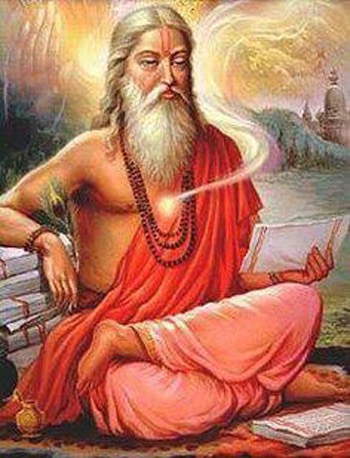
bhartṛhari is celebrated for the śataka-triśati - three collections of roughly a hundred verses each: nīti śatakam, śṛṅgāra śatakam, and vairāgya śatakam. These are among the most quoted subhāṣitāni in Sanskrit literature because each ślōka is compact, memorable, and psychologically sharp.
śṛṅgāra śatakam explores śṛṅgāra (love/beauty/romance) in many shades: the first spark of attraction, playful conversation, the language of glances, union (sambhōga), separation (viraha), and the way desire can both uplift and unsettle the mind. It is not only about physical beauty; it is also a study of longing, imagination, vulnerability, pride, and reconciliation - the inner choreography of relationship.
The text remains timeless because the emotions it depicts are timeless. The setting may be a palace or a forest-grove, but the dynamics are familiar: how a half-smile can change a conversation, how uncertainty magnifies small signals, how distance reshapes memory, and how seasons mirror moods. Verses like samastabhāvaiḥ khalu bandhanaṃ striyaḥ, smṛtā bhavati tāpāya, and tāvadēvāmṛtamayī are remembered and quoted because they capture these patterns with precision.
A good way to read śṛṅgāra śatakam is as a mirror for chitta (mind): notice what in the verse is about the beloved, and what is actually about the observer's own projections, cravings, and sensitivities. When relevant, some verses also hint at vivēka (discernment) - seeing how attachment forms and how it can be handled with maturity.
śambhusvayambhuharayō hariṇēkṣaṇānāṃ
yēnākriyanta satataṃ gṛhakumbhadāsāḥ ।
vāchāṃ agōcharacharitravichitritāya
tasmai namō bhagavatē makaradhvajāya ॥ 2.1 ॥
Chandaḥ (vasantatilakā): This is in vasantatilakā (sama-vṛtta) Chandas/Meter: 4 pādāḥ, 14 akṣarāḥ per pāda; laghu/guru pattern (per pāda) is `GGLGLLLGLLGLGG`.
Meaning (padārtha):
śambhuḥ - Shiva
svayambhuḥ - Brahma (self-born)
hariḥ - Vishnu
śambhusvayambhuharayō - Shiva, Brahma, and Vishnu (sandhi: śambhuḥ + svayambhuḥ + hariḥ)
hariṇa - deer; doe
īkṣaṇa - eye; glance
hariṇēkṣaṇāḥ - doe-eyed women (in verse: hariṇēkṣaṇānāṃ)
yēna - by whom
ākriyanta - were made; were compelled to become
yēnākriyanta - were made by whom (sandhi: yēna + ākriyanta)
satataṃ - always; constantly
gṛha - house; household
kumbha - (water-)pot
dāsaḥ - servant; one made to do errands
gṛhakumbhadāsāḥ - household pot-servants; domestic errand-runners
vāchāṃ - of speech; of words
agōcharaḥ - beyond reach; not accessible
charitraṃ - conduct; deeds; "play" of action
vichitritā - wondrous; astonishing; variegated
agōcharacharitravichitritāya - to him whose wondrous deeds are beyond speech (compound)
tasmai - to him
namaḥ - salutations
bhagavatē - to the Lord; the glorious one
makara - the makara (sea-creature motif)
dhvajaḥ - banner; sign
makaradhvajaḥ - Cupid ("whose banner is the makara"); in verse: makaradhvajāya
Translation (bhāvārtha):
Salutations to Cupid, whose wondrous play is beyond words - he by whom even Shiva, Brahma, and Vishnu are made ceaseless household errand-servants for doe-eyed women.
Commentary (anusandhāna):
bhartṛhari opens with a deliberate exaggeration to set the theme: kāma (desire) is not "a small weakness" but a power that can bend even the mightiest. In everyday life, the same truth appears when highly capable people become irrational for the sake of attention, validation, or infatuation - a senior leader making poor decisions to impress, a student derailing studies for a relationship, or someone compromising values to keep a fragile bond. The practical anusandhāna is not to fear love, but to add vivēka (discernment) and saṃyama (self-restraint): keep boundaries, avoid secrecy, and check whether your actions are serving your deeper priorities or merely serving a moment of fascination.
One more layer is this: Let beauty become reverence rather than grasping. ādi śaṅkarāchārya opens saundarya laharī with śivaḥ śaktyā yuktō yadi bhavati śaktaḥ prabhavitum, hinting that beauty and power are inseparable from awareness. Seen that way, admiration can refine the heart. When respect is present, beauty uplifts; when entitlement is present, beauty binds.
smitēna bhāvēna cha lajjayā bhiyā
parāṇmukhairardhakaṭākṣavīkṣaṇaiḥ ।
vachōbhirīrṣyākalahēna līlayā
samastabhāvaiḥ khalu bandhanaṃ striyaḥ ॥ 2.2 ॥
Chandaḥ (vaṃśastha): This is in vaṃśastha (sama-vṛtta) Chandas/Meter: 4 pādāḥ, 12 akṣarāḥ per pāda; laghu/guru pattern (per pāda) is `LGLGGLLGLGLG`.
Meaning (padārtha):
smitēna - by a smile
bhāvēna - by an emotion; by an expressive mood
cha - and
lajjayā - by modesty; by bashfulness
bhiyā - by fear; by coy apprehension
parāṇmukhaiḥ - with faces turned away; with an averted look
ardha - half
kaṭākṣa - sidelong glance
vīkṣaṇa - seeing; look
ardhakaṭākṣavīkṣaṇaiḥ - with half-sidelong glances
vachōbhiḥ - by words; by speech
īrṣyā - jealousy
kalahēna - by quarrel; by playful dispute
līlayā - by play; by teasing sport
samasta - all; entire
bhāvaiḥ - by moods; by emotional states
khalu - indeed; surely
bandhanaṃ - bondage; a binding snare; an entanglement
striyaḥ - women
Translation (bhāvārtha):
By smiles and moods, by modesty and coy fear, by averted faces and half-sidelong glances, by words, jealousy, quarrels, and playful teasing - by all these moods indeed women become a binding snare for the mind.
Commentary (anusandhāna):
This verse is a compact psychology of attraction: not a single "weapon", but a whole spectrum of signals - smile, silence, shyness, irritation, reconciliation - that keeps attention captured. In modern relationships too, much of bonding happens through micro-signals: a delayed reply, a sudden warmth, a playful argument, a half-compliment that invites reassurance. The practical lesson is vivēka (discernment): notice when your peace is being outsourced to another person's changing expressions. Healthy love deepens steadiness; unhealthy attachment creates dependency on emotional fluctuations. A simple practice is to communicate clearly, interpret charitably, and keep your core routines intact, so that affection enriches life instead of hijacking it.
A helpful way to apply this is: Timing matters. Do not try to resolve everything at peak emotion. Pause, cool down, then speak. When you repair quickly and gently, love becomes a place of safety; when you turn small quarrels into ego battles, romance becomes exhaustion. Let the verse nudge you toward calmer repair.
bhrūchāturyātkuṣchitākṣāḥ kaṭākṣāḥ
snigdhā vāchō lajjitāntāścha hāsāḥ ।
līlāmandaṃ prasthitaṃ cha sthitaṃ cha
strīṇāṃ ētadbhūṣaṇaṃ chāyudhaṃ cha ॥ 2.3 ॥
Chandaḥ (śālinī): This is in śālinī (triṣṭubh class) Chandas/Meter: 4 pādāḥ, 11 akṣarāḥ per pāda; laghu/guru pattern (per pāda) is `GGGG GLGGLGG`; yati (pause) is after the 4th syllable in each pāda (and sometimes also after 7).
Meaning (padārtha):
bhrū - eyebrow
chāturya - cleverness; skill; dexterity
bhrūchāturyāt - from/through clever eyebrow-play
kuchita - bent; slightly contracted
akṣa - eye
kuṣchitākṣāḥ - with slightly contracted eyes
kaṭākṣāḥ - sidelong glances
snigdhāḥ - tender; affectionate; warm
vāchaḥ - words; speech (in verse: vāchō)
lajjita - bashful; modest
antaḥ - ending; concluded
lajjitāntāḥ - ending in bashfulness (as of a smile or laugh)
hāsāḥ - laughter; smiles
līlā - play; graceful sport
mandaṃ - slowly; gently
prasthitaṃ - (their) going forth; gait; walking
sthitaṃ - (their) standing; posture
strīṇāṃ - of women
ētat - this
bhūṣaṇaṃ - ornament; adornment
cha - and
āyudhaṃ - weapon
Translation (bhāvārtha):
Sidelong glances shaped by clever eyebrow-play and slightly contracted eyes, affectionate speech, laughter that ends in modesty, and a gentle playful gait - whether walking or standing - these are for women both ornament and weapon.
Commentary (anusandhāna):
The verse highlights "soft power": charm is not only beauty, but timing, expression, and presence. In modern settings, this can be seen in how a well-placed look, a warm tone, or a playful pause can change a tense conversation more effectively than arguments. The ethical point is important: the same skills can heal or manipulate. If you have influence, use it as dayā (kindness) and satya (honesty), not as control. If you are on the receiving side, remember that attraction can cloud judgment; take decisions (commitments, money, boundaries) when the mind is calm, not when it is intoxicated by charm.
To carry this wisely: Charm is power, so bring ahimsā (non-harm) into speech. Teasing can be sweet, but sarcasm and manipulation create long shadows. Choose words that leave the other person with dignity. That is how attraction matures into intimacy.
kvachitsabhrūbhaṅgaiḥ kvachidapi cha lajjāparigataiḥ
kvachidbhūritrastaiḥ kvachidapi cha līlāvilalitaiḥ ।
kumārīṇāṃ ētairmadanasubhagairnētravalitaiḥ
sphurannīlābjānāṃ prakaraparikīrṇā iva diśaḥ ॥ 2.4 ॥
Chandaḥ (śikharinī): This is in śikharinī (sama-vṛtta) Chandas/Meter: 4 pādāḥ, 17 akṣarāḥ per pāda; laghu/guru pattern (per pāda) is `LGGGGG LLLLL GGLLLG`; yati (pause) is after the 6th and 11th syllables in each pāda.
Meaning (padārtha):
kvachit - somewhere; at times
sa - with
bhrū - eyebrow
bhaṅga - bend; arch; movement
sabhrūbhaṅgaiḥ - with eyebrow-bends
kvachidapi - somewhere/at times also (sandhi: kvachidapi = kvachit + api)
api - also
lajjā - modesty; shyness
parigata - surrounded by; accompanied by
lajjāparigataiḥ - accompanied by modesty
bhūri - much; greatly
trasta - frightened; startled
bhūritrastaiḥ - greatly frightened (looks)
līlā - play; grace
vilalita - sportive; playfully moving
līlāvilalitaiḥ - with playful movements
kumārīṇāṃ - of young maidens
ētaiḥ - by these
madana - Cupid; love
subhaga - auspicious; pleasing; attractive
madanasubhagaiḥ - pleasing to Cupid; love-stirring
nētra - eye
valita - rolling; moving; turning
nētravalitaiḥ - with rolling eyes; with eye-movements
sphurat - flashing; shining
nīla - blue
abja - lotus
nīlābja - blue lotus
nīlābjānāṃ - of blue lotuses
prakaraparikīrṇāḥ - scattered with clusters
iva - as if; like
diśaḥ - the directions; quarters
Translation (bhāvārtha):
With eyebrow-bends, with modesty, with startled innocence, and with playful grace - with these love-stirring movements of the maidens' rolling eyes - the very directions seem as though they are strewn with clusters of flashing blue lotuses.
Commentary (anusandhāna):
The poetic image is vivid: eyes like blue lotuses "scatter" across the world because the observer's attention keeps following them. In today's relationships, this is how fascination works: the mind keeps returning to a single stimulus and begins to color the whole environment with it. A practical use of this insight is to recognize saṃskāra (impressions) forming in real-time: repeated attention strengthens a groove. If you want love to be healthy, let admiration be paired with respect and restraint; if you sense obsession, widen your focus deliberately - work, friends, sleep, and values - so that beauty remains a joy, not a captivity.
A mature reading suggests: From an inner standpoint, remember that the rush is a wave in the mind. ādi śaṅkarāchārya reminds us in ātma ṣaṭakam, manō buddhyahaṅkāra chittāni nāham (I am not the mind, intellect, ego, or mind-stuff). Returning to that witness does not kill love; it makes love workable, so you can act with dignity instead of being driven.
vaktraṃ chandravikāsi paṅkajaparīhāsakṣamē lōchanē
varṇaḥ svarṇaṃ apākariṣṇuralinījiṣṇuḥ kachānāṃ chayaḥ ।
bakṣōjāvibhakumbhavibhramaharau gurvī nitambasthalī
vāchāṃ hāri cha mārdavaṃ yuvatīṣu svābhāvikaṃ maṇḍanam ॥ 2.5 ॥
Chandaḥ (śārdūlavikrīḍitam): This is in śārdūlavikrīḍitam (sama-vṛtta) Chandas/Meter: 4 pādāḥ, 19 akṣarāḥ per pāda; laghu/guru pattern (per pāda) is `GGGLLGL GLLLG GGLGGLG`; yati (pause) is after the 7th and 12th syllables in each pāda.
Meaning (padārtha):
vaktraṃ - face
chandra - moon
vikāsi - blooming; expanding; shining forth
chandravikāsi - moon-blooming; blooming like the moon
paṅkaja - lotus
parīhāsa - mockery; playful superiority
kṣamē - capable of; able to
lōchanē - eyes
paṅkajaparīhāsakṣamē - capable of "mocking" the lotus (outshining it)
varṇaḥ - complexion; color
svarṇaṃ - gold
apākariṣṇuḥ - stealing away; removing; eclipsing
alinī - a swarm of bees; black bees
jiṣṇuḥ - conquering; surpassing
kachānāṃ - of the hair
chayaḥ - mass; collection
alinījiṣṇuḥ kachānāṃ chayaḥ - a mass of hair that surpasses the bees (in blackness and beauty)
vakṣōja - breast
avibhakta - unseparated; paired
kumbha - jar; pot
vibhrama - bewilderment; delusion; astonishment
harau - removing; taking away
bakṣōjāvibhakumbhavibhramaharau - (her) paired breasts like jars that steal away the mind's composure
gurvī - heavy; weighty
nitamba - hips; buttocks
sthalī - region; place
nitambasthalī - the hip-region
vāchāṃ - of speech
hāri - captivating; charming
cha - and
mārdavaṃ - softness; gentleness
yuvatīṣu - in young women
svābhāvikaṃ - natural; innate
maṇḍanaṃ - ornament; adornment
Translation (bhāvārtha):
In young women, the natural adornment is this: a face blooming like the moon; eyes that outshine the lotus; a complexion that eclipses gold; hair that surpasses the swarm of bees; paired breasts like jars that bewilder the heart; a weighty curve of the hips; and speech whose softness captivates.
Commentary (anusandhāna):
The verse is classic śṛṅgāra: it celebrates beauty through comparisons to nature - moon, lotus, gold, bees - and shows how perception is shaped by imagery. In real-world settings, it reminds us that attraction is partly sensory and partly imaginative: the mind overlays meaning on what it sees. The mature way to carry this is maryādā (respectful boundaries): admiration should not become objectification, and poetic praise should not become entitlement. If you are in love, let appreciation make you more considerate and more responsible, not more impulsive. If you are admired, remember that charm is power; use it with satya (truthfulness) and ahimsā (non-harm), not as a way to toy with another's emotions.
If you want this verse to uplift you: Enjoy beauty without losing balance. Keep the basics steady: sleep, work, friendships, and self-respect. If attraction is mutual, clarity and pace protect it; if it is not, restraint protects you. This is how the verse becomes practical wisdom instead of mere description.
smitakiñchinmugdhaṃ saralataralō dṛṣṭivibhavaḥ
parispandō vāchāṃ abhinavavilāsōktisarasaḥ ।
gatānāṃ ārambhaḥ kisalayitalīlāparikaraḥ
spṛśantyāstāruṇyaṃ kiṃ iva na hi ramyaṃ mṛgadṛśaḥ ॥ 2.6 ॥
Chandaḥ (śikharinī): This is in śikharinī (sama-vṛtta) Chandas/Meter: 4 pādāḥ, 17 akṣarāḥ per pāda; laghu/guru pattern (per pāda) is `LGGGGG LLLLL GGLLLG`; yati (pause) is after the 6th and 11th syllables in each pāda.
Meaning (padārtha):
smita - smile
kiñchit - a little; slight
mugdhaṃ - innocent; charmingly naive
smitakiñchinmugdhaṃ - a slightly innocent smile
sarala - simple; straight; uncontrived
taralaḥ - trembling; restless; moving
saralataralaḥ - simple and restless
dṛṣṭi - gaze; sight
vibhavaḥ - wealth; splendor; richness
dṛṣṭivibhavaḥ - richness of the gaze
parispandaḥ - quiver; tremor; subtle vibration
vāchāṃ - of speech
abhinava - new; fresh
vilāsa - graceful play; charm
ukti - utterance; phrase
sarasaḥ - juicy; delightful
abhinavavilāsōktisarasaḥ - delightful with fresh playful speech
gatānāṃ - of movements; of gait
ārambhaḥ - beginning; start
kisalayita - tender like a sprout; budding
līlā - play; grace
parikaraḥ - paraphernalia; set of gestures/expressions
kisalayitalīlāparikaraḥ - a budding set of playful gestures
spṛśantyāḥ - of one who is touching; approaching (in verse: spṛśantyāstāruṇyaṃ)
tāruṇyaṃ - youth
kiṃ iva na hi ramyaṃ - what indeed is not lovely?
mṛgadṛśaḥ - of the doe-eyed girl
Translation (bhāvārtha):
An innocent smile, a simple yet restless richness of gaze, a tremor in speech that is sweet with fresh playful phrases, the first budding start of movements and gestures - when youth touches the doe-eyed maiden, what is there that is not lovely?
Commentary (anusandhāna):
This verse captures the freshness of early youth - not "perfect beauty", but the charm of newness: slightly awkward smiles, quick glances, and spontaneous speech. In lived experience, it reminds us that connection often grows through authenticity more than polish. When you stop performing and let your natural warmth show, relationships become easier and more real. The caution is also implicit: youth is powerful and fragile; it deserves rakṣaṇa (protection) and sauśīlaya (gentle respect), not exploitation. Admiration should increase responsibility: be mindful of consent, context, and emotional impact, so that affection becomes a blessing, not a wound.
From a broader perspective: Let beauty become reverence rather than grasping. ādi śaṅkarāchārya opens saundarya laharī with śivaḥ śaktyā yuktō yadi bhavati śaktaḥ prabhavitum, hinting that beauty and power are inseparable from awareness. Seen that way, admiration can refine the heart. When respect is present, beauty uplifts; when entitlement is present, beauty binds.
draṣṭavyēṣu kiṃ uttamaṃ mṛgadṛśaḥ prēmaprasannaṃ mukhaṃ
ghrātavēṣvapi kiṃ tadāsyapavanaḥ śravyēṣu kiṃ tadvachaḥ ।
kiṃ svādyēṣu tadōṣṭhapallavarasaḥ spṛśyēṣu kiṃ tadvapurdhyēyaṃ
kiṃ navayauvanē sahṛdayaiḥ sarvatra tadvibhramāḥ ॥ 2.7 ॥
Chandaḥ (śārdūlavikrīḍitam): This is in śārdūlavikrīḍitam (sama-vṛtta) Chandas/Meter: 4 pādāḥ, 19 akṣarāḥ per pāda; laghu/guru pattern (per pāda) is `GGGLLGL GLLLG GGLGGLG`; yati (pause) is after the 7th and 12th syllables in each pāda.
Meaning (padārtha):
draṣṭavyēṣu - among things to be seen
kiṃ - what?
uttamaṃ - best; highest
mṛgadṛśaḥ - of the doe-eyed maiden
prēma - love
prasannaṃ - clear; bright; serene; pleased
mukhaṃ - face
ghrātavēṣu - among things to be smelled
api - also
tat - that; her
āsya - mouth
pavanaḥ - breath; breeze
tadāsyapavanaḥ - her mouth-breath (the verse uses for a join; read as tadāsyapavanaḥ)
śravyēṣu - among things to be heard
tadvachaḥ - her words; her speech
svādyēṣu - among things to be tasted
tadōṣṭha - her lips (read as tadōṣṭha)
pallava - fresh sprout; tender bud
rasaḥ - taste; juice; essence
ōṣṭhapallavarasaḥ - the "sprout-juice" of her lips (tender sweetness)
spṛśyēṣu - among things to be touched
tadvapuḥ - her body
dhyēyaṃ - to be meditated on; contemplated
navayauvanē - in fresh/new youth
sahṛdayaiḥ - by the tender-hearted; sensitive people
sarvatra - everywhere
tadvibhramāḥ - her graces; her charming gestures
Translation (bhāvārtha):
Of all things to be seen, what is best? - the doe-eyed beloved's face, bright with love. Of all scents, what? - her breath. Of all sounds? - her words. Of all tastes? - the sweetness of her lips. Of all touch? - her body. And what is to be contemplated? - her fresh youth; for the tender-hearted, her graces are "best" everywhere.
Commentary (anusandhāna):
This is romantic hyperbole: when love is young, the beloved becomes the "best of everything." It is beautiful as poetry, and it also reveals a psychological pattern: the mind concentrates value on one object and then tastes the whole world through it. In ordinary situations, this can be healthy devotion or unhealthy obsession. The practical balance is madhyamatā (the middle way): cherish the relationship, but keep your self-respect, friendships, work, and inner stability intact. When you notice compulsive thinking, bring in vivēka (discernment): ask whether your attention is coming from love or from insecurity and craving. Love that matures moves from "I need you to feel whole" to "I choose you, and I can still stand steady within myself."
On a subtler level: Poetry delights, but real love must go beyond features. If you feel enchanted, translate it into care: listen well, keep promises, and honor consent. Admiration that becomes service is ennobling; admiration that becomes possession is painful. Use the verse to remember dignity - yours and the other's.
ētāśchaladvalayasaṃhatimēkhalōtthajhaṅkāra
nūpuraparājitarājahaṃsyaḥ ।
kurvanti kasya na manō vivaśaṃ taruṇyō
vitrastamugdhahariṇīsadṛśaiḥ kaṭākṣaiḥ ॥ 2.8 ॥
Chandaḥ (vasantatilakā): This is in vasantatilakā (sama-vṛtta) Chandas/Meter: 4 pādāḥ, 14 akṣarāḥ per pāda; laghu/guru pattern (per pāda) is `GGLGLLLGLLGLGG`.
Meaning (padārtha):
ētāḥ - these
chalat - moving; trembling; swaying
valaya - bangle; bracelet
saṃhati - collection; cluster
mēkhalā - girdle; waist-belt
uttha - arising from
jhaṅkāra - jingling sound
chaladvalayasaṃhatimēkhalōtthajhaṅkāra - jingling arising from swaying bangles and girdle
nūpura - anklet
parājita - surpassed; defeated
rāja - royal; noble
haṃsa - swan
nūpuraparājitarājahaṃsyaḥ - whose (gait/sound) surpasses the royal swan because of anklets
kurvanti - make; render
kasya na - whose (mind) not?; whom do they not?
manaḥ - mind
vivaśaṃ - helpless; overpowered
taruṇyaḥ - young women
vitrasta - frightened
mugdha - innocent; artless
hariṇī - doe
sadṛśaiḥ - resembling; like
kaṭākṣaiḥ - with sidelong glances
Translation (bhāvārtha):
With jingling from swaying bangles and girdle, with anklets whose music outshines the royal swan, and with sidelong glances like frightened innocent doe - which mind do these young women not overpower?
Commentary (anusandhāna):
bhartṛhari shows how attraction is multisensory: sound (anklets, bangles), movement (gait), and sight (glances) work together to flood attention. In practical terms, "presence" works similarly: tone of voice, body language, and timing often matter more than literal words. If you want to build healthy relationships, use this insight to become more attentive and considerate: listen well, show warmth, and be mindful of how you show up. And if you feel overpowered by someone's charm, pause and return to your own center - sleep, food, and routine - because a tired mind is easier to capture than a steady one.
A gentle practice is: Notice the role of attention. What you repeatedly contemplate becomes your inner landscape. So train attention not only on appearance but also on character - kindness, steadiness, truthfulness. This keeps romance from becoming fragile, because it is rooted in values, not only in sensation.
kuṅkumapaṅkakalaṅkitadēhā
gaurapayōdharakampitahārā ।
nūpurahaṃsaraṇatpadmā
kaṃ na vaśīkurutē bhuvi rāmā ॥ 2.9 ॥
Chandaḥ (mātrā-chandas): This is in a mātrā-based Chandas/Meter (not a fixed akṣara-count vṛtta): in this verse, the written segments carry approximately 16 + 16 + 14 + 16 mātrāḥ (total 62); treat laghu=1 mātrā and guru=2 mātrāḥ, and keep the natural pauses at the segment ends marked by `।`/`॥` (do not confuse daṇḍa with internal yati).
Meaning (padārtha):
kuṅkuma - saffron; vermilion
paṅka - paste; clay; smear
kalaṅkita - marked; stained; adorned (lit. "spotted")
dēhā - body; having a body (fem.)
kuṅkumapaṅkakalaṅkitadēhā - whose body is streaked/marked with saffron paste
gaura - fair; white
payōdhara - breast (lit. "water-bearer")
kampita - trembling; shaken
hārā - necklace
gaurapayōdharakampitahārā - whose necklace trembles on her fair breasts
nūpura - anklet
haṃsa - swan
raṇat - ringing; tinkling
padmā - lotus(-like); having lotus(-feet) (fem.)
nūpurahaṃsaraṇatpadmā - whose lotus-feet ring with anklets like swans
kaṃ - whom?
na - not
vaśīkurutē - brings under control; enchants; subdues
bhuvi - on earth
rāmā - a lovely woman; beloved
Translation (bhāvārtha):
With her body streaked with saffron paste, her necklace trembling on her fair breasts, and her lotus-feet ringing with anklets like swans - whom on earth does such a lovely woman not enchant?
Commentary (anusandhāna):
This is a celebration of beauty as a lived, moving experience: fragrance and color, the rhythm of ornament, the music of footsteps. In the way we live now, the verse can be read as an insight into "aura": people are drawn not just to looks, but to the total atmosphere - grooming, confidence, and grace. Used well, this becomes self-care and artistry; used poorly, it becomes manipulation through appearances. The mature takeaway is to enjoy beauty without letting it override judgment: keep your promises, your priorities, and your ethical boundaries steady, even when the senses are delighted.
One more layer is this: A deeper use of śṛṅgāra is refinement. When something is beautiful, pause and notice the mind soften. Then let that softness turn into generosity, patience, and gratitude. In this way, beauty becomes a doorway to a better self, not a doorway to restlessness.
nūnaṃ hi tē kavivarā viparītavāchō
yē nityaṃ āhurabalā iti kāminīstāḥ ।
yābhirvilōlitaratārakadṛṣṭipātaiḥ
śakrādayō'pi vijitāstvabalāḥ kathaṃ tāḥ ॥ 2.10 ॥
Chandaḥ (vasantatilakā): This is in vasantatilakā (sama-vṛtta) Chandas/Meter: 4 pādāḥ, 14 akṣarāḥ per pāda; laghu/guru pattern (per pāda) is `GGLGLLLGLLGLGG`.
Meaning (padārtha):
nūnaṃ - surely; indeed
hi - indeed
tē - those
kavi - poet
varāḥ - excellent ones; "great" ones (often ironic here)
viparīta - contrary; reversed
vāchāḥ - words; speech (in verse: viparītavāchō)
yē - who
nityaṃ - always
āhur - say (sandhi: āhuḥ is base; āhur before a consonant)
abalāḥ - weak (fem. pl.)
iti - thus
kāminyaḥ - women; beloveds (in verse: kāminīstāḥ)
tāḥ - those (women)
yābhiḥ - by whom; with which (fem. inst. pl.)
vilōlita - rolling; wandering
ratāraka - stars (lit. "night-lights"; in the pupils/eyes)
dṛṣṭi - sight; gaze
pāta - fall; casting (as of a glance)
vilōlitaratārakadṛṣṭipātaiḥ - with glances whose star-like pupils are playfully rolling
śakrādayaḥ - śakra (Indra) and others
api - even (verse: śakrādayō'pi = śakrādayaḥ + api)
vijitāḥ - conquered; defeated
tu - but; indeed
abalāḥ - weak?
kathaṃ - how?
tāḥ - those (women)
Translation (bhāvārtha):
Surely those "great poets" speak upside-down who keep calling women weak; by the playful casting of their rolling, star-like glances even Indra and the gods are conquered - how then are they weak?
Commentary (anusandhāna):
The verse pushes back against a lazy stereotype by pointing to the reality of influence: "strength" is not only physical force, it is also charm, intelligence, and the ability to move another's mind. At home and at work, this reads as a reminder to respect emotional and social power - the ability to persuade, inspire, calm, or unsettle. It also warns us about self-deception: people who think they are "in control" can still be swayed by desire, flattery, or attention. A healthy application is to build relationships on mutual respect, and to recognize that what looks "soft" on the surface can carry real leverage underneath.
A helpful way to apply this is: Enjoy beauty without losing balance. Keep the basics steady: sleep, work, friendships, and self-respect. If attraction is mutual, clarity and pace protect it; if it is not, restraint protects you. This is how the verse becomes practical wisdom instead of mere description.
nūnaṃ ājñākarastasyāḥ subhruvō makaradhvajaḥ ।
yatastannētrasañchārasūchitēṣu pravartatē ॥ 2.11 ॥
Chandaḥ (anuṣṭubh): This is in anuṣṭubh (ślōka) Chandas/Meter: 4 pādāḥ, 8 akṣarāḥ per pāda (32 total; commonly written/recited as two 16-syllable half-verses separated by `।`); pathyā cadence often ends as pAda 1/3 = `x x x x L G x G`, pAda 2/4 = `x x x x L G L G`; a common yati (pause) is after the 4th or 5th syllable in each pāda (separate from the natural pauses at `।` and `॥`). lakṣaṇa ślōka: ślōkē ṣaṣṭhaṃ guru jñēyaṃ sarvatra laghupañchamam । dvichatuṣpādayōḥ hrasvaṃ saptamaṃ dīrghamanyayōḥ ॥ - this mnemonic says the 6th syllable is guru and the 5th is laghu in all pādāḥ; the 7th is laghu in pAda 2/4 and guru in pAda 1/3.
Meaning (padārtha):
nūnaṃ - surely; indeed
ājñā - command; order
karaḥ - doer; maker; agent (here: one who executes orders)
ājñākaraḥ - command-executor; obedient servant
tasyāḥ - of her
su - good; beautiful
bhrū - eyebrow
subhruvaḥ - of the fair-browed woman
makaradhvajaḥ - makaradhvaja (Cupid)
yataḥ - because; for
tat - her; that
nētra - eye
sañchāra - movement; roaming
sūchita - indicated; signaled
ēṣu - in these (matters)
pravartatē - proceeds; acts; sets about
Translation (bhāvārtha):
Surely Cupid is the obedient servant of that fair-browed woman, because he acts according to the signals given by the movements of her eyes.
Commentary (anusandhāna):
The verse playfully reverses the power-dynamic: instead of Cupid commanding lovers, Cupid himself becomes the servant of the beloved's subtle cues. These days, this is a reminder of how much communication happens without words - through eye contact, pauses, posture, and micro-expressions. When attraction is mutual and respectful, such cues create tenderness; when it is not, the same cues can be misread or forced. The practical guidance is to keep saṃyama (self-restraint) and clarity: do not build fantasies from ambiguous signals, and do not pressure someone into giving signals they do not mean. Let desire follow consent and honesty, not guesswork.
To carry this wisely: Treat desire as a signal, not a verdict. Attraction shows what the mind likes, but it does not decide what is right. Pause and ask: will this increase trust or reduce it; will it make tomorrow lighter or heavier? That small pause is vivēka (discernment). When you choose transparency and boundaries early, love stays dignified and does not turn into compulsion.
kēśāḥ saṃyaminaḥ śrutērapi paraṃ pāraṃ gatē lōchanē
antarvaktraṃ api svabhāvaśuchibhīḥ kīrṇaṃ dvijānāṃ gaṇaiḥ ।
muktānāṃ satatādhivāsaruchirau vakṣōjakumbhāvimāvitthaṃ
tanvi vapuḥ praśāntaṃ api tērāgaṃ karōtyēva naḥ ॥ 2.12 ॥
Chandaḥ (śārdūlavikrīḍitam): This is in śārdūlavikrīḍitam (sama-vṛtta) Chandas/Meter: 4 pādāḥ, 19 akṣarāḥ per pāda; laghu/guru pattern (per pāda) is `GGGLLGL GLLLG GGLGGLG`; yati (pause) is after the 7th and 12th syllables in each pāda.
Meaning (padārtha):
kēśāḥ - hair
saṃyaminaḥ - of self-controlled ones; of ascetics (also: "restrained/controlled")
śrutērapi - even beyond the ear (here śruti = ear; sandhi: śrutēḥ api)
paraṃ - beyond; further
pāraṃ - far shore; limit; end
gatē - having reached (dual sense with lōchanē)
lōchanē - the two eyes
antarvaktraṃ - the inside of the mouth
api - even
svabhāva - natural; innate
śuchi - pure; clean; bright
svabhāvaśuchibhīḥ - naturally pure/bright
kīrṇaṃ - filled; crowded
dvija - "twice-born"; in poetry: a tooth
dvijānāṃ gaṇaiḥ - with rows/groups of teeth
muktānāṃ - of pearls
satata - always
adhivāsa - residence; dwelling
ruchirau - beautiful (dual)
vakṣōja - breast
kumbhau - the two jars (dual)
vakṣōjakumbhau - the two "jar-like" breasts
imau - these two
itthaṃ - thus; in this way
tanvi - O slender one
vapuḥ - body; form
praśāntaṃ - calm; composed
api - even
tē - your
rāgaṃ - passion; attachment
karōti - creates; produces
ēva - indeed
naḥ - in us; for us
Translation (bhāvārtha):
Your hair looks like that of the self-controlled; your eyes seem to extend even beyond the ear; your mouth, naturally bright, is filled with rows of teeth; your two breast-jars are ever beautified by pearls resting on them. O slender one, even though your form is composed, it still awakens passion in us.
Commentary (anusandhāna):
This verse is packed with poetic shorthand: long eyes "reach the ear", teeth are called dvija (twice-born) because a second set appears, and pearls "reside" on the bosom as a necklace. The deeper point is about how the mind selects details and turns them into a story of beauty. When you look around today, we can recognize this as the power of attention: what you repeatedly notice becomes what you "live in". If you want love to be steady, train attention not only on appearance, but also on character - kindness, reliability, and respect. Otherwise, the mind becomes a slave of surface impressions and keeps generating rāga (attachment) without grounding.
A mature reading suggests: Poetry delights, but real love must go beyond features. If you feel enchanted, translate it into care: listen well, keep promises, and honor consent. Admiration that becomes service is ennobling; admiration that becomes possession is painful. Use the verse to remember dignity - yours and the other's.
mugdhē dhānuṣkatā kēyaṃ apūrvā tvayi dṛśyatē ।
yayā vidhyasi chētāṃsi guṇairēva na sāyakaiḥ ॥ 2.13 ॥
Chandaḥ (anuṣṭubh): This is in anuṣṭubh (ślōka) Chandas/Meter: 4 pādāḥ, 8 akṣarāḥ per pāda (32 total; commonly written/recited as two 16-syllable half-verses separated by `।`); pathyā cadence often ends as pAda 1/3 = `x x x x L G x G`, pAda 2/4 = `x x x x L G L G`; a common yati (pause) is after the 4th or 5th syllable in each pāda (separate from the natural pauses at `।` and `॥`). lakṣaṇa ślōka: ślōkē ṣaṣṭhaṃ guru jñēyaṃ sarvatra laghupañchamam । dvichatuṣpādayōḥ hrasvaṃ saptamaṃ dīrghamanyayōḥ ॥ - this mnemonic says the 6th syllable is guru and the 5th is laghu in all pādāḥ; the 7th is laghu in pAda 2/4 and guru in pAda 1/3.
Meaning (padārtha):
mugdhē - O innocent one; O charming naive girl
dhānuṣkatā - archery; the skill of a bowman
kā - what?
iyaṃ - this
kēyaṃ - what is this?
apūrvā - unprecedented; new; rare
tvayi - in you
dṛśyatē - is seen
yayā - by which
vidhyasi - you pierce; you strike
chētāṃsi - minds; hearts
guṇaiḥ - by qualities; by virtues
ēva - alone; indeed
na - not
sāyakaiḥ - by arrows
Translation (bhāvārtha):
O innocent one, what new kind of archery is seen in you - by which you pierce hearts with your qualities alone, and not with arrows?
Commentary (anusandhāna):
Here bhartṛhari praises attraction that comes from guṇa (virtue/quality) rather than force. In modern terms, this is the pull of character: sincerity, warmth, humor, competence, and emotional intelligence. The practical lesson is encouraging: if you want to be loved deeply, invest less in performance and more in genuine qualities. And if you feel "pierced" by someone, ask what exactly is drawing you - is it real guṇa, or is it your projection? This reflection prevents blind attachment and leads to healthier choices.
If you want this verse to uplift you: Notice the role of attention. What you repeatedly contemplate becomes your inner landscape. So train attention not only on appearance but also on character - kindness, steadiness, truthfulness. This keeps romance from becoming fragile, because it is rooted in values, not only in sensation.
sati pradīpē satyagnau satsu tārāravīnduṣu ।
vinā mē mṛgaśāvākṣyā tamōbhūtaṃ idaṃ jagat ॥ 2.14 ॥
Chandaḥ (anuṣṭubh): This is in anuṣṭubh (ślōka) Chandas/Meter: 4 pādāḥ, 8 akṣarāḥ per pāda (32 total; commonly written/recited as two 16-syllable half-verses separated by `।`); pathyā cadence often ends as pAda 1/3 = `x x x x L G x G`, pAda 2/4 = `x x x x L G L G`; a common yati (pause) is after the 4th or 5th syllable in each pāda (separate from the natural pauses at `।` and `॥`). lakṣaṇa ślōka: ślōkē ṣaṣṭhaṃ guru jñēyaṃ sarvatra laghupañchamam । dvichatuṣpādayōḥ hrasvaṃ saptamaṃ dīrghamanyayōḥ ॥ - this mnemonic says the 6th syllable is guru and the 5th is laghu in all pādāḥ; the 7th is laghu in pAda 2/4 and guru in pAda 1/3.
Meaning (padārtha):
sati - when present; while existing
pradīpē - in a lamp; in the lamp-light
satya - true; real; blazing
agnau - in fire; with fire
satsu - when present; among existing things
tārā - stars
ravi - sun
indu - moon
tārāravīnduṣu - among stars, sun, and moon
vinā - without
mē - my
mṛga - deer
śāvā - fawn
akṣi - eye
mṛgaśāvākṣyā - (my beloved) with fawn-like eyes
tamōbhūtaṃ - become darkness; turned dark
idaṃ - this
jagat - world
Translation (bhāvārtha):
Though lamp-light, fire, stars, sun, and moon are present, without my fawn-eyed beloved this world becomes darkness to me.
Commentary (anusandhāna):
The verse describes how love changes perception: the same world can feel bright or dark depending on inner mood. In common experience, we recognize this as emotional coloring - when you miss someone deeply, everything feels dull; when you feel connected, the same day feels luminous. The practical advice is to honor the feeling but not be ruled by it: grief and longing are natural, yet your well-being cannot depend entirely on external presence. A quiet anusandhāna is to cultivate an inner lamp - routines, friendships, meaning, and (when relevant) contemplation of ātman (the inner light) so that external love enriches life without becoming the only source of light.
From a broader perspective: A deeper use of śṛṅgāra is refinement. When something is beautiful, pause and notice the mind soften. Then let that softness turn into generosity, patience, and gratitude. In this way, beauty becomes a doorway to a better self, not a doorway to restlessness.
udvṛttaḥ stanabhāra ēṣa taralē nētrē chalē bhrūlatē
rāgādhiṣṭhitaṃ ōṣṭhapallavaṃ idaṃ kurvantu nāma vyathām ।
saubhāgyākṣaramālikēva likhitā puṣpāyudhēna svayaṃ
madhyasthāpi karōti tāpaṃ adhikaṃ rōmāvaliḥ kēna sā ॥ 2.15 ॥
Chandaḥ (śārdūlavikrīḍitam): This is in śārdūlavikrīḍitam (sama-vṛtta) Chandas/Meter: 4 pādāḥ, 19 akṣarāḥ per pāda; laghu/guru pattern (per pāda) is `GGGLLGL GLLLG GGLGGLG`; yati (pause) is after the 7th and 12th syllables in each pāda.
Meaning (padārtha):
udvṛttaḥ - raised; lifted; prominent
stana - breast
bhāraḥ - burden; weight
stanabhāraḥ - the weight of the breasts
ēṣa - this
taralē - unsteady; tremulous (dual sense with nētrē)
nētrē - the two eyes
chalē - moving; dancing (plural/dual sense with brows)
bhrūlatē - eyebrows (lit. "brow-creepers")
rāga - redness; passion; color
adhiṣṭhitaṃ - seated on; established on
ōṣṭha - lip
pallavaṃ - tender bud; sprout
ōṣṭhapallavaṃ - lip-bud
idaṃ - this
kurvantu - let (them) do; let (them) cause
nāma - indeed; surely
vyathāṃ - pain; disturbance
saubhāgya - good fortune; auspiciousness
akṣara - letter; syllable
mālikā - garland; string
akṣaramālikā - a garland/string of letters (as in a written line)
iva - as if; like
likhitā - written
puṣpa - flower
āyudha - weapon
puṣpāyudhēna - by the flower-weaponed one (kāma/Cupid)
svayaṃ - himself
madhyasthā - situated in the middle
api - even though
karōti - causes; does
tāpaṃ - heat; torment; burning longing
adhikaṃ - more; excessive
rōmāvaliḥ - the line of fine hair (on the abdomen)
kēna - why? by what?
sā - that (line)
Translation (bhāvārtha):
Let the raised weight of the breasts, the tremulous eyes, the dancing eyebrows, and the lip-bud set with color indeed cause disturbance; but why does the delicate line of abdominal hair, though placed in the middle, produce even greater burning longing - as if Cupid himself wrote it like an auspicious garland of letters?
Commentary (anusandhāna):
The verse observes something subtle: desire does not always arise from the obvious features; sometimes a small detail becomes the strongest trigger. In contemporary life, this matches how attention works - a tiny habit, a particular laugh, a small gesture can become the "signature" that the mind fixates on. The practical lesson is to see how the mind manufactures tāpa (burning agitation) through repeated attention. If you want to enjoy beauty without losing peace, keep awareness broad and grounded; do not let one detail become an obsession that drains energy and clarity. And in relationships, remember that what you amplify in your mind becomes your reality - choose what you amplify wisely.
On a subtler level: Enjoy beauty without losing balance. Keep the basics steady: sleep, work, friendships, and self-respect. If attraction is mutual, clarity and pace protect it; if it is not, restraint protects you. This is how the verse becomes practical wisdom instead of mere description.
mukhēna chandrakāntēna mahānīlaiḥ śirōruhaiḥ ।
karābhyāṃ padmarāgābhyāṃ rējē ratnamayīva sā ॥ 2.16 ॥
Chandaḥ (anuṣṭubh): This is in anuṣṭubh (ślōka) Chandas/Meter: 4 pādāḥ, 8 akṣarāḥ per pāda (32 total; commonly written/recited as two 16-syllable half-verses separated by `।`); pathyā cadence often ends as pAda 1/3 = `x x x x L G x G`, pAda 2/4 = `x x x x L G L G`; a common yati (pause) is after the 4th or 5th syllable in each pāda (separate from the natural pauses at `।` and `॥`). lakṣaṇa ślōka: ślōkē ṣaṣṭhaṃ guru jñēyaṃ sarvatra laghupañchamam । dvichatuṣpādayōḥ hrasvaṃ saptamaṃ dīrghamanyayōḥ ॥ - this mnemonic says the 6th syllable is guru and the 5th is laghu in all pādāḥ; the 7th is laghu in pAda 2/4 and guru in pAda 1/3.
Meaning (padārtha):
mukhēna - by the face
chandra - moon
kānta - beloved; shining; also the moonstone gem (chandrakānta)
chandrakāntēna - with moonstone-like radiance (lit. "moon-beloved")
mahā - great; deep; intense
nīla - blue; dark
mahānīlaiḥ - with deep blue (in verse: describing hair)
śiraḥ - head
ruha - growing
śirōruhaiḥ - with hair (lit. "head-grown")
karābhyāṃ - with the two hands
padmarāga - ruby (lit. "lotus-color gem")
padmarāgābhyāṃ - with ruby-like (hands)
rējē - shone; appeared splendid
ratnamayī - made of jewels
iva - like
sā - she
Translation (bhāvārtha):
With a moonstone-like face, deep-blue hair, and ruby-like hands, she shone as though she were fashioned from jewels.
Commentary (anusandhāna):
The poet strings together colors and materials - moonstone, sapphire-blue, ruby - to suggest that beauty feels like a rare harmony of elements. In everyday life, we can read this as a reminder that attraction is often about "composition": how a person carries themselves, how they speak, how they dress, and how their presence feels as a whole. Appreciation becomes healthier when it is paired with gratitude and respect, not possession. If you admire someone, let it refine you: be more attentive, more courteous, and less reactive, so that beauty turns into better behavior rather than restless craving.
A gentle practice is: Let beauty become reverence rather than grasping. ādi śaṅkarāchārya opens saundarya laharī with śivaḥ śaktyā yuktō yadi bhavati śaktaḥ prabhavitum, hinting that beauty and power are inseparable from awareness. Seen that way, admiration can refine the heart. When respect is present, beauty uplifts; when entitlement is present, beauty binds.
guruṇā stanabhārēṇa mukhachandrēṇa bhāsvatā ।
śanaiścharābhyāṃ pādābhyāṃ rējē grahamayīva sā ॥ 2.17 ॥
Chandaḥ (anuṣṭubh): This is in anuṣṭubh (ślōka) Chandas/Meter: 4 pādāḥ, 8 akṣarāḥ per pāda (32 total; commonly written/recited as two 16-syllable half-verses separated by `।`); pathyā cadence often ends as pAda 1/3 = `x x x x L G x G`, pAda 2/4 = `x x x x L G L G`; a common yati (pause) is after the 4th or 5th syllable in each pāda (separate from the natural pauses at `।` and `॥`). lakṣaṇa ślōka: ślōkē ṣaṣṭhaṃ guru jñēyaṃ sarvatra laghupañchamam । dvichatuṣpādayōḥ hrasvaṃ saptamaṃ dīrghamanyayōḥ ॥ - this mnemonic says the 6th syllable is guru and the 5th is laghu in all pādāḥ; the 7th is laghu in pAda 2/4 and guru in pAda 1/3.
Meaning (padārtha):
guruṇā - by something heavy; also a pun on guru (Jupiter)
stana - breast
bhāra - burden; weight
stanabhārēṇa - by the weight of the breasts
mukha - face
chandra - moon
mukhachandrēṇa - by the moon-like face
bhāsvatā - shining; radiant
śanaiścharaḥ - śanaiśchara (Saturn; "the slow-mover")
śanaiścharābhyāṃ - with the two (things like) Saturn; here: with the two Saturn-like feet
pādābhyāṃ - with the two feet
rējē - shone; appeared splendid
graha - planet
mayī - made of; consisting of
grahamayī - made of planets
iva - like
sā - she
Translation (bhāvārtha):
With the heavy "guru" of her breast-weight, with a radiant moon-like face, and with two Saturn-like feet, she appeared as though she were made of planets.
Commentary (anusandhāna):
This is a playful example of ślēṣa (double-meaning): words like guru, chandra, and śanaiśchara simultaneously point to body-features and to celestial planets. In day-to-day living, this reminds us that language can hold multiple layers; what you say can carry humor, affection, and imagery together. It also hints at a practical truth: charm is not only in features, but in how a person is described and remembered. Choose your words with care in relationships - a thoughtful phrase can become a lasting ornament, while a careless one can become a lasting wound.
One more layer is this: Poetry delights, but real love must go beyond features. If you feel enchanted, translate it into care: listen well, keep promises, and honor consent. Admiration that becomes service is ennobling; admiration that becomes possession is painful. Use the verse to remember dignity - yours and the other's.
tasyāḥ stanau yadi ghanau jaghanaṃ cha hāri
vaktraṃ cha chāru tava chitta kiṃ ākulatvam ।
puṇyaṃ kuruṣva yadi tēṣu tavāsti vāñChā
puṇyairvinā na hi bhavanti samīhitārthāḥ ॥ 2.18 ॥
Chandaḥ (vasantatilakā): This is in vasantatilakā (sama-vṛtta) Chandas/Meter: 4 pādāḥ, 14 akṣarāḥ per pāda; laghu/guru pattern (per pāda) is `GGLGLLLGLLGLGG`.
Meaning (padārtha):
tasyāḥ - of her
stanau - the two breasts
yadi - if
ghanau - compact; firm; full
jaghanaṃ - hips; buttocks
cha - and
hāri - charming; captivating
vaktraṃ - face
cha - and
chāru - beautiful; lovely
tava - your
chitta - O mind
kiṃ - why?
ākulatvaṃ - agitation; restlessness
puṇyaṃ - merit; good fortune earned by right action
kuruṣva - do; perform; cultivate
yadi - if
tēṣu - toward those; in those (objects)
tava - your
asti - there is
vāñChā - desire; longing
puṇyaiḥ - by merits (instrumental pl.)
vinā - without
na hi - indeed not
bhavanti - happen; become
samīhita - desired
arthāḥ - objects; aims; outcomes
samīhitārthāḥ - desired outcomes
Translation (bhāvārtha):
O mind, if her breasts are full, her hips charming, and her face lovely, why are you so agitated? If you truly desire such things, cultivate merit - without merit, desired outcomes do not come to pass.
Commentary (anusandhāna):
Behind the romance is a grounded message: longing alone does not produce results. If you want something in life - love, stability, success - you must become worthy of it through right effort and right conduct. In modern terms, do not chase; build: improve your character, communication, health, and responsibility, so that you naturally attract what you seek. The verse also cools impulsiveness: when the mind is agitated by desire, it is easy to make foolish promises or compromises. Returning to puṇya (merit; right action) means returning to values.
A helpful way to apply this is: Notice the role of attention. What you repeatedly contemplate becomes your inner landscape. So train attention not only on appearance but also on character - kindness, steadiness, truthfulness. This keeps romance from becoming fragile, because it is rooted in values, not only in sensation.
imē tāruṇyaśrīnavaparimalāḥ prauḍhasuratapratāpa
prārambhāḥ smaravijayadānapratibhuvaḥ ।
chiraṃ chētaśchōrā abhinavavikāraikaguravō
vilāsavyāpārāḥ kiṃ api vijayantē mṛgadṛśām ॥ 2.19 ॥
Chandaḥ (śikharinī): This is in śikharinī (sama-vṛtta) Chandas/Meter: 4 pādāḥ, 17 akṣarāḥ per pāda; laghu/guru pattern (per pāda) is `LGGGGG LLLLL GGLLLG`; yati (pause) is after the 6th and 11th syllables in each pāda.
Meaning (padārtha):
imē - these
tāruṇya - youth
śrī - beauty; splendor
tāruṇyaśrī - the splendor of youth
nava - new; fresh
parimalāḥ - fragrance; charm (lit. perfume)
tāruṇyaśrīnavaparimalāḥ - bearing the fresh fragrance of youthful beauty
prauḍha - mature; fully developed
surata - love-play; amorous union
pratāpa - intensity; heat
prārambhāḥ - beginnings; onsets
prauḍhasuratapratāpaprārambhāḥ - onsets of the intensity of mature love-play
smara - Cupid; love
vijaya - victory
dāna - giving; grant
pratibhuvaḥ - sources; creators; causes
smaravijayadānapratibhuvaḥ - sources that grant victory to Cupid
chiraṃ - for a long time
chētaḥ - mind
chōraḥ - thief
chētaśchōrāḥ - thieves of the mind
abhinava - new
vikāra - transformation; emotion; change
ēka - unique
guravaḥ - teachers; masters
abhinavavikāraikaguravaḥ - unique teachers of new emotions/transformations
vilāsa - graceful play; charm
vyāpārāḥ - activities; dealings
vilāsavyāpārāḥ - activities of charm and play
kiṃ api - something indescribable; somehow; wondrously
vijayantē - triumph; prevail
mṛgadṛśāṃ - of doe-eyed women
Translation (bhāvārtha):
These activities of doe-eyed women - fragrant with the fresh splendor of youth, beginning the heat of mature love-play, granting victory to Cupid, long-time thieves of the mind, and unique teachers of ever-new emotions - triumph in some indescribable way.
Commentary (anusandhāna):
The verse names what many experience: charm is not one thing, it is a moving field of gestures and moods that keeps the mind learning "new" feelings. In today's relationships, this shows up as novelty and emotional intensity: the mind gets addicted to the freshness of experience. The practical balance is to enjoy romance without becoming a novelty-seeker; depth grows when you value steadiness, not constant stimulation. If you notice your mind becoming a chētaśchōra (thief of itself), repeatedly stolen by the same triggers, bring attention back to what actually sustains relationship: trust, respect, and consistency.
To carry this wisely: From an inner standpoint, remember that the rush is a wave in the mind. ādi śaṅkarāchārya reminds us in ātma ṣaṭakam, manō buddhyahaṅkāra chittāni nāham (I am not the mind, intellect, ego, or mind-stuff). Returning to that witness does not kill love; it makes love workable, so you can act with dignity instead of being driven.
praṇayamadhurāḥ prēmōdgārā rasāśrayatāṃ gatāḥ
phaṇitimadhurā mugdhaprāyāḥ prakāśitasammadāḥ ।
prakṛtisubhagā visrambhārdrāḥ smarōdayadāyinī
rahasi kiṃ api svairālāpā haranti mṛgīdṛśām ॥ 2.20 ॥
Chandaḥ (hariṇī): This is in hariṇī (sama-vṛtta) Chandas/Meter: 4 pādāḥ, 17 akṣarāḥ per pāda; laghu/guru pattern (per pāda) is `LLLLLG GGGG LGLLGLG`; yati (pause) is after the 6th and 10th syllables in each pāda.
Meaning (padārtha):
praṇaya - affection; intimate love
madhurāḥ - sweet
praṇayamadhurāḥ - sweet with affection
prēma - love
udgārāḥ - outpourings; expressions
prēmōdgārāḥ - expressions of love
rasa - taste; aesthetic flavor; emotional essence
āśrayatāṃ - having taken refuge in; resting upon
gatāḥ - gone; become
rasāśrayatāṃ gatāḥ - having become full of rasa
phaṇiti - speech; utterance
madhurāḥ - sweet
phaṇitimadhurāḥ - sweet in speech
mugdha - innocent; naive
prāyāḥ - mostly; for the most part
mugdhaprāyāḥ - mostly innocent
prakāśita - displayed; revealed
sammadaḥ - delight; joyful excitement
prakāśitasammadāḥ - showing delight
prakṛti - nature; innate disposition
subhagāḥ - charming; pleasing
prakṛtisubhagāḥ - naturally charming
visrambha - trust; confidential ease
ārdrāḥ - moist; tender; softened
visrambhārdrāḥ - softened by trust
smara - Cupid; love
udaya - arising
dāyinī - giving; producing
smarōdayadāyinī - producing the rise of love
rahasi - in private; in secrecy
kiṃ api - something indescribable
svaira - free; unrestrained
ālāpāḥ - conversation; talk
svairālāpāḥ - free private talk
haranti - steal away; captivate
mṛgīdṛśāṃ - of doe-eyed women
Translation (bhāvārtha):
Sweet with affection, rich in outpourings of love and the flavor of emotion; sweet in speech and mostly innocent; naturally charming and softened by trust - the free private conversations of doe-eyed women kindle love and steal the heart.
Commentary (anusandhāna):
This verse points to something timeless: intimacy grows through private conversation - unguarded talk where trust is felt. In modern relationships, the practical application is simple: make space for genuine, unhurried dialogue (without phones, without performance). When visrambha (trustful ease) is present, love naturally deepens; when it is absent, even grand gestures feel hollow. The caution is also there: do not outsource your self-worth to another's attention; let conversation be a bridge, not a drug. Build trust through consistency and kindness, and keep romance aligned with respect.
A mature reading suggests: Enjoy beauty without losing balance. Keep the basics steady: sleep, work, friendships, and self-respect. If attraction is mutual, clarity and pace protect it; if it is not, restraint protects you. This is how the verse becomes practical wisdom instead of mere description.
viśramya viśramya vanadrumāṇāṃ
Chāyāsu tanvī vichachāra kāchit ।
stanōttarīyēṇa karōddhṛtēna
nivārayantī śaśinō mayūkhān ॥ 2.21 ॥
Chandaḥ (upajāti): This is in upajāti Chandas/Meter: 4 pādāḥ, 11 akṣarāḥ per pāda; this meter commonly mixes indravajrā (`GGLGGLLGLGG`) and upēndravajrā (`LGLGGLLGLGG`) patterns across pādāḥ.
Meaning (padārtha):
viśramya - having rested; resting
viśramya viśramya - resting again and again
vana - forest
druma - tree
vanadrumāṇāṃ - of forest trees
Chāyāsu - in the shades
tanvī - a slender woman
vichachāra - wandered; moved about
kāchit - a certain (woman)
stana - breast
uttarīya - upper cloth; shawl
stanōttarīyēṇa - with the upper cloth (at the bosom)
kara - hand
uddhṛta - lifted; raised
karōddhṛtēna - raised by the hand
nivārayantī - warding off; shielding
śaśinō - of the moon (śaśin)
mayūkhān - rays
Translation (bhāvārtha):
A slender woman wandered, resting again and again in the shade of forest trees, shielding herself from the moon's rays with an upper cloth raised by her hand.
Commentary (anusandhāna):
In śṛṅgāra poetry, the moon is not always "cool": for a love-struck mind, moonlight can intensify longing and feel like heat. So the beloved tries to reduce stimulation by seeking shade and by covering herself. In lived experience, this resembles emotional self-regulation: when you are vulnerable - missing someone, overwhelmed, or anxious - even gentle triggers (a song, a place, a memory) can hurt. The practical takeaway is compassionate pacing: take breaks, change environment, and choose what you consume (music, media, conversations) so your mind can settle rather than spiral.
If you want this verse to uplift you: Let beauty become reverence rather than grasping. ādi śaṅkarāchārya opens saundarya laharī with śivaḥ śaktyā yuktō yadi bhavati śaktaḥ prabhavitum, hinting that beauty and power are inseparable from awareness. Seen that way, admiration can refine the heart. When respect is present, beauty uplifts; when entitlement is present, beauty binds.
adarśanē darśanamātrakāmā
dṛṣṭvā pariṣvaṅgasukhaikalōlā ।
āliṅgitāyāṃ punarāyatākṣyāmāśāsmahē
vigrahayōrabhēdam ॥ 2.22 ॥
Chandaḥ (upajāti): This is in upajāti Chandas/Meter: 4 pādāḥ, 11 akṣarāḥ per pāda; this meter commonly mixes indravajrā (`GGLGGLLGLGG`) and upēndravajrā (`LGLGGLLGLGG`) patterns across pādāḥ.
Meaning (padārtha):
adarśanē - in not-seeing; in absence
darśana - seeing; sight
mātra - merely; only
kāmā - desiring (fem.)
darśanamātrakāmā - desiring only a sight
dṛṣṭvā - having seen
pariṣvaṅga - embrace
sukha - happiness; pleasure
ēka - only
lōlā - eager; restless for
pariṣvaṅgasukhaikalōlā - eager only for the pleasure of an embrace
āliṅgitāyāṃ - when (she is) embraced
punar - again
āyatākṣī - the long-eyed woman (in verse: āyatākṣyām)
āśāsmahē - we hope for; we long for
vigrahayōḥ - of the two bodies
abhēdaṃ - non-separation; non-difference; complete union
Translation (bhāvārtha):
When we cannot see her, we long only for a sight; once we see her, we long only for the pleasure of an embrace; and when embraced, we again long for the complete non-separation of the two bodies.
Commentary (anusandhāna):
The verse traces the escalation of desire: the mind moves from "just one look" to "just one touch" to "never let there be distance." This is a gentle warning as well as a romantic truth: the appetite of attachment can be endless. In ordinary situations, we can use this as vivēka (discernment): notice when love is becoming hunger and when closeness is becoming control. A mature relationship honors intimacy and also honors space; it does not treat separation as a threat. From an advaita (non-duality) angle, the longing for "no difference" can also be read as the soul's deeper thirst for wholeness - and that wholeness ultimately has to be found inwardly, not demanded from another person.
From a broader perspective: Poetry delights, but real love must go beyond features. If you feel enchanted, translate it into care: listen well, keep promises, and honor consent. Admiration that becomes service is ennobling; admiration that becomes possession is painful. Use the verse to remember dignity - yours and the other's.
mālatī śirasi jṛmbhaṇaṃ mukhē
chandanaṃ vapuṣi kuṅkumāvilam ।
vakṣasi priyatamā madālasā
svarga ēṣa pariśiṣṭa āgamaḥ ॥ 2.23 ॥
Chandaḥ (rathōddhatā): This is in rathōddhatā (triṣṭubh class) Chandas/Meter: 4 pādāḥ, 11 akṣarāḥ per pāda; laghu/guru pattern (per pāda) is `GLGLLLGLGLG`.
Meaning (padārtha):
mālatī - jasmine (a fragrant flower)
śirasi - on the head
jṛmbhaṇaṃ - blooming; opening (also: a blossoming smile)
mukhē - on the face
chandanaṃ - sandal paste
vapuṣi - on the body
kuṅkuma - saffron; vermilion
āvilaṃ - mixed with; tinged; smeared
kuṅkumāvilaṃ - tinged with saffron
vakṣasi - on the chest
priyatamā - the beloved woman
madālasā - intoxicated and languid; pleasantly drowsy
svargaḥ - heaven
ēṣa - this
pariśiṣṭaḥ - remaining; leftover
āgamaḥ - arrival; attainment; what is to come
Translation (bhāvārtha):
Jasmine on the head, a blooming smile on the face, sandal paste on the body tinged with saffron, and the beloved lying languid on the chest - this is heaven; anything "to come" is only the remainder.
Commentary (anusandhāna):
The verse is a bold claim: paradise is not somewhere else; it is the lived sweetness of love, fragrance, and closeness in the present. In practical terms, this can be read as an invitation to stop postponing happiness into an abstract future and to learn to honor simple moments of togetherness. At the same time, maturity asks for balance: do not confuse fleeting pleasure with lasting well-being. Let love become a source of gratitude, gentleness, and responsibility - then even ordinary days carry a touch of "heaven" without making you careless or addicted.
On a subtler level: Notice the role of attention. What you repeatedly contemplate becomes your inner landscape. So train attention not only on appearance but also on character - kindness, steadiness, truthfulness. This keeps romance from becoming fragile, because it is rooted in values, not only in sensation.
prāṅmāṃ ēti manāganāgatarasaṃ jātābhilāṣāṃ tataḥ
savrīḍaṃ tadanu ślathōdyamaṃ atha pradhvastadhairyaṃ punaḥ ।
prēmārdraṃ spṛhaṇīyanirbhararahaḥ krīḍāpragalbhaṃ tatō
niḥsaṅgāṅgavikarṣaṇādhikasukharamyaṃ kulastrīratam ॥ 2.24 ॥
Chandaḥ (śārdūlavikrīḍitam): This is in śārdūlavikrīḍitam (sama-vṛtta) Chandas/Meter: 4 pādāḥ, 19 akṣarāḥ per pāda; laghu/guru pattern (per pāda) is `GGGLLGL GLLLG GGLGGLG`; yati (pause) is after the 7th and 12th syllables in each pāda.
Meaning (padārtha):
prāṅmāṃ - forward; toward the front
ēti - goes; moves
manāga - a little; slightly
nāgata - attained; arrived at (here: "just reached")
rasaṃ - taste; emotional flavor
manāganāgatarasaṃ - having just begun to taste rasa
jātā - arisen; born
abhilāṣā - desire; longing
jātābhilāṣāṃ - with desire awakened
tataḥ - then
sa - with
vrīḍā - bashfulness; modesty
savrīḍaṃ - with bashfulness
tadanu - after that
ślatha - slack; loosened
udyamaṃ - effort; attempt
ślathōdyamaṃ - effort slackened
atha - then
pradhvasta - destroyed; shaken down
dhairyaṃ - courage; steadiness
pradhvastadhairyaṃ - courage collapsed
punaḥ - again
prēma - love
ārdraṃ - softened; tender
prēmārdraṃ - tender with love
spṛhaṇīya - desirable; worth longing for
nirbhara - intense; overflowing; abundant
rahaḥ - secrecy; private moment
spṛhaṇīyanirbhararahaḥ - a deeply desirable, intense private moment
krīḍā - play; sport
pragalbhaṃ - bold; confident
krīḍāpragalbhaṃ - bold in playful sport
tataḥ - then
niḥsaṅga - without attachment; detached
aṅga - limb
vikarṣaṇa - drawing back; pulling away
niḥsaṅgāṅgavikarṣaṇa - detached teasing withdrawal of limbs
adhika - greater
sukha - pleasure; ease
ramyaṃ - delightful
adhikasukharamyaṃ - delightful with increased pleasure
kula - noble family; respectable household
strī - woman; wife
rataṃ - love-play; intimacy
kulastrīrataṃ - the love-play of a respectable woman
Translation (bhāvārtha):
The love-play of a respectable woman is uniquely delightful: the mind first moves forward and just begins to taste emotion, desire arises; then bashfulness appears and effort slackens, courage collapses again; then it becomes tender with love, then an intensely desirable private moment, then bold play - and finally, playful withdrawals of the limbs that heighten delight.
Commentary (anusandhāna):
This is not merely description; it is an observation about pacing. Intimacy often becomes deeper when there is trust, modesty, and a natural rhythm of approach and retreat, rather than rush and demand. In the way we live now, the practical application is to prioritize safety and consent: let comfort lead, communicate clearly, and respect pauses without taking them as rejection. When affection is patient, it creates room for genuine closeness; when it is impatient, it creates pressure and anxiety. Read this verse as a reminder that the most satisfying connection is not forceful but mutually tuned.
A gentle practice is: A deeper use of śṛṅgāra is refinement. When something is beautiful, pause and notice the mind soften. Then let that softness turn into generosity, patience, and gratitude. In this way, beauty becomes a doorway to a better self, not a doorway to restlessness.
urasi nipatitānāṃ srastadhammillakānāṃ
mukulitanayanānāṃ kiñchidunmīlitānām ।
upari suratakhēdasvinnagaṇḍasthalānāmadhara
madhu vadhūnāṃ bhāgyavantaḥ pibanti ॥ 2.25 ॥
Chandaḥ (mālinī): This is in mālinī (sama-vṛtta) Chandas/Meter: 4 pādāḥ, 15 akṣarāḥ per pāda; laghu/guru pattern (per pāda) is `LLLLLLGG GLGGLGG`; yati (pause) is after the 8th syllable in each pāda.
Meaning (padārtha):
urasi - on the chest
nipatita - fallen; lying down upon
urasi nipatitānāṃ - of those who have fallen on the chest
srasta - loosened; fallen apart
dhammilla - a braided/bound hair-knot; hair arrangement
srastadhammillakānāṃ - of those whose hair-knots are loosened/disheveled
mukulita - closed like a bud; shut
nayana - eye
mukulitanayanānāṃ - of those with closed eyes
kiñchit - slightly
unmīlita - opened
kiñchidunmīlitānāṃ - of those with eyes slightly opened (read as kiñchidunmīlitānāṃ)
upari - above; on top
surata - love-play; amorous union
khēda - fatigue; weariness
svinna - sweating; perspiring
gaṇḍasthala - cheek-region
suratakhēdasvinnagaṇḍasthalānāṃ - of those whose cheeks are moist with the fatigue of love-play
adhara - lower lip
madhu - honey; nectar
adhar madhu - the honey of the lips
vadhūnāṃ - of young women; brides
bhāgyavantaḥ - fortunate ones
pibanti - drink
Translation (bhāvārtha):
The fortunate drink the honey of the lips of women who lie upon their chest, hair disheveled, eyes closed yet slightly opening, cheeks moist with the fatigue of love-play.
Commentary (anusandhāna):
This verse focuses less on action and more on tenderness after intensity - the closeness, the softness, the quiet satisfaction. At home and at work, this points to the importance of aftercare: affection that continues after passion, through gentle touch, kind words, and presence. Relationships become safer and happier when intimacy is not treated as a transaction but as a shared experience that includes care and respect. The deeper teaching is simple: love is not only excitement; it is also warmth, protection, and attentiveness in the quiet moments.
One more layer is this: Enjoy beauty without losing balance. Keep the basics steady: sleep, work, friendships, and self-respect. If attraction is mutual, clarity and pace protect it; if it is not, restraint protects you. This is how the verse becomes practical wisdom instead of mere description.
āmīlitanayanānāṃ yaḥ
suratarasō'nu saṃvidaṃ bhāti ।
mithurairmithō'vadhāritamavitatham
idaṃ ēva kāmanirbarhaṇam ॥ 2.26 ॥
Chandaḥ (mātrā-chandas): This is in a mātrā-based Chandas/Meter (not a fixed akṣara-count vṛtta): in this verse, the written segments carry approximately 14 + 16 + 21 + 16 mātrāḥ (total 67); treat laghu=1 mātrā and guru=2 mātrāḥ, and keep the natural pauses at the segment ends marked by `।`/`॥` (do not confuse daṇḍa with internal yati).
Meaning (padārtha):
āmīlita - half-closed; shut (as the eyes)
nayana - eye
āmīlitanayanānāṃ - of those whose eyes are half-closed
yaḥ - which; that (thing)
surata - love-play; amorous union
rasaḥ - taste; rasa (aesthetic flavor)
suratarasaḥ - the flavor of love-play
anu - along with; in accordance with; after (verse: suratarasō'nu = suratarasaḥ + anu)
saṃvidaṃ - mutual understanding; shared inner communication
bhāti - shines; appears; becomes evident
mithunaiḥ - by couples; by pairs
mithō - mutually; between each other (verse: mithō'vadhāritaṃ = mithō + avadhāritaṃ)
avadhāritaṃ - determined; ascertained
avitathaṃ - true; not false
idaṃ - this
ēva - alone; indeed
kāma - desire; love
nirbarhaṇaṃ - completion; fulfilment; bringing to full measure
kāmanirbarhaṇaṃ - fulfilment of desire/love
Translation (bhāvārtha):
That which shines as the shared, unspoken understanding within love-play - when eyes are half-closed - and which couples mutually recognize as true: this alone is the fulfilment of love.
Commentary (anusandhāna):
The verse points to a subtle dimension of intimacy: beyond words, there is saṃvid (shared understanding), a quiet mutual attunement that only the two involved can fully know. These days, this translates to emotional presence: listening, responding, and being sensitive to comfort and consent. The practical takeaway is that love is not merely performance; it is mutuality. When communication is honest and respectful, closeness becomes nourishing; when it is absent, even outward romance can feel empty.
A helpful way to apply this is: Treat desire as a signal, not a verdict. Attraction shows what the mind likes, but it does not decide what is right. Pause and ask: will this increase trust or reduce it; will it make tomorrow lighter or heavier? That small pause is vivēka (discernment). When you choose transparency and boundaries early, love stays dignified and does not turn into compulsion.
idaṃ anuchitaṃ akramaścha puṃsāṃ
yadiha jarāsvapi manmathā vikārāḥ ।
tadapi cha na kṛtaṃ nitambinīnāṃ
stanapatanāvadhi jīvitaṃ rataṃ vā ॥ 2.27 ॥
Chandaḥ (mātrā-chandas): This is in a mātrā-based Chandas/Meter (not a fixed akṣara-count vṛtta): in this verse, the written segments carry approximately 18 + 19 + 16 + 19 mātrāḥ (total 72); treat laghu=1 mātrā and guru=2 mātrāḥ, and keep the natural pauses at the segment ends marked by `।`/`॥` (do not confuse daṇḍa with internal yati).
Meaning (padārtha):
idaṃ - this
anuchitaṃ - improper; not fitting
akramaḥ - out of order; not appropriate to the stage
cha - and
puṃsāṃ - for men; of men
yadi - if
iha - here; in this world
jarāsu - in old age; in aging (loc. pl.)
api - even
manmathā - of manmatha (Cupid); of desire
vikārāḥ - changes; stirrings; transformations
tadapi - even so; nevertheless
cha - and
na - not
kṛtaṃ - done; applied; (here) "not so"
nitambinīnāṃ - of women with shapely hips
stana - breast
patana - falling; drooping
avadhi - limit; until
stanapatanāvadhi - until the breasts droop (a sign of age)
jīvitaṃ - life
rataṃ - love-play; delight; attachment
vā - or; indeed
Translation (bhāvārtha):
It is improper and out of order for men if the stirrings of desire persist even in old age; yet, for women of shapely hips it is not said to be so - as though their life remains love and delight until the signs of age appear.
Commentary (anusandhāna):
This verse reflects an old poetic voice and the social assumptions of its time, so it should be read with caution rather than as a universal judgment. A useful modern reading is to notice the broader theme: desire does not simply obey age, and society often polices it differently for different people. The healthier approach is maryādā (dignity and boundaries) and mutual respect: affection and intimacy can exist at any age when there is consent, care, and responsibility. When a verse carries a biased lens, we can still extract vivēka (discernment) by separating cultural stereotype from the underlying psychological observation.
To carry this wisely: Poetry delights, but real love must go beyond features. If you feel enchanted, translate it into care: listen well, keep promises, and honor consent. Admiration that becomes service is ennobling; admiration that becomes possession is painful. Use the verse to remember dignity - yours and the other's.
rājastṛṣṇāmburāśērna hi jagati gataḥ kaśchidēvāvasānaṃ
kō vārthō'rthaiḥ prabhūtaiḥ svavapuṣi galitē yauvanē sānurāgē ।
gachChāmaḥ sadma yāvadvikasitanayanēndīvarālōkinīnāmākramyākramya
rūpaṃ jhaṭiti na jarayā lupyatē prēyasīnām ॥ 2.28 ॥
Chandaḥ (sragdharā): This is in sragdharā (sama-vṛtta) Chandas/Meter: 4 pādāḥ, 21 akṣarāḥ per pāda; laghu/guru pattern (per pāda) is `GGGGLGG LLLLLLG GLGGLGG`; yati (pause) is after the 7th and 14th syllables in each pāda.
Meaning (padārtha):
rajaḥ - royal splendor; power; worldly glory
tṛṣṇā - thirst; craving
ambu - water
rāśiḥ - heap; mass; ocean-like expanse
rājastṛṣṇāmburāśiḥ - the ocean of craving for royal/worldly splendor
na hi - indeed not
jagati - in the world
gataḥ - gone; reached
kaśchit - anyone
ēva - ever
avasānaṃ - end; limit
kaḥ - what?
arthaḥ - meaning; use
arthaiḥ - with wealth; with riches
prabhūtaiḥ - abundant; plentiful
sva - one's own
vapuṣi - in the body
galitē - slipping away; decaying; melting down
yauvanē - when youth is present (or: when youth is passing)
sānurāgē - with passion; with love present
gachChāmaḥ - let us go
sadma - house; home
yāvat - while; as long as
vikasita - opened; blossomed
nayana - eye
ēndīvara - blue lotus
ālōkinīnāṃ - of those who look; the lotus-eyed women
ākrāmya - approaching; stepping into; going to
ākrāmya ākrāmya - again and again; repeatedly
rūpaṃ - beauty; form
jhaṭiti - quickly
na - not
jarayā - by old age
lupyatē - is destroyed; is lost
prēyasīnāṃ - of beloved women
Translation (bhāvārtha):
There is no end, in this world, to the ocean of craving for power and splendor. What is the use of abundant wealth when youth and passion slip away from the body? Let us go, again and again, to the homes of lotus-eyed beloveds while their beauty is not yet quickly taken away by old age.
Commentary (anusandhāna):
This is "carpe diem" śṛṅgāra: it reminds us that youth is fleeting, so the mind argues for enjoyment now. A mature reading keeps both sides: yes, impermanence is real; and yes, chasing pleasure without vivēka can create suffering. In daily interactions, the wiser application is to value what youth enables - health, learning, meaningful work, and loving relationships - without reducing life to endless consumption. Let the awareness of time passing produce gratitude and urgency toward what is wholesome, not reckless indulgence.
A mature reading suggests: Notice the role of attention. What you repeatedly contemplate becomes your inner landscape. So train attention not only on appearance but also on character - kindness, steadiness, truthfulness. This keeps romance from becoming fragile, because it is rooted in values, not only in sensation.
rāgasyāgāraṃ ēkaṃ narakaśatamahāduḥkhasamprāptihēturmōhasyōtpatti
bījaṃ jaladharapaṭalaṃ jñānatārādhipasya ।
kandarpasyaikamitraṃ prakaṭitavividhaspaṣṭadōṣaprabandhaṃ
lōkē'sminna hyarthavrajakulabhavanayauvanādanyadasti ॥ 2.29 ॥
Chandaḥ (sragdharā): This is in sragdharā (sama-vṛtta) Chandas/Meter: 4 pādāḥ, 21 akṣarāḥ per pāda; laghu/guru pattern (per pāda) is `GGGGLGG LLLLLLG GLGGLGG`; yati (pause) is after the 7th and 14th syllables in each pāda.
Meaning (padārtha):
rāgasya - of passion; of attachment
āgāraṃ - house; abode
ēkaṃ - one; only
naraka - hell
śata - hundred
mahā - great
duḥkha - suffering; sorrow
samprāpti - attainment; coming upon
hētuḥ - cause
narakaśatamahāduḥkhasamprāptihētuḥ - cause of many hell-like great sufferings
mōhasya - of delusion
utpatti - origin; birth
bījaṃ - seed
mōhasyōtpattibījaṃ - the seed of delusion's birth
jaladhara - cloud
paṭalaṃ - mass; layer
jaladharapaṭalaṃ - a mass of clouds
jñāna - knowledge
tārādhipa - lord of stars (moon)
jñānatārādhipasya - of the "moon" of knowledge (poetic image)
kandarpasya - of Cupid; of desire
ēka - one; sole
mitraṃ - friend
kandarpasyaikamitraṃ - Cupid's sole friend
prakaṭita - manifest; revealed
vividha - various
spaṣṭa - clear; evident
dōṣā - faults; defects
prabandhaṃ - chain; connected series
prakaṭitavividhaspaṣṭadōṣaprabandhaṃ - a connected chain of clearly evident faults
lōkē - in the world
asmin - in this
hi - indeed
artha - wealth
vraja - crowd; retinue; multitude
kula - family; clan
bhavana - house; home
yauvana - youth
anyat - other
asti - exists
arthavrajakulabhavanayauvanād anyad asti - there is something other than wealth, retinue, family, home, and youth (used in the verse to say: there is nothing else)
Translation (bhāvārtha):
Youth is the sole abode of passion; the cause of countless hell-like sufferings; the seed from which delusion is born; a mass of clouds that hides the moon of wisdom; Cupid's closest friend; and a chain of clearly visible faults. Indeed, in this world people seem to know nothing beyond wealth, retinue, family, home, and youth.
Commentary (anusandhāna):
This verse flips the romantic lens and shows youth as a double-edged power: it fuels joy and also fuels mōha (delusion). In common experience, we see this in the way youth can intensify comparison, impulsiveness, and identity built on appearances. The practical takeaway is not cynicism but vivēka: use youth for what lasts - learning, skill, health, and relationships grounded in respect - rather than being swept away by rāga (attachment) and status-hunger. When the verse says "clouds hide the moon of knowledge", it is pointing to a timeless pattern: desire can dim clarity unless we consciously protect it.
If you want this verse to uplift you: From an inner standpoint, remember that the rush is a wave in the mind. ādi śaṅkarāchārya reminds us in ātma ṣaṭakam, manō buddhyahaṅkāra chittāni nāham (I am not the mind, intellect, ego, or mind-stuff). Returning to that witness does not kill love; it makes love workable, so you can act with dignity instead of being driven.
śṛṅgāradrumanīradē prasṛmarakrīḍārasasrōtasi
pradyumnapriyabāndhavē chaturavāṅmuktāphalōdanvati ।
tanvīnētrachakōrapāvanavidhau saubhāgyalakṣmīnidhau
dhanyaḥ kō'pi na vikriyāṃ kalayati prāptē navē yauvanē ॥ 2.30 ॥
Chandaḥ (śārdūlavikrīḍitam): This is in śārdūlavikrīḍitam (sama-vṛtta) Chandas/Meter: 4 pādāḥ, 19 akṣarāḥ per pāda; laghu/guru pattern (per pāda) is `GGGLLGL GLLLG GGLGGLG`; yati (pause) is after the 7th and 12th syllables in each pāda.
Meaning (padārtha):
śṛṅgāra - romance; love; beauty
druma - tree
nīrada - cloud (lit. "water-giver")
śṛṅgāradrumanīradē - in the raincloud of the love-tree (poetic image for youth)
prasṛmara - spreading; flowing forth
krīḍā - play; sport
rasa - flavor; emotional essence
srōtasi - in the stream
prasṛmarakrīḍārasasrōtasi - in the stream of flowing playful rasa
pradyumna - pradyumna (associated with Cupid in tradition)
priya - dear
bāndhava - relative; friend; ally
pradyumnapriyabāndhavē - dear friend/kinsman of pradyumna (i.e., of Cupid; love)
chatura - clever; skillful
vāk - speech
muktā - pearl
phala - fruit
udanvati - abounding; like an ocean (lit. "watery")
chaturavāṅmuktāphalōdanvati - an ocean abounding in the pearl-fruits of clever speech
tanvī - slender woman
nētra - eye
chakōra - the chakōra bird (mythically drinks moonlight)
pāvana - purifying
vidhi - rite; method
tanvīnētrachakōrapāvanavidhau - as if the rite that refreshes/purifies the chakōra of a slender woman's eyes (poetic image)
saubhāgya - fortune; good luck
lakṣmī - prosperity; beauty
nidhau - in the treasure
saubhāgyalakṣmīnidhau - in the treasure-house of fortune and beauty
dhanyaḥ - blessed; fortunate
kaḥ api - anyone at all
na - not
vikriyāṃ - change; transformation; agitation
kalayati - experiences; produces
prāptē - when attained; when it arrives
navē - new; fresh
yauvanē - in youth
Translation (bhāvārtha):
When fresh youth arrives - like a raincloud nourishing the tree of romance, like a stream overflowing with playful delight, like an ocean rich with pearl-like clever speech, like a treasure-house of fortune and beauty - who, even among the blessed, does not undergo a transformation?
Commentary (anusandhāna):
This verse acknowledges an obvious truth: youth alters everyone. It changes how we speak, how we dream, what we chase, and what we fear. In contemporary life, this can be used wisely: channel youth's energy into skills, creativity, and meaningful relationships rather than wasting it in constant distraction. The poet's lush metaphors also hint at responsibility: what is abundant now will not remain forever, so use it well. When you treat youth as a resource to cultivate vivēka (discernment) and character, it becomes a blessing rather than a storm.
From a broader perspective: Enjoy beauty without losing balance. Keep the basics steady: sleep, work, friendships, and self-respect. If attraction is mutual, clarity and pace protect it; if it is not, restraint protects you. This is how the verse becomes practical wisdom instead of mere description.
saṃsārē'sminnasārē kunṛpatibhavanadvārasēvākalaṅkavyāsaṅga
vyastadhairyaṃ kathaṃ amaladhiyō mānasaṃ saṃvidadhyuḥ ।
yadyētāḥ prōdyadindudyutinichayabhṛtō na syurambhōjanētrāḥ
prēṅkhatkāñchīkalāpāḥ stanabharavinamanmadhyabhājastaruṇyaḥ ॥ 2.31 ॥
Chandaḥ (sragdharā): This is in sragdharā (sama-vṛtta) Chandas/Meter: 4 pādāḥ, 21 akṣarāḥ per pāda; laghu/guru pattern (per pāda) is `GGGGLGG LLLLLLG GLGGLGG`; yati (pause) is after the 7th and 14th syllables in each pāda.
Meaning (padārtha):
saṃsārē - in worldly life; in saṃsāra (the cycle of becoming)
asmin - in this (verse: saṃsārē'smin = saṃsārē + asmin)
asārē - without essence; tasteless
ku - bad; base
nṛpati - king; ruler
kunṛpati - a petty/bad ruler (lit. ku + nṛpati)
bhavana - house; palace
dvāra - door; gate
sēvā - service; attendance
kunṛpatibhavanadvārasēvā - humiliating service at the gate of a petty ruler's palace
kalaṅka - stain; disgrace
vyāsaṅga - strong attachment; clinging
kalaṅkavyāsaṅga - disgraceful clinging (to such service)
vyasta - scattered; disordered
dhairyaṃ - courage; steadiness
vyastadhairyaṃ - with courage scattered
kathaṃ - how
amala - pure; stainless
dhiyāḥ - minds/intellects; the discerning (verse: dhiyō = dhiyāḥ)
amaladhiyāḥ - the pure-minded; the discerning (verse: amaladhiyō = amaladhiyāḥ)
mānasaṃ - mind
saṃvidadhyuḥ - would compose; would set in order
yadi - if
ētāḥ - these (women)
prōdyadindu - rising moon (the verse uses for a join; read as prōdyadindu)
dyuti - radiance
nichaya - heap; multitude
bhṛtaḥ - bearing; possessing (verse: bhṛtō = bhṛtaḥ)
prōdyadindudyutinichayabhṛtaḥ - bearing a heap of radiance like a newly risen moon
ambhōja - lotus
nētrāḥ - eyes
ambhōjanētrāḥ - lotus-eyed
prēṅḥat - swaying; moving about
kāñchī - girdle (often with bells)
kalāpaḥ - cluster; collection
prēṅḥatkāñchīkalāpāḥ - with swaying, tinkling girdles
stana - breast
bara - burden; weight
vinamat - bent down
madhya - waist; middle
bhājaḥ - possessing; having
stanabharavinamanmadhyabhājaḥ - having waists gently bent by the weight of the breasts
taruṇyaḥ - young women
na syuḥ - were not; did not exist
Translation (bhāvārtha):
In this essence-less world, tainted by humiliating service at the gates of petty rulers, how could the minds of the pure-hearted ever stay composed - if these young women did not exist: lotus-eyed, shining like a newly risen moon, their girdles swaying, their waists gently bent beneath youthful fullness?
Commentary (anusandhāna):
The poet calls saṃsāra (worldly life) asāra (without lasting essence) because it can demand compromise, flattery, and the slow scattering of dhairya (steadiness). Yet he admits that beauty and affection keep people engaged with life: love can make hardship bearable. In everyday life, this can be noble (working hard to support a family and build a home together), but it can also become corrosive if attraction pushes us into kalaṅka (loss of integrity) - staying in environments that erode self-respect just to please someone. The practical anusandhāna is to let love inspire effort while letting vivēka (discernment) guard boundaries and values.
On a subtler level: Many of these verses describe the dance of closeness and distance. In real relationships, small signals carry meaning, but they are often ambiguous. Replace assumption with conversation. When pride arises, soften it with kindness; when fear arises, address it with honesty. Clarity makes love lighter.
siddhādhyāsitakandarē haravṛṣaskandhāvarugṇadrumē
gaṅgādhautaśilātalē himavataḥ sthānē sthitē śrēyasi ।
kaḥ kurvīta śiraḥ praṇāmamalinaṃ mlānaṃ manasvī janō
yadvitrastakuraṅgaśāvanayanā na syuḥ smarāstraṃ striyaḥ ॥ 2.32 ॥
Chandaḥ (śārdūlavikrīḍitam): This is in śārdūlavikrīḍitam (sama-vṛtta) Chandas/Meter: 4 pādāḥ, 19 akṣarāḥ per pāda; laghu/guru pattern (per pāda) is `GGGLLGL GLLLG GGLGGLG`; yati (pause) is after the 7th and 12th syllables in each pāda.
Meaning (padārtha):
siddha - the accomplished; perfected beings
adhyāsita - inhabited; occupied
kandarē - in the cave
siddhādhyāsitakandarē - in a cave inhabited by siddhas
hara - śiva
vṛṣa - bull
skandha - shoulder
avarugṇa - broken; rubbed down; battered
drumē - on the tree
haravṛṣaskandhāvarugṇadrumē - on trees battered by the shoulders of Shiva's bull
gaṅgā - the river gaṅgā
dhauta - washed; cleansed
śilā - rock; stone
talaṃ - surface; ground
gaṅgādhautaśilātalē - on rock-surfaces washed by the gaṅgā
himavataḥ - of the Himalaya
sthānē - in the place
sthitē - situated
śrēyasi - auspicious; excellent
kaḥ - who
kurvīta - would do; would make
śiraḥ - head
praṇāma - bowing; salutation; prostration
malinaṃ - soiled; dirty
praṇāmamalinaṃ - soiled by prostrations
mlānaṃ - wilted; drooping
manasvī - spirited; high-minded
janaḥ - person
vitrasta - frightened
kuraṅga - deer
śāva - fawn
nayanā - eyes (f.)
kuraṅgaśāvanayanā - having eyes like a frightened fawn
smarāstraṃ - Cupid's weapon; love's arrow
striyaḥ - women
na syuḥ - were not
Translation (bhāvārtha):
Even in a most auspicious Himalayan retreat - caves inhabited by spiritual adepts, rocks washed by the river Ganga, and forest traces of Shiva's bull - what spirited person would let the head be soiled by repeated bowing and the mind droop, if women with frightened-fawn eyes were not Cupid's weapons?
Commentary (anusandhāna):
The verse is a reminder that changing place does not automatically change the mind. Even in sacred, quiet surroundings, attraction can make us bend, plead, and lose inner brightness. In day-to-day living, this shows up when we think a new city, a new job, or even a retreat will fix restlessness - but the same tendencies (vāsanā, latent habits) travel with us. The antidote is inner training: saṃyama (self-restraint) and dhyāna (steady attention) so that a moment of fascination does not collapse dignity. Outer purity helps, but true freedom is an inside skill.
A gentle practice is: Poetry delights, but real love must go beyond features. If you feel enchanted, translate it into care: listen well, keep promises, and honor consent. Admiration that becomes service is ennobling; admiration that becomes possession is painful. Use the verse to remember dignity - yours and the other's.
saṃsāra tava paryantapadavī na davīyasī ।
antarā dustarā na syuryadi tē madirēkṣaṇām ॥ 2.33 ॥
Chandaḥ (anuṣṭubh): This is in anuṣṭubh (ślōka) Chandas/Meter: 4 pādāḥ, 8 akṣarāḥ per pāda (32 total; commonly written/recited as two 16-syllable half-verses separated by `।`); pathyā cadence often ends as pAda 1/3 = `x x x x L G x G`, pAda 2/4 = `x x x x L G L G`; a common yati (pause) is after the 4th or 5th syllable in each pāda (separate from the natural pauses at `।` and `॥`). lakṣaṇa ślōka: ślōkē ṣaṣṭhaṃ guru jñēyaṃ sarvatra laghupañchamam । dvichatuṣpādayōḥ hrasvaṃ saptamaṃ dīrghamanyayōḥ ॥ - this mnemonic says the 6th syllable is guru and the 5th is laghu in all pādāḥ; the 7th is laghu in pAda 2/4 and guru in pAda 1/3.
Meaning (padārtha):
saṃsāra - worldly life; the cycle of becoming
tava - your; for you
paryanta - end; limit
padavī - path; road
davīyasī - far; distant
na - not
antarā - in between; the interval
dustarā - hard to cross; difficult to pass through
na syuḥ - would not be
yadi - if
tē - your
madirā - wine; intoxication
īkṣaṇaṃ - look; glance; eyes
madirēkṣaṇā - wine-eyed (voc.); one whose glance intoxicates
Translation (bhāvārtha):
The road through this worldly life does not feel long, and the stretch in between does not feel hard to cross, if your intoxicating eyes are with me.
Commentary (anusandhāna):
Companionship changes the felt weight of time. Hard journeys become lighter when there is affection, shared laughter, and a sense of being seen. In our daily routines, even tedious responsibilities - commuting, caregiving, building a career - can feel meaningful when there is a loving partner at the center. At the same time, the verse hints at how powerful a "glance" can be: attraction can make us underestimate difficulties. The practical anusandhāna is to let love encourage endurance, while still planning realistically and not letting romance erase prudence.
One more layer is this: Notice the role of attention. What you repeatedly contemplate becomes your inner landscape. So train attention not only on appearance but also on character - kindness, steadiness, truthfulness. This keeps romance from becoming fragile, because it is rooted in values, not only in sensation.
diśa vanahariṇībhyō vaṃśakāṇḍachChavīnāṃ
kavalaṃ upalakōṭichChinnamūlaṃ kuśānām ।
śakayuvatikapōlāpāṇḍutāmbūlavallīdalam
aruṇanakhāgraiḥ pāṭitaṃ vā vadhūbhyaḥ ॥ 2.34 ॥
Chandaḥ (mālinī): This is in mālinī (sama-vṛtta) Chandas/Meter: 4 pādāḥ, 15 akṣarāḥ per pāda; laghu/guru pattern (per pāda) is `LLLLLLGG GLGGLGG`; yati (pause) is after the 8th syllable in each pāda.
Meaning (padārtha):
diśa - give; offer; grant
vana - forest
hariṇī - doe (female deer)
vana-hariṇībhyaḥ - to the forest does
vaṃśa - bamboo
kāṇḍa - stalk; stem
chchavi - color; appearance
vaṃśakāṇḍachChavi - having the color of a bamboo-stalk
kavalaṃ - a mouthful; morsel
upala - stone
kōṭi - edge; tip
chChinna - cut
mūlaṃ - root
kuśānāṃ - of kuśa grass
upalakōṭichChinnamūlaṃ - with roots cut by the edge of a stone
śaka - śaka (name of a people, used poetically)
yuvati - young woman
kapōla - cheek
pāṇḍu - pale
tāmbūla - betel; betel-leaf
vallī - creeper
dalaṃ - leaf
śakayuvatikapōlāpāṇḍutāmbūlavallīdalam - a betel-leaf pale like the cheeks of śaka maidens
aruṇa - reddish
nakhāgra - nail-tip
aruṇanakhāgraiḥ - with reddish nail-tips
pāṭitaṃ - torn; split
vā - or
vadhūbhyaḥ - to brides; to young women
Translation (bhāvārtha):
To deer, offer a morsel of sacred grass, pale as bamboo-stalks and with roots cut clean by stone; to brides, offer a betel-leaf, pale as a maiden's cheek and torn by the reddish tips of nails.
Commentary (anusandhāna):
bhartṛhari's śṛṅgāra often works by letting the same object be seen in two worlds at once: the natural world (deer, grass, bamboo) and the human world (cheeks, nails, betel). Love sharpens perception and association - you start noticing small details, and ordinary things begin to echo a beloved's features. In today's relationships, this is the psychology of memory: a color, a scent, or a song becomes a "hook" that brings someone to mind instantly. The verse invites us to appreciate that poetic sensitivity, while also remembering that strong associations can both enrich life and make longing sharper.
A helpful way to apply this is: A deeper use of śṛṅgāra is refinement. When something is beautiful, pause and notice the mind soften. Then let that softness turn into generosity, patience, and gratitude. In this way, beauty becomes a doorway to a better self, not a doorway to restlessness.
asārāḥ sarvē tē virativirasāḥ pāpaviṣayā
jugupsyantāṃ yadvā nanu sakaladōṣāspadaṃ iti ।
tathāpyētadbhūmau nahi parahitātpuṇyaṃ adhikaṃ
na chāsminsaṃsārē kuvalayadṛśō ramyaṃ aparam ॥ 2.35 ॥
Chandaḥ (śikharinī): This is in śikharinī (sama-vṛtta) Chandas/Meter: 4 pādāḥ, 17 akṣarāḥ per pāda; laghu/guru pattern (per pāda) is `LGGGGG LLLLL GGLLLG`; yati (pause) is after the 6th and 11th syllables in each pāda.
Meaning (padārtha):
asārāḥ - without essence; worthless
sarvē - all
tē - those; these
virati - dispassion; turning away
virasāḥ - tasteless; devoid of rasa
pāpa - sinful; harmful
viṣayāḥ - objects (of sense); pursuits
jugupsyantāṃ - let them be detested
yadvā - or else; even if
nanu - indeed
sakala - all
dōṣāspadaṃ - a seat/abode of faults
iti - thus
tathāpi - even so; nevertheless
ētad - on this
bhūmau - on earth
nahi - there is not
parahita - welfare of others
puṇyaṃ - merit; virtue
adhikaṃ - greater
na cha - nor
asmin - in this
saṃsārē - world; worldly life
kuvalaya - blue lotus
dṛśaḥ - eyes; the one with such eyes
kuvalayadṛśaḥ - the lotus-eyed (woman)
ramyaṃ - delightful; beautiful
aparaṃ - other; different
Translation (bhāvārtha):
Let all sense-objects be declared worthless, tasteless to the dispassionate, and to be shunned as an abode of faults; yet on this earth there is no virtue greater than working for others' welfare, and in this world there is no delight greater than the eyes of a lotus-eyed beloved.
Commentary (anusandhāna):
This verse offers a surprisingly balanced take: even if worldly pursuits can be pāpaviṣaya (harmful when misused) and empty to someone with virati (dispassion), life still has two undeniable lights. One is parahita - acting for others' good - which becomes the highest puṇya (merit). The other is the intimate joy of beauty and love, symbolized by the lotus-eyed glance. In real-world settings, this reads as a wise pairing: build a life that serves (family, community, honest work) and also a life that loves (tenderness, art, relationships). From an advaita lens, parahita naturally arises when the boundary between "me" and "other" softens; compassion becomes practical, not sentimental.
To carry this wisely: Enjoy beauty without losing balance. Keep the basics steady: sleep, work, friendships, and self-respect. If attraction is mutual, clarity and pace protect it; if it is not, restraint protects you. This is how the verse becomes practical wisdom instead of mere description.
ētatkāmaphalō lōkē yaddvayōrēkachittatā ।
anyachittakṛtē kāmē śavayōriva saṅgamaḥ ॥ 2.35.1 ॥
Chandaḥ (anuṣṭubh): This is in anuṣṭubh (ślōka) Chandas/Meter: 4 pādāḥ, 8 akṣarāḥ per pāda (32 total; commonly written/recited as two 16-syllable half-verses separated by `।`); pathyā cadence often ends as pAda 1/3 = `x x x x L G x G`, pAda 2/4 = `x x x x L G L G`; a common yati (pause) is after the 4th or 5th syllable in each pāda (separate from the natural pauses at `।` and `॥`). lakṣaṇa ślōka: ślōkē ṣaṣṭhaṃ guru jñēyaṃ sarvatra laghupañchamam । dvichatuṣpādayōḥ hrasvaṃ saptamaṃ dīrghamanyayōḥ ॥ - this mnemonic says the 6th syllable is guru and the 5th is laghu in all pādāḥ; the 7th is laghu in pAda 2/4 and guru in pAda 1/3.
Meaning (padārtha):
ētat - this
kāma - love; desire
phalaṃ - fruit; result
lōkē - in the world
yad - which; that
dvayōḥ - of two (people)
ēka - one
chittatā - one-pointedness; being of one mind
ēkachittatā - being of one mind; mutual attunement
anya - other
chitta - mind
kṛtē - when done; when made (i.e., directed elsewhere)
anyachittakṛtē - when one's mind is elsewhere
kāmē - in love
śavayōḥ - of two corpses
iva - like
saṅgamaḥ - union; meeting
Translation (bhāvārtha):
The real fruit of love in this world is two people becoming of one mind; when love is with someone whose mind is elsewhere, their union is like the meeting of two corpses.
Commentary (anusandhāna):
śṛṅgāra is not just about physical closeness; it insists on ēkachittatā - mutual presence and attunement. A relationship where one person is emotionally absent can feel lifeless even if the outer forms remain. In our daily routines, this shows up when partners share space but not attention: one is always scrolling, always elsewhere, always "busy". The verse pushes a practical ethic: if you want love to be living, bring your mind to where your body is - and ask for the same in return through honest conversation and boundaries.
mātsaryaṃ utsārya vichārya kāryamāryāḥ
samaryādaṃ idaṃ vadantu ।
sēvyā nitambāḥ kiṃ u bhūdharāṇāmata
smarasmēravilāsinīnām ॥ 2.36 ॥
Chandaḥ (upajāti): This is in upajāti Chandas/Meter: 4 pādāḥ, 11 akṣarāḥ per pāda; this meter commonly mixes indravajrā (`GGLGGLLGLGG`) and upēndravajrā (`LGLGGLLGLGG`) patterns across pādāḥ.
Meaning (padārtha):
mātsaryam - envy; jealousy
utsārya - casting away; removing
vichārya - reflecting upon; considering
kāryaṃ - what is to be done; what is worthwhile
āryāḥ - the noble; cultured people
samaryādaṃ - with propriety; within bounds
idaṃ - this
vadantu - may they say
sēvyāḥ - to be served; worthy of pursuit
nitambāḥ - hips; buttocks
kiṃ u - whether indeed
bhūdharāṇāṃ - of mountains
ata - or rather
smara - Cupid; love
smēra - smiling
vilāsinīnāṃ - of playful, graceful women
smarasmēravilāsinīnāṃ - of women whose play is smiling with love
Translation (bhāvārtha):
Let the noble, setting aside envy and thinking clearly about what is worth pursuing, say this with propriety: are the hips we should "serve" those of mountains - or rather those of love-smiling, playful women?
Commentary (anusandhāna):
The verse is playful, but it begins with a serious prescription: drop mātsarya (jealousy) and think about what truly deserves your energy. Envy makes us chase status and comparisons; love makes us notice beauty and closeness. In lived experience, this can be read as a shift from competitive obsession to relational joy: instead of burning time proving ourselves to others, invest in the warmth of partnership, art, and a life with maryādā (healthy limits). The humor also reminds us to keep desire civilized: śṛṅgāra should elevate, not degrade.
A mature reading suggests: Treat desire as a signal, not a verdict. Attraction shows what the mind likes, but it does not decide what is right. Pause and ask: will this increase trust or reduce it; will it make tomorrow lighter or heavier? That small pause is vivēka (discernment). When you choose transparency and boundaries early, love stays dignified and does not turn into compulsion.
saṃsārē svapnasārē pariṇatitaralē dvē gatī paṇḍitānāṃ
tattvajñānāmṛtāmbhaḥplavalalitadhiyāṃ yātu kālaḥ kathañchit ।
nō chēnmugdhāṅganānāṃ stanajaghanaghanābhōgasambhōginīnāṃ
sthūlōpasthasthalīṣu sthagitakaratalasparśalīlōdyamānām ॥ 2.37 ॥
Chandaḥ (sragdharā): This is in sragdharā (sama-vṛtta) Chandas/Meter: 4 pādāḥ, 21 akṣarāḥ per pāda; laghu/guru pattern (per pāda) is `GGGGLGG LLLLLLG GLGGLGG`; yati (pause) is after the 7th and 14th syllables in each pāda.
Meaning (padārtha):
saṃsārē - in worldly life; in saṃsāra
svapna - dream
sārē - having as its essence; resembling (verse: svapnasārē = dream-like)
pariṇati - change; outcome; ripening
taralē - unstable; fickle
dvē - two
gatī - paths; ways
paṇḍitānāṃ - of the learned
tattva - reality; principle
jñāna - knowledge
amṛta - nectar; immortal
ambhaḥ - water
plava - boat; raft
lalita - delighting in; playing in
dhiyāṃ - of minds/intellects
tattvajñānāmṛtāmbhaḥplavalalitadhiyāṃ - whose minds delight in the raft-like nectar-water of truth-knowledge
yātu - let it pass/go
kālaḥ - time
kathañchit - somehow; in some way
nō chēt - otherwise; if not
mugdha - innocent; naive
aṅganānāṃ - of women
stana - breast
jaghana - hip; buttocks
gana - mass; heaviness
bhōga - enjoyment; fullness
sambhōginīnāṃ - of those who are enjoyed/embraced
sthūla - broad
upastha - lap; loins
sthalīṣu - in places/regions
sthagita - hidden; placed
kara-tala - palm of the hand
sparśa - touch
līlā - play
udyamānāṃ - striving; engaged in
Translation (bhāvārtha):
In this dream-like and ever-shifting world, the learned have only two meaningful ways for time to pass: either through minds delighting in truth-knowledge - a raft of nectar - or else (if not that) amid the intimate play of innocent young women, rich in youthful abundance.
Commentary (anusandhāna):
bhartṛhari draws a sharp line: in a world that is svapnasāra (dream-like) and tarala (unstable), do not waste your limited kāla (time) on trivialities. Choose depth - either the depth of tattvajñāna (knowledge of what is real), or the depth of committed love. In ordinary situations, this reads as a call to stop living in scattered half-attention: either cultivate inner clarity (study, meditation, honest self-inquiry) or cultivate a relationship with presence and devotion. The verse is not telling everyone to renounce; it is asking everyone to be intentional.
If you want this verse to uplift you: Poetry delights, but real love must go beyond features. If you feel enchanted, translate it into care: listen well, keep promises, and honor consent. Admiration that becomes service is ennobling; admiration that becomes possession is painful. Use the verse to remember dignity - yours and the other's.
āvāsaḥ kriyatāṃ gaṅgē pāpahāriṇi vāriṇi ।
stanadvayē taruṇyā vā manōhāriṇi hāriṇi ॥ 2.38 ॥
Chandaḥ (anuṣṭubh): This is in anuṣṭubh (ślōka) Chandas/Meter: 4 pādāḥ, 8 akṣarāḥ per pāda (32 total; commonly written/recited as two 16-syllable half-verses separated by `।`); pathyā cadence often ends as pAda 1/3 = `x x x x L G x G`, pAda 2/4 = `x x x x L G L G`; a common yati (pause) is after the 4th or 5th syllable in each pāda (separate from the natural pauses at `।` and `॥`). lakṣaṇa ślōka: ślōkē ṣaṣṭhaṃ guru jñēyaṃ sarvatra laghupañchamam । dvichatuṣpādayōḥ hrasvaṃ saptamaṃ dīrghamanyayōḥ ॥ - this mnemonic says the 6th syllable is guru and the 5th is laghu in all pādāḥ; the 7th is laghu in pAda 2/4 and guru in pAda 1/3.
Meaning (padārtha):
āvāsaḥ - dwelling; residence
kriyatāṃ - let it be made
gaṅgē - in the gaṅgā
pāpa - sin; impurity
hāriṇi - removing; stealing away
pāpahāriṇi - that which removes sin
vāriṇi - in water; in the waters
stanadvayē - in the pair of breasts
taruṇyāḥ - of a young woman
vā - or
manas - mind
hāriṇi - stealing; captivating
manōhāriṇi - stealing the mind; captivating
Translation (bhāvārtha):
Let your dwelling be made either in the sin-removing waters of the river Ganga, or in the mind-stealing bosom of a young woman.
Commentary (anusandhāna):
The verse plays with a deliberately provocative equivalence: two kinds of refuge. One is sacred and purifying, the other intimate and emotionally absorbing. In modern terms, we all seek "places" where the mind rests - in prayer, in nature, in art, or in a trusted relationship. The practical anusandhāna is to choose refuges that actually cleanse rather than agitate: affection that increases kindness and steadiness is closer to pāpahāriṇi (removing impurity), while obsession that makes us restless does the opposite.
From a broader perspective: Notice the role of attention. What you repeatedly contemplate becomes your inner landscape. So train attention not only on appearance but also on character - kindness, steadiness, truthfulness. This keeps romance from becoming fragile, because it is rooted in values, not only in sensation.
kiṃ iha bahubhiruktairyuktiśūnyaiḥ pralāpairdvayam
iha puruṣāṇāṃ sarvadā sēvanīyam ।
abhinavamadalīlālālasaṃ sundarīṇāṃ
stanabharaparikhinnaṃ yauvanaṃ vā vanaṃ vā ॥ 2.39 ॥
Chandaḥ (mālinī): This is in mālinī (sama-vṛtta) Chandas/Meter: 4 pādāḥ, 15 akṣarāḥ per pāda; laghu/guru pattern (per pāda) is `LLLLLLGG GLGGLGG`; yati (pause) is after the 8th syllable in each pāda.
Meaning (padārtha):
kiṃ - what (use) is
iha - here; in this world
bahubhiḥ - with many
uktaiḥ - words; sayings
yukti - reasoning; good sense
śūnyaiḥ - empty of; devoid of
yuktiśūnyaiḥ pralāpaiḥ - pointless chatter devoid of reason
dvayam - two things
puruṣāṇāṃ - for men; of people
sarvadā - always
sēvanīyaṃ - worthy of pursuit; to be embraced
abhinava - fresh; new
mada - intoxication; passion
līlā - play
lālasaṃ - eager; craving
sundarīṇāṃ - of beautiful women
stana - breast
bara - burden; weight
parikhinnaṃ - wearied; bent
yauvanaṃ - youth
vanaṃ - forest (life of seclusion)
vā ... vā - either ... or
Translation (bhāvārtha):
Why so much senseless talk? In this world, there are only two pursuits that people truly cling to: either the fresh, passionate youth of beautiful women, or the solitude of the forest.
Commentary (anusandhāna):
This is another "two-paths" verse: stop justifying and pick a direction. Some choose bhōga (worldly enjoyment); some choose vana (simplicity, restraint, inner work). The problem is not which path you choose; the problem is drifting in pralāpa (aimless chatter) and indecision while time slips away. In the way we live now, this can mean: either build a committed relationship and household life, or deliberately make space for solitude and study - but do not pretend to choose one while feeding the other in secret.
On a subtler level: A deeper use of śṛṅgāra is refinement. When something is beautiful, pause and notice the mind soften. Then let that softness turn into generosity, patience, and gratitude. In this way, beauty becomes a doorway to a better self, not a doorway to restlessness.
satyaṃ janā vachmi na pakṣapātāl
lōkēṣu saptasvapi tathyaṃ ētat ।
nānyanmanōhāri nitambinībhyō
duḥkhaikahēturna cha kaśchidanyaḥ ॥ 2.40 ॥
Chandaḥ (indravajrā): This is in indravajrā (triṣṭubh class) Chandas/Meter: 4 pādāḥ, 11 akṣarāḥ per pāda; laghu/guru pattern (per pāda) is `GGLGGLLGLGG`.
Meaning (padārtha):
satyaṃ - truly
janāḥ - people
vachmi - I say
na - not
pakṣapātāt - out of bias; partiality
lōkēṣu - in worlds
sapta - seven
api - even
tathyaṃ - true
ētat - this
na anyat - nothing else
manōhāri - mind-stealing; captivating
nitambinībhyaḥ - from women with shapely hips (lit. "hip-possessors")
duḥkha - sorrow; pain
ēka - single; only
hētuḥ - cause
na cha - and not
kaśchit anyaḥ - any other
Translation (bhāvārtha):
People, I say this truly and without bias: across all the seven worlds, there is no other single cause of sorrow than captivating women.
Commentary (anusandhāna):
Taken literally, the verse sounds like blame; read more carefully, it is really about rāga (attachment) and how it manufactures duḥkha (sorrow). Beauty is not a problem by itself - the problem is when the mind makes it "the one thing without which I cannot be happy". At home and at work, heartbreak, jealousy, and distraction often come less from a person and more from our own unexamined stories and expectations. bhartṛhari's hyperbole is a nudge toward vivēka: enjoy śṛṅgāra without surrendering inner freedom.
A gentle practice is: Enjoy beauty without losing balance. Keep the basics steady: sleep, work, friendships, and self-respect. If attraction is mutual, clarity and pace protect it; if it is not, restraint protects you. This is how the verse becomes practical wisdom instead of mere description.
kāntētyutpalalōchanēti vipulaśrōṇībharētyunnamatpīnōttuṅga
payōdharēti samukhāmbhōjēti subhrūriti ।
dṛṣṭvā mādyati mōdatē'bhiramatē prastauti vidvānapi
pratyakṣāśuchibhastrikāṃ striyaṃ ahō mōhasya duśchēṣṭitam ॥ 2.41 ॥
Chandaḥ (śārdūlavikrīḍitam): This is in śārdūlavikrīḍitam (sama-vṛtta) Chandas/Meter: 4 pādāḥ, 19 akṣarāḥ per pāda; laghu/guru pattern (per pāda) is `GGGLLGL GLLLG GGLGGLG`; yati (pause) is after the 7th and 12th syllables in each pāda.
Meaning (padārtha):
kāntā - beloved
iti - thus (as a form of address)
utpala - blue lotus
lōchana - eyes
utpalalōchana - lotus-eyed (address)
vipula - broad; large
śrōṇī - hips; waist
bharaḥ - load; heaviness
vipulaśrōṇībharā - broad-hipped (address; verse: vipulaśrōṇībharēti)
unnamat - raised; uplifted
pīna - full; firm
uttuṅga - lofty; high
payōdharā - breasts (lit. "milk-holders")
unnamatpīnōttuṅgapayōdharā - with high, full, lofty breasts
samukha - well-faced; charming
ambhōja - lotus
samukhāmbhōja - lotus-like face (address; verse: samukhāmbhōjēti)
subhrū - beautiful-browed
dṛṣṭvā - seeing
mādyati - becomes intoxicated; loses sobriety
mōdatē - rejoices
abhiramatē - delights (verse: mōdatē'bhiramatē = mōdatē + abhiramatē)
prastauti - praises
vidvān - learned man; scholar
api - even
pratyakṣa - directly visible
aśuchi - impure
bastrikā - bag; skin-bag
pratyakṣāśuchibhastrikā - a plainly visible bag of impurities
striyaṃ - the woman
ahō - alas!
mōha - delusion
duśchēṣṭitaṃ - bad conduct; distorted action
Translation (bhāvārtha):
Calling her "beloved", "lotus-eyed", "broad-hipped", "high and full-breasted", "lotus-faced", "beautiful-browed" - merely seeing her, even a scholar becomes intoxicated, rejoices, delights, and praises, though she is plainly a bag of impurities. Alas, what a mischief of delusion!
Commentary (anusandhāna):
This verse is not a denial of beauty; it is a diagnosis of mōha (delusion) - the mind's habit of projecting permanence, purity, and "ultimate value" onto what is visibly a changing body. ādi śaṅkarāchārya often points to the same mechanism as adhyāsa (superimposition): we overlay our fantasies onto what we see, then suffer when reality does not cooperate. These days, the effect is amplified by filters, curated images, and comparison-culture: the "look" becomes a story, and the story becomes obsession. The practical anusandhāna is to enjoy śṛṅgāra with vivēka - appreciate the form without letting the mind forget impermanence, boundaries, and the deeper qualities that sustain love.
One more layer is this: Let beauty become reverence rather than grasping. ādi śaṅkarāchārya opens saundarya laharī with śivaḥ śaktyā yuktō yadi bhavati śaktaḥ prabhavitum, hinting that beauty and power are inseparable from awareness. Seen that way, admiration can refine the heart. When respect is present, beauty uplifts; when entitlement is present, beauty binds.
smṛtā bhavati tāpāya dṛṣṭā chōnmādakāriṇī ।
spṛṣṭā bhavati mōhāya sā nāma dayitā katham ॥ 2.42 ॥
Chandaḥ (anuṣṭubh): This is in anuṣṭubh (ślōka) Chandas/Meter: 4 pādāḥ, 8 akṣarāḥ per pāda (32 total; commonly written/recited as two 16-syllable half-verses separated by `।`); pathyā cadence often ends as pAda 1/3 = `x x x x L G x G`, pAda 2/4 = `x x x x L G L G`; a common yati (pause) is after the 4th or 5th syllable in each pāda (separate from the natural pauses at `।` and `॥`). lakṣaṇa ślōka: ślōkē ṣaṣṭhaṃ guru jñēyaṃ sarvatra laghupañchamam । dvichatuṣpādayōḥ hrasvaṃ saptamaṃ dīrghamanyayōḥ ॥ - this mnemonic says the 6th syllable is guru and the 5th is laghu in all pādāḥ; the 7th is laghu in pAda 2/4 and guru in pAda 1/3.
Meaning (padārtha):
smṛtā - remembered
bhavati - becomes
tāpa - heat; burning; torment
tāpāya - for torment
dṛṣṭā - seen
cha - and
unmāda - madness; frenzy
kāriṇī - causing (f.)
unmādakāriṇī - causing frenzy
spṛṣṭā - touched
mōha - delusion; bewilderment
mōhāya - for delusion
sā - she
nāma - indeed; by name
dayitā - beloved
kathaṃ - how
Translation (bhāvārtha):
Remembered she burns; seen she drives one into frenzy; touched she bewilders. How then is she called a "beloved"?
Commentary (anusandhāna):
The verse describes how obsession works: memory becomes tāpa (inner heat), sight becomes agitation, and touch becomes mōha (bewilderment). When you look around today, the same pattern appears with a "crush" that hijacks attention: you replay messages, interpret every glance, and lose calm. The practical anusandhāna is not to suppress love, but to keep it integrated with life: do your duties, keep your friendships, sleep well, and do not let a single person become the only axis of meaning.
A helpful way to apply this is: Poetry delights, but real love must go beyond features. If you feel enchanted, translate it into care: listen well, keep promises, and honor consent. Admiration that becomes service is ennobling; admiration that becomes possession is painful. Use the verse to remember dignity - yours and the other's.
tāvadēvāmṛtamayī yāvallōchanagōcharā ।
chakṣuṣpathādatītā tu viṣādapyatirichyatē ॥ 2.43 ॥
Chandaḥ (anuṣṭubh): This is in anuṣṭubh (ślōka) Chandas/Meter: 4 pādāḥ, 8 akṣarāḥ per pāda (32 total; commonly written/recited as two 16-syllable half-verses separated by `।`); pathyā cadence often ends as pAda 1/3 = `x x x x L G x G`, pAda 2/4 = `x x x x L G L G`; a common yati (pause) is after the 4th or 5th syllable in each pāda (separate from the natural pauses at `।` and `॥`). lakṣaṇa ślōka: ślōkē ṣaṣṭhaṃ guru jñēyaṃ sarvatra laghupañchamam । dvichatuṣpādayōḥ hrasvaṃ saptamaṃ dīrghamanyayōḥ ॥ - this mnemonic says the 6th syllable is guru and the 5th is laghu in all pādāḥ; the 7th is laghu in pAda 2/4 and guru in pAda 1/3.
Meaning (padārtha):
tāvat - so long; until then
ēva - only
amṛtamayī - full of nectar; like nectar
yāvat - as long as
lōchana - eye
gōcharā - within range; accessible
lōchanagōcharā - within the range of sight
chakṣuḥ - eye
pathaḥ - path
atītā - gone beyond
chakṣuṣpathātītā - gone beyond the path of the eyes (out of sight)
tu - but
viṣa - poison
api - even than
viṣād api - even than poison
atirichyatē - exceeds; becomes greater
Translation (bhāvārtha):
She is nectar only as long as she remains within sight; once she goes beyond the eyes' reach, she becomes worse than poison (through the pain of longing).
Commentary (anusandhāna):
This is a crisp description of attachment: presence feels sweet, absence feels toxic. The same object that delighted you becomes a source of agitation when it is out of reach. In daily interactions, this plays out in long-distance relationships, unanswered messages, and the anxiety of "not knowing". The practical anusandhāna is to build steadiness that does not depend entirely on proximity: cultivate trust, communicate clearly, and keep your mind anchored in work and inner practice rather than constant rumination.
To carry this wisely: Notice the role of attention. What you repeatedly contemplate becomes your inner landscape. So train attention not only on appearance but also on character - kindness, steadiness, truthfulness. This keeps romance from becoming fragile, because it is rooted in values, not only in sensation.
nāmṛtaṃ na viṣaṃ kiñchidētāṃ muktvā nitambinīm ।
saivāmṛtalatā raktā viraktā viṣavallarī ॥ 2.44 ॥
Chandaḥ (anuṣṭubh): This is in anuṣṭubh (ślōka) Chandas/Meter: 4 pādāḥ, 8 akṣarāḥ per pāda (32 total; commonly written/recited as two 16-syllable half-verses separated by `।`); pathyā cadence often ends as pAda 1/3 = `x x x x L G x G`, pAda 2/4 = `x x x x L G L G`; a common yati (pause) is after the 4th or 5th syllable in each pāda (separate from the natural pauses at `।` and `॥`). lakṣaṇa ślōka: ślōkē ṣaṣṭhaṃ guru jñēyaṃ sarvatra laghupañchamam । dvichatuṣpādayōḥ hrasvaṃ saptamaṃ dīrghamanyayōḥ ॥ - this mnemonic says the 6th syllable is guru and the 5th is laghu in all pādāḥ; the 7th is laghu in pAda 2/4 and guru in pAda 1/3.
Meaning (padārtha):
na - not
amṛtaṃ - nectar
na - not
viṣaṃ - poison
kiñchit - anything at all
ētāṃ - this
muktvā - leaving aside; except
nitambinīṃ - the hip-bearing woman; the beloved
sā - she
ēva - indeed
amṛta-latā - a creeper of nectar
raktā - attached; affectionate (also "red")
viraktā - detached; indifferent
viṣa-vallarī - a creeper of poison
Translation (bhāvārtha):
Except for this beloved, nothing is really nectar or poison: when she is affectionate she is a vine of nectar, and when she turns indifferent she becomes a vine of poison.
Commentary (anusandhāna):
The verse points to how relationship "weather" is experienced: affection tastes like amṛta (nectar), coldness feels like viṣa (poison). In common experience, this can become a trap if we outsource our emotional stability to someone else's mood. A mature anusandhāna is to build two things at once: emotional self-reliance (so you do not collapse when someone is distant) and skillful communication (so distance is addressed, not hidden). Love becomes steadier when it is less about mood and more about mutual values and care.
A mature reading suggests: A deeper use of śṛṅgāra is refinement. When something is beautiful, pause and notice the mind soften. Then let that softness turn into generosity, patience, and gratitude. In this way, beauty becomes a doorway to a better self, not a doorway to restlessness.
āvartaḥ saṃśayānāṃ avinayabhuvanaṃ paṭṭaṇaṃ sāhasānāṃ
dōṣāṇāṃ sannidhānaṃ kapaṭaśatamayaṃ kṣētraṃ apratyayānām ।
svargadvārasya vighnō narakapuramukha sarvamāyākaraṇḍaṃ
strīyantraṃ kēna sṛṣṭaṃ viṣaṃ amṛtamayaṃ prāṇilōkasya pāśaḥ ॥ 2.45 ॥
Chandaḥ (sragdharā): This is in sragdharā (sama-vṛtta) Chandas/Meter: 4 pādāḥ, 21 akṣarāḥ per pāda; laghu/guru pattern (per pāda) is `GGGGLGG LLLLLLG GLGGLGG`; yati (pause) is after the 7th and 14th syllables in each pāda.
Meaning (padārtha):
āvartaḥ - whirlpool; vortex
saṃśayānāṃ - of doubts; of indecision
avinaya - lack of discipline; impropriety
bhuvanaṃ - world; realm
paṭṭaṇaṃ - city
sāhasānāṃ - of rash acts; ventures
dōṣāṇāṃ - of faults
sannidhānaṃ - storehouse; constant presence
kapaṭa - deceit
śataṃ - a hundred
mayaṃ - full of; made of
kṣētraṃ - field
apratyayānāṃ - of distrust; of unreliability
svarga - heaven; higher state
dvārasya - of the gate
vighnaḥ - obstacle
naraka - hell; suffering
pura - city
mukhaṃ - mouth; entrance
sarva - all
māyā - illusion; the power of appearance
karaṇḍaṃ - basket; container; hive-like store
sarvamāyākaraṇḍaṃ - a container of every illusion
strīyantraṃ - the "woman-device" (a metaphor for overwhelming fascination)
kēna - by whom
sṛṣṭaṃ - created
viṣaṃ - poison
amṛtamayaṃ - appearing like nectar; made of nectar
prāṇilōkasya - of the world of living beings
pāśaḥ - noose; snare
Translation (bhāvārtha):
Who created this "woman-device" - a whirlpool of doubts, a realm of indiscipline, a city of rashness, an abode of faults, a field made of a hundred deceits, an obstacle at heaven's gate and the doorway to hell, a basket of every illusion - a poison that appears as nectar, a snare for living beings?
Commentary (anusandhāna):
This is one of bhartṛhari's fiercest outbursts. If we read it as hatred of women, we miss the deeper target: uncontrolled fascination and the chaos it can create - doubt, rash action, secrecy, and loss of direction. The verse uses māyā (the power of appearance) deliberately: what seems like amṛta (nectar) can behave like viṣa (poison) when pursued without vivēka. In contemporary life, the same pattern appears in any seductive fixation - an affair that destroys trust, an addiction that ruins health, or a "too good to be true" promise that becomes a trap. The practical anusandhāna is to honor attraction with ethics and boundaries, so that love becomes nourishment rather than a snare.
If you want this verse to uplift you: A simple daily practice is to check intention: am I trying to connect, or am I trying to win? The verse reminds us that relationship is built by small choices - listening, truthfulness, and respect for boundaries. When those are steady, even strong emotions become beautiful instead of chaotic.
nō satyēna mṛgāṅka ēṣa vadanībhūtō na chēndīvaradvandvaṃ
lōchanatāṃ gata na kanakairapyaṅgayaṣṭiḥ kṛtā ।
kintvēvaṃ kavibhiḥ pratāritamanāstattvaṃ vijānannapi
tvaṅmāṃsāsthimayaṃ vapurmṛgadṛśāṃ mandō janaḥ sēvatē ॥ 2.46 ॥
Chandaḥ (śārdūlavikrīḍitam): This is in śārdūlavikrīḍitam (sama-vṛtta) Chandas/Meter: 4 pādāḥ, 19 akṣarāḥ per pāda; laghu/guru pattern (per pāda) is `GGGLLGL GLLLG GGLGGLG`; yati (pause) is after the 7th and 12th syllables in each pāda.
Meaning (padārtha):
nō satyēna - not truly
mṛgāṅkaḥ - the moon
ēṣaḥ - this
vadanī - face (as in "having a face")
bhūtaḥ - has become
na cha - nor
indīvara - blue lotus
dvandvaṃ - pair
lōchana - eye
tāṃ gataṃ - has become
na - not
kanakaiḥ api - even with gold
aṅgayaṣṭiḥ - the body; the figure
kṛtā - made
kintu - but
ēvaṃ - thus
kavibhiḥ - by poets
pratārita - deceived; tricked
manāḥ - mind
tattvaṃ - reality
vijānan api - even knowing
tvak - skin
māṃsa - flesh
asthi - bone
mayaṃ - made of
vapuḥ - body
mṛgadṛśāṃ - of deer-eyed women
mandaḥ - dull; undiscerning
janaḥ - person
sēvatē - serves; clings to; worships
Translation (bhāvārtha):
Truly, the moon has not become her face; nor have blue lotuses become her eyes; nor is her body made of gold. Yet the dull person, though knowing reality, still clings to the deer-eyed woman's body made of skin, flesh, and bone - his mind deceived by poets.
Commentary (anusandhāna):
The verse exposes poetic exaggeration as a mirror for our own self-deception. We know, at some level, that the body is tvak-māṃsa-asthi (skin-flesh-bone), yet we let language and imagery turn it into "moon", "lotus", and "gold". In everyday life, this is the same mechanism behind glamour and branding: a curated surface becomes "truth" in the mind. advaita texts call this kind of mis-seeing adhyāsa (superimposition): we project and then get bound by what we projected. The practical anusandhāna is to enjoy poetry and beauty while staying anchored in reality - and to value character, kindness, and steadiness more than metaphor.
From a broader perspective: Let beauty become reverence rather than grasping. ādi śaṅkarāchārya opens saundarya laharī with śivaḥ śaktyā yuktō yadi bhavati śaktaḥ prabhavitum, hinting that beauty and power are inseparable from awareness. Seen that way, admiration can refine the heart. When respect is present, beauty uplifts; when entitlement is present, beauty binds.
līlāvatīnāṃ sahajā vilāsāsta
ēva mūḍhasya hṛdi sphuranti ।
rāgō nalinyā hi nisargasiddhastatra
bhramtyēva vṛthā ṣaḍaṅghriḥ ॥ 2.47 ॥
Chandaḥ (mātrā-chandas): This is in a mātrā-based Chandas/Meter (not a fixed akṣara-count vṛtta): in this verse, the written segments carry approximately 20 + 16 + 22 + 14 mātrāḥ (total 72); treat laghu=1 mātrā and guru=2 mātrāḥ, and keep the natural pauses at the segment ends marked by `।`/`॥` (do not confuse daṇḍa with internal yati).
Meaning (padārtha):
līlāvatīnāṃ - of playful women
sahajāḥ - natural; inborn
vilāsāḥ - graces; coquetries; playful gestures
ta ēva - those alone
mūḍhasya - of the fool
hṛdi - in the heart
sphuranti - flash forth; appear vividly
rāgaḥ - redness; passion; attachment
nalinyāḥ - of the lotus
hi - indeed
nisarga - nature
siddhaḥ - established; inherent
nisargasiddhaḥ - naturally inherent
tatra - there; in that
bhramtyā - by delusion
iva - as if
vṛthā - in vain; futilely
ṣaḍaṅghriḥ - the bee (lit. "six-footed"; the verse uses for a join; read as ṣaḍaṅghriḥ)
Translation (bhāvārtha):
In a fool's heart, the inborn graces of playful women alone keep flashing. The lotus's redness is natural; still the six-footed bee, deluded, buzzes about it in vain.
Commentary (anusandhāna):
The analogy is subtle: the lotus does not become red because of the bee; the redness is nisargasiddha (inherent). Likewise, a charming person's gestures may be natural, not targeted - yet the infatuated mind reads them as special signals. In day-to-day living, this is the common misreading of friendliness as intimacy, or charisma as a private invitation. The practical anusandhāna is to check projections: observe behavior over time, seek clarity through respectful communication, and do not let rāga (attachment) write stories faster than reality.
On a subtler level: Poetry delights, but real love must go beyond features. If you feel enchanted, translate it into care: listen well, keep promises, and honor consent. Admiration that becomes service is ennobling; admiration that becomes possession is painful. Use the verse to remember dignity - yours and the other's.
sammōhayanti madayanti viḍambayanti
nirbhartsyanti ramayanti viṣādayanti ।
ētāḥ praviśya sadayaṃ hṛdayaṃ narāṇāṃ
kiṃ nāma vāmanayanā na samācharanti ॥ 2.47.1 ॥
Chandaḥ (vasantatilakā): This is in vasantatilakā (sama-vṛtta) Chandas/Meter: 4 pādāḥ, 14 akṣarāḥ per pāda; laghu/guru pattern (per pāda) is `GGLGLLLGLLGLGG`.
Meaning (padārtha):
sammōhayanti - they delude; they bewilder
madayanti - they intoxicate
viḍambayanti - they mock; they deceive
nirbhartsyanti - they scold; they rebuke
ramayanti - they delight; they please
viṣādayanti - they sadden; they cause despondency
ētāḥ - these (women)
praviśya - entering
sadayaṃ - tender; compassionate; soft
hṛdayaṃ - heart
narāṇāṃ - of men; of people
kiṃ nāma - what indeed
vāma - beautiful; pleasing
nayanāḥ - eyes (f. pl.)
vāmanayanāḥ - beautiful-eyed women
na - not
samācharanti - do; perform
Translation (bhāvārtha):
They bewilder, intoxicate, deceive, scold, delight, and sadden - once these beautiful-eyed women enter a man's tender heart, what is it that they do not do?
Commentary (anusandhāna):
The verse captures the emotional range that intimate relationships can evoke: joy and hurt can alternate, sometimes within the same day. The poet is not listing "faults" so much as naming the power of closeness over the psyche. In lived experience, the lesson is not cynicism but maturity: if you let someone into the hṛdaya (heart), you must also develop communication, patience, and kṣamā (forbearance), otherwise normal fluctuations feel like chaos. Love becomes stable not by eliminating emotion, but by learning to hold it wisely.
yadētatpūrṇēndudyutiharaṃ udārākṛti paraṃ
mukhābjaṃ tanvaṅgyāḥ kila vasati yatrādharamadhu ।
idaṃ tatkiṃ pākadrumaphalaṃ idānīṃ atirasavyatītē'smin
kālē viṣaṃ iva bhaviṣytyasukhadam ॥ 2.48 ॥
Chandaḥ (śikharinī): This is in śikharinī (sama-vṛtta) Chandas/Meter: 4 pādāḥ, 17 akṣarāḥ per pāda; laghu/guru pattern (per pāda) is `LGGGGG LLLLL GGLLLG`; yati (pause) is after the 6th and 11th syllables in each pāda.
Meaning (padārtha):
yat - which
ētat - this
pūrṇa - full
indu - moon
dyuti - radiance
haraṃ - stealing; taking away
pūrṇēndudyutiharaṃ - stealing the radiance of the full moon
udāra - expansive; noble
ākṛti - form; shape
paraṃ - excellent
mukha - face
abjaṃ - lotus
mukhābjaṃ - lotus-face
tanvī - slender woman
aṅgī - the woman with limbs (a poetic term for the beloved)
tanvaṅgī - the slender beloved
tanvaṅgyāḥ - of the slender beloved
kila - indeed
vasati - dwells
yatra - where
adhara - lip
madhu - honey
adharamadhu - the honey of the lips
idaṃ - this
tat - that
kiṃ - what
pāka - ripe; cooked
druma - tree
phalaṃ - fruit
pākadrumaphalaṃ - a ripe fruit of a tree
idānīṃ - now
atirasa - excessive sweetness; intense flavor
vyatītē - when passed; after it has gone
asmin - in this (verse: vyatītē'smin = vyatītē + asmin)
kālē - in time
viṣaṃ iva - like poison
bhaviṣyati - will become
asukha-daṃ - causing unhappiness
Translation (bhāvārtha):
This splendid lotus-face of the slender beloved, stealing the shine of the full moon, where the honey of her lips resides - is it not a ripe fruit? Yet when its excessive sweetness has passed with time, it will turn, as it were, into poison and bring pain.
Commentary (anusandhāna):
The verse is a meditation on impermanence inside pleasure. What is sweet now can become bitter later - not because beauty is "wrong", but because time changes everything, and clinging turns change into suffering. In our daily routines, the same is true of novelty: the first phase of attraction is intense, but if the relationship is built only on atirasa (over-sweetness), the later phases can feel like poison when reality arrives. The practical anusandhāna is to deepen love beyond the first sweetness: build trust, shared values, and a capacity to face change together.
A gentle practice is: Notice the role of attention. What you repeatedly contemplate becomes your inner landscape. So train attention not only on appearance but also on character - kindness, steadiness, truthfulness. This keeps romance from becoming fragile, because it is rooted in values, not only in sensation.
unmīlattrivalītaraṅganilayā prōttuṅgapīnastanadvandvēnōdgata
chakravākayugalā vaktrāmbujōdbhāsinī ।
kāntākāradharā nadīyaṃ abhitaḥ krūrātra nāpēkṣatē
saṃsārārṇavamajjanaṃ yadi tadā dūrēṇa santyajyatām ॥ 2.49 ॥
Chandaḥ (śārdūlavikrīḍitam): This is in śārdūlavikrīḍitam (sama-vṛtta) Chandas/Meter: 4 pādāḥ, 19 akṣarāḥ per pāda; laghu/guru pattern (per pāda) is `GGGLLGL GLLLG GGLGGLG`; yati (pause) is after the 7th and 12th syllables in each pāda.
Meaning (padārtha):
unmīlat - opening; blossoming
trivalī - the three folds/lines on the belly
taraṅga - wave
nilayā - abode; bed
unmīlattrivalītaraṅganilayā - whose bed is waves of blossoming trivalī (poetic image)
prōttuṅga - very lofty; very prominent
pīna - full; firm
stana - breast
dvandvaṃ - pair
stanadvandvaṃ - pair of breasts
udgata - arisen; sprung forth
chakravāka - the chakravāka bird (a poetic emblem of lovers)
yugalaṃ - pair
chakravākayugalā - having a pair of chakravākas (poetic image)
vaktra - face
ambuja - lotus
udbhāsinī - shining
vaktrāmbujōdbhāsinī - shining with a lotus-face
kāntā - beloved
ākāra - form; shape
dharā - bearing
nadī - river
ayam - this
kāntākāradharā nadī - this river bearing the form of a beloved
abhitaḥ - on all sides; thoroughly
krūrā - cruel
atra - here (verse: krūrātra = krūrā + atra)
na apēkṣatē - does not care; does not show regard
saṃsāra - worldly life
arṇava - ocean
majjanam - drowning
yadi - if
tadā - then
dūrēṇa - from far away
santyajyatāṃ - should be abandoned
Translation (bhāvārtha):
This river shaped like a beloved - with waves like the soft lines of her waist, with a pair of love-birds rising from lofty, full breasts, shining with a lotus-like face - is cruel and shows no regard. If you wish to avoid drowning in the ocean of worldly life, abandon it from far away.
Commentary (anusandhāna):
The poet turns attraction into a warning-sign: what looks enchanting can also be a current that pulls you under. The imagery is not anti-beauty; it is anti-blindness. In today's relationships, a relationship can become a "river" that drains you if it is built on compulsion, secrecy, or constant turmoil. The practical anusandhāna is early discernment: if you see patterns that reliably lead to loss of integrity, peace, or purpose, step back while you still can - because later the pull of rāga (attachment) makes quitting far harder.
One more layer is this: A deeper use of śṛṅgāra is refinement. When something is beautiful, pause and notice the mind soften. Then let that softness turn into generosity, patience, and gratitude. In this way, beauty becomes a doorway to a better self, not a doorway to restlessness.
jalpanti sārdhaṃ anyēna paśyantyanyaṃ savibhramāḥ ।
hṛdgataṃ chintayantyanyaṃ priyaḥ kō nāma yōṣitām ॥ 2.50 ॥
Chandaḥ (anuṣṭubh): This is in anuṣṭubh (ślōka) Chandas/Meter: 4 pādāḥ, 8 akṣarāḥ per pāda (32 total; commonly written/recited as two 16-syllable half-verses separated by `।`); pathyā cadence often ends as pAda 1/3 = `x x x x L G x G`, pAda 2/4 = `x x x x L G L G`; a common yati (pause) is after the 4th or 5th syllable in each pāda (separate from the natural pauses at `।` and `॥`). lakṣaṇa ślōka: ślōkē ṣaṣṭhaṃ guru jñēyaṃ sarvatra laghupañchamam । dvichatuṣpādayōḥ hrasvaṃ saptamaṃ dīrghamanyayōḥ ॥ - this mnemonic says the 6th syllable is guru and the 5th is laghu in all pādāḥ; the 7th is laghu in pAda 2/4 and guru in pAda 1/3.
Meaning (padārtha):
jalpanti - they chatter; they speak
sārdhaṃ - with
anyēna - with one (person)
paśyanti - they look at
anyaṃ - another (person)
savibhramāḥ - with coquetry; with playful charm
hṛd-gataṃ - gone into the heart; within the heart
chintayanti - they think of
anyaṃ - another (person)
priyaḥ - dear; beloved
kaḥ - who
nāma - indeed
yōṣitāṃ - of women
Translation (bhāvārtha):
They chat with one, glance at another with playful charm, and think of yet another in the heart - who, indeed, is the beloved of women?
Commentary (anusandhāna):
Read as a social observation, the verse points to fickleness and divided attention - a pattern not limited to any gender. When desire is shallow, attention jumps: conversation here, fantasy there. In real-world settings, this is intensified by endless options and constant messaging, where people keep one foot in and one foot out. The practical anusandhāna is to look for ēkachittatā (one-mindedness): if you want trust and stability, choose relationships where attention, intention, and commitment align.
A helpful way to apply this is: Enjoy beauty without losing balance. Keep the basics steady: sleep, work, friendships, and self-respect. If attraction is mutual, clarity and pace protect it; if it is not, restraint protects you. This is how the verse becomes practical wisdom instead of mere description.
madhu tiṣṭhati vāchi yōṣitāṃ hṛdi hālāhalaṃ ēva kēvalam ।
ataēva nipīyatē'dharō hṛdayaṃ muṣṭibhirēva tāḍyatē ॥ 2.51 ॥
Chandaḥ (mātrā-chandas): This is in a mātrā-based Chandas/Meter (not a fixed akṣara-count vṛtta): in this verse, the written segments carry approximately 32 + 30 mātrāḥ (total 62); treat laghu=1 mātrā and guru=2 mātrāḥ, and keep the natural pauses at the segment ends marked by `।`/`॥` (do not confuse daṇḍa with internal yati).
Meaning (padārtha):
madhu - honey
tiṣṭhati - stays; abides
vāchi - in speech; on the tongue
yōṣitāṃ - of women
hṛdi - in the heart
hālāhalaṃ - deadly poison (hālāhala, from the ocean-churning story)
ēva - indeed; only
kēvalaṃ - merely; solely
ataēva - therefore (the verse uses for a join; read as ataēva)
nipīyatē - is drunk; is sipped (poetically: is kissed)
adharaḥ - lip (verse: nipīyatē'dharō = nipīyatē + adharaḥ)
hṛdayaṃ - heart
muṣṭibhiḥ - with fists
tāḍyatē - is struck; is beaten
Translation (bhāvārtha):
Honey sits on women's tongues, but only poison in their hearts; therefore the lip is "drunk" (kissed), while the heart is, as it were, struck with fists.
Commentary (anusandhāna):
The verse is deliberately harsh to make a psychological point: sweetness in words is not proof of sweetness in intention. The image of hālāhala (the deadly poison that emerged during the churning of the ocean) is a warning against being intoxicated by flattery or surface charm. In lived experience, the same caution applies in romance and in business: love-bombing, empty promises, and performative kindness can hide manipulation. The practical anusandhāna is to measure people by consistency - speech aligned with action - and to keep boundaries so that attraction does not make you ignore red flags.
To carry this wisely: Let beauty become reverence rather than grasping. ādi śaṅkarāchārya opens saundarya laharī with śivaḥ śaktyā yuktō yadi bhavati śaktaḥ prabhavitum, hinting that beauty and power are inseparable from awareness. Seen that way, admiration can refine the heart. When respect is present, beauty uplifts; when entitlement is present, beauty binds.
apasara sakhē dūrādasmātkaṭākṣaviṣānalāt
prakṛtiviṣamādyōṣitsarpādvilāsaphaṇābhṛtaḥ ।
itaraphaṇinā daṣṭaḥ śakyaśchikitsituṃ auṣadhaiśchatur
vanitābhōgigrastaṃ hi mantriṇaḥ ॥ 2.52 ॥
Chandaḥ (mātrā-chandas): This is in a mātrā-based Chandas/Meter (not a fixed akṣara-count vṛtta): in this verse, the written segments carry approximately 25 + 25 + 30 + 18 mātrāḥ (total 98); treat laghu=1 mātrā and guru=2 mātrāḥ, and keep the natural pauses at the segment ends marked by `।`/`॥` (do not confuse daṇḍa with internal yati).
Meaning (padārtha):
apasara - move away; withdraw
sakhē - O friend
dūrāt - from far; far away
asmāt - from this
kaṭākṣa - side-glance
viṣa - poison
anala - fire
kaṭākṣaviṣānala - the poison-fire of a sidelong glance
prakṛti - nature
viṣama - venomous; harmful
yōṣit - woman
sarpaḥ - snake
yōṣitsarpaḥ - woman-snake (metaphor for dangerous fascination)
vilāsa - coquettish play; graceful charm
phaṇā - hood (of a snake)
bhṛtaḥ - bearing; wearing
vilāsaphaṇābhṛtaḥ - bearing the hood of charm
itara - other
phaṇī - snake (lit. "hooded one"; verse: phaṇinā)
daṣṭaḥ - bitten
śakyaḥ - possible
chikitsituṃ - to treat; to cure
auṣadhaiḥ - with medicines
chatur - clever; skilled
vanitā - woman
bhōgī - snake (lit. "coiled one")
grastaṃ - seized; swallowed; overpowered
hi - indeed
mantriṇaḥ - for the expert/healer; even for the skilled one
Translation (bhāvārtha):
Move away, my friend, far from this poison-fire of a sidelong glance, from the naturally venomous woman-snake whose hood is coquettish charm. A bite from another snake can be treated with medicines, but one seized by the woman-snake cannot be cured even by the skilled.
Commentary (anusandhāna):
This is hyperbolic, but the practical warning is clear: know your vulnerabilities and keep distance from what predictably burns you. Some temptations are easier to treat after the fact; others are easier only to avoid at the beginning. In ordinary situations, this can mean setting boundaries with someone who repeatedly pulls you into drama, or keeping space from environments that trigger addiction. The point is not to demonize people; it is to take responsibility for your own mind and not walk willingly into a "poison-fire" you already recognize.
A mature reading suggests: Poetry delights, but real love must go beyond features. If you feel enchanted, translate it into care: listen well, keep promises, and honor consent. Admiration that becomes service is ennobling; admiration that becomes possession is painful. Use the verse to remember dignity - yours and the other's.
vistāritaṃ makarakētanadhīvarēṇa
strīsañjñitaṃ baḍiśaṃ atra bhavāmburāśau ।
yēnāchirāttadadharāmiṣalōlamartya
matsyānvikṛṣya vipachatyanurāgavahnau ॥ 2.53 ॥
Chandaḥ (vasantatilakā): This is in vasantatilakā (sama-vṛtta) Chandas/Meter: 4 pādāḥ, 14 akṣarāḥ per pāda; laghu/guru pattern (per pāda) is `GGLGLLLGLLGLGG`.
Meaning (padārtha):
vistāritaṃ - spread out; cast
makarakētana - Cupid (makara-bannered)
dhīvaraḥ - fisherman
dhīvarēṇa - by the fisherman
strī - woman
sañjñitaṃ - named; called
baḍiśaṃ - fishhook
atra - here
bhava - becoming; worldly existence
ambu-rāśiḥ - ocean; mass of water
bhavāmburāśau - in the ocean of worldly existence
yēna - by which
achirāt - very soon
tadadhara - her lip (the verse uses for a join; read as tadadhara)
āmiṣaṃ - bait (lit. "meat")
lōla - greedy; eager
martyaḥ - mortal
matsyān - fish (pl.)
vikṛṣya - pulling out; drawing forth
vipachati - cooks
anurāga - passion; attachment
vahniḥ - fire
anurāgavahnau - in the fire of passion
Translation (bhāvārtha):
Cupid, the fisherman, casts into the ocean of worldly life a hook called "woman"; with it he soon drags out the mortal fish, greedy for the bait of her lips, and cooks him in the fire of passion.
Commentary (anusandhāna):
The metaphor is sharp: desire is a hook, and a small "bait" can pull a person out of balance. In practical terms, the same mechanics exist in many forms: ads designed to trigger craving, apps designed to keep you scrolling, or flirtation that pulls you into choices you later regret. The practical anusandhāna is to notice the bait early - the thought that says "just one more" - and to regain agency before the hook sets. Attraction can be joyful, but when it becomes anurāga (binding attachment), it starts cooking peace itself.
If you want this verse to uplift you: Notice the role of attention. What you repeatedly contemplate becomes your inner landscape. So train attention not only on appearance but also on character - kindness, steadiness, truthfulness. This keeps romance from becoming fragile, because it is rooted in values, not only in sensation.
kāminīkāyakāntārē kuchaparvatadurgamē ।
mā sañchara manaḥ pāntha tatrāstē smarataskaraḥ ॥ 2.54 ॥
Chandaḥ (anuṣṭubh): This is in anuṣṭubh (ślōka) Chandas/Meter: 4 pādāḥ, 8 akṣarāḥ per pāda (32 total; commonly written/recited as two 16-syllable half-verses separated by `।`); pathyā cadence often ends as pAda 1/3 = `x x x x L G x G`, pAda 2/4 = `x x x x L G L G`; a common yati (pause) is after the 4th or 5th syllable in each pāda (separate from the natural pauses at `।` and `॥`). lakṣaṇa ślōka: ślōkē ṣaṣṭhaṃ guru jñēyaṃ sarvatra laghupañchamam । dvichatuṣpādayōḥ hrasvaṃ saptamaṃ dīrghamanyayōḥ ॥ - this mnemonic says the 6th syllable is guru and the 5th is laghu in all pādāḥ; the 7th is laghu in pAda 2/4 and guru in pAda 1/3.
Meaning (padārtha):
kāminī - amorous woman; beloved
kāya - body
kāntāra - wilderness; forest
kāminīkāyakāntārē - in the wilderness of a woman's body (metaphor)
kucha - breast
parvata - mountain
durgamē - difficult to traverse
kuchaparvatadurgamē - difficult because of the mountains of breasts (metaphor)
mā - do not
sañchara - wander; roam
manaḥ - O mind
pāntha - traveler
tatra - there
āstē - dwells
smara - Cupid; desire
taskaraḥ - thief; robber
Translation (bhāvārtha):
O mind, traveler - do not wander in the wilderness of a woman's body, hard to cross with its "mountains" of breasts; for there the thief called desire lies in wait.
Commentary (anusandhāna):
The verse speaks to the mind as a restless traveler: the real danger is not the object, but the inner thief - smara (desire) - that steals attention, energy, and clarity. In the way we live now, this can be seen in compulsive fantasizing that drains productivity and peace. The practical anusandhāna is simple: do not feed thoughts that you already know will spiral. Redirect early, keep healthy routines, and remember that self-control is not repression; it is choosing where the mind should live.
From a broader perspective: Separation teaches that the root of pain is clinging, not love itself. When you broaden your identity beyond one bond, you suffer less and you love better. Keep friendships, work, and inner practices alive. This does not reduce love; it stabilizes it.
vyāḍīrghēṇa chalēna vaktragatinā tējasvinā bhōginā
nīlābjadyutināhinā paraṃ ahaṃ dṛṣṭō na tachchakṣuṣā ।
dṛṣṭē santi chikitsakā diśi diśi prāyēṇa dhanārthinō
mugdhākṣakṣaṇavīkṣitasya na hi mē vaidyō na chāpyauṣadham ॥ 2.55 ॥
Chandaḥ (śārdūlavikrīḍitam): This is in śārdūlavikrīḍitam (sama-vṛtta) Chandas/Meter: 4 pādāḥ, 19 akṣarāḥ per pāda; laghu/guru pattern (per pāda) is `GGGLLGL GLLLG GGLGGLG`; yati (pause) is after the 7th and 12th syllables in each pāda.
Meaning (padārtha):
vyāḍa - snake
īrgha - long
vyāḍīrgha - snake-long; very long
vyāḍīrghēṇa - by the snake-long one (verse: vyāḍīrghēṇa)
chalēna - moving; restless
vaktra - face; head
gati - movement
vaktragatinā - by the head-movement
tējasvinā - radiant; shining
bhōginā - by the serpent (lit. "coiled one")
nīla - blue
abja - lotus
dyuti - luster
nīlābjadyutinā - with the luster of a blue lotus
ahinā - by the snake
paraṃ - indeed
ahaṃ - I
dṛṣṭaḥ - seen (verse: dṛṣṭō = dṛṣṭaḥ)
na - not
tat-chakṣuṣā - by those eyes
dṛṣṭē - when seen/affected; when the case happens
santi - there are
chikitsakāḥ - physicians
diśi diśi - in every direction; everywhere
prāyēṇa - generally
dhanārthināḥ - wealth-seeking; fee-seeking (verse: dhanārthinō = dhanārthināḥ)
mugdha - innocent; simple
akṣa - eye
mugdhākṣa - innocent-eyed
kṣaṇa - moment
vīkṣitaṃ - a look; glance
mugdhākṣakṣaṇavīkṣitasya - of the momentary glance of the innocent-eyed (girl)
na hi - indeed not
mē - for me
vaidyaḥ - physician
na cha api - nor also
auṣadhaṃ - medicine
Translation (bhāvārtha):
I have never been looked at by a radiant serpent - long, restless in its head-movement, gleaming like a blue lotus. And even if I were, physicians are found everywhere, generally seeking fees; but for the momentary glance of an innocent-eyed girl, I have neither doctor nor medicine.
Commentary (anusandhāna):
The verse says a romantic wound can feel more incurable than a physical one. For bodily pain, we have systems - doctors, medicines, protocols. For the mind's agitation caused by a single glance, the cure is slower: time, self-restraint, and re-centering the mind. At home and at work, this is why "closure" is not a quick fix; emotional attachment is a habit-pattern. The practical anusandhāna is to treat lovesickness like any other mental loop: reduce triggers, avoid rehearsing the fantasy, and replace it with meaningful work, friendships, and inner practice.
On a subtler level: Enjoy beauty without losing balance. Keep the basics steady: sleep, work, friendships, and self-respect. If attraction is mutual, clarity and pace protect it; if it is not, restraint protects you. This is how the verse becomes practical wisdom instead of mere description.
iha hi madhuragītaṃ nṛtyaṃ ētadrasō'yaṃ
sphurati parimalō'sau sparśa ēṣa stanānām ।
iti hataparamārthairindriyairbhrāmyamāṇaḥ
svahitakaraṇadhūrtaiḥ pañchabhirvañchitō'smi ॥ 2.56 ॥
Chandaḥ (mālinī): This is in mālinī (sama-vṛtta) Chandas/Meter: 4 pādāḥ, 15 akṣarāḥ per pāda; laghu/guru pattern (per pāda) is `LLLLLLGG GLGGLGG`; yati (pause) is after the 8th syllable in each pāda.
Meaning (padārtha):
iha - here; in this (world)
hi - indeed
madhura - sweet
gītaṃ - song
nṛtyaṃ - dance
rasaḥ - aesthetic flavor; pleasure
ayam - this
rasō'yaṃ - this rasa (verse: rasō'yaṃ = rasaḥ + ayam)
sphurati - shines forth; appears vividly
parimalaḥ - fragrance
asau - that
parimalō'sau - that fragrance (verse: parimalō'sau = parimalaḥ + asau)
sparśaḥ - touch
ēṣaḥ - this
stanānāṃ - of breasts
iti - thus
hata - destroyed; ruined
paramārtha - highest purpose; true goal
paramārthaiḥ - with true goals (instrumental pl.)
indriyaiḥ - by the senses
bhrāmyamāṇaḥ - wandering; being deluded
sva-hita - one's own welfare
karaṇa - doing; making
dhūrtaiḥ - by rogues; tricksters
svahitakaraṇadhūrtaiḥ - by rogues pretending to work for my good
pañchabhiḥ - by the five
vañchitaḥ - cheated
asmi - I am
vañchitō'smi - I am cheated (verse: vañchitō'smi = vañchitaḥ + asmi)
Translation (bhāvārtha):
Here are sweet song and dance, all this delight; here is that fragrance, this touch of breasts - and so, my senses, having ruined my higher purpose, make me wander; I have been cheated by the five rogues that pretend to act for my welfare.
Commentary (anusandhāna):
This is an honest confession about the senses (indriya): they promise happiness, but often steal time and clarity. The poet calls them dhūrtas (rogues) because they pretend to be "for my good" while pulling the mind outward. These days, this is not only about romance; it is also about endless entertainment and distraction that feels sweet in the moment and empty afterward. The practical anusandhāna is indriya-nigraha (training the senses): consciously choose what you consume, set limits, and keep a higher aim in view so that pleasure supports life rather than replacing it.
A gentle practice is: Let beauty become reverence rather than grasping. ādi śaṅkarāchārya opens saundarya laharī with śivaḥ śaktyā yuktō yadi bhavati śaktaḥ prabhavitum, hinting that beauty and power are inseparable from awareness. Seen that way, admiration can refine the heart. When respect is present, beauty uplifts; when entitlement is present, beauty binds.
na gamyō mantrāṇāṃ na cha bhavati bhaiṣajyaviṣayō
na chāpi pradhvaṃsaṃ vrajati vividhaiḥ śāntikaśataiḥ ।
bhramāvēśādaṅgē kaṃ api vidadhadbhaṅgaṃ asakṛt
smarāpasmārō'yaṃ bhramayati dṛśaṃ ghūrṇayati cha ॥ 2.57 ॥
Chandaḥ (śikharinī): This is in śikharinī (sama-vṛtta) Chandas/Meter: 4 pādāḥ, 17 akṣarāḥ per pāda; laghu/guru pattern (per pāda) is `LGGGGG LLLLL GGLLLG`; yati (pause) is after the 6th and 11th syllables in each pāda.
Meaning (padārtha):
na - not
gamyaḥ - reachable; curable; amenable
mantrāṇāṃ - by mantras
na cha - nor
bhavati - becomes
bhaiṣajya - medicine
viṣayaḥ - object; domain
bhaiṣajyaviṣayaḥ - a case for medicine
na cha api - nor even
pradhvaṃsaṃ - destruction; ending
vrajati - goes
vividha - various
śāntika - pacifying rite
śataiḥ - by hundreds
bhramā - delusion
āvēśāt - by possession/entry
aṅgē - in the body
kaṃ api - someone; something
vidadhat - producing; causing
bhaṅgaṃ - disturbance; break
asakṛt - repeatedly
smara - Cupid; desire
apasmāraḥ - epilepsy (used here as a metaphor)
ayam - this
smarāpasmārō'yaṃ - this Cupid-epilepsy (verse: smarāpasmārō'yaṃ = smarāpasmāraḥ + ayam)
bhramayati - makes wander; makes reel
dṛśaṃ - the sight; the eyes
ghūrṇayati - makes whirl; makes spin
cha - and
Translation (bhāvārtha):
It cannot be cured by mantras, it is not a case for medicine, and it does not go away even with hundreds of pacifying rites. Entering the body like delusion and repeatedly causing disturbance, this "Cupid-epilepsy" makes the eyes reel and whirl.
Commentary (anusandhāna):
bhartṛhari uses apasmāra (epilepsy) as a metaphor for lovesickness: the mind loses steadiness, and perception itself "spins". When you look around today, we sometimes try to treat emotional obsession with quick fixes - advice, rituals, distractions - but the deeper cure is inner work: reducing triggers, cultivating calm routines, and rebuilding self-respect and purpose. The practical anusandhāna is to recognize when desire has become a disturbance-pattern, and to respond with disciplined care rather than drama.
One more layer is this: Poetry delights, but real love must go beyond features. If you feel enchanted, translate it into care: listen well, keep promises, and honor consent. Admiration that becomes service is ennobling; admiration that becomes possession is painful. Use the verse to remember dignity - yours and the other's.
jātyandhāya cha durmukhāya cha jarājīrṇā khilāṅgāya cha
grāmīṇāya cha duṣkulāya cha galatkuṣṭhābhibhūtāya cha ।
yachChantīṣu manōharaṃ nijavapulakṣmīlavaśraddhayā
paṇyastrīṣu vivēkakalpalatikāśastrīṣu rājyēta kaḥ ॥ 2.58 ॥
Chandaḥ (śārdūlavikrīḍitam): This is in śārdūlavikrīḍitam (sama-vṛtta) Chandas/Meter: 4 pādāḥ, 19 akṣarāḥ per pāda; laghu/guru pattern (per pāda) is `GGGLLGL GLLLG GGLGGLG`; yati (pause) is after the 7th and 12th syllables in each pāda.
Meaning (padārtha):
jātyandhaḥ - blind from birth (the verse uses for a join; read as jātyandhaḥ)
jātyandhāya - to one blind from birth
cha - and
durmukhaḥ - ugly-faced
durmukhāya - to an ugly-faced one
jarā - old age
jīrṇaḥ - worn out
jarājīrṇāya - to one worn out by age
khilāṅgaḥ - crippled; deformed
khilāṅgāya - to a crippled one
grāmīṇaḥ - rustic; uncultured
grāmīṇāya - to a rustic one
duṣkulaḥ - of bad/low family
duṣkulāya - to one of low family
galat - falling; oozing
kuṣṭha - leprosy
abhibhūtaḥ - afflicted; overcome
galatkuṣṭhābhibhūtāya - to one afflicted by leprosy
yachChantīṣu - when (they are) giving
manōharaṃ - charming; attractive
nija - their own
vapuḥ - body
lakṣmī - beauty; splendor
lava - a small portion
śraddhayā - with confidence; with faith
nijavapulakṣmīlavaśraddhayā - trusting even a little in their body's beauty
paṇya - for sale
strīṣu - among women
paṇyastrīṣu - among women for sale (courtesans)
vivēka - discrimination; discernment
kalpalatikā - wish-fulfilling creeper; here: a creeper-like metaphor
śastraṃ - weapon; sword
śastrīṣu - among those who are like weapons
vivēkakalpalatikāśastrīṣu - among women who act like a weapon against the creeper of discernment
rājyēta - would rule; would remain sovereign
kaḥ - who
Translation (bhāvārtha):
When courtesans, trusting even a little in their bodily beauty, offer charms even to the born-blind, the ugly, the age-worn, the crippled, the rustic, the low-born, and the leprous - who could remain sovereign (in self-control) before such women, like weapons that cut down discernment?
Commentary (anusandhāna):
The verse is really about the market-power of desire and how it can erase vivēka (discernment). When attraction becomes transactional, it can become indifferent to dignity on both sides: the buyer is driven by craving, the seller by profit, and both are reduced. In daily interactions, the same dynamic exists anywhere desire is monetized - not only in sexuality, but in any industry that profits from addiction. The practical anusandhāna is to protect vivēka: notice manipulation, avoid feeding compulsions, and choose relationships that honor personhood rather than treat people as objects.
A helpful way to apply this is: Notice the role of attention. What you repeatedly contemplate becomes your inner landscape. So train attention not only on appearance but also on character - kindness, steadiness, truthfulness. This keeps romance from becoming fragile, because it is rooted in values, not only in sensation.
vēśyāsau madanajvālā
rūpē'ndhanavivardhitā ।
kāmibhiryatra hūyantē
yauvanāni dhanāni cha ॥ 2.59 ॥
Chandaḥ (anuṣṭubh): This is in anuṣṭubh (ślōka) Chandas/Meter: 4 pādāḥ, 8 akṣarāḥ per pāda (32 total; commonly written/recited as two 16-syllable half-verses separated by `।`); pathyā cadence often ends as pAda 1/3 = `x x x x L G x G`, pAda 2/4 = `x x x x L G L G`; a common yati (pause) is after the 4th or 5th syllable in each pāda (separate from the natural pauses at `।` and `॥`). lakṣaṇa ślōka: ślōkē ṣaṣṭhaṃ guru jñēyaṃ sarvatra laghupañchamam । dvichatuṣpādayōḥ hrasvaṃ saptamaṃ dīrghamanyayōḥ ॥ - this mnemonic says the 6th syllable is guru and the 5th is laghu in all pādāḥ; the 7th is laghu in pAda 2/4 and guru in pAda 1/3.
Meaning (padārtha):
vēśyā - courtesan; prostitute
asau - this
madana - Cupid; desire
jvālā - flame
madanajvālā - a flame of desire
rūpa - beauty; form
indhanaṃ - fuel
rūpē'ndhana - fuel of beauty (verse: rūpē'ndhana = rūpē + indhana)
vivardhitā - increased; fanned
kāmibhiḥ - by lovers; by the desirous
yatra - where
hūyantē - are offered into fire; are sacrificed
yauvanāni - youth (pl.)
dhanāni - wealth (pl.)
cha - and
Translation (bhāvārtha):
This courtesan is a flame of desire, fanned by the fuel of beauty; into her fire, lovers pour their youth and wealth.
Commentary (anusandhāna):
The verse is a moral metaphor: when pleasure becomes a paid addiction, it can burn both yauvana (youth) and dhana (wealth). In common experience, "flames" like this are not only courtesans; they can be any habit that consumes time, money, and health while promising relief. The practical anusandhāna is to track what your pleasures cost you over months and years, not over minutes - and to redirect resources toward what builds you rather than burns you.
To carry this wisely: From an inner standpoint, remember that the rush is a wave in the mind. ādi śaṅkarāchārya reminds us in ātma ṣaṭakam, manō buddhyahaṅkāra chittāni nāham (I am not the mind, intellect, ego, or mind-stuff). Returning to that witness does not kill love; it makes love workable, so you can act with dignity instead of being driven.
kaśchumbati kulapuruṣō vēśyādharapallavaṃ manōjñaṃ api ।
chārabhaṭachōrachēṭakanaṭaviṭaniṣṭhīvanaśarāvam ॥ 2.60 ॥
Chandaḥ (mātrā-chandas): This is in a mātrā-based Chandas/Meter (not a fixed akṣara-count vṛtta): in this verse, the written segments carry approximately 31 + 27 mātrāḥ (total 58); treat laghu=1 mātrā and guru=2 mātrāḥ, and keep the natural pauses at the segment ends marked by `।`/`॥` (do not confuse daṇḍa with internal yati).
Meaning (padārtha):
kaḥ - who
chumbati - kisses
kula - noble family; respectable lineage
puruṣaḥ - man; person
kulapuruṣaḥ - a respectable person
vēśyā - courtesan
adhara - lip
pallavaṃ - bud; tender shoot
vēśyādharapallavaṃ - the bud-like lip of a courtesan
manōjñaṃ - charming
api - even
chāra - spy
bhaṭa - soldier
chōra - thief
chēṭaka - servant
naṭa - actor; performer
viṭa - rake; parasite
niṣṭhīvanaṃ - spittle
śarāvaṃ - bowl; dish
niṣṭhīvanaśarāvaṃ - a bowl of spittle (metaphor for promiscuity)
Translation (bhāvārtha):
What respectable person would kiss even the charming, bud-like lip of a courtesan - a "spittle-bowl" for spies, soldiers, thieves, servants, actors, and rakes?
Commentary (anusandhāna):
The verse is intentionally shocking: it tries to break romantic glamour by forcing a thought of hygiene, promiscuity, and self-respect. In contemporary life, the underlying point can be read as a warning about casual intimacy without care: it carries health risks and also emotional consequences. The practical anusandhāna is to bring dignity and responsibility into desire: choose relationships where trust, exclusivity (if promised), and mutual respect exist - and do not let momentary craving override long-term wellbeing.
A mature reading suggests: Enjoy beauty without losing balance. Keep the basics steady: sleep, work, friendships, and self-respect. If attraction is mutual, clarity and pace protect it; if it is not, restraint protects you. This is how the verse becomes practical wisdom instead of mere description.
dhanyāsta ēva dhavalāyatalōchanānāṃ
tāruṇyadarpaghanapīnapayōdharāṇām ।
kṣāmōdarōpari lasattrivalīlatānāṃ
dṛṣṭvākṛtiṃ vikṛtiṃ ēti manō na yēṣām ॥ 2.61 ॥
Chandaḥ (vasantatilakā): This is in vasantatilakā (sama-vṛtta) Chandas/Meter: 4 pādāḥ, 14 akṣarāḥ per pāda; laghu/guru pattern (per pāda) is `GGLGLLLGLLGLGG`.
Meaning (padārtha):
dhanyāḥ - blessed; fortunate
taḥ - those (verse: dhanyāsta = dhanyāḥ + taḥ)
ēva - indeed
dhavala - bright; white
āyata - long; wide
lōchanānāṃ - of eyes
dhavalāyatalōchanānāṃ - of women with bright, wide eyes
tāruṇya - youth
darpa - pride; boldness
gana - abundance; mass
pīna - full; firm
payōdharāṇāṃ - of breasts
tāruṇyadarpaghanapīnapayōdharāṇāṃ - of women with full, firm breasts (swollen with youthful pride)
kṣāma - slender; thin
udara - belly
upari - upon
lasat - shining; sporting
trivalī - the three folds/lines (on the belly)
latā - creeper; vine
trivalīlatānāṃ - of vine-like triple folds
kṣāmōdarōpari - upon a slender belly
kṣāmōdarōpari lasattrivalīlatānāṃ - of women whose slender bellies bear shining, vine-like triple folds
dṛṣṭvā - having seen
ākṛtiṃ - form; shape
vikṛtiṃ - distortion; change; agitation
ēti - goes to; becomes
manaḥ - mind
na - not
yēṣāṃ - of whom
Translation (bhāvārtha):
Blessed indeed are those whose minds do not become distorted even after seeing the captivating forms of such women - bright-eyed, full with youthful pride, and slender-waisted with the triple folds on the belly shining like vines.
Commentary (anusandhāna):
The verse praises an inner stability that is rare: the ability to see beauty without being pushed into compulsion. In everyday life, this is not only about romance - it is the same skill we need with anything that can hijack attention (social media, luxury, status, flattery). The practical anusandhāna is saṃyama (self-restraint): you can appreciate what is attractive while choosing your response deliberately. This protects both your dignity and the dignity of others.
If you want this verse to uplift you: Let beauty become reverence rather than grasping. ādi śaṅkarāchārya opens saundarya laharī with śivaḥ śaktyā yuktō yadi bhavati śaktaḥ prabhavitum, hinting that beauty and power are inseparable from awareness. Seen that way, admiration can refine the heart. When respect is present, beauty uplifts; when entitlement is present, beauty binds.
bālē līlāmukulitaṃ amī mantharā dṛṣṭipātāḥ
kiṃ kṣipyantē viramavirama vyartha ēṣa śramastē ।
sampratyanyē vayaṃ uparataṃ bālyaṃ āsthā vanāntē
kṣīṇō mōhastṛṇaṃ iva jagajjālaṃ ālōkayāmaḥ ॥ 2.62 ॥
Chandaḥ (mandākrāntā): This is in mandākrāntā (sama-vṛtta) Chandas/Meter: 4 pādāḥ, 17 akṣarāḥ per pāda; laghu/guru pattern (per pāda) is `GGGG LLLLLG GLGGLGG`; yati (pause) is after the 4th and 10th syllables in each pāda.
Meaning (padārtha):
bālē - O young girl
līlā - playfulness; sport
mukulitaṃ - half-closed like a bud
līlāmukulitaṃ - playfully half-closed (about the eyes/glance)
amī - these
mantharāḥ - slow; languid
dṛṣṭi - sight; glance
pātāḥ - falls; castings
dṛṣṭipātāḥ - glances
kiṃ - why
kṣipyantē - are thrown/cast
virama - stop
virama - stop (repeated for emphasis)
vyarthaḥ - futile
ēṣaḥ - this
śramaḥ - effort
tē - your
samprati - now
anyē - different; other
vayaṃ - we
uparataṃ - ended; ceased
bālyaṃ - childishness; immaturity
āsthā - taking up; abiding; residence
vanāntē - in the forest; at the forest's edge
kṣīṇaḥ - diminished; worn out
mōhaḥ - delusion
tṛṇaṃ - grass; straw
iva - like
jagat - world
jālaṃ - net; web
jagajjālaṃ - the world's net; worldly entanglement
ālōkayāmaḥ - we look upon; we behold
Translation (bhāvārtha):
O girl, why do you keep casting these slow, playfully half-closed glances? Stop, stop - your effort is futile. We have now left childishness behind and taken up life in the forest; delusion has faded, and we behold the world's net as mere straw.
Commentary (anusandhāna):
The verse describes a shift in priorities: when mōha (delusion - the mind's spell of "this alone will fulfill me") weakens, the same attractions lose their grip. In day-to-day living, this can happen when someone commits to a higher aim - disciplined study, service, or spiritual practice. The practical anusandhāna is honest boundaries: if you have chosen a path, do not keep one foot in flirtation and one foot in renunciation. Clarity is kinder than mixed signals.
From a broader perspective: Poetry delights, but real love must go beyond features. If you feel enchanted, translate it into care: listen well, keep promises, and honor consent. Admiration that becomes service is ennobling; admiration that becomes possession is painful. Use the verse to remember dignity - yours and the other's.
iyaṃ bālā māṃ pratyanavarataṃ indīvaradalaprabhā
chīraṃ chakṣuḥ kṣipati kiṃ abhiprētaṃ anayā ।
gatō mōhō'smākaṃ smaraśabarabāṇavyatikarajvara
jvālā śāntā tadapi na varākī viramati ॥ 2.63 ॥
Chandaḥ (śikharinī): This is in śikharinī (sama-vṛtta) Chandas/Meter: 4 pādāḥ, 17 akṣarāḥ per pāda; laghu/guru pattern (per pāda) is `LGGGGG LLLLL GGLLLG`; yati (pause) is after the 6th and 11th syllables in each pāda.
Meaning (padārtha):
iyaṃ - this
bālā - young girl
māṃ - me
prati - toward (verse: māṃ prati)
anavarataṃ - continually; without pause
indīvara - blue lotus
dala - petal
prabhā - radiance; luster
indīvaradalaprabhā - radiance like a blue-lotus petal (about her glance/eyes)
chīraṃ - for a long time
chakṣuḥ - eye; glance
kṣipati - throws; casts
kiṃ - what
abhiprētaṃ - intended
anayā - by her
gataḥ - gone
mōhaḥ - delusion
asmākaṃ - of us (verse: mōhō'smākaṃ = mōhaḥ + asmākaṃ)
smara - Cupid; desire
śabara - hunter
bāṇa - arrow
vyatikara - crowd; shower; barrage
jvara - fever
jvālā - flame
smaraśabarabāṇavyatikarajvara - fever born of Cupid-the-hunter's shower of arrows
śāntā - cooled; quenched
tadapi - even then
na - not
varākī - the poor girl
viramati - stops; ceases
Translation (bhāvārtha):
This young girl keeps casting, again and again, her blue-lotus-petal-like gaze toward me for a long time - what does she intend? Our delusion is gone; the fever-flame born of Cupid-the-hunter's shower of arrows is quenched, and yet the poor girl does not stop.
Commentary (anusandhāna):
The verse shows two different inner worlds meeting: one side still speaks through glances and longing, the other has moved on. In our daily routines, this mismatch happens when one person seeks attention and the other has clearly shifted priorities - or when someone continues to flirt after another person has stepped away. The practical anusandhāna is to respond with respect: do not exploit attention, and do not shame vulnerability. Where possible, give clarity; where not, keep distance without cruelty.
On a subtler level: Let romance be powered by values, not by secrecy. What feels thrilling in the moment can become harm if it breaks satya (truthfulness) or trust. A practical step is to slow down the first surge: wait, reflect, and speak honestly. Love that respects truth becomes a blessing; love that hides becomes a burden.
kiṃ kandarpa karaṃ kadarthayasi rē kōdaṇḍaṭaṅkāritaṃ
rē rē kōkila kōmalaṃ kalaravaṃ kiṃ vā vṛthā jalpasi ।
mugdhē snigdhavidagdhachārumadhurairlōlaiḥ kaṭākṣairalaṃ
chētaśchumbitachandrachūḍacharaṇadhyānāmṛtaṃ vartatē ॥ 2.64 ॥
Chandaḥ (śārdūlavikrīḍitam): This is in śārdūlavikrīḍitam (sama-vṛtta) Chandas/Meter: 4 pādāḥ, 19 akṣarāḥ per pāda; laghu/guru pattern (per pāda) is `GGGLLGL GLLLG GGLGGLG`; yati (pause) is after the 7th and 12th syllables in each pāda.
Meaning (padārtha):
kiṃ - why
kandarpa - Cupid; desire-personified
karaṃ - hand; here: Cupid's grasp/assault (a force that "handles" the mind)
kadarthayasi - trouble; torment; abuse
rē - O! (interjection)
kōdaṇḍa - bow
ṭaṅkāritaṃ - made to twang/resound; ringing
rē rē - O! O!
kōkila - cuckoo
kōmalaṃ - soft; sweet
kalaravaṃ - gentle sound; cooing
kiṃ - why
vā - or
vṛthā - in vain
jalpasi - you sing/prattle
mugdhē - O innocent one
snigdha - affectionate; smooth
vidagdha - clever; artful
chāru - lovely
madhuraiḥ - sweet
lōlaiḥ - playful; restless
kaṭākṣaiḥ - with sidelong glances
alaṃ - enough!
chētaḥ - mind
chumbita - kissed; touched
chandrachūḍa - moon-crested Lord Shiva
charaṇa - feet
dhyāna - meditation
amṛtaṃ - nectar
chētaśchumbitachandrachūḍacharaṇadhyānāmṛtaṃ - the nectar of meditation on Shiva's feet, "kissed" by the mind
vartatē - remains; abides; is engaged
Translation (bhāvārtha):
Why, Cupid, do you still trouble me with your bow's twang? O cuckoo, why sing your sweet notes in vain? O innocent girl, enough with your affectionate, clever, lovely, sweet, playful side-glances - my mind abides in the nectar of meditation on the feet of moon-crested Shiva.
Commentary (anusandhāna):
The verse points to a principle found across bhakti and yōga: a lower pull weakens when a higher taste becomes real. When the mind is absorbed in dhyāna (steady contemplation), even springtime triggers - birdsong, flirtation, the climate of desire - lose their power. In today's relationships, this is the difference between willpower and purpose: sheer resistance is exhausting, but a clear inner anchor makes restraint natural. The practical anusandhāna is to build that anchor intentionally through daily practice.
A gentle practice is: From an inner standpoint, remember that the rush is a wave in the mind. ādi śaṅkarāchārya reminds us in ātma ṣaṭakam, manō buddhyahaṅkāra chittāni nāham (I am not the mind, intellect, ego, or mind-stuff). Returning to that witness does not kill love; it makes love workable, so you can act with dignity instead of being driven.
virahē'pi saṅgamaḥ khalu
parasparaṃ saṅgataṃ manō yēṣām ।
hṛdayaṃ api vighaṭṭitaṃ chēt
saṅgī virahaṃ viśēṣayati ॥ 2.65 ॥
Chandaḥ (mātrā-chandas): This is in a mātrā-based Chandas/Meter (not a fixed akṣara-count vṛtta): in this verse, the written segments carry approximately 13 + 18 + 14 + 15 mātrāḥ (total 60); treat laghu=1 mātrā and guru=2 mātrāḥ, and keep the natural pauses at the segment ends marked by `।`/`॥` (do not confuse daṇḍa with internal yati).
Meaning (padārtha):
virahē - in separation
api - even (verse: virahē'pi = virahē + api)
saṅgamaḥ - union; meeting
khalu - indeed
parasparaṃ - mutually
saṅgataṃ - united; joined
manaḥ - mind
yēṣāṃ - of whom
hṛdayaṃ - heart
api - even
vighaṭṭitaṃ - broken; shattered
chēt - if
saṅgī - one united; a companion (one whose mind is joined)
virahaṃ - separation
viśēṣayati - makes special; intensifies; heightens
Translation (bhāvārtha):
Even in separation there is union for those whose minds are mutually united; and even if the heart is broken, that very union only heightens the poignancy of separation.
Commentary (anusandhāna):
The verse captures a paradox: emotional closeness can make absence feel more intense. In real-world settings, this is the psychology of long-distance love - the bond remains, but the distance amplifies longing. The practical anusandhāna is to support the bond with clear communication and shared routines (regular calls, mutual plans, trust), so that viraha (separation) does not become needless suffering.
One more layer is this: Longing magnifies: the mind replays memories and interprets everything through absence. Give longing a wholesome outlet - write, create, pray, or serve - so it becomes expression rather than rumination. If you are in relationship, turn longing into reliability and communication rather than suspicion.
kiṃ gatēna yadi sā na jīvati
prāṇiti priyatamā tathāpi kim ।
ityudīkṣya navamēghamālikāṃ
na prayāti pathikaḥ svamandiram ॥ 2.66 ॥
Chandaḥ (rathōddhatā): This is in rathōddhatā (triṣṭubh class) Chandas/Meter: 4 pādāḥ, 11 akṣarāḥ per pāda; laghu/guru pattern (per pāda) is `GLGLLLGLGLG`.
Meaning (padārtha):
kiṃ - what (use) is
gatēna - by going; by returning
yadi - if
sā - she
na - not
jīvati - lives
prāṇiti - breathes; lives
priyatamā - the beloved
tathāpi - even then
kiṃ - what (use)
iti - thus
udīkṣya - having looked at; having seen
nava - new
mēgha - cloud
mālikāṃ - row; garland
na - not
prayāti - goes
pathikaḥ - traveler
sva - own
mandiraṃ - home
Translation (bhāvārtha):
Thinking, "What is the point of going back if she is not alive? And even if the beloved is alive, what then?" - on seeing a garland of fresh clouds, the traveler does not go to his home.
Commentary (anusandhāna):
The verse portrays how longing can paralyze action: the mind spins scenarios, and even a simple return home becomes impossible. In lived experience, this is the avoidance that comes from fear - fear of rejection, change, or what we will find when we return. The practical anusandhāna is to stop feeding hypothetical misery and take the next honest step: communicate, show up, and accept whatever truth is present rather than living inside anxious imagination.
A helpful way to apply this is: Separation teaches that the root of pain is clinging, not love itself. When you broaden your identity beyond one bond, you suffer less and you love better. Keep friendships, work, and inner practices alive. This does not reduce love; it stabilizes it.
viramata budhā yōṣitsaṅgātsukhātkṣaṇabhaṅgurāt
kuruta karuṇāmaitrīprajñāvadhūjanasaṅgamam ।
na khalu narakē hārākrāntaṃ ghanastanamaṇḍalaṃ
śaraṇaṃ athavā śrōṇībimbaṃ raṇanmaṇimēkhalam ॥ 2.67 ॥
Chandaḥ (hariṇī): This is in hariṇī (sama-vṛtta) Chandas/Meter: 4 pādāḥ, 17 akṣarāḥ per pāda; laghu/guru pattern (per pāda) is `LLLLLG GGGG LGLLGLG`; yati (pause) is after the 6th and 10th syllables in each pāda.
Meaning (padārtha):
viramata - desist; refrain
budhāḥ - O wise ones
yōṣit - woman
saṅgāt - from association; from company
sukhāt - from pleasure
kṣaṇa - moment
bhaṅgura - fragile; quickly broken
kṣaṇabhaṅgurāt - fleeting; lasting only a moment
kuruta - do; cultivate
karuṇā - compassion
maitrī - friendship; loving-kindness
prajñā - wisdom; insight
vadhū - bride (metaphor here)
jana - people
saṅgamaṃ - association; company
karuṇāmaitrīprajñāvadhūjanasaṅgamaṃ - company of compassion, friendship, and the bride named wisdom
na - not
khalu - indeed
narakē - in hell
hāra - necklace
ākrāntaṃ - encircled; covered
ghana - dense; heavy
stana - breast
maṇḍalaṃ - orb; circle
ghanastanamaṇḍalaṃ - a heavy orb of breasts (poetic)
śaraṇaṃ - refuge
athavā - or
śrōṇī - hips
bimbaṃ - orb; round fruit (poetic for rounded hips)
raṇan - jingling
maṇi - jewel
mēkhalā - girdle
raṇanmaṇimēkhalaṃ - a jingling jeweled girdle
Translation (bhāvārtha):
Wise ones, refrain from the fleeting pleasure found in women's company; cultivate instead the company of compassion, friendship, and wisdom. For in hell, neither necklace-clad heavy bosoms nor rounded hips with jingling jeweled girdles will be your refuge.
Commentary (anusandhāna):
The verse contrasts short-lived thrills with long-lived virtues. It uses sensual imagery as a symbol for kṣaṇika (momentary) pleasure: when consequences arrive, beauty cannot protect you. In ordinary situations, the same pattern shows up when impulse overrides ethics - an affair, an addiction, or a dishonest shortcut. The practical anusandhāna is to actively invest in karuṇā (compassion), maitrī (friendship), and prajñā (wisdom): these are the supports that remain when circumstances become difficult.
To carry this wisely: Timing matters. Do not try to resolve everything at peak emotion. Pause, cool down, then speak. When you repair quickly and gently, love becomes a place of safety; when you turn small quarrels into ego battles, romance becomes exhaustion. Let the verse nudge you toward calmer repair.
yadā yōgābhyāsavyasanakṛśayōrātmamanasōravichChinnā
maitrī sphurati kṛtinastasya kiṃ u taiḥ ।
priyāṇāṃ ālāpairadharamadhubhirvaktravidhubhiḥ
saniśvāsāmōdaiḥ sakuchakalaśāślēṣasurataiḥ ॥ 2.68 ॥
Chandaḥ (śikharinī): This is in śikharinī (sama-vṛtta) Chandas/Meter: 4 pādāḥ, 17 akṣarāḥ per pāda; laghu/guru pattern (per pāda) is `LGGGGG LLLLL GGLLLG`; yati (pause) is after the 6th and 11th syllables in each pāda.
Meaning (padārtha):
yadā - when
yōga - yōga
abhyāsa - practice
vyasana - intense habit; absorbed pursuit
kṛśa - thin; lean (i.e., desires weakened; body/mind made light)
yōgābhyāsavyasanakṛśayōḥ - of (one) made lean by intense yōga-practice
ātma - self
manasōḥ - of the self and the mind (dual)
avichChinnā - unbroken; uninterrupted
maitrī - friendship; harmony
sphurati - shines forth; appears
kṛtinaḥ - of the accomplished one
tasya - for him
kiṃ u - what indeed (need)
taiḥ - by those
priyāṇāṃ - of loved ones
ālāpaiḥ - with conversations; talk
adhara - lip
madhu - honey
adharamadhubhiḥ - with honey of the lips
vaktra - face
vidhu - moon
vaktravidhubhiḥ - with moon-like faces
niśvāsa - breath; exhalation
āmōda - fragrance
saniśvāsāmōdaiḥ - with the fragrance of breath
kucha - breast
kalaśa - pot (metaphor for rounded breasts)
āślēṣa - embrace
surata - lovemaking; intimacy
sakuchakalaśāślēṣasurataiḥ - with intimate embraces of the "pot-like" breasts
Translation (bhāvārtha):
When, through intense meditative discipline, an unbroken harmony between the self and the mind shines in an accomplished person, what need has he of lovers' talk, honey-lips, moonlike faces, fragrant breaths, and intimate embraces?
Commentary (anusandhāna):
This verse describes a shift from outward sweetness to inward fullness. When the mind becomes a friend to the ātma (Self), it no longer begs the world for constant stimulation. In practical terms, this shows up when someone experiences deep contentment from meditation, meaningful work, or service: external pleasures are still seen, but they are no longer necessities. The practical anusandhāna is to build that inner friendship gradually through daily practice rather than expecting desire to disappear by mere moral effort.
A mature reading suggests: This is also an invitation to anusandhāna (contemplative linking): notice how the same object looks different when you are agitated versus when you are calm. That observation itself is freedom. As calm grows, the world is still beautiful, but it no longer owns you.
yadāsīdajñānaṃ smaratimirasañchārajanitaṃ
tadā dṛṣṭanārīmayaṃ idaṃ aśēṣaṃ jagaditi ।
idānīṃ asmākaṃ paṭutaravivēkāñjanajuṣāṃ
samībhūtā dṛṣṭistribhuvanaṃ api brahma manutē ॥ 2.69 ॥
Chandaḥ (śikharinī): This is in śikharinī (sama-vṛtta) Chandas/Meter: 4 pādāḥ, 17 akṣarāḥ per pāda; laghu/guru pattern (per pāda) is `LGGGGG LLLLL GGLLLG`; yati (pause) is after the 6th and 11th syllables in each pāda.
Meaning (padārtha):
yadā - when
āsīt - was
ajñānaṃ - ignorance
yadāsīdajñānaṃ - when there was ignorance (verse join)
smara - Cupid; desire
timira - darkness
sañchāra - roaming; movement
janitaṃ - produced
smaratimirasañchārajanitaṃ - produced by the roaming darkness of desire
tadā - then
dṛṣṭa - seen
nārī - woman
mayaṃ - made of; consisting of
dṛṣṭanārīmayaṃ - seen as "made of woman" (everything looked like her)
idaṃ - this
aśēṣaṃ - entire; without remainder
jagat - world
iti - thus
idānīṃ - now
asmākaṃ - of us
paṭutarā - very sharp
vivēka - discernment
añjana - collyrium; eye-ointment (metaphor: clarifying medicine for the eye of understanding)
juṣāṃ - of those who use/possess
paṭutaravivēkāñjanajuṣāṃ - of us who are anointed with sharp discernment
samībhūtā - become even; steady; balanced
dṛṣṭiḥ - vision; way of seeing
tribhuvanaṃ - the three worlds
api - even
brahma - brahman (the Absolute)
manutē - considers; understands
Translation (bhāvārtha):
When ignorance, produced by the roaming darkness of desire, prevailed, this entire world seemed nothing but the beloved - as if it were "made of woman". But now, with sharp discernment, our vision has become steady: we see even the three worlds as the one Absolute Reality.
Commentary (anusandhāna):
This verse is a direct bridge to advaita: obsession is not only an emotion, it is a filter that colors reality. When ajñāna (ignorance) and smara (desire) dominate, everything is interpreted through one craving. When vivēka (discernment) arises, perception becomes balanced and begins to recognize the underlying whole. In the way we live now, this is the difference between "everything reminds me of one person" and "I can see life as it is". The practical anusandhāna is to notice when perception is being hijacked and to return to clarity through disciplined habits and self-inquiry.
If you want this verse to uplift you: Here bhartṛhari hints that perception is colored by desire and clarified by vivēka. This is central to advaita: the mind projects, and freedom begins when projection is seen. A simple practice is to watch your own stories and ask, "What am I adding to what is happening?" That question loosens obsession.
tāvadēva kṛtināṃ api sphuratyēṣa
nirmalavivēkadīpakaḥ ।
yāvadēva na kuraṅgachakṣuṣāṃ
tāḍyatē chaṭulalōchanāñchalaiḥ ॥ 2.70 ॥
Chandaḥ (rathōddhatā): This is in rathōddhatā (triṣṭubh class) Chandas/Meter: 4 pādāḥ, 11 akṣarāḥ per pāda; laghu/guru pattern (per pāda) is `GLGLLLGLGLG`.
Meaning (padārtha):
tāvat - so long
ēva - only
kṛtināṃ - of the accomplished; the capable
api - even
sphurati - shines forth; appears
ēṣaḥ - this
nirmala - pure; stainless
vivēka - discernment
dīpakaḥ - lamp
nirmalavivēkadīpakaḥ - the lamp of pure discernment
yāvat - as long as
ēva - only
na - not
kuraṅga - deer
chakṣuṣāṃ - of the eyes; of the deer-eyed (women)
tāḍyatē - is struck; is beaten
chaṭula - fickle; playful
lōchana - eye
añchalaiḥ - by the corners/ends (of the eyes); by glances
chaṭulalōchanāñchalaiḥ - by playful, darting glances
Translation (bhāvārtha):
Even in the accomplished, the lamp of pure discernment shines only so long as it is not struck by the playful, darting glances of doe-eyed women.
Commentary (anusandhāna):
The verse is a warning about overconfidence: talent and intelligence do not automatically protect us from temptation. At home and at work, the mind gets struck not only by a glance, but by carefully designed stimuli - flirtation, attention, curated images, and praise. The practical anusandhāna is humility and preventive discipline: reduce exposure to triggers, keep your schedule and values strong, and do not assume that being "smart" makes you immune.
From a broader perspective: ādi śaṅkarāchārya's refrain chidānandarūpaḥ śivō'haṃ śivō'ham points to the Self as awareness-bliss. When you rest even briefly in that, attraction and aversion stop being dictators. Love remains, but it is no longer desperate. Let the verse remind you to keep one foot in inner clarity.
vachasi bhavati saṅgatyāgaṃ uddiśya vārtā
śrutimukharamukhānāṃ kēvalaṃ paṇḍitānām ।
jaghanaṃ aruṇaratnagranthikāñchīkalāpaṃ
kuvalayanayanānāṃ kō vihātuṃ samarthaḥ ॥ 2.71 ॥
Chandaḥ (mālinī): This is in mālinī (sama-vṛtta) Chandas/Meter: 4 pādāḥ, 15 akṣarāḥ per pāda; laghu/guru pattern (per pāda) is `LLLLLLGG GLGGLGG`; yati (pause) is after the 8th syllable in each pāda.
Meaning (padārtha):
vachasi - in speech; in words
bhavati - becomes; happens
saṅgati - association; attachment
tyāgaḥ - abandonment; renunciation
saṅgatyāgaḥ - renunciation of attachment (in verse: saṅgatyāgaṃ)
uddiśya - aiming at; with reference to; about
vārtā - talk; discussion
śruti - śruti (Vedas)
mukhara - resounding; noisy
mukhānāṃ - of mouths
śrutimukharamukhānāṃ - of those whose mouths resound with śruti
kēvalaṃ - merely; only
paṇḍitānāṃ - of scholars
jaghanaṃ - hips; buttocks
aruṇa - red
ratna - gem
granthikā - knot
añchī - girdle; waist-chain
kalāpaḥ - cluster; arrangement
aruṇaratnagranthikāñchīkalāpaṃ - a waist-girdle arrangement knotted with red gems
kuvalaya - blue lotus
nayanānāṃ - of eyes
kuvalayanayanānāṃ - of lotus-eyed women
kaḥ - who
vihātuṃ - to abandon; to give up
samarthaḥ - capable; able
Translation (bhāvārtha):
Scholars whose mouths resound with the Vedas may speak of "renouncing attachments" - but who is actually capable of giving up the lotus-eyed woman's hips adorned with a waist-girdle knotted with red gems?
Commentary (anusandhāna):
The verse points to the gap between talk and transformation. It is easy to recite lofty ideas about saṅga (attachment) and tyāga (letting go) in a safe setting; it is harder when the senses are directly invited. These days, this looks like preaching minimalism while still craving status symbols, or speaking about boundaries while still chasing attention in subtle ways. The practical anusandhāna is honesty: admit what pulls you, reduce triggers, and choose small consistent disciplines so that your actions match your words.
On a subtler level: Many of these verses describe the dance of closeness and distance. In real relationships, small signals carry meaning, but they are often ambiguous. Replace assumption with conversation. When pride arises, soften it with kindness; when fear arises, address it with honesty. Clarity makes love lighter.
svaparapratārakō'sau
nindati yō'līkapaṇḍitō yuvatīḥ ।
yasmāttapasō'pi phalaṃ
svargaḥ svargē'pi chāpsarasaḥ ॥ 2.72 ॥
Chandaḥ (āryā): This is in āryā (mātrā-chandas) Chandas/Meter: 12+18 mātrāḥ in the first half (30 total) and 12+15 mātrāḥ in the second half (27 total); treat laghu=1 mātrā and guru=2 mātrāḥ, and use the 12-mātrā splits as the natural yati (pauses).
Meaning (padārtha):
sva - self
para - others
pratārakaḥ - deceiver; cheat
svaparapratārakaḥ - one who deceives both self and others
asau - that person (verse: svaparapratārakō'sau = svaparapratārakaḥ + asau)
nindati - criticizes; condemns
yaḥ - who (verse: yō = yaḥ)
līka - false; hypocritical
paṇḍitaḥ - scholar
līkapaṇḍitaḥ - a false scholar; hypocritical "pandit"
yuvatīḥ - young women
yasmāt - because
tapas - austerity
phalaṃ - fruit; result
tapasaḥ - of austerity (verse: tapasō = tapasaḥ)
api - even
svargaḥ - heaven
svargē - in heaven
cha - and
apsarasaḥ - apsaras (heavenly nymphs)
Translation (bhāvārtha):
That hypocritical "scholar" who condemns young women is a deceiver of both himself and others; for even austerity bears the fruit of heaven - and even in heaven there are celestial nymphs.
Commentary (anusandhāna):
The verse is not defending indulgence; it is attacking hypocrisy and scapegoating. Desire does not vanish just because we speak against it, and blaming women is an easy way to avoid owning one's own kāma (desire). When you look around today, this appears as moralizing that hides private compulsions, or "virtue signaling" that collapses under pressure. The practical anusandhāna is self-responsibility: acknowledge attraction, set clear boundaries, and practice discipline without turning it into judgment of others.
A gentle practice is: Timing matters. Do not try to resolve everything at peak emotion. Pause, cool down, then speak. When you repair quickly and gently, love becomes a place of safety; when you turn small quarrels into ego battles, romance becomes exhaustion. Let the verse nudge you toward calmer repair.
mattēbhakumbhadalanē bhuvi santi dhīrāḥ
kēchitprachaṇḍamṛgarājavadhē'pi dakṣāḥ ।
kintu bravīmi balināṃ purataḥ prasahya
kandarpadarpadalanē viralā manuṣyāḥ ॥ 2.73 ॥
Chandaḥ (vasantatilakā): This is in vasantatilakā (sama-vṛtta) Chandas/Meter: 4 pādāḥ, 14 akṣarāḥ per pāda; laghu/guru pattern (per pāda) is `GGLGLLLGLLGLGG`.
Meaning (padārtha):
mattēba - intoxicated/maddened elephant
kumbhaḥ - temple (forehead globes of an elephant)
dalanaṃ - splitting; breaking
mattēbhakumbhadalanē - in splitting the temples of a maddened elephant
bhuvi - on earth
santi - are; exist
dhīrāḥ - brave; steady
kēchit - some
prachaṇḍa - fierce
mṛga - beast
rajaḥ - king
mṛgarājaḥ - lion (king of beasts)
vadhē - in killing
api - even (verse: vadhē'pi = vadhē + api)
dakṣāḥ - skilled; capable
kintu - but
bravīmi - I say
balināṃ - of the strong
purataḥ - in front of; in the presence of
prasahya - boldly; forcibly
kandarpa - Cupid; desire-personified
darpaḥ - pride; arrogance
dalanaṃ - crushing; breaking
kandarpadarpadalanē - in crushing the pride of Cupid
viralāḥ - rare
manuṣyāḥ - humans; men
Translation (bhāvārtha):
On earth there are heroes who can split the temples of a maddened elephant, and some who are skilled even at slaying a fierce lion; but I say boldly, even before the strong: rare indeed are those who can crush the pride of Cupid.
Commentary (anusandhāna):
Outer courage is visible, but inner mastery is harder. The "pride of Cupid" is the mind's insistence: "I must have this now." In daily interactions, we may win debates, close deals, or endure hardship, yet lose to impulses - compulsive scrolling, addiction, flirtation that becomes secrecy, anger that ruins relationships. The practical anusandhāna is to train indriyanigraha (sense-discipline) like any other skill: reduce triggers, build habits, and keep accountability so that desire does not quietly overthrow your values.
One more layer is this: Let romance be powered by values, not by secrecy. What feels thrilling in the moment can become harm if it breaks satya (truthfulness) or trust. A practical step is to slow down the first surge: wait, reflect, and speak honestly. Love that respects truth becomes a blessing; love that hides becomes a burden.
sanmārgē tāvadāstē prabhavati cha narastāvadēvēndriyāṇāṃ
lajjāṃ tāvadvidhattē vinayaṃ api samālambatē tāvadēva ।
bhrūchāpākṛṣṭamuktāḥ śravaṇapathagatā nīlapakṣmāṇa ētē
yāvallīlāvatīnāṃ hṛdi na dhṛtimuṣō dṛṣṭibāṇāḥ patanti ॥ 2.74 ॥
Chandaḥ (sragdharā): This is in sragdharā (sama-vṛtta) Chandas/Meter: 4 pādāḥ, 21 akṣarāḥ per pāda; laghu/guru pattern (per pāda) is `GGGGLGG LLLLLLG GLGGLGG`; yati (pause) is after the 7th and 14th syllables in each pāda.
Meaning (padārtha):
sat - good; right
mārgaḥ - path
sanmārgē - on the good path
tāvat - so long as
āstē - remains; stays
prabhavati - prevails; is effective
cha - and
naraḥ - a man
ēva - only
indriyāṇāṃ - of the senses
lajjāṃ - modesty
vidhattē - maintains; establishes
vinayaṃ - humility
api - also
samālambatē - holds on to; sustains
bhrū - eyebrow
chāpaḥ - bow
bhrūchāpaḥ - eyebrow-bow
ākṛṣṭa - drawn (as an arrow)
muktāḥ - released; shot
śravaṇa - ear
pathaḥ - path
gataḥ - gone to; reaching
śravaṇapathagatāḥ - reaching the path of the ear (coming into awareness)
nīla - dark/blue
pakṣmāṇaḥ - eyelashes
nīlapakṣmāṇaḥ - dark-lashed
ētē - these
yāvat - as long as
līlāvatīnāṃ - of playful women
hṛdi - in the heart
na - not
dhṛti - firmness; steadiness
muṣaḥ - stealing
dṛṣṭi - glance
bāṇāḥ - arrows
dṛṣṭibāṇāḥ - arrows of glance
patanti - fall; strike
Translation (bhāvārtha):
A man stays on the right path, keeps mastery of the senses, and maintains modesty and humility - only so long as the dark-lashed glance-arrows of playful women, drawn from the eyebrow-bow and released, do not strike the heart and steal away steadiness.
Commentary (anusandhāna):
This is not "women are the enemy"; it is "temptation tests everyone." The poet uses the "glance-arrow" as a symbol for small stimuli that suddenly hijack attention. In common experience, the arrows can be a flirtatious message, curated images, or the thrill of being wanted - and once dhṛti (steadiness) is stolen, people rationalize actions they would otherwise reject. The practical anusandhāna is preventive: avoid situations that predictably weaken you, keep transparency and accountability, and let major decisions be made when the mind is calm, not when it is dazzled.
A helpful way to apply this is: bhakti poetry often borrows romance to teach surrender. In ādi śaṅkarāchārya's śivānanda laharī, intensity is redirected into devotion, showing a principle: love becomes peaceful when ego stops demanding and starts giving. Apply that here by practicing gratitude, not control.
unmattaprēmasaṃrambhād
ārabhantē yadaṅganāḥ ।
tatra pratyūhaṃ ādhātuṃ
brahmāpi khalu kātaraḥ ॥ 2.75 ॥
Chandaḥ (anuṣṭubh): This is in anuṣṭubh (ślōka) Chandas/Meter: 4 pādāḥ, 8 akṣarāḥ per pāda (32 total; commonly written/recited as two 16-syllable half-verses separated by `।`); pathyā cadence often ends as pAda 1/3 = `x x x x L G x G`, pAda 2/4 = `x x x x L G L G`; a common yati (pause) is after the 4th or 5th syllable in each pāda (separate from the natural pauses at `।` and `॥`). lakṣaṇa ślōka: ślōkē ṣaṣṭhaṃ guru jñēyaṃ sarvatra laghupañchamam । dvichatuṣpādayōḥ hrasvaṃ saptamaṃ dīrghamanyayōḥ ॥ - this mnemonic says the 6th syllable is guru and the 5th is laghu in all pādāḥ; the 7th is laghu in pAda 2/4 and guru in pAda 1/3.
Meaning (padārtha):
unmatta - mad; intoxicated
prēma - love
saṃrambhaḥ - impetuous outburst; agitation
unmattaprēmasaṃrambhāt - from an impetuous surge of mad love
ārabhantē - begin; undertake
yadā - when
aṅganāḥ - women
yadaṅganāḥ - when women (verse join: yadā + aṅganāḥ)
tatra - there
pratyūhaṃ - obstacle; hindrance
ādhātuṃ - to place; to put
brahmā - Brahma
api - even
khalu - indeed
kātaraḥ - helpless; powerless
Translation (bhāvārtha):
When women, driven by an impetuous surge of mad love, begin something, then even Brahma is indeed helpless to place an obstacle in their way.
Commentary (anusandhāna):
The verse praises the momentum of passion, and also warns about its force. When saṃrambha (impetuous agitation) takes over, advice and consequences feel distant. In contemporary life, this is when someone rushes into secrecy, makes promises they cannot keep, or burns bridges because the emotion feels "destined". The practical anusandhāna is to slow the first surge: wait a day before major decisions, speak to a trusted friend, and check whether the action will still look wise when the intensity settles.
To carry this wisely: Enjoy beauty without losing balance. Keep the basics steady: sleep, work, friendships, and self-respect. If attraction is mutual, clarity and pace protect it; if it is not, restraint protects you. This is how the verse becomes practical wisdom instead of mere description.
tāvanmahattvaṃ pāṇḍityaṃ
kulīnatvaṃ vivēkitā ।
yāvajjvalati nāṅgēṣu
hataḥ pañchēṣupāvakaḥ ॥ 2.76 ॥
Chandaḥ (anuṣṭubh): This is in anuṣṭubh (ślōka) Chandas/Meter: 4 pādāḥ, 8 akṣarāḥ per pāda (32 total; commonly written/recited as two 16-syllable half-verses separated by `।`); pathyā cadence often ends as pAda 1/3 = `x x x x L G x G`, pAda 2/4 = `x x x x L G L G`; a common yati (pause) is after the 4th or 5th syllable in each pāda (separate from the natural pauses at `।` and `॥`). lakṣaṇa ślōka: ślōkē ṣaṣṭhaṃ guru jñēyaṃ sarvatra laghupañchamam । dvichatuṣpādayōḥ hrasvaṃ saptamaṃ dīrghamanyayōḥ ॥ - this mnemonic says the 6th syllable is guru and the 5th is laghu in all pādāḥ; the 7th is laghu in pAda 2/4 and guru in pAda 1/3.
Meaning (padārtha):
tāvat - so long
mahattvaṃ - greatness; eminence
pāṇḍityaṃ - scholarship; learning
kulīnatvaṃ - noble lineage; good family
vivēkitā - discernment; good judgment
yāvat - as long as
jvalati - burns; blazes
na - not
aṅgēṣu - in the limbs; in the body
nāṅgēṣu - not in the limbs (sandhi: na + aṅgēṣu)
hataḥ - struck; smitten
pañcha - five
ēṣuḥ - arrow
pañchēṣuḥ - the five-arrowed one (Cupid)
pāvakaḥ - fire
pañchēṣupāvakaḥ - the fire of the five-arrowed Cupid
Translation (bhāvārtha):
Greatness, scholarship, noble lineage, and discernment last only so long as the fire of the five-arrowed Cupid, once it strikes, does not blaze in one's limbs.
Commentary (anusandhāna):
The verse is a sober observation: under strong desire, we can temporarily lose what we take pride in - judgment, reputation, and even basic decency. In everyday life, this can look like an accomplished person risking a career for a short-lived affair, or someone intelligent making reckless financial and relational choices because they feel "consumed". The practical anusandhāna is to treat desire as fire: enjoy its warmth, but build guardrails - boundaries, transparency, and time to think - so it does not burn down what you value.
A mature reading suggests: Treat desire as a signal, not a verdict. Attraction shows what the mind likes, but it does not decide what is right. Pause and ask: will this increase trust or reduce it; will it make tomorrow lighter or heavier? That small pause is vivēka (discernment). When you choose transparency and boundaries early, love stays dignified and does not turn into compulsion.
śāstrajñō'pi prathitavinayō'pyātmabōdhō'pi bāḍhaṃ
saṃsārē'sminbhavati viralō bhājanaṃ sadgatīnām ।
yēnaitasminnirayanagaradvāraṃ udghāṭayantī
vāmākṣīṇāṃ bhavati kuṭilā bhrūlatā kuñchikēva ॥ 2.77 ॥
Chandaḥ (mandākrāntā): This is in mandākrāntā (sama-vṛtta) Chandas/Meter: 4 pādāḥ, 17 akṣarāḥ per pāda; laghu/guru pattern (per pāda) is `GGGG LLLLLG GLGGLGG`; yati (pause) is after the 4th and 10th syllables in each pāda.
Meaning (padārtha):
śāstra - scripture
jñaḥ - knower
śāstrajñaḥ - knower of scripture
api - even (verse: śāstrajñō'pi = śāstrajñaḥ + api)
prathita - renowned; well-known
vinayaḥ - humility; good conduct
prathitavinayaḥ - renowned for humility
api - even (verse: prathitavinayō'pi = prathitavinayaḥ + api)
ātma - Self
bōdhaḥ - knowledge; awakening
ātmabōdhaḥ - self-knowledge
api - even (verse: ātmabōdhō'pi = ātmabōdhaḥ + api)
bāḍhaṃ - indeed; certainly
saṃsārē - in the world
asmin - in this
saṃsārē'smin - in this world (sandhi)
bhavati - becomes; is
viralaḥ - rare
bhājanaṃ - vessel; fit receptacle
sat - good
gatiḥ - path; destiny
sadgatīnāṃ - of the good path / good destinies
yēna - by which; because of which
ētasmin - in this
niraya - hell
nagara - city
dvāraṃ - gate
nirayanagaradvāraṃ - the gate of the city of hell
udghāṭayantī - opening; unbolting
vāmā - lovely; charming (also: "woman")
akṣī - eye
vāmākṣīṇāṃ - of lovely-eyed women
kuṭilā - crooked
bhrū - eyebrow
latā - creeper; vine
bhrūlatā - eyebrow-vine
kuñchikā - key
iva - like
Translation (bhāvārtha):
Even a knower of scripture, even one famed for humility, and even one established in self-knowledge is, in this world, rarely a vessel fit for the good path - because the crooked eyebrow-vine of lovely-eyed women becomes like a key that opens the gate to the city of hell.
Commentary (anusandhāna):
The verse is hyperbole, but its point is practical: knowledge has to be assimilated, not merely collected. In advaita, this is why jñāna (knowledge) is paired with vāsanā-kShaya (wearing down latent impressions) and steady abhyāsa (practice). In day-to-day living, you can be educated, respected, and even spiritually informed, yet still be undone by a small trigger - a flirtation, a private chat, a "harmless" secret. The practical anusandhāna is humility and structure: treat your weak points seriously, avoid feeding them, and make your life transparent enough that your better intentions can actually win.
If you want this verse to uplift you: Poetry delights, but real love must go beyond features. If you feel enchanted, translate it into care: listen well, keep promises, and honor consent. Admiration that becomes service is ennobling; admiration that becomes possession is painful. Use the verse to remember dignity - yours and the other's.
kṛśaḥ kāṇaḥ khañjaḥ śravaṇarahitaḥ puchChavikalō
vraṇī pūyaklinnaḥ kṛmikulaśatairāvṛtatanuḥ ।
kṣudhā kṣāmō jīrṇaḥ piṭharakakapālārpitagalaḥ
śunīṃ anvēti śvā hataṃ api cha hantyēva madanaḥ ॥ 2.78 ॥
Chandaḥ (śikharinī): This is in śikharinī (sama-vṛtta) Chandas/Meter: 4 pādāḥ, 17 akṣarāḥ per pāda; laghu/guru pattern (per pāda) is `LGGGGG LLLLL GGLLLG`; yati (pause) is after the 6th and 11th syllables in each pāda.
Meaning (padārtha):
kṛśaḥ - thin; emaciated
kāṇaḥ - one-eyed
khañjaḥ - lame
śravaṇa - ear
rahitaḥ - deprived of; without
śravaṇarahitaḥ - without ears
puchCha - tail
vikalaḥ - deficient; missing
puchChavikalaḥ - without a tail
vraṇī - wounded
pūya - pus
klinnaḥ - soaked; wet
pūyaklinnaḥ - soaked with pus
kṛmi - worm
kulaṃ - group; multitude
śataiḥ - with hundreds
kṛmikulaśataiḥ - with hundreds of worms
āvṛta - covered
tanuḥ - body
āvṛtatanuḥ - body covered
kṣudhā - by hunger
kṣāmaḥ - withered; emaciated
jīrṇaḥ - worn; old
piṭharaka - broken pot-shard; potsherd
kapālaṃ - shard; bowl; skull-piece
arpita - placed; fastened
galaḥ - neck
piṭharakakapālārpitagalaḥ - whose neck is trapped/fastened in broken pot-shards
śunīṃ - a female dog
anvēti - follows
śvā - a dog
hataṃ - struck; destroyed
api - even
cha - and
hanti - strikes; destroys
ēva - indeed
madanaḥ - madana (Cupid); desire
Translation (bhāvārtha):
Thin, one-eyed, lame, earless, tailless, wounded, oozing pus, his body covered with hundreds of worms, withered by hunger and worn with age, his neck trapped in broken pot-shards - even such a dog still follows a female dog. Thus does desire indeed destroy even one who is already destroyed.
Commentary (anusandhāna):
This verse is intentionally shocking to show how blind compulsion can be. madana here stands for craving itself, not romance: the mind runs toward a stimulus even when it is clearly painful and degrading. In our daily routines, this is any addiction-loop - pornography, gambling, substances, doom-scrolling - or any toxic relationship pattern where the same harm repeats. The practical anusandhāna is to treat compulsion as a real problem, not as "destiny": name it, reduce access to triggers, seek support, and rebuild the mind through healthier routines.
From a broader perspective: Let romance be powered by values, not by secrecy. What feels thrilling in the moment can become harm if it breaks satya (truthfulness) or trust. A practical step is to slow down the first surge: wait, reflect, and speak honestly. Love that respects truth becomes a blessing; love that hides becomes a burden.
strīmudrāṃ kusumāyudhasya jayinīṃ sarvārthasampatkarīṃ
yē mūḍhāḥ pravihāya yānti kudhiyō mithyāphalānvēṣiṇaḥ ।
tē tēnaiva nihatya nirdayataraṃ nagnīkṛtā muṇḍitāḥ
kēchitpañchaśikhīkṛtāścha jaṭilāḥ kāpālikāśchāparē ॥ 2.79 ॥
Chandaḥ (śārdūlavikrīḍitam): This is in śārdūlavikrīḍitam (sama-vṛtta) Chandas/Meter: 4 pādāḥ, 19 akṣarāḥ per pāda; laghu/guru pattern (per pāda) is `GGGLLGL GLLLG GGLGGLG`; yati (pause) is after the 7th and 12th syllables in each pāda.
Meaning (padārtha):
strī - woman
mudrā - seal; sign; stamp
strīmudrāṃ - the "seal/sign" of womanhood (metaphor for love/pleasure)
kusuma - flower
āyudhaḥ - weapon
kusumāyudhaḥ - the flower-weaponed one (Cupid)
kusumāyudhasya - of Cupid
jayinīṃ - victorious; conquering
sarva - all
artha - aims; purposes
sampat - prosperity
karīṃ - making; producing (f.)
sarvārthasampatkarīṃ - producing prosperity for all aims
yē - those who
mūḍhāḥ - fools
pravihāya - abandoning; giving up
yānti - go
ku - bad
dhiyaḥ - of intellects
kudhiyāḥ - of dull/bad understanding
mithyā - false
phalaṃ - fruit; result
anvēṣiṇaḥ - seekers
mithyāphalānvēṣiṇaḥ - seeking false "fruits"
tē - they
tēna - by that (Cupid/desire) itself
ēva - indeed
nihatya - striking down; destroying
nirdayataraṃ - most mercilessly
nagnī - naked (f.)
kṛtaḥ - made
nagnīkṛtāḥ - made naked
muṇḍitāḥ - shaved
kēchit - some
pañcha - five
śikhī - tuft of hair
kṛtaḥ - made
pañchaśikhīkṛtāḥ - made into (ascetics) with five tufts
cha - and
jaṭilāḥ - matted-haired ascetics
kāpālikāḥ - skull-bearing ascetics
cha - and
aparē - others
Translation (bhāvārtha):
Fools of dull understanding abandon the conquering "seal" of Cupid - womanhood, which seems to bring prosperity to all aims - and go seeking false fruits. That very force strikes them down mercilessly: some are made naked and shaved, some turned into five-tufted ascetics, others into matted-haired wanderers, and some into skull-bearing ascetics.
Commentary (anusandhāna):
The target is confused renunciation: running away from desire without understanding the mind. When craving is only suppressed, it often returns as obsession, bitterness, or spiritual show. In today's relationships, this can look like someone publicly declaring detachment while privately being consumed by the same longing - or swinging between indulgence and harsh self-punishment. The practical anusandhāna is integration: treat desire with clarity and ethics, not denial; channel it into commitment and responsibility, or consciously step back with honest self-work.
On a subtler level: From an inner standpoint, remember that the rush is a wave in the mind. ādi śaṅkarāchārya reminds us in ātma ṣaṭakam, manō buddhyahaṅkāra chittāni nāham (I am not the mind, intellect, ego, or mind-stuff). Returning to that witness does not kill love; it makes love workable, so you can act with dignity instead of being driven.
viśvāmitraparāśaraprabhṛtayō vātāmbuparṇāśanāstē'pi
strīmukhapaṅkajaṃ sulalitaṃ dṛṣṭvaiva mōhaṃ gatāḥ ।
śālyannaṃ saghṛtaṃ payōdadhiyutaṃ yē bhuñjatē mānavāstēṣām
indriyanigrahō yadi bhavēdvindhyaḥ plavētsāgarē ॥ 2.80 ॥
Chandaḥ (śārdūlavikrīḍitam): This is in śārdūlavikrīḍitam (sama-vṛtta) Chandas/Meter: 4 pādāḥ, 19 akṣarāḥ per pāda; laghu/guru pattern (per pāda) is `GGGLLGL GLLLG GGLGGLG`; yati (pause) is after the 7th and 12th syllables in each pāda.
Meaning (padārtha):
viśvāmitra - viśvāmitra
parāśara - parāśara
prabhṛtayaḥ - and others like them
viśvāmitraparāśaraprabhṛtayaḥ - viśvāmitra, parāśara, and the like
vāta - air
ambu - water
parṇa - leaf
āśanāḥ - eating; subsisting on
vātāmbuparṇāśanāḥ - subsisting on air, water, and leaves
tē - they
api - even (verse: tē'pi = tē + api)
strī - woman
mukhaṃ - face
paṅkajaṃ - lotus
strīmukhapaṅkajaṃ - a woman's lotus-face
su - very
lalitaṃ - charming; graceful
dṛṣṭvā - having seen
ēva - merely; just (verse: dṛṣṭvaiva = dṛṣṭvā + ēva)
mōhaṃ - delusion
gatāḥ - gone into; fallen into
śāli - rice
annaṃ - food
śālyannaṃ - rice-food
sa - with
ghṛtaṃ - ghee
saghṛtaṃ - with ghee
payas - milk
dadhi - curd
yutaṃ - joined with; accompanied by
payōdadhiyutaṃ - accompanied by milk and curd
yē - those who
bhuñjatē - eat
mānavāḥ - humans
tēṣāṃ - of them (verse: mānavāstēṣām = mānavāḥ + tēṣāṃ)
indriya - senses
nigrahaḥ - restraint; control
indriyanigrahaḥ - sense-control
yadi - if
bhavēt - would be (verse: bhavēdvindhyaḥ = bhavēt + vindhyaḥ)
vindhyaḥ - the Vindhya mountain
plavēt - would float
sāgarē - in the ocean (verse: plavētsāgarē = plavēt + sāgarē)
Translation (bhāvārtha):
Even sages like Vishvamitra and Parashara, who subsist on air, water, and leaves, fell into delusion merely by seeing a woman's graceful lotus-face. If humans who eat rice with ghee and milk/curd could truly restrain the senses, then the Vindhya mountain would float in the ocean.
Commentary (anusandhāna):
The verse argues for humility about self-control. If even disciplined ascetics can stumble, ordinary people should neither be smug nor despairing. In real-world settings, willpower alone is often not enough; environment and habits matter. The practical anusandhāna is to train indriyanigraha (sense-discipline) gradually: choose what you consume (media, company, impulses), create distance from predictable triggers, and build supportive routines rather than relying on momentary resolve.
A gentle practice is: A simple daily practice is to check intention: am I trying to connect, or am I trying to win? The verse reminds us that relationship is built by small choices - listening, truthfulness, and respect for boundaries. When those are steady, even strong emotions become beautiful instead of chaotic.
parimalabhṛtō vātāḥ śākhā navāṅkurakōṭayō
madhuravirutōtkaṇṭhā vāchaḥ priyāḥ pikapakṣiṇām ।
viralasuratasvēdōdgārā vadhūvadanēndavaḥ
prasarati madhau rātryāṃ jātō na kasya guṇōdayaḥ ॥ 2.81 ॥
Chandaḥ (hariṇī): This is in hariṇī (sama-vṛtta) Chandas/Meter: 4 pādāḥ, 17 akṣarāḥ per pāda; laghu/guru pattern (per pāda) is `LLLLLG GGGG LGLLGLG`; yati (pause) is after the 6th and 10th syllables in each pāda.
Meaning (padārtha):
parimala - fragrance
bhṛtaḥ - bearing; carrying
parimalabhṛtaḥ - fragrance-bearing
vātāḥ - winds
śākhā - branches
nava - new
aṅkura - sprout
kōṭayaḥ - tips; points
navāṅkurakōṭayaḥ - tips of new sprouts
madhura - sweet
virutaṃ - sound; cooing; song
utkaṇṭhā - longing; yearning
madhuravirutōtkaṇṭhā - longing stirred by sweet calls
vāchaḥ - voices; calls
priyāḥ - dear; beloved
pika - cuckoo
pakṣiṇāṃ - of birds
pikapakṣiṇāṃ - of cuckoo birds
virala - sparse; slight
surata - lovemaking; intimacy
svēda - sweat
udgāraḥ - exudation; emission
viralasuratasvēdōdgārāḥ - (having) only slight sweat due to lovemaking
vadhū - bride; young woman
vadanaṃ - face
induḥ - moon
vadhūvadanēndavaḥ - moonlike faces of women
prasarati - spreads; unfolds
madhau - in spring (madhu season/month)
rātryāṃ - in the night
jātaḥ - arisen; produced
na - not
kasya - of whom
guṇaḥ - quality; excellence
udayaḥ - rise; awakening
guṇōdayaḥ - awakening/rising of qualities
Translation (bhāvārtha):
Fragrance-bearing winds blow; branches show tips of fresh sprouts; the cuckoo's sweet calls kindle yearning; and women's moonlike faces show only faint beads of sweat from intimacy. When spring spreads into the nights, whose good qualities do not bloom?
Commentary (anusandhāna):
The verse captures how ṛtu (season) changes the mind: the same world feels freshly alive, and even ordinary people become more affectionate, poetic, and expressive. In lived experience too, weather and atmosphere affect mood - spring can increase sociability and romance, and small sights/sounds become emotional triggers. The practical anusandhāna is to enjoy this uplift consciously: let the season inspire creativity and warmth, while keeping vivēka (discernment) so excitement does not turn into impulsiveness.
One more layer is this: These seasonal images show how mood is shaped by climate. When you feel more restless or nostalgic, treat it as a natural rhythm, not as a command. Use it to deepen appreciation: be kinder, write more, reach out more. But do not let mood drive reckless choices; let it become beauty with discipline.
madhurayaṃ madhurairapi kōkilā
kalaravairmalayasya cha vāyubhiḥ ।
virahiṇaḥ prahiṇasti śarīriṇō
vipadi hanta sudhāpi viṣāyatē ॥ 2.82 ॥
Chandaḥ (drutavilambita): This is in drutavilambita (sama-vṛtta) Chandas/Meter: 4 pādāḥ, 12 akṣarāḥ per pāda; laghu/guru pattern (per pāda) is `LLLGLLGLLGLG`.
Meaning (padārtha):
madhurayaṃ - sweetening; making sweet
madhuraiḥ - by sweet things; with sweetness
api - even
kōkilā - the cuckoo (here: cuckoo birds)
kala - soft; melodious
ravaiḥ - with sounds
kalaravaiḥ - with melodious calls
malayasya - of the Malaya mountain (source of fragrant breeze)
cha - and
vāyubhiḥ - by winds
virahiṇaḥ - of the separated; of love-lorn people
prahiṇasti - strikes; torments
śarīriṇaḥ - embodied beings
vipadi - in misfortune; in adversity
hanta - alas
sudhā - nectar
api - even
viṣaṃ - poison
āyatē - becomes
viṣāyatē - becomes poison
Translation (bhāvārtha):
With its melodious calls - and with the Malaya winds - the cuckoo makes even sweet things sweeter; but it torments the love-lorn. Alas, in adversity, even nectar turns into poison.
Commentary (anusandhāna):
The verse is about context: the same stimulus can feel like medicine or like torture depending on the heart's condition. A song, a fragrance, or a festival can be joy for one person and pain for another who is in viraha (separation). In ordinary situations, this is why after a breakup even "happy places" can feel heavy. The practical anusandhāna is compassion and patience: reduce triggers while healing, do not force yourself to "be fine", and gradually create new associations through supportive routines and friendships.
A helpful way to apply this is: A season changes the outer world and the inner weather. Pay attention to that inner weather. If you are lonely, a rainy night can push you into old loops; if you are content, it can become poetry. Build small practices that keep you grounded - sleep, movement, and a little silence.
āvāsaḥ kilakiñchitasya dayitāpārśvē vilāsālasāḥ
karṇē kōkilakāminīkalaravaḥ smērō latāmaṇḍapaḥ ।
gōṣṭhī satkavibhiḥ samaṃ katipayairmugdhāḥ sudhāṃśōḥ karāḥ
kēṣāñchitsukhayanti chātra hṛdayaṃ chaitrē vichitrāḥ kṣapāḥ ॥ 2.83 ॥
Chandaḥ (śārdūlavikrīḍitam): This is in śārdūlavikrīḍitam (sama-vṛtta) Chandas/Meter: 4 pādāḥ, 19 akṣarāḥ per pāda; laghu/guru pattern (per pāda) is `GGGLLGL GLLLG GGLGGLG`; yati (pause) is after the 7th and 12th syllables in each pāda.
Meaning (padārtha):
āvāsaḥ - dwelling; staying
kilakiñchitasya - of playful soft sounds/gestures (kilakiñchita)
dayitā - beloved
pārśvē - by the side
dayitāpārśvē - by the beloved's side
vilāsa - play; amorous sport
alasāḥ - languid; relaxed
vilāsālasāḥ - languid with play
karṇē - in the ear
kōkilā - cuckoo
kāminī - female; beloved
kalaravaḥ - melodious call
kōkilakāminīkalaravaḥ - the melodious call of the female cuckoo
smēraḥ - smiling
latā - vine
maṇḍapaḥ - pavilion
latāmaṇḍapaḥ - vine-pavilion
gōṣṭhī - gathering; conversation circle
sat - good
kavibhiḥ - with poets
satkavibhiḥ - with good poets
samaṃ - together
katipayaiḥ - with a few
mugdhāḥ - gentle; soft; charming
sudhā - nectar
aṃśuḥ - ray
sudhāṃśuḥ - the nectar-rayed one (the moon)
sudhāṃśōḥ - of the moon
karāḥ - rays
kēṣāñchit - for some
sukhayanti - make happy; gladden
cha - and
atra - here
hṛdayaṃ - heart
chaitrē - in the month of Chaitra (spring)
vichitrāḥ - varied; charming
kṣapāḥ - nights
Translation (bhāvārtha):
For some, these charming Chaitra nights gladden the heart: staying by the beloved's side amid playful murmurs, languid in love's play; the female cuckoo's call in the ear; a smiling vine-pavilion; a gathering with good poets and a few friends; and the soft rays of the nectar-moon.
Commentary (anusandhāna):
The verse shows that happiness is often a crafted atmosphere: companionship, beauty, art, and unhurried time. In practical terms, the same elements appear as a quiet evening with someone you love, music that feels intimate, or a circle of friends where conversation is nourishing. The practical anusandhāna is to create such spaces deliberately and ethically: choose relationships that deepen trust, avoid distractions that fragment attention, and let pleasure be connected to presence rather than to excess.
To carry this wisely: Such verses also teach that pleasure is relational: fragrance, sound, and moonlight become delightful when the heart is open. If the heart is closed, the same stimuli irritate. So care for the heart: reduce resentment, practice forgiveness, and keep gratitude alive.
pāntha strīvirahānalāhutikalāṃ ātanvatī mañjarīmākandēṣu
pikāṅganābhiradhunā sōtkaṇṭhaṃ ālōkyatē ।
apyētē navapāṭalāparimalaprāgbhārapāṭachcharā
vāntiklāntivitānatānavakṛtaḥ śrīkhaṇḍaśailānilāḥ ॥ 2.84 ॥
Chandaḥ (śārdūlavikrīḍitam): This is in śārdūlavikrīḍitam (sama-vṛtta) Chandas/Meter: 4 pādāḥ, 19 akṣarāḥ per pāda; laghu/guru pattern (per pāda) is `GGGLLGL GLLLG GGLGGLG`; yati (pause) is after the 7th and 12th syllables in each pāda.
Meaning (padārtha):
pāntha - traveler
strī - wife; beloved woman
virahaḥ - separation
analaḥ - fire
strīvirahānalaḥ - the fire of separation from the beloved
āhuti - oblation
kalā - art; skill
āhutikalāṃ - the art of offering oblations
strīvirahānalāhutikalāṃ - the art of offering oblations into the fire of separation
ātanvatī - spreading; performing; extending
mañjarī - blossom cluster
mākandaḥ - mango tree
mākandēṣu - in mango trees
pika - cuckoo
aṅganā - woman
pikāṅganāḥ - female cuckoos
pikāṅganābhiḥ - by female cuckoos
adhunā - now
sōtkaṇṭhaṃ - with longing
ālōkyatē - is looked at; is seen
api - even
ētē - these
nava - new
pāṭalā - the pāṭalā flower
parimalaḥ - fragrance
prāgbhāraḥ - heavy load; excess
pāṭachcharāḥ - roaming about; moving around
navapāṭalāparimalprāgbhārapāṭachcharāḥ - roaming about bearing the heavy load of fresh pāṭalā fragrance
vānti - blow
klāntiḥ - fatigue; weariness
vitānaḥ - canopy; spread
tānaḥ - stretching; extension
vakṛtaḥ - cutting off; removing
klāntivitānatānavakṛtaḥ - removing the stretched canopy of fatigue (relieving weariness)
śrīkhaṇḍa - sandalwood
sailaḥ - mountain
anilaḥ - wind
śrīkhaṇḍaśailānilāḥ - the winds from the sandalwood hill
Translation (bhāvārtha):
O traveler, now the mango blossom-clusters are seen with longing by the female cuckoos, as if they were an offering into the fire of separation. And these sandalwood-mountain winds, roaming about laden with the heavy fragrance of fresh spring blossoms, blow and relieve the spread of weariness.
Commentary (anusandhāna):
This verse mixes beauty with pain: spring comforts the body and simultaneously sharpens longing. In the way we live now, travel or distance can do the same - a beautiful place can still feel empty when someone important is missing. The practical anusandhāna is to recognize the mind's double movement: allow the ache of viraha (separation) without dramatizing it, and also let nature and rest genuinely restore you, so you return to your responsibilities and relationships with steadier energy.
A mature reading suggests: Let nature's beauty remind you of balance. Seasons come and go; moods also come and go. When you learn to enjoy without clinging, you gain both joy and freedom. That is the quiet wisdom hidden inside these descriptions.
prathitaḥ praṇayavatīnāṃ
tāvatpadaṃ ātanōtu hṛdi mānaḥ ।
bhavati na yāvachchandanataru
surabhirmalayapavamānaḥ ॥ 2.85 ॥
Chandaḥ (mātrā-chandas): This is in a mātrā-based Chandas/Meter (not a fixed akṣara-count vṛtta): in this verse, the written segments carry approximately 13 + 19 + 15 + 13 mātrāḥ (total 60); treat laghu=1 mātrā and guru=2 mātrāḥ, and keep the natural pauses at the segment ends marked by `।`/`॥` (do not confuse daṇḍa with internal yati).
Meaning (padārtha):
prathitaḥ - well-known; established
praṇayaḥ - love; affection
praṇayavatīnāṃ - of loving women
tāvat - so long
padaṃ - place; foothold
ātanōtu - may take; may assume
hṛdi - in the heart
mānaḥ - pride; sulkiness (lover's offended pride)
bhavati - becomes; is
na - not
yāvat - until
chandana - sandalwood
taruḥ - tree
chandanataru - sandalwood tree
surabhiḥ - fragrant
malaya - Malaya mountain
pavamānaḥ - wind
malayapavamānaḥ - the Malaya breeze
Translation (bhāvārtha):
The pride/sulking of loving women holds its place in the heart only until the Malaya breeze becomes fragrant with sandalwood trees.
Commentary (anusandhāna):
In śṛṅgāra, māna (the lover's proud "sulk") is not hatred; it is part of intimacy's rhythm. The verse says even that pride melts when the atmosphere turns soft and fragrant. At home and at work, timing matters similarly: a difficult conversation goes better when both people are rested and the environment is calm. The practical anusandhāna is to de-escalate first - lower stress, speak gently, and let warmth return - then resolve the issue without turning it into a power struggle.
If you want this verse to uplift you: A simple daily practice is to check intention: am I trying to connect, or am I trying to win? The verse reminds us that relationship is built by small choices - listening, truthfulness, and respect for boundaries. When those are steady, even strong emotions become beautiful instead of chaotic.
sahakārakusumakēsaranikara
bharāmōdamūrchChitadigantē ।
madhuramadhuravidhuramadhupē
madhau bhavētkasya nōtkaṇṭhā ॥ 2.86 ॥
Chandaḥ (mātrā-chandas): This is in a mātrā-based Chandas/Meter (not a fixed akṣara-count vṛtta): in this verse, the written segments carry approximately 16 + 15 + 17 + 16 mātrāḥ (total 64); treat laghu=1 mātrā and guru=2 mātrāḥ, and keep the natural pauses at the segment ends marked by `।`/`॥` (do not confuse daṇḍa with internal yati).
Meaning (padārtha):
sahakāra - mango tree
kusumaṃ - flower
kēsaraḥ - pollen; stamen
nikaraḥ - heap; cluster
sahakārakusumakēsaranikaraḥ - clusters of mango blossoms and pollen
bharā - load; weight
āmōdaḥ - fragrance
bharāmōdaḥ - heavy fragrance
mūrchChita - swooned; intoxicated
dig - direction
antaḥ - end; quarter
digantē - in the directions/quarters
digantē - in the directions (verse join)
bharāmōdamūrchChitadigantē - when the quarters are intoxicated by heavy fragrance
madhuraṃ - sweetly
madhura - sweet
vidhuraṃ - plaintively; piteously
madhupaḥ - bee
madhupē - O bee
madhuramadhuravidhuramadhupē - O bee, sweetly-sweetly and plaintively (your humming)
madhau - in spring (madhu season)
bhavēt - would be
kasya - of whom
na - not
utkaṇṭhā - longing; yearning
Translation (bhāvārtha):
When the quarters are intoxicated by the heavy fragrance of clusters of mango blossoms and pollen, and when the bee hums sweetly and plaintively, who would not feel yearning in spring?
Commentary (anusandhāna):
The verse describes how the senses are "tuned" by the environment: spring fragrances and sounds naturally intensify utkaṇṭhā (yearning). These days, the same is true of certain places, music, or memories - they can amplify longing instantly. The practical anusandhāna is to use this wisely: choose environments that support wholesome love and creativity, and be cautious of settings that predictably push you toward impulsive choices.
From a broader perspective: A season changes the outer world and the inner weather. Pay attention to that inner weather. If you are lonely, a rainy night can push you into old loops; if you are content, it can become poetry. Build small practices that keep you grounded - sleep, movement, and a little silence.
achChāchChachandanarasārdratarā mṛgākṣyō
dhārāgṛhāṇi kusumāni cha kaumudī cha ।
mandō marutsumanasaḥ śuchi harmyapṛṣṭhaṃ
grīṣmē madaṃ cha madanaṃ cha vivardhayanti ॥ 2.87 ॥
Chandaḥ (vasantatilakā): This is in vasantatilakā (sama-vṛtta) Chandas/Meter: 4 pādāḥ, 14 akṣarāḥ per pāda; laghu/guru pattern (per pāda) is `GGLGLLLGLLGLGG`.
Meaning (padārtha):
achChāchCha - very clear; very clean
chandana - sandalwood
rasaḥ - juice; paste
ārdra - moist
tarā - more (comparative)
chandana - sandalwood
rasārdratarāḥ - more moist with sandalwood paste
mṛgākṣyaḥ - doe-eyed women
dhārā - stream; jet
gṛhaṃ - house; pavilion
dhārāgṛhāṇi - water-pavilions; shower-houses
kusumāni - flowers
cha - and
kaumudī - moonlight; moonlit night
cha - and
mandaḥ - gentle
marut - wind
sumanasaḥ - flowers
marutsumanasaḥ - winds and flowers
śuchi - clean
harmya - palace; mansion
pṛṣṭhaṃ - terrace; roof
harmyapṛṣṭhaṃ - the mansion-terrace
grīṣmē - in summer
madaṃ - intoxication
cha - and
madanaṃ - desire; Cupid
cha - and
vivardhayanti - increase; intensify
Translation (bhāvārtha):
In summer, doe-eyed women made even more moist with clear sandalwood paste, water-pavilions, flowers and moonlight, gentle winds, and clean mansion-terraces - all intensify intoxication and desire.
Commentary (anusandhāna):
Bhartruhari notes a simple truth: comfort and sensuous atmosphere can intensify craving. When you look around today, the same happens when we are relaxed, surrounded by beauty, and feeling physically good - desire feels stronger and self-control can weaken. The practical anusandhāna is balance: enjoy pleasures without letting them dictate decisions; keep your commitments and boundaries steady, especially in settings where the senses are strongly stimulated.
On a subtler level: Such verses also teach that pleasure is relational: fragrance, sound, and moonlight become delightful when the heart is open. If the heart is closed, the same stimuli irritate. So care for the heart: reduce resentment, practice forgiveness, and keep gratitude alive.
srajō hṛdyāmōdā vyajanapavanaśchandrakiraṇāḥ
parāgaḥ kāsārō malayajarajaḥ śīdhu viśadam ।
śuchiḥ saudhōtsaṅgaḥ pratanu vasanaṃ paṅkajadṛśō
nidāghaṛtāvētadvilasati labhantē sukṛtinaḥ ॥ 2.88 ॥
Chandaḥ (śikharinī): This is in śikharinī (sama-vṛtta) Chandas/Meter: 4 pādāḥ, 17 akṣarāḥ per pāda; laghu/guru pattern (per pāda) is `LGGGGG LLLLL GGLLLG`; yati (pause) is after the 6th and 11th syllables in each pāda.
Meaning (padārtha):
srajāḥ - garlands
hṛdi - in the heart
āmōdaḥ - fragrance
hṛdyāmōdāḥ - pleasing fragrance
vyajanaṃ - fan
pavanaḥ - breeze
vyajanapavanaḥ - fan-breeze
chandra - moon
kiraṇāḥ - rays
chandrakiraṇāḥ - moon-rays
parāgaḥ - pollen
kāsāraḥ - lake; lotus-pond
malaya - Malaya mountain
ja - born from
rajaḥ - dust; powder
malayajarajaḥ - sandalwood-dust (from Malaya)
sīdhu - wine; fermented drink
viśadaṃ - clear; pure
śuchiḥ - clean; pure
saudhaḥ - mansion
utsaṅgaḥ - lap; ledge; terrace-seat
saudhōtsaṅgaḥ - the clean ledge/terrace of a mansion
pratanu - thin; delicate
vasanaṃ - garment
paṅkaja - lotus
dṛś - eye; sight
paṅkajadṛśaḥ - of the lotus-eyed woman
nidāgha - summer
ṛtau - in the season
ētad - this
vilasati - sport; delight
labhantē - obtain; enjoy
sukṛtinaḥ - the meritorious; the fortunate
Translation (bhāvārtha):
In the summer season, the fortunate enjoy these delights: garlands with pleasing fragrance, fan-breezes, moon-rays, pollen, lotus-ponds, sandalwood dust from Malaya, clear wine, the clean ledge of a mansion, and the thin garment of a lotus-eyed beloved.
Commentary (anusandhāna):
The verse is a catalogue of "cooling" pleasures - things that soothe the body and, by that very soothing, make sensual enjoyment easier. In daily interactions, comfort and luxury can either become healthy rest or become a slippery slope into excess. The practical anusandhāna is to enjoy comfort with awareness: let it restore you, not numb you; and remember that the mind can become dependent on external arrangements unless it also learns inner contentment.
A gentle practice is: Let nature's beauty remind you of balance. Seasons come and go; moods also come and go. When you learn to enjoy without clinging, you gain both joy and freedom. That is the quiet wisdom hidden inside these descriptions.
sudhāśubhraṃ dhāma sphuradamalaraśmiḥ śaśadharaḥ
priyāvaktrāmbhōjaṃ malayajarajaśchātisurabhiḥ ।
srajō hṛdyāmōdāstadidaṃ akhilaṃ rāgiṇi janē
karōtyantaḥ kṣōbhaṃ na tu viṣayasaṃsargavimukhē ॥ 2.89 ॥
Chandaḥ (śikharinī): This is in śikharinī (sama-vṛtta) Chandas/Meter: 4 pādāḥ, 17 akṣarāḥ per pāda; laghu/guru pattern (per pāda) is `LGGGGG LLLLL GGLLLG`; yati (pause) is after the 6th and 11th syllables in each pāda.
Meaning (padārtha):
sudhā - nectar
śubhraṃ - white; bright
dhāma - radiance; light
sudhāśubhraṃ dhāma - nectar-white radiance
sphurad - shining
amala - spotless; pure
raśmiḥ - ray
sphuradamalaraśmiḥ - shining with pure rays (verse join)
śaśadharaḥ - the moon
priyā - beloved
vaktraṃ - face
ambujaṃ - lotus
priyāvaktrāmbhōjaṃ - the beloved's lotus-face
malayaja - sandalwood
rajaḥ - dust
ati - very
surabhiḥ - fragrant
malayajarajaḥ - sandalwood dust
chātisurabhiḥ - very fragrant
srajāḥ - garlands
hṛdyāmōdāḥ - pleasing fragrance
tad - that
idaṃ - this
akhilaṃ - all; entire
rāgiṇi - in one full of passion
janē - in a person
karōti - makes
antaḥ - within
kṣōbhaṃ - agitation; disturbance
na - not
tu - but
viṣaya - sense-objects
saṃsargaḥ - contact; association
vimukhē - in one turned away; detached
Translation (bhāvārtha):
The moon's nectar-bright radiance, the beloved's lotus-face, the very fragrant sandalwood dust, and garlands with pleasing scent - all this creates intense inner agitation in a passionate person, but not in one who has turned away from sense-objects.
Commentary (anusandhāna):
The verse makes a subtle psychological point: the world does not "do" the same thing to everyone. The same moonlight that stirs longing in one mind can be simply beautiful and quiet for another mind that is vimukha (turned away) from craving. In common experience, this is why the best change is internal: when attachment loosens, triggers lose power. From an advaita (non-duality) angle, reducing rāga (clinging) and dvēṣa (aversion) makes perception clearer and less agitated.
One more layer is this: Here bhartṛhari hints that perception is colored by desire and clarified by vivēka. This is central to advaita: the mind projects, and freedom begins when projection is seen. A simple practice is to watch your own stories and ask, "What am I adding to what is happening?" That question loosens obsession.
taruṇīvēṣōddīpitakāmā
vikasajjātīpuṣpasugandhiḥ ।
unnatapīnapayōdharabhārā
prāvṛṭtanutē kasya na harṣam ॥ 2.90 ॥
Chandaḥ (mātrā-chandas): This is in a mātrā-based Chandas/Meter (not a fixed akṣara-count vṛtta): in this verse, the written segments carry approximately 16 + 16 + 16 + 16 mātrāḥ (total 64); treat laghu=1 mātrā and guru=2 mātrāḥ, and keep the natural pauses at the segment ends marked by `।`/`॥` (do not confuse daṇḍa with internal yati).
Meaning (padārtha):
taruṇī - young woman
vēṣaḥ - attire; dress
uddīpita - kindled; intensified
kāmaḥ - desire
taruṇīvēṣōddīpitakāmā - desire kindled by young women's attire
vikasat - blooming
jātī - jasmine
puṣpaṃ - flower
sugandhiḥ - fragrant
vikasajjātīpuṣpasugandhiḥ - fragrant with blooming jasmine flowers
unnata - high
pīna - full
payōdharaḥ - breast
bhāraḥ - weight; burden
unnatapīnapayōdharabhārā - with the burden of high, full breasts
prāvṛṭ - the rainy season
tanutē - produces; spreads
kasya - for whom
na - not
harṣaṃ - joy
Translation (bhāvārtha):
The rainy season - with desire kindled by young women's attire, fragrant with blooming jasmine, and heavy with the fullness of their breasts - produces joy for whom does it not?
Commentary (anusandhāna):
Bhartruhari links prāvṛṭ (monsoon) with romance: clouds, fragrance, and closeness make desire feel natural and widespread. In contemporary life, seasons and settings still shape behavior - rainy evenings can make people nostalgic, intimate, and more impulsive. The practical anusandhāna is to let the mood deepen connection, not lower ethics: enjoy romance with clarity, consent, and responsibility, so that seasonal emotion becomes sweetness rather than regret.
A helpful way to apply this is: A season changes the outer world and the inner weather. Pay attention to that inner weather. If you are lonely, a rainy night can push you into old loops; if you are content, it can become poetry. Build small practices that keep you grounded - sleep, movement, and a little silence.
viyadupachitamēghaṃ bhūmayaḥ kandalinyō
navakuṭajakadambāmōdinō gandhavāhāḥ ।
śikhikulakalakēkārāvaramyā vanāntāḥ
sukhinaṃ asukhinaṃ vā sarvaṃ utkaṇṭhayanti ॥ 2.91 ॥
Chandaḥ (mālinī): This is in mālinī (sama-vṛtta) Chandas/Meter: 4 pādāḥ, 15 akṣarāḥ per pāda; laghu/guru pattern (per pāda) is `LLLLLLGG GLGGLGG`; yati (pause) is after the 8th syllable in each pāda.
Meaning (padārtha):
viyat - sky
upachita - filled; accumulated
mēghaṃ - cloud(s)
viyadupachitamēghaṃ - the sky filled with clouds (verse join)
bhūmayaḥ - the earth; grounds
kandala - fresh shoot; sprout
kandalinyāḥ - full of shoots/sprouts
nava - new
kuṭaja - the kuṭaja tree
kadamba - the kadamba tree
āmōdinaḥ - fragrant; perfuming
navakuṭajakadambāmōdināḥ - fragrant with new kuṭaja and kadamba
gandhavāhāḥ - winds (bearers of fragrance)
śikhi - peacock
kulaṃ - group
śikhikulaṃ - flocks of peacocks
kalakalaḥ - chattering sound; noisy calls
ēkārāvaḥ - a single cry/call
ramyāḥ - charming
śikhikulakalakēkārāvaramyāḥ - charming with peacocks' calls and chatter
vanāntāḥ - forest-groves
sukhinaṃ - the happy one
asukhinaṃ - the unhappy one
vā - or
sarvaṃ - everyone
utkaṇṭhayanti - stir longing; make eager
Translation (bhāvārtha):
Cloud-filled skies, earth thick with new shoots, winds perfumed by fresh blossoms, and forests made lovely by peacocks' calls - all these stir yearning in everyone, happy or unhappy.
Commentary (anusandhāna):
This verse says some moods are "in the air". In monsoon, nature becomes dramatic and sensual, and even people who feel fine can suddenly feel utkaṇṭhā (yearning). In everyday life, weather and music can work similarly: a rainy evening can make you nostalgic, romantic, or restless without any clear reason. The practical anusandhāna is to notice the mood as a wave, not as a command - enjoy it, express it creatively, but do not let it push you into choices that you will regret.
To carry this wisely: Such verses also teach that pleasure is relational: fragrance, sound, and moonlight become delightful when the heart is open. If the heart is closed, the same stimuli irritate. So care for the heart: reduce resentment, practice forgiveness, and keep gratitude alive.
upari ghanaṃ ghanapaṭalaṃ
tiryaggirayō'pi nartitamayūrāḥ ।
kṣitirapi kandaladhavalā
dṛṣṭiṃ pathikaḥ kva pātayati ॥ 2.92 ॥
Chandaḥ (mātrā-chandas): This is in a mātrā-based Chandas/Meter (not a fixed akṣara-count vṛtta): in this verse, the written segments carry approximately 12 + 18 + 13 + 16 mātrāḥ (total 59); treat laghu=1 mātrā and guru=2 mātrāḥ, and keep the natural pauses at the segment ends marked by `।`/`॥` (do not confuse daṇḍa with internal yati).
Meaning (padārtha):
upari - above
ghanaṃ - dense; massed
ghana - cloud
paṭalaṃ - layer; mass
ghanapaṭalaṃ - mass of clouds
tiryak - sideways
girayaḥ - mountains
api - even; also (verse: girayō'pi = girayaḥ + api)
nartita - dancing
mayūrāḥ - peacocks
kṣitiḥ - the earth
api - also
kandala - sprouts; shoots
dhavalā - white; pale
kandaladhavalā - pale with fresh shoots
dṛṣṭiṃ - gaze
pathikaḥ - traveler
kva - where
pātayati - casts; drops
Translation (bhāvārtha):
Above is a dense mass of clouds; sideways, even the mountains have dancing peacocks; the earth too is pale with fresh shoots - where does the traveler cast his gaze?
Commentary (anusandhāna):
The verse is about being surrounded by beauty: attention wants to jump everywhere. In day-to-day living, we can feel the same in a new city, a festival, or even a "feed" full of stimuli - the eyes do not know where to rest. The practical anusandhāna is to slow down and savor one thing at a time. Pleasure becomes deeper when attention is steady, not scattered.
A mature reading suggests: Let nature's beauty remind you of balance. Seasons come and go; moods also come and go. When you learn to enjoy without clinging, you gain both joy and freedom. That is the quiet wisdom hidden inside these descriptions.
itō vidyudvallīvilasitaṃ itaḥ kētakitarōḥ
sphurangandhaḥ prōdyajjaladaninadasphūrjitaṃ itaḥ ।
itaḥ kēkikrīḍākalakalaravaḥ pakṣmaladṛśāṃ
kathaṃ yāsyantyētē virahadivasāḥ sambhṛtarasāḥ ॥ 2.93 ॥
Chandaḥ (śikharinī): This is in śikharinī (sama-vṛtta) Chandas/Meter: 4 pādāḥ, 17 akṣarāḥ per pāda; laghu/guru pattern (per pāda) is `LGGGGG LLLLL GGLLLG`; yati (pause) is after the 6th and 11th syllables in each pāda.
Meaning (padārtha):
itaḥ - here; from this side
vidyut - lightning
vallī - creeper; vine
vilasitaṃ - flashing play
vidyudvallīvilasitaṃ - the play of lightning-vines
itaḥ - here
kētakī - the kētakī plant
taruḥ - tree
kētakitarōḥ - of the kētakī tree
sphurat - throbbing; spreading
gandhaḥ - fragrance
sphurangandhaḥ - spreading fragrance
prōdyat - rising; swelling
jaladaḥ - cloud
ninadaḥ - sound; roar
sphūrjitaṃ - thunderous roar
jaladaninadasphūrjitaṃ - the thunder-roar of clouds
itaḥ - here
kēki - peacock
krīḍā - play
kalakalaḥ - noisy chatter
ravaḥ - sound
kēkikrīḍākalakalaravaḥ - the noisy calls of peacocks at play
pakṣmala - long-lashed
dṛśāṃ - of the eyes; of the doe-eyed women
pakṣmaladṛśāṃ - of the long-lashed (women)
kathaṃ - how
yāsyanti - will pass; will go
ētē - these
viraha - separation
dinasāḥ - days
virahadinasāḥ - days of separation
sambhṛta - full; heaped up
rasaḥ - feeling; emotion
sambhṛtarasāḥ - full of intense feeling
Translation (bhāvārtha):
Here the lightning-vine flashes; here fragrant blossoms spread their scent; here the swelling thunder of clouds; here the noisy calls of peacocks at play - how will these days of separation pass for the long-lashed ones, full of longing?
Commentary (anusandhāna):
The verse explains why certain seasons make loneliness feel sharper: they are full of sensory reminders. In our daily routines, this is why a rainy playlist, a smell, or a place can suddenly reopen longing - the mind links stimuli with memory. The practical anusandhāna is to work with triggers: if you are healing, reduce exposure; if you are in a long-distance bond, use the same triggers intentionally (a shared song, a planned call) to convert longing into connection rather than rumination.
If you want this verse to uplift you: These seasonal images show how mood is shaped by climate. When you feel more restless or nostalgic, treat it as a natural rhythm, not as a command. Use it to deepen appreciation: be kinder, write more, reach out more. But do not let mood drive reckless choices; let it become beauty with discipline.
asūchisañchārē tamasi nabhasi prauḍhajaladadhvaniprayē
tasmin patati dṛśadāṃ nīranichayē ।
idaṃ saudāminyāḥ kanakakamanīyaṃ vilasitaṃ
mudaṃ cha glāniṃ cha prathayati pathiṣvēva sudṛśām ॥ 2.94 ॥
Chandaḥ (śikharinī): This is in śikharinī (sama-vṛtta) Chandas/Meter: 4 pādāḥ, 17 akṣarāḥ per pāda; laghu/guru pattern (per pāda) is `LGGGGG LLLLL GGLLLG`; yati (pause) is after the 6th and 11th syllables in each pāda.
Meaning (padārtha):
asūchi - needle(-like)
sañchāraḥ - movement; roaming
asūchisañchārē - where needle-like streaks move (rain-streaks)
tamasi - in darkness
nabhasi - in the sky
prauḍha - dense; intense
jaladaḥ - cloud
dhvaniḥ - sound; thunder
prāyaḥ - mostly; filled with
dhvaniprayē - filled with thunder
tasmin - in that
patati - falls
dṛśad - stone; hail
dṛśadāṃ - of hailstones
nīra - water
nichayaḥ - heap; collection
nīranichayē - in the collection/pool of water
idaṃ - this
saudāminī - lightning
saudāminyāḥ - of lightning
kanaka - gold
kamanīyaṃ - charming; beautiful
vilasitaṃ - flash; play; shining
mudaṃ - joy
cha - and
glāniṃ - fatigue; weariness
cha - and
prathayati - spreads; produces
pathiṣu - on the roads
ēva - indeed
sudṛśāṃ - of beautiful-eyed women
Translation (bhāvārtha):
In the dark sky where needle-like streaks move, filled with the thunder of dense clouds, and where hail and water fall into pools, this golden-beautiful flash of lightning produces both joy and weariness in the beautiful-eyed women on the road.
Commentary (anusandhāna):
The verse captures mixed emotion: a storm can be thrilling and also tiring. In today's relationships, intense experiences often produce both - excitement and exhaustion, joy and a kind of glāni (weariness). The practical anusandhāna is to respect that blend: after high stimulation, rest and ground yourself, so that beauty does not turn into burnout.
From a broader perspective: A season changes the outer world and the inner weather. Pay attention to that inner weather. If you are lonely, a rainy night can push you into old loops; if you are content, it can become poetry. Build small practices that keep you grounded - sleep, movement, and a little silence.
āsārēṇa na harmyataḥ priyatamairyātuṃ bahiḥ śakyatē
śītōtkampanimittaṃ āyatadṛśā gāḍhaṃ samāliṅgyatē ।
jātāḥ śīkaraśītalāścha marutōratyantakhēdachChidō
dhanyānāṃ bata durdinaṃ sudinatāṃ yāti priyāsaṅgamē ॥ 2.95 ॥
Chandaḥ (śārdūlavikrīḍitam): This is in śārdūlavikrīḍitam (sama-vṛtta) Chandas/Meter: 4 pādāḥ, 19 akṣarāḥ per pāda; laghu/guru pattern (per pāda) is `GGGLLGL GLLLG GGLGGLG`; yati (pause) is after the 7th and 12th syllables in each pāda.
Meaning (padārtha):
āsāraḥ - rain; shower
āsārēṇa - because of rain
na - not
harmyataḥ - from the mansion
priyatamaiḥ - by/with beloved ones
yātuṃ - to go
bahiḥ - outside
śakyatē - is possible
śīta - cold
utkampaḥ - shivering
nimittaṃ - cause
śītōtkampanimittaṃ - because of shivering from cold
āyata - long
dṛśā - by the long-eyed woman
gāḍhaṃ - tightly
samāliṅgyatē - is embraced
jātāḥ - become
śīkaraḥ - spray; mist
śītalāḥ - cool
cha - and
marutaḥ - winds
atyanta - extremely
khēdaḥ - fatigue; distress
chChidaḥ - cutting; removing
atyantakhēdachChidaḥ - removing great fatigue
dhanyānāṃ - of the fortunate
bata - indeed; alas
durdinaṃ - a gloomy/bad day
sudinatāṃ - becomes a good day
yāti - goes; becomes
priyā - beloved
saṅgamaḥ - union; meeting
priyāsaṅgamē - in union with the beloved
Translation (bhāvārtha):
Because of rain, the beloveds cannot go outside from the mansion. Shivering from cold, the long-eyed beloved is held in a tight embrace; the winds, cooled by spray, cut away fatigue. For the fortunate, a gloomy rainy day becomes a good day in the union of lovers.
Commentary (anusandhāna):
This verse is about turning constraint into closeness. When the world forces a pause, lovers can use it to be present with one another. In real-world settings, a storm that cancels plans can become an evening of warmth, conversation, and repair - if we choose it. The practical anusandhāna is to create "good days" not only by external events, but by how we meet the moment: attention, kindness, and shared time.
On a subtler level: Such verses also teach that pleasure is relational: fragrance, sound, and moonlight become delightful when the heart is open. If the heart is closed, the same stimuli irritate. So care for the heart: reduce resentment, practice forgiveness, and keep gratitude alive.
ardhaṃ suptvā niśāyāḥ sarabhasasuratāyāsasannaślathāṅgaprōdbhūtāsahya
tṛṣṇō madhumadaniratō harmyapṛṣṭhē viviktē ।
sambhōgaklāntakāntāśithilabhujalatāvarjitaṃ karkarītō
jyōtsnābhinnāchChadhāraṃ pibati na salilaṃ śāradaṃ mandapuṇyaḥ ॥ 2.96 ॥
Chandaḥ (sragdharā): This is in sragdharā (sama-vṛtta) Chandas/Meter: 4 pādāḥ, 21 akṣarāḥ per pāda; laghu/guru pattern (per pāda) is `GGGGLGG LLLLLLG GLGGLGG`; yati (pause) is after the 7th and 14th syllables in each pāda.
Meaning (padārtha):
ardhaṃ - half
suptvā - having slept
niśāyāḥ - of the night
sarabhasa - hurried; impetuous
surataṃ - lovemaking; intimacy
āyāsaḥ - exertion; fatigue
āyāsasannaḥ - exhausted by exertion
ślatha - slack
aṅgaḥ - limbs
sannaślathāṅgaḥ - limbs grown slack from exhaustion
prōdbhūta - arisen
asahya - unbearable
tṛṣṇā - thirst
prōdbhūtāsahya tṛṣṇā - unbearable thirst that has arisen
madhu - wine; intoxicant
madanaḥ - Cupid; desire
madhu madana - wine and desire
madhumadanirataḥ - given to wine and desire
harmya - mansion
pṛṣṭhaṃ - terrace; roof
harmyapṛṣṭhē - on the mansion-terrace
viviktē - in solitude
sambhōgaḥ - union; enjoyment
klāntā - tired
kāntā - beloved woman
śithila - slack
bhujaḥ - arm
latā - creeper; vine
bujalatā - arm-vines
āvarjitaṃ - drawn around; encircling
sambhōgaklāntakāntāśithilabhujalatāvarjitaṃ - embraced by the beloved's slack arms after union
karkarī - a water-vessel/pitcher
itaḥ - from
karkarītō - from the karkarī
jyōtsnā - moonlight
bhinna - split; broken by
achCha - clear
dhārā - stream
jyōtsnābhinnāchChadhāraṃ - a clear stream broken by moonlight
pibati - drinks
na - not
salilaṃ - water
śāradaṃ - autumnal
manda - little
puṇyaḥ - merit; good fortune
mandapuṇyaḥ - of little fortune; unfortunate
Translation (bhāvārtha):
After sleeping half the night, limbs slack from the fatigue of hurried lovemaking, unbearable thirst arises. Given to wine and desire, alone on the mansion-terrace, the "unfortunate" man does not drink the autumn water - a clear stream split by moonlight, poured from a water-pitcher - because he is held in an embrace by the beloved's tired, slack arms.
Commentary (anusandhāna):
This verse is playful irony: he has water in front of him and still cannot drink, because love has "captured" him. In lived experience, we also miss simple, nourishing things because we are caught in an absorbing experience - sometimes beautiful, sometimes addictive. The practical anusandhāna is to keep balance: let intimacy be deep, but also take care of basic needs (sleep, health, clarity) so pleasure does not become depletion.
A gentle practice is: Let nature's beauty remind you of balance. Seasons come and go; moods also come and go. When you learn to enjoy without clinging, you gain both joy and freedom. That is the quiet wisdom hidden inside these descriptions.
hēmantē dadhidugdhasarpiraśanā māñjiṣṭhavāsōbhṛtaḥ
kāśmīradravasāndradigdhavapuṣaśChinnā vichitrai rataiḥ ।
vṛttōrustanakāminōjanakṛtāślēṣā gṛhābhyantarē
tāmbūlīdalapūgapūritamukhā dhanyāḥ sukhaṃ śēratē ॥ 2.97 ॥
Chandaḥ (śārdūlavikrīḍitam): This is in śārdūlavikrīḍitam (sama-vṛtta) Chandas/Meter: 4 pādāḥ, 19 akṣarāḥ per pāda; laghu/guru pattern (per pāda) is `GGGLLGL GLLLG GGLGGLG`; yati (pause) is after the 7th and 12th syllables in each pāda.
Meaning (padārtha):
hēmantē - in winter
dadhi - curd
dugdha - milk
sarpiḥ - ghee
aśanā - eating
dadhidugdhasarpiraśanā - eating curd, milk, and ghee
māñjiṣṭha - red dye (māñjiṣṭha)
vāsaḥ - garments
bhṛtaḥ - wearing
māñjiṣṭhavāsōbhṛtaḥ - wearing māñjiṣṭha-colored garments
kāśmīra - saffron/Kashmir
dravaḥ - liquid; paste
sāndra - thick
digdha - smeared
vapuṣaḥ - bodies
kāśmīradravasāndradigdhavapuṣaḥ - bodies smeared with thick saffron paste
chinnāḥ - ended; spent
vichitraiḥ - with various
rataiḥ - acts of love; pleasures
vṛtta - round
ūruḥ - thigh
stanaḥ - breast
kāminī - woman
janaḥ - person
kṛtaḥ - made; done
āślēṣaḥ - embrace
vṛttōrustanakāminōjanakṛtāślēṣāḥ - those who have embraced women with round thighs and breasts
gṛha - house
abhyantaraḥ - inside
gṛhābhyantarē - inside the house
tāmbūlī - betel leaf
dalaṃ - leaf
pūgaḥ - areca nut
pūrita - filled
mukhā - mouths
tāmbūlīdalapūgapūritamukhāḥ - mouths filled with betel leaves and areca
dhanyāḥ - the fortunate
sukhaṃ - happily
śēratē - lie down; sleep
Translation (bhāvārtha):
In winter, the fortunate - eating curd, milk, and ghee; wearing deep red garments; bodies smeared with thick saffron paste; their pleasures spent in varied lovemaking and embraces of women with round thighs and breasts; mouths filled with betel leaf and areca - sleep happily inside the house.
Commentary (anusandhāna):
The verse describes warmth, luxury, and intimacy as a seasonal rhythm: when it is cold outside, people seek heat and closeness within. In ordinary situations, winter often increases "nesting" - home, comfort food, and private connection. The practical anusandhāna is moderation: enjoy warmth and intimacy, but keep health in mind and avoid turning comfort into excess that leaves the body and mind dull.
One more layer is this: These seasonal images show how mood is shaped by climate. When you feel more restless or nostalgic, treat it as a natural rhythm, not as a command. Use it to deepen appreciation: be kinder, write more, reach out more. But do not let mood drive reckless choices; let it become beauty with discipline.
praduyatprauḍhapriyaṅgudyutibhṛti vikasatkundamādyaddvirēphē
kālē prālēyavātaprachalavilasitōdāramandāradhāmni ।
yēṣāṃ nō kaṇṭhalagnā kṣaṇaṃ api tuhinakṣōdadakṣā mṛgākṣī
tēsāṃ āyāmayāmā yamasadanasamā yāminī yāti yūnām ॥ 2.98 ॥
Chandaḥ (sragdharā): This is in sragdharā (sama-vṛtta) Chandas/Meter: 4 pādāḥ, 21 akṣarāḥ per pāda; laghu/guru pattern (per pāda) is `GGGGLGG LLLLLLG GLGGLGG`; yati (pause) is after the 7th and 14th syllables in each pāda.
Meaning (padārtha):
praduyat - shining
prauḍha - full; intense
priyaṅgu - the priyaṅgu plant/flower
dyutiḥ - radiance
bhṛtiḥ - bearing
priyaṅgudyutibhṛti - bearing the radiance of priyaṅgu
vikasat - blooming
kunda - kunda flower
mādyat - intoxicating; maddening
dvirēpaḥ - bee ("two-drinker")
mādyaddvirēpē - where bees are intoxicated
kālē - in the season/time
prālēya - frost; snow
vātaḥ - wind
prachala - moving; shaking
vilasitaṃ - play; swaying
ōdāra - splendid
mandāra - the mandāra tree
dhāman - abode; region
mandāradhāmni - in the region of mandāra
prālēyavātaprachalavilasitōdāramandāradhāmni - in the splendid mandāra groves swaying in the frosty wind
yēṣāṃ - of those (for whom)
na - not
u - indeed; even
nō - not indeed (poetic)
kaṇṭhaḥ - neck
lagnā - clinging
kṣaṇaṃ - a moment
api - even
tuhina - frost; snow
kṣōdaḥ - rubbing; crushing
dakṣā - skilled
tuhinakṣōdadakṣā - skilled at rubbing away the cold
mṛgākṣī - doe-eyed woman
tēsāṃ - for those
āyāmaḥ - long
yāmā - night (watch)
āyāmayāmā - the long night
yama - Yama (lord of death)
sadanaṃ - abode; house
samā - like
yamasadanasamā - like Yama's abode
yāminī - night
yāti - goes; passes
yūnāṃ - for youths
Translation (bhāvārtha):
In the season when blossoms glow, bees grow intoxicated, and splendid groves sway in the frosty wind - for those youths whose doe-eyed beloved, skilled at rubbing away the cold, does not cling to their neck even for a moment, the long night passes like death's abode.
Commentary (anusandhāna):
The verse says absence is not abstract; it is felt in the body. Cold makes the need for warmth immediate, so separation feels harsher. In practical terms, loneliness often intensifies at night, in winter, or during quiet moments when there is no distraction. The practical anusandhāna is to not romanticize suffering: build support, routines, and honest connection, so that longing does not turn into despair.
A helpful way to apply this is: A season changes the outer world and the inner weather. Pay attention to that inner weather. If you are lonely, a rainy night can push you into old loops; if you are content, it can become poetry. Build small practices that keep you grounded - sleep, movement, and a little silence.
chumbantō gaṇḍabhittīralakavati mukhē sītkṛtānyādadhānā
vakṣaḥsūtkañchukēṣu stanabharapulakōdbhēdaṃ āpādayantaḥ ।
ūrūnākampayantaḥ pṛthujaghanataṭātsraṃsayantō'ṃśukāni
vyaktaṃ kāntājanānāṃ viṭacharitabhṛtaḥ śaiśirā vānti vātāḥ ॥ 2.99 ॥
Chandaḥ (sragdharā): This is in sragdharā (sama-vṛtta) Chandas/Meter: 4 pādāḥ, 21 akṣarāḥ per pāda; laghu/guru pattern (per pāda) is `GGGGLGG LLLLLLG GLGGLGG`; yati (pause) is after the 7th and 14th syllables in each pāda.
Meaning (padārtha):
chumbantaḥ - kissing
gaṇḍaḥ - cheek
bhittiḥ - wall
gaṇḍabhittī - cheek-walls
alakaḥ - curl; lock of hair
vati - possessing
alakavatī - curly-haired
mukhē - on the face/mouth
sītkṛtāni - hissing sounds (made in passion)
ādadhānāḥ - producing; adopting
vakṣaḥ - chest
utkañchukaḥ - tight bodice
sūtkañchukēṣu - in tight bodices
stanaḥ - breast
bharaḥ - weight
pulakaḥ - goosebumps
udbhēdaḥ - rising; manifestation
stanabharapulakōdbhēdaṃ - making goosebumps rise on the breasts
āpādayantaḥ - causing; producing
ūrūn - thighs
ākampayantaḥ - making tremble
pṛthu - broad
jaghanaṃ - hips
taṭā - slope/bank
pṛthujaghanataṭā - the slope of broad hips
tsraṃsayantaḥ - loosening; making slip down
aṃśukāni - garments
tsraṃsayantō'ṃśukāni - loosening garments (sandhi)
vyaktaṃ - clearly
kāntājanānāṃ - of beloved women
viṭaḥ - libertine; gallant
charitaṃ - behavior
bhṛtaḥ - bearing
viṭacharitabhṛtaḥ - bearing the behavior of a libertine
śaiśira - winter
śaiśirāḥ - the winter (winds)
vānti - blow
vātāḥ - winds
Translation (bhāvārtha):
Surely the winter winds, bearing the behavior of a libertine among beloved women, blow: kissing the cheek-walls of their curly-haired faces and making them hiss; causing goosebumps to rise on breasts within tight bodices; making thighs tremble; and loosening garments from broad hips.
Commentary (anusandhāna):
Bhartruhari uses playful personification: cold wind "flirts" by forcing closeness. In the way we live now, weather can change relationship dynamics too - winter makes people seek warmth, sit closer, and become more affectionate. The practical anusandhāna is to let such natural moods deepen tenderness, while keeping respect and consent central; intimacy grows when it is mutual, not forced.
To carry this wisely: Such verses also teach that pleasure is relational: fragrance, sound, and moonlight become delightful when the heart is open. If the heart is closed, the same stimuli irritate. So care for the heart: reduce resentment, practice forgiveness, and keep gratitude alive.
kēśānākulayandṛśō mukulayanvāsō balādākṣipannātanvan
pulakōdgamaṃ prakaṭayannāvēgakampaṃ śanaiḥ ।
bāraṃ bāraṃ udārasītkṛtakṛtō dantachChadānpīḍayan
prāyaḥ śaiśira ēṣa samprati marutkāntāsu kāntāyatē ॥ 2.100 ॥
Chandaḥ (śārdūlavikrīḍitam): This is in śārdūlavikrīḍitam (sama-vṛtta) Chandas/Meter: 4 pādāḥ, 19 akṣarāḥ per pāda; laghu/guru pattern (per pāda) is `GGGLLGL GLLLG GGLGGLG`; yati (pause) is after the 7th and 12th syllables in each pāda.
Meaning (padārtha):
kēśān - hair
ākulayan - making disordered
dṛśaḥ - the eyes
mukulayan - closing (like a bud)
vāsaḥ - garment
balāt - forcibly
ākṣipan - pulling away
ātanvan - producing
pulaka - goosebumps
udgamaḥ - arising
pulakōdgamaṃ - arising of goosebumps
prakaṭayan - manifesting
āvēgaḥ - sudden impulse; rush
kampaḥ - trembling
āvēgakampaṃ - trembling from a sudden rush
śanaiḥ - slowly
bāraṃ bāraṃ - again and again
udāra - strong; loud
sītkṛta - hissing sound
kṛtaḥ - making
udārasītkṛtakṛtaḥ - making loud hissing sounds
danta - teeth
chChadaḥ - covering (lip)
dantachChadān - the lips
pīḍayan - pressing; biting
prāyaḥ - as if; almost
śaiśira - winter (cold season)
ēṣaḥ - this
samprati - now
marut - wind
kāntāsu - among beloved women
kāntāyatē - behaves like a lover; becomes "beloved-like"
Translation (bhāvārtha):
Now this winter wind behaves like a lover among women: it dishevels hair, closes eyes, snatches clothes by force, brings out goosebumps and tremors; again and again it makes loud hissing sounds and makes them bite their lips.
Commentary (anusandhāna):
The verse shows Bhartruhari's eye for embodied detail: emotion is not only in the mind, it is in skin, breath, and reflex. At home and at work, we can notice how environment shapes behavior - cold makes people hold one another tighter, heat makes people restless, music changes posture and mood. The practical anusandhāna is to be mindful of these forces so you can respond consciously instead of being pushed unconsciously.
A mature reading suggests: Let nature's beauty remind you of balance. Seasons come and go; moods also come and go. When you learn to enjoy without clinging, you gain both joy and freedom. That is the quiet wisdom hidden inside these descriptions.
yadyasya nāsti ruchiraṃ tasmiṃstasya spṛhā manōjñē'pi ।
ramaṇīyē'pi sudhāṃśau na manaḥkāmaḥ sarōjinyāḥ ॥ 2.101 ॥
Chandaḥ (mātrā-chandas): This is in a mātrā-based Chandas/Meter (not a fixed akṣara-count vṛtta): in this verse, the written segments carry approximately 30 + 28 mātrāḥ (total 58); treat laghu=1 mātrā and guru=2 mātrāḥ, and keep the natural pauses at the segment ends marked by `।`/`॥` (do not confuse daṇḍa with internal yati).
Meaning (padārtha):
yadi - if
asya - of him; of a person
na - not
asti - is
ruchiraṃ - liking; taste; attraction
tasmin - in that
tasya - of him
spṛhā - longing; desire
manōjñē - in what is pleasing/beautiful
api - even (verse: manōjñē'pi = manōjñē + api)
ramaṇīyē - in what is delightful
api - even (verse: ramaṇīyē'pi = ramaṇīyē + api)
sudhā - nectar
aṃśuḥ - ray
sudhāṃśuḥ - the nectar-rayed one (the moon)
sudhāṃśau - in the moon
na - not
manaḥ - mind
kāmaḥ - desire
manaḥkāmaḥ - desire of the mind
sarōjini - lotus (water-lily)
sarōjinyāḥ - of the lotus
Translation (bhāvārtha):
If a person has no liking for something, then there is no longing for it, even if it is beautiful. Even though the moon is lovely, the lotus has no desire for it.
Commentary (anusandhāna):
The verse is a reminder that attraction depends on ruchi (inner taste), not only on objective beauty. These days, we see this when a job, a lifestyle, or even a relationship that looks "perfect" from the outside does not pull us inwardly - and forcing ourselves usually creates resentment. The practical anusandhāna is to respect genuine inclination: choose environments and commitments that align with your nature, and allow others to have different tastes without judging them.
If you want this verse to uplift you: Treat desire as a signal, not a verdict. Attraction shows what the mind likes, but it does not decide what is right. Pause and ask: will this increase trust or reduce it; will it make tomorrow lighter or heavier? That small pause is vivēka (discernment). When you choose transparency and boundaries early, love stays dignified and does not turn into compulsion.
vairāgyē sañcharatyēkō nītau bhramati chāparaḥ ।
śṛṅgārē ramatē kaśchidbhuvi bhēdāḥ parasparam ॥ 2.102 ॥
Chandaḥ (anuṣṭubh): This is in anuṣṭubh (ślōka) Chandas/Meter: 4 pādāḥ, 8 akṣarāḥ per pāda (32 total; commonly written/recited as two 16-syllable half-verses separated by `।`); pathyā cadence often ends as pAda 1/3 = `x x x x L G x G`, pAda 2/4 = `x x x x L G L G`; a common yati (pause) is after the 4th or 5th syllable in each pāda (separate from the natural pauses at `।` and `॥`). lakṣaṇa ślōka: ślōkē ṣaṣṭhaṃ guru jñēyaṃ sarvatra laghupañchamam । dvichatuṣpādayōḥ hrasvaṃ saptamaṃ dīrghamanyayōḥ ॥ - this mnemonic says the 6th syllable is guru and the 5th is laghu in all pādāḥ; the 7th is laghu in pAda 2/4 and guru in pAda 1/3.
Meaning (padārtha):
vairāgyē - in dispassion; renunciation
sañcharati - moves about; lives
ēkaḥ - one person
nītau - in nīti (ethics/practical wisdom)
bhramati - wanders
cha - and
aparaḥ - another
śṛṅgārē - in love/romance (śṛṅgāra)
ramatē - delights
kaśchit - someone
bhuvi - on earth
bhēdāḥ - differences
parasparaṃ - among one another
Translation (bhāvārtha):
One lives in renunciation, another wanders in practical ethics, and someone else delights in romance; on earth, people differ from one another.
Commentary (anusandhāna):
This is a calm closing: human minds are not uniform. When you look around today, this means we should not force one template on everyone - some value solitude and simplicity, some value duty and strategy, and some value relationship and beauty. The practical anusandhāna is to discern your own stage and temperament, and to relate to others with respect rather than comparison. When we stop demanding sameness, we cooperate better and suffer less.
From a broader perspective: Poetry delights, but real love must go beyond features. If you feel enchanted, translate it into care: listen well, keep promises, and honor consent. Admiration that becomes service is ennobling; admiration that becomes possession is painful. Use the verse to remember dignity - yours and the other's.
Browse Related Categories: