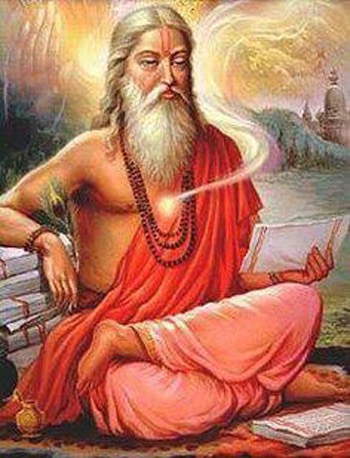
bhartṛhari is celebrated for the śataka-triśati - three collections of roughly a hundred verses each: nīti śatakam, śṛṅgāra śatakam, and vairāgya śatakam. These are among the most quoted subhāṣitāni in Sanskrit literature because each ślōka is compact, memorable, and rooted in lived observation.
Among them, nīti śatakam is a handbook of nīti: wise conduct, discernment, and ethical practicality. It does not speak in abstract ideals alone; it speaks to how people actually behave - how learning can swell into ego, how power attracts flattery, how money reshapes relationships, and how speech can either heal or burn. That realism makes it easy to recognize yourself, and therefore to correct yourself.
The work is timeless because the inner forces it describes are timeless: matsara (envy), smaya (pride), abōdha (confusion), tṛṣṇā (craving), and vivēka (discernment) operate the same in every age. Whether the arena is a royal court or a modern office, whether gossip travels by rumor or by group-chat, the same patterns repeat - and so the same remedies remain relevant.
Many verses have become everyday proverbs. People quote phrases like vāgbhūṣaṇaṃ bhūṣaṇaṃ (speech as the true ornament), vidyā nāma narasya rūpaṃ adhikaṃ (knowledge as a person's greater beauty), mūrkhasya nāstyauṣadhiṃ (no medicine for the fool who refuses correction), and prārabhyatē na khalu vighnabhayēna (great work begins by moving past fear of obstacles). The imagery is vivid and the meter is musical, so the lines stay in memory and come up naturally when life presents the same situations again.
dikkālādyanavachChinnānantachinmātramūrtayē ।
svānubhūtyēkamānāya namaḥ śāntāya tējasē ॥ 1.1 ॥
Chandaḥ (anuṣṭubh): This is in anuṣṭubh (ślōka) Chandas/Meter: 4 pādāḥ, 8 akṣarāḥ per pāda (32 total; commonly written/recited as two 16-syllable half-verses separated by `।`); pathyā cadence often ends as pAda 1/3 = `x x x x L G x G`, pAda 2/4 = `x x x x L G L G`; a common yati (pause) is after the 4th or 5th syllable in each pāda (separate from the natural pauses at `।` and `॥`). lakṣaṇa ślōka: ślōkē ṣaṣṭhaṃ guru jñēyaṃ sarvatra laghupañchamam । dvichatuṣpādayōḥ hrasvaṃ saptamaṃ dīrghamanyayōḥ ॥ - this mnemonic says the 6th syllable is guru and the 5th is laghu in all pādāḥ; the 7th is laghu in pAda 2/4 and guru in pAda 1/3.
Meaning (padārtha):
dik - direction; space
kāla - time
ādi - "and so on"; etc.
anavachChinna - unbroken; uninterrupted
ananta - infinite
chinmātra - pure consciousness alone
mūrtayē - unto the embodiment/form
svānubhūti - one's own direct experience
ēka - one; single
māna - measure; standard
namaḥ - salutations
śāntāya - unto the peaceful one
tējasē - unto the radiant splendor
Translation (bhāvārtha):
Salutations to the serene radiance - the embodiment of infinite pure consciousness, unbounded by space and time, and realized directly as the single standard through one's own experience.
Commentary (anusandhāna):
Before offering worldly counsel, bhartṛhari bows to śānti and svānubhūti: calm awareness verified by direct experience, not by the noise of opinion. He invokes chinmātra (pure consciousness) rather than a particular dēvatā because nīti is meant to be universal and non-sectarian - the foundation needed is inner illumination, whichever form of worship one follows. This is similar in spirit to the gāyatrī mantra, which turns toward the light of savitṛ (the illumining Sun principle) and prays for awakening of understanding - dhiyō yō naḥ prachōdayāt. The Upanishadic vision also points to this formless basis with statements like satyaṃ jñānaṃ anantaṃ brahma and prajñānaṃ brahma; and ādi śaṅkarāchārya repeatedly turns the seeker inward, for example in nirvāṇa ṣaṭkam: chidānandarūpaḥ śivō'haṃ śivō'haṃ. In modern life, this looks like anchoring yourself in clarity before action: pausing before replying to a heated message, checking facts before forwarding a claim, or sleeping on a big purchase - so choices come from steady tējas (inner light) rather than agitation.
bōddhārō matsaragrastāḥ prabhavaḥ smayadūṣitāḥ ।
abōdhōpahatāḥ chānyē jīrṇamaṅgē subhāṣitam ॥ 1.2 ॥
Chandaḥ (anuṣṭubh): This is in anuṣṭubh (ślōka) Chandas/Meter: 4 pādāḥ, 8 akṣarāḥ per pāda (32 total; commonly written/recited as two 16-syllable half-verses separated by `।`); pathyā cadence often ends as pAda 1/3 = `x x x x L G x G`, pAda 2/4 = `x x x x L G L G`; a common yati (pause) is after the 4th or 5th syllable in each pāda (separate from the natural pauses at `।` and `॥`).
Meaning (padārtha):
bōddhāraḥ - the learned (shown in sandhi as bōddhārō)
matsara - jealousy/envy
grastāḥ - seized by; afflicted (forming matsara-grastāḥ)
prabhavaḥ - the influential; the powerful
smaya - pride
dūṣitāḥ - tainted/defiled (forming smaya-dūṣitāḥ)
abōdha - ignorance
upahatāḥ - struck/overpowered (forming abōdha-upahatāḥ)
cha - and (forming chānyē = cha + anyē)
anyē - others
jīrṇaṃ - becomes worn out; gets wasted (in verse as jīrṇamaṅgē = jīrṇaṃ + aṅgē)
aṅgē - "O dear!" / alas (exclamation)
subhāṣitaṃ - good counsel; wise saying
Translation (bhāvārtha):
The learned are often consumed by envy, the powerful are tainted by pride, and others are struck by ignorance; alas, wise counsel gets worn out and goes to waste.
Commentary (anusandhāna):
This is a practical warning about communication: even a true subhāṣita may not land when the listener is dominated by matsara, smaya, or abōdha. The bhagavad gītā values learning done with śraddhā (trustful openness) and without asūyā (fault-finding envy), because only such a mind can receive instruction without twisting it. In daily life you may see this when a colleague rejects feedback because it threatens their status, when leadership dismisses a good idea out of ego, or when family advice is ignored simply because it came from the "wrong" person; the takeaway is to choose the right moment and medium, speak with kindness, and when the mind is not receptive, step back and focus on your own conduct instead of trying to win an argument.
ajñaḥ sukhaṃ ārādhyaḥ
sukhataraṃ ārādhyatē viśēṣajñaḥ ।
jñānalavadurvidagdhaṃ
brahmāpi taṃ naraṃ na rañjayati ॥ 1.3 ॥
Chandaḥ (āryā): This is in āryā Chandas/Meter: a mātrā-Chandaḥ where laghu = 1 mātrā and guru = 2 mātrāḥ; mātrā counts per pāda are 12 / 18 / 12 / 15; one common rule says odd-numbered mātrā-gaṇāḥ are not ja-gaṇaḥ (laghu-guru-laghu), and the 6th gaṇaḥ is ja-gaṇaḥ.
Meaning (padārtha):
ajñaḥ - an ignorant person; one without knowledge
sukhaṃ - easily; pleasantly
ārādhyaḥ - can be pleased; can be won over
sukhataraṃ - even more easily
ārādhyatē - is pleased/propitiated
viśēṣajñaḥ - a true expert; one who knows the essence
jñānalava - a drop of knowledge; a little learning
durvidagdhaṃ - over-confident due to half-knowledge (literally, badly "cooked"/digested)
brahmā - Brahma, the creator (sandhi in verse: brahmāpi = brahmā + api)
api - even
taṃ - that
naraṃ - person; man
na - not
rañjayati - pleases; satisfies; delights
Translation (bhāvārtha):
The ignorant are easy to please, the truly discerning are even easier to please; but a person made arrogant by a mere drop of knowledge cannot be satisfied even by Brahma.
Commentary (anusandhāna):
bhartṛhari is not praising ignorance; he is pointing out that humility makes a person accessible. A beginner who admits "I do not know" can learn, and a genuine expert has no need to protect an ego - but the half-learned durvidagdhaḥ turns every exchange into self-defense, so nothing satisfies them. In daily life this shows up when someone reads a few posts and then argues with every specialist, refuses review because it feels like insult, or treats feedback as an attack on identity; the antidote is vinaya (humility) and jijñāsā (honest inquiry): ask, test, and learn. In the advaita spirit, knowledge that has truly ripened reduces ahaṅkāra (ego) rather than inflating it; when your self-worth is not tied to "being right", you can accept correction quickly and keep growing.
prasahya maṇiṃ uddharēnmakaravaktradaṃṣṭrāntarāt
samudraṃ api santarētprachaladūrmimālākulam ।
bhujaṅgaṃ api kōpitaṃ śirasi puṣpavaddhārayēt
na tu pratiniviṣṭamūrkhajanachittaṃ ārādhayēt ॥ 1.4 ॥
Chandaḥ (pṛthvī): This is in pṛthvī (sama-vṛtta) Chandas/Meter: 4 pādāḥ, 17 akṣarāḥ per pāda; laghu/guru pattern (per pāda) is `LGLLLGLG LLLGLGGLG`; yati (pause) is after the 8th syllable in each pāda.
Meaning (padārtha):
prasahya - forcibly; boldly; with daring
maṇiṃ - a jewel; gem
uddharēt - could extract/pull out (sandhi in verse: uddharēn = uddharēt + makara...)
makara - crocodile; fierce water-creature
vaktra - mouth
daṃṣṭrā - teeth/tusks
antara - between; inside (as in daṃṣṭrāntarāt)
samudraṃ - ocean
api - even
santarēt - could cross/ford
prachala - moving; restless; turbulent
ūrmī - wave
mālā - garland; series
ākulaṃ - agitated; full of (as in ūrmimālākulaṃ)
bhujaṅgaṃ - serpent
kōpitaṃ - enraged
śirasi - on the head
puṣpavat - like a flower (sandhi in verse: puṣpavad)
dhārayēt - could bear/carry/support (as in puṣpavaddhārayēt)
na - not
tu - but
pratiniviṣṭa - firmly fixed; stubbornly lodged
mūrkha - foolish
jana - person/people
chittaṃ - mind
ārādhayēt - should try to please/conciliate
Translation (bhāvārtha):
One may forcibly snatch a jewel from between the teeth of a crocodile, cross an ocean churned by waves, and even carry an enraged serpent on the head as if it were a flower; but one should not try to conciliate the mind of a stubborn fool.
Commentary (anusandhāna):
The key word is pratiniviṣṭa: this is not about a person who is simply uninformed, but about a mind that has decided it will not budge. bhartṛhari is teaching vivēka (discernment) in where we invest our persuasion: courage can face danger, but stubbornness cannot be reasoned with. In daily life this looks like not feeding online trolls, not trying to "win" with someone who twists every fact, and not exhausting yourself trying to get approval from a person who withholds it by habit; instead, speak once with clarity and kindness, then place a boundary and move on. A related principle is echoed in the bhagavad gītā: na buddhibhēdaṃ janayēt ajñānāṃ - do not agitate an unready mind; lead by example and choose a time when receptivity exists.
labhēta sikatāsu tailaṃ api yatnataḥ pīḍayan
pibēchcha mṛgatṛṣṇikāsu salilaṃ pipāsārditaḥ ।
kvachidapi paryaṭanśaśaviṣāṇaṃ āsādayēt
na tu pratiniviṣṭamūrkhachittaṃ ārādhayēt ॥ 1.5 ॥
Chandaḥ (pṛthvī): This is in pṛthvī (sama-vṛtta) Chandas/Meter: 4 pādāḥ, 17 akṣarāḥ per pāda; laghu/guru pattern (per pāda) is `LGLLLGLG LLLGLGGLG`; yati (pause) is after the 8th syllable in each pāda.
Meaning (padārtha):
labhēta - could obtain
sikatāsu - in sand (in grains of sand)
tailaṃ - oil
api - even
yatnataḥ - with great effort
pīḍayan - pressing/squeezing
pibēt - could drink (sandhi in verse: pibēchcha = pibēt + cha)
cha - and
mṛga - deer
tṛṣṇikā - mirage (as in mṛgatṛṣṇikāsu)
salilaṃ - water
pipāsā - thirst
arditaḥ - afflicted/tormented (as in pipāsārditaḥ)
kvachit - somewhere (sandhi in verse: kvachidapi = kvachit + api)
paryaṭan - while wandering; roaming about
śaśa - hare
viṣāṇaṃ - horn (as in śaśaviṣāṇaṃ, "a hare's horn" - an impossibility)
āsādayēt - could reach/find/attain
na - not
tu - but
pratiniviṣṭa - stubbornly fixed
mūrkha - foolish
chittaṃ - mind
ārādhayēt - should try to please/conciliate
Translation (bhāvārtha):
With great effort one might squeeze oil out of sand, drink water from a mirage when parched with thirst, or even find a hare's horn somewhere while wandering; but one should not try to conciliate the mind of a stubborn fool.
Commentary (anusandhāna):
Here bhartṛhari piles up near-impossible tasks - squeezing oil from sand, drinking water from a mṛgatṛṣṇikā (a mirage: the illusion of water seen in heat), and finding a hare's horn - to say that pleasing a stubborn fool's mind belongs to the same category. The point is not pessimism; it is vivēka (discernment): do not pour your best effort into what cannot yield. In daily life this can mean not trying to "convert" someone who has already decided to misunderstand, not repeatedly justifying yourself to a chronically unfair critic, and not arguing with a person who enjoys conflict; communicate once with clarity, then disengage and keep your peace. The Upanishadic contrast of prēyas (the immediately tempting) and śrēyas (the truly beneficial) is a helpful lens here: choose actions that actually improve life, not those that endlessly drain you like chasing a mirage.
vyālaṃ bālamṛṇālatantubhirasau rōddhuṃ samujjṛmbhatē
Chēttuṃ vajramaṇiṃ śirīṣakusumaprāntēna sannahyati ।
mādhuryaṃ madhubindunā rachayituṃ kṣārāmudhērīhatē
nētuṃ vāñChanti yaḥ khalānpathi satāṃ sūktaiḥ sudhāsyandibhiḥ ॥ 1.6 ॥
Chandaḥ (śārdūlavikrīḍitam): This is in śārdūlavikrīḍitam (sama-vṛtta) Chandas/Meter: 4 pādāḥ, 19 akṣarāḥ per pāda; laghu/guru pattern (per pāda) is `GGGLLGL GLLLG GGLGGLG`; yati (pause) is after the 7th and 12th syllables in each pāda.
Meaning (padārtha):
vyālaṃ - a serpent
bāla - tender; soft
mṛṇala - lotus-stalk
tantubhiḥ - with fibres/threads
asau - that person; he
rōddhuṃ - to restrain/stop
samujjṛmbhatē - strives; tries hard; rises up to do
Chēttuṃ - to cut
vajramaṇiṃ - a diamond (a "vajra-gem")
śirīśa - the Sirisha tree
kusuma - flower
prāntēna - with the tip/end
sannahyati - prepares/equips himself
mādhuryaṃ - sweetness
madhu - honey
bindunā - with a drop
rachayituṃ - to create/produce
kṣāra - salt; saline
ambudhiḥ - ocean
īhatē - strives/attempts
nētuṃ - to lead
vāñChati - wishes (the verse shows vāñChanti, a common sandhi/variant form)
khalān - the wicked; the malicious
pathi - on the path
satāṃ - of the good; of the noble
sūktaiḥ - with wise sayings; good counsel
sudhā - nectar
syandibhiḥ - dripping/flowing
sudhāsyandibhiḥ - with nectar-dripping (sweet) words
Translation (bhāvārtha):
He tries to restrain a serpent with tender lotus fibres, to cut a diamond with the tip of a Sirisha flower, and to make an ocean of salt sweet with a drop of honey; likewise, the one who wishes to lead the wicked onto the path of the good using nectar-sweet counsel is attempting the impossible.
Commentary (anusandhāna):
This is not cynicism; it is a warning against mistaking words for transformation. Some habits are reinforced by pleasure, identity, and environment - so "nectar words" alone do not reform a person who is committed to being khalā (malicious). In daily life, this can mean not trying to negotiate with someone who lies as a strategy, not believing you can "fix" an abusive pattern with better arguments, and not repeatedly explaining to a person who enjoys misunderstanding; instead, protect yourself, change the boundary or the system, and seek satsaṅga (uplifting company) where good counsel can actually take root. When you do choose to advise, do it for the receptive - because even a drop of honey works only where there is not an ocean of salt.
svāyattaṃ ēkāntaguṇaṃ vidhātrā
vinirmitaṃ Chādanaṃ ajñatāyāḥ ।
viśēṣataḥ sarvavidāṃ samājē
vibhūṣaṇaṃ maunaṃ apaṇḍitānām ॥ 1.7 ॥
Chandaḥ (upajāti): This is in upajāti Chandas/Meter: a mixture of indravajrā/upēndravajrā with 4 pādāḥ, 11 akṣarāḥ per pāda; laghu/guru patterns are indravajrā = `GGLGGLLGLGG` and upēndravajrā = `LGLGGLLGLGG` (a verse may mix these across pādāḥ).
Meaning (padārtha):
svāyattaṃ - under one's own control
ēkānta - exclusive; only; single-sided
guṇaṃ - quality/attribute
vidhātrā - by the Creator; by Fate
vinirmitaṃ - made/constructed
Chādanaṃ - a covering; concealment
ajñatāyāḥ - of ignorance
viśēṣataḥ - especially; in particular
sarvavidāṃ - of the all-knowing; of the truly learned
samājē - in the assembly/company
vibhūṣaṇaṃ - ornament/adornment
maunaṃ - silence
apaṇḍitānāṃ - of the unlearned
Translation (bhāvārtha):
Silence, fully under one's control and of a single quality, is fashioned by the Creator as a covering for ignorance; therefore, in the assembly of the truly learned, silence is the ornament of the unlearned.
Commentary (anusandhāna):
mauna is presented here as a practical "cover": if you speak carelessly in the company of experts, your gaps become obvious; if you stay quiet, you can listen and learn. In daily life, this is a reminder to avoid bluffing in meetings, to ask a clean question instead of performing certainty, and to pause before posting a confident opinion on something you have not verified. advaita also recognizes a higher, luminous form of silence - ādi śaṅkarāchārya praises dakṣiṇāmūrti as teaching through maunavyākhyā - but the verse is pointing to an earlier step: use silence to stop needless noise, and then use that quiet to actually gain jñāna (clear knowledge).
yadā kiñchijjñō'haṃ dvipa iva madāndhaḥ samabhavaṃ
tadā sarvajñō'smītyabhavadavaliptaṃ mama manaḥ
yadā kiñchitkiñchidbudhajanasakāśādavagataṃ
tadā mūrkhō'smīti jvara iva madō mē vyapagataḥ ॥ 1.8 ॥
Chandaḥ (śikharinī): This is in śikharinī (sama-vṛtta) Chandas/Meter: 4 pādāḥ, 17 akṣarāḥ per pāda; laghu/guru pattern (per pāda) is `LGGGGG LLLLL GGLLLG`; yati (pause) is after the 6th and 11th syllables in each pāda.
Meaning (padārtha):
yadā - when
kiñchit - a little; something
jñaḥ - a knower; knowledgeable (sandhi in verse: jñō'haṃ = jñaḥ + aham)
aham - I
dvipaḥ - elephant
iva - like
mada - intoxication; pride
andhaḥ - blind (as in madāndhaḥ)
samabhavaṃ - I became
tadā - then
sarvajñaḥ - all-knowing (sandhi in verse: sarvajñō'smīti)
asmi - I am
iti - thus
abhavat - became
avaliptaṃ - arrogant; conceited
mama - my
manaḥ - mind
budha - wise
jana - people
sakāśāt - from the presence of; from near
avagataṃ - learned/understood
mūrkhaḥ - fool (sandhi in verse: mūrkhō'smīti = mūrkhaḥ + asmi + iti)
jvaraḥ - fever
iva - like
madaḥ - pride
mē - my
vyapagataḥ - departed; went away
Translation (bhāvārtha):
When I knew a little, I became like an elephant blinded by pride, thinking "I am a knower"; then my mind became arrogant, thinking "I am omniscient". But when I learned something, little by little, from the wise, my pride left like a fever, and I thought, "I am a fool".
Commentary (anusandhāna):
This is a precise portrait of the learning-curve: early knowledge can intoxicate, while deeper knowledge sobers. The image of mada as a jvara is practical - pride is a heat that clouds perception, and real learning cools it down. In daily life, you can use this as a self-check: when you feel the urge to speak with absolute certainty, ask whether you are in the "little knowledge" stage; actively seek a mentor, read primary sources, and invite critique. In advaita, the purpose of jñāna (knowledge) is to dissolve avidyā (ignorance) and its products like ahaṅkāra (ego); when the ego relaxes, the mind becomes teachable, and even correction feels like relief, not injury.
kṛmikulachittaṃ lālāklinnaṃ vigandhijugupsitaṃ
nirupamarasaṃ prītyā khādannarāsthi nirāmiṣam ।
surapatiṃ api śvā pārśvasthaṃ vilōkya na śaṅkatē
na hi gaṇayati kṣudrō jantuḥ parigrahaphalgutām ॥ 1.9 ॥
Chandaḥ (hariṇī): This is in hariṇī (sama-vṛtta) Chandas/Meter: 4 pādāḥ, 17 akṣarāḥ per pāda; laghu/guru pattern (per pāda) is `LLLLLG GGGG LGLLGLG`; yati (pause) is after the 6th and 10th syllables in each pāda.
Meaning (padārtha):
kṛmi - worm; maggot
kula - group; swarm
chittaṃ - mind
lālā - saliva
klinnaṃ - drenched/wet
vigandhi - foul-smelling
jugupsitaṃ - disgusting; repulsive
nirupama - incomparable
rasaṃ - taste/essence (as in nirupamarasaṃ)
prītyā - with delight
khādan - eating/gnawing
nara - human
asthi - bone (as in narāsthi)
nirāmiṣaṃ - without flesh/meat
surapatiṃ - Indra, lord of the gods (sandhi in verse: surapatiṃ api)
śvā - dog
pārśvasthaṃ - standing nearby/at the side
vilōkya - seeing
na śaṅkatē - is not afraid/suspicious
na hi - for indeed not
gaṇayati - counts; considers; values
kṣudraḥ - petty; base
jantuḥ - creature
parigraha - possession; grasping; what one clings to
phalgutāṃ - triviality; worthlessness; insignificance
Translation (bhāvārtha):
The mind of worms finds delicious what is saliva-soaked, foul-smelling, and repulsive, happily gnawing a fleshless human bone; and a dog, standing by it, is not afraid even on seeing Indra nearby - for a petty creature does not reckon the worthlessness of what it clings to as its possession.
Commentary (anusandhāna):
The verse is less about insulting creatures and more about exposing the psychology of taste and attachment: we call something "delicious" or "valuable" largely because we are habituated to it. When standards are low, even a miserable "possession" feels like a kingdom, and it can make a person strangely fearless and arrogant. In daily life this is visible in addictions, in clinging to cheap validation, or in guarding a small position of power while missing bigger responsibilities; the remedy is to raise the inner standard through satsaṅga (uplifting company), clean habits, and better goals, so the mind learns to prefer what is truly nourishing over what is merely familiar.
śiraḥ śārvaṃ svargātpaśupatiśirastaḥ kṣitidharaṃ
mahīdhrāduttuṅgādavaniṃ avanēśchāpi jaladhim ।
adhō'dhō gaṅgēyaṃ padaṃ upagatā stōkam
athavāvivēkabhraṣṭānāṃ bhavati vinipātaḥ śatamukhaḥ ॥ 1.10 ॥
Chandaḥ (śikharinī): This is in śikharinī (sama-vṛtta) Chandas/Meter: 4 pādāḥ, 17 akṣarāḥ per pāda; laghu/guru pattern (per pāda) is `LGGGGG LLLLL GGLLLG`; yati (pause) is after the 6th and 11th syllables in each pāda.
Meaning (padārtha):
śiraḥ - head
śārvaṃ - of śarva (Siva); belonging to Siva
svargāt - from heaven
paśupati - lord of beings (Siva)
śiraḥ - head (as in paśupatiśirastaḥ, "from the head of paśupati")
kṣitidharaṃ - mountain (literally, earth-bearer)
mahīdhra - mountain
uttuṅga - lofty; very high
avaniṃ - earth
avanēḥ - from the earth (sandhi in verse: avanēśchāpi = avanēḥ + cha + api)
cha - and
api - also
jaladhiṃ - ocean
adhō'dhō - lower and lower; downwards, again and again
gaṅgēyaṃ - this gaṅgā
padaṃ - position; step
upagatā - has reached; has gone to
stōkam - little by little; step by step
atha vā - or else
vivēka - discernment; discrimination
bhraṣṭānāṃ - of those who have fallen away from/lost (as in vivēkabhraṣṭānāṃ)
bhavati - happens; becomes
vinipātaḥ - downfall; fall
śatamukhaḥ - "hundred-faced" - manyfold; in many ways
Translation (bhāvārtha):
From heaven, the head of Siva came down to the mountain from the head of paśupati; from the lofty mountain it came down to the earth, and from the earth also to the ocean. Thus even this gaṅgā, descending step by step, has come lower and lower; likewise, for those who have lost discernment, downfall becomes manyfold.
Commentary (anusandhāna):
vivēka is the guardrail of life: once it breaks, the fall accelerates. The verse teaches the "cascade" pattern - first a small slip, then repeated descent adhō'dhō, and then a śatamukhaḥ (many-pronged) crash. In daily life this is how integrity erodes: one small lie to save face becomes a habit, one indulgence becomes dependence, one compromised principle becomes a new normal. advaita places vivēka first for a reason (the discrimination of nitya (the lasting) and anitya (the changing)): when you renew that clarity daily, decisions stop being reactive, and your life does not slide step by step into avoidable suffering.
śakyō vārayituṃ jalēna hutabhukchChatrēṇa sūryātapō
nāgēndrō niśitāṅkuśēna samadō daṇḍēna gōgardabhau ।
vyādhirbhēṣajasaṅgrahaiścha vividhairmantraprayōgairviṣaṃ
sarvasyauṣadhaṃ asti śāstravihitaṃ mūrkhasya nāstyauṣadhim ॥ 1.11 ॥
Chandaḥ (śārdūlavikrīḍitam): This is in śārdūlavikrīḍitam (sama-vṛtta) Chandas/Meter: 4 pādāḥ, 19 akṣarāḥ per pāda; laghu/guru pattern (per pāda) is `GGGLLGL GLLLG GGLGGLG`; yati (pause) is after the 7th and 12th syllables in each pāda.
Meaning (padārtha):
śakyaḥ - is possible; can be done (in verse as śakyō)
vārayituṃ - to restrain; to prevent; to ward off
jalēna - by water (instrumental of jala)
hutabhuk - fire (literally, "eater of oblations"; in verse as hutabhuk)
Chatrēṇa - by an umbrella (in verse as chChatrēṇa)
sūryātapaḥ - the heat/glare of the sun (in verse as sūryātapō)
nāgēndraḥ - a mighty elephant; "lord of elephants" (also can mean "king of snakes"; context here is elephant-control; in verse as nāgēndrō)
niśita - sharp; pointed
aṅkuśēna - with a goad (instrumental of aṅkuśa)
samadaḥ - intoxicated; in rut (as in an elephant; in verse as samadō)
daṇḍēna - with a stick/staff
gauḥ - cow (in dual compound gōgardabhau)
gardabhaḥ - donkey (in dual compound gōgardabhau)
vyādhiḥ - disease
bhēṣaja - medicine
saṅgrahaiḥ - with collections/compounds/assemblages (in verse as saṅgrahaiścha = saṅgrahaiḥ + cha)
vividhaiḥ - by various; by many kinds of
mantra - mantra; sacred formula
prayōgaiḥ - by applications/uses/practices (instrumental plural of prayōga)
viṣam - poison
sarvasya - for everything; of everything
auṣadham - remedy; medicine
asti - exists; is
śāstra - scripture; authoritative teaching
vihitam - prescribed; laid down
mūrkhasya - of a fool
na asti - there is not (in sandhi: nāstyauṣadhiṃ = na asti + auṣadhiṃ)
auṣadhim - a remedy (accusative; in verse as auṣadhiṃ)
Translation (bhāvārtha):
Water can restrain fire, an umbrella can ward off the sun's heat, a sharp goad can control a rutting elephant, and a stick can manage a cow or a donkey; disease has remedies in medicines, and poison has remedies in mantra-practices. For everything there is a remedy prescribed by śāstra - but for a fool there is no medicine.
Commentary (anusandhāna):
bhartṛhari stacks up "problem -> remedy" pairs to make one point: tools work only when the person using them is willing to be corrected. A mūrka here is not simply someone who does not know; it is a mind closed by stubbornness and ego, where even the right upadēśa (instruction) cannot enter. In daily life you see this when someone refuses feedback, repeats the same avoidable mistake, and then blames the world - whether at work (ignoring reviews), in health (rejecting basic habits), or in relationships (never listening). advaita also begins with fitness: śravaṇa (listening), manana (reasoning), and nididhyāsana (deep contemplation) can remove ajñāna (ignorance) only when there is vinaya (humility) and mumukṣutva (desire to be free); without that openness, even the best medicine remains unopened.
sāhityasaṅgītakalāvihīnaḥ
sākṣātpaśuḥ puchChaviṣāṇahīnaḥ ।
tṛṇaṃ na khādannapi jīvamānas
tadbhāgadhēyaṃ paramaṃ paśūnām ॥ 1.12 ॥
Chandaḥ (upajāti): This is in upajāti Chandas/Meter: 4 pādāḥ, 11 akṣarāḥ per pāda; this meter commonly mixes indravajrā (`GGLGGLLGLGG`) and upēndravajrā (`LGLGGLLGLGG`) patterns across the pādāḥ.
Meaning (padārtha):
sāhitya - literature; poetry
saṅgīta - music
kalā - art; fine skill; aesthetic accomplishment
vihīnaḥ - devoid of; lacking
sākṣāt - directly; plainly; truly
paśuḥ - an animal; a beast
puchcha - tail
viṣāṇa - horn
hīnaḥ - without (forming puchcha-viṣāṇa-hīnaḥ)
tṛṇaṃ - grass; straw
na - not
khādan - eating (in verse as khādannapi = khādan + api)
api - even; even though
jīvamānaḥ - living; staying alive
tat - that; his condition (as in tadbhāgadhēyaṃ)
bhāgadhēyam - share; lot; destiny; "portion"
paramaṃ - highest; greatest
paśūnāṃ - of animals
Translation (bhāvārtha):
One who lacks literature, music, and the arts is plainly a beast - only without tail and horns. Though he does not even eat grass, he still lives; that is, indeed, a great "good fortune" for the animals.
Commentary (anusandhāna):
The verse uses sharp humor to define what makes a human life human: refinement of mind. kalā is not "decoration"; it trains attention, empathy, and sensitivity to nuance - qualities that keep power and intelligence from turning crude. In modern life, a person can be technically skilled yet socially destructive: they speak harshly, cannot listen, and treat relationships like transactions. Regular contact with good books, music, and thoughtful discourse softens the inner edge and widens perspective; it is like adding "human interface" to raw capability. Even a simple habit - reading a few pages daily, learning a song with patience, or engaging in meaningful conversation rather than endless scrolling - can slowly replace animal-like reactivity with saṃskāra (refining impressions).
yēṣāṃ na vidyā na tapō na dānaṃ
jñānaṃ na śīlaṃ na guṇō na dharmaḥ ।
tē martyalōkē bhuvi bhārabhūtā
manuṣyarūpēṇa mṛgāścharanti ॥ 1.13 ॥
Chandaḥ (upajāti): This is in upajāti Chandas/Meter: 4 pādāḥ, 11 akṣarāḥ per pāda; this meter commonly mixes indravajrā (`GGLGGLLGLGG`) and upēndravajrā (`LGLGGLLGLGG`) patterns across the pādāḥ.
Meaning (padārtha):
yēṣāṃ - of whom; for those who
na - not
vidyā - learning; education
tapaḥ - disciplined effort; austerity
dānaṃ - giving; charity
jñānaṃ - knowledge; wisdom
śīlaṃ - character; good conduct
guṇaḥ - virtue; good quality (in verse as guṇō)
dharmaḥ - righteousness; duty; ethical order
tē - they
martyalōkē - in the world of mortals
bhuvi - on earth
bhārabhūtāḥ - having become a burden; burdensome
manuṣya - human
rūpēṇa - in the form of
mṛgāḥ - animals; beasts (in verse as mṛgāś)
charanti - roam; move about
Translation (bhāvārtha):
Those who have neither learning, nor disciplined effort, nor charity; neither wisdom, nor good conduct, nor virtue, nor dharma - they are a burden on earth, wandering like beasts in the outward form of human beings.
Commentary (anusandhāna):
bhartṛhari lists seven supports of a meaningful life: learn (vidyā), train yourself (tapas), share (dāna), seek understanding (jñāna), live decently (śīla), develop virtues (guṇa), and stand by dharma. When none of these are present, a person may look human but lives by instinct alone - consuming, competing, and reacting. Modern examples are easy: using intelligence only for manipulation, chasing pleasures while neglecting responsibilities, or never giving back to family and society. ādi śaṅkarāchārya often reminds that human birth is precious because it allows inquiry and self-mastery; in bhaja gōvindam he calls it durlabhaṃ mānuṣaṃ janma (hard to attain). The verse is a wake-up call: add even one of these pillars sincerely, and the "burden" starts becoming a blessing to those around you.
varaṃ parvatadurgēṣu
bhrāntaṃ vanacharaiḥ saha
na mūrkhajanasamparkaḥ
surēndrabhavanēṣvapi ॥ 1.14 ॥
Chandaḥ (anuṣṭubh): This is in anuṣṭubh (ślōka) Chandas/Meter: 4 pādāḥ, 8 akṣarāḥ per pāda (32 total; commonly written/recited as two 16-syllable half-verses separated by `।`); pathyā cadence often ends as pAda 1/3 = `x x x x L G x G`, pAda 2/4 = `x x x x L G L G`; a common yati (pause) is after the 4th or 5th syllable in each pāda (separate from the natural pauses at `।` and `॥`).
Meaning (padārtha):
varaṃ - better; preferable
parvata - mountain
durgēṣu - in fortresses/strongholds (locative plural of durga)
bhrāntaṃ - wandering; roaming
vanacharaiḥ - with forest-dwellers; those who move in the woods
saha - along with
na - not
mūrkha - foolish
jana - people
samparkaḥ - contact; association; company
surēndra - Indra, lord of the gods
bhavanēṣu - in palaces/abodes (locative plural of bhavana)
api - even
Translation (bhāvārtha):
Better to wander with forest-dwellers in mountain strongholds than to have the company of foolish people - even in the palaces of Indra.
Commentary (anusandhāna):
The verse is not romanticizing hardship; it is ranking influences. A rough place with honest, simple people can still grow you, while a glamorous place with foolish or toxic company can steadily corrupt your judgment. In modern life this is the choice between status and sanity: taking a job for a flashy brand but living in constant politics, or choosing a quieter role with a healthier team; attending gatherings that pull you into gossip, or spending time with people who speak truth and encourage growth. ādi śaṅkarāchārya captures the same principle in bhaja gōvindam: satsaṅgatvē nissaṅgatvaṃ - by good company arises non-attachment; by non-attachment, clarity. If you protect your associations, many other problems solve themselves downstream.
śāstrōpaskṛtaśabdasundaragiraḥ śiṣyapradēyāgamā
vikhyātāḥ kavayō vasanti viṣayē yasya prabhōrnirdhanāḥ ।
tajjāḍyaṃ vasudhādipasya kavayastvarthaṃ vināpīśvarāḥ
kutsyāḥ syuḥ kuparīkṣakā hi maṇayō yairarghataḥ pātitāḥ ॥ 1.15 ॥
Chandaḥ (śārdūlavikrīḍitam): This is in śārdūlavikrīḍitam (sama-vṛtta) Chandas/Meter: 4 pādāḥ, 19 akṣarāḥ per pāda; laghu/guru pattern (per pāda) is `GGGLLGL GLLLG GGLGGLG`; yati (pause) is after the 7th and 12th syllables in each pāda.
Meaning (padārtha):
śāstra - scripture; learned tradition
upaskṛta - adorned; refined; polished
śabda - word; speech
sundara - beautiful
giraḥ - speech/utterances (plural; forming śāstrōpaskṛtaśabdasundaragiraḥ)
śiṣya - disciple/student
pradēya - fit to be given; worthy to be taught
āgamāḥ - authoritative teachings; learned texts (plural)
vikhyātāḥ - renowned; well-known
kavayaḥ - poets
vasanti - live
viṣayē - in the realm/kingdom (locative of viṣaya)
yasya - whose
prabhōḥ - of the lord/ruler (genitive of prabhu)
nirdhanāḥ - poor; without wealth
tat - that
jāḍyaṃ - dullness; folly; stupidity
vasudhādipasya - of the lord of the earth; king
kavayaḥ - poets
tu - but; indeed
artham - wealth; money
vinā - without
api - even
īśvarāḥ - powerful; eminent; "lords" (in verse as pīśvarāḥ)
kutsyāḥ - despised; looked down upon
syuḥ - might become; would be
kuparīkṣakāḥ - bad examiners/appraisers
hi - for
maṇayaḥ - gems; jewels
yaiḥ - by whom (instrumental plural)
arghataḥ - from their worth/price (ablative of argha)
pātitāḥ - made to fall; lowered; devalued
Translation (bhāvārtha):
Renowned poets, whose speech is beautiful and refined by śāstra and whose teachings are worthy to be passed to disciples, live in a certain ruler's domain - yet remain poor. That is the folly of that king: even a poet is great even without money, but gems become despised when bad appraisers devalue them.
Commentary (anusandhāna):
This is a verse on leadership and valuation. When a ruler (or any institution) keeps true talent undernourished, the shame is not on the talent but on the judge who failed to recognize worth. kuparīkṣaka means a "bad appraiser" - someone who cannot see quality and therefore sets a low price; the verse warns that such blindness makes jewels look cheap in the marketplace. In modern life, this appears when organizations underpay their best teachers, engineers, artists, or caregivers while rewarding loud mediocrity; eventually the culture becomes hollow, and excellence either leaves or stops creating. The practical takeaway is two-sided: if you lead, learn to recognize and support real merit; if you are skilled, choose patrons and environments that can actually value you rather than begging approval from kuparīkṣakāḥ.
harturyāti na gōcharaṃ kiṃ api śaṃ puṣṇāti yatsarvadā'py
arthibhyaḥ pratipādyamānaṃ aniśaṃ prāpnōti vṛddhiṃ parām ।
kalpāntēṣvapi na prayāti nidhanaṃ vidyākhyaṃ antardhanaṃ
yēṣāṃ tānprati mānaṃ ujjhata nṛpāḥ kastaiḥ saha spardhatē ॥ 1.16 ॥
Chandaḥ (śārdūlavikrīḍitam): This is in śārdūlavikrīḍitam (sama-vṛtta) Chandas/Meter: 4 pādāḥ, 19 akṣarāḥ per pāda; laghu/guru pattern (per pāda) is `GGGLLGL GLLLG GGLGGLG`; yati (pause) is after the 7th and 12th syllables in each pāda.
Meaning (padārtha):
hartuḥ - of a thief/robber (genitive of hartṛ; in verse as hartur)
yāti - goes; comes
na - not
gōcharaṃ - into the range/scope; as an object of reach
kiṃ api - some; any (emphatic: "at all")
śaṃ - welfare; auspicious good; well-being
puṣṇāti - nourishes; increases
yat - which
sarvadā - always
api - even (forming sarvadā'py = sarvadā + api)
arthibhyaḥ - to seekers/supplicants (dative plural of arthin)
pratipādyamānaṃ - being given; being bestowed
aniśaṃ - continually; without break
prāpnōti - attains; reaches
vṛddhiṃ - growth; increase
parāṃ - supreme; great
kalpāntēṣu - even at the ends of world-cycles (kalpa)
api - even
na - not
prayāti - goes to; reaches
nidhanaṃ - destruction; death; perishing
vidyā - knowledge; learning
ākhyam - named; called
antardhanaṃ - hidden treasure; inner wealth
yēṣāṃ - for those who have (this treasure)
tān - toward them
prati - toward
mānaṃ - respect; honor
ujjhata - offer; render (imperative; in verse as ujjhata)
nṛpāḥ - O kings; rulers
kaḥ - who
taiḥ - with them
saha - along with; against
spardhatē - competes; contends
Translation (bhāvārtha):
That hidden treasure called knowledge does not come into a thief's reach at all; it always nourishes well-being, and when it is continually given to seekers it grows all the more. It does not perish even at the ends of world-cycles. O kings, show respect to those who possess it - who can compete with them?
Commentary (anusandhāna):
Material wealth is zero-sum and fragile; vidyā is the opposite. The verse highlights three qualities: it cannot be stolen (hartuḥ na gōcharaḥ), it increases by sharing (pratipādyamānaṃ ... vṛddhiṃ prāpnōti), and it survives disruptions (kalpāntē even metaphorically "the end of a world"). In modern terms, skills, understanding, and good judgment are assets that layoffs, market shifts, and even relocation cannot fully take away - and teaching others often makes you clearer, not poorer. The advaita tradition values this highest: jñāna is what removes ajñāna, and the "wealth" it gives is inner freedom; that is why teachers are honored not for possessions but for what they awaken in the student.
adhigataparamārthānpaṇḍitānmāvamaṃsthās
tṛṇaṃ iva laghu lakṣmīrnaiva tānsaṃruṇaddhi ।
abhinavamadalēkhāśyāmagaṇḍasthalānāṃ
na bhavati bisatanturvāraṇaṃ vāraṇānām ॥ 1.17 ॥
Chandaḥ (mālinī): This is in mālinī (sama-vṛtta) Chandas/Meter: 4 pādāḥ, 15 akṣarāḥ per pāda; laghu/guru pattern (per pāda) is `LLLLLLGG GLGGLGG`; yati (pause) is after the 8th syllable in each pāda.
Meaning (padārtha):
adhigata - attained; realized
parama - highest; supreme
arthaḥ - meaning; truth; purpose
paṇḍitān - the learned; wise people (accusative plural of paṇḍita)
mā - do not
avamaṃsthāḥ - despise; look down upon
tṛṇaṃ - straw; grass
iva - like; as if
laghu - light; small; paltry
lakṣmīḥ - wealth; prosperity (in verse as lakṣmīr)
na ēva - not at all
tān - them
saṃruṇaddhi - binds; confines; restrains
abhinava - fresh; new
mada - rut; intoxication (as of an elephant)
lēkhā - streak/line (as in the dark streaks on cheeks in rut)
śyāma - dark; blackish
gaṇḍa - cheek/temple (of an elephant)
sthalānāṃ - of those whose places/regions (forming śyāmagaṇḍasthalānāṃ)
na bhavati - does not become; is not
bisa - lotus-fiber; water-lily stalk
tantuḥ - thread; fiber
vāraṇam - a restraint; a barrier; a cord (also reads as "elephant"; here used as "bond")
vāraṇānāṃ - of elephants
Translation (bhāvārtha):
Do not look down upon the wise who have realized the highest truth; paltry wealth cannot bind them any more than a straw can. A lotus-fiber thread does not become a restraint for elephants whose temples are dark with fresh rut.
Commentary (anusandhāna):
The verse warns against judging people by their bank balance. laghu lakṣmīḥ (small wealth) can tempt or trap those who measure themselves by possessions, but it cannot hold a person who has tasted paramārtha (highest meaning). The elephant image is vivid: mada is the powerful energy of a mature elephant in rut; against that strength, a lotus thread is absurd. In modern life, this means: do not assume that someone is insignificant because they live simply, refuse a bribe, or won't flatter for promotion. Some people operate from principles and inner freedom, so "small incentives" do not move them; if you want to work with such people, appeal to purpose and truth, not to glitter. In the advaita spirit, once the mind sees the limitations of external gain, it naturally loosens parigraha (grasping), and dignity becomes independent of possessions.
ambhōjinīvanavihāravilāsaṃ ēva
haṃsasya hanti nitarāṃ kupitō vidhātā ।
na tvasya dugdhajalabhēdavidhau prasiddhāṃ
vaidagdhīkīrtiṃ apahartuṃ asau samarthaḥ ॥ 1.18 ॥
Chandaḥ (vasantatilakā): This is in vasantatilakā (sama-vṛtta) Chandas/Meter: 4 pādāḥ, 14 akṣarāḥ per pāda; laghu/guru pattern (per pāda) is `GGLGLLLGLLGLGG`. No obligatory yati (pause) is defined for this meter; pauses follow sense and natural daṇḍa breaks.
Meaning (padārtha):
ambhōjinī - lotus pond; water with lotuses
vana - grove; forest (forming ambhōjinīvanam)
vihāra - roaming; sport; play
vilāsam - enjoyment; graceful play
ēva - indeed; alone (emphatic)
haṃsasya - of the swan
hanti - destroys; kills; takes away
nitarāṃ - completely; thoroughly
kupitaḥ - enraged; angry
vidhātā - the creator; fate; dispenser of results
na tu - but not
tasya - of it/of him (the swan)
dugdha - milk
jala - water
bhēdavidhiḥ - the method/skill of separating (forming dugdha-jala-bhēda-vidhi)
prasiddhāṃ - famous; well-known
vaidagdhī - skill; cleverness; refined ability
kīrtiṃ - fame; reputation
apahartuṃ - to take away; to remove
asau - that (creator/fate)
samarthaḥ - capable
Translation (bhāvārtha):
An angry fate may entirely destroy the swan's joyous roaming in lotus-groves, but it cannot take away the swan's celebrated skill of separating milk from water.
Commentary (anusandhāna):
The swan's famed discrimination - dugdha-jala-bhēda (the ability to separate milk from water) - is a symbol for vivēka (discernment): the power to pick what is essential from what is mixed. Circumstances can destroy external "playgrounds" (a job, a position, a comfortable setting), but they cannot touch a cultivated inner faculty. In modern life, this is why building real competence and clarity matters more than building a fragile image: even if projects fail or roles change, your skill in thinking, communicating, and deciding remains. advaita often uses the haṃsa as the emblem of the discriminating seeker (paramahaṃsa): when vivēka is alive, you can keep choosing the real over the superficial even while life rearranges the outer scenery.
kēyūrāṇi na bhūṣayanti puruṣaṃ hārā na chandrōjjvalā
na snānaṃ na vilēpanaṃ na kusumaṃ nālaṅkṛtā mūrdhajāḥ ।
vāṇyēkā samalaṅkarōti puruṣaṃ yā saṃskṛtā dhāryatē
kṣīyantē khalu bhūṣaṇāni satataṃ vāgbhūṣaṇaṃ bhūṣaṇam ॥ 1.19 ॥
Chandaḥ (śārdūlavikrīḍitam): This is in śārdūlavikrīḍitam (sama-vṛtta) Chandas/Meter: 4 pādāḥ, 19 akṣarāḥ per pāda; laghu/guru pattern (per pāda) is `GGGLLGL GLLLG GGLGGLG`; yati (pause) is after the 7th and 12th syllables in each pāda.
Meaning (padārtha):
kēyūrāṇi - armlets
na - not
bhūṣayanti - adorn; beautify
puruṣaṃ - a person
hārāḥ - necklaces/garlands
na - not
chandra - moon
ujjvalāḥ - bright; shining (forming chandrōjjvalā = chandra + ujjvalāḥ)
na - not
snānaṃ - bath
na - not
vilēpanaṃ - anointing; applying fragrance/ointment
na - not
kusumaṃ - flower
na - not
alaṅkṛtāḥ - decorated; adorned
mūrdhajāḥ - hair (literally, "born on the head")
vāṇī - speech
ēkā - alone
samalaṅkarōti - completely adorns; truly decorates
yā - which
saṃskṛtā - refined; well-formed; cultured
dhāryatē - is carried; is maintained
kṣīyantē - wear out; diminish; perish
khalu - indeed
bhūṣaṇāni - ornaments
satataṃ - always; constantly
vāk - speech
bhūṣaṇaṃ - ornament (forming vāgbhūṣaṇaṃ)
bhūṣaṇaṃ - the (true) ornament
Translation (bhāvārtha):
Armlets do not truly adorn a person, nor bright necklaces, nor the moon's splendor; not bathing, not perfumes, not flowers, and not decorated hair. Speech alone, when refined and well-kept, truly adorns a person. Ornaments constantly wear out; the ornament of speech is the real ornament.
Commentary (anusandhāna):
This is one of the most widely quoted subhāṣitāni from bhartṛhari's nīti śatakam. External polish is temporary; speech shapes your reputation every day. saṃskṛtā vāṇī means speech that is accurate, courteous, timely, and not needlessly hurtful - the kind of language that makes people feel safe with you. In modern life, you can see how quickly one careless message, a sarcastic tweet, or a harsh public remark can undo years of work; conversely, steady respectful communication builds trust across teams and families. The verse is also practical: unlike jewelry, speech improves with practice - read well, listen well, and speak with hitaṃ (benefit) and madhuram (sweetness) together. When words carry both truth and kindness, they become the most durable "ornament" you can wear.
vidyā nāma narasya rūpaṃ adhikaṃ prachChannaguptaṃ dhanaṃ
vidyā bhōgakarī yaśaḥsukhakarī vidyā gurūṇāṃ guruḥ ।
vidyā bandhujanō vidēśagamanē vidyā parā dēvatā
vidyā rājasu pūjyatē na tu dhanaṃ vidyāvihīnaḥ paśuḥ ॥ 1.20 ॥
Chandaḥ (śārdūlavikrīḍitam): This is in śārdūlavikrīḍitam (sama-vṛtta) Chandas/Meter: 4 pādāḥ, 19 akṣarāḥ per pāda; laghu/guru pattern (per pāda) is `GGGLLGL GLLLG GGLGGLG`; yati (pause) is after the 7th and 12th syllables in each pāda.
Meaning (padārtha):
vidyā - knowledge; learning
nāma - indeed; truly; "by name" (emphatic)
narasya - of a person
rūpaṃ - form; beauty; splendor
adhikaṃ - superior; greater
prachChanna - hidden; covered
guptam - protected; safe (forming prachChannaguptaṃ)
dhanaṃ - wealth; treasure
bhōgakarī - maker of enjoyment; giver of comforts
yaśaḥ - fame; good name
sukha - happiness
karī - maker of; giver of (forming yaśaḥsukhakarī)
gurūṇāṃ - of teachers
guruḥ - teacher; the teacher
bandhujanaḥ - kinsman; friend; supportive companion
vidēśa - foreign land
gamanē - in going/travel (locative; "when travelling")
parā - supreme; highest
dēvatā - divinity; guiding deity
rājasu - among kings/rulers; in royal courts
pūjyatē - is honored; is worshipped/respected
na tu - but not
dhanaṃ - wealth
vidyā - knowledge
vihīnaḥ - devoid of
paśuḥ - animal; beast
Translation (bhāvārtha):
Knowledge is truly a person's greater beauty and a hidden, well-protected wealth. Knowledge brings enjoyment, brings fame and happiness; knowledge is the teacher of teachers. Knowledge is a friend when travelling in foreign lands; knowledge is the highest divinity. In the courts of kings it is knowledge that is honored, not mere money; one without knowledge is a beast.
Commentary (anusandhāna):
This verse is a compact manifesto on why learning is never a waste. prachChannaguptaṃ dhanaṃ points to inner wealth: what you know and can do cannot be taken away as easily as possessions. bandhujanaḥ is a "supportive relative/friend": when you travel or change environments, your competence and understanding accompany you and help you rebuild. In modern life, this is visible in how a person with real skills can restart after setbacks, adapt to new technology, and earn trust quickly - while someone with only external symbols (title, clothes, money) can feel lost when context changes. And for those who seek deeper freedom, advaita sees vidyā in its highest sense as brahmajñāna (knowledge of the Self): the "supreme divinity" because it reveals what is already present as your own svarūpa (true nature).
kṣāntiśchētkavachēna kiṃ kiṃ aribhiḥ krōdhō'sti chēddēhināṃ
jñātiśchēdanalēna kiṃ yadi suhṛddivyauṣadhaṃ kiṃ phalam ।
kiṃ sarpairyadi durjanāḥ kiṃ u dhanairvidyā'navadyā yadi
vrīḍā chētkiṃ u bhūṣaṇaiḥ sukavitā yadyasti rājyēna kim ॥ 1.21 ॥
Chandaḥ (śārdūlavikrīḍitam): This is in śārdūlavikrīḍitam (sama-vṛtta) Chandas/Meter: 4 pādāḥ, 19 akṣarāḥ per pāda; laghu/guru pattern (per pāda) is `GGGLLGL GLLLG GGLGGLG`; yati (pause) is after the 7th and 12th syllables in each pāda.
Meaning (padārtha):
kṣāntiḥ - forbearance; patience
chēt - if
kavachēna - by armor; with protective gear (instrumental of kavacha)
kim - what (use)?
aribhiḥ - by/with enemies (instrumental plural of ari)
krōdhaḥ - anger
asti - exists; is (in verse as 'sti)
dēhinām - of embodied beings; of people
jñātiḥ - knowledge; understanding (in verse as jñātiśchēt = jñātiḥ + chēt)
analēna - by fire (anala)
yadi - if
suhṛt - a good friend
divya - divine; extraordinary
auṣadham - medicine; remedy (forming divyauṣadham)
kim - what (use)?
phalam - benefit; fruit
kim - what (use)?
sarpaiḥ - with snakes (instrumental plural of sarpa)
yadi - if
durjanāḥ - wicked people; the malicious
kiṃ u - what indeed?
dhanaiḥ - with wealth (instrumental plural of dhana)
vidyā - knowledge; learning
anavadyā - blameless; flawless; free of fault
yadi - if
vrīḍā - modesty; a sense of propriety; "good shame"
chēt - if
kiṃ u - what indeed?
bhūṣaṇaiḥ - with ornaments (instrumental plural of bhūṣaṇa)
sukavitā - good poetry; poetic excellence
yadi - if
asti - exists; is
rājyēna - with a kingdom; with sovereignty
kim - what (use)?
Translation (bhāvārtha):
If one has patience, what need is there for armor? If people have anger, what need is there for enemies? If one has knowledge, what need is there for fire? If one has a true friend, what benefit is there in "divine medicines"? If there are wicked people, what need is there for snakes? If there is flawless learning, what need is there for wealth? If there is modesty, what need is there for ornaments? If there is poetic excellence, what need is there for a kingdom?
Commentary (anusandhāna):
The verse is a reminder that inner qualities outclass external supports. kṣānti (forbearance) is real armor because it prevents rash retaliation; krōdha (anger) is a self-made enemy that damages you even without opponents. jñāti (understanding) is "fire" in the sense that it burns confusion and lights the way; and a good suhṛt (friend) is medicine because they heal your blind spots with honest care. In modern life, you can buy gadgets, titles, and insurance, but if you lack patience and clarity you will still create unnecessary fires at work and at home; and if you have modesty and skill, you do not need constant external decoration to be respected. The practical application is to invest first in the inner "capital" - calm, learning, friendships, and character - because these protect you in contexts where money and status cannot.
dākṣiṇyaṃ svajanē dayā parijanē śāṭhyaṃ sadā durjanē
prītiḥ sādhujanē nayō nṛpajanē vidvajjanē chārjavam ।
śauryaṃ śatrujanē kṣamā gurujanē kāntājanē dhṛṣṭatā
yē chaivaṃ puruṣāḥ kalāsu kuśalāstēṣvēva lōkasthitiḥ ॥ 1.22 ॥
Chandaḥ (śārdūlavikrīḍitam): This is in śārdūlavikrīḍitam (sama-vṛtta) Chandas/Meter: 4 pādāḥ, 19 akṣarāḥ per pāda; laghu/guru pattern (per pāda) is `GGGLLGL GLLLG GGLGGLG`; yati (pause) is after the 7th and 12th syllables in each pāda.
Meaning (padārtha):
dākṣiṇyaṃ - kindness; generosity; tact
svajanē - toward one's own people/relatives (locative of svajana)
dayā - compassion; mercy
parijanē - toward dependents/attendants/household (locative of parijana)
śāṭhyaṃ - strategic caution/guile; dealing with deceit by guardedness
sadā - always
durjanē - toward the wicked (locative of durjana)
prītiḥ - affection; warm friendliness
sādhujanē - toward the good (locative of sādhujana)
nayaḥ - policy; political wisdom; tactful conduct
nṛpajanē - toward kings/rulers/officials (locative of nṛpajana)
vidvajjanē - toward the learned (locative of vidvajjana)
chārjavaṃ - straightforwardness; honesty
śauryaṃ - valor; courageous strength
śatrujanē - toward enemies (locative of śatrujana)
kṣamā - forgiveness; forbearance
gurujanē - toward elders/teachers (locative of gurujana)
kāntājanē - toward one's beloved (locative of kāntājana)
dhṛṣṭatā - boldness; confident frankness; playful daring
yē - those who
cha - and
ēvaṃ - thus; in this manner
puruṣāḥ - people
kalāsu - in these arts/skills (locative plural of kalā)
kuśalāḥ - skilled; competent
tēṣu - in them
ēva - indeed
lōkasthitiḥ - the stability/order of the world
Translation (bhāvārtha):
Kindness toward your own, compassion toward dependents, guarded strategy toward the wicked; affection toward the good, diplomacy toward rulers, straightforwardness toward the learned; valor toward enemies, forgiveness toward elders, and confident boldness toward one's beloved - those who are skilled in such arts are the ones in whom the world's order stands.
Commentary (anusandhāna):
This is a lesson in contextual intelligence: the same behavior is not wise in every relationship. Compassion without boundaries can become enabling; blunt honesty with the malicious can become self-harm; and the lack of diplomacy with power can become avoidable trouble. bhartṛhari is not endorsing dishonesty as a lifestyle; he is saying that with a durjana (wicked person) you must protect yourself through caution and strategy, while with the vidvat (learned) you should be transparent and direct. In modern life, this is the art of adjusting your "settings": warmth at home, professionalism at work, clear boundaries with manipulators, courage when defending what is right, and patience with elders. People who can do this without losing their core values become stabilizers in families, teams, and communities.
jāḍyaṃ dhiyō harati siñchati vāchi satyaṃ
mānōnnatiṃ diśati pāpaṃ apākarōti ।
chētaḥ prasādayati dikṣu tanōti kīrtiṃ
satsaṅgatiḥ kathaya kiṃ na karōti puṃsām ॥ 1.23 ॥
Chandaḥ (vasantatilakā): This is in vasantatilakā (sama-vṛtta) Chandas/Meter: 4 pādāḥ, 14 akṣarāḥ per pāda; laghu/guru pattern (per pāda) is `GGLGLLLGLLGLGG`. No obligatory yati (pause) is defined for this meter; pauses follow sense and natural daṇḍa breaks.
Meaning (padārtha):
jāḍyaṃ - dullness; stupidity; inertia
dhiyaḥ - of the intellect (dhi)
harati - removes
siñchati - sprinkles; infuses
vāchi - in speech
satyaṃ - truth
māna - honor; self-respect
unnatim - upliftment; elevation
diśati - grants; points to; bestows
pāpaṃ - sin; wrongdoing
apākarōti - removes; drives away
chētaḥ - mind; heart
prasādayati - makes clear/serene; pleases
dikṣu - in all directions
tanōti - spreads; extends
kīrtiṃ - fame; good reputation
satsaṅgatiḥ - good company; association with the good
kathaya - tell (imperative: "tell me")
kim - what
na - not
karōti - does
puṃsāṃ - for people
Translation (bhāvārtha):
Good company removes dullness from the intellect, infuses truth into speech, grants uplifted honor, removes wrongdoing, pleases and clears the mind, and spreads fame in every direction. Tell me - what does satsaṅgati not do for people?
Commentary (anusandhāna):
If you want to change a habit or raise a standard, change your environment. satsaṅgati is not only about "holy people"; it is any consistent contact that pulls you upward - mentors, friends who live by values, books that challenge you, and communities where truth is normal. In modern life this is why a focused team can transform your work ethic, why a supportive friend group can help you quit an addiction, and why a culture of integrity makes honesty easier. ādi śaṅkarāchārya states the causal chain succinctly: satsaṅgatvē nissaṅgatvaṃ - by good company arises non-attachment; by that, clarity deepens. The verse is practical advice: choose your "inputs" carefully, because they quietly edit your character.
jayanti tē sukṛtinō
rasasiddhāḥ kavīśvarāḥ ।
nāsti yēṣāṃ yaśaḥkāyē
jarāmaraṇajaṃ bhayam ॥ 1.24 ॥
Chandaḥ (anuṣṭubh): This is in anuṣṭubh (ślōka) Chandas/Meter: 4 pādāḥ, 8 akṣarāḥ per pāda (32 total; commonly written/recited as two 16-syllable half-verses separated by `।`); pathyā cadence often ends as pAda 1/3 = `x x x x L G x G`, pAda 2/4 = `x x x x L G L G`; a common yati (pause) is after the 4th or 5th syllable in each pāda (separate from the natural pauses at `।` and `॥`).
Meaning (padārtha):
jayanti - are victorious; triumph
tē - those
sukṛtināḥ - of good deeds; meritorious; fortunate
rasa - aesthetic essence; poetic sentiment
siddhāḥ - perfected; accomplished
kavīśvarāḥ - lordly poets; great poets
na asti - there is not (in verse as nāsti)
yēṣāṃ - of whom
yaśaḥ - fame; good name
kāyē - in the body (locative of kāya), forming yaśaḥ-kāyē ("in the body of fame")
jarā - old age
maraṇa - death
jam - born from; produced by (forming jarāmaraṇajaṃ)
bhayaṃ - fear
Translation (bhāvārtha):
Victorious are those meritorious poet-lords who have mastered rasa; in the "body" of their fame there is no fear born of old age and death.
Commentary (anusandhāna):
The verse points to a human way of "defeating" time: create something that outlives you. yaśaḥ (good fame) here is not shallow popularity; it is the durable remembrance that comes from real contribution. In modern life, this can be writing that helps people, teaching that changes a student's trajectory, building something useful, or living with integrity so your family inherits strength rather than trauma. Physical jarā (ageing) and maraṇa (death) are inevitable, but the fear around them softens when you live in a way that leaves meaningful traces. The practical application is simple: invest time in work that has value beyond instant applause, and your life naturally gains a larger horizon.
sūnuḥ sachcharitaḥ satī priyatamā svāmī prasādōnmukhaḥ
snigdhaṃ mitraṃ avañchakaḥ parijanō niḥklēśalēśaṃ manaḥ ।
ākārō ruchiraḥ sthiraścha vibhavō vidyāvadātaṃ mukhaṃ
tuṣṭē viṣṭapakaṣṭahāriṇi harau samprāpyatē dēhinā ॥ 1.25 ॥
Chandaḥ (śārdūlavikrīḍitam): This is in śārdūlavikrīḍitam (sama-vṛtta) Chandas/Meter: 4 pādāḥ, 19 akṣarāḥ per pāda; laghu/guru pattern (per pāda) is `GGGLLGL GLLLG GGLGGLG`; yati (pause) is after the 7th and 12th syllables in each pāda.
Meaning (padārtha):
sūnuḥ - son
sat - good; noble
charitaḥ - conduct; character (forming sachcharitaḥ)
satī - a virtuous/chaste woman
priyatamā - most beloved; dear wife
svāmī - master; husband; lord
prasāda - grace; favor; goodwill
unmukhaḥ - turned toward; favorable (forming prasādōnmukhaḥ = prasāda + unmukhaḥ)
snigdhaṃ - affectionate; warm
mitraṃ - friend
avañchakaḥ - non-deceiving; honest
parijanaḥ - one's household/attendants
niḥ - without
klēśa - trouble; affliction
lēśam - trace; even a little bit
manaḥ - mind
ākāraḥ - form; appearance
ruchiraḥ - pleasing; beautiful
sthiraḥ - steady; stable
cha - and
vibhavaḥ - prosperity; resources; wealth
vidyā - knowledge; learning
avadātam - bright; pure; splendid
mukhaṃ - face; mouth
tuṣṭē - when pleased (locative absolute sense)
viṣṭapa - heaven; the celestial world
kaṣṭa - hardship; suffering
hāriṇi - in the remover/taker-away (locative; forming viṣṭapakaṣṭahāriṇi)
harau - in hari (Vishnu)
samprāpyatē - is obtained; is attained
dēhinā - by the embodied person
Translation (bhāvārtha):
When hari - the remover of hardships - is pleased, an embodied person obtains: a virtuous son, a chaste beloved wife, a gracious master, an affectionate friend, an honest household, a mind without even a trace of distress, a pleasing form, steady prosperity, and a face brightened by learning.
Commentary (anusandhāna):
The verse lists "life's basics" in an ideal order: family harmony, trustworthy relationships, inner peace, health and appearance, stable resources, and learning. It frames these as the fruit of aligning with hari - meaning, in a broad sense, aligning with what sustains and uplifts. In modern terms, devotion and values work as a compass: when your actions are anchored in dharma (right order), you naturally make choices that protect mind, relationships, and reputation. Even in advaita, īśvara-bhakti (devotion to the Lord) is valued as a purifier of the mind; a calmer, cleaner mind makes better choices, and those choices ripple outward as the blessings described here.
prāṇāghātānnivṛttiḥ paradhanaharaṇē saṃyamaḥ satyavākyaṃ
kālē śaktyā pradānaṃ yuvatijanakathāmūkabhāvaḥ parēṣām ।
tṛṣṇāsrōtō vibhaṅgō guruṣu cha vinayaḥ sarvabhūtānukampā
sāmānyaḥ sarvaśāstrēṣvanupahatavidhiḥ śrēyasāṃ ēṣa panthāḥ ॥ 1.26 ॥
Chandaḥ (sragdharā): This is in sragdharā (sama-vṛtta) Chandas/Meter: 4 pādāḥ, 21 akṣarāḥ per pāda; laghu/guru pattern (per pāda) is `GGGGLGG LLLLLLG GLGGLGG`; yati (pause) is after the 7th and 14th syllables in each pāda.
Meaning (padārtha):
prāṇa - living being; life-breath; life
āghāta - striking; injury; violence
nivṛttiḥ - refraining; turning away (forming prāṇāghātāt-nivṛttiḥ - refraining from harming life)
para - another's
dhana - wealth
haraṇē - in taking/stealing (locative; "in the act of taking"; forming paradhana-haraṇē)
saṃyamaḥ - restraint; self-control
satya - truth
vākyam - speech; statement (forming satyavākyaṃ)
kālē - at the right time
śaktyā - according to one's ability/capacity
pradānaṃ - giving; charity
yuvati - young woman
jana - person/people (forming yuvatijana)
kathā - talk; discussion
mūka - mute
bhāvaḥ - state/attitude; becoming
parēṣāṃ - regarding others; "of others" (i.e., about others' women)
tṛṣṇā - craving; thirst
srōtaḥ - stream; current
vibhaṅgaḥ - breaking; cutting off (forming tṛṣṇāsrōtō-vibhaṅgō)
guruṣu - toward teachers/elders (locative of guru)
cha - and
vinayaḥ - humility; respectful conduct
sarva - all
bhūta - beings
anukampā - compassion (forming sarvabhūtānukampā)
sāmānyaḥ - common; universal
sarvaśāstrēṣu - in all scriptures/teachings (locative plural)
anupahata - unbroken; not violated
vidhiḥ - rule; ordinance
śrēyasāṃ - of welfare; of what is truly good
ēṣaḥ - this
panthāḥ - path
Translation (bhāvārtha):
Refraining from harming life, self-restraint in taking another's wealth, truthful speech, giving at the right time according to one's capacity, being "mute" when it comes to speaking about others' women; cutting off the stream of craving, humility toward teachers, and compassion toward all beings - this is a universal, unbroken rule found across all śāstra. This is the path to true well-being.
Commentary (anusandhāna):
This verse is a concise ethics charter, and it is strikingly pan-traditional: the same themes appear as yama/niyama in yōga, as dharma in smṛti, and as preparation for clarity in vēdānta. The key phrases are practical: prāṇāghāta (violence) and paradhana-haraṇa (stealing) are obvious harms; satyavākya (truthful speech) keeps life from collapsing into mistrust; and tṛṣṇāsrōtaḥ (the stream of craving) is the inner engine behind many wrong actions. The line about being mūka (mute) regarding others' women is a call to stop objectifying talk and gossip - in modern life, that means respecting boundaries, not consuming or spreading degrading content, and keeping speech clean. advaita treats such disciplines as sādhana (preparation): without vinaya (humility) and anukampā (compassion), higher inquiry stays theoretical; with them, the mind becomes steady enough for real understanding.
prārabhyatē na khalu vighnabhayēna nīchaiḥ
prārabhya vighnavihatā viramanti madhyāḥ ।
vighnaiḥ punaḥ punarapi pratihanyamānāḥ
prārabdhaṃ uttamajanā na parityajanti ॥ 1.27 ॥
Chandaḥ (vasantatilakā): This is in vasantatilakā (sama-vṛtta) Chandas/Meter: 4 pādāḥ, 14 akṣarāḥ per pāda; laghu/guru pattern (per pāda) is `GGLGLLLGLLGLGG`. No obligatory yati (pause) is defined for this meter; pauses follow sense and natural daṇḍa breaks.
Meaning (padārtha):
prārabhyatē - is begun; is undertaken
na - not
khalu - indeed
vighna - obstacle; hindrance
bhayēna - due to fear (instrumental of bhaya)
nīchaiḥ - by the low; by the base-minded
prārabhya - having begun
vighna - obstacle
vihatāḥ - struck down; obstructed
viramanti - stop; desist
madhyāḥ - the middling; average people
vighnaiḥ - by obstacles
punaḥ punar - again and again
api - even
pratihanyamānāḥ - being repeatedly struck/hindered
prārabdhaṃ - what has been started/undertaken
uttamajanāḥ - the best people; excellent persons
na - not
parityajanti - abandon; give up
Translation (bhāvārtha):
Out of fear of obstacles, the low-minded do not even begin. Having begun, the average stop when obstacles strike. But the best people, though obstructed again and again, do not abandon what they have undertaken.
Commentary (anusandhāna):
This verse is a simple model of perseverance: fear stops you at the gate, discouragement stops you mid-way, but commitment carries you through repetition. In modern life, this is the difference between "ideas" and execution: many never start because they imagine every possible failure; some start a course, a fitness plan, or a project but quit after the first setback; and a few keep adjusting and continuing until the thing is done. The practical tool here is to expect vighna (obstacles) as part of the path, not as proof you chose the wrong path. Even in spiritual practice, advaita emphasizes steady abhyāsa (practice): repeated return to the essential is what turns insight into stability.
asantō nābhyarthyāḥ suhṛdapi na yāchyaḥ kṛśadhanaḥ
priyā nyāyyā vṛttirmalinaṃ asubhaṅgē'pyasukaram ।
vipadyuchchaiḥ sthēyaṃ padaṃ anuvidhēyaṃ cha mahatāṃ
satāṃ kēnōddiṣṭaṃ viṣamaṃ asidhārāvrataṃ idam ॥ 1.28 ॥
Chandaḥ (śikharinī): This is in śikharinī (sama-vṛtta) Chandas/Meter: 4 pādāḥ, 17 akṣarāḥ per pāda; laghu/guru pattern (per pāda) is `LGGGGG LLLLL GGLLLG`; yati (pause) is after the 6th and 11th syllables in each pāda.
Meaning (padārtha):
asantāḥ - the wicked; bad people (in verse as asantō)
na - not
abhyarthyāḥ - to be begged from; to be entreated (in verse as nābhyarthyāḥ = na + abhyarthyāḥ)
suhṛt - a friend
api - even
na - not
yāchyaḥ - should be begged/asked for help
kṛśa - lean; small
dhanaḥ - wealth; means (forming kṛśadhanaḥ - one with little wealth)
priyā - dear; desirable
nyāyyā - righteous; proper; just
vṛttiḥ - livelihood; conduct
malinam - stained; tainted
aśubhaṅgē - in misfortune; in an adverse situation (in verse as asubhaṅgē)
api - even (forming aśubhaṅgē'py = aśubhaṅgē + api)
asukaram - difficult
vipadi - in adversity; in calamity (in verse as vipady)
uchchaiḥ - high; elevated
sthēyaṃ - should be stood/maintained; should remain
padaṃ - position; station
anuvidhēyaṃ - should be followed/imitated
cha - and
mahatāṃ - of the great
satāṃ - for the good; of good people
kēna - by whom?
uddiṣṭam - prescribed; pointed out; enjoined
viṣamaṃ - difficult; uneven; hard
asidhārā - sword-edge; razor-edge
vratam - vow; disciplined path
idaṃ - this
Translation (bhāvārtha):
The good should not beg from the wicked; even a friend should not be asked when they are poor. A righteous livelihood is dear, yet keeping it unstained is difficult even in adverse times. In calamity one must remain elevated, and one should follow the path of the great. Who has prescribed for the good this difficult "razor's-edge vow"?
Commentary (anusandhāna):
asidhārāvrata is an unforgettable image: a life of integrity feels like walking on a sword-edge because the easy shortcuts are always available. The verse is not saying "never accept help"; it is saying: do not compromise yourself by seeking favors from the wicked, and do not burden a friend who lacks means. It also points out the real test: when times are tight (aśubhaṅga) and when crisis hits (vipad), keeping livelihood clean and standards high becomes hardest. In modern life this shows up as refusing corruption even when you "need it", not manipulating relationships for money, and not lowering your ethics to match a bad environment. advaita values this steadiness as vairāgya (dispassion) and samādhāna (collectedness): without these, the mind is too compromised to see truth clearly.
kṣutkṣāmō'pi jarākṛśō'pi śithilaprāṇō'pi kaṣṭāṃ daśām
āpannō'pi vipannadīdhitiriti prāṇēṣu naśyatsvapi ।
mattēbhēndravibhinnakumbhapiśitagrāsaikabaddhaspṛhaḥ
kiṃ jīrṇaṃ tṛṇaṃ atti mānamahatāṃ agrēsaraḥ kēsarī ॥ 1.29 ॥
Chandaḥ (śārdūlavikrīḍitam): This is in śārdūlavikrīḍitam (sama-vṛtta) Chandas/Meter: 4 pādāḥ, 19 akṣarāḥ per pāda; laghu/guru pattern (per pāda) is `GGGLLGL GLLLG GGLGGLG`; yati (pause) is after the 7th and 12th syllables in each pāda.
Meaning (padārtha):
kṣut - hunger
kṣāmaḥ - emaciated; weakened (forming kṣutkṣāmaḥ)
api - even
jarā - old age
kṛśaḥ - thin; wasted (forming jarākṛśaḥ)
api - even
śithila - slackened; loosened
prāṇaḥ - life-breath; vitality (forming śithilaprāṇaḥ)
api - even
kaṣṭāṃ - grievous; difficult
daśām - condition/state
āpannaḥ - fallen into; reached
api - even
vipanna - ruined; impaired
dīdhitiḥ - splendor; radiance
iti - thus (in the sense "even if...")
prāṇēṣu - when the life-breaths are
naśyatsu - perishing; failing (locative absolute; in verse as naśyatsvapi)
api - even
matta - intoxicated; in rut
ibha - elephant
indra - lord/king (forming mattēbhēndra - king of rutting elephants)
vibhinna - split; broken; pierced
kumbha - temple/forehead of an elephant
piśita - flesh
grāsa - mouthful
ēka - only; single
baddha - fixed; bound
spṛhā - desire; longing (forming grāsaikabaddhaspṛhaḥ)
kim - why; what (need)?
jīrṇaṃ - stale; old
tṛṇaṃ - grass
atti - eats
māna - honor; self-respect
mahatāṃ - of the great
agrēsaraḥ - leader; foremost
kēsarī - lion
Translation (bhāvārtha):
Even when weakened by hunger, emaciated by age, with breath grown slack, fallen into a hard state, and with radiance diminished - even when life itself is fading - the lion, leader among the noble, longs only for a single mouthful of flesh from the temples of a rutting elephant. Why would he eat stale grass?
Commentary (anusandhāna):
The lion here stands for a person of high standards. The verse is not glorifying aggression; it is showing that greatness does not train itself to be satisfied with scraps. Even in hardship, the māna (self-respect) of the great keeps them from degrading choices. In modern life, this is the difference between taking a short-term unethical gain and holding out for clean work; between doing low-quality work "to get it done" and maintaining craftsmanship; between seeking cheap attention and building real competence. The caution is also implied: if you feed your mind stale "grass" long enough, it forgets what it is capable of; so keep aiming for goals worthy of your nature.
svalpasnāyuvasāvaśēṣamalinaṃ nirmāṃsaṃ apyasthi gōḥ
śvā labdhvā paritōṣaṃ ēti na tu tattasya kṣudhāśāntayē ।
siṃhō jambukaṃ aṅkaṃ āgataṃ api tyaktvā nihanti dvipaṃ
sarvaḥ kṛchChragatō'pi vāñChanti janaḥ sattvānurūpaṃ phalam ॥ 1.30 ॥
Chandaḥ (śārdūlavikrīḍitam): This is in śārdūlavikrīḍitam (sama-vṛtta) Chandas/Meter: 4 pādāḥ, 19 akṣarāḥ per pāda; laghu/guru pattern (per pāda) is `GGGLLGL GLLLG GGLGGLG`; yati (pause) is after the 7th and 12th syllables in each pāda.
Meaning (padārtha):
svalpa - little; small
snāyu - tendon; sinew
vasā - fat
avaśēśa - residue; remnant
malinam - dirty; stained (forming svalpasnāyuvasāvaśēṣamalinaṃ)
nirmāṃsaṃ - without flesh
api - even
asthi - bone
gōḥ - of a cow
śvā - dog
labdhvā - having obtained
paritōṣaṃ - satisfaction; contentment
ēti - attains; reaches
na tu - but not
tat - that (bone)
tasya - its
kṣudhā - hunger
śāntayē - for the pacification/quelling (dative of śānti)
siṃhaḥ - lion
jambukaṃ - jackal
aṅkaṃ - lap
āgataṃ - come to; arrived
api - even
tyaktvā - having left; abandoning
nihanti - strikes down; kills
dvipaṃ - elephant
sarvaḥ - every; everyone
kṛchChra - hardship; distress
gataḥ - gone into; fallen into (forming kṛchChragataḥ)
api - even
vāñChanti - desire; seek
janaḥ - people
sattva - nature; inner quality/temperament
anurūpam - according to; in keeping with
phalam - fruit; result
Translation (bhāvārtha):
A dog, having obtained even a cow's bone that is fleshless and dirty with a little remnant of sinew and fat, feels satisfied - though it does not truly quell its hunger. A lion, even if a jackal has come into its lap, leaves it and strikes an elephant. Everyone, even when fallen into hardship, seeks results according to their nature.
Commentary (anusandhāna):
The verse contrasts two kinds of aspiration. Some minds are trained to be satisfied with "bones" - small, low-quality gains that create the illusion of progress but do not really nourish. Other minds, like the lion, stay oriented to worthy goals even when easier options present themselves. In modern life this is the difference between chasing quick distractions versus building something substantial: taking a tiny shortcut that keeps you stuck, versus doing the harder work that actually changes your situation. The key word is sattva (inner nature/quality): whatever you repeatedly consume - media, habits, friendships - slowly reshapes your sattva, and then your desires follow. If you want lion-like outcomes, feed the mind with lion-like inputs.
lāṅgūlachālanaṃ adhaścharaṇāvapātaṃ
bhūmau nipatya vadanōdaradarśanaṃ cha ।
śvā piṇḍadasya kurutē gajapuṅgavastu
dhīraṃ vilōkayati chāṭuśataiścha bhuṅktē ॥ 1.31 ॥
Chandaḥ (vasantatilakā): This is in vasantatilakā (sama-vṛtta) Chandas/Meter: 4 pādāḥ, 14 akṣarāḥ per pāda; laghu/guru pattern (per pāda) is `GGLGLLLGLLGLGG`. No obligatory yati (pause) is defined for this meter; pauses follow sense and natural daṇḍa breaks.
Meaning (padārtha):
lāṅgūla - tail
chālanam - wagging; moving (forming lāṅgūlachālanaṃ)
adhaḥ - downwards
charaṇa - feet/legs
avapātam - lowering; dropping; prostrating (forming adhaścharaṇāvapātaṃ)
bhūmau - on the ground
nipatya - having fallen
vadana - face; mouth
udara - belly
darśanam - showing; displaying
cha - and
śvā - dog
piṇḍa - lump; morsel (as in alms/food)
daḥ - giving (forming piṇḍada - "giver of a morsel")
tasya - for/to him; of him (in verse as piṇḍadasya - "for the morsel-giver")
kurutē - does; performs
gaja - elephant
puṅgavaḥ - chief/bull; excellent one ("elephant-bull" as a metaphor for a great person; in verse as gajapuṅgavastu = gajapuṅgavaḥ + tu)
tu - but
dhīraṃ - steady; bold; composed
vilōkayati - looks; gazes
chāṭu - flattery; coaxing praise
śataiḥ - by hundreds (instrumental plural of śata)
cha - and
bhuṅktē - eats; enjoys; partakes
Translation (bhāvārtha):
For a morsel-giver a dog performs tail-wagging, lowering of the legs, falling to the ground, and showing its face and belly; but an "elephant-bull" (a great person) stares steadily and then partakes through hundreds of flatteries.
Commentary (anusandhāna):
The verse is satire on dependence and flattery. The dog begs visibly through body language; the "great man" begs more subtly through chāṭu (flattering speech) - but the motive is the same: food and favor. In modern life this appears as sycophancy in workplaces and politics: exaggerated praise to get access, opportunities, or protection. bhartṛhari is nudging us toward self-respect: earn what you can by skill, ask plainly when you must, and avoid turning your dignity into a performance. A good test is simple - if you would feel ashamed reading your own words aloud tomorrow, you are probably selling yourself too cheaply today.
parivartini saṃsārē
mṛtaḥ kō vā na jāyatē ।
sa jātō yēna jātēna
yāti vaṃśaḥ samunnatim ॥ 1.32 ॥
Chandaḥ (anuṣṭubh): This is in anuṣṭubh (ślōka) Chandas/Meter: 4 pādāḥ, 8 akṣarāḥ per pāda (32 total; commonly written/recited as two 16-syllable half-verses separated by `।`); pathyā cadence often ends as pAda 1/3 = `x x x x L G x G`, pAda 2/4 = `x x x x L G L G`; a common yati (pause) is after the 4th or 5th syllable in each pāda (separate from the natural pauses at `।` and `॥`).
Meaning (padārtha):
parivartini - in the ever-turning; in the changing (locative)
saṃsārē - in worldly life; in the cycle of birth and death
mṛtaḥ - having died; dead
kaḥ - who
vā - indeed; or
na - not
jāyatē - is born
saḥ - he
jātaḥ - born
yēna - by whom
jātēna - by whose birth (instrumental of jāta)
yāti - goes; attains
vaṃśaḥ - family line; lineage
samunnatiṃ - upliftment; rise; prosperity
Translation (bhāvārtha):
In this ever-turning saṃsāra, who is there that is not born again after death? Truly born is that person by whose birth the lineage rises to greater upliftment.
Commentary (anusandhāna):
bhartṛhari distinguishes biological birth from meaningful birth. Everyone is "born" in the ordinary sense, but a life becomes significant when it raises the standard of the family - through character, responsibility, and contribution. In modern life, this can mean breaking harmful cycles (addiction, anger, debt), becoming the first to educate yourself, caring for parents with steadiness, or creating a culture of honesty and kindness at home. The verse is also a gentle reminder that legacy is not only about wealth; it is about saṃskāra (refining impressions) passed to the next generation. When your presence makes your family more mature and more compassionate, the lineage has truly "risen".
kusumastavakasyēva
dvayī vṛttirmanasvinaḥ ।
mūrdhni vā sarvalōkasya
śīryatē vana ēva vā ॥ 1.33 ॥
Chandaḥ (anuṣṭubh): This is in anuṣṭubh (ślōka) Chandas/Meter: 4 pādāḥ, 8 akṣarāḥ per pāda (32 total; commonly written/recited as two 16-syllable half-verses separated by `।`); pathyā cadence often ends as pAda 1/3 = `x x x x L G x G`, pAda 2/4 = `x x x x L G L G`; a common yati (pause) is after the 4th or 5th syllable in each pāda (separate from the natural pauses at `।` and `॥`).
Meaning (padārtha):
kusuma - flower
stavakaḥ - cluster; bunch
iva - like
dvayī - twofold; having two ways
vṛttiḥ - conduct; course; mode of being
manasvinaḥ - of the high-minded; of the spirited person (manasvin)
mūrdhni - on the head (locative of mūrdhan)
vā - either; or
sarvalōkasya - of the whole world
śīryatē - withers; decays; falls apart
vanē - in the forest
ēva - indeed; only
vā - or
Translation (bhāvārtha):
Like a bunch of flowers, the course of a high-minded person is twofold: either they are placed on the head of the world, or they wither away in the forest.
Commentary (anusandhāna):
The verse points to a pattern in exceptional lives: they often do not settle for "average." A manasvin (high-minded person) either rises to visible influence where many recognize their worth, or they withdraw to solitude and remain uncelebrated - like flowers that either become a garland on someone's head or wither unseen in the woods. In modern life, this can look like an innovator who either finds the right platform and scales impact, or chooses a quiet path of integrity without playing status games. The practical takeaway is not to chase fame, but to choose your environment wisely: a good setting can "place you on the head" by giving your talents the right soil; a poor setting can make the same talent fade unnoticed.
santyanyē'pi bṛhaspatiprabhṛtayaḥ sambhāvitāḥ pañchaṣās
tānpratyēṣa viśēṣavikramaruchī rāhurna vairāyatē ।
dvāvēva grasatē divākaraniśāprāṇēśvarau bhāskarau
bhrātaḥ parvaṇi paśya dānavapatiḥ śīrṣāvaśēṣākṛtiḥ ॥ 1.34 ॥
Chandaḥ (śārdūlavikrīḍitam): This is in śārdūlavikrīḍitam (sama-vṛtta) Chandas/Meter: 4 pādāḥ, 19 akṣarāḥ per pāda; laghu/guru pattern (per pāda) is `GGGLLGL GLLLG GGLGGLG`; yati (pause) is after the 7th and 12th syllables in each pāda.
Meaning (padārtha):
santi - there are
anyē - others
api - also (in verse as anyē'pi)
bṛhaspati - BRIhaspati (Jupiter; the teacher of the gods)
prabhṛtayaḥ - beginning with; such as; and the rest
sambhāvitāḥ - honored; esteemed
pañcha - five
ṣaṭ - six (forming pañchaṣās)
tān - them
prati - toward
ēśaḥ - this
viśēṣa - special; extraordinary
vikrama - prowess; power
ruchiḥ - inclination; taste (forming viśēṣavikramaruchī)
rāhuḥ - Rahu
na - not
vairāyatē - bears enmity; is hostile
dvau - two
ēva - only
grasatē - swallows
divākara - maker of day; the sun
niśā - night
prāṇēśvarau - the lords of life (dvandva used here for sun and moon; in verse as niśāprāṇēśvarau)
bhāskarau - the two luminaries (dual of bhāskara)
bhrātaḥ - O brother!
parvaṇi - on the eclipse day; at the (eclipse) occasion
paśya - see!
dānavapatiḥ - lord of the demons
śīrṣa - head
avaśēṣa - remaining; only remainder
ākṛtiḥ - form; shape (forming śīrṣāvaśēṣākṛtiḥ)
Translation (bhāvārtha):
There are other honored ones too - five or six such as BRIhaspati - but this Rahu, with a special appetite for prowess, does not show hostility toward them. He swallows only the two luminaries, the sun and the moon, the lords of day and night. Brother, look on the eclipse day: the demon-chief is a form that is nothing but a head.
Commentary (anusandhāna):
The verse has two layers. First, it explains a mythic fact: rāhu is a "head-only" being, seen at parva (eclipse), and he targets the sun and moon. Second, it points to a social reality: jealousy and rivalry often go toward the brightest. Average achievements do not attract intense opposition, but excellence does - it becomes a visible target. In modern life, if you do important work, expect scrutiny, criticism, and sometimes unfair attacks; do not take that as proof you are wrong, but as proof you are visible. The practical response is to keep your work and conduct clean so that even when "Rahu" bites, only the shadow falls, not your integrity.
vahati bhuvanaśrēṇiṃ śēṣaḥ phaṇāphalakasthitāṃ
kamaṭhapatinā madhyēpṛṣṭhaṃ sadā sa cha dhāryatē ।
taṃ api kurutē krōḍādhīnaṃ payōdhiranādarād
ahaha mahatāṃ niḥsīmānaścharitravibhūtayaḥ ॥ 1.35 ॥
Chandaḥ (hariṇī): This is in hariṇī (sama-vṛtta) Chandas/Meter: 4 pādāḥ, 17 akṣarāḥ per pāda; laghu/guru pattern (per pāda) is `LLLLLG GGGG LGLLGLG`; yati (pause) is after the 6th and 10th syllables in each pāda.
Meaning (padārtha):
vahati - carries; bears
bhuvana - worlds; the cosmos
śrēṇim - a series/row (forming bhuvanaśrēṇiṃ)
śēṣaḥ - śēṣa (the cosmic serpent)
phaṇā - hood (of a serpent)
phalaka - plate; surface (forming phaṇāphalaka)
sthitām - placed; resting (i.e., "resting on the hood-plates")
kamaṭha - tortoise
pati - lord (forming kamaṭhapati - kūrma)
madhyē - in the middle
pṛṣṭham - back (in verse as madhyēpṛṣṭhaṃ = madhyē + pṛṣṭham)
sadā - always
saḥ - he
cha - and
dhāryatē - is supported; is borne
taṃ - him (the tortoise)
api - even
kurutē - makes
krōḍa - lap; bosom
adhīnam - dependent; subject to (forming krōḍādhīnaṃ)
payōdhiḥ - ocean
anādarāt - out of indifference; without effort; as if casually
ahaha - alas! (exclamation of wonder)
mahatāṃ - of the great
niḥsīmānāḥ - limitless; boundless (in verse as niḥsīmānaś)
charitra - deeds; exploits; conduct
vibhūtayaḥ - glories; manifestations; powers
Translation (bhāvārtha):
śēṣa bears the series of worlds resting on the plates of his hoods; and he is always supported on his back by the lord of tortoises. Even that tortoise the ocean, as if casually, makes dependent on its lap. Alas - boundless are the wondrous powers of the great.
Commentary (anusandhāna):
The imagery is cosmic, but the lesson is practical: even the mighty are held within a chain of support. śēṣa supports worlds, yet is supported; the tortoise supports, yet is "held" by the ocean. In modern life, we forget this interdependence and start believing we are self-made; but your strength depends on unseen foundations - family effort, teachers, infrastructure, team members, and even nature itself. The verse gently dissolves arrogance: greatness does not mean "I need nobody"; it means you carry your responsibility well while acknowledging the supports that carry you. That awareness naturally produces vinaya (humility) and gratitude, which are also forms of strength.
varaṃ pakṣachChēdaḥ samadamaghavanmuktakuliśaprahārair
udgachChadbahuladahanōdgāragurubhiḥ ।
tuṣārādrēḥ sūnōrahaha pitari klēśavivaśē
na chāsau sampātaḥ payasi payasāṃ patyuruchitaḥ ॥ 1.36 ॥
Chandaḥ (śikharinī): This is in śikharinī (sama-vṛtta) Chandas/Meter: 4 pādāḥ, 17 akṣarāḥ per pāda; laghu/guru pattern (per pāda) is `LGGGGG LLLLL GGLLLG`; yati (pause) is after the 6th and 11th syllables in each pāda.
Meaning (padārtha):
varaṃ - better; preferable
pakṣa - wing
chChēdaḥ - cutting; severing (forming pakṣachChēdaḥ)
samada - proud; intoxicated; swollen with power
maghavan - Indra (in verse as maghavan)
mukta - released; hurled
kuliśa - thunderbolt
prahāraiḥ - with strikes/blows (forming maghavanmuktakuliśaprahāraiḥ)
udgachChat - rising up; flashing forth
bahula - abundant; intense
dahana - fire
udgāra - outburst; emission
gurubhiḥ - heavy; powerful; intense (forming udgachChadbahuladahanōdgāragurubhiḥ)
tuṣārādrēḥ - of the snowy mountain (Himalaya)
sūnōḥ - of the son (genitive of sūnu)
ahaha - alas! (exclamation)
pitari - when the father (locative of pitṛ)
klēśa - distress; suffering
vivaśē - overwhelmed; powerless (forming klēśavivaśē)
na - not
cha - and
asau - that
sampātaḥ - plunge; leap; fall
payasi - into water; into the ocean (locative of payaḥ)
payasāṃ - of waters
patyuḥ - of the lord (forming payasāṃ patyuḥ - "lord of waters", the ocean)
uchitaḥ - proper; fitting
Translation (bhāvārtha):
Better the cutting off of wings by the thunderbolt-strikes hurled by proud Indra, fierce with blazing fire - for the son of the snowy mountain, alas, when his father was overwhelmed by distress. That plunge into the ocean was not fitting for the lord of waters.
Commentary (anusandhāna):
The verse praises courage and responsibility over escape. pakṣachChēda (wing-cutting) is painful, but it is an open encounter; sampāta (a plunge into hiding/refuge) can look like survival, yet it may also be a flight from duty when elders or foundations are in crisis. In modern life, this appears when someone abandons a hard situation - family responsibility, a failing project, or a commitment - not because it is impossible, but because it is uncomfortable. The verse suggests a higher standard: face the storm honestly, accept loss if needed, but do not save your comfort at the cost of abandoning what you owe. That steadiness is also a form of dhairya (courage), without which neither worldly success nor inner growth becomes stable.
siṃhaḥ śiśurapi nipatati
madamalinakapōlabhittiṣu gajēṣu ।
prakṛtiriyaṃ sattvavatāṃ
na khalu vayastējasō hētuḥ ॥ 1.37 ॥
Chandaḥ (āryā): This is in āryā Chandas/Meter: a mātrā-chandas counted by mātrāḥ (1 for laghu, 2 for guru) rather than a fixed syllable count; the usual scheme is 12+18 mātrāḥ in the first half (30 total) and 12+15 mātrāḥ in the second half (27 total), often written as four lines; a natural yati (pause) occurs at the 12-mātrā split within each half.
Meaning (padārtha):
siṃhaḥ - lion
śiśuḥ - child; cub
api - even
nipatati - leaps upon; pounces
mada - rut; intoxication (as of an elephant)
malina - stained; dirty
kapōla - cheek/temple (of an elephant)
bittiṣu - on the walls/sides/surfaces (forming kapōlabhittiṣu - "on the broad cheek-sides")
gajēṣu - on elephants (locative plural of gaja)
prakṛtiḥ - nature; innate disposition
iyam - this
sattvavatāṃ - of those who have sattva (inner strength; courage; steadiness)
na khalu - not indeed
vayaḥ - age
tējasah - of vigor; of brilliance; of valor
hētuḥ - cause
Translation (bhāvārtha):
Even a lion, though still a cub, pounces on elephants whose cheek-sides are stained with rut. Such is the nature of the courageous; age is not the true cause of valor.
Commentary (anusandhāna):
The verse breaks a common assumption: that strength is primarily a function of age. tējas (vigor/valor) arises from inner sattva (steadiness and courage), which can appear early when the mind is clear and focused. In modern life, you see this in young people who take responsibility quickly - a student who speaks truth in a difficult room, a young engineer who tackles a hard problem without hiding, or a new leader who refuses unethical shortcuts. The verse is also a reminder to elders: do not dismiss someone just because they are new or young; look for their prakṛti (nature) and train it well. When courage is guided by wisdom, it becomes a lifelong asset.
jātiryātu rasātalaṃ guṇagaṇaistatrāpyadhō gamyatāṃ
śīlaṃ śailataṭātpatatvabhijanaḥ sandahyatāṃ vahninā ।
śauryē vairiṇi vajraṃ āśu nipatatvarthō'stu naḥ kēvalaṃ
yēnaikēna vinā guṇastṛṇalavaprāyāḥ samastā imē ॥ 1.38 ॥
Chandaḥ (śārdūlavikrīḍitam): This is in śārdūlavikrīḍitam (sama-vṛtta) Chandas/Meter: 4 pādāḥ, 19 akṣarāḥ per pāda; laghu/guru pattern (per pāda) is `GGGLLGL GLLLG GGLGGLG`; yati (pause) is after the 7th and 12th syllables in each pāda.
Meaning (padārtha):
jātiḥ - birth; lineage; caste
yātu - let it go
rasātalaṃ - to the netherworld
guṇa - virtues; qualities
gaṇaiḥ - with groups/multitudes (forming guṇagaṇaiḥ)
tatra - there
api - also (forming tatrāpy = tatra + api)
adhaḥ - downward; below
gamyatāṃ - let it be gone; let it proceed
śīlaṃ - character; good conduct
śaila - mountain
taṭāt - from a cliff/precipice
patatva - falling; after falling (as in śailataṭātpatatva...)
bhijanaḥ - breaking; shattering (as in ...patatvabhijanaḥ)
sandahyatāṃ - let it be burned
vahninā - by fire
śauryē - in valor; in heroism
vairiṇi - on the enemy
vajraṃ - thunderbolt
āśu - quickly
nipatat - falling (imperative sense: "let it fall")
arthaḥ - wealth; money; means
astu - let it be
naḥ - for us; ours
kēvalaṃ - only
yēna - by which
ēna - this (forming yēnaikēna = yēna + ēkēna)
ēkēna - by the one (instrumental singular of ēka)
vinā - without
guṇāḥ - qualities/virtues
tṛṇa - grass; straw
lava - a small piece/fragment (forming tṛṇalava)
prāyāḥ - almost like; comparable to (forming tṛṇalavaprāyāḥ)
samastāḥ - all
imē - these
Translation (bhāvārtha):
Let birth and lineage go to the netherworld; let all virtues go even lower there; let character fall from a mountain cliff, shatter, and be burned by fire; let a thunderbolt quickly strike the enemy in the matter of valor - let our one and only aim be wealth, because without that one thing all these "qualities" are as good as a blade of grass.
Commentary (anusandhāna):
The verse is intentionally shocking and is best read as biting social commentary. It exposes a harsh truth: when society worships artha (wealth) above everything, then jāti, guṇa, and śīla are treated as worthless unless backed by money. In modern life, this appears when a person's respect changes overnight after a promotion or job loss, or when ethics are praised in speech but ignored in hiring and rewards. The verse does not have to be your value system; it is a mirror. The mature response is to acknowledge that money affects practical power, while refusing to let it become your only measure: build competence and financial stability, but keep śīla (character) as the foundation so that success does not cost your soul.
dhanaṃ arjaya kākutstha
dhanamūlaṃ idaṃ jagat ।
antaraṃ nābhijānāmi
nirdhanasya mṛtasya cha ॥ 1.39 ॥
Chandaḥ (anuṣṭubh): This is in anuṣṭubh (ślōka) Chandas/Meter: 4 pādāḥ, 8 akṣarāḥ per pāda (32 total; commonly written/recited as two 16-syllable half-verses separated by `।`); pathyā cadence often ends as pAda 1/3 = `x x x x L G x G`, pAda 2/4 = `x x x x L G L G`; a common yati (pause) is after the 4th or 5th syllable in each pāda (separate from the natural pauses at `।` and `॥`).
Meaning (padārtha):
dhanaṃ - wealth; means
arjaya - earn; acquire
kākutstha - descendant of Kakutstha; (address to) Rama
dhanamūlaṃ - having wealth as the root; based on wealth
idaṃ - this
jagat - world
antaraṃ - difference; distinction
na - not
abhijānāmi - I know; I recognize (in verse as nābhijānāmi = na + abhijānāmi)
nirdhanasya - of the poor; of one without wealth
mṛtasya - of the dead
cha - and
Translation (bhāvārtha):
Earn wealth, O kākutstha; this world is rooted in wealth. I see no difference between one who is poor and one who is dead.
Commentary (anusandhāna):
This verse states an uncomfortable worldly reality: without resources, a person is often treated as invisible. bhartṛhari is not asking you to worship money; he is warning you not to ignore the practical role of artha (means). In modern life, financial stability buys time, health choices, education, and the ability to serve others without desperation; lacking it can trap a person in constant crisis where even good intentions cannot act. The balanced takeaway is: earn ethically, budget wisely, and avoid avoidable dependence - and at the same time, remember that human worth is not money. When you can hold both truths, you protect yourself from poverty without becoming a slave of greed.
tānīndriyāṇyavikalāni tadēva nāma
sā buddhirapratihatā vachanaṃ tadēva ।
arthōṣmaṇā virahitaḥ puruṣaḥ kṣaṇēna
sō'pyanya ēva bhavatīti vichitraṃ ētat ॥ 1.40 ॥
Chandaḥ (vasantatilakā): This is in vasantatilakā (sama-vṛtta) Chandas/Meter: 4 pādāḥ, 14 akṣarāḥ per pāda; laghu/guru pattern (per pāda) is `GGLGLLLGLLGLGG`. No obligatory yati (pause) is defined for this meter; pauses follow sense and natural daṇḍa breaks.
Meaning (padārtha):
tāni - those; the same
indriyāṇi - senses; faculties
avikalāni - unimpaired; intact
tat - that; the same
ēva - indeed; only
nāma - name
sā - that; the same
buddhiḥ - intelligence; understanding
apratihatā - unobstructed; not struck down
vachanaṃ - speech; words
tat - that; the same
ēva - indeed
artha - wealth; means
uṣmaṇā - warmth; heat (instrumental of uṣman; forming arthōṣmaṇā)
virahitaḥ - devoid of; separated from
puruṣaḥ - person
kṣaṇēna - in a moment
saḥ - he
api - even (forming sō'py = saḥ + api)
anyaḥ - another; different
ēva - indeed
bhavati - becomes
iti - thus
vichitraṃ - strange; astonishing
ētat - this
Translation (bhāvārtha):
The senses are the same and unimpaired; the name is the same; the intelligence is the same and unobstructed; the speech is the same. Yet, in a moment, a person deprived of the "warmth" of wealth becomes as if another - how strange this is!
Commentary (anusandhāna):
This verse observes how quickly social perception changes with financial status. Nothing essential about the person has changed - indriyā (faculties), buddhi (intellect), and vachana (speech) remain - but without artha the person is treated as "other." In modern life, you see this after a job loss or business failure: the same individual is suddenly ignored, dismissed, or avoided. The verse is a reminder in two directions: first, build resilience so your life is not at the mercy of one external factor; second, do not become the crowd that worships money. advaita goes even deeper: behind all changing roles is the same ātmā - when you remember that, you can respect a person for their being, not for their bank balance.
yasyāsti vittaṃ sa naraḥ kulīnaḥ
sa paṇḍitaḥ sa śrutavānguṇajñaḥ ।
sa ēva vaktā sa cha darśanīyaḥ
sarvē guṇāḥ kāñchanaṃ āśrayanti ॥ 1.41 ॥
Chandaḥ (upajāti): This is in upajāti Chandas/Meter: 4 pādāḥ, 11 akṣarāḥ per pāda; this meter commonly mixes indravajrā (`GGLGGLLGLGG`) and upēndravajrā (`LGLGGLLGLGG`) patterns across the pādāḥ.
Meaning (padārtha):
yasya - whose
asti - exists; is
vittaṃ - wealth; property; means
saḥ - that
naraḥ - man; person
kulīnaḥ - of good family; noble-born (as judged by society)
saḥ - he
paṇḍitaḥ - learned; wise
saḥ - he
śrutavān - learned; well-heard (one who has studied)
guṇa - qualities; virtues
jñaḥ - knower (forming guṇajñaḥ)
saḥ - he
ēva - indeed
vaktā - speaker; (good) orator
saḥ - he
cha - and
darśanīyaḥ - worthy of being seen; attractive; respectable
sarvē - all
guṇāḥ - qualities; virtues
kāñchanaṃ - gold; wealth
āśrayanti - take refuge in; depend upon; reside in
Translation (bhāvārtha):
He who has wealth is considered noble; he is considered learned and wise; he is considered educated and a knower of virtues; he alone is considered an orator and even worthy of regard. All "qualities", it seems, take refuge in gold.
Commentary (anusandhāna):
This verse continues the theme of how society warps its judgments around money. It does not say that wealth truly creates guṇa (virtue); it says that people often attribute every virtue to the wealthy, even when nothing else has changed. In modern life you can notice this bias in how quickly someone is called "brilliant" after success, and how quickly the same person is dismissed after failure. The practical takeaway is twofold: build financial stability so you are not unnecessarily vulnerable, and also train yourself not to confuse wealth with worth. Respect competence and character directly, not the shine of kāñchanaṃ.
daurmantryānnṛpatirvinaśyati yatiḥ saṅgātsutō lālanāt
viprō'nadhyayanātkulaṃ kutanayāchChīlaṃ khalōpāsanāt ।
hrīrmadyādanavēkṣaṇādapi kṛṣiḥ snēhaḥ pravāsāśrayān
maitrī chāpraṇayātsamṛddhiranayāttyāgapramādāddhanam ॥ 1.42 ॥
Chandaḥ (śārdūlavikrīḍitam): This is in śārdūlavikrīḍitam (sama-vṛtta) Chandas/Meter: 4 pādāḥ, 19 akṣarāḥ per pāda; laghu/guru pattern (per pāda) is `GGGLLGL GLLLG GGLGGLG`; yati (pause) is after the 7th and 12th syllables in each pāda.
Meaning (padārtha):
dur - bad; harmful
mantryāt - from counsel/advice (ablative of mantra in the sense of "counsel"; forming daurmantryāt)
nṛpatiḥ - king; ruler
vinaśyati - perishes; is ruined
yatiḥ - ascetic; one who restrains
saṅgāt - from association/company (saṅga)
sutaḥ - son
lālanāt - from pampering; indulgent fondling
vipraḥ - Brahmin (as a representative of a student of śāstra)
anadhyayanāt - from not studying (ablative of an-adhyayana)
kulaṃ - family; lineage
kutanayāt - from a bad son (ku + tanaya)
śīlaṃ - character; conduct
khalōpāsanāt - from serving/associating with the wicked (khala + upāsana)
hrīḥ - modesty; sense of propriety
madyāt - from liquor/intoxication (madya)
anavēkṣaṇāt - from lack of supervision; from neglect
api - even
kṛṣiḥ - agriculture; cultivation
snēhaḥ - affection; love
pravāsa - living away; separation; travel
āśrayāt - from taking refuge in; from dwelling in (forming pravāsāśrayāt)
maitrī - friendship
cha - and
apraṇayāt - from lack of warmth/affection (praṇaya)
samṛddhiḥ - prosperity; flourishing
anayāt - from bad policy; from mismanagement (a-naya)
tyāga - giving; charity
pramādāt - from careless excess/neglect; from heedlessness
dhanaṃ - wealth
Translation (bhāvārtha):
A king is ruined by bad counsel; an ascetic by wrong company; a son by pampering. A Brahmin by not studying; a family by a bad son; character by serving the wicked. Modesty by liquor; even agriculture by neglect; affection by living away. Friendship by lack of warmth; prosperity by bad governance; and wealth by careless giving.
Commentary (anusandhāna):
This is a diagnostic verse: it pairs a role with the most common cause of its downfall. The pattern is simple - greatness is not usually destroyed by one dramatic event, but by a small, repeated weakness: a leader who listens to poor advisors, a seeker who keeps the wrong company, a child raised without boundaries, a student who stops learning, a family that tolerates a destructive member, or a person who normalizes khalōpāsana (serving/appeasing the wicked). In modern life, the "anavEkShaNa" example is striking: even a good system fails without maintenance. The verse encourages preventive discipline: choose counsel carefully, set boundaries early, keep learning, supervise what you own, and protect relationships with presence and warmth. Many avoidable collapses are simply the result of ignoring these basics.
dānaṃ bhōgō nāśastisrō
gatayō bhavanti vittasya ।
yō na dadāti na bhuṅktē
tasya tṛtīyā gatirbhavati ॥ 1.43 ॥
Chandaḥ (āryā): This is in āryā Chandas/Meter: a mātrā-chandas counted by mātrāḥ (1 for laghu, 2 for guru) rather than a fixed syllable count; the usual scheme is 12+18 mātrāḥ in the first half (30 total) and 12+15 mātrāḥ in the second half (27 total), often written as four lines; a natural yati (pause) occurs at the 12-mātrā split within each half.
Meaning (padārtha):
dānaṃ - giving; charity
bhōgaḥ - enjoyment; use
nāśaḥ - loss; destruction
tisraḥ - three
gatayaḥ - courses; fates; outcomes
bhavanti - become; are
vittasya - of wealth
yaḥ - he who
na - not
dadāti - gives
na - not
bhuṅktē - enjoys; uses
tasya - for him; of him
tṛtīyā - the third
gatiḥ - fate; outcome
bhavati - becomes
Translation (bhāvārtha):
Wealth has three possible outcomes: giving, enjoyment, and destruction. For the one who neither gives nor enjoys, the third fate - loss - inevitably becomes his.
Commentary (anusandhāna):
The verse is practical economics wrapped as ethics. If you have resources, you can either share them (dāna), use them wisely (bhōga as "appropriate enjoyment"), or lose them (nāśa) through time, neglect, inflation, disputes, or sudden events. Hoarding without purpose is not safety; it is simply postponing the third outcome. In modern life, this encourages intentionality: budget for giving, budget for necessary and uplifting enjoyment, and invest rather than letting money rot. From a spiritual angle, dāna reduces lōbha (greed) and loosens attachment, which supports inner freedom; but even on a purely worldly level, it is wiser to direct wealth than to be dragged by its decay.
maṇiḥ śāṇōllīḍhaḥ samaravijayī hētidalitō
madakṣīṇō nāgaḥ śaradi saritaḥ śyānapulināḥ ।
kalāśēṣaśchandraḥ suratamṛditā bālavanitā
tannimnā śōbhantē galitavibhavāśchārthiṣu narāḥ ॥ 1.44 ॥
Chandaḥ (śikharinī): This is in śikharinī (sama-vṛtta) Chandas/Meter: 4 pādāḥ, 17 akṣarāḥ per pāda; laghu/guru pattern (per pāda) is `LGGGGG LLLLL GGLLLG`; yati (pause) is after the 6th and 11th syllables in each pāda.
Meaning (padārtha):
maṇiḥ - gem; jewel
śāṇā - whetstone; polishing stone
ullīḍhaḥ - rubbed; polished; scraped (forming śāṇōllīḍhaḥ = śāṇā + ullīḍhaḥ)
samara - battle
vijayī - victorious (forming samaravijayī)
hēti - weapon
dalitaḥ - split; crushed; wounded (forming hētidalitō)
mada - rut; intoxication (of an elephant)
kṣīṇaḥ - diminished; dried up; exhausted (forming madakṣīṇō)
nāgaḥ - elephant
śaradi - in autumn (śarad)
saritaḥ - rivers
śyāna - dried/settled; calm; with exposed banks (in verse as śyānapulināḥ)
pulināḥ - sandbanks/shores
kalā - digit; phase (as of the moon)
śēṣaḥ - remaining; remainder (forming kalāśēṣaśchandraḥ)
chandraḥ - moon
surata - lovemaking; intimacy
mṛditā - softened; made tender; moved to tears
bāla - young
vanitā - woman (forming suratamṛditā bālavanitā)
tat - that; in that state
nimnāḥ - lowered; humbled; diminished
śōbhantē - shine; are beautiful
galita - fallen away; slipped off; lost
vibhavāḥ - wealth; power (forming galitavibhavāḥ)
cha - and; also
arthiṣu - among supplicants; in the state of seeking/begging (arthin)
narāḥ - people; men
Translation (bhāvārtha):
A gem shines when polished on a whetstone; a warrior shines even when wounded after victory in battle; an elephant shines when the rut has dried up; rivers shine in autumn with exposed sandbanks; the moon shines when only a sliver of its phase remains; and a young woman shines when softened after intimacy. Likewise, people whose wealth has slipped away also shine when they become humble seekers.
Commentary (anusandhāna):
The common thread is "beauty after reduction." Polishing removes roughness; battle and loss remove complacency; autumn reveals the shape of the river; the waning moon reveals delicacy; and tenderness after intimacy reveals softness. bhartṛhari applies this to people: when vibhava (wealth/power) falls away, the swagger often dissolves and a more human humility appears - and that can be genuinely attractive. In modern life, setbacks sometimes make a person easier to relate to: they listen more, speak less harshly, and value relationships over status. The higher application is to choose that humility without needing the fall: let "polishing" happen through self-reflection and good company, not only through loss.
parikṣīṇaḥ kaśchitspṛhayati yavānāṃ prasṛtayē
sa paśchātsampūrṇaḥ kalayati dharitrīṃ tṛṇasamām ।
ataśchānaikāntyādgurulaghutayā'rthēṣu dhaninām
avasthā vastūni prathayati cha saṅkōchayati cha ॥ 1.45 ॥
Chandaḥ (śikharinī): This is in śikharinī (sama-vṛtta) Chandas/Meter: 4 pādāḥ, 17 akṣarāḥ per pāda; laghu/guru pattern (per pāda) is `LGGGGG LLLLL GGLLLG`; yati (pause) is after the 6th and 11th syllables in each pāda.
Meaning (padārtha):
parikṣīṇaḥ - completely exhausted; impoverished; reduced
kaśchit - someone
spṛhayati - longs for; desires
yavānāṃ - of barley
prasṛtayē - for a handful (a measure: "prasRuti")
saḥ - he
paśchāt - later
sampūrṇaḥ - full; satisfied; complete
kalayati - considers; regards
dharitrīṃ - the earth
tṛṇasamāṃ - as equal to grass; as mere straw
ataḥ - therefore
cha - and
anaikāntyāt - from non-absoluteness; from the lack of a fixed one-sided measure (na + ēkānta)
guru - heavy; great
laghutayā - by lightness/smallness; by being "great or small" (forming gurulaghutayā)
arthēṣu - in objects/wealth; in "things" (artha here as means/possessions)
dhaninām - of the wealthy
avasthā - condition; state
vastūni - things; objects
prathayati - expands; magnifies; makes appear large
cha - and
saṅkōchayati - contracts; diminishes; makes appear small
cha - and
Translation (bhāvārtha):
Someone utterly impoverished longs for a mere handful of barley; later, once full and satisfied, he regards even the whole earth as no more than straw. Therefore, because there is no fixed measure in these matters, the condition of the wealthy makes things appear great or small - it expands them and it also shrinks them.
Commentary (anusandhāna):
The verse is about relativity of perception. Hunger makes a handful of barley look like treasure; satiety makes even the world look small. anaikāntya means "no single fixed standpoint": value changes with state of mind and circumstance. In modern life this is why people experience lifestyle inflation - yesterday's luxury becomes today's baseline - and why desires keep shifting rather than ending. The practical application is to watch the moving target: before chasing "more", ask whether the craving is about real need or about inner emptiness. When you cultivate contentment and clarity, you stop letting circumstances decide what feels "big" or "small", and you choose deliberately.
rājandudhukṣasi yadi kṣitidhēnuṃ ētāṃ
tēnādya vatsaṃ iva lōkaṃ amuṃ puṣāṇa
tasmiṃścha samyaganiśaṃ paripōṣyamāṇē
nānāphalaiḥ phalati kalpalatēva bhūmiḥ ॥ 1.46 ॥
Chandaḥ (vasantatilakā): This is in vasantatilakā (sama-vṛtta) Chandas/Meter: 4 pādāḥ, 14 akṣarāḥ per pāda; laghu/guru pattern (per pāda) is `GGLGLLLGLLGLGG`. No obligatory yati (pause) is defined for this meter; pauses follow sense and natural daṇḍa breaks.
Meaning (padārtha):
rājan - O king!
duhukṣasi - you wish to milk (desiderative/intent sense from duh)
yadi - if
kṣiti - earth
dhēnum - cow (accusative of dhēnu), forming kṣitidhēnuṃ ("earth-cow")
ētāṃ - this
tēna - therefore; by that
adya - today; now
vatsaṃ - calf
iva - like
lōkaṃ - the people; the world
amuṃ - this
puṣāṇa - nourish! (imperative of puṣ)
tasmin - in that; when that (in verse as tasmiṃścha = tasmin + cha)
cha - and
samyak - properly; well
aniśaṃ - continually; without break
paripōṣyamāṇē - being well-nourished; being properly cared for
nānā - many kinds
phalaiḥ - with fruits/results (instrumental plural of phala)
phalati - bears fruit; yields
kalpalatā - wish-fulfilling creeper
iva - like
bhūmiḥ - earth
Translation (bhāvārtha):
O king, if you wish to milk this earth-cow, then nourish this people-world as you would a calf. When it is properly and continually cared for, the earth yields many fruits like a wish-fulfilling creeper.
Commentary (anusandhāna):
This is a classic teaching on leadership: you cannot extract sustainably without first investing. The metaphor is simple: if the ruler wants revenue and prosperity, the "calf" - the people - must be nourished through protection, fairness, and opportunity. In modern life, the same principle applies to managers and institutions: you cannot demand output while starving the inputs (time, training, psychological safety, and decent compensation). When people are cared for, they naturally create value; the system becomes a kalpalatā (wish-fulfilling creeper) not by magic, but by good conditions. The verse is a reminder that real prosperity is grown, not squeezed.
satyānṛtā cha paruṣā priyavādinī cha
hiṃsrā dayālurapi chārthaparā vadānyā ।
nityavyayā prachuranityadhanāgamā cha
vārāṅganēva nṛpanītiranēkarūpā ॥ 1.47 ॥
Chandaḥ (vasantatilakā): This is in vasantatilakā (sama-vṛtta) Chandas/Meter: 4 pādāḥ, 14 akṣarāḥ per pāda; laghu/guru pattern (per pāda) is `GGLGLLLGLLGLGG`. No obligatory yati (pause) is defined for this meter; pauses follow sense and natural daṇḍa breaks.
Meaning (padārtha):
satya - true
anṛtā - untrue; false (forming satyānṛtā - both truth and falsehood)
cha - and
paruṣā - harsh; rough
priya - pleasing; dear
vādinī - speaking (feminine; forming priyavādinī - sweet-speaking)
cha - and
hiṃsrā - violent; causing harm
dayāluḥ - compassionate; kind
api - also
cha - and
artha - wealth; interest; advantage
parā - devoted to; centered on (forming chārthaparā)
vadānyā - generous; giving
nitya - constant; always
vyayā - spending; expenditure (forming nityavyayā)
prachura - abundant; much
anitya - uncertain; not steady
dhana - wealth
āgamā - income; arrival/coming-in (forming prachuranityadhanāgamā)
cha - and
vārāṅganā - courtesan; prostitute
ēva - like; just as
nṛpa - king
nītiḥ - policy; conduct; statecraft (forming nṛpanītiḥ)
anēkarūpā - of many forms; multifaceted
Translation (bhāvārtha):
The policy of kings is many-formed like a courtesan: it can be truthful and false, harsh and sweet-speaking; violent and yet compassionate; greedy for gain and yet generous; always spending, and yet receiving uncertain income.
Commentary (anusandhāna):
The verse is a realistic description of political life: statecraft often shifts masks depending on need. By comparing it to a vārāṅganā (courtesan), bhartṛhari implies skillful performance, but also moral ambiguity. In modern life, this helps you avoid naivety: institutions may speak sweetly while protecting interests, and may be kind in one situation and harsh in another. The practical application is to judge by consistent actions, not by temporary words; and if you hold leadership, to remember that flexibility need not mean deceit. Strong governance can be firm without cruelty and strategic without abandoning dharma.
ājñā kīrtiḥ pālanaṃ brāhmaṇānāṃ
dānaṃ bhōgō mitrasaṃrakṣaṇaṃ cha
yēṣāṃ ētē ṣaḍguṇā na pravṛttāḥ
kō'rthastēṣāṃ pārthivōpāśrayēṇa ॥ 1.48 ॥
Chandaḥ (śālinī): This is in śālinī (triṣṭubh class) Chandas/Meter: 4 pādāḥ, 11 akṣarāḥ per pāda; laghu/guru pattern (per pāda) is `GGGG GLG GLGG`; yati (pause) is after the 4th syllable (and some traditions also observe an additional pause after the 7th).
Meaning (padārtha):
ājñā - command; authority; the power to give orders
kīrtiḥ - fame; good reputation
pālanaṃ - protection; care
brāhmaṇānāṃ - of brāhmaṇas (learned and principled people; guardians of śāstra)
dānaṃ - giving; generosity
bhōgaḥ - enjoyment; rightful use of resources
mitra - friend; ally
saṃrakṣaṇam - protection; safeguarding (forming mitrasaṃrakṣaṇaṃ)
cha - and
yēṣāṃ - for whom; of those in whom
ētē - these
ṣaḍ - six
guṇāḥ - qualities
na - not
pravṛttāḥ - active; practiced; functioning
kaḥ - what
arthaḥ - use; purpose; benefit (in verse as kō'rthaḥ = kaḥ + arthaḥ)
tēṣāṃ - of/for them
pārthiva - kingly; royal
upāśrayēṇa - by resorting to; by taking refuge in (forming pārthivōpāśrayēṇa)
Translation (bhāvārtha):
Authority, reputation, protection of the learned, generosity, rightful enjoyment, and safeguarding of friends - if these six qualities are not present, what use is kingship (or dependence on such kingship) at all?
Commentary (anusandhāna):
The verse defines leadership in responsibilities rather than in privilege. ājñā is meaningful only when it creates order; kīrti comes from trust; protecting the learned means protecting values and long-term wisdom; dāna keeps society circulating; bhōga reminds that resources are meant to be used, not merely hoarded; and mitrasaṃrakṣaṇa is loyalty to allies and commitments. In modern life, these map well to good management: clear decisions, credibility, protecting expertise, fair rewards, healthy use of budgets, and standing by your people. Without these, authority becomes empty power, and people eventually stop trusting it.
yaddhātrā nijabhālapaṭṭalikhitaṃ stōkaṃ mahadvā dhanaṃ
tatprāpnōti marusthalē'pi nitarāṃ mērau tatō nādhikam ।
taddhīrō bhava vittavatsu kṛpaṇāṃ vṛttiṃ vṛthā sā kṛthāḥ
kūpē paśya payōnidhāvapi ghaṭō gṛhṇāti tulyaṃ jalam ॥ 1.49 ॥
Chandaḥ (śārdūlavikrīḍitam): This is in śārdūlavikrīḍitam (sama-vṛtta) Chandas/Meter: 4 pādāḥ, 19 akṣarāḥ per pāda; laghu/guru pattern (per pāda) is `GGGLLGL GLLLG GGLGGLG`; yati (pause) is after the 7th and 12th syllables in each pāda.
Meaning (padārtha):
yat - what; whatever
dhātrā - by the creator; by fate/dispensation (dhātṛ)
nija - one's own
bhālapaṭṭa - the "forehead-surface" (as a place where fate is said to be written)
likhitam - written
stōkam - little
mahat - great; much
vā - or
dhanaṃ - wealth
tat - that
prāpnōti - attains; obtains
marusthalē - even in a desert (locative of marusthala)
api - even (forming marusthalē'pi)
nitarāṃ - surely; completely
mērau - on Meru (locative of mēru)
tataḥ - than that
na - not
adhikaṃ - more
tat - therefore
dhīraḥ - steady; patient; composed
bhava - be (imperative)
vittavatsu - in matters of wealth; regarding wealth
kṛpaṇāṃ - miserly; stingy (accusative feminine of kṛpaṇa)
vṛttiṃ - conduct; habit
vṛthā - in vain; uselessly
sā - that
kṛthāḥ - you have done (2nd person; in verse as kṛthāḥ)
kūpē - in a well
paśya - see!
payōnidhau - in the ocean (literally, "treasury of waters")
api - even
gataḥ - pot; bucket
gṛhṇāti - takes; draws
tulyaṃ - equal; the same
jalaṃ - water
Translation (bhāvārtha):
Whatever little or much wealth the dispenser of fate has written on one's own forehead, one obtains it - even in a desert; and even on Meru one does not get more than that. Therefore, be steady about wealth and do not adopt a miserly way of life in vain. Look: whether in a well or even in the ocean, a pot draws only the same measure of water.
Commentary (anusandhāna):
The verse combines fate and restraint. It is saying: within whatever "quota" life brings, excessive anxiety and stinginess do not actually expand the bucket. The pot-and-ocean image is excellent: you can stand before a vast opportunity, but you still draw only what your capacity and preparedness allow. In modern life, this can be read as a warning against both greed and paralysis: work and plan, but do not let fear turn you into a kṛpaṇa (miser) who cannot enjoy, share, or trust. A calm, generous mind uses resources intelligently; a tight, panicked mind hoards and still feels poor. The verse points toward dhairya (steadiness) and proportion.
tvaṃ ēva chātakādhārō'
sīti kēṣāṃ na gōcharaḥ ।
kiṃ ambhōdavarāsmākaṃ
kārpaṇyōktaṃ pratīkṣasē ॥ 1.50 ॥
Chandaḥ (anuṣṭubh): This is in anuṣṭubh (ślōka) Chandas/Meter: 4 pādāḥ, 8 akṣarāḥ per pāda (32 total; commonly written/recited as two 16-syllable half-verses separated by `।`); pathyā cadence often ends as pAda 1/3 = `x x x x L G x G`, pAda 2/4 = `x x x x L G L G`; a common yati (pause) is after the 4th or 5th syllable in each pāda (separate from the natural pauses at `।` and `॥`).
Meaning (padārtha):
tvaṃ - you
ēva - alone; indeed
chātaka - the chātaka bird (poetically known for waiting only for rain from clouds)
ādhāraḥ - support; refuge (in verse as ādhārō')
asi - you are (sandhi in verse: ādhārō' sīti = ādhāraḥ + asi + iti)
iti - thus; this (statement)
kēṣāṃ - of whom? / for whom?
na - not
gōcharaḥ - within reach; within awareness
kim - why?
ambhōda - cloud
vara - best; excellent (forming ambhōdavara)
asmākam - of us (in verse as ambhōdavarāsmākaṃ = ambhōdavara + asmākam)
kārpaṇya - wretchedness; helplessness; petty begging
uktam - spoken words; utterance (forming kārpaṇyōktaṃ)
pratīkṣasē - do you wait for? do you expect?
Translation (bhāvārtha):
You alone are the refuge of the chātaka - who does not know this? Then, O best of clouds, why do you wait for our wretched pleading words?
Commentary (anusandhāna):
The chātaka is a symbol of single-pointed dependence: it is said to drink only raindrops from the cloud, not water from the ground. That exclusive trust is both its beauty and its vulnerability. In modern life, the verse can be read in two directions. For the seeker, it suggests focus: if you decide what truly sustains you (values, truth, inner steadiness), do not keep bargaining with lesser sources. For the giver or leader (the "cloud"), it is a reminder not to wait for people to beg: nourish proactively, especially when you already know the need. When help has to be extracted through kārpaṇya (humiliating pleading), something in the relationship is already unhealthy.
rē rē chātaka sāvadhānamanasā mitra kṣaṇaṃ śrūyatām
ambhōdā bahavō vasanti gaganē sarvē'pi naitādṛśāḥ ।
kēchidvṛṣṭibhirārdrayanti vasudhāṃ garjanti kēchidvṛthā
yaṃ yaṃ paśyasi tasya tasya puratō mā brūhi dīnaṃ vachaḥ ॥ 1.51 ॥
Chandaḥ (śārdūlavikrīḍitam): This is in śārdūlavikrīḍitam (sama-vṛtta) Chandas/Meter: 4 pādāḥ, 19 akṣarāḥ per pāda; laghu/guru pattern (per pāda) is `GGGLLGL GLLLG GGLGGLG`; yati (pause) is after the 7th and 12th syllables in each pāda.
Meaning (padārtha):
rē rē - hey! hey! (calling out)
chātaka - the chātaka bird
sāvadhāna - attentive; alert
manasā - with the mind (instrumental)
mitra - O friend!
kṣaṇaṃ - for a moment
śrūyatām - let it be heard; please listen (imperative)
ambhōdāḥ - clouds
bahavaḥ - many
vasanti - dwell; are present
gaganē - in the sky
sarvē - all
api - even/also (sandhi in verse: sarvē'pi = sarvē + api)
na - not
ētādṛśāḥ - of this kind; like this
kēchit - some
vṛṣṭibhiḥ - with rain (instrumental plural of vṛṣṭi)
ārdrayanti - moisten; make wet
vasudhāṃ - the earth
garjanti - roar; thunder
vṛthā - in vain; uselessly
yaṃ yaṃ - whichever; whatever (repeated for emphasis)
paśyasi - you see
tasya tasya - of that one, of that one (repeated for emphasis)
purataḥ - in front of; before
mā - do not
brūhi - speak; say (imperative)
dīnaṃ - pitiable; lowly
vachaḥ - words; speech
Translation (bhāvārtha):
O chātaka, listen for a moment with an attentive mind, my friend. There are many clouds in the sky, but not all are like this one. Some truly wet the earth with rain; some merely thunder in vain. So, whichever one you see, do not utter pitiable words before each and every one.
Commentary (anusandhāna):
The verse teaches discernment in seeking help. The chātaka is famous in poetry for its single-pointed hope in clouds, but bhartṛhari adds realism: not every cloud gives rain - some only make noise. In daily life, this is the difference between people who deliver and people who perform: a mentor who actually makes time vs. one who only offers slogans; a leader who acts vs. one who only announces; a friend who shows up vs. one who only sympathizes. The practical takeaway is not cynicism, but vivēka (discernment): choose where you place your vulnerability, do not beg indiscriminately, and do not train your own tongue into dīnatā (self-diminishing speech) in front of those who cannot or will not help.
akaruṇatvaṃ akāraṇavigrahaḥ
paradhanē parayōṣiti cha spṛhā ।
sujanabandhujanēṣvasahiṣṇutā
prakṛtisiddhaṃ idaṃ hi durātmanām ॥ 1.52 ॥
Chandaḥ (drutavilambitam): This is in drutavilambitam Chandas/Meter: 4 pādāḥ, 12 akṣarāḥ per pāda; laghu/guru pattern (per pāda) is `LLLGLLGLLGLG`. No obligatory yati (pause) is defined for this meter; pauses follow sense and natural daṇḍa breaks.
Meaning (padārtha):
akaruṇatvaṃ - lack of compassion; cruelty
akāraṇa - without cause; causeless
vigrahaḥ - quarrel; hostility (forming akāraṇa-vigrahaḥ)
para - others'
dhanē - in wealth (locative; "in others' wealth")
para - others'
yōṣiti - in a woman (locative; "in another's wife"; yōṣit = woman)
cha - and
spṛhā - longing; covetous desire
sujana - good people; the noble
bandhu - kin; relatives
janēṣu - toward people (locative plural of jana)
asahiṣṇutā - intolerance; inability to bear
prakṛti - nature; innate disposition
siddham - established; inherent; already-formed
idaṃ - this
hi - indeed
durātmanāṃ - of the evil-minded; of the wicked (genitive plural of durātman)
Translation (bhāvārtha):
Cruelty, causeless quarrel, coveting others' wealth and others' women, and intolerance toward good people and even relatives - these are, indeed, innate traits of the wicked.
Commentary (anusandhāna):
This verse is a checklist for character. bhartṛhari points out that some behaviors are not occasional mistakes but stable patterns: a lack of empathy, conflict without reason, hunger for what belongs to others, and irritation toward the very people who are good or close. In modern life, this helps you set boundaries early: do not excuse repeated cruelty as "honesty", do not normalize constant drama as "just their style", and do not ignore a person's comfort with exploiting others. The practical application is to evaluate people by recurring tendencies, not by isolated charm; and to protect your time, trust, and relationships from those whose prakṛti repeatedly moves toward harm.
durjanaḥ parihartavyō
vidyayā'lakṛtō'pi san ।
maṇinā bhūṣitaḥ sarpaḥ
kiṃ asau na bhayaṅkaraḥ ॥ 1.53 ॥
Chandaḥ (anuṣṭubh): This is in anuṣṭubh (ślōka) Chandas/Meter: 4 pādāḥ, 8 akṣarāḥ per pāda (32 total; commonly written/recited as two 16-syllable half-verses separated by `।`); pathyā cadence often ends as pAda 1/3 = `x x x x L G x G`, pAda 2/4 = `x x x x L G L G`; a common yati (pause) is after the 4th or 5th syllable in each pāda (separate from the natural pauses at `।` and `॥`).
Meaning (padārtha):
durjanaḥ - a wicked person
parihartavyaḥ - should be avoided; should be kept away
vidyayā - by knowledge; by learning (instrumental of vidyā)
alaṅkṛtaḥ - adorned; decorated (sandhi in verse: vidyayā'lakṛtō'pi = vidyayā + alaṅkṛtaḥ + api)
api - even
san - even being; though being
maṇinā - with a jewel/gem (instrumental)
bhūṣitaḥ - adorned
sarpaḥ - snake
kim - what? / is it not?
asau - that one; he
na - not
bhayaṅkaraḥ - frightening; dangerous
Translation (bhāvārtha):
A wicked person should be avoided even if adorned with learning; is not a snake, even when decorated with a jewel, still dangerous?
Commentary (anusandhāna):
The verse distinguishes "skill" from "goodness." Knowledge can sharpen the capacity to argue, persuade, and strategize - but if the person is durjana (wicked), that sharpness becomes more dangerous, not less. In daily life, you may meet a brilliant colleague who undermines others, a charismatic leader who manipulates, or a well-read person who uses words to wound; the "jewel" of talent does not remove the poison of character. The practical takeaway is to prioritize trustworthiness and empathy over mere intelligence when choosing friends, partners, and leaders - and to keep distance from a "decorated snake" even when it shines.
jāḍyaṃ hrīmati gaṇyatē vrataruchau dambhaḥ śuchau kaitavaṃ
śūrē nirghṛṇatā munau vimatitā dainyaṃ priyālāpini ।
tējasvinyavaliptatā mukharatā vaktaryaśaktiḥ sthirē
tatkō nāma guṇō bhavētsa guṇināṃ yō durjanairnāṅkitaḥ ॥ 1.54 ॥
Chandaḥ (śārdūlavikrīḍitam): This is in śārdūlavikrīḍitam (sama-vṛtta) Chandas/Meter: 4 pādāḥ, 19 akṣarāḥ per pāda; laghu/guru pattern (per pāda) is `GGGLLGL GLLLG GGLGGLG`; yati (pause) is after the 7th and 12th syllables in each pāda.
Meaning (padārtha):
jāḍyaṃ - dullness; stupidity
hrīmati - in a modest/shy person (locative of hrīmat)
gaṇyatē - is counted; is considered
vrata - vow; disciplined observance
ruchau - in one who delights in vows/discipline (locative of vrataruchi)
dambhaḥ - hypocrisy; pretence
śuchau - in a pure person (locative of śuchi)
kaitavaṃ - deceit; trickery
śūrē - in a hero/valiant person (locative of śūra)
nirghṛṇatā - ruthlessness; lack of pity
munau - in a sage (locative of muni)
vimatitā - wrong thinking; perversity; folly
dainyaṃ - meanness; low-mindedness
priya - pleasing; dear
ālāpini - in one who speaks pleasantly (locative feminine of priyālāpin)
tējasvini - in a radiant/powerful person (locative of tējasvin)
avaliptatā - arrogance; conceit
mukharatā - talkativeness; loquacity
vaktari - in a speaker; in one who speaks (locative of vaktṛ)
aśaktiḥ - inability; incapacity (forming vaktaryaśaktiḥ = vaktari + aśaktiḥ)
sthirē - in a steady person (locative of sthira)
tat - then; therefore
kaḥ - what? who?
nāma - indeed; really (emphatic)
guṇaḥ - virtue; quality
bhavēt - could be; would be
saḥ - that
guṇināṃ - of the virtuous; of good people
yaḥ - which
durjanaiḥ - by wicked people (instrumental plural)
na - not
aṅkitaḥ - marked/tainted; labeled (as in nāṅkitaḥ)
Translation (bhāvārtha):
In a modest person, dullness is counted; in one devoted to vows, hypocrisy; in a pure person, deceit; in a hero, ruthlessness; in a sage, perversity; in one who speaks pleasantly, meanness. In a radiant person, arrogance; in a speaker, talkativeness; in a steady person, inability to speak. Then what virtue of the virtuous is there that is not labeled by the wicked?
Commentary (anusandhāna):
The verse describes the "lens" of a cynical mind. A durjana can twist any virtue into a fault: modesty becomes stupidity, discipline becomes pretence, purity becomes deception, courage becomes cruelty, and steadiness becomes silence. In modern life, this appears as chronic negativity - the person who cannot appreciate anything without adding a sneer, who interprets boundaries as "attitude," and humility as "lack of confidence." The practical takeaway is twofold: first, do not base your self-image on such judgments; second, be careful not to become that person yourself. A mind trained in matsara (envy) will always find a way to diminish others; a mind trained in vivēka (discernment) learns to see the virtue without naive idealization.
lōbhaśchēdaguṇēna kiṃ piśunatā yadyasti kiṃ pātakaiḥ
satyaṃ chēttapasā cha kiṃ śuchi manō yadyasti tīrthēna kim ।
saujanyaṃ yadi kiṃ guṇaiḥ sumahimā yadyasti kiṃ maṇḍanaiḥ
sadvidyā yadi kiṃ dhanairapayaśō yadyasti kiṃ mṛtyunā ॥ 1.55 ॥
Chandaḥ (śārdūlavikrīḍitam): This is in śārdūlavikrīḍitam (sama-vṛtta) Chandas/Meter: 4 pādāḥ, 19 akṣarāḥ per pāda; laghu/guru pattern (per pāda) is `GGGLLGL GLLLG GGLGGLG`; yati (pause) is after the 7th and 12th syllables in each pāda.
Meaning (padārtha):
lōbhaḥ - greed
chēt - if (sandhi in verse as chēd)
aguṇēna - with lack of virtue; by bad qualities (instrumental of aguṇa)
kim - what (use)? / what then?
piśunatā - slander; malicious speech; backbiting
yadi - if
asti - exists; is present
kim - what (need)?
pātakaiḥ - with sins (instrumental plural of pātaka)
satyaṃ - truthfulness
chēt - if
tapasā - by austerity; by disciplined effort (instrumental)
cha - and
kim - what (need)?
śuchi - pure
manaḥ - mind
yadi - if
asti - exists
tīrthēna - by pilgrimage/holy place (instrumental of tīrtha)
kim - what (need)?
saujanyaṃ - good nature; kindness; nobility
yadi - if
kim - what (need)?
guṇaiḥ - with qualities (instrumental plural)
su - very; great
mahimā - greatness; glory (forming sumahimā)
yadi - if
asti - exists
kim - what (need)?
maṇḍanaiḥ - with ornaments/adornments (instrumental plural of maṇḍana)
sat - true; good
vidyā - knowledge (forming sadvidyā)
yadi - if
kim - what (need)?
dhanaiḥ - with wealth (instrumental plural)
apayaśaḥ - bad fame; dishonor
yadi - if
asti - exists
kim - what (need)?
mṛtyunā - by death (instrumental of mṛtyu)
Translation (bhāvārtha):
If greed is present, what use are virtues? If slander is present, what need of more sins? If there is truthfulness, what need of austerities? If the mind is pure, what need of pilgrimage? If there is nobility, what need of other qualities? If there is great inherent glory, what need of ornaments? If there is true knowledge, what need of wealth? And if there is dishonor, what need of death?
Commentary (anusandhāna):
The verse contrasts essentials with accessories. Inner corruption like lōbha (greed) cancels the value of outward "virtues"; and inner clarity like satyaṃ (truthfulness) and śuchi manaḥ (a pure mind) makes many external badges unnecessary. In daily life, this is a reminder to optimize for root causes: fix the habit that is poisoning the system, not the decoration around it. If a workplace culture rewards backbiting (piśunatā), training programs won't save it; if a person has honesty and goodwill (saujanya), they do not need constant image-management to be respected. The practical application is to invest in the "inside" first - character, clarity, and right intention - because those quietly make many outer supports redundant.
śaśī divasadhūsarō galitayauvanā kāminī
sarō vigatavārijaṃ mukhaṃ anakṣaraṃ svākṛtēḥ ।
prabhurdhanaparāyaṇaḥ satatadurgataḥ sajjanō
nṛpāṅgaṇagataḥ khalō manasi sapta śalyāni mē ॥ 1.56 ॥
Chandaḥ (pṛthvī): This is in pṛthvī (sama-vṛtta) Chandas/Meter: 4 pādāḥ, 17 akṣarāḥ per pāda; laghu/guru pattern (per pāda) is `LGLLLGLG LLLGLGGLG`; yati (pause) is after the 8th syllable in each pāda.
Meaning (padārtha):
śaśī - the moon
divasa - daytime
dhūsaraḥ - pale; dust-colored (forming divasadhūsaraḥ)
galita - fallen away; lost
yauvanā - youth (forming galitayauvanā - one whose youth has gone)
kāminī - a beloved woman; a woman of charm
saraḥ - lake
vigata - gone; devoid of
vārijam - lotus (literally, "born of water"; forming vigatavārijaṃ)
mukhaṃ - face
anakṣaraṃ - without letters; illiterate (literally "without akṣara")
svākṛtēḥ - by one's own making/deeds ("because of one's own doing")
prabhuḥ - master; lord
dhana - wealth
parāyaṇaḥ - wholly devoted to (forming dhanaparāyaṇaḥ)
satataṃ - always
durgataḥ - in misfortune; in distress
sajjanaḥ - a good person
nṛpa - king
aṅgaṇa - courtyard; assembly; circle (forming nṛpāṅgaṇa)
gataḥ - gone to; residing in
khalaḥ - wicked person
manasi - in the mind
sapta - seven
śalyāni - thorns; spears; painful pricks
mē - for me; in me
Translation (bhāvārtha):
A moon that looks pale in daytime, a beloved whose youth has faded, a lake with no lotuses, a face made illiterate by its own doing, a master devoted only to wealth, a good person always in misfortune, and a wicked person seated in the king's circle - these are seven thorns in my mind.
Commentary (anusandhāna):
This is a verse of "painful sights" - things that feel wrong to the heart because they are reversals of what should be. Some are natural (the moon fades in day), but others reveal avoidable decline: a face becoming anakṣara (unlettered) by one's own choices, the powerful worshiping wealth alone, and the khala thriving in courts while the sajjana struggles. In modern life, this is the discomfort you feel when incentives are misaligned: when unethical people are rewarded, when learning is neglected, or when relationships are reduced to transactions. The practical application is to correct the "system" you can control: keep learning so you do not become "letterless" by neglect, choose leaders and teams that reward integrity, and do not be shocked that the world sometimes misplaces its honors - instead, quietly build a life where goodness and competence still have a home.
na kaśchichchaṇḍakōpānām
ātmīyō nāma bhūbhujām ।
hōtāraṃ api juhvānaṃ
spṛṣṭō vahati pāvakaḥ ॥ 1.57 ॥
Chandaḥ (anuṣṭubh): This is in anuṣṭubh (ślōka) Chandas/Meter: 4 pādāḥ, 8 akṣarāḥ per pāda (32 total; commonly written/recited as two 16-syllable half-verses separated by `।`); pathyā cadence often ends as pAda 1/3 = `x x x x L G x G`, pAda 2/4 = `x x x x L G L G`; a common yati (pause) is after the 4th or 5th syllable in each pāda (separate from the natural pauses at `।` and `॥`).
Meaning (padārtha):
na - not
kaśchit - anyone
chaṇḍa - fierce; violent
kōpānām - of those of anger; of the wrathful (genitive plural; forming chaṇḍakōpānām)
ātmīyaḥ - one's own; belonging to oneself
nāma - named; truly (emphatic)
bhūbhujāṃ - of kings (genitive plural of bhūbhuj)
hōtāraṃ - the priest; the sacrificer (accusative of hōtṛ)
api - even
juhvānaṃ - offering; performing oblations
spṛṣṭaḥ - touched
vahati - carries away; burns; consumes
pāvakaḥ - fire
Translation (bhāvārtha):
For kings given to fierce anger, no one is truly "their own." Even the priest who offers oblations - when touched, fire carries him away (burns him).
Commentary (anusandhāna):
The verse is a warning about unstable power. When a ruler is ruled by chaṇḍa kōpa (violent anger), relationships become unsafe - even loyal service does not guarantee protection. Fire is the metaphor: it accepts offerings, yet it burns the hand that touches it. In modern life, this applies to any volatile authority: a manager who explodes unpredictably, a patron who humiliates people, or a relationship where anger dominates. The practical takeaway is to reduce exposure: keep communication factual, avoid needless proximity, document work, and do not rely on "closeness" as security. Where anger is the operating system, even the well-intentioned get scorched.
maunōmūkaḥ pravachanapaṭurbāṭulō jalpakō vā
dhṛṣṭaḥ pārśvē vasati cha sadā dūrataśchāpragalbhaḥ ।
kṣāntyā bhīruryadi na sahatē prāyaśō nābhijātaḥ
sēvādharmaḥ paramagahanō yōgināṃ apyagamyaḥ ॥ 1.58 ॥
Chandaḥ (mandākrāntā): This is in mandākrāntā (sama-vṛtta) Chandas/Meter: 4 pādāḥ, 17 akṣarāḥ per pāda; laghu/guru pattern (per pāda) is `GGGG LLLLLG GLGGLGG`; yati (pause) is after the 4th and 10th syllables in each pāda.
Meaning (padārtha):
maunaḥ - silent (in verse as maunō)
mūkaḥ - dumb; unable to speak (forming maunōmūkaḥ - "silent and dumb")
pravachana - speech; discourse
paṭuḥ - skilled; adept (forming pravachanapaṭuḥ)
bāṭulaḥ - mad; foolish; nonsensical
jalpakaḥ - a chatterer
vā - or
dhṛṣṭaḥ - bold; impudent
pārśvē - at the side; near
vasati - stays; resides
cha - and
sadā - always
dūrataḥ - from far away
cha - and (sandhi in verse: dūrataśchā = dūrataḥ + cha)
apragalbhaḥ - timid; not bold
kṣāntyā - by patience/forbearance (instrumental of kṣānti)
bhīruḥ - timid; fearful
yadi - if
na - not
sahatē - endures; bears
prāyaśaḥ - for the most part
na - not
abhijātaḥ - well-born; noble
sēvā - service
dharmaḥ - duty; way of life
parama - extremely
gahanaḥ - hard to fathom; difficult
yōgināṃ - of yogis (genitive plural)
api - even
agamyaḥ - not easily reachable/understood; difficult to master
Translation (bhāvārtha):
In service one becomes silent and dumb, or skilled in speech, or a fool, or a chatterer; one stays near with boldness, or stays far with constant timidity. If one endures with patience, one is called fearful; if one does not endure, one is called not well-born. The "duty" of service is extremely hard to navigate - even for yogis it is difficult to master.
Commentary (anusandhāna):
bhartṛhari is describing the psychological contortions of serving volatile power. Whatever posture you adopt gets misread: silence is taken as incompetence, clarity as insolence, patience as cowardice, refusal to endure as "bad breeding." In modern life, this is the experience of working under a toxic boss or inside a political environment where signals matter more than truth. The practical takeaway is: do not romanticize such settings. If you must serve, serve with clear limits, document decisions, and protect your mind; and if you can choose, prefer environments where speech, competence, and integrity are not punished. In the mandākrāntā rhythm (famous from mēghadūta), the verse itself feels like a long, weary march - matching the fatigue of navigating such service.
udbhāsitākhilakhalasya viśṛṅkhalasya
prāgjātavistṛtanijādhamakarmavṛttēḥ ।
daivādavāptavibhavasya guṇadviṣō'sya
nīchasya gōcharagataiḥ sukhaṃ āpyatē ॥ 1.59 ॥
Chandaḥ (vasantatilakā): This is in vasantatilakā (sama-vṛtta) Chandas/Meter: 4 pādāḥ, 14 akṣarāḥ per pāda; laghu/guru pattern (per pāda) is `GGLGLLLGLLGLGG`. No obligatory yati (pause) is defined for this meter; pauses follow sense and natural daṇḍa breaks.
Meaning (padārtha):
udbhāsita - made manifest; displayed openly
akhila - all; entire
khalasya - of the wicked person (genitive of khala)
viśṛṅkhalasya - unbridled; without restraint (genitive of viśṛṅkhala)
prāk - earlier; previously
jāta - born; arisen
vistṛta - spread; expanded
nija - one's own
adhama - base; low
karma - actions
vṛttēḥ - by conduct/habit (instrumental; in verse as karmavṛttēḥ)
daivāt - by fate; by destiny
avāpta - obtained
vibhavasya - of wealth/power (genitive of vibhava)
guṇa - virtue; quality
dviṣaḥ - of the hater (genitive of dviṣ; forming guṇadviṣaḥ)
asya - of this one (sandhi in verse: dviṣō'sya = dviṣaḥ + asya)
nīchasya - of the low person
gōchara - range; sphere; domain
gataiḥ - by going/moving (instrumental plural of gata)
sukhaṃ - happiness; ease
āpyatē - is obtained; is attained
Translation (bhāvārtha):
For the low person - whose wickedness is openly displayed and unrestrained, whose earlier base deeds and habits have already spread far, who has obtained wealth by fate, and who hates virtue - happiness is attained only by moving within the spheres that suit him.
Commentary (anusandhāna):
The verse is a study in "misplaced success." A person can gain vibhava (wealth/power) by chance and still remain inwardly crude - and then they seek comfort only among circles that do not challenge that crudeness. In modern life, this is why bad incentives corrode cultures: when a team rewards shortcuts, the guṇadviṣ (hater of virtue) feels at home and the conscientious feel alien. The takeaway is not despair but realism: if you want to grow, choose circles that raise your standards; and if you hold responsibility, do not elevate the openly unrestrained. Otherwise, the environment will slowly reshape itself to fit the lowest preferences.
ārambhagurvī kṣayiṇī kramēṇa
laghvī purā vṛddhimatī cha paśchāt ।
dinasya pūrvārdhaparārdhabhinnā
Chāyēva maitrī khalasajjanānām ॥ 1.60 ॥
Chandaḥ (upajāti): This is in upajāti Chandas/Meter: a mixture of indravajrā/upēndravajrā with 4 pādāḥ, 11 akṣarāḥ per pāda; laghu/guru patterns are indravajrā = `GGLGGLLGLGG` and upēndravajrā = `LGLGGLLGLGG` (a verse may mix these across pādāḥ).
Meaning (padārtha):
ārambha - beginning
gurvī - heavy; intense
kṣayiṇī - diminishing; waning
kramēṇa - gradually; in due course
laghvī - light; slight
purā - earlier; at first
vṛddhimatī - increasing; growing
cha - and
paśchāt - later
dinasya - of the day
pūrvārdha - first half
parārdha - second half
bhinnā - distinguished; separated; differing
Chāyā - shadow
ēva - just like
maitrī - friendship
khala - wicked people
sajjanānāṃ - of good people (genitive plural of sajjana)
Translation (bhāvārtha):
Friendship, like a day's shadow which differs between the first and second halves, is heavy at the beginning and gradually diminishes (with the wicked), but is light at first and grows later (with the good).
Commentary (anusandhāna):
The verse distinguishes fast friendship from deep friendship. With a khala, warmth often arrives quickly (because it is transactional) and fades when the transaction changes; with a sajjana, closeness may begin slowly (because it is cautious and principled) and grows as trust is earned. In modern life, this is a helpful filter: do not mistake intense early attention for loyalty, and do not dismiss steady, gradual bonds as lack of care. The practical application is to build relationships like long-term assets: consistent presence, reliability, and honesty over time. Like the shadow's changing length, friendship has seasons - but its direction tells you whether it is rooted in convenience or character.
mṛgamīnasajjanānāṃ tṛṇajalasantōṣavihitavṛttīnām ।
lubdhakadhīvarapiśunā niṣkāraṇavairiṇō jagati ॥ 1.61 ॥
Chandaḥ (āryā): This is in āryā Chandas/Meter: a mātrā-chandas counted by mātrāḥ (1 for laghu, 2 for guru) rather than a fixed syllable count; the usual scheme is 12+18 mātrāḥ in the first half (30 total) and 12+15 mātrāḥ in the second half (27 total), often written as two or four lines; a natural yati (pause) occurs at the 12-mātrā split within each half.
Meaning (padārtha):
mṛga - deer
mīna - fish
sajjanānām - of good people (genitive plural of sajjana)
tṛṇa - grass
jala - water
santōśa - contentment; satisfaction
vihita - ordained; arranged; established
vṛttīnām - of those whose conduct/livelihood is (thus) (genitive plural of vṛtti)
lubdhaka - hunter
dhīvara - fisherman
piśunā - slanderer; malicious informer (instrumental; in verse as piśunā)
niṣkāraṇa - without cause; without reason
vairiṇaḥ - enemies (nominative plural of vairin)
jagati - in the world
Translation (bhāvārtha):
In this world, deer, fish, and good people - whose way of life is contentment with grass and water - have enemies without any cause: the hunter, the fisherman, and the slanderer.
Commentary (anusandhāna):
The verse points out a hard social fact: gentleness and simplicity can attract predators. The deer does not provoke the hunter; the fish does not provoke the fisherman; and the sajjana often does not provoke the piśuna (slanderer) - yet harm still comes. In modern life, this appears as exploiters targeting the polite, gossipers targeting the sincere, and manipulators targeting the trusting. The practical takeaway is to pair goodness with prudence: keep your values, but also keep boundaries, verify before trusting, and do not underestimate the damage of piśunatā (backbiting) in teams and families.
vāñChā sajjanasaṅgamē paraguṇē prītirgurau namratā
vidyāyāṃ vyasanaṃ svayōṣiti ratirlōkāpavādādbhayam ।
bhaktiḥ śūlini śaktirātmadamanē saṃsargamuktiḥ khalē
yēṣvētē nivasanti nirmalaguṇāstēbhyō narēbhyō namaḥ ॥ 1.62 ॥
Chandaḥ (śārdūlavikrīḍitam): This is in śārdūlavikrīḍitam (sama-vṛtta) Chandas/Meter: 4 pādāḥ, 19 akṣarāḥ per pāda; laghu/guru pattern (per pāda) is `GGGLLGL GLLLG GGLGGLG`; yati (pause) is after the 7th and 12th syllables in each pāda.
Meaning (padārtha):
vāñChā - desire; longing
sajjana - good people
saṅgamē - in association/company (locative of saṅgama)
para - others'
guṇē - in virtue/quality (locative of guṇa)
prītiḥ - affection; delight
gurau - toward the teacher (locative of guru)
namratā - humility
vidyāyāṃ - in learning/knowledge (locative of vidyā)
vyasanaṃ - intense attachment; "addiction"; single-minded pursuit
sva - one's own
yōṣiti - in one's wife (locative of yōṣit)
ratiḥ - love; affection; delight
lōka - people; the world
apavādāt - from blame; from scandal (ablative of apavāda)
bhayaṃ - fear
bhaktiḥ - devotion
śūlini - in śūlin (Siva, the trident-bearer; locative)
śaktiḥ - strength; capacity; ability
ātma - self
damanē - in restraint/taming (locative of damana; forming ātmadamanē)
saṃsarga - association; bad company
muktiḥ - freedom; release
khalē - in kali (the age of Kali; locative)
yēṣu - in whom (locative plural)
ētē - these
nivasanti - dwell; reside
nirmala - pure; spotless
guṇāḥ - qualities; virtues
tēbhyaḥ - to those (dative plural)
narēbhyaḥ - to men/people (dative plural of nara)
namaḥ - salutations
Translation (bhāvārtha):
Salutations to those people in whom these pure qualities dwell: longing for the company of the good, love for others' virtues, humility toward the teacher, passion for learning, love for one's own wife, fear of public blame, devotion to Siva, strength in self-restraint, and freedom from bad association in this age of kali.
Commentary (anusandhāna):
This verse sketches a complete ethical "ecosystem." It begins with choosing good company (sajjana-saṅga), then teaches a healthy attitude: celebrate others' virtues (para-guṇa-prīti) instead of competing with them; remain teachable through guru-namratā (humility); and keep growing through vidyā-vyasana (love of learning). It also grounds spirituality in self-mastery: devotion to śūlin (Siva) paired with ātmadamana (self-restraint). In modern life, this reads like a practical checklist: curate your feeds and friends, admire competence rather than envy it, keep mentors close, guard your marriage/commitments, and avoid circles where gossip and "apavAda" thrive. When these habits are stable, your life becomes quieter, cleaner, and more reliable to others.
vipadi dhairyaṃ athābhyudayē kṣamā
sadasi vākpaṭutā yudhi vikramaḥ ।
yaśasi chābhiruchirvyasanaṃ śrutau
prakṛtisiddhaṃ idaṃ hi mahātmanām ॥ 1.63 ॥
Chandaḥ (drutavilambitam): This is in drutavilambitam Chandas/Meter: 4 pādāḥ, 12 akṣarāḥ per pāda; laghu/guru pattern (per pāda) is `LLLGLLGLLGLG`. No obligatory yati (pause) is defined for this meter; pauses follow sense and natural daṇḍa breaks.
Meaning (padārtha):
vipadi - in calamity; in adversity (locative of vipad)
dhairyaṃ - courage; steadiness; fortitude
atha - and then; and also (sandhi in verse: athābhyudayē = atha + abhyudayē)
abhyudayē - in rise/success; in prosperity (locative of abhyudaya)
kṣamā - forgiveness; forbearance
sadasi - in an assembly; in a court; in public company (locative of sadas)
vākpaṭutā - skill in speech; eloquence
yudhi - in battle; in conflict (locative of yudh)
vikramaḥ - valor; heroic effort
yaśasi - in fame; in good reputation (locative of yaśas)
cha - and (sandhi in verse: chābhiruchiḥ = cha + abhiruchiḥ)
abhiruchiḥ - liking; taste; inclination (sandhi in verse: abhiruchirvyasanaṃ = abhiruchiḥ + vyasanaṃ)
vyasanaṃ - strong attachment; intense pursuit (often used as "addiction" or "habit")
śrutau - in hearing; in learning/scripture (locative of śruti / śruta)
prakṛti - nature; disposition
siddhaṃ - accomplished; established; inborn
idaṃ - this
hi - indeed
mahātmanāṃ - of great-souled / great-minded people (genitive plural of mahātman)
Translation (bhāvārtha):
This is indeed the natural disposition of the great: courage in adversity, forgiveness in prosperity, eloquence in public assembly, valor in conflict, a taste for good reputation, and a deep pursuit of learning.
Commentary (anusandhāna):
The verse is a compact map of context-sensitive virtues: the same inner strength shows up as dhairya (fortitude) when life is hard and as kṣamā (forgiveness) when you are in a position to "punish". vākpaṭutā is not merely fluency; it is speaking in a way that is true, timely, and constructive in a group setting; and vikrama is courage applied to real resistance. In modern life, you can use this as a self-checklist: in a setback, do not collapse; in success, do not become vindictive; in meetings, speak clearly without humiliating others; in conflict, do what is right even if it is uncomfortable; and treat reputation as "earned trust" rather than vanity. When śruti and learning become a vyasana (a steady, almost addictive pursuit), your decisions stop being driven by mood and start being guided by a deeper, more stable understanding.
pradānaṃ prachChannaṃ gṛhaṃ upagatē sambhramavidhiḥ
priyaṃ kṛtvā maunaṃ sadasi kathanaṃ chāpyupakṛtēḥ ।
anutsēkō lakṣmyāṃ anabhibhavagandhāḥ parakathāḥ
satāṃ kēnōddiṣṭaṃ viṣamaṃ asidhārāvrataṃ idam ॥ 1.64 ॥
Chandaḥ (śikharinī): This is in śikharinī (sama-vṛtta) Chandas/Meter: 4 pādāḥ, 17 akṣarāḥ per pāda; laghu/guru pattern (per pāda) is `LGGGGG LLLLL GGLLLG`; yati (pause) is after the 6th and 11th syllables in each pāda.
Meaning (padārtha):
pradānaṃ - giving; donation
prachChannaṃ - concealed; done privately
gṛhaṃ - house; home
upagatē - when (someone) has arrived/entered (locative absolute/locative of upagata)
sambhrama - eagerness; respectful haste; warmth
vidhiḥ - proper method/etiquette (as in sambhramavidhiḥ)
priyaṃ - a kind act; a favor; something pleasing
kṛtvā - having done
maunaṃ - silence; not advertising it
sadasi - in public assembly/court
kathanaṃ - speaking; recounting
cha - and
api - even (sandhi in verse: chāpyupakṛtēḥ = cha + api + upakṛtēḥ)
upakṛtēḥ - of help/favor done (genitive of upakṛti); i.e., speaking of the help received (rather than boasting of help given)
anutsēkaḥ - absence of arrogance; not being intoxicated by pride
lakṣmyāṃ - in wealth/prosperity (locative of lakṣmī)
anabhibhava - not having the sense/taint of defeat; not feeling "outdone" (as in anabhibhavagandhāḥ)
gandhāḥ - smell; trace; undertone
parakathāḥ - talk about others; discussion of others
satāṃ - of good people (genitive plural of sat)
kēna - by whom?
uddiṣṭaṃ - prescribed; pointed out (sandhi in verse: kēnōddiṣṭaṃ = kēna + uddiṣṭaṃ)
viṣamaṃ - difficult; uneven; hard to walk
asidhārā - the edge of a sword/razor
vrataṃ - vow; discipline
idaṃ - this
Translation (bhāvārtha):
Who prescribed this hard "razor's-edge" discipline for the good: give in secret, welcome a guest into your home with eager courtesy, keep silent after doing a favor, speak in public about the help you have received, remain unarrogant in prosperity, and speak about others without the undertone of envy or rivalry?
Commentary (anusandhāna):
This verse explains why true nīti feels demanding: it pushes against the ego's favorite habits - publicity, scorekeeping, and comparison. The good person is asked to do dāna (giving) without display, atithi-satkāra (hospitality) without calculation, and gratitude without turning it into self-advertisement. Even more subtle is anabhibhavagandhāḥ parakathāḥ: when you speak of others, remove the "smell" of feeling diminished - do not praise with hidden bitterness or criticize to soothe your insecurity. In modern life, this looks like doing help without virtue-signaling, crediting mentors publicly, staying humble when you get a raise, and refusing to participate in gossip that is really envy in disguise. That is why bhartṛhari calls it asidhārāvrata - it requires constant inner honesty.
karē ślāghyastyāgaḥ śirasi gurupādapraṇayitā
mukhē satyā vāṇī vijayi bhujayōrvīryaṃ atulam ।
hṛdi svachChā vṛttiḥ śrutiṃ adhigataṃ cha śravaṇayōr
vināpyaiśvaryēṇa prakṛtimahatāṃ maṇḍanaṃ idam ॥ 1.65 ॥
Chandaḥ (śikharinī): This is in śikharinī (sama-vṛtta) Chandas/Meter: 4 pādāḥ, 17 akṣarāḥ per pāda; laghu/guru pattern (per pāda) is `LGGGGG LLLLL GGLLLG`; yati (pause) is after the 6th and 11th syllables in each pāda.
Meaning (padārtha):
karē - in the hand
ślāghyaḥ - praiseworthy; commendable
tyāgaḥ - giving; generosity; letting go
śirasi - on the head; in the highest place
guru - teacher
pāda - feet
praṇayitā - affectionate devotion; reverent attachment (as in gurupādapraṇayitā)
mukhē - in the mouth
satyā - truthful
vāṇī - speech
vijayi - victorious; able to win over obstacles
bhujayōḥ - in the two arms
vīryaṃ - strength; valor
atulaṃ - incomparable
hṛdi - in the heart
svachChā - clear; pure
vṛttiḥ - inner tendency; conduct; disposition
śrutiṃ - śruti; scripture; that which is heard (Veda / sacred learning)
adhigataṃ - studied; attained; learned
cha - and
śravaṇayōḥ - in the two ears
vinā - without
api - even (sandhi in verse: vināpyaiśvaryēṇa = vinā + api + aiśvaryēṇa)
aiśvaryēṇa - with wealth/power (instrumental of aiśvarya)
prakṛti - nature
mahatāṃ - of the great (genitive plural of mahat)
maṇḍanaṃ - ornament; adornment
idaṃ - this
Translation (bhāvārtha):
Even without wealth, this is the true ornament of the great by nature: praiseworthy generosity in the hand, reverence for the teacher at the highest place, truthful speech in the mouth, incomparable valor in the arms, a clear disposition in the heart, and sacred learning residing in the ears.
Commentary (anusandhāna):
bhartṛhari is redefining "wealth" as qualities that cannot be taken away. External status can rise and fall, but tyāga (generosity), guru-bhakti (reverence to a teacher), satyavāṇī (truthful speech), courage, and a clean vṛtti (inner motive) remain yours. In modern life, this is a practical reminder: your real "portfolio" is your integrity and competence - the habits that make you dependable in both success and setback. When you cultivate these, even simple living becomes dignified; and when these are absent, even aiśvarya (power) looks like a costume that does not fit.
sampatsu mahatāṃ chittaṃ bhavatyutpalakōmalam ।
āpatsu cha mahāśailaśilā saṅghātakarkaśam ॥ 1.66 ॥
Chandaḥ (anuṣṭubh): This is in anuṣṭubh (ślōka) Chandas/Meter: 4 pādāḥ, 8 akṣarāḥ per pāda (32 total; commonly written/recited as two 16-syllable half-verses separated by `।`); pathyā cadence often ends as pAda 1/3 = `x x x x L G x G`, pAda 2/4 = `x x x x L G L G`; a common yati (pause) is after the 4th or 5th syllable in each pāda (separate from the natural pauses at `।` and `॥`). lakṣaṇa ślōka: ślōkē ṣaṣṭhaṃ guru jñēyaṃ sarvatra laghupañchamam । dvichatuṣpādayōḥ hrasvaṃ saptamaṃ dīrghamanyayōḥ ॥ - this mnemonic says the 6th syllable is guru and the 5th is laghu in all pādāḥ; the 7th is laghu in pAda 2/4 and guru in pAda 1/3.
Meaning (padārtha):
sampatsu - in prosperity; in times of success (locative plural of sampad)
mahatāṃ - of the great (genitive plural of mahat)
chittaṃ - mind; heart
bhavati - becomes
utpala - lotus
kōmalaṃ - soft; tender (as in utpalakōmalaṃ)
āpatsu - in calamities; in distress (locative plural of āpat)
cha - and
mahā - great
śaila - mountain
śilā - rock
saṅghāta - mass; cluster; compact heap
karkaśaṃ - hard; rough; unyielding (as in mahāśailaśilā saṅghātakarkaśaṃ)
Translation (bhāvārtha):
In prosperity, the mind of the great becomes as soft as a lotus; in adversity, it becomes as hard as a compact mass of mountain-rock.
Commentary (anusandhāna):
The verse praises two complementary strengths. In good times, the noble mind becomes kōmala (tender) - generous, accessible, and humane; it does not use success as an excuse to become harsh. In hard times, that same mind becomes karkaśa (unyielding) toward obstacles - steady in duty, not easily shaken by fear. In modern life, this is the balance of healthy leadership: be kind when you have resources, and be firm when you face crisis. Softness without backbone becomes weakness; backbone without softness becomes cruelty. bhartṛhari is showing the integrated mind that can do both.
santaptāyasi saṃsthitasya payasō nāmāpi na jñāyatē
muktākāratayā tadēva nalinīpatrasthitaṃ rājatē ।
svātyāṃ sāgaraśuktimadhyapatitaṃ tanmauktikaṃ jāyatē
prāyēṇādhamamadhyamōttamaguṇaḥ saṃsargatō jāyatē ॥ 1.67 ॥
Chandaḥ (śārdūlavikrīḍitam): This is in śārdūlavikrīḍitam (sama-vṛtta) Chandas/Meter: 4 pādāḥ, 19 akṣarāḥ per pāda; laghu/guru pattern (per pāda) is `GGGLLGL GLLLG GGLGGLG`; yati (pause) is after the 7th and 12th syllables in each pāda.
Meaning (padārtha):
santapta - heated; burning hot
āyasi - in iron (locative of ayas)
saṃsthitasya - of that which is placed/resting (genitive of saṃsthita)
payasaḥ - of water (genitive of payas)
nāma - name (as in nāmāpi)
api - even
na - not
jñāyatē - is known/recognized
muktā - pearl
ākāratayā - in the form/appearance (instrumental of ākāratā)
tadēva - that very same (water)
nalinī - lotus
patra - leaf
sthitaṃ - placed on (as in nalinīpatrasthitaṃ)
rājatē - shines; appears splendid
svātyāṃ - in svāti (the nakṣatra; locative)
sāgara - ocean
śukti - oyster shell (as in sāgaraśukti)
madhya - middle
patitaṃ - fallen into (as in madhyapatitaṃ)
tat - that
mauktikaṃ - pearl
jāyatē - becomes; is born
prāyēṇa - generally; for the most part
adhama - low
madhyama - middling
uttama - excellent
guṇaḥ - quality; virtue; character
saṃsargataḥ - due to association/company (ablative of saṃsarga)
Translation (bhāvārtha):
Water placed on heated iron is not recognized even as "water"; the same water, resting on a lotus leaf, shines like a pearl; and fallen into an oyster in the time of svāti, it becomes a true pearl. In the same way, low, middling, and excellent qualities arise mostly from one's association.
Commentary (anusandhāna):
The verse is a vivid argument for saṃsarga (company, environment). The "same water" can vanish, sparkle, or become a jewel depending on where it lands; likewise, the same raw human potential can be wasted, refined, or made luminous by context. In modern life this is why your circles matter: a team that rewards gossip and shortcuts makes you worse without noticing; a community that values learning and service makes you better almost effortlessly. This is exactly why ādi śaṅkarāchārya, in the advaita teaching sequence of bhaja gōvindam, places satsaṅga first: satsaṅgatvē nissaṅgatvaṃ - from good association comes freedom from compulsive attachments, and the whole inner transformation follows. Choose your "lotus leaf" wisely.
prīṇāti yaḥ sucharitaiḥ pitaraṃ sa putrō
yadbharturēva hitaṃ ichChati tatkalatram ।
tanmitraṃ āpadi sukhē cha samakriyaṃ yad
ētattrayaṃ jagati puṇyakṛtō labhantē ॥ 1.68 ॥
Chandaḥ (vasantatilakā): This is in vasantatilakā (sama-vṛtta) Chandas/Meter: 4 pādāḥ, 14 akṣarāḥ per pāda; laghu/guru pattern (per pāda) is `GGLGLLLGLLGLGG`. No obligatory yati (pause) is defined for this meter; pauses follow sense and natural daṇḍa breaks.
Meaning (padārtha):
prīṇāti - pleases; gladdens
yaḥ - who
sucharitaiḥ - by good conduct (instrumental plural of sucharita)
pitaraṃ - father (accusative of pitṛ)
sa - that (person)
putraḥ - son
yat - which/that (referring to the next clause)
bhartuḥ - of the husband (genitive of bhartṛ)
ēva - indeed; alone
hitaṃ - welfare; what is good
ichChati - desires; seeks
tat - that (one)
kalatraṃ - wife; spouse
tat - that (one)
mitraṃ - friend
āpadi - in adversity (locative of āpat)
sukhē - in happiness (locative of sukha)
cha - and
samakriyaṃ - acting together; of equal participation/support
yat - which/that (friend)
ētat - these
trayaṃ - three
jagati - in the world
puṇya - merit; past good action
kṛtaḥ - (those who) have done (good deeds) (nominative plural; as in puṇyakṛtaḥ)
labhantē - obtain
Translation (bhāvārtha):
He who gladdens his father through good conduct is a true son; she who seeks only her husband's welfare is a true wife; and that is a true friend who stands with you equally in trouble and in ease. These three are obtained in this world by the meritorious.
Commentary (anusandhāna):
The verse does not romanticize relationships; it defines them by function: respect, welfare, and shared responsibility. A "son" is not merely biological but one whose life and choices bring joy to parents; a "wife/spouse" is one whose love expresses as seeking the other's hita (good); and a "friend" is one who remains present when life is inconvenient, not only when it is fun. In modern life, this becomes a simple audit: do your actions bring peace to your elders, do you actively protect your partner's well-being (health, dignity, growth), and do you show up for friends in both crisis and celebration? The verse calls these rare not to make you fatalistic, but to encourage you to become such a person - and to choose such people carefully.
ēkō dēvaḥ kēśavō vā śivō vā
hyēkaṃ mitraṃ bhūpatirvā yatirvā ।
ēkō vāsaḥ pattanē vā vanē vā
hyēkā bhāryā sundarī vā darī vā ॥ 1.69 ॥
Chandaḥ (śālinī): This is in śālinī (triṣṭubh class) Chandas/Meter: 4 pādāḥ, 11 akṣarāḥ per pāda; laghu/guru pattern (per pāda) is `GGGG GLG GLGG`; yati (pause) is after the 4th syllable (and some traditions also observe an additional pause after the 7th).
Meaning (padārtha):
ēkā - one (feminine; used with bhāryā)
ēkō - one (masculine)
dēvaḥ - God; the chosen deity
kēśavaḥ - Kesava (Vishnu)
vā - or
śivaḥ - Siva
hi - indeed
mitraṃ - friend
bhūpatiḥ - king; ruler (can also mean a powerful patron)
yatī - renunciate; monk
vāsaḥ - dwelling; residence
pattanē - in a city/town (locative of pattana)
vanē - in a forest (locative of vana)
bhāryā - wife
sundarī - a beautiful woman
darī - a cave (as a simple dwelling)
Translation (bhāvārtha):
Let there be one chosen God - whether Kesava or Siva; one close friend - whether a kingly patron or a renunciate; one dwelling - whether in a city or a forest; and one wife - whether she is a beauty or (life is lived in) a cave.
Commentary (anusandhāna):
This is one of the popular subhāṣitāni from the śatakam, and it teaches the power of "one-pointedness" in life. bhartṛhari is not saying that everyone must literally live with a king or in a cave; he is saying: do not scatter your heart into endless alternatives. Choose an iṣṭadēvatā (your worship focus) without sectarian hostility - kēśavaḥ or śivaḥ both lead to inner growth when worship is sincere. Choose a real friend over a crowd, a stable home over restless wandering, and commitment in marriage over constant comparison. In modern life, this is the antidote to "infinite options": fewer loyalties, deeper practice, less distraction - and therefore more peace.
namratvēnōnnamantaḥ paraguṇakathanaiḥ svānguṇānkhyāpayantaḥ
svārthānsampādayantō vitatapṛthutarārambhayatnāḥ parārthē ।
kṣāntyaivākṣēparukṣākṣaramukharamukhāndurjanāndūṣayantaḥ
santaḥ sāścharyacharyā jagati bahumatāḥ kasya nābhyarchanīyāḥ ॥ 1.70 ॥
Chandaḥ (sragdharā): This is in sragdharā (sama-vṛtta) Chandas/Meter: 4 pādāḥ, 21 akṣarāḥ per pāda; laghu/guru pattern (per pāda) is `GGGGLGG LLLLLLG GLGGLGG`; yati (pause) is after the 7th and 14th syllables in each pāda.
Meaning (padārtha):
namratvēna - by humility (instrumental of namratā)
unnamantaḥ - rising; becoming elevated
para - others'
guṇa - virtues/qualities
kathanaiḥ - by speaking about (instrumental plural of kathana)
sva - one's own
aṅguṇān - one's own virtues (as in svānguṇān)
khyāpayantaḥ - making known; revealing
svārthān - their own goals
sampādayantaḥ - accomplishing; bringing to completion
vitata - wide; expansive
pṛthu - broad; large
tara - more (comparative sense inside the compound)
ārambha - undertaking; initiative
yatnāḥ - efforts (as in tarārambhayatnāḥ)
parārthē - for others' welfare (locative of parārtha)
kṣāntyā - by forbearance; by patience (instrumental of kṣānti)
ēva - alone; indeed
ākṣēpa - insult; abuse; censure
rukṣa - harsh; rough
akṣara - syllables/words (as in rukṣākṣara)
mukhara - noisy; clamorous
mukhān - mouths/faces (accusative plural of mukha)
durjanān - wicked people (accusative plural of durjana)
dūṣayantaḥ - putting to shame; correcting (also "condemning") by their own conduct
santaḥ - good people; saints
sāścharya - wondrous; amazing
charyā - conduct; way of life
jagati - in the world
bahumatāḥ - highly respected; well-regarded
kasya - of whom?
na - not
abhyarchanīyāḥ - worthy of worship/respect (sandhi in verse: nābhyarchanīyāḥ = na + abhyarchanīyāḥ)
Translation (bhāvārtha):
By humility they rise; by speaking of others' virtues they reveal their own; while accomplishing their own aims, their broadest efforts are for others' good. And by patience alone they put to shame the wicked whose mouths are noisy with harsh, abusive words. Such saints, with their wondrous conduct, are highly honored in the world - who would not revere them?
Commentary (anusandhāna):
This verse is a portrait of mature goodness that does not need to advertise itself. The saint rises through namratā (humility), not through self-promotion; becomes known by praising others, not by attacking them; and converts personal capacity into parārtha (public good). The toughest line is about kṣānti (forbearance): it does not mean weakness; it means refusing to be pulled into the mud by abusive speech. In modern life, this is leadership without ego - giving credit, building systems, mentoring quietly, and not reacting to every provocation online or at work. When you stop fighting for "being seen", you become more useful; and that usefulness naturally earns respect.
bhavanti namrāstaravaḥ phalōdgamair
navāmbubhirdūrāvalambinō ghanāḥ ।
anuddhatāḥ satpuruṣāḥ samṛddhibhiḥ
svabhāva ēṣa parōpakāriṇām ॥ 1.71 ॥
Chandaḥ (vaṃzastha): This is in vaṃzastha (sama-vṛtta) Chandas/Meter: 4 pādāḥ, 12 akṣarāḥ per pāda; laghu/guru pattern (per pāda) is `LGLGG LLGLGLG`; yati (pause) is after the 5th syllable in each pāda.
Meaning (padārtha):
bhavanti - become; are
namrāḥ - bowed; humble
taravaḥ - trees
phala - fruit
udgamaiḥ - with the arising/abundance (instrumental plural of udgama); in verse as phalōdgamaiḥ
nava - fresh; new
ambu - water
bhiḥ - by (instrumental plural; in verse as navāmbubhiḥ)
dūra - far; low-hanging
avalambinaḥ - hanging down; suspended
ghanāḥ - clouds
anuddhatāḥ - not arrogant; unraised (i.e., not "puffed up")
satpuruṣāḥ - good people
samṛddhibhiḥ - with prosperity/abundance (instrumental plural of samṛddhi)
svabhāvaḥ - natural disposition
ēṣaḥ - this
para - others'
upakāriṇāṃ - of benefactors; of those who help others (genitive plural of parōpakārin)
Translation (bhāvārtha):
Trees bend down with the abundance of fruits; clouds hang low with fresh water; and good people are not arrogant even in prosperity - this is the natural way of benefactors.
Commentary (anusandhāna):
Fullness expresses as humility. A tree with no fruit stands stiff; a tree with fruit bends; a cloud heavy with rain hangs low. Likewise, when someone truly has value - skill, wealth, influence - they become more accessible, not more inflated. In modern life, this looks like a senior person who makes time for juniors, a successful leader who listens more than they speak, or a wealthy family that becomes quieter and more generous instead of more showy. Use the verse as a diagnostic: if prosperity makes you harder to approach, you are moving away from the nature of parōpakāra (helping others).
śrōtraṃ śrutēnaiva na kuṇḍalēna
dānēna pāṇirna tu kaṅkaṇēna ।
vibhāti kāyaḥ karuṇaparāṇāṃ
parōpakārairna tu chandanēna ॥ 1.72 ॥
Chandaḥ (upajāti): This is in upajāti Chandas/Meter: a mixture of indravajrā/upēndravajrā with 4 pādāḥ, 11 akṣarāḥ per pāda; laghu/guru patterns are indravajrā = `GGLGGLLGLGG` and upēndravajrā = `LGLGGLLGLGG` (a verse may mix these across pādāḥ).
Meaning (padārtha):
śrōtraṃ - ear
śrutēna - by learning/hearing; by knowledge (instrumental of śruta)
ēva - indeed; alone
na - not
kuṇḍalēna - by an earring (instrumental of kuṇḍala)
dānēna - by giving; by charity (instrumental of dāna)
pāṇiḥ - hand (sandhi in verse: pāṇirna = pāṇiḥ + na)
tu - but
kaṅkaṇēna - by a bracelet/armlet (instrumental of kaṅkaṇa)
vibhāti - shines; appears splendid
kāyaḥ - body; person
karuṇā - compassion
parāṇāṃ - of those devoted to (genitive plural; as in karuṇaparāṇāṃ)
para - others'
upakāraiḥ - by helpful acts (instrumental plural of parōpakāra; sandhi in verse: parōpakārairna = parōpakāraiḥ + na)
chandanēna - by sandal paste/wood (instrumental of chandana)
Translation (bhāvārtha):
It is learning that adorns the ear, not earrings; giving that adorns the hand, not bracelets; and it is helpful service that makes the compassionate person's very body shine, not sandalwood.
Commentary (anusandhāna):
The verse is a reminder that the most lasting "decoration" is character. External ornaments can impress for a moment, but śruta (real learning) changes the quality of your speech and decisions; dāna (giving) changes the quality of your relationships; and parōpakāra (helpful action) changes the quality of your presence. In modern life, this can be applied very simply: invest in skills and study before spending on status symbols, build the habit of generosity, and be known for reliability and kindness. When virtue becomes your "jewelry", you are respected in every place - even where no one cares about appearance.
pāpānnivārayati yōjayatē hitāya
guhyaṃ nigūhati guṇānprakaṭīkarōti ।
āpadgataṃ cha na jahāti dadāti kālē
sanmitralakṣaṇaṃ idaṃ pravadanti santaḥ ॥ 1.73 ॥
Chandaḥ (vasantatilakā): This is in vasantatilakā (sama-vṛtta) Chandas/Meter: 4 pādāḥ, 14 akṣarāḥ per pāda; laghu/guru pattern (per pāda) is `GGLGLLLGLLGLGG`. No obligatory yati (pause) is defined for this meter; pauses follow sense and natural daṇḍa breaks.
Meaning (padārtha):
pāpāt - from sin; from harmful action (ablative of pāpa; sandhi in verse: pāpān + nivārayati = pāpānnivārayati)
nivārayati - restrains; prevents
yōjayatē - connects/engages (someone); sets (someone) on (a path)
hitāya - for welfare; for what is beneficial (dative of hita)
guhyaṃ - secret; confidential matter
nigūhati - hides; keeps concealed
guṇān - virtues; good qualities
prakaṭīkarōti - makes manifest; brings to light
āpat - distress; calamity (as in āpadgataṃ)
gataṃ - gone into; fallen into
cha - and
na - not
jahāti - abandons; leaves
dadāti - gives
kālē - at the right time; when needed (locative of kāla)
sanmitra - true/good friend
lakṣaṇaṃ - mark; characteristic
idaṃ - this
pravadanti - they say; they declare
santaḥ - good people; the wise
Translation (bhāvārtha):
The wise say this is the mark of a true friend: they restrain you from harmful paths, guide you toward what is good, conceal your confidences, bring your virtues to light, do not abandon you when trouble comes, and help at the right time.
Commentary (anusandhāna):
This definition of friendship is both ethical and practical. A true friend is not only pleasant company; they are a safeguard: they stop you from pāpa (harmful action), nudge you toward hita (real good), and keep your guhya (private matters) protected. They also do something generous: they highlight your guṇa (strengths) in a way that helps you grow, and they show up in āpat (distress) with timely support. In modern life, this means valuing friends who hold you accountable, respect your confidentiality, credit you publicly, and stay present when it costs them something - not just those who entertain you.
padmākaraṃ dinakarō vikachīkarōti
chandraprabhōllāsayati kairavachakravālam ।
nābhyarthitō jaladharō'pi jalaṃ dadāti
santaḥ svayaṃ parahitē vihitābhiyōgāḥ ॥ 1.74 ॥
Chandaḥ (vasantatilakā): This is in vasantatilakā (sama-vṛtta) Chandas/Meter: 4 pādāḥ, 14 akṣarāḥ per pāda; laghu/guru pattern (per pāda) is `GGLGLLLGLLGLGG`. No obligatory yati (pause) is defined for this meter; pauses follow sense and natural daṇḍa breaks.
Meaning (padārtha):
padma - lotus
ākaraṃ - collection; pond (as in padmākaraṃ)
dinakaraḥ - the sun ("maker of the day"; sandhi in verse: dinakarō = dinakaraḥ)
vikachīkarōti - makes bloom/open; causes to unfold
chandra - the moon
prabhā - radiance; light (sandhi in verse: prabhōllāsayati = prabhā + ullāsayati)
ullāsayati - gladdens; makes blossom; causes to expand with joy
kairava - white water-lily (often opening in moonlight)
chakravālaṃ - multitude; circle; cluster (as in kairavachakravālaṃ)
na - not
abyarthitaḥ - requested/asked (sandhi in verse: nābhyarthitaḥ = na + abyarthitaḥ)
jaladharaḥ - cloud (sandhi in verse: jaladharō'pi = jaladharaḥ + api)
api - even
jalaṃ - water
dadāti - gives
santaḥ - good people
svayaṃ - of their own accord
para - others'
hitē - in welfare/good (locative of hita; as in parahitē)
vihita - established; appointed
abhiyōgāḥ - undertaking; dedicated effort (as in vihitābhiyōgāḥ)
Translation (bhāvārtha):
The sun makes the lotus-pond bloom; the moon's radiance makes the water-lilies rejoice; even a raincloud gives water only when asked. But good people, of their own accord, are dedicated to the welfare of others.
Commentary (anusandhāna):
Nature's forces respond to conditions: the sun and moon act according to their role; the cloud gives when invited. The saint, however, does not wait for an invitation to do good. vihitābhiyōga means "committed engagement" - a steady readiness to help. In modern life, this is the difference between being reactive and being proactive: noticing someone struggling and offering support without being prompted, sharing useful information without being asked, or stepping in to prevent harm before it escalates. The verse invites you to become that person whose instinct is parahita (others' good).
ēkē satpuruṣāḥ parārthaghaṭakāḥ svārthaṃ parityajanti yē
sāmānyāstu parārthaṃ udyamabhṛtaḥ svārthāvirōdhēna yē ।
tē'mī mānuṣarākṣasāḥ parahitaṃ svārthāya nighnanti yē
yē tu ghnanti nirarthakaṃ parahitaṃ tē kē na jānīmahē ॥ 1.75 ॥
Chandaḥ (śārdūlavikrīḍitam): This is in śārdūlavikrīḍitam (sama-vṛtta) Chandas/Meter: 4 pādāḥ, 19 akṣarāḥ per pāda; laghu/guru pattern (per pāda) is `GGGLLGL GLLLG GGLGGLG`; yati (pause) is after the 7th and 12th syllables in each pāda.
Meaning (padārtha):
ēkē - some
satpuruṣāḥ - noble people
para - others'
artha - welfare; benefit
ghaṭakāḥ - those who bring about/arrange (as in parārthaghaṭakāḥ)
sva - one's own
arthaṃ - self-interest (as in svārthaṃ)
parityajanti - abandon; give up
yē - who
sāmānyāḥ - ordinary people
tu - but
parārthaṃ - others' welfare
udyama - effort; endeavor
bhṛtaḥ - bearing/carrying; undertaking (as in udyamabhṛtaḥ)
svārtha - own interest
avirōdhēna - without opposing/contradicting (instrumental of avirōdha)
tē - those
imē - these (sandhi in verse: tē'mī = tē + imē)
mānuṣa - human
rākṣasāḥ - demons; "rAkShasas" (as in mānuṣarākṣasāḥ)
parahitaṃ - others' welfare
svārthāya - for their own benefit
nighnanti - strike down; destroy
yē - who
yē - who
tu - but
ghnanti - kill/destroy
nirarthakaṃ - purposelessly; without any gain
parahitaṃ - others' welfare
tē - those
kē - who?
na - not
jānīmahē - we know (with na = "we do not know")
Translation (bhāvārtha):
Some noble people bring about others' welfare by giving up their own interest; ordinary people work for others' good without harming their own interests; those "human-demons" destroy others' welfare for their own benefit; but those who destroy others' welfare without any purpose - who are they? We do not know.
Commentary (anusandhāna):
bhartṛhari classifies behavior by motive, and the last category is the most frightening: harm that is not even "rational". In modern life you can see all four: selfless mentors who sacrifice time for others; decent colleagues who help when it does not cost them much; exploiters who sabotage others to advance; and finally, people who attack or ridicule simply because they can. The practical lesson is vivēka (discernment): do not assume everyone plays by the same ethical rules. Encourage the first two, protect yourself from the third, and do not waste your life trying to "understand" the fourth - set boundaries and move away.
kṣīrēṇātmagatōdakāya hi guṇā dattā purā tē'khilā
kṣīrōttāpaṃ avēkṣya tēna payasā svātmā kṛśānau hutaḥ ।
gantuṃ pāvakaṃ unmanastadabhavaddṛṣṭvā tu mitrāpadaṃ
yuktaṃ tēna jalēna śāmyati satāṃ maitrī punastvīdṛśī ॥ 1.76 ॥
Chandaḥ (śārdūlavikrīḍitam): This is in śārdūlavikrīḍitam (sama-vṛtta) Chandas/Meter: 4 pādāḥ, 19 akṣarāḥ per pāda; laghu/guru pattern (per pāda) is `GGGLLGL GLLLG GGLGGLG`; yati (pause) is after the 7th and 12th syllables in each pāda.
Meaning (padārtha):
kṣīrēṇa - by/with milk (instrumental of kṣīra)
ātmagata - entered into; absorbed within
udakāya - to water (dative of udaka; in verse as ātmagatōdakāya)
hi - indeed
guṇāḥ - qualities
dattāḥ - given
purā - formerly; earlier
tē - to you (dative of the 2nd-person pronoun; sandhi in verse: tē'khilā = tē + akhilāḥ)
akhilāḥ - all; entire
kṣīra - milk
uttāpaṃ - heating; distress/burning
avēkṣya - having seen
tēna - by you/that
payasā - by water (instrumental of payas)
sva - one's own
ātmā - self
kṛśānau - in fire (locative of kṛśānu)
hutaḥ - offered; sacrificed
gantuṃ - to go
pāvakaṃ - fire
unmanaḥ - eager; uplifted; inclined (to move)
tadā - then
abhavat - became
dṛṣṭvā - having seen
tu - but
mitra - friend
āpadaṃ - misfortune/distress (as in mitrāpadaṃ)
yuktaṃ - fitting; proper
tēna - by that
jalēna - by water (instrumental of jala)
śāmyati - is quenched; is pacified
satāṃ - of good people
maitrī - friendship
punaḥ - again; repeatedly
tvīdṛśī - of this kind; like this
Translation (bhāvārtha):
Milk had earlier given all its qualities to the water that entered into it. Seeing the milk being heated, that water offered its own self into the fire; and then the fire itself became eager to withdraw on seeing the friend's distress. Fittingly, that very water quenches the fire. Such indeed is the friendship of good people, again and again.
Commentary (anusandhāna):
The imagery highlights a very specific kind of friendship: not one based on "what I get", but on "what I can protect". First there is sharing - milk does not keep its qualities to itself; then there is sacrifice - water gives itself up to absorb the heat; and finally there is reciprocity - fire itself withdraws when it recognizes the situation. In modern life, this looks like a friend who quietly shields you during a crisis, or a colleague who takes heat to protect the team, without announcing it later. The verse encourages maitrī that is brave, discreet, and mutual - not fragile, performative, or transactional.
itaḥ svapiti kēśavaḥ kulaṃ itastadīyadviṣām
itaścha śaraṇārthināṃ śikhariṇāṃ gaṇāḥ śēratē ।
itō'pi baḍavānalaḥ saha samastasaṃvartakaiḥ
ahō vitataṃ ūrjitaṃ bharasahaṃ sindhōrvapuḥ ॥ 1.77 ॥
Chandaḥ (pṛthvī): This is in pṛthvī (sama-vṛtta) Chandas/Meter: 4 pādāḥ, 17 akṣarāḥ per pāda; laghu/guru pattern (per pāda) is `LGLLLGLG LLLGLGGLG`; yati (pause) is after the 8th syllable in each pāda.
Meaning (padārtha):
itaḥ - here; in this place; on this side
svapiti - sleeps
kēśavaḥ - Kesava (Vishnu)
kulaṃ - clan; family
itaḥ - here also
tadīya - his
dviṣām - of enemies (genitive plural of dviṣ)
itaḥ - here also
cha - and
śaraṇa - refuge
arthināṃ - of those seeking (genitive plural of arthin)
śikhariṇāṃ - of mountains (genitive plural of śikharin)
gaṇaḥ - group; multitude
śēratē - rest/lie down
itaḥ - here also
api - even (sandhi in verse: itō'pi = itaḥ + api)
baḍavānalaḥ - submarine fire (the "mare's mouth" fire)
saha - along with
samasta - all
saṃvartakaiḥ - with the fires of cosmic dissolution (instrumental plural of saṃvartaka)
ahō - alas!; ah!
vitataṃ - vast; spread out
ūrjitaṃ - mighty; powerful
bhara - burden
sahaṃ - bearing; enduring
sindhōḥ - of the ocean (genitive of sindhu)
vapuḥ - body; form
Translation (bhāvārtha):
Here sleeps Kesava; here also is the clan of his enemies; here lie the mountains seeking refuge; and here too is the submarine fire along with the fires of cosmic dissolution. Ah - vast, mighty, and burden-bearing is the ocean's very body!
Commentary (anusandhāna):
The ocean is used as a metaphor for vast capacity: it holds what is sacred (kēśava), what is hostile (the enemies' clan), what is heavy (mountains), and what is dangerous (submarine fire) - all without "spilling". In modern life, this is emotional maturity: being able to carry conflicting responsibilities, criticism, and uncertainty without losing stability. The verse does not ask you to become numb; it asks you to become spacious. When your inner world gains "ocean-like" breadth, you can respond to problems without panic, and you can serve as a refuge to others without being destroyed by their storms.
tṛṣṇāṃ Chindhi bhaja kṣamāṃ jahi madaṃ pāpē ratiṃ mā kṛthāḥ
satyaṃ brūhyanuyāhi sādhupadavīṃ sēvasva vidvajjanam ।
mānyānmānaya vidviṣō'pyanunaya prakhyāpaya praśrayaṃ
kīrtiṃ pālaya duḥkhitē kuru dayāṃ ētatsatāṃ chēṣṭitam ॥ 1.78 ॥
Chandaḥ (śārdūlavikrīḍitam): This is in śārdūlavikrīḍitam (sama-vṛtta) Chandas/Meter: 4 pādāḥ, 19 akṣarāḥ per pāda; laghu/guru pattern (per pāda) is `GGGLLGL GLLLG GGLGGLG`; yati (pause) is after the 7th and 12th syllables in each pāda.
Meaning (padārtha):
tṛṣṇāṃ - thirst; craving (especially greed/desire)
Chindhi - cut off; break
bhaja - cultivate; practice
kṣamāṃ - forgiveness; forbearance
jahi - abandon; destroy
madaṃ - pride; intoxication
pāpē - in sin; in harmful action (locative of pāpa)
ratiṃ - delight; attachment
mā - do not
kṛthāḥ - do (second person; imperative)
satyaṃ - truth
brūhi - speak (sandhi in verse: brūhyanuyāhi = brūhi + anuyāhi)
anuyāhi - follow; pursue
sādhu - good; noble
padavīṃ - path; track
sēvasva - serve; associate with
vidvajjanaṃ - the learned; the wise (accusative)
mānyān - the worthy; respected people (accusative plural of mānya)
mānaya - honor; respect
vidviṣaḥ - enemies (accusative plural of vidviṣ; sandhi in verse: vidviṣō'pi = vidviṣaḥ + api)
api - even
anunaya - conciliate; win over (imperative; also "seek reconciliation")
prakhyāpaya - proclaim; make known
praśrayaṃ - humility; deference
kīrtiṃ - good fame; reputation
pālaya - protect; maintain
duḥkhitē - toward the distressed/suffering (locative; "when someone is suffering")
kuru - do; practice
dayāṃ - compassion
ētat - this
satāṃ - of good people
cha - and (sandhi in verse: chēṣṭitaṃ = cha + ēṣṭitaṃ)
ēṣṭitaṃ - conduct; practice
Translation (bhāvārtha):
Cut off craving; practice forgiveness; abandon pride; do not delight in wrongdoing. Speak truth; follow the path of the noble; serve the learned. Honor the worthy; conciliate even enemies; proclaim humility. Protect your good name; show compassion to the distressed. This is the conduct of the good.
Commentary (anusandhāna):
This verse is a complete daily "discipline list" for character. It begins inwardly (tṛṣṇā as craving, mada as ego-intoxication), moves to speech and association (truth and wise company), then to social maturity (respecting elders, reconciling where possible), and finally to compassion and reputation. In modern life, you can treat it as a checklist before sleep: did I feed craving today, or did I cut it? did I react from pride, or choose kṣamā? did I speak truth kindly? did I spend time with people who elevate my standards? The verse does not promise perfection; it offers a direction - and repeated practice turns direction into habit.
manasi vachasi kāyē puṇyapīyūṣapūrṇās
tribhuvanaṃ upakāraśrēṇibhiḥ prīṇayantaḥ ।
paraguṇaparamāṇūnparvatīkṛtya nityaṃ
nijahṛdi vikasantaḥ santa santaḥ kiyantaḥ ॥ 1.79 ॥
Chandaḥ (mālinī): This is in mālinī (sama-vṛtta) Chandas/Meter: 4 pādāḥ, 15 akṣarāḥ per pāda; laghu/guru pattern (per pāda) is `LLLLLLGG GLGGLGG`; yati (pause) is after the 8th syllable in each pāda.
Meaning (padārtha):
manasi - in the mind
vachasi - in speech
kāyē - in the body; in action
puṇya - merit; goodness
pīyūṣa - nectar; ambrosia
pūrṇāḥ - full (as in puṇyapīyūṣapūrṇās)
tribhuvanaṃ - the three worlds
upakāra - help; service
śrēṇibhiḥ - by rows/series (instrumental plural of śrēṇi)
prīṇayantaḥ - pleasing; delighting
para - others'
guṇa - virtues; good qualities
paramāṇūn - atoms; tiny particles (accusative plural of paramāṇu)
parvatī - (making into) a mountain (as in parvatīkṛtya)
kṛtya - having made
nityaṃ - always
nija - one's own
hṛdi - in the heart
vikasantaḥ - blooming; expanding
santaḥ - saints; good people
santaḥ - saints; good people (repeated for emphasis)
kiyantaḥ - how many?
Translation (bhāvārtha):
Full of the nectar of merit in mind, speech, and action; delighting the three worlds through continuous acts of help; always making even the tiniest atoms of others' virtues into mountains; blooming in their own hearts - how many such saints are there, O how many?
Commentary (anusandhāna):
The verse identifies a saint by three traits: inner sweetness, outward service, and generous perception. They are "nectar-filled" (pīyūṣa) because their mind and speech are not poisoned by cynicism; they serve continuously through upakāra (helpful action); and they amplify others' good - they take even a paramāṇu (tiny trace) of virtue in someone and make it visible, instead of hunting for faults. In modern life, such people are rare but invaluable: the teacher who encourages, the colleague who builds morale, the elder who blesses, the leader who sees strengths. The verse invites you to become one of them by practicing "magnifying good" as a deliberate habit.
kiṃ tēna hēmagiriṇā rajatādriṇā vā
yatrāśritāścha taravastaravasta ēva ।
manyāmahē malayaṃ ēva yadāśrayēṇa
kaṅkōlanimbakaṭujā api chandanāḥ syuḥ ॥ 1.80 ॥
Chandaḥ (vasantatilakā): This is in vasantatilakā (sama-vṛtta) Chandas/Meter: 4 pādāḥ, 14 akṣarāḥ per pāda; laghu/guru pattern (per pāda) is `GGLGLLLGLLGLGG`. No obligatory yati (pause) is defined for this meter; pauses follow sense and natural daṇḍa breaks.
Meaning (padārtha):
kiṃ - what (use is it?)
tēna - by that
hēma - gold
giriṇā - by a mountain (instrumental; as in hēmagiriṇā)
rajata - silver
adriṇā - by a mountain (instrumental; as in rajatādriṇā)
vā - or
yatra - where
āśritāḥ - dwelling; resorting (past participle of āśri)
cha - and
taravaḥ - trees
taravaḥ - trees (repetition for emphasis)
ta - those
ēva - only
manyāmahē - we consider; we regard
malayaṃ - Malaya mountain
ēva - alone
yat - because/that which
āśrayēṇa - by resorting to; by association (instrumental of āśraya)
kaṅkōla - a pungent tree/fruit (often listed among inferior woods)
nimba - neem
kaṭuja - pungent/bitter trees/wood
api - even
chandanāḥ - become sandalwood; become fragrant/noble (predicate plural)
syuḥ - would become; may become
Translation (bhāvārtha):
What use is a golden mountain or a silver mountain, where only ordinary trees reside? We regard Malaya alone as the true mountain, because by resorting to it even ka~gkOla, neem, and other bitter woods become sandalwood.
Commentary (anusandhāna):
The verse is another teaching on saṃsarga (association). External "value" like gold or silver is not what transforms character; environment does. Malaya is famous for sandalwood, and the poetic point is that even inferior woods become fragrant by proximity. In modern life, this is why mentors, peer groups, and cultures matter more than slogans: if your environment rewards honesty and learning, you start "smelling" like that; if it rewards cynicism and shortcuts, you absorb that too. Choose your Malaya - a place, a community, a discipline - that makes you better simply by staying near it.
ratnairmahārhaistutuṣurna dēvā
na bhējirē bhīmaviṣēṇa bhītim ।
sudhāṃ vinā na parayurvirāmaṃ
na niśchitārthādviramanti dhīrāḥ ॥ 1.81 ॥
Chandaḥ (upajāti): This is in upajāti Chandas/Meter: a mixture of indravajrā/upēndravajrā with 4 pādāḥ, 11 akṣarāḥ per pāda; laghu/guru patterns are indravajrā = `GGLGGLLGLGG` and upēndravajrā = `LGLGGLLGLGG` (a verse may mix these across pādāḥ).
Meaning (padārtha):
ratnaiḥ - by jewels (instrumental plural of ratna)
mahārhaiḥ - very precious; priceless
tutuṣuḥ - were satisfied; were content (perfect plural of tuṣ)
na - not
dēvāḥ - gods
na - not
bhējirē - experienced; accepted; were afraid (perfect plural of bhaj)
bhītiṃ - fear
bhīmaviṣēṇa - by terrible poison (instrumental of bhīmaviṣa)
sudhāṃ - nectar; ambrosia (often used for amṛta)
vinā - without
na - not
parayuḥ - reached/accepted ("did not stop"; perfect plural)
virāmaṃ - rest; cessation
na - not
niśchita - determined; resolved
arthāt - from the aim/purpose (ablative; sandhi in verse: niśchitārthāt = niśchita + arthāt)
viramanti - desist; turn back
dhīrāḥ - steadfast; wise people
Translation (bhāvārtha):
The gods were not satisfied even with priceless jewels, were not frightened even by terrible poison, and did not rest without nectar; likewise, steadfast people do not turn back from a resolved goal.
Commentary (anusandhāna):
The verse echoes the spirit of samudramanthana: even when riches appear, the work is not done; even when danger appears, the purpose is not abandoned; the journey continues until the true goal is reached. dhīra here means someone whose mind does not break under either temptation or fear. In modern life, this is determination with discrimination: do not get distracted by side-rewards, do not panic when obstacles appear, and do not quit the moment effort becomes uncomfortable. The caution is implicit: choose a worthy niśchitārtha (resolved aim) first; then carry it through steadily.
kvachitpṛthvīśayyaḥ kvachidapi cha paraṅkaśayanaḥ
kvachichChākāhāraḥ kvachidapi cha śālyōdanaruchiḥ ।
kvachitkanthādhārī kvachidapi cha divyāmbaradharō
manasvī kāryārthī na gaṇayati duḥkhaṃ na cha sukham ॥ 1.82 ॥
Chandaḥ (śikharinī): This is in śikharinī (sama-vṛtta) Chandas/Meter: 4 pādāḥ, 17 akṣarāḥ per pāda; laghu/guru pattern (per pāda) is `LGGGGG LLLLL GGLLLG`; yati (pause) is after the 6th and 11th syllables in each pāda.
Meaning (padārtha):
kvachit - sometimes; somewhere
pṛthvī - earth
sayyaḥ - bed; one who lies on (as in pṛthvīśayyaḥ = "sleeping on the earth")
kvachit - sometimes
api - also
cha - and
paraṅka - bed/couch
śayanaḥ - sleeping; lying down (as in paraṅkaśayanaḥ)
kvachit - sometimes
Chāka - vegetables/greens
āhāraḥ - food; one who eats (as in Chākāhāraḥ)
kvachit - sometimes
api - also
śāli - rice
ōdana - cooked rice; meal
ruchiḥ - taste; liking (as in śālyōdanaruchiḥ)
kvachit - sometimes
kanthā - patched cloth; ragged garment
dhārī - wearing (as in kanthādhārī)
kvachit - sometimes
api - also
divya - fine; splendid
ambara - garment
dharaḥ - wearing (as in divyāmbaradharaḥ)
manasvī - strong-minded; resolute
kārya - work; purpose/mission
arthī - seeker (as in kāryārthī)
na - not
gaṇayati - counts; considers
duḥkhaṃ - sorrow; hardship
na - not
cha - and
sukhaṃ - happiness; comfort
Translation (bhāvārtha):
Sometimes sleeping on the bare earth, sometimes on a bed; sometimes eating simple greens, sometimes enjoying rice; sometimes wearing rags, sometimes fine clothes - the resolute person intent on their purpose does not count sorrow and does not count comfort.
Commentary (anusandhāna):
The verse teaches "goal-anchored flexibility." When your mind is fixed on kārya (a worthy task), external ups and downs stop ruling you: you can work with whatever conditions exist. This is not negligence of health; it is refusal to make comfort the dictator of life. In modern life, anyone building something meaningful sees this rhythm: some months are lean and simple, some are abundant; some days are exhausting, some are easy - but the person with manas (inner resolve) keeps moving. The more you practice not overreacting to comfort or discomfort, the more stable your progress becomes.
aiśvaryasya vibhūṣaṇaṃ sujanatā śauryasya vāksaṃyamō
jñānasyōpaśamaḥ śrutasya vinayō vittasya pātrē vyayaḥ ।
akrōdhastapasaḥ kṣamā prabhaviturdharmasya nirvājatā
sarvēṣāṃ api sarvakāraṇaṃ idaṃ śīlaṃ paraṃ bhūṣaṇam ॥ 1.83 ॥
Chandaḥ (śārdūlavikrīḍitam): This is in śārdūlavikrīḍitam (sama-vṛtta) Chandas/Meter: 4 pādāḥ, 19 akṣarāḥ per pāda; laghu/guru pattern (per pāda) is `GGGLLGL GLLLG GGLGGLG`; yati (pause) is after the 7th and 12th syllables in each pāda.
Meaning (padārtha):
aiśvaryasya - of wealth/power (genitive of aiśvarya)
vibhūṣaṇaṃ - ornament; adornment
sujanatā - goodness; being a good person
śauryasya - of valor/heroism (genitive of śaurya)
vāk - speech
saṃyamaḥ - restraint; control (as in vāksaṃyamaḥ)
jñānasya - of knowledge (genitive of jñāna)
upaśamaḥ - tranquility; pacification; calmness
śrutasya - of learning; of what is heard/studied (genitive of śruta)
vinayaḥ - humility; discipline
vittasya - of wealth (genitive of vitta)
pātrē - in a worthy recipient (locative of pātra)
vyayaḥ - spending; outlay
akrōdhaḥ - absence of anger; not being wrathful
tapasaḥ - of austerity/discipline (genitive of tapas)
kṣamā - forgiveness; forbearance
prabhavituḥ - of the powerful/ruler (genitive of prabhavitṛ)
dharmasya - of dharma
nirvājatā - impartiality; not being swayed by bias/bribes
sarvēṣāṃ - of all
api - even; indeed
sarva - all
kāraṇaṃ - cause; reason (as in sarvakāraṇaṃ)
idaṃ - this
śīlaṃ - good character; conduct
paraṃ - supreme
bhūṣaṇaṃ - ornament; adornment
Translation (bhāvārtha):
Goodness is the ornament of wealth; restraint of speech is the ornament of valor; tranquility is the ornament of knowledge; humility is the ornament of learning; spending wealth on worthy recipients is its ornament; freedom from anger is the ornament of austerity; forgiveness is the ornament of the powerful; and impartiality is the ornament of dharma. Indeed, this noble character is the supreme ornament and the cause of everything.
Commentary (anusandhāna):
bhartṛhari is giving a practical test: what makes each strength safe? Wealth without sujanatā (goodness) becomes arrogance; courage without vāksaṃyama becomes bullying; knowledge without upaśama becomes agitation; learning without vinaya becomes vanity. Even power is beautified only by kṣamā (forbearance), and public life is protected by nirvājatā (impartiality) - not being bought by faction or favor. In modern life, treat these as "guardrails" for success: as you grow in resources, grow in restraint and humility even faster. That is how śīla becomes the real ornament that does not fade.
nindantu nītinipuṇā yadi vā stuvantu
lakṣmīḥ samāviśatu gachChatu vā yathēṣṭham ।
adyaiva vā maraṇaṃ astu yugāntarē vā
nyāyyātpathaḥ pravichalanti padaṃ na dhīrāḥ ॥ 1.84 ॥
Chandaḥ (vasantatilakā): This is in vasantatilakā (sama-vṛtta) Chandas/Meter: 4 pādāḥ, 14 akṣarāḥ per pāda; laghu/guru pattern (per pāda) is `GGLGLLLGLLGLGG`. No obligatory yati (pause) is defined for this meter; pauses follow sense and natural daṇḍa breaks.
Meaning (padārtha):
nindantu - let them blame/criticize
nīti - conduct; ethics
nipuṇāḥ - experts; the skilled (as in nītinipuṇāḥ)
yadi - if; whether
vā - or
stuvantu - let them praise
lakṣmīḥ - Lakshmi; fortune
samāviśatu - may enter; may come
gachChatu - may go
vā - or
yathēṣṭhaṃ - as she wishes; as desired
adya - today
ēva - itself; indeed
vā - or
maraṇaṃ - death
astu - may it be; let it be
yuga - age; eon
antarē - in between; later (as in yugāntarē)
vā - or
nyāyāt - from justice/righteousness (ablative of nyāya)
pathaḥ - from the path (ablative of patha; as in nyāyyātpathaḥ)
pravichalanti - deviate; slip away
padaṃ - a step
na - not
dhīrāḥ - steadfast; wise people
Translation (bhāvārtha):
Let experts in ethics blame, or let them praise; let fortune come or go as she pleases; let death come today, or after ages - the steadfast do not deviate even a step from the path of justice.
Commentary (anusandhāna):
The verse is a vow of integrity that is independent of outcome. Praise and blame are social weather; lakṣmī (fortune) is changeable; even life itself is uncertain. But dhīra means someone who is anchored in nyāya (justice) rather than in applause or fear. In modern life, this is the person who refuses to lie to look competent, refuses to cheat to get ahead, and refuses to abandon principles when money or anxiety enters the room. The verse is not "stubbornness"; it is clarity about what is non-negotiable.
bhagnāśasya karaṇḍapiṇḍitatanōrmlānēndriyasya kṣudhā
kṛtvākhurvivaraṃ svayaṃ nipatitō naktaṃ mukhē bhōginaḥ ।
tṛptastatpiśitēna satvaraṃ asau tēnaiva yātaḥ yathā
lōkāḥ paśyata daivaṃ ēva hi nṛṇāṃ vṛddhau kṣayē kāraṇam ॥ 1.85 ॥
Chandaḥ (śārdūlavikrīḍitam): This is in śārdūlavikrīḍitam (sama-vṛtta) Chandas/Meter: 4 pādāḥ, 19 akṣarāḥ per pāda; laghu/guru pattern (per pāda) is `GGGLLGL GLLLG GGLGGLG`; yati (pause) is after the 7th and 12th syllables in each pāda.
Meaning (padārtha):
bhagna - broken
āśasya - of hope/expectation (genitive of āśā; as in bhagnāśasya)
karaṇḍa - basket
piṇḍita - coiled up; packed up
tanōḥ - of the body (genitive of tanu; in verse as karaṇḍapiṇḍitatanōḥ)
mlāna - withered; weakened
indriyasya - of the senses (genitive of indriya; as in mlānēndriyasya)
kṣudhā - by hunger
kṛtvā - having made; having become
ākhu - rat/mouse
vivaraṃ - hole (as in ākhurvivaraṃ = "a rat-hole")
svayaṃ - by itself
nipatitaḥ - fallen into
naktaṃ - at night
mukhē - in the mouth (locative of mukha)
bhōginaḥ - of the serpent (genitive of bhōgin)
tṛptaḥ - satisfied
tat - that (rat's)
piśitēna - by flesh/meat (instrumental of piśita)
satvaraṃ - quickly
asau - that one (the serpent)
tēna - by that
ēva - indeed
yātaḥ - went
yathā - as; just as
lōkāḥ - O people!
paśyata - see!
daivaṃ - fate; destiny
ēva - alone
hi - indeed
nṛṇāṃ - of people/men (genitive plural of nṛ)
vṛddhau - in rise/prosperity (locative of vṛddhi)
kṣayē - in decline/loss (locative of kṣaya)
kāraṇaṃ - cause
Translation (bhāvārtha):
A serpent, whose hopes were broken, whose body was coiled like a basket and whose senses were weakened by hunger, made itself like a rat-hole; and at night a rat fell right into its mouth. Satisfied with that flesh, it quickly went away just like that. People, see! Destiny alone is indeed the cause of rise and fall in human life.
Commentary (anusandhāna):
The verse is not telling you to abandon effort; it is humbling you about outcomes. Even when the serpent is starving and seemingly helpless, fortune can drop food into its mouth; and even when you do things "right", results can still surprise you. daiva here means the vast network of causes you cannot control. In modern life, this shows up as timing, market cycles, health, and chance meetings. The practical response is balanced: do your best work sincerely, but do not build your identity on results. Gratitude in success and steadiness in loss are both forms of wisdom.
ālasyaṃ hi manuṣyāṇāṃ
śarīrasthō mahānripuḥ ।
nāstyudyamasamō bandhuḥ
kurvāṇō nāvasīdati ॥ 1.86 ॥
Chandaḥ (anuṣṭubh): This is in anuṣṭubh (ślōka) Chandas/Meter: 4 pādāḥ, 8 akṣarāḥ per pāda (32 total; commonly written/recited as two 16-syllable half-verses separated by `।`); pathyā cadence often ends as pAda 1/3 = `x x x x L G x G`, pAda 2/4 = `x x x x L G L G`; a common yati (pause) is after the 4th or 5th syllable in each pāda (separate from the natural pauses at `।` and `॥`). lakṣaṇa ślōka: ślōkē ṣaṣṭhaṃ guru jñēyaṃ sarvatra laghupañchamam । dvichatuṣpādayōḥ hrasvaṃ saptamaṃ dīrghamanyayōḥ ॥ - this mnemonic says the 6th syllable is guru and the 5th is laghu in all pādāḥ; the 7th is laghu in pAda 2/4 and guru in pAda 1/3.
Meaning (padārtha):
ālasyaṃ - laziness; inertia
hi - indeed
manuṣyāṇāṃ - of human beings (genitive plural of manuṣya)
śarīra - body
sthaḥ - residing in (as in śarīrasthaḥ)
mahān - great
ripuḥ - enemy
na - not
asti - there is (sandhi in verse: nāsti = na + asti)
udyama - effort; initiative
samaḥ - equal
bandhuḥ - friend
kurvāṇaḥ - doing; acting (present participle)
na - not
avasīdati - sinks; fails; falls into ruin (sandhi in verse: nāvasīdati = na + avasīdati)
Translation (bhāvārtha):
Laziness is indeed a great enemy dwelling within the human body; there is no friend equal to effort. The one who keeps acting does not sink into failure.
Commentary (anusandhāna):
bhartṛhari points to the most dangerous opponent because it is invisible and internal: ālasya (inertia) lives inside our routines and excuses. External obstacles can be negotiated, but laziness quietly steals days. The counter-force is udyama (effort): small, consistent action that keeps momentum alive. In modern life, this can be as simple as a daily non-negotiable: one page read, one message sent, one workout, one honest difficult conversation. When you keep moving, problems shrink; when you stop moving, even small problems feel like mountains.
Chinnō'pi rōhati tarkṣīṇō'pyupachīyatē punaśchandraḥ ।
iti vimṛśantaḥ santaḥ santapyantē na duḥkhēṣu ॥ 1.87 ॥
Chandaḥ (āryā): This is in āryā Chandas/Meter: a mātrā-chandas counted by mātrāḥ (1 for laghu, 2 for guru) rather than a fixed syllable count; the basic scheme is 12+18 mātrāḥ in the first half and 12+15 mātrāḥ in the second half (often written as two lines); a natural yati (pause) occurs at the 12-mātrā split within each half.
Meaning (padārtha):
Chinnaḥ - cut down
api - even (sandhi in verse: Chinnō'pi = Chinnaḥ + api)
rōhati - grows again; sprouts
tarkṣiṇī - a tree (in verse as tarkṣīṇi)
api - even (sandhi in verse: tarkṣīṇō'pi = tarkṣiṇī + api)
upachīyatē - grows; increases again
punaḥ - again
chandraḥ - the moon
iti - thus
vimṛśantaḥ - reflecting; considering deeply
santaḥ - good people; the wise
santapyantē - are afflicted; suffer
na - not
duḥkhēṣu - in sorrows; in difficulties (locative plural of duḥkha)
Translation (bhāvārtha):
Even when cut down, a tree grows again; and even when it wanes, the moon increases again. Reflecting in this way, good people do not despair in times of sorrow.
Commentary (anusandhāna):
The verse offers a simple medicine for despair: remember the rhythm of renewal in nature. Loss is real, but it is not always final; many things regrow, return, or can be rebuilt. In modern life, this is resilience after failure: a project can be restarted, skills can be regained, relationships can be repaired, health can often be restored with patient discipline. The point is not naive optimism; it is refusing to make pain into permanent identity. Like the moon's phases, your difficult season can pass.
nētā yasya bṛhaspatiḥ praharaṇaṃ vajraṃ surāḥ sainikāḥ
svargō durgaṃ anugrahaḥ kila harērairāvatō vāraṇaḥ ।
ityaiśvaryabalānvitō'pi balabhidbhagnaḥ paraiḥ saṅgarē
tadvyaktaṃ nanu daivaṃ ēva śaraṇaṃ dhigdhigvṛthā pauruṣam ॥ 1.88 ॥
Chandaḥ (śārdūlavikrīḍitam): This is in śārdūlavikrīḍitam (sama-vṛtta) Chandas/Meter: 4 pādāḥ, 19 akṣarāḥ per pāda; laghu/guru pattern (per pāda) is `GGGLLGL GLLLG GGLGGLG`; yati (pause) is after the 7th and 12th syllables in each pāda.
Meaning (padārtha):
nētā - leader; guide
yasya - of whom
bṛhaspatiḥ - Brihaspati (guru of the gods)
praharaṇaṃ - weapon
vajraṃ - vajra (thunderbolt)
surāḥ - the gods
sainikāḥ - soldiers; army
svargaḥ - heaven
durgaṃ - fortress
anugrahaḥ - support; favor
kila - indeed
harēḥ - of Hari (Vishnu)
airāvataḥ - Airavata
vāraṇaḥ - elephant
iti - thus
aiśvarya - wealth/power
bala - strength
anvitaḥ - endowed with (sandhi in verse: ityaiśvaryabalānvitō'pi = iti + aiśvaryabalānvitaḥ + api)
api - even though
balabhit - Indra ("slayer of bala")
bhagnaḥ - defeated; broken
paraiḥ - by others/enemies
saṅgarē - in battle (locative of saṅgara)
tat - that
vyaktaṃ - clear; manifest
nanu - indeed
daivaṃ - fate; destiny
ēva - alone
śaraṇaṃ - refuge
dhik - shame!
vṛthā - in vain; pointless
pauruṣaṃ - human effort/valor
Translation (bhāvārtha):
Even though Indra had Brihaspati as his leader, the vajra as his weapon, the gods as his army, heaven as his fortress, Hari's favor, and Airavata as his elephant, he was still defeated by enemies in battle. Thus it is clear: fate alone is the refuge - shame on human effort done in vain.
Commentary (anusandhāna):
The verse is deliberately extreme to make a point about limits: even the most "stacked" advantages cannot guarantee victory. daiva here stands for factors beyond our control - timing, hidden causes, and the unpredictability of the world. In modern life, this is why humility is essential in success and compassion is essential in judgment: you do not fully know what helped you win, and you do not fully know what blocked someone else. The healthy synthesis is: do your pauruṣa (effort) sincerely, but do not treat outcomes as proof of personal superiority. Accept what you cannot control, and keep your character steady.
karmāyattaṃ phalaṃ puṃsāṃ
buddhiḥ karmānusāriṇī ।
tathāpi sudhiyā bhāvyaṃ
suvichāryaiva kurvatā ॥ 1.89 ॥
Chandaḥ (anuṣṭubh): This is in anuṣṭubh (ślōka) Chandas/Meter: 4 pādāḥ, 8 akṣarāḥ per pāda (32 total; commonly written/recited as two 16-syllable half-verses separated by `।`); pathyā cadence often ends as pAda 1/3 = `x x x x L G x G`, pAda 2/4 = `x x x x L G L G`; a common yati (pause) is after the 4th or 5th syllable in each pāda (separate from the natural pauses at `।` and `॥`). lakṣaṇa ślōka: ślōkē ṣaṣṭhaṃ guru jñēyaṃ sarvatra laghupañchamam । dvichatuṣpādayōḥ hrasvaṃ saptamaṃ dīrghamanyayōḥ ॥ - this mnemonic says the 6th syllable is guru and the 5th is laghu in all pādāḥ; the 7th is laghu in pAda 2/4 and guru in pAda 1/3.
Meaning (padārtha):
karma - action
āyattaṃ - dependent on; under the control of (as in karmāyattaṃ)
phalaṃ - result; fruit
puṃsāṃ - of people/men (genitive plural of pumān)
buddhiḥ - intellect; understanding
karma - action
anusāriṇī - following; in accordance with (as in karmānusāriṇī)
tathā - thus
api - even so
sudhiyā - by the wise (instrumental of sudhi)
bhāvyaṃ - should be done; should act
suvichārya - having deliberated well
ēva - indeed
kurvatā - by the one who acts/does
Translation (bhāvārtha):
The results people obtain depend on their actions, and even the mind's understanding follows action; nevertheless, the wise should act only after careful deliberation.
Commentary (anusandhāna):
This verse balances two truths: action matters, and thinking matters. If you keep acting impulsively, your buddhi (judgment) starts to "follow" those impulses and justifies them; but if you deliberate well and then act, your mind becomes aligned with wisdom. In modern life, this is why small ethical choices matter: a shortcut today makes the next shortcut easier; a principled choice today strengthens the next principled choice. Train yourself to pause, consider consequences, and then act - that is suvichāra in practice.
khalvātō divasēśvarasya kiraṇaiḥ santāḍitō mastakē
vāñChandēśaṃ anātapaṃ vidhivaśāttālasya mūlaṃ gataḥ ।
tatrāpyasya mahāphalēna patatā bhagnaṃ saśabdaṃ śiraḥ
prāyō gachChati yatra bhāgyarahitastatraiva yāntyāpadaḥ ॥ 1.90 ॥
Chandaḥ (śārdūlavikrīḍitam): This is in śārdūlavikrīḍitam (sama-vṛtta) Chandas/Meter: 4 pādāḥ, 19 akṣarāḥ per pāda; laghu/guru pattern (per pāda) is `GGGLLGL GLLLG GGLGGLG`; yati (pause) is after the 7th and 12th syllables in each pāda.
Meaning (padārtha):
khalvātaḥ - bald man (sandhi in verse: khalvātō = khalvātaḥ)
divasa - day
īśvarasya - of the lord (as in divasēśvarasya = "lord of the day" = the sun)
kiraṇaiḥ - by rays (instrumental plural of kiraṇa)
santāḍitaḥ - struck; tormented; afflicted
mastakē - on the head (locative of mastaka)
vāñChan - desiring; seeking
dēśaṃ - place
anātapaṃ - without heat/sun; shady
vidhi - fate; the ordainer
vaśāt - due to the control/influence (as in vidhivaśāt)
tālasya - of the palm tree
mūlaṃ - root; base
gataḥ - went
tatra - there
api - even
asya - his
mahā - big; great
phalēna - by a fruit (instrumental of phala; as in mahāphalēna)
patatā - falling (instrumental of present participle)
bhagnaṃ - broken
saśabdaṃ - with a sound
śiraḥ - head
prāyaḥ - generally; most often
gachChati - goes
yatra - where
bhāgyarahitaḥ - the unfortunate; one without good fortune
tatra - there
ēva - indeed
yānti - go
āpadaḥ - calamities (sandhi in verse: yāntyāpadaḥ = yānti + āpadaḥ)
Translation (bhāvārtha):
A bald man, whose head was tormented by the sun's rays, sought a shady place; by fate he went under the base of a palm tree. Even there, his head was cracked with a loud sound by a large falling fruit. Often, calamities go exactly where the unfortunate goes.
Commentary (anusandhāna):
The verse is a sharp way of describing cascading misfortune: when luck is bad, even a reasonable decision seems to backfire. It is also a warning about becoming careless under discomfort: the bald man is desperate for shade, so he stops thinking about what might fall from a tall tree. In modern life, this is how one rushed decision creates another problem - you try to escape one pain quickly and walk into a new one. The practical application is: slow down when stressed, widen your awareness, and choose "shade" that is actually safe. Even if daiva is a factor, vivēka (discernment) reduces avoidable harm.
raviniśākarayōrgrahapīḍanaṃ
gajabhujaṅgamayōrapi bandhanam ।
matimatāṃ cha vilōkya daridratāṃ
vidhirahō balavāniti mē matiḥ ॥ 1.91 ॥
Chandaḥ (drutavilambitam): This is in drutavilambitam Chandas/Meter: 4 pādāḥ, 12 akṣarāḥ per pāda; laghu/guru pattern (per pāda) is `LLLGLLGLLGLG`. No obligatory yati (pause) is defined for this meter; pauses follow sense and natural daṇḍa breaks.
Meaning (padārtha):
ravi - the sun
niśākara - the moon ("maker of night")
yōḥ - of the two (genitive dual; as in raviniśākarayōḥ)
graha - seizer; planet (here: eclipse-causing "graha")
pīḍanaṃ - affliction; oppression (as in grahapīḍanaṃ)
gaja - elephant
bhujaṅgama - serpent
yōḥ - of the two (genitive dual; as in gajabhujaṅgamayōḥ)
api - even
bandhanaṃ - bondage; captivity
matimatāṃ - of intelligent people (genitive plural of matimat)
cha - and
vilōkya - having seen
daridratāṃ - poverty; destitution
vidhiḥ - fate; the ordainer
ahō - alas!
balavān - powerful
iti - thus
mē - my
matiḥ - opinion; understanding
Translation (bhāvārtha):
Seeing the eclipse of the sun and moon, the captivity of even an elephant and a serpent, and the poverty of intelligent people, I conclude: alas, fate is powerful.
Commentary (anusandhāna):
The verse lists "reversals" to shake our simplistic beliefs: even the bright can be eclipsed, even the strong can be bound, and even the wise can be poor. vidhi is not a license for helplessness; it is a reminder to stay humble and compassionate. In modern life, this means not equating wealth with intelligence, not assuming power guarantees safety, and not treating misfortune as moral failure. Do your work with effort, but hold outcomes with humility - that is what the verse trains.
sṛjati tāvadaśēṣaguṇakaraṃ
puruṣaratnaṃ alaṅkaraṇaṃ bhuvaḥ ।
tadapi tatkṣaṇabhaṅgi karōti
chēdahaha kaṣṭaṃ apaṇḍitatā vidhēḥ ॥ 1.92 ॥
Chandaḥ (drutavilambitam): This is in drutavilambitam Chandas/Meter: 4 pādāḥ, 12 akṣarāḥ per pāda; laghu/guru pattern (per pāda) is `LLLGLLGLLGLG`. No obligatory yati (pause) is defined for this meter; pauses follow sense and natural daṇḍa breaks.
Meaning (padārtha):
sṛjati - creates; produces
tāvat - then/so long; at first
aśēṣa - without remainder; all
guṇa - virtues; qualities
karaṃ - making; producing (as in aśēṣaguṇakaraṃ = "producing all virtues")
puruṣa - person
ratnaṃ - jewel (as in puruṣaratnaṃ = "a jewel among people")
alaṅkaraṇaṃ - ornament; adornment
bhuvaḥ - of the earth/world (genitive of bhuv)
tat - that
api - even
tatkṣaṇa - in that very moment; instantly
bhaṅgi - breaking; destruction (as in tatkṣaṇabhaṅgi)
karōti - does; makes
chēt - if (sandhi in verse: chēdahaha = chēt + ahaha)
ahaha - alas!
kaṣṭaṃ - painful; hard
apaṇḍitatā - lack of learning; not being a paṇḍita
vidhēḥ - of fate/creator (genitive of vidhi)
Translation (bhāvārtha):
Fate first creates a "jewel of a person" who produces every virtue, an ornament of the earth; but if it then breaks that person instantly, alas - how painful is the creator's gift of ignorance and lack of learning.
Commentary (anusandhāna):
The verse is a lament that raw potential is wasted when education and discernment are missing. Even a naturally gifted person becomes fragile if apaṇḍitatā (lack of learning) rules their choices; one impulsive error can "break" a reputation or a life. In modern life, this is why skill without judgment is dangerous: talent needs training, mentorship, and reflection to become stable virtue. Treat learning not as decoration but as protection - the difference between brilliance that burns out and brilliance that serves.
patraṃ naiva yadā karīraviṭapē dōṣō vasantasya kim
nōlūkō'pyavalōkatē yadi divā sūryasya kiṃ dūṣaṇam ।
dhārā naiva patanti chātakamukhē mēghasya kiṃ dūṣaṇam
yatpūrvaṃ vidhinā lalāṭalikhitaṃ tanmārjituṃ kaḥ kṣamaḥ ॥ 1.93 ॥
Chandaḥ (śārdūlavikrīḍitam): This is in śārdūlavikrīḍitam (sama-vṛtta) Chandas/Meter: 4 pādāḥ, 19 akṣarāḥ per pāda; laghu/guru pattern (per pāda) is `GGGLLGL GLLLG GGLGGLG`; yati (pause) is after the 7th and 12th syllables in each pāda.
Meaning (padārtha):
patraṃ - leaf
na - not
ēva - at all (as in naiva)
yadā - when
karīra - a thorny tree/shrub
viṭapē - on a branch/tree (locative of viṭapa)
dōṣō - fault; defect
vasantasya - of spring
kim - what (fault?)
ulūkaḥ - owl (sandhi in verse: nōlūkō'pi = na + ulūkaḥ + api)
api - even
avalōkatē - sees; looks (with na in the verse: does not see)
yadi - if
divā - in the daytime
sūryasya - of the sun
kim - what
dūṣaṇaṃ - blame; defect
dhārāḥ - streams; flows (of rain)
na - not
ēva - at all (as in naiva)
patanti - fall
chātaka - the chataka bird (traditionally said to drink only rain directly)
mukhē - into the mouth (locative of mukha)
mēghasya - of the cloud
kim - what
dūṣaṇaṃ - blame
yat - that which
pūrvaṃ - previously
vidhinā - by fate/creator (instrumental of vidhi)
lalāṭa - forehead
likhitaṃ - written (as in lalāṭalikhitaṃ)
tat - that
mārjituṃ - to wipe away; to erase
kaḥ - who?
kṣamaḥ - capable
Translation (bhāvārtha):
If, in spring, leaves do not appear on the thorny karIra tree, what fault is that of spring? If an owl cannot see in the daytime, what defect is that of the sun? If rain-streams do not fall into the chataka bird's mouth, what is the cloud to blame? What was written earlier on the forehead by fate - who can erase it?
Commentary (anusandhāna):
The verse teaches two kinds of maturity: stop blaming the wrong cause, and accept what is beyond you. A karIra tree will not become leafy like a mango by blaming spring; an owl's limitation is not the sun's defect; and the chataka mythology is used to show that even the "right" cloud may not satisfy every desire. In modern life, this means: do not waste emotional energy resenting reality, other people, or the world for constraints that are structural. Work with what you can change, build skill and timing patiently, and accept that some outcomes are not in your hands. That acceptance is not laziness; it is clarity.
namasyāmō dēvānnanu hatavidhēstē'pi vaśagā
vidhirvandyaḥ sō'pi pratiniyatakarmaikaphaladaḥ ।
phalaṃ karmāyattaṃ yadi kiṃ amaraiḥ kiṃ cha vidhinā
namastatkarmabhyō vidhirapi na yēbhyaḥ prabhavati ॥ 1.94 ॥
Chandaḥ (śikharinī): This is in śikharinī (sama-vṛtta) Chandas/Meter: 4 pādāḥ, 17 akṣarāḥ per pāda; laghu/guru pattern (per pāda) is `LGGGGG LLLLL GGLLLG`; yati (pause) is after the 6th and 11th syllables in each pāda.
Meaning (padārtha):
namasyāmō - we bow; we salute
dēvān - the gods (accusative plural of dēva)
nanu - indeed
hatavidhēḥ - of inexorable/cruel fate (genitive of hatavidhi)
tē - they
api - also; even (sandhi in verse: tē'pi = tē + api)
vaśagāḥ - under control; subservient
vidhiḥ - fate; the ordainer
vandyaḥ - worthy of reverence
saḥ - he
api - also (sandhi in verse: sō'pi = saḥ + api)
pratiniyata - fixed; strictly determined
karma - action
ēka - only
phaladaḥ - giver of fruits/results (as in pratiniyatakarmaikaphaladaḥ)
phalaṃ - fruit/result
karmāyattaṃ - dependent on karma
yadi - if
kiṃ - what (use?)
amaraiḥ - by the immortal gods
kiṃ - what
cha - and
vidhinā - by fate (instrumental)
namaḥ - salutations
tat - to those
karmabhyaḥ - to actions (dative plural of karma)
vidhiḥ - fate
api - even
na - not
yēbhyaḥ - from which
prabhavati - prevails/operates
Translation (bhāvārtha):
We bow to the gods, yet even they are under the control of inexorable fate. Fate is to be revered, yet it gives fruits only according to fixed karma. If results depend on karma, what use are the gods, and what use is fate? Salutations to those actions, apart from which even fate does not operate.
Commentary (anusandhāna):
The verse is a philosophical tightening of the screw: it keeps removing "intermediaries" until responsibility remains. If even gods are constrained by vidhi, and if vidhi itself gives results only through karma, then the most practical focus is: do the right action. In modern life, this discourages both superstition and fatalism: do not outsource your ethics to rituals, and do not outsource your effort to luck. Worship in your tradition if you wish, but let it support satkriyā (right conduct) - because conduct is where your agency lives.
brahmā yēna kulālavanniyamitō brahmāḍabhāṇḍōdarē
viṣṇuryēna daśāvatāragahanē kṣiptō mahāsaṅkaṭē ।
rudrō yēna kapālapāṇipuṭakē bhikṣāṭanaṃ kāritaḥ
sūryō bhrāmyati nityaṃ ēva gaganē tasmai namaḥ karmaṇē ॥ 1.95 ॥
Chandaḥ (śārdūlavikrīḍitam): This is in śārdūlavikrīḍitam (sama-vṛtta) Chandas/Meter: 4 pādāḥ, 19 akṣarāḥ per pāda; laghu/guru pattern (per pāda) is `GGGLLGL GLLLG GGLGGLG`; yati (pause) is after the 7th and 12th syllables in each pāda.
Meaning (padārtha):
brahmā - Brahma
yēna - by which
kulāla - potter
vat - like (as in kulālavat)
niyamitaḥ - regulated/limited; constrained
brahmāṇḍa - cosmic egg
bhāṇḍa - pot/vessel (as in brahmāṇḍabhāṇḍa)
udarē - inside (locative of udara)
viṣṇuḥ - Vishnu
yēna - by which
daśa - ten
avatāra - incarnations
gahanē - in the thicket; in the difficult maze (locative of gahana)
kṣiptaḥ - thrown; cast
mahā - great
saṅkaṭē - in distress/difficulty (locative of saṅkaṭa)
rudraḥ - Rudra (Siva)
yēna - by which
kapāla - skull-bowl
pāṇi - hand
puṭakē - in the bundle/container (locative)
bhikṣāṭanaṃ - begging; wandering for alms
kāritaḥ - made to do; caused
sūryaḥ - the sun
bhrāmyati - wanders; moves around
nityaṃ - always; daily
ēva - indeed
gaganē - in the sky
tasmai - to that
namaḥ - salutations
karmaṇē - to karma (dative of karma)
Translation (bhāvārtha):
Salutations to that karma by which Brahma is constrained like a potter within the "pot" of the cosmic egg; by which Vishnu is cast into the difficult maze of ten incarnations; by which Rudra is made to wander begging with a skull-bowl; and by which the sun endlessly circles the sky.
Commentary (anusandhāna):
This is a poetic way of asserting the universality of cause-and-effect. Even the highest cosmic roles are portrayed as moving within laws; no one is "above" the structure of consequence. In modern life, this restores moral seriousness: your actions matter, patterns repeat, and responsibility cannot be escaped by status. It also restores humility: if even gods are shown as moving within order, it is wise for us to align our choices with dharma and to cultivate patience. karma here is not merely fate; it is the moral logic of life.
naivākṛtiḥ phalati naivā kulaṃ na śīlaṃ
vidyāpi naiva na cha yatnakṛtāpi sēvā ।
bhāgyāni pūrvatapasā khalu sañchitāni
kālē phalanti puruṣasya yathaiva vṛkṣāḥ ॥ 1.96 ॥
Chandaḥ (vasantatilakā): This is in vasantatilakā (sama-vṛtta) Chandas/Meter: 4 pādāḥ, 14 akṣarāḥ per pāda; laghu/guru pattern (per pāda) is `GGLGLLLGLLGLGG`. No obligatory yati (pause) is defined for this meter; pauses follow sense and natural daṇḍa breaks.
Meaning (padārtha):
na - not
ēva - at all (as in naiva)
ākṛtiḥ - form; appearance
phalati - bears fruit; succeeds
na - not
ēva - at all
kulaṃ - family/lineage
na - not
śīlaṃ - character; conduct
vidyā - learning
api - even
na - not
ēva - at all
na - not
cha - and
yatna - effort
kṛtā - done (as in yatnakṛtā)
api - even
sēvā - service
bhāgyāni - fortunes; good outcomes
pūrva - earlier/past
tapasā - by austerity/discipline (instrumental of tapas)
khalu - indeed
sañchitāni - accumulated
kālē - in time; at the right season
phalanti - bear fruit
puruṣasya - of a person
yathā - just as
ēva - indeed
vṛkṣāḥ - trees
Translation (bhāvārtha):
Neither appearance, nor family, nor character, nor even learning or service done with effort necessarily bears fruit; fortunes accumulated through past discipline bear fruit in their own time for a person, just like trees.
Commentary (anusandhāna):
Read this verse as a teaching on timing and long causality, not as a command to stop trying. Many results are delayed; some are rooted in earlier causes we do not see. pūrvatapas here can be understood as sustained effort and inner discipline accumulated over time - like planting a tree and waiting for the season of fruit. In modern life, this is why consistent practice matters: the work you do today may not show up immediately, but it is stored. Keep building good causes; when time ripens, effects appear.
vanē raṇē śatrujalāgnimadhyē
mahārṇavē parvatamastakē vā ।
suptaṃ pramattaṃ viṣamasthitaṃ vā
rakṣanti puṇyāni purākṛtāni ॥ 1.97 ॥
Chandaḥ (upajāti): This is in upajāti Chandas/Meter: a mixture of indravajrā/upēndravajrā with 4 pādāḥ, 11 akṣarāḥ per pāda; laghu/guru patterns are indravajrā = `GGLGGLLGLGG` and upēndravajrā = `LGLGGLLGLGG` (a verse may mix these across pādāḥ).
Meaning (padārtha):
vanē - in a forest
raṇē - in battle
śatru - enemy
jala - water
agni - fire
madhyē - in the midst (as in śatrujalāgnimadhyē)
mahā - great
arṇavē - in the ocean (locative of arṇava; as in mahārṇavē)
parvata - mountain
mastakē - on the top/head (locative; as in parvatamastakē)
vā - or
suptaṃ - (even if) asleep
pramattaṃ - careless; intoxicated; inattentive
viṣama - dangerous; uneven
sthitaṃ - situated (as in viṣamasthitaṃ)
vā - or
rakṣanti - protect
puṇyāni - merits; good deeds
purā - earlier
kṛtāni - done (as in purākṛtāni)
Translation (bhāvārtha):
Whether in a forest or in battle, amid enemies, water, or fire; whether in the great ocean or on a mountain peak; whether asleep, careless, or in a dangerous position - merits earned earlier protect.
Commentary (anusandhāna):
The verse is not encouraging recklessness; it is encouraging long-term ethical investment. When you consistently do good - build trust, keep promises, help others, avoid harm - that "stored" merit often shows up as protection: the right person appears, a mistake is forgiven, help arrives at the right time, or you simply have the inner strength to endure. In modern life, you can view puṇya as both spiritual credit and practical goodwill. Build it quietly; it becomes your unseen safety net.
yā sādhūṃścha khalānkarōti viduṣō mūrkhānhitāndvēṣiṇaḥ
pratyakṣaṃ kurutē parīkṣaṃ amṛtaṃ hālāhalaṃ tatkṣaṇāt ।
tāṃ ārādhaya satkriyāṃ bhagavatīṃ bhōktuṃ phalaṃ vāñChitaṃ
hē sādhō vyasanairguṇēṣu vipulēṣvāsthāṃ vṛthā mā kṛthāḥ ॥ 1.98 ॥
Chandaḥ (śārdūlavikrīḍitam): This is in śārdūlavikrīḍitam (sama-vṛtta) Chandas/Meter: 4 pādāḥ, 19 akṣarāḥ per pāda; laghu/guru pattern (per pāda) is `GGGLLGL GLLLG GGLGGLG`; yati (pause) is after the 7th and 12th syllables in each pāda.
Meaning (padārtha):
yā - which (power/goddess)
sādhūn - good people; saints (accusative plural; sandhi in verse: sādhūṃścha = sādhūn + cha)
cha - and
khalān - wicked people (accusative plural; as in "making (them) wicked")
karōti - makes
viduṣaḥ - the learned (accusative plural; sandhi in verse: viduṣō = viduṣaḥ)
mūrkhān - fools (accusative plural of mūrkh)
hitān - well-wishers; beneficial people
dvēṣiṇaḥ - haters; enemies (sandhi in verse: hitāndvēṣiṇaḥ = hitān + dvēṣiṇaḥ)
pratyakṣaṃ - directly; visibly
kurutē - makes/does
parīkṣaṃ - test; examination
amṛtaṃ - nectar; ambrosia
hālāhalaṃ - deadly poison (halAhala)
tatkṣaṇāt - in that very moment; instantly
tāṃ - her
ārādhaya - worship; propitiate (imperative)
satkriyāṃ - proper honoring; due service/reverence
bhagavatīṃ - the venerable goddess
bhōktuṃ - to enjoy
phalaṃ - fruit/result
vāñChitaṃ - desired
hē - O!
sādhō - good man; noble one
vyasanaiḥ - by misfortunes/vices (instrumental plural of vyasana)
guṇēṣu - in virtues/qualities (locative plural of guṇa)
vipulēṣu - abundant; great
āsthāṃ - reliance; confidence; attachment
vṛthā - in vain
mā - do not
kṛthāḥ - do (imperative)
Translation (bhāvārtha):
That power which can turn good people into wicked, the learned into fools, and well-wishers into haters; which openly tests by turning nectar into deadly poison in an instant - worship her with due reverence if you wish to enjoy the result you desire. O noble one, do not place vain reliance on even abundant virtues when misfortune can overturn them.
Commentary (anusandhāna):
The verse warns against complacency: character is tested, not merely possessed. Under pressure, people can flip; in one moment what looked like amṛta (nectar) can feel like hālāhala (poison). The instruction is not to fear life, but to cultivate humility and consistent discipline - satkriyā as "right conduct" and "proper honoring" of what is sacred and ethical. In modern life, this means not assuming your good habits are unbreakable: protect them with routines, good company, and boundaries, especially during stress. Virtues survive not by pride, but by practice.
guṇavadaguṇavadvā kurvatā kāryajātaṃ
pariṇatiravadhāryā yatnataḥ paṇḍitēna ।
atirabhasakṛtānāṃ karmaṇāṃ āvipattēr
bhavati hṛdayadāhī śalyatulyō vipākaḥ ॥ 1.99 ॥
Chandaḥ (mālinī): This is in mālinī (sama-vṛtta) Chandas/Meter: 4 pādāḥ, 15 akṣarāḥ per pāda; laghu/guru pattern (per pāda) is `LLLLLLGG GLGGLGG`; yati (pause) is after the 8th syllable in each pāda.
Meaning (padārtha):
guṇavat - with virtue/quality
aguṇavat - without quality; flawed
vā - or
kurvatā - by the doer; by one who does
kāryajātaṃ - the set/collection of tasks
pariṇatiḥ - outcome; consequence
avadhāryā - must be ascertained/considered
yatnataḥ - carefully; with effort
paṇḍitēna - by the wise person
ati - excessively
rabhasa - haste; impulsive speed
kṛtānāṃ - of actions done (genitive plural)
karmaṇāṃ - of actions
ā - toward; into (prefix)
vipattēḥ - from the arising of calamity/misfortune (ablative of vipatti)
bhavati - becomes
hṛdaya - heart
dāhī - burning (as in hṛdayadāhī)
śalya - a thorn/dart; something lodged painfully
tulyaḥ - like; comparable (as in śalyatulyaḥ)
vipākaḥ - fruition; ripened result
Translation (bhāvārtha):
Whether doing a task well or poorly, the wise person should carefully consider its consequence. For actions done in reckless haste, the ripened result becomes heart-burning, like a thorn or dart lodged within.
Commentary (anusandhāna):
The key warning is against rabhasa (impulsive haste). A rushed email, a quick lie, a sudden purchase, a careless comment, or an unreviewed change can ripen into vipatti (misfortune) that burns the heart. śalya means a thorn or dart stuck inside - the pain is not dramatic but persistent, because it keeps pricking you later. In modern life, this verse is an argument for pause: review, ask one more question, wait one day, and act with clarity. The cost of carefulness is small; the cost of rashness is long.
sthālyāṃ vaidūryamayyāṃ pachati tilakaṇāṃśchandanairindhanaughaiḥ
sauvarṇairlāṅgalāgrairvilikhati vasudhāṃ arkamūlasya hētōḥ ।
kṛtvā karpūrakhaṇḍānvṛttiṃ iha kurutē kōdravāṇāṃ samantāt
prāpyēmāṃ karmbhūmiṃ na charati manujō yastōpa mandabhāgyaḥ ॥ 1.100 ॥
Chandaḥ (sragdharā): This is in sragdharā (sama-vṛtta) Chandas/Meter: 4 pādāḥ, 21 akṣarāḥ per pāda; laghu/guru pattern (per pāda) is `GGGGLGG LLLLLLG GLGGLGG`; yati (pause) is after the 7th and 14th syllables in each pāda.
Meaning (padārtha):
sthālyāṃ - in a cooking pot (locative of sthālī)
vaidūrya - vaidUrya gemstone (cat's-eye)
mayyāṃ - made of (locative feminine; as in vaidūryamayyāṃ)
pachati - cooks
tilakaṇān - sesame seeds (accusative plural)
chandanaiḥ - with sandalwood (instrumental plural of chandana)
indhana - fuel
aughaiḥ - by heaps/floods (instrumental plural of ōgha; as in indhanaughaiḥ)
sauvarṇaiḥ - with golden (instrumental plural of sauvarṇa)
lāṅgala - plough
agraiḥ - tips/points (instrumental plural of agra; as in lāṅgalāgraiḥ)
vilikhati - scratches; ploughs
vasudhāṃ - the earth (accusative of vasudhā)
arka - arka plant
mūlasya - of the root (genitive of mūla)
hētōḥ - for the sake of; for the purpose
kṛtvā - having made
karpūra - camphor
khaṇḍān - pieces (accusative plural of khaṇḍa)
vṛttiṃ - use; means (here: using as fuel)
iha - here
kurutē - does; makes
kōdravāṇāṃ - of coarse grains/millets (genitive plural of kōdrava)
samantāt - all around; everywhere
prāpya - having obtained
imāṃ - this
karma - action
bhūmiṃ - field/land (as in karmbhūmiṃ = "field of action"; often used for the human condition as a place of purposeful effort)
na - not
charati - conducts himself; lives/acts
manujaḥ - man; human
yaḥ - who
tu - but
api - even
manda - dull; weak
bhāgyaḥ - fortune (as in mandabhāgyaḥ = "unfortunate")
Translation (bhāvārtha):
He cooks mere sesame seeds in a pot made of vaidUrya gem using heaps of sandalwood as fuel; he ploughs the earth with golden ploughshares just to grow the root of arka; he uses chunks of camphor as fuel to cook coarse grains everywhere. Having obtained this precious field of human action, such an unfortunate person still does not live rightly.
Commentary (anusandhāna):
The verse is an unforgettable picture of misallocation: priceless resources used for trivial ends. In modern life, this looks like using a powerful mind only for gossip, using money only for status, using education only for vanity, or using time only for distraction. The word karmbhūmi reminds us that human life is the arena where choices can be made consciously; wasting it is the deepest poverty. The remedy is simple: match resources to purpose - use your best energy for what is truly meaningful, and refuse to spend the rare on the cheap.
majjatvambhasi yātu mēruśikharaṃ śatruṃ jayatvāhavē
vāṇijyaṃ kṛṣisēvanē cha sakalā vidyāḥ kalāḥ śikṣatām ।
ākāśaṃ vipulaṃ prayātu khagavatkṛtvā prayatnaṃ paraṃ
nābhāvyaṃ bhavatīha karmavaśatō bhāvyasya nāśaḥ kutaḥ ॥ 1.101 ॥
Chandaḥ (śārdūlavikrīḍitam): This is in śārdūlavikrīḍitam (sama-vṛtta) Chandas/Meter: 4 pādāḥ, 19 akṣarāḥ per pāda; laghu/guru pattern (per pāda) is `GGGLLGL GLLLG GGLGGLG`; yati (pause) is after the 7th and 12th syllables in each pāda.
Meaning (padārtha):
majjatu - let it sink
ambasi - in water (locative of ambu)
yātu - let it go
mēru - Meru (cosmic mountain)
śikharaṃ - peak/summit
śatruṃ - enemy
jayatu - let (one) conquer
āhavē - in battle (locative of āhava)
vāṇijyaṃ - trade/commerce
kṛṣi - agriculture
sēvanē - in service/practice (locative; as in kṛṣisēvanē)
cha - and
sakalāḥ - all
vidyāḥ - knowledges/skills
kalāḥ - arts
śikṣatāṃ - let them be learned
ākāśaṃ - the sky
vipulaṃ - vast
prayātu - let (one) reach
khaga - bird
vat - like (as in khagavat)
kṛtvā - having done/made
prayatnaṃ - effort
paraṃ - supreme; great
na - not
abhāvyaṃ - what is not destined ("not to be")
bhavati - happens
iha - here
karma - karma; action
vaśataḥ - due to the control (as in karmavaśataḥ)
bhāvyasya - of what is destined (to be)
nāśaḥ - destruction
kutaḥ - from where? how?
Translation (bhāvārtha):
Let Meru's peak sink in water; let the enemy be conquered in battle; let all skills and arts be learned in trade and agriculture; let one reach the vast sky like a bird through supreme effort. Yet what is not destined will not happen here due to karma; and if something is destined, how can it be destroyed?
Commentary (anusandhāna):
The verse holds two truths in tension: exert the highest effort, and accept that outcomes are not fully yours. It encourages ambition and learning, but it also warns against arrogance and despair. In modern life, this is the healthiest mindset for big goals: do the work as if everything depends on you, and accept results as if something larger is also at play. That balance keeps you energetic without being fragile: you strive, you learn, you attempt the impossible - and you do not collapse if the world says "not now".
bhīmaṃ vanaṃ bhavati tasya puraṃ pradhānaṃ
sarvō janaḥ svajanatāṃ upayāti tasya ।
kṛtsnā cha bhūrbhavati sannidhiratnapūrṇā
yasyāsti pūrvasukṛtaṃ vipulaṃ narasya ॥ 1.102 ॥
Chandaḥ (vasantatilakā): This is in vasantatilakā (sama-vṛtta) Chandas/Meter: 4 pādāḥ, 14 akṣarāḥ per pāda; laghu/guru pattern (per pāda) is `GGLGLLLGLLGLGG`. No obligatory yati (pause) is defined for this meter; pauses follow sense and natural daṇḍa breaks.
Meaning (padārtha):
bhīmaṃ - frightening; formidable
vanaṃ - forest
bhavati - becomes
tasya - for him; of him
puraṃ - city
pradhānaṃ - principal; foremost
sarvaḥ - all
janaḥ - people
svajanatāṃ - kinship; being one's own people
upayāti - attains; comes to
tasya - for him
kṛtsnā - entire; whole
cha - and
bhūḥ - earth
bhavati - becomes
sannidhiḥ - proximity; nearness
ratna - jewel
pūrṇā - full (as in ratnapūrṇā)
yasya - whose
asti - is
pūrva - previous; past
sukṛtaṃ - good deed; merit
vipulaṃ - abundant; great
narasya - of a man/person
Translation (bhāvārtha):
For the person whose past merit is abundant, even a fearsome forest becomes his chief city, everyone becomes like his own kin, and the whole earth becomes like a nearby treasure-house full of jewels.
Commentary (anusandhāna):
The verse describes how fortune reshapes the world around you: danger turns into opportunity, strangers turn into allies, and resources appear close at hand. Taken ethically, it is also a reminder not to be arrogant in prosperity: when the world feels "easy", much of that ease may be the ripening of pūrvasukṛta (past good causes) rather than personal genius alone. In modern life, this encourages gratitude and generosity: if life is presently favorable, use that season to build more good causes and to help others who are in a harder season.
kō lābhō guṇisaṅgamaḥ kiṃ asukhaṃ prājñētaraiḥ saṅgatiḥ
kā hāniḥ samayachyutirnipuṇatā kā dharmatattvē ratiḥ ।
kaḥ śūrō vijitēndriyaḥ priyatamā kā'nuvratā kiṃ dhanaṃ
vidyā kiṃ sukhaṃ apravāsagamanaṃ rājyaṃ kiṃ ājñāphalam ॥ 1.103 ॥
Chandaḥ (śārdūlavikrīḍitam): This is in śārdūlavikrīḍitam (sama-vṛtta) Chandas/Meter: 4 pādāḥ, 19 akṣarāḥ per pāda; laghu/guru pattern (per pāda) is `GGGLLGL GLLLG GGLGGLG`; yati (pause) is after the 7th and 12th syllables in each pāda.
Meaning (padārtha):
kaḥ - what? / which?
lābhaḥ - gain
guṇi - the virtuous; the qualified
saṅgamaḥ - association (as in guṇisaṅgamaḥ)
kiṃ - what?
asukhaṃ - sorrow; unhappiness
prājña - wise
ētaraiḥ - with those other-than (i.e., not wise)
saṅgatiḥ - association
kā - what?
hāniḥ - loss
samaya - right time; opportunity
chyutiḥ - slipping away; missing (as in samayachyutiḥ)
nipuṇatā - skill; competence
kā - what?
dharma - dharma; rightness
tattvē - in the true essence/principle (locative of tattva)
ratiḥ - delight; interest; commitment
kaḥ - who?
śūraḥ - hero
vijita - conquered
indriyaḥ - senses (as in vijitēndriyaḥ)
priyatamā - most beloved
kā - who?
anuvratā - loyal; one who follows the same vow/path
kiṃ - what?
dhanaṃ - wealth
vidyā - knowledge
kiṃ - what?
sukhaṃ - happiness
apravāsa - not living away from home; no exile/long absence
gamanaṃ - going/moving (as in apravāsagamanaṃ)
rājyaṃ - kingdom; rule
kiṃ - what?
ājñā - command
phalaṃ - fruit; effectiveness (as in ājñāphalaṃ)
Translation (bhāvārtha):
What is true gain? The company of the virtuous. What is sorrow? Association with those who are not wise. What is loss? Missing the right time. What is real skill? Delight in the essence of dharma. Who is a hero? One who has conquered the senses. Who is most beloved? The loyal companion who follows the same path. What is wealth? Knowledge. What is happiness? Not having to live away from home. What is kingdom? The effectiveness of one's command.
Commentary (anusandhāna):
This verse is a compact value-system. It shifts definitions away from social status toward inner quality: real "profit" is good company, real "wealth" is knowledge, real "heroism" is self-mastery, and real "rule" is the ability to make decisions that actually take effect. In modern life, this helps you measure success more sanely: choose friends who raise your standards, guard your time (missed opportunities are real loss), invest in learning, and practice indriyanigraha (sense-discipline) so choices are not hijacked by craving. A life shaped by these definitions becomes steady and dignified, even if it is not flashy.
apriyavachanadaridraiḥ priyavachanadhanāḍhyaiḥ svadāraparituṣṭaiḥ ।
paraparivādanivṛttaiḥ kvachitkvachinmaṇḍitā vasudhā ॥ 1.104 ॥
Chandaḥ (āryā): This is in āryā Chandas/Meter: a mātrā-chandas counted by mātrāḥ (1 for laghu, 2 for guru) rather than a fixed syllable count; the basic scheme is 12+18 mātrāḥ in the first half and 12+15 mātrāḥ in the second half (often written as two lines); a natural yati (pause) occurs at the 12-mātrā split within each half.
Meaning (padārtha):
apriya - unpleasant; not dear
vachana - speech; words
daridraiḥ - by those who are "poor" (instrumental plural of daridra; as in apriyavachanadaridraiḥ = "poor in harsh speech")
priya - pleasant; dear
vachana - speech; words
dhana - wealth
āḍhyaiḥ - by those who are rich (instrumental plural of āḍhya; as in priyavachanadhanāḍhyaiḥ = "rich in the wealth of kind words")
sva - one's own
dāra - wife
parituṣṭaiḥ - by those who are content/satisfied (instrumental plural)
para - others'
parivāda - slander; backbiting
nivṛttaiḥ - by those who have turned away/ceased (instrumental plural; as in paraparivādanivṛttaiḥ)
kvachit - here
kvachit - there
maṇḍitā - adorned; beautified
vasudhā - earth
Translation (bhāvārtha):
The earth is beautified here and there by people who are "poor" in harsh words (i.e., who do not speak unkindly), "rich" in the wealth of pleasant speech, content with their own spouse, and refraining from slandering others.
Commentary (anusandhāna):
bhartṛhari names four social virtues that quietly make the world livable. First is speech: being "poor" in apriya-vachana (hurtful words) and "rich" in priya-vachana (kind words) means you reduce needless harm. Second is fidelity: contentment with one's own spouse protects families. Third is restraint from parivāda (backbiting), which protects communities from poison. In modern life, these virtues are still rare and powerful: think before you post, refuse gossip at work, honor commitments, and speak in a way that leaves others stronger. Such people truly "adorn" society.
kadarthitasyāpi hi dhairyavṛttēr
na śakyatē dhairyaguṇaḥ pramārṣṭum ।
adhōmukhasyāpi kṛtasya vahnēr
nādhaḥ śikhā yāti kadāchidēva ॥ 1.105 ॥
Chandaḥ (upajāti): This is in upajāti Chandas/Meter: a mixture of indravajrā/upēndravajrā with 4 pādāḥ, 11 akṣarāḥ per pāda; laghu/guru patterns are indravajrā = `GGLGGLLGLGG` and upēndravajrā = `LGLGGLLGLGG` (a verse may mix these across pādāḥ).
Meaning (padārtha):
kadarthitasya - of one who has been insulted/humiliated
api - even
hi - indeed
dhairya - courage; fortitude
vṛttēḥ - of the conduct/disposition (genitive; as in dhairyavṛttēḥ)
na - not
śakyatē - can be (in the sense: "it is not possible")
dhairya - courage
guṇaḥ - quality
pramārṣṭuṃ - to wipe away; to erase
adhō - downward
mukhasya - of (one) facing (genitive of mukha; as in adhōmukhasya)
api - even
kṛtasya - made; placed
vahnēḥ - of fire
na - not
adhaḥ - downward
śikhā - flame
yāti - goes
kadāchit - ever; at any time
ēva - indeed
Translation (bhāvārtha):
Even if a person of courageous disposition is humiliated, the quality of courage cannot be wiped away. Even when fire is made to face downward, its flame never goes downward.
Commentary (anusandhāna):
bhartṛhari is praising inner character as "directional": it naturally rises. You can insult a courageous person, but you cannot erase their dhairya (fortitude) the way you wipe dust off a surface. The fire-image is simple: even when turned, its nature expresses upward as flame. In modern life, this is what resilience looks like: criticism, setbacks, or temporary humiliation may hurt, but they do not define you unless you internalize them. Hold your principles steady, keep doing the next right thing, and let time reveal the real direction of your character.
kāntākaṭākṣaviśikhā na lunanti yasya
chittaṃ na nirdahati kṛpakṛśānutāpaḥ ।
karṣanti bhūriviṣayāścha na lōbhapāśair
lōkatrayaṃ jayati kṛtsnaṃ idaṃ sa dhīraḥ ॥ 1.106 ॥
Chandaḥ (vasantatilakā): This is in vasantatilakā (sama-vṛtta) Chandas/Meter: 4 pādāḥ, 14 akṣarāḥ per pāda; laghu/guru pattern (per pāda) is `GGLGLLLGLLGLGG`. No obligatory yati (pause) is defined for this meter; pauses follow sense and natural daṇḍa breaks.
Meaning (padārtha):
kāntā - beloved; wife
kaṭākṣa - sidelong glance
viśikhā - arrow
na - not
lunanti - cut; wound
yasya - whose
chittaṃ - mind
na - not
nirdahati - burns up
kṛpa - wretched; poor; pitiable
kṛśānu - fire
tāpaḥ - heat; burning (as in kṛpakṛśānutāpaḥ = "the burning heat of the fire of poverty"; hunger)
karṣanti - pull; drag
bhūri - many; abundant
viṣayāḥ - sense objects
cha - and
na - not
lōbha - greed
pāśaiḥ - by ropes/nooses (instrumental plural of pāśa)
lōkatrayaṃ - the three worlds
jayati - conquers
kṛtsnaṃ - entire; complete
idaṃ - this
sa - that
dhīraḥ - steadfast person
Translation (bhāvārtha):
The steadfast one whose mind is not wounded by the arrows of the beloved's glances, not burned by the heat of poverty's fire, and not dragged by the ropes of greed tied to countless sense objects - that person conquers this entire threefold world.
Commentary (anusandhāna):
This is a definition of victory that begins inside. The dhīra is not defeated by lust (the "arrow" of attraction), not defeated by hunger and hardship (kṛpakṛśānutāpa), and not defeated by greed (the pāśa, a noose). In modern life, this is the person who can stay ethical under financial stress, stay steady under emotional temptation, and stay focused amid endless consumer distraction. When you master these three pressures, outer victories become secondary; you have already won the hardest battle.
ēkēnāpi hi śūrēṇa
pādākrāntaṃ mahītalam ।
kriyatē bhāskarēṇaiva
sphārasphuritatējasā ॥ 1.107 ॥
Chandaḥ (anuṣṭubh): This is in anuṣṭubh (ślōka) Chandas/Meter: 4 pādāḥ, 8 akṣarāḥ per pāda (32 total; commonly written/recited as two 16-syllable half-verses separated by `।`); pathyā cadence often ends as pAda 1/3 = `x x x x L G x G`, pAda 2/4 = `x x x x L G L G`; a common yati (pause) is after the 4th or 5th syllable in each pāda (separate from the natural pauses at `।` and `॥`). lakṣaṇa ślōka: ślōkē ṣaṣṭhaṃ guru jñēyaṃ sarvatra laghupañchamam । dvichatuṣpādayōḥ hrasvaṃ saptamaṃ dīrghamanyayōḥ ॥ - this mnemonic says the 6th syllable is guru and the 5th is laghu in all pādāḥ; the 7th is laghu in pAda 2/4 and guru in pAda 1/3.
Meaning (padārtha):
ēkēna - by one
api - even
hi - indeed
śūrēṇa - by a hero/brave one (instrumental)
pāda - foot
ākrāntaṃ - trodden/overrun; conquered (as in pādākrāntaṃ)
mahītalaṃ - the earth's surface
kriyatē - is made
bhāskarēṇa - by the sun (instrumental of bhāskara)
ēva - alone
sphāra - vast; widespread
sphurita - spread/flashed; radiated
tējasā - by radiance (instrumental of tējas; as in sphārasphuritatējasā)
Translation (bhāvārtha):
Even by a single hero the earth can be overrun; and by the sun alone, through its widespread radiance, the world is made bright.
Commentary (anusandhāna):
The verse reminds you not to underestimate concentrated power. One capable person can change a battlefield; one sun changes the world simply by shining. In modern life, this can be inspiring: one disciplined student, one principled leader, one excellent engineer, or one committed volunteer can lift a whole team. It is also a warning: if one person can cause so much good, one person can also cause large harm; therefore build character with capability.
vahnistasya jalāyatē jalanidhiḥ kulyāyatē tatkṣaṇān
mēruḥ svalpaśilāyatē mṛgapatiḥ sadyaḥ kuraṅgāyatē ।
vyālō mālyaguṇāyatē viṣarasaḥ pīyūṣavarṣāyatē
yasyāṅgē'khilalōkavallabhatamaṃ śīlaṃ samunmīlati ॥ 1.108 ॥
Chandaḥ (śārdūlavikrīḍitam): This is in śārdūlavikrīḍitam (sama-vṛtta) Chandas/Meter: 4 pādāḥ, 19 akṣarāḥ per pāda; laghu/guru pattern (per pāda) is `GGGLLGL GLLLG GGLGGLG`; yati (pause) is after the 7th and 12th syllables in each pāda.
Meaning (padārtha):
vahniḥ - fire
tasya - for him; of him
jala - water
āyatē - becomes like; takes the form of (as in jalāyatē)
jalanidhiḥ - ocean ("treasure of water")
kulyā - a small canal/ditch
āyatē - becomes like (as in kulyāyatē)
tatkṣaṇāt - instantly; in that very moment
mēruḥ - Meru (great mountain)
svalpa - small
śilā - stone
āyatē - becomes like (as in svalpaśilāyatē)
mṛgapatiḥ - lion ("lord of beasts")
sadyaḥ - immediately
kuraṅga - deer
āyatē - becomes like (as in kuraṅgāyatē)
vyālaḥ - serpent; dangerous creature
mālya - garland
guṇa - string/cord (as in mālyaguṇāyatē = "becomes like a garland-string")
viṣa - poison
rasaḥ - essence/juice
pīyūṣa - nectar
varṣa - rain
āyatē - becomes like (as in pīyūṣavarṣāyatē = "becomes like a rain of nectar")
yasya - whose
aṅgē - in the body (locative of aṅga)
akhila - all; entire
lōka - worlds; people
vallabhatamaṃ - most beloved (as in akhilalōkavallabhatamaṃ)
śīlaṃ - character; conduct
samunmīlati - blossoms; fully opens
Translation (bhāvārtha):
For the person in whom a most-beloved character blossoms, fire becomes like water, the ocean becomes like a small canal, Meru becomes like a pebble, the lion becomes like a deer, the serpent becomes like a garland-string, and poison becomes like a rain of nectar.
Commentary (anusandhāna):
This is intentional exaggeration to show the "alchemy" of śīla (character). When your conduct is trusted and loved, the world becomes safer: people cooperate instead of attacking, risks shrink, and even "poison" (hostility) can turn into "nectar" (support). In modern life, this looks like reputation built over years: a leader whose team will follow through crisis, a person whose apology is believed, or a family elder whose words calm conflict. You cannot buy this power; you grow it by consistent integrity.
lajjāguṇaughajananīṃ jananīṃ iva svām
atyantaśuddhahṛdayāṃ anuvartamānām ।
tējasvinaḥ sukhaṃ asūnapi santyajanati
satyavratavyasaninō na punaḥ pratijñām ॥ 1.109 ॥
Chandaḥ (vasantatilakā): This is in vasantatilakā (sama-vṛtta) Chandas/Meter: 4 pādāḥ, 14 akṣarāḥ per pāda; laghu/guru pattern (per pāda) is `GGLGLLLGLLGLGG`. No obligatory yati (pause) is defined for this meter; pauses follow sense and natural daṇḍa breaks.
Meaning (padārtha):
lajjā - modesty; shame (in the sense of moral restraint)
guṇa - virtue
augha - flood/heap (as in guṇaugha)
jananīṃ - mother; generator (accusative of jananī)
jananīṃ - mother (repeated)
iva - like
svām - one's own
atyanta - extremely
śuddha - pure
hṛdayāṃ - heart (accusative feminine; as in śuddhahṛdayāṃ)
anuvartamānāṃ - following; adhering to (accusative plural)
tējasvinaḥ - radiant; spirited people
sukhaṃ - easily
asūn - life-breaths; lives
api - even
santyajanati - abandon; give up
satya - truth
vrata - vow
vyasaninaḥ - those devoted/addicted to (as in satyavratavyasaninaḥ)
na - not
punaḥ - again
pratijñāṃ - promise; pledge
Translation (bhāvārtha):
Those who, with perfectly pure hearts, follow their own mother-like source of modesty and the flood of virtues - the radiant ones devoted to the vow of truth - will easily give up even life, but will never break a promise.
Commentary (anusandhāna):
The verse places truthfulness above survival. For the satyavrata person, a promise is not a casual sentence; it is an extension of character. In modern life, this is rare integrity: honoring commitments even when inconvenient, refusing to manipulate language to escape responsibility, and guarding trust as a sacred asset. You need not "die" for truth, but you can live it: keep your word, admit mistakes quickly, and do not offer promises you cannot keep. That is how lajjā (moral restraint) and guṇa (virtue) become living realities.
Browse Related Categories: