𑌶𑍍𑌰𑍀 𑌸𑍂𑌕𑍍𑌤𑌮𑍍 is the central Vedic hymn to 𑌶𑍍𑌰𑍀 𑌲𑌕𑍍𑌷𑍍𑌮𑍀, the divine power of auspiciousness, prosperity, beauty, nourishment, royal grace, and moral abundance. It is received in the Rigvedic 𑌖𑌿𑌲 or appendix tradition, and living recitation often preserves more than one textual layer: the Vedic core, ritual verses, phala verses, and later devotional Lakshmi/Narayani prayers. This Vedic chant reflects that liturgical breadth.
This Vedic hymn teaches what kind of prosperity is worth seeking. It does not ask for wealth in isolation; it asks for 𑌶𑍍𑌰𑍀, the sacred fullness that includes virtue, fertility, food, cattle, capable people, good speech, reputation, and the removal of 𑌅𑌲𑌕𑍍𑌷𑍍𑌮𑍀, misfortune and disorder. It therefore corrects the common mistake of reducing Lakshmi to money alone.
The hymn begins by invoking 𑌜𑌾𑌤𑌵𑍇𑌦𑌸𑍍, Agni as knower of all births, to bring Lakshmi. Then it unfolds images of gold, lotus, elephants, fragrance, grain, truthful speech, lineage, and royal dignity. These images show prosperity as a living ecology: beauty, nourishment, ethics, social trust, and divine grace must support each other.
Read this text as a discipline of abundance under dharma. Key concepts include 𑌶𑍍𑌰𑍀, 𑌲𑌕𑍍𑌷𑍍𑌮𑍀, 𑌅𑌲𑌕𑍍𑌷𑍍𑌮𑍀, 𑌅𑌨𑌪𑌗𑌾𑌮𑌿𑌨𑍀 (that which does not depart), 𑌸𑌤𑍍𑌯-𑌵𑌾𑌕𑍍 (truthful speech), and 𑌤𑌪𑌸𑍍. The prayer asks us to invite auspiciousness into the home and also to become the kind of person, family, and society where auspiciousness can remain.
𑌓𑌮𑍍 ॥ 𑌹𑌿𑌰॑𑌣𑍍𑌯𑌵𑌰𑍍𑌣𑌾𑌂॒ 𑌹𑌰𑌿॑𑌣𑍀𑌂 𑌸𑍁॒𑌵𑌰𑍍𑌣॑𑌰𑌜॒𑌤𑌸𑍍𑌰॑𑌜𑌾𑌮𑍍 ।
𑌚𑌂॒𑌦𑍍𑌰𑌾𑌂 𑌹𑌿॒𑌰𑌣𑍍𑌮॑𑌯𑍀𑌂-𑌲𑌁॒𑌕𑍍𑌷𑍍𑌮𑍀𑌂 𑌜𑌾𑌤॑𑌵𑍇𑌦𑍋 𑌮॒𑌮𑌾𑌵॑𑌹 ॥
Meaning (𑌪𑌦𑌾𑌰𑍍𑌥):
𑌹𑌿𑌰𑌣𑍍𑌯-𑌵𑌰𑍍𑌣𑌾𑌮𑍍 - golden-hued, radiant like gold
𑌹𑌰𑌿𑌣𑍀𑌮𑍍 - shining, tawny, graceful, or remover of dullness
𑌸𑍁𑌵𑌰𑍍𑌣-𑌰𑌜𑌤-𑌸𑍍𑌰𑌜𑌾𑌮𑍍 - garlanded with gold and silver
𑌚𑌂𑌦𑍍𑌰𑌾𑌮𑍍 - moon-like, cooling and pleasing
𑌹𑌿𑌰𑌣𑍍𑌮𑌯𑍀𑌂 𑌲𑌕𑍍𑌷𑍍𑌮𑍀𑌮𑍍 - golden, luminous Lakshmi
𑌜𑌾𑌤𑌵𑍇𑌦𑌃 - O Agni, knower of all births
𑌮𑌮 𑌆𑌵𑌹 - bring her to me
Translation (𑌭𑌾𑌵𑌾𑌰𑍍𑌥):
O Jatavedas Agni, bring to me Lakshmi who is golden-hued, radiant, adorned with gold and silver, moon-like, and filled with luminous auspiciousness.
Commentary (𑌅𑌨𑍁𑌸𑌂𑌧𑌾𑌨):
The hymn begins by asking Agni to bring 𑌲𑌕𑍍𑌷𑍍𑌮𑍀. The golden and moonlike images must be held together: prosperity should be bright and valuable, but also cooling, gentle, and nourishing.
In Vedic symbolism, Agni carries offerings and connects human prayer to divine powers. Sri Vaishnava tradition sees Lakshmi as inseparable from Narayana, while Advaita can read 𑌶𑍍𑌰𑍀 as auspicious manifestation of the same Brahman-supported order.
Practically, ask for wealth that brings light without heat. A good home, career, or institution should be prosperous without becoming harsh, arrogant, or exhausting.
𑌤𑌾𑌂 𑌮॒ 𑌆𑌵॑𑌹॒ 𑌜𑌾𑌤॑𑌵𑍇𑌦𑍋 𑌲॒𑌕𑍍𑌷𑍍𑌮𑍀𑌮𑌨॑𑌪𑌗𑌾॒𑌮𑌿𑌨𑍀᳚𑌮𑍍 ।
𑌯𑌸𑍍𑌯𑌾𑌂॒ 𑌹𑌿𑌰॑𑌣𑍍𑌯𑌂-𑌵𑌿𑌁𑌂॒𑌦𑍇𑌯𑌂॒ 𑌗𑌾𑌮𑌶𑍍𑌵𑌂॒ 𑌪𑍁𑌰𑍁॑𑌷𑌾𑌨॒𑌹𑌮𑍍 ॥
Meaning (𑌪𑌦𑌾𑌰𑍍𑌥):
𑌤𑌾𑌂 𑌮𑍇 𑌆𑌵𑌹 - bring her to me
𑌜𑌾𑌤𑌵𑍇𑌦𑌃 - O Agni, knower of beings
𑌲𑌕𑍍𑌷𑍍𑌮𑍀𑌂 𑌅𑌨𑌪𑌗𑌾𑌮𑌿𑌨𑍀𑌮𑍍 - Lakshmi who does not depart
𑌯𑌸𑍍𑌯𑌾𑌮𑍍 - in whose presence
𑌹𑌿𑌰𑌣𑍍𑌯𑌂 𑌵𑌿𑌂𑌦𑍇𑌯𑌮𑍍 - may I obtain gold or wealth
𑌗𑌾𑌂 𑌅𑌶𑍍𑌵𑌂 𑌪𑍁𑌰𑍁𑌷𑌾𑌨𑍍 𑌅𑌹𑌮𑍍 - cows, horses, and capable people
Translation (𑌭𑌾𑌵𑌾𑌰𑍍𑌥):
O Jatavedas, bring to me Lakshmi who does not depart. In her presence may I obtain wealth, cattle, horses, and worthy people.
Commentary (𑌅𑌨𑍁𑌸𑌂𑌧𑌾𑌨):
𑌅𑌨𑌪𑌗𑌾𑌮𑌿𑌨𑍀 is important: the prayer asks for stable prosperity, not a flash of gain followed by loss. Wealth includes money, livestock, mobility, and human support.
Dharmic prosperity is relational. The Gita's yajna-cycle teaches that wealth is sustained by order, offering, rain, food, and beings. Lakshmi stays where generosity, cleanliness, and truth support her.
In modern terms, build durable prosperity: ethical income, reliable teams, healthy family systems, and clean habits. Fortune that rests on deception will not remain.
𑌅॒𑌶𑍍𑌵॒𑌪𑍂॒𑌰𑍍𑌵𑌾𑌂 𑌰॑𑌥𑌮॒𑌧𑍍𑌯𑌾𑌂 𑌹॒𑌸𑍍𑌤𑌿𑌨𑌾॑𑌦-𑌪𑍍𑌰॒𑌬𑍋𑌧𑌿॑𑌨𑍀𑌮𑍍 ।
𑌶𑍍𑌰𑌿𑌯𑌂॑ 𑌦𑍇॒𑌵𑍀𑌮𑍁𑌪॑𑌹𑍍𑌵𑌯𑍇॒ 𑌶𑍍𑌰𑍀𑌰𑍍𑌮𑌾॑ 𑌦𑍇॒𑌵𑍀𑌰𑍍𑌜𑍁॑𑌷𑌤𑌾𑌮𑍍 ॥
Meaning (𑌪𑌦𑌾𑌰𑍍𑌥):
𑌅𑌶𑍍𑌵-𑌪𑍂𑌰𑍍𑌵𑌾𑌮𑍍 - preceded by horses
𑌰𑌥-𑌮𑌧𑍍𑌯𑌾𑌮𑍍 - seated in the chariot's center
𑌹𑌸𑍍𑌤𑌿-𑌨𑌾𑌦-𑌪𑍍𑌰𑌬𑍋𑌧𑌿𑌨𑍀𑌮𑍍 - awakened or announced by elephant-sound
𑌶𑍍𑌰𑍀𑌯𑌂 𑌦𑍇𑌵𑍀𑌂 𑌉𑌪𑌹𑍍𑌵𑌯𑍇 - I invoke the divine Sri
𑌶𑍍𑌰𑍀𑌃 𑌮𑌾 𑌜𑍁𑌷𑌤𑌾𑌮𑍍 - may Sri graciously favor me
Translation (𑌭𑌾𑌵𑌾𑌰𑍍𑌥):
I invoke the divine Sri, preceded by horses, seated in the chariot, and announced by the sound of elephants. May the goddess Sri favor me.
Commentary (𑌅𑌨𑍁𑌸𑌂𑌧𑌾𑌨):
Horses, chariot, and elephants are royal images. 𑌶𑍍𑌰𑍀 includes momentum, dignity, governance, and public honor, not merely private money.
Classical Lakshmi iconography later preserves these symbols through elephants, lotus, and royal abundance. Acharyas often connect Lakshmi with divine grace that makes power auspicious rather than oppressive.
Practically, when influence grows, character must grow faster. Public success without humility becomes noise; success guided by Sri becomes dignified service.
𑌕𑌾𑌂॒𑌸𑍋᳚𑌸𑍍𑌮𑌿॒ 𑌤𑌾𑌂 𑌹𑌿𑌰॑𑌣𑍍𑌯𑌪𑍍𑌰𑌾॒𑌕𑌾𑌰𑌾॑𑌮𑌾॒𑌰𑍍𑌦𑍍𑌰𑌾𑌂 𑌜𑍍𑌵𑌲𑌂॑𑌤𑍀𑌂 𑌤𑍃॒𑌪𑍍𑌤𑌾𑌂 𑌤॒𑌰𑍍𑌪𑌯𑌂॑𑌤𑍀𑌮𑍍 ।
𑌪॒𑌦𑍍𑌮𑍇॒ 𑌸𑍍𑌥𑌿॒𑌤𑌾𑌂 𑌪॒𑌦𑍍𑌮𑌵॑𑌰𑍍𑌣𑌾𑌂॒ 𑌤𑌾𑌮𑌿॒𑌹𑍋𑌪॑𑌹𑍍𑌵𑌯𑍇॒ 𑌶𑍍𑌰𑌿𑌯𑌮𑍍 ॥
Meaning (𑌪𑌦𑌾𑌰𑍍𑌥):
𑌹𑌿𑌰𑌣𑍍𑌯-𑌪𑍍𑌰𑌾𑌕𑌾𑌰𑌾𑌮𑍍 - enclosed or protected by golden ramparts
𑌆𑌰𑍍𑌦𑍍𑌰𑌾𑌮𑍍 - moist, compassionate, fertile
𑌜𑍍𑌵𑌲𑌂𑌤𑍀𑌮𑍍 - blazing with radiance
𑌤𑍃𑌪𑍍𑌤𑌾𑌂 𑌤𑌰𑍍𑌪𑌯𑌂𑌤𑍀𑌮𑍍 - fulfilled and fulfilling others
𑌪𑌦𑍍𑌮𑍇 𑌸𑍍𑌥𑌿𑌤𑌾𑌮𑍍 - seated in the lotus
𑌪𑌦𑍍𑌮-𑌵𑌰𑍍𑌣𑌾𑌮𑍍 - lotus-hued
𑌶𑍍𑌰𑍀𑌯𑌂 𑌉𑌪𑌹𑍍𑌵𑌯𑍇 - I invoke Sri
Translation (𑌭𑌾𑌵𑌾𑌰𑍍𑌥):
I invoke Sri who is protected by golden splendor, moist with compassion and fertility, blazing, fulfilled and fulfilling, seated in the lotus and lotus-hued.
Commentary (𑌅𑌨𑍁𑌸𑌂𑌧𑌾𑌨):
𑌆𑌰𑍍𑌦𑍍𑌰𑌾 is a subtle word: prosperity must be moist, living, and compassionate, not dry hoarding. 𑌤𑍃𑌪𑍍𑌤𑌾 𑌤𑌰𑍍𑌪𑌯𑌂𑌤𑍀 says true abundance is satisfied and therefore able to satisfy others.
The lotus is rooted in water but unstained by mud, a major spiritual symbol across Hindu traditions. Lakshmi's lotus teaches beauty with purity and participation without contamination.
In daily life, become fulfilled enough to nourish others. Scarcity-mind hoards; Lakshmi-mind circulates resources wisely.
𑌚𑌂॒𑌦𑍍𑌰𑌾𑌂 𑌪𑍍𑌰॑𑌭𑌾॒𑌸𑌾𑌂-𑌯𑌁॒𑌶𑌸𑌾॒ 𑌜𑍍𑌵𑌲𑌂॑𑌤𑍀𑌂॒ 𑌶𑍍𑌰𑌿𑌯𑌂॑-𑌲𑍋𑌁॒𑌕𑍇 𑌦𑍇॒𑌵𑌜𑍁॑𑌷𑍍𑌟𑌾𑌮𑍁𑌦𑌾॒𑌰𑌾𑌮𑍍 ।
𑌤𑌾𑌂 𑌪॒𑌦𑍍𑌮𑌿𑌨𑍀॑𑌮𑍀𑌂॒ 𑌶𑌰॑𑌣𑌮॒𑌹𑌂 𑌪𑍍𑌰𑌪॑𑌦𑍍𑌯𑍇𑌽𑌲॒𑌕𑍍𑌷𑍍𑌮𑍀𑌰𑍍𑌮𑍇॑ 𑌨𑌶𑍍𑌯𑌤𑌾𑌂॒ 𑌤𑍍𑌵𑌾𑌂-𑌵𑍃𑌁॑𑌣𑍇 ॥
Meaning (𑌪𑌦𑌾𑌰𑍍𑌥):
𑌚𑌂𑌦𑍍𑌰𑌾𑌂 𑌪𑍍𑌰𑌭𑌾𑌸𑌾𑌮𑍍 - moon-like and radiant
𑌯𑌶𑌸𑌾 𑌜𑍍𑌵𑌲𑌂𑌤𑍀𑌮𑍍 - shining with fame and honor
𑌲𑍋𑌕𑍇 𑌦𑍇𑌵-𑌜𑍁𑌷𑍍𑌟𑌾𑌮𑍍 - cherished by the gods in the world
𑌉𑌦𑌾𑌰𑌾𑌮𑍍 - noble and generous
𑌪𑌦𑍍𑌮𑌿𑌨𑍀𑌂 𑌶𑌰𑌣𑌂 𑌪𑍍𑌰𑌪𑌦𑍍𑌯𑍇 - I take refuge in the lotus-bearing one
𑌅𑌲𑌕𑍍𑌷𑍍𑌮𑍀𑌃 𑌮𑍇 𑌨𑌶𑍍𑌯𑌤𑌾𑌮𑍍 - may misfortune depart from me
𑌤𑍍𑌵𑌾𑌂 𑌵𑍃𑌣𑍇 - I choose you
Translation (𑌭𑌾𑌵𑌾𑌰𑍍𑌥):
I take refuge in the noble lotus-bearing Sri, moon-like, radiant, shining with honor, and cherished by the gods. I choose you; may misfortune depart from me.
Commentary (𑌅𑌨𑍁𑌸𑌂𑌧𑌾𑌨):
This is not only request but choice: 𑌤𑍍𑌵𑌾𑌂 𑌵𑍃𑌣𑍇, I choose you. To choose Lakshmi is also to reject 𑌅𑌲𑌕𑍍𑌷𑍍𑌮𑍀, the disorder of poverty, ugliness, harshness, and moral decline.
Traditional Lakshmi worship pairs invitation of Sri with removal of Alakshmi. The Gita's distinction between divine and demonic qualities works similarly: cultivating one requires rejecting the other.
Practically, choose prosperity habits and reject misfortune habits: cleanliness over neglect, generosity over hoarding, truth over manipulation, and gratitude over entitlement.
𑌆॒𑌦𑌿॒𑌤𑍍𑌯𑌵॑𑌰𑍍𑌣𑍇॒ 𑌤𑌪॒𑌸𑍋𑌽𑌧𑌿॑𑌜𑌾॒𑌤𑍋 𑌵𑌨॒𑌸𑍍𑌪𑌤𑌿॒𑌸𑍍𑌤𑌵॑ 𑌵𑍃॒𑌕𑍍𑌷𑍋𑌽𑌥॑ 𑌬𑌿॒𑌲𑍍𑌵𑌃 ।
𑌤𑌸𑍍𑌯॒ 𑌫𑌲𑌾॑𑌨𑌿॒ 𑌤𑌪॒𑌸𑌾𑌨𑍁॑𑌦𑌂𑌤𑍁 𑌮𑌾॒𑌯𑌾𑌂𑌤॑𑌰𑌾॒𑌯𑌾𑌶𑍍𑌚॑ 𑌬𑌾॒𑌹𑍍𑌯𑌾 𑌅॑𑌲॒𑌕𑍍𑌷𑍍𑌮𑍀𑌃 ॥
Meaning (𑌪𑌦𑌾𑌰𑍍𑌥):
𑌆𑌦𑌿𑌤𑍍𑌯-𑌵𑌰𑍍𑌣𑍇 - sun-colored, radiant like the sun
𑌤𑌪𑌸𑌾 𑌅𑌧𑌿-𑌜𑌾𑌤𑌃 - born from tapas
𑌵𑌨𑌸𑍍𑌪𑌤𑌿𑌃 𑌤𑌵 𑌵𑍃𑌕𑍍𑌷𑌃 𑌬𑌿𑌲𑍍𑌵𑌃 - the bilva tree is your sacred tree
𑌤𑌸𑍍𑌯 𑌫𑌲𑌾𑌨𑌿 - its fruits
𑌤𑌪𑌸𑌾 𑌅𑌨𑍁𑌦𑌂𑌤𑍁 - may they drive away through tapas
𑌮𑌾𑌯𑌾 𑌅𑌂𑌤𑌰𑌾𑌯𑌾𑌃 - inner obstacles born of illusion
𑌬𑌾𑌹𑍍𑌯𑌾 𑌅𑌲𑌕𑍍𑌷𑍍𑌮𑍀𑌃 - external misfortune
Translation (𑌭𑌾𑌵𑌾𑌰𑍍𑌥):
O sun-radiant one born of tapas, may the fruits of your sacred bilva tree, through the power of tapas, drive away inner obstacles of delusion and outer misfortune.
Commentary (𑌅𑌨𑍁𑌸𑌂𑌧𑌾𑌨):
The verse connects Lakshmi with 𑌤𑌪𑌸𑍍. Prosperity is not sustained by comfort alone; it requires disciplined heat that burns inner and outer obstacles.
The bilva is sacred in Hindu worship, and here its fruit symbolizes auspicious removal. The Gita teaches that disciplined tapas of body, speech, and mind refines life when practiced with clarity.
Practically, remove two kinds of poverty: inner confusion and outer disorder. Clean accounts, clean rooms, clean speech, and clean motives are all Lakshmi practices.
𑌉𑌪𑍈॑𑌤𑍁॒ 𑌮𑌾𑌂 𑌦𑍇॑𑌵𑌸॒𑌖𑌃 𑌕𑍀॒𑌰𑍍𑌤𑌿𑌶𑍍𑌚॒ 𑌮𑌣𑌿॑𑌨𑌾 𑌸॒𑌹 ।
𑌪𑍍𑌰𑌾॒𑌦𑍁॒𑌰𑍍𑌭𑍂॒𑌤𑍋𑌽𑌸𑍍𑌮𑌿॑ 𑌰𑌾𑌷𑍍𑌟𑍍𑌰𑍇॒𑌽𑌸𑍍𑌮𑌿𑌨𑍍 𑌕𑍀॒𑌰𑍍𑌤𑌿॒𑌮𑍃॑𑌦𑍍𑌧𑌿𑌂 𑌦॒𑌦𑌾𑌤𑍁॑ 𑌮𑍇 ॥
Meaning (𑌪𑌦𑌾𑌰𑍍𑌥):
𑌉𑌪𑍈𑌤𑍁 𑌮𑌾𑌮𑍍 - may it come to me
𑌦𑍇𑌵-𑌸𑌖𑌃 - the friend of the gods, often understood as Kubera
𑌕𑍀𑌰𑍍𑌤𑌿𑌃 𑌚 𑌮𑌣𑌿𑌨𑌾 𑌸𑌹 - fame with jewel-like splendor
𑌪𑍍𑌰𑌾𑌦𑍁𑌰𑍍𑌭𑍂𑌤𑌃 𑌅𑌸𑍍𑌮𑌿 𑌰𑌾𑌷𑍍𑌟𑍍𑌰𑍇 𑌅𑌸𑍍𑌮𑌿𑌨𑍍 - may I become manifest in this realm/nation
𑌕𑍀𑌰𑍍𑌤𑌿𑌂 𑌋𑌦𑍍𑌧𑌿𑌂 𑌦𑌦𑌾𑌤𑍁 𑌮𑍇 - may it grant me reputation and growth
Translation (𑌭𑌾𑌵𑌾𑌰𑍍𑌥):
May the friend of the gods come to me along with jewel-like fame. May I arise worthily in this community, and may I be granted good reputation and growth.
Commentary (𑌅𑌨𑍁𑌸𑌂𑌧𑌾𑌨):
The prayer seeks 𑌕𑍀𑌰𑍍𑌤𑌿 and 𑌋𑌦𑍍𑌧𑌿, reputation and growth. But in a Vedic hymn, reputation is not publicity; it is the honor that arises from worthiness.
Chanakya Neeti and Bhartruhari both treat reputation as fragile and dependent on conduct. Lakshmi's fame must be earned through generosity, reliability, and dharma.
Practically, build a name that can survive scrutiny. Let growth be tied to service and competence, not mere display.
𑌕𑍍𑌷𑍁॒𑌤𑍍𑌪𑌿॒𑌪𑌾॒𑌸𑌾𑌮॑𑌲𑌾𑌂 𑌜𑍍𑌯𑍇॒𑌷𑍍𑌠𑌾𑌮॒𑌲॒𑌕𑍍𑌷𑍀-𑌰𑍍𑌨𑌾॑𑌶𑌯𑌾॒𑌮𑍍𑌯𑌹𑌮𑍍 ।
𑌅𑌭𑍂॑𑌤𑌿॒𑌮𑌸॑𑌮𑍃𑌦𑍍𑌧𑌿𑌂॒ 𑌚 𑌸॒𑌰𑍍𑌵𑌾𑌂॒ 𑌨𑌿𑌰𑍍𑌣𑍁॑𑌦 𑌮𑍇॒ 𑌗𑍃𑌹𑌾𑌤𑍍 ॥
Meaning (𑌪𑌦𑌾𑌰𑍍𑌥):
𑌕𑍍𑌷𑍁𑌤𑍍-𑌪𑌿𑌪𑌾𑌸𑌾-𑌮𑌲𑌾𑌮𑍍 - stained by hunger and thirst
𑌜𑍍𑌯𑍇𑌷𑍍𑌠𑌾𑌂 𑌅𑌲𑌕𑍍𑌷𑍍𑌮𑍀𑌮𑍍 - elder misfortune, Alakshmi
𑌨𑌾𑌶𑌯𑌾𑌮𑌿 𑌅𑌹𑌮𑍍 - I seek to destroy
𑌅𑌭𑍂𑌤𑌿𑌮𑍍 - non-prosperity, lack of well-being
𑌅𑌸𑌮𑍃𑌦𑍍𑌧𑌿𑌮𑍍 - non-growth, insufficiency
𑌸𑌰𑍍𑌵𑌾𑌂 𑌨𑌿𑌰𑍍𑌣𑍁𑌦 𑌮𑍇 𑌗𑍃𑌹𑌾𑌤𑍍 - drive all of it out of my home
Translation (𑌭𑌾𑌵𑌾𑌰𑍍𑌥):
I reject Alakshmi, marked by hunger, thirst, and impurity. Drive away from my home all non-prosperity, insufficiency, and lack of well-being.
Commentary (𑌅𑌨𑍁𑌸𑌂𑌧𑌾𑌨):
The hymn is honest about poverty and disorder. 𑌅𑌲𑌕𑍍𑌷𑍍𑌮𑍀 is not only lack of money; it includes hunger, thirst, impurity, stagnation, and a house where well-being cannot grow.
Traditional worship often sends away Alakshmi before inviting Lakshmi. Spiritually this means removing habits that repel grace: laziness, filth, cruelty, falsehood, and waste.
In daily life, do a Lakshmi audit of the home: food security, cleanliness, debt, speech, and emotional atmosphere. Prosperity begins with removing preventable disorder.
𑌗𑌂॒𑌧॒𑌦𑍍𑌵𑌾॒𑌰𑌾𑌂 𑌦𑍁॑𑌰𑌾𑌧॒𑌰𑍍𑌷𑌾𑌂॒ 𑌨𑌿॒𑌤𑍍𑌯𑌪𑍁॑𑌷𑍍𑌟𑌾𑌂 𑌕𑌰𑍀॒𑌷𑌿𑌣𑍀᳚𑌮𑍍 ।
𑌈॒𑌶𑍍𑌵𑌰𑍀𑌗𑍍𑌮𑍍॑ 𑌸𑌰𑍍𑌵॑𑌭𑍂𑌤𑌾॒𑌨𑌾𑌂॒ 𑌤𑌾𑌮𑌿॒𑌹𑍋𑌪॑𑌹𑍍𑌵𑌯𑍇॒ 𑌶𑍍𑌰𑌿𑌯𑌮𑍍 ॥
Meaning (𑌪𑌦𑌾𑌰𑍍𑌥):
𑌗𑌂𑌧-𑌦𑍍𑌵𑌾𑌰𑌾𑌮𑍍 - approachable through fragrance
𑌦𑍁𑌰𑌾𑌧𑌰𑍍𑌷𑌾𑌮𑍍 - difficult to overpower
𑌨𑌿𑌤𑍍𑌯-𑌪𑍁𑌷𑍍𑌟𑌾𑌮𑍍 - ever-nourished, ever-flourishing
𑌕𑌰𑍀𑌷𑌿𑌣𑍀𑌮𑍍 - fertile, connected with cultivated earth
𑌈𑌶𑍍𑌵𑌰𑍀𑌂 𑌸𑌰𑍍𑌵-𑌭𑍂𑌤𑌾𑌨𑌾𑌮𑍍 - sovereign of all beings
𑌶𑍍𑌰𑍀𑌯𑌂 𑌉𑌪𑌹𑍍𑌵𑌯𑍇 - I invoke Sri
Translation (𑌭𑌾𑌵𑌾𑌰𑍍𑌥):
I invoke Sri as fragrant, unconquerable, ever-nourished, fertile, and sovereign over all beings, so that prosperity may come as living abundance joined with divine order.
Commentary (𑌅𑌨𑍁𑌸𑌂𑌧𑌾𑌨):
𑌗𑌂𑌧, fragrance, suggests subtle presence. Real prosperity has a fragrance: order, cleanliness, generosity, and peace are felt before they are explained.
The earth-fertility in 𑌕𑌰𑍀𑌷𑌿𑌣𑍀 connects Lakshmi to agriculture and nourishment. She is not only palace wealth but cultivated abundance.
Practically, make your life fragrant: clean spaces, kind speech, fair dealings, and nourishing food. These are visible signs that Sri has a place to stay.
[𑌶𑍍𑌰𑍀᳚𑌰𑍍𑌮𑍇 𑌭॒𑌜𑌤𑍁 । 𑌅𑌲॒𑌕𑍍𑌷𑍀᳚𑌰𑍍𑌮𑍇 𑌨॒𑌶𑍍𑌯𑌤𑍁 ।]
Meaning (𑌪𑌦𑌾𑌰𑍍𑌥):
𑌶𑍍𑌰𑍀𑌃 𑌮𑍇 𑌭𑌜𑌤𑍁 - may Sri favor and belong to me
𑌅𑌲𑌕𑍍𑌷𑍍𑌮𑍀𑌃 𑌮𑍇 𑌨𑌶𑍍𑌯𑌤𑍁 - may Alakshmi perish or depart from me
Translation (𑌭𑌾𑌵𑌾𑌰𑍍𑌥):
May Sri favor me and remain with me; may Alakshmi, the poverty of disorder, hunger, harshness, and misfortune, depart from my home and heart.
Commentary (𑌅𑌨𑍁𑌸𑌂𑌧𑌾𑌨):
This compact refrain gives the whole hymn in two movements: invite auspicious abundance and remove inauspicious disorder. 𑌶𑍍𑌰𑍀 and 𑌅𑌲𑌕𑍍𑌷𑍍𑌮𑍀 are not merely external conditions; they name patterns of order and disorder in the home, speech, body, and mind.
Many traditions pair positive cultivation with negative removal. The Gita's divine qualities grow only when demonic tendencies are understood and abandoned, and Devi traditions similarly worship the Mother as the one who nourishes virtue while cutting away inner impurity.
Practically, every day do one action that invites Sri and one that removes Alakshmi: give, clean, study, apologize, organize, restrain waste, or repair a strained relationship. Prosperity becomes stable when the removal of disorder is as deliberate as the request for blessing.
𑌮𑌨॑𑌸𑌃॒ 𑌕𑌾𑌮॒𑌮𑌾𑌕𑍂॑𑌤𑌿𑌂-𑌵𑌾𑌁॒𑌚𑌃 𑌸॒𑌤𑍍𑌯𑌮॑𑌶𑍀𑌮𑌹𑌿 ।
𑌪॒𑌶𑍂॒𑌨𑌾𑌗𑍍𑌮𑍍 𑌰𑍂॒𑌪𑌮𑌨𑍍𑌯॑𑌸𑍍𑌯॒ 𑌮𑌯𑌿॒ 𑌶𑍍𑌰𑍀𑌃 𑌶𑍍𑌰॑𑌯𑌤𑌾𑌂॒-𑌯𑌁𑌶𑌃॑ ॥
Meaning (𑌪𑌦𑌾𑌰𑍍𑌥):
𑌮𑌨𑌸𑌃 𑌕𑌾𑌮𑌂 𑌆𑌕𑍂𑌤𑌿𑌮𑍍 - the worthy desire and intention of the mind
𑌵𑌾𑌚𑌃 𑌸𑌤𑍍𑌯𑌂 𑌅𑌶𑍀𑌮𑌹𑌿 - may we attain truth of speech
𑌪𑌶𑍂𑌨𑌾𑌂 𑌰𑍂𑌪𑌂 𑌅𑌨𑍍𑌨𑌸𑍍𑌯 - the form of cattle and food
𑌮𑌯𑌿 𑌶𑍍𑌰𑍀𑌃 𑌶𑍍𑌰𑌯𑌤𑌾𑌮𑍍 - may Sri abide in me
𑌯𑌶𑌃 - honor, good reputation
Translation (𑌭𑌾𑌵𑌾𑌰𑍍𑌥):
May we attain worthy intention in the mind and truth in speech. May the forms of nourishment and living wealth be ours; may Sri and good honor abide in me.
Commentary (𑌅𑌨𑍁𑌸𑌂𑌧𑌾𑌨):
The verse joins prosperity to truth. 𑌵𑌾𑌚𑌃 𑌸𑌤𑍍𑌯𑌮𑍍 is essential: Lakshmi should not be invited into a house of lies.
Taittiriya Upanishad's injunction 𑌸𑌤𑍍𑌯𑌂 𑌵𑌦 𑌧𑌰𑍍𑌮𑌂 𑌚𑌰 supports this directly. Speech-truth is not optional ornament; it is a foundation for sacred abundance.
Practically, audit promises. Pay what you owe, speak clearly, and stop exaggeration. Trust is one of the greatest forms of Lakshmi.
𑌕॒𑌰𑍍𑌦𑌮𑍇॑𑌨 𑌪𑍍𑌰॑𑌜𑌾𑌭𑍂॒𑌤𑌾॒ 𑌮॒𑌯𑌿॒ 𑌸𑌂𑌭॑𑌵 𑌕॒𑌰𑍍𑌦𑌮 ।
𑌶𑍍𑌰𑌿𑌯𑌂॑-𑌵𑌾𑌁॒𑌸𑌯॑ 𑌮𑍇 𑌕𑍁॒𑌲𑍇॒ 𑌮𑌾॒𑌤𑌰𑌂॑ 𑌪𑌦𑍍𑌮॒𑌮𑌾𑌲𑌿॑𑌨𑍀𑌮𑍍 ॥
Meaning (𑌪𑌦𑌾𑌰𑍍𑌥):
𑌕𑌰𑍍𑌦𑌮𑍇𑌨 𑌪𑍍𑌰𑌜𑌾-𑌭𑍂𑌤𑌾 - born or made fruitful through Kardama
𑌮𑌯𑌿 𑌸𑌂𑌭𑌵 𑌕𑌰𑍍𑌦𑌮 - O Kardama, arise in me
𑌶𑍍𑌰𑍀𑌯𑌂 𑌵𑌾𑌸𑌯 𑌮𑍇 𑌕𑍁𑌲𑍇 - make Sri dwell in my family
𑌮𑌾𑌤𑌰𑌂 𑌪𑌦𑍍𑌮-𑌮𑌾𑌲𑌿𑌨𑍀𑌮𑍍 - the lotus-garlanded Mother
Translation (𑌭𑌾𑌵𑌾𑌰𑍍𑌥):
O Kardama, source of fertility and progeny, arise in me. Establish the lotus-garlanded Mother Sri in my family.
Commentary (𑌅𑌨𑍁𑌸𑌂𑌧𑌾𑌨):
𑌕𑌰𑍍𑌦𑌮 means fertile mud and is also treated as a seer or son associated with Sri. The image is earthy: lotuses grow from mud, and families flourish through grounded fertility.
Tradition names Ananda, Kardama, and Chiklita in relation to Sri. The symbolism teaches that prosperity needs emotional warmth, fertile ground, and continuity.
In family life, invite Lakshmi through stable routines, kindness to elders and children, and careful stewardship of food and money.
𑌆𑌪𑌃॑ 𑌸𑍃॒𑌜𑌂𑌤𑍁॑ 𑌸𑍍𑌨𑌿॒𑌗𑍍𑌧𑌾॒𑌨𑌿॒ 𑌚𑌿॒𑌕𑍍𑌲𑍀॒𑌤 𑌵॑𑌸 𑌮𑍇॒ 𑌗𑍃𑌹𑍇 ।
𑌨𑌿 𑌚॑ 𑌦𑍇॒𑌵𑍀𑌂 𑌮𑌾॒𑌤𑌰𑌂॒ 𑌶𑍍𑌰𑌿𑌯𑌂॑-𑌵𑌾𑌁॒𑌸𑌯॑ 𑌮𑍇 𑌕𑍁॒𑌲𑍇 ॥
Meaning (𑌪𑌦𑌾𑌰𑍍𑌥):
𑌆𑌪𑌸𑍍 𑌸𑍃𑌜𑌂𑌤𑍁 𑌸𑍍𑌨𑌿𑌗𑍍𑌧𑌾𑌨𑌿 - may the waters release smoothness and tenderness
𑌚𑌿𑌕𑍍𑌲𑍀𑌤 - O Chiklita, associated with moistness and fertility
𑌵𑌸 𑌮𑍇 𑌗𑍃𑌹𑍇 - dwell in my house
𑌦𑍇𑌵𑍀𑌂 𑌮𑌾𑌤𑌰𑌂 𑌶𑍍𑌰𑌿𑌯𑌮𑍍 - the divine Mother Sri
𑌵𑌾𑌸𑌯 𑌮𑍇 𑌕𑍁𑌲𑍇 - establish her in my lineage
Translation (𑌭𑌾𑌵𑌾𑌰𑍍𑌥):
May the waters bring softness and nourishment. O Chiklita, dwell in my house and establish the divine Mother Sri in my family.
Commentary (𑌅𑌨𑍁𑌸𑌂𑌧𑌾𑌨):
𑌸𑍍𑌨𑌿𑌗𑍍𑌧 means smooth, affectionate, moist, and nourishing. A home needs this quality because Lakshmi is not only external gain but the gentle cohesion that lets people feel safe, fed, and respected. Wealth without tenderness becomes hard.
Water and Lakshmi are deeply linked through fertility, lotus, and nourishment. The Taittiriya reverence for 𑌅𑌨𑍍𑌨𑌮𑍍 and the Sri Suktam's water imagery both show that prosperity must be life-giving, not merely impressive.
Practically, make the home emotionally nourishing. Speak gently, feed people well, pay attention before problems become dry resentment, and keep the atmosphere warm enough for goodness to grow.
𑌆॒𑌰𑍍𑌦𑍍𑌰𑌾𑌂 𑌪𑍁॒𑌷𑍍𑌕𑌰𑌿॑𑌣𑍀𑌂 𑌪𑍁॒𑌷𑍍𑌟𑌿𑌂॒ 𑌪𑌿𑌂॒𑌗॒𑌳𑌾𑌂 𑌪॑𑌦𑍍𑌮𑌮𑌾॒𑌲𑌿𑌨𑍀𑌮𑍍 ।
𑌚𑌂॒𑌦𑍍𑌰𑌾𑌂 𑌹𑌿॒𑌰𑌣𑍍𑌮॑𑌯𑍀𑌂-𑌲𑌁॒𑌕𑍍𑌷𑍍𑌮𑍀𑌂 𑌜𑌾𑌤॑𑌵𑍇𑌦𑍋 𑌮॒𑌮𑌾𑌵॑𑌹 ॥
Meaning (𑌪𑌦𑌾𑌰𑍍𑌥):
𑌆𑌰𑍍𑌦𑍍𑌰𑌾𑌮𑍍 - moist, compassionate, fertile
𑌪𑍁𑌷𑍍𑌕𑌰𑌿𑌣𑍀𑌮𑍍 - lotus-bearing, pond-like, full of nourishment
𑌪𑍁𑌷𑍍𑌟𑌿𑌮𑍍 - nourishment and flourishing
𑌪𑌿𑌂𑌗𑌲𑌾𑌮𑍍 - tawny-golden
𑌪𑌦𑍍𑌮-𑌮𑌾𑌲𑌿𑌨𑍀𑌮𑍍 - lotus-garlanded
𑌚𑌂𑌦𑍍𑌰𑌾𑌂 𑌹𑌿𑌰𑌣𑍍𑌮𑌯𑍀𑌂 𑌲𑌕𑍍𑌷𑍍𑌮𑍀𑌮𑍍 - moonlike golden Lakshmi
𑌜𑌾𑌤𑌵𑍇𑌦𑌃 𑌮𑌮 𑌆𑌵𑌹 - O Agni, bring her to me
Translation (𑌭𑌾𑌵𑌾𑌰𑍍𑌥):
O Jatavedas, bring to me Lakshmi who is moist with compassion, lotus-bearing, nourishing, golden-tawny, lotus-garlanded, moonlike, and golden.
Commentary (𑌅𑌨𑍁𑌸𑌂𑌧𑌾𑌨):
The repeated water-lotus imagery emphasizes nourished prosperity. 𑌪𑍁𑌷𑍍𑌟𑌿 is not luxury alone; it is health, fullness, and the ability to sustain life.
Lakshmi's association with the lotus also teaches purity within the world. Sri grows in water and mud but remains unstained.
Practically, choose prosperity that nourishes body, mind, and community. If wealth weakens health or virtue, it is not 𑌪𑍁𑌷𑍍𑌟𑌿.
𑌆॒𑌰𑍍𑌦𑍍𑌰𑌾𑌂-𑌯𑌁𑌃॒ 𑌕𑌰𑌿॑𑌣𑍀𑌂-𑌯𑌁॒𑌷𑍍𑌟𑌿𑌂॒ 𑌸𑍁॒𑌵॒𑌰𑍍𑌣𑌾𑌂 𑌹𑍇॑𑌮𑌮𑌾॒𑌲𑌿𑌨𑍀𑌮𑍍 ।
𑌸𑍂॒𑌰𑍍𑌯𑌾𑌂 𑌹𑌿॒𑌰𑌣𑍍𑌮॑𑌯𑍀𑌂-𑌲𑌁॒𑌕𑍍𑌷𑍍𑌮𑍀𑌂॒ 𑌜𑌾𑌤॑𑌵𑍇𑌦𑍋 𑌮॒𑌮𑌾𑌵॑𑌹 ॥
Meaning (𑌪𑌦𑌾𑌰𑍍𑌥):
𑌆𑌰𑍍𑌦𑍍𑌰𑌾𑌮𑍍 - moist and compassionate
𑌯𑌃-𑌕𑌰𑌿𑌣𑍀𑌮𑍍 - active, bringing effort or movement
𑌯𑌷𑍍𑌟𑌿𑌮𑍍 - staff, support, sustaining power
𑌸𑍁𑌵𑌰𑍍𑌣𑌾𑌮𑍍 - golden
𑌹𑍇𑌮-𑌮𑌾𑌲𑌿𑌨𑍀𑌮𑍍 - adorned with a golden garland
𑌸𑍂𑌰𑍍𑌯𑌾𑌂 𑌹𑌿𑌰𑌣𑍍𑌮𑌯𑍀𑌂 𑌲𑌕𑍍𑌷𑍍𑌮𑍀𑌮𑍍 - sunlike golden Lakshmi
𑌜𑌾𑌤𑌵𑍇𑌦𑌃 𑌮𑌮 𑌆𑌵𑌹 - O Agni, bring her to me
Translation (𑌭𑌾𑌵𑌾𑌰𑍍𑌥):
O Jatavedas, bring to me Lakshmi who is compassionate, active, supportive, golden, garlanded with gold, sunlike, and radiant.
Commentary (𑌅𑌨𑍁𑌸𑌂𑌧𑌾𑌨):
Here Lakshmi is solar as well as lunar. She cools like the moon and energizes like the sun. 𑌯𑌷𑍍𑌟𑌿 suggests support and uprightness.
The tradition never reduces Lakshmi to passive beauty. She is active nourishment, royal energy, and sustaining order. In Vaishnava theology, her grace supports the soul's approach to the Lord.
Practically, prosperity must support upright action. Money should help people stand straighter, not become dependent, crooked, or fearful.
𑌤𑌾𑌂 𑌮॒ 𑌆𑌵॑𑌹॒ 𑌜𑌾𑌤॑𑌵𑍇𑌦𑍋 𑌲॒𑌕𑍍𑌷𑍀𑌮𑌨॑𑌪𑌗𑌾॒𑌮𑌿𑌨𑍀᳚𑌮𑍍 ।
𑌯𑌸𑍍𑌯𑌾𑌂॒ 𑌹𑌿𑌰॑𑌣𑍍𑌯𑌂॒ 𑌪𑍍𑌰𑌭𑍂॑𑌤𑌂॒ 𑌗𑌾𑌵𑍋॑ 𑌦𑌾॒𑌸𑍍𑌯𑍋𑌽𑌶𑍍𑌵𑌾᳚𑌨𑍍, 𑌵𑌿𑌂॒𑌦𑍇𑌯𑌂॒ 𑌪𑍁𑌰𑍁॑𑌷𑌾𑌨॒𑌹𑌮𑍍 ॥
Meaning (𑌪𑌦𑌾𑌰𑍍𑌥):
𑌤𑌾𑌂 𑌮𑍇 𑌆𑌵𑌹 - bring her to me
𑌲𑌕𑍍𑌷𑍍𑌮𑍀𑌂 𑌅𑌨𑌪𑌗𑌾𑌮𑌿𑌨𑍀𑌮𑍍 - Lakshmi who does not depart
𑌹𑌿𑌰𑌣𑍍𑌯𑌂 𑌪𑍍𑌰𑌭𑍂𑌤𑌮𑍍 - abundant gold or wealth
𑌗𑌾𑌵𑌃 - cows, nourishment
𑌦𑌾𑌸𑍍𑌯𑌃 - helpers or attendants
𑌅𑌶𑍍𑌵𑌾𑌨𑍍 - horses, mobility and strength
𑌪𑍁𑌰𑍁𑌷𑌾𑌨𑍍 𑌵𑌿𑌂𑌦𑍇𑌯𑌮𑍍 - may I obtain capable people
Translation (𑌭𑌾𑌵𑌾𑌰𑍍𑌥):
O Jatavedas, bring to me the unfailing Lakshmi, in whose presence I may gain abundant wealth, cows, helpers, horses, and capable people.
Commentary (𑌅𑌨𑍁𑌸𑌂𑌧𑌾𑌨):
The repetition of 𑌅𑌨𑌪𑌗𑌾𑌮𑌿𑌨𑍀, non-departing Lakshmi, asks for enduring abundance in community. Wealth includes people, animals, and systems of support. Lone prosperity is not the Vedic ideal.
The dharmic householder sustains many dependents and duties. Lakshmi's presence is tested by whether resources are organized for protection, nourishment, and honorable work.
Practically, build capacity around you. Train people, care for workers, and create systems that outlast momentary gain.
-------------------------
𑌯𑌶𑍍𑌶𑍁𑌚𑌿𑌃॑ 𑌪𑍍𑌰𑌯𑌤𑍋 𑌭𑍂॒𑌤𑍍𑌵𑌾॒ 𑌜𑍁॒𑌹𑍁𑌯𑌾॑-𑌦𑌾𑌜𑍍𑌯॒-𑌮𑌨𑍍𑌵॑𑌹𑌮𑍍 ।
𑌶𑍍𑌰𑌿𑌯𑌃॑ 𑌪𑌂॒𑌚𑌦॑𑌶𑌰𑍍𑌚𑌂 𑌚 𑌶𑍍𑌰𑍀॒𑌕𑌾𑌮॑𑌸𑍍𑌸𑌤॒𑌤𑌂॒ 𑌜॑𑌪𑍇𑌤𑍍 ॥
Meaning (𑌪𑌦𑌾𑌰𑍍𑌥):
𑌶𑍁𑌚𑌿𑌃 𑌪𑍍𑌰𑌯𑌤𑌃 𑌭𑍂𑌤𑍍𑌵𑌾 - becoming pure and disciplined
𑌜𑍁𑌹𑍁𑌯𑌾𑌤𑍍 𑌆𑌜𑍍𑌯𑌂 𑌅𑌨𑍍𑌵𑌹𑌮𑍍 - one should offer ghee daily
𑌶𑍍𑌰𑍀𑌯𑌃 𑌪𑌂𑌚𑌦𑌶-𑌋𑌚𑌮𑍍 - the fifteen verses of Sri
𑌶𑍍𑌰𑍀-𑌕𑌾𑌮𑌃 - one who desires Sri
𑌸𑌤𑌤𑌂 𑌜𑌪𑍇𑌤𑍍 - should recite constantly
𑌰𑍇𑌖𑌾 - the divider marks a practice-note section
Translation (𑌭𑌾𑌵𑌾𑌰𑍍𑌥):
After becoming pure and disciplined, one who desires Sri should daily offer ghee and constantly recite the fifteen verses of Sri.
Commentary (𑌅𑌨𑍁𑌸𑌂𑌧𑌾𑌨):
The divider marks a shift from core invocation to practice instruction. The key conditions are 𑌶𑍁𑌚𑌿 and 𑌪𑍍𑌰𑌯𑌤: purity and disciplined effort.
Traditional mantra practice always joins recitation with inner and outer preparation. Without purity, repetition becomes mechanical; with purity, repetition reshapes the mind.
Practically, do not seek results without discipline. If you want prosperity, establish daily cleanliness, prayer, budgeting, and generous action.
𑌆𑌨𑌂𑌦𑌃 𑌕𑌰𑍍𑌦॑𑌮𑌶𑍍𑌚𑍈॒𑌵 𑌚𑌿𑌕𑍍𑌲𑍀॒𑌤 𑌇॑𑌤𑌿 𑌵𑌿॒𑌶𑍍𑌰𑍁𑌤𑌾𑌃 ।
𑌋𑌷॑𑌯॒𑌸𑍍𑌤𑍇 𑌤𑍍𑌰॑𑌯𑌃 𑌪𑍁𑌤𑍍𑌰𑌾𑌃 𑌸𑍍𑌵॒𑌯𑌂॒ 𑌶𑍍𑌰𑍀𑌰𑍇॑𑌵 𑌦𑍇॒𑌵𑌤𑌾 ॥
Meaning (𑌪𑌦𑌾𑌰𑍍𑌥):
𑌆𑌨𑌂𑌦𑌃 𑌕𑌰𑍍𑌦𑌮𑌃 𑌚𑌿𑌕𑍍𑌲𑍀𑌤𑌃 - Ananda, Kardama, and Chiklita
𑌇𑌤𑌿 𑌵𑌿𑌶𑍍𑌰𑍁𑌤𑌾𑌃 - thus renowned
𑌋𑌷𑌯𑌃 𑌤𑍇 𑌤𑍍𑌰𑌯𑌃 𑌪𑍁𑌤𑍍𑌰𑌾𑌃 - these three seers are her sons
𑌸𑍍𑌵𑌯𑌂 𑌶𑍍𑌰𑍀𑌃 𑌏𑌵 𑌦𑍇𑌵𑌤𑌾 - Sri herself is the deity
Translation (𑌭𑌾𑌵𑌾𑌰𑍍𑌥):
Ananda, Kardama, and Chiklita are renowned as the three seer-sons, and Sri herself is the deity of this hymn.
Commentary (𑌅𑌨𑍁𑌸𑌂𑌧𑌾𑌨):
The names 𑌆𑌨𑌂𑌦, 𑌕𑌰𑍍𑌦𑌮, and 𑌚𑌿𑌕𑍍𑌲𑍀𑌤 are symbolic too: joy, fertile ground, and moist nourishment. These are the conditions in which Sri manifests; abundance requires both inner gladness and outer support.
Traditional recitation often preserves such seer-deity notes to locate mantra properly. They remind the practitioner that prosperity has lineage, mood, and sacred focus; it is received through a tradition, not invented by private desire.
Practically, ask whether your home has joy, fertility, and tenderness. If not, start with simple corrections: restore laughter, tend plants or food, honor children and elders, and make the place feel alive. Without these, wealth feels dry.
𑌪𑌦𑍍𑌮𑌾𑌨𑌨𑍇 𑌪॑𑌦𑍍𑌮 𑌊॒𑌰𑍂॒ 𑌪॒𑌦𑍍𑌮𑌾𑌕𑍍𑌷𑍀 𑌪॑𑌦𑍍𑌮𑌸𑌂॒𑌭𑌵𑍇 ।
𑌤𑍍𑌵𑌂 𑌮𑌾𑌂᳚ 𑌭॒𑌜𑌸𑍍𑌵॑ 𑌪𑌦𑍍𑌮𑌾॒𑌕𑍍𑌷𑍀 𑌯𑍇॒𑌨 𑌸𑍌𑌖𑍍𑌯𑌂॑-𑌲𑌁𑌭𑌾॒𑌮𑍍𑌯𑌹𑌮𑍍 ॥
Meaning (𑌪𑌦𑌾𑌰𑍍𑌥):
𑌪𑌦𑍍𑌮-𑌆𑌨𑌨𑍇 - lotus-faced one
𑌪𑌦𑍍𑌮-𑌊𑌰𑍂 - lotus-thighed or lotus-graceful
𑌪𑌦𑍍𑌮𑌾𑌕𑍍𑌷𑍀 - lotus-eyed
𑌪𑌦𑍍𑌮-𑌸𑌂𑌭𑌵𑍇 - lotus-born
𑌤𑍍𑌵𑌂 𑌮𑌾𑌂 𑌭𑌜𑌸𑍍𑌵 - favor me
𑌸𑍌𑌖𑍍𑌯𑌂 𑌲𑌭𑌾𑌮𑌿 - may I obtain happiness and well-being
Translation (𑌭𑌾𑌵𑌾𑌰𑍍𑌥):
O lotus-faced, lotus-eyed, lotus-born Goddess, please favor me so that I may obtain true happiness, inner purity, and prosperity that remains unstained like the lotus.
Commentary (𑌅𑌨𑍁𑌸𑌂𑌧𑌾𑌨):
The repeated 𑌪𑌦𑍍𑌮 imagery emphasizes purity, beauty, and spiritual softness. Lakshmi's happiness is not crude pleasure; it is auspicious well-being.
The lotus is also central in Vishnu-Lakshmi worship, showing purity within worldly life. Devotional Vedanta often sees Lakshmi's favor as mediating grace and comfort to the devotee.
Practically, seek happiness that remains clean. Pleasure that leaves guilt or damage is not Lakshmi's 𑌸𑍌𑌖𑍍𑌯𑌮𑍍.
𑌅॒𑌶𑍍𑌵𑌦𑌾॑𑌯𑍀 𑌚 𑌗𑍋𑌦𑌾॒𑌯𑍀॒ 𑌧॒𑌨𑌦𑌾॑𑌯𑍀 𑌮॒𑌹𑌾𑌧॑𑌨𑍇 ।
𑌧𑌨𑌂॑ 𑌮𑍇॒ 𑌜𑍁𑌷॑𑌤𑌾𑌂 𑌦𑍇॒𑌵𑍀 𑌸॒𑌰𑍍𑌵𑌕𑌾॑𑌮𑌾𑌰𑍍𑌥॒ 𑌸𑌿𑌦𑍍𑌧॑𑌯𑍇 ॥
Meaning (𑌪𑌦𑌾𑌰𑍍𑌥):
𑌅𑌶𑍍𑌵-𑌦𑌾𑌯𑍀 - giver of horses and mobility
𑌗𑍋-𑌦𑌾𑌯𑍀 - giver of cows and nourishment
𑌧𑌨-𑌦𑌾𑌯𑍀 - giver of wealth
𑌮𑌹𑌾-𑌧𑌨𑍇 - O greatly wealthy one
𑌧𑌨𑌂 𑌮𑍇 𑌜𑍁𑌷𑌤𑌾𑌮𑍍 - may wealth favor me
𑌸𑌰𑍍𑌵-𑌕𑌾𑌮-𑌅𑌰𑍍𑌥-𑌸𑌿𑌦𑍍𑌧𑌯𑍇 - for fulfillment of all rightful aims and desires
Translation (𑌭𑌾𑌵𑌾𑌰𑍍𑌥):
O great giver of horses, cows, and wealth, may the Goddess grant me wealth for the fulfillment of rightful aims and desires.
Commentary (𑌅𑌨𑍁𑌸𑌂𑌧𑌾𑌨):
The verse asks for wealth as means, not idol. 𑌅𑌰𑍍𑌥 and 𑌕𑌾𑌮 must be guided by dharma to become auspicious.
The classical four 𑌪𑍁𑌰𑍁𑌷𑌾𑌰𑍍𑌥𑌾𑌃 place wealth and desire within duty and liberation. Lakshmi's wealth should support the full human aim, not trap the seeker.
Practically, define what money is for before it arrives: education, health, family stability, charity, and noble work.
𑌪𑍁𑌤𑍍𑌰𑌪𑍌𑌤𑍍𑌰 𑌧𑌨𑌂 𑌧𑌾𑌨𑍍𑌯𑌂 𑌹𑌸𑍍𑌤𑍍𑌯𑌶𑍍𑌵𑌾𑌜𑌾𑌵𑌿𑌗𑍋 𑌰𑌥𑌮𑍍 ।
𑌪𑍍𑌰𑌜𑌾𑌨𑌾𑌂 𑌭𑌵𑌸𑌿 𑌮𑌾𑌤𑌾 𑌆𑌯𑍁𑌷𑍍𑌮𑌂𑌤𑌂 𑌕𑌰𑍋𑌤𑍁 𑌮𑌾𑌮𑍍 ॥
Meaning (𑌪𑌦𑌾𑌰𑍍𑌥):
𑌪𑍁𑌤𑍍𑌰-𑌪𑍌𑌤𑍍𑌰 - children and grandchildren
𑌧𑌨𑌂 𑌧𑌾𑌨𑍍𑌯𑌮𑍍 - wealth and grain
𑌹𑌸𑍍𑌤𑌿-𑌅𑌶𑍍𑌵-𑌅𑌜-𑌅𑌵𑌿-𑌗𑍋-𑌰𑌥𑌮𑍍 - elephants, horses, goats, sheep, cows, chariots
𑌪𑍍𑌰𑌜𑌾𑌨𑌾𑌂 𑌮𑌾𑌤𑌾 - mother of beings
𑌆𑌯𑍁𑌷𑍍𑌮𑌂𑌤𑌂 𑌕𑌰𑍋𑌤𑍁 𑌮𑌾𑌮𑍍 - make me long-lived
Translation (𑌭𑌾𑌵𑌾𑌰𑍍𑌥):
O Mother of beings, grant children, grandchildren, wealth, grain, animals, vehicles, and long life, so that household prosperity may support dharma, continuity, and service.
Commentary (𑌅𑌨𑍁𑌸𑌂𑌧𑌾𑌨):
This is household prosperity: lineage, food, animals, transport, and lifespan. Lakshmi is invoked as 𑌮𑌾𑌤𑌾, mother, because prosperity must nurture.
Dharmic household life is not rejected in Vedic religion; it is sanctified when governed by duty, charity, and truth. The Taittiriya Upanishad's instructions to give with faith and modesty, 𑌶𑍍𑌰𑌦𑍍𑌧𑌯𑌾 𑌦𑍇𑌯𑌮𑍍, show that prosperity must circulate through responsibility.
Practically, prosperity is multi-generational. Think beyond immediate comfort to food security, family education, health, and inherited values.
𑌚𑌂𑌦𑍍𑌰𑌾𑌭𑌾𑌂-𑌲𑌁𑌕𑍍𑌷𑍍𑌮𑍀𑌮𑍀𑌶𑌾𑌨𑌾𑌂 𑌸𑍂𑌰𑍍𑌯𑌾𑌭𑌾𑌂᳚ 𑌶𑍍𑌰𑌿𑌯𑌮𑍀𑌶𑍍𑌵𑌰𑍀𑌮𑍍 ।
𑌚𑌂𑌦𑍍𑌰 𑌸𑍂𑌰𑍍𑌯𑌾𑌗𑍍𑌨𑌿 𑌸𑌰𑍍𑌵𑌾𑌭𑌾𑌂 𑌶𑍍𑌰𑍀 𑌮𑌹𑌾𑌲𑌕𑍍𑌷𑍍𑌮𑍀-𑌮𑍁𑌪𑌾𑌸𑍍𑌮𑌹𑍇 ॥
Meaning (𑌪𑌦𑌾𑌰𑍍𑌥):
𑌚𑌂𑌦𑍍𑌰-𑌆𑌭𑌾𑌮𑍍 - moon-radiant
𑌸𑍂𑌰𑍍𑌯-𑌆𑌭𑌾𑌮𑍍 - sun-radiant
𑌈𑌶𑌾𑌨𑌾𑌂 𑌈𑌶𑍍𑌵𑌰𑍀𑌮𑍍 - ruling sovereign Goddess
𑌚𑌂𑌦𑍍𑌰-𑌸𑍂𑌰𑍍𑌯-𑌅𑌗𑍍𑌨𑌿-𑌸𑌰𑍍𑌵-𑌆𑌭𑌾𑌮𑍍 - shining with moon, sun, fire, and all lights
𑌶𑍍𑌰𑍀 𑌮𑌹𑌾𑌲𑌕𑍍𑌷𑍍𑌮𑍀𑌂 𑌉𑌪𑌾𑌸𑍍𑌮𑌹𑍇 - we worship Mahalakshmi
Translation (𑌭𑌾𑌵𑌾𑌰𑍍𑌥):
We worship Sri Mahalakshmi, sovereign Goddess, radiant like the moon, the sun, fire, and all lights, who illumines prosperity from every side.
Commentary (𑌅𑌨𑍁𑌸𑌂𑌧𑌾𑌨):
Moon, sun, and fire show Lakshmi's complete radiance through 𑌸𑍋𑌮, 𑌸𑍂𑌰𑍍𑌯, and 𑌅𑌗𑍍𑌨𑌿: cooling grace, energizing power, and transforming brilliance. Prosperity is the full field of light by which life is comforted, moved, and purified.
In Shakta and Vaishnava traditions, Mahalakshmi is not small domestic luck but cosmic sovereignty and sustaining light. Sri Vaishnava acharyas especially see her grace as inseparable from Narayana's protection and as a compassionate bridge for the devotee.
Practically, cultivate all three lights: calmness, energy, and purification. A good leader or householder must cool distress, energize right work, and purify mistakes quickly; prosperity needs all of them.
𑌧𑌨-𑌮𑌗𑍍𑌨𑌿-𑌰𑍍𑌧𑌨𑌂-𑌵𑌾𑌁𑌯𑍁-𑌰𑍍𑌧𑌨𑌂 𑌸𑍂𑌰𑍍𑌯𑍋॑ 𑌧𑌨𑌂-𑌵𑌁𑌸𑍁𑌃 ।
𑌧𑌨𑌮𑌿𑌂𑌦𑍍𑌰𑍋 𑌬𑍃𑌹𑌸𑍍𑌪𑌤𑌿-𑌰𑍍𑌵𑌰𑍁॑𑌣𑌂 𑌧𑌨𑌮॑𑌶𑍍𑌨𑍁𑌤𑍇 ॥
Meaning (𑌪𑌦𑌾𑌰𑍍𑌥):
𑌧𑌨𑌂 𑌅𑌗𑍍𑌨𑌿𑌃 - fire is wealth
𑌧𑌨𑌂 𑌵𑌾𑌯𑍁𑌃 - wind is wealth
𑌧𑌨𑌂 𑌸𑍂𑌰𑍍𑌯𑌃 - the sun is wealth
𑌧𑌨𑌂 𑌵𑌸𑍁𑌃 - the Vasus are wealth
𑌧𑌨𑌂 𑌇𑌂𑌦𑍍𑌰𑌃 𑌬𑍃𑌹𑌸𑍍𑌪𑌤𑌿𑌃 𑌵𑌰𑍁𑌣𑌃 - Indra, Brihaspati, and Varuna are wealth
𑌅𑌶𑍍𑌨𑍁𑌤𑍇 - one attains or enjoys
Translation (𑌭𑌾𑌵𑌾𑌰𑍍𑌥):
Fire is wealth, wind is wealth, the sun is wealth, the Vasus are wealth; Indra, Brihaspati, and Varuna are wealth that one attains.
Commentary (𑌅𑌨𑍁𑌸𑌂𑌧𑌾𑌨):
The verse expands wealth beyond currency. Energy, breath, light, natural resources, strength, wisdom, and order are all 𑌧𑌨.
This matches Vedic ecology: deities are not abstractions but powers sustaining life. The Gita also identifies the divine with light, strength, intelligence, and order.
Practically, count wealth correctly. Health, clean air, sunlight, wisdom, water, and moral order are not secondary to money.
𑌵𑍈𑌨𑌤𑍇𑌯 𑌸𑍋𑌮𑌂 𑌪𑌿𑌬 𑌸𑍋𑌮𑌂॑ 𑌪𑌿𑌬𑌤𑍁 𑌵𑍃𑌤𑍍𑌰𑌹𑌾 ।
𑌸𑍋𑌮𑌂॒ 𑌧𑌨𑌸𑍍𑌯 𑌸𑍋𑌮𑌿𑌨𑍋॒ 𑌮𑌹𑍍𑌯𑌂॑ 𑌦𑌦𑌾𑌤𑍁 𑌸𑍋𑌮𑌿𑌨𑍀॑ ॥
Meaning (𑌪𑌦𑌾𑌰𑍍𑌥):
𑌵𑍈𑌨𑌤𑍇𑌯 - Garuda, son of Vinata
𑌸𑍋𑌮𑌂 𑌪𑌿𑌬 - drink Soma
𑌵𑍃𑌤𑍍𑌰𑌹𑌾 - Indra, destroyer of Vritra
𑌸𑍋𑌮𑌂 𑌪𑌿𑌬𑌤𑍁 - may he drink Soma
𑌧𑌨𑌸𑍍𑌯 𑌸𑍋𑌮𑌿𑌨𑌃 - of the possessor of wealth/Soma
𑌮𑌹𑍍𑌯𑌂 𑌦𑌦𑌾𑌤𑍁 𑌸𑍋𑌮𑌿𑌨𑍀 - may the Soma-bearing Goddess give to me
Translation (𑌭𑌾𑌵𑌾𑌰𑍍𑌥):
May Garuda drink Soma; may Indra, destroyer of Vritra, drink Soma. May the Soma-bearing Goddess grant me the wealth connected with Soma.
Commentary (𑌅𑌨𑍁𑌸𑌂𑌧𑌾𑌨):
𑌸𑍋𑌮 suggests delight, nourishment, sacred offering, and immortalizing essence. The verse asks that divine powers partake and then bless the devotee with life-giving wealth.
Vritra's defeat releases the waters, a key Vedic prosperity image. Lakshmi, Soma, water, and released abundance are spiritually connected.
Practically, remove blockages before expecting flow. Hoarded resentment, fear, and laziness are inner Vritras that stop prosperity.
𑌨 𑌕𑍍𑌰𑍋𑌧𑍋 𑌨 𑌚 𑌮𑌾𑌤𑍍𑌸॒𑌰𑍍𑌯𑌂 𑌨 𑌲𑍋𑌭𑍋॑ 𑌨𑌾𑌶𑍁𑌭𑌾 𑌮𑌤𑌿𑌃 ।
𑌭𑌵𑌂𑌤𑌿 𑌕𑍃𑌤 𑌪𑍁𑌣𑍍𑌯𑌾𑌨𑌾𑌂 𑌭॒𑌕𑍍𑌤𑌾𑌨𑌾𑌂 𑌶𑍍𑌰𑍀 𑌸𑍂᳚𑌕𑍍𑌤𑌂 𑌜𑌪𑍇𑌤𑍍𑌸𑌦𑌾 ॥
Meaning (𑌪𑌦𑌾𑌰𑍍𑌥):
𑌨 𑌕𑍍𑌰𑍋𑌧𑌃 - no anger
𑌨 𑌮𑌾𑌤𑍍𑌸𑌰𑍍𑌯𑌮𑍍 - no jealousy
𑌨 𑌲𑍋𑌭𑌃 - no greed
𑌨 𑌅𑌶𑍁𑌭𑌾 𑌮𑌤𑌿𑌃 - no inauspicious thought
𑌕𑍃𑌤-𑌪𑍁𑌣𑍍𑌯𑌾𑌨𑌾𑌂 𑌭𑌕𑍍𑌤𑌾𑌨𑌾𑌮𑍍 - for meritorious devotees
𑌶𑍍𑌰𑍀 𑌸𑍂𑌕𑍍𑌤𑌂 𑌜𑌪𑍇𑌤𑍍 𑌸𑌦𑌾 - one should always recite Sri Suktam
Translation (𑌭𑌾𑌵𑌾𑌰𑍍𑌥):
Anger, jealousy, greed, and inauspicious thought do not remain in meritorious devotees who always recite the Sri Suktam.
Commentary (𑌅𑌨𑍁𑌸𑌂𑌧𑌾𑌨):
The verse defines the inner sign of Lakshmi worship: reduction of 𑌕𑍍𑌰𑍋𑌧, 𑌮𑌾𑌤𑍍𑌸𑌰𑍍𑌯, and 𑌲𑍋𑌭. If recitation increases greed, its meaning has been missed.
The Gita lists desire, anger, and greed as gates to ruin. Sri Suktam practice should close those gates and open generosity.
Practically, use recitation as self-audit. After prayer, ask whether you are less angry, less jealous, and less greedy in actual behavior.
𑌵𑌰𑍍𑌷𑌂᳚𑌤𑍁॒ 𑌤𑍇 𑌵𑌿॑𑌭𑌾𑌵॒𑌰𑌿॒ 𑌦𑌿॒𑌵𑍋 𑌅𑌭𑍍𑌰𑌸𑍍𑌯 𑌵𑌿𑌦𑍍𑌯𑍁॑𑌤𑌃 ।
𑌰𑍋𑌹𑌂᳚𑌤𑍁 𑌸𑌰𑍍𑌵॑𑌬𑍀𑌜𑌾𑌨𑍍𑌯𑌵 𑌬𑍍𑌰𑌹𑍍𑌮 𑌦𑍍𑌵𑌿॒𑌷𑍋᳚ 𑌜॑𑌹𑌿 ॥
Meaning (𑌪𑌦𑌾𑌰𑍍𑌥):
𑌵𑌰𑍍𑌷𑌂𑌤𑍁 - may they rain
𑌵𑌿𑌭𑌾𑌵𑌰𑌿 - O radiant night or shining one
𑌦𑌿𑌵𑌃 𑌅𑌭𑍍𑌰𑌸𑍍𑌯 𑌵𑌿𑌦𑍍𑌯𑍁𑌤𑌃 - lightning from the cloud of heaven
𑌰𑍋𑌹𑌂𑌤𑍁 𑌸𑌰𑍍𑌵-𑌬𑍀𑌜𑌾𑌨𑌿 - may all seeds sprout
𑌅𑌵 𑌬𑍍𑌰𑌹𑍍𑌮-𑌦𑍍𑌵𑌿𑌷𑌃 𑌜𑌹𑌿 - drive away haters of sacred knowledge
Translation (𑌭𑌾𑌵𑌾𑌰𑍍𑌥):
May the heavenly clouds and lightning pour rain; may all seeds sprout. Drive away hostility toward sacred knowledge.
Commentary (𑌅𑌨𑍁𑌸𑌂𑌧𑌾𑌨):
Rain and seed are prosperity at its root. The verse also asks that 𑌬𑍍𑌰𑌹𑍍𑌮-𑌦𑍍𑌵𑌿𑌷𑌃, hostility to sacred truth, be removed because ignorance destroys prosperity at a subtler level.
Vedic tradition links rain, food, yajna, and dharma. When reverence for truth is lost, the outer ecosystem and inner culture both suffer.
Practically, support conditions for growth: water, education, truth, and protection from destructive influences.
𑌪𑌦𑍍𑌮𑌪𑍍𑌰𑌿𑌯𑍇 𑌪𑌦𑍍𑌮𑌿𑌨𑌿 𑌪𑌦𑍍𑌮𑌹𑌸𑍍𑌤𑍇 𑌪𑌦𑍍𑌮𑌾𑌲𑌯𑍇 𑌪𑌦𑍍𑌮-𑌦𑌳𑌾𑌯𑌤𑌾𑌕𑍍𑌷𑍀 ।
𑌵𑌿𑌶𑍍𑌵𑌪𑍍𑌰𑌿𑌯𑍇 𑌵𑌿𑌷𑍍𑌣𑍁 𑌮𑌨𑍋𑌨𑍁𑌕𑍂𑌲𑍇 𑌤𑍍𑌵𑌤𑍍𑌪𑌾𑌦𑌪𑌦𑍍𑌮𑌂 𑌮𑌯𑌿 𑌸𑌨𑍍𑌨𑌿𑌧𑌤𑍍𑌸𑍍𑌵 ॥
Meaning (𑌪𑌦𑌾𑌰𑍍𑌥):
𑌪𑌦𑍍𑌮-𑌪𑍍𑌰𑌿𑌯𑍇 𑌪𑌦𑍍𑌮𑌿𑌨𑌿 - lover of lotuses, lotus-bearing one
𑌪𑌦𑍍𑌮-𑌹𑌸𑍍𑌤𑍇 - lotus-handed
𑌪𑌦𑍍𑌮-𑌆𑌲𑌯𑍇 - dwelling in the lotus
𑌪𑌦𑍍𑌮-𑌦𑌳-𑌆𑌯𑌤-𑌅𑌕𑍍𑌷𑍀 - eyes long like lotus petals
𑌵𑌿𑌶𑍍𑌵-𑌪𑍍𑌰𑌿𑌯𑍇 - beloved of the universe
𑌵𑌿𑌷𑍍𑌣𑍁-𑌮𑌨𑌃-𑌅𑌨𑍁𑌕𑍂𑌲𑍇 - pleasing to Vishnu's mind
𑌤𑍍𑌵𑌤𑍍-𑌪𑌾𑌦-𑌪𑌦𑍍𑌮𑌂 𑌮𑌯𑌿 𑌸𑌨𑍍𑌨𑌿𑌧𑌤𑍍𑌸𑍍𑌵 - establish your lotus feet in me
Translation (𑌭𑌾𑌵𑌾𑌰𑍍𑌥):
O lotus-loving, lotus-handed, lotus-dwelling Goddess with lotus-petal eyes, beloved of the universe and pleasing to Vishnu, establish your lotus feet in me.
Commentary (𑌅𑌨𑍁𑌸𑌂𑌧𑌾𑌨):
The prayer shifts inward: not only "give me things," but "establish your feet in me." 𑌪𑌾𑌦-𑌪𑌦𑍍𑌮𑌮𑍍 means the refuge-point of grace and purity.
Sri Vaishnava tradition sees Lakshmi as inseparable from Vishnu and compassionate toward devotees. Her feet in the heart mean prosperity governed by surrender.
Practically, internalize values before seeking outcomes. If Lakshmi's feet are established within, decisions become cleaner and wealth safer.
𑌯𑌾 𑌸𑌾 𑌪𑌦𑍍𑌮𑌾𑌸𑌨𑌸𑍍𑌥𑌾 𑌵𑌿𑌪𑍁𑌲𑌕𑌟𑌿𑌤𑌟𑍀 𑌪𑌦𑍍𑌮𑌪𑌤𑍍𑌰𑌾𑌯𑌤𑌾𑌕𑍍𑌷𑍀 ।
𑌗𑌂𑌭𑍀𑌰𑌾 𑌵𑌰𑍍𑌤𑌨𑌾𑌭𑌿𑌃 𑌸𑍍𑌤𑌨𑌭𑌰𑌨𑌮𑌿𑌤𑌾 𑌶𑍁𑌭𑍍𑌰 𑌵𑌸𑍍𑌤𑍋𑌤𑍍𑌤𑌰𑍀𑌯𑌾 ॥
Meaning (𑌪𑌦𑌾𑌰𑍍𑌥):
𑌪𑌦𑍍𑌮-𑌆𑌸𑌨-𑌸𑍍𑌥𑌾 - seated on a lotus
𑌵𑌿𑌪𑍁𑌲-𑌕𑌟𑌿-𑌤𑌟𑍀 - broad-hipped, sign of abundance and fertility
𑌪𑌦𑍍𑌮-𑌪𑌤𑍍𑌰-𑌆𑌯𑌤-𑌅𑌕𑍍𑌷𑍀 - long-eyed like lotus petals
𑌗𑌂𑌭𑍀𑌰𑌾 - deep, dignified
𑌵𑌰𑍍𑌤-𑌨𑌾𑌭𑌿𑌃 - with rounded navel
𑌸𑍍𑌤𑌨-𑌭𑌰-𑌨𑌮𑌿𑌤𑌾 - bent by fullness of breasts, nourishing
𑌶𑍁𑌭𑍍𑌰-𑌵𑌸𑍍𑌤𑍍𑌰-𑌉𑌤𑍍𑌤𑌰𑍀𑌯𑌾 - wearing pure white upper garment
Translation (𑌭𑌾𑌵𑌾𑌰𑍍𑌥):
She is seated on a lotus, broad with abundance, lotus-eyed, deep and dignified, marked by beauty and nourishment, and clothed in pure white.
Commentary (𑌅𑌨𑍁𑌸𑌂𑌧𑌾𑌨):
The imagery is devotional and iconographic: 𑌪𑌦𑍍𑌮𑌾𑌸𑌨𑌾, 𑌪𑌦𑍍𑌮-𑌊𑌰𑍂, and 𑌪𑌦𑍍𑌮𑌾𑌕𑍍𑌷𑍀 portray Lakshmi as beauty, fertility, dignity, and nourishment, not as mere ornament.
Classical stotra literature uses sacred form to concentrate the mind. In traditions such as 𑌸𑍌𑌂𑌦𑌰𑍍𑌯 𑌲𑌹𑌰𑍀, divine beauty becomes a doorway to devotion and knowledge; the form is symbolic theology in visual language, not mere decoration.
Practically, beauty should be dignified and nourishing. Make your environment clean, graceful, and supportive of good conduct.
𑌲𑌕𑍍𑌷𑍍𑌮𑍀-𑌰𑍍𑌦𑌿𑌵𑍍𑌯𑍈-𑌰𑍍𑌗𑌜𑍇𑌂𑌦𑍍𑌰𑍈-𑌰𑍍𑌮𑌣𑌿𑌗𑌣 𑌖𑌚𑌿𑌤𑍈-𑌸𑍍𑌸𑍍𑌨𑌾𑌪𑌿𑌤𑌾 𑌹𑍇𑌮𑌕𑍁𑌂𑌭𑍈𑌃 ।
𑌨𑌿𑌤𑍍𑌯𑌂 𑌸𑌾 𑌪𑌦𑍍𑌮𑌹𑌸𑍍𑌤𑌾 𑌮𑌮 𑌵𑌸𑌤𑍁 𑌗𑍃𑌹𑍇 𑌸𑌰𑍍𑌵 𑌮𑌾𑌂𑌗𑌳𑍍𑌯𑌯𑍁𑌕𑍍𑌤𑌾 ॥
Meaning (𑌪𑌦𑌾𑌰𑍍𑌥):
𑌦𑌿𑌵𑍍𑌯𑍈𑌃 𑌗𑌜𑍇𑌂𑌦𑍍𑌰𑍈𑌃 - by divine elephants
𑌮𑌣𑌿-𑌗𑌣-𑌖𑌚𑌿𑌤𑍈𑌃 𑌹𑍇𑌮-𑌕𑍁𑌂𑌭𑍈𑌃 - with gem-studded golden pots
𑌸𑍍𑌨𑌾𑌪𑌿𑌤𑌾 - bathed, consecrated
𑌪𑌦𑍍𑌮-𑌹𑌸𑍍𑌤𑌾 - lotus-handed
𑌮𑌮 𑌗𑍃𑌹𑍇 𑌵𑌸𑌤𑍁 - may she dwell in my home
𑌸𑌰𑍍𑌵-𑌮𑌾𑌂𑌗𑌲𑍍𑌯-𑌯𑍁𑌕𑍍𑌤𑌾 - endowed with every auspiciousness
Translation (𑌭𑌾𑌵𑌾𑌰𑍍𑌥):
May lotus-handed Lakshmi, bathed by divine elephants with gem-studded golden pots and endowed with every auspiciousness, always dwell in my home.
Commentary (𑌅𑌨𑍁𑌸𑌂𑌧𑌾𑌨):
The elephant-abhiSheka image is 𑌗𑌜-𑌲𑌕𑍍𑌷𑍍𑌮𑍀, royal abundance consecrated by strength and dignity. It is prosperity ritually purified, washed of arrogance, and placed under the discipline of sacred order.
In temple traditions, abhiSheka is not decoration but sanctification. Wealth should be bathed in purity before entering the home, just as offerings are purified before they are presented to the deity.
Practically, keep the home worthy of Lakshmi: honest income, clean kitchen, honored elders, protected children, and generosity to guests. These are not old-fashioned details; they are the daily abhiSheka of household prosperity.
𑌲𑌕𑍍𑌷𑍍𑌮𑍀𑌂 𑌕𑍍𑌷𑍀𑌰 𑌸𑌮𑍁𑌦𑍍𑌰 𑌰𑌾𑌜𑌤𑌨𑌯𑌾𑌂 𑌶𑍍𑌰𑍀𑌰𑌂𑌗 𑌧𑌾𑌮𑍇𑌶𑍍𑌵𑌰𑍀𑌮𑍍 ।
𑌦𑌾𑌸𑍀𑌭𑍂𑌤 𑌸𑌮𑌸𑍍𑌤 𑌦𑍇𑌵 𑌵𑌨𑌿𑌤𑌾𑌂-𑌲𑍋𑌁𑌕𑍈𑌕 𑌦𑍀𑌪𑌾𑌂𑌕𑍁𑌰𑌾𑌮𑍍 ।
𑌶𑍍𑌰𑍀𑌮𑌨𑍍𑌮𑌂𑌦 𑌕𑌟𑌾𑌕𑍍𑌷 𑌲𑌬𑍍𑌧 𑌵𑌿𑌭𑌵 𑌬𑍍𑌰𑌹𑍍𑌮𑍇𑌂𑌦𑍍𑌰 𑌗𑌂𑌗𑌾𑌧𑌰𑌾𑌮𑍍 ।
𑌤𑍍𑌵𑌾𑌂 𑌤𑍍𑌰𑍈𑌲𑍋𑌕𑍍𑌯 𑌕𑍁𑌟𑍁𑌂𑌬𑌿𑌨𑍀𑌂 𑌸𑌰𑌸𑌿𑌜𑌾𑌂-𑌵𑌂𑌁𑌦𑍇 𑌮𑍁𑌕𑍁𑌂𑌦𑌪𑍍𑌰𑌿𑌯𑌾𑌮𑍍 ॥
Meaning (𑌪𑌦𑌾𑌰𑍍𑌥):
𑌕𑍍𑌷𑍀𑌰-𑌸𑌮𑍁𑌦𑍍𑌰-𑌰𑌾𑌜-𑌤𑌨𑌯𑌾𑌮𑍍 - daughter of the king of the milk ocean
𑌶𑍍𑌰𑍀𑌰𑌂𑌗-𑌧𑌾𑌮-𑌈𑌶𑍍𑌵𑌰𑍀𑌮𑍍 - queen of the Sriranga abode
𑌲𑍋𑌕-𑌏𑌕-𑌦𑍀𑌪-𑌅𑌂𑌕𑍁𑌰𑌾𑌮𑍍 - the unique lamp-sprout of the worlds
𑌮𑌂𑌦-𑌕𑌟𑌾𑌕𑍍𑌷-𑌲𑌬𑍍𑌧-𑌵𑌿𑌭𑌵 - by whose gentle glance splendor is gained
𑌤𑍍𑌰𑍈𑌲𑍋𑌕𑍍𑌯-𑌕𑍁𑌟𑍁𑌂𑌬𑌿𑌨𑍀𑌮𑍍 - mother/householder of the three worlds
𑌮𑍁𑌕𑍁𑌂𑌦-𑌪𑍍𑌰𑌿𑌯𑌾𑌮𑍍 - beloved of Mukunda
Translation (𑌭𑌾𑌵𑌾𑌰𑍍𑌥):
I bow to lotus-born Lakshmi, daughter of the milk ocean, queen of Sriranga, beloved of Mukunda, whose gentle glance grants splendor, and who is the sustaining mother of the three worlds.
Commentary (𑌅𑌨𑍁𑌸𑌂𑌧𑌾𑌨):
This verse is strongly Vaishnava in tone. Lakshmi is 𑌮𑍁𑌕𑍁𑌂𑌦-𑌪𑍍𑌰𑌿𑌯𑌾 and queen of 𑌶𑍍𑌰𑍀𑌰𑌂𑌗, the compassionate consort whose glance grants abundance.
Sri Vaishnava acharyas emphasize 𑌶𑍍𑌰𑍀 as mediating grace, compassion, and accessibility to Narayana. Her motherhood of the three worlds makes prosperity personal and merciful.
Practically, use influence through gentle glance, not domination. Encouragement from a respected person can unlock another's growth.
𑌸𑌿𑌦𑍍𑌧𑌲𑌕𑍍𑌷𑍍𑌮𑍀-𑌰𑍍𑌮𑍋𑌕𑍍𑌷𑌲𑌕𑍍𑌷𑍍𑌮𑍀-𑌰𑍍𑌜𑌯𑌲𑌕𑍍𑌷𑍍𑌮𑍀-𑌸𑍍𑌸𑌰𑌸𑍍𑌵𑌤𑍀 ।
𑌶𑍍𑌰𑍀𑌲𑌕𑍍𑌷𑍍𑌮𑍀-𑌰𑍍𑌵𑌰𑌲𑌕𑍍𑌷𑍍𑌮𑍀𑌶𑍍𑌚 𑌪𑍍𑌰𑌸𑌨𑍍𑌨𑌾 𑌮𑌮 𑌸𑌰𑍍𑌵𑌦𑌾 ॥
Meaning (𑌪𑌦𑌾𑌰𑍍𑌥):
𑌸𑌿𑌦𑍍𑌧-𑌲𑌕𑍍𑌷𑍍𑌮𑍀 - Lakshmi of accomplishment
𑌮𑍋𑌕𑍍𑌷-𑌲𑌕𑍍𑌷𑍍𑌮𑍀 - Lakshmi of liberation
𑌜𑌯-𑌲𑌕𑍍𑌷𑍍𑌮𑍀 - Lakshmi of victory
𑌸𑌰𑌸𑍍𑌵𑌤𑍀 - wisdom and speech
𑌶𑍍𑌰𑍀-𑌲𑌕𑍍𑌷𑍍𑌮𑍀 - auspicious Lakshmi
𑌵𑌰-𑌲𑌕𑍍𑌷𑍍𑌮𑍀 - boon-giving Lakshmi
𑌪𑍍𑌰𑌸𑌨𑍍𑌨𑌾 𑌮𑌮 𑌸𑌰𑍍𑌵𑌦𑌾 - may they always be gracious to me
Translation (𑌭𑌾𑌵𑌾𑌰𑍍𑌥):
May Siddha Lakshmi, Moksha Lakshmi, Jaya Lakshmi, Sarasvati, Sri Lakshmi, and Vara Lakshmi always be gracious to me.
Commentary (𑌅𑌨𑍁𑌸𑌂𑌧𑌾𑌨):
The verse broadens Lakshmi into 𑌸𑌿𑌦𑍍𑌧𑌿, 𑌮𑍋𑌕𑍍𑌷, 𑌜𑌯, 𑌵𑌿𑌦𑍍𑌯𑌾, auspiciousness, and boon-granting. Prosperity has many forms, and the highest forms refine the seeker rather than simply increasing possessions.
The inclusion of 𑌮𑍋𑌕𑍍𑌷-𑌲𑌕𑍍𑌷𑍍𑌮𑍀 is crucial: the highest abundance is freedom. Vedanta repeatedly reminds us that possessions cannot replace Self-knowledge; wealth that obstructs liberation is incomplete Lakshmi.
Practically, seek success in layers: competence, wisdom, ethical victory, and inner freedom. Do not stop at money; ask whether success has made you more generous, clear, fearless, and useful to others.
𑌵𑌰𑌾𑌂𑌕𑍁𑌶𑍌 𑌪𑌾𑌶𑌮𑌭𑍀𑌤𑌿 𑌮𑍁𑌦𑍍𑌰𑌾𑌮𑍍 ।
𑌕𑌰𑍈𑌰𑍍𑌵𑌹𑌂𑌤𑍀𑌂 𑌕𑌮𑌲𑌾𑌸𑌨𑌸𑍍𑌥𑌾𑌮𑍍 ।
𑌬𑌾𑌲𑌾𑌰𑍍𑌕𑌕𑍋𑌟𑌿 𑌪𑍍𑌰𑌤𑌿𑌭𑌾𑌂 𑌤𑍍𑌰𑌿𑌨𑍇𑌤𑍍𑌰𑌾𑌮𑍍 ।
𑌭𑌜𑍇𑌽𑌹𑌮𑌂𑌬𑌾𑌂 𑌜𑌗𑌦𑍀𑌶𑍍𑌵𑌰𑍀𑌂 𑌤𑌾𑌮𑍍 ॥
Meaning (𑌪𑌦𑌾𑌰𑍍𑌥):
𑌵𑌰 - boon-bestowing gesture
𑌅𑌂𑌕𑍁𑌶 - goad, discipline and guidance
𑌪𑌾𑌶 - noose, binding or drawing power
𑌅𑌭𑍀𑌤𑌿-𑌮𑍁𑌦𑍍𑌰𑌾 - fear-removing gesture
𑌕𑌮𑌲-𑌆𑌸𑌨-𑌸𑍍𑌥𑌾𑌮𑍍 - seated on a lotus
𑌬𑌾𑌲-𑌅𑌰𑍍𑌕-𑌕𑍋𑌟𑌿-𑌪𑍍𑌰𑌤𑌿𑌭𑌾𑌮𑍍 - radiant like millions of rising suns
𑌤𑍍𑌰𑌿𑌨𑍇𑌤𑍍𑌰𑌾𑌮𑍍 - three-eyed
𑌜𑌗𑌦𑍀𑌶𑍍𑌵𑌰𑍀𑌂 𑌅𑌂𑌬𑌾𑌮𑍍 - the Mother, ruler of the universe
Translation (𑌭𑌾𑌵𑌾𑌰𑍍𑌥):
I worship the Mother, ruler of the universe, seated on a lotus, bearing boon, goad, noose, and fear-removing gesture, three-eyed and radiant like millions of rising suns.
Commentary (𑌅𑌨𑍁𑌸𑌂𑌧𑌾𑌨):
The implements 𑌵𑌰𑌦, 𑌅𑌂𑌕𑍁𑌶, 𑌪𑌾𑌶, and 𑌅𑌭𑌯 teach complete grace: boon, discipline, drawing-near, and fearlessness. Lakshmi's prosperity includes correction and protection; she shapes the devotee into fitness for blessing.
Shakta iconography often uses weapons and gestures to reveal psychological powers. The goad redirects, the noose gathers, and the boon blesses; in Vedantic language, grace removes distraction and turns attention toward the highest good.
Practically, accept correction as grace. A prosperous life needs encouragement, boundaries, accountability, and courage. The person who cannot be redirected cannot keep Lakshmi for long.
𑌸𑌰𑍍𑌵𑌮𑌂𑌗𑌳 𑌮𑌾𑌂𑌗𑌳𑍍𑌯𑍇 𑌶𑌿𑌵𑍇 𑌸𑌰𑍍𑌵𑌾𑌰𑍍𑌥 𑌸𑌾𑌧𑌿𑌕𑍇 ।
𑌶𑌰𑌣𑍍𑌯𑍇 𑌤𑍍𑌯𑍍𑌰𑌂𑌬𑌕𑍇 𑌦𑍇𑌵𑍀 𑌨𑌾𑌰𑌾𑌯𑌣𑌿 𑌨𑌮𑍋𑌸𑍍𑌤𑍁𑌤𑍇 ॥
Meaning (𑌪𑌦𑌾𑌰𑍍𑌥):
𑌸𑌰𑍍𑌵-𑌮𑌂𑌗𑌳-𑌮𑌾𑌂𑌗𑌲𑍍𑌯𑍇 - auspiciousness of all auspicious things
𑌶𑌿𑌵𑍇 - auspicious one
𑌸𑌰𑍍𑌵-𑌅𑌰𑍍𑌥-𑌸𑌾𑌧𑌿𑌕𑍇 - accomplisher of all aims
𑌶𑌰𑌣𑍍𑌯𑍇 - refuge-giving one
𑌤𑍍𑌰𑍍𑌯𑌂𑌬𑌕𑍇 𑌦𑍇𑌵𑍀 - three-eyed Goddess
𑌨𑌾𑌰𑌾𑌯𑌣𑌿 𑌨𑌮𑌃 𑌅𑌸𑍍𑌤𑍁 𑌤𑍇 - salutations to Narayani
Translation (𑌭𑌾𑌵𑌾𑌰𑍍𑌥):
Salutations to Narayani, the auspiciousness of all auspicious things, the refuge-giving Goddess who accomplishes all worthy aims and turns life toward protection, fulfillment, and grace.
Commentary (𑌅𑌨𑍁𑌸𑌂𑌧𑌾𑌨):
This famous Devi verse identifies the Goddess as 𑌶𑌰𑌣𑍍𑌯𑌾, refuge, and 𑌸𑌰𑍍𑌵𑌾𑌰𑍍𑌥-𑌸𑌾𑌧𑌿𑌕𑌾, accomplisher of all worthy aims. In the Sri Suktam context, it frames Lakshmi as universal auspicious power.
The Devi Mahatmya tradition celebrates Narayani as the power behind preservation and liberation. Vaishnava and Shakta readings meet in reverence for the divine feminine as refuge.
Practically, when overwhelmed, return to refuge. A calm prayer can re-center priorities and prevent desperate decisions.
𑌓𑌂 𑌮॒𑌹𑌾॒𑌦𑍇॒𑌵𑍍𑌯𑍈 𑌚॑ 𑌵𑌿॒𑌦𑍍𑌮𑌹𑍇॑ 𑌵𑌿𑌷𑍍𑌣𑍁𑌪॒𑌤𑍍𑌨𑍀 𑌚॑ 𑌧𑍀𑌮𑌹𑌿 ।
𑌤𑌨𑍍𑌨𑍋॑ 𑌲𑌕𑍍𑌷𑍍𑌮𑍀𑌃 𑌪𑍍𑌰𑌚𑍋॒𑌦𑌯𑌾᳚𑌤𑍍 ॥
Meaning (𑌪𑌦𑌾𑌰𑍍𑌥):
𑌮𑌹𑌾-𑌦𑍇𑌵𑍍𑌯𑍈 𑌵𑌿𑌦𑍍𑌮𑌹𑍇 - may we know the great Goddess
𑌵𑌿𑌷𑍍𑌣𑍁-𑌪𑌤𑍍𑌨𑍍𑌯𑍈 𑌧𑍀𑌮𑌹𑌿 - we meditate on the consort of Vishnu
𑌤𑌤𑍍 𑌨𑌃 𑌲𑌕𑍍𑌷𑍍𑌮𑍀𑌃 𑌪𑍍𑌰𑌚𑍋𑌦𑌯𑌾𑌤𑍍 - may Lakshmi inspire and guide us
Translation (𑌭𑌾𑌵𑌾𑌰𑍍𑌥):
May we know the great Goddess; we meditate on the consort of Vishnu. May Lakshmi inspire and guide us.
Commentary (𑌅𑌨𑍁𑌸𑌂𑌧𑌾𑌨):
This 𑌗𑌾𑌯𑌤𑍍𑌰𑍀-style mantra turns praise into meditative knowledge. Lakshmi is 𑌮𑌹𑌾-𑌦𑍇𑌵𑍀 and 𑌵𑌿𑌷𑍍𑌣𑍁-𑌪𑌤𑍍𑌨𑍀, cosmic and relational at once, the universal Goddess and the inseparable consort of the all-pervading Lord.
Sri Vaishnava tradition especially emphasizes her inseparability from Vishnu and her compassionate mediating grace. The Gita's 𑌧𑍀𑌃 and 𑌪𑍍𑌰𑌚𑍋𑌦𑌨𑌾 language remind us that divine grace must guide understanding, not only outer gain.
Practically, ask Lakshmi to inspire decisions, not merely outcomes. Guided intelligence is greater wealth than unguided gain, because one wise decision can protect a family or institution for years.
𑌶𑍍𑌰𑍀-𑌰𑍍𑌵𑌰𑍍𑌚॑𑌸𑍍𑌵॒-𑌮𑌾𑌯𑍁॑𑌷𑍍𑌯॒-𑌮𑌾𑌰𑍋᳚𑌗𑍍𑌯॒-𑌮𑌾𑌵𑍀॑𑌧𑌾॒𑌤𑍍-𑌶𑍋𑌭॑𑌮𑌾𑌨𑌂 𑌮𑌹𑍀॒𑌯𑌤𑍇᳚ ।
𑌧𑌾॒𑌨𑍍𑌯𑌂 𑌧॒𑌨𑌂 𑌪॒𑌶𑍁𑌂 𑌬॒𑌹𑍁𑌪𑍁॑𑌤𑍍𑌰𑌲𑌾॒𑌭𑌂 𑌶॒𑌤𑌸𑌂᳚𑌵𑌁𑌤𑍍𑌸॒𑌰𑌂 𑌦𑍀॒𑌰𑍍𑌘𑌮𑌾𑌯𑍁𑌃॑ ॥
Meaning (𑌪𑌦𑌾𑌰𑍍𑌥):
𑌶𑍍𑌰𑍀𑌃 - auspicious prosperity
𑌵𑌰𑍍𑌚𑌸𑍍 - brilliance and noble radiance
𑌆𑌯𑍁𑌷𑍍𑌯𑌮𑍍 - long life
𑌆𑌰𑍋𑌗𑍍𑌯𑌮𑍍 - health
𑌧𑌾𑌨𑍍𑌯𑌂 𑌧𑌨𑌂 𑌪𑌶𑍁𑌮𑍍 - grain, wealth, and cattle
𑌬𑌹𑍁-𑌪𑍁𑌤𑍍𑌰-𑌲𑌾𑌭𑌮𑍍 - blessing of many children or descendants
𑌶𑌤-𑌸𑌂𑌵𑌤𑍍𑌸𑌰𑌂 𑌦𑍀𑌰𑍍𑌘𑌂 𑌆𑌯𑍁𑌃 - long life of a hundred years
Translation (𑌭𑌾𑌵𑌾𑌰𑍍𑌥):
May Sri grant brilliance, long life, health, beauty, grain, wealth, cattle, many descendants, and a long lifespan of a hundred years.
Commentary (𑌅𑌨𑍁𑌸𑌂𑌧𑌾𑌨):
The closing blessing gathers 𑌶𑍍𑌰𑍀, 𑌵𑌰𑍍𑌚𑌸𑍍, 𑌆𑌯𑍁𑌷𑍍𑌯𑌮𑍍, 𑌆𑌰𑍋𑌗𑍍𑌯𑌮𑍍, 𑌧𑌾𑌨𑍍𑌯𑌮𑍍, and 𑌧𑌨𑌮𑍍. It refuses to split spiritual life from embodied well-being.
Vedic prosperity is integrated. It resembles the Taittiriya concern for food, strength, knowledge, and lineage. Lakshmi is fullness of life under dharma, where material support becomes a platform for virtue and realization.
Practically, define success broadly. Health, food, family, integrity, and long service matter as much as financial increase. A successful life should leave behind nourishment, trust, and good memory.
𑌓𑌂 𑌶𑌾𑌂𑌤𑌿𑌃॒ 𑌶𑌾𑌂𑌤𑌿𑌃॒ 𑌶𑌾𑌂𑌤𑌿𑌃॑ ॥
Meaning (𑌪𑌦𑌾𑌰𑍍𑌥):
𑌓𑌂 - sacred syllable
𑌶𑌾𑌂𑌤𑌿𑌃 - peace
𑌤𑍍𑌰𑌿𑌵𑌾𑌰𑌂 - repeated three times
Translation (𑌭𑌾𑌵𑌾𑌰𑍍𑌥):
May peace settle at every level: in divine forces, in the outer world, and within the mind, so that Sri may become calm, lasting auspiciousness.
Commentary (𑌅𑌨𑍁𑌸𑌂𑌧𑌾𑌨):
The hymn ends with 𑌶𑌾𑌂𑌤𑌿𑌃 because prosperity without peace is incomplete. Lakshmi should settle the home and heart, not inflame restlessness.
The threefold peace pacifies disturbances from unseen, environmental, and inner sources. Upanishadic recitations often close this way because grace must settle as stability; it completes the movement from desire to blessing.
Practically, the test of Lakshmi is calm abundance. After prayer, let your speech and decisions become more peaceful, generous, and orderly.
Browse Related Categories:
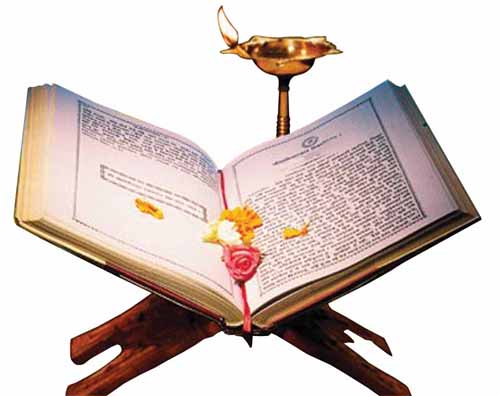 𑌵𑍇𑌦 𑌮𑌂𑌤𑍍𑌰𑌾𑌃 (109)
- 𑌗𑌣𑌪𑌤𑌿 𑌪𑍍𑌰𑌾𑌰𑍍𑌥𑌨 𑌘𑌨𑌪𑌾𑌠𑌃
- 𑌗𑌾𑌯𑌤𑍍𑌰𑍀 𑌮𑌂𑌤𑍍𑌰𑌂 𑌘𑌨𑌪𑌾𑌠𑌃
- 𑌶𑍍𑌰𑍀 𑌰𑍁𑌦𑍍𑌰𑌂 𑌲𑌘𑍁𑌨𑍍𑌯𑌾𑌸𑌮𑍍
- 𑌶𑍍𑌰𑍀 𑌰𑍁𑌦𑍍𑌰𑌂 𑌨𑌮𑌕𑌮𑍍
- 𑌶𑍍𑌰𑍀 𑌰𑍁𑌦𑍍𑌰𑌂 - 𑌚𑌮𑌕𑌪𑍍𑌰𑌶𑍍𑌨𑌃
- 𑌪𑍁𑌰𑍁𑌷 𑌸𑍂𑌕𑍍𑌤𑌮𑍍
- 𑌶𑍍𑌰𑍀 𑌸𑍂𑌕𑍍𑌤𑌮𑍍
- 𑌦𑍁𑌰𑍍𑌗𑌾 𑌸𑍂𑌕𑍍𑌤𑌮𑍍
- 𑌨𑌾𑌰𑌾𑌯𑌣 𑌸𑍂𑌕𑍍𑌤𑌮𑍍
- 𑌮𑌂𑌤𑍍𑌰 𑌪𑍁𑌷𑍍𑌪𑌮𑍍
- 𑌶𑌾𑌂𑌤𑌿 𑌮𑌂𑌤𑍍𑌰𑌮𑍍 (𑌦𑌶 𑌶𑌾𑌂𑌤𑌯𑌃)
- 𑌨𑌿𑌤𑍍𑌯 𑌸𑌂𑌧𑍍𑌯𑌾 𑌵𑌂𑌦𑌨𑌮𑍍 (𑌕𑍃𑌷𑍍𑌣 𑌯𑌜𑍁𑌰𑍍𑌵𑍇𑌦𑍀𑌯)
- 𑌶𑍍𑌰𑍀 𑌗𑌣𑌪𑌤𑌿 𑌅𑌥𑌰𑍍𑌵 𑌷𑍀𑌰𑍍𑌷𑌮𑍍 (𑌗𑌣𑌪𑌤𑍍𑌯𑌥𑌰𑍍𑌵𑌷𑍀𑌰𑍍𑌷𑍋𑌪𑌨𑌿𑌷𑌤𑍍)
- 𑌈𑌶𑌾𑌵𑌾𑌸𑍍𑌯𑍋𑌪𑌨𑌿𑌷𑌦𑍍 (𑌈𑌶𑍋𑌪𑌨𑌿𑌷𑌦𑍍)
- 𑌨𑌕𑍍𑌷𑌤𑍍𑌰 𑌸𑍂𑌕𑍍𑌤𑌮𑍍 (𑌨𑌕𑍍𑌷𑌤𑍍𑌰𑍇𑌷𑍍𑌟𑌿)
- 𑌮𑌨𑍍𑌯𑍁 𑌸𑍂𑌕𑍍𑌤𑌮𑍍
- 𑌮𑍇𑌧𑌾 𑌸𑍂𑌕𑍍𑌤𑌮𑍍
- 𑌵𑌿𑌷𑍍𑌣𑍁 𑌸𑍂𑌕𑍍𑌤𑌮𑍍
- 𑌶𑌿𑌵 𑌪𑌂𑌚𑌾𑌮𑍃𑌤 𑌸𑍍𑌨𑌾𑌨𑌾𑌭𑌿𑌷𑍇𑌕𑌮𑍍
- 𑌯𑌜𑍍𑌞𑍋𑌪𑌵𑍀𑌤 𑌧𑌾𑌰𑌣
- 𑌸𑌰𑍍𑌵 𑌦𑍇𑌵𑌤𑌾 𑌗𑌾𑌯𑌤𑍍𑌰𑍀 𑌮𑌂𑌤𑍍𑌰𑌾𑌃
- 𑌤𑍈𑌤𑍍𑌤𑌿𑌰𑍀𑌯 𑌉𑌪𑌨𑌿𑌷𑌦𑍍 - 𑌶𑍀𑌕𑍍𑌷𑌾𑌵𑌲𑍍𑌲𑍀
- 𑌤𑍈𑌤𑍍𑌤𑌿𑌰𑍀𑌯 𑌉𑌪𑌨𑌿𑌷𑌦𑍍 - 𑌆𑌨𑌂𑌦𑌵𑌲𑍍𑌲𑍀
- 𑌤𑍈𑌤𑍍𑌤𑌿𑌰𑍀𑌯 𑌉𑌪𑌨𑌿𑌷𑌦𑍍 - 𑌭𑍃𑌗𑍁𑌵𑌲𑍍𑌲𑍀
- 𑌭𑍂 𑌸𑍂𑌕𑍍𑌤𑌮𑍍
- 𑌨𑌵𑌗𑍍𑌰𑌹 𑌸𑍂𑌕𑍍𑌤𑌮𑍍
- 𑌮𑌹𑌾𑌨𑌾𑌰𑌾𑌯𑌣 𑌉𑌪𑌨𑌿𑌷𑌦𑍍
- 𑌅𑌰𑍁𑌣𑌪𑍍𑌰𑌶𑍍𑌨𑌃
- 𑌶𑍍𑌰𑍀 𑌮𑌹𑌾𑌨𑍍𑌯𑌾𑌸𑌮𑍍 (𑌪𑍂𑌰𑍍𑌣𑌂)
- 𑌸𑌰𑌸𑍍𑌵𑌤𑍀 𑌸𑍂𑌕𑍍𑌤𑌮𑍍
- 𑌭𑌾𑌗𑍍𑌯 𑌸𑍂𑌕𑍍𑌤𑌮𑍍
- 𑌪𑌵𑌮𑌾𑌨 𑌸𑍂𑌕𑍍𑌤𑌮𑍍
- 𑌨𑌾𑌸𑌦𑍀𑌯 𑌸𑍂𑌕𑍍𑌤𑌮𑍍
- 𑌨𑌵𑌗𑍍𑌰𑌹 𑌸𑍂𑌕𑍍𑌤𑌮𑍍 (𑌨𑌵𑌗𑍍𑌰𑌹 𑌨𑌮𑌸𑍍𑌕𑌾𑌰𑌮𑍍)
- 𑌪𑌿𑌤𑍃 𑌸𑍂𑌕𑍍𑌤𑌮𑍍
- 𑌰𑌾𑌤𑍍𑌰𑌿 𑌸𑍂𑌕𑍍𑌤𑌮𑍍
- 𑌸𑌰𑍍𑌪 𑌸𑍂𑌕𑍍𑌤𑌮𑍍
- 𑌹𑌿𑌰𑌣𑍍𑌯 𑌗𑌰𑍍𑌭 𑌸𑍂𑌕𑍍𑌤𑌮𑍍
- 𑌸𑌾𑌨𑍁𑌸𑍍𑌵𑌾𑌰 𑌪𑍍𑌰𑌶𑍍𑌨 (𑌸𑍁𑌨𑍍𑌨𑌾𑌲 𑌪𑌨𑍍𑌨𑌮𑍍)
- 𑌗𑍋 𑌸𑍂𑌕𑍍𑌤𑌮𑍍
- 𑌤𑍍𑌰𑌿𑌸𑍁𑌪𑌰𑍍𑌣𑌮𑍍
- 𑌚𑌿𑌤𑍍𑌤𑌿 𑌪𑌨𑍍𑌨𑌮𑍍
- 𑌅𑌘𑌮𑌰𑍍𑌷𑌣 𑌸𑍂𑌕𑍍𑌤𑌮𑍍
- 𑌕𑍇𑌨 𑌉𑌪𑌨𑌿𑌷𑌦𑍍 - 𑌪𑍍𑌰𑌥𑌮𑌃 𑌖𑌂𑌡𑌃
- 𑌕𑍇𑌨 𑌉𑌪𑌨𑌿𑌷𑌦𑍍 - 𑌦𑍍𑌵𑌿𑌤𑍀𑌯𑌃 𑌖𑌂𑌡𑌃
- 𑌕𑍇𑌨 𑌉𑌪𑌨𑌿𑌷𑌦𑍍 - 𑌤𑍃𑌤𑍀𑌯𑌃 𑌖𑌂𑌡𑌃
- 𑌕𑍇𑌨 𑌉𑌪𑌨𑌿𑌷𑌦𑍍 - 𑌚𑌤𑍁𑌰𑍍𑌥𑌃 𑌖𑌂𑌡𑌃
- 𑌮𑍁𑌂𑌡𑌕 𑌉𑌪𑌨𑌿𑌷𑌦𑍍 - 𑌪𑍍𑌰𑌥𑌮 𑌮𑍁𑌂𑌡𑌕, 𑌪𑍍𑌰𑌥𑌮 𑌕𑌾𑌂𑌡𑌃
- 𑌮𑍁𑌂𑌡𑌕 𑌉𑌪𑌨𑌿𑌷𑌦𑍍 - 𑌪𑍍𑌰𑌥𑌮 𑌮𑍁𑌂𑌡𑌕, 𑌦𑍍𑌵𑌿𑌤𑍀𑌯 𑌕𑌾𑌂𑌡𑌃
- 𑌮𑍁𑌂𑌡𑌕 𑌉𑌪𑌨𑌿𑌷𑌦𑍍 - 𑌦𑍍𑌵𑌿𑌤𑍀𑌯 𑌮𑍁𑌂𑌡𑌕, 𑌪𑍍𑌰𑌥𑌮 𑌕𑌾𑌂𑌡𑌃
- 𑌮𑍁𑌂𑌡𑌕 𑌉𑌪𑌨𑌿𑌷𑌦𑍍 - 𑌦𑍍𑌵𑌿𑌤𑍀𑌯 𑌮𑍁𑌂𑌡𑌕, 𑌦𑍍𑌵𑌿𑌤𑍀𑌯 𑌕𑌾𑌂𑌡𑌃
- 𑌮𑍁𑌂𑌡𑌕 𑌉𑌪𑌨𑌿𑌷𑌦𑍍 - 𑌤𑍃𑌤𑍀𑌯 𑌮𑍁𑌂𑌡𑌕, 𑌪𑍍𑌰𑌥𑌮 𑌕𑌾𑌂𑌡𑌃
- 𑌮𑍁𑌂𑌡𑌕 𑌉𑌪𑌨𑌿𑌷𑌦𑍍 - 𑌤𑍃𑌤𑍀𑌯 𑌮𑍁𑌂𑌡𑌕, 𑌦𑍍𑌵𑌿𑌤𑍀𑌯 𑌕𑌾𑌂𑌡𑌃
- 𑌨𑌾𑌰𑌾𑌯𑌣 𑌉𑌪𑌨𑌿𑌷𑌦𑍍
- 𑌵𑌿𑌶𑍍𑌵𑌕𑌰𑍍𑌮 𑌸𑍂𑌕𑍍𑌤𑌮𑍍
- 𑌶𑍍𑌰𑍀 𑌦𑍇𑌵𑍍𑌯𑌥𑌰𑍍𑌵𑌶𑍀𑌰𑍍𑌷𑌮𑍍
- 𑌦𑍁𑌰𑍍𑌵𑌾 𑌸𑍂𑌕𑍍𑌤𑌮𑍍 (𑌮𑌹𑌾𑌨𑌾𑌰𑌾𑌯𑌣 𑌉𑌪𑌨𑌿𑌷𑌦𑍍)
- 𑌮𑍃𑌤𑍍𑌤𑌿𑌕𑌾 𑌸𑍂𑌕𑍍𑌤𑌮𑍍 (𑌮𑌹𑌾𑌨𑌾𑌰𑌾𑌯𑌣 𑌉𑌪𑌨𑌿𑌷𑌦𑍍)
- 𑌶𑍍𑌰𑍀 𑌦𑍁𑌰𑍍𑌗𑌾 𑌅𑌥𑌰𑍍𑌵𑌶𑍀𑌰𑍍𑌷𑌮𑍍
- 𑌅𑌗𑍍𑌨𑌿 𑌸𑍂𑌕𑍍𑌤𑌮𑍍 (𑌋𑌗𑍍𑌵𑍇𑌦)
- 𑌕𑍍𑌰𑌿𑌮𑌿 𑌸𑌂𑌹𑌾𑌰𑌕 𑌸𑍂𑌕𑍍𑌤𑌮𑍍 (𑌯𑌜𑍁𑌰𑍍𑌵𑍇𑌦)
- 𑌨𑍀𑌲𑌾 𑌸𑍂𑌕𑍍𑌤𑌮𑍍
- 𑌵𑍇𑌦 𑌆𑌶𑍀𑌰𑍍𑌵𑌚𑌨𑌮𑍍
- 𑌵𑍇𑌦 𑌸𑍍𑌵𑌸𑍍𑌤𑌿 𑌵𑌾𑌚𑌨𑌮𑍍
- 𑌐𑌕𑌮𑌤𑍍𑌯 𑌸𑍂𑌕𑍍𑌤𑌮𑍍 (𑌋𑌗𑍍𑌵𑍇𑌦)
- 𑌆𑌯𑍁𑌷𑍍𑌯 𑌸𑍂𑌕𑍍𑌤𑌮𑍍
- 𑌶𑍍𑌰𑌦𑍍𑌧𑌾 𑌸𑍂𑌕𑍍𑌤𑌮𑍍
- 𑌶𑍍𑌰𑍀 𑌗𑌣𑍇𑌶 (𑌗𑌣𑌪𑌤𑌿) 𑌸𑍂𑌕𑍍𑌤𑌮𑍍 (𑌋𑌗𑍍𑌵𑍇𑌦)
- 𑌶𑌿𑌵𑍋𑌪𑌾𑌸𑌨 𑌮𑌂𑌤𑍍𑌰𑌾𑌃
- 𑌶𑌾𑌂𑌤𑌿 𑌪𑌂𑌚𑌕𑌮𑍍
- 𑌶𑍁𑌕𑍍𑌲 𑌯𑌜𑍁𑌰𑍍𑌵𑍇𑌦 𑌸𑌂𑌧𑍍𑌯𑌾𑌵𑌂𑌦𑌨𑌮𑍍
- 𑌮𑌾𑌂𑌡𑍂𑌕𑍍𑌯 𑌉𑌪𑌨𑌿𑌷𑌦𑍍
- 𑌋𑌗𑍍𑌵𑍇𑌦 𑌸𑌂𑌧𑍍𑌯𑌾𑌵𑌂𑌦𑌨𑌮𑍍
- 𑌏𑌕𑌾𑌤𑍍𑌮𑌤𑌾 𑌸𑍍𑌤𑍋𑌤𑍍𑌰𑌮𑍍
- 𑌭𑌾𑌵𑌨𑍋𑌪𑌨𑌿𑌷𑌦𑍍
- 𑌕𑌠𑍋𑌪𑌨𑌿𑌷𑌦𑍍 - 𑌅𑌧𑍍𑌯𑌾𑌯 1, 𑌵𑌳𑍍𑌳𑍀 1
- 𑌕𑌠𑍋𑌪𑌨𑌿𑌷𑌦𑍍 - 𑌅𑌧𑍍𑌯𑌾𑌯 1, 𑌵𑌳𑍍𑌳𑍀 2
- 𑌕𑌠𑍋𑌪𑌨𑌿𑌷𑌦𑍍 - 𑌅𑌧𑍍𑌯𑌾𑌯 1, 𑌵𑌳𑍍𑌳𑍀 3
- 𑌕𑌠𑍋𑌪𑌨𑌿𑌷𑌦𑍍 - 𑌅𑌧𑍍𑌯𑌾𑌯 2, 𑌵𑌳𑍍𑌳𑍀 1
- 𑌕𑌠𑍋𑌪𑌨𑌿𑌷𑌦𑍍 - 𑌅𑌧𑍍𑌯𑌾𑌯 2, 𑌵𑌳𑍍𑌳𑍀 2
- 𑌕𑌠𑍋𑌪𑌨𑌿𑌷𑌦𑍍 - 𑌅𑌧𑍍𑌯𑌾𑌯 2, 𑌵𑌳𑍍𑌳𑍀 3
- 𑌪𑍍𑌰𑌶𑍍𑌨𑍋𑌪𑌨𑌿𑌷𑌦𑍍 - 𑌪𑍍𑌰𑌥𑌮𑌃 𑌪𑍍𑌰𑌶𑍍𑌨𑌃
- 𑌪𑍍𑌰𑌶𑍍𑌨𑍋𑌪𑌨𑌿𑌷𑌦𑍍 - 𑌦𑍍𑌵𑌿𑌤𑍀𑌯𑌃 𑌪𑍍𑌰𑌶𑍍𑌨𑌃
- 𑌪𑍍𑌰𑌶𑍍𑌨𑍋𑌪𑌨𑌿𑌷𑌦𑍍 - 𑌤𑍍𑌰𑌿𑌤𑍀𑌯𑌃 𑌪𑍍𑌰𑌶𑍍𑌨𑌃
- 𑌪𑍍𑌰𑌶𑍍𑌨𑍋𑌪𑌨𑌿𑌷𑌦𑍍 - 𑌚𑌤𑍁𑌰𑍍𑌥𑌃 𑌪𑍍𑌰𑌶𑍍𑌨𑌃
- 𑌪𑍍𑌰𑌶𑍍𑌨𑍋𑌪𑌨𑌿𑌷𑌦𑍍 - 𑌪𑌂𑌚 𑌪𑍍𑌰𑌶𑍍𑌨𑌃
- 𑌪𑍍𑌰𑌶𑍍𑌨𑍋𑌪𑌨𑌿𑌷𑌦𑍍 - 𑌷𑌷𑍍𑌠𑌃 𑌪𑍍𑌰𑌶𑍍𑌨𑌃
- 𑌅𑌨𑍍𑌨 𑌸𑍂𑌕𑍍𑌤𑌮𑍍
- 𑌋𑌗𑍍𑌵𑍇𑌦𑍀𑌯 𑌪𑌂𑌚 𑌰𑍁𑌦𑍍𑌰𑌂
- 𑌶𑍍𑌰𑍀 𑌮𑌹𑌾𑌨𑍍𑌯𑌾𑌸𑌮𑍍 - 0. 𑌕𑌲𑌶 𑌪𑍍𑌰𑌤𑌿𑌷𑍍𑌠𑌾𑌪𑌨 𑌮𑌂𑌤𑍍𑌰𑌾𑌃
- 𑌶𑍍𑌰𑍀 𑌮𑌹𑌾𑌨𑍍𑌯𑌾𑌸𑌮𑍍 - 1. 𑌪𑌂𑌚𑌾𑌂𑌗 𑌰𑍁𑌦𑍍𑌰𑌨𑍍𑌯𑌾𑌸𑌃
- 𑌶𑍍𑌰𑍀 𑌮𑌹𑌾𑌨𑍍𑌯𑌾𑌸𑌮𑍍 - 2. 𑌪𑌂𑌚𑌮𑍁𑌖 𑌧𑍍𑌯𑌾𑌨𑌮𑍍
- 𑌶𑍍𑌰𑍀 𑌮𑌹𑌾𑌨𑍍𑌯𑌾𑌸𑌮𑍍 - 3. 𑌅𑌂𑌗𑌨𑍍𑌯𑌾𑌸𑌃
- 𑌶𑍍𑌰𑍀 𑌮𑌹𑌾𑌨𑍍𑌯𑌾𑌸𑌮𑍍 - 4. 𑌦𑌶𑌾𑌂𑌗 𑌨𑍍𑌯𑌾𑌸𑌃
- 𑌶𑍍𑌰𑍀 𑌮𑌹𑌾𑌨𑍍𑌯𑌾𑌸𑌮𑍍 - 5. 𑌪𑌂𑌚𑌾𑌂𑌗 𑌨𑍍𑌯𑌾𑌸𑌃
- 𑌶𑍍𑌰𑍀 𑌮𑌹𑌾𑌨𑍍𑌯𑌾𑌸𑌮𑍍 - 5.1. 𑌹𑌂𑌸 𑌗𑌾𑌯𑌤𑍍𑌰𑍀
- 𑌶𑍍𑌰𑍀 𑌮𑌹𑌾𑌨𑍍𑌯𑌾𑌸𑌮𑍍 - 5.2. 𑌦𑌿𑌕𑍍 𑌸𑌂𑌪𑍁𑌟𑌨𑍍𑌯𑌾𑌸𑌃 (𑌸𑌂𑌪𑍁𑌟𑍀𑌕𑌰𑌣𑌮𑍍)
- 𑌶𑍍𑌰𑍀 𑌮𑌹𑌾𑌨𑍍𑌯𑌾𑌸𑌮𑍍 - 5.3. 𑌦𑌶𑌾𑌂𑌗 𑌰𑍌𑌦𑍍𑌰𑍀𑌕𑌰𑌣𑌮𑍍
- 𑌶𑍍𑌰𑍀 𑌮𑌹𑌾𑌨𑍍𑌯𑌾𑌸𑌮𑍍 - 5.4. 𑌷𑍋𑌡𑌶𑌾𑌂𑌗 𑌰𑍌𑌦𑍍𑌰𑍀𑌕𑌰𑌣𑌂
- 𑌶𑍍𑌰𑍀 𑌮𑌹𑌾𑌨𑍍𑌯𑌾𑌸𑌮𑍍 - 6.1. 𑌮𑌨𑍋 𑌜𑍍𑌯𑍋𑌤𑌿𑌃
- 𑌶𑍍𑌰𑍀 𑌮𑌹𑌾𑌨𑍍𑌯𑌾𑌸𑌮𑍍 - 6.2. 𑌆𑌤𑍍𑌮𑌰𑌕𑍍𑌷𑌾
- 𑌶𑍍𑌰𑍀 𑌮𑌹𑌾𑌨𑍍𑌯𑌾𑌸𑌮𑍍 - .1. 𑌶𑌿𑌵𑌸𑌂𑌕𑌲𑍍𑌪𑌾𑌃
- 𑌶𑍍𑌰𑍀 𑌮𑌹𑌾𑌨𑍍𑌯𑌾𑌸𑌮𑍍 - .2. 𑌪𑍁𑌰𑍁𑌷 𑌸𑍂𑌕𑍍𑌤𑌂
- 𑌶𑍍𑌰𑍀 𑌮𑌹𑌾𑌨𑍍𑌯𑌾𑌸𑌮𑍍 - .3. 𑌉𑌤𑍍𑌤𑌰 𑌨𑌾𑌰𑌾𑌯𑌣𑌂
- 𑌶𑍍𑌰𑍀 𑌮𑌹𑌾𑌨𑍍𑌯𑌾𑌸𑌮𑍍 - .4. 𑌅𑌪𑍍𑌰𑌤𑌿𑌰𑌥𑌂
- 𑌶𑍍𑌰𑍀 𑌮𑌹𑌾𑌨𑍍𑌯𑌾𑌸𑌮𑍍 - .5. 𑌪𑍍𑌰𑌤𑌿 𑌪𑍂𑌰𑍁𑌷𑌂
- 𑌶𑍍𑌰𑍀 𑌮𑌹𑌾𑌨𑍍𑌯𑌾𑌸𑌮𑍍 - .6. 𑌶𑌤 𑌰𑍁𑌦𑍍𑌰𑍀𑌯𑌂 (𑌤𑍍𑌵𑌮𑌗𑍍𑌨𑍇 𑌰𑍁𑌦𑍍𑌰𑍋𑌽𑌨𑍁𑌵𑌾𑌕𑌃)
- 𑌶𑍍𑌰𑍀 𑌮𑌹𑌾𑌨𑍍𑌯𑌾𑌸𑌮𑍍 - .. 𑌪𑌂𑌚𑌾𑌂𑌗 𑌜𑌪𑌃
- 𑌶𑍍𑌰𑍀 𑌮𑌹𑌾𑌨𑍍𑌯𑌾𑌸𑌮𑍍 - .. 𑌅𑌷𑍍𑌟𑌾𑌂𑌗 𑌪𑍍𑌰𑌣𑌾𑌮𑌃
 𑌦𑍇𑌵𑍀 𑌸𑍍𑌤𑍋𑌤𑍍𑌰𑌾𑌣𑌿 (188)
 𑌵𑍇𑌦 𑌸𑍂𑌕𑍍𑌤𑌮𑍍 (36)
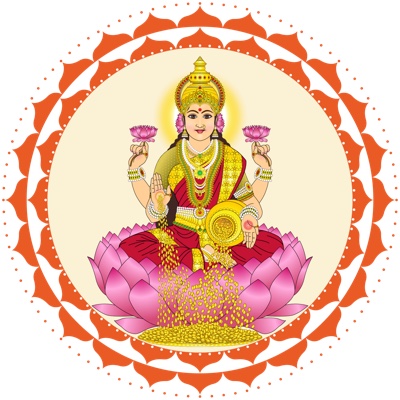 𑌲𑌕𑍍𑌷𑍍𑌮𑍀 𑌸𑍍𑌤𑍋𑌤𑍍𑌰𑌾𑌣𑌿 (25)
 𑌦𑍀𑌪𑌾𑌵𑌳𑌿 (21)
 𑌵𑌰𑌲𑌕𑍍𑌷𑍍𑌮𑍀 𑌵𑍍𑌰𑌤𑌮𑍍 (22)
 𑌦𑍇𑌵𑍀 (189)
 𑌲𑌕𑍍𑌷𑍍𑌮𑍀 (26)