
| | English | | Devanagari | | Telugu | | Tamil | | Kannada | | Malayalam | | Gujarati | | Odia | | Bengali | | |
| | Marathi | | Assamese | | Punjabi | | Hindi | | Samskritam | | Konkani | | Nepali | | Sinhala | | Grantha | | |
|
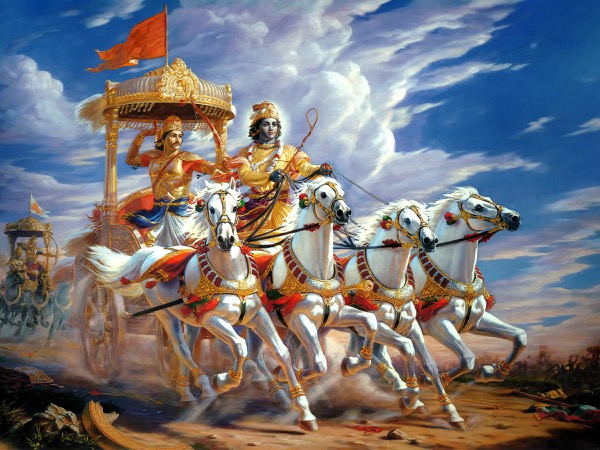
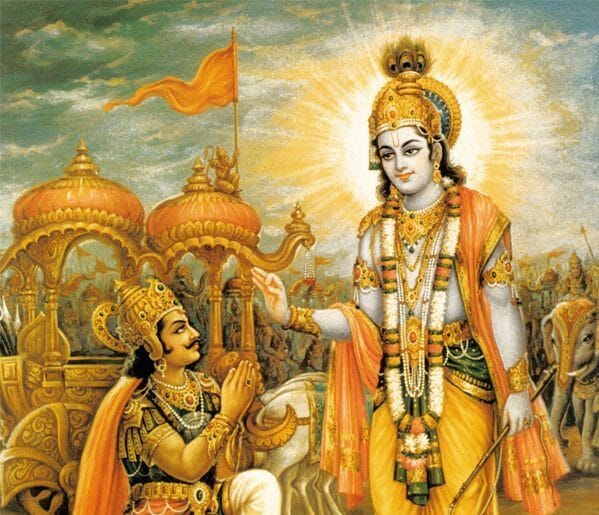
ଶ୍ରୀମଦ୍ଭଗଵଦ୍ଗୀତା ମୂଲମ୍ - ତ୍ରୟୋଦଶୋଽଧ୍ୟାୟଃ The thirteenth chapter of the Bhagavad Gita, called କ୍ଷେତ୍ରକ୍ଷେତ୍ରଜ୍ଞଵିଭାଗୟୋଗଃ (Kshetra-Kshetrajna Vibhaga ୟୋଗ), opens on the battlefield of କୁରୁକ୍ଷେତ୍ର, where the fate of the ପାଂଡଵାଃ and କୌରଵାଃ hangs in the balance. In the midst of this tension, ଶ୍ରୀକୃଷ୍ଣ and ଅର୍ଜୁନ continue their profound dialogue. The chaos of war is the backdrop, but the real battle is within: a struggle to understand the true nature of the self, the body, and consciousness. In the previous chapters, ଶ୍ରୀକୃଷ୍ଣ has guided ଅର୍ଜୁନ through the paths of action (କର୍ମ-ୟୋଗ), knowledge (ଜ୍ଞାନ-ୟୋଗ), and devotion (ଭକ୍ତି-ୟୋଗ). Chapter 12, in particular, explored the qualities of a true devotee and the power of loving surrender. Now, the Gita shifts gears. Instead of focusing on how to act or whom to love, this chapter asks: Who is the one acting? What is this body, and who is the knower within? ଶ୍ରୀକୃଷ୍ଣ introduces two key concepts: କ୍ଷେତ୍ର (the field) and କ୍ଷେତ୍ରଜ୍ଞ (the knower of the field). The body and mind, with all their experiences, are the field. The conscious self, the witness within, is the knower. This distinction is not just philosophical; it is deeply personal. When you feel joy, pain, or confusion, who is it that experiences these states? Are you the shifting emotions, or the silent observer behind them? This chapter also explores the qualities needed for true knowledge: humility, patience, self-control, and a thirst for truth. ଶ୍ରୀକୃଷ୍ଣ describes the difference between the perishable body and the imperishable ଆତ୍ମା. He invites ଅର୍ଜୁନ (and all of us) to look beyond surface differences and recognize the same consciousness shining in every being. Imagine seeing yourself not just as a collection of memories and habits, but as the unchanging awareness behind it all. As the Gita moves forward, Chapter 14 will build on these insights, diving into the three ଗୁଣs (qualities) that shape our minds and actions. But first, Chapter 13 lays the foundation: to know yourself, you must first understand what you are not. In the heart of କୁରୁକ୍ଷେତ୍ର, with the world in turmoil, ଶ୍ରୀକୃଷ୍ଣ offers ଅର୍ଜୁନ a vision of inner clarity that can withstand any storm. ଓଂ ଶ୍ରୀ ପରମାତ୍ମନେ ନମଃ Meaning (ପଦାର୍ଥ): Translation (ଭାଵାର୍ଥ): Commentary (ଅନୁସଂଧାନ): The distinction between କ୍ଷେତ୍ର (the field) and କ୍ଷେତ୍ରଜ୍ଞ (the knower of the field) is central to understanding the self and its relation to the body. ଆଦି ଶଂକରାଚାର୍ୟ explains that the କ୍ଷେତ୍ର comprises the physical body and its qualities, while the କ୍ଷେତ୍ରଜ୍ଞ is the immutable pure consciousness that witnesses these phenomena. Similarly, ଶ୍ରୀ ରାମାନୁଜାଚାର୍ୟ interprets this distinction as revealing the soul's intimate yet distinct relationship with the body, which is essential for spiritual realization and liberation. This teaching aligns with the Upanishadic injunction ନ ଜାୟତେ ମ୍ରିୟତେ ଵା ଵିପଶ୍ଚିତ୍ from the କଠୋପନିଷଦ୍ (1.2.18), meaning the true self neither takes birth nor dies, highlighting its eternal nature beyond the transient body. Recognizing this difference is not merely theoretical but prepares one for practical self-inquiry and detachment, as discussed in the following paragraph. In modern life, this teaching can be applied by reflecting on the difference between our physical experiences and our deeper sense of self. For example, when facing stress at work, recognizing that your true identity is not limited to your job or body can bring calm and perspective. Similarly, in relationships, understanding that both you and others are more than just physical beings can foster empathy and patience. As a reflection exercise, try to observe your thoughts and sensations for a few minutes, asking yourself: Who is aware of these experiences? This simple practice can help internalize the distinction between the field and its knower, leading to greater self-awareness and peace. ଶ୍ରୀଭଗଵାନୁଵାଚ Meaning (ପଦାର୍ଥ): Translation (ଭାଵାର୍ଥ): Commentary (ଅନୁସଂଧାନ): While ଆଦି ଶଂକରାଚାର୍ୟ and ଶ୍ରୀ ରାମାନୁଜାଚାର୍ୟ do not provide commentary on this verse, ଶ୍ରୀଧର ସ୍ଵାମି and ମଧୁସୂଦନ ସରସ୍ଵତୀ recognize it as a foundational statement that clarifies the distinction between the କ୍ଷେତ୍ରଂ (field) and the କ୍ଷେତ୍ରଜ୍ଞ (knower of the field). ଶ୍ରୀଧର ସ୍ଵାମି interprets this verse as a succinct summary of the chapter's core teaching, emphasizing the difference between the physical body and the conscious self. ମଧୁସୂଦନ ସରସ୍ଵତୀ stresses that understanding this difference is essential for spiritual inquiry and self-realization. This distinction is echoed in the କଠୋପନିଷଦ୍ (1.2.18): ନ ଜାୟତେ ମ୍ରିୟତେ ଵା ଵିପଶ୍ଚିତ୍, meaning the true Self neither takes birth nor dies, highlighting its eternal and unchanging nature beyond the body. Thus, this verse bridges the initial conceptual introduction with the practical exploration of self-awareness that follows. In modern life, this teaching invites us to reflect on the difference between our physical body and the awareness that perceives it. For example, when you feel stress or pain, you can notice that there is an observer within you who is aware of these sensations, yet remains unchanged by them. Similarly, in moments of joy or excitement, the underlying awareness persists. Try taking a few minutes to sit quietly and observe your thoughts and bodily sensations, asking yourself: Who is it that is aware of all these experiences? This simple exercise can help you begin to sense the distinction between the 'field' of experience and the 'knower' within. କ୍ଷେତ୍ରଜ୍ଞଂ ଚାପି ମାଂ ଵିଦ୍ଧି ସର୍ଵକ୍ଷେତ୍ରେଷୁ ଭାରତ । Meaning (ପଦାର୍ଥ): Translation (ଭାଵାର୍ଥ): Commentary (ଅନୁସଂଧାନ): ଆଦି ଶଂକରାଚାର୍ୟ elucidates that the କ୍ଷେତ୍ର is the inert body, while the କ୍ଷେତ୍ରଜ୍ଞ is the conscious witness distinct from it, and realizing this difference is crucial for liberation. Similarly, ଶ୍ରୀ ରାମାନୁଜାଚାର୍ୟ highlights that although the self is intimately associated with the body, it remains essentially separate, and the Supreme Lord is the ultimate knower present in all beings. This distinction aligns with the Upanishadic teaching ନ ଜାୟତେ ମ୍ରିୟତେ ଵା ଵିପଶ୍ଚିତ୍ from the କଠୋପନିଷଦ୍ (1.2.18), meaning the true self is unborn, eternal, and wise, reinforcing that the କ୍ଷେତ୍ରଜ୍ଞ transcends the physical field. Understanding this fundamental difference between the field and its knower, as introduced in the first paragraph, prepares the seeker for the practical application of this knowledge in daily life, which will be explored next. In modern life, this teaching can be applied by remembering that our true identity is not limited to our physical body or changing circumstances. For example, when facing illness, one can reflect that the body is the field, but the conscious self remains unchanged. In relationships, recognizing that each person is more than their outward actions or appearance can foster empathy and patience. As a reflection exercise, try observing your thoughts and bodily sensations for a few minutes, reminding yourself that you are the observer, not the observed. This practice helps internalize the distinction between the field and its knower, leading to greater clarity and peace. ତତ୍କ୍ଷେତ୍ରଂ ୟଚ୍ଚ ୟାଦୃକ୍ଚ ୟଦ୍ଵିକାରି ୟତଶ୍ଚ ୟତ୍ । Meaning (ପଦାର୍ଥ): Translation (ଭାଵାର୍ଥ): Commentary (ଅନୁସଂଧାନ): The profound distinction between the କ୍ଷେତ୍ରଂ (field) and the କ୍ଷେତ୍ରଜ୍ନ (knower of the field) is elucidated by ଆଦି ଶଂକରାଚାର୍ୟ, who stresses that the field comprises the body and mind, subject to constant change, while the knower is the immutable pure consciousness, ultimately non-different from the Supreme Self. This understanding aligns with the Upanishadic invocation ଅସତୋ ମା ସଦ୍ଗମୟ from the Bhadrayaka Upanishad, which means 'Lead me from the unreal to the real,' highlighting the seeker's journey from identification with the transient field to realization of the eternal knower. Meanwhile, ଶ୍ରୀ ରାମାନୁଜାଚାର୍ୟ interprets the verse as affirming the inseparability of the field and its knower from the Supreme Lord, who dwells as the inner controller within all beings. This teaching invites us to discern the difference between the mutable body-mind complex and the unchanging witness, preparing us to apply this insight practically by observing our own experiences without attachment, as discussed in the following paragraph. In modern life, this teaching can be related to how we observe our own thoughts, emotions, and bodily experiences. For example, when you notice yourself feeling anxious before a big presentation, you can reflect on the difference between the changing state of anxiety (the field) and the awareness that observes it (the knower). Similarly, when adapting to a new environment, you might notice how your habits and preferences shift, but your sense of being the observer remains. As a reflection exercise, try to spend a few minutes each day simply watching your thoughts and sensations without identifying with them. Ask yourself: Who is aware of these experiences? This practice can help cultivate a deeper sense of self-awareness and detachment, leading to greater clarity and peace. ଋଷିଭିର୍ବହୁଧା ଗୀତଂ ଛଂଦୋଭିର୍ଵିଵିଧୈଃ ପୃଥକ୍ । Meaning (ପଦାର୍ଥ): Translation (ଭାଵାର୍ଥ): Commentary (ଅନୁସଂଧାନ): ଆଦି ଶଂକରାଚାର୍ୟ elucidates that the knowledge of the କ୍ଷେତ୍ର (field) and its ଜ୍ଞାତା (knower) is deeply rooted in the Vedic tradition, combining scriptural testimony with rigorous reasoning to reveal their essential nature. Similarly, ଶ୍ରୀ ମଧ୍ଵାଚାର୍ୟ emphasizes the logical precision expressed by the phrase ହେତୁମଦ୍ଭିଃ ଵିନିଶ୍ଚିତୈଃ, affirming that these teachings are not only scripturally authoritative but also established through clear cause-and-effect reasoning. This aligns with the Upanishadic injunction from the କଠୋପନିଷଦ୍ (1.2.18): ନ ଜାୟତେ ମ୍ରିୟତେ ଵା ଵିପଶ୍ଚିତ୍, which underscores the eternal and unchanging reality underlying the transient field and its knower. Together, these perspectives reinforce the verse's message that the understanding of the field is multifaceted, thoroughly examined, and logically sound, thus preparing the seeker to apply this profound knowledge practically, as discussed in the following paragraph. In modern life, this verse encourages us to value knowledge that is well-researched and validated by multiple sources, rather than accepting ideas at face value. For example, when making important decisions-such as choosing a career path or forming an ethical stance-it is wise to consult a variety of perspectives, including expert opinions, established literature, and logical reasoning. Similarly, in scientific research or in resolving personal dilemmas, seeking out diverse and credible sources leads to more reliable understanding. As a reflection exercise, consider a belief or assumption you hold strongly. Take a few minutes to identify where this belief comes from and whether it is supported by multiple trustworthy sources, or if it might benefit from further inquiry and validation. ମହାଭୂତାନ୍ୟହଂକାରୋ ବୁଦ୍ଧିରଵ୍ୟକ୍ତମେଵ ଚ । Meaning (ପଦାର୍ଥ): Translation (ଭାଵାର୍ଥ): Commentary (ଅନୁସଂଧାନ): The profound insight of this verse is further illuminated by ଆଦି ଶଂକରାଚାର୍ୟ, who emphasizes that the କ୍ଷେତ୍ର or field comprises insentient elements and faculties, distinct from the conscious Self, thus laying the foundation for discriminating the body-mind complex from the true knower. ଶ୍ରୀ ରାମାନୁଜାଚାର୍ୟ elaborates on this by citing scriptural authorities that affirm the eternal and pure nature of the Self, separate from the mutable constituents of the body and senses. This distinction is echoed in the Upanishadic prayer ମୃତ୍ୟୋର୍ମା ଅମୃତଂ ଗମୟ from the ବୃହଦାରଣ୍ୟକ ଉପନିଷଦ୍, which means 'Lead me from death to immortality,' symbolizing the journey from identification with the perishable field to realization of the imperishable Self. Recognizing these components as transient and non-self is essential, as it prepares the seeker to observe their own experiences with detachment, a theme that naturally leads into the practical reflection discussed next. In modern life, this verse invites us to reflect on how much of our identity is tied to things that are ultimately just combinations of elements, senses, and thoughts. For example, when we feel insulted, it is often the ego and mind reacting, not our true self. When we are drawn to sensory pleasures, it is the senses and their objects at play. Even our intellect, which we may pride ourselves on, is just another part of the field. Try this reflection: Next time you experience a strong emotion or desire, pause and ask yourself which part of the field is active-your senses, your mind, your ego, or your intellect? This practice can help you gradually disidentify from these components and move closer to understanding your true nature. ଇଚ୍ଛା ଦ୍ଵେଷଃ ସୁଖଂ ଦୁଃଖଂ ସଂଘାତଶ୍ଚେତନା ଧୃତିଃ । Meaning (ପଦାର୍ଥ): Translation (ଭାଵାର୍ଥ): Commentary (ଅନୁସଂଧାନ): The verse's delineation of the କ୍ଷେତ୍ରଂ as comprising desire, aversion, pleasure, pain, and other modifications is deeply examined by ଆଦି ଶଂକରାଚାର୍ୟ and ଶ୍ରୀ ରାମାନୁଜାଚାର୍ୟ. ଆଦି ଶଂକରାଚାର୍ୟ clarifies that these qualities are attributes of the କ୍ଷେତ୍ରଂ, the body-mind complex, and not of the true self, which is pure consciousness beyond all modifications. He explains that even ଚେତନା here refers to reflected consciousness, not the immutable ଆତ୍ମନ୍. ଶ୍ରୀ ରାମାନୁଜାଚାର୍ୟ further elaborates that desire, aversion, and other emotional states arise due to the self's association with the material field, emphasizing that these are transient modifications of the body-mind and not the eternal self. This distinction is crucial for spiritual discernment, as it helps one recognize that the self remains untouched by these fluctuating experiences. The କଠୋପନିଷଦ୍ (1.2.18) states, ନ ଜାୟତେ ମ୍ରିୟତେ ଵା ଵିପଶ୍ଚିତ୍, meaning the wise self neither takes birth nor dies, reinforcing the understanding that these modifications belong solely to the କ୍ଷେତ୍ରଂ. Recognizing this separation lays the foundation for practical detachment and self-inquiry, which will be explored in the following paragraph. In modern life, these components can be seen in daily experiences: desire might drive someone to pursue a new job, while aversion could make them avoid certain situations or people. Pleasure and pain are felt in both physical and emotional contexts, such as enjoying a meal or feeling hurt by criticism. The aggregate refers to the interconnectedness of body, mind, and senses, while perseverance is seen in someone training for a marathon or working through a difficult project. As a reflection exercise, consider a recent situation where you felt strong desire or aversion. Notice how these feelings influenced your actions and how they are part of your overall experience, but not your deepest identity. This awareness helps cultivate a sense of detachment and clarity about the true self beyond these modifications. ଅମାନିତ୍ଵମଦଂଭିତ୍ଵମହିଂସା କ୍ଷାଂତିରାର୍ଜଵମ୍ । Meaning (ପଦାର୍ଥ): Translation (ଭାଵାର୍ଥ): Commentary (ଅନୁସଂଧାନ): ଆଦି ଶଂକରାଚାର୍ୟ clarifies that the qualities enumerated-desire, aversion, pleasure, pain, and others-are modifications of the କ୍ଷେତ୍ର, the field, and thus objects of knowledge, not the true Self. He explains that even ଚେତନା (awareness) is a reflection within the field, distinct from the pure consciousness of the କ୍ଷେତ୍ରଜ୍ଞ. Similarly, ଶ୍ରୀ ମଧ୍ଵାଚାର୍ୟ distinguishes these as transient attributes superimposed on the soul due to its association with the body-mind complex, emphasizing the importance of discerning the enduring Self from the mutable field. This distinction is vital because, as the କଠୋପନିଷଦ୍ (1.2.18) states, ନ ଜାୟତେ ମ୍ରିୟତେ ଵା ଵିପଶ୍ଚିତ୍-the wise one neither takes birth nor dies-highlighting the Self's immutable nature beyond these modifications. Together, these teachings guide us to recognize that the emotional and physical states described in the first paragraph belong to the field and are not the Self, preparing us to observe these qualities in our own experience, as discussed in the following paragraph. In modern life, these modifications are easy to observe: the longing for success or recognition (ଇଚ୍ଚା), the avoidance of uncomfortable situations (ଦ୍ଵେଷ), the pursuit of pleasure and the struggle with pain. The body and mind together (ସଞ୍ଘାତ) form the platform for all our experiences, while awareness (ଚେତନା) allows us to reflect on them. Perseverance (ଧ୍ର୍ଇତି) is what keeps us going through setbacks, whether in studies, work, or relationships. To reflect: Take a moment to notice which of these qualities is most active in you right now. Are you driven by desire, held back by aversion, or sustained by perseverance? Recognizing these as modifications of your field can help you step back and observe them, rather than being swept away by them. ଇଂଦ୍ରିୟାର୍ଥେଷୁ ଵୈରାଗ୍ୟମନହଂକାର ଏଵ ଚ । Meaning (ପଦାର୍ଥ): Translation (ଭାଵାର୍ଥ): Commentary (ଅନୁସଂଧାନ): ଆଦି ଶଂକରାଚାର୍ୟ clarifies that ଵୈରାଗ୍ୟମ୍ involves a deliberate renunciation of transient sensory pleasures, understanding their fleeting nature rather than mere indifference. This aligns with the teaching ଅଭ୍ୟାସ ଵୈରାଗ୍ୟାଭ୍ୟାଂ ତନ୍ନିରୋଧଃ from ପାତଂଜଲି ୟୋଗ ସୂତ୍ରାଣି (1.12), which explains that steady practice combined with detachment leads to the cessation of mental fluctuations. Meanwhile, ଶ୍ରୀ ରାମାନୁଜାଚାର୍ୟ interprets ଅନହଂକାରଃ as cultivating humility and surrender, especially towards the Divine, while ଅନୁଦର୍ଶନମ୍-the continual contemplation of life's inherent sufferings-serves as a powerful means to foster dispassion. These insights emphasize that such qualities are not abstract ideals but practical disciplines that prepare the aspirant's mind for deeper self-knowledge and liberation, thus naturally leading into the practical applications discussed next. In modern life, practicing detachment might mean not getting overly invested in material possessions or social status, and instead focusing on what truly matters. Letting go of ego could involve accepting feedback at work without defensiveness or being willing to admit mistakes in relationships. Regularly reflecting on the realities of aging, illness, and mortality can help us prioritize our time and energy, leading to more meaningful choices. As a reflection exercise, consider taking a few minutes each week to contemplate how the impermanence of life influences your daily decisions and relationships. This can foster gratitude and a deeper sense of purpose. ଅସକ୍ତିରନଭିଷ୍ଵଂଗଃ ପୁତ୍ରଦାରଗୃହାଦିଷୁ । Meaning (ପଦାର୍ଥ): Translation (ଭାଵାର୍ଥ): Commentary (ଅନୁସଂଧାନ): ଆଦି ଶଂକରାଚାର୍ୟ explains that ଅସକ୍ତିଃ-non-attachment-is developed through deep reflection on the inherent suffering in birth, death, old age, and disease, which naturally diminishes possessiveness (ଅନଭିଷ୍ଵଂଗଃ) toward family and possessions. This detachment is not mere renunciation but a clear understanding of the transient nature of worldly ties, enabling the mind to remain steady. ଶ୍ରୀ ରାମାନୁଜାଚାର୍ୟ further clarifies that these qualities arise from discerning the difference between the eternal Self and the impermanent non-self, fostering dispassion toward external objects. This aligns with the Upanishadic injunction ମୃତ୍ୟୋର୍ମା ଅମୃତଂ ଗମୟ from the Bhadrayaka Upanishad, meaning 'lead me from death to immortality,' which underscores the aspirant's journey from attachment to liberation. Such insight prepares the seeker to maintain equanimity amidst life's fluctuations, setting the foundation for practical application in daily challenges as discussed next. In modern life, these teachings are especially relevant. For example, a parent can love their child deeply but still allow them independence, not trying to control every aspect of their life out of possessiveness. At work, one might face both praise and criticism; equanimity means not letting either inflate or deflate your sense of self-worth. When moving to a new city or losing a cherished possession, practicing non-attachment helps reduce suffering. As a reflection exercise, consider a recent situation where you felt strong attachment or aversion-how might adopting a more balanced, less possessive attitude have changed your experience? Try to observe your reactions in the coming week, noting moments when you can practice equanimity and gentle detachment. ମୟି ଚାନନ୍ୟୟୋଗେନ ଭକ୍ତିରଵ୍ୟଭିଚାରିଣୀ । Meaning (ପଦାର୍ଥ): Translation (ଭାଵାର୍ଥ): Commentary (ଅନୁସଂଧାନ): ଆଦି ଶଂକରାଚାର୍ୟ explains that ଅନନ୍ୟ-ୟୋଗେନ ଭକ୍ତିଃ signifies a devotion so exclusive that it excludes all other attachments, thereby purifying the mind for true knowledge. Similarly, ଶ୍ରୀ ରାମାନୁଜାଚାର୍ୟ emphasizes that this devotion is firmly grounded in scriptural discipline, preventing the devotee from becoming entangled in worldly relationships or places beyond their spiritual commitment. This aligns with the teaching in the କଠୋପନିଷଦ୍ (1.3.14): ଉତ୍ତିଷ୍ଠତ ଜାଗ୍ରତ ପ୍ରାପ୍ୟ ଵରାନ୍ନିବୋଧତ, which urges one to 'Arise, awake, and learn the excellent wisdom,' highlighting the necessity of focused effort and vigilance in spiritual practice. Together, these insights deepen the understanding of how qualities like unwavering devotion, preference for solitude, and disinterest in crowds cultivate a stable and concentrated mind, preparing it for the self-knowledge discussed in the following verse and for practical application in daily life. In modern life, these teachings can be applied by setting aside regular time for personal reflection or meditation, even if only for a few minutes each day, away from digital noise and social obligations. For example, someone might choose to spend a quiet morning walk in nature rather than scrolling through social media, or dedicate a corner of their home for silent contemplation. Another example is learning to say no to unnecessary social events when they interfere with one's well-being or spiritual priorities. As a reflection exercise, consider: When was the last time you spent meaningful time alone, without distractions? How did it affect your clarity and sense of purpose? Try scheduling a short period of solitude this week and observe its impact on your mind and emotions. ଅଧ୍ୟାତ୍ମଜ୍ଞାନନିତ୍ୟତ୍ଵଂ ତତ୍ତ୍ଵଜ୍ଞାନାର୍ଥଦର୍ଶନମ୍ । Meaning (ପଦାର୍ଥ): Translation (ଭାଵାର୍ଥ): Commentary (ଅନୁସଂଧାନ): ଆଦି ଶଂକରାଚାର୍ୟ explains that ଅଧ୍ୟାତ୍ମ-ଜ୍ଞାନ-ନିତ୍ୟତ୍ଵମ୍ signifies a persistent, unwavering engagement with self-knowledge, while ତତ୍ତ୍ଵ-ଜ୍ଞାନ-ଅର୍ଥ-ଦର୍ଶନମ୍ involves perceiving the ultimate purpose behind all knowledge-liberation from ignorance. He emphasizes that true knowledge transforms the seeker's entire being, not merely the intellect. Similarly, ଶ୍ରୀ ମଧ୍ଵାଚାର୍ୟ stresses that knowledge must manifest in purposeful action aligned with ଧର୍ମ, demonstrating a clear understanding of reality's essence. Both Acharyas agree that knowledge is not fragmented or superficial but steady and goal-oriented. This is echoed in the Upanishadic prayer from the ବୃହଦାରଣ୍ୟକ ଉପନିଷଦ୍, ଅସତୋ ମା ସଦ୍ଗମୟ, meaning "Lead me from the unreal to the real," which highlights the journey from ignorance to true knowledge. This connection underscores that knowledge must be a continuous, meaningful pursuit, preparing us to integrate it into daily life as discussed next. In modern life, these teachings invite us to make self-reflection and the search for meaning a regular habit, not just something we do when convenient. For example, someone might set aside time each day to journal or meditate, examining their thoughts and motivations. Another person might seek to understand the deeper reasons behind their career or relationships, rather than just going through the motions. A helpful exercise is to ask yourself: What is the real purpose behind my daily actions? Am I moving closer to understanding myself and the world, or am I distracted by surface-level concerns? By regularly checking in with ourselves in this way, we can ensure that our pursuit of knowledge remains both steady and meaningful. ଜ୍ଞେୟଂ ୟତ୍ତତ୍ପ୍ରଵକ୍ଷ୍ୟାମି ୟଜ୍ଜ୍ଞାତ୍ଵାମୃତମଶ୍ନୁତେ । Meaning (ପଦାର୍ଥ): Translation (ଭାଵାର୍ଥ): Commentary (ଅନୁସଂଧାନ): ଆଦି ଶଂକରାଚାର୍ୟ elucidates that the knowledge of Brahman, as the eternal substratum beyond ସତ୍ and ଅସତ୍, is the ultimate realization that transcends all dualities and leads to liberation. He highlights that this knowledge is not merely intellectual but a steadfast contemplation on the self, aligning with the Upanishadic prayer ମୃତ୍ୟୋର୍ମା ଅମୃତଂ ଗମୟ from the ବୃହଦାରଣ୍ୟକ ଉପନିଷଦ୍, which means 'Lead me from death to immortality,' emphasizing the transformative power of this knowledge. Similarly, ଶ୍ରୀ ରାମାନୁଜାଚାର୍ୟ interprets the verse as teaching that Brahman is the supreme reality, distinct yet the foundation of all beings, and that realizing this truth dispels ignorance and grants freedom. These insights reinforce that the knowledge described here is a constant, lived experience rather than abstract theory, preparing the seeker for the practical inquiry into what remains unchanging amid life's changes, as discussed in the following paragraph. In modern life, this teaching can be related to the search for meaning beyond material success or failure. For example, someone might achieve career goals but still feel a sense of emptiness, prompting a deeper inquiry into what is truly lasting. Another example is facing the loss of a loved one and questioning what remains unchanged amidst change. A reflection exercise: Take a few minutes to contemplate what in your experience feels unchanging, even as circumstances shift. Consider whether your sense of self, awareness, or presence has a quality that is not defined by external events. This inquiry echoes the verse's invitation to seek the reality that is beyond all dualities. ସର୍ଵତଃପାଣିପାଦଂ ତତ୍ସର୍ଵତୋଽକ୍ଷିଶିରୋମୁଖମ୍ । Meaning (ପଦାର୍ଥ): Translation (ଭାଵାର୍ଥ): Commentary (ଅନୁସଂଧାନ): The verse's depiction of the Supreme as having hands, feet, eyes, and ears everywhere is understood by ଆଦି ଶଂକରାଚାର୍ୟ as a profound metaphor for the immanence of Brahman, who pervades all beings as their inner witness and the ultimate cause of all perception and action. This omnipresence is not physical but spiritual, indicating that the Divine is the substratum underlying every experience. ଶ୍ରୀ ରାମାନୁଜାଚାର୍ୟ emphasizes that the Supreme Lord indwells all bodies and senses as their true enjoyer and knower, while remaining distinct from them, thus highlighting the personal aspect of God as the inner controller. This teaching resonates with the Upanishadic prayer ଅସତୋ ମା ସଦ୍ଗମୟ from the Bhadrayaka Upanishad, which means "Lead me from the unreal to the real," underscoring the journey from ignorance to the realization of the all-pervading Reality. By revealing the Supreme's presence in every limb and sense, the verse invites us to recognize the unity behind the diversity of life, preparing us to see all beings as expressions of the same universal consciousness, which is the foundation for the compassionate and interconnected outlook discussed in the following paragraph. In modern life, this teaching can be reflected upon by recognizing the interconnectedness of all people and creatures. For example, when we help someone in need, we can see it as serving the Divine present in them. When we witness acts of kindness or creativity, we might remember that these are expressions of the same universal consciousness. In moments of conflict, recalling that the same presence exists in both ourselves and others can foster empathy and patience. As a reflection exercise, try to notice throughout your day how the actions, words, and experiences of those around you are all part of a greater whole, and consider how your own actions contribute to this interconnected reality. ସର୍ଵେଂଦ୍ରିୟଗୁଣାଭାସଂ ସର୍ଵେଂଦ୍ରିୟଵିଵର୍ଜିତମ୍ । Meaning (ପଦାର୍ଥ): Translation (ଭାଵାର୍ଥ): Commentary (ଅନୁସଂଧାନ): The apparent paradox of the supreme being described as both ନିର୍ଗୁଣଂ (without qualities) and ଗୁଣ-ଭୋକ୍ତ୍ରୁ (enjoyer or experiencer of qualities) is elucidated by ଆଦି ଶଂକରାଚାର୍ୟ, who explains that these attributes are superimposed to aid human understanding but ultimately negated to reveal the transcendental reality beyond all dualities. Similarly, ଶ୍ରୀ ରାମାନୁଜାଚାର୍ୟ interprets this verse as affirming the all-pervasive nature of the self, which acts everywhere through the faculties of hands, feet, eyes, and ears, even though it is itself untouched and beyond sensory limitations. This aligns with the Upanishadic teaching ନ ଜାୟତେ ମ୍ରିୟତେ ଵା ଵିପଶ୍ଚିତ୍ from the କଠୋପନିଷଦ୍ (1.2.18), meaning the self is unborn, eternal, and beyond decay, reinforcing the idea that the supreme is the immutable witness present in all beings yet unaffected by their qualities. This understanding bridges the recognition of the supreme's immanence and transcendence introduced in the first paragraph and prepares us to reflect on how this witnessing presence can be experienced in daily life, as explored in the following paragraph. In modern life, this teaching invites us to recognize the deeper presence behind all our actions and experiences. For example, when you listen to music, see a sunset, or taste food, consider the awareness that enables all these experiences, yet is not itself any of them. In leadership or teamwork, you might play many roles, but your core self remains unchanged by those roles. Try reflecting on a moment when you felt deeply involved in an activity but also aware of a silent, observing presence within. Can you identify with that witnessing awareness, which is involved in everything yet remains untouched? This perspective can help us stay grounded and less entangled in the ups and downs of daily life. ବହିରଂତଶ୍ଚ ଭୂତାନାମଚରଂ ଚରମେଵ ଚ । Meaning (ପଦାର୍ଥ): Translation (ଭାଵାର୍ଥ): Commentary (ଅନୁସଂଧାନ): ଆଦି ଶଂକରାଚାର୍ୟ elucidates that the Supreme Reality, though manifesting through the functions of all the organs and senses, remains fundamentally beyond and untouched by these instruments. This aligns with the verse's emphasis on the subtle and pervasive nature of the Self, which cannot be confined to physical faculties. ଶ୍ରୀ ମଧ୍ଵାଚାର୍ୟ further clarifies that the Lord is simultaneously immanent within all beings and transcendent over them, supporting all without attachment and perceiving all without dependence on the senses. This dual aspect of the Divine is captured in the Upanishadic prayer ନ ଜାୟତେ ମ୍ରିୟତେ ଵା ଵିପଶ୍ଚିତ୍ from the କଠୋପନିଷଦ୍ (1.2.18), meaning 'The wise one is not born, nor does he die,' highlighting the eternal, unchanging nature of the Self beyond birth and death. Together, these teachings deepen the understanding of the Self as both near and far, subtle yet all-encompassing, preparing the ground for the practical reflection on consciousness in the following paragraph. In modern life, this teaching can be seen in the way consciousness underlies both our outer actions and inner thoughts, even though we rarely notice it directly. For example, a scientist may study the external world, while a meditator explores the inner world, yet both are experiencing the same underlying reality from different perspectives. Similarly, a person may feel disconnected from others, but this verse reminds us that the same presence exists within all, linking us together. As a reflection exercise, consider a moment when you felt either very close or very distant from someone or something. Ask yourself: what was the common thread of awareness in both experiences? This can help you sense the subtle, ever-present reality described in this verse. ଅଵିଭକ୍ତଂ ଚ ଭୂତେଷୁ ଵିଭକ୍ତମିଵ ଚ ସ୍ଥିତମ୍ । Meaning (ପଦାର୍ଥ): Translation (ଭାଵାର୍ଥ): Commentary (ଅନୁସଂଧାନ): ଆଦି ଶଂକରାଚାର୍ୟ elucidates that the apparent division of the Self is a product of ignorance, much like mistaking a single rope for a snake in dim light, emphasizing the ଅଵିଭକ୍ତଂ or undivided nature of ultimate reality described in the verse. Meanwhile, ଶ୍ରୀ ରାମାନୁଜାଚାର୍ୟ explains that the supreme Self transcends and pervades the elements, existing both within and outside all beings, and manifests as moving or unmoving depending on its association with the body, thus reflecting the paradox of ଵିଭକ୍ତଂ ଇଵ-seemingly divided yet fundamentally one. This dual aspect is further illuminated by the Upanishadic prayer from the ବୃହଦାରଣ୍ୟକ ଉପନିଷଦ୍: ଅସତୋ ମା ସଦ୍ଗମୟ, meaning 'Lead me from the unreal to the real,' which underscores the journey from perceiving multiplicity to realizing the unity of the Self. These insights prepare us to see beyond surface distinctions and recognize the common essence that animates all, setting the stage for practical reflection on unity in diversity. In modern life, this teaching can be reflected upon by considering how, in a team or community, one shared purpose or spirit can animate many individuals, even though each person seems separate. Similarly, the internet connects millions, yet the underlying network is one. Another example is how sunlight appears in countless reflections on water, but the source is singular. To internalize this, take a moment to reflect: In your daily interactions, can you sense the common thread of awareness or purpose that links you with others, despite surface differences? Try to notice moments when you feel divided from others and ask yourself if that division is as real as it seems. ଜ୍ୟୋତିଷାମପି ତଜ୍ଜ୍ୟୋତିସ୍ତମସଃ ପରମୁଚ୍ୟତେ । Meaning (ପଦାର୍ଥ): Translation (ଭାଵାର୍ଥ): Commentary (ଅନୁସଂଧାନ): ଆଦି ଶଂକରାଚାର୍ୟ elucidates that the supreme ଜ୍ୟୋତିସ୍ is inherently undivided, yet it appears divided among beings due to the limitations imposed by individual bodies and minds, emphasizing its transcendence over ତମସଃ or ignorance. He connects this to the Upanishadic invocation ତମସୋ ମା ଜ୍ୟୋତିର୍ଗମୟ from the Bhadrayaka Upanishad, which means 'Lead me from darkness to light,' highlighting the transformative power of this inner illumination. Meanwhile, ଶ୍ରୀ ମଧ୍ଵାଚାର୍ୟ stresses that this supreme light is not only the source of all knowledge but is also intimately present within every heart, accessible through devotion and right understanding. This presence is the very essence that supports, consumes, and generates all beings, bridging the universal and the individual. Together, these insights deepen the understanding of the verse's portrayal of the supreme reality as both the inner light and the intimate guide, setting the stage for recognizing this light in daily life and personal experience. In modern life, this teaching can be seen when someone finds clarity or insight in a difficult situation, as if an inner light dispels confusion. For example, a person facing a moral dilemma may suddenly feel a deep sense of what is right, coming from within. Or, during times of grief, people sometimes experience a quiet strength or understanding that helps them move forward. To reflect on this, try sitting quietly and noticing the sense of awareness or presence within your own heart. Ask yourself: What is the source of my understanding and intuition? How does this inner light guide me in daily decisions? Recognizing this presence can foster a sense of connection and trust in oneself and in life. ଇତି କ୍ଷେତ୍ରଂ ତଥା ଜ୍ଞାନଂ ଜ୍ଞେୟଂ ଚୋକ୍ତଂ ସମାସତଃ । Meaning (ପଦାର୍ଥ): Translation (ଭାଵାର୍ଥ): Commentary (ଅନୁସଂଧାନ): The verse encapsulates the culmination of understanding the କ୍ଷେତ୍ରଂ, ଜ୍ଞାନଂ, and ଜ୍ଞେୟଂ, revealing that true knowledge leads to the realization of the Divine light present in all hearts. ଆଦି ଶଂକରାଚାର୍ୟ emphasizes that this light is the supreme consciousness beyond all darkness and ignorance, illuminating the inner self and transcending material existence. ଶ୍ରୀ ମଧ୍ଵାଚାର୍ୟ highlights the indispensable role of devotion combined with right knowledge to attain this supreme state, where the self is recognized as distinct from the body and yet intimately connected with the Divine. This is supported by the Upanishadic invocation ତମସୋ ମା ଜ୍ୟୋତିର୍ଗମୟ from the ବୃହଦାରଣ୍ୟକ ଉପନିଷଦ୍, which means 'Lead me from darkness to light,' symbolizing the spiritual journey from ignorance to enlightened knowledge. Together, these teachings affirm that understanding the interplay of the field, knowledge, and the knowable is not merely intellectual but a transformative process that prepares one for practical application in daily life. In modern life, this teaching can be applied by recognizing that understanding ourselves-our bodies, minds, and the deeper truths of existence-requires both knowledge and heartfelt devotion. For example, a scientist seeking to understand the mysteries of the universe, a teacher guiding students to self-discovery, or a person practicing mindfulness to connect with their inner self, all reflect this journey from knowledge to realization. To reflect: Consider a situation where you learned something profound about yourself or the world. Did that knowledge change how you relate to others or to your own sense of purpose? Take a moment to contemplate how integrating knowledge with sincere intention or devotion could transform your daily actions and relationships. ପ୍ରକୃତିଂ ପୁରୁଷଂ ଚୈଵ ଵିଦ୍ଧ୍ୟନାଦି ଉଭାଵପି । Meaning (ପଦାର୍ଥ): Translation (ଭାଵାର୍ଥ): Commentary (ଅନୁସଂଧାନ): ଆଦି ଶଂକରାଚାର୍ୟ elucidates that while both ପ୍ରକୃତି and ପୁରୁଷ are beginningless, only ପ୍ରକୃତି is the source of all modifications and the three ଗୁଣସ୍, emphasizing the dynamic nature of matter in contrast to the immutable self. ଶ୍ରୀ ମଧ୍ଵାଚାର୍ୟ further clarifies this distinction by highlighting the differing functions: ପ୍ରକୃତି is responsible for the manifold changes and qualities observed in the world, whereas ପୁରୁଷ remains the unchanging witness. This understanding aligns with the Upanishadic insight ନ ଜାୟତେ ମ୍ରିୟତେ ଵା ଵିପଶ୍ଚିତ୍ from the କଠୋପନିଷଦ୍ (1.2.18), which means the self neither takes birth nor dies, underscoring its eternal and unaffected nature. Together, these teachings reinforce the essential separation between the mutable field of experience and the immutable knower, preparing the aspirant to discern their true self beyond the fluctuations of material nature, thus setting the stage for practical application in daily life. In modern life, this teaching can be seen in how our moods, habits, and even physical health are influenced by the 'qualities' or ଗୁଣସ୍ of our environment and body, while our deeper sense of self remains unchanged. For example, someone might feel restless or calm depending on their surroundings or diet, but their core awareness persists throughout. Another example is how technological or social changes affect our experiences, but not the underlying consciousness that observes them. As a reflection exercise, consider a recent situation where your emotions or behaviors shifted due to external factors. Try to identify the 'qualities' at play, and then notice the part of you that simply observed these changes. This can help reinforce the distinction between the changing nature of ପ୍ରକୃତି and the steady presence of ପୁରୁଷ in your own life. କାର୍ୟକାରଣକର୍ତୃତ୍ଵେ ହେତୁଃ ପ୍ରକୃତିରୁଚ୍ୟତେ । Meaning (ପଦାର୍ଥ): Translation (ଭାଵାର୍ଥ): Commentary (ଅନୁସଂଧାନ): The distinction between ପ୍ରକୃତି and ପୁରୁଷ is further elucidated by ଆଦି ଶଂକରାଚାର୍ୟ, who emphasizes that the ପୁରୁଷ is the immutable witness, free from the agency of actions, which are all functions of ପ୍ରକୃତି. He explains that the self's true nature is beyond doership and enjoyership, aligning with the Upanishadic truth ନ ଜାୟତେ ମ୍ରିୟତେ ଵା ଵିପଶ୍ଚିତ୍ from the କଠୋପନିଷଦ୍ (1.2.18), meaning the self is unborn, eternal, and wise, neither born nor dying. This supports the idea that while ପ୍ରକୃତି is the cause of all modifications and experiences, the ପୁରୁଷ remains distinct and unaffected. Similarly, ଶ୍ରୀ ରାମାନୁଜାଚାର୍ୟ highlights the dynamic relationship between the self and nature, teaching that bondage arises when the self identifies with the transformations of ପ୍ରକୃତି, and liberation occurs through discerning their difference. Together, these perspectives reinforce the verse's core teaching that recognizing the separate roles of nature and self is essential, preparing one to apply this understanding practically in daily life, as discussed next. In modern life, this teaching can be applied by recognizing that while our circumstances, bodies, and emotions are shaped by material factors, our core identity as the experiencer remains untouched. For example, when facing a stressful work situation, one can remember that the stress arises from external conditions and the mind, but the true self is the observer. Similarly, when enjoying a moment of happiness, it is helpful to see that the experience passes through the mind and senses, but the self is the constant witness. As a reflection exercise, try to observe your reactions in a challenging situation and ask yourself: Am I the doer, or am I the one who is aware of what is happening? This can help cultivate detachment and clarity in daily life. ପୁରୁଷଃ ପ୍ରକୃତିସ୍ଥୋ ହି ଭୁଂକ୍ତେ ପ୍ରକୃତିଜାନ୍ଗୁଣାନ୍ । Meaning (ପଦାର୍ଥ): Translation (ଭାଵାର୍ଥ): Commentary (ଅନୁସଂଧାନ): ଆଦି ଶଂକରାଚାର୍ୟ explains that ପ୍ରକୃତି is the source of the body and senses, which serve as instruments for experience, while the ପୁରୁଷଃ is the true experiencer of pleasure and pain. He interprets ଗୁଣ-ସଞ୍ଗଃ as the soul's attachment to the qualities of nature, which binds it to the cycle of births and deaths. ଶ୍ରୀ ରାମାନୁଜାଚାର୍ୟ further clarifies that although the self is inherently blissful and independent, it becomes the experiencer of dualities only when associated with the body and senses, which are products of ପ୍ରକୃତି. This association is the cause of the soul's experience of happiness and sorrow, as the self's will activates the body-mind complex but the actual experience is mediated by nature. This relationship is captured in the Upanishadic prayer କଠୋପନିଷଦ୍ (1.2.18): ନ ଜାୟତେ ମ୍ରିୟତେ ଵା ଵିପଶ୍ଚିତ୍, emphasizing the eternal nature of the self beyond birth and death, while the body and senses undergo change. Understanding this distinction helps one realize that attachment to the qualities of nature leads to continued rebirth, and cultivating detachment and discernment is essential for liberation. This sets the stage for practical reflection on how our habitual identifications influence our experiences and future states. In modern life, this teaching can be seen in how our repeated engagement with certain habits or environments shapes our experiences and future opportunities. For example, someone who constantly seeks pleasure in material pursuits may find themselves caught in cycles of dissatisfaction, while another who cultivates self-awareness and discipline may experience greater peace and growth. Similarly, our emotional responses-whether we are drawn to anger, laziness, or compassion-tend to reinforce themselves, influencing our future circumstances and relationships. As a reflection exercise, consider which qualities or tendencies you most often identify with, and observe how these associations affect your daily experiences and long-term direction. Are there patterns you wish to change, and what small steps can you take to shift your associations toward more positive outcomes? ଉପଦ୍ରଷ୍ଟାନୁମଂତା ଚ ଭର୍ତା ଭୋକ୍ତା ମହେଶ୍ଵରଃ । Meaning (ପଦାର୍ଥ): Translation (ଭାଵାର୍ଥ): Commentary (ଅନୁସଂଧାନ): ଆଦି ଶଂକରାଚାର୍ୟ elucidates that the supreme Self, though residing within the body, remains the ଉପଦ୍ରଷ୍ଟା-the pure witness-unaffected by the fluctuations of ପ୍ରକୃତି. He explains that this Self observes all phenomena without attachment or involvement, embodying the essence of detachment. Complementing this, ଶ୍ରୀ ରାମାନୁଜାଚାର୍ୟ emphasizes the roles of the Self as ଅନୁମଂତା and ଭର୍ତା, the permitter and sustainer, who enables all actions and experiences while remaining distinct from the body and mind. This distinction underscores the supreme Self's transcendence and lordship, as also highlighted by ଶ୍ରୀ ମଧ୍ଵାଚାର୍ୟ, who asserts that while the individual soul experiences the fruits of actions, the supreme Lord orchestrates and sustains the entire cosmic process. Together, these teachings reveal the multifaceted nature of the Self described in the verse, bridging its immanence and transcendence. This is further illuminated by the Upanishadic prayer from the ବୃହଦାରଣ୍ୟକ ଉପନିଷଦ୍, ଅସତୋ ମା ସଦ୍ଗମୟ, which means "Lead me from the unreal to the real," reminding seekers to transcend identification with the transient body and mind and realize the eternal witness within. This understanding lays the foundation for practical application, as explored in the following paragraph. In modern life, this teaching can be applied by recognizing that there is a deeper awareness within us that witnesses our thoughts, emotions, and actions without getting swept away by them. For example, during a stressful meeting at work, remembering the role of the inner witness can help us stay calm and detached. When making difficult decisions, acknowledging the inner permitter can remind us that we have the freedom to choose, but also a responsibility for our actions. In moments of joy or pain, seeing ourselves as the experiencer but not the experience itself can bring balance and perspective. As a reflection exercise, try to observe your thoughts and feelings for a few minutes each day, silently noting, 'I am the witness of these experiences,' and see how this awareness shifts your sense of self and your reactions. ୟ ଏଵଂ ଵେତ୍ତି ପୁରୁଷଂ ପ୍ରକୃତିଂ ଚ ଗୁଣୈଃ ସହ । Meaning (ପଦାର୍ଥ): Translation (ଭାଵାର୍ଥ): Commentary (ଅନୁସଂଧାନ): The profound insight of this verse is elaborated by ଆଦି ଶଂକରାଚାର୍ୟ, who explains that the ପୁରୁଷ is the immutable witness, distinct from ପ୍ରକୃତି and its ଗୁଣ-s, and thus remains unaffected by the body's actions. This discriminative knowledge is the key to liberation, as it reveals the Self's true nature beyond material entanglement. Similarly, ଶ୍ରୀ ରାମାନୁଜାଚାର୍ୟ emphasizes the Self's role as the sovereign and sustainer of the body, yet fundamentally separate from it, highlighting that such understanding leads to freedom from the cycle of rebirth. This teaching resonates with the Upanishadic invocation ନ ଜାୟତେ ମ୍ରିୟତେ ଵା ଵିପଶ୍ଚିତ୍ from the କଠୋପନିଷଦ୍ (1.2.18), which affirms that the true Self is unborn, eternal, and beyond death. Together, these perspectives reinforce that realizing the Self's distinction from ପ୍ରକୃତି is not merely intellectual but transformative, preparing the seeker to embody this truth in daily life and thus transcend suffering and rebirth. In modern life, this teaching can be applied by recognizing that our true identity is not defined by our roles, possessions, or emotional states, but by the conscious awareness underlying all experience. For example, someone facing career setbacks can remember that their essence is not diminished by external failures. A person dealing with family conflicts can maintain inner peace by recalling their deeper Self beyond changing relationships. As a reflection exercise, spend a few minutes each day observing your thoughts and emotions as passing phenomena, reminding yourself that you are the witness, not the content of experience. This practice can gradually loosen the grip of anxiety and attachment, fostering a sense of freedom and resilience in daily life. ଧ୍ୟାନେନାତ୍ମନି ପଶ୍ୟଂତି କେଚିଦାତ୍ମାନମାତ୍ମନା । Meaning (ପଦାର୍ଥ): Translation (ଭାଵାର୍ଥ): Commentary (ଅନୁସଂଧାନ): The diverse paths to self-realization described in this verse are illuminated differently by revered Acharyas. ଆଦି ଶଂକରାଚାର୍ୟ emphasizes that while ସାମ୍ଖ୍ୟ-discriminative knowledge-is the direct means to liberation, meditation (ଧ୍ୟାନ) and selfless action (କର୍ମ-ୟୋଗ) serve as essential preparatory practices that steady the mind and purify the heart. Meanwhile, ଶ୍ରୀ ରାମାନୁଜାଚାର୍ୟ teaches that these paths are not contradictory but complementary, accessible according to one's nature and circumstances, ultimately leading to the same freedom from rebirth by realizing the true nature of the self and matter. This inclusive view aligns with the Upanishadic prayer ମୃତ୍ୟୋର୍ମା ଅମୃତଂ ଗମୟ from the ବୃହଦାରଣ୍ୟକ ଉପନିଷଦ୍, which means 'lead me from death to immortality,' symbolizing the soul's journey beyond the cycle of birth and death through knowledge and devotion. Thus, the verse encourages sincere effort in whichever path resonates, preparing the seeker for practical application in daily life as explored next. In modern life, these paths can be seen in different ways people seek meaning and self-understanding. Someone might dedicate time each day to quiet meditation, gradually gaining insight into their own mind. Another person may study philosophy or psychology, analyzing the nature of consciousness and existence. A third might focus on serving others through volunteer work or ethical action, using daily life as a means of self-purification. To reflect, consider which of these approaches resonates most with you right now. Are you more drawn to contemplation, intellectual inquiry, or active service? Try dedicating a week to exploring one of these methods more deeply, and observe how it influences your sense of self and connection to others. ଅନ୍ୟେ ତ୍ଵେଵମଜାନଂତଃ ଶ୍ରୁତ୍ଵାନ୍ୟେଭ୍ୟ ଉପାସତେ । Meaning (ପଦାର୍ଥ): Translation (ଭାଵାର୍ଥ): Commentary (ଅନୁସଂଧାନ): ଆଦି ଶଂକରାଚାର୍ୟ explains that the term ସ୍ରୁତି-ପରୟନହ୍ designates those who, though they may not have attained direct realization or advanced yogic insight, remain devoted to the faithful hearing and study of the scriptures. This steadfast scriptural devotion purifies the mind and gradually leads to liberation, affirming the power of sincere listening as a spiritual practice. Similarly, ଶ୍ରୀ ମଧ୍ଵାଚାର୍ୟ emphasizes humility and receptivity, teaching that those who listen attentively and serve with devotion progress spiritually regardless of their intellectual or yogic accomplishments. This inclusive view aligns with the Upanishadic invocation ମୃତ୍ୟୋର୍ମା ଅମୃତଂ ଗମୟ from the ବୃହଦାରଣ୍ୟକ ଉପନିଷଦ୍, which prays to be led from death to immortality, symbolizing the transformative journey from ignorance to liberation through scriptural guidance. Together, these teachings build on the verse's recognition of diverse paths and prepare us to appreciate how sincere engagement with spiritual teachings can be a practical and effective means of progress, even for those unable to pursue intense meditation or philosophical inquiry. In modern life, this teaching is highly relevant for those who may not have the time, resources, or inclination for intense meditation or philosophical study. For example, someone who regularly attends spiritual talks or listens to podcasts on wisdom teachings, and sincerely tries to apply these lessons in daily life, is walking this path. Another example is a person who reads sacred texts or follows ethical guidance from a trusted mentor, even if they do not fully understand every concept. Both are encouraged to continue, as their dedication to learning and practice is transformative. As a reflection exercise, consider how you engage with spiritual or ethical teachings: do you listen with an open heart, and do you try to put what you learn into practice, even if you do not grasp everything intellectually? This verse assures that such sincere effort is meaningful and effective. ୟାଵତ୍ସଂଜାୟତେ କିଂଚିତ୍ସତ୍ତ୍ଵଂ ସ୍ଥାଵରଜଂଗମମ୍ । Meaning (ପଦାର୍ଥ): Translation (ଭାଵାର୍ଥ): Commentary (ଅନୁସଂଧାନ): The profound insight of this verse has been elucidated by revered Acharyas who deepen our understanding of the interplay between consciousness and matter. ଆଦି ଶଂକରାଚାର୍ୟ interprets the union of କ୍ଶେତ୍ର and କ୍ଶେତ୍ରଜ୍ନ as a manifestation of the non-dual reality, where apparent multiplicity dissolves upon realizing their essential oneness, leading to liberation. Meanwhile, ଶ୍ରୀ ମଧ୍ଵାଚାର୍ୟ maintains a clear distinction between the soul and the material field, affirming their real difference yet emphasizing their inseparable conjunction for the experience of worldly life. This dual perspective is harmonized by the Upanishadic invocation ମୃତ୍ୟୋର୍ମା ଅମୃତଂ ଗମୟ from the Brihadaranyaka Upanishad, which means 'Lead me from death to immortality,' highlighting the transformative journey from ignorance of this union to spiritual awakening. Understanding this fundamental combination not only clarifies the origin of all beings, as stated in the first paragraph, but also lays the groundwork for practical application, as explored in the following discussion on how consciousness animates the material world in daily life. In modern life, this teaching can be seen in the way we interact with technology: a smartphone, for example, is just inert matter until a conscious user operates it, mirroring the union of କ୍ଶେତ୍ର and କ୍ଶେତ୍ରଜ୍ନ. Similarly, a workplace is just a physical space until people bring it to life with their intentions and actions. Reflect for a moment: can you identify situations in your daily routine where you overlook the role of consciousness in bringing meaning to material things? Try to observe today how your awareness transforms ordinary objects or environments, and consider how recognizing this union might change your perspective on the world around you. ସମଂ ସର୍ଵେଷୁ ଭୂତେଷୁ ତିଷ୍ଠଂତଂ ପରମେଶ୍ଵରମ୍ । Meaning (ପଦାର୍ଥ): Translation (ଭାଵାର୍ଥ): Commentary (ଅନୁସଂଧାନ): ଆଦି ଶଂକରାଚାର୍ୟ clarifies that the connection between the କ୍ଷେତ୍ର (field) and the କ୍ଷେତ୍ରଜ୍ଞ (knower of the field) is not a physical or causal union, but a superimposition born of ignorance, where the imperishable consciousness is mistakenly identified with the perishable body. He explains that the Supreme Lord, as the unchanging witness, pervades all beings equally despite their bodies undergoing destruction. ଶ୍ରୀ ରାମାନୁଜାଚାର୍ୟ complements this by emphasizing that all beings are inseparable compounds of the body and the indwelling self, with the Lord present uniformly in all, transcending their diverse natures. This understanding echoes the Upanishadic invocation ମୃତ୍ୟୋର୍ମା ଅମୃତଂ ଗମୟ from the ବୃହଦାରଣ୍ୟକ ଉପନିଷଦ୍, which means 'lead me from death to immortality,' highlighting the journey from identifying with the mortal body to realizing the immortal Self within. Together, these teachings deepen the insight from the first paragraph, inviting us to perceive the eternal presence in all beings, which naturally leads to the compassionate and non-attached attitude discussed next. In modern life, this teaching can be applied by recognizing the same spark of consciousness in every person, regardless of their background, status, or appearance. For example, when interacting with colleagues at work, one can try to see beyond roles and titles and acknowledge the shared humanity and divinity in each person. In moments of conflict or disagreement, remembering that the same Supreme presence dwells in both oneself and the other can foster empathy and reduce animosity. As a reflection exercise, consider a recent situation where you felt disconnected or judgmental toward someone. Take a few moments to visualize the unchanging, divine presence within them, just as it is within you, and notice how this perspective shifts your feelings and responses. ସମଂ ପଶ୍ୟନ୍ହି ସର୍ଵତ୍ର ସମଵସ୍ଥିତମୀଶ୍ଵରମ୍ । Meaning (ପଦାର୍ଥ): Translation (ଭାଵାର୍ଥ): Commentary (ଅନୁସଂଧାନ): ଆଦି ଶଂକରାଚାର୍ୟ elucidates that the true seer discerns the supreme ଈଶ୍ଵରମ୍ as the imperishable reality present equally in all beings, distinct from the perishable bodies they inhabit. This vision transcends mere intellectual understanding, revealing the unchanging essence that remains unaffected by birth, death, or decay. Similarly, ଶ୍ରୀ ରାମାନୁଜାଚାର୍ୟ emphasizes that recognizing the ଆତ୍ମନ୍ as the supreme ruler within all, who is beyond the cycles of birth and death, is essential to true knowledge; failure to do so results in ignorance and continued bondage. This insight aligns with the Upanishadic teaching ନ ଜାୟତେ ମ୍ରିୟତେ ଵା ଵିପଶ୍ଚିତ୍ from the କଠୋପନିଷଦ୍ (1.2.18), meaning the wise self neither takes birth nor dies, underscoring the eternal nature of the self that the verse highlights. Together, these perspectives deepen the understanding that seeing the divine equally in all beings leads to the cessation of harm and the realization of the highest goal, preparing one to embody this vision in daily life. In modern life, this teaching can be applied by treating all people with equal respect, regardless of social status, background, or beliefs, recognizing the same divine spark in everyone. For example, a manager who sees their employees as equals, not just subordinates, fosters a more harmonious and productive workplace. Similarly, someone who refrains from gossip or harm, knowing that negativity towards others is ultimately self-defeating, embodies this wisdom. As a reflection exercise, consider a recent conflict or judgment you made about another person. Ask yourself: if I truly saw the same divine presence in them as in myself, how would my attitude or actions change? This practice can gradually transform relationships and lead to greater inner peace. ପ୍ରକୃତ୍ୟୈଵ ଚ କର୍ମାଣି କ୍ରିୟମାଣାନି ସର୍ଵଶଃ । Meaning (ପଦାର୍ଥ): Translation (ଭାଵାର୍ଥ): Commentary (ଅନୁସଂଧାନ): ଆଦି ଶଂକରାଚାର୍ୟ explains that the root cause of suffering is the ignorance that confuses the self with the body and mind, leading to the false notion that the self is the doer of actions. He interprets ଅକର୍ତାରମ୍ as the essential nature of the self, which remains ever detached and non-agent. Similarly, ଶ୍ରୀ ମଧ୍ଵାଚାର୍ୟ stresses that true spiritual progress arises from realizing the self's distinctness from all actions performed by ପ୍ରକୃତି. This insight dissolves the illusion of agency and thus liberates one from bondage. Supporting this understanding, the କଠୋପନିଷଦ୍ (1.2.18) states ନ ଜାୟତେ ମ୍ରିୟତେ ଵା ଵିପଶ୍ଚିତ୍, meaning the self is unborn, eternal, and beyond death or decay. This affirms that the self neither acts nor suffers, but merely witnesses the play of nature. Recognizing this truth, as introduced in the first paragraph, prepares one to apply the teaching practically, as will be discussed next. In modern life, this teaching can be applied when facing blame or praise for outcomes at work or in relationships. Recognizing that many factors beyond our control shape results can reduce anxiety and ego-involvement. For example, a manager who understands that team dynamics, market forces, and timing all play roles in a project's success or failure is less likely to internalize outcomes as personal triumphs or failures. Similarly, when dealing with personal setbacks, remembering that the self is not diminished by external events can foster resilience. As a reflection exercise, consider a recent situation where you felt personally responsible for an outcome. Ask yourself: which aspects were truly under your control, and which were shaped by circumstances? How does this change your sense of self and responsibility? ୟଦା ଭୂତପୃଥଗ୍ଭାଵ-ମେକସ୍ଥମନୁପଶ୍ୟତି । Meaning (ପଦାର୍ଥ): Translation (ଭାଵାର୍ଥ): Commentary (ଅନୁସଂଧାନ): ଆଦି ଶଂକରାଚାର୍ୟ elucidates that the multiplicity of beings is a superimposition caused by ପ୍ରକୃତି, and the true Self remains ever unattached and non-agent, emphasizing that the realization of the Self as ଅକର୍ତରମ୍-the non-doer-is the essence of knowledge. Similarly, ଶ୍ରୀ ମଧ୍ଵାଚାର୍ୟ stresses the clear distinction between the transient, active world and the immutable Self, while affirming their ultimate dependence on the Supreme Reality. This insight aligns with the Upanishadic teaching ନ ଜାୟତେ ମ୍ରିୟତେ ଵା ଵିପଶ୍ଚିତ୍ from the କଠୋପନିଷଦ୍ (1.2.18), meaning the Self is neither born nor dies, nor does it suffer harm, highlighting its eternal and unchanging nature. Together, these perspectives deepen the understanding that perceiving all actions as performed by Nature alone, while recognizing the Self as the unchanging witness, is the key to transcending illusion and approaching liberation. In modern life, this teaching can be applied by recognizing the common humanity behind our differences-whether cultural, social, or personal. For example, in a workplace, seeing colleagues as unique individuals yet sharing the same fundamental aspirations can foster empathy and cooperation. In moments of conflict, remembering that all are expressions of the same underlying reality can help dissolve anger and promote understanding. As a reflection exercise, consider a situation where you felt divided from others due to differences. Pause and ask: What is the deeper connection I share with them? How might my actions change if I truly saw this unity? Practicing this perspective can gradually transform how we relate to the world and to ourselves. ଅନାଦିତ୍ଵାନ୍ନିର୍ଗୁଣତ୍ଵା-ତ୍ପରମାତ୍ମାୟମଵ୍ୟୟଃ । Meaning (ପଦାର୍ଥ): Translation (ଭାଵାର୍ଥ): Commentary (ଅନୁସଂଧାନ): ଆଦି ଶଂକରାଚାର୍ୟ explains that the Self, being ଅନାଦିତ୍ଵାତ୍ (without beginning) and ନିର୍ଗୁଣତ୍ଵାତ୍ (without qualities), remains eternally free from all actions and their effects, even while residing in the body. This highlights the Self as the immutable witness, distinct from the mutable body and mind. ଶ୍ରୀ ରାମାନୁଜାଚାର୍ୟ further clarifies that the Self is not the doer (ନ କରୋତି) nor the one affected by actions (ନ ଲିପ୍ୟତେ), emphasizing its pure, knowledge-based nature beyond material limitations. This teaching aligns with the Upanishadic truth expressed in କଠୋପନିଷଦ୍ (1.2.18): ନ ଜାୟତେ ମ୍ରିୟତେ ଵା ଵିପଶ୍ଚିତ୍, meaning the Self is unborn, eternal, and beyond decay. Recognizing this distinction is essential, as ଶ୍ରୀଧର ସ୍ଵାମି and ମଧୁସୂଦନ ସରସ୍ଵତୀ note, because it leads to practical detachment from bodily identification and the anxieties of action, preparing the seeker to embody this understanding in daily life. In modern life, this teaching can be reflected upon when facing stressful situations or when feeling overwhelmed by responsibilities. For example, a person might be juggling work, family, and personal goals, feeling as if their identity is defined by their successes or failures. Remembering that the true Self is unaffected by these external circumstances can bring a sense of calm and perspective. Another example is when someone is blamed or praised for actions at work; by recognizing the distinction between the unchanging Self and the roles we play, one can remain steady and less reactive. As a reflection exercise, consider a recent situation where you felt personally affected by an outcome. Ask yourself: was it your true Self that was impacted, or was it just your body, mind, or ego? This inquiry can help cultivate detachment and inner stability. ୟଥା ସର୍ଵଗତଂ ସୌକ୍ଷ୍ମ୍ୟାଦାକାଶଂ ନୋପଲିପ୍ୟତେ । Meaning (ପଦାର୍ଥ): Translation (ଭାଵାର୍ଥ): Commentary (ଅନୁସଂଧାନ): ଆଦି ଶଂକରାଚାର୍ୟ emphasizes the Self's immutable and causeless nature, explaining that since the Self is ଅନଦିହ୍ (without beginning) and ନିର୍ଗୁନହ୍ (without qualities), it cannot be affected or tainted by anything external, including the body it inhabits. This aligns with the Upanishadic truth expressed in କଠୋପନିଷଦ୍ (1.2.18): ନ ଜାୟତେ ମ୍ରିୟତେ ଵା ଵିପଶ୍ଚିତ୍, meaning the Self neither takes birth nor dies, nor is it subject to decay or change. Meanwhile, ଶ୍ରୀ ରାମାନୁଜାଚାର୍ୟ highlights the clear distinction between the Self and the body, noting that although the Self resides in the body, it remains untouched by the body's qualities and actions, reinforcing the teaching that the Self is not the doer and thus remains unaffected by କର୍ମ. Together, these insights deepen the understanding from the first paragraph by clarifying why the Self, like space, remains pure and untainted despite its intimate presence within the body, setting the stage for practical reflection on maintaining inner steadiness amid external fluctuations. In modern life, this teaching can be seen when someone remains calm and steady despite external chaos, much like space is unaffected by storms or pollution within it. For example, a teacher may witness students' successes and failures but remains inwardly undisturbed, focusing on their own purpose. Or, a person facing criticism at work can remember their deeper self is untouched by others' opinions. As a reflection exercise, consider a recent situation where you felt affected by external events. Ask yourself: Was your core awareness truly changed, or was it only your thoughts and emotions that shifted? This can help cultivate a sense of inner detachment and peace. ୟଥା ପ୍ରକାଶୟତ୍ୟେକଃ କୃତ୍ସ୍ନଂ ଲୋକମିମଂ ରଵିଃ । Meaning (ପଦାର୍ଥ): Translation (ଭାଵାର୍ଥ): Commentary (ଅନୁସଂଧାନ): ଆଦି ଶଂକରାଚାର୍ୟ elucidates that the Self's illumination (ପ୍ରକାଶୟତି) signifies its role as the pure witness, revealing the body's experiences without being affected by them, much like the sun's light is untouched by the objects it illumines. ଶ୍ରୀ ମଧ୍ଵାଚାର୍ୟ similarly stresses the Self's transcendence and subtlety, which prevent it from being defiled by the body's limitations. This subtle and unaffected nature of the Self is echoed in the କଠୋପନିଷଦ୍ (1.2.18) statement: ନ ଜାୟତେ ମ୍ରିୟତେ ଵା ଵିପଶ୍ଚିତ୍, meaning the Self neither is born nor dies, nor is it tainted by the changes of the body. This profound teaching connects directly to the verse's analogy of the sun and prepares us to understand how, in daily life, one can remain steady and aware of the Self beyond bodily fluctuations. In modern life, this teaching can be seen when a person remains calm and steady even while facing emotional or physical turmoil, recognizing that their true Self is not disturbed by external events. For example, a doctor witnessing suffering in a hospital does not become the suffering itself, but is aware of it. Similarly, a person watching a movie is not affected by the drama on screen, even though they perceive it. Reflect for a moment: Can you recall a recent situation where you were aware of strong emotions or bodily sensations, but a deeper part of you remained unchanged? Try to observe this distinction in your daily experiences, noticing the difference between what is happening to you and the awareness that simply observes. କ୍ଷେତ୍ରକ୍ଷେତ୍ରଜ୍ଞୟୋ-ରେଵମଂତରଂ ଜ୍ଞାନଚକ୍ଷୁଷା । Meaning (ପଦାର୍ଥ): Translation (ଭାଵାର୍ଥ): Commentary (ଅନୁସଂଧାନ): In this verse, ଆଦି ଶଂକରାଚାର୍ୟ elucidates the unity and immutable nature of the Self, likening it to the sun that illumines all without undergoing change, thus reinforcing the distinction between the କ୍ଷେତ୍ର and the କ୍ଷେତ୍ରଜ୍ଞ introduced earlier. Meanwhile, ଶ୍ରୀ ମଧ୍ଵାଚାର୍ୟ emphasizes the essential independence of the Self from material nature, highlighting that true liberation arises through the knowledge of this difference. This understanding is echoed in the Upanishadic injunction ନ ଜାୟତେ ମ୍ରିୟତେ ଵା ଵିପଶ୍ଚିତ୍ from the କଠୋପନିଷଦ୍ (1.2.18), which means the Self is not born, nor does it die, nor is it subject to decay, underscoring its eternal and unchanging reality. Together, these perspectives deepen the insight that the Self, as the knower of the field, remains ever distinct and unaffected, preparing the seeker to apply this realization practically in daily life. In modern life, this teaching can be applied when we feel overwhelmed by stress, illness, or emotional ups and downs. Recognizing that our true self is the observer, not the body or mind, can bring calm and clarity. For example, during a heated argument, remembering that you are the witness to thoughts and emotions-not their slave-can help you respond wisely. Similarly, when facing failure or success, seeing yourself as distinct from these changing experiences can foster resilience. As a reflection exercise, try to observe your thoughts and sensations for a few minutes each day, asking yourself: 'Who is aware of these experiences?' This practice can gradually reveal the distinction between the field and its knower, leading to greater inner freedom. ଓଂ ତତ୍ସଦିତି ଶ୍ରୀମଦ୍ଭଗଵଦ୍ଗୀତାସୂପନିଷତ୍ସୁ ବ୍ରହ୍ମଵିଦ୍ୟାୟାଂ ୟୋଗଶାସ୍ତ୍ରେ Meaning (ପଦାର୍ଥ): Translation (ଭାଵାର୍ଥ): Commentary (ଅନୁସଂଧାନ): ଆଦି ଶଂକରାଚାର୍ୟ elucidates that the distinction between କ୍ଷେତ୍ର (the body or field) and କ୍ଷେତ୍ରଜ୍ଞ (the knower or self) is crucial for realizing ବ୍ରହ୍ମଵିଦ୍ୟା, the knowledge of the ultimate reality, which leads to liberation. He often references the Upanishadic prayer ମୃତ୍ୟୋର୍ମା ଅମୃତଂ ଗମୟ from the Bhadrayaka Upanishad, which means 'Lead me from death to immortality,' emphasizing the transformative power of this knowledge to transcend the cycle of birth and death. Similarly, ଶ୍ରୀ ମଧ୍ଵାଚାର୍ୟ highlights that understanding this difference is not merely theoretical but a practical foundation for spiritual discipline and devotion, guiding the aspirant toward self-realization. This chapter's dialogue format, as noted by ମଧୁସୂଦନ ସରସ୍ଵତୀ, facilitates a clear and accessible exposition of these profound truths, preparing the seeker to apply them in daily life. Thus, the verse and its teachings serve as a vital link between intellectual insight and lived experience, setting the stage for the practical applications discussed next. In modern life, the distinction between the 'field' (body, mind, circumstances) and the 'knower' (conscious self) can help us manage stress and maintain perspective during challenges. For example, when facing criticism at work, remembering that your true self is distinct from your role or reputation can reduce anxiety. In relationships, this teaching can foster empathy, as you recognize the same conscious essence in others. As a reflection exercise, try observing your thoughts and emotions for a few minutes, reminding yourself that you are the observer, not the thoughts themselves. This simple practice can bring clarity and peace, echoing the wisdom of this chapter.
|