
| | English | | Devanagari | | Telugu | | Tamil | | Kannada | | Malayalam | | Gujarati | | Odia | | Bengali | | |
| | Marathi | | Assamese | | Punjabi | | Hindi | | Samskritam | | Konkani | | Nepali | | Sinhala | | Grantha | | |
|
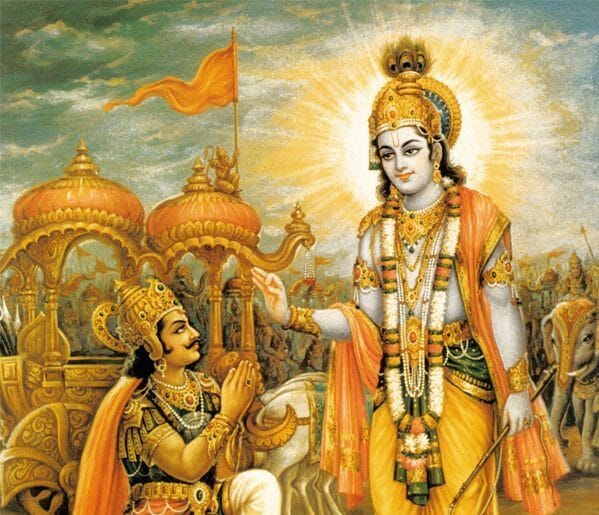
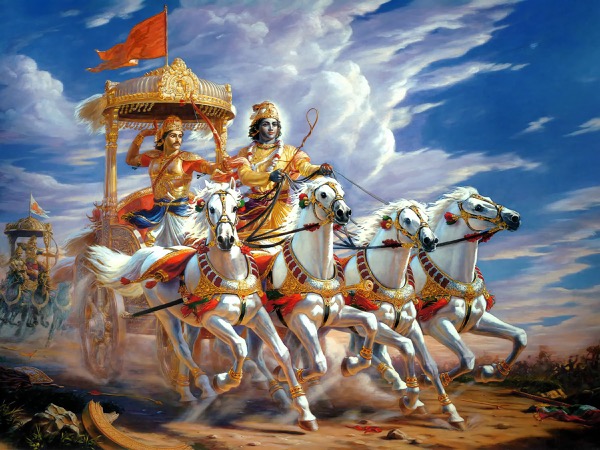
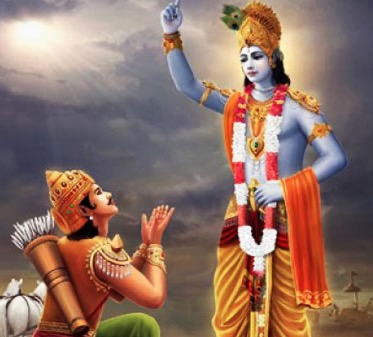
ශ්රීමද්භගවද්ගීතා පාරායණ - ප්රථමෝऽධ්යායඃ ශ්රීමද්භගවද්ගීතා is a jewel embedded in the මහාභාරත: a dialogue between ශ්රීකෘෂ්ණ and අර්ජුන on the battlefield of කුරුක්ෂේත්ර. It speaks in the language of real life - duty and doubt, anger and empathy, ambition and fear - and then shows how to meet those forces with steadiness. Across 18 chapters it weaves together කර්ම-යෝග (wise action), ජ්ඤාන-යෝග (clear understanding), and භක්ති-යෝග (devotion), not as competing paths but as one integrated way to live with courage and inner freedom. To feel the Gita's urgency, remember where it appears. The මහාභාරත tells of the Kuru dynasty and a long chain of injustice: the Pandavas are cheated in the dice hall, driven into exile, and targeted repeatedly, yet they still seek a fair settlement. ශ්රීකෘෂ්ණ goes as a peace-messenger and asks even for a small share, but pride and greed harden the Kaurava court. When dialogue fails and wrongdoing refuses correction, the conflict moves to කුරුක්ෂේත්ර - called ධර්ම-ක්ෂේත්ර, a land associated with sacred memory and the idea that righteousness eventually has consequences. At that edge-of-history moment, Arjuna asks Krishna to place the chariot between the two armies. When he sees his teachers, elders, cousins, and friends standing ready to fight, his strength collapses. This is not a weak person's problem; it is the human problem: when duty collides with attachment, the mind can freeze. The Gita rises from this crisis like a lamp in a storm. It teaches that ධර්ම is not a slogan for winning; it is the courage to do what must be done with a clean motive, even when it costs comfort, reputation, or personal preference. It reminds us that sacrificing small comforts for the greater good is not cruelty - it is maturity - when it is guided by conscience, compassion, and surrender to the Divine. Chapter 1, අර්ජුනවිෂාදයෝගඃ, is therefore not "only introduction." It shows the battlefield outside and the battlefield within: Duryodhana's insecurity, the roar of conches, and finally Arjuna's trembling body and wavering mind. By naming these states openly - විෂාද (despondency), කෘපා (compassion), and the fear of wrongdoing - the text prepares you for Krishna's medicine in the chapters ahead. Read this chapter as the doorway into a long inner apprenticeship. The "previous" story is the Mahabharata build-up itself: years of injustice, failed diplomacy, and the moment when avoidance is no longer possible. From this crisis, the Gita unfolds in three broad movements. Chapters 1-6 emphasize කර්ම-යෝග and the foundations of right action, while repeatedly returning to the imperishable ආත්මා so that doing your duty does not become an ego-war. Chapters 7-12 highlight භක්ති-යෝග and the reality of පරමාත්මා: devotion, surrender, and the vision of the Lord that reshapes how you see yourself and the world. Chapters 13-18 deepen ජ්ඤාන-යෝග by distinguishing the knower and the known, tracing the play of ගුණාඃ, and moving toward the union and alignment of ජීවාත්මා with පරමාත්මා in a lived, integrated way. But the doorway is here: before wisdom can steady you, the heart must admit, like Arjuna, "I do not know what is right." ඕං ශ්රී පරමාත්මනේ නමඃ Meaning (පදාර්ථ): Translation (භාවාර්ථ): Commentary (අනුසංධාන): ආදි ශංකරාචාර්ය interprets the Gita as a path to liberation through Self-knowledge, where disciplined action purifies the mind and prepares it for true insight, aligning with the opening's call to clear the ego for deeper understanding. ශ්රී මධ්වාචාර්ය highlights the Lord's supreme authority and the soul's complete dependence on Him, emphasizing that right action and devotion are inseparable in this journey. Both perspectives converge on the essential teaching that confusion must be dispelled by clarity, and duty performed without attachment or fear. This echoes the Upanishadic guidance න ජායතේ ම්රියතේ වා විපශ්චිත් from the කඨෝපනිෂද් (1.2.18), meaning the true Self is never born nor does it die, encouraging the seeker to rise above transient doubts and act with steady awareness. Thus, the Gita invites us to move beyond mental agitation toward a steady, purposeful engagement with life, setting the stage for practical application. Begin like a student, not like a debater. Before reading, pause for one minute, take a few slow breaths, and set a concrete intention such as: "Help me act with courage and kindness." Read a verse, underline one or two key words, and ask: "What is this teaching asking me to become today?" If the mind resists, do not fight it; notice it, and keep reading. The Gita is meant to be lived - one small decision at a time. ධෘතරාෂ්ට්ර උවාච Meaning (පදාර්ථ): Translation (භාවාර්ථ): Commentary (අනුසංධාන): The term ධර්ම-ක්ෂේත්ර in this verse not only denotes the battlefield but also symbolizes the sacred arena where righteousness is tested, a nuance emphasized by ශ්රී රාමානුජාචාර්ය who interprets Dhritarashtra's question as revealing the deep moral tension underlying the conflict. ආදි ශංකරාචාර්ය highlights that this tension is the prelude to the spiritual teachings that follow, marking the transition from the narrative of war to the discourse on duty and self-realization. This duality is reflected in the Upanishadic invocation තමසෝ මා ජ්යෝතිර්ගමය from the බෘහදාරණ්යක උපනිෂද්, which means 'lead me from darkness to light,' symbolizing the movement from ignorance and attachment-exemplified by Dhritarashtra's possessiveness in මාමකාඃ-toward clarity and discernment. Recognizing this invites us to move beyond partiality and fear, preparing the ground for the practical guidance on inner victory that follows in the next paragraph. Bring this verse into your own life by watching මාමකාඃ in the mind: "my side, my people, my story." You can keep love and loyalty without turning them into blindness. When conflict arises, try a simple practice: state the facts first, then ask, "What is fair if I set aside ego for a moment?" In a heated group chat or a family argument, pause before replying and ask, "Am I protecting ධර්ම, or am I protecting my identity?" That one question turns the battlefield inward - and that is where real victory begins. සංජය උවාච Meaning (පදාර්ථ): Translation (භාවාර්ථ): Commentary (අනුසංධාන): ශ්රී රාමානුජාචාර්ය explains that Duryodhana's approach to Drona reveals a mind unsettled by fear and attachment, seeking reassurance from authority rather than clarity from truth. This reflects how රාග and ද්වේෂ cloud judgment, as ආදි ශංකරාචාර්ය emphasizes in his commentary on related texts: when the mind is dominated by desire or aversion, it pursues confirmation of its biases instead of objective understanding. The කඨෝපනිෂද් (1.2.18) states න ජායතේ ම්රියතේ වා විපශ්චිත්, meaning the true Self neither takes birth nor dies, highlighting that fear arises from misidentification with the transient. Recognizing this can help one move beyond reactive ego responses, preparing the ground for the mindful practices discussed next. For practice, notice how you behave when you feel threatened. Do you rush to allies only to confirm your fear? Do you gather facts, or do you gather emotional ammunition? A healthier version of this verse is: seek counsel to become clearer, not to become louder. When you feel pressure, take one slow breath, name the fear ("I might fail", "I might lose respect", "I might be wrong"), and then ask for advice with an honest question rather than a hidden agenda. Try making it practical: write down what you actually know, what you are assuming, and what you need to verify; then talk to someone who can help you see, not someone who will simply hype you up. In school or work, this looks like asking for feedback early instead of waiting until panic; in relationships, it looks like clarifying intent ("Did you mean X?") before reacting. Over time, this habit turns conflict into learning and fear into preparedness. පශ්යෛතාං පාංඩුපුත්රාණාම් ආචාර්ය මහතීං චමූම් । Meaning (පදාර්ථ): Translation (භාවාර්ථ): Commentary (අනුසංධාන): The verse's subtle psychological pressure is illuminated by ශ්රී රාමානුජාචාර්ය, who portrays Duryodhana as inwardly unsettled, seeking to manipulate Drona through the reminder that his own disciple now commands the enemy forces. This tactic exploits the tension between personal loyalty and duty. ආදි ශංකරාචාර්ය emphasizes that attachment to ego and reputation clouds the mind, making it reactive and vulnerable to such provocations. He teaches that true ධර්ම arises from acting with clarity and detachment rather than wounded pride. This is echoed in the කඨෝපනිෂද් injunction: උත්තිෂ්ඨත ජාග්රත ප්රාප්ය වරාන්නිබෝධත - "Arise, awake, and learn by approaching the excellent ones." This call to awaken and discern guides us to see beyond emotional hooks and act from wisdom. Thus, the verse not only reveals a political ploy but also invites us to cultivate awareness that prevents manipulation, setting the stage for mindful communication and ethical action. For practice, watch your own speech in tense situations. Do you share information, or do you choose words mainly to trigger someone - guilt, pride, insecurity, or anger? A clean habit is to separate "facts" from "hooks": say what is true, and drop the emotional bait. In a workplace this can look like quoting selectively to make a senior person angry at someone; in a family it can look like saying, "Remember what you did last time" only to reopen old wounds. Try a simple rule: before speaking, ask, "Am I trying to clarify, or am I trying to corner?" If you are a mentor or leader, notice when someone tries to pull you into their rivalry; respond from values, ask for direct facts, and refuse to be used as a weapon. That is how communication becomes aligned with ධර්ම rather than with impulse. අත්ර ශූරා මහේෂ්වාසාඃ භීමාර්ජුනසමා යුධි । Meaning (පදාර්ථ): Translation (භාවාර්ථ): Commentary (අනුසංධාන): ශ්රී රාමානුජාචාර්ය interprets Duryodhana's detailed enumeration of mighty warriors as an expression of his inner turmoil, where he attempts to steady his wavering mind by concretely assessing the strength of his opponents. This psychological process reflects the mind's struggle to find certainty amid fear and doubt. ආදි ශංකරාචාර්ය elaborates on this dynamic by explaining how attachment to desired outcomes causes the mind to oscillate between hope and fear, seeking external validation rather than cultivating inner steadiness. This tension is captured by the Upanishadic invocation from the චක්ෂුශෝපනිෂද්-තමසෝ මා ජ්යෝතිර්ගමය-which means 'Lead me from darkness to light,' symbolizing the aspirant's journey from ignorance and confusion toward clarity and calm discernment. Thus, the verse not only catalogs formidable warriors but also reveals the psychological battlefield within, preparing the reader to move from recognition of external realities to practical, composed action in the next step. In daily life, read this verse as "name your reality without drama." If you are stressed, identify the real factors - deadlines, expectations, and resources - instead of spinning vague dread. Then take one concrete step: write a quick plan, ask for help early, or remove one distraction. Also respect your "opponent": an exam, a habit, a difficult conversation, or a strong competitor. Acknowledging strength does not mean surrender; it means you stop lying to yourself and start preparing with calm focus. A useful practice is a short "pre-mortem": imagine what could go wrong, pick the top two risks, and prepare for them calmly. That is a healthier form of battlefield intelligence. ධෘෂ්ටකේතුශ්චේකිතානඃ කාශිරාජශ්ච වීර්යවාන් । Meaning (පදාර්ථ): Translation (භාවාර්ථ): Commentary (අනුසංධාන): ශ්රී රාමානුජාචාර්ය interprets Duryodhana's recital of allies as an expression of his inner turmoil and anxiety, revealing his attempt to grasp control over the uncertain battlefield by enumerating its key players. This psychological insight aligns with ආදි ශංකරාචාර්ය's teaching that the mind's attachment to victory is inseparable from its clinging to identity, which sows the seeds of eventual downfall. The compulsion to list and compare reflects the restless mind striving to overcome fear through analysis, a dynamic captured in the කඨෝපනිෂද් injunction: උත්තිෂ්ඨත ජාග්රත ප්රාප්ය වරාන්නිබෝධත-'Arise, awake, and learn by approaching the excellent ones.' This verse encourages active engagement and learning rather than passive anxiety, thus connecting the recognition of capable opponents in the first paragraph to the practical cultivation of steady, respectful comparison explored next. For practice, this verse trains maturity in comparison. When you face someone skilled - a peer, a competitor, or a difficult personality - do not secretly hate them for being capable, and do not deny their capability either. A better response is: respect the reality, improve your preparation, and stay anchored in values. Make it concrete: identify one skill they have that you genuinely admire, pick one small practice you can do daily for 15 minutes, and track it for two weeks. Also watch how comparison shows up online: scrolling can turn into silent resentment; convert that energy into learning (take notes, practice, ask questions) rather than gossip. Used this way, comparison becomes growth instead of bitterness, and it keeps your mind steady even in competitive environments. යුධාමන්යුශ්ච වික්රාංතඃ උත්තමෞජාශ්ච වීර්යවාන් । Meaning (පදාර්ථ): Translation (භාවාර්ථ): Commentary (අනුසංධාන): The presence of young warriors like සෞභද්රඃ (Abhimanyu) and the sons of Draupadi highlights the deeply personal stakes of this conflict, a point emphasized by ශ්රී රාමානුජාචාර්ය, who portrays Arjuna's hesitation as rooted in his profound compassion and adherence to ධර්ම. This emotional turmoil arises because Arjuna sees family and duty intertwined, making the battlefield a place of inner conflict as much as external war. ආදි ශංකරාචාර්ය interprets this confusion as මොහ-delusion clouding clear perception-and advises that true clarity comes from realizing the eternal Self beyond transient relationships. This is echoed in the කඨෝපනිෂද් (1.2.18): න ජායතේ ම්රියතේ වා විපශ්චිත්, meaning the wise soul neither is born nor dies, underscoring the need to transcend temporary attachments. Thus, the verse prepares us to understand how emotional bonds can obscure duty, setting the stage for practical reflection on responsibility in complex relationships. In modern life, whenever you enter a conflict - in a family, a workplace, or a community - remember the "hidden Abhimanyus": the people who will be affected even if they are not speaking. Ask, "If I win this argument, who pays the price?" Make it practical by doing a quick stakeholder check: who is directly involved, who will be indirectly impacted, and what will change for them tomorrow? In offices, a power struggle between seniors can crush juniors who only want a stable environment; in families, an ego-fight between adults can become a lifelong wound for children. This question does not mean you avoid duty; it means you carry duty with responsibility and foresight. When you must be firm, be firm in method and soft in motive: protect what is right, choose words that reduce harm, and do not forget the humans involved. අස්මාකං තු විශිෂ්ටා යේ තාන්නිබෝධ ද්විජෝත්තම । Meaning (පදාර්ථ): Translation (භාවාර්ථ): Commentary (අනුසංධාන): The use of respectful address such as ද්විජෝත්තම here reveals Duryodhana's attempt to secure Drona's loyalty by invoking his esteemed identity, a strategy that reflects inner insecurity rather than confidence. ශ්රී රාමානුජාචාර්ය interprets this as Duryodhana seeking a dependable support amid his own distress, appealing to Drona as a pillar in a moment of vulnerability. Meanwhile, ආදි ශංකරාචාර්ය teaches that attachment to egoistic ownership-expressed in phrases like "my army"-clouds judgment and undermines ධර්ම, leading to reactive and unsteady decisions. This dynamic is echoed in the Upanishadic injunction from the කඨෝපනිෂද් (1.3.14): උත්තිෂ්ඨත ජාග්රත ප්රාප්ය වරාන්නිබෝධත, which urges one to "Arise, awake, and learn by approaching the excellent ones." This call to awaken and seek true knowledge contrasts with Duryodhana's clinging to superficial identity and sets the stage for the practical advice that follows on how to engage others without egoistic entanglements. For practice, notice how often you use identity-appeals in conflict: flattering, pressuring, or guilt-tripping to get support. Try a cleaner approach: ask for help with truth, not with hooks. For example, instead of "If you really cared, you'd do this," say "This is what I need, and this is why." Also watch the phrase "my project, my team, my plan" - ownership can motivate, but it can also blind and isolate. A simple correction is to replace "my" with "our" where appropriate, and to replace control with clarity: define roles, share information, and focus on the work rather than on personal status. In family life, this looks like turning blame into responsibility ("What can we do next?"); in teams, it looks like sharing credit and taking feedback without defensiveness. භවාන් භීෂ්මශ්ච කර්ණශ්ච කෘපශ්ච සමිතිංජයඃ । Meaning (පදාර්ථ): Translation (භාවාර්ථ): Commentary (අනුසංධාන): ශ්රී රාමානුජාචාර්ය interprets Duryodhana's enumeration of great warriors as an expression of his inner despair and reliance on external support, revealing his psychological dependence on the strength of elders rather than his own resolve. This aligns with ආදි ශංකරාචාර්ය's teaching that attachment to power without true self-knowledge only deepens fear and instability. The verse thus illustrates how Duryodhana's confidence is borrowed, not grounded. The කඨෝපනිෂද් (1.3.14) injunction උත්තිෂ්ඨත ජාග්රත ප්රාප්ය වරාන්නිබෝධත-'Arise, awake, and learn by approaching the excellent ones'-calls for awakening beyond superficial reliance on names and reputations, urging inner vigilance and direct realization. This insight bridges the psychological strategy noted in paragraph one with the practical guidance that follows, emphasizing the need to cultivate inner strength rather than depend on external authorities. In practice, reflect on where you depend on "big names" instead of building inner integrity. In school, career, or relationships, it is tempting to borrow confidence from status and connections: "If they are on my side, I must be right." A better anchor is competence plus character: do the work, stay honest, and do not outsource self-respect to association. Build your own skill so you do not need constant reassurance, and build your own values so you do not need constant approval. And when you have mentors, honor them - but do not manipulate them into fighting your ego-battles. Seek guidance for growth, not for domination, and learn to stand on your own feet. අන්යේ ච බහවඃ ශූරාඃ මදර්ථේ ත්යක්තජීවිතාඃ । Meaning (පදාර්ථ): Translation (භාවාර්ථ): Commentary (අනුසංධාන): ශ්රී රාමානුජාචාර්ය highlights that Duryodhana's use of මදර්ථේ reveals a confidence rooted in ego rather than in ධර්ම, reflecting an inner turmoil masked by outward bravado. Similarly, මධුසූදන සරස්වතී explains that this ego-centric stance blinds one to the higher purpose of action, which is liberation from attachment. This is echoed in the Upanishadic prayer from the බෘහදාරණ්යක ඌපනිෂද්: අසතෝ මා සද්ගමය - "Lead me from the unreal to the real," emphasizing the need to transcend ego-driven motives. Together, these teachings show that when action is performed for personal gain, it fosters bondage, whereas true freedom arises when one acts with surrender to ධර්ම. This understanding prepares us to examine in the next paragraph how leadership and followership must shift focus from self-centered loyalty to commitment to what is right and meaningful. In modern life, ask: who is at the center of your projects - the mission, or your image? If you lead, do not demand loyalty to yourself; invite commitment to what is right and meaningful. Say it explicitly: "Do it for the work, not for me." If you follow, be careful of causes that mainly feed someone's ego; they often demand sacrifice without accountability. A practical check is to look at the culture you are creating: does it make people more honest, more responsible, and more compassionate - or more fearful and performative? Also watch your own language: when you keep saying "for me," pause and replace it with "for the purpose" or "for the people affected." When the center is ධර්ම rather than ego, people can give their best without losing themselves. අපර්යාප්තං තදස්මාකං බලං භීෂ්මාභිරක්ෂිතම් । Meaning (පදාර්ථ): Translation (භාවාර්ථ): Commentary (අනුසංධාන): ශ්රී රාමානුජාචාර්ය interprets Duryodhana's words as a candid admission of his inner turmoil: he perceives the Pandava army under Bhima's protection as පර්යාප්ත-sufficient and formidable-while his own forces, guarded by Bhishma, as අපර්යාප්ත, inadequate for certain victory. This contrast reveals his grief and fear beneath the surface bravado. ආදි ශංකරාචාර්ය deepens this insight by explaining that external strength cannot dispel anxiety when the mind is clouded by ලෝභ (greed) and භය (fear); true confidence arises only when aligned with ධර්ම. This is echoed in the Upanishadic prayer from the බෘහදාරණ්යක උපනිෂද්: තමසෝ මා ජ්යෝතිර්ගමය-"Lead me from darkness to light." Here, darkness symbolizes ignorance and fear, while light represents clarity and inner security. Thus, the verse teaches that perceived external adequacy or inadequacy is ultimately a reflection of one's inner state, preparing us to examine the source of our own feelings of insufficiency in practical terms. In modern life, you may have a strong resume, a large network, or a big team, and still feel අපර්යාප්තං - "not enough." That is a cue to check the inner driver. Are you serving a clear purpose, or are you chasing validation? A practical exercise is to separate "resources" from "security": build resources responsibly, but train inner security by reducing comparison and by doing the next right step without panic. Try a small daily practice: list one thing you can control today (effort, honesty, preparation) and one thing you cannot (others' opinions, outcomes), then put attention where control exists. If anxiety remains, ask, "What am I afraid will happen if I am not perfect?" and answer it honestly. This turns vague fear into something you can handle with clarity. අයනේෂු ච සර්වේෂු යථාභාගමවස්ථිතාඃ । Meaning (පදාර්ථ): Translation (භාවාර්ථ): Commentary (අනුසංධාන): ශ්රී රාමානුජාචාර්ය interprets Duryodhana's command to protect Bhishma as revealing his inner turmoil and reliance on a singular source of strength amid uncertainty. This overdependence on one pillar reflects a psychological need to anchor stability externally when internal steadiness is lacking. ආදි ශංකරාචාර්ය complements this view by emphasizing that true firmness arises not from external support but from disciplined self-mastery and detachment, captured in his teaching භජ ගෝවිංදම් where he states කාලඃ ක්රීඩති ගච්ඡත්යායුඃ-time plays and life passes-urging one to cultivate inner clarity and resolve. Thus, the verse highlights both the practical necessity of assigned roles and the deeper spiritual lesson that reliance on others must be balanced with personal equanimity, preparing us to translate this insight into daily practice. For practice, take the healthy part of this verse: clarity about your role. In school, work, or family, ask, "What is my භාග here - my responsibility?" Then do that cleanly, without drama and without delay. Also watch the unhealthy part: overdependence on a single pillar (a leader, a friend, a parent) to carry all stability. Build distributed strength: learn basic skills instead of relying on one expert, keep more than one trusted relationship, and create routines that steady you even when external support is absent. In teams, share knowledge and avoid single points of failure; in personal life, avoid making one person the source of all emotional stability. Real teamwork is resilience, not hero-worship. තස්ය සංජනයන් හර්ෂං කුරුවෘද්ධඃ පිතාමහඃ । Meaning (පදාර්ථ): Translation (භාවාර්ථ): Commentary (අනුසංධාන): ශ්රී රාමානුජාචාර්ය interprets Bhishma's lion-like roar and conch-blowing as a deliberate act to uplift Duryodhana's faltering spirit, transforming his inner despondency into renewed courage. This aligns with ආදි ශංකරාචාර්ය's teaching that fear and attachment cloud the mind, and that true strength arises from transcending ego-based distress. The roar symbolizes an inner awakening, a call to rise above confusion and doubt, resonating with the කඨෝපනිෂද් injunction: උත්තිෂ්ඨත ජාග්රත ප්රාප්ය වරාන්නිබෝධත ('Arise, awake, and learn by approaching the excellent ones'). This verse thus highlights that Bhishma's external display of strength is inseparable from the internal battle against fear, setting the stage for the practical guidance on leadership and steadiness that follows. In modern life, this verse is about responsible leadership. When a team is anxious - a family in crisis, a project under deadline, or a group facing exams - people look for a calm signal that says, "We can face this." That signal is not empty hype; it is steady presence, clear priorities, and consistent action. Be a Bhishma in small ways: speak calmly when others panic, focus everyone on the next right step, and do not spread anxiety through gossip or exaggeration. Confidence grows when someone holds the center. තතඃ ශංඛාශ්ච භේර්යශ්ච පණවානකගෝමුඛාඃ । Meaning (පදාර්ථ): Translation (භාවාර්ථ): Commentary (අනුසංධාන): The tumultuous sound described here is not merely a battlefield noise but a profound symbol of the sudden surge of collective energy and resolve. ශ්රී රාමානුජාචාර්ය interprets this uproar as a deliberate victory signal from the Kaurava side, intended to uplift their morale after Bhishma's fierce roar, which in turn provokes a powerful response from Krishna and the Pandavas. Meanwhile, ආදි ශංකරාචාර්ය views this external commotion as a metaphor for the inner turmoil that arises when fear and distraction threaten the mind's steadiness. He teaches that amidst such තුමුලඃ ශබ්දඃ, one must cultivate යෝගශ්චිත්තවෘත්ති නිරෝධඃ-the cessation of the fluctuations of the mind-as explained in the පාතංජලි යෝග සූත්රාණි (1.2). This injunction to still the mind's restless waves connects the verse's depiction of overwhelming noise to the spiritual discipline needed to maintain clarity and focus, preparing us to respond wisely rather than react impulsively. In modern life, we live in තුමුල noise almost constantly: notifications, opinions, comparisons, and urgent messages. This verse invites a discipline: learn to pause before you join the uproar. When stress rises, take one breath and ask, "Is this sound telling me to act wisely, or is it just trying to hijack my attention?" Choose one clear action and do it well. You do not have to match the world's volume to have strength. තතඃ ශ්වේතෛර්හයෛර්යුක්තේ මහති ස්යංදනේ ස්ථිතෞ । Meaning (පදාර්ථ): Translation (භාවාර්ථ): Commentary (අනුසංධාන): ශ්රී රාමානුජාචාර්ය interprets Krishna as the supreme Lord who, out of boundless compassion, becomes Arjuna's charioteer, symbolizing divine guidance for those who seek refuge in Him. This divine companionship marks a pivotal moment of moral strength and clarity, reinforcing the imagery of the great chariot and pure white horses introduced earlier. Meanwhile, ආදි ශංකරාචාර්ය emphasizes the necessity of mastering the mind and senses-represented by the reins and horses-to attain true knowledge and self-control, a theme that resonates with Krishna's epithet හෘෂීකේශ, the Lord of the senses. This mastery aligns with the Upanishadic injunction උත්තිෂ්ඨත ජාග්රත ප්රාප්ය වරාන්නිබෝධත from the කඨෝපනිෂද් (1.3.14), which exhorts one to 'Arise, awake, and learn the excellent wisdom,' underscoring the call to conscious action and spiritual awakening. Together, these insights deepen the verse's portrayal of Krishna and Arjuna's readiness, setting the stage for the practical guidance on choosing the right charioteer in the journey of life. In modern life, ask: who is the charioteer when you are under pressure? If impulse is driving, even good intentions get scattered. Choose a higher guide: values, conscience, prayer, or the remembrance of ශ්රීකෘෂ්ණ as මාධවඃ. When emotions rise, do one practical thing: slow down the breath and "hold the reins" for ten seconds before you speak or act. White-horse living is not about being perfect; it is about choosing clarity when the world becomes noisy. පාංචජන්යං හෘෂීකේශඃ දේවදත්තං ධනංජයඃ । Meaning (පදාර්ථ): Translation (භාවාර්ථ): Commentary (අනුසංධාන): ශ්රී රාමානුජාචාර්ය emphasizes that the blowing of the conches by Krishna and Arjuna is a deliberate response to the Kaurava challenge, marking the Pandavas' readiness and spiritual resolve. This act is not merely a sound but a declaration of inner strength and ධර්ම aligned with divine will. ආදි ශංකරාචාර්ය deepens this understanding by teaching that the title හෘෂීකේශ-master of the senses-signifies the necessity of intellect (බුද්ධි) controlling the senses, transforming raw power into disciplined action. This mastery is essential to prevent the conch's sound from becoming mere noise; instead, it becomes a sacred instrument of purpose. Supporting this, the කඨෝපනිෂද් (1.3.14) exhorts: උත්තිෂ්ඨත ජාග්රත ප්රාප්ය වරාන්නිබෝධත-'Arise, awake, and learn by approaching the excellent ones'-which inspires the practitioner to awaken inner vigilance and wisdom. Thus, the conches symbolize not only external readiness but also the inner call to spiritual awakening and disciplined effort, linking the individual qualities introduced earlier to the practical call to action that follows. In modern life, the question is: what is your "conch"? It is the way you show up when ධර්ම demands your presence - your honest voice, your disciplined effort, your courage to do the right thing even when it is unpopular. Some people contribute through planning, some through hard work, some through calm steadiness, and some through speaking up. The practice is to offer your strength without ego: do not blow the conch to show off; blow it to serve what is right. අනංතවිජයං රාජා කුංතීපුත්රෝ යුධිෂ්ඨිරඃ । Meaning (පදාර්ථ): Translation (භාවාර්ථ): Commentary (අනුසංධාන): The naming of each conch-ආනංතවිජය for Yudhishthira, ශුඝොස for Nakula, and ංඅනිපුශ්පක for Sahadeva-highlights their distinct roles and responsibilities within the Pandava collective, emphasizing individual steadiness as a source of strength. ආදි ශංකරාචාර්ය interprets Yudhishthira's leadership through the lens of ස්ථිත-ප්රජ්ඤා, the steady-minded person whose inner equilibrium sustains righteous action, while ශ්රී රාමානුජාචාර්ය underscores how this unified yet differentiated response unsettles the Kauravas' confidence. This aligns with the Upanishadic injunction උත්තිෂ්ඨත ජාග්රත ප්රාප්ය වරාන්නිබෝධත from the කඨෝපනිෂද් (1.3.14), which exhorts one to 'Arise, awake, and learn the excellent knowledge,' encouraging the cultivation of alertness and discernment. Thus, the conch-blowing here is not mere noise but a call to steadfastness and awakened duty, setting the stage for the practical application of ධර්ම in daily life. In modern life, "endless victory" is the victory over your own impulsiveness. It is winning the habit of honesty, the habit of self-control, and the habit of doing what you know is right even when no one is watching. In a group project, do not let all responsibility fall on one "star" member; bring your piece reliably. In family life, do not wait for someone else to be mature first; become the steadier one. That is how ධර්ම becomes practical. කාශ්යශ්ච පරමේෂ්වාසඃ ශිඛංඩී ච මහාරථඃ । Meaning (පදාර්ථ): Translation (භාවාර්ථ): Commentary (අනුසංධාන): ශ්රී රාමානුජාචාර්ය highlights this roll-call as a manifestation of collective strength, where each warrior embodies a vital support that unsettles the Kauravas' confidence. Meanwhile, ආදි ශංකරාචාර්ය interprets these names as representing both external allies and internal virtues, emphasizing that true preparedness arises from සංස්කාර-the inner conditioning cultivated through disciplined action. This dual support system aligns with the wisdom of the කඨෝපනිෂද් (1.3.14): උත්තිෂ්ඨත ජාග්රත ප්රාප්ය වරාන්නිබෝධත, which urges one to 'Arise, awake, and learn by approaching the excellent ones.' This injunction encourages not only rallying external help but also awakening inner faculties, thus bridging the external battlefield with the inner spiritual journey. In modern life, do not glorify struggle alone. Build your circle: friends who tell you the truth, mentors who guide you, and peers who push you to grow. And build your inner allies too: discipline, health, study, and prayer. When you feel outnumbered by problems, remember this verse: help exists, and your job is to stand in your place with courage. ද්රුපදෝ ද්රෞපදේයාශ්ච සර්වශඃ පෘථිවීපතේ । Meaning (පදාර්ථ): Translation (භාවාර්ථ): Commentary (අනුසංධාන): ආදි ශංකරාචාර්ය emphasizes that the phrase පෘථක් පෘථක් teaches the essential principle of performing one's own ස්වධර්ම without envy or imitation, highlighting the importance of individual responsibility within the collective effort. Similarly, ශ්රී රාමානුජාචාර්ය interprets this verse as illustrating how each warrior's conch contributes to a unified sound that unsettles the enemy, while also reminding Dhritarashtra of the ultimate accountability resting with the leader. This layered meaning aligns with the Upanishadic injunction from the කඨෝපනිෂද් (1.3.14): උත්තිෂ්ඨත ජාග්රත ප්රාප්ය වරාන්නිබෝධත - 'Arise, awake, and learn by approaching the excellent ones.' This call to action underscores that every individual must awaken to their duty and perform it diligently, thereby preparing the ground for the practical guidance in the next paragraph about taking initiative in daily life. In modern life, do not wait for someone else to "blow the conch" for you. If you are part of a family, be the one who communicates clearly. If you are part of a team, contribute reliably. If you are part of a community, show up with skill and kindness. Collective progress happens when many individuals take responsibility without needing applause. ස ඝෝෂෝ ධාර්තරාෂ්ට්රාණාං හෘදයානි ව්යදාරයත් । Meaning (පදාර්ථ): Translation (භාවාර්ථ): Commentary (අනුසංධාන): ශ්රී රාමානුජාචාර්ය explains that the tumultuous sound "rent asunder the hearts" of Dhritarashtra's sons, revealing their deep inner fear and the dawning realization that their cause was nearly lost. This highlights the psychological principle that guilt and doubt within produce intense anxiety, making even external sounds feel overwhelming. ආදි ශංකරාචාර්ය contrasts this by teaching that the truly wise remain unmoved by such external disturbances; thus, the trembling hearts here demonstrate a mind not yet anchored in spiritual truth. This is echoed by the කඨෝපනිෂද් injunction උත්තිෂ්ඨත ජාග්රත ප්රාප්ය වරාන්නිබෝධත, which urges one to "Arise, awake, and learn the excellent wisdom," emphasizing the need to overcome inner weakness and align with higher knowledge. This understanding bridges the verse's depiction of psychological turmoil with the practical remedy of cultivating inner strength and clarity. In modern life, this verse is a mirror for nervousness that comes from misalignment. When you know you have cut corners, lied, or hurt someone, even small signals feel threatening - a message, a meeting invite, a look. The remedy is simple and brave: return to ධර්ම. Apologize, correct, and rebuild. When you are aligned, the same "noise" no longer tears the heart; it becomes just information. අථ ව්යවස්ථිතාන්-දෘෂ්ට්වා ධාර්තරාෂ්ට්රාන් කපිධ්වජඃ । Meaning (පදාර්ථ): Translation (භාවාර්ථ): Commentary (අනුසංධාන): ශ්රී රාමානුජාචාර්ය highlights that this moment transcends a mere battlefield scene; it is a pivotal ධර්ම-crisis where the fate of many hinges on Arjuna's resolve. Meanwhile, ආදි ශංකරාචාර්ය interprets Arjuna's poised stance as the final external expression of readiness before his inner turmoil unfolds, emphasizing the need for discernment and steadiness in action. This tension between outer composure and inner conflict echoes the Upanishadic call උත්තිෂ්ඨත ජාග්රත ප්රාප්ය වරාන්නිබෝධත from the කඨෝපනිෂද් (1.3.14), urging one to 'Arise, awake, and learn the highest truth.' This verse thus captures the threshold where conscious awareness must awaken to guide action, linking the visible readiness described earlier to the mindful pause recommended next. In modern life, learn from this moment: the most dangerous time is often the second right before you "hit send" or "say it." When you are at the edge of an argument or a major decision, pause for one breath and ask, "What am I about to begin?" If anger is driving, delay; draft the message, but do not send it immediately. If ධර්ම is driving, proceed with steadiness and clean intent. A helpful micro-practice is to check the body first: relax the jaw, drop the shoulders, and feel both feet for two breaths; then speak. This one-breath pause is often the difference between a reaction that you later regret and a conscious action that you can stand by. හෘෂීකේශං තදා වාක්යම් ඉදමාහ මහීපතේ । Meaning (පදාර්ථ): Translation (භාවාර්ථ): Commentary (අනුසංධාන): ශ්රී රාමානුජාචාර්ය interprets Krishna's role as charioteer here as that of the Supreme Lord who lovingly guides the devotee who seeks refuge, embodying compassionate leadership rather than coercion. This aligns with the idea that true guidance comes from presence and steadiness, as Arjuna places himself සේනයෝරුභයෝර්මධ්යේ-in the midst of conflict, not at a distance. ආදි ශංකරාචාර්ය further deepens this by challenging Arjuna's sorrow and confusion, revealing that such turmoil arises when one fails to confront reality directly. The Upanishadic injunction උත්තිෂ්ඨත ජාග්රත ප්රාප්ය වරාන්නිබෝධත from the කඨෝපනිෂද් (1.3.14) - meaning 'Arise, awake, and learn by approaching the excellent ones' - underscores the necessity of active engagement and seeking clarity through wise counsel. Together, these teachings emphasize that placing oneself in the middle of the struggle is the first step toward true understanding and sets the foundation for the practical wisdom discussed next. In modern life, do the same: before reacting, place your attention "between the armies." That means between impulse and response, between anger and speech. Ask for a clearer view: "What exactly is happening? Who is involved? What is the cost?" When you seek counsel, seek it from the steady - people who help you see, not people who inflame you. Clarity is often the first act of courage. යාවදේතාන්නිරීක්ෂේऽහං යෝද්ධුකාමානවස්ථිතාන් । Meaning (පදාර්ථ): Translation (භාවාර්ථ): Commentary (අනුසංධාන): ශ්රී රාමානුජාචාර්ය interprets Arjuna's request as a call for direct, personal perception of those assembled, emphasizing that true understanding arises from seeing reality clearly rather than relying on secondhand information. ආදි ශංකරාචාර්ය stresses the importance of විවේක-discernment-as the foundation of right action, teaching that one must first see correctly to act rightly. This aligns with the Upanishadic injunction අසතෝ මා සද්ගමය ('lead me from the unreal to the real'), which underscores the necessity of moving beyond superficial appearances to grasp the true nature of the situation. Arjuna's desire to survey the warriors is thus his initial step toward such clarity, preparing him to face the emotional and ethical challenges ahead. In modern life, do not make big decisions from rumor or from a single angry story. "Seeing who is there" can mean meeting people, listening to both sides, and checking facts before choosing a stance. It also means seeing your own motives: are you fighting for ධර්ම, or for ego? When you train this habit, your actions become cleaner and your regrets become fewer. යෝත්ස්යමානානවේක්ෂේऽහං ය ඒතේऽත්ර සමාගතාඃ । Meaning (පදාර්ථ): Translation (භාවාර්ථ): Commentary (අනුසංධාන): ශ්රී රාමානුජාචාර්ය interprets Arjuna's words as a reflection of his deep dharmic sensitivity, emphasizing that Arjuna is pained by the presence of his kinsmen aligned with the දුර්බුද්ධි Duryodhana, highlighting the tragedy of moral blindness within one's own family. ආදි ශංකරාචාර්ය acknowledges this moral confusion but urges that such sorrow must lead to clarity and detachment from selfish motives, as true action arises from purified understanding. This ethical struggle aligns with the Upanishadic call තමසෝ මා ජ්යෝතිර්ගමය-"lead me from darkness to light"-which underscores the need to transcend ignorance and see the truth behind misguided loyalties. Thus, Arjuna's observation that many fight merely to please the evil-minded leader sets the stage for discerning right action beyond mere attachment, preparing us to confront the challenge of maintaining integrity in the face of social pressures. In modern life, notice how often "pleasing" drives decisions: pleasing a boss, a friend group, an online audience, or even your own image. If a leader is දුර්බුද්ධි, do not become part of their wrongdoing just to stay in favor. Practice respectful firmness: speak truth, refuse unethical tasks, and be willing to lose a little comfort to keep your integrity. That is real courage. සංජය උවාච Meaning (පදාර්ථ): Translation (භාවාර්ථ): Commentary (අනුසංධාන): ශ්රී රාමානුජාචාර්ය highlights Krishna's compassionate readiness to serve those who seek refuge in Him, portraying His assuming the role of charioteer as an act of loving guidance rather than subordination. Similarly, ආදි ශංකරාචාර්ය interprets Krishna's position not as a loss of sovereignty but as the supreme mastery of හෘෂීකේශ-the controller of senses-who freely chooses to guide without attachment. This aligns with the Upanishadic injunction උත්තිෂ්ඨත ජාග්රත ප්රාප්ය වරාන්නිබෝධත from the කඨෝපනිෂද් (1.3.14), urging one to 'Arise, awake, and learn from the excellent ones,' emphasizing the importance of conscious wakefulness and surrender to higher wisdom. Thus, Krishna's act of placing the best chariot between the armies symbolizes the union of disciplined alertness (ගුඩාකේශ) and divine guidance (හෘෂීකේශ), preparing the ground for practical steps toward inner steadiness and clarity. In modern life, you may not have a Krishna visibly holding your reins, but you can invite guidance in a real way. Before a difficult conversation, pause and ask, "Let my senses be guided; let my mind be steady." Then act from that prayer. Also, cultivate the ගුඩාකේශ quality: reduce distractions, sleep well, and keep your attention clean. The more awake you are, the more clearly guidance can be felt. භීෂ්මද්රෝණප්රමුඛතඃ සර්වේෂාං ච මහීක්ෂිතාම් । Meaning (පදාර්ථ): Translation (භාවාර්ථ): Commentary (අනුසංධාන): ශ්රී රාමානුජාචාර්ය highlights Krishna's role as the compassionate charioteer who guides Arjuna to directly witness the assembled Kurus, initiating the teaching through lived experience rather than abstract philosophy. This direct seeing is essential, as ආදි ශංකරාචාර්ය later explains that Arjuna's sorrow arises from මොහ-delusion or confusion-which must first be fully revealed before it can be dispelled. Krishna's command to "see" is thus a call to confront reality without distortion, echoing the Upanishadic prayer අසතෝ මා සද්ගමය from the බෘහදාරණ්යක උපනිෂද්, meaning "Lead me from the unreal to the real." This verse marks the crucial moment where Arjuna's inner turmoil is brought into the light, preparing him to move beyond confusion toward clarity and decisive action. In modern life, when you are stuck, do the same: look directly, without labels. Before judging, ask, "What is actually here?" Often we call someone an "enemy" when they are also a teacher, a relative, or a wounded person. Seeing clearly does not remove the need for boundaries or decisive action; it removes unnecessary hatred and distortion. Clarity is compassion. තත්රාපශ්යත්ස්ථිතාන් පාර්ථඃ පිතॄනථ පිතාමහාන් । Meaning (පදාර්ථ): Translation (භාවාර්ථ): Commentary (අනුසංධාන): ශ්රී රාමානුජාචාර්ය describes Arjuna as a person of profound kindness and righteousness, which explains why the sight of his own relatives arrayed for battle deeply unsettles him. ආදි ශංකරාචාර්ය interprets Arjuna's state here as විෂාද, a sorrow born from මොහ-confusion and attachment that cloud discernment. This moment marks the mind's struggle, where compassion threatens to become paralysis. Yet, as the කඨෝපනිෂද් (1.2.18) teaches, න ජායතේ ම්රියතේ වා විපශ්චිත්-the true Self is never born nor does it die-pointing to a deeper reality beyond the immediate grief. This insight prepares us for Krishna's teaching, which will not destroy Arjuna's compassion but purify and elevate it, transforming inner conflict into clarity and resolve. In modern life, conflicts often happen between people who have history together - family, friends, colleagues. Before you act, remember that the other person is not only "the problem"; they are also a person with a story. This does not mean you tolerate injustice, but it does mean you avoid cruelty. The practice is "firmness without hatred": tell the truth, set boundaries, and still keep your heart human. ශ්වශුරාන්-සුහෘදශ්චෛව සේනයෝරුභයෝරපි । Meaning (පදාර්ථ): Translation (භාවාර්ථ): Commentary (අනුසංධාන): ශ්රී රාමානුජාචාර්ය highlights Arjuna's profound compassion and righteousness, portraying him as deeply moved by the presence of relatives on both sides, which intensifies his inner conflict. Meanwhile, ආදි ශංකරාචාර්ය interprets this sorrow as arising from a misidentification of the eternal Self with the transient body and its relationships, a confusion that binds Arjuna to grief. This philosophical insight is supported by the Upanishadic teaching න ජායතේ ම්රියතේ වා විපශ්චිත් from the කඨෝපනිෂද් (1.2.18), meaning the true Self is never born nor does it die, emphasizing the distinction between the immortal soul and the perishable body. Recognizing this truth is intended to liberate Arjuna, enabling him to fulfill his duty without hatred, thus connecting the personal pain of loss to the higher spiritual wisdom that guides right action. In modern life, this verse teaches "think systemically." When you fight for a point, ask what relationships you are tearing in the process. Sometimes a hard decision is still necessary, but it should be taken with awareness of the human cost and with efforts to minimize harm. Practice speaking truth without burning bridges unnecessarily. That is how ධර්ම and compassion can stay together. කෘපයා පරයාऽऽවිෂ්ටඃ විෂීදන්නිදමබ්රවීත් । Meaning (පදාර්ථ): Translation (භාවාර්ථ): Commentary (අනුසංධාන): ශ්රී රාමානුජාචාර්ය highlights Arjuna's profound compassion and righteousness, portraying him as a noble soul overwhelmed by love for his kin, which leads him to renounce fighting. In contrast, ආදි ශංකරාචාර්ය interprets this sorrow as විෂාද, a form of මොහ or delusion, cautioning that true wisdom transcends grief for the living and the dead. This tension between heartfelt compassion and the call for discernment is echoed in the Upanishadic injunction උත්තිෂ්ඨත ජාග්රත ප්රාප්ය වරාන්නිබෝධත from the කඨෝපනිෂද් (1.3.14), meaning 'Arise, awake, and learn by approaching the excellent ones.' This verse urges moving beyond paralysis caused by sorrow to seek clarity and right knowledge. Together, these teachings deepen the first paragraph's insight into Arjuna's emotional turmoil and prepare us to consider how compassion, when united with clarity, guides us toward responsible action. In modern life, this verse is common: you have to speak truth to someone you love, set a boundary with family, or make a hard ethical decision at work. The first wave may be grief and guilt. Do not judge yourself for having a soft heart. Instead, add the missing piece: clarity. Ask, "What action reduces harm in the long run? What is ධර්ම here?" Compassion becomes යෝග when it fuels right action, not when it becomes an excuse to avoid responsibility. සීදංති මම ගාත්රාණි මුඛං ච පරිශුෂ්යති । Meaning (පදාර්ථ): Translation (භාවාර්ථ): Commentary (අනුසංධාන): ශ්රී රාමානුජාචාර්ය portrays Arjuna's state here as one of profound weakness, overwhelmed by compassion and torn by fear and uncertainty about ධර්ම, making this verse a vivid expression of his inner turmoil manifesting physically. මධුසූදන සරස්වතී emphasizes that such bodily symptoms are not mere signs of frailty but the body's truthful response to the mind's confusion. This aligns with the teaching of the කඨෝපනිෂද් (1.3.14): උත්තිෂ්ඨත ජාග්රත ප්රාප්ය වරාන්නිබෝධත-"Arise, awake, and learn by approaching the excellent ones"-which urges awareness and active engagement rather than avoidance. Thus, the Gita does not bypass the body's signals but uses them as a gateway to confront and clarify the turmoil within, preparing the seeker to move beyond paralysis toward right action. In modern life, learn to recognize your body's signals. If your mouth dries and your chest tightens before a message or meeting, do not ignore it and "power through" blindly. Pause. Take a few slow breaths, relax the jaw, and name the emotion: fear, guilt, anger, or sadness. Then ask, "What is the next right step?" This is not weakness; it is wisdom - using the body as an early warning system so your actions become cleaner. ගාංඩීවං ස්රංසතේ හස්තාත් ත්ව ක්චෛව පරිදහ්යතේ । Meaning (පදාර්ථ): Translation (භාවාර්ථ): Commentary (අනුසංධාන): The verse vividly portrays Arjuna's profound inner turmoil, a theme emphasized by ශ්රී රාමානුජාචාර්ය, who highlights Arjuna's grief and fear of losing his loved ones, causing his mind to reel and his body to falter. This depiction of psychological collapse is not mere drama but a sincere expression of human vulnerability. ආදි ශංකරාචාර්ය later elucidates the distinction between the Self and the restless mind, and Arjuna's ability to observe, "my mind reels," reveals the presence of a witnessing consciousness beyond the storm of emotions. This aligns with the Upanishadic teaching න ජායතේ ම්රියතේ වා විපශ්චිත් from the කඨෝපනිෂද් (1.2.18), which means the true Self is unborn, eternal, and beyond death, underscoring that Arjuna's essential being remains untouched despite his mental upheaval. Recognizing this witnessing Self is crucial, as it prepares the ground for the practical guidance that follows, encouraging steadiness before action. In modern life, when your "Gandiva" slips - when your usual strengths fail under pressure - do not panic and label yourself as broken. Treat it as a signal: you need steadiness before action. Return to basics: breathe, sleep, eat simply, talk to someone wise, and take one small step. When the mind reels, reduce choices. Clarity returns when you stop feeding the storm. නිමිත්තානි ච පශ්යාමි විපරීතානි කේශව । Meaning (පදාර්ථ): Translation (භාවාර්ථ): Commentary (අනුසංධාන): The term ශ්රේයස් here signifies true welfare or highest good, emphasizing enduring benefit rather than fleeting gain. ශ්රී රාමානුජාචාර්ය explains that Arjuna's fear stems from his confusion about what is righteous and unrighteous, causing his conscience to perceive only loss and sorrow. Meanwhile, ආදි ශංකරාචාර්ය teaches that Arjuna's judgment is clouded by attachment and ignorance; genuine ශ්රේයස් arises from performing one's ධර්ම with clear understanding and dispassion. This aligns with the Upanishadic injunction තමසෝ මා ජ්යෝතිර්ගමය from the බෘහදාරණ්යක උපනිෂද්, which means 'Lead me from darkness to light,' symbolizing the movement from delusion to true knowledge. Thus, Arjuna's inner turmoil is a call to transcend confusion and align his conscience with wisdom, preparing us to discern whether our inner warnings arise from fear or insight. In modern life, it is good to listen when your inner sense says "something is off." But it is also important to check whether the warning comes from wisdom or from fear. Ask two questions: "What harm am I trying to avoid?" and "What harm will happen if I avoid my duty?" Then take counsel from someone steady. The goal is not to remove discomfort; it is to align with the deeper good. න කාංක්ෂේ විජයං කෘෂ්ණ න ච රාජ්යං සුඛානි ච । Meaning (පදාර්ථ): Translation (භාවාර්ථ): Commentary (අනුසංධාන): Arjuna's poignant question, "What is the use?" captures his deep inner turmoil, as ශ්රී රාමානුජාචාර්ය explains that his mind is overwhelmed by the pain of impending separation from loved ones, rendering worldly success meaningless. ආදි ශංකරාචාර්ය later clarifies that this sorrowful renunciation is only the beginning; true renunciation arises from wisdom, where one perceives the Self beyond transient gains and acts without attachment. This transition is echoed in the Upanishadic prayer මෘත්යෝර්මා අමෘතං ගමය from the බෘහදාරණ්යක උපනිෂද්, which means "Lead me from death to immortality," symbolizing the movement from grief-bound desires to spiritual freedom. Thus, this verse lays the foundation for evolving from grief to genuine detachment, preparing the seeker to discern what is truly worth pursuing in life. In modern life, this verse is a powerful check. If you are chasing something - a job, status, money, or applause - ask, "If I get it in an unethical way, will it actually make me happy?" Often the honest answer is no. Use that clarity to choose cleaner methods. True success is not just an outcome; it is an outcome you can live with. යේෂාමර්ථේ කාංක්ෂිතං නඃ රාජ්යං භෝගාඃ සුඛානි ච । Meaning (පදාර්ථ): Translation (භාවාර්ථ): Commentary (අනුසංධාන): ශ්රී රාමානුජාචාර්ය highlights Arjuna's deep affection and compassion for his relatives, which intensifies the inner conflict he experiences at seeing them as adversaries. This relational love makes the prospect of battle unbearable, revealing how attachment can cloud judgment. Meanwhile, ආදි ශංකරාචාර්ය teaches that one must perform ධර්ම without attachment to results, because when desires govern action, outcomes often bring suffering rather than joy. This is echoed in the Upanishadic prayer මෘත්යෝර්මා අමෘතං ගමය from the බෘහදාරණ්යක උපනිෂද්, which means 'Lead me from death to immortality,' symbolizing the aspiration to transcend the cycle of pain caused by clinging to transient goals. Together, these insights deepen the understanding that unexamined desires, even for noble ends, can lead to inner turmoil and loss, setting the stage for the practical reflection on one's goals in the following paragraph. In modern life, check your goals with this verse. Are you working so hard that you are losing the people you claim you are working "for"? Are you winning arguments while losing relationships? Sometimes ambition needs a reset: not to become lazy, but to become wise. Let your goals serve life, not consume it. ආචාර්යාඃ පිතරඃ පුත්රාඃ තථෛව ච පිතාමහාඃ । Meaning (පදාර්ථ): Translation (භාවාර්ථ): Commentary (අනුසංධාන): ශ්රී රාමානුජාචාර්ය highlights Arjuna's profound compassion and friendliness (සුහෘත් nature), which prevents him from viewing his relatives as mere adversaries, deepening his sorrow. Meanwhile, ආදි ශංකරාචාර්ය teaches that the true Self transcends these transient relationships and should remain unshaken by such attachments; he encourages Arjuna to act from this higher awareness, performing his duty without hatred or confusion. This aligns with the Upanishadic wisdom න ජායතේ ම්රියතේ වා විපශ්චිත් from the කඨෝපනිෂද් (1.2.18), which affirms the eternal nature of the Self beyond birth and death, offering a foundation for detachment amidst grief. Recognizing the pain of losing bonds while embracing this deeper identity prepares Arjuna-and us-to move beyond paralysis toward decisive action, as explored in the following paragraph. In modern life, when you are stuck in indecision, notice if you are looping. If you keep repeating the same worries, it may be time to step back and find a clearer principle. Write down the core values involved, seek counsel, and decide on the next right step. Relationships matter, but so does integrity. The Gita will teach how to honor bonds without becoming imprisoned by them. ඒතාන්න හංතුමිච්ඡාමි ඝ්නතෝऽපි මධුසූදන । Meaning (පදාර්ථ): Translation (භාවාර්ථ): Commentary (අනුසංධාන): ශ්රී රාමානුජාචාර්ය interprets Arjuna's refusal not as cowardice but as a profound expression of ප්රෙම and compassion, emphasizing the real human struggle behind his words. This understanding makes Arjuna's dilemma a genuine moral crisis that invites Krishna's transformative teaching. Meanwhile, ආදි ශංකරාචාර්ය views this refusal as the product of මොහ (delusion), urging Arjuna to transcend attachment to bodily relations and realize the eternal Self, as reflected in the කඨෝපනිෂද් statement: න ජායතේ ම්රියතේ වා විපශ්චිත් ('The wise one neither is born nor dies'). This verse from the Upanishads highlights the imperishable nature of the true Self, which is beyond birth and death, thus challenging Arjuna's limited perspective. These perspectives deepen the initial verse's tension between worldly attachment and spiritual wisdom, preparing the ground for the practical guidance Krishna will offer, as discussed in the following paragraph. In modern life, we can also swing into absolutes: "I will never confront", "I will never say no", "I will just suffer quietly." Sometimes that looks like compassion, but it can be fear wearing a noble mask. The practice is to separate compassion from avoidance. Ask, "Is my refusal protecting ධර්ම, or protecting my comfort?" When you are guided by conscience and clarity, you can take hard action without hatred - and that is what Krishna will teach. නිහත්ය ධාර්තරාෂ්ට්රාන්නඃ කා ප්රීතිඃ ස්යාජ්ජනාර්දන । Meaning (පදාර්ථ): Translation (භාවාර්ථ): Commentary (අනුසංධාන): ශ්රී රාමානුජාචාර්ය interprets Arjuna's designation of the enemy as ආතතායිනඃ to reflect their grave offenses, emphasizing Arjuna's deep compassion and moral turmoil that causes him to fear accruing පාප despite the necessity of battle. ආදි ශංකරාචාර්ය highlights that Arjuna's sorrow stems from delusion, urging that one must transcend attachment and act according to ධර්ම with clear understanding rather than emotional weakness. This aligns with the teaching in the කඨෝපනිෂද් (1.3.14): උත්තිෂ්ඨත ජාග්රත ප්රාප්ය වරාන්නිබෝධත-'Arise, awake, and learn by approaching the excellent ones'-which calls for awakening to one's duty beyond confusion and fear. Together, these insights caution against allowing the fear of sin to paralyze righteous action, preparing the way for practical guidance on maintaining purity of heart while confronting difficult responsibilities. In modern life, you may face smaller versions of this: reporting fraud at work, stopping bullying, or setting boundaries with someone who keeps harming others. It can feel "dirty" to confront, and you may fear being judged. The practice is to act from protection, not from revenge. If you must be firm, be firm. But keep the heart clean: no gloating, no cruelty, no hatred. That is how you reduce harm without becoming the harm. තස්මාන්නාර්හා වයං හංතුං ධාර්තරාෂ්ට්රාන්ස්වබාංධවාන් । Meaning (පදාර්ථ): Translation (භාවාර්ථ): Commentary (අනුසංධාන): ශ්රී රාමානුජාචාර්ය interprets Arjuna's hesitation as stemming from profound compassion for his kin, emphasizing that Krishna must respond with empathy and clear guidance rather than reproach. In contrast, ආදි ශංකරාචාර්ය views this sorrow as කාර්පණ්ය-a weakness of heart-and මොහ, which obscure true knowledge and hinder righteous action. This tension between heartfelt compassion and the demands of ධර්ම is reflected in the Upanishadic prayer මෘත්යෝර්මා අමෘතං ගමය from the බෘහදාරණ්යක උපනිෂද්, which means 'lead me from death to immortality.' It highlights the spiritual journey from attachment and ignorance toward higher truth and liberation. Thus, the commentarial tradition does not dismiss Arjuna's feelings but seeks to transform his compassion into a force that supports ධර්ම, preparing the way for the practical resolve discussed next. In modern life, do not measure every decision by immediate comfort. Ask instead: "What will I respect myself for, five years from now?" Sometimes telling the truth today creates temporary pain but long-term trust. Sometimes saying "no" to a harmful pattern hurts in the moment but protects everyone later. Happiness that comes from integrity is sturdier than happiness that comes from avoidance. යද්යප්යේතේ න පශ්යංති ලෝභෝපහතචේතසඃ । Meaning (පදාර්ථ): Translation (භාවාර්ථ): Commentary (අනුසංධාන): ශ්රී රාමානුජාචාර්ය emphasizes Arjuna's clear perception of the Kauravas' ලෝභෝපහතචේතසඃ-their minds clouded and overpowered by greed, which blinds them to the sin of destroying family and betraying friends. This corruption of motive contrasts with Arjuna's own inner turmoil, which ආදි ශංකරාචාර්ය interprets as being overpowered not by greed but by attachment and delusion, both of which obstruct the path of ධර්ම. The teaching here aligns with the wisdom of the කඨෝපනිෂද් (1.3.14): උත්තිෂ්ඨත ජාග්රත ප්රාප්ය වරාන්නිබෝධත-'Arise, awake, and learn by approaching the excellent ones.' This injunction calls for vigilance against any overpowering impulses that cloud judgment, urging the seeker to awaken from ignorance and act with clarity. Thus, the verse warns that whether it is greed or attachment, any force that overpowers the mind leads to moral blindness, setting the stage for practical steps to recognize and resist such impulses. In modern life, greed shows up as cheating, cutting corners, destroying relationships for profit, or burning people out for a goal. The practice is to notice the first signs of ලෝභ: rationalizing, hiding, or becoming insensitive. Stop early. Choose honesty even when it costs you short-term advantage. Greed promises gain, but it often delivers inner emptiness and broken trust. කථං න ජ්ඤේයමස්මාභිඃ පාපාදස්මාන්නිවර්තිතුම් । Meaning (පදාර්ථ): Translation (භාවාර්ථ): Commentary (අනුසංධාන): ශ්රී රාමානුජාචාර්ය explains that Arjuna's apparent certainty about the sin of destroying the family is clouded by his confusion about what is truly dharmic and what is not, highlighting his need for Krishna's deeper guidance. Meanwhile, ආදි ශංකරාචාර්ය points out that Arjuna's so-called clear vision is mixed with මොහ (delusion), and true discernment arises only through self-knowledge and understanding one's duty. This aligns with the Upanishadic injunction උත්තිෂ්ඨත ජාග්රත ප්රාප්ය වරාන්නිබෝධත from the කඨෝපනිෂද් (1.3.14), which urges one to 'Arise, awake, and learn the excellent wisdom,' emphasizing that awakening to true knowledge is essential before making moral decisions. Thus, while Arjuna sees the immediate evil, he has yet to awaken to the full ධර්ම context, preparing the way for the practical reflections in the next paragraph. In modern life, be humble about your certainty. You may see a danger in one direction, but you may not see the harm created by avoiding responsibility. When you are tempted to withdraw, ask: "What am I protecting? What am I avoiding? What would a wise person advise?" True courage is not always fighting; sometimes it is stepping back. But stepping back must be guided by clarity, not by fear. කුලක්ෂයේ ප්රණශ්යංති කුලධර්මාඃ සනාතනාඃ । Meaning (පදාර්ථ): Translation (භාවාර්ථ): Commentary (අනුසංධාන): ශ්රී රාමානුජාචාර්ය emphasizes that Arjuna's concern arises from real historical betrayals and the resulting social instability, grounding his fear in concrete experience rather than mere speculation. Meanwhile, ආදි ශංකරාචාර්ය acknowledges the social consequences of අධර්ම but later advises transcending grief and attachment to uphold ධර්ම steadfastly. This teaching aligns with the Upanishadic prayer තමසෝ මා ජ්යෝතිර්ගමය from the බෘහදාරණ්යක උපනිෂද්, which means "Lead me from darkness to light," symbolizing the movement from ignorance and disorder to knowledge and order. Thus, Arjuna's lament about the destruction of කුලධර්මාඃ සනාතනාඃ highlights the urgent need to protect enduring family and social values, setting the stage for practical guidance on preserving and renewing these traditions in daily life. In modern life, think of "kuladharma" as the healthy habits that protect a family: honest communication, accountability, education, and care. When these are destroyed, cycles repeat - addiction, abuse, neglect, and distrust. The practice is to protect the good traditions in your home and community, and to replace harmful traditions with healthier ones. That is ධර්ම in action. අධර්මාභිභවාත්කෘෂ්ණ ප්රදුෂ්යංති කුලස්ත්රියඃ । Meaning (පදාර්ථ): Translation (භාවාර්ථ): Commentary (අනුසංධාන): The term වර්ණසංකර here is understood by ශ්රී රාමානුජාචාර්ය as a symptom of a deeper societal breakdown where ධර්ම itself is endangered, not merely a literal mixing of social classes. ආදි ශංකරාචාර්ය emphasizes that Arjuna's distress should not lead to despair or inaction; instead, it calls for the restoration of ධර්ම through disciplined action and spiritual knowledge. This aligns with the Upanishadic guidance තමසෝ මා ජ්යෝතිර්ගමය-"from darkness, lead me to light"-which highlights the need to move from ignorance and disorder toward clarity and righteousness. Thus, Arjuna's concern reflects a profound ethical awareness of the consequences of adharma, urging us to recognize that the root cause lies in the failure to uphold duty, not in blaming vulnerable members of society. This understanding bridges the initial recognition of social harm to the practical call for protecting ධර්ම in daily life. In modern life, the core lesson is: when violence and injustice rise, the most vulnerable suffer first. When families break and support systems collapse, children grow up without guidance, and society pays the price for generations. So protect ධර්ම where you are: create safe homes, respect and protect women, educate children, and refuse to normalize exploitation. This is a verse about responsibility, not about prejudice. සංකරෝ නරකායෛව කුලඝ්නානාං කුලස්ය ච । Meaning (පදාර්ථ): Translation (භාවාර්ථ): Commentary (අනුසංධාන): ශ්රී රාමානුජාචාර්ය interprets Arjuna's concern here as a profound expression of ධර්ම, emphasizing that neglecting ancestral rites like පිංඩ and උදක offerings disrupts the sacred continuity of family and society. This disruption causes the forefathers to "fall," symbolizing a loss of spiritual support and blessings. ආදි ශංකරාචාර්ය complements this view by teaching that while ultimate purification comes from true knowledge, one must still perform duties without attachment or delusion. The verse thus reminds us that ධර්ම encompasses gratitude and responsibility toward those who came before, aligning with the Upanishadic invocation අසතෝ මා සද්ගමය ("Lead me from the unreal to the real"), which underscores the journey from ignorance and brokenness toward harmony and truth. This understanding bridges the recognition of broken familial bonds in the first paragraph with the practical restoration of relationships discussed next. In modern life, "piNDa and udaka" can be understood as care and continuity: respecting elders, remembering family history, keeping promises, and taking responsibility for the next generation. When you break relationships through ego and greed, you do not only hurt one person; you damage a whole chain of support. Practice repairing continuity: apologize when wrong, care for parents, mentor younger people, and build traditions that strengthen ethics. දෝෂෛරේතෛඃ කුලඝ්නානාං වර්ණසංකරකාරකෛඃ । Meaning (පදාර්ථ): Translation (භාවාර්ථ): Commentary (අනුසංධාන): The concern expressed in this verse about the destruction of ජාති-ධර්ම and කුල-ධර්ම reflects a deep awareness of the social fabric's fragility. ශ්රී රාමානුජාචාර්ය interprets Arjuna's fear as arising from his profound compassion for society, recognizing that the breakdown of these duties leads to widespread disorder, even though Krishna will ultimately guide him to act rightly. Meanwhile, ආදි ශංකරාචාර්ය emphasizes that while Arjuna's grief is rooted in delusion, the Gita acknowledges the importance of ධර්ම's social dimensions and teaches the difficult path of performing one's duty firmly yet without attachment. This tension between social responsibility and inner detachment is echoed in the කඨෝපනිෂද් injunction: උත්තිෂ්ඨත ජාග්රත ප්රාප්ය වරාන්නිබෝධත, meaning 'Arise, awake, and learn by approaching the excellent ones.' This call to active engagement and learning underscores that restoring ධර්ම requires both awareness and decisive action, setting the stage for the practical advice on rebuilding trust and integrity in the following paragraph. In modern life, you can see "uprooted ධර්ම" when trust collapses - when cheating becomes normal, when families fragment without support, and when people stop caring for elders or children. The remedy is not nostalgia; it is responsibility. Rebuild small dharmas: keep your word, do honest work, help your family, and contribute to your community. Big social healing begins with small personal integrity. උත්සන්නකුලධර්මාණාං මනුෂ්යාණාං ජනාර්දන । Meaning (පදාර්ථ): Translation (භාවාර්ථ): Commentary (අනුසංධාන): The phrase අනුශුශ්රුම-"we have heard"-reveals Arjuna's reliance on inherited teachings rather than direct experiential knowledge. ශ්රී රාමානුජාචාර්ය interprets this as Arjuna's genuine concern for ධර්මිච් order, fearing the consequences of its destruction as a real and dreadful නරක. In contrast, ආදි ශංකරාචාර්ය guides us beyond fear, emphasizing that true wisdom arises from discerning the eternal Self beyond transient suffering. This shift aligns with the Upanishadic invocation මෘත්යෝර්මා අමෘතං ගමය-"lead me from death to immortality"-which calls for transcending the inner hell of confusion through knowledge and detachment. Thus, Arjuna's fear, rooted in tradition, becomes an invitation to awaken to higher truth, preparing us to act with integrity rather than panic. In modern life, do not ignore consequences, but do not let fear be your only compass. If you are frozen by "what will happen if...", return to first principles: truth, non-harm, responsibility, and courage. If you make decisions from panic, you often create the very "naraka" you fear. If you make decisions from integrity, even difficult outcomes become bearable. අහෝ බත මහත්පාපං කර්තුං ව්යවසිතා වයම් । Meaning (පදාර්ථ): Translation (භාවාර්ථ): Commentary (අනුසංධාන): ශ්රී රාමානුජාචාර්ය interprets Arjuna's self-reproach as arising from his deep righteousness and compassion, which intensify his awareness of the මහත්පාප he is about to commit. This internal conflict reflects a soul torn between love for kin and the demands of ධර්ම. ආදි ශංකරාචාර්ය emphasizes that Arjuna's sorrow stems from මොහ (delusion) and ක්ලේභ (weakness), urging him to overcome this paralysis by clarifying his duty and acting without selfish desire. The path forward is not to abandon ethics but to purify intention, becoming an instrument of righteousness rather than a victim of රාජ්යසුඛලෝභ. This aligns with the wisdom of the කඨෝපනිෂද් which teaches උත්තිෂ්ඨත ජාග්රත ප්රාප්ය වරාන්නිබෝධත-"Arise, awake, and learn by approaching the excellent ones"-calling for vigilance and awakening to higher knowledge. Thus, Arjuna's lament is both a moment of crisis and an invitation to spiritual awakening, preparing us to recognize and resist the subtle roots of greed and moral confusion that follow in the next discussion. In modern life, this verse is a warning against "small greed" that becomes big harm. You may not be fighting a war, but you can still hurt people for comfort: lying to protect your image, betraying friends for status, or exploiting others for gain. Practice catching greed early. Ask, "If I choose this, can I respect myself afterward?" Let your actions pass that test, and the mind becomes steadier. යදි මාමප්රතීකාරම් අශස්ත්රං ශස්ත්රපාණයඃ । Meaning (පදාර්ථ): Translation (භාවාර්ථ): Commentary (අනුසංධාන): ශ්රී රාමානුජාචාර්ය vividly portrays Arjuna's grief as so profound that he casts aside his weapons and sits as if to fast unto death, embodying the despair expressed in this verse. ශ්රීධර ස්වාමි and මධුසූදන සරස්වතී emphasize that this state of surrender is not true wisdom but a manifestation of කාර්පණ්ය (helplessness) and මොහ (delusion), which must be overcome by knowledge and resolve. This aligns with the teaching of ආදි ශංකරාචාර්ය in the next chapter, where Krishna challenges Arjuna to rise above his despondency. The Upanishadic injunction උත්තිෂ්ඨත ජාග්රත ප්රාප්ය වරාන්නිබෝධත (KaThOpaniShad 1.3.14), meaning "Arise, awake, and learn by approaching the excellent ones," underscores the call to awaken from ignorance and despair. Thus, this verse marks the nadir of Arjuna's emotional collapse and sets the stage for Krishna's guidance back to strength and purposeful action, bridging naturally to practical steps for recovery and resilience. In modern life, take this verse seriously as a mental-health signal. If you feel like giving up, do not treat it as "spiritual." Reach out: talk to a trusted person, a counselor, or someone wise, and reduce the load you are carrying alone. Then take one small stabilizing step - sleep, food, breath, and honest conversation. The Gita's path is not escape; it is recovery of strength to do the right thing. සංජය උවාච Meaning (පදාර්ථ): Translation (භාවාර්ථ): Commentary (අනුසංධාන): ශ්රී රාමානුජාචාර්ය portrays Arjuna's act of casting aside his bow and sitting down as a profound expression of grief and inner turmoil, reflecting a soul overwhelmed by sorrow and confusion. This moment is not mere despair but a necessary surrender that exposes the depth of his crisis, making the subsequent teaching possible. ආදි ශංකරාචාර්ය interprets this grief as arising from mistaken identification with the transient body and attachments, emphasizing that recognizing this confusion is the first step toward liberation. The Upanishadic injunction න ජායතේ ම්රියතේ වා විපශ්චිත් from the කඨෝපනිෂද් reminds us that the true Self is beyond birth and death, urging Arjuna-and us-to awaken to this eternal reality. This verse thus marks the crucial turning point where honest acknowledgment of inner conflict opens the door to higher knowledge, preparing the ground for the practical guidance that follows. In modern life, this verse gives permission to pause. When you are overwhelmed, do not keep "fighting" blindly. Sit down - not to quit, but to regain clarity. Drop the weapons of reactive speech, harsh judgments, and self-punishment. Then seek guidance: a teacher, a friend, scripture, prayer, or quiet reflection. The next chapter begins when you are willing to learn. ॥ ඕං තත්සදිති ශ්රීමද්භගවද්ගීතාසු උපනිෂත්සු බ්රහ්මවිද්යායාං Meaning (පදාර්ථ): Translation (භාවාර්ථ): Commentary (අනුසංධාන): ආදි ශංකරාචාර්ය and ශ්රී රාමානුජාචාර්ය both uphold the Bhagavad Gita as an authentic උපනිෂද්, affirming its role as a direct path to බ්රහ්ම-විද්යා. While ආදි ශංකරාචාර්ය interprets Arjuna's inner turmoil as the awakening to non-dual Self-knowledge, ශ්රී රාමානුජාචාර්ය emphasizes the loving surrender to the personal Lord as the means to realize ultimate truth. This shared reverence for the Gita's transformative power is echoed in the Upanishadic prayer අසතෝ මා සද්ගමය-"Lead me from the unreal to the real"-highlighting the text's purpose to guide seekers beyond illusion into lasting reality. Thus, the Gita is not merely a philosophical treatise but a living dialogue inviting us to shift our understanding and actions, preparing us to embrace the truth tenderly yet firmly, as the next paragraph will explore through the practice of තත්සත්. End the chapter as the colophon suggests: with තත්සත් - a remembrance that truth is bigger than our emotions, and yet tender enough to meet us inside them. If Chapter 1 leaves you unsettled, that is not failure; it is the proper beginning. Chapter 2 starts Krishna's response. Read it with the same honesty Arjuna shows here, and let the teaching move from the page into your daily choices.
|