
| | English | | Devanagari | | Telugu | | Tamil | | Kannada | | Malayalam | | Gujarati | | Odia | | Bengali | | |
| | Marathi | | Assamese | | Punjabi | | Hindi | | Samskritam | | Konkani | | Nepali | | Sinhala | | Grantha | | |
|
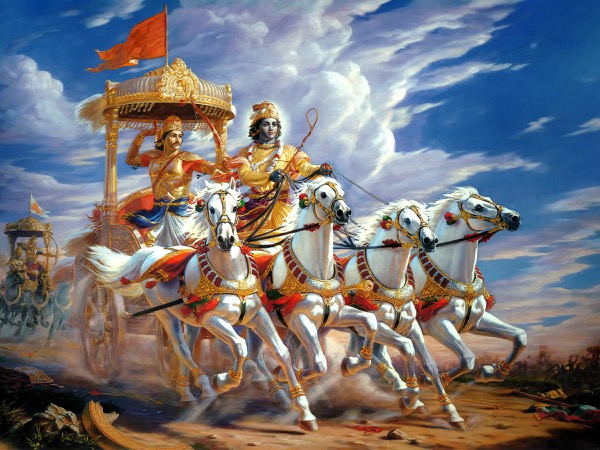
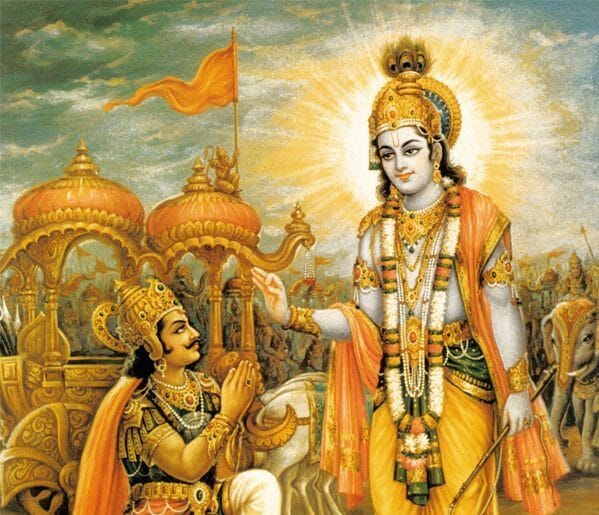
ஶ்ரீமத்³ப⁴க³வத்³கீ³தா மூலம் - சதுர்த³ஶோத்⁴யாய: The Bhagavad Gita unfolds on the battlefield of குருக்ஷேத்ர, a moment suspended between war and wisdom. Here, amidst the clash of the பாண்ட³வா: and கௌரவா:, ஶ்ரீக்ருஷ்ண and அர்ஜுன engage in a dialogue that transcends the immediate chaos. Chapter 14, titled கு³ணத்ரயவிபா⁴க³யோக:³ - the யோக³ of the Division of the Three Gunas, invites us to look beneath the surface of action and emotion, into the very fabric of human nature. In the previous chapters, ஶ்ரீக்ருஷ்ண has guided அர்ஜுன through the paths of கர்ம-யோக³ (selfless action), ஜ்ஞான-யோக³ (knowledge), and ப⁴க்தி-யோக³ (devotion). Chapter 13 explored the distinction between the field (க்ஶெத்ர) and the knower of the field (க்ஶெத்ரஜ்ஞ்ன), helping அர்ஜுன see the difference between the body and the true Self, or ஆத்மா. Now, the focus shifts to the forces that shape our thoughts, behaviors, and ultimately our destinies. This chapter introduces the concept of the three கு³ணs: ஸத்த்வ (purity, harmony), ரஜஸ் (activity, passion), and தமஸ் (inertia, ignorance). These are not just abstract qualities, but living energies that color every experience, mood, and choice. ஶ்ரீக்ருஷ்ண explains how these கு³ணs bind the soul to the cycle of birth and death, and how recognizing their influence is the first step toward freedom. Imagine the mind as a river: sometimes clear and calm, sometimes rushing and restless, sometimes muddy and still. The கு³ணs are the currents that shape its flow. Through vivid examples, ஶ்ரீக்ருஷ்ண shows how ஸத்த்வ brings clarity and happiness, ரஜஸ் fuels ambition and restlessness, and தமஸ் drags us into confusion and lethargy. Yet, none of these is the true Self. The chapter encourages us to observe these forces without getting entangled, to become witnesses rather than puppets of our moods and habits. As the conversation unfolds, அர்ஜுன learns that liberation lies in rising above the கு³ணs, not by rejecting life, but by understanding and transcending its patterns. This is not a call to escape the world, but to engage with it from a place of inner freedom. The teachings here are practical: they invite us to notice which கு³ண dominates our day, and to make choices that nurture clarity and balance. Looking ahead, the next chapter will dive deeper into the path of devotion, or ப⁴க்தி-யோக³. It will reveal how love and surrender to the Divine can cut through the knots of the கு³ணs, offering a direct route to peace and fulfillment. But first, Chapter 14 asks us to become explorers of our own inner landscape, to recognize the subtle forces at play, and to discover the freedom that comes from knowing who we truly are. ஓம் ஶ்ரீ பரமாத்மனே நம: Meaning (பதா³ர்த²): Translation (பா⁴வார்த²): Commentary (அனுஸந்தா⁴ன): ஆதி³ ஶங்கராசார்ய elucidates that the three கு³ணs-ஸத்த்வ, ரஜஸ், and தமஸ்-constitute the fundamental forces shaping all aspects of mind and matter, and discerning their nature is essential for spiritual transcendence. Complementing this, ஶ்ரீ மத்⁴வாசார்ய interprets the division of these qualities as a practical framework for understanding the soul's bondage within material existence and the means to liberation. This aligns with the Upanishadic invocation தமஸோ மா ஜ்யோதிர்க³மய from the சக்ஷுஶோபனிஷத்³ (bRuhadAraNyaka), which prays for guidance from darkness (ignorance and inertia) to light (knowledge and clarity), symbolizing the aspirant's journey through the influence of the கு³ணs. Thus, the chapter's focus on the threefold division not only deepens philosophical insight but also prepares the seeker to recognize and transform these qualities in daily life, bridging the theoretical foundation laid in the first paragraph with the practical applications discussed next. In modern life, understanding the three qualities can help us recognize why we feel calm and clear at times (sattva), restless or ambitious at others (rajas), or lethargic and confused (tamas). For example, someone might notice that after a healthy meal and meditation, their mind feels light and focused, while after a night of poor sleep and junk food, they feel dull and unmotivated. In a workplace, recognizing these modes can help manage team dynamics and personal productivity. As a reflection exercise, try observing your predominant state at different times of the day and consider what activities or environments seem to increase each quality. This awareness can be the first step toward consciously cultivating a more balanced and harmonious life. ஶ்ரீப⁴க³வானுவாச Meaning (பதா³ர்த²): Translation (பா⁴வார்த²): Commentary (அனுஸந்தா⁴ன): ஆதி³ ஶங்கராசார்ய explains that this பரம் ஜ்ஞானம் உத்தமம் is supreme because it leads directly to liberation, transcending all other forms of knowledge that may yield only temporary or partial results. He highlights that this knowledge reveals the ultimate Self, beyond mere ritualistic or intellectual understanding. Meanwhile, ஶ்ரீ ராமானுஜாசார்ய distinguishes this supreme knowledge from the earlier teachings about the gunas, emphasizing that true perfection and freedom from ஸம்ஸார come only from realizing the pure Self. This is supported by the Upanishadic prayer ம்ருத்யோர்மா அம்ருதம் க³மய from the ப்³ருஹதா³ரண்யக உபனிஷத்³, which means 'lead me from death to immortality,' illustrating the transformative power of this knowledge to transcend the cycle of birth and death. Thus, the verse not only reaffirms the exceptional nature of this knowledge introduced in paragraph one but also prepares us to consider its practical relevance in daily life, as discussed in the following paragraph. In modern life, this verse invites us to seek wisdom that transforms our entire outlook, not just information or skills for material success. For example, someone might pursue advanced degrees or professional certifications, but still feel unfulfilled; this teaching suggests that only knowledge which changes our understanding of ourselves and our purpose leads to lasting satisfaction. Another example is the difference between learning about healthy living and actually embodying it-true knowledge is that which results in real change. As a reflection exercise, consider what forms of knowledge in your life have actually led to deeper peace or clarity, and which have only added to your mental clutter. What would it mean for you to seek the 'supreme knowledge' in your current circumstances? இத³ம் ஜ்ஞானமுபாஶ்ரித்ய மம ஸாத⁴ர்ம்யமாக³தா: । Meaning (பதா³ர்த²): Translation (பா⁴வார்த²): Commentary (அனுஸந்தா⁴ன): ஆதி³ ஶங்கராசார்ய explains that ஸாத⁴ர்ம்யம் signifies a profound likeness to the divine nature rather than complete identity, emphasizing that those who attain this state transcend birth and death cycles. Similarly, ஶ்ரீ ராமானுஜாசார்ய interprets this attainment as reaching an unshakable closeness and similarity to the Lord, where the soul is no longer affected by cosmic creation or dissolution. This aligns with the Upanishadic truth expressed in கடோ²பனிஷத்³ (1.2.18): ந ஜாயதே ம்ரியதே வா விபஶ்சித், meaning the realized soul neither takes birth nor dies, highlighting its eternal nature beyond material transformations. These insights deepen the understanding from the previous paragraph by clarifying how knowledge leads to a stable, divine participation that frees one from existential suffering. This foundation prepares us to consider how such spiritual steadiness manifests in everyday challenges, as discussed next. In modern life, this teaching can be seen in those who, through deep understanding and spiritual practice, remain calm and unshaken even when facing major changes-such as losing a job, moving to a new country, or witnessing societal upheaval. Their inner stability is not dependent on external circumstances. Another example is someone who, after years of self-inquiry and meditation, finds a sense of peace that persists despite personal loss or uncertainty about the future. For reflection: consider a situation that usually causes you anxiety or fear. Imagine responding to it from a place of deep knowledge and inner connection, as described in this verse. What would change in your experience? How might you cultivate that steadiness in your daily life? மம யோனிர்மஹத்³ப்³ரஹ்ம தஸ்மின்க³ர்ப⁴ம் த³தா⁴ம்யஹம் । Meaning (பதா³ர்த²): Translation (பா⁴வார்த²): Commentary (அனுஸந்தா⁴ன): The great cosmic womb, identified as ப்ரக்ருதி, is understood by ஆதி³ ஶங்கராசார்ய as the primordial nature composed of the three gunas, which sustains and nurtures all beings. He explains that the 'seed' placed within this womb is the divine conscious principle, the Self that enlivens matter and initiates creation. ஶ்ரீ ராமானுஜாசார்ய further clarifies that the Lord, by His will, unites the non-conscious ப்ரக்ருதி with the conscious souls, thus causing the birth of all entities. This union is essential, as reflected in the Upanishadic prayer ம்ருத்யோர்மா அம்ருதம் க³மய from the ப்³ருஹதா³ரண்யக உபனிஷத்³, which means 'lead me from death to immortality,' symbolizing the movement from unmanifest potential to manifest life through divine agency. These teachings emphasize that creation arises from the dynamic interaction of the cosmic womb and the divine seed, a principle that underlies both the metaphysical framework and practical manifestations of life. In modern life, this teaching can be seen in the way ideas (the seed) need a supportive environment (the womb) to grow into reality, whether in creative projects, relationships, or personal development. For example, a business plan requires both a visionary idea and the right resources to come to fruition. Similarly, nurturing a child involves both genetic inheritance and the environment provided by caregivers. As a reflection exercise, consider an area of your life where you are trying to create or manifest something. Identify what represents the 'seed' and what forms the 'womb' or supportive context, and think about how you can harmonize the two to foster growth. ஸர்வயோனிஷு கௌந்தேய மூர்தய: ஸம்ப⁴வந்தி யா: । Meaning (பதா³ர்த²): Translation (பா⁴வார்த²): Commentary (அனுஸந்தா⁴ன): ஆதி³ ஶங்கராசார்ய explains that ப்³ரஹ்ம here signifies ப்ரக்ருதி, the unmanifested material cause that serves as the universal womb from which all embodied forms arise. Krishna as the பீ³ஜ-ப்ரத:³ is the conscious seed-giving father who activates and initiates creation within this womb. ஶ்ரீ ராமானுஜாசார்ய further clarifies that the Lord implants individual souls into nature according to their karmic histories, making Him the ultimate conscious cause behind all births and forms. This dual causality-material nature as the womb and the divine as the seed-giving father-reflects the inseparable relationship between matter and consciousness in the process of manifestation. The கடோ²பனிஷத்³ (1.2.18) states ந ஜாயதே ம்ரியதே வா விபஶ்சித், meaning the wise one is never born nor dies, highlighting the eternal nature of the self that is implanted by the Lord into the womb of nature. This understanding bridges the cosmic principle described in the first paragraph with the practical insight that every living being's origin involves both material and conscious causes, preparing us to reflect on this unity in our daily experience. In modern life, this teaching can be seen in the way every living being, regardless of background or form, shares a common origin in both material nature and a deeper, unifying consciousness. For example, the birth of a child involves both the physical contribution of parents and the mysterious spark of life that animates the body. Similarly, the growth of a plant from a seed depends on both the earth (nature) and the vital force within the seed. Reflect on a moment when you felt connected to something larger than yourself-perhaps while witnessing a birth, marveling at nature, or contemplating your own origins. Consider how recognizing a shared source can foster respect and empathy for all forms of life. ஸத்த்வம் ரஜஸ்தம இதி கு³ணா: ப்ரக்ருதிஸம்ப⁴வா: । Meaning (பதா³ர்த²): Translation (பா⁴வார்த²): Commentary (அனுஸந்தா⁴ன): ஆதி³ ஶங்கராசார்ய explains that the கு³ணா:-ஸத்த்வ, ரஜஸ், and தமஸ்-are intrinsic qualities of ப்ரக்ருதி that appear to bind the அவ்யயம் தே³ஹினம், the indestructible self, only because of its association with the body. Similarly, ஶ்ரீ மத்⁴வாசார்ய clarifies that this binding arises from ignorance and attachment, which veil the true nature of the self and cause it to identify with the body-mind complex. This apparent bondage is not the self's actual condition but a consequence of its entanglement with the modes of nature. The Upanishadic injunction ந ஜாயதே ம்ரியதே வா விபஶ்சித் (KaThOpaniShad 1.2.18) supports this understanding by affirming that the true self neither takes birth nor dies, highlighting its immutable essence beyond the influence of the gunas. Thus, this verse lays the foundation for recognizing that while the self is inherently free, it appears bound due to the interplay of the three qualities within the embodied state, preparing us to observe how these modes manifest in daily life and influence our actions. In modern life, these three qualities can be observed in daily situations: for example, when someone feels calm, clear-minded, and uplifted, they are under the influence of sattva; when driven by ambition, restlessness, or desire for achievement, rajas predominates; and when lethargy, confusion, or apathy take over, tamas is at work. Consider a student preparing for exams: focused study reflects sattva, cramming out of anxiety is rajas, and procrastination is tamas. A reflection exercise: At the end of your day, recall three moments and identify which quality was most active in each. This awareness is the first step to understanding how these modes shape your actions and choices. தத்ர ஸத்த்வம் நிர்மலத்வாத்ப்ரகாஶகமனாமயம் । Meaning (பதா³ர்த²): Translation (பா⁴வார்த²): Commentary (அனுஸந்தா⁴ன): ஆதி³ ஶங்கராசார்ய explains that although ஸத்த்வ is pure and illuminating, it still binds the self by fostering an illusory identification with happiness and knowledge, which are not the true self but objects of experience. This subtle misidentification arises from அவித்³ய (ignorance), as the self is beyond all qualities and distinctions. Similarly, ஶ்ரீ ராமானுஜாசார்ய teaches that ஸத்த்வ produces both knowledge and happiness, yet attachment to these fruits leads to repeated births in auspicious conditions, perpetuating ஸம்ஸார. This is why even the highest கு³ண does not grant ultimate liberation. The கடோ²பனிஷத்³ (1.2.18) states, ந ஜாயதே ம்ரியதே வா விபஶ்சித், meaning the wise self neither takes birth nor dies, highlighting that true selfhood transcends the binding effects of ஸத்த்வ. Thus, while ஸத்த்வ brings clarity and well-being as described in the previous paragraph, it also subtly entangles the seeker through attachment, preparing the ground for the practical reflection on non-attachment in the following paragraph. In modern life, sattva can be seen in those who pursue learning, health, and happiness with sincerity and clarity. For example, someone might become deeply invested in personal growth or spiritual study, finding joy and meaning in these pursuits. However, if they become attached to always feeling happy or to being seen as knowledgeable, this can create subtle stress or pride. Another example is the person who seeks wellness and balance, but becomes anxious if their peace is disturbed. To reflect: consider an area where you feel especially content or accomplished. Ask yourself, do you feel uneasy at the thought of losing this state? Notice if your well-being depends on holding onto certain experiences or knowledge, and explore what it would mean to appreciate them without attachment. ரஜோ ராகா³த்மகம் வித்³தி⁴ த்ருஷ்ணாஸங்க³ஸமுத்³ப⁴வம் । Meaning (பதா³ர்த²): Translation (பா⁴வார்த²): Commentary (அனுஸந்தா⁴ன): ஆதி³ ஶங்கராசார்ய explains that ரஜ: acts as a coloring agent that tints the mind with restlessness and desire, arising specifically from த்ருஷ்ணா (craving for what is not possessed) and ஸஞ்க³ (attachment to what is possessed), thus binding the embodied self through attachment to action. ஶ்ரீ ராமானுஜாசார்ய further clarifies that this passion manifests as sensuality and incessant striving, especially in relationships and sensory pleasures, which perpetuates the cycle of rebirth by entangling the soul in karmic actions. This binding nature of ரஜ: aligns with the Upanishadic teaching ந ஜாயதே ம்ரியதே வா விபஶ்சித் from the கடோ²பனிஷத்³ (1.2.18), meaning the true Self is never born nor does it die, highlighting that it is the restless mind colored by ரஜ: that experiences birth and death. Understanding this connection helps us recognize how ரஜ: traps the soul in cycles of desire-driven activity, setting the stage for the practical reflection on how such restlessness appears in daily life. In modern life, rajas manifests when someone is constantly chasing promotions, material possessions, or recognition, never feeling satisfied with what they have. Another example is the compulsive use of social media, where the craving for likes and validation keeps one perpetually engaged and distracted. A third scenario is the inability to relax or enjoy downtime, always feeling the urge to be busy or productive. To reflect, consider your own day: are there moments when you act not out of necessity or joy, but because of an inner restlessness or fear of missing out? Notice how this attachment to action shapes your mood and well-being. Try to identify one area where you can act with more awareness and less compulsion, observing the difference it makes. தமஸ்த்வஜ்ஞானஜம் வித்³தி⁴ மோஹனம் ஸர்வதே³ஹினாம் । Meaning (பதா³ர்த²): Translation (பா⁴வார்த²): Commentary (அனுஸந்தா⁴ன): ஆதி³ ஶங்கராசார்ய elucidates that தமஸ் arises from profound அஜ்ஞான, or ignorance, which obscures discernment and leads to delusion, thus binding all embodied beings through heedlessness and inactivity. He highlights how this darkness clouds the intellect, preventing clear understanding and right action. Similarly, ஶ்ரீ ராமானுஜாசார்ய interprets தமஸ் as a state of false knowledge that distorts reality, causing one to act contrary to their true self and become trapped in negligence and indolence. This binding nature of தமஸ் is aptly captured by the Upanishadic prayer தமஸோ மா ஜ்யோதிர்க³மய from the ப்³ருஹதா³ரண்யக உபனிஷத்³, which is a plea to be led from darkness (ignorance) to light (knowledge). This verse reinforces the idea that தமஸ் not only deludes but also envelops the soul in a state of inertia, setting the stage for the practical examples of procrastination and mental fog discussed next. In modern life, தமஸ் can be seen when someone procrastinates important tasks, repeatedly hits the snooze button, or avoids responsibilities by distracting themselves with mindless entertainment. It is also present when a person feels mentally foggy, unmotivated, or indifferent to personal growth. For example, someone might neglect their health out of laziness or ignore opportunities due to a lack of initiative. To reflect, consider a recent situation where you felt stuck or unmotivated. What thoughts or habits contributed to that state? Identifying these patterns is the first step toward overcoming the binding effects of தமஸ். ஸத்த்வம் ஸுகே² ஸஞ்ஜயதி ரஜ: கர்மணி பா⁴ரத । Meaning (பதா³ர்த²): Translation (பா⁴வார்த²): Commentary (அனுஸந்தா⁴ன): The interpretations of ஆதி³ ஶங்கராசார்ய and ஶ்ரீ மத்⁴வாசார்ய deepen our understanding of how the gunas bind the soul. ஆதி³ ஶங்கராசார்ய explains that ஸத்த்வ binds through attachment to happiness, which, while seemingly pure, still entangles the mind in subtle bondage. ஶ்ரீ மத்⁴வாசார்ய highlights the dynamic role of ரஜஸ் as the force driving continuous action, and தமஸ் as the veil that obscures true knowledge, leading to negligence and wrong conduct. This aligns with the Upanishadic invocation தமஸோ மா ஜ்யோதிர்க³மய from the ப்³ருஹதா³ரண்யக உபனிஷத்³, which beseeches the divine to lead one from darkness (ignorance) to light (knowledge). Recognizing how these qualities influence our states of mind is crucial, as it prepares us to observe and gradually transcend their sway, a theme that naturally leads into practical self-awareness and transformation discussed next. In modern life, these patterns are easy to spot. When someone feels calm and joyful while helping others or learning, ஸத்த்வ is at work. The drive to achieve, compete, or multitask reflects ரஜஸ். Procrastination, binge-watching shows out of habit, or ignoring responsibilities are signs of தமஸ். To reflect, consider your last week: When did you feel most clear and content? When were you restless or impulsive? When did you avoid tasks or feel dull? By observing which கு³ண is active, you can make conscious choices to cultivate more clarity and reduce inertia. This self-awareness is a practical step toward greater freedom and well-being. ரஜஸ்தமஶ்சாபி⁴பூ⁴ய ஸத்த்வம் ப⁴வதி பா⁴ரத । Meaning (பதா³ர்த²): Translation (பா⁴வார்த²): Commentary (அனுஸந்தா⁴ன): ஆதி³ ஶங்கராசார்ய explains that the predominance of each கு³ண shapes distinct mental states: ஸத்த்வ brings forth knowledge and bliss, ரஜஸ் causes restlessness and desire, and தமஸ் results in ignorance and inertia. This dynamic interplay reflects the verse's teaching that one கு³ண overpowers the others in turn, producing its characteristic effects. ஶ்ரீ ராமானுஜாசார்ய further clarifies that this shifting dominance depends on one's past கர்ம and the quality of nourishment, making the experience of these changes unique to each individual. This understanding aligns with the Upanishadic invocation தமஸோ மா ஜ்யோதிர்க³மய from the ப்³ருஹதா³ரண்யக உபனிஷத்³, which prays to be led from darkness (தமஸ்) to light (ஜ்யொதி), symbolizing the spiritual aspiration to transcend inertia and ignorance by cultivating ஸத்த்வ. Recognizing which கு³ண is currently dominant, as ஶ்ரீ மத்⁴வாசார்ய suggests, enables practical self-observation and conscious alignment with higher values. This insight prepares us to notice these qualities in daily life and respond accordingly, as discussed next. In daily life, you might notice that after a restful night and a healthy breakfast, you feel clear-minded and calm-this is ஸத்த்வம் in action. During a busy workday filled with deadlines and ambition, ரஜஸ் may dominate, making you restless or driven. If you spend an afternoon in lethargy, procrastinating or feeling dull, தமஸ் is likely prevailing. To reflect, try observing your mental state at different times of the day and note which quality is most present. Ask yourself: What activities or environments increase clarity? When do you feel most restless or most sluggish? This awareness can help you make choices that encourage balance and well-being. ஸர்வத்³வாரேஷு தே³ஹேஸ்மின்ப்ரகாஶ உபஜாயதே । Meaning (பதா³ர்த²): Translation (பா⁴வார்த²): Commentary (அனுஸந்தா⁴ன): The illumination described here is understood by ஆதி³ ஶங்கராசார்ய as the radiant clarity of the intellect that pervades all sensory faculties when ஸத்த்வம் predominates, enabling unobstructed knowledge to manifest through every sense door. ஶ்ரீ ராமானுஜாசார்ய further explains that this light is not merely intellectual brightness but the revealing of the true essence of reality, allowing one to perceive the world as it truly is, free from distortion. This aligns with the Upanishadic invocation அஸதோ மா ஸத்³க³மய-"Lead me from the unreal to the real"-which emphasizes the movement from ignorance to the illuminating truth that ஸத்த்வம் fosters. Thus, the increase of ஸத்த்வம் is marked by a deepening clarity and purity of perception, which prepares the mind for practical application in daily life, as discussed in the following paragraph. In modern life, this teaching can be seen when someone feels mentally clear, emotionally balanced, and able to perceive situations without bias or agitation-such as a student who studies with full attention and easily grasps new concepts, or a leader who listens deeply and responds wisely to challenges. Another example is when, after a period of rest or meditation, a person feels refreshed and sees solutions to problems that previously seemed confusing. As a reflection exercise, notice a day when your mind feels especially clear and your senses sharp. What habits or environments contributed to this state? How can you foster more of this clarity in your daily routine? லோப:⁴ ப்ரவ்ருத்திராரம்ப:⁴ கர்மணாமஶம: ஸ்ப்ருஹா । Meaning (பதா³ர்த²): Translation (பா⁴வார்த²): Commentary (அனுஸந்தா⁴ன): ஆதி³ ஶங்கராசார்ய explains that the restless activity and greed described here are definitive signs of the predominance of ரஜஸ், which disrupts the mind's natural tranquility and focus. He highlights அஶம: as the restless agitation preventing inner peace, while ப்ரவ்ருத்தி: reflects the compulsive urge to engage in actions without calm deliberation. Similarly, ஶ்ரீ மத்⁴வாசார்ய emphasizes that these qualities not only disturb personal equanimity but also hinder spiritual progress by binding the individual to the cycle of desire and dissatisfaction. This aligns with the Upanishadic injunction from the ப்³ருஹதா³ரண்யக உபனிஷத்³, அஸதோ மா ஸத்³க³மய, meaning 'Lead me from the unreal to the real,' which underscores the need to transcend the restless impulses of ரஜஸ் to attain lasting peace. Recognizing these symptoms of ரஜஸ் is thus essential for moving beyond mere external busyness toward deeper self-awareness and calm, preparing the ground for practical steps to cultivate contentment and focus. In modern life, these symptoms of rajas can be seen in someone who is always multitasking, never satisfied with what they have, and constantly seeking new experiences or possessions. For example, a person might feel compelled to check their phone every few minutes, start new projects before finishing old ones, or feel anxious when not busy. Another example is someone who shops impulsively or chases after promotions at work without considering whether it brings real fulfillment. To reflect, take a few minutes to observe your own day: do you notice moments of restlessness, greed, or an urge to always be doing something? Consider what triggers these feelings and how you might create more space for calm and contentment. அப்ரகாஶோப்ரவ்ருத்திஶ்ச ப்ரமாதோ³ மோஹ ஏவ ச । Meaning (பதா³ர்த²): Translation (பா⁴வார்த²): Commentary (அனுஸந்தா⁴ன): The effects of தமஸ் described in this verse are further elucidated by ஆதி³ ஶங்கராசார்ய, who identifies அப்ரகாஶ-the absence of illumination or discernment-as the fundamental cause that gives rise to inactivity, negligence, and delusion. This lack of clarity clouds the mind, making one unable to perceive reality correctly. ஶ்ரீ ராமானுஜாசார்ய complements this view by interpreting அப்ரவ்ருத்தி as a state of immobility or inertia, while ப்ரமாத³ reflects inattentiveness that leads to improper actions. Together, these qualities trap the individual in a cycle of confusion and spiritual stagnation. This understanding aligns with the Upanishadic invocation தமஸோ மா ஜ்யோதிர்க³மய from the ப்³ருஹதா³ரண்யக உபனிஷத்³, which is a prayer to be led from darkness (ignorance) to light (knowledge). Recognizing these symptoms of தமஸ் is essential, as it prepares one to identify and overcome the mental states that hinder progress, thus setting the stage for practical steps to dispel inertia and cultivate clarity. In modern life, signs of தமஸ் might show up as procrastination at work, ignoring important responsibilities, or feeling mentally foggy and unmotivated. For example, someone might repeatedly put off studying for exams, or neglect their health despite knowing the consequences. Another example is getting lost in escapist entertainment to avoid facing reality, leading to further confusion and lack of direction. To reflect, consider a recent situation where you felt stuck or confused. What thoughts or habits contributed to that state? Identifying these patterns is the first step to reducing the influence of தமஸ் and moving toward greater clarity and purposeful action. யதா³ ஸத்த்வே ப்ரவ்ருத்³தே⁴ து ப்ரலயம் யாதி தே³ஹப்⁴ருத் । Meaning (பதா³ர்த²): Translation (பா⁴வார்த²): Commentary (அனுஸந்தா⁴ன): The significance of attaining அமலன் லொகன், or the spotless worlds, is elaborated by ஆதி³ ஶங்கராசார்ய, who explains that these realms are the abodes of those who have realized the highest truths, transcending the impurities of ரஜஸ் and தமஸ். This attainment is not accidental but the fruit of a life cultivated with predominance of ஸத்த்வ. ஶ்ரீ ராமானுஜாசார்ய further clarifies that dying in a state of dominant ஸத்த்வ leads the soul to be reborn in auspicious environments-families devoted to spiritual wisdom-thus facilitating continued progress toward liberation. This teaching resonates with the Upanishadic injunction ம்ருத்யோர்மா அம்ருதம் க³மய from the ப்³ருஹதா³ரண்யக உபனிஷத்³, which means 'lead me from death to immortality,' emphasizing the transformative power of purity at the moment of death. Together, these insights underscore that the quality of one's consciousness at death, shaped by lifelong cultivation of ஸத்த்வ, decisively influences the soul's next journey, bridging the verse's profound metaphysical promise with practical spiritual discipline. In modern life, this teaching can be seen in the way our mental state at crucial moments influences our future. For example, someone who consistently practices kindness, mindfulness, and self-control is more likely to face challenges and even death with peace and clarity, leading to positive outcomes. Another example is how people who live with integrity and purpose often leave behind a legacy that inspires others, much like attaining a 'pure world.' A reflection exercise: Consider what qualities dominate your mind at the end of each day. Are you cultivating clarity and virtue, or are you caught in agitation and confusion? Try ending your day with a few minutes of calm reflection or gratitude to nurture ஸத்த்வ in your own life. ரஜஸி ப்ரலயம் க³த்வா கர்மஸங்கி³ஷு ஜாயதே । Meaning (பதா³ர்த²): Translation (பா⁴வார்த²): Commentary (அனுஸந்தா⁴ன): ஆதி³ ஶங்கராசார்ய explains that dying with rajas predominant causes rebirth among those deeply attached to worldly actions, reflecting restless desires that bind the soul to cycles of activity. ஶ்ரீ ராமானுஜாசார்ய adds that such births, characterized by கர்மஸன்கி³ஶு, offer opportunities for performing rituals and accruing merit, yet remain entangled in personal gain and desires. Both emphasize that the quality prevailing at death decisively shapes the soul's next state, underscoring the need to transcend rajas and tamas. This is echoed in the Upanishadic prayer ம்ருத்யோர்மா அம்ருதம் க³மய from the ப்³ருஹதா³ரண்யக உபனிஷத்³, which beseeches the divine to lead one from death to immortality, symbolizing the aspirant's journey beyond the limitations imposed by the gunas at death. Thus, the verse's teaching on the influence of dominant qualities at the moment of death connects directly to the practical importance of cultivating sattva and awareness, preparing the ground for the reflection on how mental habits shape our future in the next paragraph. In modern life, this teaching can be seen in how our mental habits and attachments shape our future, both in this life and beyond. For example, someone who is constantly restless and driven by ambition may find themselves surrounded by similar people and situations, reinforcing those tendencies. On the other hand, someone who lives in confusion or apathy may end up in environments that limit their growth and awareness. A practical reflection exercise: At the end of each day, pause and observe which quality-clarity, restlessness, or dullness-was most present in your actions and thoughts. Consider how you might consciously cultivate more clarity and awareness, especially during significant transitions or challenges. கர்மண: ஸுக்ருதஸ்யாஹு: ஸாத்த்விகம் நிர்மலம் ப²லம் । Meaning (பதா³ர்த²): Translation (பா⁴வார்த²): Commentary (அனுஸந்தா⁴ன): ஆதி³ ஶங்கராசார்ய explains that the results of actions are inherently linked to the prevailing கு³ண at the time of their performance, with ஸத்த்வ producing purity and clarity, while ரஜஸ் inevitably leads to suffering due to its restless nature. ஶ்ரீ ராமானுஜாசார்ய further clarifies that the fruits of ஸத்த்விச் deeds manifest as favorable circumstances for spiritual advancement, whereas ரஜஸிச் actions bind the soul to continued cycles of desire and pain. This natural progression is reflected in the Upanishadic injunction தமஸோ மா ஜ்யோதிர்க³மய from the ப்³ருஹதா³ரண்யக உபனிஷத்³, which means 'lead me from darkness to light,' symbolizing the movement from ignorance and inertia toward knowledge and illumination. This verse thus reinforces the teaching that the quality of our actions shapes our inner state and external conditions, preparing the ground for the practical reflections discussed next. In modern life, this teaching can be seen in how selfless and thoughtful actions often lead to inner peace and clarity, while actions driven by restlessness or selfish ambition tend to bring stress and dissatisfaction. For example, volunteering with genuine care brings a sense of fulfillment, whereas working solely for personal gain can result in burnout. Similarly, procrastinating or acting out of laziness often leads to confusion and missed opportunities. As a reflection exercise, consider a recent action you took: What was your underlying motivation? Did it leave you feeling clear and uplifted, restless and dissatisfied, or more confused? Noticing these patterns can help guide future choices toward greater harmony and awareness. ஸத்த்வாத்ஸஞ்ஜாயதே ஜ்ஞானம் ரஜஸோ லோப⁴ ஏவ ச । Meaning (பதா³ர்த²): Translation (பா⁴வார்த²): Commentary (அனுஸந்தா⁴ன): ஆதி³ ஶங்கராசார்ய explains that the ஸத்த்வ கு³ண generates a pure and illuminating knowledge that leads toward liberation, while ரஜஸ் produces greed that binds one to worldly desires, and தமஸ் results in negligence and delusion, deepening ignorance. Similarly, ஶ்ரீ மத்⁴வாசார்ய highlights that the ignorance born of தமஸ் is not mere absence of knowledge but a fundamental misapprehension of reality, which perpetuates spiritual darkness. This understanding aligns with the Upanishadic injunction தமஸோ மா ஜ்யோதிர்க³மய from the ப்³ருஹதா³ரண்யக ஊபனிஷத்³, which is a plea to transcend darkness and move toward the light of true knowledge. Thus, the verse's depiction of the three கு³ண-s not only clarifies their psychological effects but also points to their decisive role in either advancing or obstructing spiritual progress, setting the stage for practical reflection on how these qualities manifest in our daily lives. In modern life, we can observe these qualities in everyday situations. For example, when someone studies with a calm and focused mind, understanding comes easily-this is ஸத்த்வ at work. When a person is driven by ambition and competition, always wanting more, it is ரஜஸ் manifesting as greed. If someone procrastinates, forgets important tasks, or acts without thinking, தமஸ் is dominant. As a reflection exercise, consider a recent decision you made: What was the primary motivation behind it-clarity, desire, or confusion? Noticing which கு³ண influenced your actions can help you cultivate more awareness and make conscious choices. ஊர்த்⁴வம் க³ச்ச²ந்தி ஸத்த்வஸ்தா² மத்⁴யே திஷ்ட²ந்தி ராஜஸா: । Meaning (பதா³ர்த²): Translation (பா⁴வார்த²): Commentary (அனுஸந்தா⁴ன): The profound implications of this verse are further illuminated by ஆதி³ ஶங்கராசார்ய, who explains that the predominance of a கு³ண not only shapes the soul's post-mortem destination-where ஸத்த்வ leads upward to higher realms, ரஜஸ் causes one to remain in the middle realm of human existence, and தமஸ் drags one downward into lower life forms-but also reflects the quality of one's present life experience. Complementing this, ஶ்ரீ மத்⁴வாசார்ய emphasizes that these gunas govern the mental and emotional states that bind the individual in ஸம்ஸார: ஸத்த்வ brings clarity and peace, ரஜஸ் fuels restless activity and attachment, and தமஸ் fosters ignorance and inertia. This dynamic is captured in the Upanishadic prayer from the சக்ஷுஶோபனிஷத்³-தமஸோ மா ஜ்யோதிர்க³மய-which beseeches the divine to lead one from darkness (ignorance) to light (knowledge). Thus, this verse not only maps the soul's journey after death but also urges awareness of how the gunas influence our current state, setting the stage for practical reflection and transformation in daily life. In modern life, someone who cultivates sattva-through selfless service, learning, and ethical living-may find themselves growing in wisdom and inner peace, often becoming a source of inspiration to others. A person dominated by rajas might be constantly striving for success, recognition, or material gain, experiencing both excitement and frustration as they chase their goals. Someone under the sway of tamas may feel stuck, unmotivated, or prone to escapist habits, leading to stagnation or decline. As a reflection exercise, consider which கு³ண most often influences your actions and decisions. Notice a recent situation where you acted from sattva, rajas, or tamas, and reflect on the outcome and how it affected your state of mind. நான்யம் கு³ணேப்⁴ய: கர்தாரம் யதா³ த்³ரஷ்டானுபஶ்யதி । Meaning (பதா³ர்த²): Translation (பா⁴வார்த²): Commentary (அனுஸந்தா⁴ன): ஆதி³ ஶங்கராசார்ய elucidates that the true த்³ரஷ்டா or witness is distinct from the கு³ணs and is not the doer of actions; recognizing that all activity arises solely from the interplay of the கு³ணs leads to liberation. Similarly, ஶ்ரீ ராமானுஜாசார்ய teaches that one must first cultivate purity by increasing ஸத்த்வ through selfless actions and spiritual discipline, enabling the seer to perceive the கு³ணs as the agents while the self remains untouched and transcendent. This understanding aligns with the Upanishadic invocation தமஸோ மா ஜ்யோதிர்க³மய-"Lead me from darkness to light"-which symbolizes the journey from ignorance of the self's true nature to the illumination of its distinction from material qualities. Thus, the verse guides the practitioner to shift identification from the mutable qualities to the immutable witness, preparing the ground for practical application in daily life as described next. In modern life, this teaching can be applied when we feel overwhelmed by emotions or situations, recognizing that our reactions are shaped by the play of natural qualities, not by our true self. For example, when facing anger or anxiety, we can pause and observe that these are movements of ரஜஸ் or தமஸ், not our deepest identity. Similarly, in moments of clarity and calm, we can see the influence of ஸத்த்வ. Another example is in teamwork: understanding that people's behaviors are driven by their inherent tendencies can foster empathy and reduce personal conflict. As a reflection exercise, try to notice throughout the day when you identify with being the doer, and gently remind yourself that the qualities of nature are at work, while your true self remains the observer. கு³ணானேதானதீத்ய த்ரீந்தே³ஹீ தே³ஹஸமுத்³ப⁴வான் । Meaning (பதா³ர்த²): Translation (பா⁴வார்த²): Commentary (அனுஸந்தா⁴ன): ஆதி³ ஶங்கராசார்ய explains that transcending the three கு³ணs means rising above their binding influence, which are the root causes of bodily existence and suffering. This transcendence is not mere suppression but a complete liberation that allows the தே³ஹீ to experience the immortal nature of the self even while embodied. ஶ்ரீ ராமானுஜாசார்ய further clarifies that the soul's true essence is pure knowledge and bliss, distinct from the கு³ணs and the body, and realizing this leads to freedom from the cycle of birth and death. Supporting this, the கடோ²பனிஷத்³ (1.2.18) states, ந ஜாயதே ம்ரியதே வா விபஶ்சித், meaning the wise one neither takes birth nor dies, emphasizing the eternal nature of the self beyond physical existence. This understanding bridges the verse's teaching of liberation and sets the stage for practical application in daily life, as discussed in the following paragraph. In modern life, transcending the கு³ணs can be compared to rising above the constant push and pull of moods, habits, and social conditioning. For example, someone who is no longer controlled by anger or restlessness (rajas), or by laziness and confusion (tamas), or even by attachment to goodness and success (sattva), finds a deeper peace and clarity. A person who remains calm and centered during both praise and criticism, or who is not shaken by life's ups and downs, is moving toward this state. As a reflection exercise, consider a recent situation where you felt strongly influenced by emotion or circumstance. Ask yourself: was it a reaction from habit, or did you respond from a deeper awareness? What would it look like to act from that deeper awareness more often? அர்ஜுன உவாச Meaning (பதா³ர்த²): Translation (பா⁴வார்த²): Commentary (அனுஸந்தா⁴ன): ஆதி³ ஶங்கராசார்ய explains that Arjuna's question seeks to identify the external லிங்க³ or signs that reveal one who has transcended the three கு³ணான், emphasizing the visible conduct (ஆசாரஹ்) that distinguishes such a person from those still bound by nature. Meanwhile, ஶ்ரீ மத்⁴வாசார்ய focuses on the practical means (கத²ம்) by which one transcends these qualities, highlighting disciplined action and knowledge as essential to crossing beyond the கு³ணான். This dual focus on both the signs and the method aligns with the Upanishadic injunction ந ஜாயதே ம்ரியதே வா விபஶ்சித் from the கடோ²பனிஷத்³ (1.2.18), which teaches that the true Self is unborn, eternal, and beyond decay-pointing to the inner reality that the transcendent person embodies. Thus, the verse not only inquires about the external markers of transcendence but also about the inner transformation and practice required, preparing us to consider how such qualities manifest in everyday life. In modern life, this question is highly relevant. For example, when someone remains calm and balanced in both success and failure, others may wonder what sets them apart-what are the 'signs' of their inner stability? Or, when a person consistently acts with compassion and integrity regardless of external circumstances, we might ask what practices or mindset allow them to rise above common reactions. Another example is in the workplace: a leader who is unaffected by praise or criticism and treats everyone equally often stands out, prompting curiosity about their inner discipline. As a reflection exercise, consider someone you admire for their equanimity or resilience. What behaviors do they show that suggest they are not easily swayed by changing situations? What habits or attitudes might help you cultivate similar qualities in your own life? ஶ்ரீப⁴க³வானுவாச Meaning (பதா³ர்த²): Translation (பா⁴வார்த²): Commentary (அனுஸந்தா⁴ன): The verse's depiction of one who neither dislikes nor longs for the three கு³ண-s is explained by ஆதி³ ஶங்கராசார்ய as illustrating the inner detachment of a realized soul, who remains unaffected by the arising and subsiding of illumination, activity, and delusion. ஶ்ரீ மத்⁴வாசார்ய further emphasizes that this equanimity reflects the self's steadfastness, which is not disturbed by the fluctuations of the qualities of nature. This state of impartial witnessing aligns with the Upanishadic injunction ந ஜாயதே ம்ரியதே வா விபஶ்சித் from the கடோ²பனிஷத்³ (1.2.18), meaning the true self is unborn, eternal, and beyond decay or death. Thus, the person established in this truth neither clings to nor rejects the transient modes of the mind, embodying a spiritual maturity that transcends attachment and aversion. This understanding naturally leads to practical application, as described in the next paragraph, where such equanimity manifests in daily life. In modern life, this teaching can be seen in someone who remains calm whether they are praised for their knowledge, caught up in busy work, or facing confusion and setbacks. For example, a manager who does not become arrogant when successful, nor anxious when overwhelmed, nor depressed when things are unclear, embodies this attitude. Another example is a student who does not get attached to moments of clarity or discouraged by periods of doubt. As a reflection exercise, consider a recent situation where you felt either elated or frustrated by your mental state. Ask yourself: could you have simply observed that state without clinging to or resisting it? Try to notice the next time such a state arises and practice this inner neutrality. உதா³ஸீனவதா³ஸீனோ கு³ணைர்யோ ந விசால்யதே । Meaning (பதா³ர்த²): Translation (பா⁴வார்த²): Commentary (அனுஸந்தா⁴ன): ஆதி³ ஶங்கராசார்ய elucidates that the state of sitting உதா³ஸீன-வத்-like one indifferent-signifies a profound detachment where the Self-knower perceives the gunas as separate from the true Self and thus remains undisturbed by their activity. This detachment is not a neglect of duty but a steadfastness in knowledge, where the mind is not agitated by the gunas' fluctuations. Similarly, ஶ்ரீ ராமானுஜாசார்ய explains that this equanimity arises from the realization that the Self is distinct from the gunas, resulting in a serene satisfaction that is unshaken by their influence. This aligns with the Upanishadic injunction ந ஜாயதே ம்ரியதே வா விபஶ்சித் from the கடோ²பனிஷத்³ (1.2.18), meaning 'the wise one is not born, nor does he die,' highlighting the immutable nature of the Self beyond the gunas. Together, these teachings emphasize that one acts in the world without being inwardly moved by the qualities or their results, thus bridging the understanding of inner steadiness with practical engagement in life. In modern life, this teaching is especially relevant when facing stressful situations at work or in relationships. For example, if you receive criticism at your job, instead of reacting with anger or defensiveness (rajas) or withdrawing in sadness (tamas), you can observe your emotions, recognize them as natural responses, and choose to remain steady, responding thoughtfully. Similarly, when experiencing moments of excitement or success, you can remember that these too are movements of the gunas and not get carried away by pride or restlessness. As a reflection exercise, next time you notice a strong emotion, pause and ask yourself: 'Is this the gunas at play? Can I observe without getting swept up?' This practice helps cultivate the inner neutrality described in the verse, leading to greater peace and clarity. ஸமது³:க²ஸுக:² ஸ்வஸ்த:² ஸமலோஷ்டாஶ்மகாஞ்சன: । Meaning (பதா³ர்த²): Translation (பா⁴வார்த²): Commentary (அனுஸந்தா⁴ன): The profound equanimity described in this verse is elucidated by ஆதி³ ஶங்கராசார்ய as arising from the realization that all dualities-pleasure and pain, gold and earth-are ultimately illusory when seen through the lens of the immutable Self. He emphasizes non-attachment as the key to this steady state. Meanwhile, ஶ்ரீ ராமானுஜாசார்ய interprets this steadiness as the fruit of discriminative knowledge that distinguishes the transient body from the eternal Self, enabling one to remain unaffected by external fluctuations. This aligns with the Upanishadic injunction from the ப்³ருஹதா³ரண்யக உபனிஷத்³: அஸதோ மா ஸத்³க³மய, meaning 'lead me from the unreal to the real,' which underscores the movement from identification with changing phenomena to abiding in the unchanging reality. Such insight naturally dissolves the ego's craving for praise or aversion to blame, preparing the aspirant to embody the balanced perspective described here and to apply it practically in daily life. In modern life, this teaching can be seen in someone who remains calm whether they receive a promotion or face criticism at work, treating both success and setbacks with the same composure. Another example is a person who does not let material possessions define their happiness, valuing relationships and inner contentment over wealth or status. A third situation might be handling both praise and negative feedback on social media with equal detachment, not letting either affect self-worth. As a reflection exercise, consider a recent situation where you felt either elated or upset due to external events. Ask yourself: what would it feel like to respond with the steadiness described in this verse? Try to notice, in the coming week, moments when you can practice this balanced perspective. மானாபமானயோஸ்துல்யஸ்துல்யோ மித்ராரிபக்ஷயோ: । Meaning (பதா³ர்த²): Translation (பா⁴வார்த²): Commentary (அனுஸந்தா⁴ன): The qualities described in this verse are understood by ஆதி³ ஶங்கராசார்ய as the external manifestations of one who has truly transcended the three கு³னஸ். He emphasizes the steadfastness of such a person who remains unaffected by social honor or dishonor and who renounces all actions driven by personal motives. ஶ்ரீ ராமானுஜாசார்ய explains that this equanimity arises from deep விவெக-discrimination between the eternal self and the transient body-leading to impartiality toward friend and foe alike. This state is supported by the Upanishadic injunction தமஸோ மா ஜ்யோதிர்க³மய from the ப்³ருஹதா³ரண்யக உபனிஷத்³, which means "lead me from darkness to light," symbolizing the movement from ignorance and duality to spiritual illumination and balance. Together, these teachings show that transcending the கு³னஸ் involves cultivating inner freedom from external validation and personal ambition, preparing the seeker for the practical application of this equanimity in daily life. In modern life, this teaching can be seen in someone who does not let workplace recognition or criticism affect their self-worth, or in a person who treats both supporters and detractors with the same courtesy and calm. Another example is choosing not to pursue projects purely for personal advancement, but instead acting from a sense of responsibility or service. For reflection: Recall a recent situation where you felt slighted or praised. How did your mood and actions change? Consider how you might maintain inner steadiness regardless of others' opinions or your own ambitions. மாம் ச யோவ்யபி⁴சாரேண ப⁴க்தியோகே³ன ஸேவதே । Meaning (பதா³ர்த²): Translation (பா⁴வார்த²): Commentary (அனுஸந்தா⁴ன): ஆதி³ ஶங்கராசார்ய explains that unwavering ப⁴க்தி is itself the supreme means to transcend the three கு³ணs, equating such devotion with the highest knowledge that leads to liberation. Similarly, ஶ்ரீ ராமானுஜாசார்ய stresses that it is through single-pointed, loving service to the Supreme Lord-beyond mere intellectual discrimination-that one truly overcomes the subtle influences of the கு³ணs and attains the immortal self. This aligns with the Upanishadic prayer from the ப்³ருஹதா³ரண்யக உபனிஷத்³, ம்ருத்யோர்மா அம்ருதம் க³மய, which means 'lead me from death to immortality,' highlighting the transformative power of steadfast devotion to elevate the soul beyond material bondage. These teachings emphasize that அவ்யபி⁴சாரென ப⁴க்தியொக³ is not just a practice but a direct path to becoming fit for the state of Brahman, preparing the devotee to embody divine qualities in daily life. In modern life, this teaching can be seen in someone who, despite daily challenges and distractions, maintains a consistent practice of prayer, meditation, or selfless service, keeping their focus on a higher purpose. For example, a person volunteering at a shelter out of genuine compassion, or someone who remains calm and loving even in stressful situations, is demonstrating unwavering devotion. Another example is choosing to act with integrity and kindness, even when it is difficult, because of a deep inner commitment to spiritual values. As a reflection exercise, consider what activities or attitudes in your own life could become a form of steady, loving service, and how you might maintain that focus even when circumstances are not favorable. ப்³ரஹ்மணோ ஹி ப்ரதிஷ்டா²ஹமம்ருதஸ்யாவ்யயஸ்ய ச । Meaning (பதா³ர்த²): Translation (பா⁴வார்த²): Commentary (அனுஸந்தா⁴ன): The profound declaration that Krishna is the very ப்ரதிஷ்ட²-the foundation-of Brahman, immortality, and eternal bliss has been elucidated by revered Acharyas with complementary insights. ஆதி³ ஶங்கராசார்ய emphasizes that the அஹம் here signifies the innermost Self, which is the unchanging support of the supreme Brahman, inherently immortal and blissful. He teaches that through the illumination of knowledge, one realizes the essential non-difference between the individual self and this ultimate reality. In contrast, ஶ்ரீ ராமானுஜாசார்ய highlights the personal aspect of Krishna as the indestructible ground of both the individual soul and the eternal த⁴ர்ம and bliss that constitute the supreme goal. He stresses that unwavering devotion and surrender to Krishna enable the soul to transcend the binding கு³னஸ் and attain this highest state. This dual perspective is beautifully complemented by the Upanishadic prayer from the ப்³ருஹதா³ரண்யக உபனிஷத்³, ம்ருத்யோர்மா அம்ருதம் க³மய, which means 'Lead me from death to immortality.' This invocation encapsulates the essence of the verse, affirming the Divine as the ultimate refuge and source of eternal life and bliss. Together, these teachings bridge the metaphysical truth of the Divine as the foundation with the practical path of devotion and knowledge, preparing us to reflect on how this realization can transform our approach to life and happiness. In practical life, this teaching invites us to reflect on what we consider as the foundation of our happiness and sense of purpose. For example, someone might seek lasting fulfillment in achievements, relationships, or possessions, but these are all subject to change and loss. Recognizing that true, unshakable happiness and meaning come from connecting with the Divine can transform our priorities and resilience. Another example is facing uncertainty or loss; remembering that the ultimate support is something eternal and unchanging can provide deep comfort and strength. As a reflection exercise, consider what you currently rely on for stability and happiness. Ask yourself: are these things permanent, or do they change with circumstances? How might your perspective shift if you anchored your sense of self and fulfillment in something truly eternal and unchanging? ஓம் தத்ஸதி³தி ஶ்ரீமத்³ப⁴க³வத்³கீ³தாஸூபனிஷத்ஸு ப்³ரஹ்மவித்³யாயாம் யோக³ஶாஸ்த்ரே Meaning (பதா³ர்த²): Translation (பா⁴வார்த²): Commentary (அனுஸந்தா⁴ன): ஆதி³ ஶங்கராசார்ய interprets the term ப்³ரஹ்மவித்³யாயாம் as indicating that the Bhagavad Gita imparts direct knowledge of the supreme reality, guiding the seeker toward liberation by transcending the three gunas. He emphasizes that this knowledge is not merely theoretical but transformative, aligning with the Upanishadic prayer அஸதோ மா ஸத்³க³மய which means 'Lead me from the unreal to the real,' highlighting the Gita's role in moving the aspirant from ignorance to truth. Meanwhile, ஶ்ரீ மத்⁴வாசார்ய focuses on the phrase யோக³ஶாஸ்த்ரே, viewing the Gita as a practical manual for disciplined spiritual practice that harmonizes the qualities of nature within the practitioner. Together, these Acharyas affirm that the colophon encapsulates the Gita's dual nature as both profound philosophy and actionable guidance, preparing the reader to apply this wisdom in daily life, as will be discussed in the following paragraph. In modern life, this colophon can remind us to approach every learning or project with a sense of sacredness and higher purpose, just as ஓம் and தத்ஸத் sanctify the text. For example, someone finishing a major work or study can pause to dedicate their efforts to a greater good, echoing the spirit of this verse. In another context, a team concluding a project might reflect on the qualities (gunas) that influenced their process-such as clarity, inertia, or restlessness-and consider how to cultivate more balance in the future. As a reflection exercise, after completing any significant task, take a moment to silently acknowledge the effort, dedicate it to a higher ideal, and observe which qualities were most present in your mind and actions.
|