
| | English | | Devanagari | | Telugu | | Tamil | | Kannada | | Malayalam | | Gujarati | | Odia | | Bengali | | |
| | Marathi | | Assamese | | Punjabi | | Hindi | | Samskritam | | Konkani | | Nepali | | Sinhala | | Grantha | | |
|
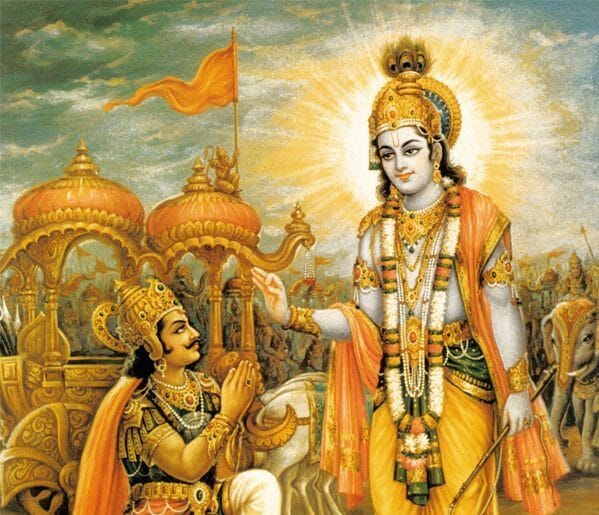
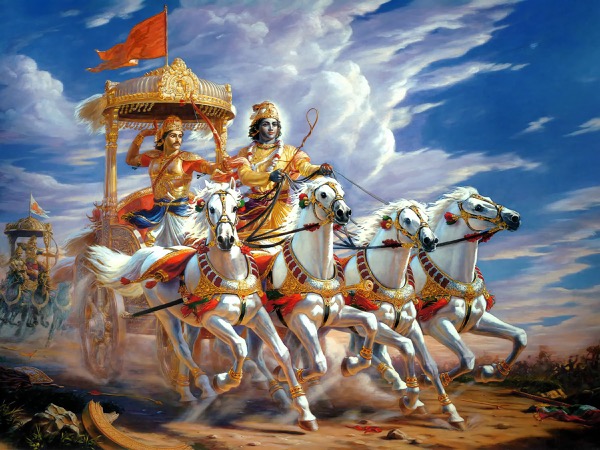
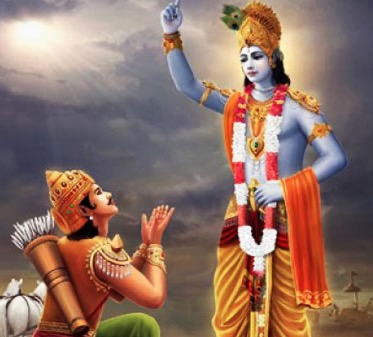
𑌶𑍍𑌰𑍀𑌮𑌦𑍍𑌭𑌗𑌵𑌦𑍍𑌗𑍀𑌤𑌾 𑌪𑌾𑌰𑌾𑌯𑌣 - 𑌤𑍍𑌰𑌯𑍋𑌦𑌶𑍋𑌽𑌧𑍍𑌯𑌾𑌯𑌃 The thirteenth chapter of the Bhagavad Gita, titled 𑌕𑍍𑌷𑍇𑌤𑍍𑌰𑌕𑍍𑌷𑍇𑌤𑍍𑌰𑌜𑍍𑌞𑌵𑌿𑌭𑌾𑌗𑌯𑍋𑌗𑌃 (Kshetra-Kshetrajna Vibhaga 𑌯𑍋𑌗), opens with the echo of war drums on the fields of 𑌕𑍁𑌰𑍁𑌕𑍍𑌷𑍇𑌤𑍍𑌰. Here, in the heart of the 𑌮𑌹𑌾𑌭𑌾𑌰𑌤 epic, 𑌶𑍍𑌰𑍀𑌕𑍃𑌷𑍍𑌣 and 𑌅𑌰𑍍𑌜𑍁𑌨 continue their profound dialogue, surrounded by the armies of the 𑌪𑌾𑌂𑌡𑌵𑌾𑌃 and 𑌕𑍌𑌰𑌵𑌾𑌃. The battlefield is more than a place of conflict; it is a stage for timeless questions about life, identity, and purpose. Amid the tension and uncertainty, 𑌶𑍍𑌰𑍀𑌕𑍃𑌷𑍍𑌣 invites 𑌅𑌰𑍍𑌜𑍁𑌨 to look beyond the immediate chaos and explore the deeper layers of existence. In the previous chapters, especially the twelfth, the Gita explored the path of devotion-𑌭𑌕𑍍𑌤𑌿-𑌯𑍋𑌗-emphasizing love, surrender, and the relationship between the devotee and the divine. 𑌶𑍍𑌰𑍀𑌕𑍃𑌷𑍍𑌣 revealed how unwavering devotion can lead to liberation, and how the heart's longing for the eternal can transform even the most ordinary life. Now, the conversation shifts gears. The focus turns inward, toward the nature of the self and the body, the field and the knower of the field. This chapter's central theme is the distinction between the physical body (𑌕𑍍𑌷𑍇𑌤𑍍𑌰) and the conscious self (𑌕𑍍𑌷𑍇𑌤𑍍𑌰𑌜𑍍𑌞). 𑌶𑍍𑌰𑍀𑌕𑍃𑌷𑍍𑌣 explains that the body, with all its sensations, memories, and desires, is like a field-ever-changing, subject to birth and decay. The true self, the 𑌆𑌤𑍍𑌮𑌾, is the knower of this field: silent, aware, untouched by time. Through vivid metaphors and clear reasoning, 𑌶𑍍𑌰𑍀𑌕𑍃𑌷𑍍𑌣 urges 𑌅𑌰𑍍𑌜𑍁𑌨 to recognize this difference, much like a person realizing they are not the clothes they wear or the roles they play. The chapter also explores what it means to truly know oneself. It discusses qualities like humility, patience, and honesty, which prepare the mind for self-knowledge. 𑌶𑍍𑌰𑍀𑌕𑍃𑌷𑍍𑌣 describes the ultimate wisdom as seeing the same divine presence in all beings, regardless of their outward differences. This vision dissolves the boundaries that separate us, inviting a sense of unity and compassion that transcends the battlefield. Looking ahead, the next chapter will dive deeper into the three fundamental qualities-𑌗𑍁𑌣s-that shape human nature and behavior. But before that, 𑌶𑍍𑌰𑍀𑌕𑍃𑌷𑍍𑌣 lays the groundwork here, helping 𑌅𑌰𑍍𑌜𑍁𑌨 (and all of us) understand the difference between what we experience and the one who experiences. It is a call to wake up to our own awareness, to see ourselves not just as actors in the world, but as the silent witness behind it all. 𑌓𑌂 𑌶𑍍𑌰𑍀 𑌪𑌰𑌮𑌾𑌤𑍍𑌮𑌨𑍇 𑌨𑌮𑌃 Meaning (𑌪𑌦𑌾𑌰𑍍𑌥): Translation (𑌭𑌾𑌵𑌾𑌰𑍍𑌥): Commentary (𑌅𑌨𑍁𑌸𑌂𑌧𑌾𑌨): The distinction between 𑌕𑍍𑌷𑍇𑌤𑍍𑌰 and 𑌕𑍍𑌷𑍇𑌤𑍍𑌰𑌜𑍍𑌞 is central to the teachings of 𑌆𑌦𑌿 𑌶𑌂𑌕𑌰𑌾𑌚𑌾𑌰𑍍𑌯 and 𑌶𑍍𑌰𑍀 𑌰𑌾𑌮𑌾𑌨𑍁𑌜𑌾𑌚𑌾𑌰𑍍𑌯. 𑌆𑌦𑌿 𑌶𑌂𑌕𑌰𑌾𑌚𑌾𑌰𑍍𑌯 explains that the 𑌕𑍍𑌷𑍇𑌤𑍍𑌰 comprises the body, senses, and mind-the mutable field of experience-while the 𑌕𑍍𑌷𑍇𑌤𑍍𑌰𑌜𑍍𑌞 is the immutable pure consciousness that illumines this field. In contrast, 𑌶𑍍𑌰𑍀 𑌰𑌾𑌮𑌾𑌨𑍁𑌜𑌾𑌚𑌾𑌰𑍍𑌯 expands this understanding by identifying the Supreme Self as the ultimate 𑌕𑍍𑌷𑍇𑌤𑍍𑌰𑌜𑍍𑌞 present within all beings, transcending individual selves. This distinction is not merely philosophical but practical, as it underlies the process of self-realization and detachment. The Upanishadic injunction 𑌤𑌮𑌸𑍋 𑌮𑌾 𑌜𑍍𑌯𑍋𑌤𑌿𑌰𑍍𑌗𑌮𑌯 from the 𑌚𑌕𑍍𑌷𑍁𑌶𑍋𑌪𑌨𑌿𑌷𑌦𑍍 beautifully encapsulates this journey-from ignorance embodied in the field to the light of consciousness as the knower. Recognizing this difference prepares the seeker to observe the field without attachment, paving the way for the practical applications of this wisdom in daily life. In modern life, this distinction can be reflected in how we identify ourselves. For example, when facing stress at work, recognizing that our thoughts and emotions are part of the 'field' while our awareness remains separate can help us respond more calmly. Similarly, in relationships, understanding that our roles and interactions are aspects of the field, but our true self is the observer, can reduce conflict and increase empathy. As a reflection exercise, try to observe your thoughts and bodily sensations for a few minutes each day, reminding yourself that you are the knower, not the field itself. This practice can foster clarity and inner peace. 𑌅𑌰𑍍𑌜𑍁𑌨 𑌉𑌵𑌾𑌚 Meaning (𑌪𑌦𑌾𑌰𑍍𑌥): Translation (𑌭𑌾𑌵𑌾𑌰𑍍𑌥): Commentary (𑌅𑌨𑍁𑌸𑌂𑌧𑌾𑌨): While 𑌆𑌦𑌿 𑌶𑌂𑌕𑌰𑌾𑌚𑌾𑌰𑍍𑌯 and 𑌶𑍍𑌰𑍀 𑌰𑌾𑌮𑌾𑌨𑍁𑌜𑌾𑌚𑌾𑌰𑍍𑌯 do not provide commentary on this verse in their principal works, 𑌶𑍍𑌰𑍀 𑌮𑌧𑍍𑌵𑌾𑌚𑌾𑌰𑍍𑌯 highlights it as a crucial turning point where Arjuna explicitly seeks to understand the fundamental distinction between 𑌪𑍍𑌰𑌕𑍃𑌤𑌿 (nature) and 𑌪𑍁𑌰𑍁𑌷 (spirit), or the 𑌕𑍍𑌷𑍇𑌤𑍍𑌰 (field) and the 𑌕𑍍𑌷𑍇𑌤𑍍𑌰𑌜𑍍𑌞 (knower of the field). This inquiry initiates Krishna's profound teaching on the difference between the perishable body and the imperishable self. The importance of this quest for true knowledge is underscored by the Upanishadic prayer from the 𑌬𑍃𑌹𑌦𑌾𑌰𑌣𑍍𑌯𑌕 𑌉𑌪𑌨𑌿𑌷𑌦𑍍: 𑌅𑌸𑌤𑍋 𑌮𑌾 𑌸𑌦𑍍𑌗𑌮𑌯, meaning 'Lead me from the unreal to the real.' This invocation captures the essence of Arjuna's request-to transcend ignorance and confusion about the self and the world. By framing the question in this way, the verse prepares the listener for a systematic exploration of self-realization, which naturally leads into practical reflections on identity and consciousness in daily life. In modern life, this verse mirrors the questions many people ask about the difference between their physical existence and their inner consciousness. For example, a scientist might wonder about the boundary between brain activity and subjective experience, while a person facing a major life change might ask what truly defines their identity beyond their circumstances. Another example is someone exploring meditation, seeking to understand the difference between their thoughts (the field) and the awareness observing those thoughts (the knower). As a reflection exercise, consider what you identify with most: your body, your thoughts, or the awareness behind them. How does this shape your sense of self and your approach to knowledge? 𑌶𑍍𑌰𑍀 𑌭𑌗𑌵𑌾𑌨𑍁𑌵𑌾𑌚 Meaning (𑌪𑌦𑌾𑌰𑍍𑌥): Translation (𑌭𑌾𑌵𑌾𑌰𑍍𑌥): Commentary (𑌅𑌨𑍁𑌸𑌂𑌧𑌾𑌨): Although 𑌆𑌦𑌿 𑌶𑌂𑌕𑌰𑌾𑌚𑌾𑌰𑍍𑌯 and 𑌶𑍍𑌰𑍀 𑌰𑌾𑌮𑌾𑌨𑍁𑌜𑌾𑌚𑌾𑌰𑍍𑌯 do not provide commentary on this verse, 𑌶𑍍𑌰𑍀 𑌮𑌧𑍍𑌵𑌾𑌚𑌾𑌰𑍍𑌯 and 𑌮𑌧𑍁𑌸𑍂𑌦𑌨 𑌸𑌰𑌸𑍍𑌵𑌤𑍀 elucidate the essential distinction between 𑌕𑍍𑌷𑍇𑌤𑍍𑌰𑌂 (the body or field) and 𑌕𑍍𑌷𑍇𑌤𑍍𑌰𑌜𑍍𑌞 (the knower of the field). 𑌮𑌧𑍁𑌸𑍂𑌦𑌨 𑌸𑌰𑌸𑍍𑌵𑌤𑍀 emphasizes that true wisdom arises from recognizing the self as the conscious observer, separate from the physical body which merely serves as the field of experience. Similarly, 𑌶𑍍𑌰𑍀 𑌮𑌧𑍍𑌵𑌾𑌚𑌾𑌰𑍍𑌯 highlights that the 𑌕𑍍𑌷𑍇𑌤𑍍𑌰𑌜𑍍𑌞 is the immutable witness, distinct from the mutable 𑌕𑍍𑌷𑍇𑌤𑍍𑌰𑌂. This distinction aligns with the Upanishadic teaching 𑌨 𑌜𑌾𑌯𑌤𑍇 𑌮𑍍𑌰𑌿𑌯𑌤𑍇 𑌵𑌾 𑌵𑌿𑌪𑌶𑍍𑌚𑌿𑌤𑍍 from the 𑌕𑌠𑍋𑌪𑌨𑌿𑌷𑌦𑍍 (1.2.18), which means the true self neither takes birth nor dies, underscoring its eternal and unchanging nature. Understanding this difference is foundational for spiritual progress, as it shifts identification from the transient body to the eternal knower, preparing one to apply this insight practically in daily life. In modern life, this teaching can be applied by recognizing that our bodies and circumstances are like fields in which we act, but our true identity lies in the awareness that observes and experiences these actions. For example, when facing illness or physical discomfort, remembering that the body is the field and not the self can help maintain inner peace. Similarly, in situations of emotional turmoil, identifying with the knower rather than the changing experiences can provide stability. As a reflection exercise, try to observe your thoughts and sensations for a few minutes each day, reminding yourself that you are the witness, not the body or mind. This practice can gradually shift your sense of identity toward the deeper self. 𑌕𑍍𑌷𑍇𑌤𑍍𑌰𑌜𑍍𑌞𑌂 𑌚𑌾𑌪𑌿 𑌮𑌾𑌂 𑌵𑌿𑌦𑍍𑌧𑌿 𑌸𑌰𑍍𑌵𑌕𑍍𑌷𑍇𑌤𑍍𑌰𑍇𑌷𑍁 𑌭𑌾𑌰𑌤 । Meaning (𑌪𑌦𑌾𑌰𑍍𑌥): Translation (𑌭𑌾𑌵𑌾𑌰𑍍𑌥): Commentary (𑌅𑌨𑍁𑌸𑌂𑌧𑌾𑌨): 𑌆𑌦𑌿 𑌶𑌂𑌕𑌰𑌾𑌚𑌾𑌰𑍍𑌯 elucidates that the body is termed 𑌕𑍍𑌷𑍇𑌤𑍍𑌰 because it serves as the field where all actions and experiences take place, while the 𑌕𑍍𑌷𑍇𑌤𑍍𑌰𑌜𑍍𑌞 is the conscious witness distinct from this field. Similarly, 𑌶𑍍𑌰𑍀 𑌰𑌾𑌮𑌾𑌨𑍁𑌜𑌾𑌚𑌾𑌰𑍍𑌯 emphasizes that the self is the true experiencer, separate from the body, and that realizing this distinction is essential for liberation. This understanding aligns with the Upanishadic teaching 𑌨 𑌜𑌾𑌯𑌤𑍇 𑌮𑍍𑌰𑌿𑌯𑌤𑍇 𑌵𑌾 𑌵𑌿𑌪𑌶𑍍𑌚𑌿𑌤𑍍 from the 𑌕𑌠𑍋𑌪𑌨𑌿𑌷𑌦𑍍 (1.2.18), which means the self neither takes birth nor dies, highlighting its eternal nature beyond the transient body. Together, these insights deepen the knowledge introduced in the first paragraph and prepare us to apply this awareness practically, as discussed next. In modern life, this teaching encourages us to see ourselves not just as our bodies or minds, but as the conscious observer behind all experiences. For example, when facing stress at work, remembering that you are the witness of your thoughts and emotions can help create space and reduce reactivity. When dealing with illness or aging, this perspective helps maintain inner peace by recognizing that the body is a temporary field, not the true self. As a reflection exercise, try to observe your thoughts and sensations for a few minutes each day, asking yourself: Who is aware of these experiences? This simple inquiry can foster a deeper sense of self-awareness and resilience. 𑌤𑌤𑍍𑌕𑍍𑌷𑍇𑌤𑍍𑌰𑌂 𑌯𑌚𑍍𑌚 𑌯𑌾𑌦𑍃𑌕𑍍𑌚 𑌯𑌦𑍍𑌵𑌿𑌕𑌾𑌰𑌿 𑌯𑌤𑌶𑍍𑌚 𑌯𑌤𑍍 । Meaning (𑌪𑌦𑌾𑌰𑍍𑌥): Translation (𑌭𑌾𑌵𑌾𑌰𑍍𑌥): Commentary (𑌅𑌨𑍁𑌸𑌂𑌧𑌾𑌨): The verse's delineation of 𑌕𑍍𑌷𑍇𑌤𑍍𑌰𑌂 and its 𑌪𑍍𑌰𑌭𑌾𑌵 invites nuanced interpretation by revered Acharyas. 𑌆𑌦𑌿 𑌶𑌂𑌕𑌰𑌾𑌚𑌾𑌰𑍍𑌯 elucidates that the 𑌕𑍍𑌷𑍇𑌤𑍍𑌰𑌂 includes all mutable physical and mental phenomena, while the 𑌕𑍍𑌶𑍇𑌤𑍍𑌰𑌜𑍍𑌨 is the immutable consciousness that illuminates them, emphasizing their essential non-duality. In contrast, 𑌶𑍍𑌰𑍀 𑌰𑌾𑌮𑌾𑌨𑍁𑌜𑌾𑌚𑌾𑌰𑍍𑌯 teaches that both the field and its knower are inseparable from the Supreme Lord, who dwells as the inner controller in all beings, thus affirming their divine unity. This understanding is supported by the Upanishadic injunction 𑌤𑌮𑌸𑍋 𑌮𑌾 𑌜𑍍𑌯𑍋𑌤𑌿𑌰𑍍𑌗𑌮𑌯 from the 𑌬𑍃𑌹𑌦𑌾𑌰𑌣𑍍𑌯𑌕 𑌉𑌪𑌨𑌿𑌷𑌦𑍍, which means 'lead me from darkness to light,' symbolizing the movement from ignorance of the field and knower to true knowledge. These perspectives deepen the foundational insight introduced in the first paragraph and prepare us to apply this knowledge practically by discerning the changing field from the unchanging knower, as discussed next. In modern life, this teaching can be applied by observing how our bodies and minds are constantly changing, yet there is an unchanging awareness that experiences these changes. For example, when you notice your emotions shifting throughout the day, or your body aging over the years, you can reflect on the presence of a witnessing consciousness that remains steady. Another example is in relationships: recognizing that both you and others are more than just your roles or appearances can foster empathy and deeper connection. As a reflection exercise, take a few minutes to sit quietly and observe your thoughts and sensations, asking yourself: Who is aware of these experiences? This practice can help you distinguish between the ever-changing field and the stable knower within. 𑌋𑌷𑌿𑌭𑌿𑌰𑍍𑌬𑌹𑍁𑌧𑌾 𑌗𑍀𑌤𑌂 𑌛𑌂𑌦𑍋𑌭𑌿𑌰𑍍𑌵𑌿𑌵𑌿𑌧𑍈𑌃 𑌪𑍃𑌥𑌕𑍍 । Meaning (𑌪𑌦𑌾𑌰𑍍𑌥): Translation (𑌭𑌾𑌵𑌾𑌰𑍍𑌥): Commentary (𑌅𑌨𑍁𑌸𑌂𑌧𑌾𑌨): 𑌆𑌦𑌿 𑌶𑌂𑌕𑌰𑌾𑌚𑌾𑌰𑍍𑌯 elucidates that the knowledge of the 𑌕𑍍𑌶𑍇𑌤𑍍𑌰 (field) and 𑌕𑍍𑌶𑍇𑌤𑍍𑌰-𑌜𑍍𑌞 (knower of the field) is firmly grounded in both scriptural revelation and logical inquiry, demonstrating the essential harmony between 𑌪𑍍𑌰𑌮𑌾𑌣 (means of knowledge) and 𑌤𑌰𑍍𑌕 (reasoning). Meanwhile, 𑌶𑍍𑌰𑍀 𑌮𑌧𑍍𑌵𑌾𑌚𑌾𑌰𑍍𑌯 stresses the significance of 𑌹𑍇𑌤𑍁𑌮𑌦𑍍𑌭𑌿𑌃 𑌵𑌿𑌨𑌿𑌶𑍍𑌚𑌿𑌤𑍈𑌃-logical certainty-emphasizing that scriptural testimony must be complemented by rigorous analysis to dispel doubt and establish truth. This dual approach reflects the teaching of the 𑌕𑌠𑍋𑌪𑌨𑌿𑌷𑌦𑍍 (1.2.18): 𑌨 𑌜𑌾𑌯𑌤𑍇 𑌮𑍍𑌰𑌿𑌯𑌤𑍇 𑌵𑌾 𑌵𑌿𑌪𑌶𑍍𑌚𑌿𑌤𑍍, which assures the eternal nature of the self beyond birth and death, a truth apprehended through both revealed knowledge and discriminative reasoning. Thus, the verse continues the theme introduced in paragraph one by affirming that the understanding of the field and its knower is not mere speculation but a well-founded synthesis of diverse authoritative sources, preparing us to apply this integrated wisdom practically, as discussed in the following paragraph. In modern life, this verse encourages us to seek knowledge from multiple credible sources rather than relying on a single perspective. For example, when making a significant decision, one might consult scientific research, expert opinions, and personal experience, much like the sages used hymns, treatises, and logic. In academic or professional settings, integrating insights from different disciplines can lead to a more complete understanding of complex issues. As a reflection exercise, consider a topic you care about deeply. List three different sources or methods you could use to understand it better, and notice how each adds a unique dimension to your knowledge. 𑌮𑌹𑌾𑌭𑍂𑌤𑌾𑌨𑍍𑌯𑌹𑌂𑌕𑌾𑌰𑌃 𑌬𑍁𑌦𑍍𑌧𑌿𑌰𑌵𑍍𑌯𑌕𑍍𑌤𑌮𑍇𑌵 𑌚 । Meaning (𑌪𑌦𑌾𑌰𑍍𑌥): Translation (𑌭𑌾𑌵𑌾𑌰𑍍𑌥): Commentary (𑌅𑌨𑍁𑌸𑌂𑌧𑌾𑌨): 𑌆𑌦𑌿 𑌶𑌂𑌕𑌰𑌾𑌚𑌾𑌰𑍍𑌯 explains that the enumeration of the 𑌮𑌹𑌾𑌭𑍂𑌤𑌾𑌨𑌿, 𑌅𑌹𑌂𑌕𑌾𑌰𑌃, 𑌬𑍁𑌦𑍍𑌧𑌿𑌃, 𑌅𑌵𑍍𑌯𑌕𑍍𑌤𑌮𑍍, and the senses in this verse is a profound teaching echoed throughout the Vedic tradition, emphasizing the distinction between the transient body-mind complex and the eternal self. 𑌶𑍍𑌰𑍀 𑌰𑌾𑌮𑌾𑌨𑍁𑌜𑌾𑌚𑌾𑌰𑍍𑌯 further elucidates that these elements constitute the 𑌕𑍍𑌷𑍇𑌤𑍍𑌰 or field, which is distinct from the 𑌕𑍍𑌶𑍇𑌤𑍍𑌰𑌜𑍍𑌨, the conscious soul that illumines the field. This distinction is vital for spiritual inquiry and liberation. The Upanishadic prayer 𑌮𑍃𑌤𑍍𑌯𑍋𑌰𑍍𑌮𑌾 𑌅𑌮𑍃𑌤𑌂 𑌗𑌮𑌯 from the 𑌬𑍃𑌹𑌦𑌾𑌰𑌣𑍍𑌯𑌕 𑌉𑌪𑌨𑌿𑌷𑌦𑍍 beautifully captures this aspiration, meaning 'Lead me from death to immortality,' signifying the seeker's journey beyond the perishable components of existence toward the imperishable self. This verse thus prepares the aspirant to recognize the layered nature of material existence, setting the foundation for practical reflection on the self beyond the body and mind. In modern life, this teaching can be reflected in how we identify ourselves with our bodies, thoughts, and emotions. For example, when someone feels insulted, they may react as if their very being is threatened, forgetting that the true self is distinct from the mind and ego. Another example is the pursuit of sensory pleasures, where people often equate happiness with satisfying the senses, not realizing these are just interactions within the 'field'. A practical reflection exercise: Take a few moments to observe your thoughts and sensations. Ask yourself, 'Am I the body, the mind, or the observer of these experiences?' This simple inquiry can help create distance from habitual identification with the field and open the door to deeper self-understanding. 𑌇𑌚𑍍𑌛𑌾 𑌦𑍍𑌵𑍇𑌷𑌃 𑌸𑍁𑌖𑌂 𑌦𑍁𑌃𑌖𑌂 𑌸𑌂𑌘𑌾𑌤𑌶𑍍𑌚𑍇𑌤𑌨𑌾 𑌧𑍃𑌤𑌿𑌃 । Meaning (𑌪𑌦𑌾𑌰𑍍𑌥): Translation (𑌭𑌾𑌵𑌾𑌰𑍍𑌥): Commentary (𑌅𑌨𑍁𑌸𑌂𑌧𑌾𑌨): The distinction between the 𑌕𑍍𑌷𑍇𑌤𑍍𑌰𑌂 and the 𑌜𑍀𑌵𑌾𑌤𑍍𑌮𑌨𑍍 is crucial in understanding this verse, as explained by 𑌆𑌦𑌿 𑌶𑌂𑌕𑌰𑌾𑌚𑌾𑌰𑍍𑌯 and 𑌶𑍍𑌰𑍀 𑌰𑌾𑌮𑌾𑌨𑍁𑌜𑌾𑌚𑌾𑌰𑍍𑌯. 𑌆𑌦𑌿 𑌶𑌂𑌕𑌰𑌾𑌚𑌾𑌰𑍍𑌯 clarifies that qualities such as 𑌇𑌚𑍍𑌛 (desire) and 𑌦𑍍𑌵𑍇𑌷 (aversion) are modifications of the field, not inherent to the pure self, which is unchanging consciousness. He interprets 𑌚𑍇𑌤𑌨𑌾 here as reflected consciousness associated with the mind-body complex, distinct from the immutable 𑌜𑍀𑌵𑌾𑌤𑍍𑌮𑌨𑍍. Meanwhile, 𑌶𑍍𑌰𑍀 𑌰𑌾𑌮𑌾𑌨𑍁𑌜𑌾𑌚𑌾𑌰𑍍𑌯 emphasizes that the aggregate (𑌸𑌂𑌘𑌾𑌤𑌃) serves as the substratum for experiencing pleasure and pain, enabling the soul's interaction with the world and its spiritual evolution. This understanding aligns with the Upanishadic injunction 𑌤𑌮𑌸𑍋 𑌮𑌾 𑌜𑍍𑌯𑍋𑌤𑌿𑌰𑍍𑌗𑌮𑌯 from the 𑌬𑍃𑌹𑌦𑌾𑌰𑌣𑍍𑌯𑌕 𑌊𑌪𑌨𑌿𑌷𑌦𑍍, which means 'Lead me from darkness to light,' symbolizing the movement from ignorance of the self's true nature to the illumination of self-knowledge. Recognizing these qualities as attributes of the field rather than the self provides a foundation for the practical reflection on desires and emotions discussed next. In modern life, these concepts are highly relevant. For example, when someone feels intense desire for a new gadget or experiences aversion toward a difficult colleague, they are witnessing 𑌇𑌚𑍍𑌛 and 𑌦𑍍𑌵𑍇𑌷 in action. The ups and downs of daily life-joy at a promotion or disappointment after a setback-are expressions of 𑌸𑍁𑌖𑌂 and 𑌦𑍁𑌃𑌖𑌂. The ability to persevere through a challenging project reflects 𑌧𑍃𑌤𑌿𑌃. A practical reflection exercise: Take a few minutes each evening to notice which desires, aversions, pleasures, and pains influenced your actions that day. Observe how these experiences arise within the 'field' of your body and mind, and consider how recognizing them as modifications of the field can help you respond with greater awareness and balance. 𑌅𑌮𑌾𑌨𑌿𑌤𑍍𑌵𑌮𑌦𑌂𑌭𑌿𑌤𑍍𑌵𑌮𑍍 𑌅𑌹𑌿𑌂𑌸𑌾 𑌕𑍍𑌷𑌾𑌂𑌤𑌿𑌰𑌾𑌰𑍍𑌜𑌵𑌮𑍍 । Meaning (𑌪𑌦𑌾𑌰𑍍𑌥): Translation (𑌭𑌾𑌵𑌾𑌰𑍍𑌥): Commentary (𑌅𑌨𑍁𑌸𑌂𑌧𑌾𑌨): The qualities enumerated in this verse are understood by 𑌆𑌦𑌿 𑌶𑌂𑌕𑌰𑌾𑌚𑌾𑌰𑍍𑌯 as attributes of the 𑌕𑍍𑌸𑍇𑌤𑍍𑌰, the body-mind complex, which are objects of knowledge rather than the true Self. He teaches that cultivating these virtues purifies the mind, enabling it to become a steady instrument for self-inquiry and realization. Meanwhile, 𑌶𑍍𑌰𑍀 𑌰𑌾𑌮𑌾𑌨𑍁𑌜𑌾𑌚𑌾𑌰𑍍𑌯 interprets these qualities as arising from the association of the Self with the body and emphasizes their indispensable role in spiritual progress. He particularly stresses 𑌆𑌚𑌾𑌰𑍍𑌯 𑌉𑌪𑌾𑌸𑌨-reverence for the spiritual teacher-as essential for receiving correct guidance on the path. This understanding aligns with the Upanishadic injunction 𑌉𑌤𑍍𑌤𑌿𑌷𑍍𑌠𑌤 𑌜𑌾𑌗𑍍𑌰𑌤 𑌪𑍍𑌰𑌾𑌪𑍍𑌯 𑌵𑌰𑌾𑌨𑍍𑌨𑌿𑌬𑍋𑌧𑌤 from the 𑌕𑌠𑍋𑌪𑌨𑌿𑌷𑌦𑍍 (1.3.14), which exhorts one to 'Arise, awake, and learn the excellent wisdom.' Thus, these virtues form the foundation for steady practice and prepare the aspirant to engage deeply with the teachings, bridging the inner qualities described here with their practical application in daily life. In modern life, these qualities can be seen in various contexts: practicing humility at work by acknowledging others' contributions, showing patience when dealing with difficult situations or people, and maintaining honesty even when it is inconvenient. For example, a student might demonstrate 𑌆𑌚𑌾𑌰𑍍𑌯 𑌉𑌪𑌾𑌸𑌨 by respecting and learning sincerely from a mentor, while a professional might practice 𑌆𑌤𑍍𑌮 𑌵𑌿𑌨𑌿𑌗𑍍𑌰𑌹 by managing impulses and staying focused on long-term goals. As a reflection exercise, consider which of these qualities you find most challenging to embody in your daily life. Take a few minutes to identify one situation where you could apply greater patience or sincerity, and plan a small action to cultivate that quality in the coming week. 𑌇𑌂𑌦𑍍𑌰𑌿𑌯𑌾𑌰𑍍𑌥𑍇𑌷𑍁 𑌵𑍈𑌰𑌾𑌗𑍍𑌯𑌮𑍍 𑌅𑌨𑌹𑌂𑌕𑌾𑌰 𑌏𑌵 𑌚 । Meaning (𑌪𑌦𑌾𑌰𑍍𑌥): Translation (𑌭𑌾𑌵𑌾𑌰𑍍𑌥): Commentary (𑌅𑌨𑍁𑌸𑌂𑌧𑌾𑌨): 𑌆𑌦𑌿 𑌶𑌂𑌕𑌰𑌾𑌚𑌾𑌰𑍍𑌯 explains that 𑌵𑍈𑌰𑌾𑌗𑍍𑌯 is the essential practice of withdrawing the mind from sense objects, which purifies the intellect and prepares it for higher knowledge. He emphasizes 𑌅𑌨𑌹𑌂𑌕𑌾𑌰 as the humble absence of egoistic pride, which allows one to receive wisdom without obstruction. Similarly, 𑌶𑍍𑌰𑍀 𑌰𑌾𑌮𑌾𑌨𑍁𑌜𑌾𑌚𑌾𑌰𑍍𑌯 interprets detachment as refraining from finding joy in anything other than the true self, encouraging a steady reflection on the sufferings of birth, death, old age, and disease to cultivate dispassion. This aligns with the Upanishadic injunction 𑌮𑍃𑌤𑍍𑌯𑍋𑌰𑍍𑌮𑌾 𑌅𑌮𑍃𑌤𑌂 𑌗𑌮𑌯 from the Bhadrayaka Upanishad, which means 'lead me from death to immortality,' highlighting the transformative goal of transcending worldly suffering through detachment and humility. Together, these teachings deepen the understanding of the verse's call for inner renunciation and prepare the seeker for practical application in daily life. In modern life, practicing detachment from sensory pleasures could mean being mindful of overindulgence in food, entertainment, or social media, and choosing moderation instead. Letting go of ego might involve accepting feedback at work without defensiveness, or not feeling the need to always be right in conversations. Regularly reflecting on the realities of aging, illness, and mortality can help us prioritize what truly matters, such as relationships and meaningful pursuits. As a reflection exercise, consider spending a few minutes each week contemplating the impermanent nature of life and how this awareness might shift your daily choices and attitudes. 𑌅𑌸𑌕𑍍𑌤𑌿𑌰𑌨𑌭𑌿𑌷𑍍𑌵𑌂𑌗𑌃 𑌪𑍁𑌤𑍍𑌰𑌦𑌾𑌰𑌗𑍃𑌹𑌾𑌦𑌿𑌷𑍁 । Meaning (𑌪𑌦𑌾𑌰𑍍𑌥): Translation (𑌭𑌾𑌵𑌾𑌰𑍍𑌥): Commentary (𑌅𑌨𑍁𑌸𑌂𑌧𑌾𑌨): The profound teachings of 𑌆𑌦𑌿 𑌶𑌂𑌕𑌰𑌾𑌚𑌾𑌰𑍍𑌯 and 𑌶𑍍𑌰𑍀 𑌰𑌾𑌮𑌾𑌨𑍁𑌜𑌾𑌚𑌾𑌰𑍍𑌯 illuminate this verse's call for non-attachment and equanimity. 𑌆𑌦𑌿 𑌶𑌂𑌕𑌰𑌾𑌚𑌾𑌰𑍍𑌯 emphasizes that recognizing the transient nature of worldly phenomena and the inherent suffering in birth, death, and old age naturally fosters 𑌅𑌸𑌕𑍍𑌤𑌿𑌃, detachment from sense objects and relationships. He often cites the Upanishadic prayer 𑌮𑍃𑌤𑍍𑌯𑍋𑌰𑍍𑌮𑌾 𑌅𑌮𑍃𑌤𑌂 𑌗𑌮𑌯 from the 𑌚𑌕𑍍𑌷𑍁𑌶𑍋𑌪𑌨𑌿𑌷𑌦𑍍, which means 'lead me from death to immortality,' highlighting the aspirant's journey beyond the cycle of birth and death through dispassion. Meanwhile, 𑌶𑍍𑌰𑍀 𑌰𑌾𑌮𑌾𑌨𑍁𑌜𑌾𑌚𑌾𑌰𑍍𑌯 interprets non-attachment as arising from the clear discrimination between the eternal self and the impermanent body, teaching that equanimity is rooted in the understanding that all external experiences are fleeting and do not define the true self. This insight prepares the seeker to maintain a steady mind amid life's fluctuations, thus bridging the philosophical foundation laid in the first paragraph with the practical guidance on cultivating such balance in daily life, as discussed next. In modern life, practicing non-attachment might mean caring deeply for your family while not letting your happiness depend solely on their actions or achievements. For example, a parent might support their child's choices without feeling devastated if things do not go as hoped. Similarly, equanimity could involve responding calmly to both praise and criticism at work, rather than being elated by success or crushed by setbacks. To reflect on this, consider a recent situation where you felt strongly attached to an outcome or person. Ask yourself: How did this attachment affect your peace of mind? What might change if you approached similar situations with more even-mindedness and less possessiveness? This exercise can help reveal where greater detachment and balance could bring more stability and contentment. 𑌮𑌯𑌿 𑌚𑌾𑌨𑌨𑍍𑌯𑌯𑍋𑌗𑍇𑌨 𑌭𑌕𑍍𑌤𑌿𑌰𑌵𑍍𑌯𑌭𑌿𑌚𑌾𑌰𑌿𑌣𑍀 । Meaning (𑌪𑌦𑌾𑌰𑍍𑌥): Translation (𑌭𑌾𑌵𑌾𑌰𑍍𑌥): Commentary (𑌅𑌨𑍁𑌸𑌂𑌧𑌾𑌨): 𑌆𑌦𑌿 𑌶𑌂𑌕𑌰𑌾𑌚𑌾𑌰𑍍𑌯 explains that 𑌅𑌵𑍍𑌯𑌭𑌿𑌚𑌾𑌰𑌿𑌣𑍀 𑌭𑌕𑍍𑌤𑌿𑌃 signifies a devotion that remains unwavering and exclusive to the Supreme, not diverted by other objects or distractions. He further clarifies that 𑌵𑌿𑌵𑌿𑌕𑍍𑌤-𑌦𑍇𑌶-𑌸𑍇𑌵𑌿𑌤𑍍𑌵𑌮𑍍 involves consciously choosing environments that foster mental calmness and spiritual focus, rather than mere physical solitude. Similarly, 𑌶𑍍𑌰𑍀 𑌮𑌧𑍍𑌵𑌾𑌚𑌾𑌰𑍍𑌯 interprets these qualities as essential inner dispositions that support the cultivation of knowledge and realization, emphasizing that such steadfastness and selective seclusion are not superficial practices but deeply rooted attitudes. This understanding aligns with the Upanishadic injunction 𑌨 𑌜𑌾𑌯𑌤𑍇 𑌮𑍍𑌰𑌿𑌯𑌤𑍇 𑌵𑌾 𑌵𑌿𑌪𑌶𑍍𑌚𑌿𑌤𑍍 from the 𑌕𑌠𑍋𑌪𑌨𑌿𑌷𑌦𑍍 (1.2.18), which teaches that the true Self neither takes birth nor dies, encouraging the aspirant to maintain steady devotion and equanimity beyond worldly fluctuations. Together, these insights bridge the cultivation of unwavering devotion and solitude with practical steps toward spiritual progress, preparing the ground for applying these principles in daily life. In modern life, unwavering devotion might look like setting aside time each day for meditation or prayer, regardless of how busy or distracted you feel. Seeking solitude could mean taking regular walks in nature, turning off digital devices for a while, or creating a quiet corner in your home for reflection. Disinterest in crowds might involve choosing meaningful one-on-one interactions over large, noisy gatherings, or being mindful of how much time you spend on social media. As a reflection exercise, consider: When do you feel most connected to your deeper self or purpose? What simple changes could you make to create more space for that connection in your daily routine? 𑌅𑌧𑍍𑌯𑌾𑌤𑍍𑌮𑌜𑍍𑌞𑌾𑌨𑌨𑌿𑌤𑍍𑌯𑌤𑍍𑌵𑌂 𑌤𑌤𑍍𑌤𑍍𑌵𑌜𑍍𑌞𑌾𑌨𑌾𑌰𑍍𑌥𑌦𑌰𑍍𑌶𑌨𑌮𑍍 । Meaning (𑌪𑌦𑌾𑌰𑍍𑌥): Translation (𑌭𑌾𑌵𑌾𑌰𑍍𑌥): Commentary (𑌅𑌨𑍁𑌸𑌂𑌧𑌾𑌨): 𑌆𑌦𑌿 𑌶𑌂𑌕𑌰𑌾𑌚𑌾𑌰𑍍𑌯 elucidates that 𑌅𑌧𑍍𑌯𑌾𑌤𑍍𑌮-𑌜𑍍𑌞𑌾𑌨-𑌨𑌿𑌤𑍍𑌯𑌤𑍍𑌵𑌮𑍍 signifies an unwavering, continuous engagement in self-knowledge, not merely theoretical understanding, while 𑌤𑌤𑍍𑌤𑍍𑌵-𑌜𑍍𑌞𑌾𑌨-𑌅𑌰𑍍𑌥-𑌦𑌰𑍍𑌶𑌨𑌮𑍍 reveals the insight into the ultimate purpose of knowledge-realization of the Self beyond transient phenomena. He supports this by referencing the Upanishadic prayer 𑌅𑌸𑌤𑍋 𑌮𑌾 𑌸𑌦𑍍𑌗𑌮𑌯 from the 𑌬𑍃𑌹𑌦𑌾𑌰𑌣𑍍𑌯𑌕 𑌉𑌪𑌨𑌿𑌷𑌦𑍍, which means 'Lead me from the unreal to the real,' emphasizing the transformative aim of true knowledge. Similarly, 𑌶𑍍𑌰𑍀 𑌰𑌾𑌮𑌾𑌨𑍁𑌜𑌾𑌚𑌾𑌰𑍍𑌯 stresses that such knowledge must be accompanied by devotion and focused surrender to the Supreme, ensuring that the seeker's understanding is not fragmented but directed toward liberation. This integrated view connects the intellectual and devotional dimensions, highlighting that genuine wisdom involves both steady self-inquiry and a clear vision of the ultimate reality. This foundation prepares the way for practical application, as discussed in the following paragraph. In modern life, this teaching can be applied by consistently reflecting on the deeper meaning behind our actions and learning, rather than just accumulating information or following routines. For example, a student might focus not only on memorizing facts, but on understanding how their studies contribute to their personal growth and values. A professional could regularly ask themselves whether their work aligns with their core principles and long-term purpose. As a reflection exercise, set aside a few minutes each day to ask: 'Am I pursuing knowledge that leads me closer to understanding myself and my purpose, or am I distracted by superficial goals?' This habit can help keep your efforts aligned with genuine wisdom. 𑌜𑍍𑌞𑍇𑌯𑌂 𑌯𑌤𑍍𑌤𑌤𑍍𑌪𑍍𑌰𑌵𑌕𑍍𑌷𑍍𑌯𑌾𑌮𑌿 𑌯𑌜𑍍𑌜𑍍𑌞𑌾𑌤𑍍𑌵𑌾𑌽𑌮𑍃𑌤𑌮𑌶𑍍𑌨𑍁𑌤𑍇 । Meaning (𑌪𑌦𑌾𑌰𑍍𑌥): Translation (𑌭𑌾𑌵𑌾𑌰𑍍𑌥): Commentary (𑌅𑌨𑍁𑌸𑌂𑌧𑌾𑌨): 𑌆𑌦𑌿 𑌶𑌂𑌕𑌰𑌾𑌚𑌾𑌰𑍍𑌯 elucidates that the Supreme Brahman transcends all dualities, including 𑌸𑌤𑍍 and 𑌅𑌸𑌤𑍍, and that steadfast realization of this truth culminates in liberation. He emphasizes that the qualities mentioned earlier serve as preparatory steps, but the ultimate aim is the direct experiential knowledge of Brahman, which is beyond all conceptual distinctions. Similarly, 𑌶𑍍𑌰𑍀 𑌰𑌾𑌮𑌾𑌨𑍁𑌜𑌾𑌚𑌾𑌰𑍍𑌯 interprets the verse as pointing to the personal Supreme Being, highlighting that true knowledge involves recognizing the Lord as the ultimate reality who grants immortality. This aligns with the Upanishadic invocation 𑌮𑍃𑌤𑍍𑌯𑍋𑌰𑍍𑌮𑌾 𑌅𑌮𑍃𑌤𑌂 𑌗𑌮𑌯 from the 𑌬𑍃𑌹𑌦𑌾𑌰𑌣𑍍𑌯𑌕 𑌉𑌪𑌨𑌿𑌷𑌦𑍍, meaning 'Lead me from death to immortality,' which underscores the transformative power of this knowledge. Together, these teachings bridge the understanding of Brahman's transcendence with the practical goal of spiritual liberation, preparing us to apply this insight in daily life as discussed next. In modern life, this teaching invites us to look beyond surface appearances and labels, whether in our relationships, careers, or self-identity. For example, when facing a difficult situation, instead of seeing it as simply 'good' or 'bad', we can reflect on the underlying reality that supports all change. In science, the search for a unified theory echoes the quest for a single underlying principle. A practical exercise: take a moment to observe your thoughts and feelings without labeling them as positive or negative. Notice the awareness in which they arise and subside. This awareness, which is not limited by the dualities of existence and non-existence, points toward the kind of knowledge described in this verse. 𑌸𑌰𑍍𑌵𑌤𑌃 𑌪𑌾𑌣𑌿𑌪𑌾𑌦𑌂 𑌤𑌤𑍍 𑌸𑌰𑍍𑌵𑌤𑍋𑌽𑌕𑍍𑌷𑌿𑌶𑌿𑌰𑍋𑌮𑍁𑌖𑌮𑍍 । Meaning (𑌪𑌦𑌾𑌰𑍍𑌥): Translation (𑌭𑌾𑌵𑌾𑌰𑍍𑌥): Commentary (𑌅𑌨𑍁𑌸𑌂𑌧𑌾𑌨): 𑌆𑌦𑌿 𑌶𑌂𑌕𑌰𑌾𑌚𑌾𑌰𑍍𑌯 explains that the verse poetically conveys Brahman's omnipresence and omniscience, portraying the Supreme as the inner witness and foundation of all sensory and motor faculties. This aligns with the Upanishadic teaching 𑌨 𑌜𑌾𑌯𑌤𑍇 𑌮𑍍𑌰𑌿𑌯𑌤𑍇 𑌵𑌾 𑌵𑌿𑌪𑌶𑍍𑌚𑌿𑌤𑍍 from the 𑌕𑌠𑍋𑌪𑌨𑌿𑌷𑌦𑍍 (1.2.18), which means the wise Self neither takes birth nor dies, emphasizing the eternal and pervasive nature of the Divine. Meanwhile, 𑌶𑍍𑌰𑍀 𑌰𑌾𑌮𑌾𑌨𑍁𑌜𑌾𑌚𑌾𑌰𑍍𑌯 interprets the imagery as illustrating the Lord's intimate involvement with every living being, acting through all forms and senses, thus highlighting the inseparable connection between the individual soul and the Supreme. Together, these perspectives deepen the understanding that the Supreme's presence is not physical but an all-encompassing consciousness that sustains and animates the universe. This sets the stage for recognizing in daily life how our actions and perceptions can be seen as expressions of the Divine, as discussed in the following paragraph. In modern life, this teaching can be seen in the interconnectedness of all people and living beings. For example, when we help someone in need, we are in a sense acting as the 'hands' of the Divine. When we listen with empathy, we become the 'ears' of the Supreme. In a globalized world, recognizing that the same consciousness pervades everyone can foster compassion and reduce prejudice. As a reflection exercise, consider a moment today when you interact with someone-try to see that interaction as the Divine meeting itself in another form. How does this shift your attitude or deepen your sense of connection? 𑌸𑌰𑍍𑌵𑍇𑌂𑌦𑍍𑌰𑌿𑌯𑌗𑍁𑌣𑌾𑌭𑌾𑌸𑌂 𑌸𑌰𑍍𑌵𑍇𑌂𑌦𑍍𑌰𑌿𑌯𑌵𑌿𑌵𑌰𑍍𑌜𑌿𑌤𑌮𑍍 । Meaning (𑌪𑌦𑌾𑌰𑍍𑌥): Translation (𑌭𑌾𑌵𑌾𑌰𑍍𑌥): Commentary (𑌅𑌨𑍁𑌸𑌂𑌧𑌾𑌨): The nuanced expressions in this verse have been elucidated by prominent Acharyas who deepen our understanding of the Self's transcendence and immanence. 𑌆𑌦𑌿 𑌶𑌂𑌕𑌰𑌾𑌚𑌾𑌰𑍍𑌯 explains that the Self's apparent presence in all sensory activities is a result of 𑌅𑌧𑍍𑌯𑌾𑌸-superimposition-where the formless, immutable Self is mistakenly identified with the changing body and senses, thus it remains untouched and beyond all qualities. In contrast, 𑌶𑍍𑌰𑍀 𑌰𑌾𑌮𑌾𑌨𑍁𑌜𑌾𑌚𑌾𑌰𑍍𑌯 interprets the verse as affirming the Supreme's omnipresence and omnipotence, capable of performing all functions everywhere without physical organs, highlighting the Divine's all-encompassing nature that transcends material limitations. This aligns with the Upanishadic invocation 𑌤𑌮𑌸𑍋 𑌮𑌾 𑌜𑍍𑌯𑍋𑌤𑌿𑌰𑍍𑌗𑌮𑌯 ("Lead me from darkness to light"), which signifies the journey from ignorance to the illuminating knowledge of the Self that pervades all yet remains unaffected. These perspectives build on the verse's portrayal of the Self as both immanent and transcendent, preparing us to reflect on how this understanding can be applied practically in our lives. In modern life, this teaching can be reflected in the way we perform our roles: a leader may coordinate many actions without being directly involved in each task, or a parent may support a child's growth without controlling every experience. Similarly, technology like the internet enables countless interactions but is not itself any single message or post. As a reflection exercise, consider an area of your life where you feel overly entangled-can you recognize the part of yourself that observes and supports all your actions, yet remains untouched by their outcomes? This perspective can help cultivate inner freedom and a sense of connection to a deeper, unchanging reality. 𑌬𑌹𑌿𑌰𑌂𑌤𑌶𑍍𑌚 𑌭𑍂𑌤𑌾𑌨𑌾𑌮𑍍 𑌅𑌚𑌰𑌂 𑌚𑌰𑌮𑍇𑌵 𑌚 । Meaning (𑌪𑌦𑌾𑌰𑍍𑌥): Translation (𑌭𑌾𑌵𑌾𑌰𑍍𑌥): Commentary (𑌅𑌨𑍁𑌸𑌂𑌧𑌾𑌨): 𑌆𑌦𑌿 𑌶𑌂𑌕𑌰𑌾𑌚𑌾𑌰𑍍𑌯 elucidates that the Self, though appearing to animate all beings by its presence within and without, remains itself untouched by action, beyond all sensory and instrumental faculties. This aligns with the verse's emphasis on the Self's subtlety and transcendence of physical boundaries. 𑌶𑍍𑌰𑍀 𑌰𑌾𑌮𑌾𑌨𑍁𑌜𑌾𑌚𑌾𑌰𑍍𑌯 further clarifies that the Self is the ultimate knower who illumines the workings of the senses without being affected or limited by them, thus remaining detached yet supportive of all existence. This dual nature of being both immanent and transcendent is echoed in the Upanishadic prayer 𑌤𑌮𑌸𑍋 𑌮𑌾 𑌜𑍍𑌯𑍋𑌤𑌿𑌰𑍍𑌗𑌮𑌯 from the 𑌬𑍃𑌹𑌦𑌾𑌰𑌣𑍍𑌯𑌕 𑌉𑌪𑌨𑌿𑌷𑌦𑍍, which means 'Lead me from darkness to light,' symbolizing the journey from ignorance of the Self's subtle presence to the realization of its illuminating truth. This understanding prepares us to recognize the Self's presence beyond external appearances, setting the stage for the practical reflections in the following paragraph. In modern life, this teaching can be reflected in how we often overlook the deeper presence within ourselves and others, focusing only on external actions or appearances. For example, someone may be physically close to us but emotionally distant, or a profound insight may seem elusive until we quiet our minds. Another example is how technology connects people across the globe, making distance irrelevant, yet true understanding still requires inner connection. As a reflection exercise, consider a situation where you felt disconnected from your own deeper self or from someone else. What subtle factors made that connection seem 'far away,' and what helped bring it 'closer'? This verse invites us to look beyond surface differences and recognize the subtle, ever-present reality that unites all beings. 𑌅𑌵𑌿𑌭𑌕𑍍𑌤𑌂 𑌚 𑌭𑍂𑌤𑍇𑌷𑍁 𑌵𑌿𑌭𑌕𑍍𑌤𑌮𑌿𑌵 𑌚 𑌸𑍍𑌥𑌿𑌤𑌮𑍍 । Meaning (𑌪𑌦𑌾𑌰𑍍𑌥): Translation (𑌭𑌾𑌵𑌾𑌰𑍍𑌥): Commentary (𑌅𑌨𑍁𑌸𑌂𑌧𑌾𑌨): 𑌆𑌦𑌿 𑌶𑌂𑌕𑌰𑌾𑌚𑌾𑌰𑍍𑌯 elucidates that the supreme self, though appearing both inside and outside all beings, remains indivisible and beyond fragmentation, much like the subtle presence that cannot be grasped by ordinary perception. He highlights that this apparent division is a result of ignorance, akin to mistaking a rope for a snake, emphasizing the self's ever-present yet misunderstood nature. 𑌶𑍍𑌰𑍀 𑌰𑌾𑌮𑌾𑌨𑍁𑌜𑌾𑌚𑌾𑌰𑍍𑌯 complements this by explaining that the supreme exists within the body and beyond it, sustaining and governing all, yet distinct from the material elements. He notes that the divine is near to those endowed with virtuous qualities and distant from those lacking them, underscoring the relational aspect of spiritual realization. This dual immanence and transcendence resonate with the Upanishadic invocation 𑌮𑍃𑌤𑍍𑌯𑍋𑌰𑍍𑌮𑌾 𑌅𑌮𑍃𑌤𑌂 𑌗𑌮𑌯 from the 𑌬𑍃𑌹𑌦𑌾𑌰𑌣𑍍𑌯𑌕 𑌉𑌪𑌨𑌿𑌷𑌦𑍍, which prays to be led from death to immortality, symbolizing the journey from ignorance to the realization of the undivided self. Together, these insights deepen our understanding of the paradox presented in the verse and prepare us to recognize this unity in everyday life. In daily life, this teaching can be seen when we recognize the same spark of consciousness in ourselves and others, despite differences in appearance or personality. For example, a teacher may see unique talents in each student but knows they all share the same potential for growth. Or, in a family, members may have different roles, yet the love that binds them is one and the same. Reflect for a moment: Can you recall a time when you felt connected to someone very different from you? What was the underlying sense of unity? Try to notice today how the same awareness animates everyone you meet, and consider how this perspective might change your interactions. 𑌜𑍍𑌯𑍋𑌤𑌿𑌷𑌾𑌮𑌪𑌿 𑌤𑌜𑍍𑌜𑍍𑌯𑍋𑌤𑌿𑌃 𑌤𑌮𑌸𑌃 𑌪𑌰𑌮𑍁𑌚𑍍𑌯𑌤𑍇 । Meaning (𑌪𑌦𑌾𑌰𑍍𑌥): Translation (𑌭𑌾𑌵𑌾𑌰𑍍𑌥): Commentary (𑌅𑌨𑍁𑌸𑌂𑌧𑌾𑌨): 𑌆𑌦𑌿 𑌶𑌂𑌕𑌰𑌾𑌚𑌾𑌰𑍍𑌯 elucidates that the supreme reality, though undivided and unchanging, appears divided among beings due to ignorance, much like one light seeming to be many when reflected in multiple surfaces. He stresses that this 𑌜𑍍𑌯𑍋𑌤𑌿𑌃 is the inner illumination that dispels the darkness of 𑌤𑌮𑌸𑍍, aligning with the Upanishadic invocation 𑌤𑌮𑌸𑍋 𑌮𑌾 𑌜𑍍𑌯𑍋𑌤𑌿𑌰𑍍𑌗𑌮𑌯 from the 𑌬𑍃𑌹𑌦𑌾𑌰𑌣𑍍𑌯𑌕 𑌉𑌪𑌨𑌿𑌷𑌦𑍍, which means 'Lead me from darkness to light,' symbolizing the journey from ignorance to knowledge. Meanwhile, 𑌶𑍍𑌰𑍀 𑌰𑌾𑌮𑌾𑌨𑍁𑌜𑌾𑌚𑌾𑌰𑍍𑌯 highlights the self as the eternal supporter and sustainer of all elements within the body, distinct from the physical constituents yet intimately present, reinforcing the verse's emphasis on the supreme light abiding in the heart of all beings. These perspectives deepen the understanding that the ultimate reality is both transcendent and immanent, illuminating the path for inner realization, which naturally leads to the practical exploration of consciousness discussed next. In modern life, this teaching can be seen in the way consciousness underlies all our experiences, whether we are aware of it or not. For example, during moments of clarity or inspiration, we might sense a lightness or insight that seems to come from within, guiding our actions beyond mere logic. Similarly, when we feel lost or overwhelmed, remembering that an inner light remains present can offer reassurance and direction. Another example is the way people from diverse backgrounds can experience empathy or understanding, hinting at a shared inner presence. As a reflection exercise, try sitting quietly and turning your attention inward, observing the awareness that witnesses your thoughts and feelings. Ask yourself: What is the source of this awareness? How does it remain constant, even as experiences change? This practice can help you connect with the 'light of all lights' described in the verse. 𑌇𑌤𑌿 𑌕𑍍𑌷𑍇𑌤𑍍𑌰𑌂 𑌤𑌥𑌾 𑌜𑍍𑌞𑌾𑌨𑌂 𑌜𑍍𑌞𑍇𑌯𑌂 𑌚𑍋𑌕𑍍𑌤𑌂 𑌸𑌮𑌾𑌸𑌤𑌃 । Meaning (𑌪𑌦𑌾𑌰𑍍𑌥): Translation (𑌭𑌾𑌵𑌾𑌰𑍍𑌥): Commentary (𑌅𑌨𑍁𑌸𑌂𑌧𑌾𑌨): 𑌆𑌦𑌿 𑌶𑌂𑌕𑌰𑌾𑌚𑌾𑌰𑍍𑌯 explains that the knowledge of the 𑌕𑍍𑌷𑍇𑌤𑍍𑌰𑌂 (field), the 𑌜𑍍𑌞𑍇𑌯 (knower), and the 𑌜𑍍𑌞𑌾𑌨𑌂 (knowable) is not mere intellectual understanding but a profound realization residing in the heart, where the devotee attains 𑌮𑌦𑍍𑌭𑌾𑌵𑌾𑌯, or unity with the Supreme Self. Similarly, 𑌶𑍍𑌰𑍀 𑌮𑌧𑍍𑌵𑌾𑌚𑌾𑌰𑍍𑌯 emphasizes that this knowledge must be inseparably linked with devotion, as only through steadfast love and surrender can one become eligible for the Lord's grace and reach the divine state. This synthesis of knowledge and devotion is echoed in the Upanishadic prayer 𑌤𑌮𑌸𑍋 𑌮𑌾 𑌜𑍍𑌯𑍋𑌤𑌿𑌰𑍍𑌗𑌮𑌯 from the 𑌬𑍃𑌹𑌦𑌾𑌰𑌣𑍍𑌯𑌕 𑌉𑌪𑌨𑌿𑌷𑌦𑍍, which means "Lead me from darkness to light," symbolizing the aspirant's journey from ignorance to spiritual illumination. Thus, the verse highlights that true wisdom is not abstract but transformative, illuminating the heart and preparing the devotee for the highest realization, which the next paragraph will show how to apply in daily life. In modern life, this teaching can be applied by striving to understand not just the mechanics of the world (the field), but also the deeper truths about consciousness and our relationship to the divine. For example, a scientist might study the body, but true wisdom comes from recognizing the presence of consciousness within. A person working in a stressful job can reflect on their deeper identity beyond roles and achievements, cultivating a sense of inner devotion and purpose. As a reflection exercise, consider what you identify with most: your body, your thoughts, or something deeper? Take a few minutes to contemplate how understanding your true self might change your approach to daily challenges and relationships. 𑌪𑍍𑌰𑌕𑍃𑌤𑌿𑌂 𑌪𑍁𑌰𑍁𑌷𑌂 𑌚𑍈𑌵 𑌵𑌿𑌦𑍍𑌧𑍍𑌯𑌨𑌾𑌦𑍀 𑌉𑌭𑌾𑌵𑌪𑌿 । Meaning (𑌪𑌦𑌾𑌰𑍍𑌥): Translation (𑌭𑌾𑌵𑌾𑌰𑍍𑌥): Commentary (𑌅𑌨𑍁𑌸𑌂𑌧𑌾𑌨): 𑌆𑌦𑌿 𑌶𑌂𑌕𑌰𑌾𑌚𑌾𑌰𑍍𑌯 elucidates that both 𑌪𑍍𑌰𑌕𑍃𑌤𑌿 and 𑌪𑍁𑌰𑍁𑌷 are beginningless realities, yet only 𑌪𑍍𑌰𑌕𑍃𑌤𑌿 is the source from which all 𑌵𑌿𑌕𑌾𑌰 (modifications) and 𑌗𑍁𑌣 (qualities) arise, while the 𑌪𑍁𑌰𑍁𑌷 remains untainted and distinct. This distinction is vital for spiritual discernment, as emphasized by 𑌶𑍍𑌰𑍀 𑌮𑌧𑍍𑌵𑌾𑌚𑌾𑌰𑍍𑌯, who stresses the independence of the self from the mutable qualities of nature, affirming that the soul is untouched by the transformations occurring in 𑌪𑍍𑌰𑌕𑍃𑌤𑌿. Supporting this understanding, the 𑌕𑌠𑍋𑌪𑌨𑌿𑌷𑌦𑍍 (1.2.18) states 𑌨 𑌜𑌾𑌯𑌤𑍇 𑌮𑍍𑌰𑌿𑌯𑌤𑍇 𑌵𑌾 𑌵𑌿𑌪𑌶𑍍𑌚𑌿𑌤𑍍, meaning the true self neither takes birth nor dies, highlighting its eternal and immutable nature apart from the transient material modifications. Recognizing these separate origins and natures of 𑌪𑍍𑌰𑌕𑍃𑌤𑌿 and 𑌪𑍁𑌰𑍁𑌷 lays the foundation for detachment and self-knowledge, which prepares one to observe the fluctuations of nature without misidentification, as will be explored in the following practical reflections. In modern life, this teaching can be seen in how we often identify ourselves with our moods, habits, or even our bodies, forgetting that these are products of material nature and not the true self. For example, when feeling anxious or restless, one might remember that these are qualities arising from 𑌪𑍍𑌰𑌕𑍃𑌤𑌿, not from the core consciousness. Similarly, the constant changes in our environment or relationships are modifications of nature, not of the self. As a reflection exercise, try to observe your thoughts and emotions for a day, noting which are simply passing modifications and which reflect your deeper, unchanging awareness. This practice can help cultivate inner detachment and clarity about your true identity. 𑌕𑌾𑌰𑍍𑌯𑌕𑌰𑌣𑌕𑌰𑍍𑌤𑍃𑌤𑍍𑌵𑍇 𑌹𑍇𑌤𑍁𑌃 𑌪𑍍𑌰𑌕𑍃𑌤𑌿𑌰𑍁𑌚𑍍𑌯𑌤𑍇 । Meaning (𑌪𑌦𑌾𑌰𑍍𑌥): Translation (𑌭𑌾𑌵𑌾𑌰𑍍𑌥): Commentary (𑌅𑌨𑍁𑌸𑌂𑌧𑌾𑌨): 𑌆𑌦𑌿 𑌶𑌂𑌕𑌰𑌾𑌚𑌾𑌰𑍍𑌯 elucidates that 𑌪𑍍𑌰𑌕𑍃𑌤𑌿 alone is the source of all modifications and actions, serving as the doer and cause, while 𑌪𑍁𑌰𑍁𑌷 remains the passive witness and experiencer, untouched by the fruits of activity. This distinction reinforces the self's non-doership, emphasizing that agency belongs solely to nature. Similarly, 𑌶𑍍𑌰𑍀 𑌰𑌾𑌮𑌾𑌨𑍁𑌜𑌾𑌚𑌾𑌰𑍍𑌯 explains that the transformations of 𑌪𑍍𑌰𑌕𑍃𑌤𑌿, such as desire and aversion, bind the self, yet the self itself is not the originator of these changes but merely the experiencer. This understanding is crucial because, as the 𑌕𑌠𑍋𑌪𑌨𑌿𑌷𑌦𑍍 (1.2.18) states, 𑌨 𑌜𑌾𑌯𑌤𑍇 𑌮𑍍𑌰𑌿𑌯𑌤𑍇 𑌵𑌾 𑌵𑌿𑌪𑌶𑍍𑌚𑌿𑌤𑍍-the true self neither takes birth nor dies nor suffers harm-highlighting its distinct, eternal nature apart from the mutable body-mind complex. Recognizing this difference between the active nature and the passive self lays the foundation for spiritual progress and prepares one to see beyond identification with transient experiences, as will be discussed in the practical implications in the next paragraph. In daily life, this teaching can be seen when we blame ourselves for every outcome, forgetting that many factors-our bodies, minds, and circumstances-are shaped by forces beyond our conscious control. For example, when someone feels guilty for being ill or failing at a task despite sincere effort, recognizing the role of 𑌪𑍍𑌰𑌕𑍃𑌤𑌿 can bring relief. Similarly, in moments of joy or sorrow, understanding that the self is the experiencer but not the sole cause can foster detachment and peace. As a reflection, consider a recent event where you felt responsible for an outcome. Ask yourself: which part was truly under your conscious control, and which was the play of nature? This inquiry can help cultivate clarity and reduce unnecessary self-blame or pride. 𑌪𑍁𑌰𑍁𑌷𑌃 𑌪𑍍𑌰𑌕𑍃𑌤𑌿𑌸𑍍𑌥𑍋 𑌹𑌿 𑌭𑍁𑌂𑌕𑍍𑌤𑍇 𑌪𑍍𑌰𑌕𑍃𑌤𑌿𑌜𑌾𑌨𑍍𑌗𑍁𑌣𑌾𑌨𑍍 । Meaning (𑌪𑌦𑌾𑌰𑍍𑌥): Translation (𑌭𑌾𑌵𑌾𑌰𑍍𑌥): Commentary (𑌅𑌨𑍁𑌸𑌂𑌧𑌾𑌨): 𑌆𑌦𑌿 𑌶𑌂𑌕𑌰𑌾𑌚𑌾𑌰𑍍𑌯 elucidates that 𑌪𑍍𑌰𑌕𑍃𑌤𑌿 is the fundamental cause of the body and its instruments, while the 𑌪𑍁𑌰𑍁𑌷𑌃 is the experiencer of pleasure and pain, emphasizing the self's passive role in experiencing but not producing these effects. Complementing this, 𑌶𑍍𑌰𑍀 𑌰𑌾𑌮𑌾𑌨𑍁𑌜𑌾𑌚𑌾𑌰𑍍𑌯 explains that the self, by identifying with the body and mind, becomes the locus of experience, yet all transformations and actions arise solely from 𑌪𑍍𑌰𑌕𑍃𑌤𑌿. This distinction clarifies how the self's attachment to the qualities of nature (𑌗𑍁𑌣-𑌸𑌞𑍍𑌗𑌃) is the root cause of repeated births and suffering. The Upanishadic injunction 𑌨 𑌜𑌾𑌯𑌤𑍇 𑌮𑍍𑌰𑌿𑌯𑌤𑍇 𑌵𑌾 𑌵𑌿𑌪𑌶𑍍𑌚𑌿𑌤𑍍 from the 𑌕𑌠𑍋𑌪𑌨𑌿𑌷𑌦𑍍 (1.2.18) supports this by affirming the eternal, unchanging nature of the self, which neither takes birth nor dies, contrasting with the transient body and qualities. This understanding bridges the verse's teaching on the self's experiential role with the practical need to recognize and transcend identification with external qualities, setting the stage for the reflection on how such attachments influence our daily lives. In modern life, this teaching can be seen when people become deeply attached to success, status, or sensory pleasures, letting these external qualities dictate their happiness and sense of self. For example, someone who constantly seeks validation through social media may find their mood rising and falling with likes and comments, illustrating attachment to external gunas. Another example is when a person blames circumstances for their unhappiness, not realizing that their own identification with those circumstances is what causes suffering. As a reflection exercise, consider a recent situation where you felt strongly affected by praise or criticism. Ask yourself: Was it the event itself, or your attachment to the outcome, that shaped your experience? This verse invites us to observe how our identification with external qualities leads to repeated patterns and to explore the freedom that comes from recognizing our true nature as the experiencer, not the doer. 𑌉𑌪𑌦𑍍𑌰𑌷𑍍𑌟𑌾𑌽𑌨𑍁𑌮𑌂𑌤𑌾 𑌚 𑌭𑌰𑍍𑌤𑌾 𑌭𑍋𑌕𑍍𑌤𑌾 𑌮𑌹𑍇𑌶𑍍𑌵𑌰𑌃 । Meaning (𑌪𑌦𑌾𑌰𑍍𑌥): Translation (𑌭𑌾𑌵𑌾𑌰𑍍𑌥): Commentary (𑌅𑌨𑍁𑌸𑌂𑌧𑌾𑌨): 𑌆𑌦𑌿 𑌶𑌂𑌕𑌰𑌾𑌚𑌾𑌰𑍍𑌯 elucidates this verse by underscoring the supreme self as the 𑌉𑌪𑌦𑍍𑌰𑌷𑍍𑌟𑌾-the impartial witness-and 𑌅𑌨𑍁𑌮𑌂𑌤𑌾-the permitter-who remains untouched by the mutable experiences of the embodied soul. He highlights that the supreme self's transcendence is essential for understanding its role as the silent observer and ultimate controller, distinct from the individual soul entangled in material nature. Similarly, 𑌶𑍍𑌰𑍀 𑌮𑌧𑍍𑌵𑌾𑌚𑌾𑌰𑍍𑌯 emphasizes the supreme self's sovereignty as 𑌮𑌹𑍇𑌶𑍍𑌵𑌰𑌃, the supreme enjoyer and sustainer who governs the workings of the universe without being affected by its gunas or results of actions. This distinction aligns with the Upanishadic teaching 𑌨 𑌜𑌾𑌯𑌤𑍇 𑌮𑍍𑌰𑌿𑌯𑌤𑍇 𑌵𑌾 𑌵𑌿𑌪𑌶𑍍𑌚𑌿𑌤𑍍 from the 𑌕𑌠𑍋𑌪𑌨𑌿𑌷𑌦𑍍 (1.2.18), meaning the true self neither takes birth nor dies, nor is it subject to decay, reinforcing the supreme self's eternal and immutable nature. These insights deepen the understanding of the supreme self's multifaceted roles introduced in the first paragraph and prepare the ground for practical application, where recognizing the inner witness can help one transcend identification with transient experiences. In modern life, this teaching can be seen in situations where we feel overwhelmed by our thoughts or emotions. By remembering the role of the inner witness, we can observe our experiences without becoming completely absorbed in them. For example, during a heated argument, recognizing the presence of an inner observer can help us pause and respond thoughtfully rather than react impulsively. Similarly, when facing success or failure, recalling that the true self is beyond these outcomes can bring a sense of peace and detachment. As a reflection exercise, try to spend a few minutes each day simply observing your thoughts and feelings as if you were an impartial witness, noticing how this perspective shifts your sense of identity and involvement. 𑌯 𑌏𑌵𑌂 𑌵𑍇𑌤𑍍𑌤𑌿 𑌪𑍁𑌰𑍁𑌷𑌂 𑌪𑍍𑌰𑌕𑍃𑌤𑌿𑌂 𑌚 𑌗𑍁𑌣𑍈𑌃 𑌸𑌹 । Meaning (𑌪𑌦𑌾𑌰𑍍𑌥): Translation (𑌭𑌾𑌵𑌾𑌰𑍍𑌥): Commentary (𑌅𑌨𑍁𑌸𑌂𑌧𑌾𑌨): 𑌆𑌦𑌿 𑌶𑌂𑌕𑌰𑌾𑌚𑌾𑌰𑍍𑌯 elucidates that the 𑌪𑍁𑌰𑍁𑌷 is the immutable witness, distinct and uninvolved in the activities of the body and mind, which are governed by 𑌪𑍍𑌰𑌕𑍃𑌤𑌿 and its 𑌗𑍁𑌣s. This witnessing nature of the Self, free from all modifications, is the foundation of liberation. Complementing this, 𑌶𑍍𑌰𑍀 𑌮𑌧𑍍𑌵𑌾𑌚𑌾𑌰𑍍𑌯 stresses the necessity of discriminative knowledge that clearly distinguishes the eternal Self from the transient material nature, asserting that such discernment alone leads to freedom from rebirth. This understanding aligns with the Upanishadic injunction 𑌨 𑌜𑌾𑌯𑌤𑍇 𑌮𑍍𑌰𑌿𑌯𑌤𑍇 𑌵𑌾 𑌵𑌿𑌪𑌶𑍍𑌚𑌿𑌤𑍍 from the 𑌕𑌠𑍋𑌪𑌨𑌿𑌷𑌦𑍍 (1.2.18), meaning the wise Self neither takes birth nor dies, emphasizing its transcendence beyond the cycles of nature. Together, these teachings deepen the insight introduced in the first paragraph about the Self's distinctness and prepare the ground for practical application of this knowledge in daily life, as discussed next. In modern life, this teaching can be applied by recognizing that our core identity is not defined by our changing moods, roles, or circumstances. For example, a person facing career setbacks can remember that their true Self is untouched by external success or failure. Someone dealing with family conflicts can observe their reactions as passing qualities of nature, rather than as their essential being. A reflection exercise: Take a few minutes daily to notice your thoughts and feelings as passing events, and ask yourself, 'Who is aware of these experiences?' This practice helps cultivate the inner detachment and clarity described in the verse, gradually freeing one from being bound by life's ups and downs. 𑌧𑍍𑌯𑌾𑌨𑍇𑌨𑌾𑌤𑍍𑌮𑌨𑌿 𑌪𑌶𑍍𑌯𑌂𑌤𑌿 𑌕𑍇𑌚𑌿𑌦𑌾𑌤𑍍𑌮𑌾𑌨𑌮𑌾𑌤𑍍𑌮𑌨𑌾 । Meaning (𑌪𑌦𑌾𑌰𑍍𑌥): Translation (𑌭𑌾𑌵𑌾𑌰𑍍𑌥): Commentary (𑌅𑌨𑍁𑌸𑌂𑌧𑌾𑌨): 𑌆𑌦𑌿 𑌶𑌂𑌕𑌰𑌾𑌚𑌾𑌰𑍍𑌯 elucidates that while various paths like 𑌧𑍍𑌯𑌾𑌨, 𑌸𑌾𑌂𑌖𑍍𑌯, 𑌯𑍋𑌗, and 𑌕𑌰𑍍𑌮-𑌯𑍋𑌗 are valid, it is ultimately the discriminative knowledge that liberates the seeker. He highlights meditation and selfless action as essential preparatory means that purify the mind for true insight. Similarly, 𑌶𑍍𑌰𑍀 𑌰𑌾𑌮𑌾𑌨𑍁𑌜𑌾𑌚𑌾𑌰𑍍𑌯 stresses that liberation is accessible to all sincere practitioners, regardless of their chosen path, as long as their actions are performed with the understanding of the self's divine nature. This inclusive view is supported by the Upanishadic injunction 𑌨 𑌜𑌾𑌯𑌤𑍇 𑌮𑍍𑌰𑌿𑌯𑌤𑍇 𑌵𑌾 𑌵𑌿𑌪𑌶𑍍𑌚𑌿𑌤𑍍 from the 𑌕𑌠𑍋𑌪𑌨𑌿𑌷𑌦𑍍 (1.2.18), meaning the wise soul neither takes birth nor dies, underscoring the eternal reality that transcends all paths and states of being. This verse thus affirms the legitimacy of diverse spiritual disciplines, each suited to different temperaments, all leading to the vision of the self and setting the stage for practical application in daily life. In modern life, this teaching encourages us to honor our individual inclinations. For example, someone who finds peace in meditation can pursue mindfulness practices, while another who thrives on intellectual inquiry might study philosophy or science deeply. A third person may find fulfillment in serving others selflessly, embodying 𑌕𑌰𑍍𑌮 𑌯𑍋𑌗 in their daily work or volunteering. Reflect for a moment: which approach feels most natural to you right now-quiet contemplation, thoughtful analysis, or active service? Consider how you might integrate elements of the others to support your own journey toward self-understanding. 𑌅𑌨𑍍𑌯𑍇 𑌤𑍍𑌵𑍇𑌵𑌮𑌜𑌾𑌨𑌂𑌤𑌃 𑌶𑍍𑌰𑍁𑌤𑍍𑌵𑌾𑌽𑌨𑍍𑌯𑍇𑌭𑍍𑌯 𑌉𑌪𑌾𑌸𑌤𑍇 । Meaning (𑌪𑌦𑌾𑌰𑍍𑌥): Translation (𑌭𑌾𑌵𑌾𑌰𑍍𑌥): Commentary (𑌅𑌨𑍁𑌸𑌂𑌧𑌾𑌨): The teachings of 𑌆𑌦𑌿 𑌶𑌂𑌕𑌰𑌾𑌚𑌾𑌰𑍍𑌯 and 𑌶𑍍𑌰𑍀 𑌰𑌾𑌮𑌾𑌨𑍁𑌜𑌾𑌚𑌾𑌰𑍍𑌯 deepen our understanding of this verse by highlighting the inclusive nature of spiritual progress. 𑌆𑌦𑌿 𑌶𑌂𑌕𑌰𑌾𑌚𑌾𑌰𑍍𑌯 explains that liberation is accessible not only through direct meditation or intellectual insight but also through sincere devotion to scriptural instructions, emphasizing that even those who listen and follow faithfully can transcend mortality. 𑌶𑍍𑌰𑍀 𑌰𑌾𑌮𑌾𑌨𑍁𑌜𑌾𑌚𑌾𑌰𑍍𑌯 stresses the importance of humility and receptivity, noting that individuals who may lack the qualifications for advanced yogic practices still advance by embracing the teachings they have heard from reliable sources with devotion. This aligns with the Upanishadic invocation 𑌮𑍃𑌤𑍍𑌯𑍋𑌰𑍍𑌮𑌾 𑌅𑌮𑍃𑌤𑌂 𑌗𑌮𑌯 from the 𑌬𑍃𑌹𑌦𑌾𑌰𑌣𑍍𑌯𑌕 𑌉𑌪𑌨𑌿𑌷𑌦𑍍, which beseeches the divine to lead one from death to immortality, symbolizing the transformative power of guidance and faith. Together, these perspectives affirm that the grace of the tradition and the earnestness of the seeker are vital, bridging the verse's recognition of diverse spiritual paths with practical application in daily life. In modern life, this teaching is especially relevant for those who may feel overwhelmed by complex philosophies or advanced meditation techniques. For example, someone who regularly attends spiritual talks or reads sacred texts, even without fully grasping every concept, can still make progress by sincerely applying what they understand. Another example is a person who follows ethical guidelines or rituals passed down through family or community, trusting in their transformative power. A reflection exercise: Consider an area of your life where you rely on trusted guidance rather than personal expertise. How does your faith in that guidance affect your growth? This verse encourages us to honor the value of sincere practice and the wisdom of tradition, reminding us that dedication and humility can open the door to profound transformation. 𑌯𑌾𑌵𑌤𑍍𑌸𑌂𑌜𑌾𑌯𑌤𑍇 𑌕𑌿𑌂𑌚𑌿𑌤𑍍 𑌸𑌤𑍍𑌤𑍍𑌵𑌂 𑌸𑍍𑌥𑌾𑌵𑌰𑌜𑌂𑌗𑌮𑌮𑍍 । Meaning (𑌪𑌦𑌾𑌰𑍍𑌥): Translation (𑌭𑌾𑌵𑌾𑌰𑍍𑌥): Commentary (𑌅𑌨𑍁𑌸𑌂𑌧𑌾𑌨): The profound insight of this verse is further illuminated by the interpretations of 𑌆𑌦𑌿 𑌶𑌂𑌕𑌰𑌾𑌚𑌾𑌰𑍍𑌯 and 𑌶𑍍𑌰𑍀 𑌮𑌧𑍍𑌵𑌾𑌚𑌾𑌰𑍍𑌯. 𑌆𑌦𑌿 𑌶𑌂𑌕𑌰𑌾𑌚𑌾𑌰𑍍𑌯 teaches that the apparent duality between 𑌕𑍍𑌷𑍇𑌤𑍍𑌰 (the field) and 𑌕𑍍𑌷𑍇𑌤𑍍𑌰𑌜𑍍𑌞 (the knower of the field) dissolves upon true knowledge, revealing the non-dual reality where consciousness and matter are inseparable aspects of the same ultimate truth. In contrast, 𑌶𑍍𑌰𑍀 𑌮𑌧𑍍𑌵𑌾𑌚𑌾𑌰𑍍𑌯 emphasizes the real distinction between the individual soul and the body, asserting that their conjunction is the foundation of all empirical experience, yet the soul remains eternally distinct and independent. This dynamic interplay between unity and difference is echoed in the Upanishadic prayer 𑌮𑍃𑌤𑍍𑌯𑍋𑌰𑍍𑌮𑌾 𑌅𑌮𑍃𑌤𑌂 𑌗𑌮𑌯 from the 𑌬𑍃𑌹𑌦𑌾𑌰𑌣𑍍𑌯𑌕 𑌉𑌪𑌨𑌿𑌷𑌦𑍍, which means 'Lead me from death to immortality,' symbolizing the journey from the transient physical existence to the eternal consciousness. Recognizing this union of the physical and the conscious, as described in the first paragraph, is essential for spiritual progress and prepares one to see how this understanding applies in everyday life, as explored in the following paragraph. In modern life, this teaching can be seen in the way every living thing, from a tree to a human, is animated by both physical components and an animating consciousness. For example, a computer is just hardware until it is powered by electricity, just as the body is inert without consciousness. Similarly, in relationships, the connection between two people is not just physical presence but the awareness and understanding they bring to each other. As a reflection exercise, consider observing a plant or animal and contemplating how its existence depends on both its physical form and the subtle presence of life or awareness. How does recognizing this union in all things influence your sense of connection to the world around you? 𑌸𑌮𑌂 𑌸𑌰𑍍𑌵𑍇𑌷𑍁 𑌭𑍂𑌤𑍇𑌷𑍁 𑌤𑌿𑌷𑍍𑌠𑌂𑌤𑌂 𑌪𑌰𑌮𑍇𑌶𑍍𑌵𑌰𑌮𑍍 । Meaning (𑌪𑌦𑌾𑌰𑍍𑌥): Translation (𑌭𑌾𑌵𑌾𑌰𑍍𑌥): Commentary (𑌅𑌨𑍁𑌸𑌂𑌧𑌾𑌨): The profound insight of this verse is further illuminated by 𑌆𑌦𑌿 𑌶𑌂𑌕𑌰𑌾𑌚𑌾𑌰𑍍𑌯, who explains that the Supreme Lord's presence in all beings is not a physical blending but a superimposition born of ignorance, where the Lord remains the unchanging witness beyond the mutable body and mind. Complementing this, 𑌶𑍍𑌰𑍀 𑌰𑌾𑌮𑌾𑌨𑍁𑌜𑌾𑌚𑌾𑌰𑍍𑌯 teaches that the soul and the Supreme are inseparably united, with all beings sustained through this divine relationship, emphasizing the Lord's active role as the source and support of existence. This understanding aligns with the Upanishadic truth expressed in 𑌕𑌠𑍋𑌪𑌨𑌿𑌷𑌦𑍍 (1.2.18): 𑌨 𑌜𑌾𑌯𑌤𑍇 𑌮𑍍𑌰𑌿𑌯𑌤𑍇 𑌵𑌾 𑌵𑌿𑌪𑌶𑍍𑌚𑌿𑌤𑍍, meaning the wise soul neither is born nor dies, highlighting the imperishable nature of the self that the Lord indwells. Recognizing this eternal presence within the transient forms, as introduced in the first paragraph, prepares one to embody this vision practically, as discussed in the following paragraph. In modern life, this teaching can be applied by recognizing the same divine essence in all people, regardless of their background, status, or beliefs. For example, a manager can treat every employee with equal respect, seeing beyond their roles to the shared humanity within. In times of loss or change, remembering that the true self is untouched by external events can bring stability and peace. As a reflection exercise, consider a situation where you felt disconnected from someone due to differences. Pause and try to see the unchanging presence within them, just as it exists within you. How does this perspective shift your response or attitude? 𑌸𑌮𑌂 𑌪𑌶𑍍𑌯𑌨𑍍𑌹𑌿 𑌸𑌰𑍍𑌵𑌤𑍍𑌰 𑌸𑌮𑌵𑌸𑍍𑌥𑌿𑌤𑌮𑍀𑌶𑍍𑌵𑌰𑌮𑍍 । Meaning (𑌪𑌦𑌾𑌰𑍍𑌥): Translation (𑌭𑌾𑌵𑌾𑌰𑍍𑌥): Commentary (𑌅𑌨𑍁𑌸𑌂𑌧𑌾𑌨): 𑌆𑌦𑌿 𑌶𑌂𑌕𑌰𑌾𑌚𑌾𑌰𑍍𑌯 elucidates that the true seer perceives the 𑌈𑌶𑍍𑌵𑌰𑌮𑍍 as the unchanging, imperishable reality present equally within all perishable beings, thus affirming the absolute distinction between the transient bodies and the eternal Lord. This vision transcends mere intellectual understanding and becomes a direct realization that transforms perception. Similarly, 𑌶𑍍𑌰𑍀 𑌰𑌾𑌮𑌾𑌨𑍁𑌜𑌾𑌚𑌾𑌰𑍍𑌯 emphasizes that recognizing the 𑌆𑌤𑍍𑌮𑌨𑍍 as the supreme ruler abiding in every body-distinct from the mutable forms-is essential for liberation, as it leads one beyond identification with the ephemeral. Supporting this, the 𑌕𑌠𑍋𑌪𑌨𑌿𑌷𑌦𑍍 (1.2.18) states 𑌨 𑌜𑌾𑌯𑌤𑍇 𑌮𑍍𑌰𑌿𑌯𑌤𑍇 𑌵𑌾 𑌵𑌿𑌪𑌶𑍍𑌚𑌿𑌤𑍍, meaning the Self is neither born nor dies, highlighting the imperishability of the true Self within all beings. This profound insight, carried forward from the verse's teaching of equal vision of the Lord, lays the foundation for compassionate and non-harming conduct, which is further explored in the following paragraph's practical applications. In modern life, this teaching can be applied by treating everyone with equal respect, regardless of their background or status, recognizing the same divine presence in all. For example, a manager who sees their employees as equals in essence, or a student who avoids bullying because they see others as sharing the same inner self, are both embodying this wisdom. Another example is choosing not to exploit or harm others for personal gain, understanding that such actions ultimately harm oneself. As a reflection exercise, consider a recent interaction where you felt superior or inferior to someone-pause and imagine seeing the same unchanging presence within both of you. How might this shift your attitude or behavior? 𑌪𑍍𑌰𑌕𑍃𑌤𑍍𑌯𑍈𑌵 𑌚 𑌕𑌰𑍍𑌮𑌾𑌣𑌿 𑌕𑍍𑌰𑌿𑌯𑌮𑌾𑌣𑌾𑌨𑌿 𑌸𑌰𑍍𑌵𑌶𑌃 । Meaning (𑌪𑌦𑌾𑌰𑍍𑌥): Translation (𑌭𑌾𑌵𑌾𑌰𑍍𑌥): Commentary (𑌅𑌨𑍁𑌸𑌂𑌧𑌾𑌨): 𑌆𑌦𑌿 𑌶𑌂𑌕𑌰𑌾𑌚𑌾𑌰𑍍𑌯 elucidates that the root cause of suffering is ignorance, which leads individuals to falsely identify the 𑌆𑌤𑍍𑌮𑌾𑌨𑌮𑍍 with the body and mind, thereby assuming the role of doer of 𑌕𑌰𑍍𑌮𑌾𑌣𑌿. He stresses that true wisdom arises from discerning the self as distinct and untouched by the actions performed by 𑌪𑍍𑌰𑌕𑍃𑌤𑌿. Similarly, 𑌶𑍍𑌰𑍀 𑌮𑌧𑍍𑌵𑌾𑌚𑌾𑌰𑍍𑌯 highlights that recognizing the self as 𑌅𑌕𑌰𑍍𑌤𑌾𑌰-the non-agent-frees one from the cycle of birth and death, since the self remains uninvolved in the mutable activities of nature. This understanding aligns with the Upanishadic injunction 𑌨 𑌜𑌾𑌯𑌤𑍇 𑌮𑍍𑌰𑌿𑌯𑌤𑍇 𑌵𑌾 𑌵𑌿𑌪𑌶𑍍𑌚𑌿𑌤𑍍 from the 𑌕𑌠𑍋𑌪𑌨𑌿𑌷𑌦𑍍 (1.2.18), meaning the wise self neither takes birth nor dies, emphasizing its eternal and actionless nature. Together, these teachings deepen the insight introduced in the first paragraph, preparing the seeker to apply this vision practically, as discussed next. In modern life, this teaching can help us avoid unnecessary guilt or pride over outcomes, recognizing that many factors beyond our control shape events. For example, a manager might realize that team results depend on collective effort and circumstances, not just personal leadership. A student can understand that while effort is important, results are influenced by many external factors. Reflect on a recent situation where you felt personally responsible for an outcome. Ask yourself: were all the causes really under your control, or was there a larger process at work? This reflection can foster humility and reduce anxiety, helping you act with greater wisdom and detachment. 𑌯𑌦𑌾 𑌭𑍂𑌤𑌪𑍃𑌥𑌗𑍍𑌭𑌾𑌵𑌮𑍍 𑌏𑌕𑌸𑍍𑌥𑌮𑌨𑍁𑌪𑌶𑍍𑌯𑌤𑌿 । Meaning (𑌪𑌦𑌾𑌰𑍍𑌥): Translation (𑌭𑌾𑌵𑌾𑌰𑍍𑌥): Commentary (𑌅𑌨𑍁𑌸𑌂𑌧𑌾𑌨): The insight of this verse is further illuminated by 𑌆𑌦𑌿 𑌶𑌂𑌕𑌰𑌾𑌚𑌾𑌰𑍍𑌯, who emphasizes the distinction between the mutable realm of 𑌪𑍍𑌰𑌕𑍃𑌤𑌿 and the immutable Self, asserting that true wisdom lies in perceiving all actions as performed solely by Nature, while the Self remains the non-doer. Similarly, 𑌶𑍍𑌰𑍀 𑌮𑌧𑍍𑌵𑌾𑌚𑌾𑌰𑍍𑌯 highlights that recognizing the expansion of all beings from the singular source and understanding the Self as devoid of agency is essential for spiritual liberation. This vision dissolves the illusion of separateness and ignorance, aligning with the Upanishadic injunction 𑌨 𑌜𑌾𑌯𑌤𑍇 𑌮𑍍𑌰𑌿𑌯𑌤𑍇 𑌵𑌾 𑌵𑌿𑌪𑌶𑍍𑌚𑌿𑌤𑍍 from the 𑌕𑌠𑍋𑌪𑌨𑌿𑌷𑌦𑍍 (1.2.18), which teaches that the true Self neither takes birth nor dies, underscoring its eternal and unchanging nature. Together, these perspectives deepen the understanding introduced in the first paragraph and prepare us to apply this realization practically in our daily encounters, as discussed next. In modern life, this teaching can be applied when we encounter diversity-whether in cultures, opinions, or personalities-and remember that beneath all differences lies a common essence. For example, in a workplace with people from various backgrounds, recognizing the shared humanity can foster harmony. When facing conflict, recalling that all are expressions of the same source can reduce anger and promote understanding. As a reflection exercise, try to observe a group of people today and consciously remind yourself that their apparent differences are like waves on the same ocean. Notice how this perspective shifts your attitude and interactions. 𑌅𑌨𑌾𑌦𑌿𑌤𑍍𑌵𑌾𑌨𑍍𑌨𑌿𑌰𑍍𑌗𑍁𑌣𑌤𑍍𑌵𑌾𑌤𑍍 𑌪𑌰𑌮𑌾𑌤𑍍𑌮𑌾𑌯𑌮𑌵𑍍𑌯𑌯𑌃 । Meaning (𑌪𑌦𑌾𑌰𑍍𑌥): Translation (𑌭𑌾𑌵𑌾𑌰𑍍𑌥): Commentary (𑌅𑌨𑍁𑌸𑌂𑌧𑌾𑌨): 𑌆𑌦𑌿 𑌶𑌂𑌕𑌰𑌾𑌚𑌾𑌰𑍍𑌯 elucidates that the Self's imperishability and freedom from action stem from its intrinsic nature as 𑌅𑌨𑌾𑌦𑌿𑌤𑍍𑌵 and 𑌨𑌿𑌰𑍍𑌗𑍁𑌣𑌤𑍍𑌵, meaning it is beginningless and devoid of qualities, thus untouched by the body's deeds or impurities. 𑌶𑍍𑌰𑍀 𑌰𑌾𑌮𑌾𑌨𑍁𑌜𑌾𑌚𑌾𑌰𑍍𑌯 complements this by explaining that the Self transcends the material modes of nature (𑌪𑍍𑌰𑌕𑍍𑌰𑍍𑌤𑌿), emphasizing that the individual soul is not the true agent of action but rather the body and mind are instruments. This understanding aligns with the Upanishadic teaching 𑌨 𑌜𑌾𑌯𑌤𑍇 𑌮𑍍𑌰𑌿𑌯𑌤𑍇 𑌵𑌾 𑌵𑌿𑌪𑌶𑍍𑌚𑌿𑌤𑍍 from the 𑌕𑌠𑍋𑌪𑌨𑌿𑌷𑌦𑍍 (1.2.18), which affirms the Self's eternal, unchanging reality beyond birth and death. Recognizing this distinction between the Self and the body-mind complex is essential, as it not only clarifies the Self's transcendence but also prepares the seeker to apply this knowledge practically, as discussed in the following paragraph. In modern life, this teaching can be applied when facing blame or praise for actions performed in a professional or personal setting. For example, a manager may be held responsible for a team's failure, but understanding the distinction between the true Self and the role can help maintain inner peace. Similarly, when someone feels overwhelmed by emotions or stress, remembering that the core Self remains untouched can provide comfort. As a reflection exercise, try to observe your thoughts and actions for a day, reminding yourself that your deepest identity is not defined by these outer experiences. Notice how this perspective influences your reactions and sense of well-being. 𑌯𑌥𑌾 𑌸𑌰𑍍𑌵𑌗𑌤𑌂 𑌸𑍌𑌕𑍍𑌷𑍍𑌮𑍍𑌯𑌾𑌤𑍍 𑌆𑌕𑌾𑌶𑌂 𑌨𑍋𑌪𑌲𑌿𑌪𑍍𑌯𑌤𑍇 । Meaning (𑌪𑌦𑌾𑌰𑍍𑌥): Translation (𑌭𑌾𑌵𑌾𑌰𑍍𑌥): Commentary (𑌅𑌨𑍁𑌸𑌂𑌧𑌾𑌨): 𑌆𑌦𑌿 𑌶𑌂𑌕𑌰𑌾𑌚𑌾𑌰𑍍𑌯 explains that the Self is untouched because it is 𑌨𑌿𑌰𑍍𑌗𑍁𑌨-without qualities-and thus not an agent of action, much like space remains unaffected by what occurs within it. 𑌶𑍍𑌰𑍀 𑌰𑌾𑌮𑌾𑌨𑍁𑌜𑌾𑌚𑌾𑌰𑍍𑌯 further clarifies that the Self is eternal and immutable, never subject to decay or change despite residing in the body, emphasizing its transcendence over material nature. This is supported by the 𑌕𑌠𑍋𑌪𑌨𑌿𑌷𑌦𑍍 (1.2.18) declaration: 𑌨 𑌜𑌾𑌯𑌤𑍇 𑌮𑍍𑌰𑌿𑌯𑌤𑍇 𑌵𑌾 𑌵𑌿𑌪𑌶𑍍𑌚𑌿𑌤𑍍, meaning the Self neither takes birth nor dies, nor is it subject to any transformation. This insight deepens the understanding introduced in the first paragraph, reinforcing that the Self's purity and detachment from bodily qualities form the foundation for spiritual knowledge. Recognizing this distinction prepares the seeker to apply this wisdom practically, as will be discussed next. In modern life, this teaching can be applied when we face criticism, praise, or emotional turmoil. For example, if someone insults us, our true Self remains unaffected, just as space is not stained by smoke. Similarly, when we achieve success or suffer setbacks, our inner essence is unchanged. Another example is during meditation: even if distracting thoughts arise, the witnessing awareness is untouched. As a reflection exercise, consider a recent situation where you felt disturbed or elated. Ask yourself: Was my deepest awareness truly changed, or was it only the surface mind and emotions? This can help cultivate inner steadiness and resilience. 𑌯𑌥𑌾 𑌪𑍍𑌰𑌕𑌾𑌶𑌯𑌤𑍍𑌯𑍇𑌕𑌃 𑌕𑍃𑌤𑍍𑌸𑍍𑌨𑌂 𑌲𑍋𑌕𑌮𑌿𑌮𑌂 𑌰𑌵𑌿𑌃 । Meaning (𑌪𑌦𑌾𑌰𑍍𑌥): Translation (𑌭𑌾𑌵𑌾𑌰𑍍𑌥): Commentary (𑌅𑌨𑍁𑌸𑌂𑌧𑌾𑌨): 𑌆𑌦𑌿 𑌶𑌂𑌕𑌰𑌾𑌚𑌾𑌰𑍍𑌯 elucidates that the Self, like the sun illuminating the entire world without being affected by it, is a pure, non-participating witness present throughout the body yet untouched by its actions or experiences. Similarly, 𑌶𑍍𑌰𑍀 𑌰𑌾𑌮𑌾𑌨𑍁𑌜𑌾𑌚𑌾𑌰𑍍𑌯 emphasizes the subtlety and all-pervasiveness of the Self, comparing it to the ether (𑌅𑌕𑌸) which, though present everywhere, remains unstained by the objects it pervades. This aligns with the verse's analogy, reinforcing the Self's transcendence and purity. To deepen this understanding, the 𑌕𑌠𑍋𑌪𑌨𑌿𑌷𑌦𑍍 (1.2.18) states: 𑌨 𑌜𑌾𑌯𑌤𑍇 𑌮𑍍𑌰𑌿𑌯𑌤𑍇 𑌵𑌾 𑌵𑌿𑌪𑌶𑍍𑌚𑌿𑌤𑍍, meaning the Self neither takes birth nor dies, nor is it subject to decay. This Upanishadic insight supports the Gita's teaching that the Self is eternal and unaffected by the body's changes. Recognizing the Self's immutable nature as the ever-present illuminator prepares us to apply this wisdom practically, as discussed in the following paragraph. In daily life, this teaching can help us remember that our true nature is not affected by the ups and downs of physical or emotional experiences-just as the sun is not changed by the things it illuminates. For example, when facing criticism at work, one can reflect that the inner Self remains untouched by external opinions. Similarly, during illness, recognizing that the body is merely the field and not the real Self can bring calm. As a reflection exercise, try to observe your thoughts and feelings for a few minutes each day, asking yourself: Who is aware of these experiences? This can help cultivate the perspective of the witness Self described in this verse. 𑌕𑍍𑌷𑍇𑌤𑍍𑌰𑌕𑍍𑌷𑍇𑌤𑍍𑌰𑌜𑍍𑌞𑌯𑍋𑌰𑍇𑌵𑌮𑍍 𑌅𑌂𑌤𑌰𑌂 𑌜𑍍𑌞𑌾𑌨𑌚𑌕𑍍𑌷𑍁𑌷𑌾 । Meaning (𑌪𑌦𑌾𑌰𑍍𑌥): Translation (𑌭𑌾𑌵𑌾𑌰𑍍𑌥): Commentary (𑌅𑌨𑍁𑌸𑌂𑌧𑌾𑌨): The illumination of the 𑌕𑍍𑌷𑍇𑌤𑍍𑌰 by the 𑌕𑍍𑌷𑍇𑌤𑍍𑌰𑌜𑍍𑌞 is a profound metaphor that 𑌆𑌦𑌿 𑌶𑌂𑌕𑌰𑌾𑌚𑌾𑌰𑍍𑌯 explains as the self's singular, unchanging light that pervades all bodies yet remains untouched by them, much like the sun that shines on all without being sullied. He underscores the self's transcendence beyond the physical and mental layers, emphasizing its immutable nature. Meanwhile, 𑌶𑍍𑌰𑍀 𑌮𑌧𑍍𑌵𑌾𑌚𑌾𑌰𑍍𑌯 interprets this verse as a directive to discriminate between the transient material field and the eternal knower, highlighting the practical necessity of this knowledge for liberation. This discernment aligns with the Upanishadic injunction 𑌨 𑌜𑌾𑌯𑌤𑍇 𑌮𑍍𑌰𑌿𑌯𑌤𑍇 𑌵𑌾 𑌵𑌿𑌪𑌶𑍍𑌚𑌿𑌤𑍍 from the 𑌕𑌠𑍋𑌪𑌨𑌿𑌷𑌦𑍍 (1.2.18), which declares that the true self neither takes birth nor dies, nor is it subject to decay. Together, these teachings deepen the understanding introduced in the first paragraph about the distinction between the field and its knower, preparing the seeker to apply this insight practically, as discussed next. In modern life, this teaching can be applied by recognizing that our true identity is not limited to our physical body or our thoughts. For example, when facing criticism at work, remembering the distinction between the 'field' (the situation, the emotions) and the 'knower' (the inner observer) can help maintain equanimity. Similarly, when caught up in material pursuits, understanding how attachment binds us can inspire us to seek inner freedom. As a reflection exercise, try to observe your thoughts and feelings for a few minutes each day, asking yourself: Who is aware of these experiences? This practice can gradually reveal the difference between the experiencer and the experiences, leading to greater clarity and peace. ॥ 𑌓𑌂 𑌤𑌤𑍍𑌸𑌦𑌿𑌤𑌿 𑌶𑍍𑌰𑍀𑌮𑌦𑍍𑌭𑌗𑌵𑌦𑍍𑌗𑍀𑌤𑌾𑌸𑍁 𑌉𑌪𑌨𑌿𑌷𑌤𑍍𑌸𑍁 𑌬𑍍𑌰𑌹𑍍𑌮𑌵𑌿𑌦𑍍𑌯𑌾𑌯𑌾𑌂 Meaning (𑌪𑌦𑌾𑌰𑍍𑌥): Translation (𑌭𑌾𑌵𑌾𑌰𑍍𑌥): Commentary (𑌅𑌨𑍁𑌸𑌂𑌧𑌾𑌨): 𑌆𑌦𑌿 𑌶𑌂𑌕𑌰𑌾𑌚𑌾𑌰𑍍𑌯 interprets the distinction between 𑌕𑍍𑌷𑍇𑌤𑍍𑌰 (the field) and 𑌕𑍍𑌷𑍇𑌤𑍍𑌰𑌜𑍍𑌞 (the knower of the field) through the lens of Advaita Vedanta, emphasizing the essential non-duality of the self beyond the transient body. He relates this to the Upanishadic invocation 𑌮𑍃𑌤𑍍𑌯𑍋𑌰𑍍𑌮𑌾 𑌅𑌮𑍃𑌤𑌂 𑌗𑌮𑌯 from the Bhadrayaka Upanishad, which means 'Lead me from death to immortality,' highlighting the journey from identification with the perishable body to realization of the imperishable consciousness. In contrast, 𑌶𑍍𑌰𑍀 𑌰𑌾𑌮𑌾𑌨𑍁𑌜𑌾𑌚𑌾𑌰𑍍𑌯 presents a qualified non-dualism where the soul and body are distinct yet inseparably related, with both ultimately dependent on the Supreme Lord. This understanding deepens the chapter's teaching by showing how discriminative knowledge of the field and its knower is foundational not only for metaphysical insight but also for practical spiritual progress. Such clarity prepares the seeker to apply these truths in daily life, as discussed in the following paragraph. In modern life, the distinction between the body and the conscious self can help us manage stress and anxiety, reminding us that our true identity is not limited to physical experiences. For example, someone facing a health challenge can reflect on being more than just their body, finding strength in their inner awareness. In another case, a person overwhelmed by work pressures might use this teaching to step back and observe their thoughts, recognizing the witness within. As a reflection exercise, take a few minutes to sit quietly and notice the difference between your physical sensations and the awareness that observes them. This practice can foster clarity and resilience in everyday challenges.
|